What does a building's door hardware tell you about it?
More than you would guess. The doorknob, lever, or key fob on a Chicago condo reveals the building's age, its design priorities, and how people were meant to live there.
THE SHORT ANSWER
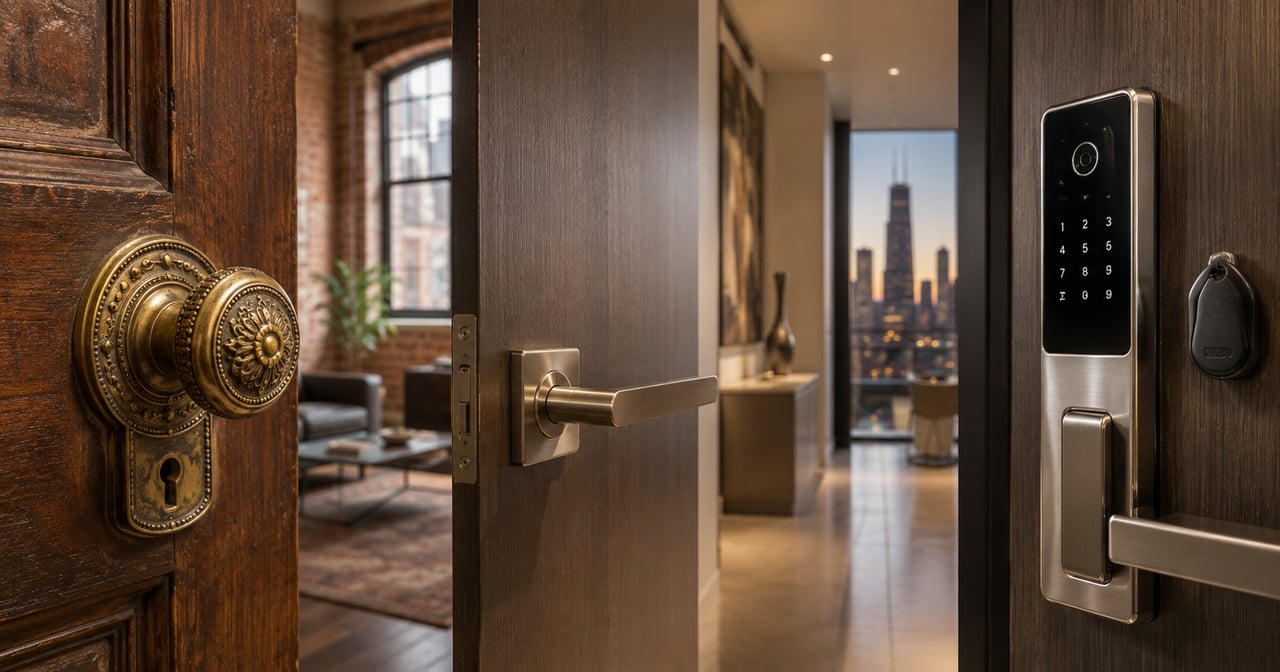
Door hardware is a fast read on a building's story. A brass knob points to vintage craftsmanship from the late 1800s through the 1920s. A lever handle signals newer construction built for easy daily use. A key fob or keypad marks a modern high-rise built around security and connected access.
Why I Notice Doorknobs
People assume a Realtor spends all day looking at kitchens, floor plans, and skyline views. I do. But I also notice doorknobs.
The other day I walked through a building and realized the door hardware was nothing like a building I had toured that same morning. One had a heavy brass knob that looked a century old. Another had a sleek lever. A third had no knob at all, just a fob and an electronic lock.
In Chicago, door hardware is never random. It is a small piece of architecture that tells a bigger story about a building's history and personality. The next time you tour a condo, look down before you look up.
The Brass Knob: Old Chicago Character
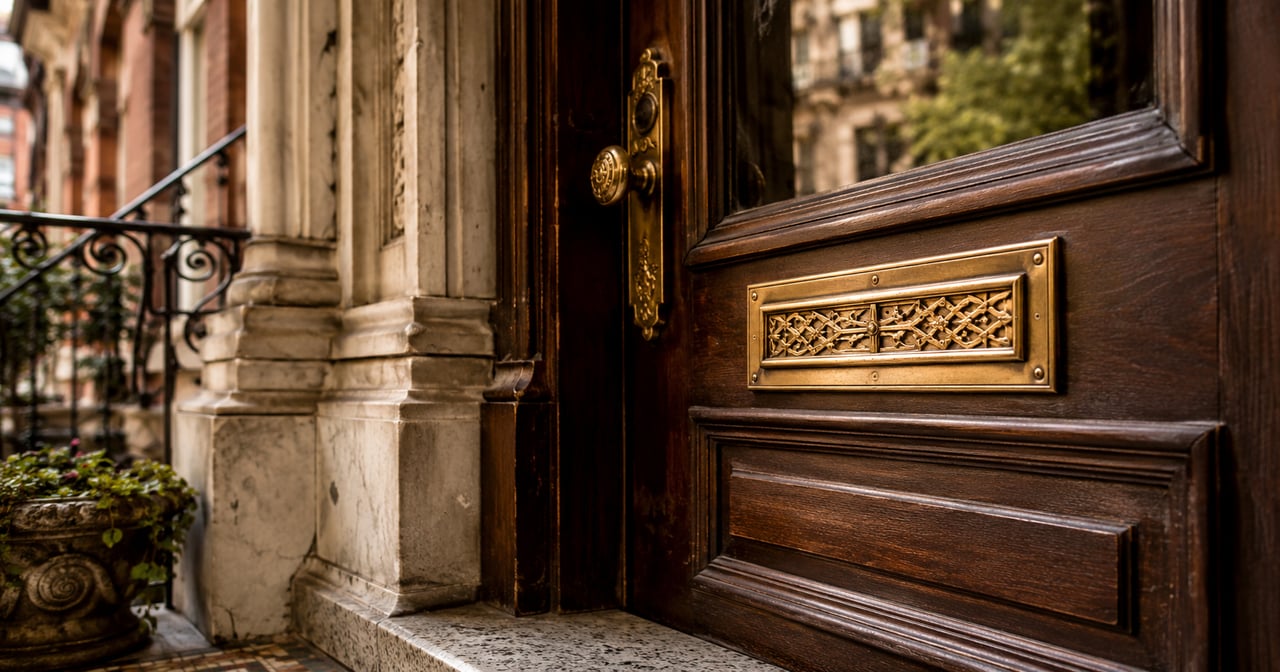
There is something satisfying about turning a solid brass doorknob.
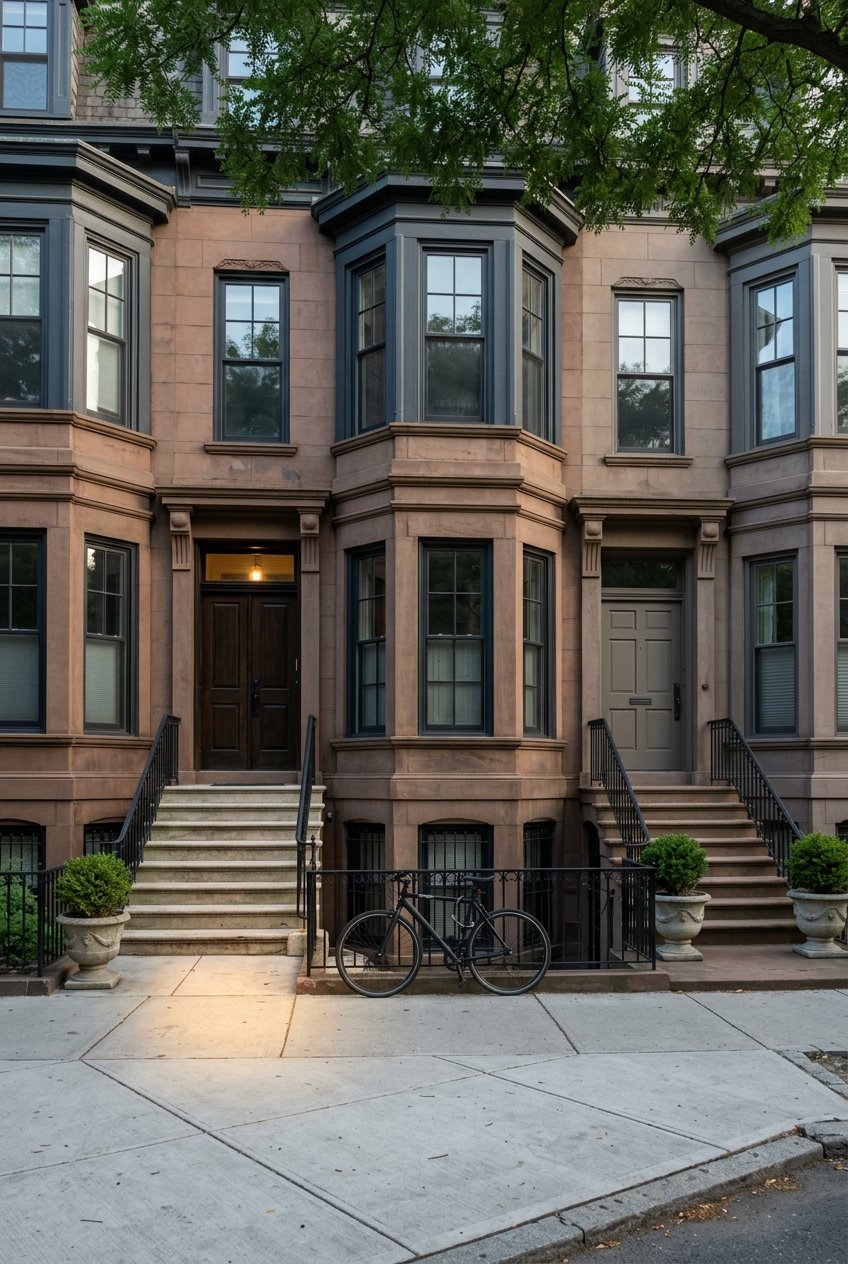
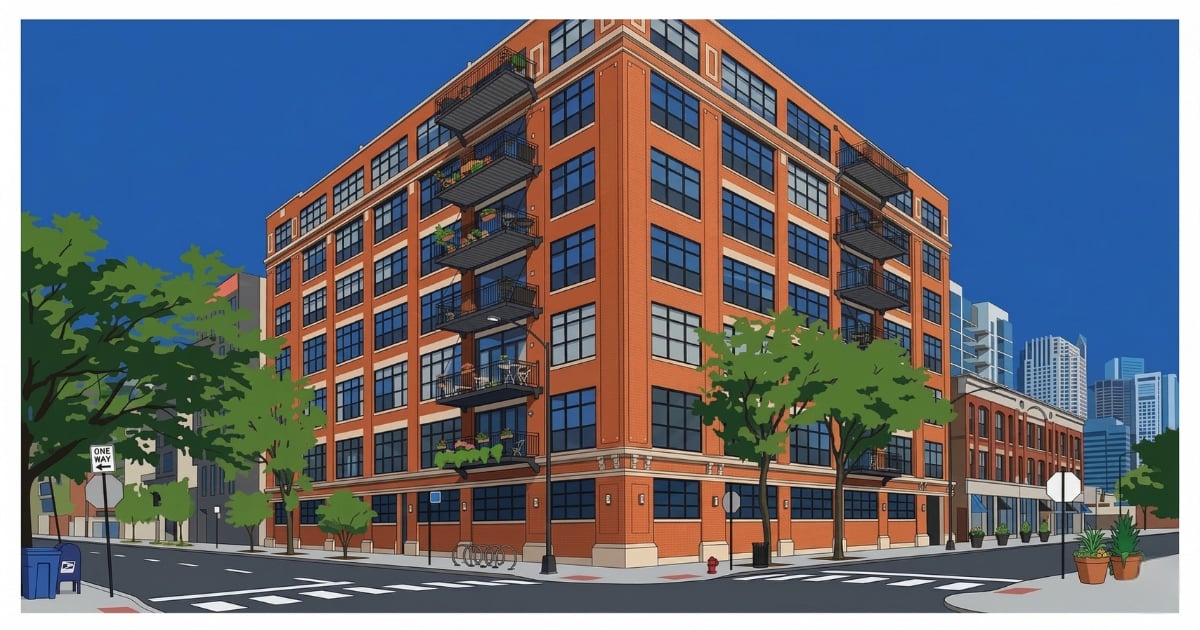
Many of Chicago's vintage buildings still carry original or historically inspired brass hardware. Think of the loft conversions and courtyard buildings from the late 1800s through the 1920s. Back then a doorknob was part of the design, not an afterthought. Some hardware was custom made for a single building.
Brass caught on for two reasons. It looked elegant, and it was tough enough to survive decades of daily use. Many of those knobs have been touched by generations of Chicagoans, through the Great Depression, two World Wars, and every Bulls championship since.
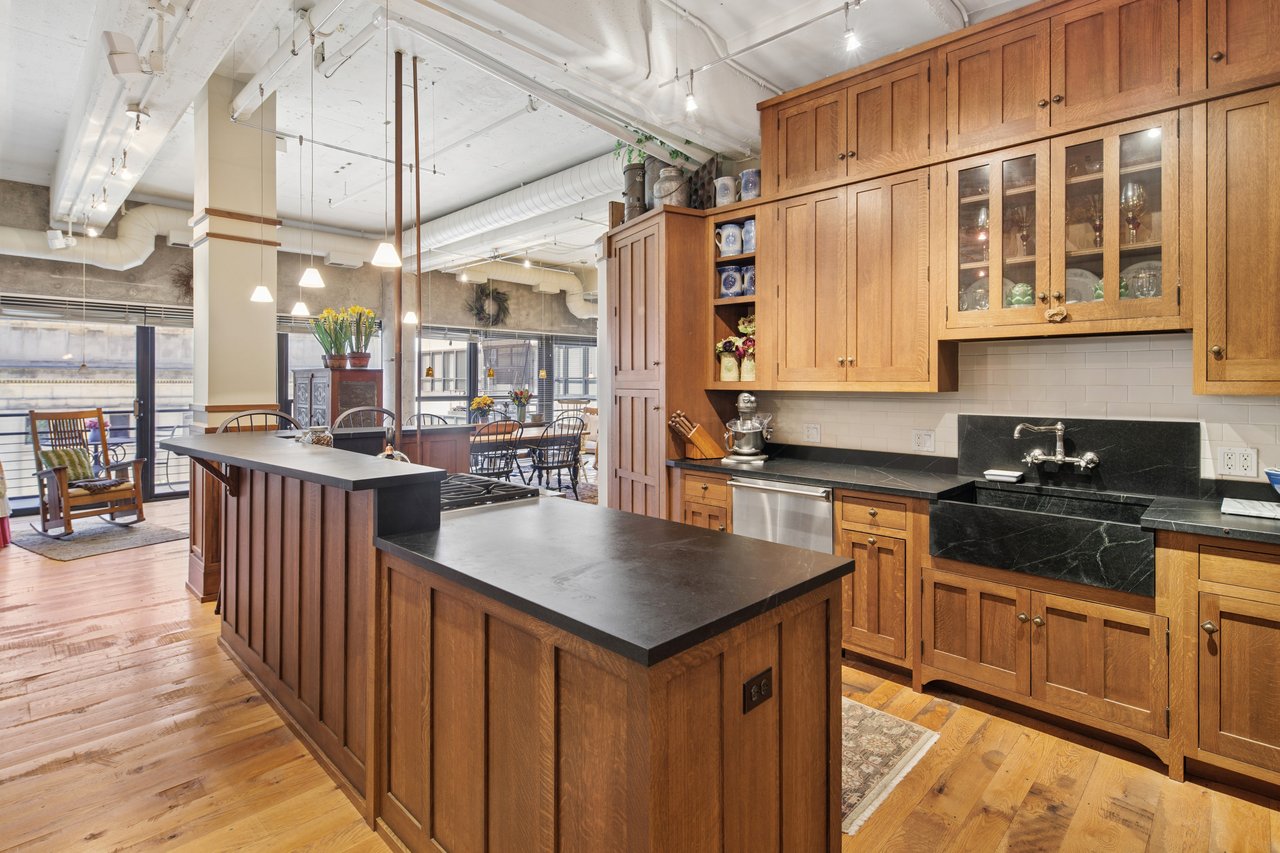
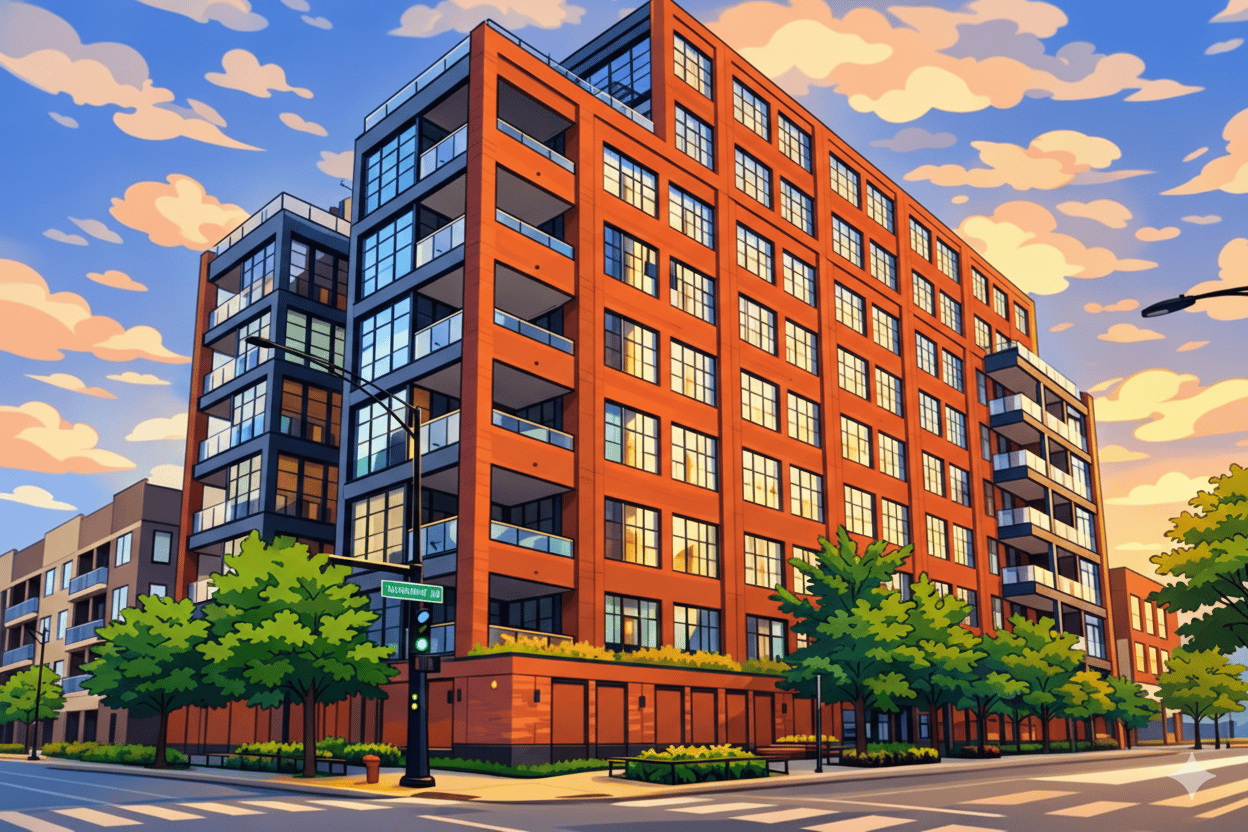
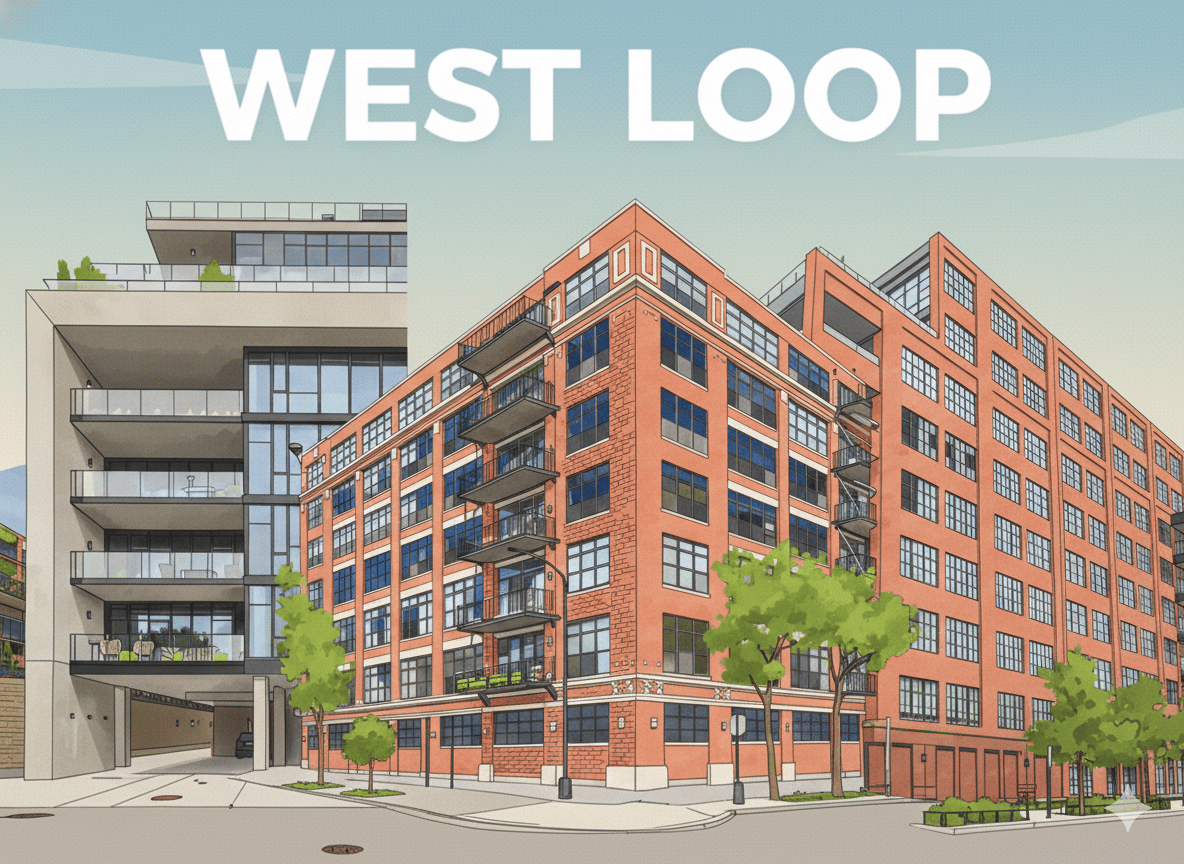
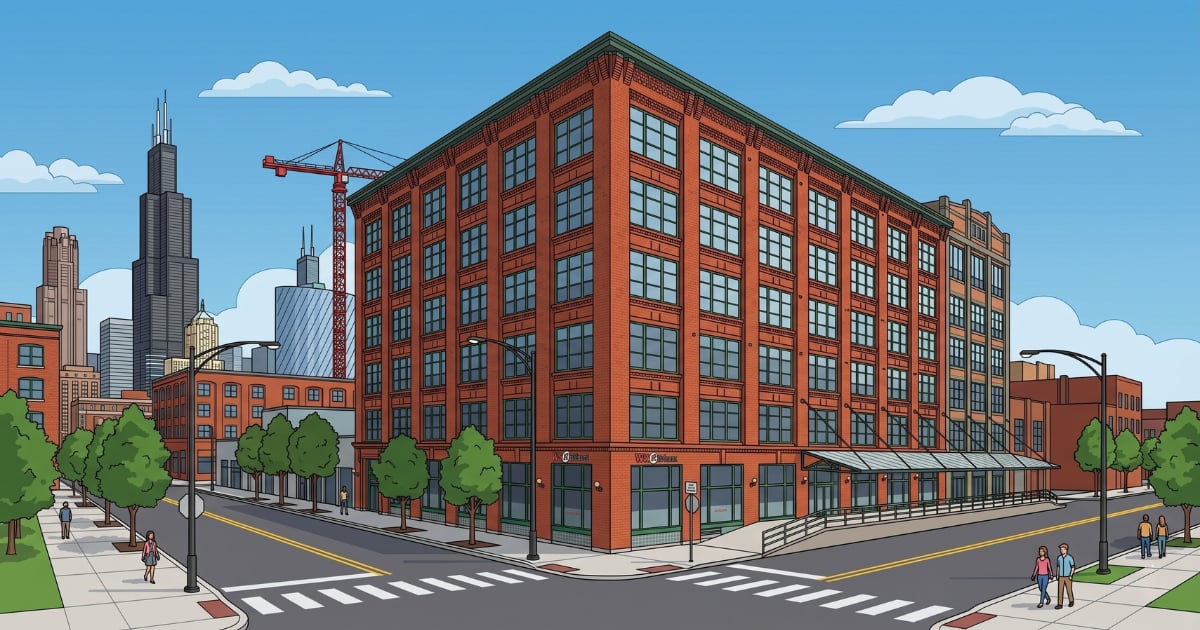
A brass knob is not just hardware. It is a small piece of living Chicago history. You feel it most in West Loop timber lofts, where exposed brick, timber beams, and original detail still set the tone.
The Lever Handle: Design Meets Accessibility
Walk into newer construction and you notice a different choice. Lever handles.
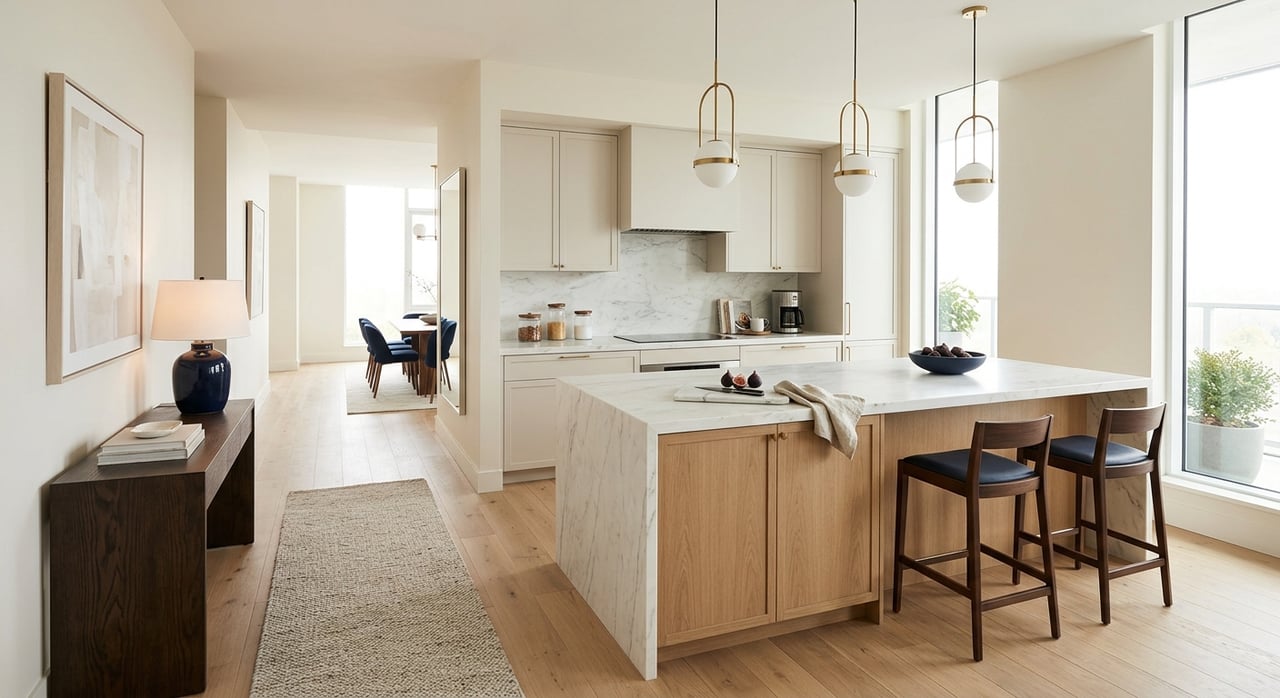
At first they look like a style pick. There is more to it. Levers are easier for everyone to use. Someone carrying groceries, a parent holding a child, or a resident with limited hand strength can work a lever far more easily than a round knob.
The lever handle shows how building design grew up. It went from simply looking good to working better for real people. Most residents never think about it, yet they use it every single day. Good design usually goes unnoticed. That is how you know it is working.
The Key Fob: The Modern Fortress
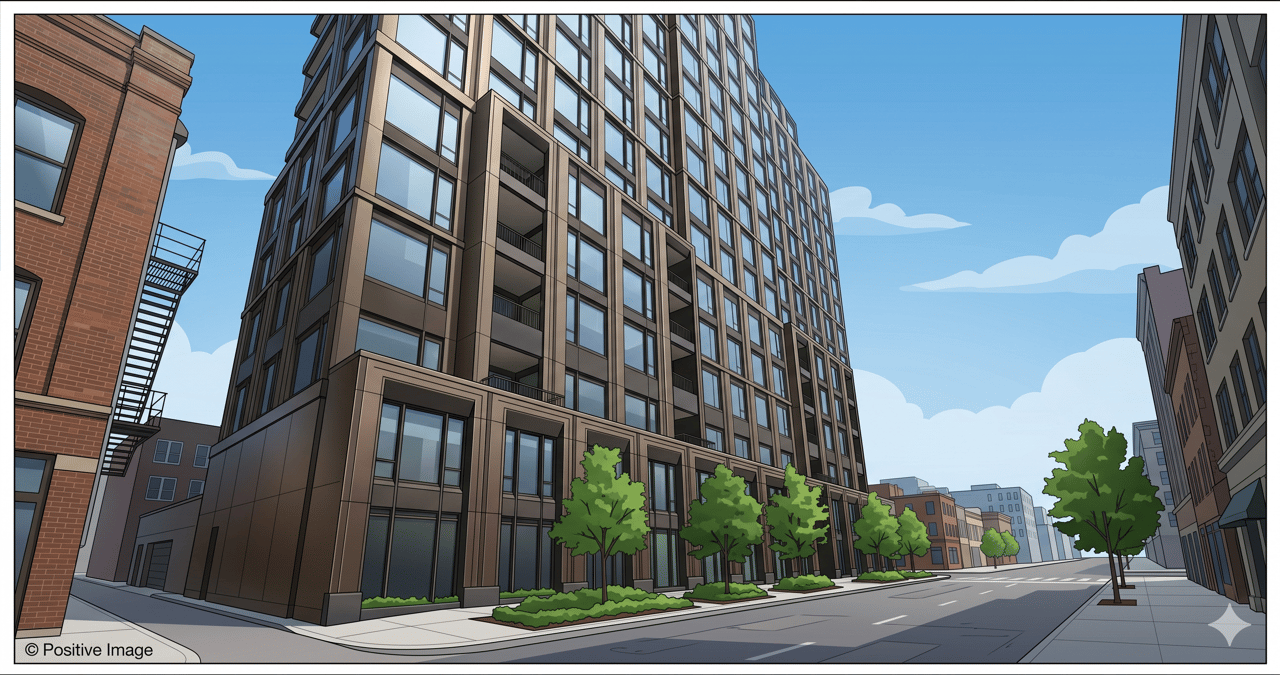
Then there are Chicago's newer luxury high-rises. No key. No knob. No traditional lock. Just a fob, a keypad, or an app.
What changed? Security and scale. As buildings grew, access systems let management track entry, shut off lost credentials, and connect cameras, package rooms, elevators, and amenities into one system.
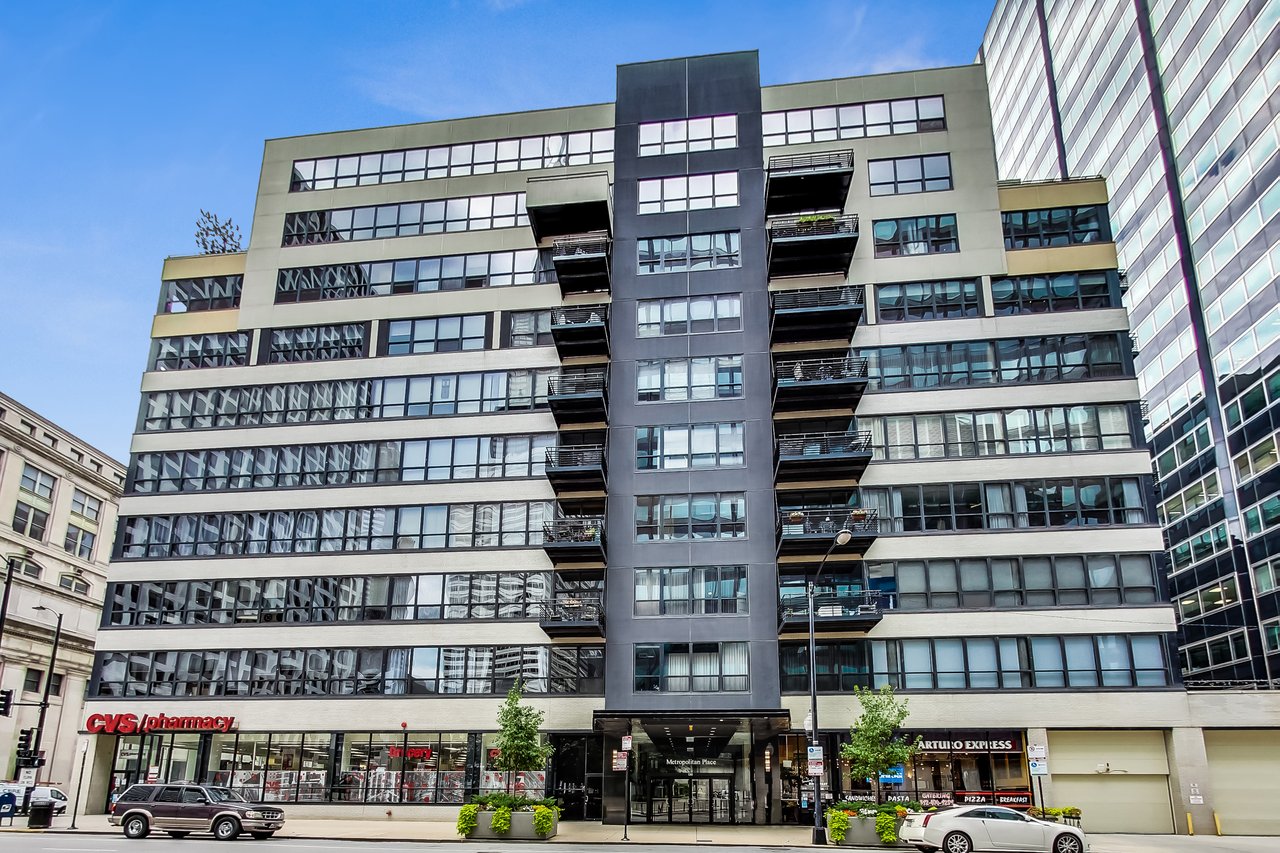
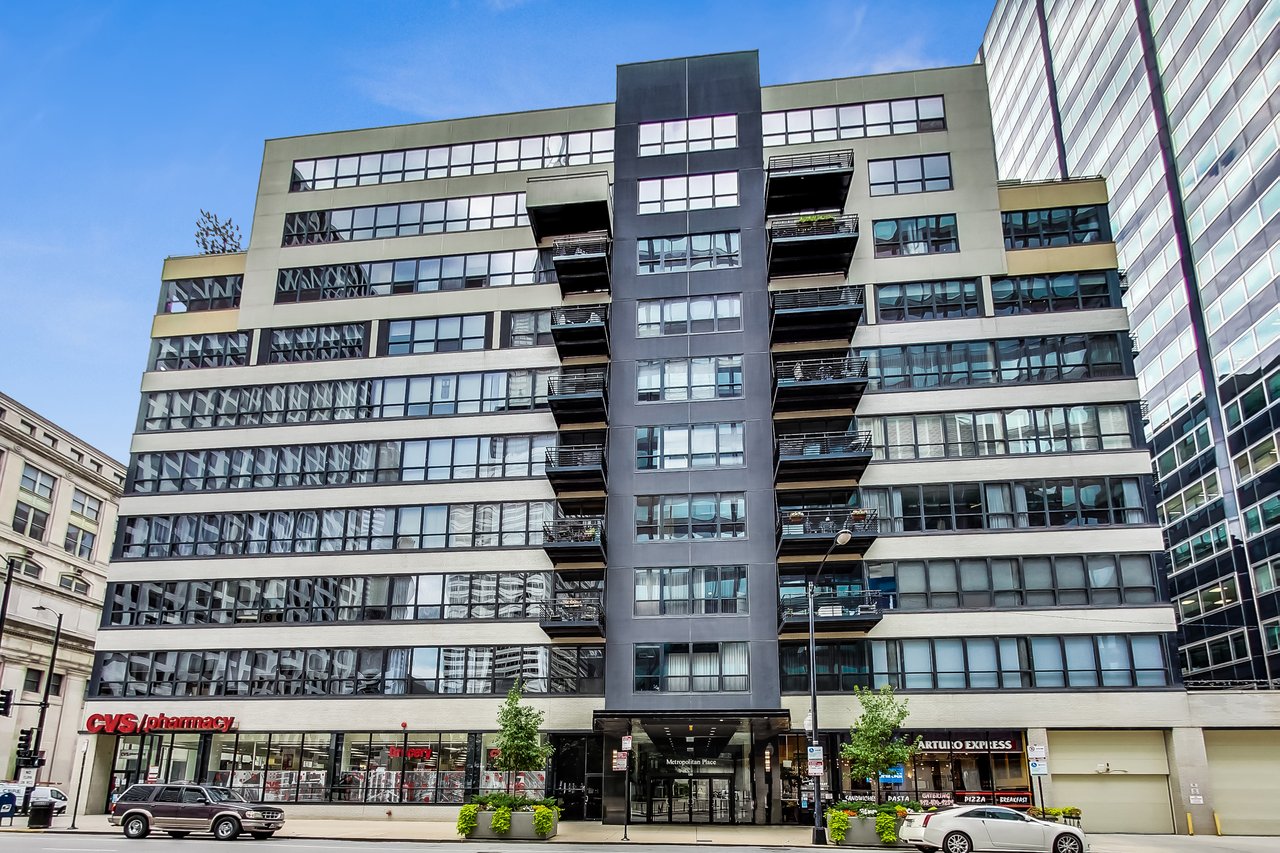
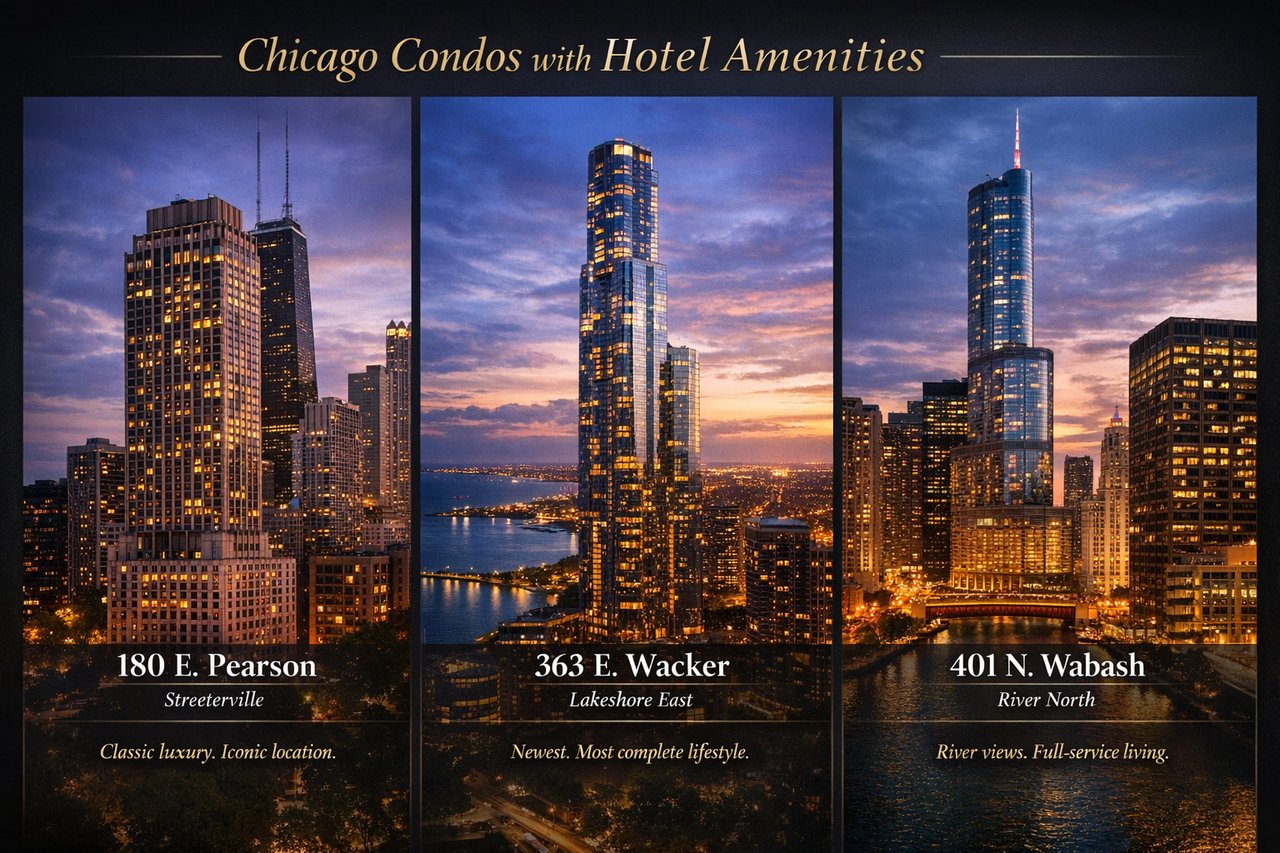
In many modern towers, your fob is not only opening the front door. It opens the garage, the fitness center, the bike room, the package room, and sometimes your floor in the elevator. What once took a janitor with a ring of a hundred keys now runs on a computer. The door did not disappear. It got smarter. You see this most in the amenity-rich high-rises of River North, Streeterville, Gold Coast, and the South Loop.
The Secret Language of Buildings
One reason I love Chicago real estate is that buildings tell stories.
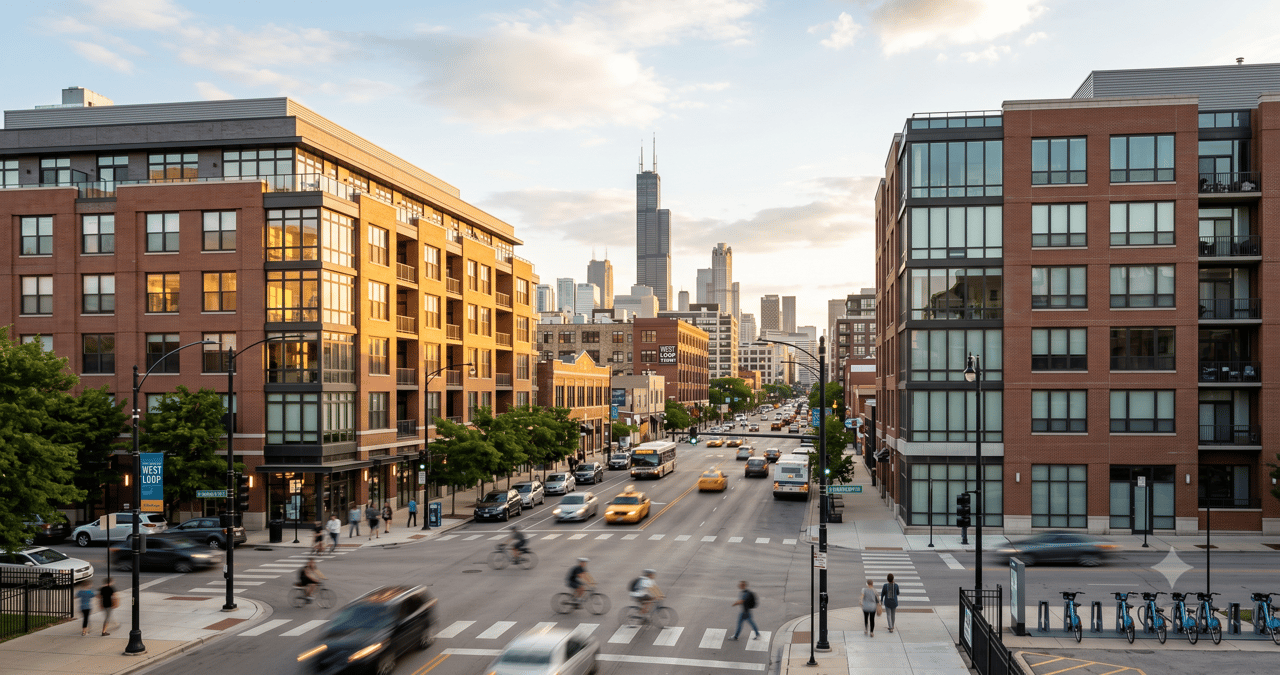
A West Loop loft speaks a different language than a vintage courtyard building in Lincoln Park. A glass high-rise in the Loop sounds nothing like a brick walk-up in Lakeview. Sometimes the story starts with something as small as a doorknob.
The brass knob tells you about craftsmanship. The lever tells you about thoughtful design. The electronic lock tells you about convenience and security. Most people walk right past these details. I find them fascinating, because each one was built for a certain moment in time and a certain way of living.
How to Read a Building When You Tour It
Use the hardware as your first clue, then keep reading the building.
Notice the knob or lever, then look at the door's weight, the trim, and the floors. Heavy doors and original woodwork often track with solid vintage construction. In a high-rise, ask how the fob system works and what it controls. Then ask the questions that actually move value, like reserves, assessments, and parking. The hardware sets the mood. The financials set the price.
A Local Expert's Read
I have spent more than 25 years selling Downtown Chicago condos and lofts, with over 300 transactions in the West Loop alone. Buildings here are not interchangeable. A timber loft at Acorn Lofts carries character that new construction cannot fake. A new River North tower is built around services and access that a 1910 walk-up never imagined. Both are great. They just speak to different buyers and different ways of living. Knowing which is which, building by building, is the whole job.
Key Takeaways
- Brass doorknobs usually point to vintage Chicago buildings from the late 1800s through the 1920s, prized for craftsmanship.
- Lever handles signal newer construction designed for easy, everyday use by everyone.
- Key fobs and keypads mark modern high-rises built around security and connected, app-based access.
- Door hardware is a quick clue to a building's age, design priorities, and the lifestyle it was made for.
- In Downtown Chicago, the same building type can feel completely different from one neighborhood to the next.
Bottom Line
The next time you tour a home, do not just admire the kitchen or the view. Look at the door. A brass knob, a clean lever, or a quiet electronic lock each tells you something about how the building was built and how you would live in it. Chicago is often telling you a story before you even step inside.
FAQ
What does a brass doorknob mean in a Chicago condo?
It usually points to a vintage building from the late 1800s through the 1920s. Brass was chosen for its look and its durability, and original hardware is part of the building's character and history.
Why do newer Chicago buildings use lever handles?
Levers are easier for everyone to operate, from someone carrying groceries to a resident with limited hand strength. They reflect a shift toward design that works better for daily life.
What does a key fob system tell me about a building?
It signals a modern high-rise built around security and connected access. One fob often controls the door, garage, gym, package room, and elevator, all tracked by building management.
Should door hardware affect which condo I buy?
It is a helpful first clue to a building's age and style, not a deciding factor. Use it to read the building's story, then focus on reserves, assessments, parking, and management before you decide.
Where do I find vintage loft character in Downtown Chicago?
West Loop timber loft buildings are some of the best examples, with exposed brick, timber beams, and original detail. Newer towers in River North and Streeterville offer the opposite, with modern finishes and full amenities.
ABOUT THE AUTHOR
Why do clients choose Kimberly Evetts? Simple, she delivers results with a personal touch.