Non-Warrantable Condo Buildings in Chicago: What Buyers and Sellers Need to Know About Financing
What Is a Non-Warrantable Condo in Downtown Chicago, and Why Does It Matter?
Why Non-Warrantable Condo Buildings in Chicago Are So Challenging
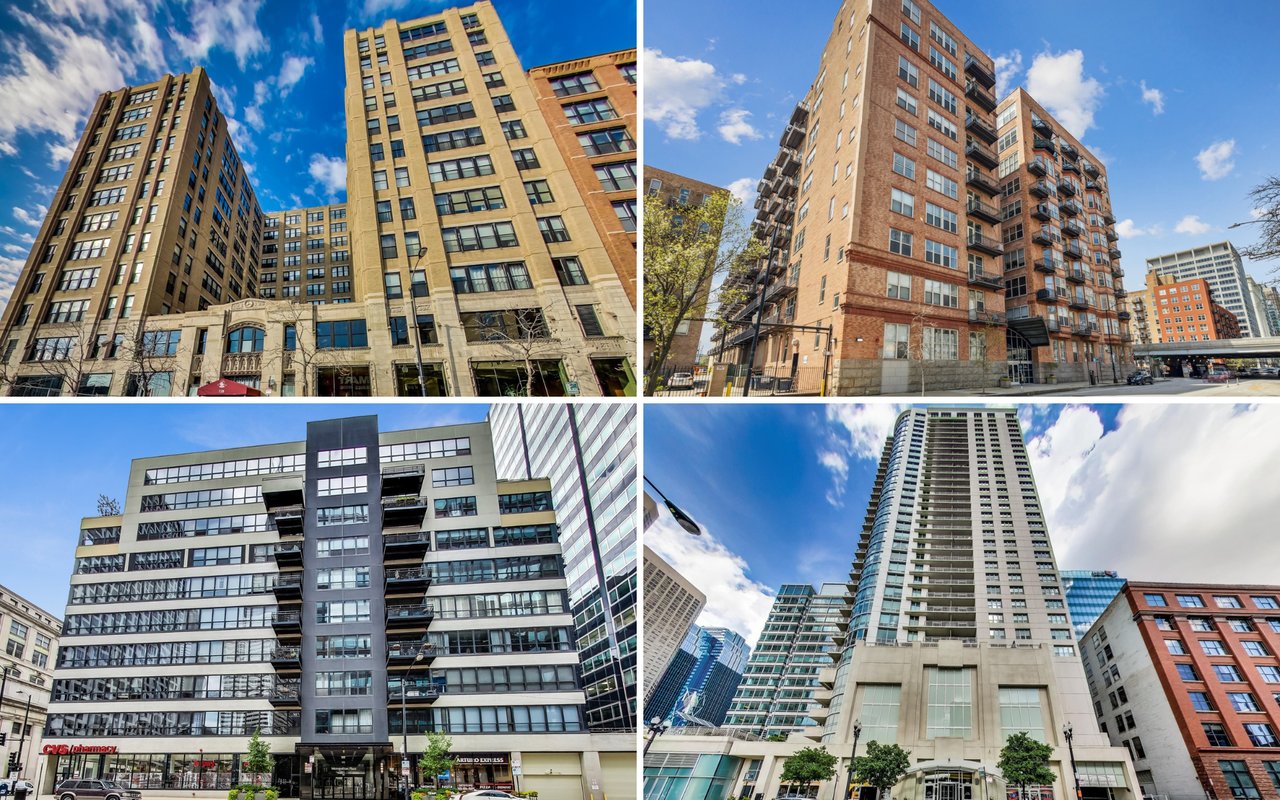
Non-warrantable condo buildings in Chicago create some of the biggest financing challenges for buyers and sellers, especially in Downtown neighborhoods like West Loop, River North, Streeterville, and the Loop.
Most buyers do not hear the term “non-warrantable condo” until a deal is already at risk.
In simple terms, it means the building does not qualify for standard conventional financing backed by Fannie Mae or Freddie Mac. That can shrink the buyer pool, raise borrowing costs, and significantly affect both resale value and negotiating power.
For sellers, it often means longer days on market and more pricing pressure. For buyers, it can mean fewer lending options, larger down payments, and tougher loan approvals.
Quick Definition: What Is a Non-Warrantable Condo?
A non-warrantable condo is a condominium unit in a building that does not meet Fannie Mae or Freddie Mac lending guidelines. Because the building fails lender approval standards, buyers often cannot use conventional financing and may need cash, portfolio loans, or specialty non-QM financing instead.
The Short Answer: What Buyers and Sellers Need to Know
A non-warrantable condo in Downtown Chicago is one that fails to meet Fannie Mae or Freddie Mac approval standards. Buyers face severely limited financing options, higher interest rates, and in some cases must pay all cash. When a building also carries a special assessment at the same time, the pool of buyers shrinks even further and property values can take a real hit.
What Makes a Condo Building "Non-Warrantable"?
Most buyers have never heard this term until it stops a deal cold. Here is what it means in plain English.
Fannie Mae and Freddie Mac are the agencies that buy most conventional home loans from lenders. They have a checklist of requirements a condo building must meet before they will back those loans. If a building fails on any one of them, the whole building gets flagged as non-warrantable.
Common reasons a building loses warrantable status include:
- More than 50% of the units are renter-occupied
- One investor or entity owns more than 10% of the units
- The building is involved in active litigation (including construction defect lawsuits)
- Commercial space makes up more than 35% of the building's square footage
- The HOA has less than 10% of the annual budget in reserves
- More than 15% of unit owners are delinquent on HOA dues
- The building is a hotel-condo hybrid or has a short-term rental program
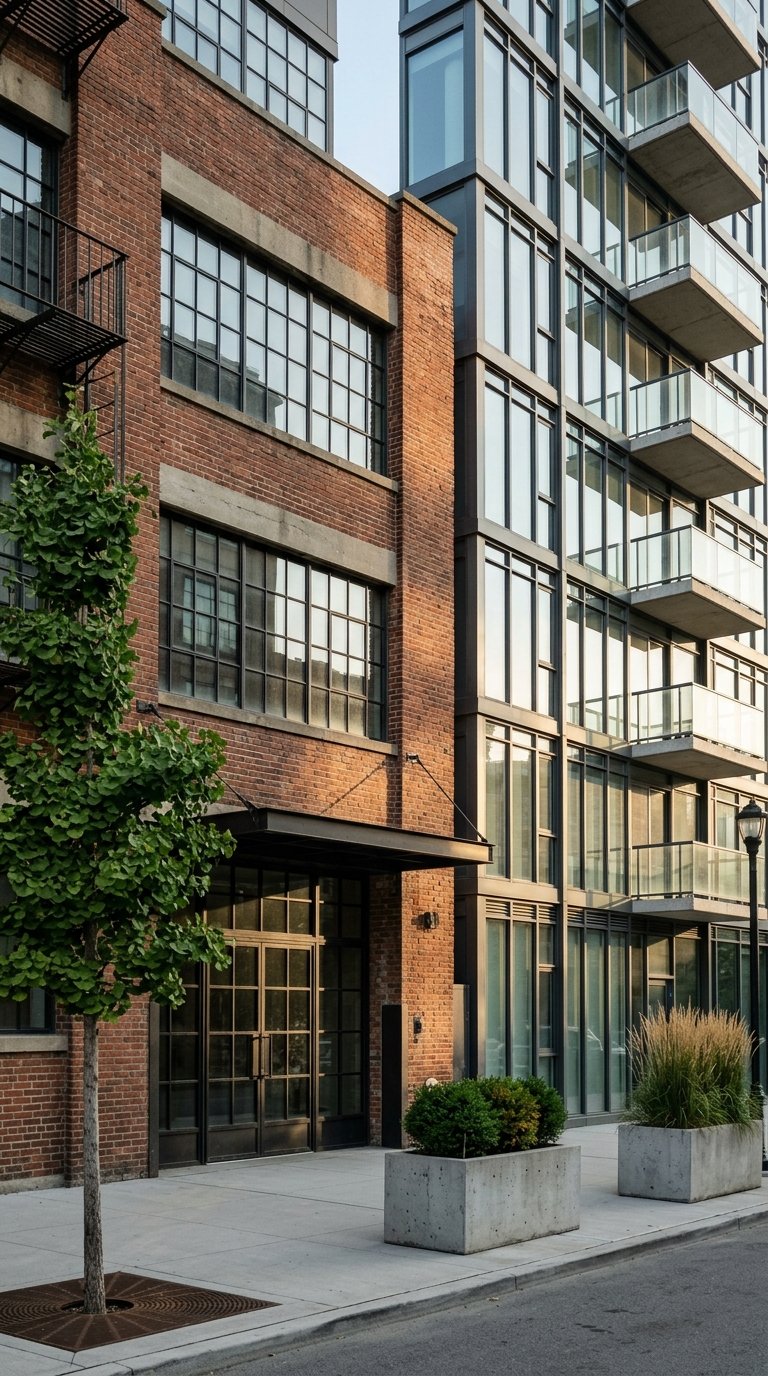
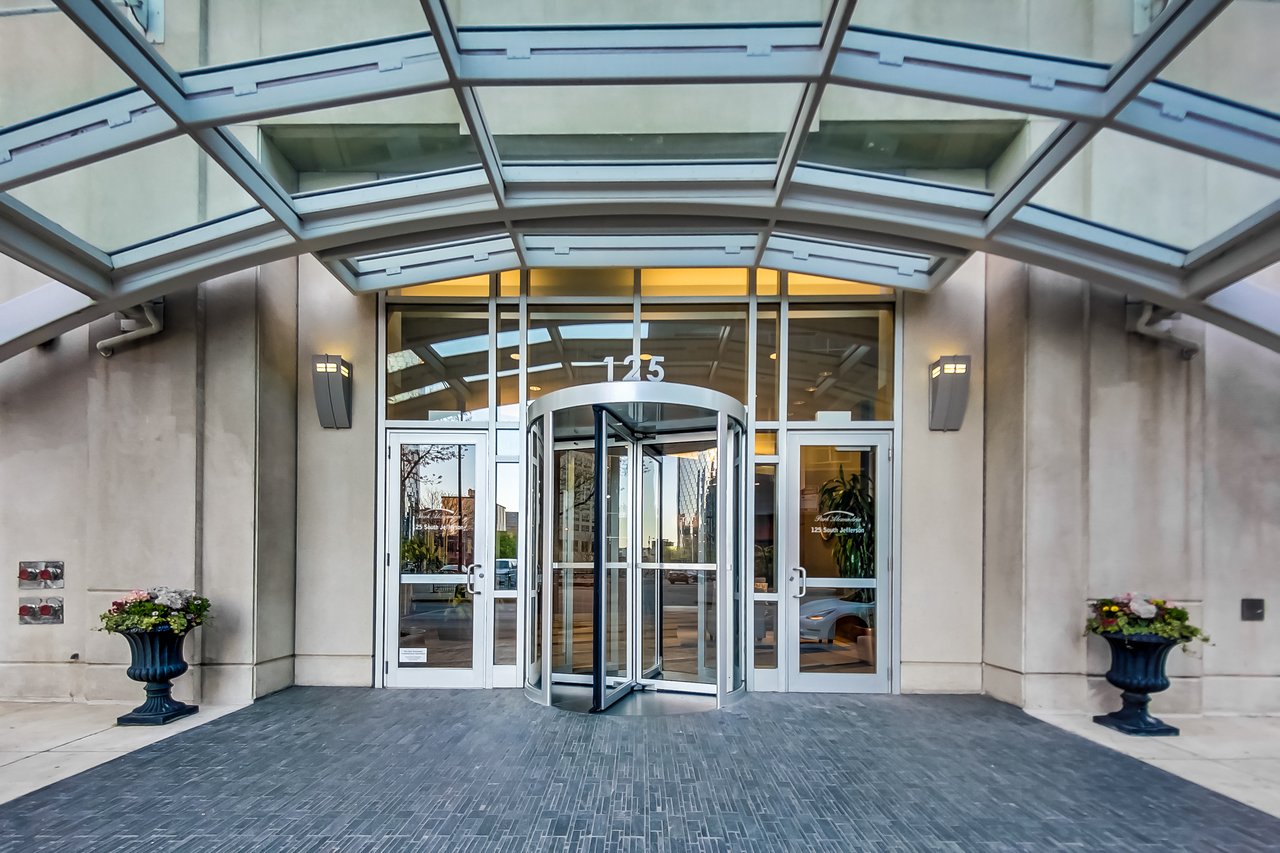
Some of Downtown Chicago's most interesting buildings, including hotel-condo towers in the Loop, mixed-use loft buildings in the West Loop, and investor-heavy high-rises in River North, can hit one or more of these triggers. None of it is secret, but many buyers do not know the right questions to ask.
How Hard Is It to Get Financing in a Non-Warrantable Building?
Very hard. And expensive.
Conventional lenders, the kind offering you a standard 30-year fixed rate, will simply decline. Fannie and Freddie won't buy the loan, so the lender won't make it. End of story.
Your options narrow fast:
Portfolio lenders. Some banks and credit unions keep loans on their own books instead of selling them to Fannie or Freddie. They can set their own rules. But they offset the risk with higher rates, sometimes 0.5% to 1.5% above conventional rates, larger down payment requirements (often 25% to 35%), and stricter debt-to-income standards.
Hard money or bridge lenders. These are short-term loans with very high rates. Designed for investors, not long-term owners. Not practical for most buyers.
Jumbo non-QM lenders. A small number of specialty lenders offer non-qualified mortgage (non-QM) products for non-warrantable condos. Rates are higher. Terms are tougher. These loans exist but are not easy to find or qualify for.
Cash. For many buyers, cash is the only realistic path. It skips the lender entirely. No underwriting, no building approval, no financing contingency delays. Cash buyers have the upper hand in these buildings, but they are a smaller slice of the buyer pool.
The bottom line? If you need a mortgage to buy, a non-warrantable building is going to cost you more money, more time, and more stress.
Warrantable vs. Non-Warrantable Condo Buildings
Warrantable Condo Building
Conventional financing available
Lower interest rates
Smaller down payment options, often 5% to 10%
Larger buyer pool
Shorter days on market
Stronger resale demand
More negotiating balance between buyer and seller
Non-Warrantable Condo Building
Conventional financing usually unavailable
Higher interest rates
Larger down payment requirements, often 25% to 35%
Smaller buyer pool
Longer days on market
Reduced resale demand
Buyers often have stronger negotiating leverage
What If There Is Also a Special Assessment?
When a building is already non-warrantable AND has an active or pending special assessment, the financing situation goes from difficult to nearly impossible for conventional buyers.
Here is why. Lenders evaluating any condo purchase look at the HOA financial picture closely. A special assessment signals one of two things: either the reserves were underfunded, or an unexpected major expense just hit. Either way, it raises a red flag. Portfolio lenders who might otherwise consider a non-warrantable building will often pass if a large special assessment is also on the table.
Some lenders will allow financing if the special assessment is fully paid off before closing. Others require the seller to escrow the full remaining balance as a credit to the buyer at closing. Many just decline entirely.
For sellers in these buildings, this creates a real problem. Your buyer pool just got cut dramatically. You are essentially competing for cash buyers and a small number of specialty lenders, while everyone else moves on to the building next door.
People Also Ask About Non-Warrantable Condo Buildings
Can a condo become warrantable again?
Yes. If litigation settles, reserve funding improves, investor ownership drops, or special assessments are resolved, a building may regain warrantable status and reopen conventional financing options.
Do appraisers consider non-warrantable status?
Yes. Financing restrictions often affect comparable sales and buyer demand, which can directly influence appraised value.
How Does This Affect Property Values?
Significantly. And sellers in non-warrantable buildings need to understand this before they set a price.
Based on current Downtown Chicago condo market data, buyers consistently prioritize financing flexibility over headline price, especially in full-service condo buildings where HOA financial health directly affects lending options.
When financing is limited, demand is limited. Fewer buyers can compete for your unit. Less competition almost always means lower prices and longer days on market.
Property values in non-warrantable condo buildings in Chicago often trade below comparable units in warrantable buildings because financing restrictions shrink the buyer pool and reduce competition.
In a warrantable building across the street, a buyer with 10% down and a competitive conventional rate can comfortably shop. In a non-warrantable building, that same buyer is locked out. Only cash buyers and buyers willing to pay the premium rate on a portfolio loan are left. That group is smaller. They know their leverage. They negotiate harder.
Active litigation, high investor ratios, and large special assessments also directly affect perceived risk. Even cash buyers will discount their offer to account for uncertainty. What happens to the litigation? What does the special assessment mean for future building health? Is there more deferred maintenance coming?
Property values in non-warrantable buildings can run 10% to 20% below otherwise comparable units in warrantable buildings, depending on the severity of the issue and how long it has persisted. In some buildings that have been non-warrantable for years, that gap is baked into market expectations. Buyers and agents who know the building price accordingly.
Is Cash the Only Way to Buy?
Not the only way, but often the most practical one.
Cash is clean, fast, and avoids the entire lender approval process for the building. It is the preferred path for many experienced investors and buyers who have been through a non-warrantable building deal before.
That said, here are the realistic financing alternatives:
Portfolio lending. Your best bet for a mortgage. Look for lenders that specialize in condo and urban real estate and specifically ask about non-warrantable condo programs. Some community banks and regional lenders in Chicago have appetite for these deals. Rates will be higher. Plan for a larger down payment.
Seller financing. In some cases, a motivated seller will carry a portion of the financing directly. This is rare but possible, especially when the seller has significant equity and needs to move the unit.
All-cash with a future refinance. Some buyers pay cash now with the intention of refinancing once the building resolves its warrantability issue, such as after litigation settles or investor ratios improve. This is a real strategy but comes with timing risk.
The key is knowing what you are walking into before you are emotionally invested in a unit. Always ask your agent about the building's warrantability status before you fall in love with a floor plan.
What Downtown Chicago Buildings Are Commonly Affected?
Non-warrantability shows up across building types in Downtown Chicago, but certain profiles carry more risk.
Many non-warrantable condo buildings in Chicago fall into predictable categories, including hotel-condo hybrids, investor-heavy high-rises, mixed-use loft buildings, and aging full-service towers with underfunded reserves.
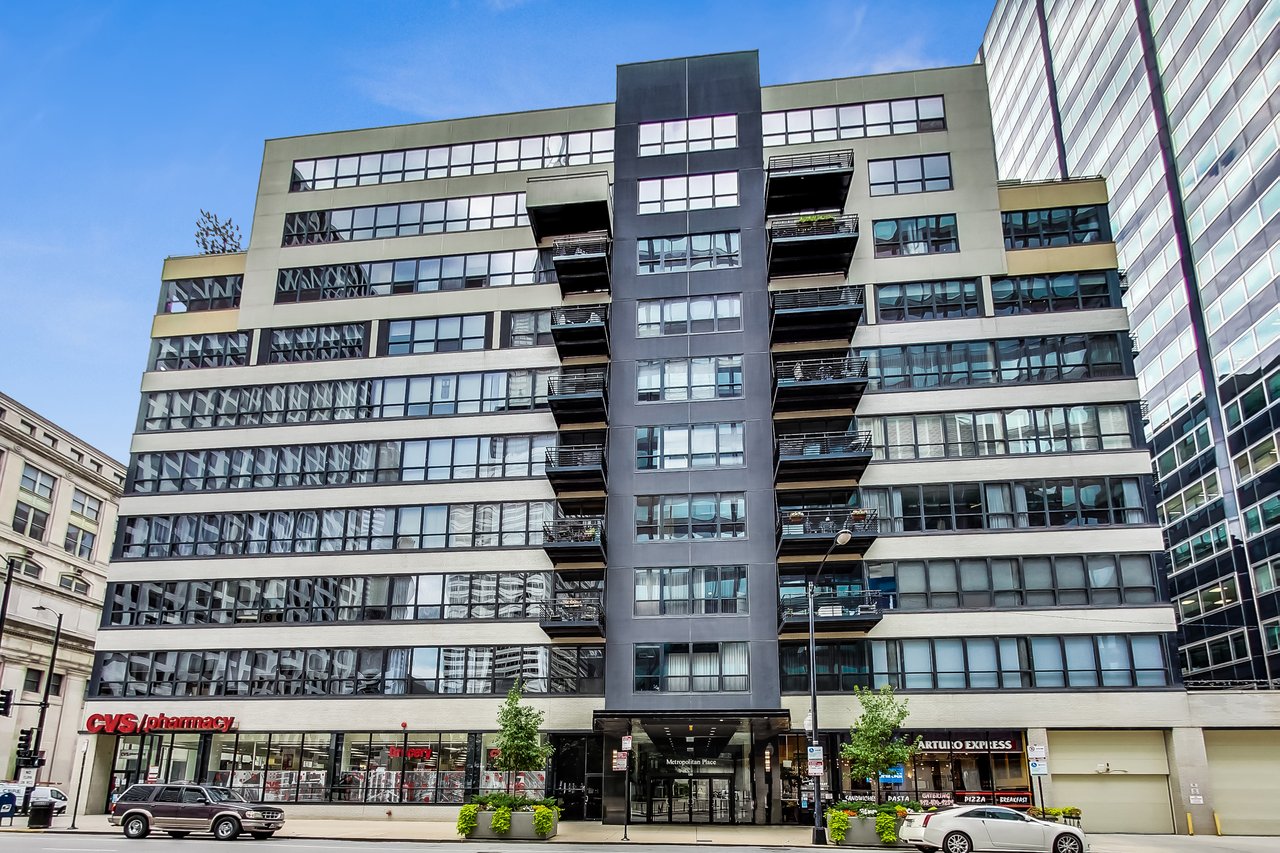
Hotel-condo hybrids. Buildings in the Loop and River North that blend short-term rental programs with residential ownership often struggle to meet Fannie and Freddie's owner-occupancy requirements.
Investor-heavy high-rises. Buildings with large institutional ownership blocks or a history of absentee ownership can easily tip past the 10% single-entity rule or the 50% rental threshold.
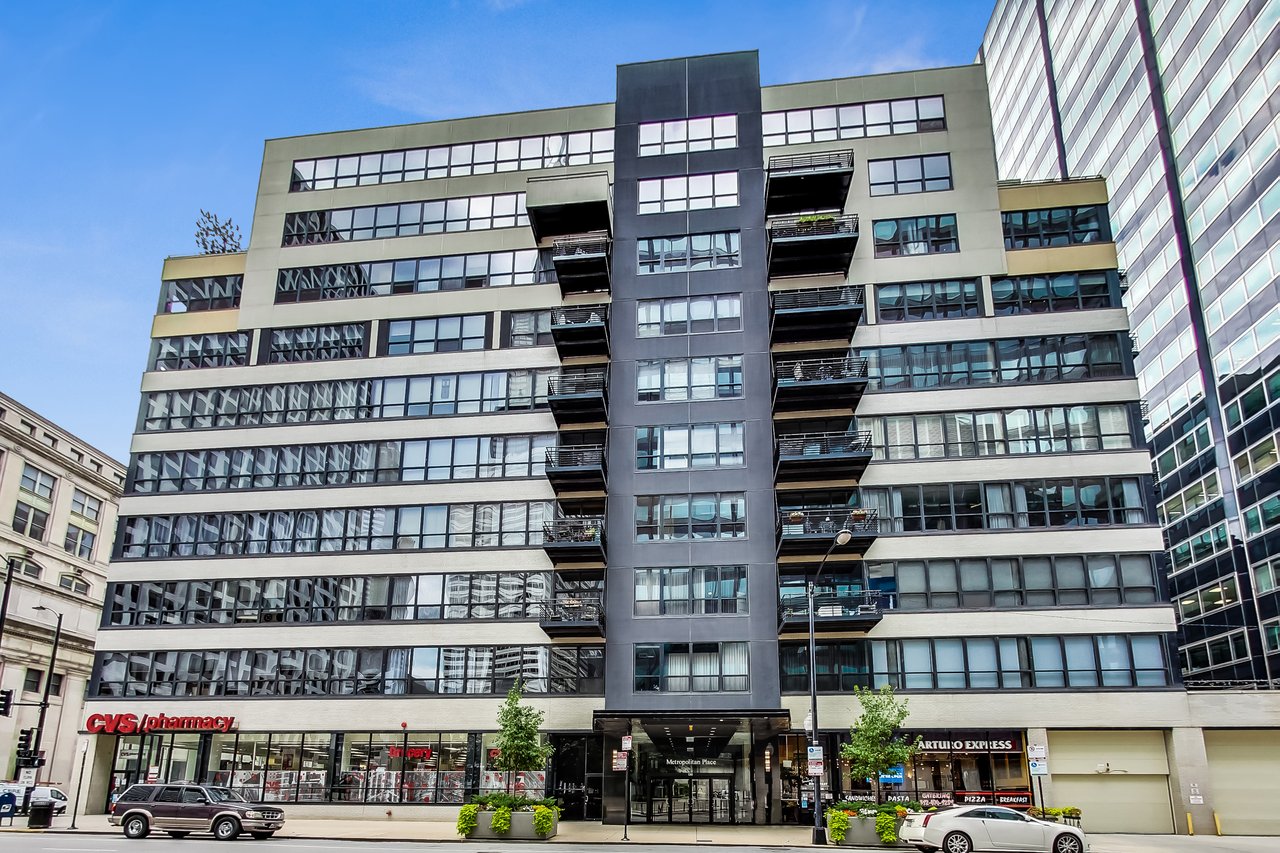
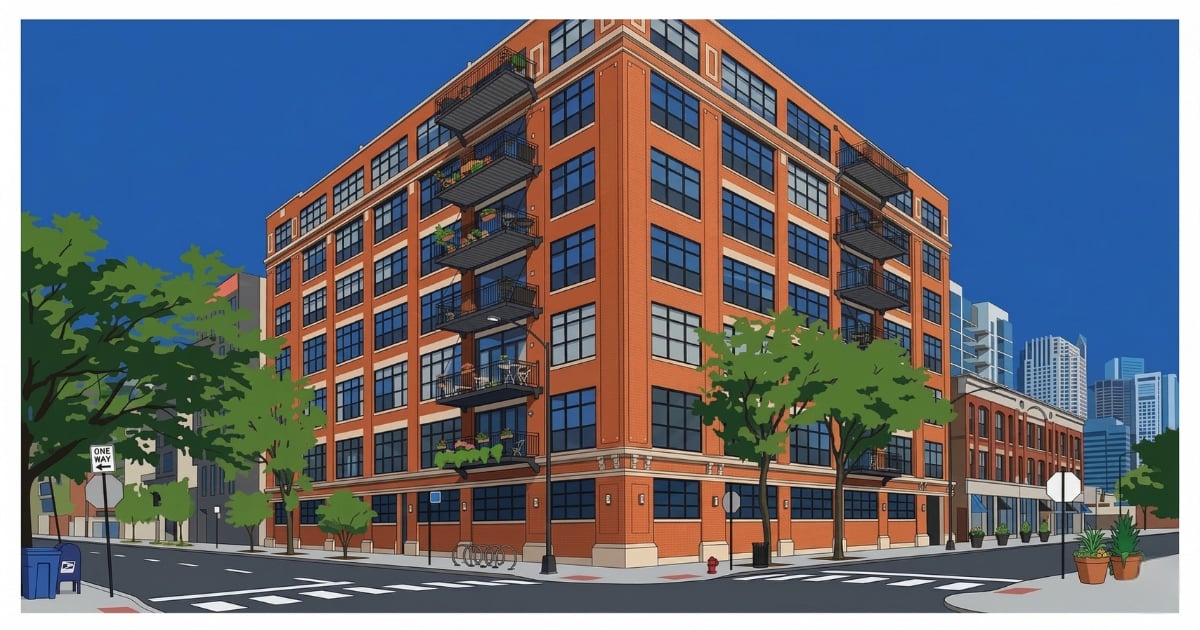
Mixed-use loft buildings. West Loop and South Loop loft conversions with significant commercial square footage can trip the 35% commercial space limit.
Aging buildings with underfunded reserves. Any building facing a major capital project with reserves that can't cover it is a candidate for both a special assessment and a lender-triggered non-warrantable designation.
This is exactly the kind of building-level intelligence that separates a smart Downtown Chicago condo transaction from a painful one.
Key Takeaways
- A non-warrantable Downtown Chicago condo fails Fannie Mae and Freddie Mac guidelines, which eliminates conventional financing for buyers.
- Common triggers include high renter ratios, active litigation, single-entity ownership over 10%, or low HOA reserves.
- When a building is non-warrantable AND has a pending special assessment, most lenders walk away.
- Cash is the clearest path, but portfolio lenders, non-QM products, and seller financing are also options.
- Non-warrantable status shrinks the buyer pool and can push prices 10% to 20% below comparable warrantable buildings.
Practical Strategy for Buyers
Before you write an offer on any Downtown Chicago condo, ask your agent these four questions:
- Is this building currently Fannie Mae or Freddie Mac approved?
- Are there any active special assessments, or have there been any in the last five years?
- What is the owner-occupancy ratio, and is the building involved in any litigation?
- What lenders have successfully closed loans in this building recently?
If your agent cannot answer these questions, that is itself a signal. Working with someone who knows the building, not just the unit, is how you avoid expensive surprises.
Practical Strategy for Sellers
If you own in a non-warrantable building, your pricing strategy has to reflect the financing reality. Listing at the same price per square foot as a warrantable building next door and waiting for a conventional buyer is not a strategy. It is wishful thinking.
Smart sellers in these buildings:
- Price to attract cash buyers and portfolio lenders from day one
- Know in advance whether any special assessments can be prepaid before closing or credited at closing
- Market directly to investors and buyers who understand this building type
- Work with an agent who has actually closed deals in non-warrantable buildings before
I have sold dozens of units in Downtown Chicago buildings that carried complications, including non-warrantable status, active special assessments, and high investor ratios. The deals get done. They just require a different playbook.
The Bottom Line
Non-warrantable status is not a death sentence for a building or a sale. But it is a serious variable that affects financing, buyer pool, and ultimately price. When a special assessment stacks on top of it, the math gets harder and the negotiating leverage shifts to whoever has cash.
The best thing any buyer or seller can do in this situation is know the facts early, work with a broker who has navigated these deals before, and price or plan accordingly. Downtown Chicago's condo market rewards people who do their homework. It can be brutal to those who don't.
Selling or buying in a non-warrantable Downtown Chicago condo building?
Financing complexity can quietly kill deals before they ever reach closing. From special assessments to lender restrictions and investor-heavy buildings, strategy matters.
I help buyers and sellers navigate some of Downtown Chicago’s most complex condo transactions, including non-warrantable buildings.
Call or text me at 312-296-9300 to talk through your building and your options.
Frequently Asked Questions
What does non-warrantable mean for a condo buyer in Chicago?
It means conventional mortgage financing backed by Fannie Mae or Freddie Mac is not available for that building. Buyers must use portfolio lenders, specialty mortgage products, or cash, all of which come with higher costs or require more capital upfront.
Can I get a mortgage on a non-warrantable condo in Downtown Chicago?
Yes, but it is harder and more expensive. Portfolio lenders and non-QM lenders sometimes offer programs for non-warrantable buildings. Expect higher interest rates, larger down payments, and more documentation. Not all lenders offer these products, so you need to ask specifically.
Does a special assessment automatically make a building non-warrantable?
Not automatically, but it is a red flag that lenders look at closely. A large or pending special assessment raises questions about HOA financial health and reserve funding, both of which lenders weigh heavily in their building approval process.
How much can non-warrantable status affect a condo's value?
It varies, but discounts of 10% to 20% compared to similar units in warrantable buildings are common. The size of the discount depends on how severe the issue is, how long it has persisted, and how tight the overall buyer pool has become in that building.
What should I do if I want to sell a condo in a non-warrantable building?
Work with a broker who has real experience in these buildings. Price to reflect the actual buyer pool, not the hypothetical one. Understand your options on any outstanding special assessment, because how that issue is handled at closing can make or break a deal.
Why are non-warrantable condo buildings in Chicago harder to sell?
Because financing options are limited, buyer demand is smaller and sellers often face longer days on market and more pricing pressure.
ABOUT THE AUTHOR
Christine Hancock is a Chicago Realtor with @properties Christie's International Real Estate, bringing more than 25 years of experience and over $200 million in closed sales in the downtown condo market. With 97 five-star Zillow reviews, Christine is recognized for her commitment to client satisfaction and market expertise.
She specializes in high-rise and luxury condominium sales in West Loop, South Loop, River North, and Streeterville, helping buyers and sellers navigate complex transactions with data-driven pricing strategies and deep neighborhood insight.
Christine partners with clients to evaluate market trends, position properties competitively, and make confident, informed decisions in Chicago's vibrant downtown housing market.
Call or text 312-296-9300 to discuss current market conditions or your real estate goals.
Helpful Resources for Chicago Condo Buyers
- What Is the 22.1 Disclosure?
- Chicago Condo HOA Fees Explained
- How to Read a Condo Reserve Fund Study
- Why ChatGPT Can't Tell You What to Offer on a Chicago Home
- Is Square Footage Important to You?
- Questions Every Buyer Should Ask
- Buying a Condo in Chicago, The Complete Guide for Downtown Buyers