The True Cost of Selling a Condo in Chicago, Commission, Closing Costs, HOA Fees, and Prep Costs
Selling a condo in Chicago involves more than broker compensation. Most sellers should plan for a mix of negotiated agent compensation, attorney fees, title-related costs, Chicago transfer taxes, HOA charges, and optional prep work like staging, paint, and repairs. The exact cost depends on your building, price point, strategy, and how well your condo is prepared before it hits the market. (City of Chicago)
The goal is not to spend the least.
The goal is to net the most.
That shift in mindset is where most sellers either win or leave money on the table.
What Does It Cost to Sell a Condo in Chicago?
Selling a condo in Chicago typically costs 8 percent to 10 percent of the sale price, including broker compensation, transfer taxes, attorney fees, title costs, HOA charges, and preparation expenses.
Chicago Condo Seller Cost Breakdown (Full Closing Cost Guide)
The true cost of selling a condo in Chicago usually includes broker compensation, seller attorney fees, owner’s title insurance and closing charges, City of Chicago transfer tax, possible move out or document fees charged by the association, and any staging or repair costs needed to position the condo well. Broker compensation is negotiable, Chicago transfer tax is typically paid by the seller at $1.50 per $500 of sale price, and the rest varies based on the building and the condition of the unit. (Illinois REALTORS)
What Most Sellers Don’t Realize
If you are selling a condo in Chicago, do not budget for commission alone. Serious sellers need to account for legal, title, tax, HOA, and presentation costs too, because those smaller line items add up quickly and can affect your net proceeds just as much as pricing mistakes do.
What Does It Cost to Sell a Condo in Chicago?
The biggest cost for most condo sellers is still broker compensation, but it is not the only cost and it is not fixed by law. In today’s market, sellers also need to think about attorney representation, title charges, city transfer taxes, condo association fees, and any money required to make the unit show well online and in person. Compensation remains negotiable in Illinois, so sellers should clearly understand what services they are paying for before listing.
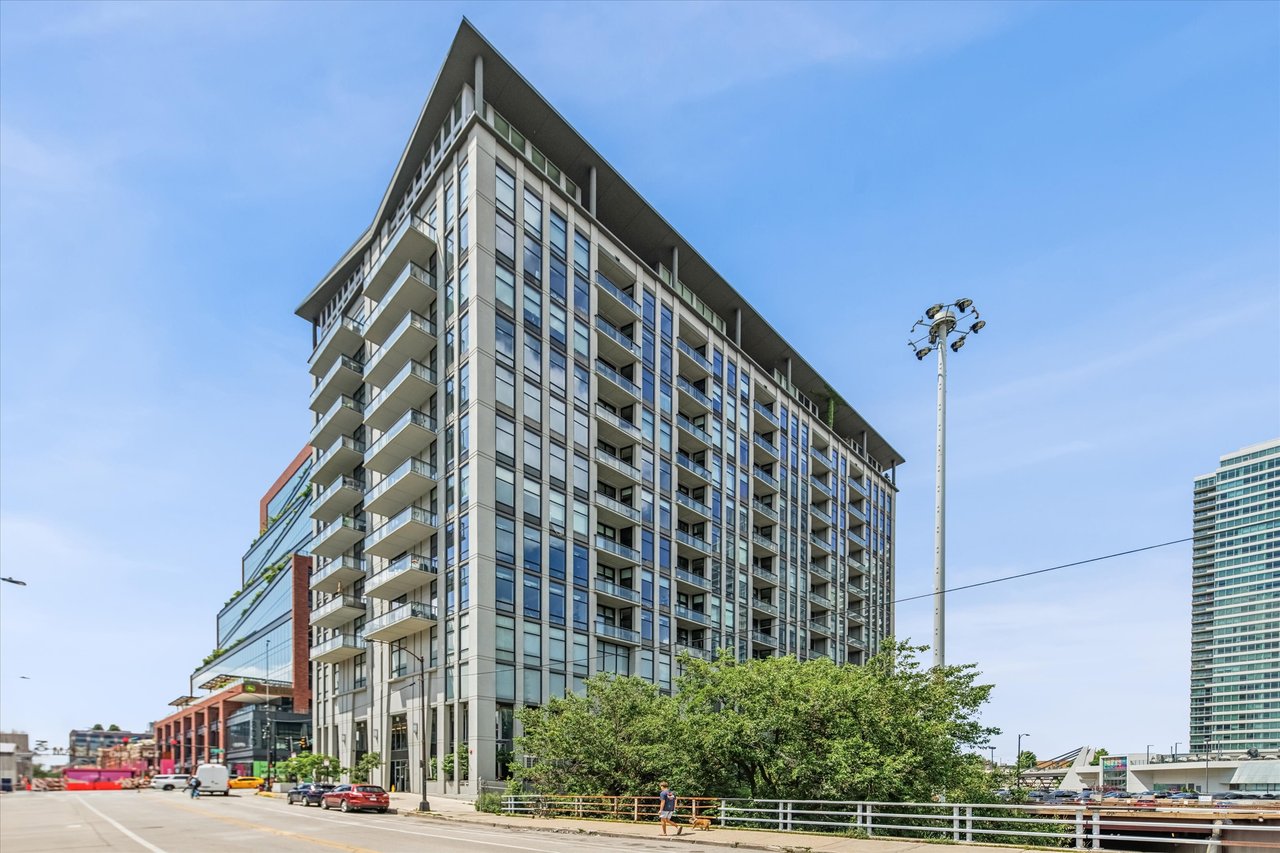
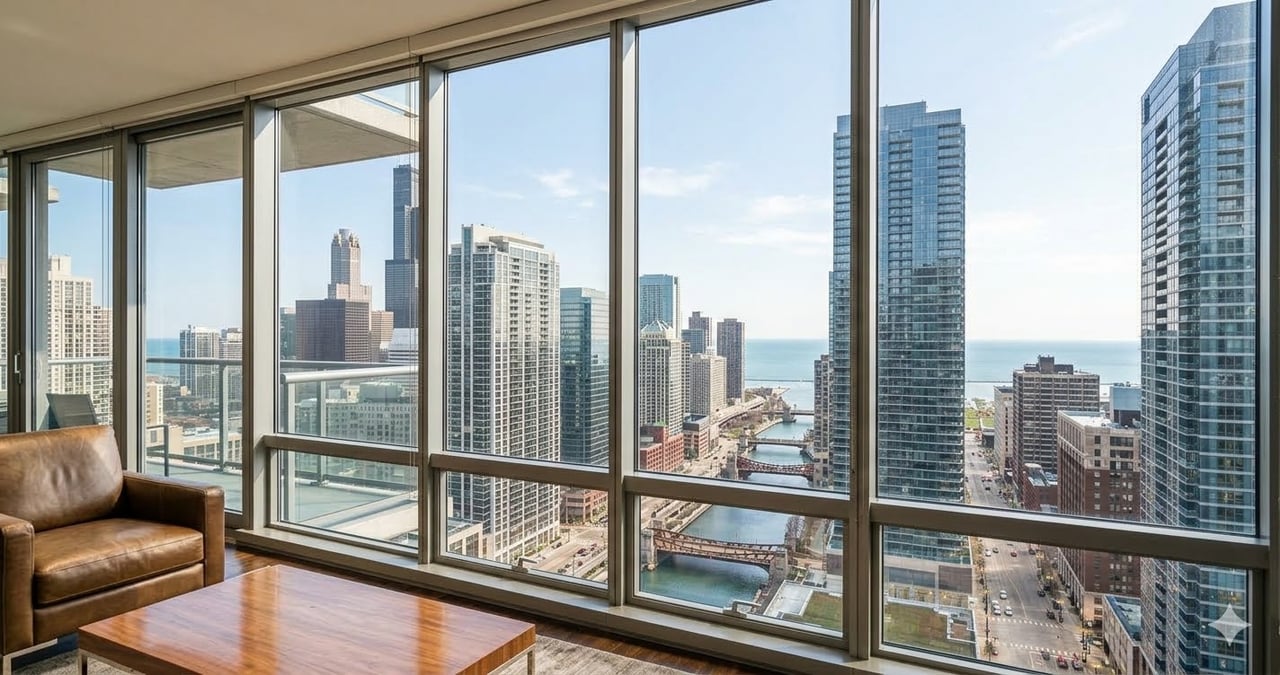
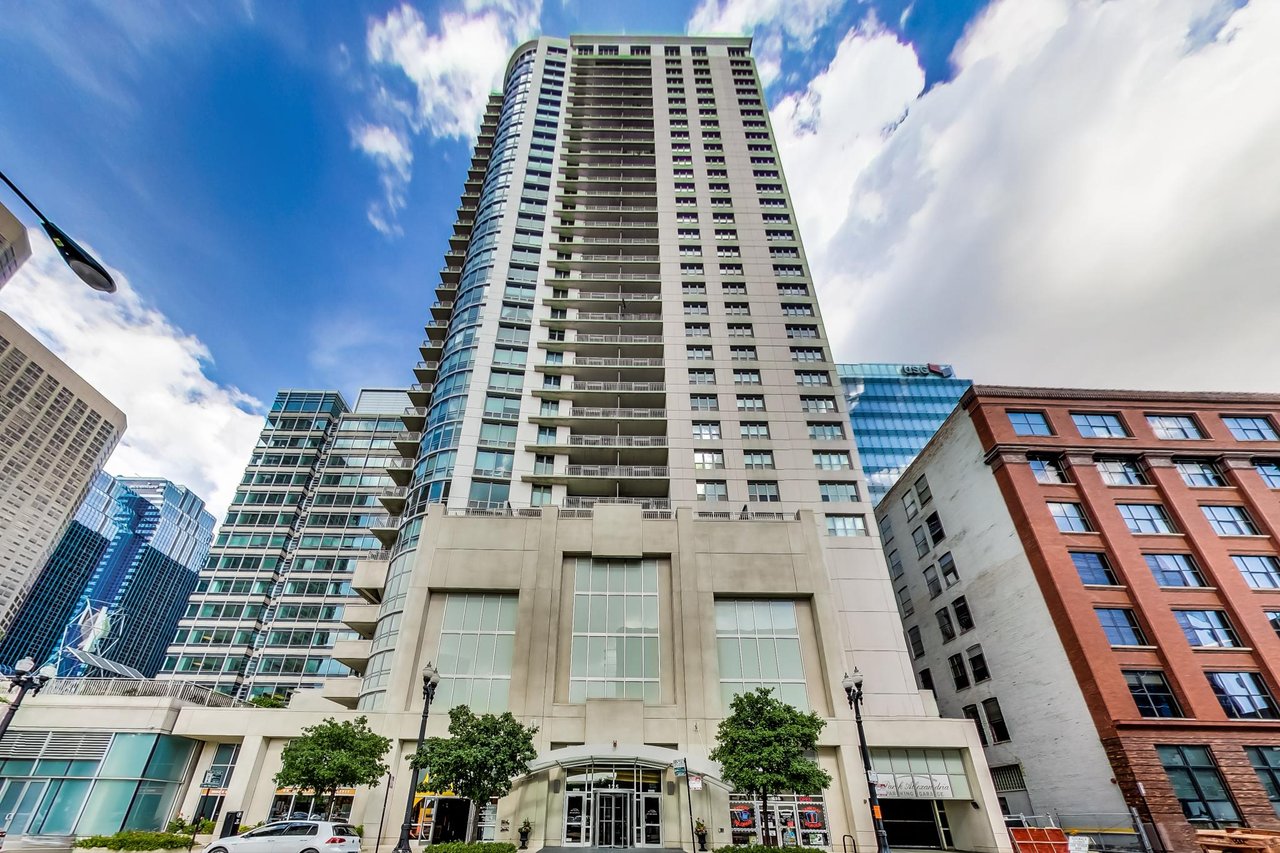
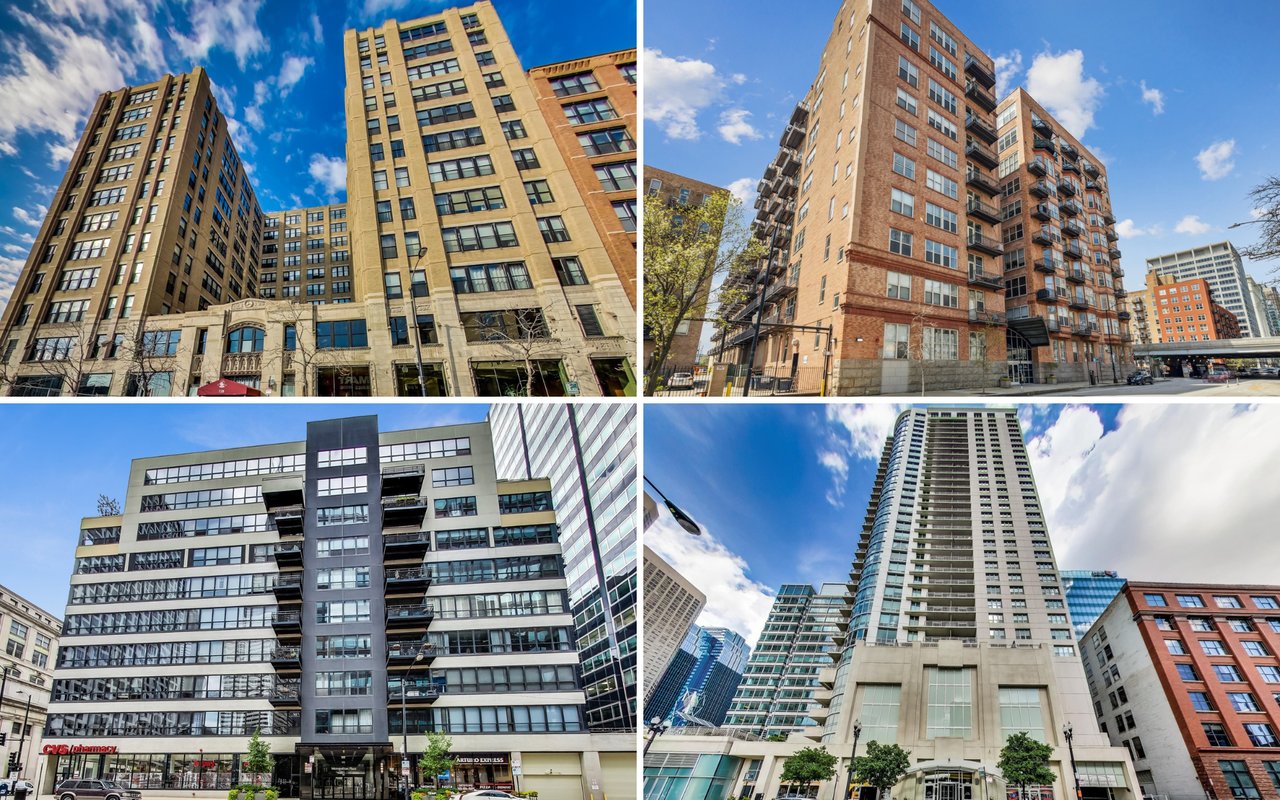
In downtown Chicago, especially in neighborhoods like West Loop, River North, South Loop, and Streeterville, the true cost of selling is not just about what you pay at closing. It is also about what you spend before launch to protect your final sale price. A condo that is cleaned, repaired, photographed well, and positioned correctly often has stronger early leverage than one that goes live without preparation. (How to Sell a Downtown Chicago Condo Faster in 2026)
Typical Seller Cost Range in Chicago
- Broker compensation: variable and negotiable
- Transfer tax: $1.50 per $500 (seller)
- Attorney fees: typically several hundred to $1,200+
- Title costs: varies by price and provider
- HOA fees: building-specific
- Prep costs: optional but strategic
Key Takeaways
-
The total cost to sell a condo in Chicago includes more than commission. It usually includes attorney, title, transfer tax, HOA, and prep costs too. (City of Chicago)
-
Broker compensation is negotiable. There is no single required Chicago commission rate.
-
The City of Chicago seller transfer tax is generally $1.50 per $500 of the sale price.
-
Many Chicago area transactions customarily have the seller paying for the owner’s title insurance policy.
-
Condo prep costs can be optional, but skipping them can cost more later through weaker offers and longer time on market.
Broker Commission in Chicago
Is Chicago real estate commission negotiable?
Yes. Real estate compensation is negotiable in Illinois. Sellers should not assume there is a standard required rate, because compensation depends on the listing agreement, the services included, the marketing plan, and whether the seller is offering compensation that may be requested or negotiated in connection with the buyer’s representation.
What sellers should really focus on
The more useful question is not, “What is the commission?” It is, “What am I getting for that fee?” A strong listing strategy should include pricing guidance, building specific positioning, prep recommendations, professional marketing, negotiation, and transaction management. In the condo market, where buyers compare multiple nearly identical units in the same building, execution matters.
A lower fee can look attractive on paper, but if the condo is overpriced, poorly prepared, or weakly marketed, sellers can lose far more through price reductions, credits, and carrying costs.
Attorney Fees
Why sellers often hire a real estate attorney in Chicago
Seller attorney fees are a normal part of many Chicago closings. Your attorney typically reviews the contract, handles inspection and attorney review issues, prepares closing documents, and helps resolve title or compliance questions before closing. Local sources commonly place straightforward seller attorney fees in a rough flat fee range, often around several hundred to a little over one thousand dollars, though complex deals can cost more. (Net Gain Realty)
Definition
Seller attorney fee is the legal cost for reviewing and managing the transaction from contract through closing.
My advice is simple. Budget for competent legal help from the start, especially if your condo sale involves tenants, estate ownership, out of state sellers, unusual building rules, or inspection disputes. Those situations get expensive when they are mishandled. This is an experience based recommendation rather than a fixed legal rule.
Title Fees and Transfer Taxes
Chicago transfer tax for sellers
One seller cost that is easy to underestimate is transfer tax. The City of Chicago states that, in general, the seller is responsible for $1.50 per $500 of the transfer price, while the buyer is responsible for $3.75 per $500. That means a Chicago condo seller can calculate this line item in advance and include it in net proceeds planning. (City of Chicago)
For example, on a $500,000 sale, the seller’s city transfer tax would generally be $1,500. That is simply 1,000 units of $500 multiplied by $1.50. (City of Chicago)
Title-related costs
In the Chicago area, it is customary in many transactions for the seller to pay for the owner’s title insurance policy. Sellers may also see title-related closing charges depending on the company and the deal structure. These costs vary by sale price and transaction details, so I treat them as quote based expenses, not one size fits all numbers. (wasserlaw.net)
Definition
Owner’s title insurance is a one time policy that protects the buyer’s ownership interest against covered title defects, and in the Chicago area it is often paid by the seller as part of local custom.
HOA Fees and Move Out Costs
Condo sellers in Chicago often have building specific charges that single family home sellers do not face. These can include paid letters or disclosures, move-out deposits or elevator reservations, lease or move fees, document retrieval charges, paid resale packages, and unpaid special assessments or past due balances that must be cleared before closing. The exact fees depend on the association and management company. This is why I always tell sellers to pull the association’s fee schedule before listing, not after an offer is accepted.
In some buildings, these charges are minor. In others, they are surprisingly high and can affect timing, especially if the management company is slow to produce documents. That is one more reason Chicago condo sales require planning before the condo goes live. This is practical market guidance based on how associations operate, rather than a citywide published fee schedule. (Chicago Condo HOA Fees Explained)
Staging and Prep Costs That Impact Your Final Sale Price
These are optional, but they matter
Staging and prep costs are not mandatory closing costs, but they are often the most strategic dollars a seller can spend. In downtown Chicago, buyers make fast judgments from listing photos, lobby impressions, smells, lighting, paint condition, and whether the space feels clean and move in ready.
Prep costs can include:
-
deep cleaning
-
paint
-
minor repairs
-
lighting updates
-
decluttering and storage
-
professional staging or partial staging
-
photography ready styling
A seller who spends thoughtfully before launch often protects price better than a seller who lists first and reacts later. That is especially true with small condos, high rise units, and buildings where buyers can compare several active listings side by side.
Data Support
Here are the hard numbers sellers should know before listing:
-
Chicago says the seller transfer tax is generally $1.50 per $500 of the sale price.
-
Chicago says the buyer transfer tax is generally $3.75 per $500.
-
Illinois REALTORS states that compensation remains fully negotiable for buyers, sellers, and their agents.
-
In the Chicago area, local custom often has the seller paying for the owner’s title insurance policy.
How to Estimate Your Total Cost Before Listing
If you want to estimate your real cost to sell before listing, start with these buckets:
1. Your negotiated listing costs
This includes your listing agreement terms and any compensation structure you agree to as part of your sale strategy.
2. Your legal and title costs
This includes your attorney fee, owner’s title policy, and related closing charges.
3. Your tax costs
This includes Chicago seller transfer tax, and any prorations or credits that apply in your transaction.
4. Your association costs
This includes HOA documents, move fees, reserve deposits, and any unpaid balances or special assessments.
5. Your prep budget
This includes cleaning, paint, repairs, staging, and photography readiness.
The sellers who usually net the most are not the ones who spend the least. They are the ones who spend intentionally.
Local Expertise Section
In downtown Chicago condo sales, cost planning is not generic. A West Loop loft with parking, a Streeterville high rise with a large monthly assessment, and a River North investor friendly condo can all carry different seller expenses, building rules, and buyer expectations.
This is why I do not look at seller costs as a flat percentage. I look at them in context. What does the building require. What condition is the unit in. What competing inventory is active right now. What buyer objections are likely to come up. What prep expense actually improves leverage, and what expense is unnecessary.
That building specific approach matters because the wrong cost cutting decision can easily hurt your sale price more than it saves.
Bottom Line
The true cost of selling a condo in Chicago includes far more than commission. Serious sellers should budget for legal fees, title-related costs, Chicago transfer tax, HOA charges, and pre listing prep that helps the condo compete. The right goal is not spending the least. The right goal is protecting your net proceeds with a smart, disciplined launch plan.
Frequently Asked Questions
How much does it cost to sell a condo in Chicago?
They vary, but sellers commonly pay a combination of negotiated broker compensation, attorney fees, owner’s title insurance, Chicago transfer tax, and condo association related charges. (City of Chicago)
Is Chicago real estate commission fixed?
No. Compensation is negotiable in Illinois.
How much is the Chicago seller transfer tax?
In general, the City of Chicago says the seller pays $1.50 per $500 of the transfer price.
Does the seller usually pay for title insurance in Chicago?
In many Chicago area transactions, the seller customarily pays for the owner’s title insurance policy.
Do condo sellers have to pay HOA move out fees?
Many do, but the amount depends entirely on the building and management company. Sellers should verify the current fee schedule early.
Should I stage my Chicago condo before selling?
Often, yes. Strategic prep and staging can improve photos, buyer perception, and offer strength, especially in competitive downtown condo buildings.
Can I get a Seller's Net Sheet prior to listing my home?
Yes, Just contact me & I'll prepare a Seller Custom Net Sheet for you.
External Sources
City of Chicago real property transfer tax guidance. (City of Chicago)
Illinois REALTORS consumer guidance on compensation. (Illinois REALTORS)
Chicago area title insurance custom overview. (wasserlaw.net)
ABOUT THE AUTHOR
Christine Hancock is a Chicago Realtor with @properties Christie’s International Real Estate, bringing more than 25 years of experience and over $200 million in closed sales in the downtown condo market. With 96 five-star Zillow reviews, Christine is recognized for her commitment to client satisfaction and market expertise.
She specializes in high-rise and luxury condominium sales in West Loop, South Loop, River North, and Streeterville—helping buyers and sellers navigate complex transactions with data-driven pricing strategies and deep neighborhood insight.
Christine partners with clients to evaluate market trends, position properties competitively, and make confident, informed decisions in Chicago’s vibrant downtown housing market.
Call or text 312-296-9300 to discuss current market conditions or your real estate goals.