Typical Condo Fees in Downtown Chicago: What You Pay and What It Covers
What are the typical condo fees in downtown Chicago condo buildings?
Monthly HOA fees in downtown Chicago condos typically range from $400 to $1,200 or more, depending on building type, amenities, and what utilities are included. Here is exactly what that money covers and how to know if you are getting your money's worth.
The Fee, Decoded
Downtown Chicago condo fees average between $400 and $1,200 per month. That range reflects everything from a boutique loft building with minimal amenities to a full-service high-rise with door staff, a pool, and heat included. The fee covers shared building costs, not just extras. You are paying your proportional share of what it costs to run, insure, and maintain the entire building.
What Do Condo Fees Actually Pay For?
Most buyers see the monthly number and react to it emotionally. Too high. Too low. But the smarter move is to understand what is inside that fee.
Every association has operating costs. Your monthly fee is your share, split across every unit in the building. Here is what is typically covered:
Building Insurance The association carries a master policy that covers the building structure and common areas. This is not the same as your individual unit's HO-6 policy, which you purchase separately. Without the association's master policy, the building cannot be financed, managed, or maintained properly.
Common Area Maintenance Lobbies, hallways, elevators, stairwells, loading docks, parking garages, rooftop decks, gyms, and amenity spaces all have to be cleaned, repaired, and maintained. In a 200-unit high-rise in River North or Streeterville, that is a significant ongoing cost.
Exterior and Structural Repairs Roofs, windows, façades, masonry, and mechanical systems like boilers and chillers do not last forever. The association maintains these elements and reserves money for eventual replacement. This is one of the biggest cost drivers in older buildings or buildings with complex architecture.
Utilities for Common Areas Water, electricity, gas, and waste removal for shared spaces. In some buildings, this extends to unit-level heat, water, or cable, which is why fees in those buildings run higher.
Reserve Fund Contributions A healthy portion of your monthly fee goes into a reserve fund, not a general operating budget. The reserve is specifically for capital projects like elevator replacements, roof overhauls, or major HVAC upgrades. Buildings without adequate reserves eventually hit owners with special assessments.
Property Management Most downtown buildings hire a professional management company to handle day-to-day operations, vendor relationships, financial reporting, and owner communications. That management fee is part of your monthly assessment.
What Is Typically Included Versus What Costs Extra?
This is where buyers get tripped up. Two buildings with similar fees can include completely different things.
In a standard mid-rise condo building, your HOA fee likely covers:
- Building insurance
- Common area maintenance and cleaning
- Reserve fund contributions
- Professional management
- Trash and recycling removal
- Water and sewer
In a full-amenity high-rise in West Loop, Gold Coast, or the Fulton Market corridor, your fee may also include:
- 24-hour door staff or concierge
- Heat and gas (common in older high-rises)
- Cable and internet
- Fitness center and pool maintenance
- Valet or managed parking (sometimes separate)
- On-site engineering staff
What almost never comes with the fee:
- Your individual unit's electricity
- In-unit repairs or improvements
- Your personal HO-6 insurance
- Parking (unless bundled in)
Here is the real math: a building with a $900 fee. that includes heat, hot water, door staff, and cable may actually cost you less per month than a building with a $450 fee where you pay utilities and parking separately. Always look at the full monthly picture.
What Are Typical Fee Ranges in Downtown Chicago Buildings?
Fee ranges vary significantly by building type and neighborhood. Here is a realistic breakdown based on current market conditions:
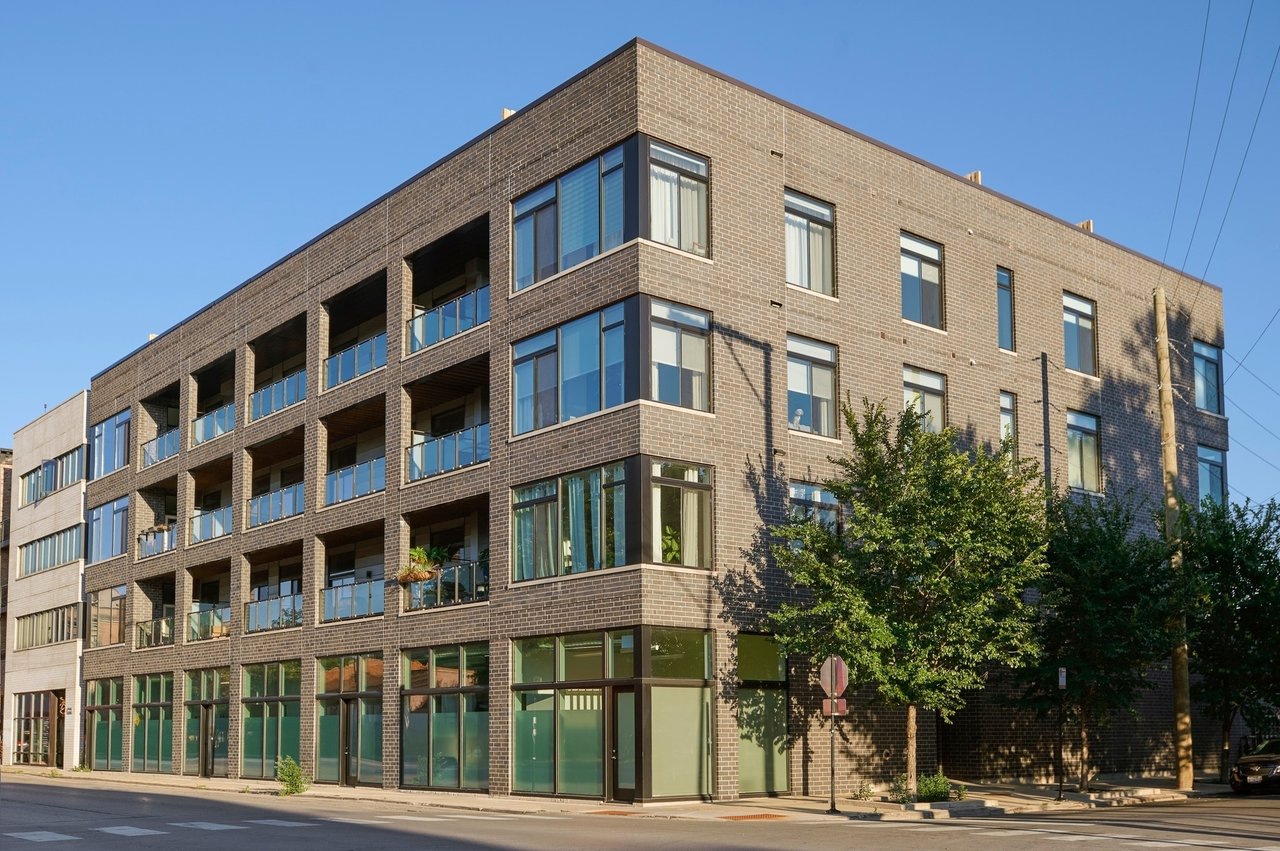
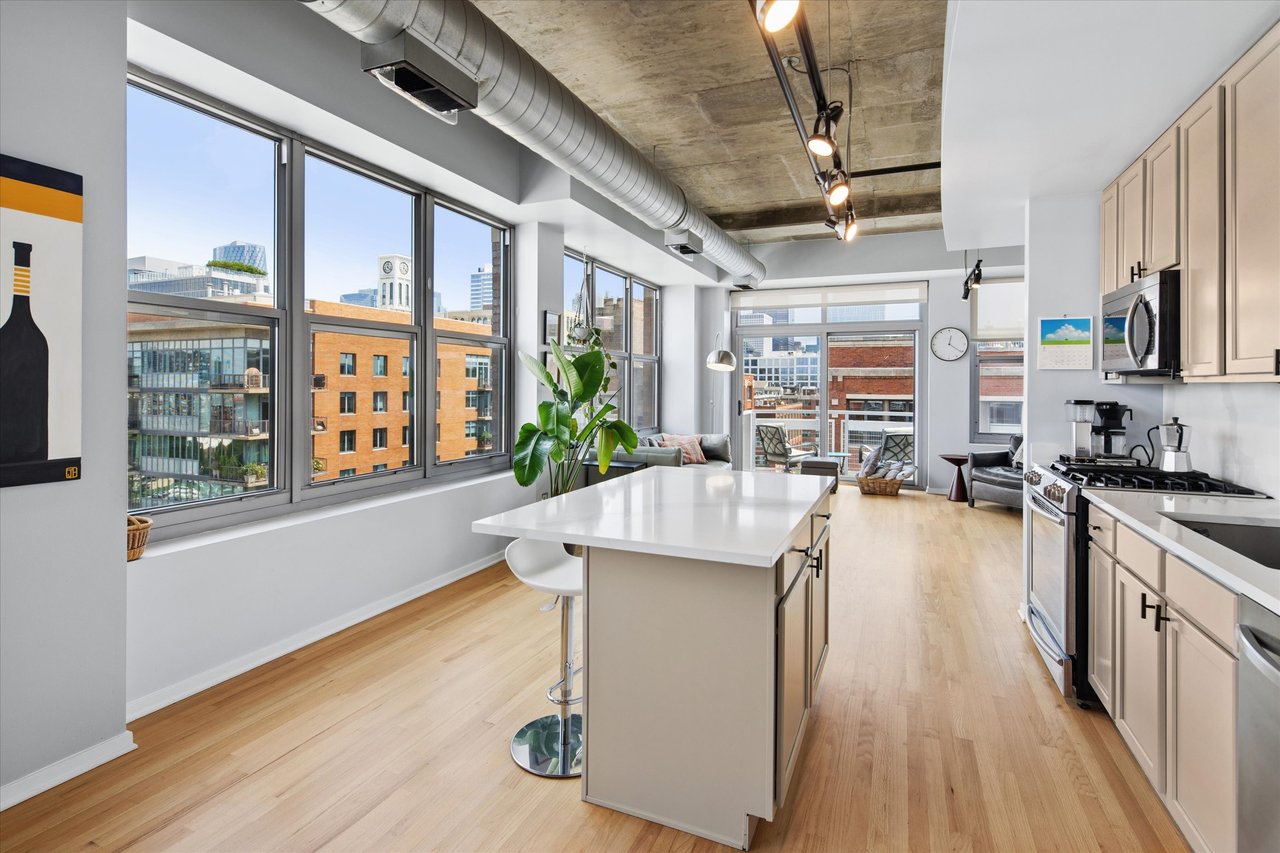
Boutique or Smaller Buildings (under 50 units) Fees typically range from $300 to $550 per month. Fewer units means fewer people sharing costs, but also fewer amenities and sometimes less management infrastructure. Loft buildings in the West Loop and Wicker Park corridor often fall in this range.
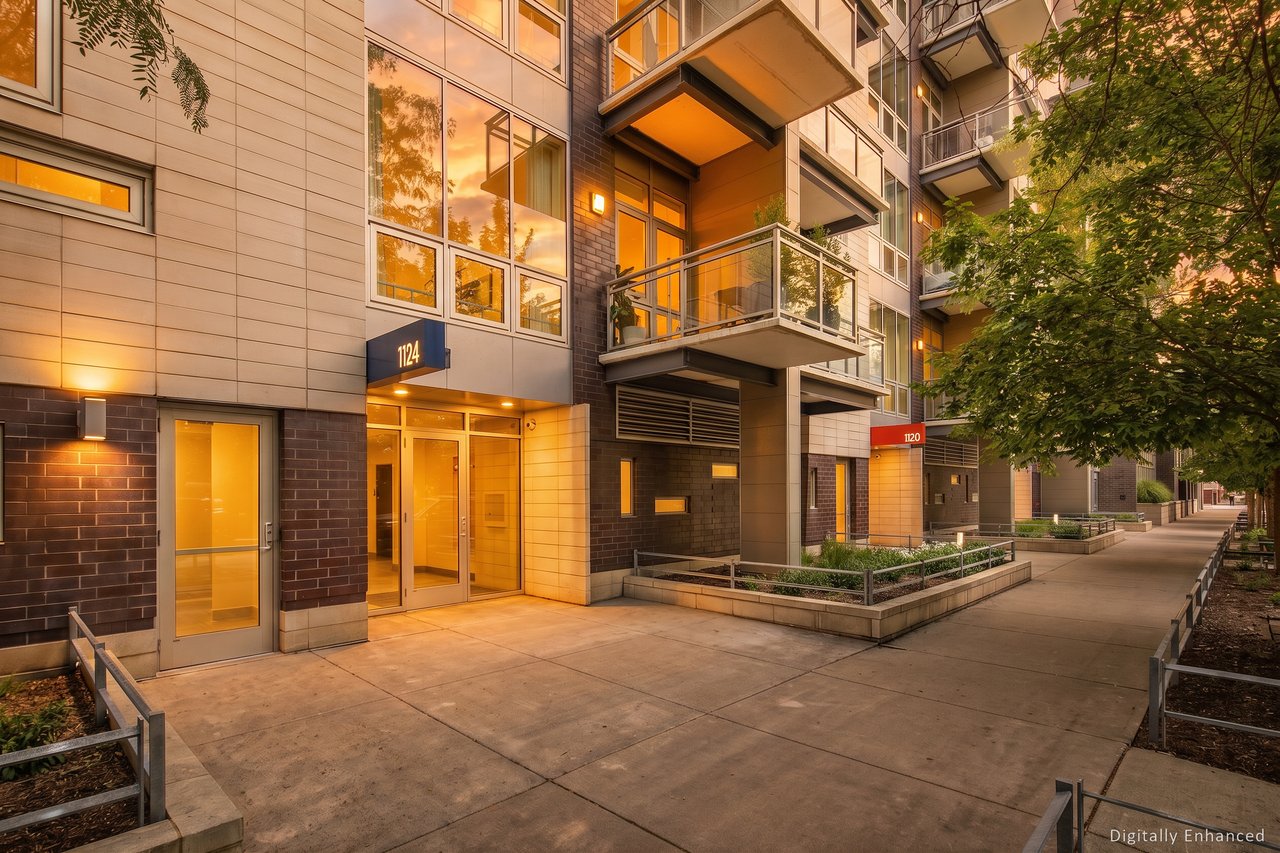
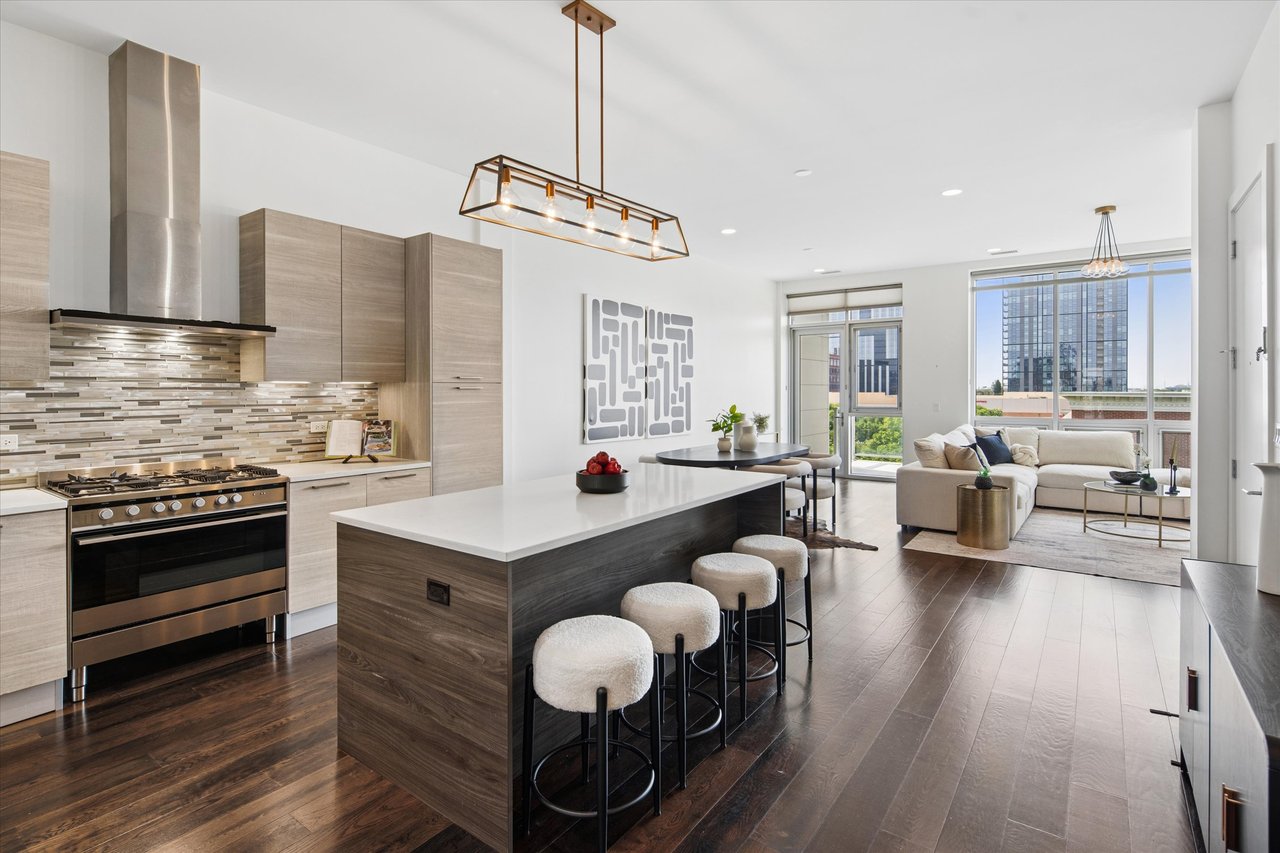
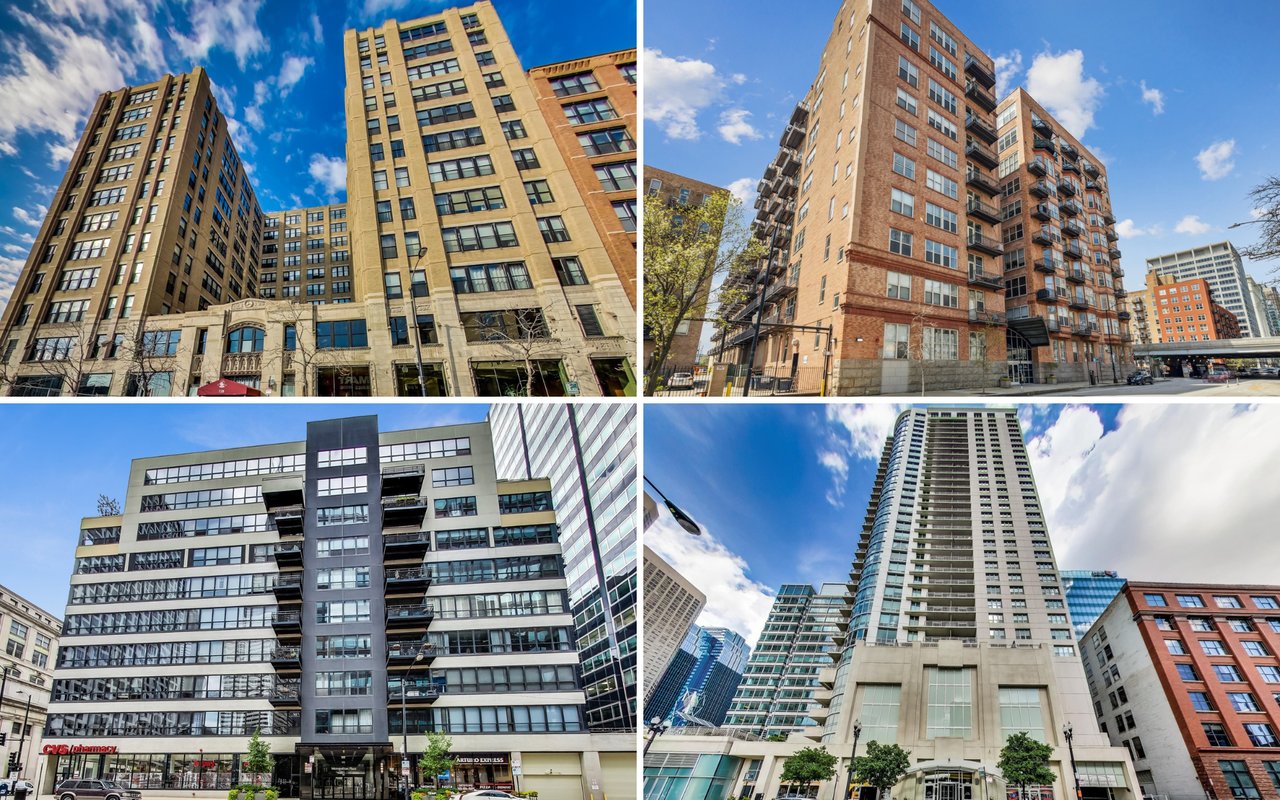
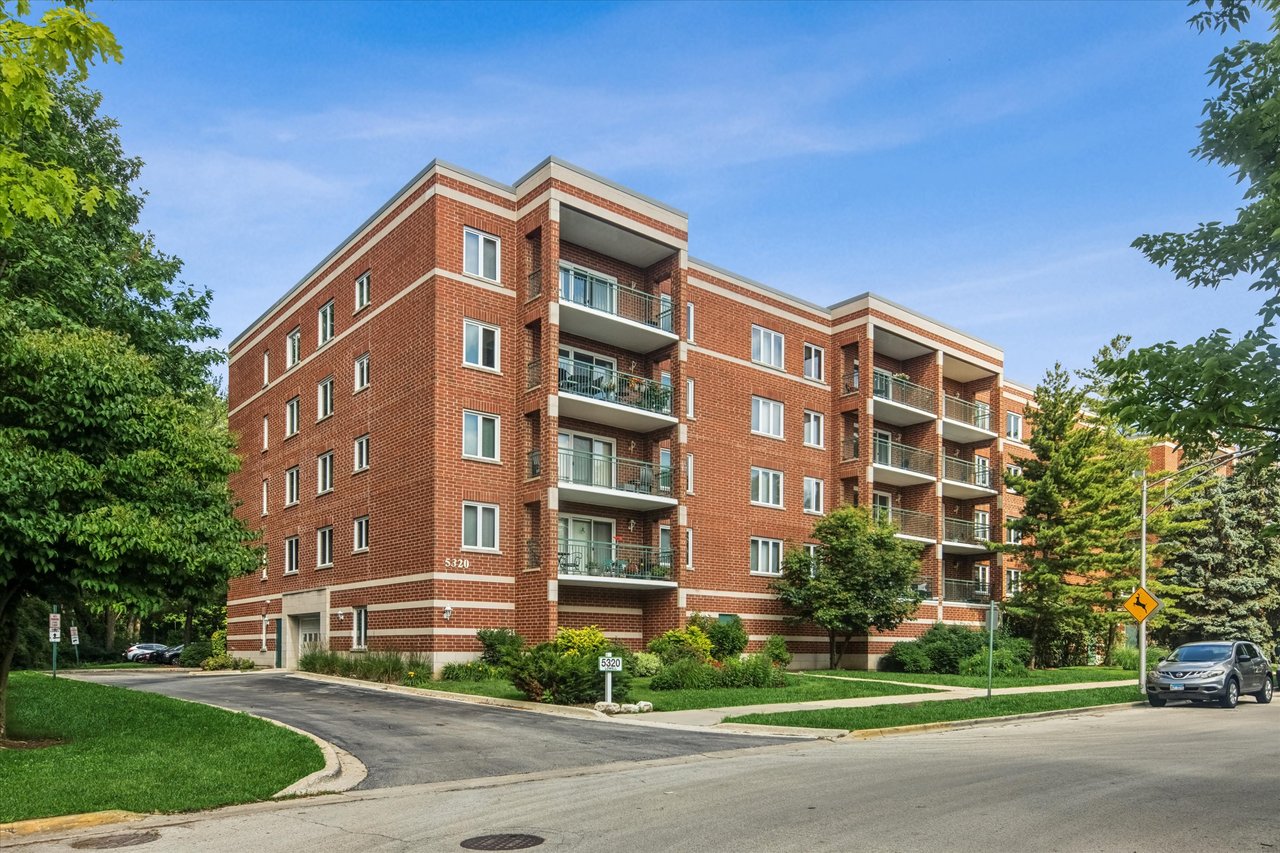
Mid-Rise Condos (50 to 150 units) Common range is $450 to $750 per month. This covers professional management, reserves, insurance, and typically basic amenities like a fitness room or rooftop deck. River North and South Loop buildings frequently land here.
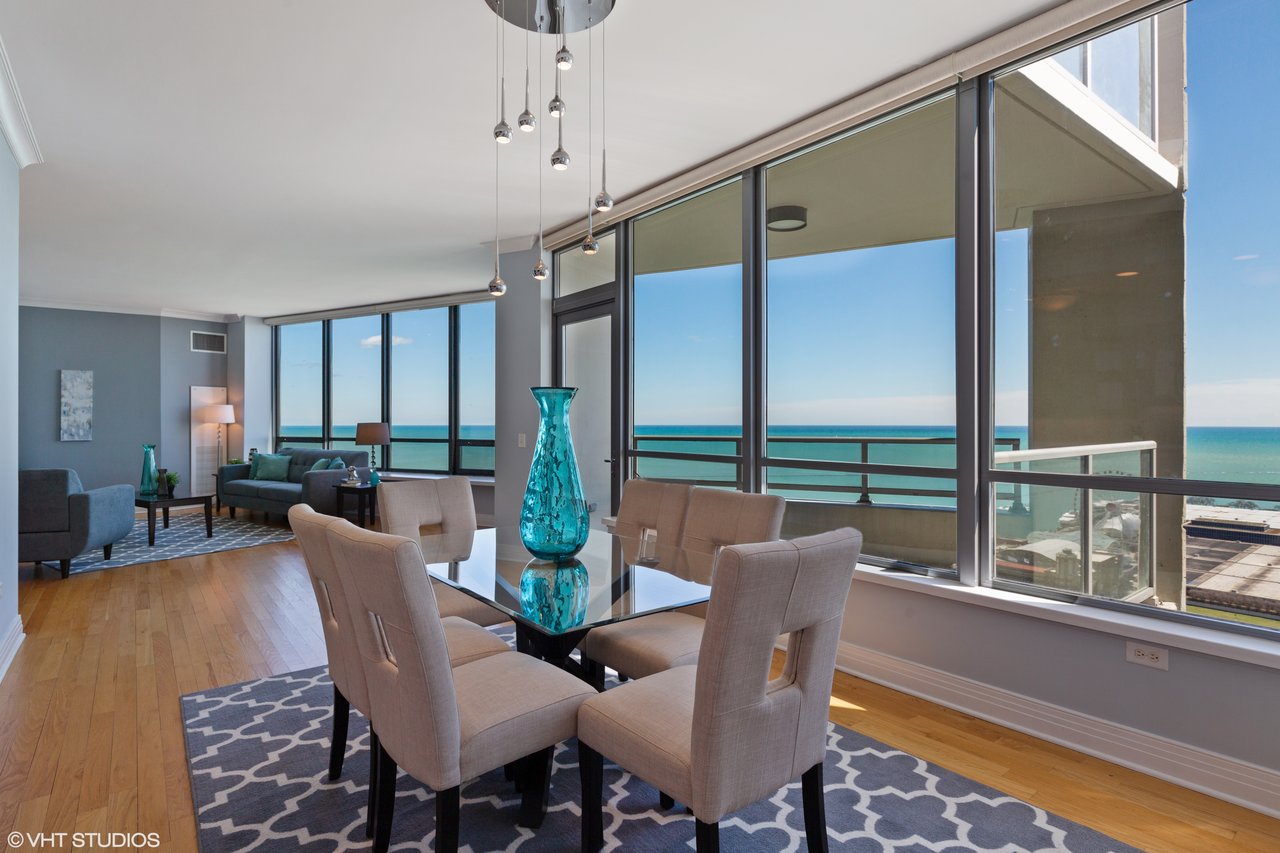
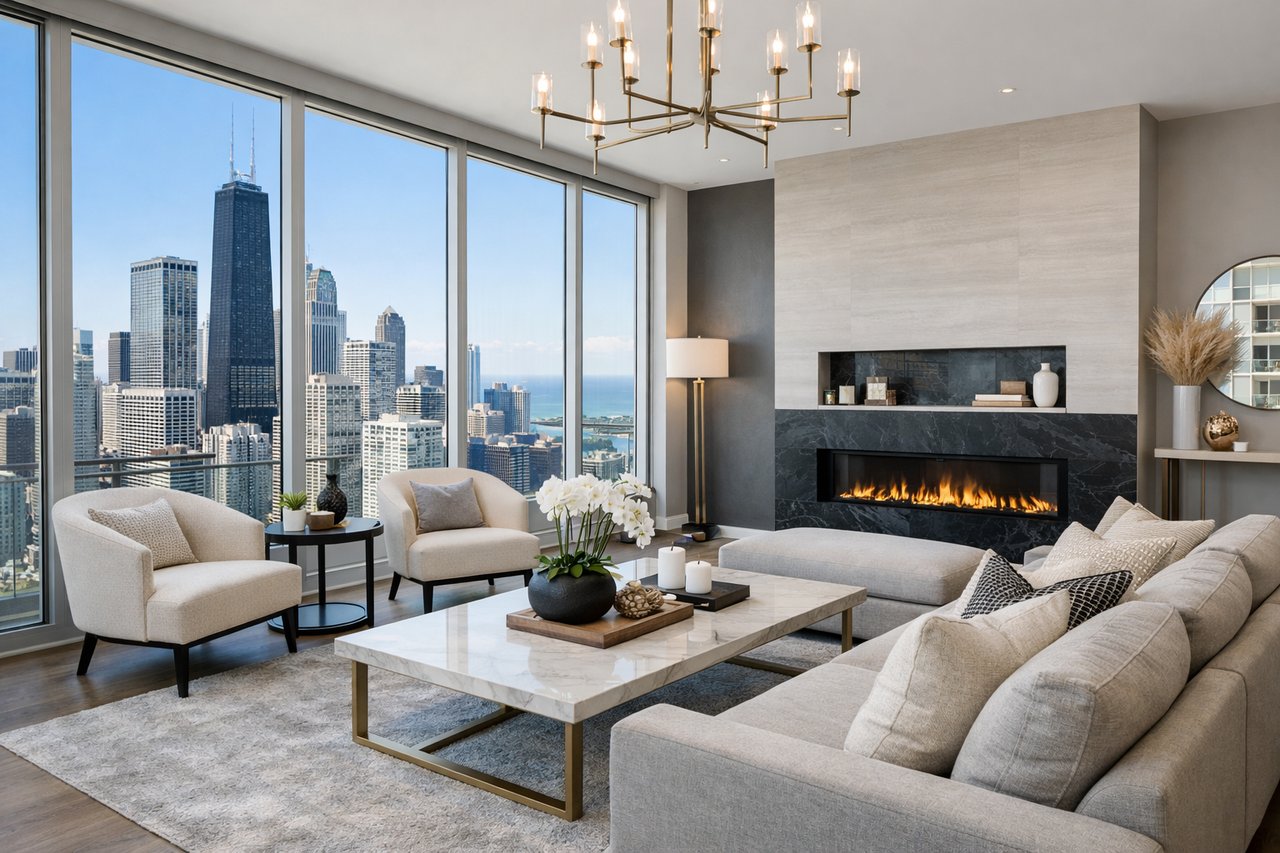
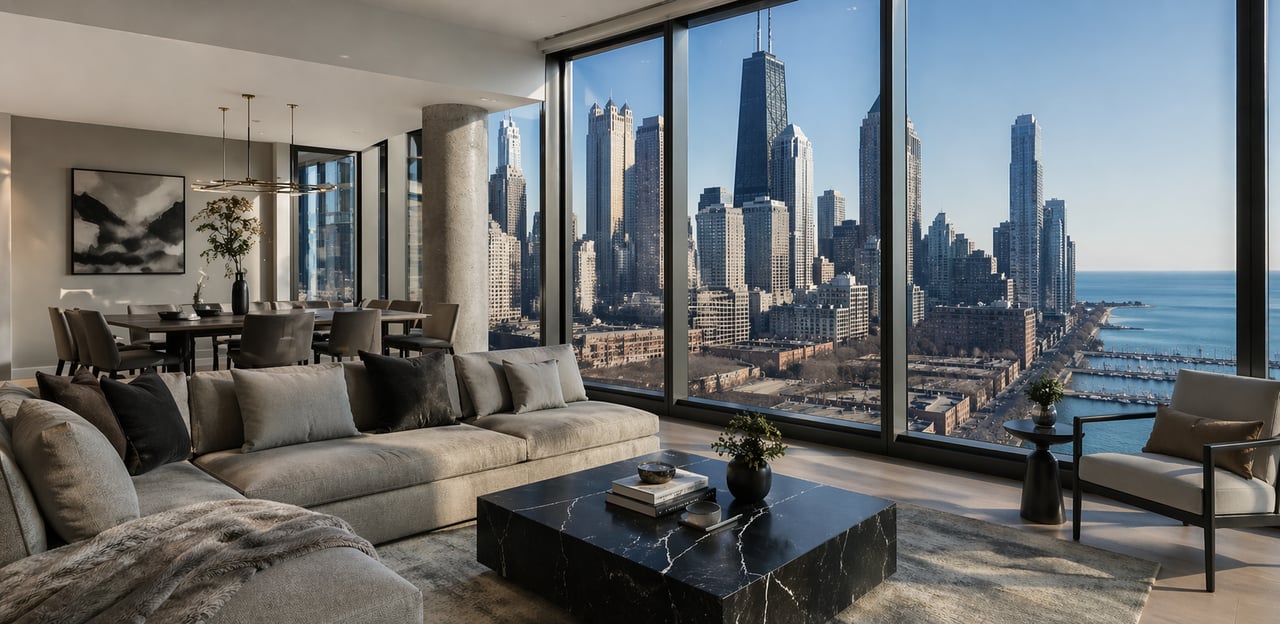
Full-Service High-Rise Buildings (150+ units) Fees of $700 to $1,400 per month are common when you factor in door staff, concierge, pools, large fitness facilities, and included utilities. Buildings along Lake Shore Drive in Streeterville and Gold Coast often operate at this level.
Luxury or Newer Construction Newer towers targeting the luxury segment can run $1,200 to $2,000+ per month, especially when amenities are extensive and the building is still building reserves from a lower base.
Note: According to the National Association of Realtors, condo HOA fees nationally have been trending upward over the past several years, driven by inflation in labor, insurance, and materials costs. Downtown Chicago mirrors that trend.
Why Do Some Buildings Have Suspiciously Low Fees?
Low fees are not always a bargain. In fact, a below-market fee is sometimes the most expensive thing about a building.
Here is why. Buildings need to fund major capital projects at some point: new windows, a new roof, elevator modernization, parking garage deck repairs. If the association is not collecting enough each month to build reserves, they have two options when those projects come due: borrow money or issue a special assessment to owners.
A special assessment is an additional one-time charge on top of your regular monthly fee. These can range from a few thousand dollars to tens of thousands, depending on the project and the number of units sharing the cost. They arrive without much warning and are non-negotiable once approved by the board.
Redfin's research on condo ownership costs consistently shows that buyers often underestimate the long-term cost of low-fee buildings because they do not account for eventual assessments or fee increases. A well-funded building with higher fees now often costs less over a 10-year ownership period than a cheap-fee building that hits owners with repeated special assessments.
What Should Buyers Ask About Condo Fees Before Making an Offer?
When you are serious about a specific building in downtown Chicago, these are the questions that matter:
- What does the fee include, specifically? Get the line-item breakdown.
- What is the current reserve fund balance, and what percentage of the recommended reserve is funded?
- Has the building had any special assessments in the last five years? What for?
- Are any major capital projects planned or anticipated?
- What is the trend on fee increases over the past three to five years?
- Is there a current reserve study, and when was it last updated?
The answers to these questions tell you far more about the building's financial health than the monthly fee number alone.
According to the Chicago Association of Realtors, buyers in Illinois have a right to review association documents including budgets, meeting minutes, reserve studies, and financial statements during the attorney review period. Use that window. A good buyer's agent, like the team at @properties Christie's International Real Estate, will flag issues before they become your problem.
How Do Fees in the West Loop Compare to Other Downtown Neighborhoods?
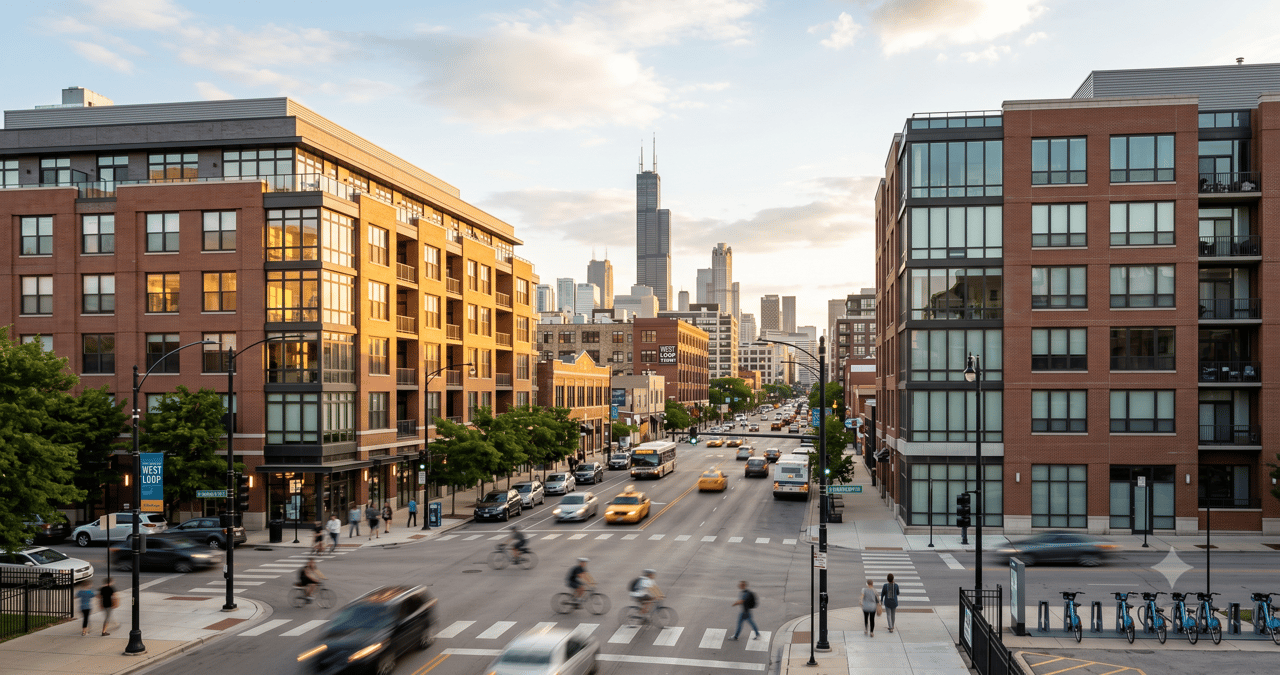
The West Loop is one of the most dynamic condo markets in downtown Chicago, and it reflects a wide range of fee structures because of the building diversity.
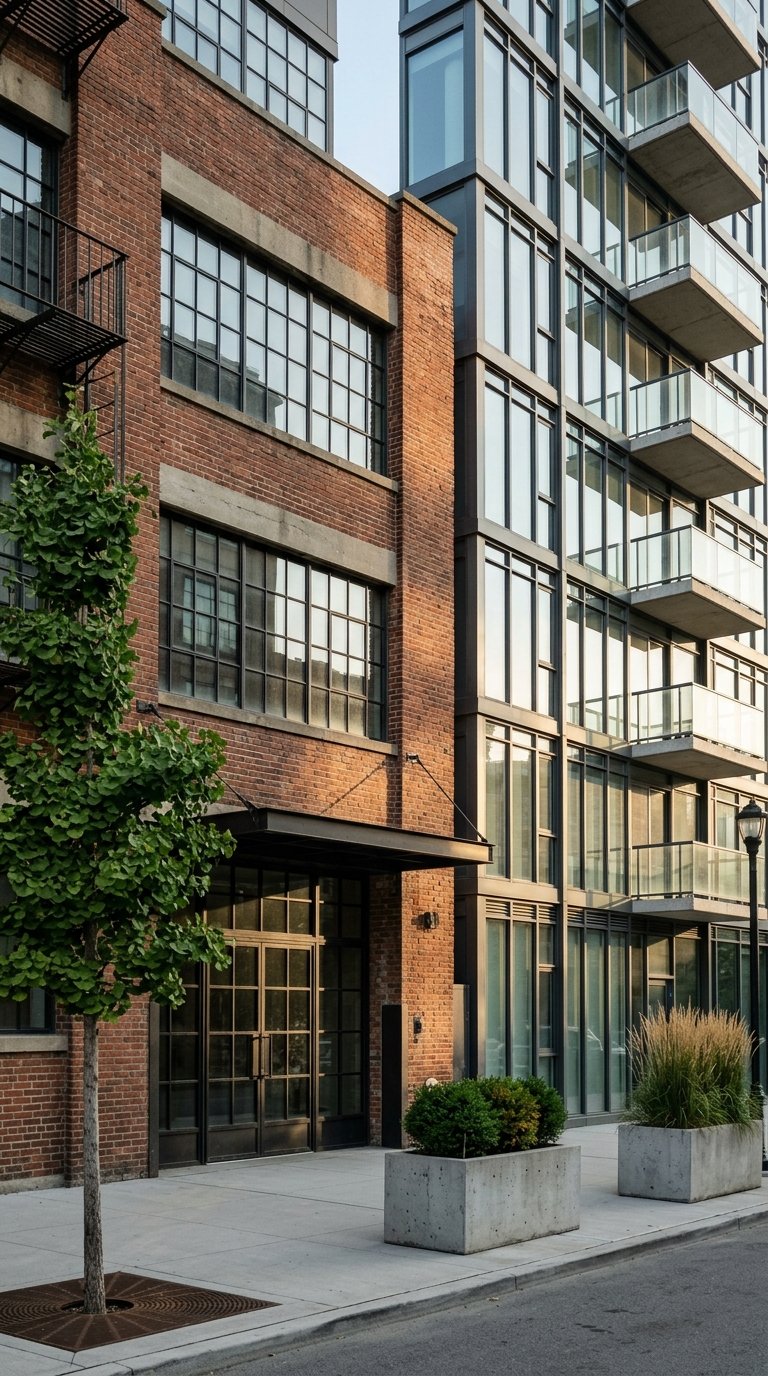
Older loft conversions and warehouse buildings, which are a signature of the West Loop, often have moderate fees in the $400 to $650 range with basic amenities. Newer glass-and-steel developments near Fulton Market, especially those with rooftop pools, fitness studios, co-working spaces, and concierge services, can run $800 to $1,400 per month.
With 300+ West Loop transactions closed, Christine Hancock has seen both ends of that range. The buildings with strong reserves, experienced management, and well-funded operating budgets almost always outperform the ones that cut corners on the monthly fee. In resale situations, a healthy building with a slightly higher fee frequently commands stronger offers and faster closings than a cheaper-fee building with deferred maintenance.
River North and Streeterville tend to run higher on fees because the buildings there are often larger, older, and staffed with full concierge and door teams. Gold Coast is similar. South Loop has more variation because the building stock includes newer mid-rises with competitive fees and some older buildings that have higher ongoing maintenance needs.
Key Takeaways
- Downtown Chicago condo fees typically range from $400 to $1,200 per month, with luxury buildings running higher.
- Fees cover building insurance, common area maintenance, property management, reserve contributions, and, in some buildings, utilities and amenities.
- A low fee is not automatically a good deal. Underfunded reserves lead to special assessments.
- Always compare the full monthly cost, including utilities not covered by the HOA, not just the fee number.
- Review building financials, reserve fund status, and any pending special assessments before making an offer.
Frequently Asked Questions
Are condo fees in downtown Chicago negotiable? No. Monthly HOA assessments are set by the association board and apply equally to all units. What can sometimes be negotiated in a sale is a seller credit at closing to offset any known upcoming increases or recently issued special assessments.
Can condo fees increase after I buy? Yes. Boards typically review the budget annually and can vote to increase assessments if operating costs rise. Well-managed buildings usually increase fees modestly each year to keep pace with inflation rather than letting costs build up and forcing a large jump.
What happens if I don't pay my condo fees? Non-payment of HOA fees is a serious matter in Illinois. The association can place a lien on the unit and, in some cases, pursue foreclosure. Lenders also require that associations be in good financial standing as a condition of approving a mortgage on a unit.
Do condo fees affect my mortgage qualification? Yes. Lenders include your monthly HOA fee in your debt-to-income calculation. A $600 fee adds meaningful weight to your total monthly obligation and can affect how much you qualify to borrow. Factor that in early when budgeting.
Are there any tax benefits related to condo fees? Generally, no. HOA fees are not tax-deductible for a primary residence. However, if you use the condo as a rental property, the fees may be deductible as a business expense. Consult a tax professional for guidance specific to your situation.
Bottom Line
Condo fees in downtown Chicago are not just a line item on a monthly budget. They are a window into the health of the building you are buying into. A well-funded, professionally managed building with a clear reserve strategy is one of the best things a condo can offer, even if the monthly fee is not the lowest on the block.
If you are trying to figure out whether a specific building's fees are reasonable for what you are getting, or if you are a seller wondering how your building's financials compare to the competition, the answer is in the details. And the details are where Christine Hancock spends most of her time.
Wondering if the fees in your building are competitive, or trying to understand what buyers will think when they see your monthly assessment?
Call or text Christine Hancock at 312-296-9300. She knows the financials on hundreds of downtown buildings and can tell you exactly where yours stands.
ABOUT THE AUTHOR
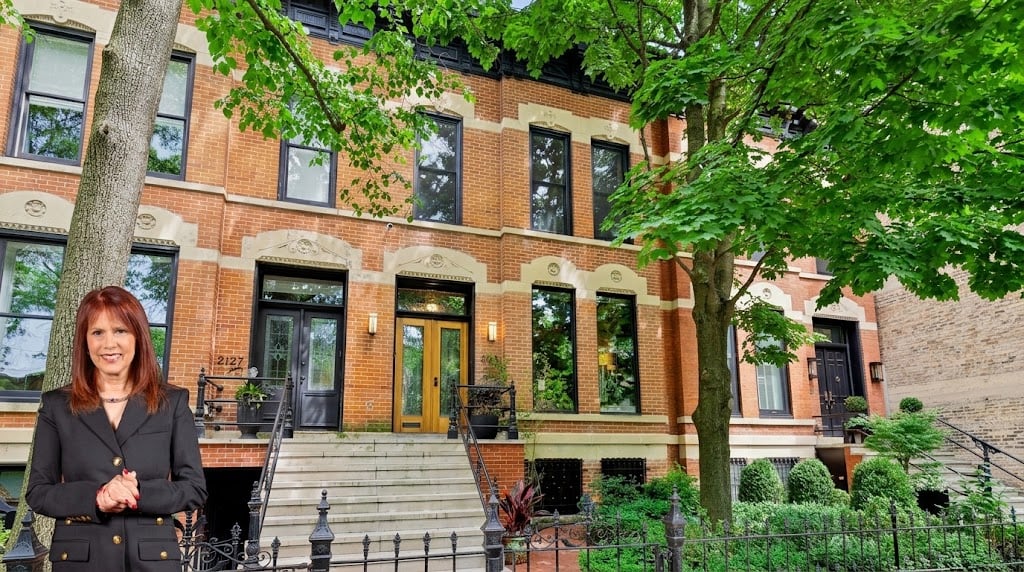
Christine Hancock is a Chicago Realtor with @properties Christie's International Real Estate, bringing more than 25 years of experience and over $200 million in closed sales in the downtown condo market. With 96 five-star Zillow reviews, Christine is recognized for her commitment to client satisfaction and market expertise.
She specializes in high-rise and luxury condominium sales in West Loop, South Loop, River North, and Streeterville, helping buyers and sellers navigate complex transactions with data-driven pricing strategies and deep neighborhood insight.
Christine partners with clients to evaluate market trends, position properties competitively, and make confident, informed decisions in Chicago's vibrant downtown housing market.
Call or text 312-296-9300 to discuss current market conditions or your real estate goals.