Bidding Wars in Chicago Real Estate: How to Win When Every Home Has Multiple Offers
What does it take to win a bidding war in Chicago real estate? Speed, preparation, and a clean offer structure. In Chicago's most competitive neighborhoods, multiple offers are the norm, and the buyers who win aren't lucky. They're ready.
Here's the Reality
Bidding wars in Chicago happen fast. Offer deadlines are often set within 48 hours of a listing going live. Sellers review everything at once and frequently take the best offer without a counteroffer. If you're not prepared before the home hits the market, you're already behind.
Why Are Bidding Wars So Common in Chicago Right Now?
Supply is the short answer. Inventory across Chicago's most desirable neighborhoods has been running well below historical norms for several years. Buyers are competing for a shrinking pool of well-priced, move-in-ready homes.
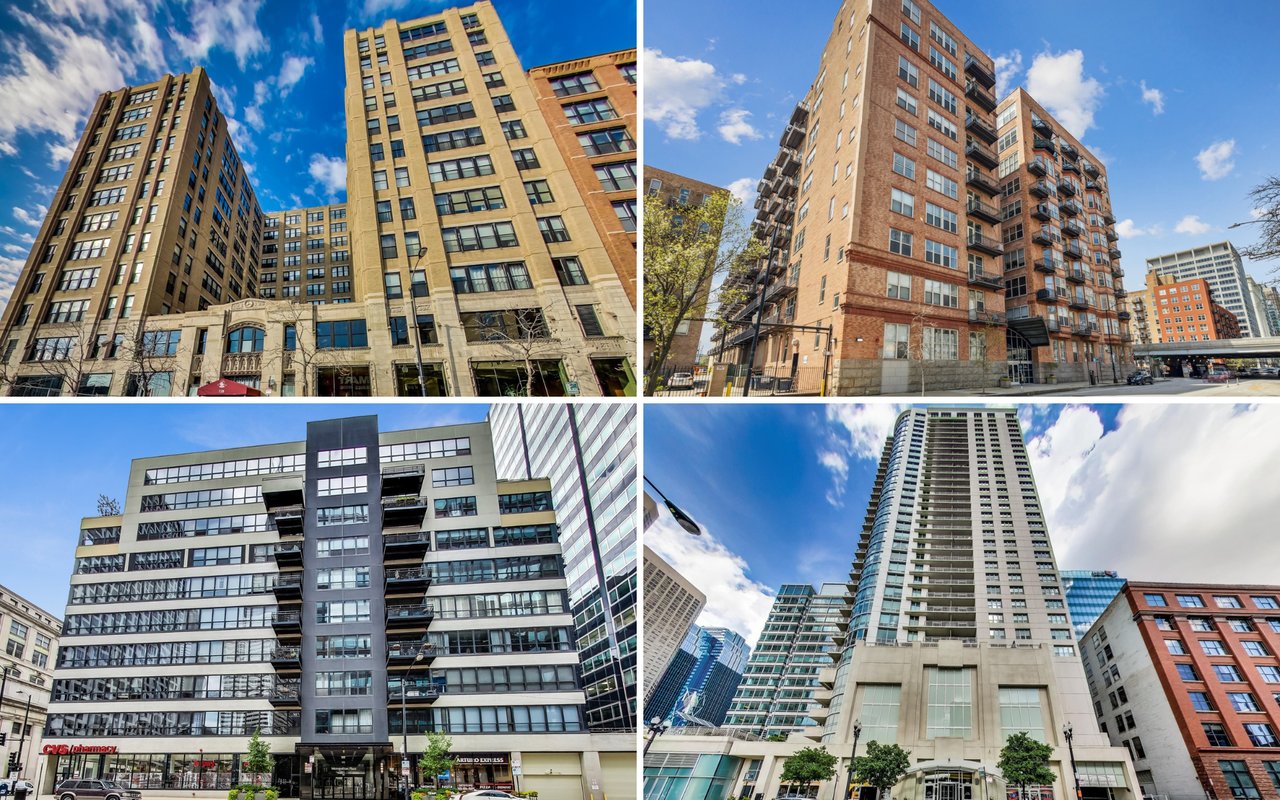
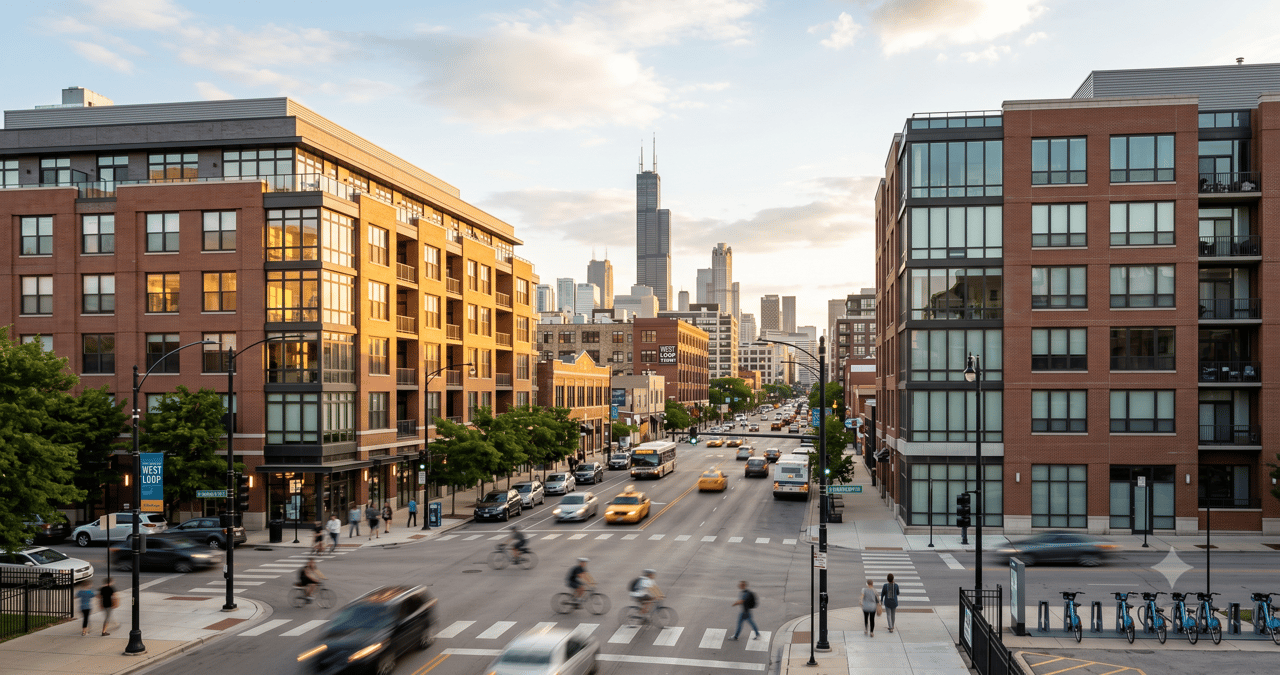
It's not just Lincoln Park and the Gold Coast. The West Loop, River North, Old Town, Lakeview, and Bucktown all see multiple-offer situations regularly, especially on homes priced correctly and presented well.
When a good home hits the market at the right price, a dozen qualified buyers who've been waiting months are all watching the same listing. That's a bidding war waiting to happen before the first open house even starts.
According to the National Association of Realtors, inventory constraints in major urban markets have kept competition elevated even as mortgage rates have fluctuated. Chicago is no exception.
What Triggers a Bidding War in Chicago?
Not every listing gets multiple offers. The ones that do tend to share a few traits.
Priced at or slightly below market value. Sellers and their agents do this intentionally to generate interest and competing offers. A home priced $20,000 below what it would likely appraise for will draw a crowd.
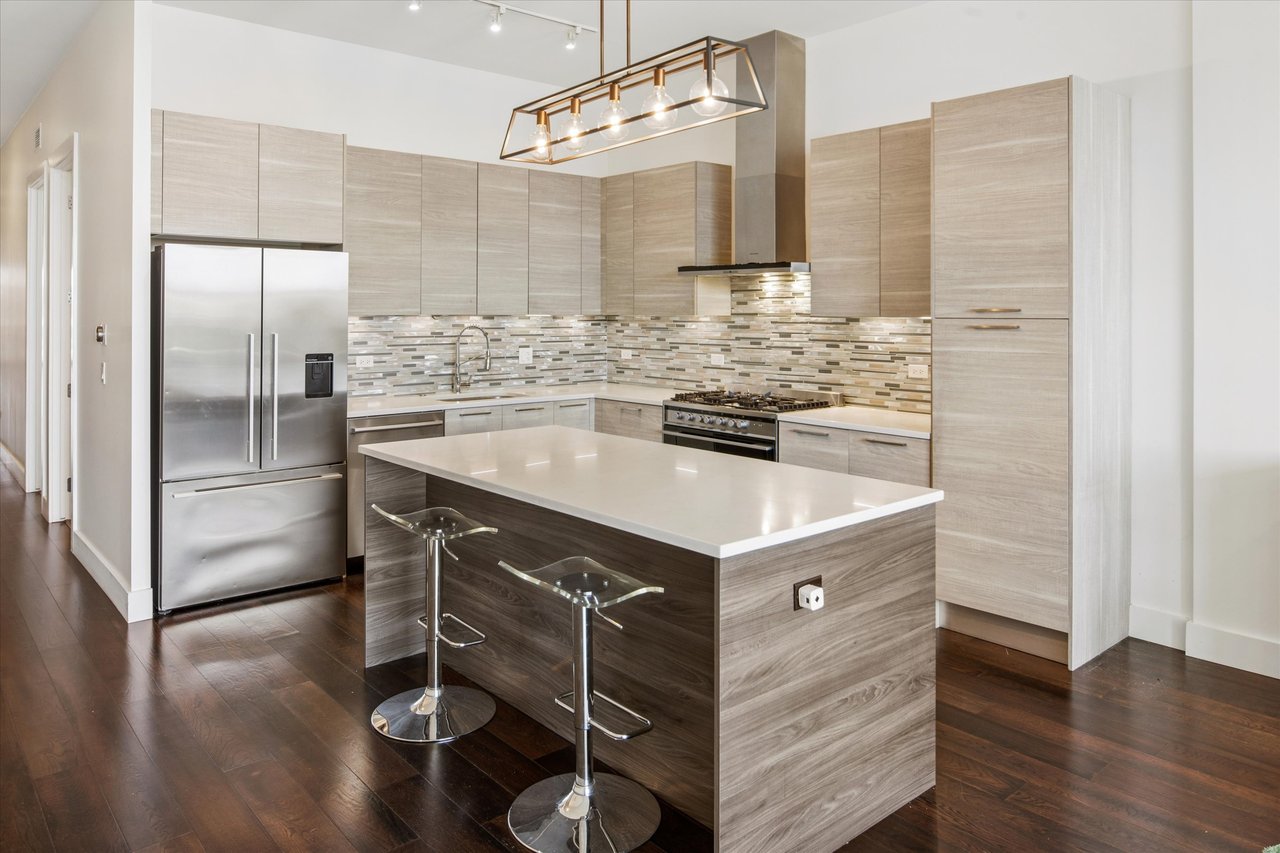
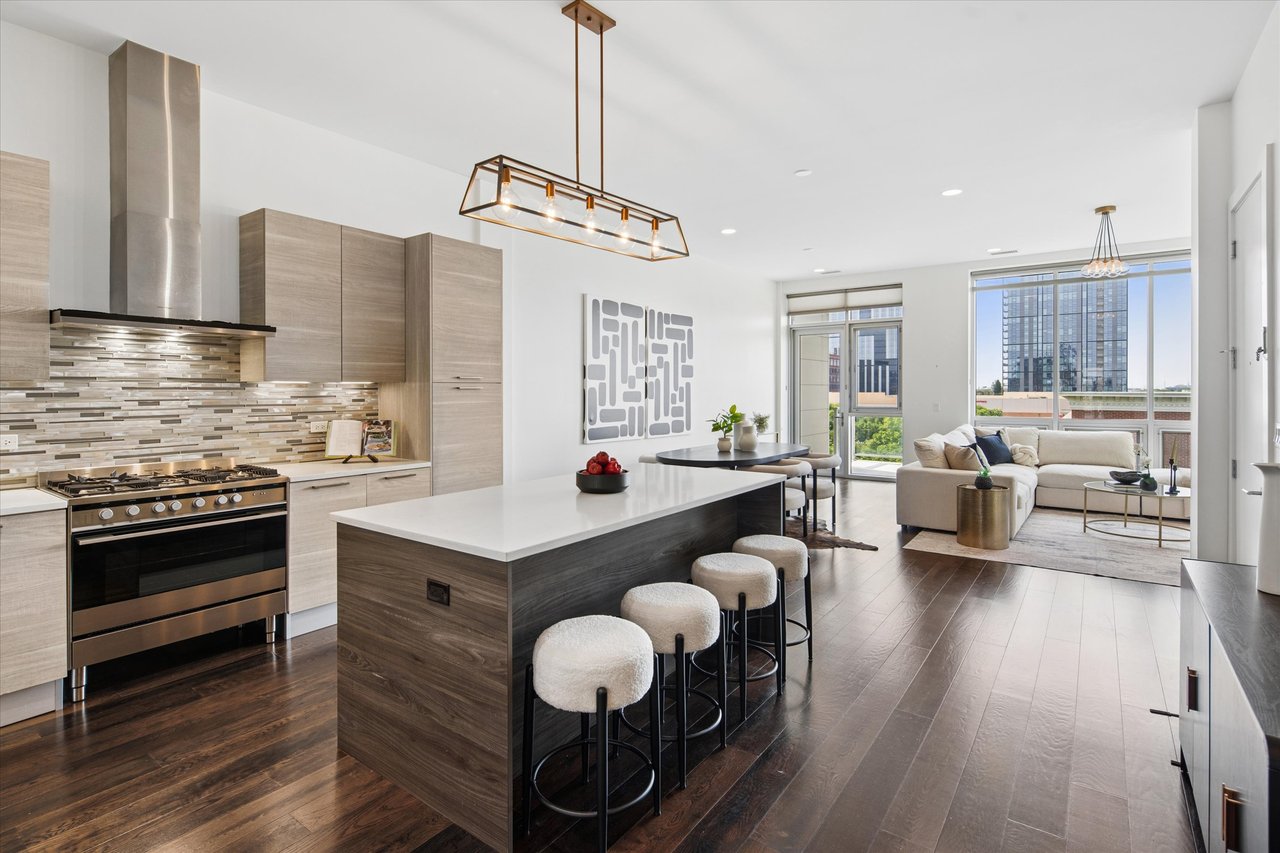
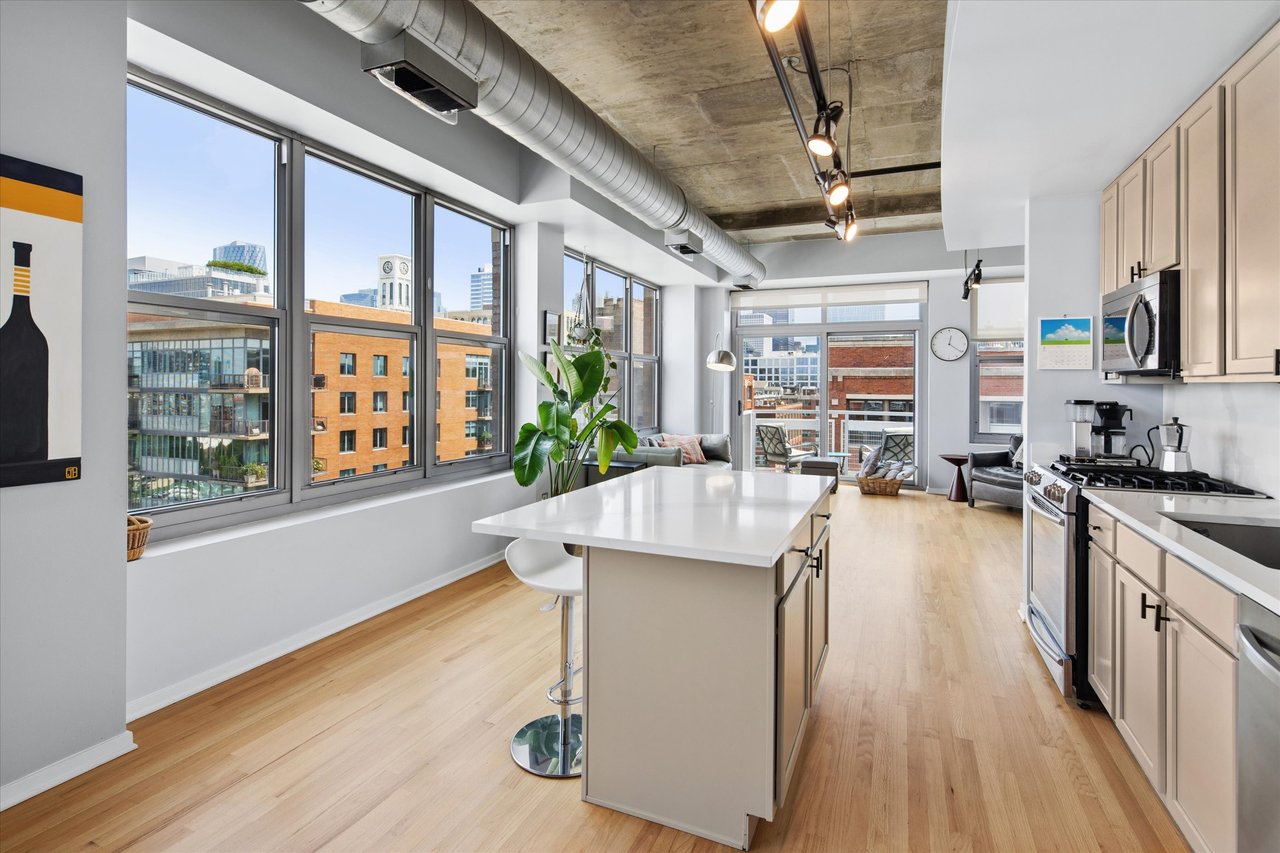
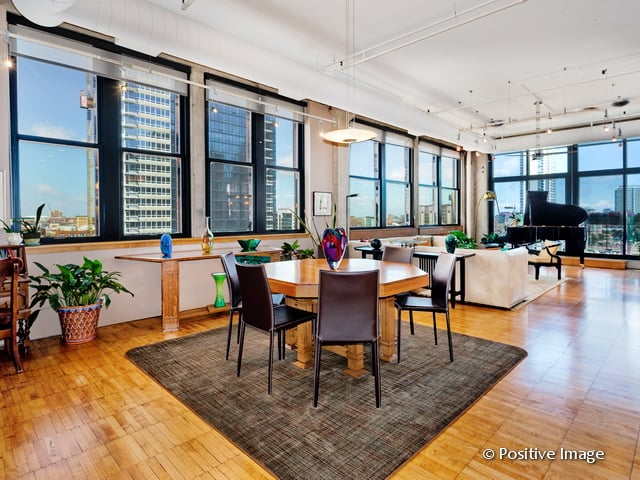
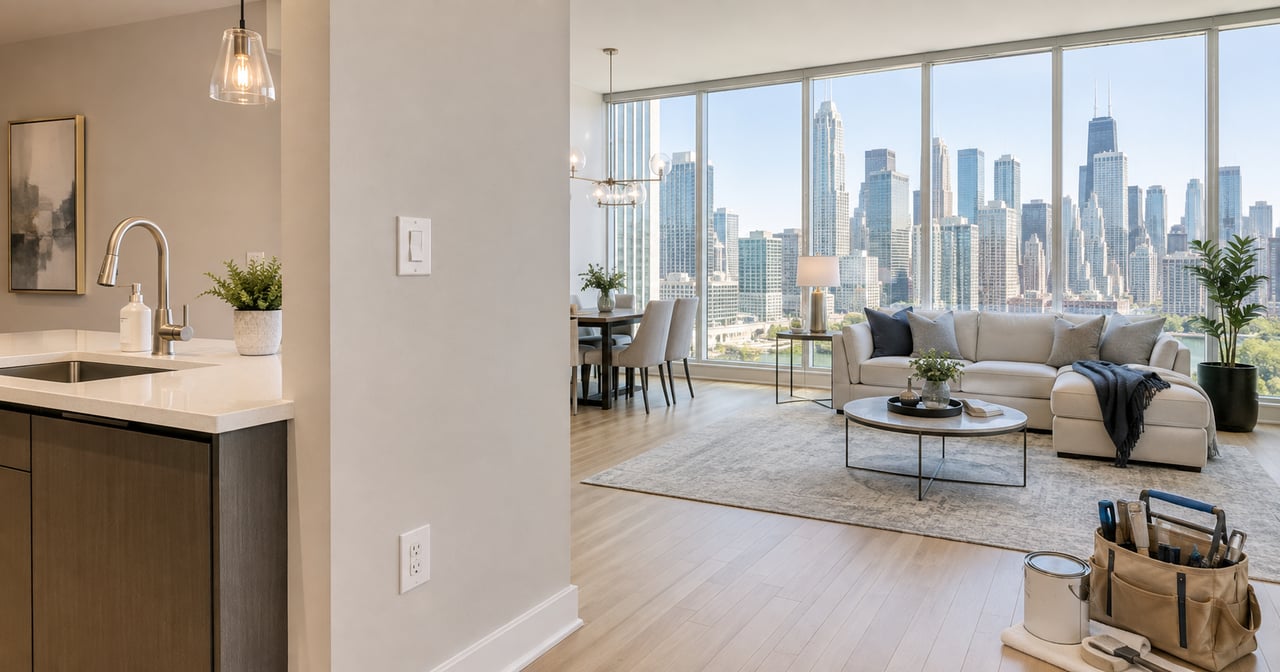
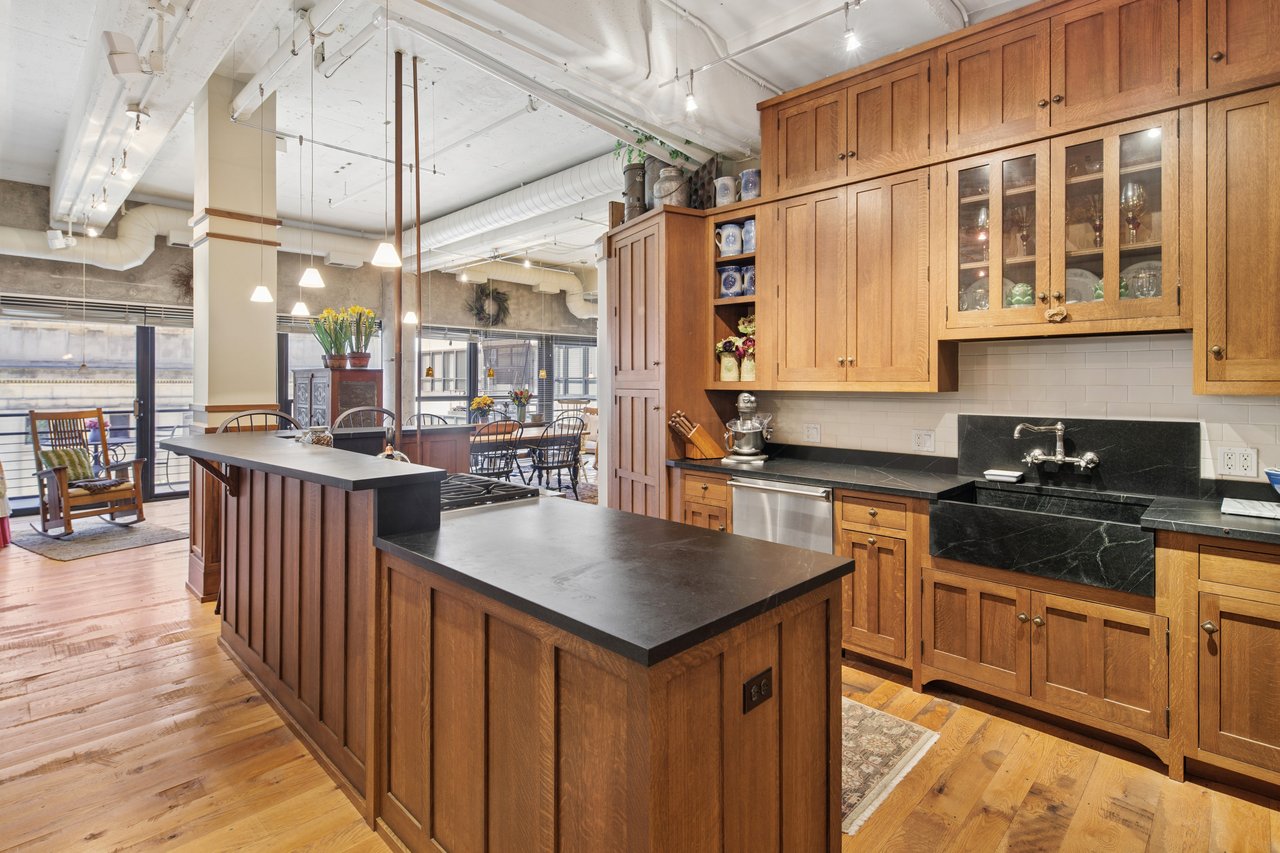
Move-in ready condition. Buyers in competitive markets don't want projects. Fresh paint, updated kitchen, clean mechanicals, and staged well will generate more traffic than an original but dated home at the same price.
Strong listing photos and marketing. A home that looks great online gets more showings. More showings mean more offers. It's that simple.
The right neighborhood. In Lincoln Park, Lakeview, West Loop, and River North, well-positioned homes at reasonable price points almost always attract competition. The neighborhoods themselves generate buyer demand that individual listings benefit from.
Redfin's market data consistently shows Chicago homes in these neighborhoods selling at or above list price, with the most competitive properties going under contract within days.
How to Win a Bidding War in Chicago: What Actually Works
This is where most buyer advice falls short. You don't win bidding wars by being the nicest person in the room. You win by structuring the strongest possible offer.
1. Get Fully Pre-Approved Before You Start Looking
There's a difference between pre-qualified and pre-approved. Pre-qualified is a lender's estimate based on what you told them. Pre-approved means they've verified your income, assets, credit, and employment.
Sellers know the difference. In a multiple-offer situation, a pre-approval letter carries real weight. A pre-qualification letter does not.
If you're buying with cash, have your proof of funds ready to attach to every offer. A cash offer without documentation is just a number on paper.
2. Move Faster Than You Think You Need To
When a home hits the market on Thursday and offers are due Sunday at 5pm, you need to see it Thursday or Friday. Not Saturday.
By Saturday, other buyers have already walked through. Some have already decided. The buyers who tour early have more time to think, ask questions, and build confidence in their number. That confidence shows in their offer.
3. Come in Strong from the First Offer
In a multiple-offer situation, there is often no second round. Sellers take the best offer and run. Your opening number needs to reflect what you'd actually be willing to pay, not a starting point for negotiation.
Ask your agent what comparable homes have sold for in the last 60 to 90 days. Look at the list-to-sale price ratio in that specific neighborhood. Then decide your number based on data, not hope.
4. Use an Escalation Clause Strategically
An escalation clause tells the seller you'll beat any competing offer by a set increment, up to a maximum cap you define.
Example: "We offer $750,000 and will beat any bona fide competing offer by $5,000, up to a maximum of $800,000."
This protects you from overbidding when competition is light while keeping you competitive when it's heavy. Not every seller accepts escalation clauses, but many do, and a well-written one signals serious intent.
5. Tighten Your Contingencies
Contingencies protect buyers, but they also create risk for sellers. Every contingency is a potential exit ramp. In a competitive offer situation, fewer contingencies make your offer more attractive.
This doesn't mean waiving everything blindly. It means being thoughtful:
- Inspection contingency: Consider shortening the inspection period from the standard 5 to 10 days down to 3 to 5 days. Or structure it as an "information only" inspection where you waive your right to renegotiate for minor items.
- Financing contingency: If you're rock-solid on financing, tightening the timeline here shows confidence.
- Appraisal contingency: In a hot market, homes sometimes sell above appraised value. If you're willing to cover a gap between appraised value and purchase price, saying so explicitly can make your offer stand out.
Talk through every contingency with your agent before you write the offer. Understand what you're giving up and what you're protecting.
6. Offer Flexible Terms, Not Just a Higher Price
Price matters most, but terms matter more than most buyers realize.
If a seller needs 60 days after closing to vacate, offering a rent-back agreement costs you almost nothing and could win the deal over a higher offer with an inflexible timeline.
If a seller is emotionally attached to the home, a thoughtful personal letter, used strategically and carefully, can sometimes tip a close decision. This isn't a guarantee, and not every agent recommends it, but it's a tool worth discussing.
Ask your agent what the sellers' situation is. Are they relocating? Downsizing? Already under contract on their next home? Understanding their priorities lets you structure an offer that solves their problem, not just yours.
7. Have a Great Agent in Your Corner
In a bidding war, your agent's relationships and reputation matter.
A listing agent who knows your agent, trusts their deals to close, and expects a smooth transaction will sometimes give your offer a slight edge in a close call. That's not how it should work in a perfect world. But it's how it works in the real one.
Beyond relationships, you need an agent who moves fast, communicates clearly with the listing side, and gives you honest guidance on what your offer needs to look like. Not what you want to hear. What you need to hear.
What Kills Offers in Bidding Wars
Just as important as what to do is what not to do.
Low initial offers. In a multiple-offer situation, a below-list offer doesn't get a counteroffer. It gets ignored. You may never even know you were in the running.
Too many contingencies. A long list of contingencies signals hesitation. Sellers with three other offers will take the cleaner one.
Slow response times. If your agent isn't reachable on a Saturday night when the deadline is Sunday morning, you're at a disadvantage.
Not being pre-approved. This one is still getting buyers knocked out of deals in 2026. Don't let it happen to you.
Key Takeaways
- Chicago's most competitive neighborhoods regularly see multiple offers on well-priced, well-presented homes.
- Full pre-approval is non-negotiable before you start making offers.
- Speed matters. Tour early, decide fast, and have your documentation ready.
- Come in strong from the start. There often isn't a second round.
- Escalation clauses, tightened contingencies, and flexible terms can win deals that pure price alone cannot.
- Your agent's speed, local knowledge, and relationships are part of your competitive edge.
Bottom Line
Bidding wars in Chicago aren't going away. As long as inventory stays tight in the city's most desirable neighborhoods, well-priced homes will draw crowds and generate competing offers. The buyers who win are the ones who treat the process like the competition it is.
That means doing the preparation work before you fall in love with a home. Pre-approval, search strategy, offer structure, agent selection. Get those right and you're in the game. Get them wrong and you'll be writing losing offers for months.
FAQ
How common are bidding wars in Chicago? Very common in neighborhoods with limited inventory and strong demand, including Lincoln Park, Lakeview, West Loop, River North, and Old Town. Well-priced, move-in-ready homes in these areas routinely receive multiple offers, often within the first weekend on market.
Should I go over asking price in a Chicago bidding war? Often yes, but how much depends on the specific home, the competition, and recent comparable sales. Your agent should run the numbers and give you a data-based target, not a guess.
What is an escalation clause in a real estate offer? An escalation clause automatically increases your offer to beat competing offers by a set increment, up to a maximum cap you define. It's a useful tool in multiple-offer situations because it keeps you competitive without overbidding when competition is lower than expected.
Is it worth waiving the inspection in a Chicago bidding war? Waiving the inspection entirely carries real risk and is rarely recommended. A better approach is shortening the inspection period or structuring it as informational only, where you agree not to renegotiate for minor items. Talk through the options with your agent based on the specific property.
How do I find a buyer's agent for a competitive Chicago market? Look for an agent with direct experience in the specific neighborhoods you're targeting, strong relationships with listing agents in those areas, and a track record of getting buyers to the closing table in competitive situations. Ask how many bidding wars they've navigated in the past 12 months and what their win rate looks like.
Ready to compete in Chicago's market and actually win? Call or text Christine Hancock at 312-296-9300. With 25+ years helping buyers navigate competitive offers across the West Loop, Lincoln Park, River North, and beyond, she'll tell you exactly what your offer needs to look like before you write it.
ABOUT THE AUTHOR
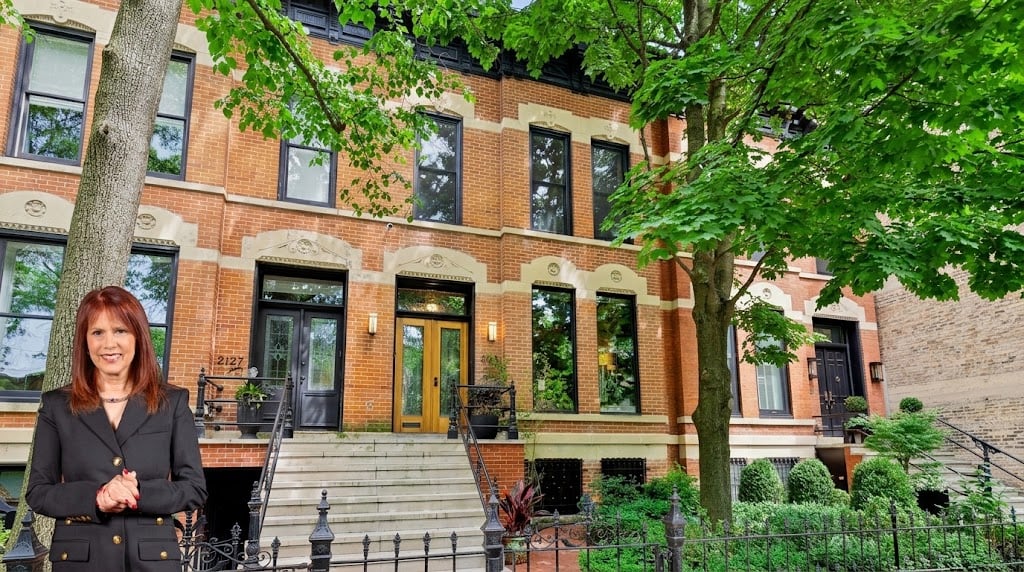
Christine Hancock is a Chicago Realtor with @properties Christie's International Real Estate, bringing more than 25 years of experience and over $200 million in closed sales in the downtown condo market. With 96 five-star Zillow reviews, Christine is recognized for her commitment to client satisfaction and market expertise.
She specializes in high-rise and luxury condominium sales in West Loop, South Loop, River North, and Streeterville, helping buyers and sellers navigate complex transactions with data-driven pricing strategies and deep neighborhood insight.
Christine partners with clients to evaluate market trends, position properties competitively, and make confident, informed decisions in Chicago's vibrant downtown housing market.
Call or text 312-296-9300 to discuss current market conditions or your real estate goals.