Printers Row Chicago: Loft Condos, Historic Buildings, and Real Estate Guide
The Quick Take
Printers Row is one of Chicago's most distinctive urban neighborhoods, known for its converted brick-and-timber loft buildings, walkable South Loop location, and a character that newer construction simply can't replicate. If you want a loft with real bones in a real neighborhood, this is it.
What Makes Printers Row Different From Every Other Downtown Chicago Neighborhood?
Most Downtown Chicago neighborhoods were built to impress. Printers Row was built to work.
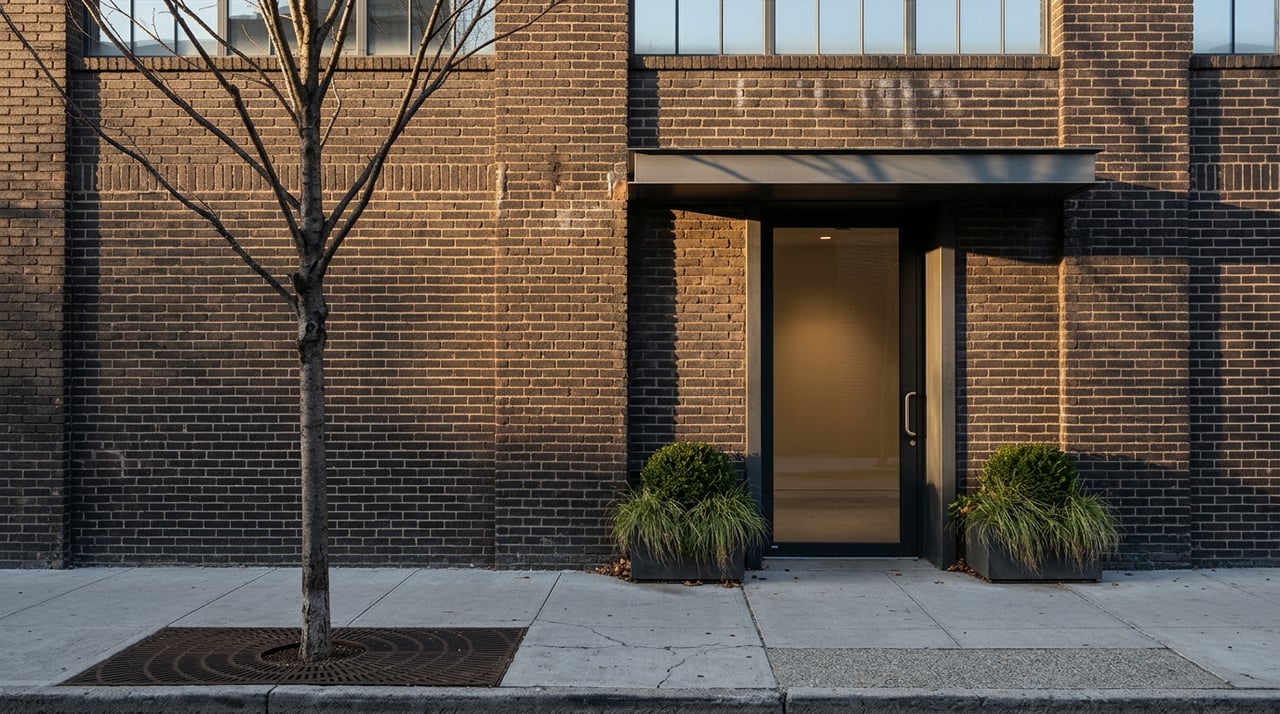
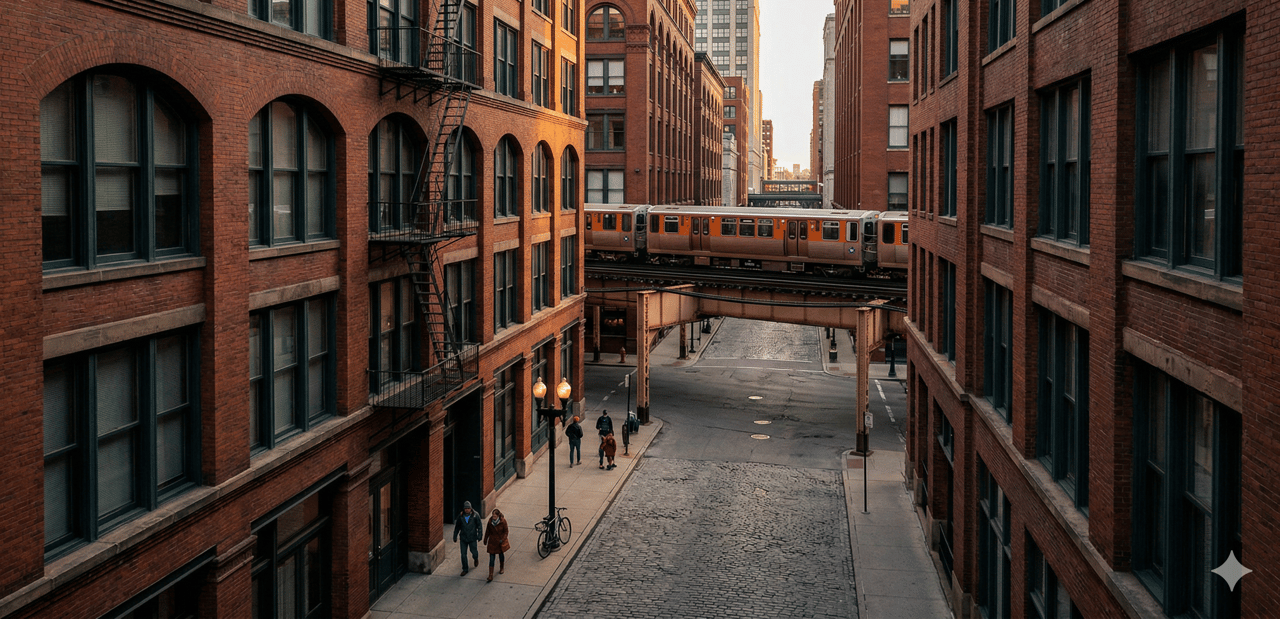
In the late 1800s and early 1900s, this tight cluster of blocks just south of the Loop was the center of Chicago's printing and publishing industry. Massive brick warehouses. Heavy timber frames. Cast-iron facades. Buildings that were engineered to hold printing presses, not host cocktail parties.
That industrial past is exactly what makes Printers Row so compelling today.
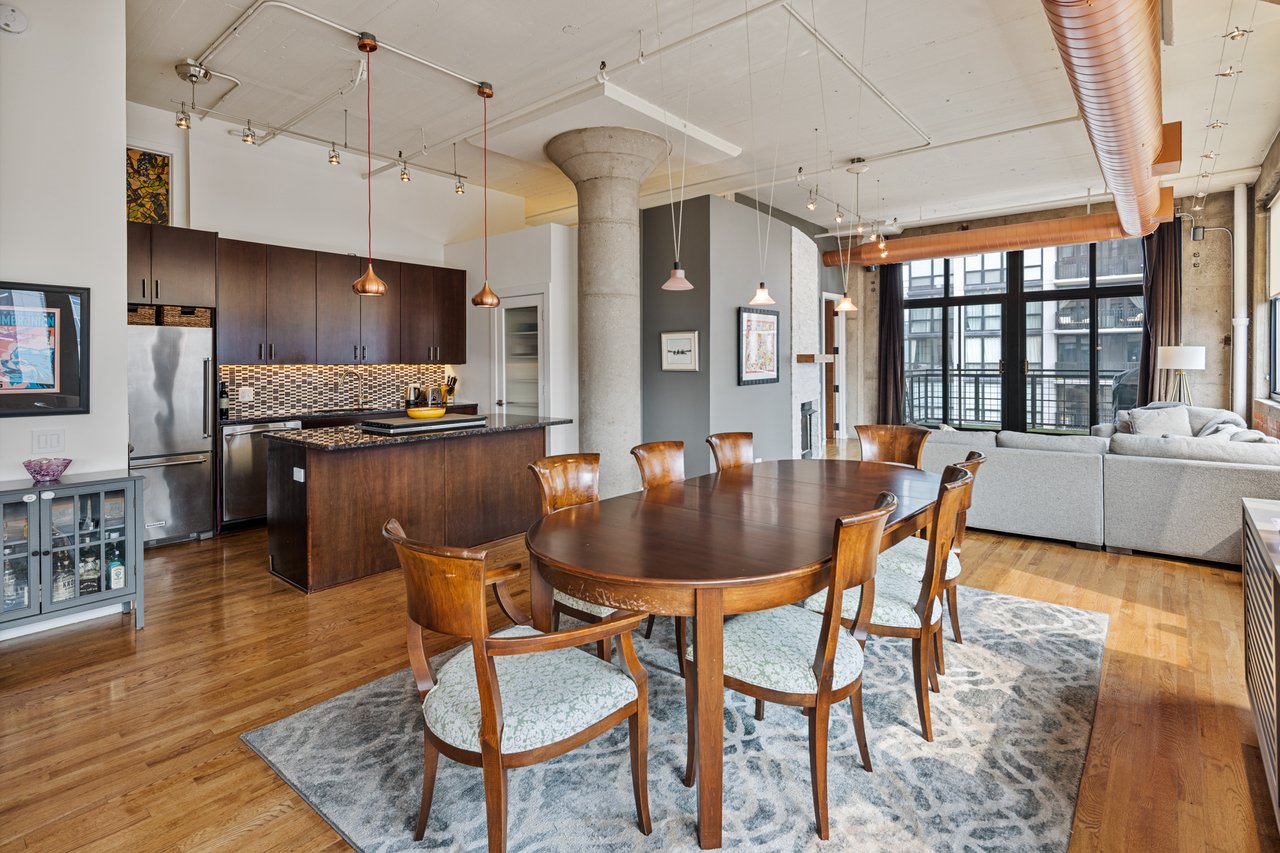
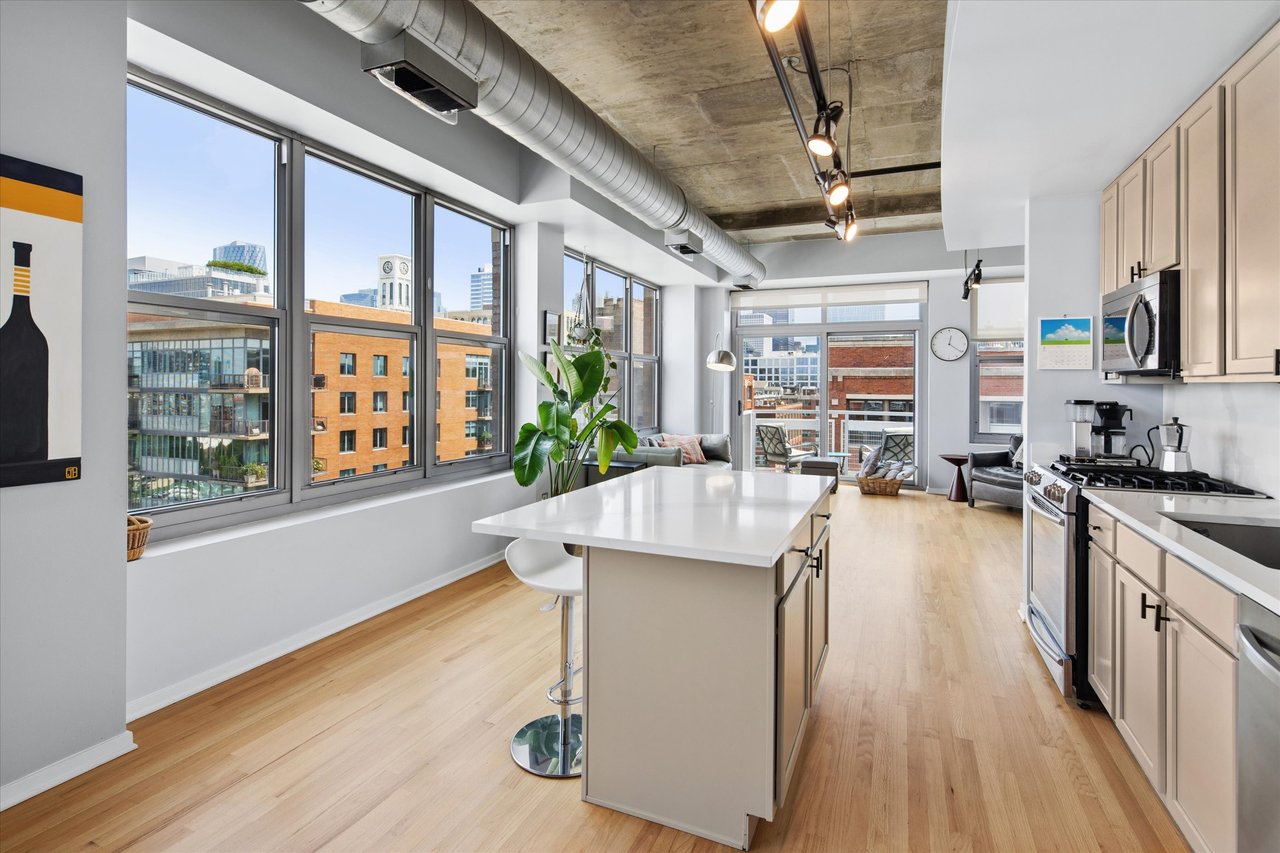
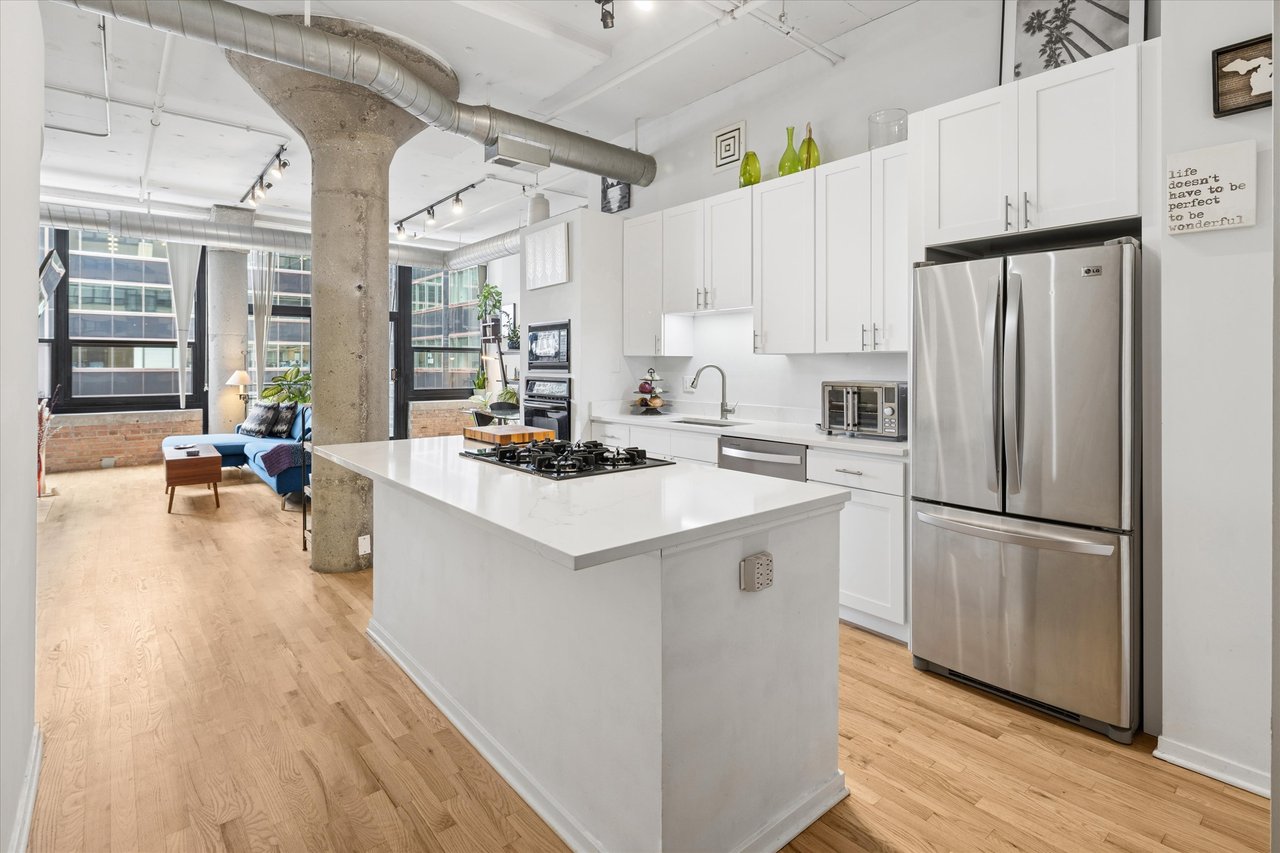
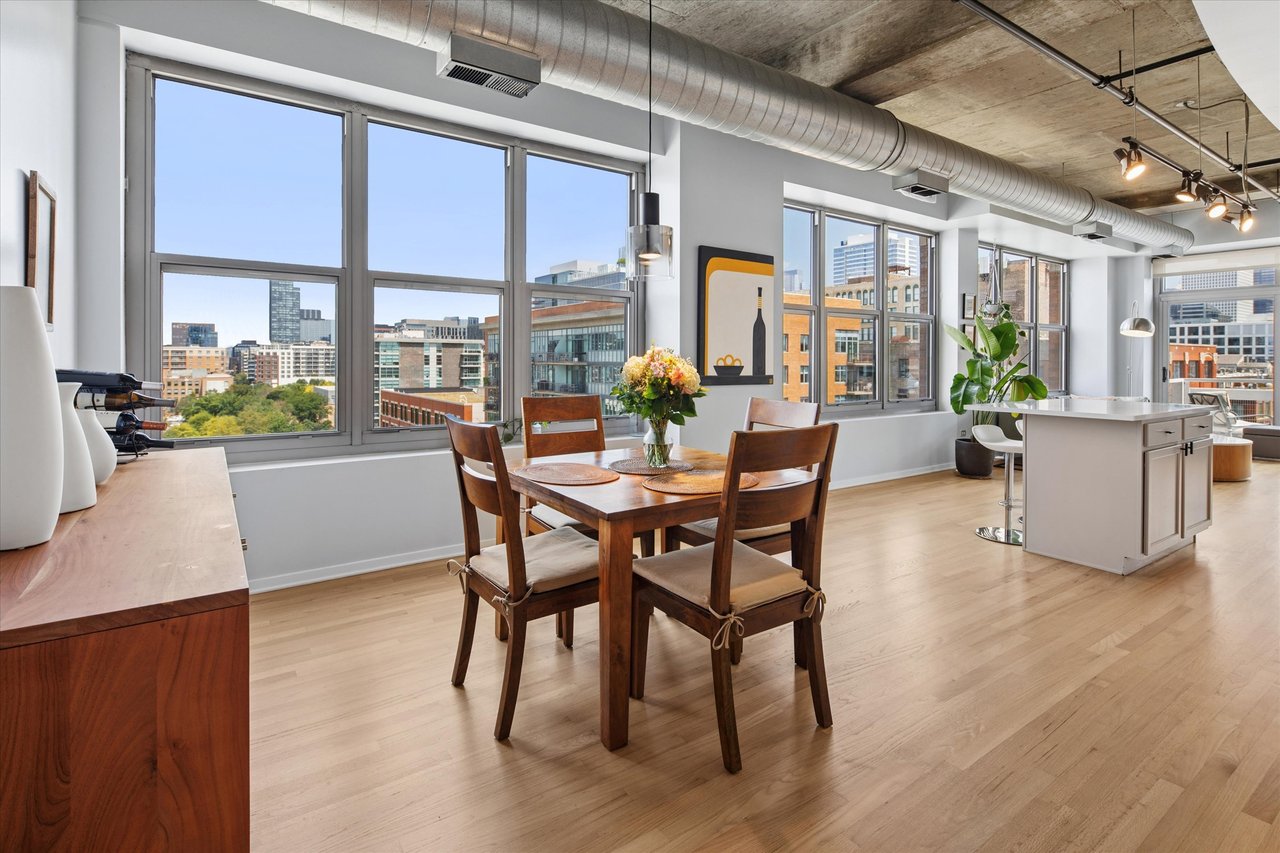
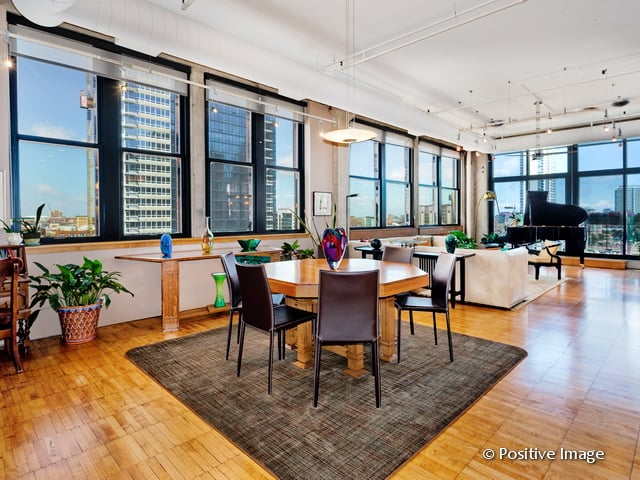
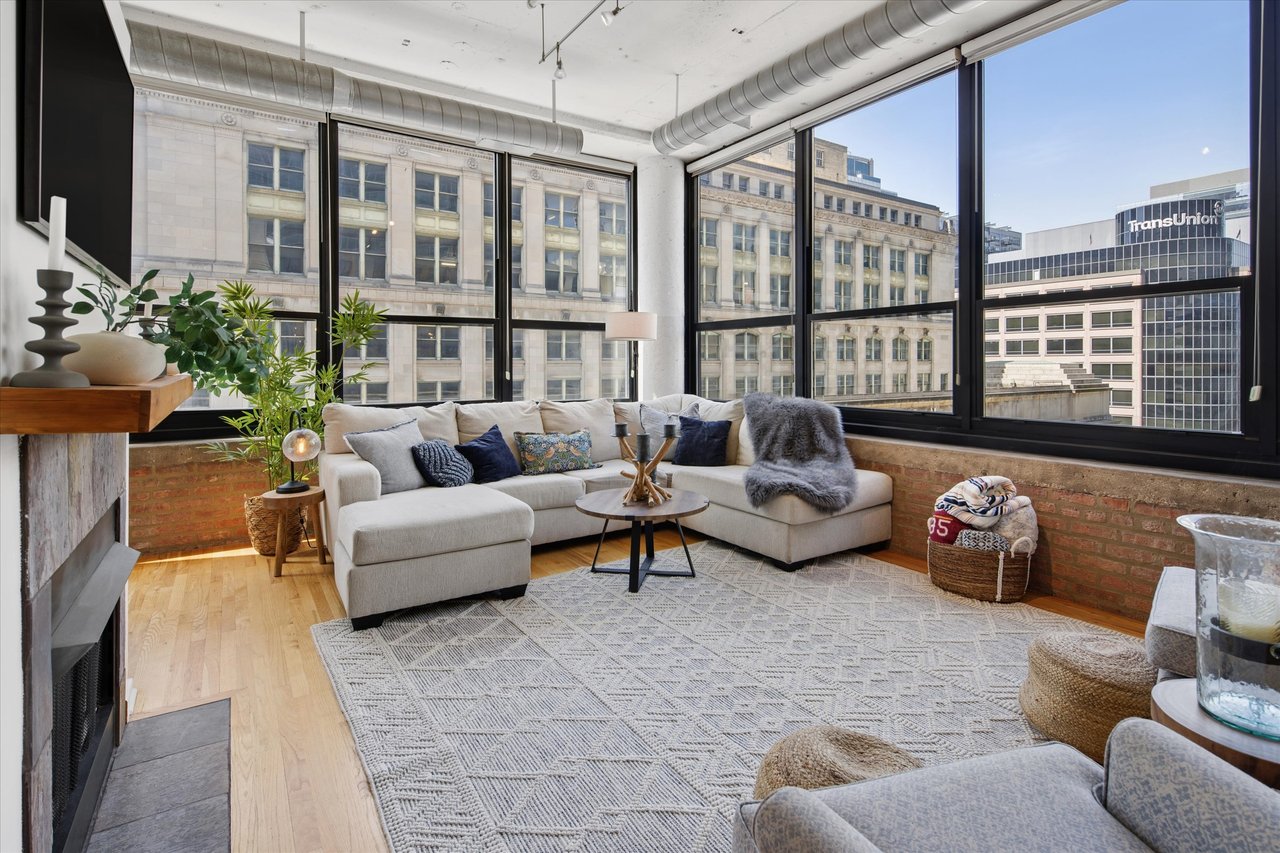
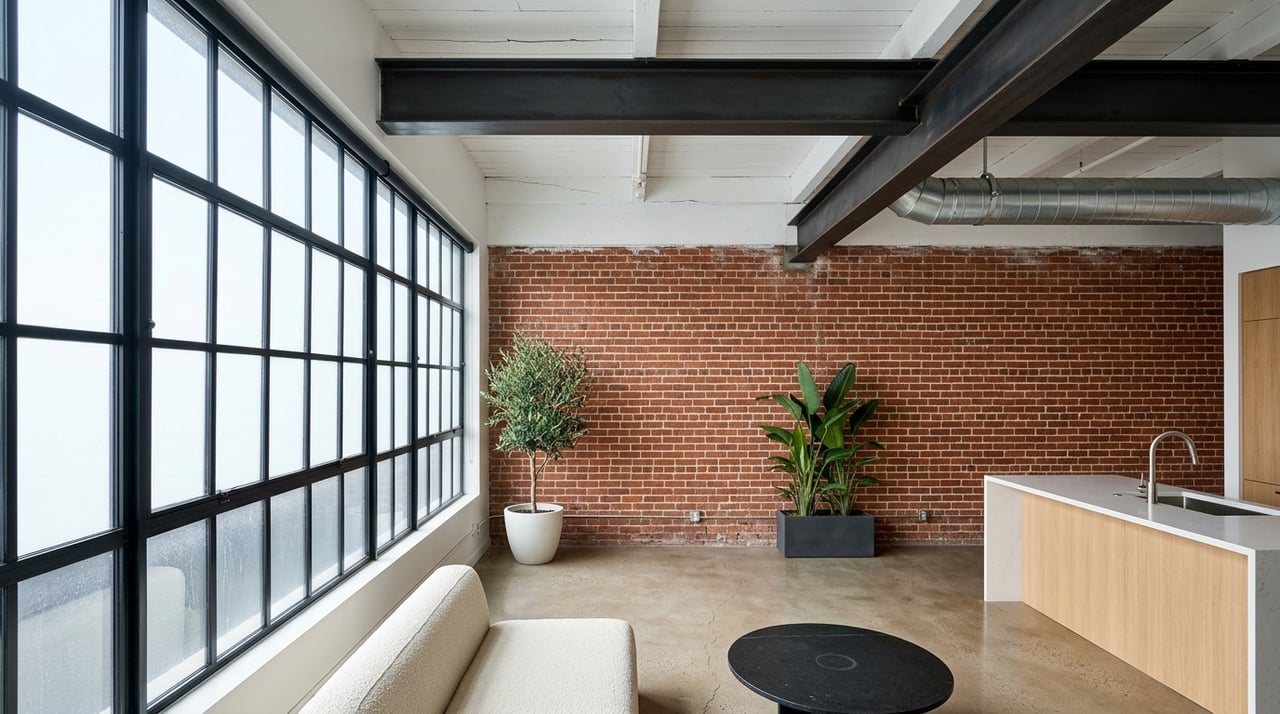
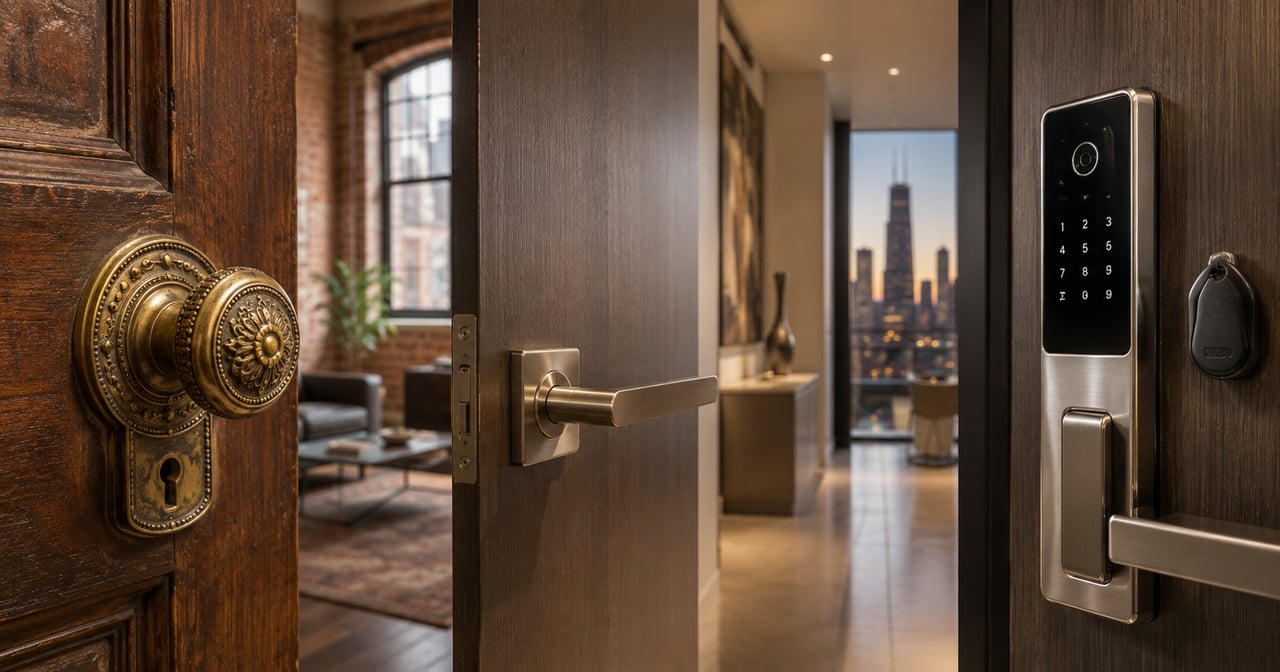
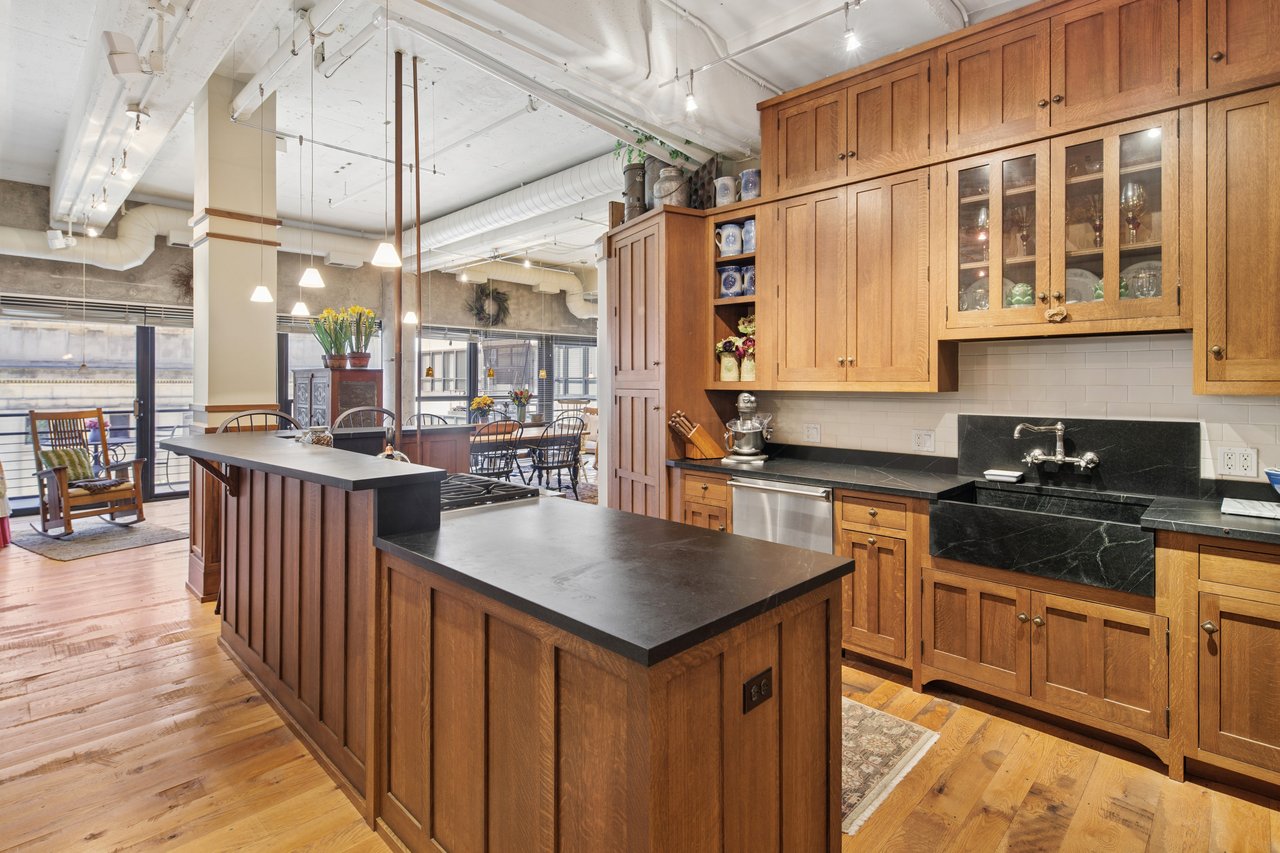
When developers started converting these buildings into loft residences in the 1980s and 90s, they kept the good stuff. Exposed brick. Timber ceilings. Concrete columns. Original hardwood floors. The result is a neighborhood full of condos and lofts that feel genuinely different from anything going up in the West Loop or River North right now.
You can't manufacture this kind of character. It either exists or it doesn't. In Printers Row, it absolutely does.
Where Is Printers Row and How Do You Get Around?
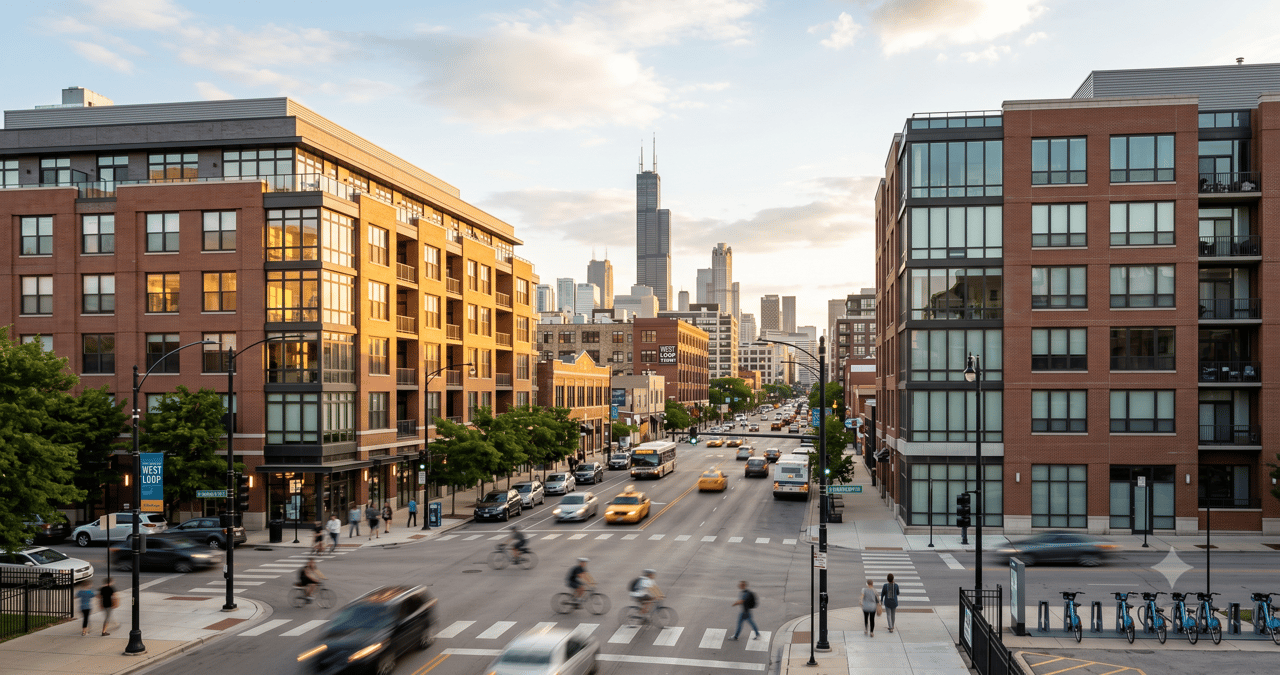
Printers Row sits in the northern edge of the South Loop, roughly bounded by Congress Parkway to the north, Polk Street to the south, Plymouth Court to the east, and the Chicago River branch to the west.
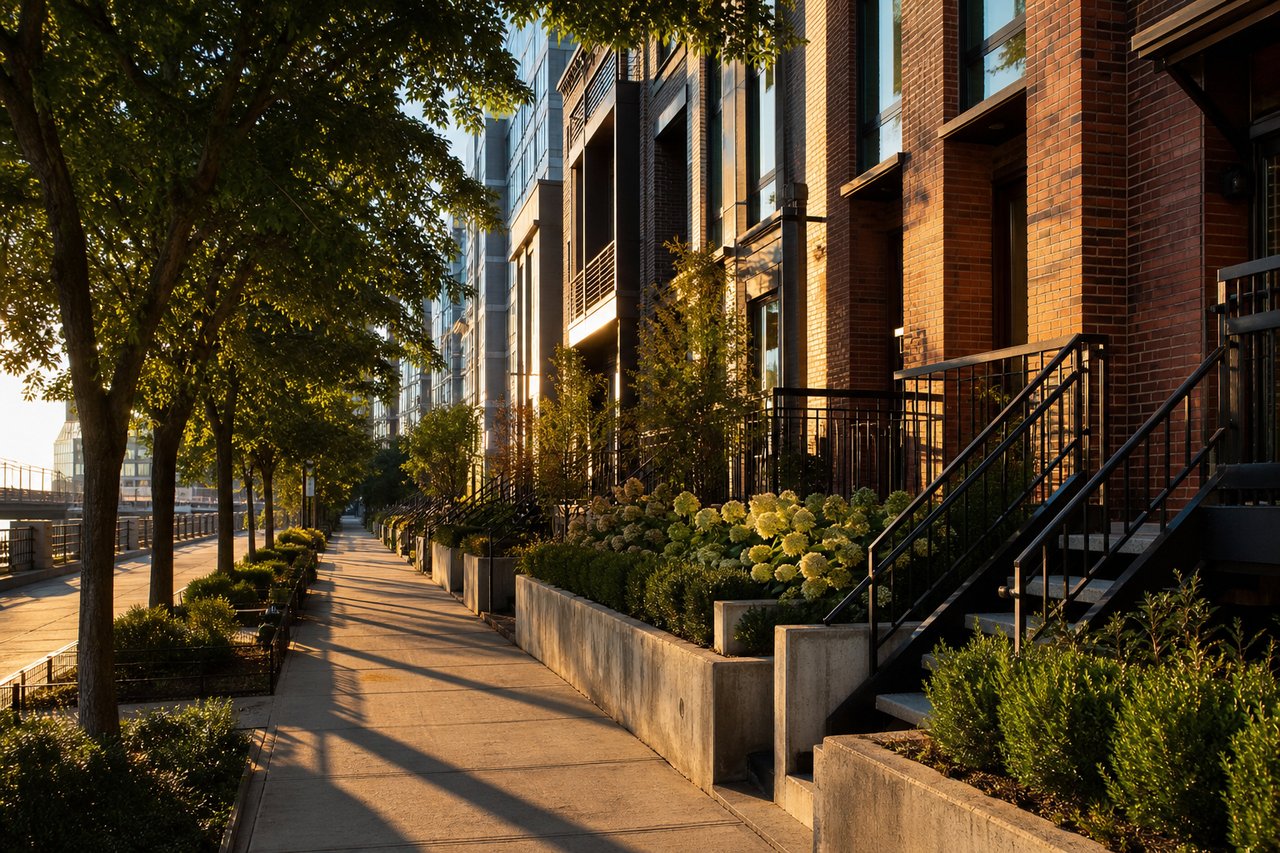
It's a small neighborhood. Walkable in every direction that matters. The Harrison and LaSalle stations on the CTA Red and Blue lines are right there, putting the Loop, Millennium Park, and Wacker Drive within a few stops. Grant Park is a short walk east. The lakefront is close.
Residents in Printers Row are typically on foot or on the train. It's one of the few Downtown Chicago neighborhoods where you can genuinely question whether you need a car at all.
What Kinds of Buildings Are in Printers Row?
This is where the neighborhood gets interesting.
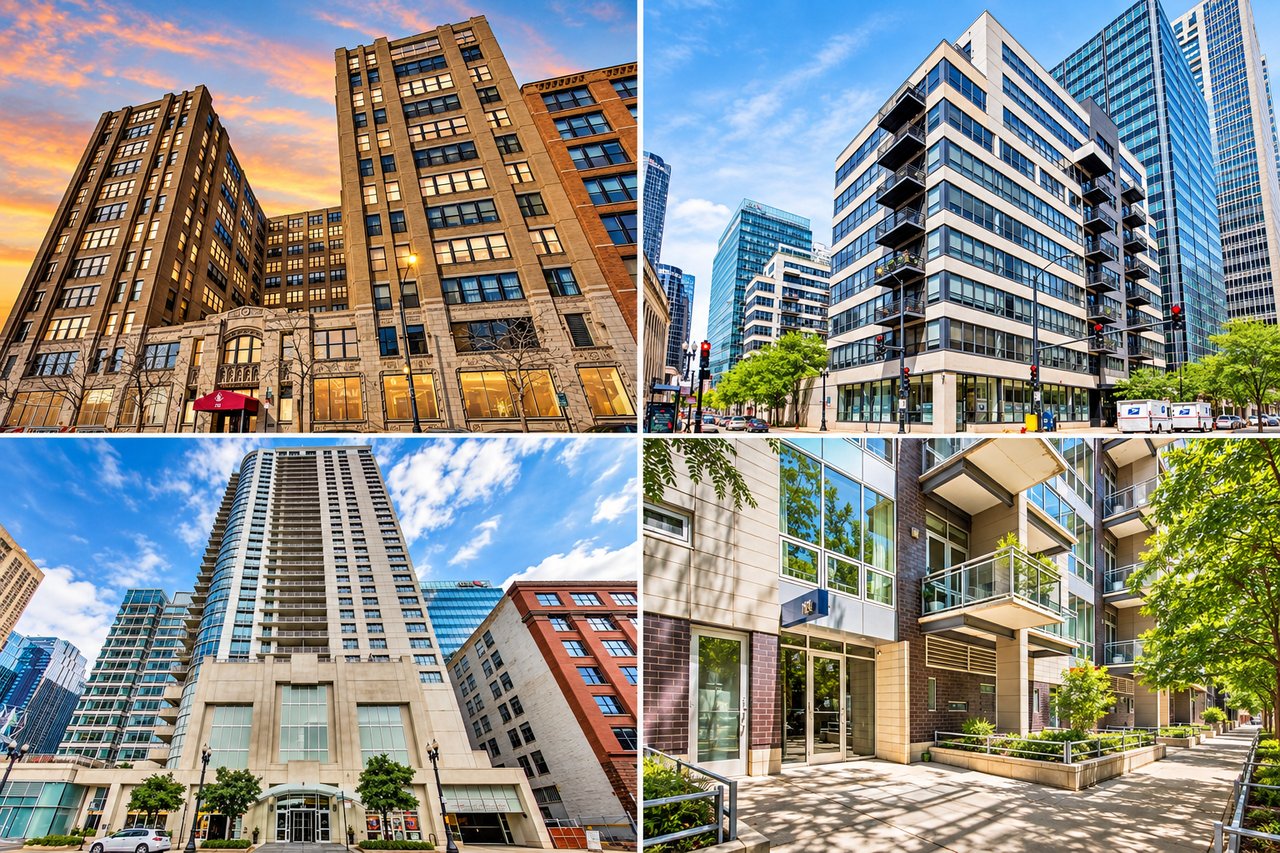
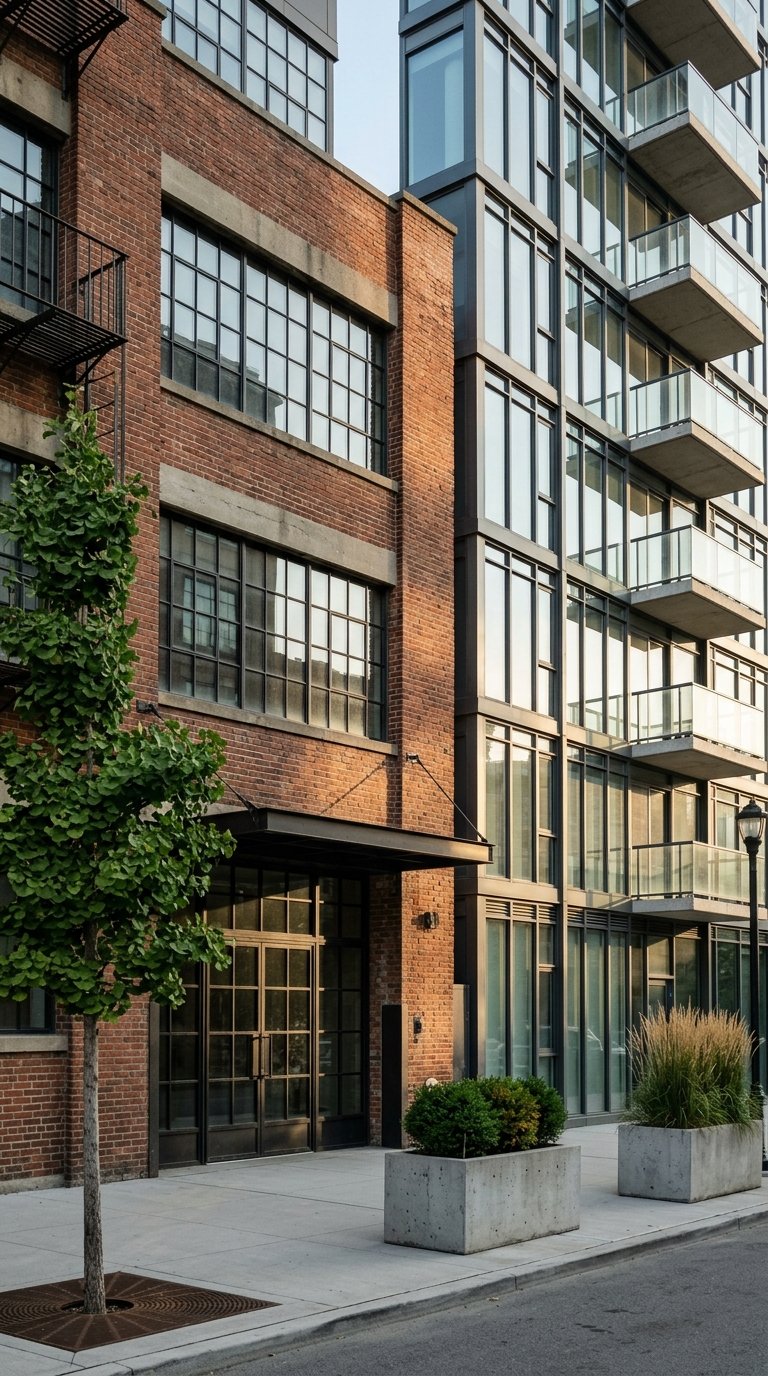
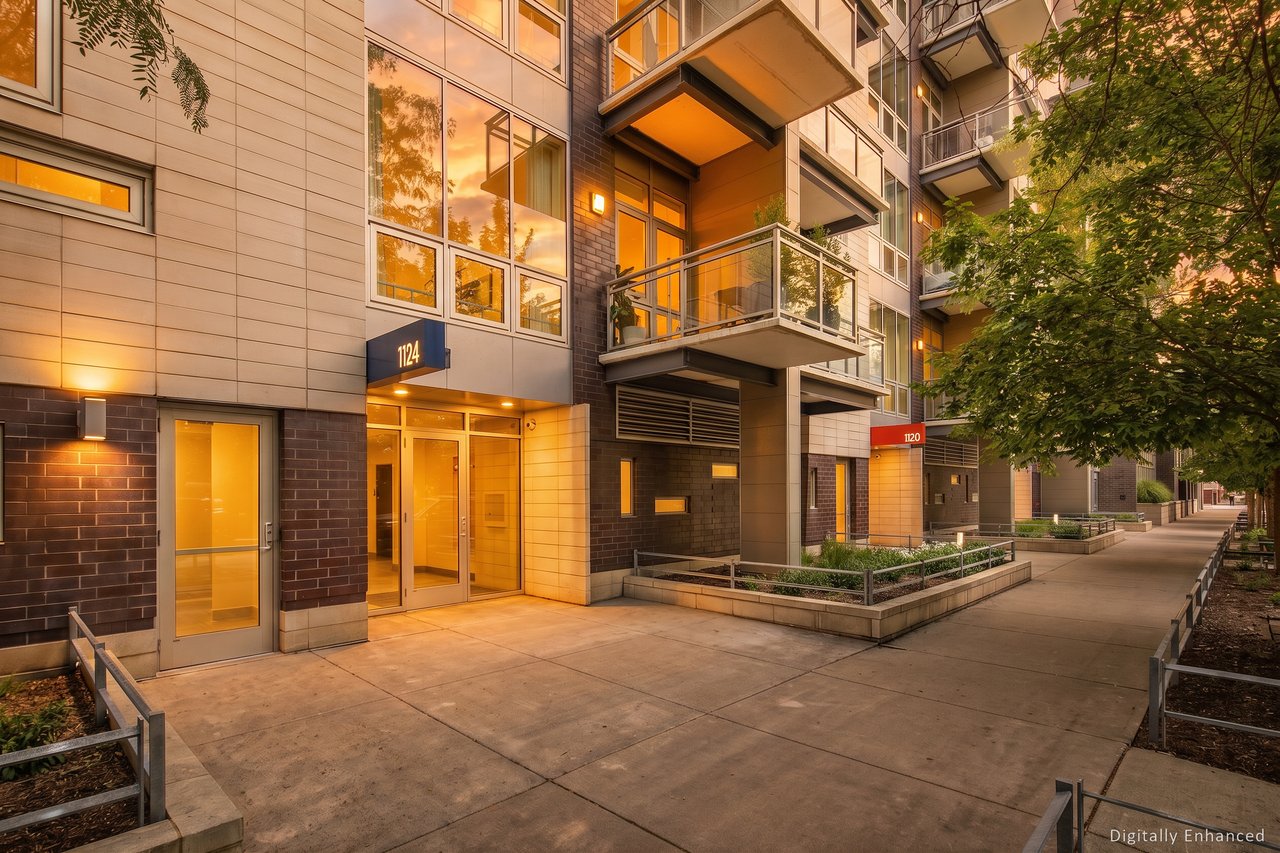
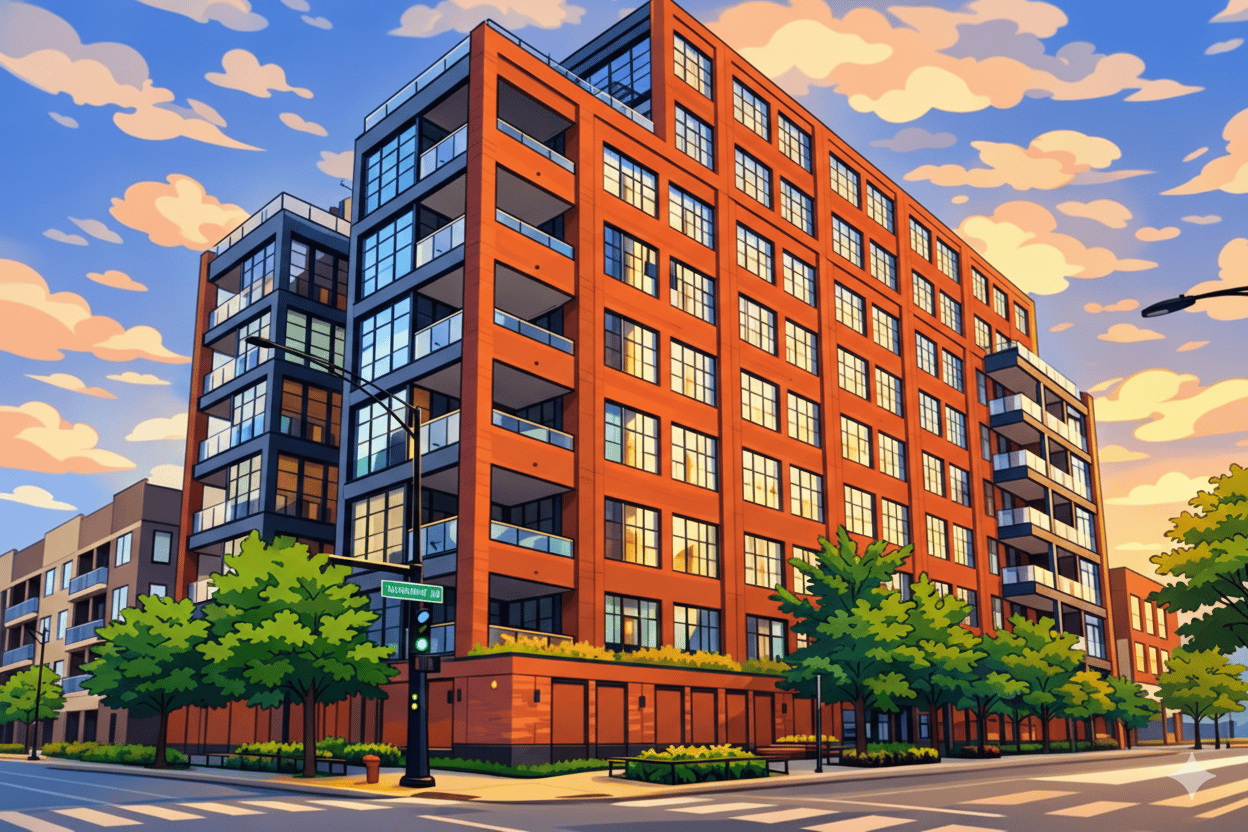
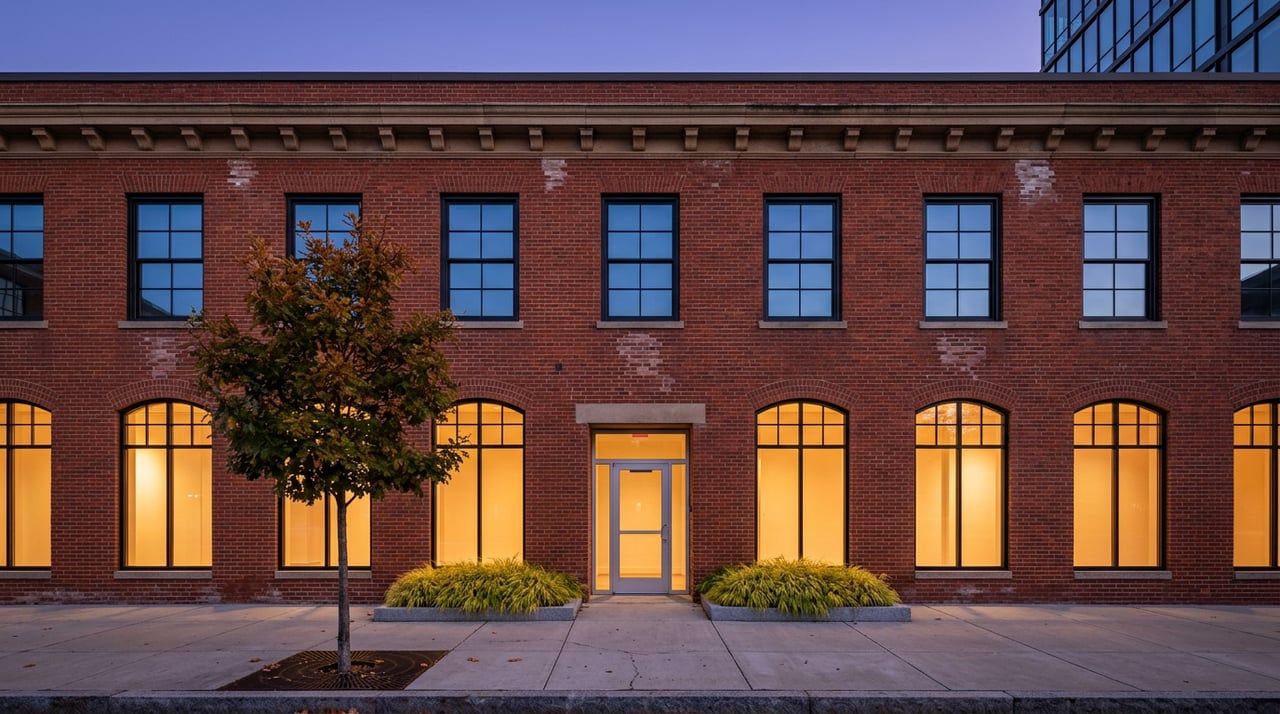
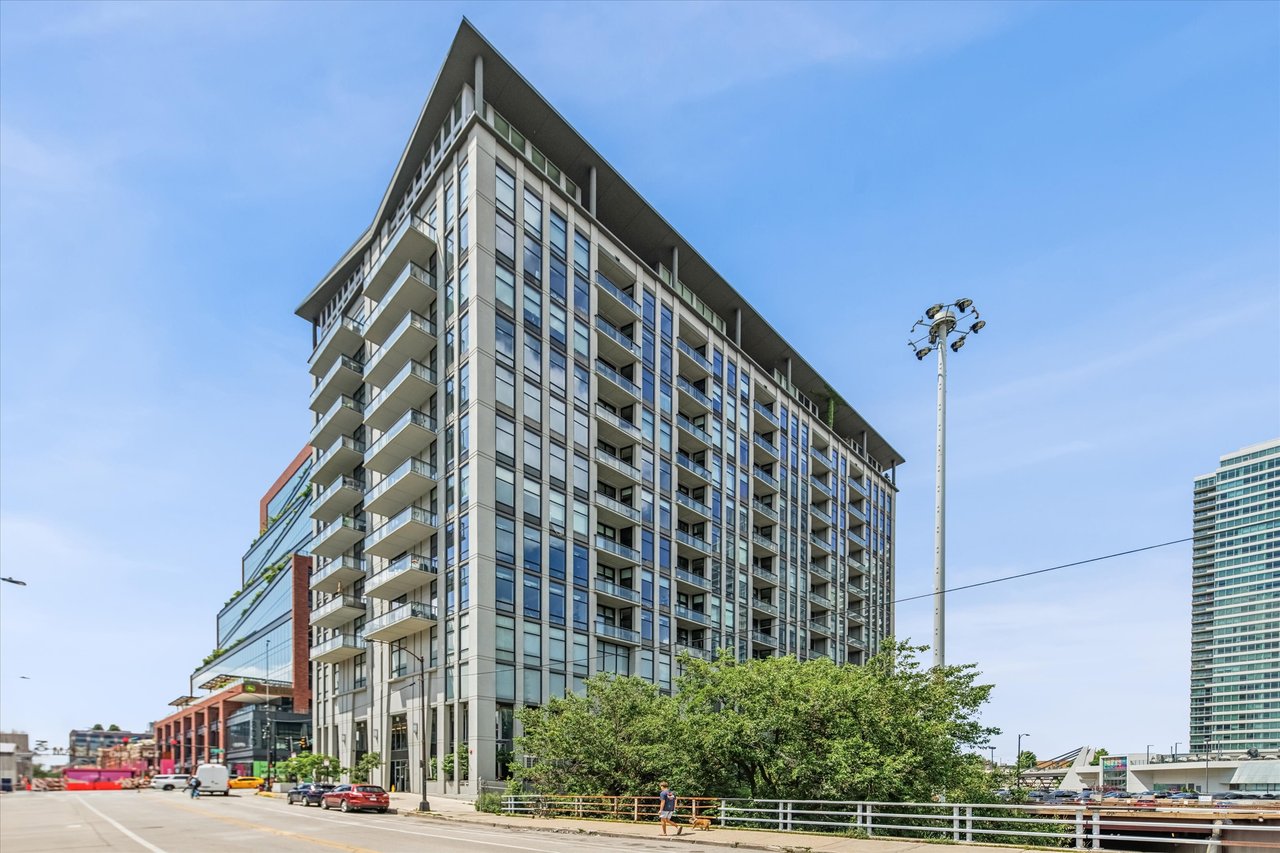
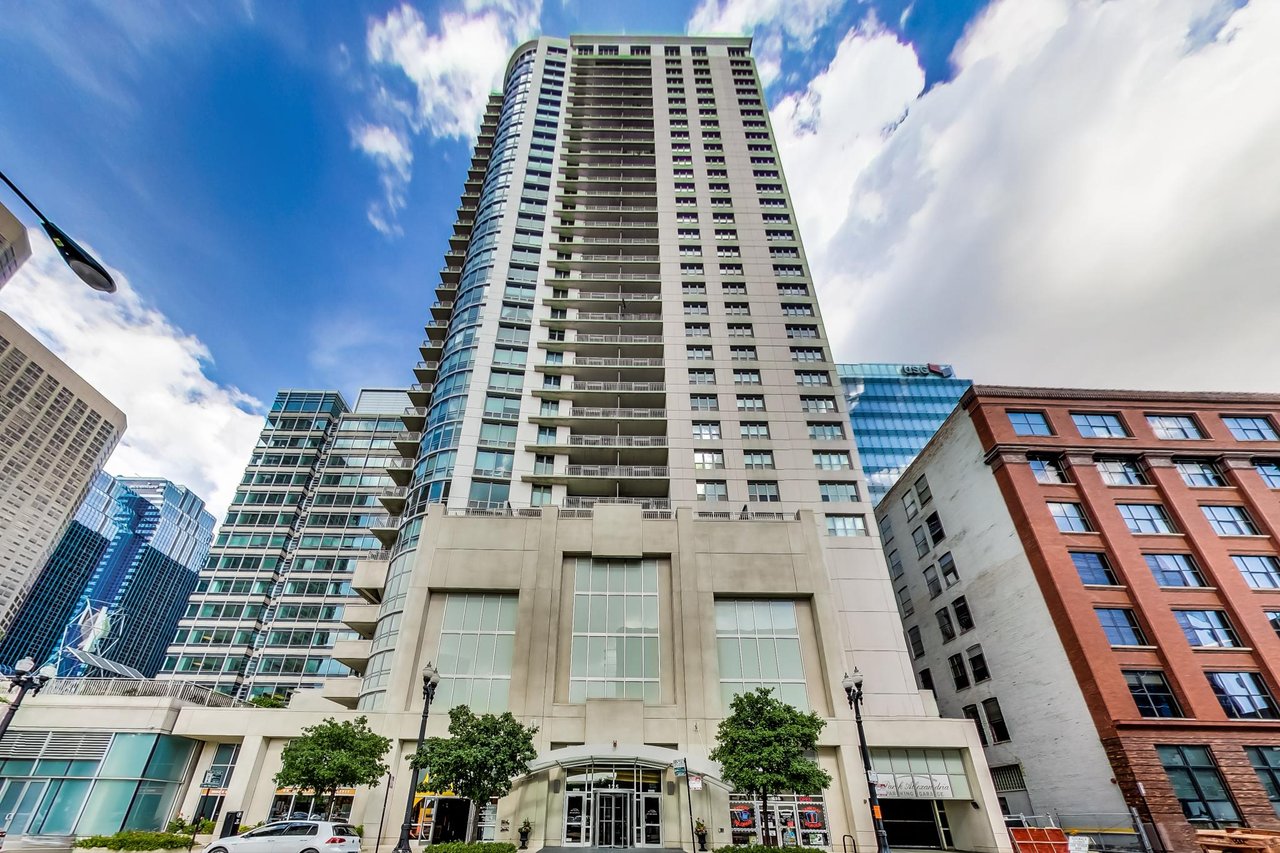
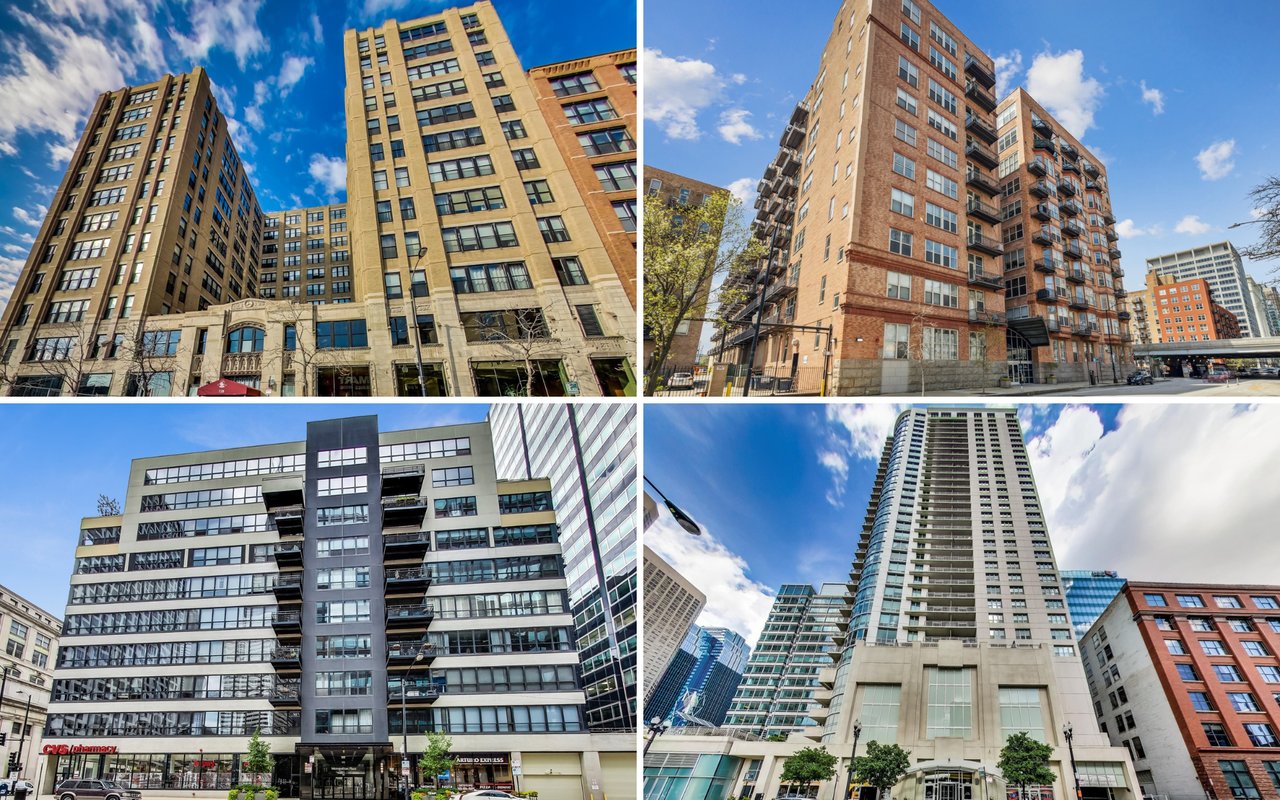
Unlike high-rise condo towers or glass-and-steel new construction, Printers Row is almost entirely low-rise and mid-rise converted loft buildings. Most are 6 to 12 stories. Most were built between 1890 and 1920. And most have been thoughtfully converted into residential condominiums that preserve the industrial architecture.
727 S. Dearborn: The Iconic Heart of Printers Row
If you've been in Printers Row, you know this building.
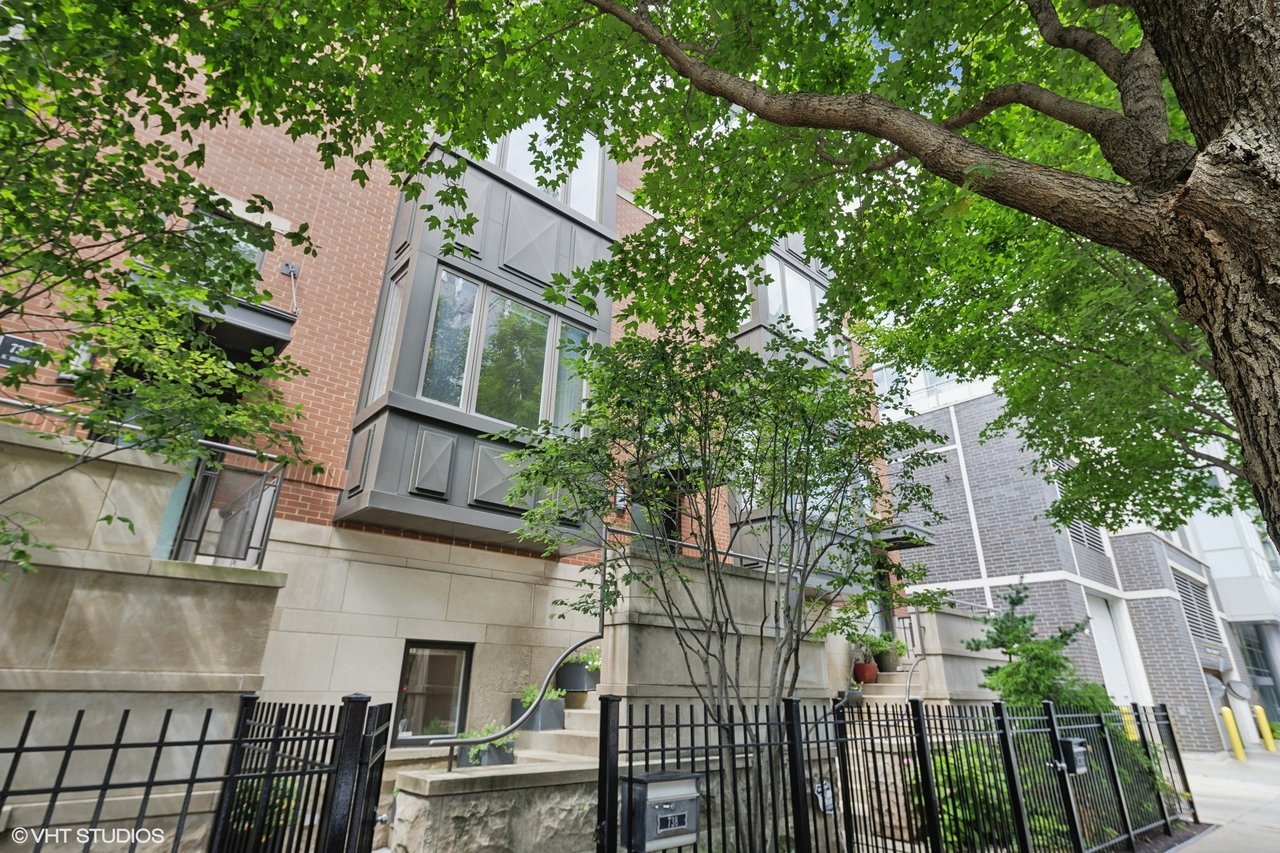
727 S. Dearborn, also known as the Duplicator Building or Dearborn Park Lofts, is one of the neighborhood's most recognizable addresses. The building dates back to the early 1900s and is a textbook example of what makes Printers Row special.
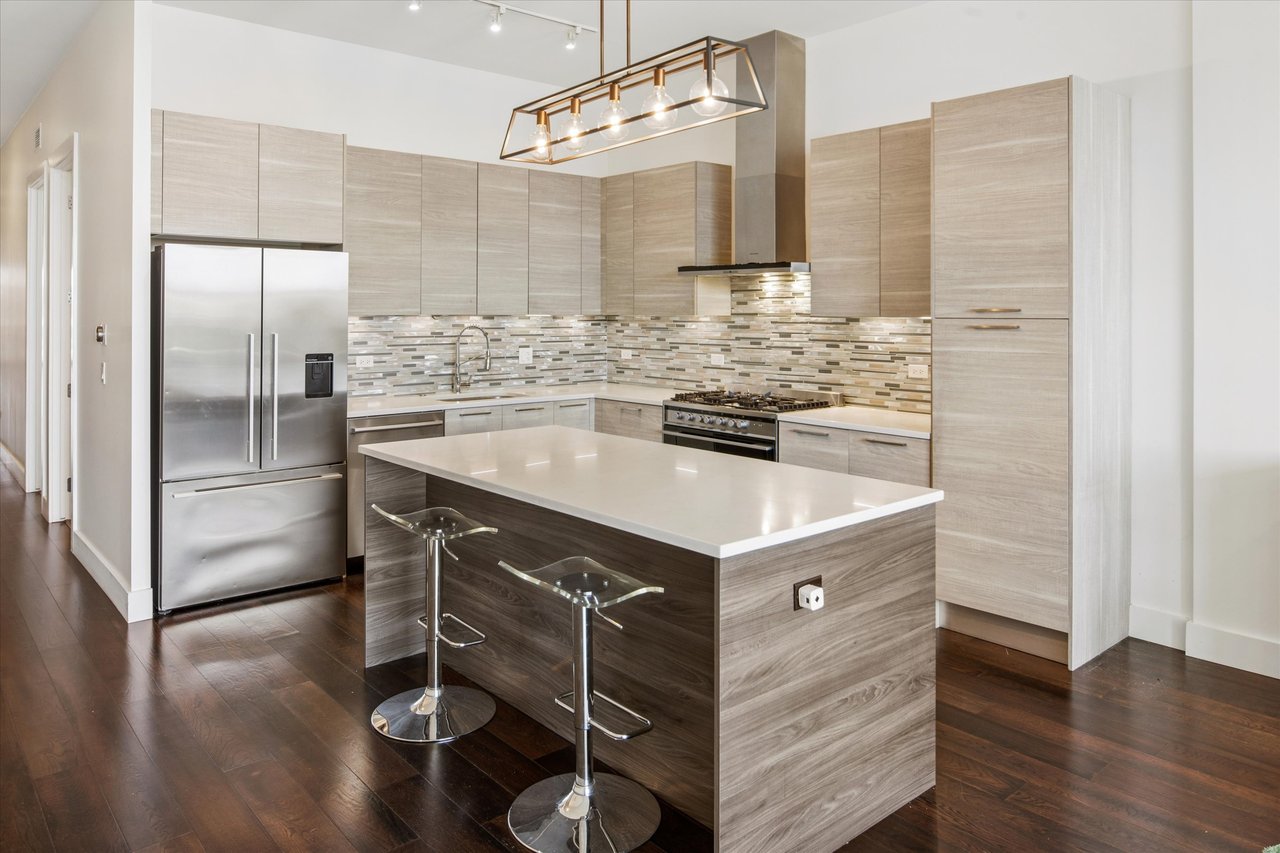
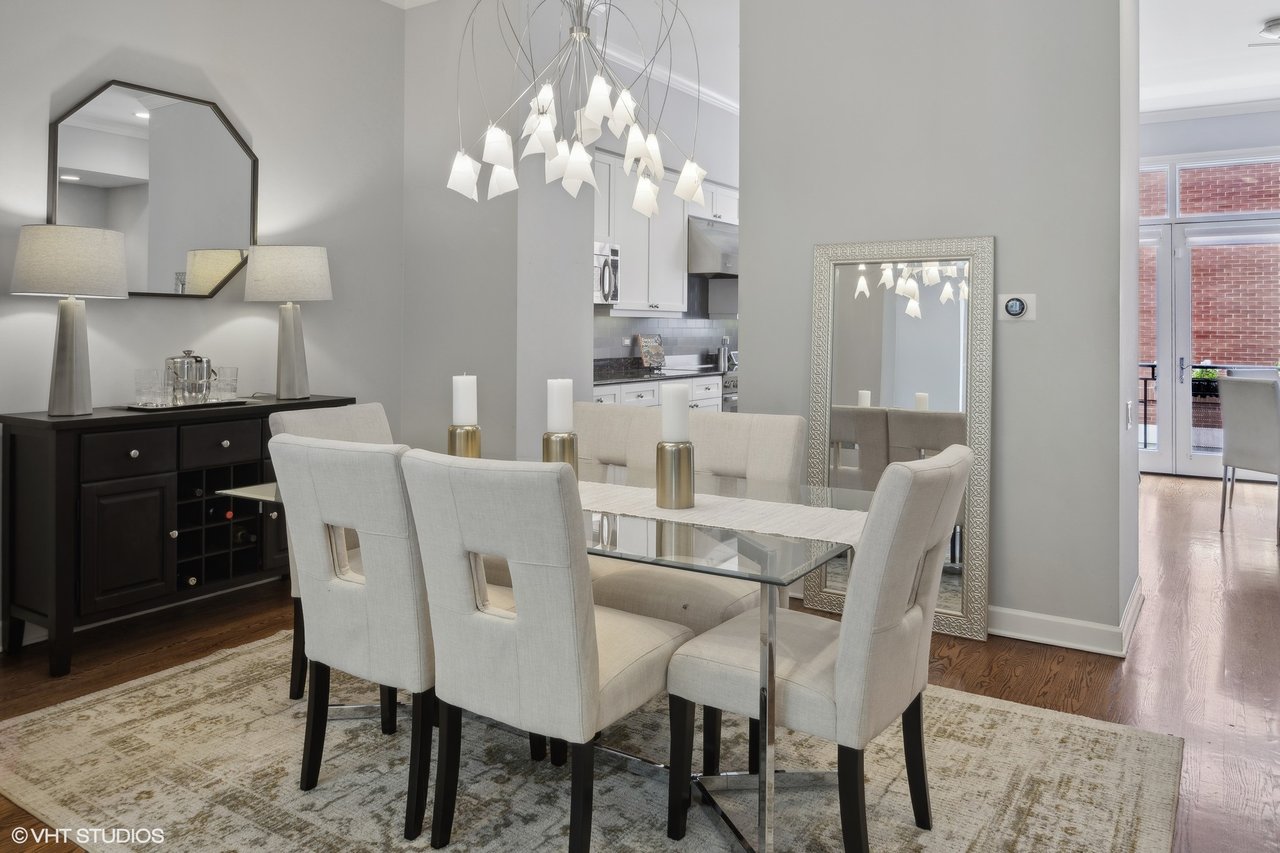
Units here feature exposed brick, heavy timber beams, and high ceilings that you simply cannot replicate in new construction. Layouts range from studios and one-bedrooms to larger multi-level lofts. The building has been well-maintained over the years, and the HOA is active.
From a buyer's perspective, 727 S. Dearborn delivers authentic Chicago loft living at a price point that often competes favorably with newer South Loop and West Loop product. You get more ceiling height, more character, and a better story to tell.
From a seller's perspective, authenticity is the value proposition. Buyers in this price range are specifically looking for what this building has. Marketing to that audience, with the right photography and the right description, is how you sell here.
161 W. Harrison: South Loop Loft Living With a Modern Edge
161 W. Harrison sits right at the southern edge of Printers Row proper and brings a slightly different feel than the deeper-in-the-neighborhood buildings.
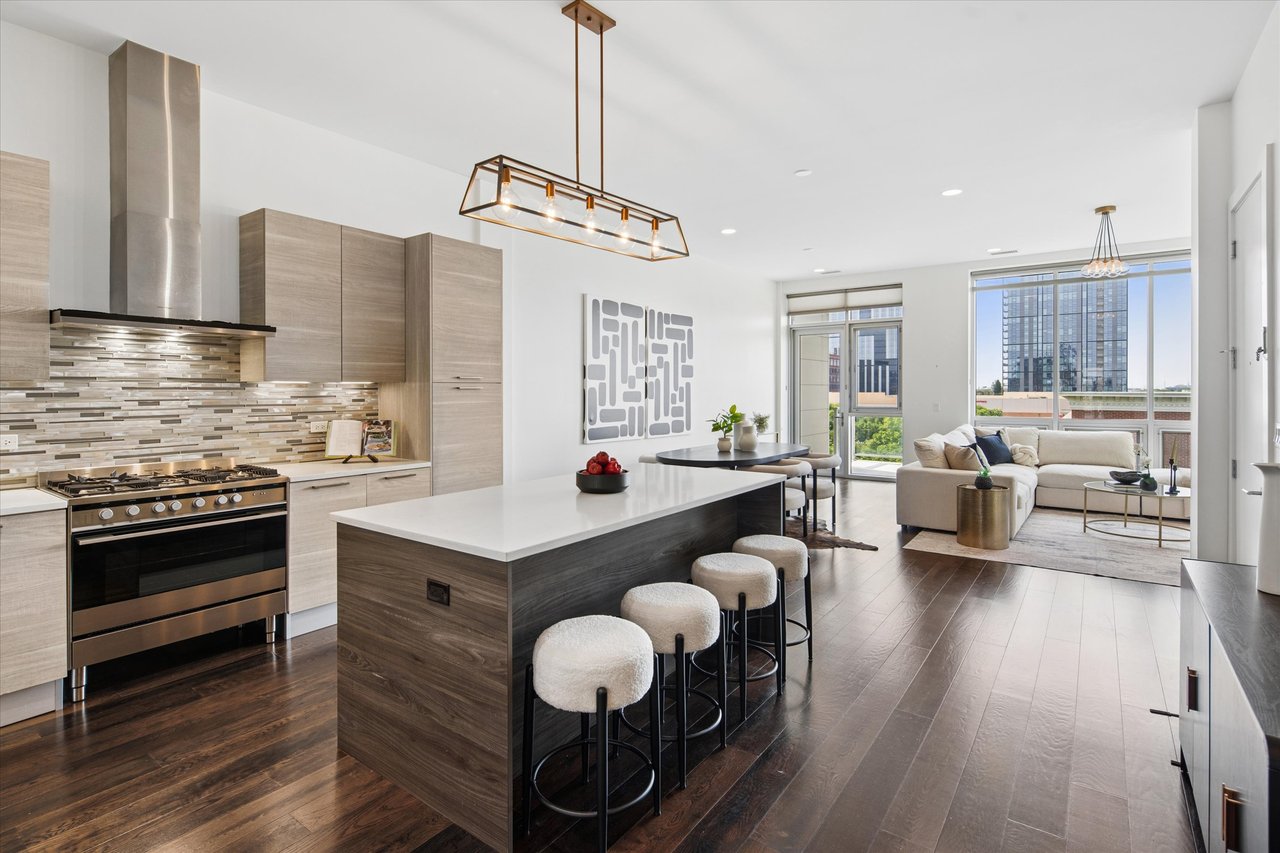
This address is popular with buyers who want the loft aesthetic but also value proximity to the South Loop's growing restaurant and retail scene. Units at 161 W. Harrison tend to feature open floor plans, high ceilings, and the exposed concrete and brick that loft buyers are searching for.
The building is close to the Harrison Red Line stop, making the commute into the Loop simple. It also sits within walking distance of Columbia College Chicago and the Museum Campus, giving the neighborhood a creative, arts-adjacent energy that a lot of residents love.
For sellers here, the story is accessibility and authenticity combined. You're close to everything, and you're living in a building with real architectural bones.
What's actually available right now in Printers Row
These are live Printers Row listings, updated daily straight from the MLS
What's the Printers Row Real Estate Market Actually Like?
Printers Row is a niche market, and niche markets require niche expertise.
Inventory in the neighborhood tends to be limited, which is both a challenge and an opportunity. Limited supply keeps values relatively stable compared to larger condo developments where you can have dozens of similar units competing at the same time.
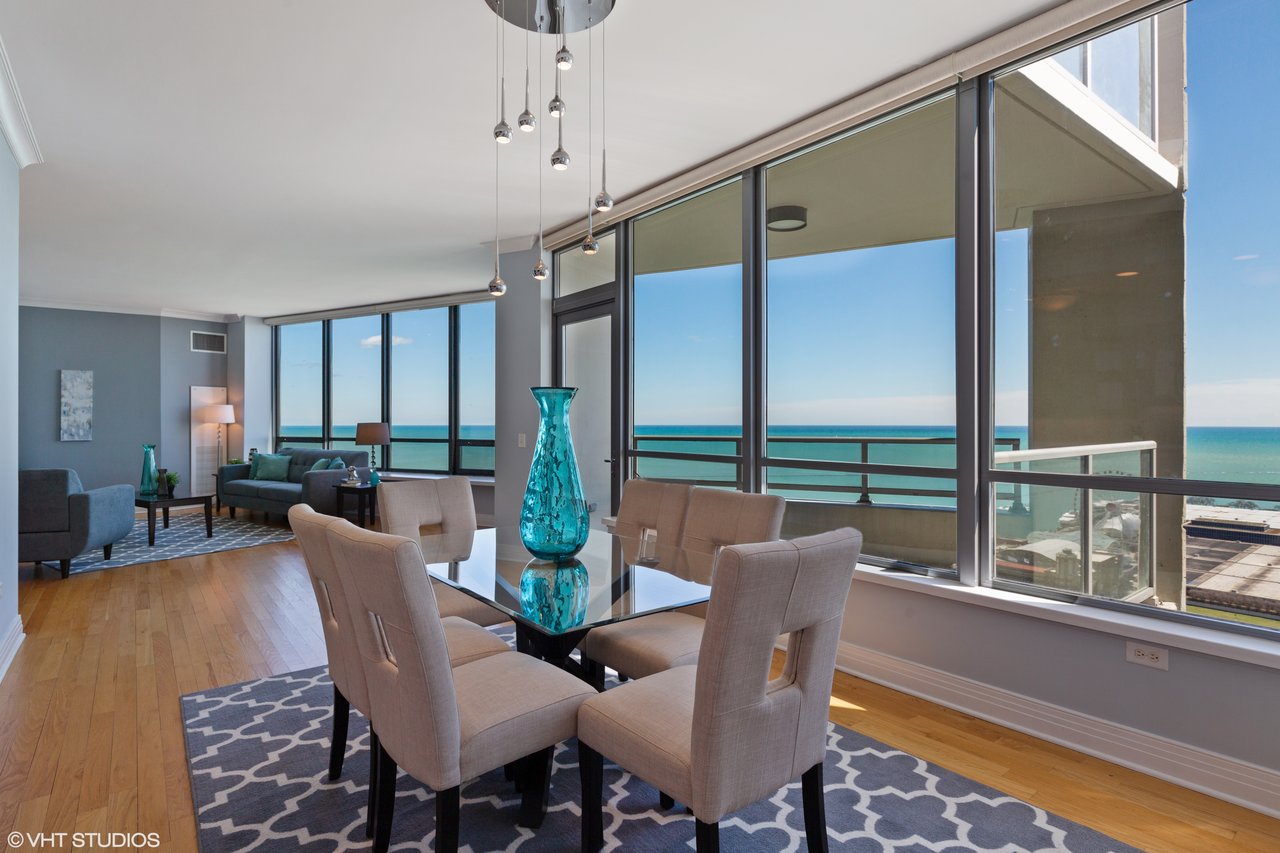
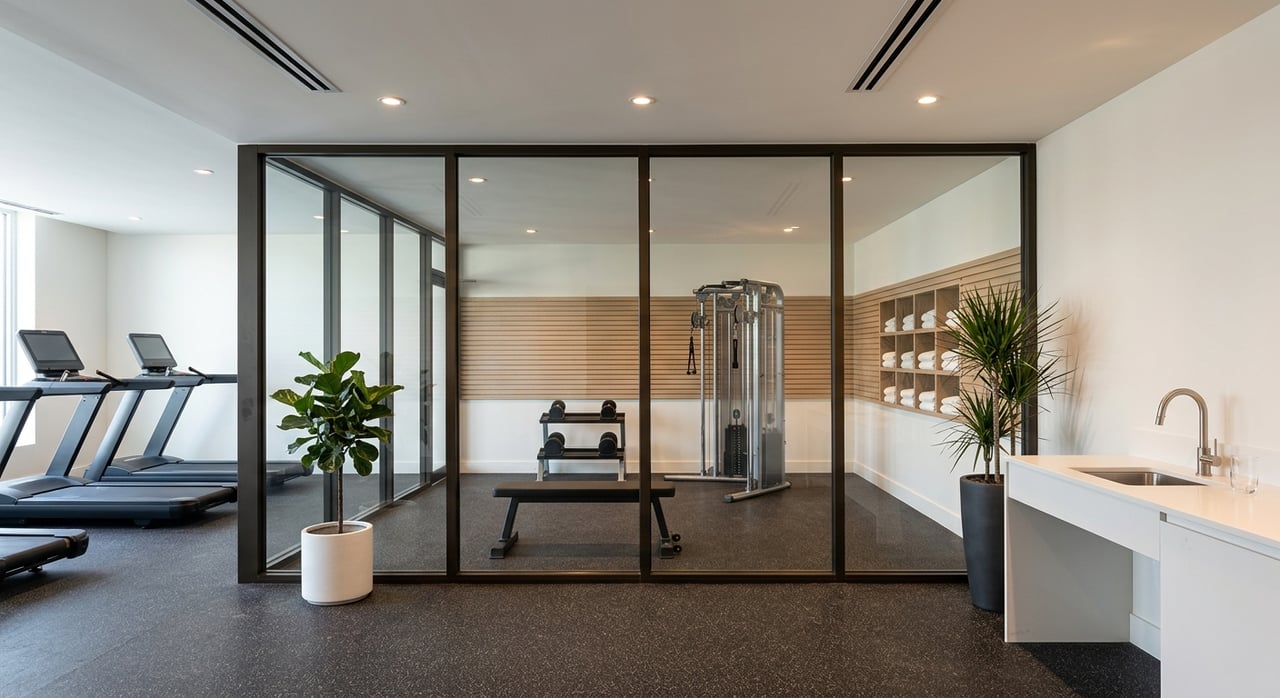
Buyers searching for loft condos in Chicago are often comparison-shopping across neighborhoods: Printers Row, West Loop, River North, South Loop high-rises. Printers Row usually wins on price per square foot when you factor in ceiling height, building character, and walkability. What you give up in terms of amenities like rooftop decks and fitness centers, you often gain back in authenticity and location.
According to the National Association of Realtors, urban walkable neighborhoods continue to demonstrate strong long-term demand, particularly among buyers prioritizing transit access and neighborhood character over square footage. Printers Row checks both boxes.
The Chicago Association of Realtors reports that condo demand across the South Loop submarket has remained consistent, driven by price-conscious buyers priced out of comparable neighborhoods. Printers Row often represents the best value in that search.
Is Printers Row Right for You?
Here's how to think about it.
You're probably a fit for Printers Row if:
- You want a loft with real architectural character, not a unit that's styled to look like one
- You work downtown or commute via the Red or Blue line
- You value walkability over square footage
- You want a smaller, quieter neighborhood feel inside a big city
- You're a buyer who can tell the difference between a real brick-and-timber conversion and a modern imitation
Printers Row may not be the right fit if:
- You need a parking space and can't live without one (parking is limited and often deeded separately)
- You want full-amenity building services like 24-hour door staff, a pool, or a rooftop deck
- You're looking for new construction or modern finishes throughout
That's not a knock on the neighborhood. It's just honest context that helps buyers make smart decisions before they start touring.
Key Takeaways
- Printers Row is a small, walkable South Loop neighborhood built on converted printing and publishing warehouses from the early 1900s
- Buildings like 727 S. Dearborn and 161 W. Harrison offer exposed brick, timber ceilings, and authentic Chicago loft character
- The neighborhood is one of the most transit-accessible in Downtown Chicago, with Red and Blue line stops within walking distance
- Inventory is limited, which supports value stability but requires buyers to move quickly when the right unit hits the market
- Printers Row delivers strong price-per-square-foot value compared to comparable loft product in the West Loop and River North
The Bottom Line
Printers Row is one of Chicago's most underrated neighborhoods. It's small, quiet, architecturally authentic, and deeply connected to the city's history. Buildings like 727 S. Dearborn and 161 W. Harrison represent the best of what this neighborhood offers: real lofts in real buildings that you can't replicate anywhere else in Downtown Chicago.
If you're thinking about buying or selling in Printers Row, you need someone who understands what makes these buildings valuable and how to market that value to the right buyer.
Frequently Asked Questions
What is Printers Row known for in Chicago? Printers Row is a South Loop neighborhood known for its historic brick-and-timber loft buildings, converted from printing and publishing warehouses dating back to the late 1800s and early 1900s. It's recognized for its walkability, transit access, and authentic urban character.
Are condos in Printers Row a good investment? Printers Row condos have shown consistent demand due to limited inventory and a buyer pool specifically seeking authentic loft product. Like any real estate investment, value depends on the specific unit, building condition, HOA financials, and current market conditions. Working with a local specialist is the best way to evaluate any specific property.
What are the best loft buildings in Printers Row? Notable buildings include 727 S. Dearborn (Dearborn Park Lofts), 161 W. Harrison, and several other converted warehouse buildings along Dearborn and Plymouth Court. Each has its own character, price range, and HOA structure.
Is Printers Row walkable? Yes. Printers Row is one of the most walkable neighborhoods in Downtown Chicago. The Loop, Grant Park, the lakefront, and multiple CTA stations are all within easy walking distance.
How is parking in Printers Row? Parking is limited in Printers Row compared to newer high-rise developments. Many buildings have deeded parking spaces that are bought and sold separately. If parking is a must-have, verify availability before committing to a specific building or unit.
Where can I get live market info about the Printers Row? Printers Row Market Report
ABOUT THE AUTHOR
Christine Hancock is a Chicago Realtor with @properties Christie's International Real Estate, bringing more than 25 years of experience and over $200 million in closed sales in the downtown condo market. With 96 five-star Zillow reviews, Christine is recognized for her commitment to client satisfaction and market expertise.
She specializes in high-rise and luxury condominium sales in West Loop, South Loop, River North, and Streeterville, helping buyers and sellers navigate complex transactions with data-driven pricing strategies and deep neighborhood insight.
Christine partners with clients to evaluate market trends, position properties competitively, and make confident, informed decisions in Chicago's vibrant downtown housing market.
Call or text 312-296-9300 to discuss current market conditions or your real estate goals.
More Info: