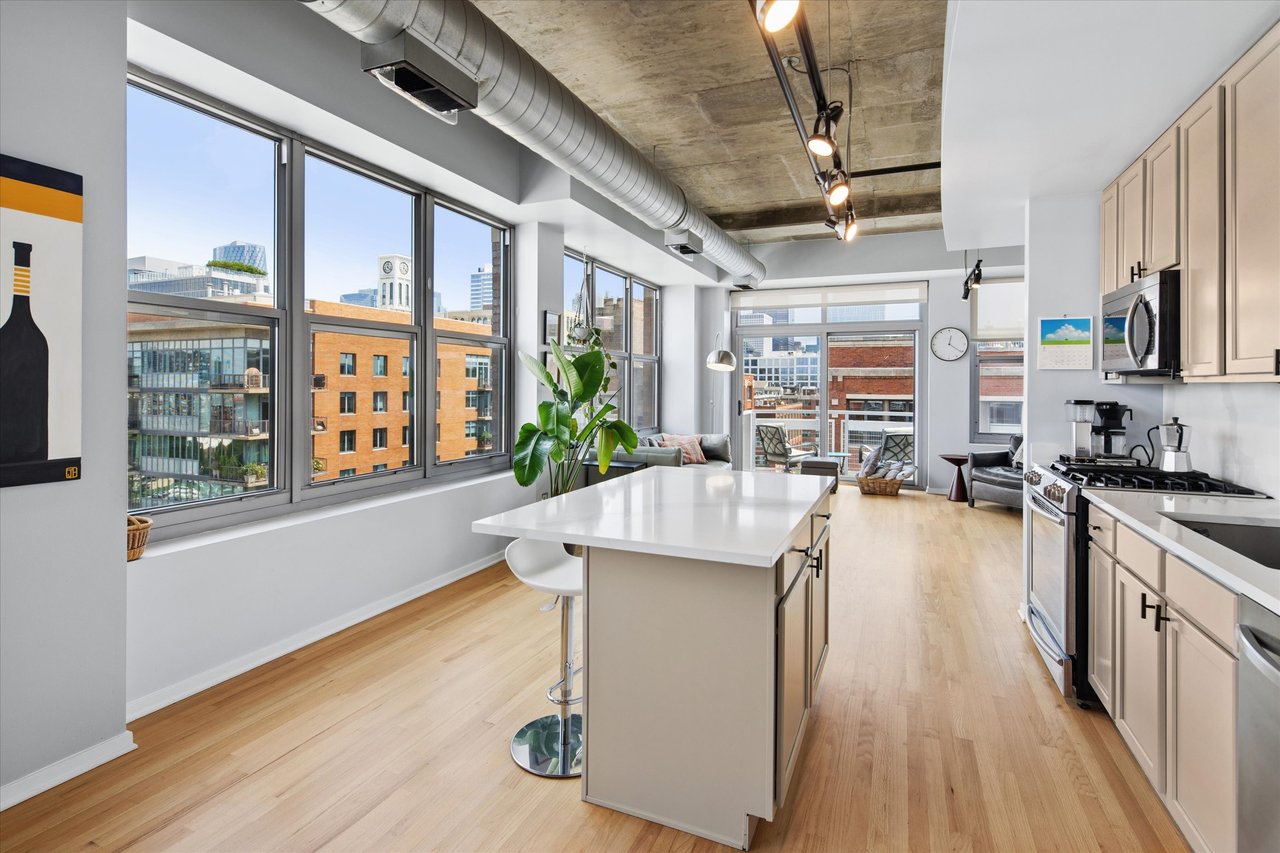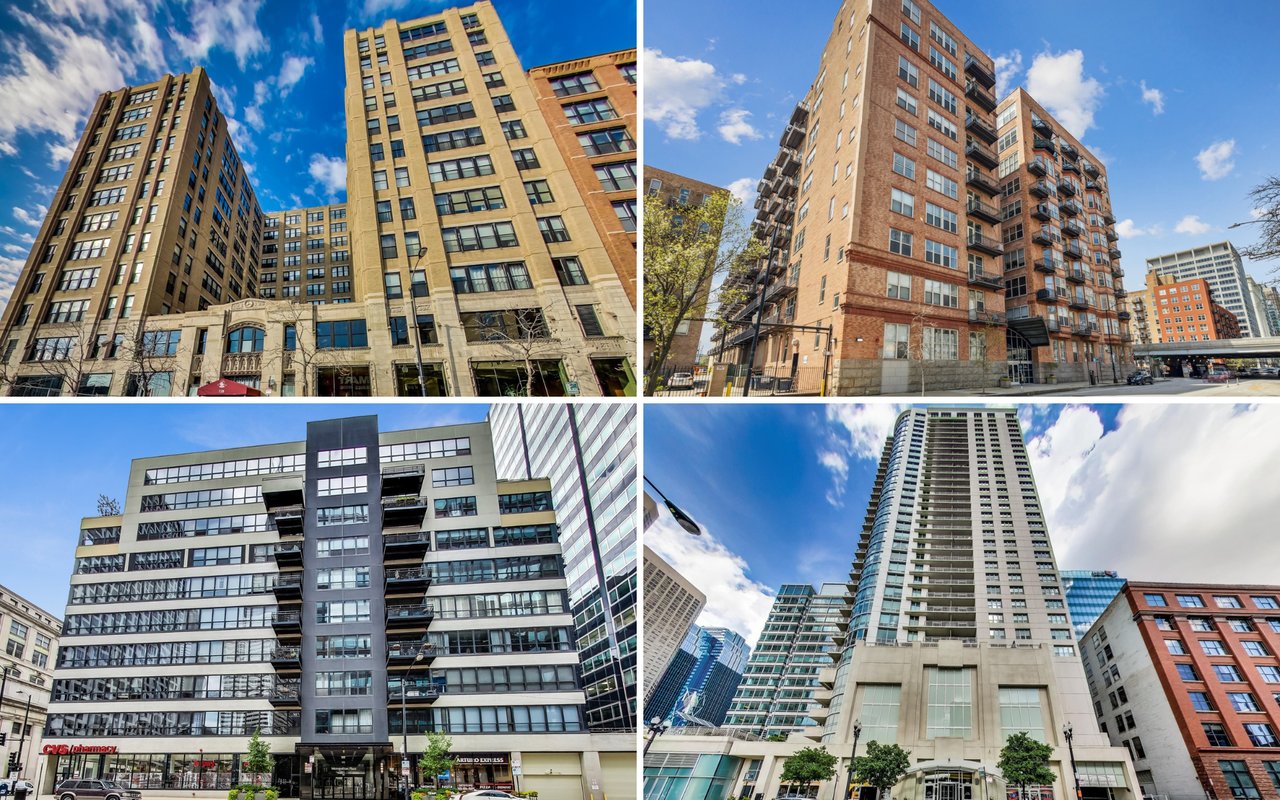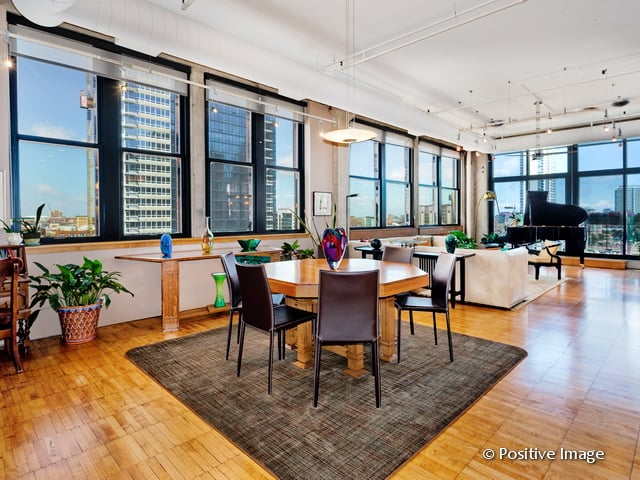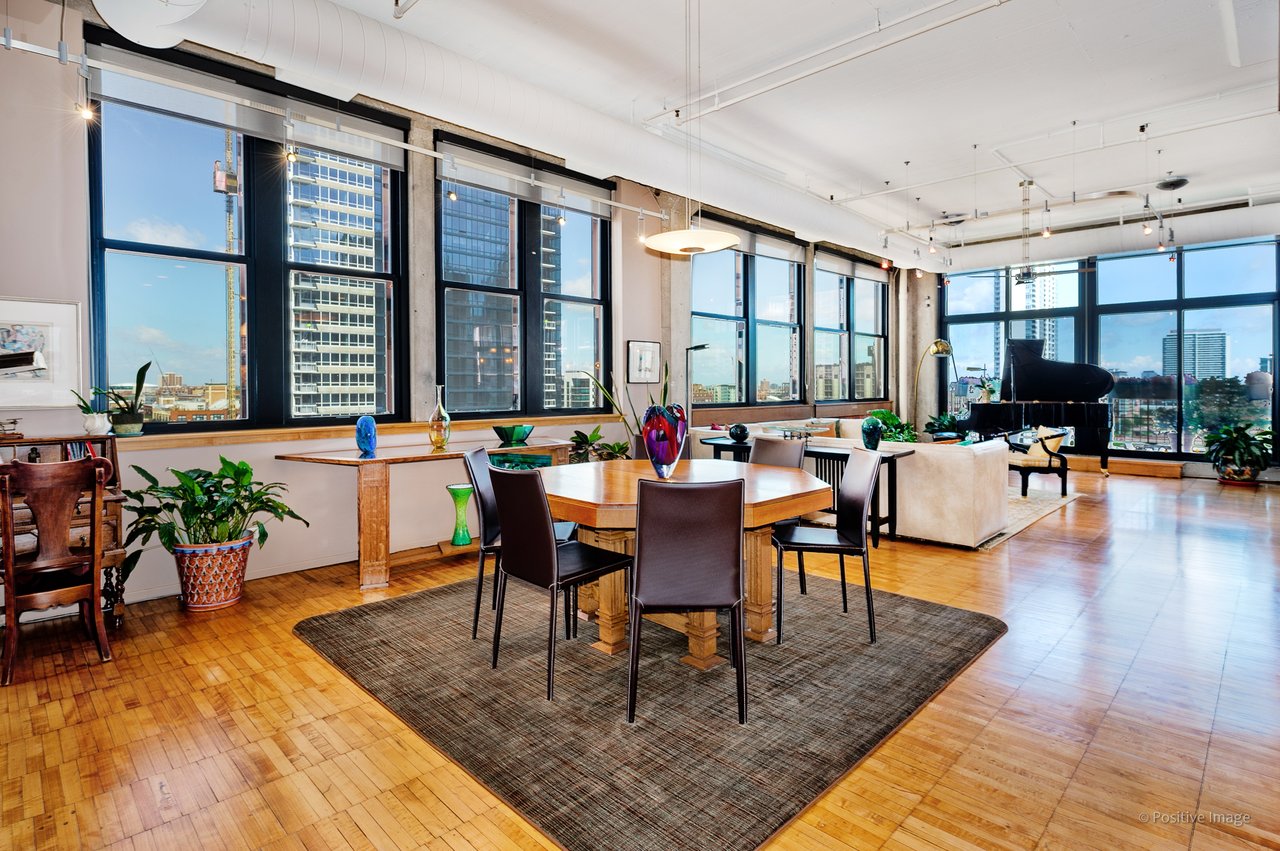
If you’ve watched similar West Loop condos sell at dramatically different prices, you’re not imagining it. Pricing in this neighborhood isn’t formulaic, it’s a discipline that blends hard data with hyper-local nuance. Tier, exposure, and buyer psychology all matter.
Below is the exact framework I use to value and position West Loop condos so sellers can price with confidence, attract qualified buyers, and avoid the costly mistakes that lead to stagnation. Let’s break it down.
The West Loop Pricing Framework
Every pricing strategy starts with data, but it only works when that data is interpreted through the lens of how buyers actually behave in the West Loop.
We begin with recent West Loop sales, narrow the comp set to your specific building and tier, and then refine for condition, HOA health, and market momentum. The result is a pricing strategy aligned with your goal, whether that’s speed, certainty, or maximum net.
Step 1: Define the Right Comparison Set
The West Loop is not a single market. We first place your condo into a precise category so comparisons are truly apples to apples.
Key classification factors
-
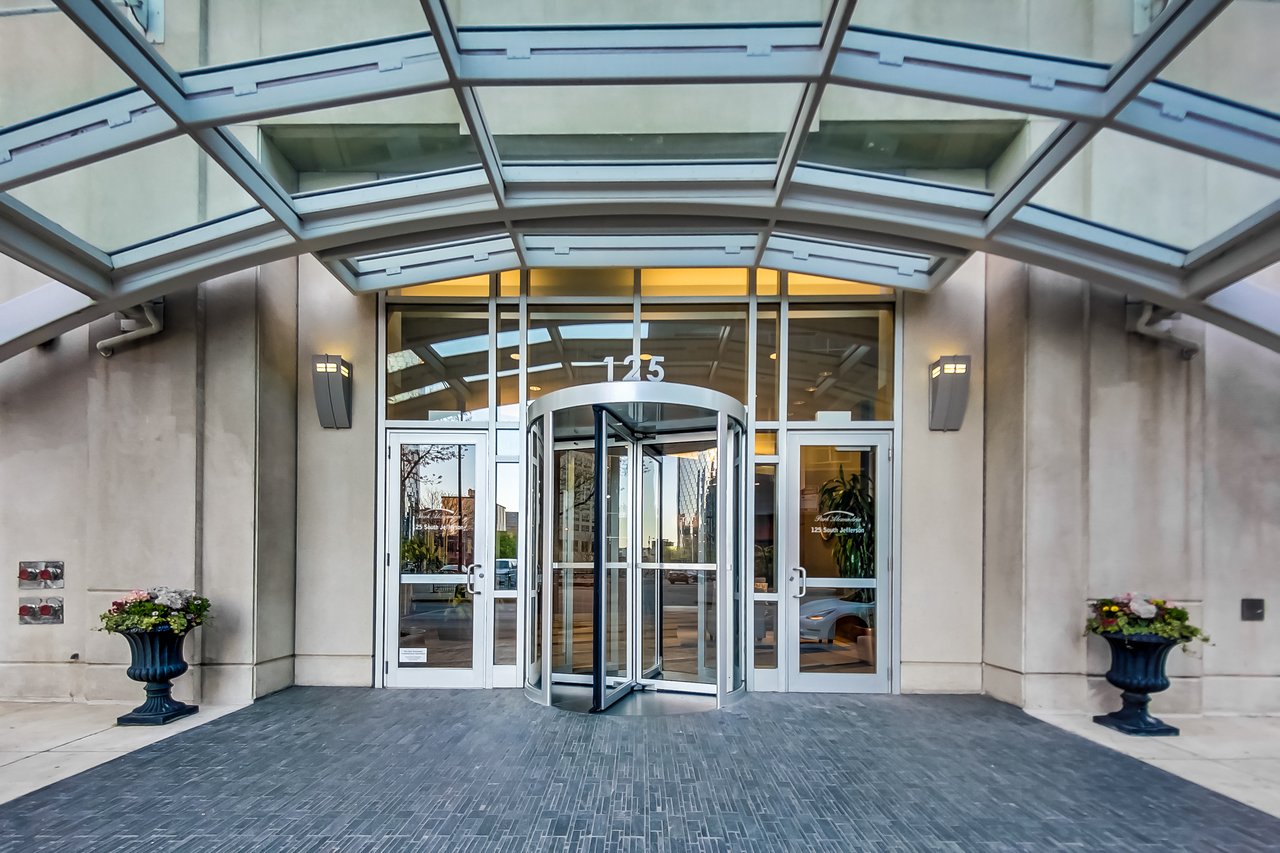
Building identity
-
Tier, exposure, and orientation
-
Floor height and stack position
-
Square footage and floor plan efficiency
-
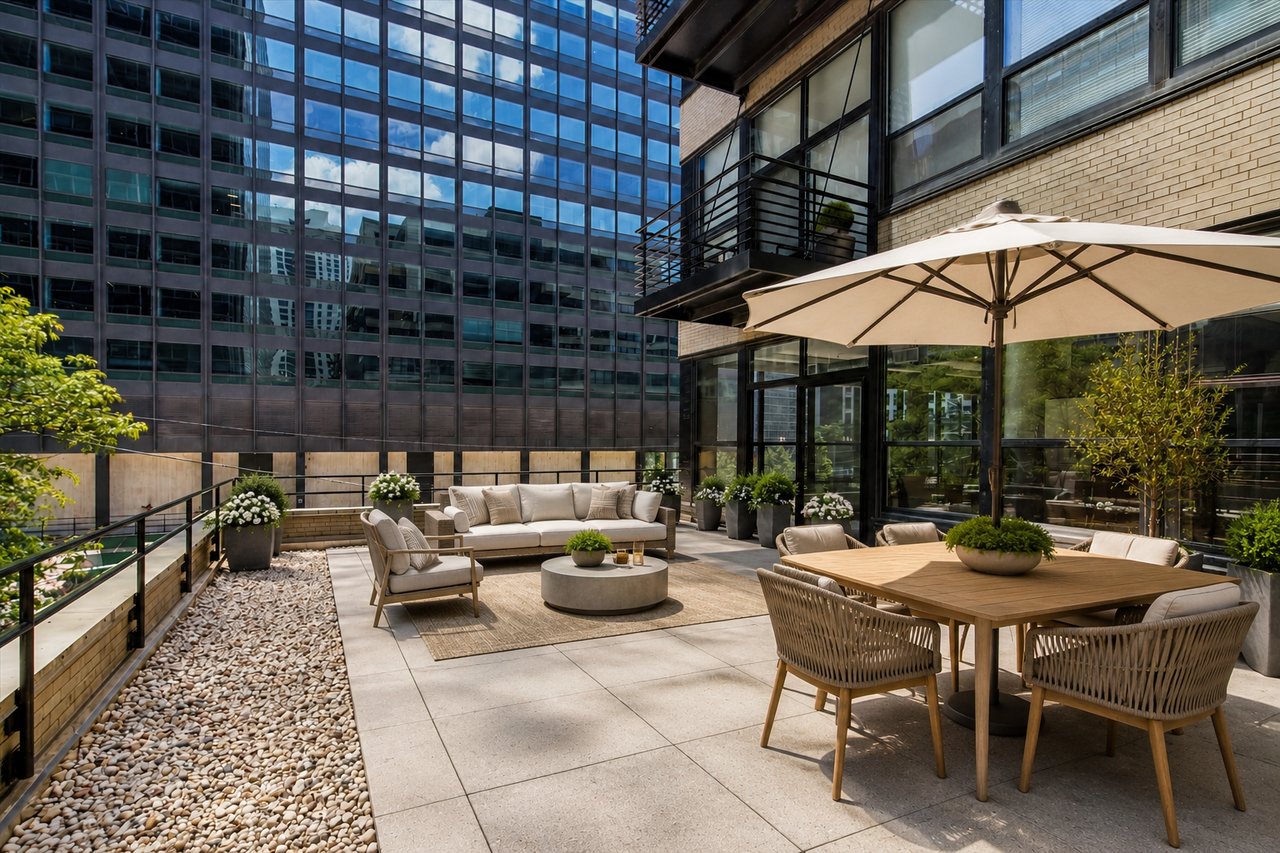
Outdoor space (balcony, terrace, none)
-
Parking type and storage
Common West Loop exposure tiers
-
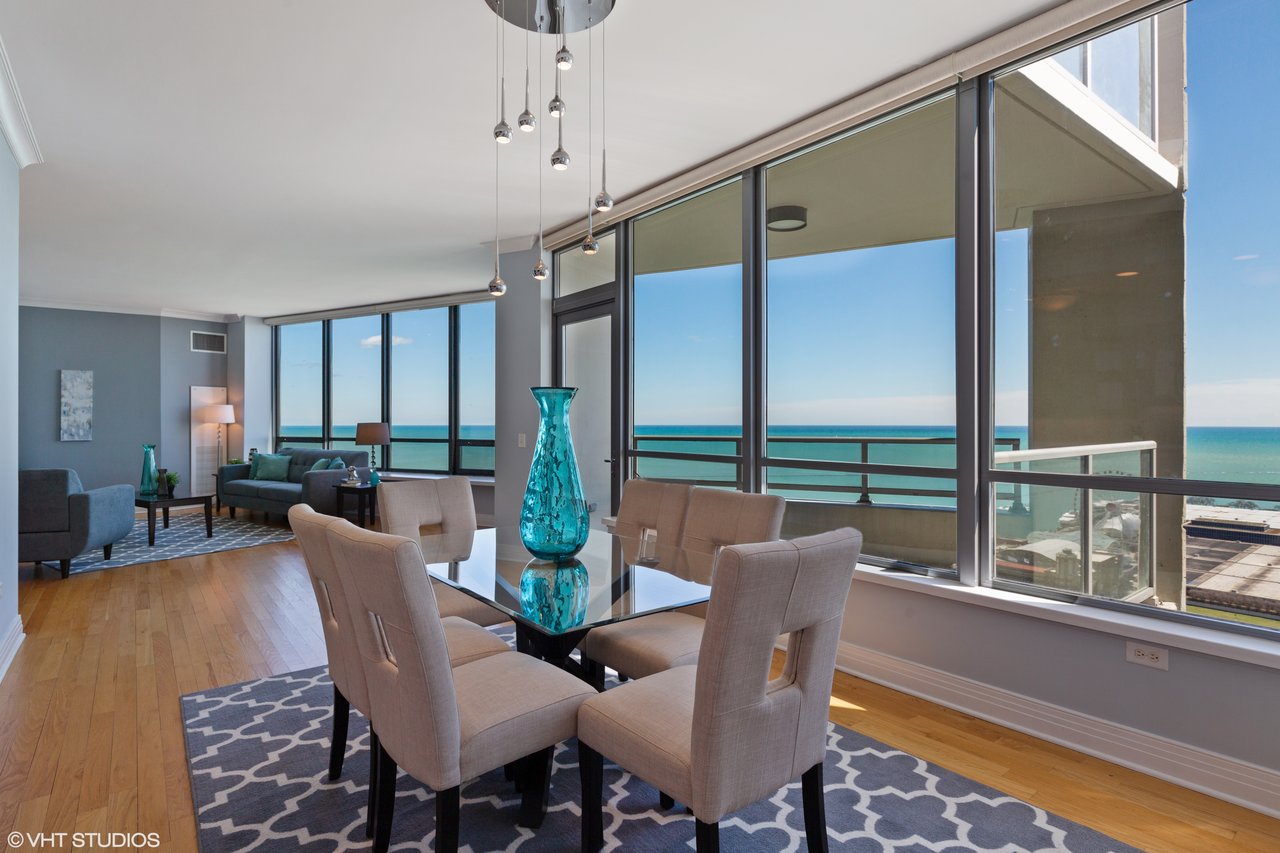
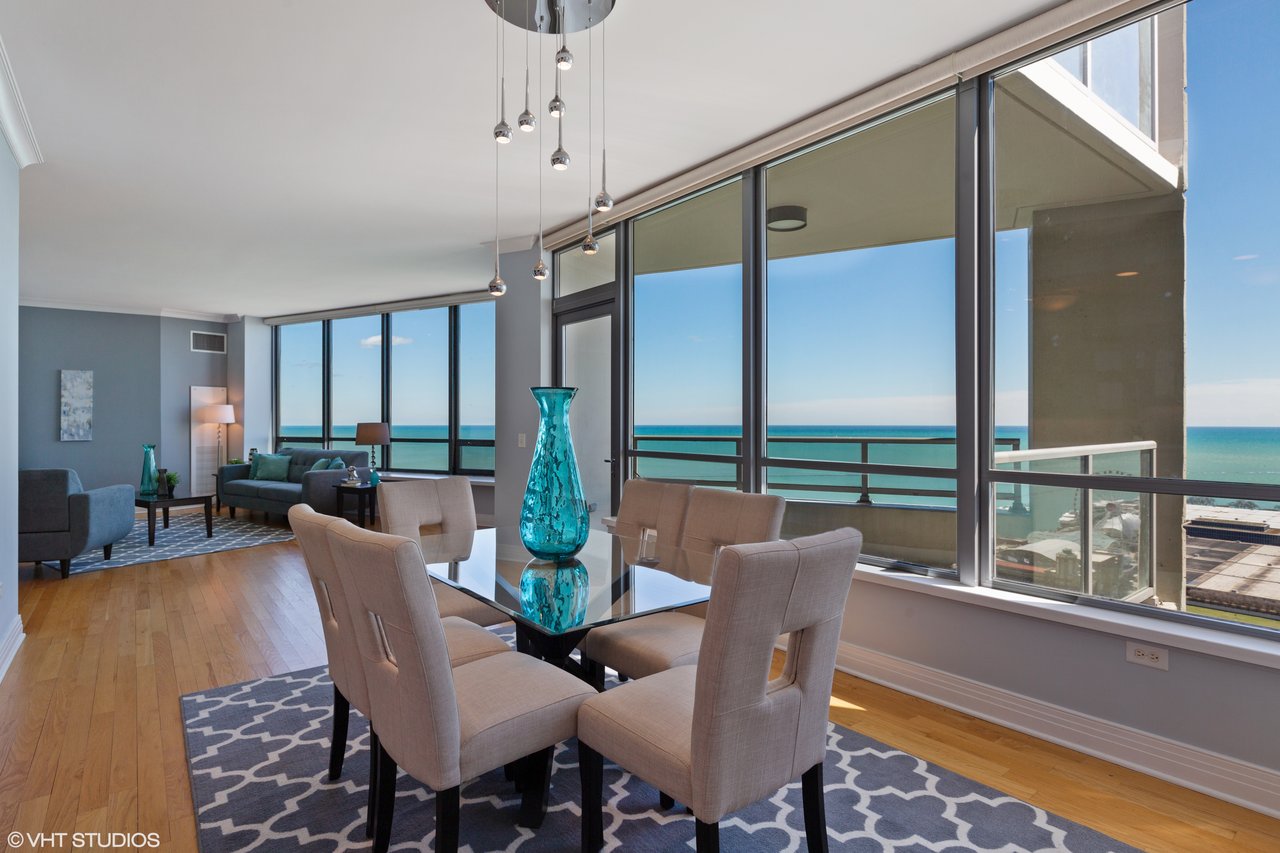
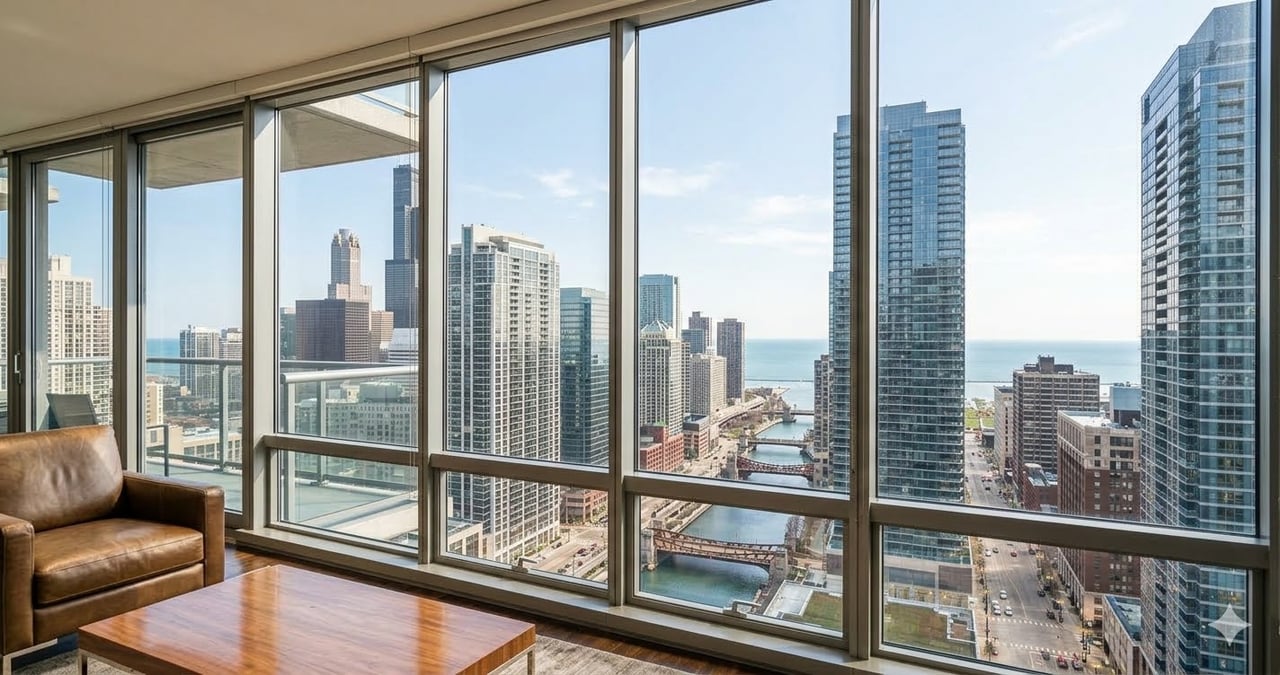
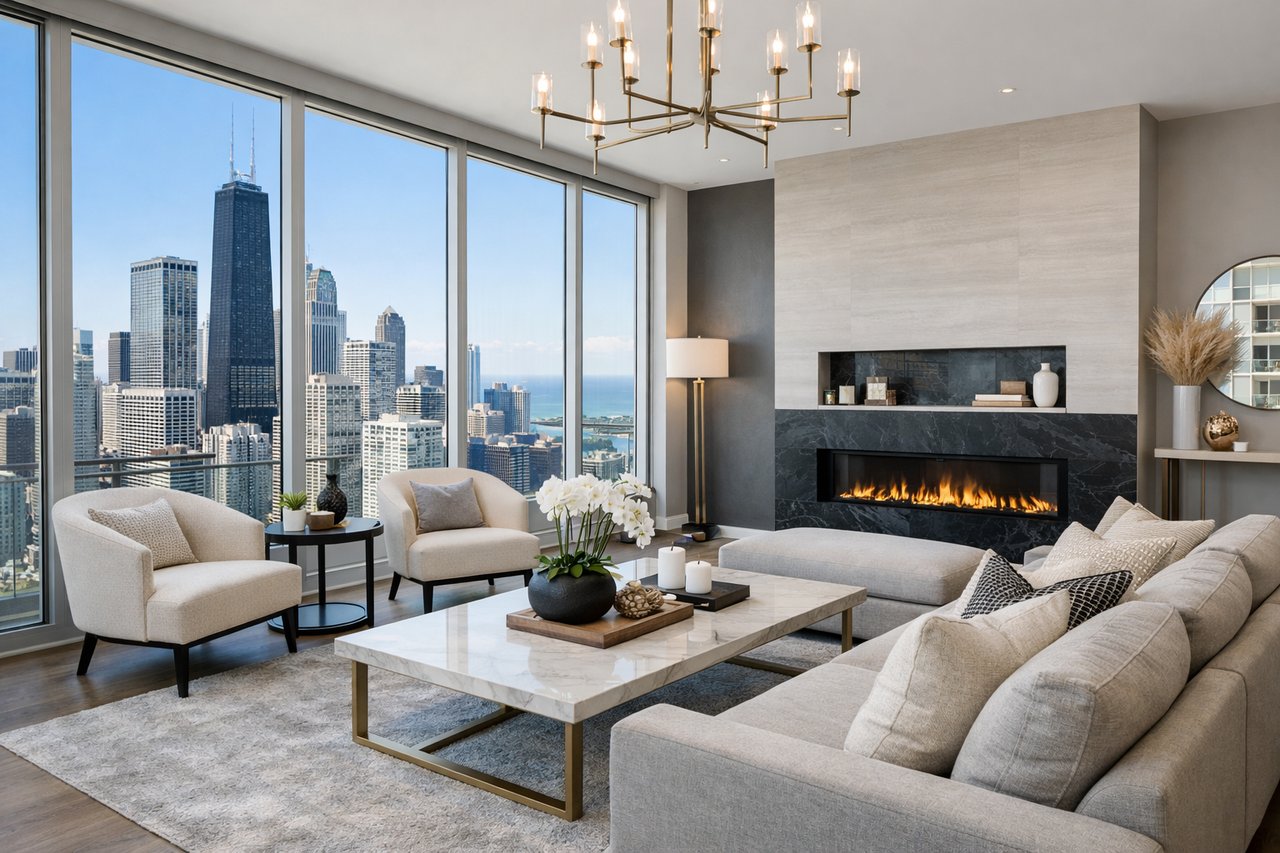
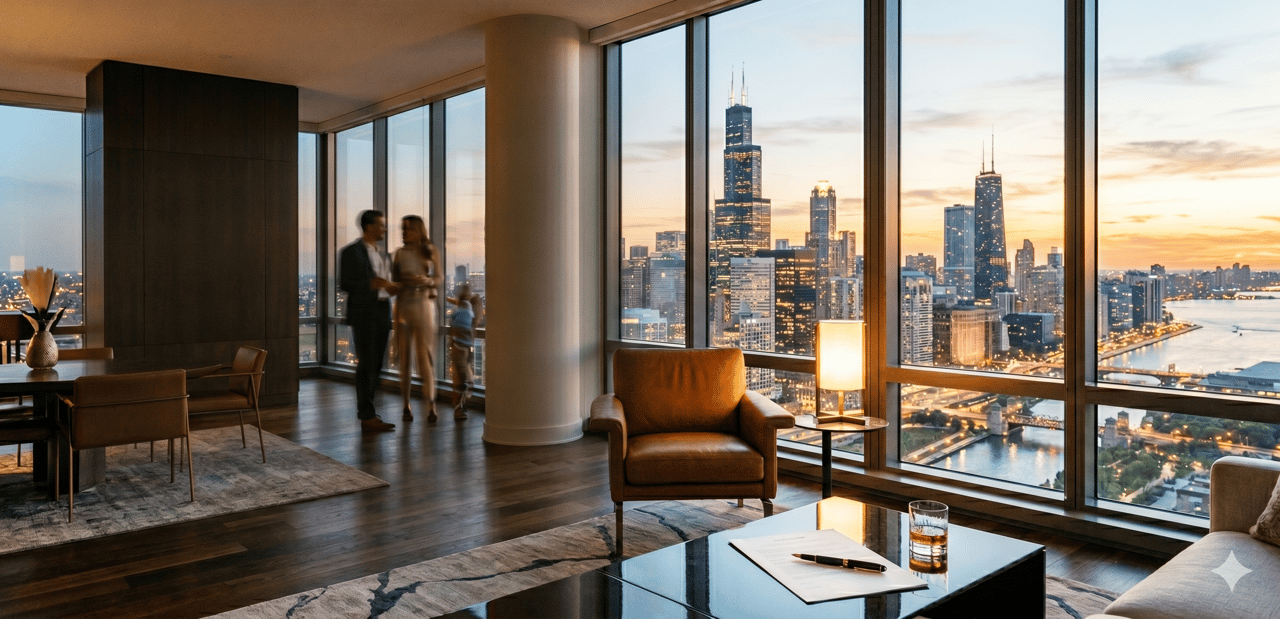
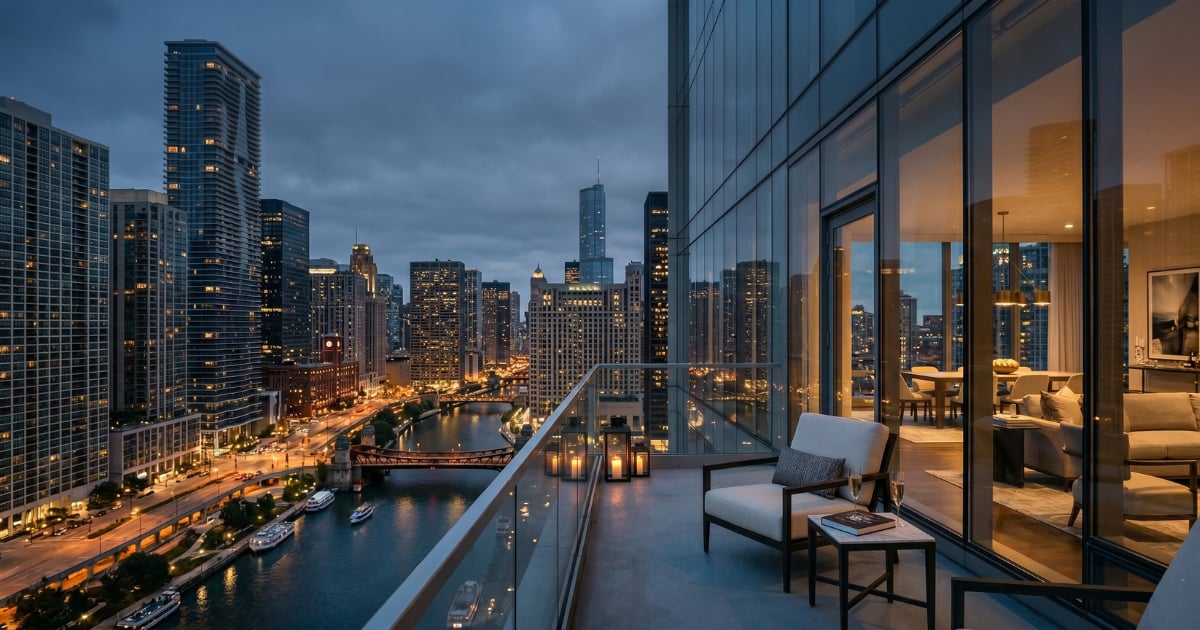
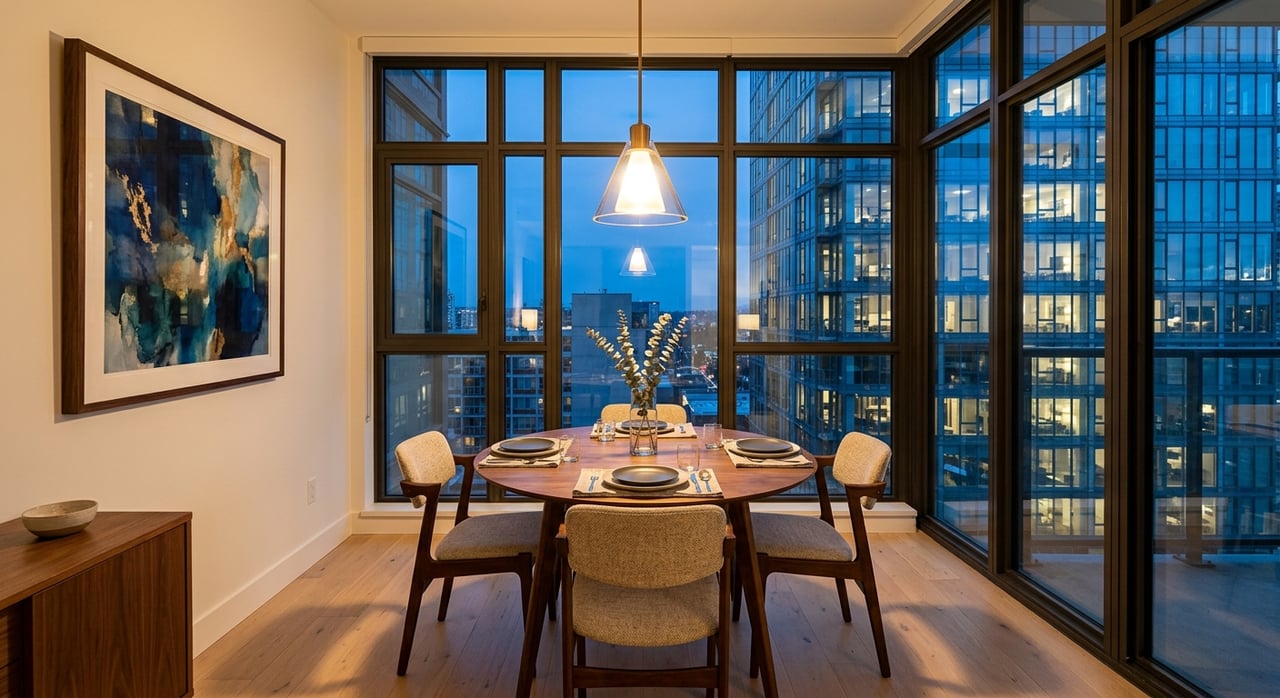
Unobstructed skyline or city views
-
Park or landmark views
-
Partial skyline or corridor views
-
Courtyard or internal exposure
-
Street-level or limited-light exposure
Step 2: Build Tight, Relevant Comps
We analyze the last 6–12 months of closed sales, plus current actives and pendings, with a strong preference for the same building and similar floor band.
Start with price per square foot
Price per square foot is only a starting point, not the answer. We establish a baseline PSF within your tier, then adjust based on how buyers have actually valued differences inside the building.
Use paired sales when possible
When two nearly identical units sell for different prices, the delta tells us what the market is paying for a specific feature.
Common West Loop adjustments
-
View premiums or discounts
-
Floor height and corner positioning
-
Renovation level and finish quality
-
Parking inclusion and type
-
Balcony or terrace value
Step 3: Evaluate Condition and Upgrades
Not every upgrade adds value, and some simply help a property sell faster.
Cost to cure vs. market return
We compare renovation costs to real sale premiums achieved by updated units versus original-condition units in the same building or tier.
In the West Loop, buyers often pay more for:
-
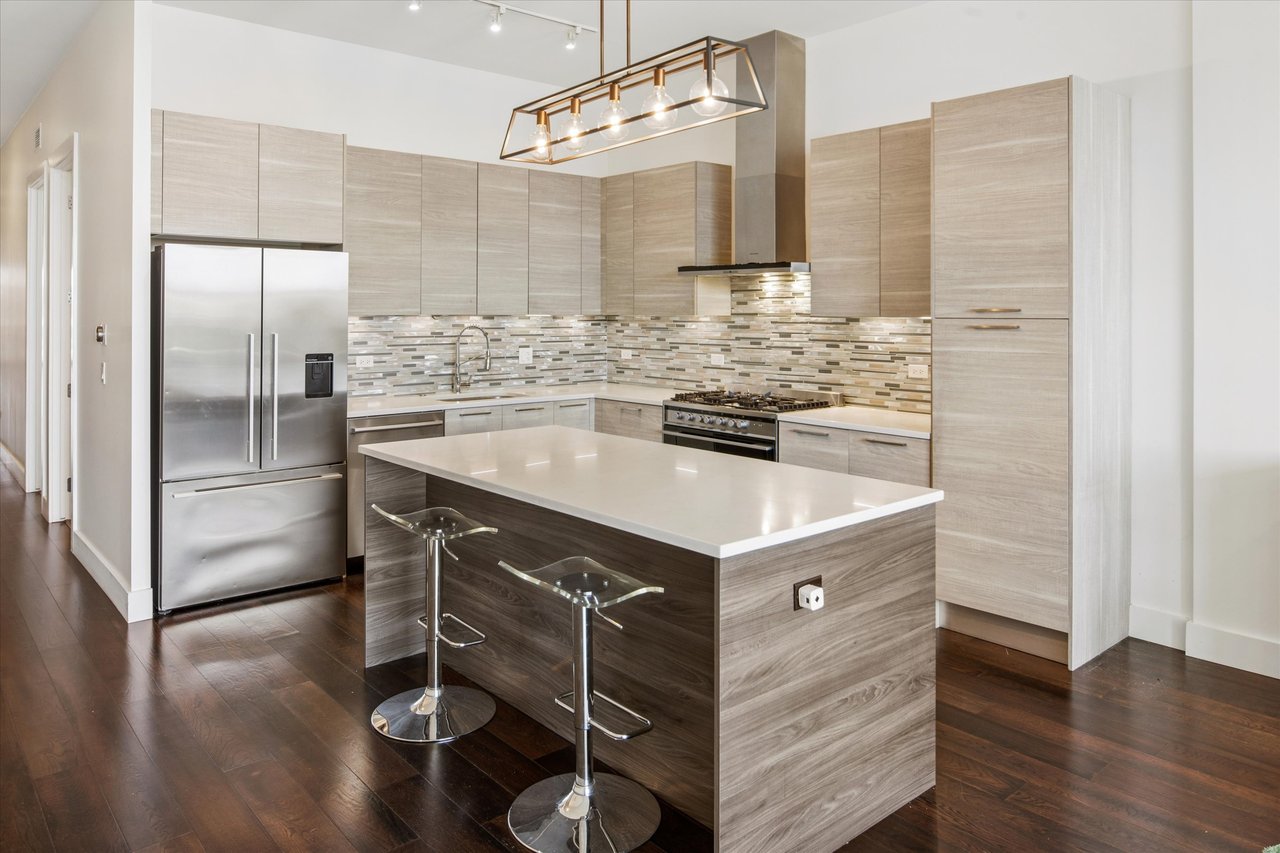
Move-in ready kitchens and baths
-
Clean, modern flooring
-
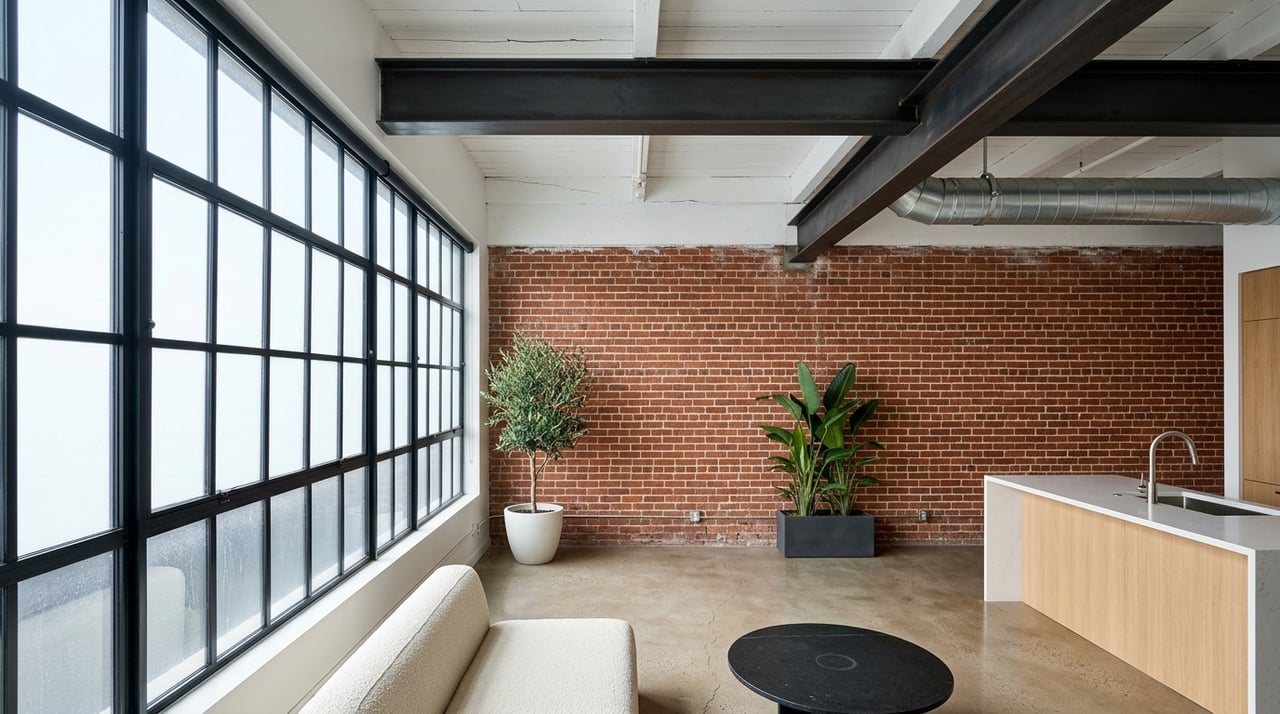
Updated lighting and neutral finishes
But rarely dollar-for-dollar.
Systems buyers care about
Buyers scrutinize mechanicals closely:
-
HVAC age and service history
-
Window condition and sound insulation
-
Electrical capacity and panel updates
These factors influence both price tolerance and days on market.
Step 4: Assess HOA Strength and Rules
In condo pricing, the association matters almost as much as the unit.
Monthly carrying cost
We translate HOA dues, taxes, and parking costs into a monthly number buyers can easily compare across buildings. Higher dues must be justified by strong management, reserves, and amenities.
Reserves and assessments
We review budgets, reserve balances, and meeting minutes for upcoming capital projects. Anticipated assessments must be reflected in price or terms, or buyers will discount for uncertainty.
Rental rules and owner-occupancy
Investor caps, rental restrictions, and owner-occupancy ratios directly affect buyer demand and financing options. More restrictive buildings often require sharper pricing.
Financing considerations
Buildings with lending limitations or litigation issues shrink the buyer pool. When financing is constrained, pricing must reflect the higher likelihood of cash or limited-loan buyers.
Step 5: Read the Market Pulse
Absorption and inventory
We calculate:
-
Absorption rate: closed sales ÷ months analyzed
-
Months of inventory: active listings ÷ average monthly sales
As a general guide:
-
Under 4 months favors sellers
-
4–6 months is balanced
-
Over 6 months favors buyers
Luxury tiers often move more slowly, so context matters.
Seasonality in the West Loop
Spring and early fall typically bring the strongest buyer demand. Summer and winter can still work—but pricing and expectations must align with traffic levels.
Step 6: Set the Price and the Plan
A strong price without a strategy is incomplete.
We:
-
Set the initial list price using adjusted PSF and market tempo
-
Time preparation, photography, and launch carefully
-
Choose a posture: pricing for speed or pricing for maximum net
-
Establish review points tied to showings and feedback
-
Track new comps and pendings weekly and adjust quickly if needed
Example Pricing Scenario
(Illustrative only—every building and tier is different)
-
Baseline PSF from tight in-building comps: $500
-
Unit size: 1,700 sq ft → $850,000
-
View premium from paired sales: +7% → $954,975
-
Renovation premium for turnkey condition: +5% → $1,002,724
-
If inventory signals a slower segment, apply a 3–5% strategy adjustment
-
Target list range: ~$952,588–$972,642
What We Confirm Before Launch
To price precisely and reduce friction, we verify:
-
Recent sales, actives, and pendings in your building
-
Average days on market and sale-to-list ratios
-
HOA dues, reserves, and assessment outlook
-
Rental and occupancy rules
-
Financing eligibility
-
Condition details: HVAC, windows, finishes, parking, storage
Common Pricing Mistakes to Avoid
-
Using broad West Loop averages instead of building-specific data
-
Leaning on comps from other buildings without tight adjustments
-
Overpricing early and relying on future reductions
-
Assuming renovation spend equals value added
-
Ignoring HOA and financing limitations
Why This Works in the West Loop
The West Loop is defined by diversity, of buildings, layouts, finishes, and buyer profiles. A structured, building-level pricing approach grounded in paired sales and real-time market behavior gives sellers the best chance to sell efficiently and protect their net.
It also helps avoid the most common pitfall in this neighborhood: being priced correctly for the West Loop, but wrong for your building.
Ready to See Where Your Condo Stacks Up?
If you’d like a confidential valuation and pricing strategy tailored to your specific West Loop building and tier, I’m happy to walk you through the data and options, no pressure, just clarity.
FAQs
How do views affect West Loop condo pricing?
Unobstructed skyline or park views typically command the strongest premiums, but the impact depends on floor height, exposure, and competing inventory at the moment.
Do higher floors always sell for more?
Often, but not always. Corner layouts, ceiling heights, and outdoor space can outweigh floor level in certain buildings.
How do HOA dues impact pricing?
Buyers compare monthly costs across buildings. Higher dues require strong reserves, management, or amenities to justify price.
Which upgrades usually pay off before listing?
Updated kitchens and baths, fresh flooring, lighting, and well-maintained mechanicals tend to deliver the best return.
When is the best time to list in the West Loop?
Spring and early fall are typically strongest, but inventory levels and your specific price band should drive timing decisions.
Thinking about selling in the West Loop?
If you’d like a clear, no-pressure opinion on how your condo would price in today’s market, I’m happy to walk you through the numbers and strategy for your specific building and tier.
See exactly how I’ll market your home and get you the best results. View my Listing Presentation here