How I Market Your Home for a Quick Sale in Chicago
How do you market your home for a quick sale in Chicago without leaving money on the table? You don't just list it, you launch it. When your marketing strategy is intentional, strategic, and multi-layered, you attract stronger buyers faster and create momentum that drives results.
Here's the Reality
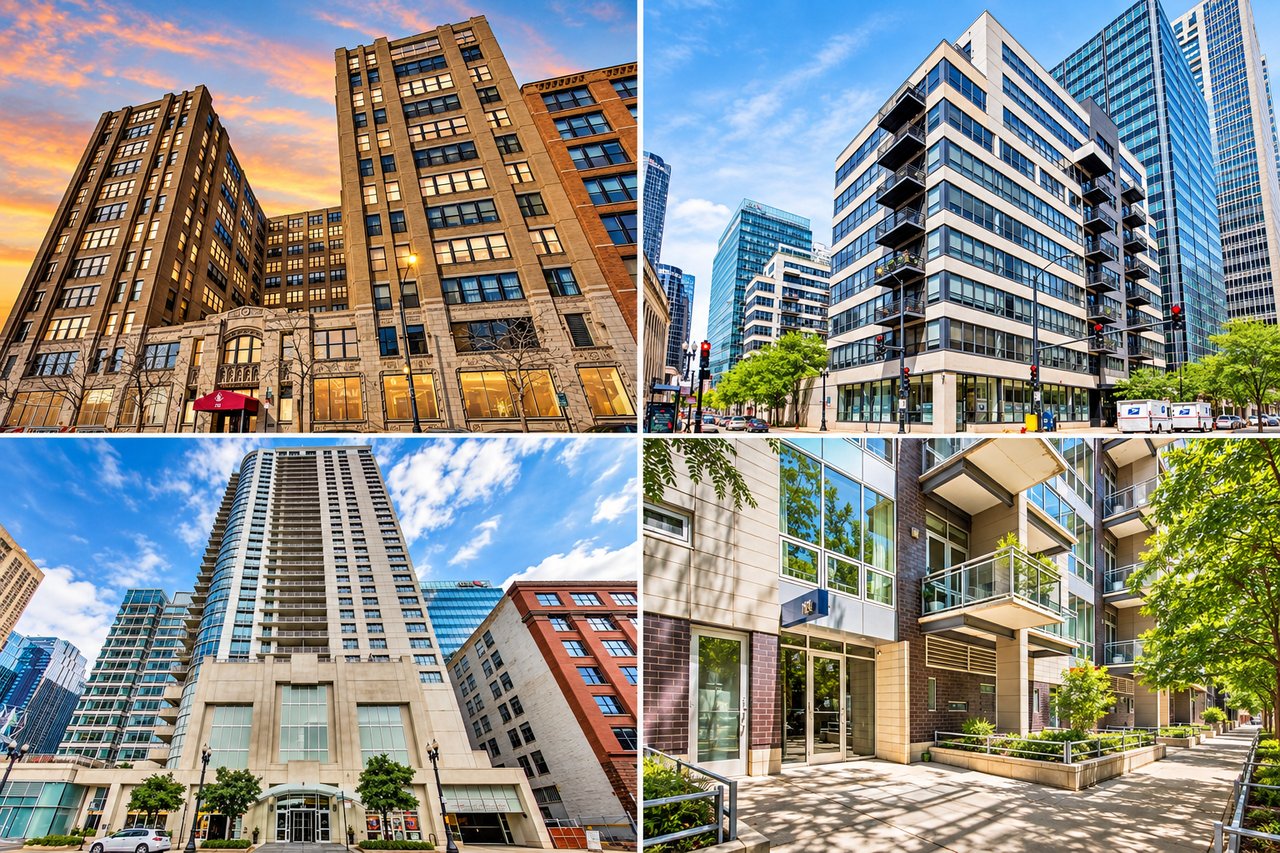
Chicago buyers are sophisticated. They scroll fast. They compare aggressively. And they make decisions based on what they see online before they ever schedule a showing. In Downtown Chicago neighborhoods like the West Loop, River North, Streeterville, and the South Loop, your competition isn't just the unit down the hall. It's every well-marketed property in your price range across the entire downtown corridor.
If your home doesn't stand out immediately, it gets skipped. Here's exactly how I make sure that doesn't happen.
Why Marketing Matters in a Competitive Chicago Market
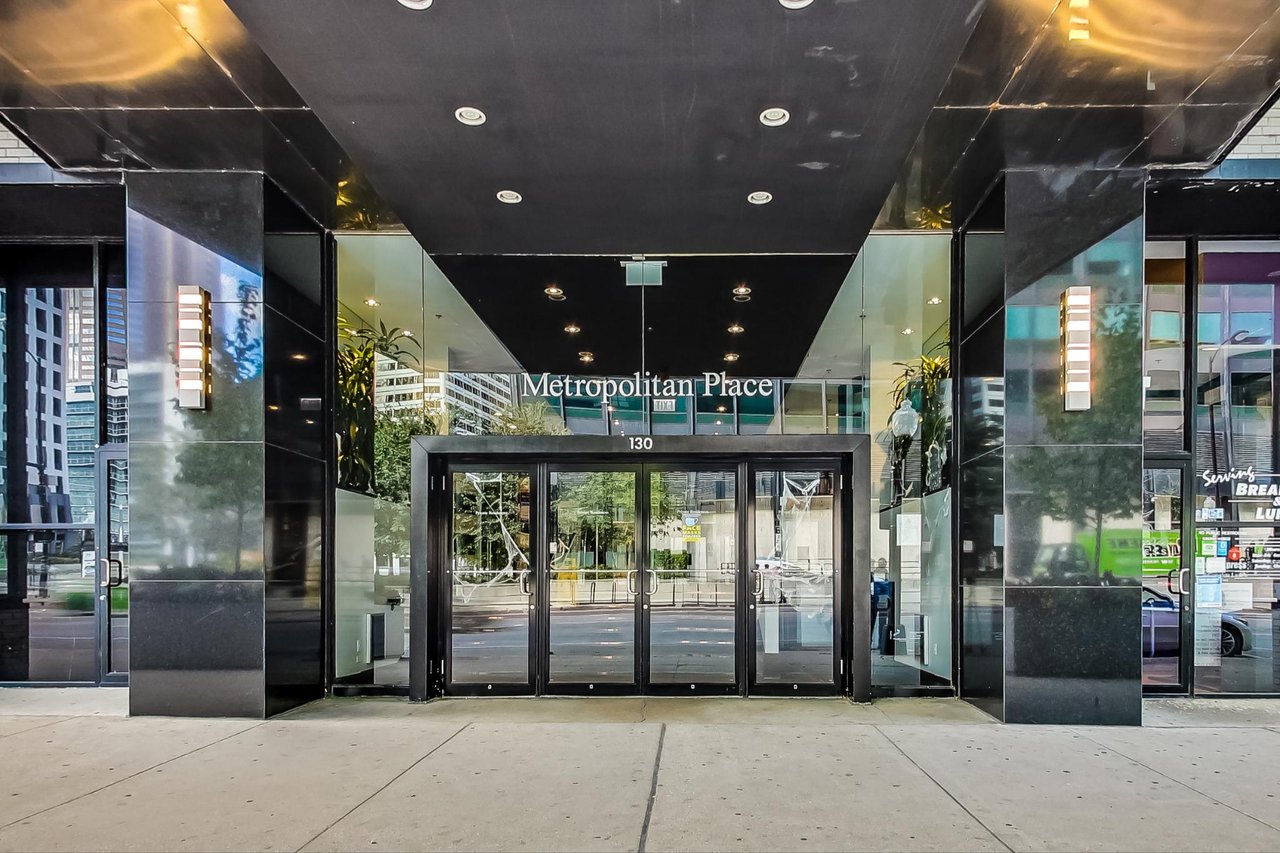
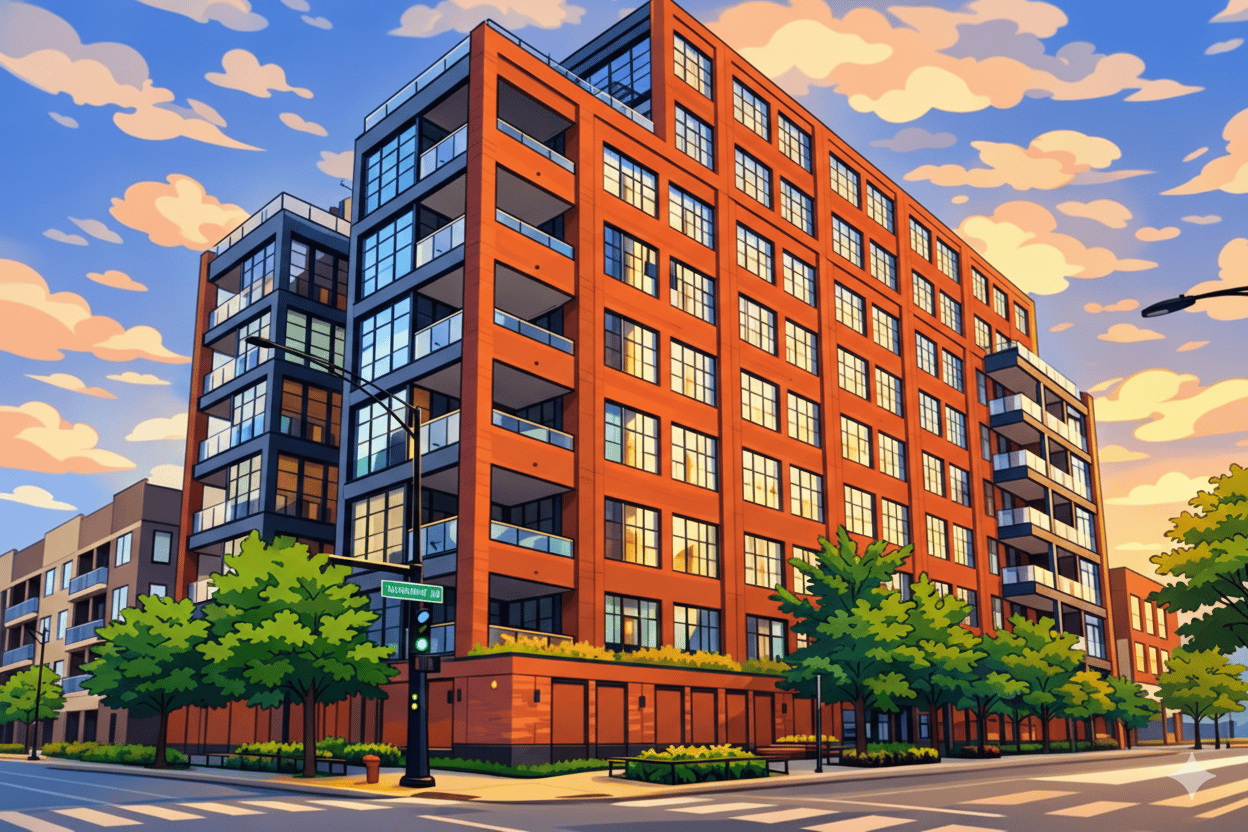
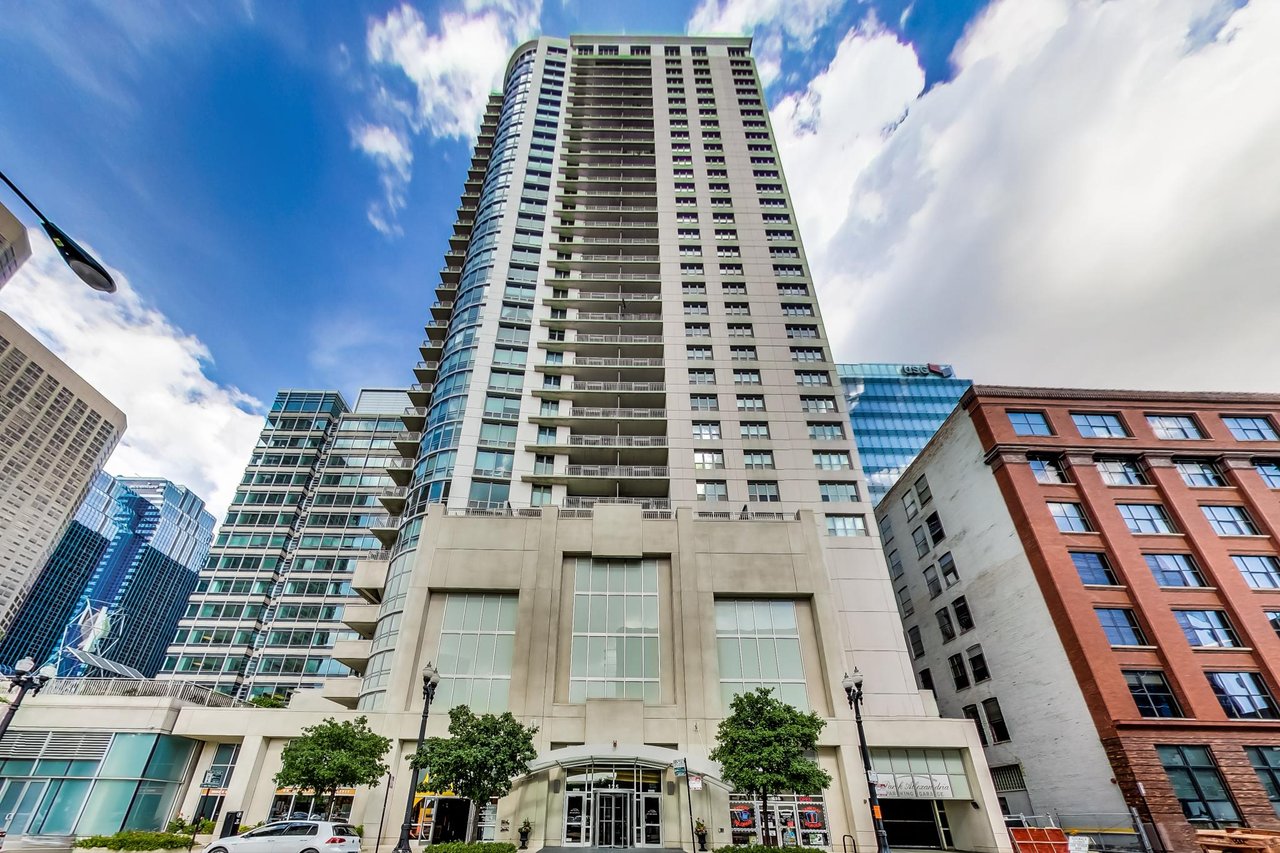
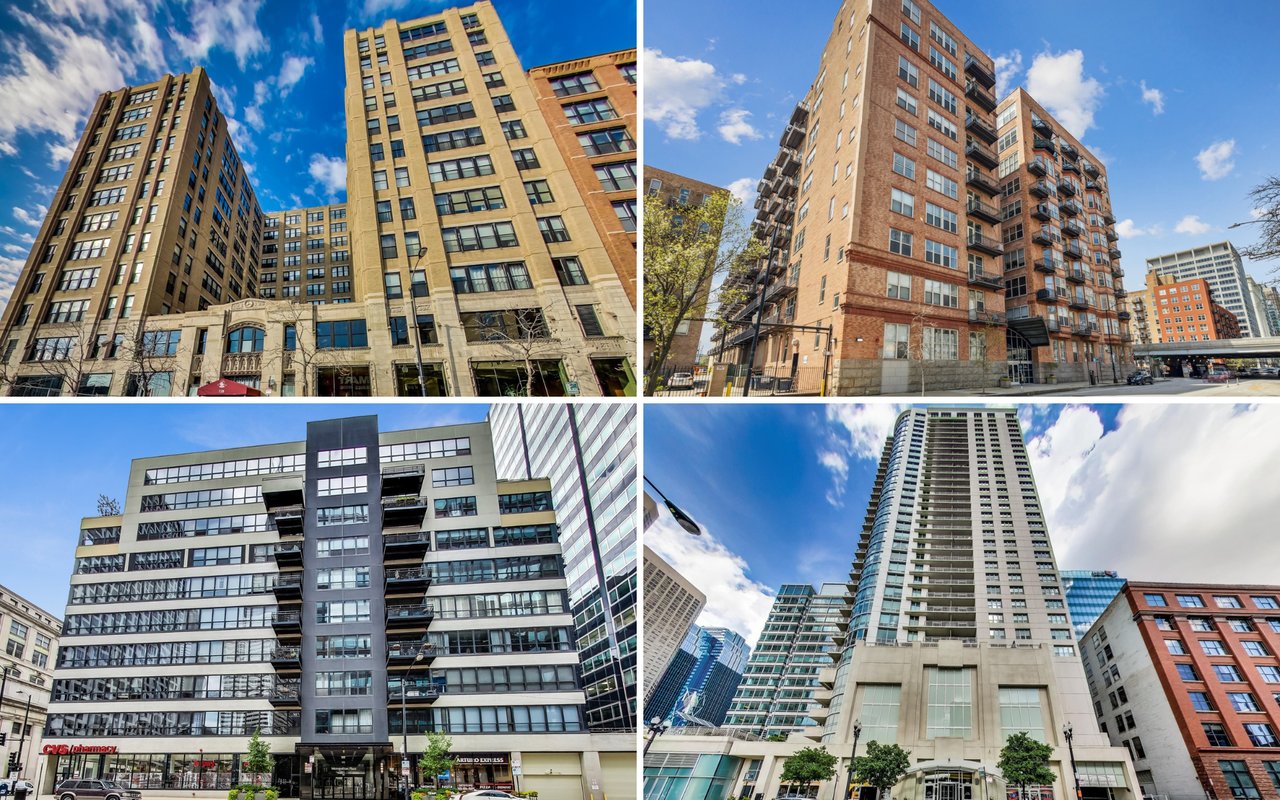
The National Association of Realtors consistently reports that the vast majority of buyers begin their home search online. In downtown Chicago's condo market, that number skews even higher. Buyers in buildings like Haberdasher Square Lofts, Metropolitan Place, and Park Alexandria are comparing your unit against every other active listing in the building before they ever request a showing.
That means the first impression is almost always digital. A weak online presentation, low-quality photos, vague MLS copy, no video, costs you showings. Fewer showings mean fewer offers. Fewer offers mean less leverage at the negotiation table.
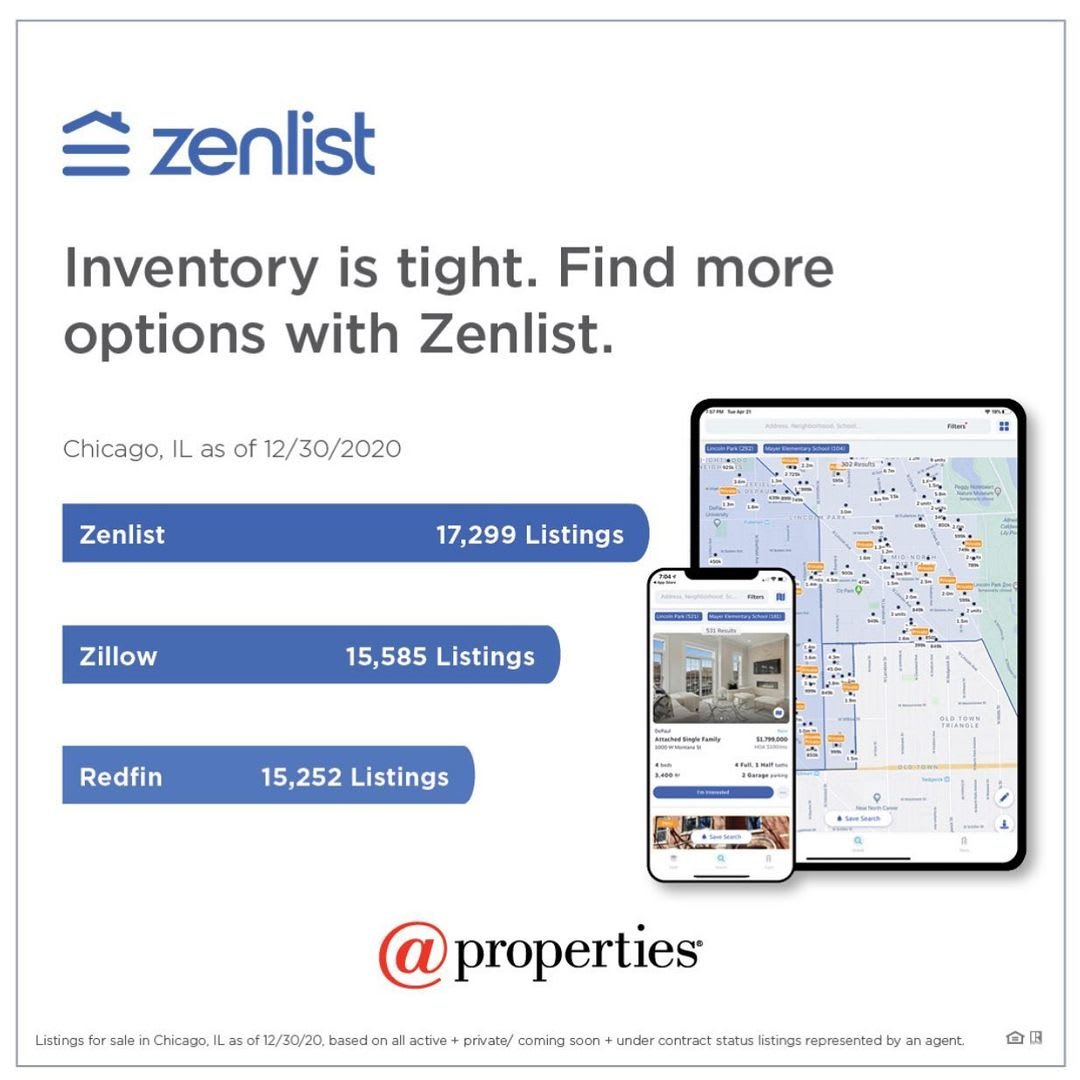
Strong marketing doesn't just sell homes faster. According to Redfin's market research, well-presented listings with professional photography generate significantly more views, more saves, and more showing requests than comparable listings without them. In a building where three similar units are active at the same time, presentation is often what separates the one that sells in two weeks from the ones that sit.
Step 1: Elevated Visual Presentation
Before your home ever hits the market, we prepare it for impact.
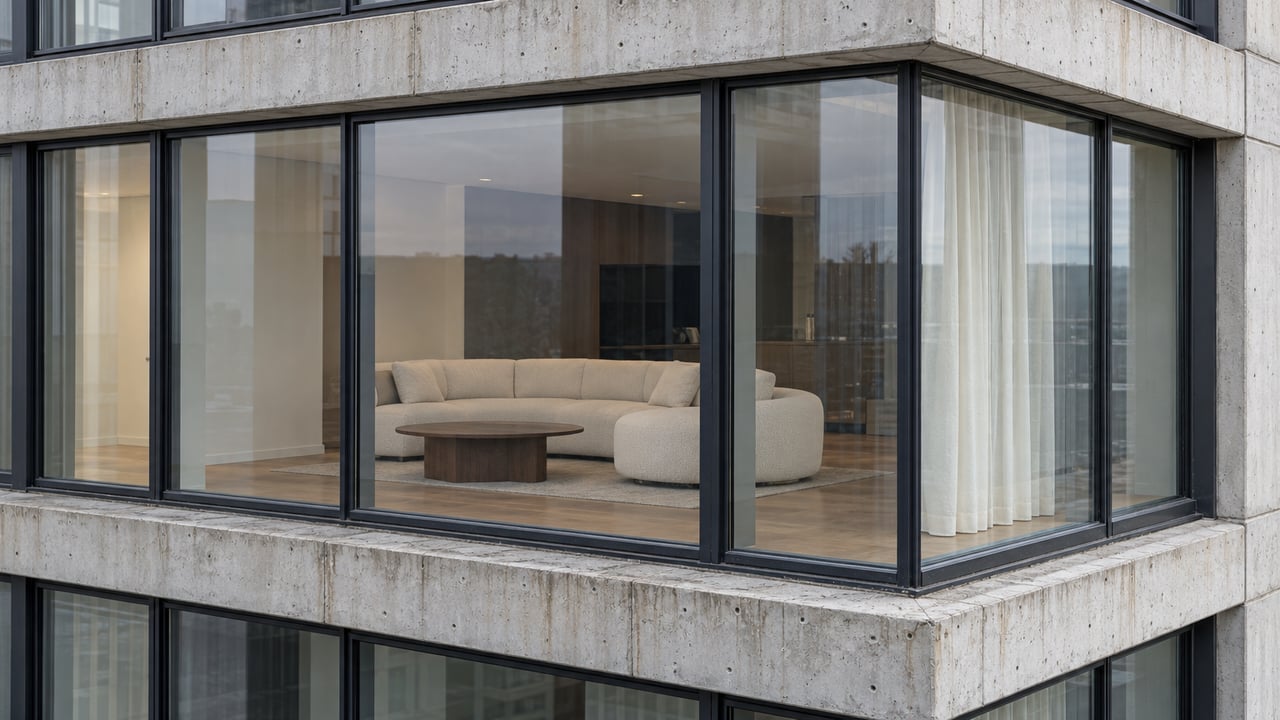
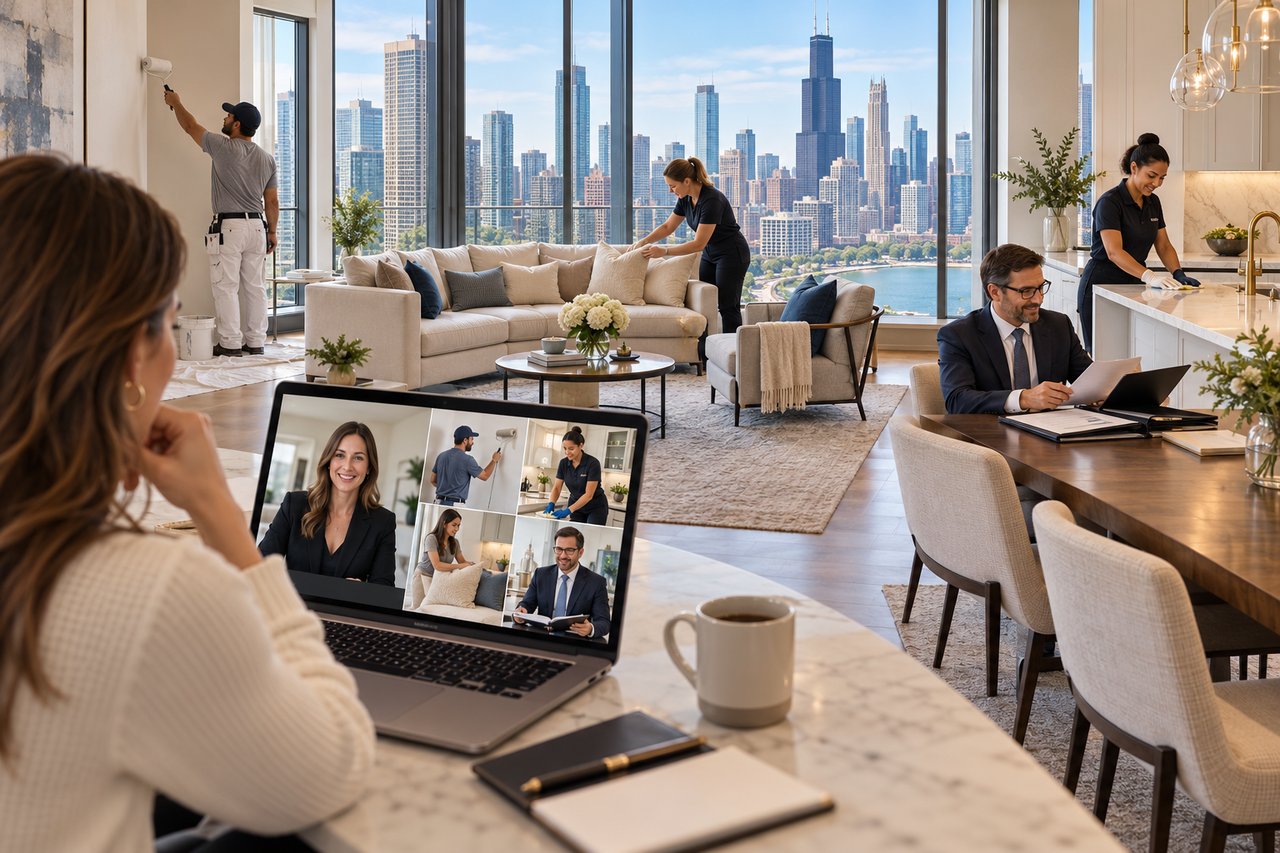
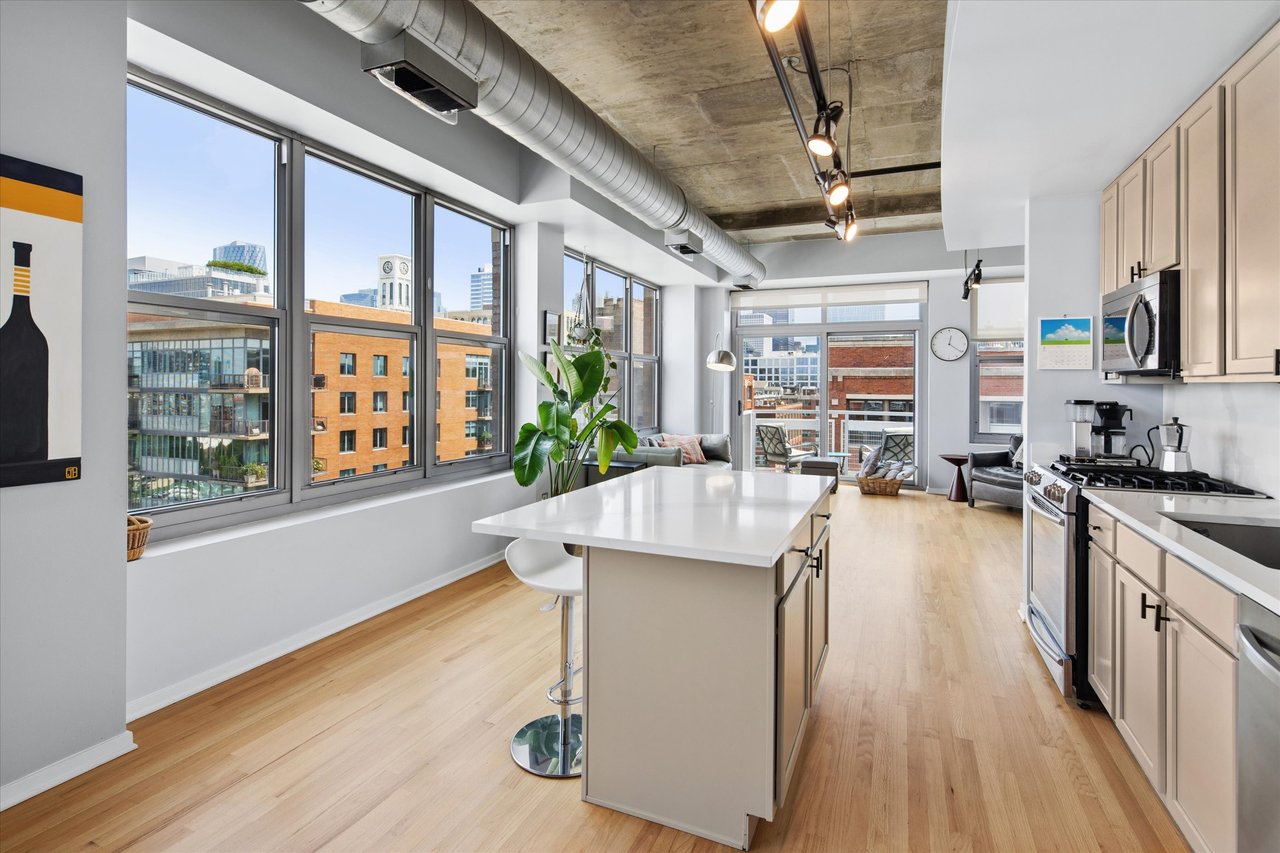
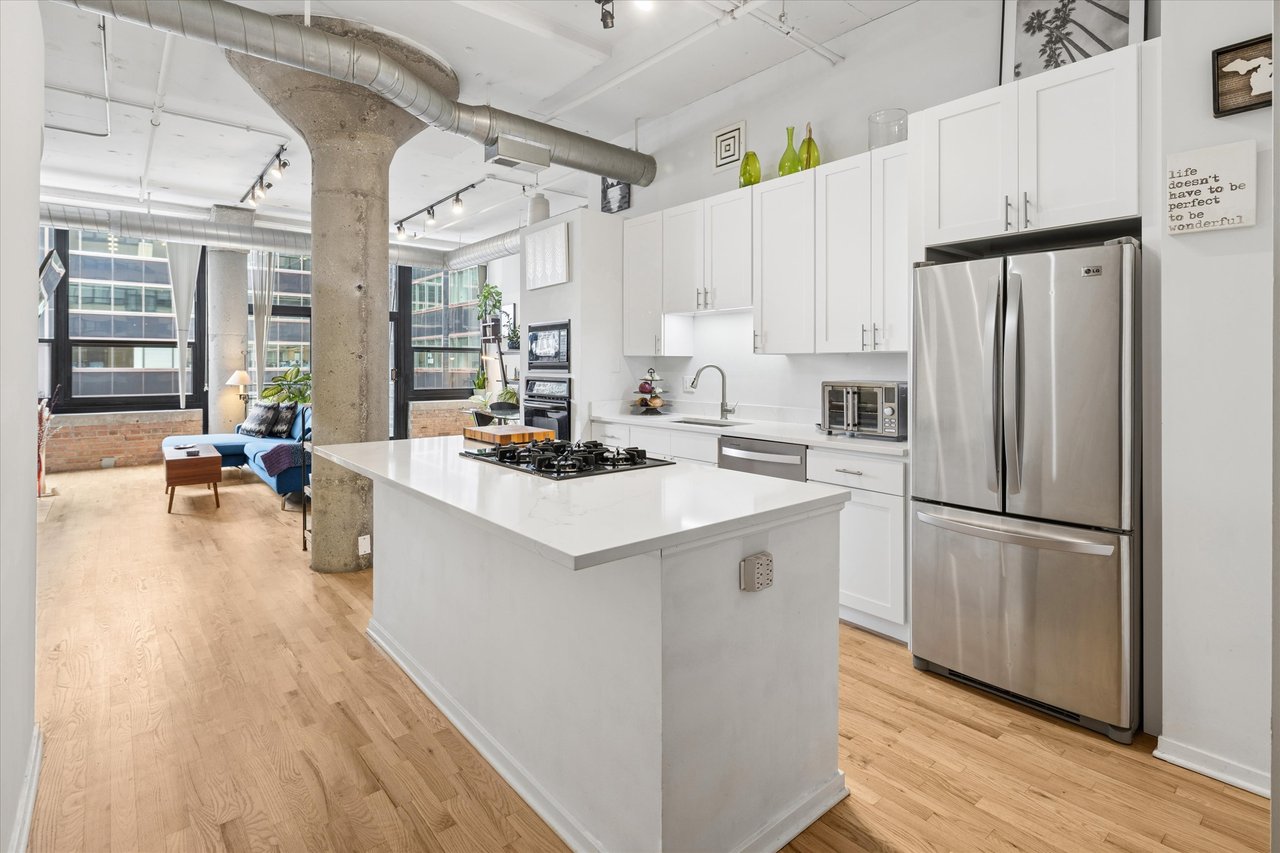
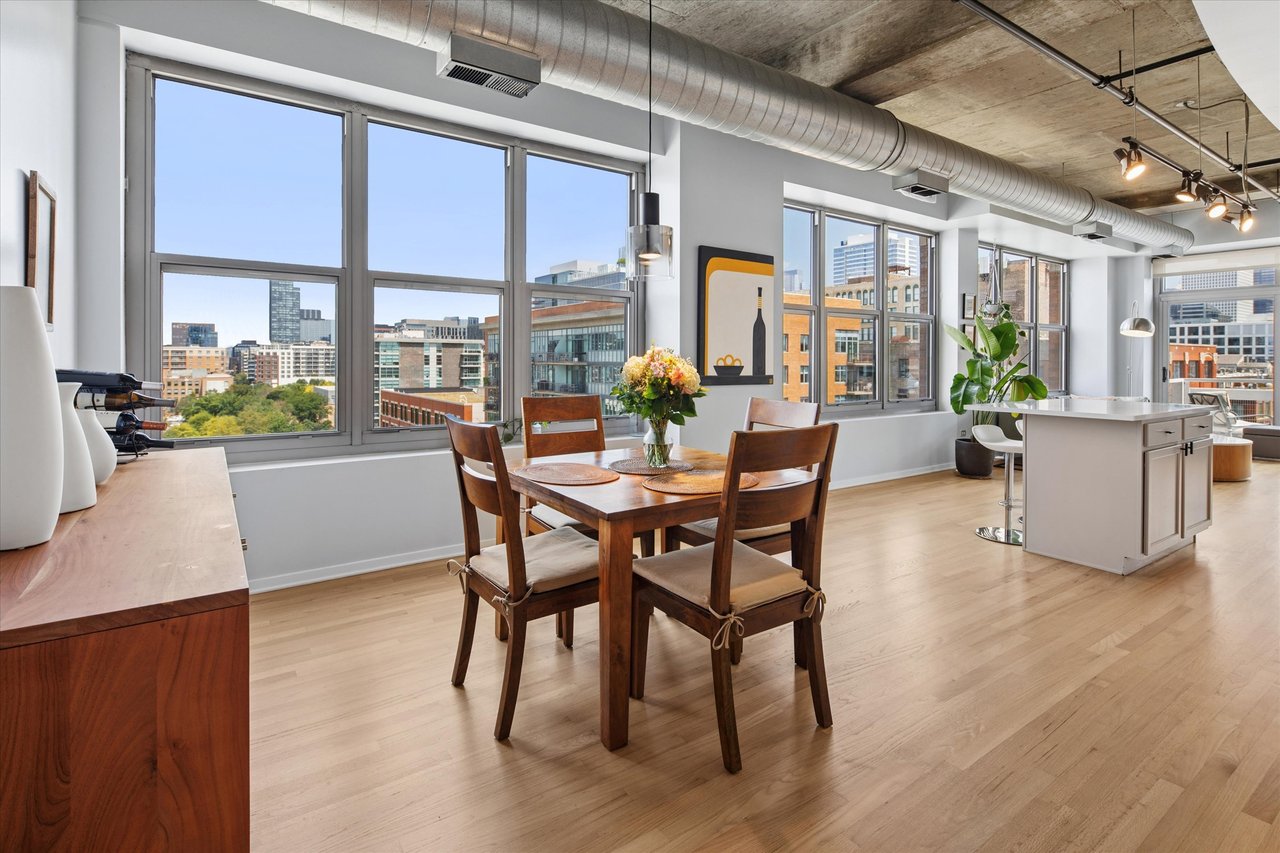
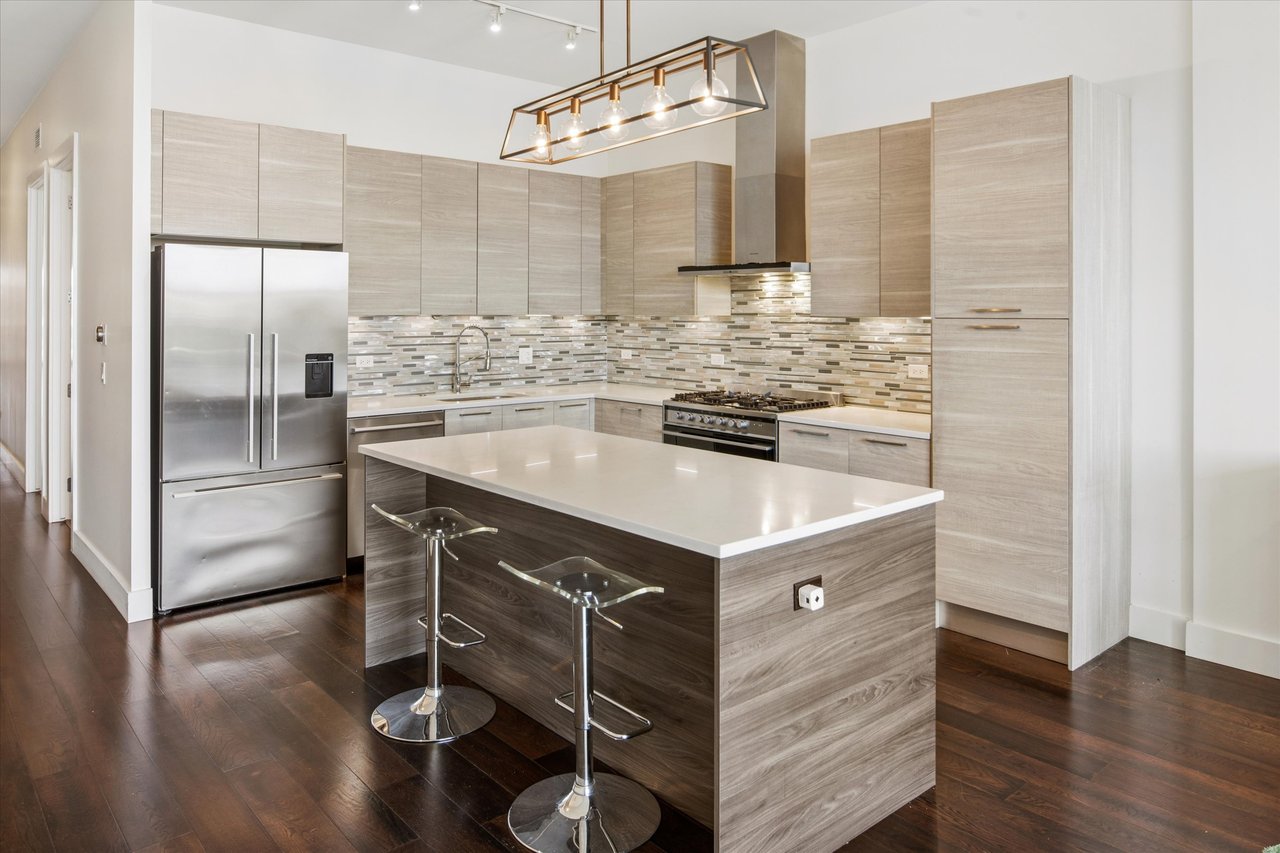
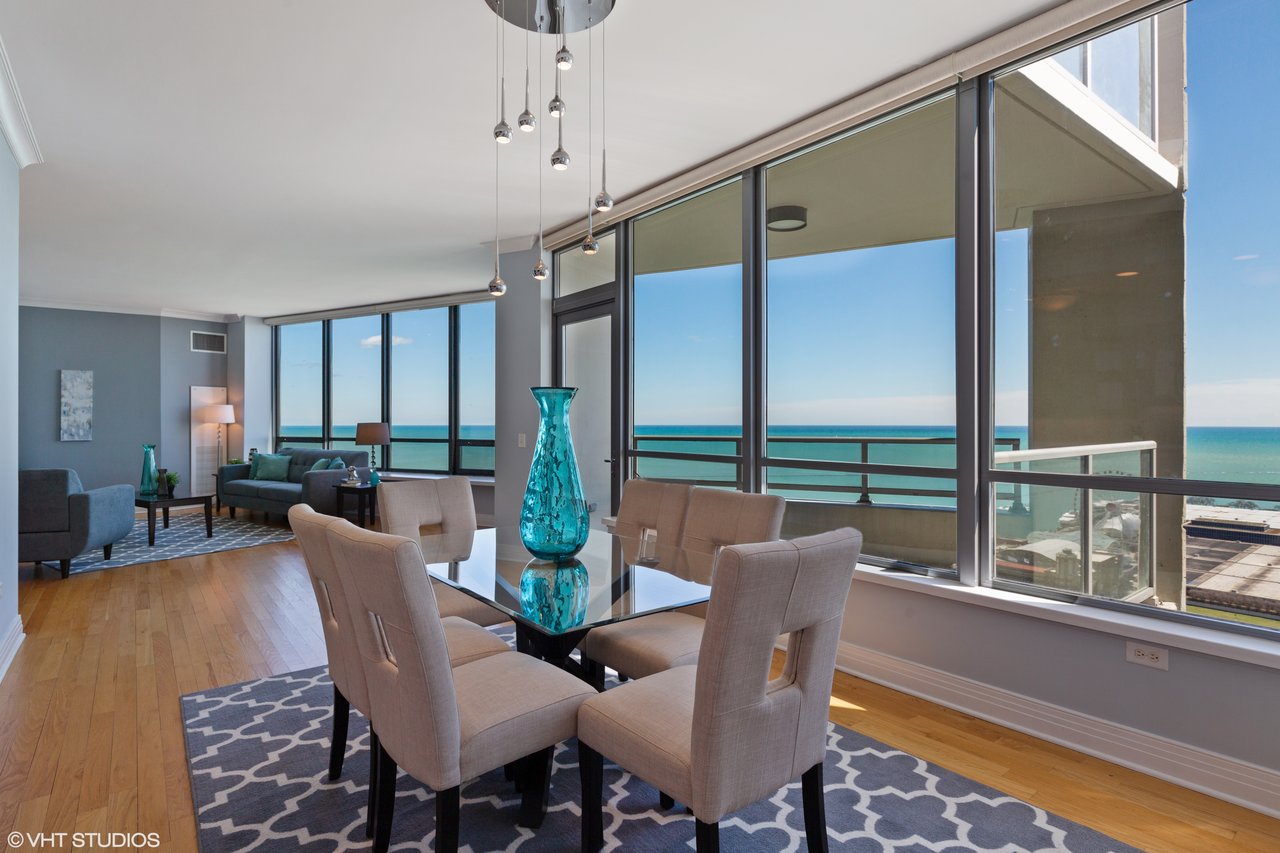
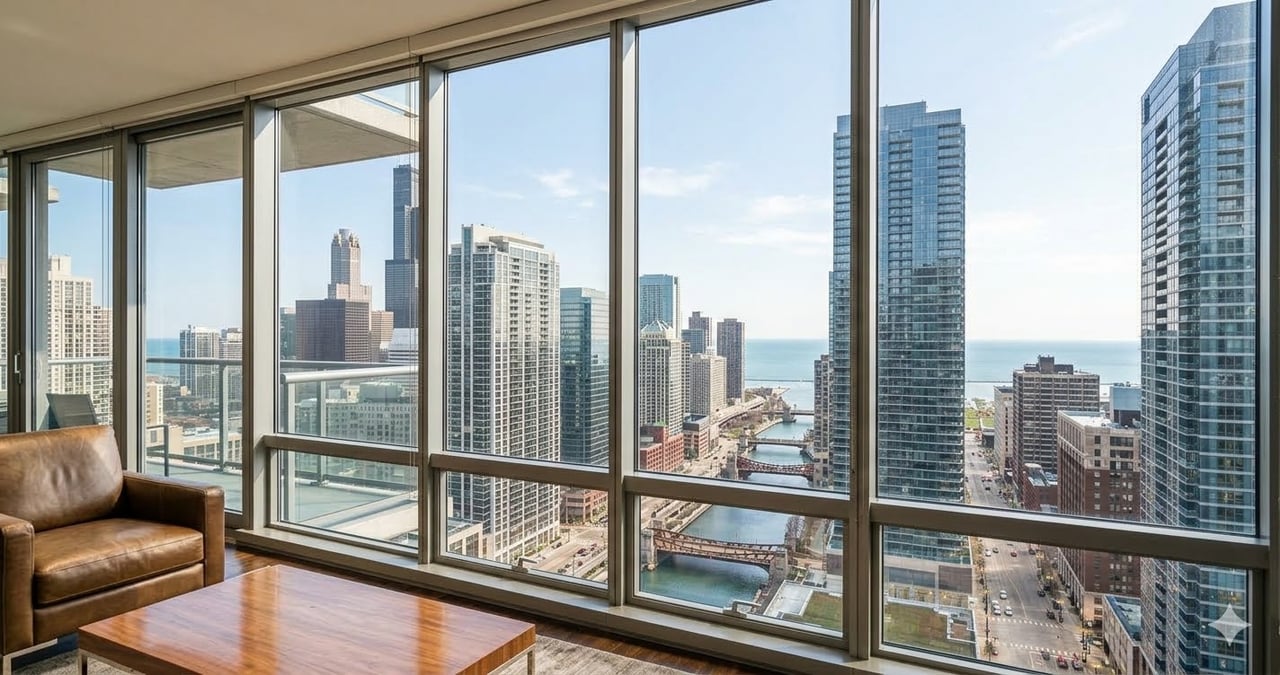
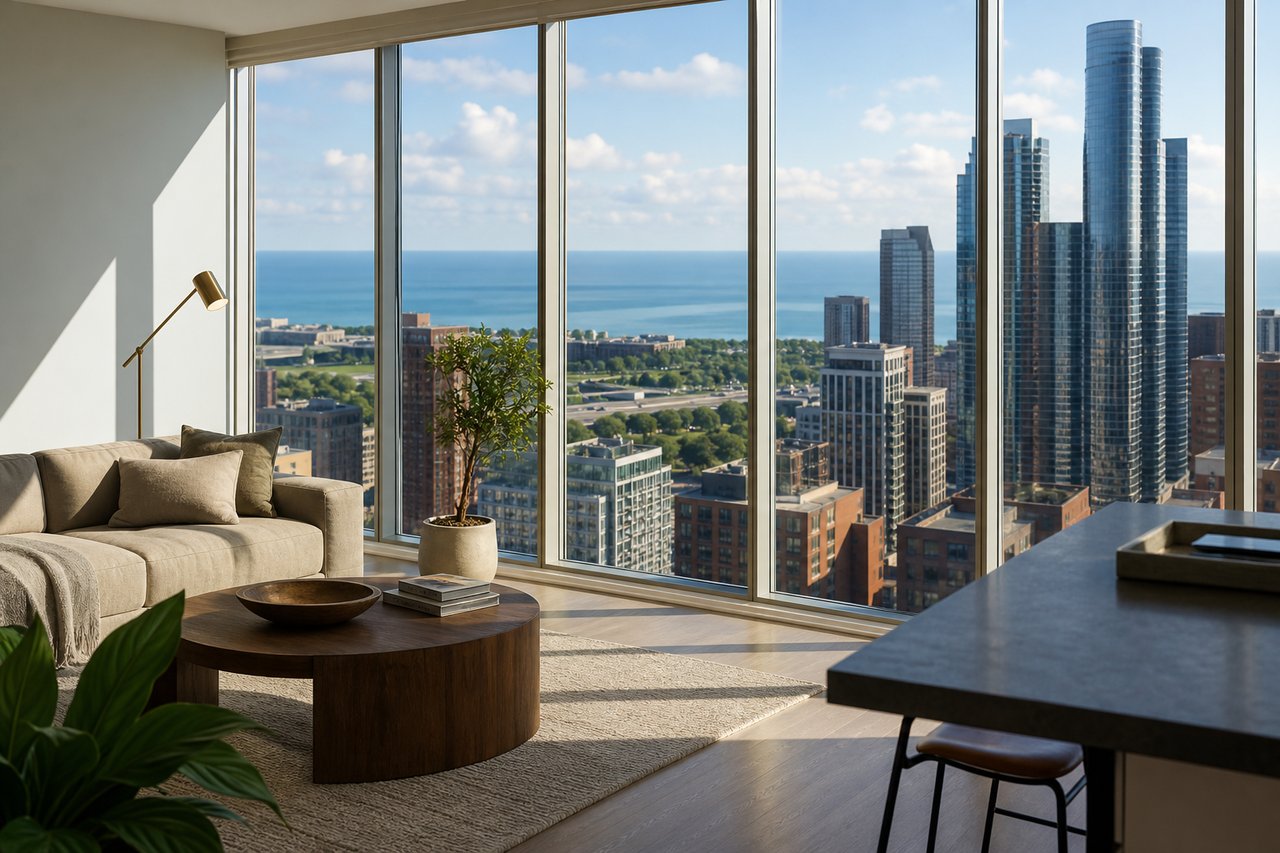
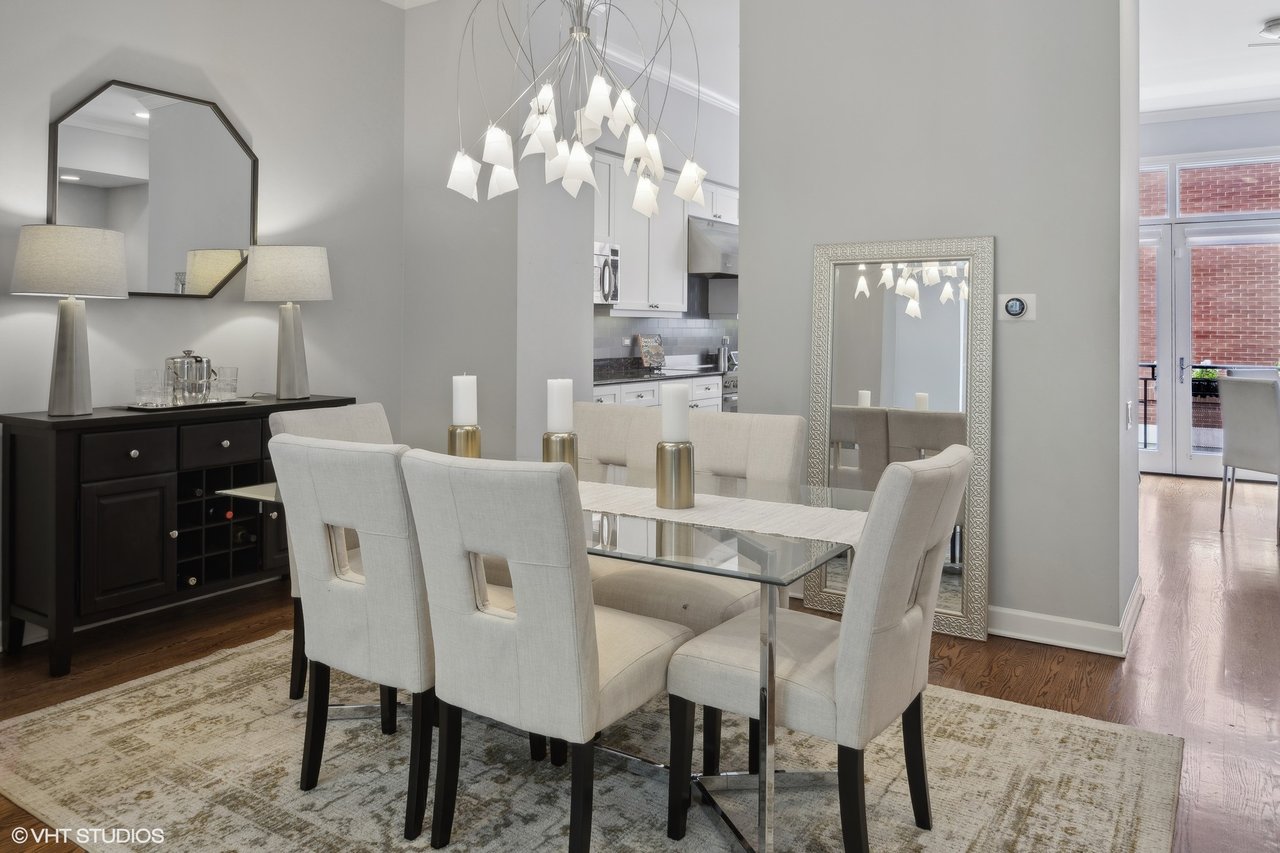
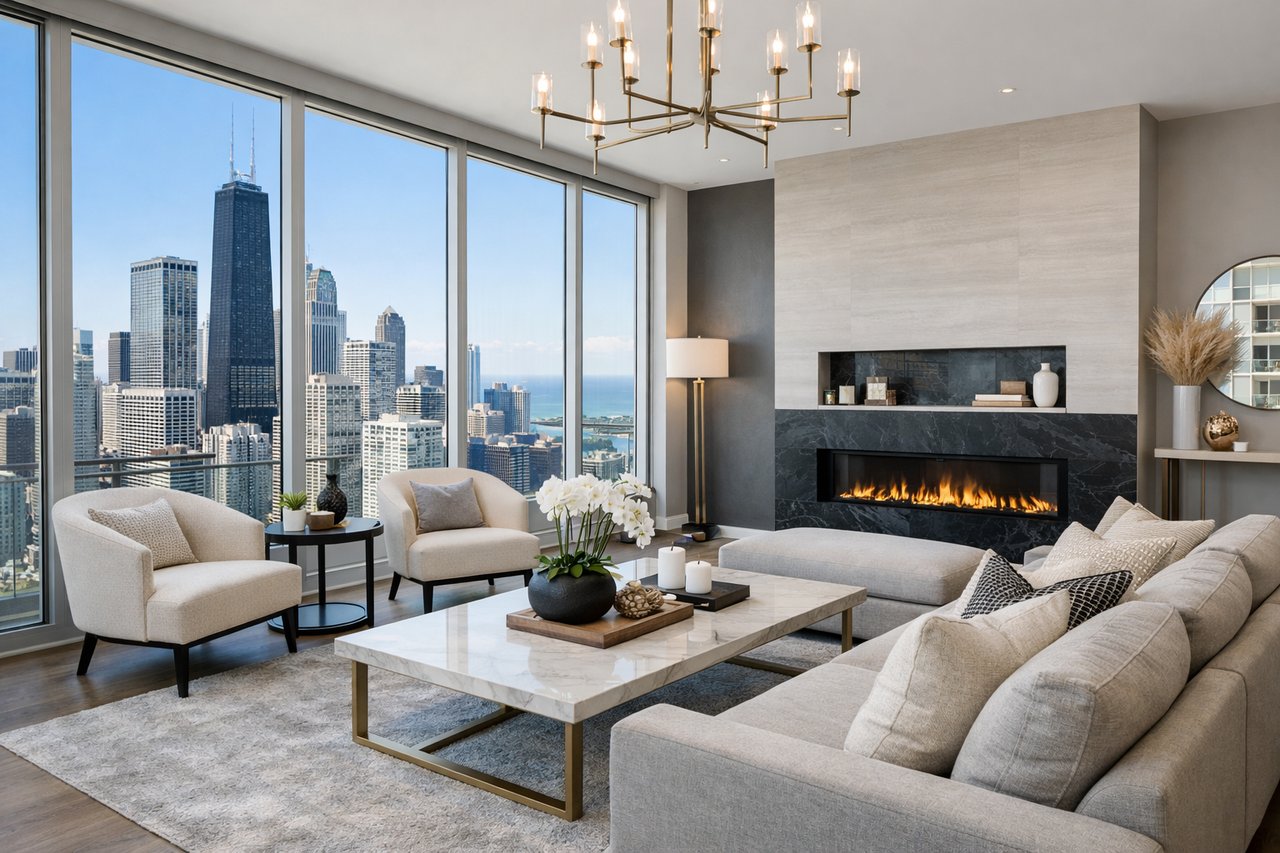
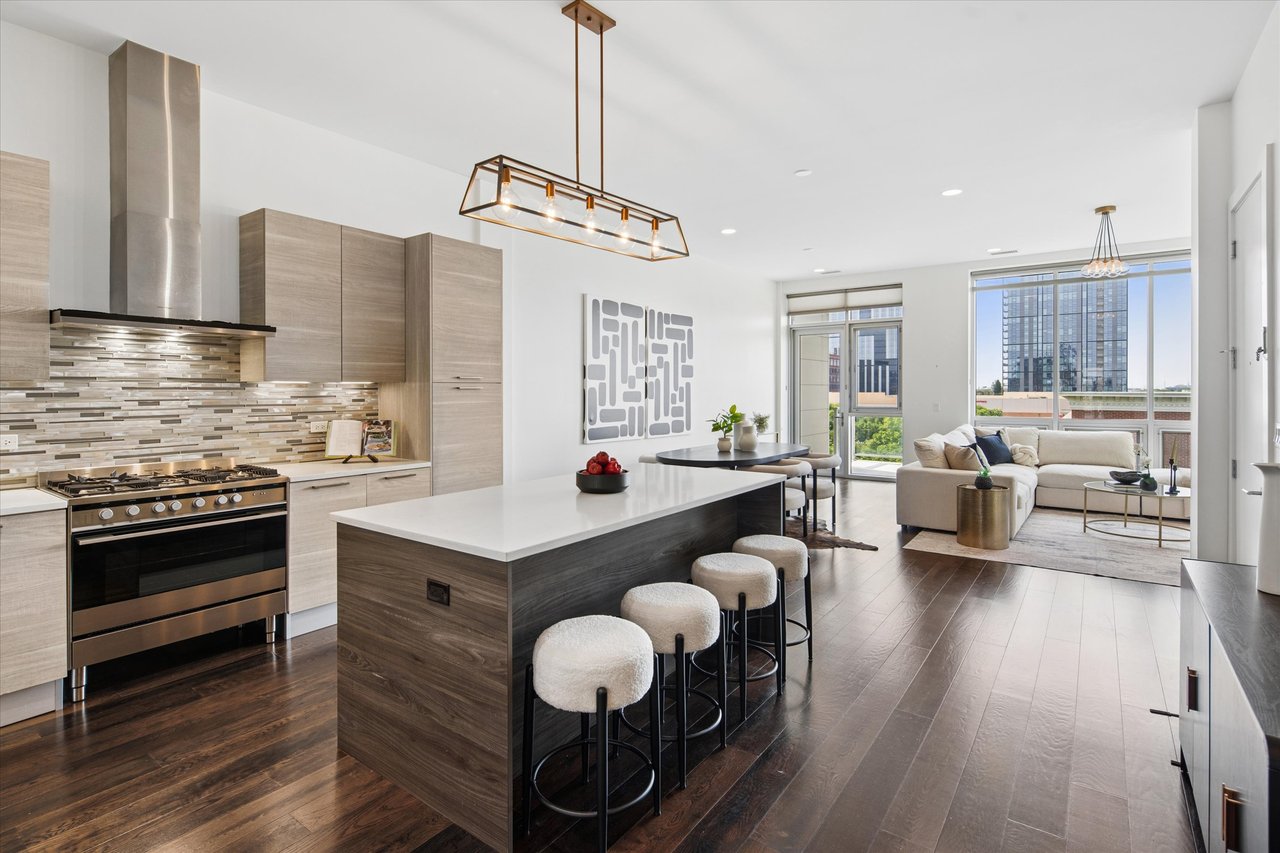
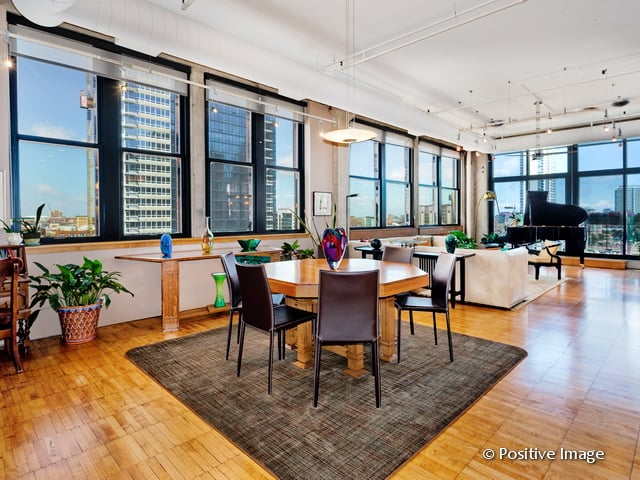
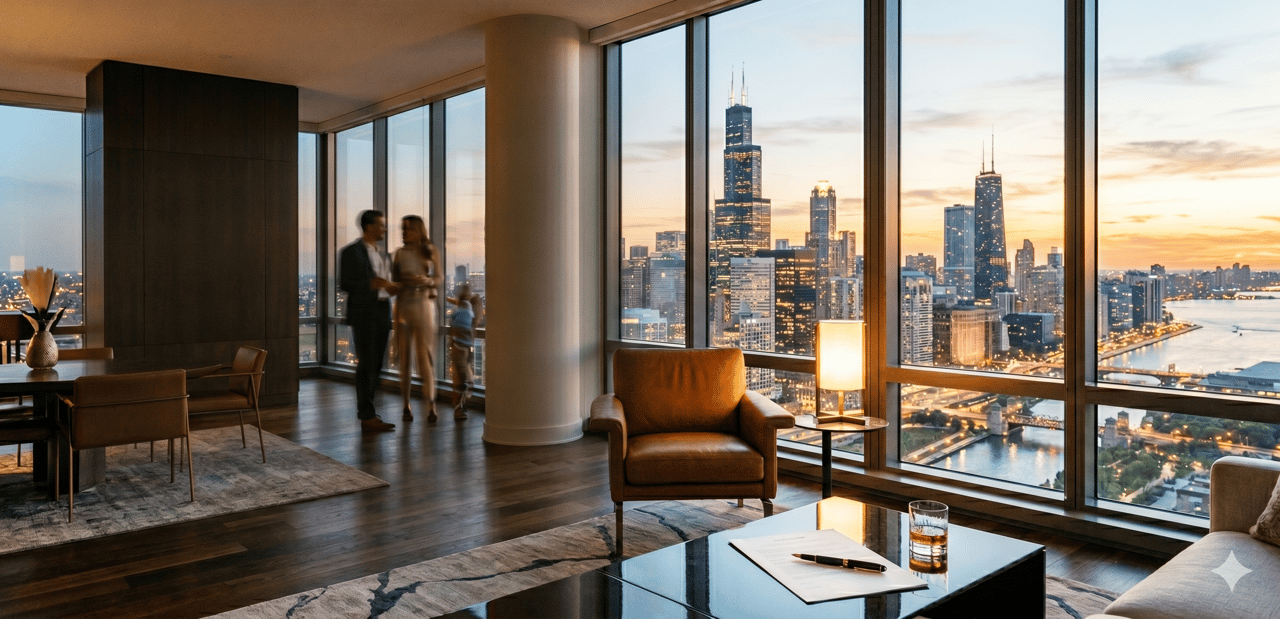
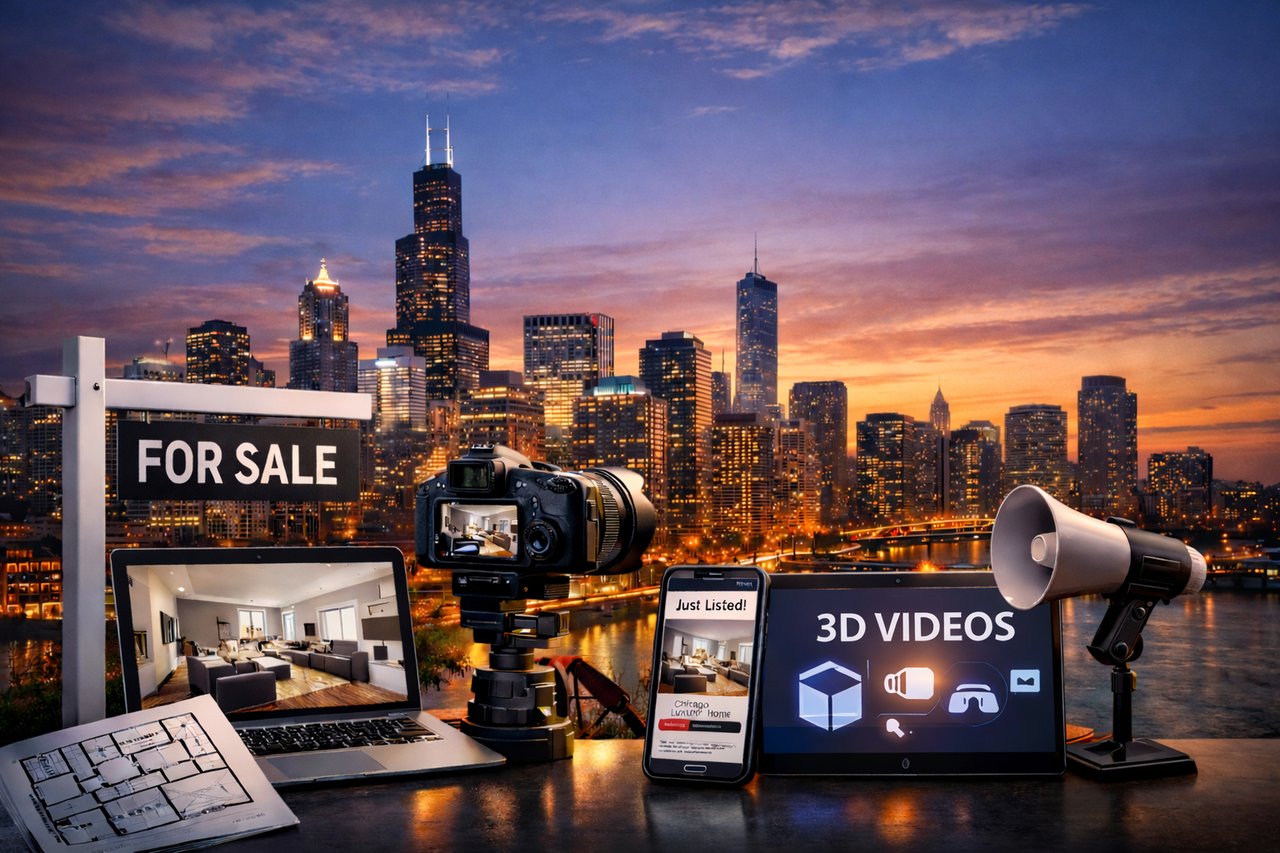
Every listing I take includes professional photography, cinematic video walkthroughs, a 3D virtual tour, and a professionally measured floor plan. These aren't optional upgrades. They're the baseline.
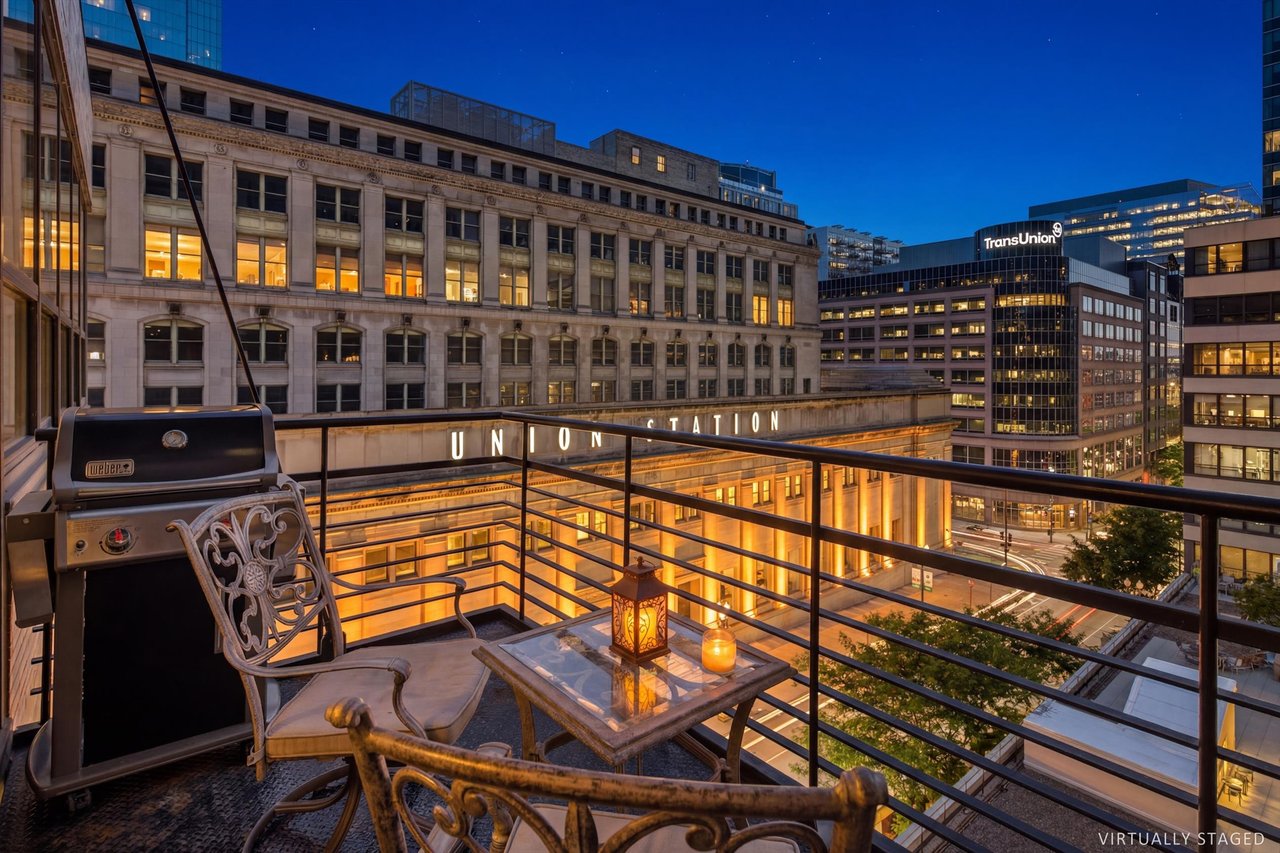
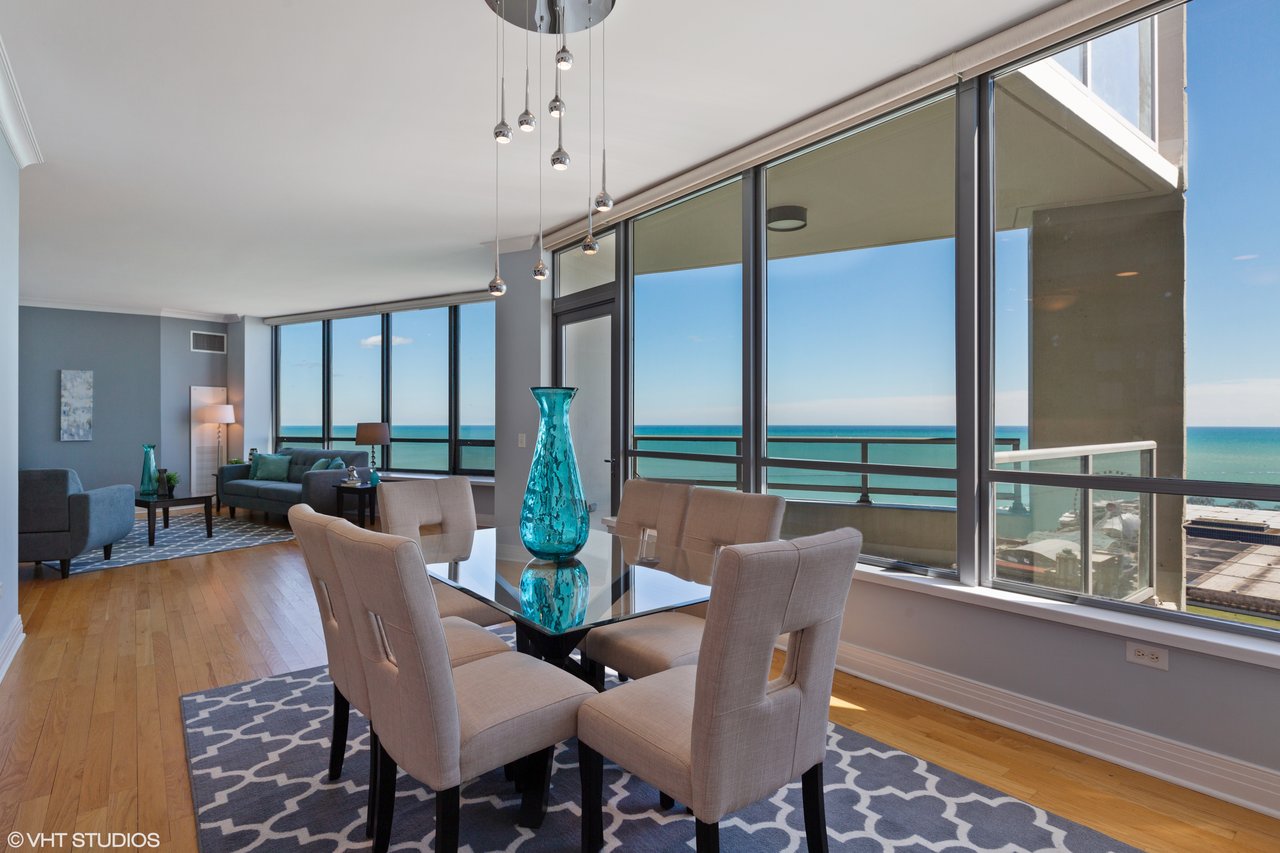
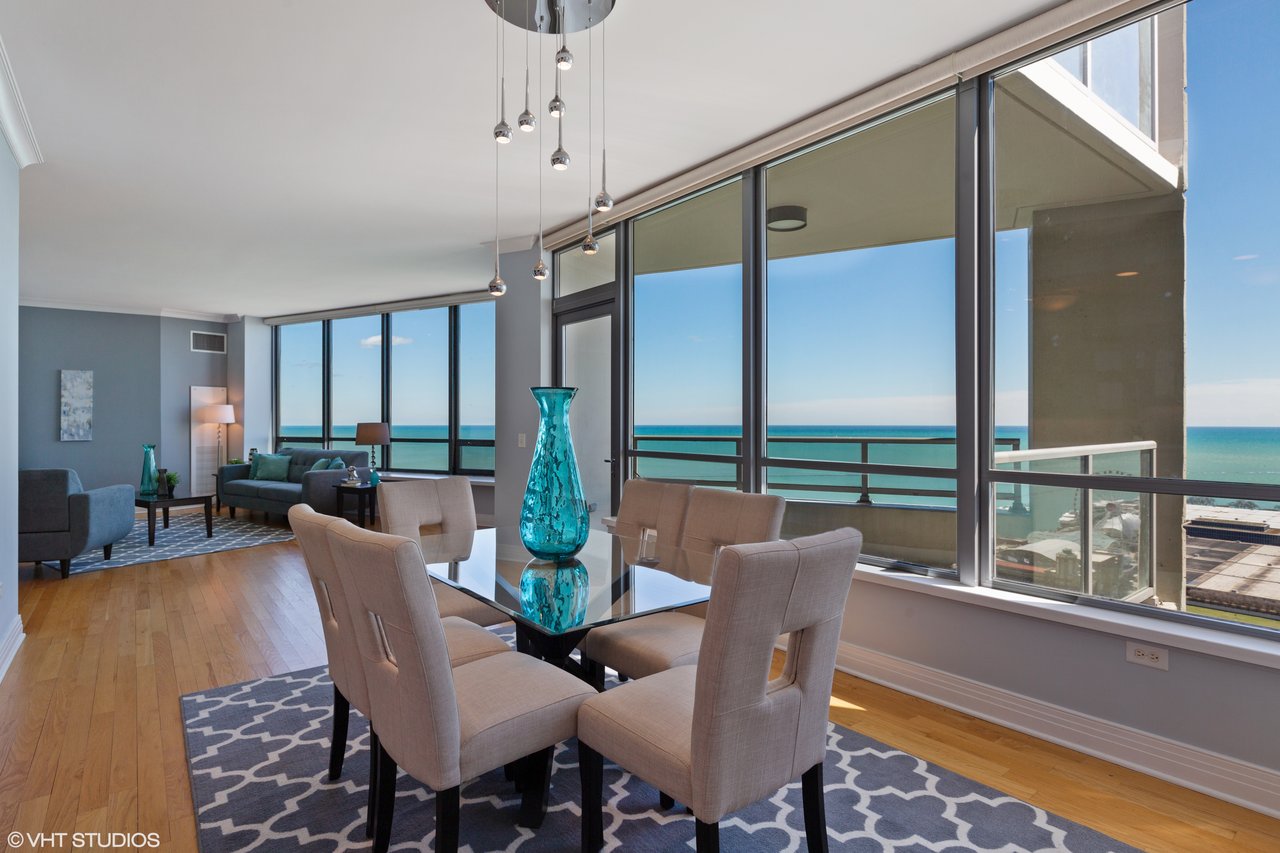
Here's why each element matters specifically in Chicago's downtown condo market. Professional photography stops the scroll. Buyers browsing Zillow and Redfin at 10pm are making instant judgments about whether a unit is worth their time. Dark, blurry, or phone-quality photos answer that question quickly, and not in your favor.
Cinematic video and 3D virtual tours serve a second critical function: out-of-state and relocating buyers. Downtown Chicago draws professionals moving from New York, San Francisco, Los Angeles, and internationally. These buyers often make decisions based entirely on digital presentation before they ever set foot in Chicago. A well-produced video walkthrough keeps your listing competitive for that entire buyer segment.
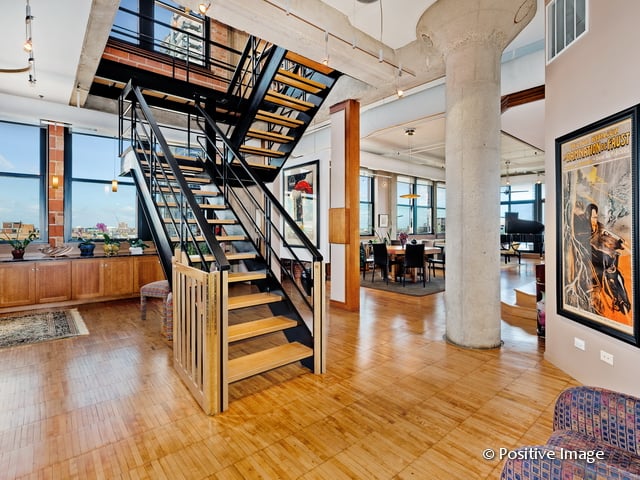
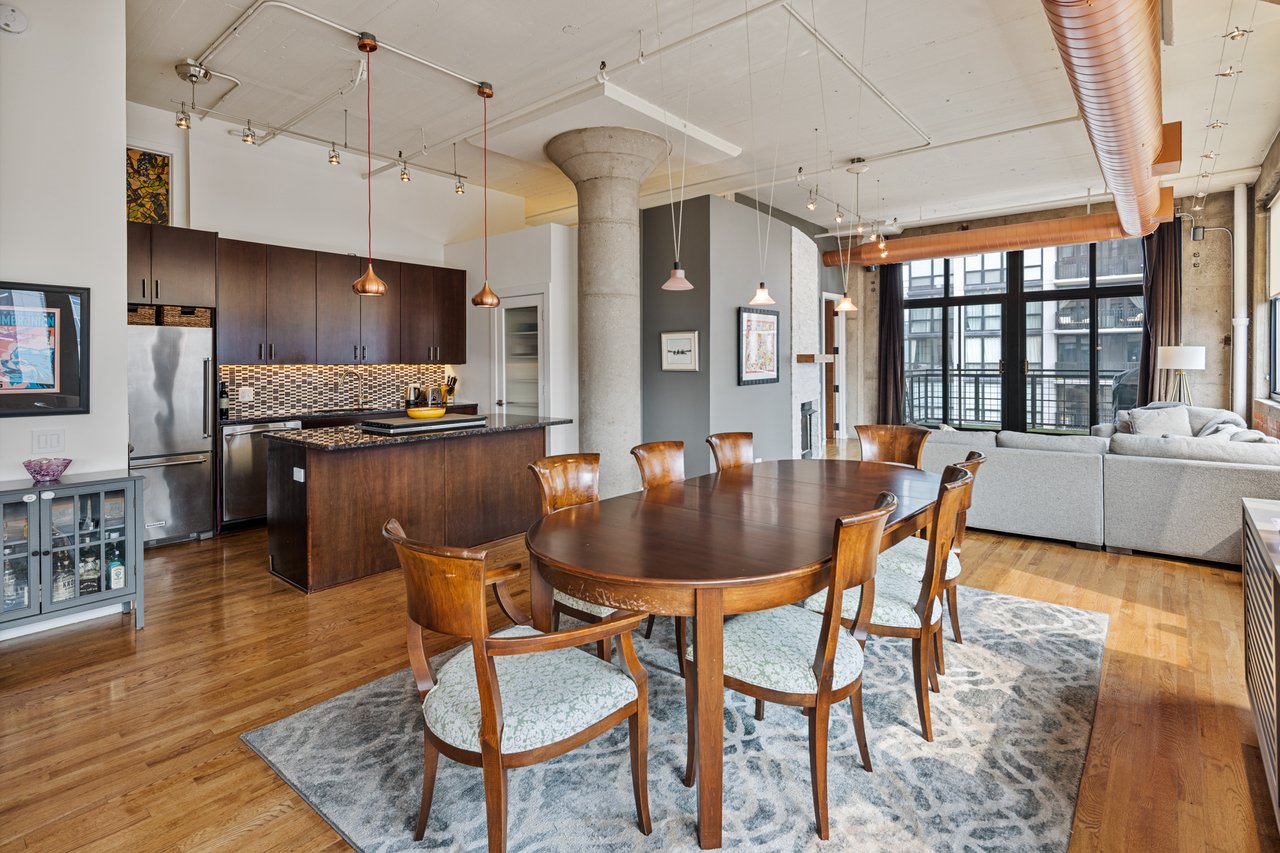
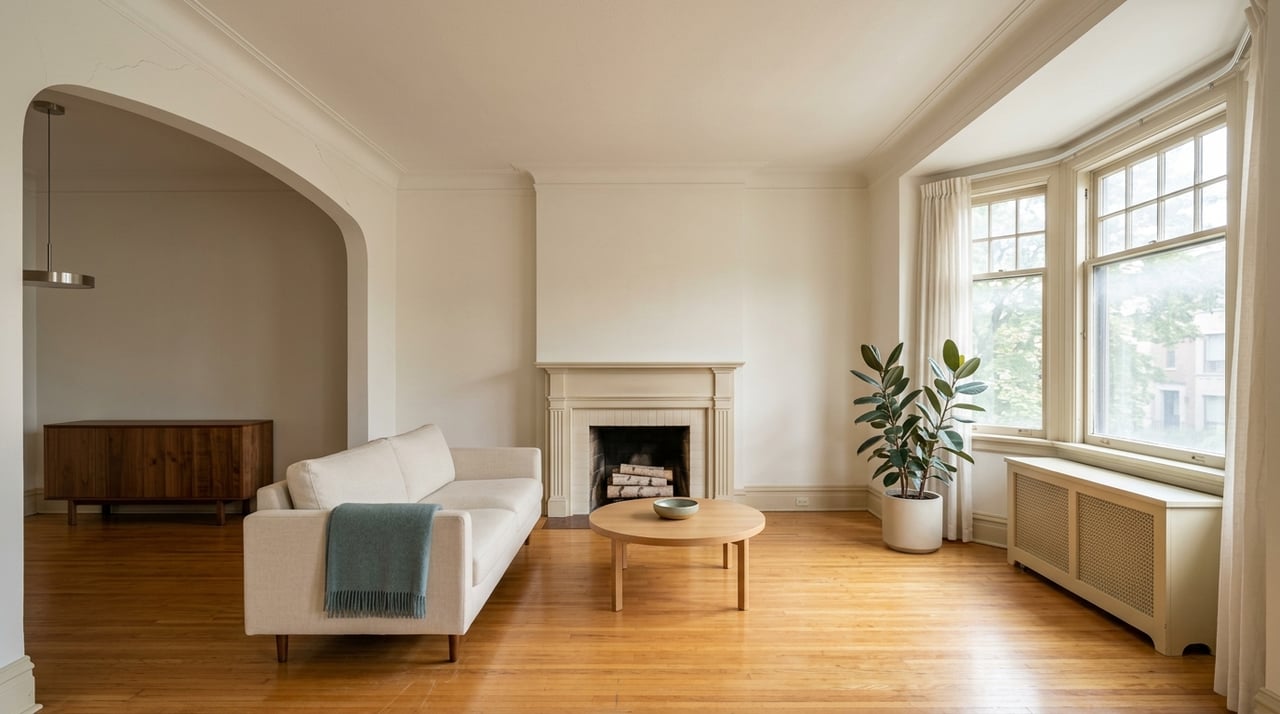
The floor plan matters more than most sellers realize. In condos and loft units, layout is everything. A measured floor plan with room dimensions lets buyers understand flow, furniture placement, and how the space actually lives before they visit. It reduces friction and increases the quality of your showings, because buyers who come in already understand the layout are further along in their decision.
This is not basic listing photography. It's a strategic launch package.
Step 2: Strategic Digital Exposure
Exposure without strategy is just noise. I use a layered digital approach to create reach and engagement across every platform where serious buyers spend time.
Your home is promoted through MLS distribution, paid digital ad campaigns, targeted buyer campaigns, Facebook and Instagram marketing, LinkedIn exposure for professional and relocation buyers, and video content on TikTok and YouTube for broader reach.
Each platform reaches a different buyer segment, and that's the point. A passive MLS listing reaches buyers who are already actively searching. Paid social campaigns reach buyers who are considering a move but haven't started formally looking yet. LinkedIn reaches corporate relocation buyers and executives. TikTok and Instagram Reels reach a younger buyer demographic that is increasingly active in the West Loop and River North markets.
When used intentionally and simultaneously, these platforms create cross-channel momentum that expands your property's reach far beyond passive MLS searches. Buyers see your unit multiple times across multiple contexts, which builds familiarity and urgency in a way that a single listing platform never can.
The Chicago Association of Realtors tracks days on market across downtown neighborhoods, and the pattern is consistent: properties with broader digital marketing footprints spend less time on market than those relying on MLS exposure alone.
Step 3: Direct Buyer and Agent Outreach
Marketing isn't just digital. It's relational.
Your property is shared through targeted email campaigns to my buyer database, direct outreach to active buyer's agents working in your price range and neighborhood, and private buyer network communication before the listing goes live.
In Downtown Chicago, most serious buyers are already working with an agent. That agent is your real audience in many cases, not the end buyer directly. Proactive agent outreach ensures your listing is top-of-mind the moment it launches, rather than waiting for agents to discover it passively through MLS alerts.
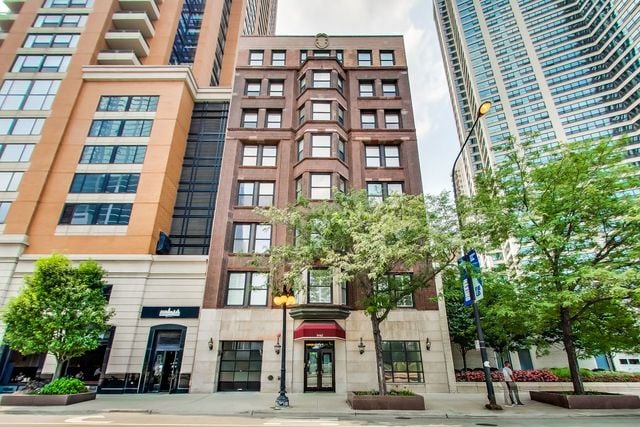
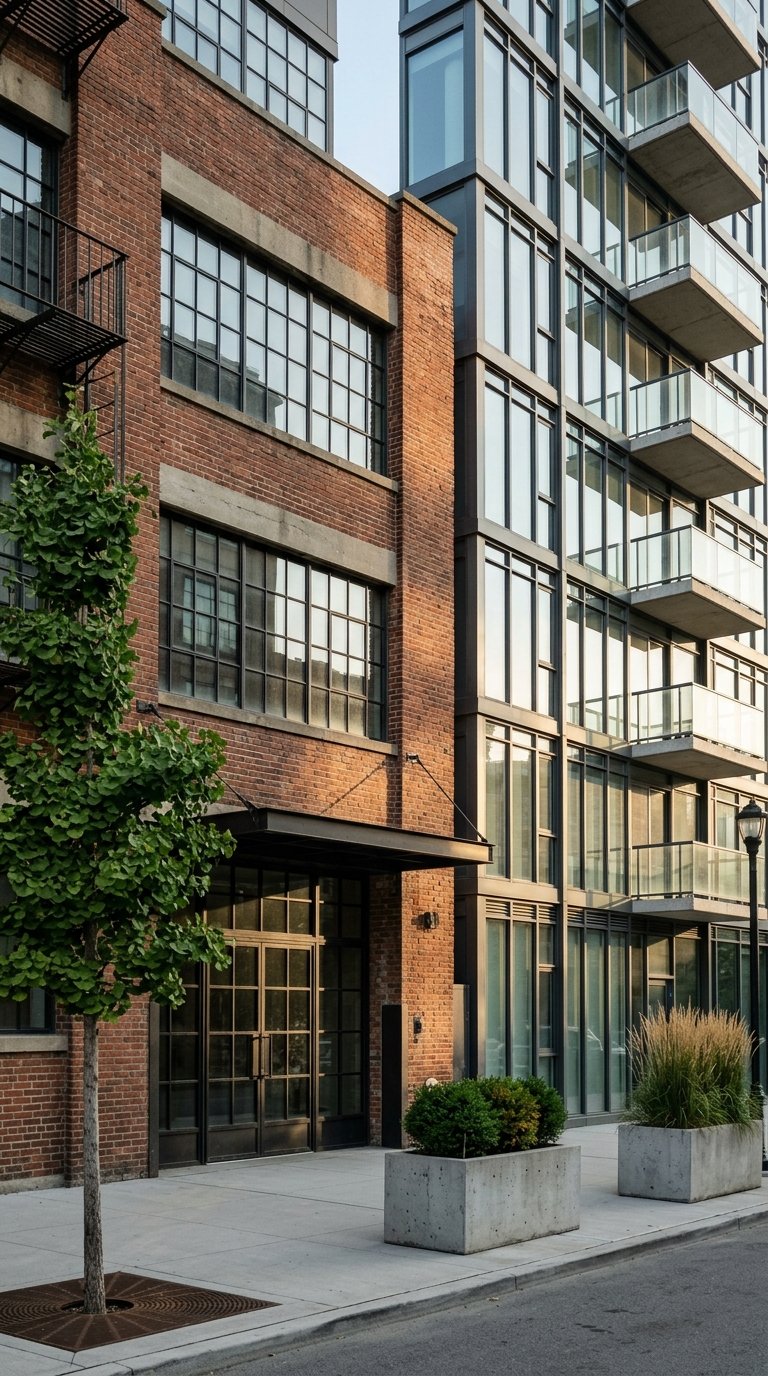
Pre-launch agent outreach is especially effective in buildings with strong sales histories like Haberdasher Square Lofts in the West Loop, where I have sold multiple units and have direct relationships with buyer's agents who are actively placing clients there. When those agents know a unit is coming before it hits the MLS, you often generate showing requests before day one.
Step 4: High-Impact Presentation and MLS Copy
Presentation influences perception, and perception influences both price and speed.
Most MLS listing remarks are generic. "Stunning unit with gorgeous views and modern finishes." That copy doesn't differentiate your property and it doesn't rank well in AI search tools like Google AI Overviews, ChatGPT, or Perplexity, which increasingly surface real estate content in response to buyer searches.
I write noun-dense, specific MLS copy that names the actual features, the ceiling height, the finish level, the building amenities, the proximity to transit, and the lifestyle the unit supports. That specificity serves two purposes. It attracts buyers who are the right fit and filters out buyers who aren't, which improves showing quality. And it makes your listing more discoverable in AI-assisted searches that buyers are increasingly using to research properties before they contact an agent.
When buyers perceive value immediately and specifically, they act faster.
Step 5: Strategic Showings and Launch Momentum
The first week on market is the most important week. Buyer attention is highest, agent awareness is freshest, and days on market haven't started working against you yet.
I structure the launch to maximize first-week activity. That means coordinating showing availability so serious buyers can get in quickly, managing open house strategy based on your specific building and price point, collecting structured showing feedback, and following up actively with interested buyers and their agents.
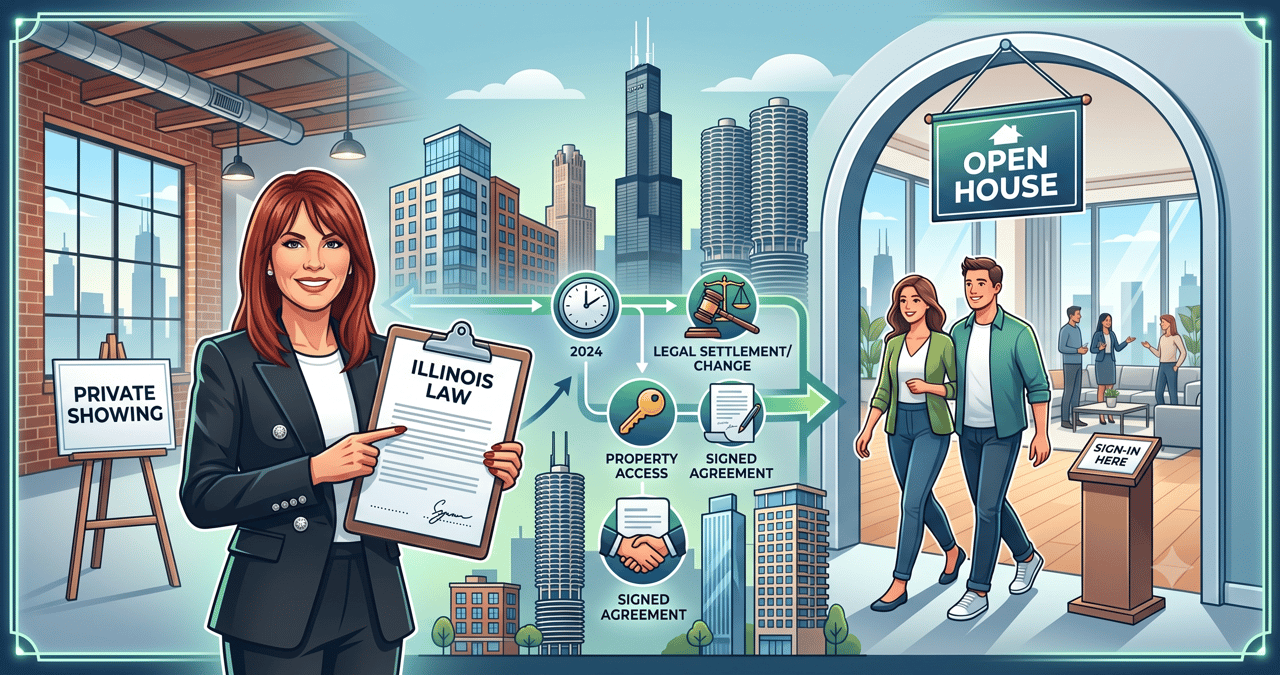
Open houses in downtown buildings require specific coordination with door staff, building management, and security. I handle that directly. In buildings like Metropolitan Place and Park Alexandria, where I have sold multiple units, I know the showing protocols, the questions buyers are going to ask, and the amenity spaces that close deals.
The goal of every showing is not just a walkthrough. It's a next step. Strong follow-up after showings keeps your property top of mind and often turns interest into offers.
Key Takeaways
- Strong marketing in Chicago's downtown condo market starts before the listing goes live.
- Professional photography, video, 3D tours, and a measured floor plan are the baseline, not extras.
- Multi-platform digital promotion reaches buyer segments that passive MLS listings never touch.
- Direct agent outreach before launch generates showing requests on day one.
- Specific, noun-dense MLS copy improves both buyer quality and AI search discoverability.
- First-week showing structure and follow-up determine whether interest converts to offers.
The Bottom Line
If you're wondering how to market your home for a quick sale in Chicago, the answer is consistent across every building and every price point. You need more than exposure. You need a strategy.
Professional visuals. Multi-platform marketing. Paid campaigns. Direct agent outreach. Structured showings. MLS copy written to attract the right buyer and rank in search. When done correctly, this approach creates engagement, urgency, and results.
Your home deserves more than a listing. It deserves a launch.
FAQ
How do I market my home for a quick sale in Chicago? Start with correct pricing, then layer in professional photography, video, 3D tour, and a measured floor plan before the listing goes live. Combine MLS distribution with paid social campaigns, direct agent outreach, and structured showings in the first week. The launch window is your most powerful tool.
Does professional photography really make a difference when selling a Chicago condo? Yes, significantly. Buyers in Downtown Chicago begin their search online and make showing decisions based on photos before they contact anyone. High-quality photography generates more views, more saves, and more showing requests than comparable listings without it. In a building with multiple active units, presentation is often the deciding factor.
How important is the first week on market in Chicago? Extremely important. Buyer attention and agent awareness are highest in the first seven to ten days. Listings that don't generate showing momentum in the first week start accumulating days on market, which signals to buyers that something may be wrong with the price or the property. A coordinated launch that maximizes first-week activity protects your price and your timeline.
What platforms do you use to market a Downtown Chicago condo? MLS distribution, Zillow, Redfin, Realtor.com, paid Facebook and Instagram campaigns, LinkedIn for relocation and professional buyers, TikTok and YouTube video content, targeted email to buyer databases, and direct outreach to active buyer's agents. Each platform reaches a different buyer segment, and using them simultaneously creates momentum that a single platform cannot.
How do you market a Chicago condo to out-of-state buyers? Through professional video walkthroughs, 3D virtual tours, and exposure on national platforms including Zillow, Redfin, and the Christie's International Real Estate global network. Out-of-state and relocating buyers often make decisions based entirely on digital presentation. A measured floor plan and well-produced video are especially important for this buyer segment.
ABOUT THE AUTHOR
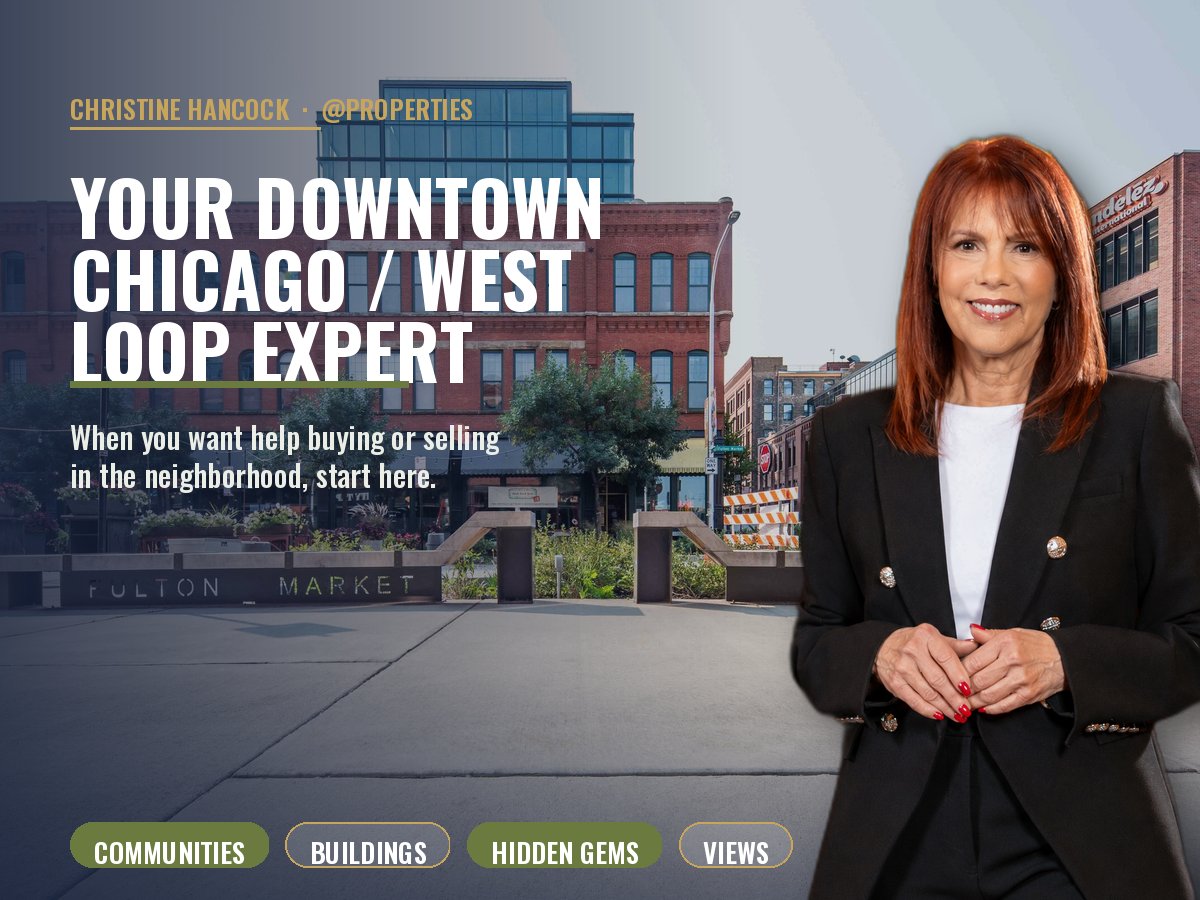
Christine Hancock is a Chicago Realtor with @properties Christie's International Real Estate, bringing more than 25 years of experience and over $200 million in closed sales in the downtown condo market. With 96 five-star Zillow reviews, Christine is recognized for her commitment to client satisfaction and market expertise.
She specializes in high-rise and luxury condominium sales in West Loop, South Loop, River North, and Streeterville, helping buyers and sellers navigate complex transactions with data-driven pricing strategies and deep neighborhood insight.
Christine partners with clients to evaluate market trends, position properties competitively, and make confident, informed decisions in Chicago's vibrant downtown housing market.
Call or text 312-296-9300 to discuss current market conditions or your real estate goals.