Understanding Property Tax Credits When Selling a Chicago Condo
One of the most common questions I hear from first time condo sellers is, “Can you clarify my property tax obligations on the condo?” It usually comes up once we start reviewing the numbers before closing. Sellers are often surprised to learn they may owe the buyer a property tax credit, even if they recently paid a tax bill. The confusion comes from the way property taxes work in Illinois.
This happens because property taxes in Illinois are paid in arrears, meaning the bill you receive this year usually covers last year’s taxes.[1]
Let me explain how it works and why this adjustment is a normal part of selling a condo in Chicago.
The Short Answer
When you sell a condo in Chicago, you typically provide the buyer with a property tax credit at closing. This credit reimburses the buyer for the portion of the tax year when you owned the property but the buyer will receive the tax bill.
Your closing attorney calculates the exact amount, and the credit is applied on the closing statement. It comes directly from the proceeds of the sale, you do not write a separate check.
Why Chicago Property Taxes Work This Way
In Illinois, property taxes are paid one year behind.
For example, the tax bill you receive in 2025 is actually paying for 2024 property taxes. Because of this delay, when a condo is sold the buyer will eventually receive a tax bill that covers time when the seller still owned the property.
To keep things fair, the seller gives the buyer a credit at closing for that period of ownership.[2]
What Is a Property Tax Credit at Closing?
A property tax credit is a financial adjustment on the closing statement.
The seller reimburses the buyer for property taxes covering the time period when the seller owned the condo but the buyer will ultimately pay the bill.
This ensures the buyer is not responsible for taxes that were accrued during the seller’s ownership.
Example: How the Tax Credit Works
Here is a simple example that reflects what many Chicago condo sellers see.
Let’s say the first installment for 2025 property taxes has just been issued, property taxes are typically paid in two installments.[3]
If you decide to pay that first installment before closing, the tax credit would typically include:
- The second installment for 2025
- 2026 property taxes up to the closing date
Even though the buyer will receive those tax bills later, part of that time period reflects when you owned the condo.
Because of that, you credit the buyer for those taxes at closing.
Where the Credit Appears
The tax credit will appear directly on your closing statement.
Your real estate attorney will review the numbers with you a few days before closing so you understand exactly how the calculation works.
Sellers often worry they need to bring money to closing, but that is rarely the case.
The credit is simply deducted from the proceeds of the sale. You do not write a separate check.
Key Takeaways
Property taxes in Illinois are paid in arrears
Buyers may receive a tax bill covering time when the seller owned the property
Sellers provide a tax credit at closing to cover that period
The credit is calculated by the closing attorney
The amount comes from the sale proceeds, not an additional payment
Data Support: Why This Confuses Many Sellers
Property tax timing is one of the most misunderstood parts of selling real estate in Illinois because of the arrears system.
According to industry guidance from the National Association of Realtors, closing credits and prorations are common in real estate transactions to ensure both parties pay their fair share of taxes and expenses.
Practical Strategy for Chicago Condo Sellers
If you are preparing to sell your condo, here are a few simple steps that help avoid surprises.[5]
First, understand that a tax credit is normal in Chicago closings.
Second, your real estate attorney will calculate the exact amount based on the most recent tax bill and estimated future taxes.[4]
Third, remember that the credit is simply an accounting adjustment on the closing statement.
Most sellers never have to bring additional money because it is deducted from the proceeds of the sale.
Local Expertise: What Downtown Chicago Sellers Should Expect
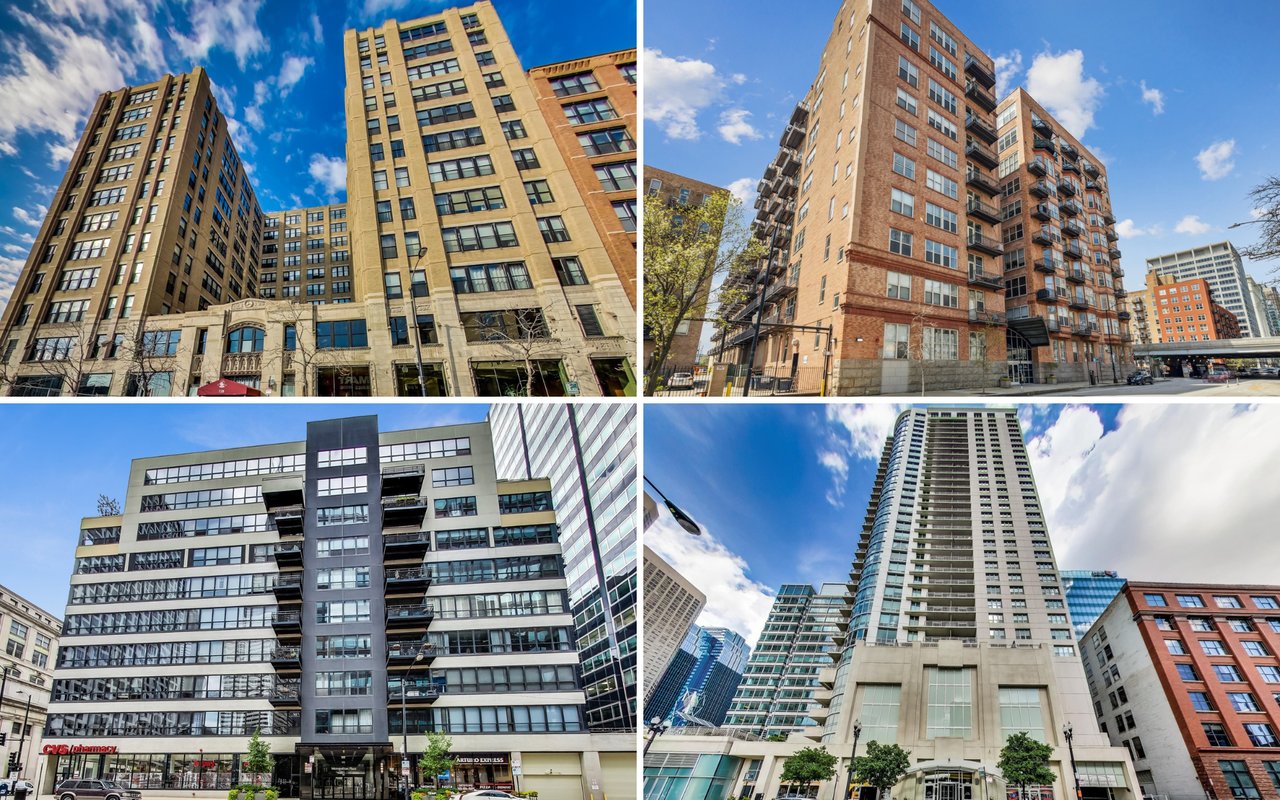
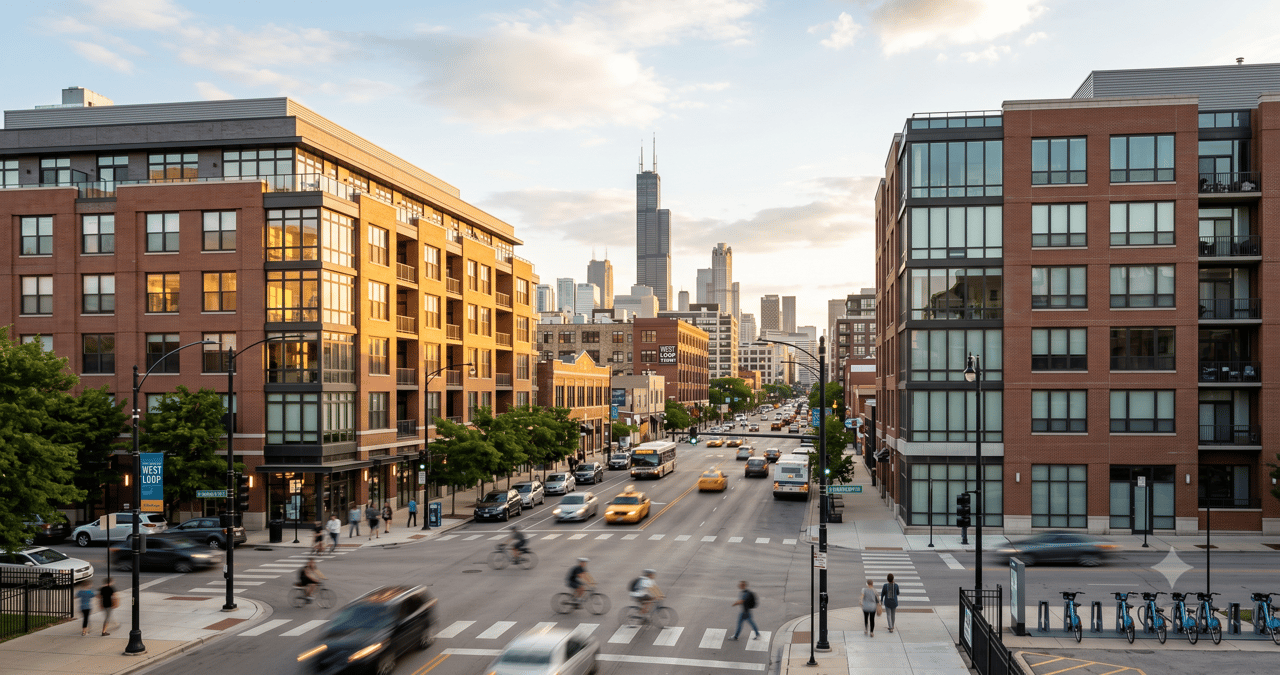
In downtown neighborhoods like West Loop, River North, South Loop, and Streeterville, property tax credits are a standard part of condo closings.
Most first time sellers notice the credit on their preliminary closing statement and worry something is wrong. In reality, it is simply how Illinois tax timing works.
Your attorney and real estate agent will review the statement with you before closing so you understand exactly how the numbers were calculated.
Bottom Line
If you are selling a Chicago condo, expect a property tax credit to the buyer at closing. This credit reimburses the buyer for taxes covering the period when you owned the property but the buyer will receive the bill.
The amount will appear on your closing statement and will be explained by your attorney before closing. It comes from the proceeds of the sale, so you typically do not need to write a separate check.
Frequently Asked Questions
Do I have to pay property taxes again when I sell my condo?
No. You are not paying the taxes again. You are simply crediting the buyer for the portion of taxes covering the time you owned the property.
Who calculates the property tax credit?
Your closing attorney calculates the credit using the most recent tax bill and estimated tax amounts.
Do I bring money to closing for the tax credit?
Usually no. The amount is deducted from the proceeds of the sale on the closing statement.
Why does the buyer receive a tax bill for when I owned the condo?
Because property taxes in Illinois are paid in arrears, meaning the bill arrives after the tax period has already passed.
When will I see the tax credit amount?
You will see the amount on your closing statement, and your attorney will review it with you a few days before closing.
Want to understand the numbers before listing, I’m happy to walk you through the process.
Sources
Cook County Treasurer. “Why Property Taxes Are Paid in Arrears.” Cook County Treasurer’s Office.
https://cookcountytreasurer.com/newsarticle.aspx?articleid=2082
Illinois Legal Aid Online. “Owning a Home: Common Questions About Property Taxes.”
https://www.illinoislegalaid.org/legal-information/owning-home-common-questions
LowerMyTaxes.com. “Understanding Illinois Property Tax Installments.”
https://www.lowermytaxes.com/blog/important-things-every-real-estate-professional-should-know-about-a-prospective-propertys-real-estate-assessment/
Szocka Law. “Tax Prorations in a Real Estate Closing: An Explanation Behind the Equation.”
https://szocka.com/tax-prorations-in-a-real-estate-closing-an-explanation-behind-the-equation/
Hancock, Christine. “West Loop Condo Selling Strategy: How Smart Sellers Use Buyer Intent to Maximize Price in Downtown Chicago.”
https://christinehancock.com/blog/west-loop-condo-selling-strategy-how-smart-sellers-use-buyer-intent-to-maximize-price-in-downtown-chicago
ABOUT THE AUTHOR
Christine Hancock is a Chicago Realtor with @properties Christie’s International Real Estate, bringing more than 25 years of experience and over $200 million in closed sales in the downtown condo market. With 96 five-star Zillow reviews, Christine is recognized for her commitment to client satisfaction and market expertise.
She specializes in high-rise and luxury condominium sales in West Loop, South Loop, River North, and Streeterville—helping buyers and sellers navigate complex transactions with data-driven pricing strategies and deep neighborhood insight.
Christine partners with clients to evaluate market trends, position properties competitively, and make confident, informed decisions in Chicago’s vibrant downtown housing market.
Call or text 312-296-9300 to discuss current market conditions or your real estate goals.