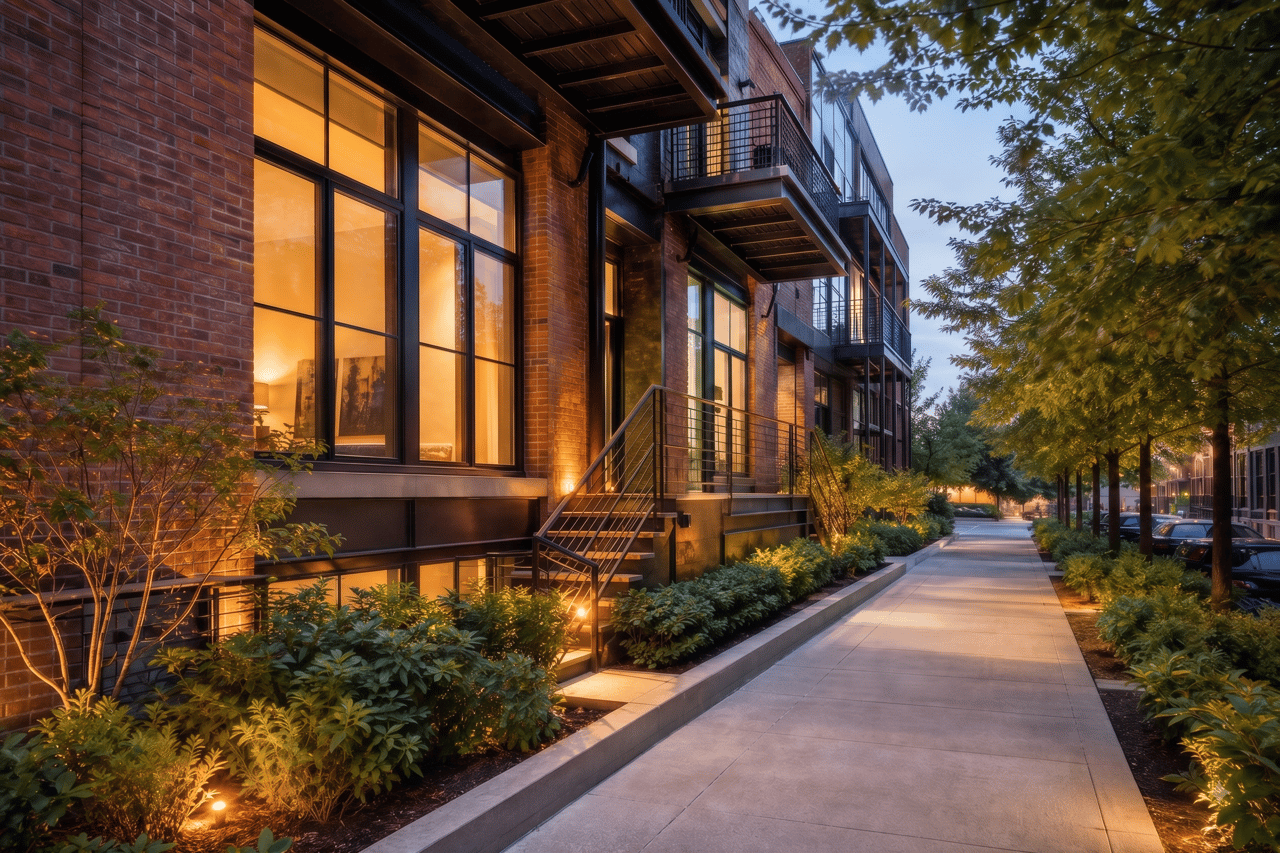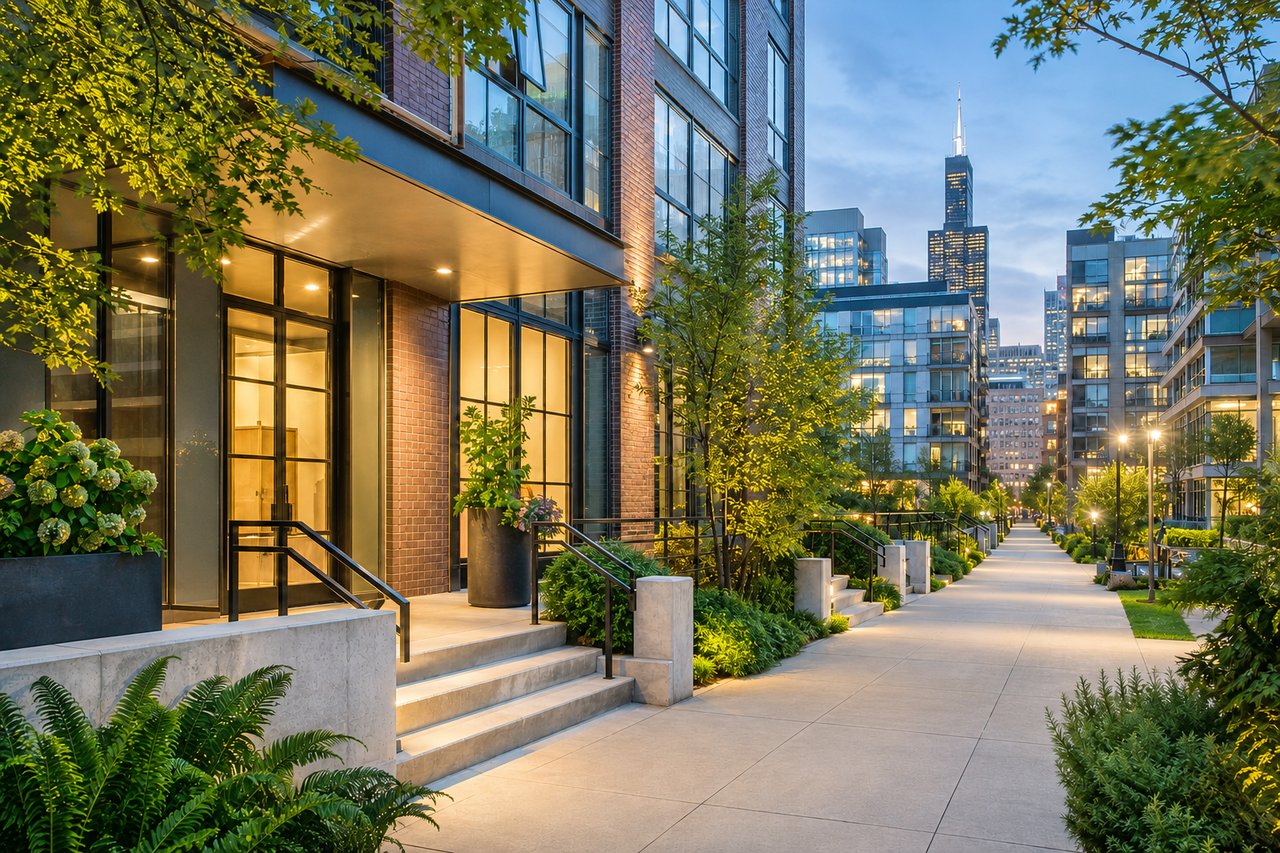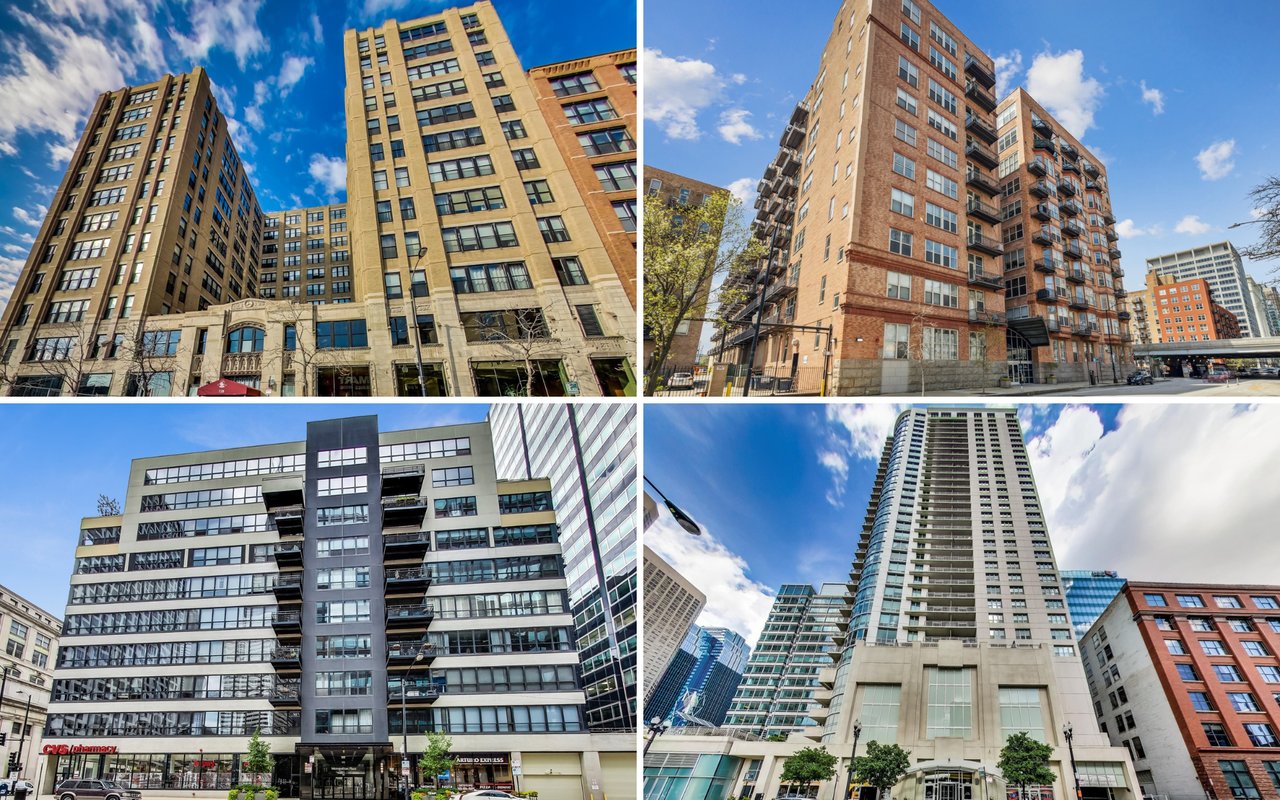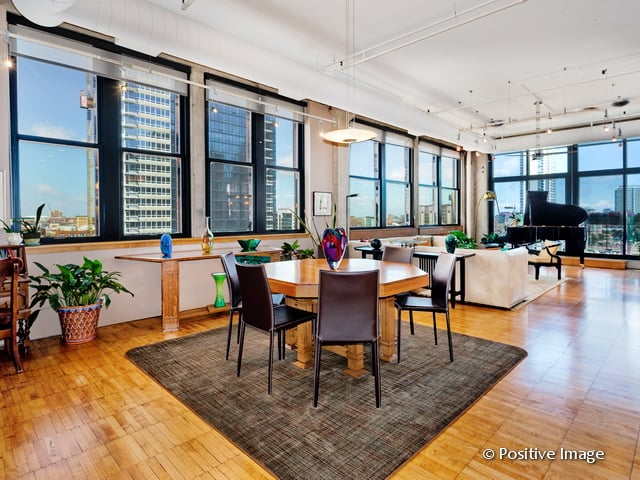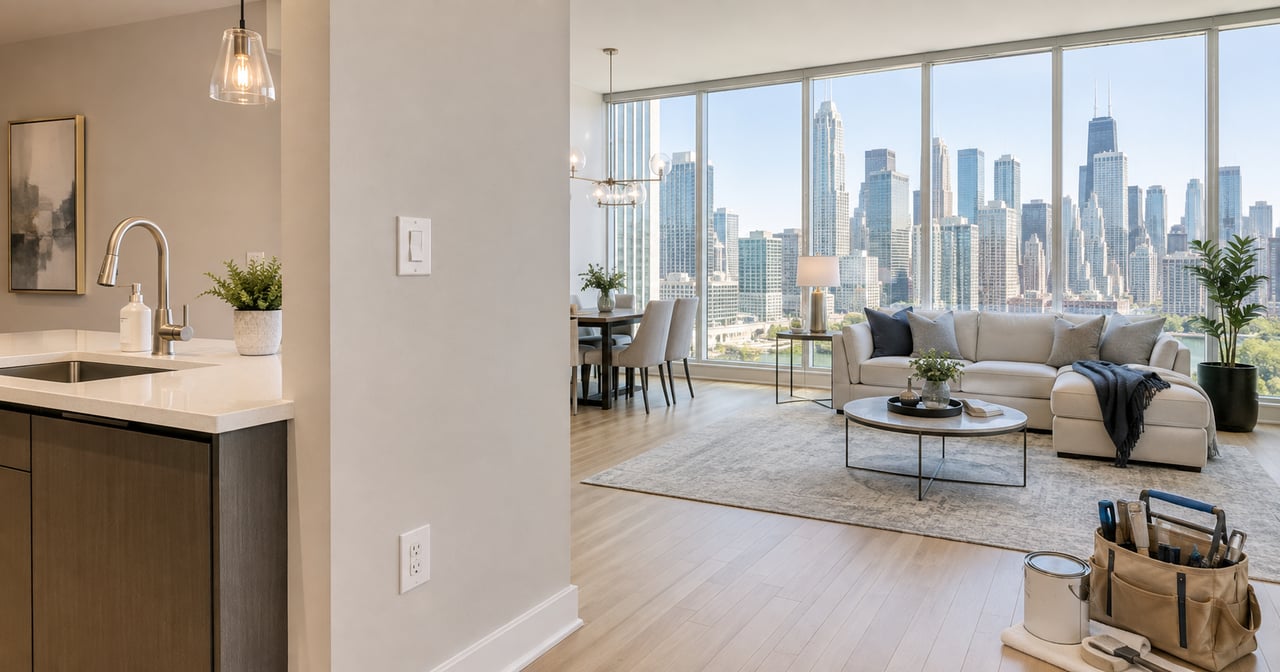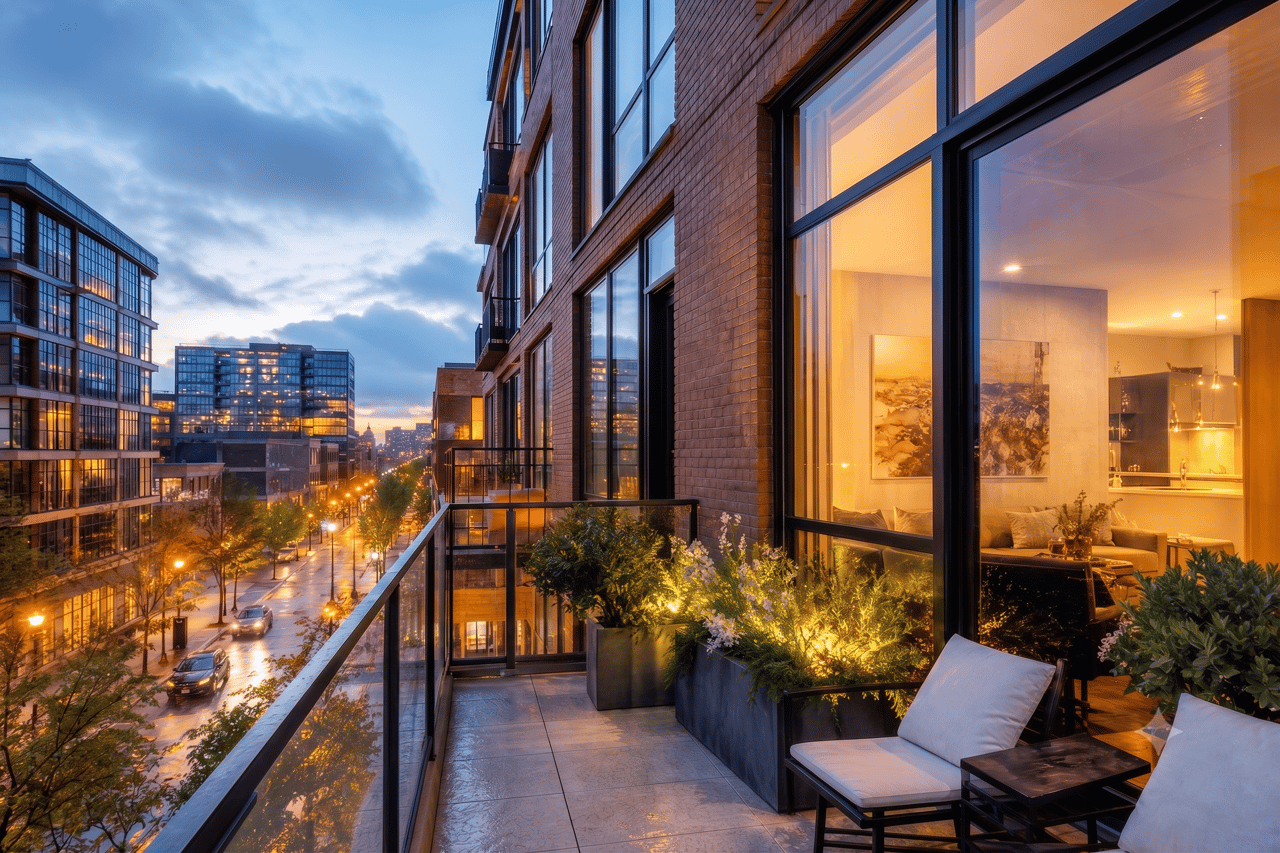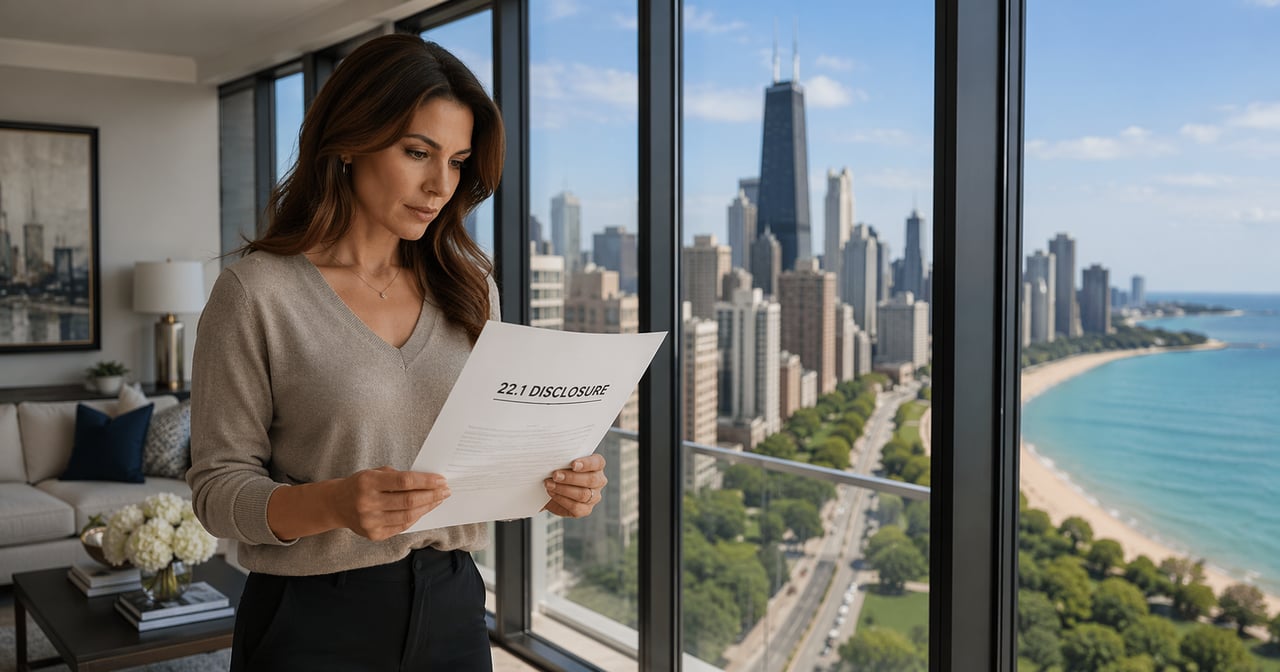
Are condo amenities in downtown Chicago a true lifestyle upgrade or an expensive checklist? If you are weighing a pool, coworking lounge, or pet park against a lower monthly assessment, you are not alone. The amenity race has reshaped how buildings market, how residents live, and how buyers and sellers think about value. In this guide, you will see what leading towers offer, how those features change day-to-day life, and the real financial tradeoffs to consider before you buy or list. Let’s dive in.
What the amenities arms race looks like
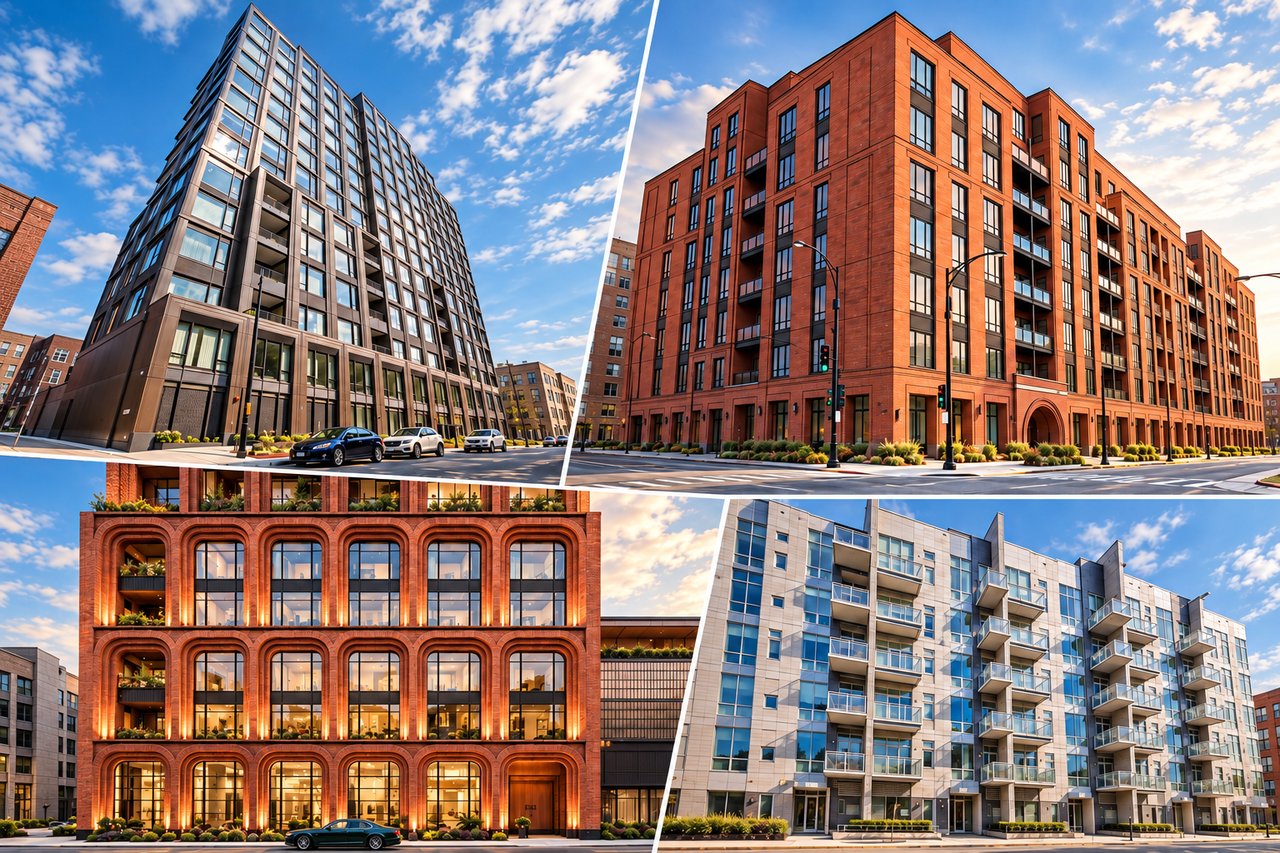
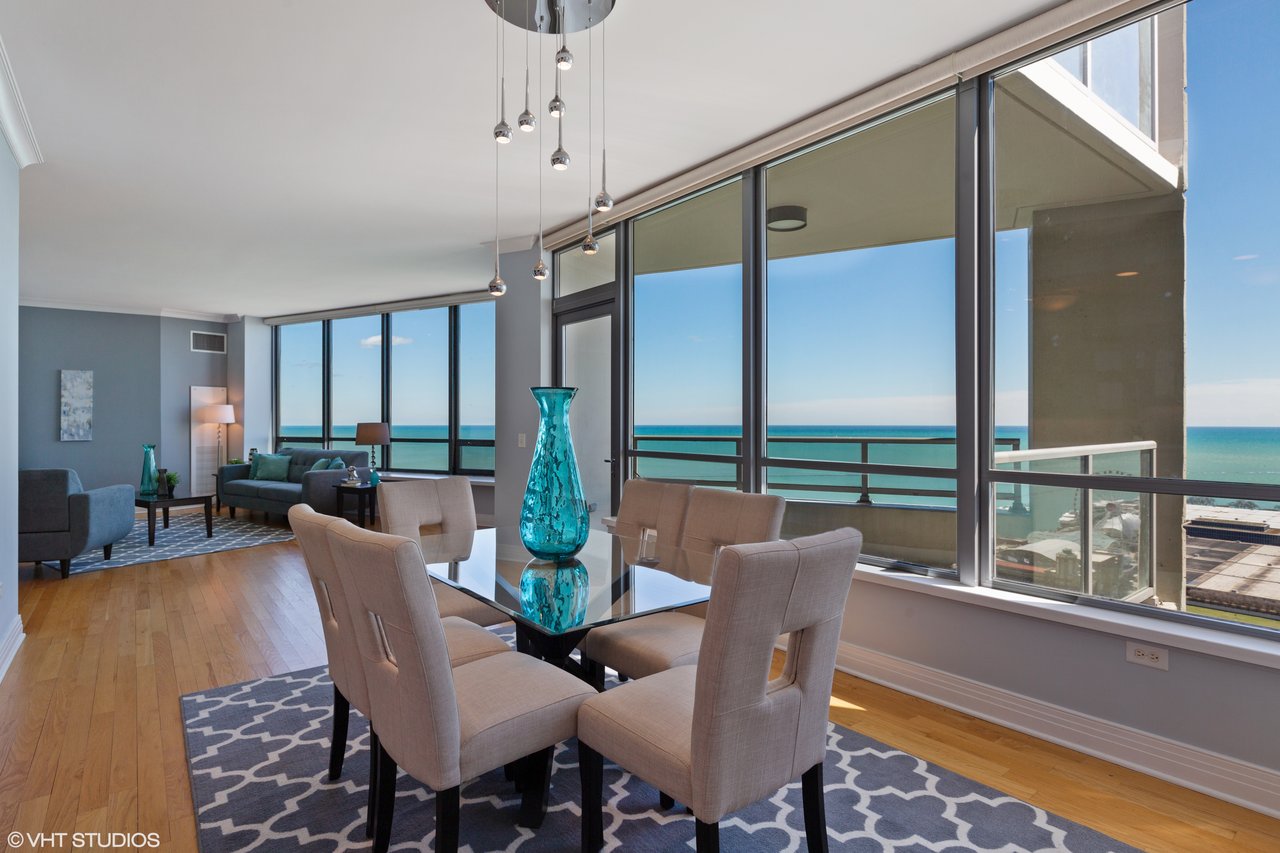
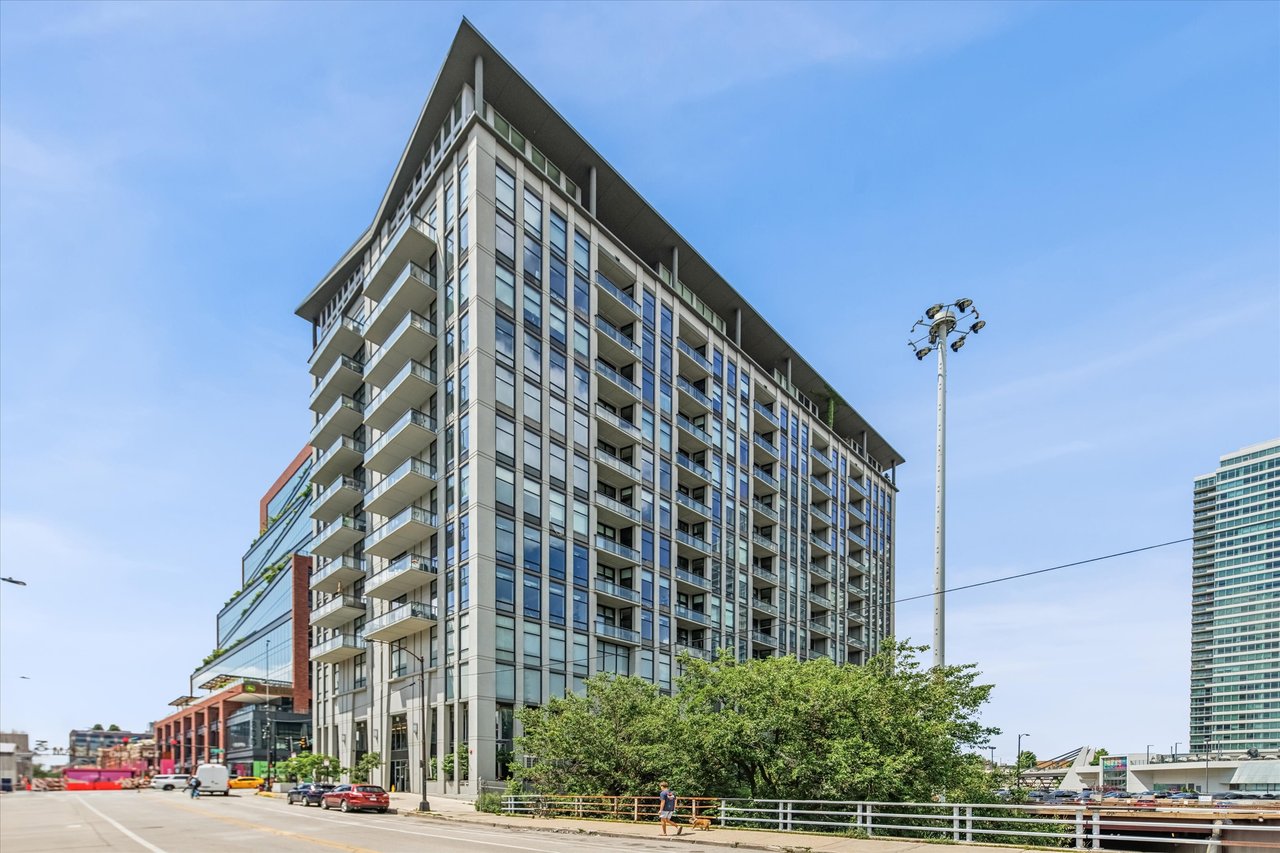
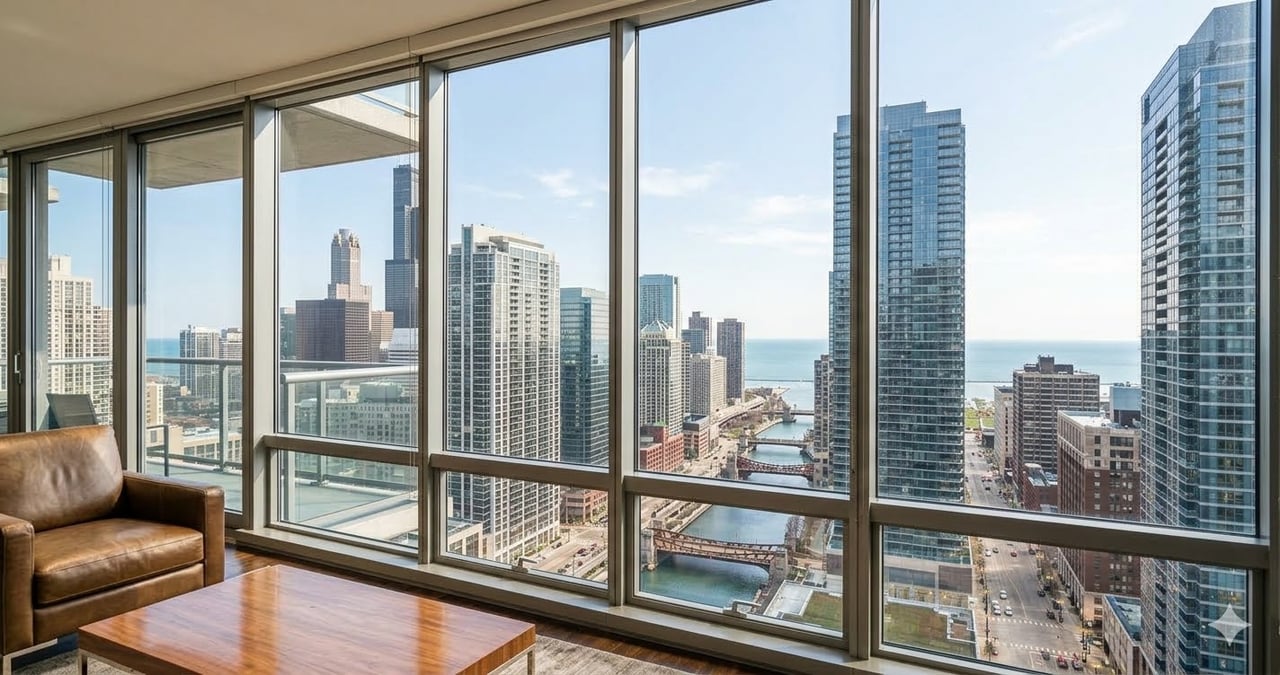
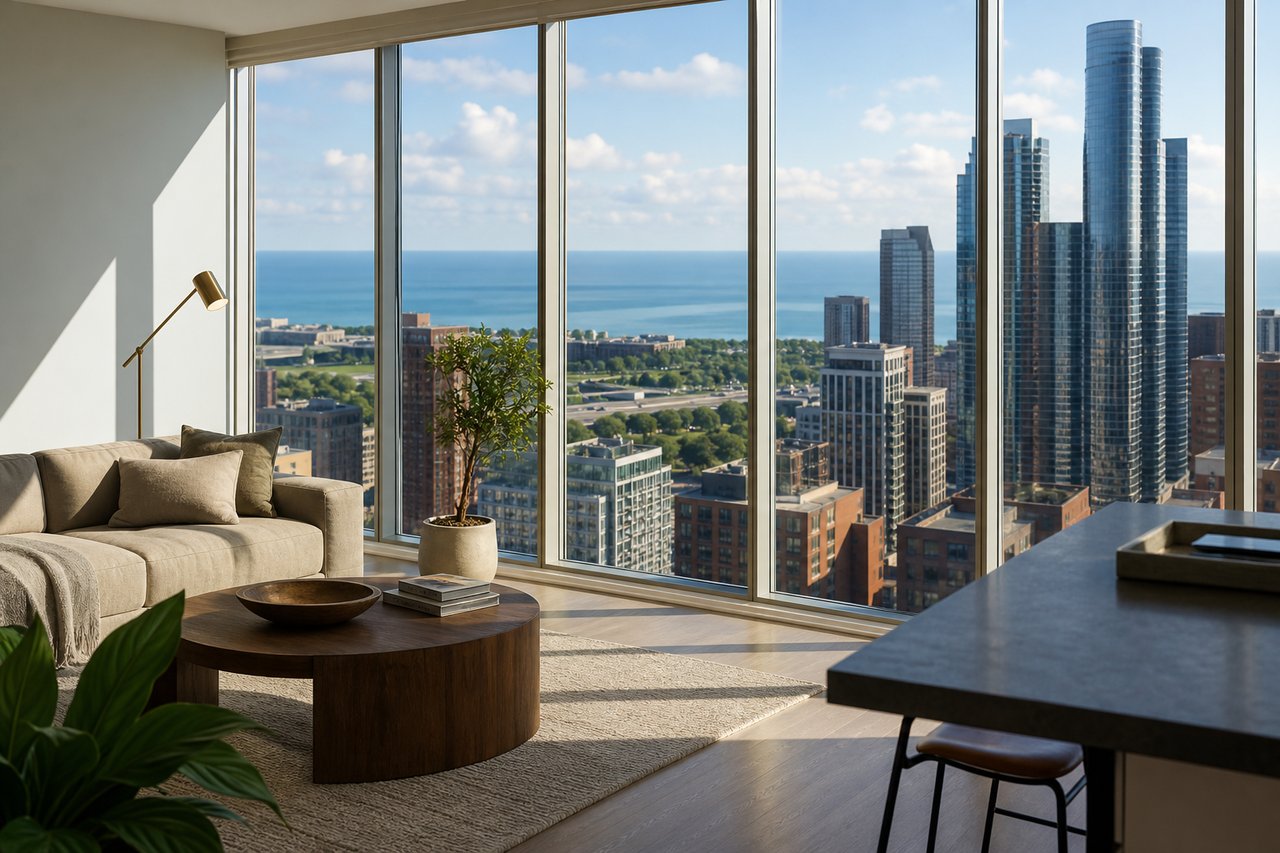
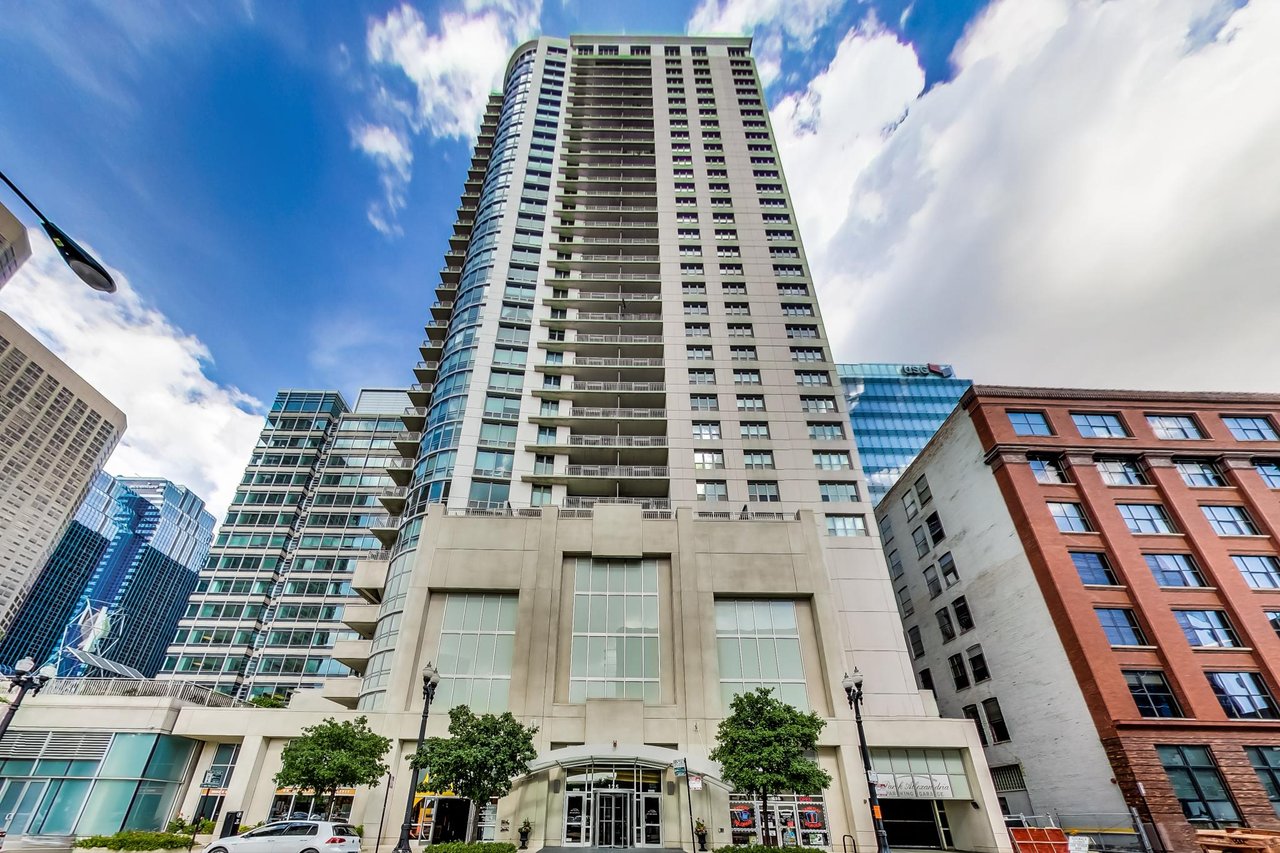
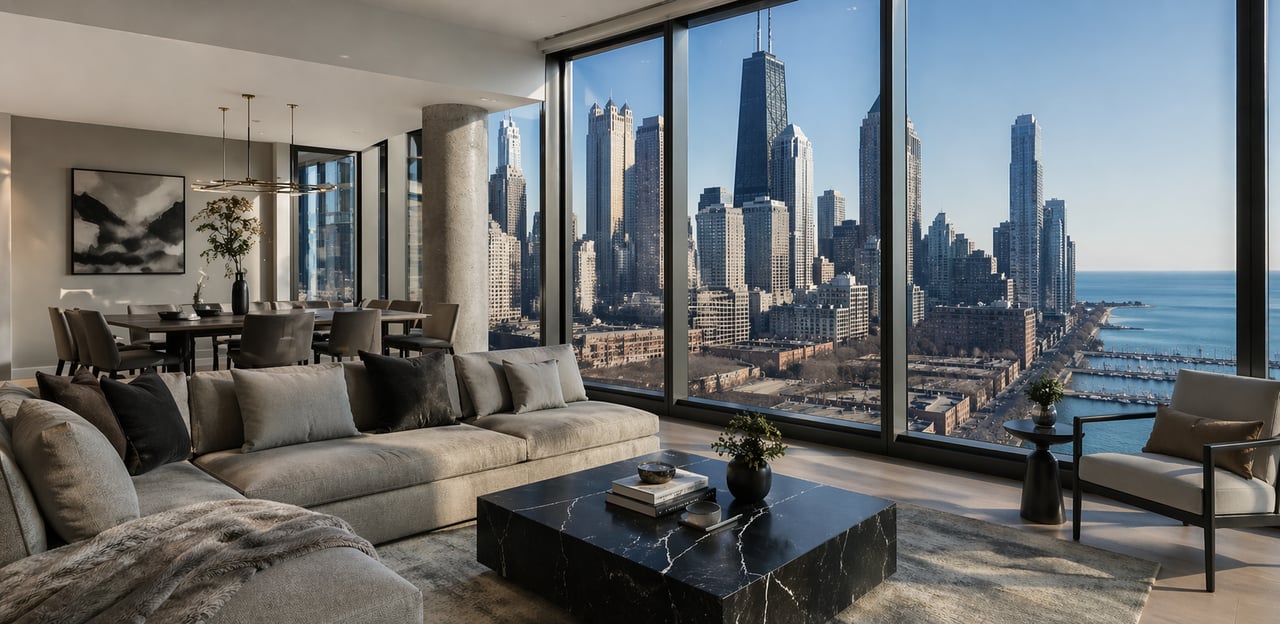
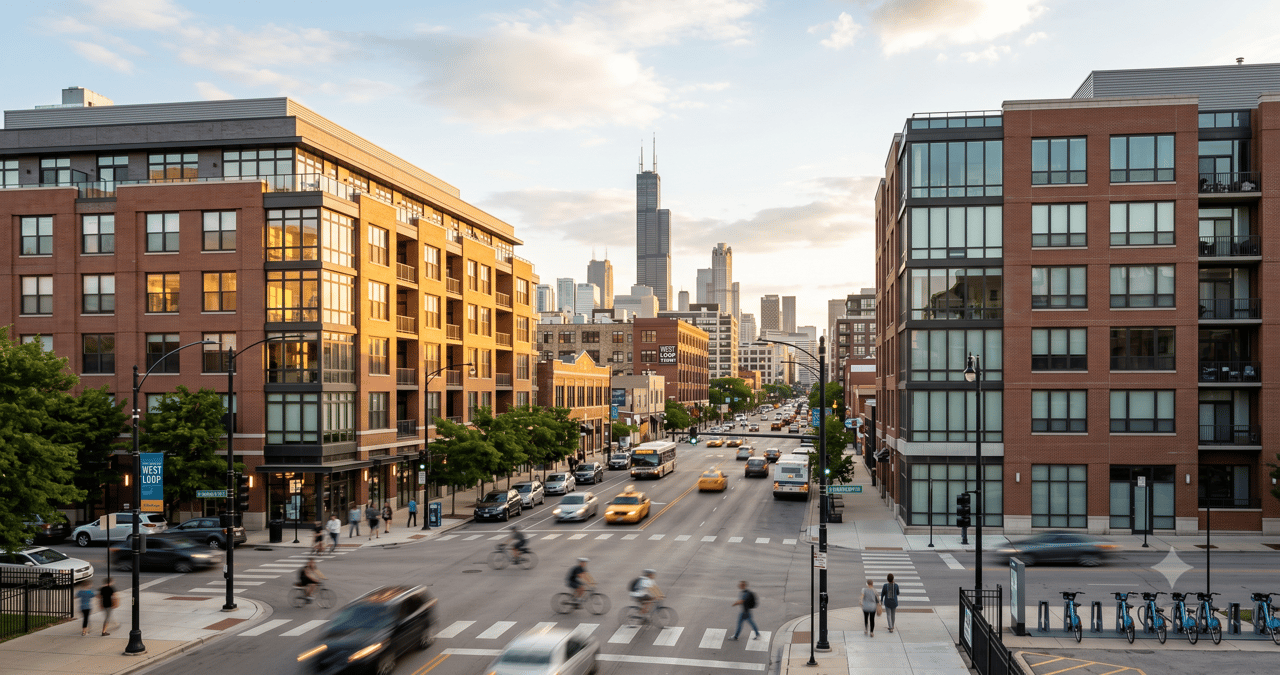
Across downtown neighborhoods, new and repositioned towers compete with resort-style packages. As an example, One Chicago highlights a wide slate of features that includes club-level fitness access, pet facilities, and social lounges, showing the scope of what you are likely to encounter in premium buildings (One Chicago amenities). High-floor decks and dedicated pool levels are common in marquee towers such as the St. Regis Chicago, where amenity floors are part of the draw for residents and guests (St. Regis Chicago overview). At the same time, some designers warn that self-contained, hotel-like ecosystems can shift activity away from street retail, which shapes how neighborhoods feel and function (design debate on retail impacts).
The big categories you will see
Fitness and wellness
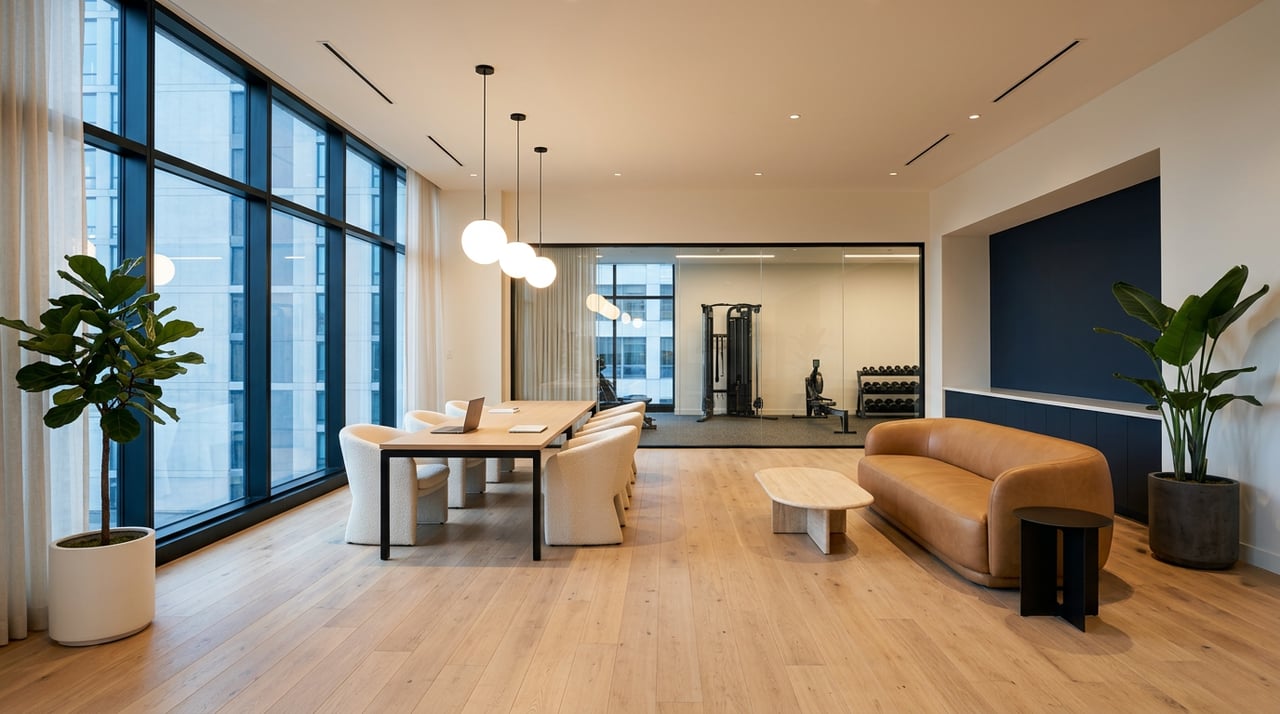
Expect full-service gyms, studios for classes, spa rooms, and sometimes courts. Several buildings partner with branded fitness operators, offering on-site access as a daily-use benefit for busy residents (One Chicago amenities).
Pools and roof decks
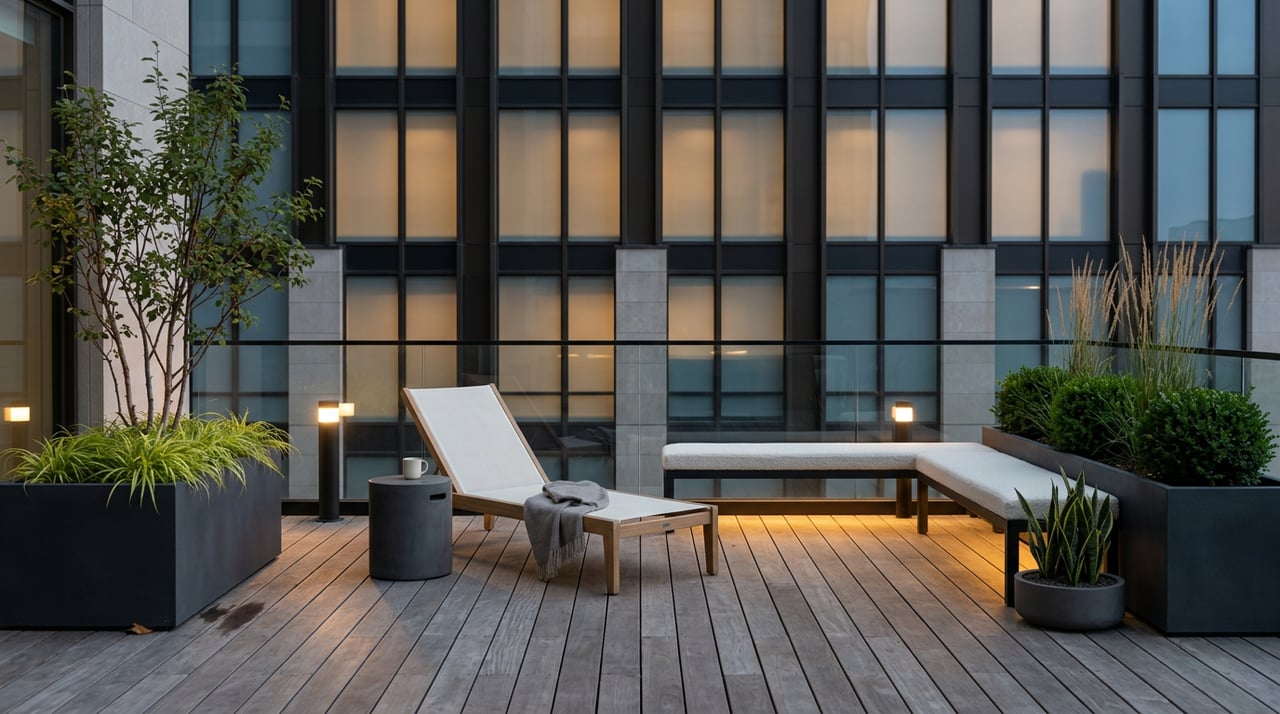
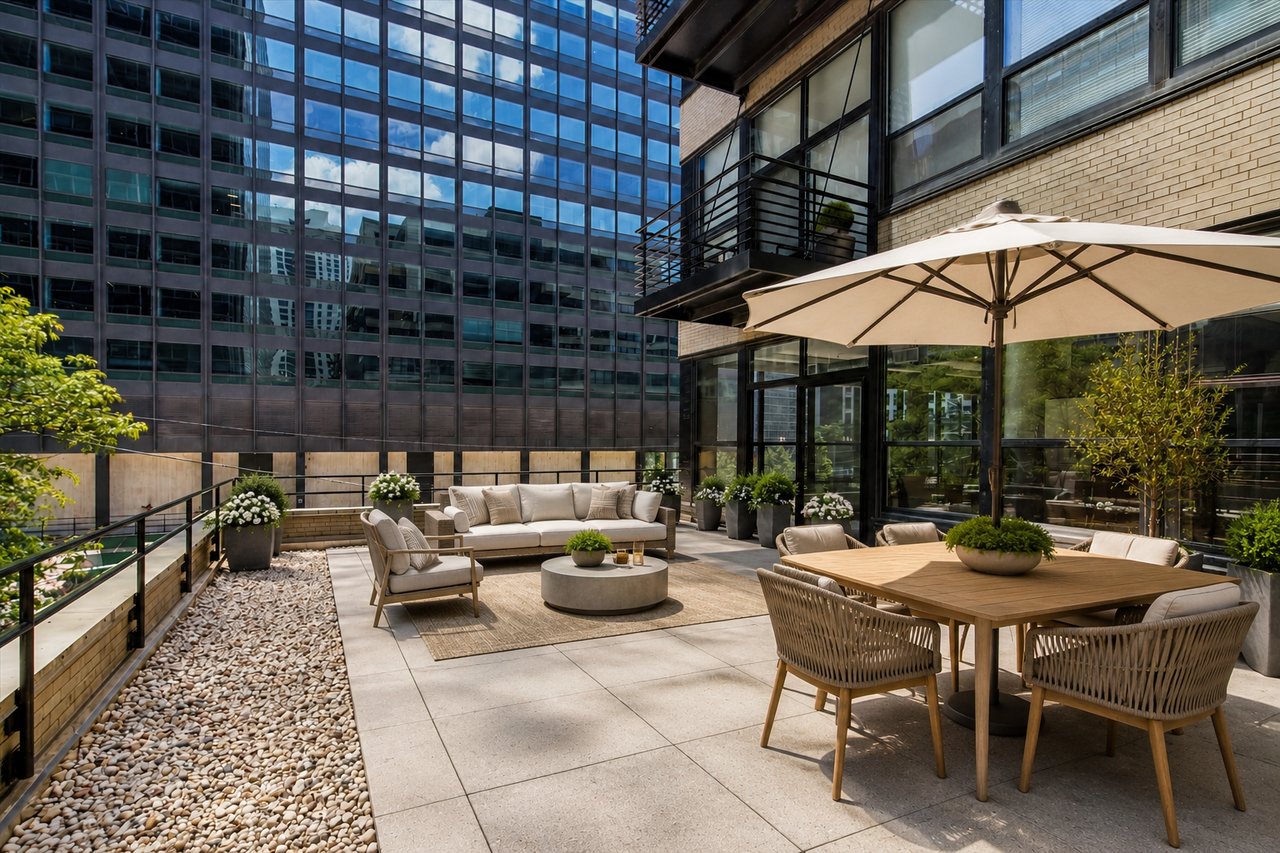
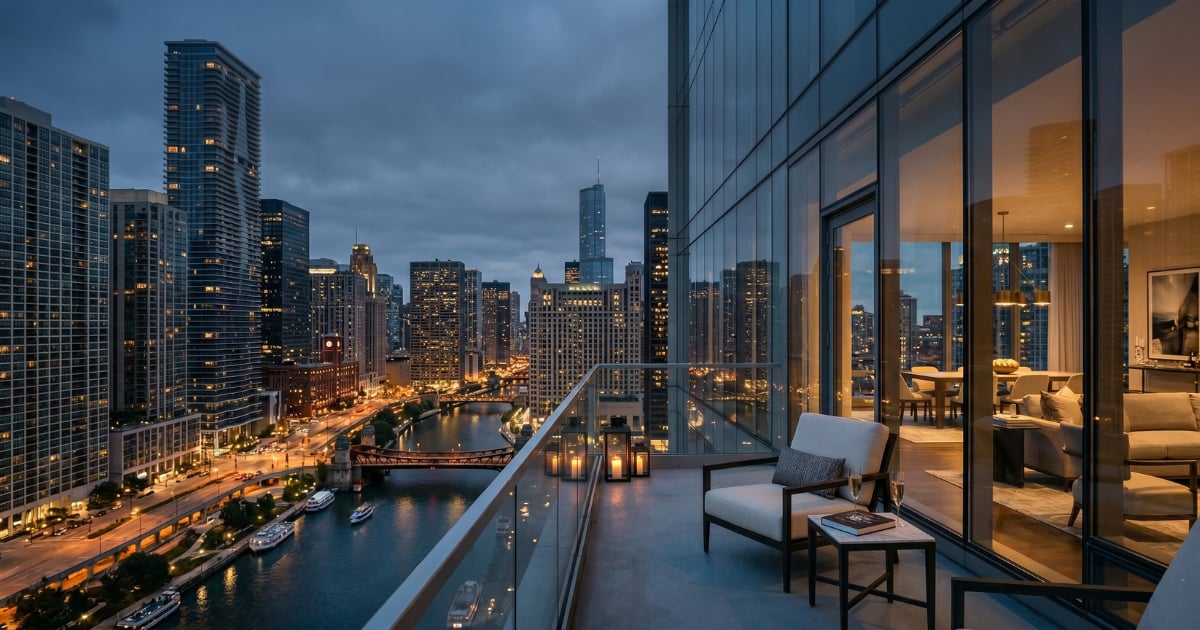
Indoor and outdoor pools, lap lanes that open to terraces, and sun decks with cabanas often sit on dedicated amenity floors with skyline views. These spaces are a visual showpiece and a social hub in many luxury towers (St. Regis Chicago overview).
Work-from-home spaces
Coworking lounges, reservable micro-offices, and conference rooms remain high-demand features as hybrid work continues. Industry guidance still ranks well-activated work zones among the top amenities for modern residents (workplace amenities trend).
Pet amenities
Rooftop dog runs, indoor wash stations, and grooming rooms are now common. Larger downtown projects frequently showcase expansive dog parks and on-site services to support pet owners (One Chicago amenities).
Everyday tech and parcel solutions
Smart lockers, staffed package rooms, building apps, touchless access, and building-wide high-speed internet fall into this bucket. With heavy e-commerce usage, parcel systems rank high in resident preference surveys (resident parcel preferences).
Parking and EV charging
Assigned or valet parking, EV charging stations, and ride partnerships appear in many luxury offerings. EV infrastructure is increasingly a talking point in new projects (One Chicago amenities).
Food, retail, and private dining
Some buildings add cafés, restaurants, demo kitchens, or even grocery anchors to make daily routines easier. Private dining rooms give residents options for hosting without leaving the building (One Chicago amenities).
Entertainment and social lounges
Expect club rooms, screening rooms, game lounges, and wine storage. High-end towers often pair multiple social spaces so residents can host, relax, or join building events throughout the week (One Chicago amenities).
How amenities change daily life
Amenities create a third space between home and the city. When you can work in a quiet lounge, take a fitness class downstairs, walk the dog on a rooftop park, or grab coffee without stepping outside, your weekday flows differently. Operators emphasize that programming and activation matter far more than checklists. A smaller, well-staffed and well-programmed space tends to deliver more daily value than a large, underused room (amenity activation insights).
What it really costs each month
Amenity-rich buildings usually have larger operating budgets and staffing needs. Benchmarking for Chicago high-rises shows associations budgeting reserves at around 15 percent of the annual budget in the sampled properties, and managers track a dedicated “pool, amenities and recreation” expense category (FirstService high-rise benchmark). Pools and spa areas also add ongoing heating, maintenance, and liability costs, which flow through assessments. Some branded or specialty amenities require separate membership or usage fees, so confirm what is included and what is add-on (One Chicago amenities).
Lenders and agencies review condo project budgets, reserves, insurance, and litigation when underwriting mortgages. Underfunded reserves, high delinquencies, or third-party leases of common elements can trigger more stringent reviews or limit loan options. Before you commit, check whether amenities are funded by the HOA, by usage fees, or via a third-party operator, and understand how that structure figures into project approval standards (Fannie Mae project standards).
Do amenities boost value?
Appraisers capture amenity impact through comparable sales and market perception. In Chicago, coverage of recent sales shows some legacy, amenity-light buildings cutting prices to compete with newer towers that offer robust packages, which is a signal about buyer preferences in the current cycle (price cuts in amenity-poor buildings). There are also signs of high-end buyers returning to amenity-rich residences downtown, which can bolster demand for full-service towers (return of high-end buyers).
Bottom line: well-maintained, frequently used amenities can improve marketability, but higher monthly assessments may narrow your buyer pool. Look closely at recent comps in your building and nearby competitors to judge how the market is pricing amenity strength today.
Buyer and seller checklist
Use this quick list to surface the details that drive daily life, financing, and resale.
- What is the current monthly assessment and what does it cover? Ask for a line-item budget and note any utility, staffing, pool, or programming costs.
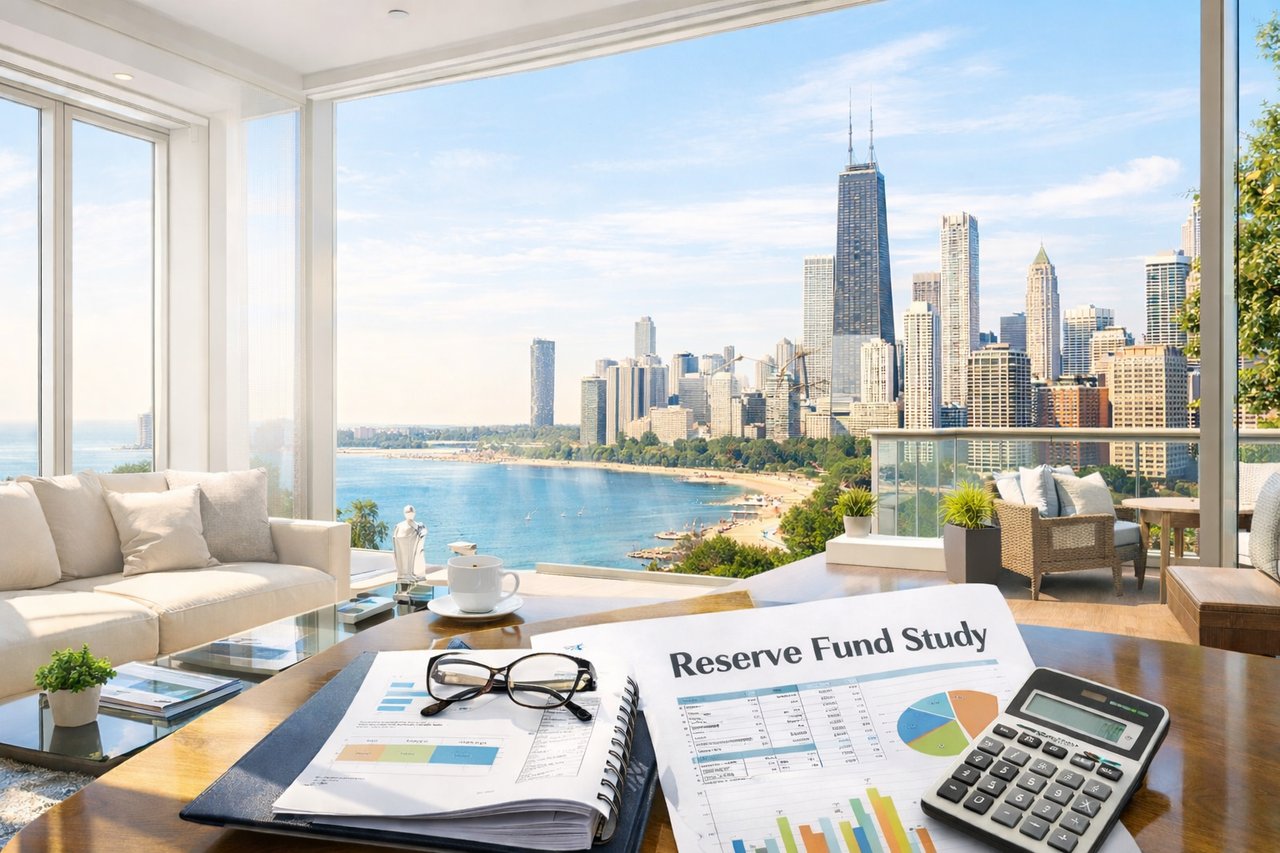
- Are reserves in good shape? Request the latest reserve study and the percent of the annual budget going into reserves. Healthy reserves reduce the risk of special assessments.
- Have there been special assessments or major capital projects in the past 5 to 10 years? Understand the why, the amount, and who paid.
- Who owns and operates the amenities? Clarify if the HOA runs them or if a third party leases or manages them, and how that affects long-term costs and control.
- Are there separate membership or usage fees for certain amenities? Tally the true monthly cost of living in the building.
- What are the rules for guest access, reservations, hours, and capacity? This shapes how you host, work, and relax.
- Is there dedicated programming or a lifestyle team? Active classes, events, and staffed hours tend to increase amenity value.
- How are packages handled? Look for smart lockers, staffed mailrooms, or secure package rooms that can handle high parcel volumes.
- What is the pet policy? Confirm allowed pets, deposits or recurring fees, and on-site amenities like dog runs and grooming.
- What is the parking setup? Note assigned vs. valet, monthly parking costs, and whether EV charging is available and at what rate.
- How are amenities insured? Ask who carries liability and what limits apply for pools, gyms, dog areas, and events.
- What do comps show? Compare recent sales in the building with similar condos in amenity-rich and amenity-light competitors to see realized premiums or discounts.
Selling in an amenity-light building
If your building lacks a hotel-style package, you can still compete. Highlight everyday strengths such as lower assessments, larger floor plans, upgraded interiors, or recent building improvements. Make the most of nearby neighborhood assets like parks, retail, and fitness options buyers can enjoy outside the building. If your HOA has made meaningful updates or added practical conveniences, bring those forward in your listing narrative.
Ready to position your condo for today’s amenity-aware buyers or to zero in on the right amenity mix as a purchaser? Connect with Christine Hancock - Hancock Group for local, building-level guidance and a clear plan. Request Your Home Valuation.
FAQs
Do condo amenities increase monthly HOA fees in downtown Chicago?
- Often yes. Staffed services, pools, and fitness facilities add operating and capital costs, which associations budget for along with healthy reserves.
How do lenders view amenity-heavy buildings when I finance a unit?
- Lenders review the building’s budget, reserves, insurance, and any third-party leases of common elements. Weak reserves or complex leases can trigger stricter reviews.
Are pools worth it given Chicago’s seasons?
- Pools are a visible luxury, but heating, maintenance, and liability still apply year-round. Weigh your likely usage against the impact on assessments.
What should I ask about pet amenities and policies?
- Confirm allowed pets, fees or deposits, and on-site features like dog runs and grooming. These details affect daily life and the future buyer pool.
Do branded partnerships, like a fitness club, add value?
- They can add convenience but may require separate memberships or fees. Consider how often you will use the service and the true monthly cost.