10 Questions Downtown Chicago Condo Sellers Are Googling Right Now (And the Real Answers)
People getting ready to sell a Downtown Chicago condo are searching for answers. Here are the 10 most common questions, answered straight.
THE SHORT ANSWER
Downtown Chicago condo sellers want to know what their unit is worth, what it costs to sell, how long it will take, and whether they should fix it up first. These 10 questions cover exactly what's running through your mind right now, with real answers rooted in over 25 years of experience selling in this market.
Quick Definition: Selling a Downtown Chicago Condo
Selling a Downtown Chicago condo involves more than pricing and listing it on the MLS. Sellers must account for building-specific comps, HOA requirements, transfer taxes, attorney review, staging, and buyer financing. The strongest results come from pricing correctly from day one and preparing the unit for how today’s buyers actually shop: online first.
1. How Do I Know What My Downtown Chicago Condo Is Worth?
This is the first question almost every seller types into Google. And honestly, it's the right one to start with.
Your condo's value is not what Zillow says. It's not what your neighbor sold for two years ago. It's what buyers are paying for comparable units in your building, right now.
Based on current Downtown Chicago condo market data, buyers are comparing units inside the same building first, not just across the neighborhood. Floor height, exposure, parking, renovations, and monthly assessments all shape final sale price.
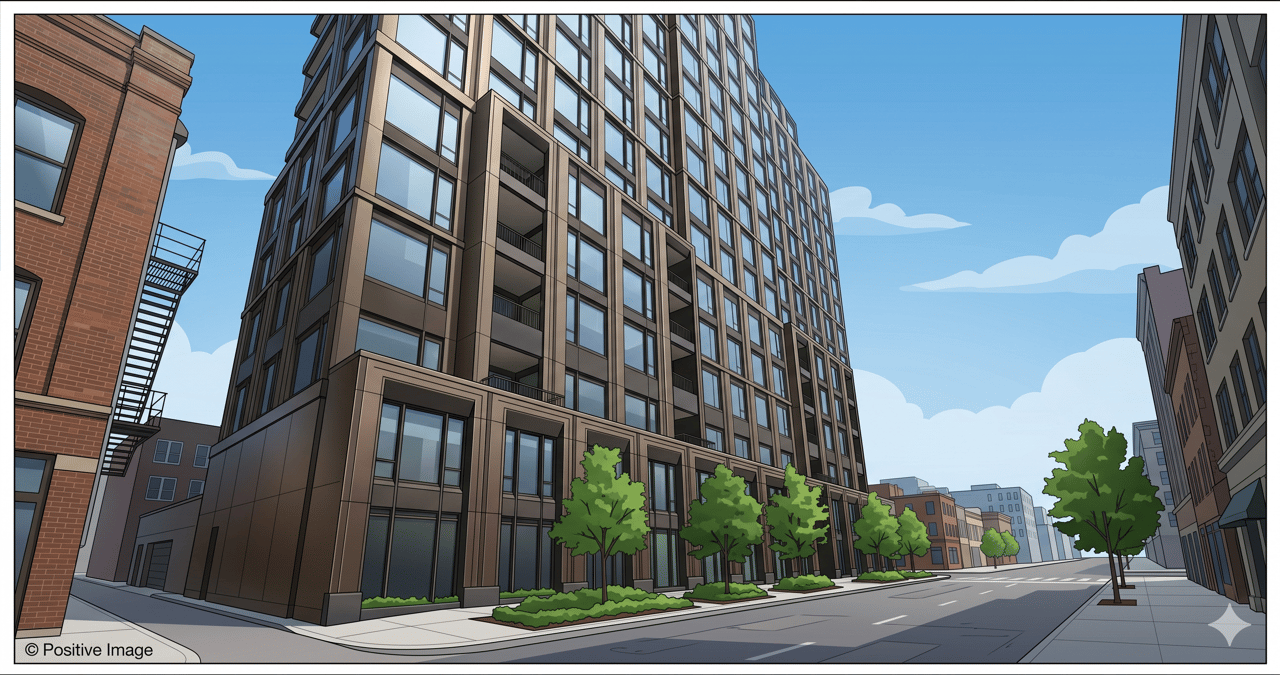
In Downtown Chicago, pricing is hyperlocal. A unit on the 10th floor of a River North high-rise sells differently than one on the 30th floor in the same building. Parking, storage, views, renovation level, and monthly assessments all affect the number. Redfin market data consistently shows that correctly priced downtown condos sell faster and closer to asking price than overpriced listings that sit and stagnate.
The only reliable way to know your number is a building-specific comparative market analysis from an agent who has actually sold in your building. Not just your neighborhood. Your building.
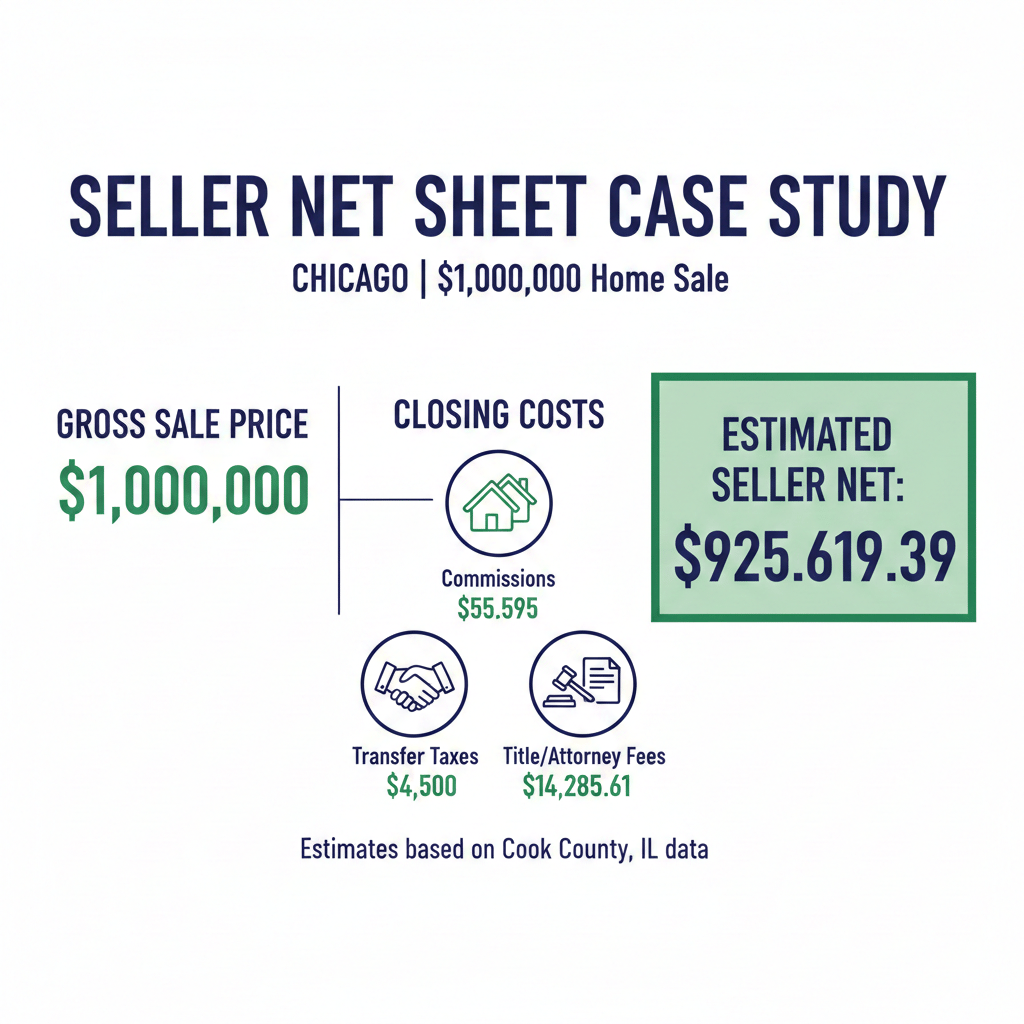
2. What Does It Cost to Sell a Condo in Chicago?
In today’s Downtown Chicago condo market, buyers are highly sensitive to monthly carrying costs, which makes seller preparation and pricing strategy even more important than simply reducing asking price.
Sellers are surprised by this one. The cost is more than just commission.
Here is a realistic breakdown of what you should budget for:
- Broker compensation: Negotiable in Illinois. Discuss this with your agent.
- Attorney fees: Illinois is an attorney state. Plan for a real estate attorney on both sides.
- City of Chicago transfer tax: Generally $1.50 per $500 of the sale price, paid by the seller.
- Owner's title insurance: In most Chicago-area transactions, the seller customarily covers this.
- HOA fees and condo association charges: Many buildings charge a move-out fee, require a paid assessment letter, or have other administrative costs.
- Pre-listing prep: Cleaning, touch-up paint, minor repairs, staging, and photography. Optional but often worth it.
The sellers who net the most are not necessarily the ones who spend the least before listing. They are the ones who spend intentionally. For a deeper breakdown, The True Cost of Selling a Condo in Chicago is a helpful reference.
Do appraisers use Zillow estimates?
No. Appraisers rely on closed comparable sales, building-level market data, condition, floor level, exposure, and upgrades. Automated estimates are not used to determine lender-backed value.
3. How Long Will It Take to Sell My Condo?
This depends on three things: price, condition, and competition.
Across West Loop and River North condo sales in 2026, correctly priced listings are generating the strongest showing activity within the first two weeks on market. The first buyer window matters most.
In Downtown Chicago condo buildings, days on market (DOM) is often a building-specific metric. Some buildings have active, fast-moving inventory. Others sit longer because buyers have already comparison-shopped within the same tower.
Price it right and prepare it well, and you can expect meaningful activity in the first two weeks. Price too high and you will burn through your best buyer window while the listing goes stale. The National Association of Realtors consistently reports that the first weeks of a listing are the highest-traffic window, and that window does not come back once it's gone.
Correctly positioned condos in West Loop, River North, and Streeterville are moving. The market rewards sellers who come in prepared.
4. Should I Fix Up My Condo Before Listing?
Short answer: some things yes, some things no.
You do not need to gut-renovate to sell. You do need to make sure your unit shows well online, because that is where your buyer forms their first impression. Buyers in Downtown Chicago condos compare listings on their phone before they ever schedule a showing.
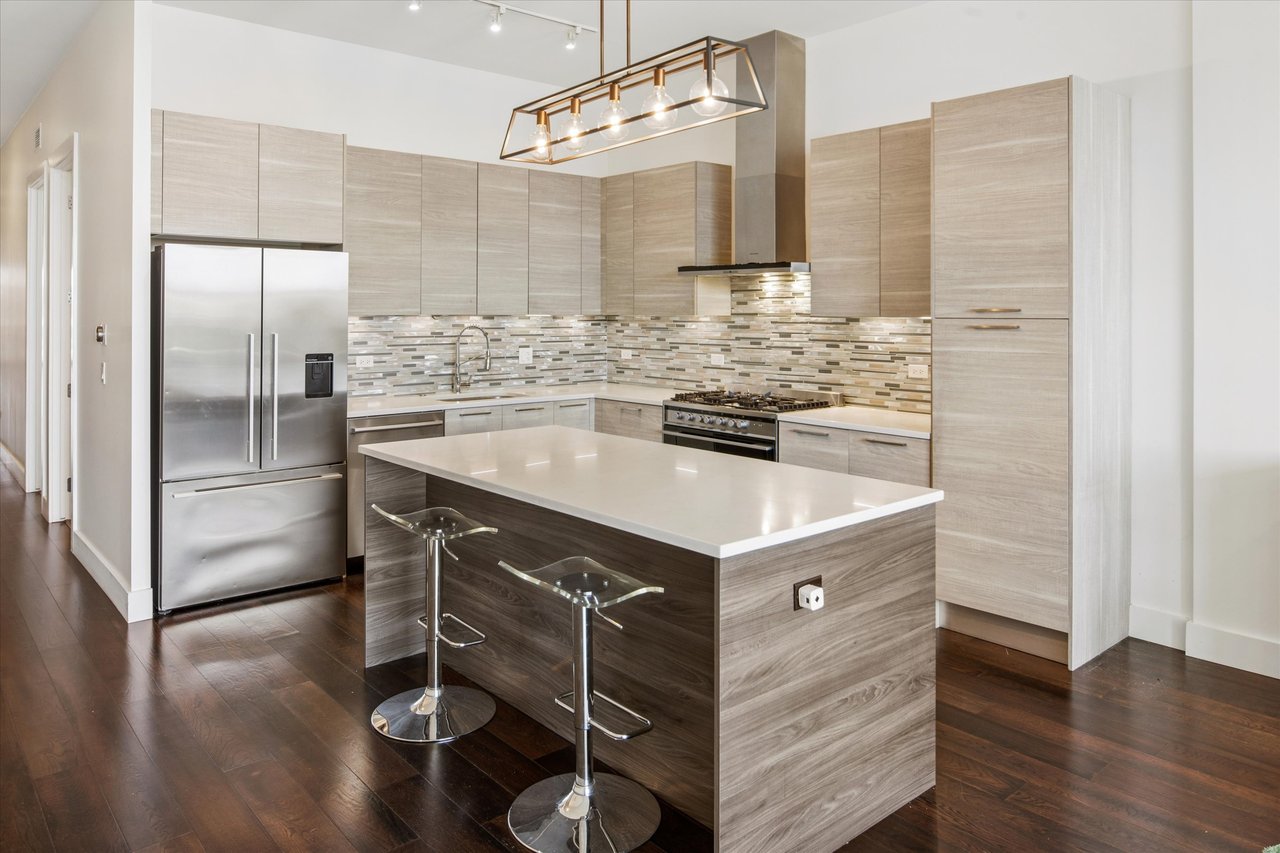
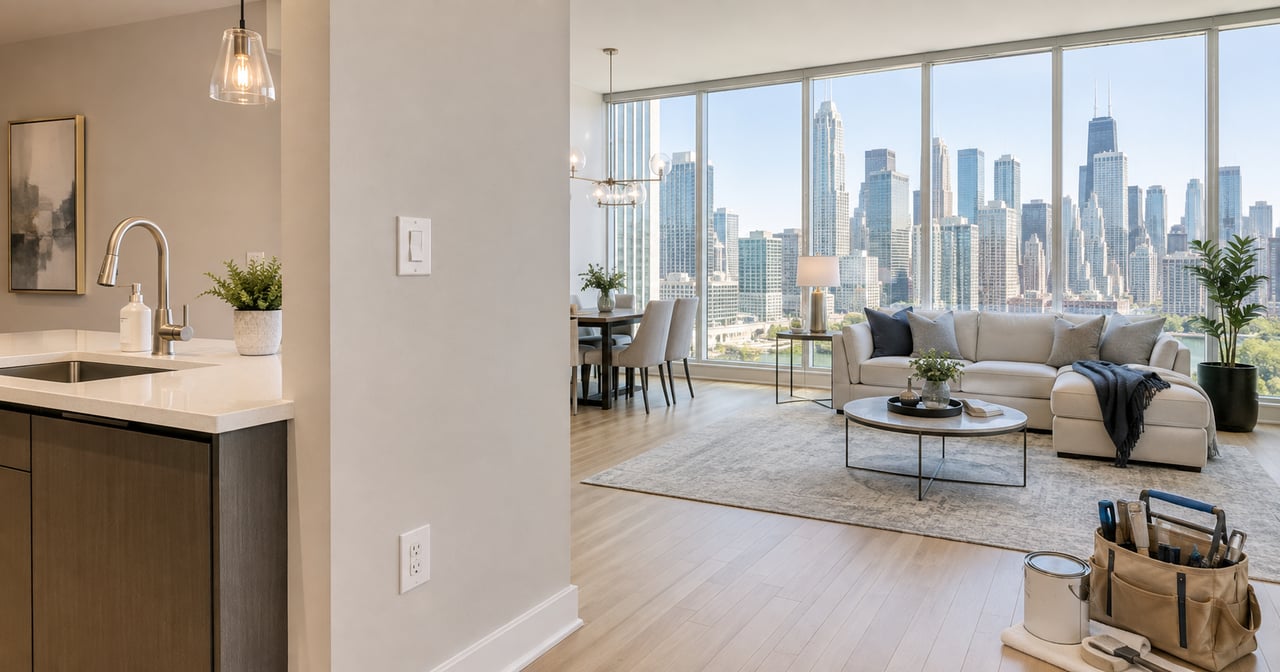
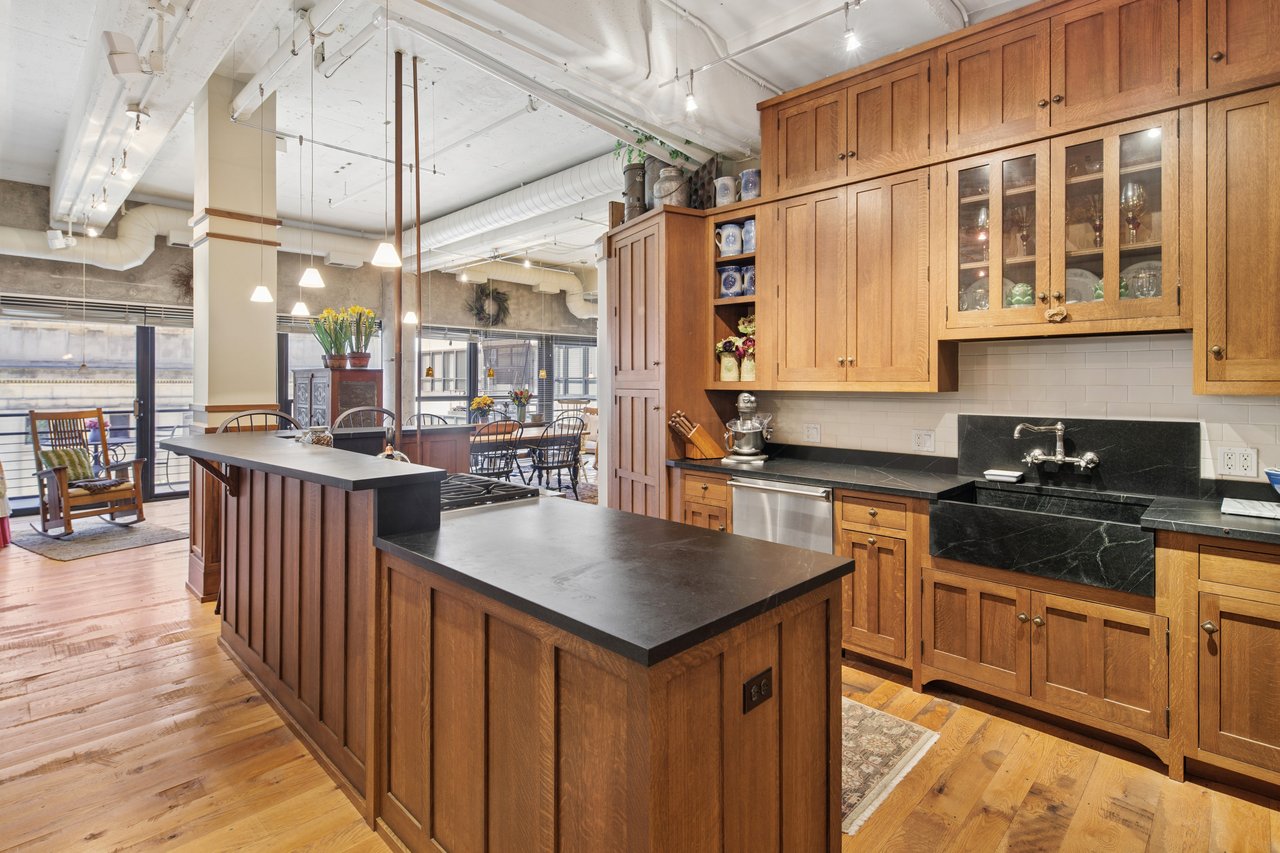
The high-impact, low-cost moves: fresh paint in a neutral color, replacing dated light fixtures, deep cleaning, decluttering, and professional staging. These improve photography, which improves click-through rates on Zillow and Realtor.com, which drives showings.
Skip the expensive cosmetic renovations unless your unit is in rough shape. A buyer who wants to upgrade the kitchen will want to choose it themselves. Spend money where it changes perception, not where it just adds your taste.
5. Do I Need to Stage My Condo?
Yes. And here is why.
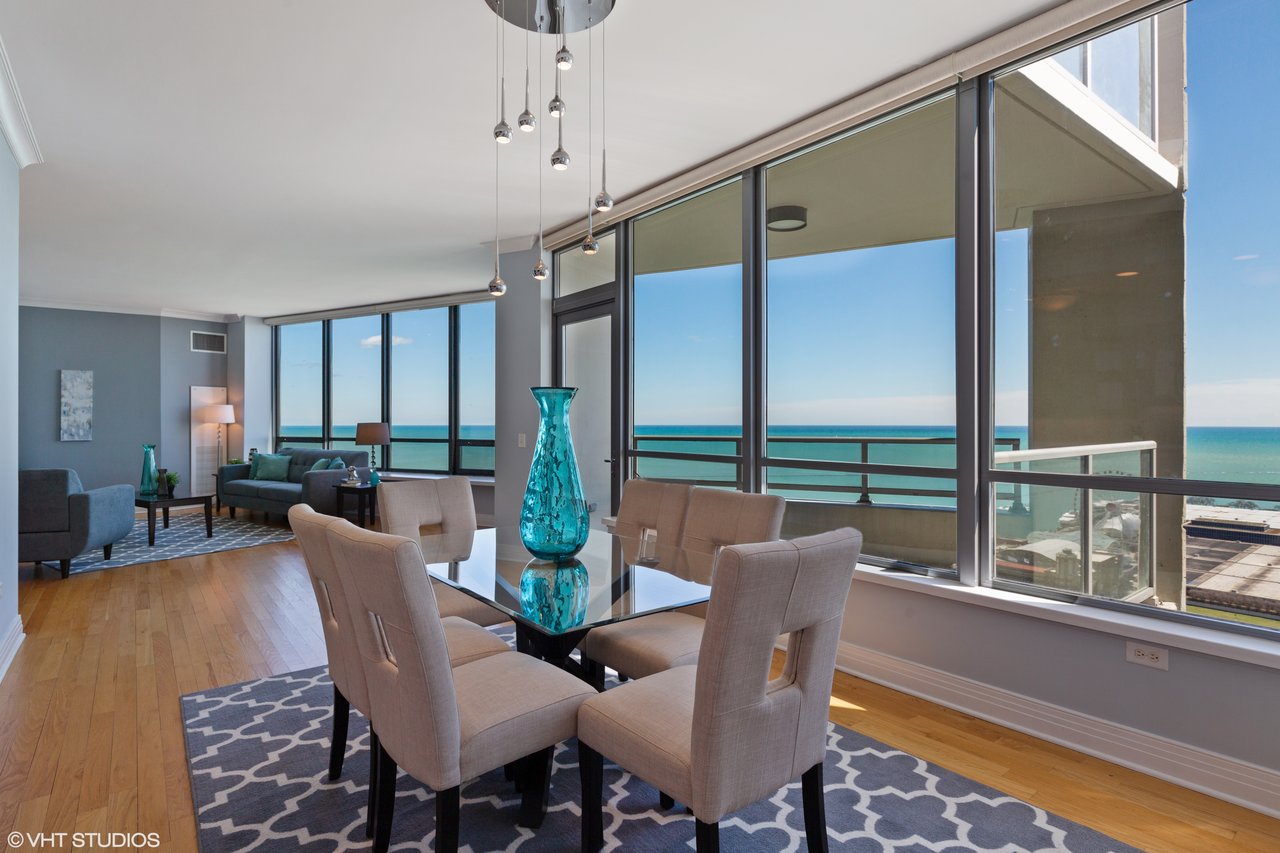
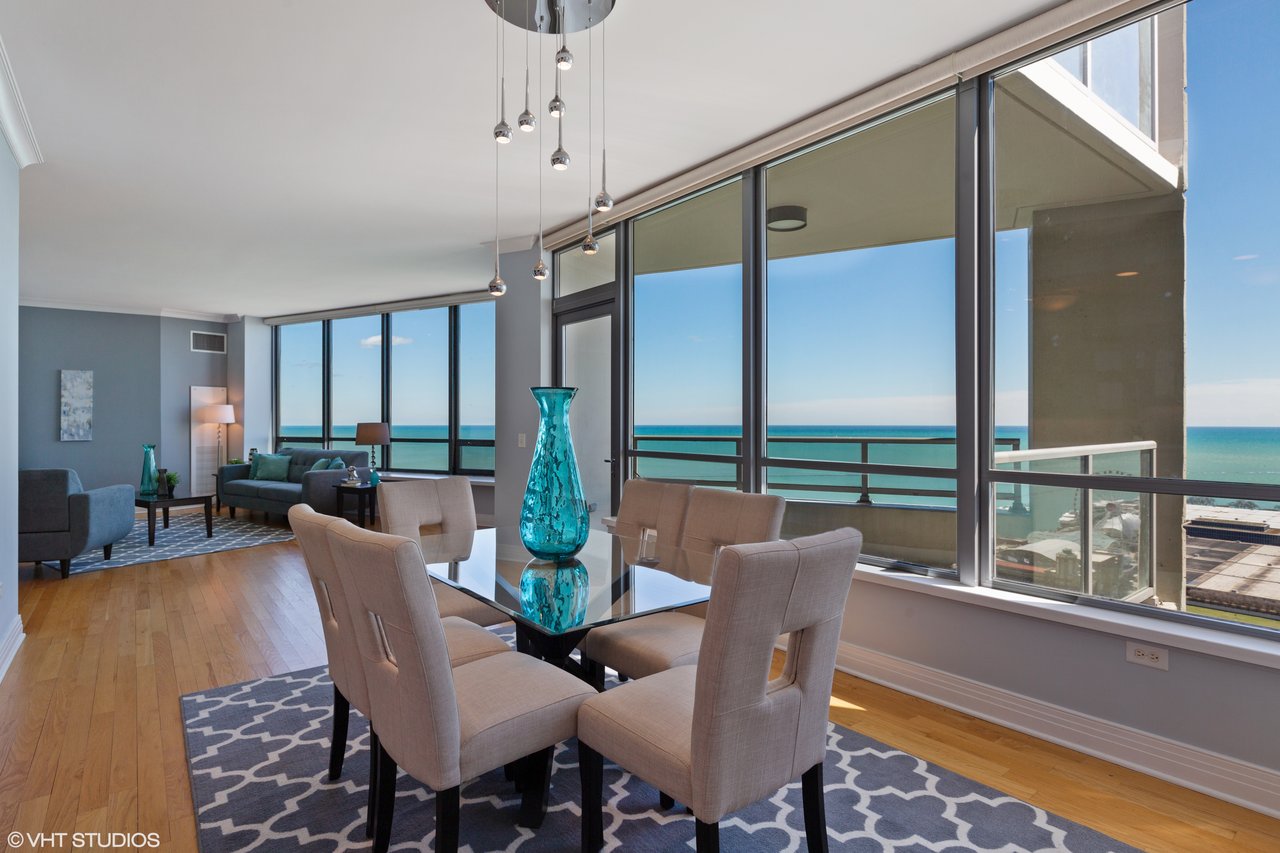
Most condo buyers, especially in Downtown Chicago, start their search online. They are scrolling listings at 10pm on a Tuesday. Staged units photograph better, look larger, and feel move-in ready. All of that creates urgency in a buyer who is comparing your unit to three others in the same building.
NAR’s Profile of Home Staging supports this: staged homes typically sell faster and often for stronger final prices. In a competitive downtown condo building where multiple units are active at once, staging can be the deciding factor.
You do not need to spend a fortune. A good stager who understands downtown condo layouts and works within your budget can make a real difference.
6. How Do I Choose the Right Listing Agent to Sell My Condo?
Not all agents know downtown condo buildings. This matters.
Your agent should have recent, verified sales in your specific building or in comparable buildings nearby. They should understand how your building's HOA rules affect the sales process, what buyers in your price range are looking for, and how to market the unit beyond putting it on the MLS.
Ask how many units they have sold in your building. Ask what their average days on market looks like. Ask what their marketing plan includes beyond standard photos. The right agent brings building-specific knowledge, professional marketing, and a buyer network that most general-market agents simply do not have. Check out my Digital Listing Presentation here.
7. What Happens at Closing When Selling a Chicago Condo?
After you accept an offer, you enter an attorney review period unique to Illinois. Your attorney and the buyer's attorney review and may modify the contract. Then come inspections, any negotiated repairs or credits, mortgage contingency clearance (if applicable), and final walkthrough. At closing, you sign documents, the title company processes the transfer, and you receive your net proceeds.
In full-service Chicago condo buildings, sellers often face additional HOA documentation requirements, move fees, elevator reservations, and paid status letters that can delay closing if handled too late.
Your condo association will likely require a paid assessment letter confirming no outstanding dues or special assessments before closing can happen. Get this ordered early. Delays at this stage are avoidable. Delays at this stage are avoidable, especially if you understand documents like the 22.1 Disclosure before listing.
8. What Is the Difference Between Listing Price and Sale Price?
This is a big one. Sellers often confuse the two, and the gap between them tells you a lot about how a listing was handled.
In a well-priced, well-prepared listing, the gap between asking and final sale price is small. In an overpriced listing that sat on the market, the final sale price is often lower than what the seller would have gotten if they had priced it right from the start.
Downtown Chicago condo buildings are transparent. Buyers (and their agents) can see every sale in the building going back years. If your unit has been sitting, they know it. And they will use that as leverage.
Price it right the first time. The data almost always supports this strategy.
Seller Question vs Real Answer
Many condo sellers focus on the wrong question first.
Here is what actually drives stronger results in Downtown Chicago condo sales:
| Seller Asks | Real Answer |
|---|---|
| What is my condo worth? | Depends on your exact building, floor, finishes, and buyer demand |
| Should I renovate first? | Usually no, focus on presentation over renovation |
| Do I need staging? | Yes, especially for online buyer behavior |
| Is now a good time to sell? | Timing matters less than positioning |
| Can I trust Zillow? | No, building-specific comps matter more |
9. Can I Sell My Condo If I Have an Existing Tenant?
Yes, but there are important considerations.
If your tenant is on a lease, that lease typically transfers with the sale. Some buyers will accept a tenant in place, especially investors. End-user buyers who want to move in will often require that the unit be delivered vacant, which means you need to coordinate the lease end date with your listing timeline.
Illinois tenant rights are specific about notice requirements and lease terms. Work with your attorney and your listing agent early to understand your timeline and options. Selling a tenanted unit in a Downtown Chicago condo building is doable, but it requires more planning than a vacant unit.
10. Is Now a Good Time to Sell My Downtown Chicago Condo?
This is the question sellers actually mean when they ask everything else.
Here is the honest answer: the "right time" to sell depends on your unit, your building, your competition, and your personal goals. Waiting for a perfect market is often a losing strategy.
What matters more than timing is positioning. Buyers consistently prioritize monthly affordability over headline price, especially in buildings with higher HOA fees or upcoming special assessments. A well-positioned listing solves that concern early. A well-priced, well-presented condo in West Loop, Streeterville, South Loop, or River North will attract serious buyers in any stable market. And right now, downtown Chicago inventory is relatively tight in many buildings, which supports seller leverage.
If you are seriously thinking about selling, get a building-specific market analysis before you decide anything. You may be closer to the right time than you think.
FAQ
What is the best time of year to sell a condo in Downtown Chicago?
Spring (March through June) typically brings the highest buyer activity in the downtown condo market, but well-priced units sell year-round. Positioning and preparation matter more than season.
How do I find out if my condo building has any special assessments that could hurt my sale?
Request an estoppel letter or status letter from your condo association. This document discloses any outstanding dues, upcoming assessments, or financial issues that buyers and their lenders will ask about. Buyers and lenders will ask about reserve health, special assessments, and financial strength, which is why understanding how to read a condo reserve fund study matters.
Do I need to be present for showings when selling my Downtown Chicago condo?
No. In most cases, it is better for sellers not to be present. Buyers feel more comfortable exploring the space and asking questions when the owner is not there. Your agent manages the showing process.
Key Takeaways
- Your condo's value is building-specific, not just neighborhood-wide. Get a real CMA.
- The cost of selling includes more than commission. Budget for attorney, title, transfer tax, HOA fees, and prep.
- Staging and professional photography are not optional in the Downtown Chicago condo market.
- Pricing it right the first time protects your final sale price and your negotiating position.
- The right listing agent has verifiable sales experience in your building or building type.
The Bottom Line
Selling a condo in Downtown Chicago is not complicated when you know what to expect. But it is detailed. Every building has its own rules, pricing patterns, and buyer profile. The sellers who come in prepared, priced correctly, and partnered with the right agent consistently walk away with stronger results.
You do not need to figure this out on your own. That is what 25 years of selling in this market is for.
Most sellers start by asking what their condo is worth. The better question is:
What will buyers actually pay for it right now?
That answer requires more than Zillow.
It requires building-specific strategy.
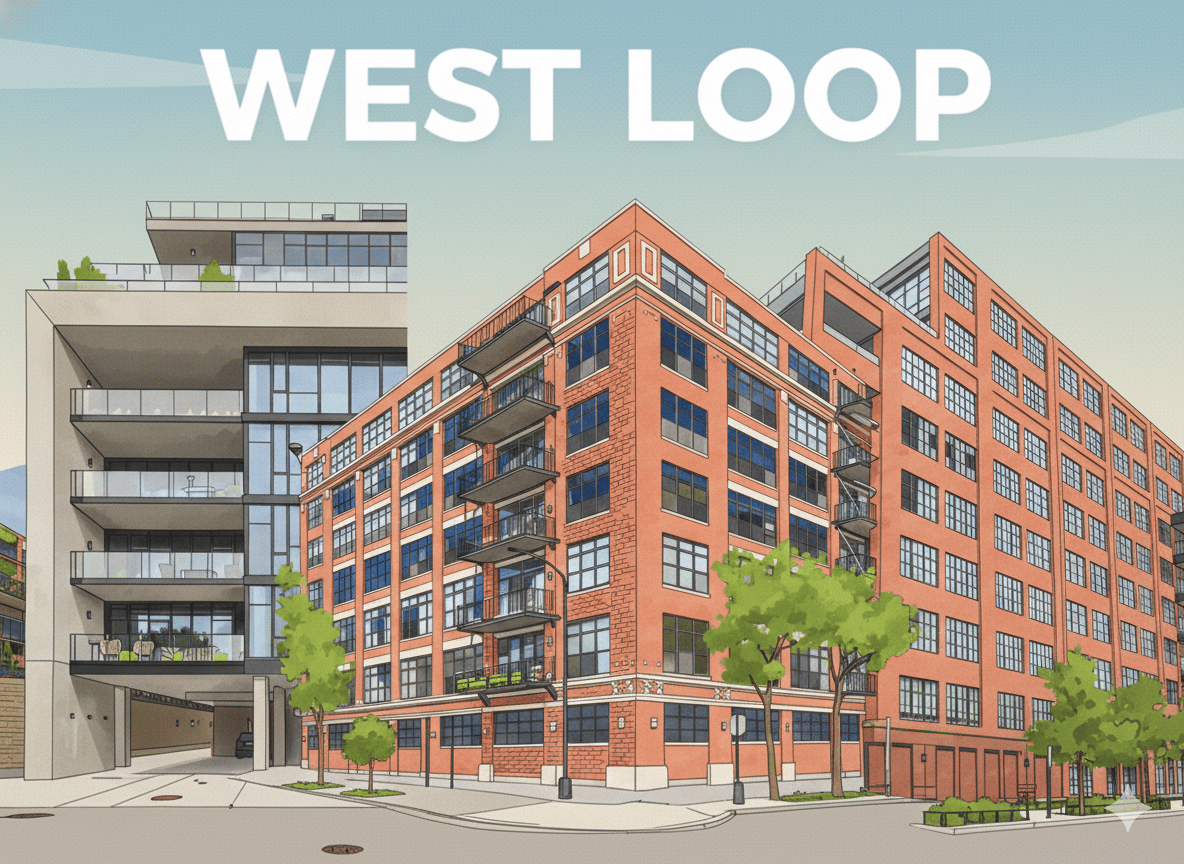
If you're thinking about selling in West Loop, River North, Streeterville, or South Loop, I’ll show you exactly where your unit stands in today’s market.
View my Sell Your Home Presentation
ABOUT THE AUTHOR
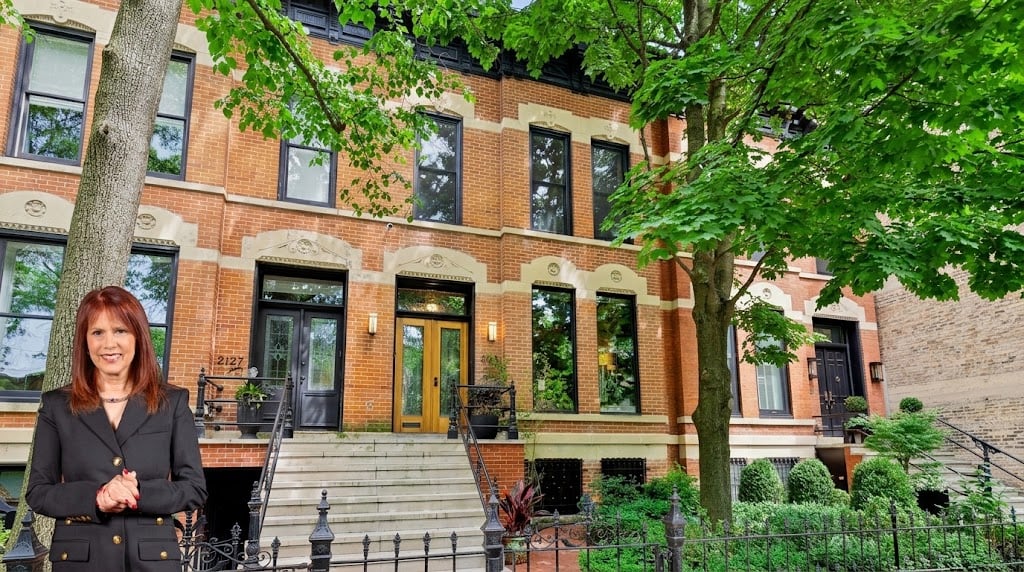
Christine Hancock is a Chicago Realtor with @properties Christie's International Real Estate, bringing more than 25 years of experience and over $200 million in closed sales in the downtown condo market. With 97 five-star Zillow reviews, Christine is recognized for her commitment to client satisfaction and market expertise.
She specializes in high-rise and luxury condominium sales in West Loop, South Loop, River North, and Streeterville, helping buyers and sellers navigate complex transactions with data-driven pricing strategies and deep neighborhood insight.
Christine partners with clients to evaluate market trends, position properties competitively, and make confident, informed decisions in Chicago's vibrant downtown housing market.
Call or text 312-296-9300 to discuss current market conditions or your real estate goals.
Helpful Resources for Chicago Condo Sellers
- What Is the 22.1 Disclosure?
- How Smart Sellers Use Buyer Intent
- How to Read a Condo Reserve Fund Study
- The Ultimate Guide to Selling a Condo in Chicago
- Should You Remodel Before Selling Your Chicago Condo
- West Loop Real Estate Market Guide