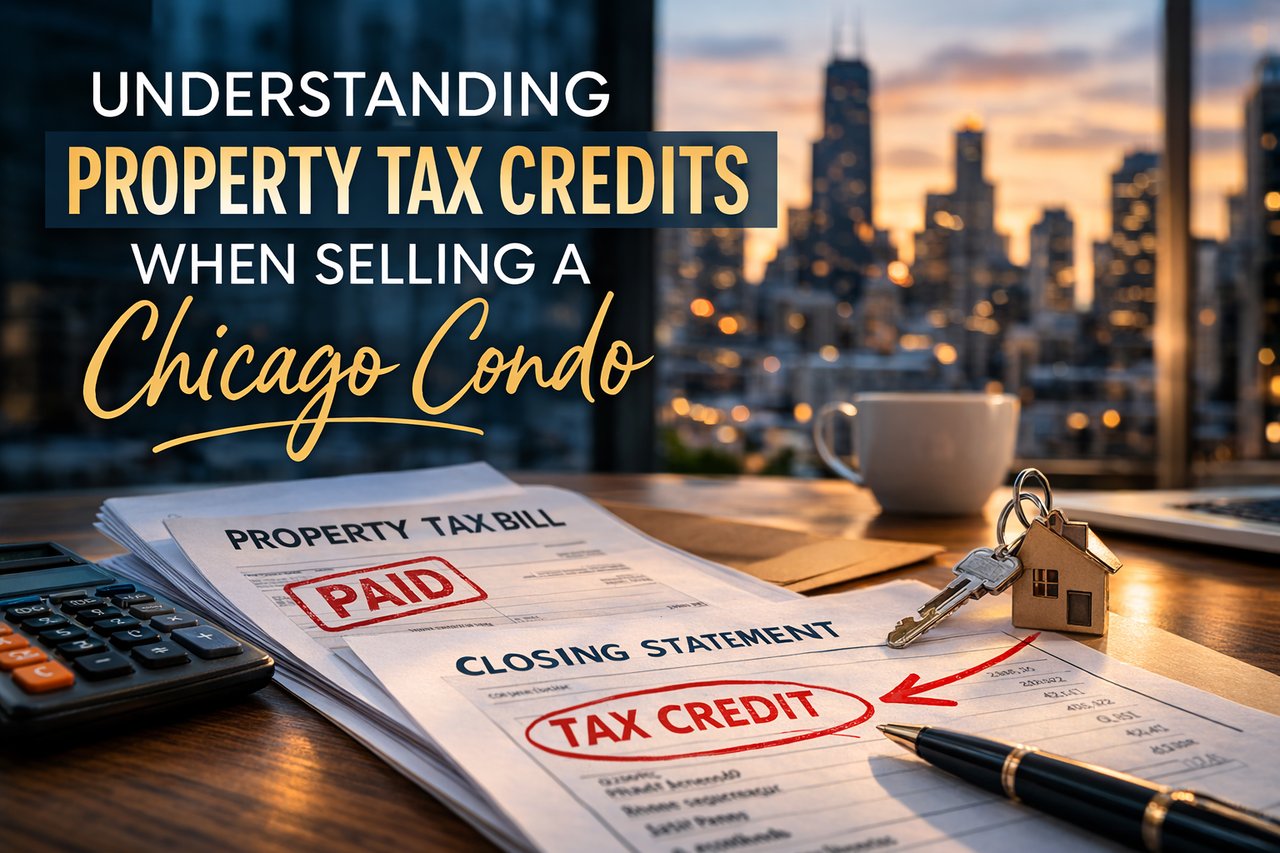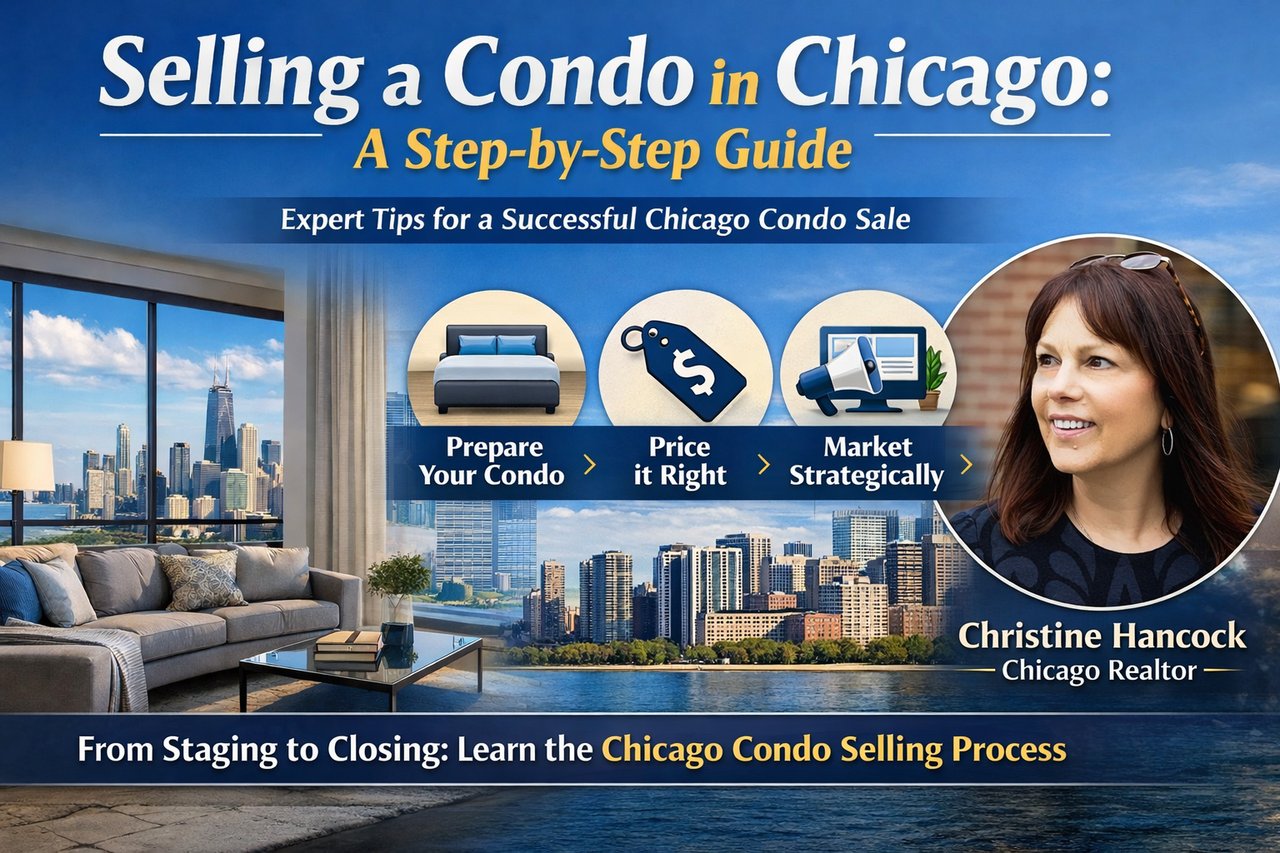
Selling a Condo in Chicago: A Step-by-Step Guide
Selling a condo in Chicago involves far more than listing your property and waiting for offers. The Chicago condo selling process includes preparing the property, pricing it correctly based on building sales, marketing it strategically, and coordinating showings within the rules of the condominium association. Downtown condo markets operate differently than single-family home sales. Building rules, comparable units in the same tower, association documents, and buyer financing can all influence how quickly a condo sells and the final price a seller receives.
Successful sellers prepare the unit carefully, price strategically based on current market data, market the property professionally, and understand the logistics of high-rise showings and association requirements.
If you plan to sell a condo in downtown Chicago, understanding the full process can help you maximize your sale price and avoid common delays.
This guide covers the entire Chicago condo selling process. You can also explore more detailed articles about staging, pricing, marketing, and downtown condo market trends throughout the guide.
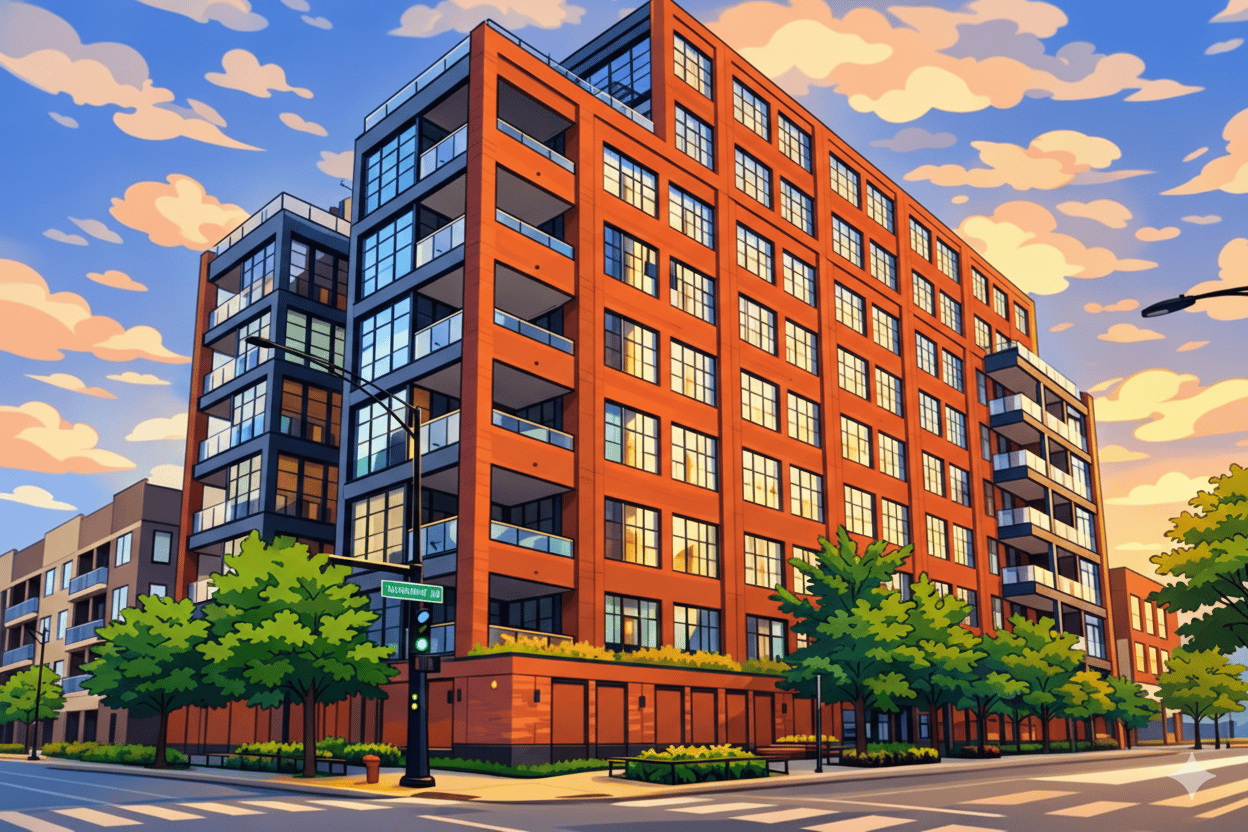
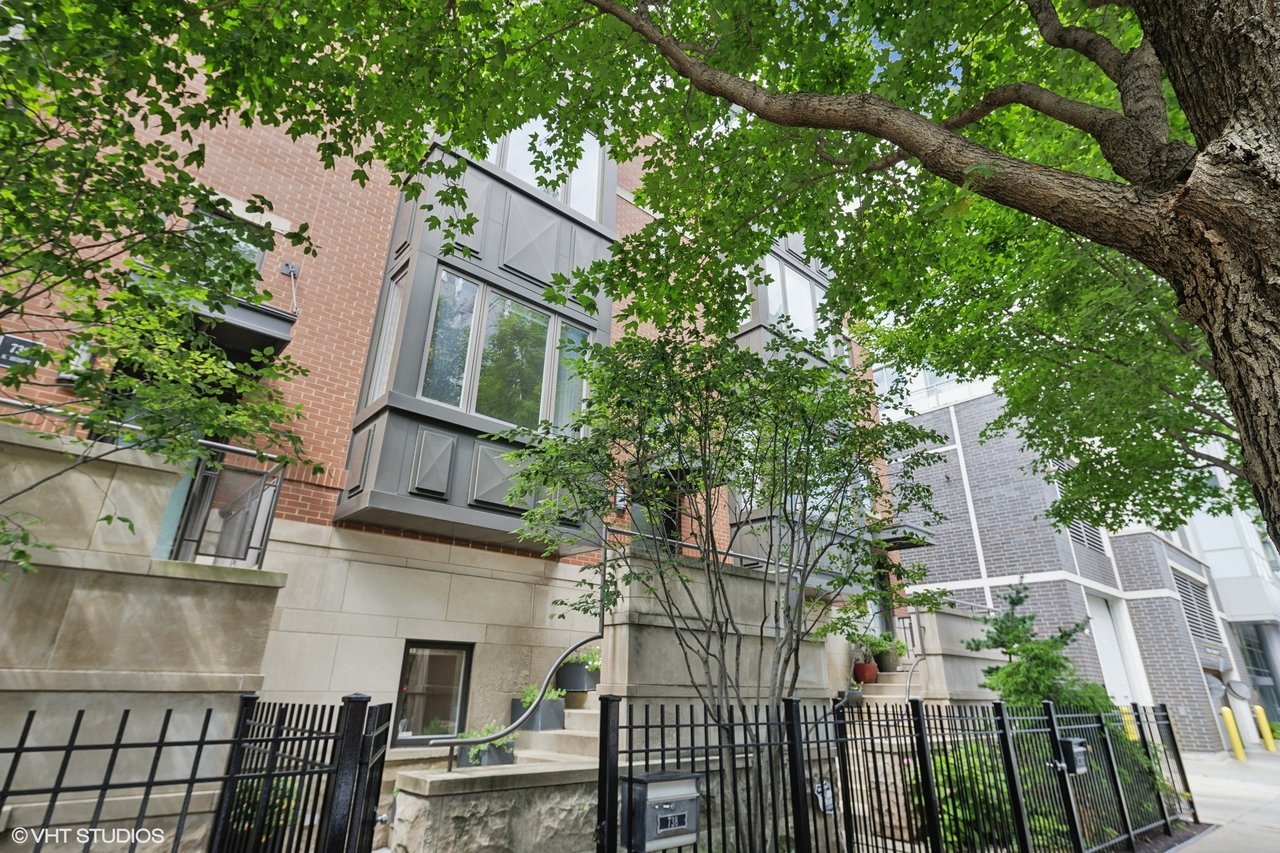
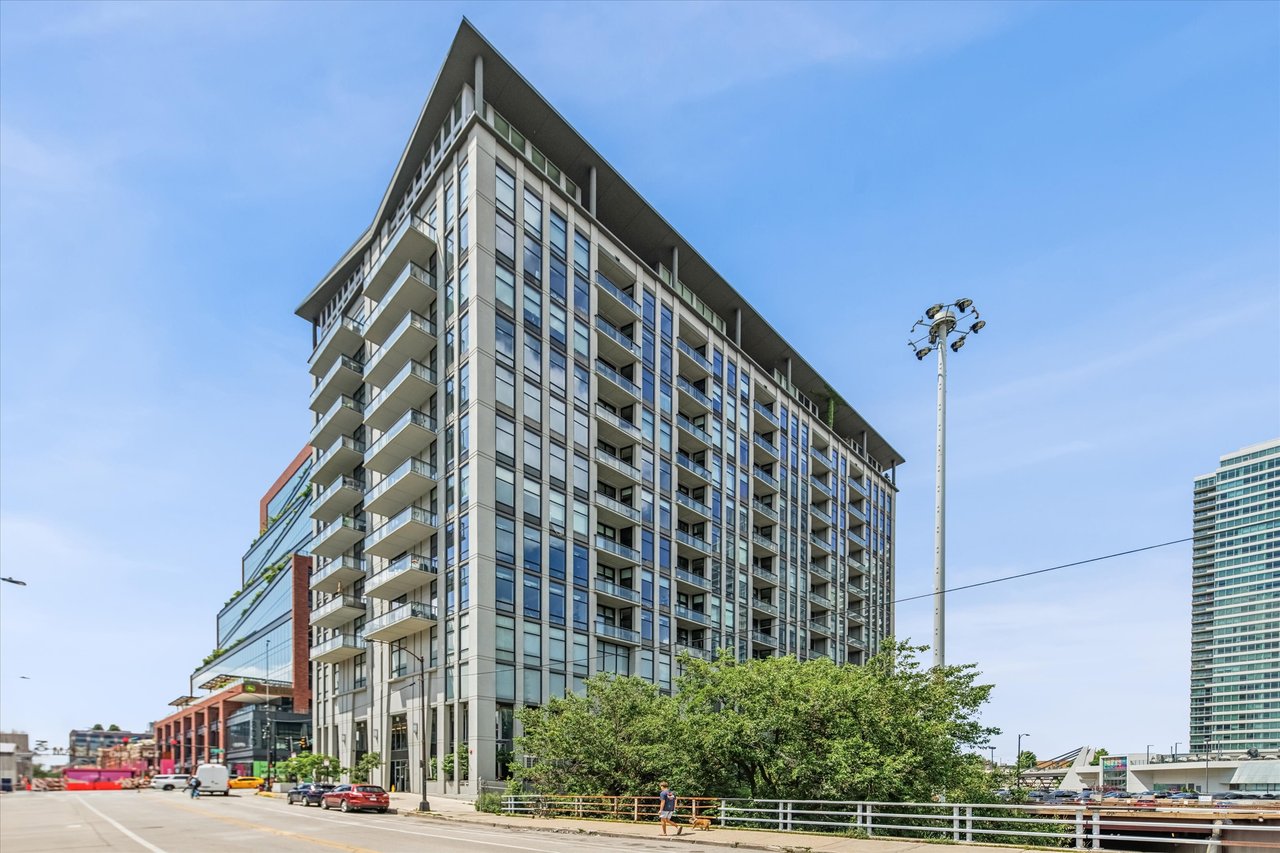
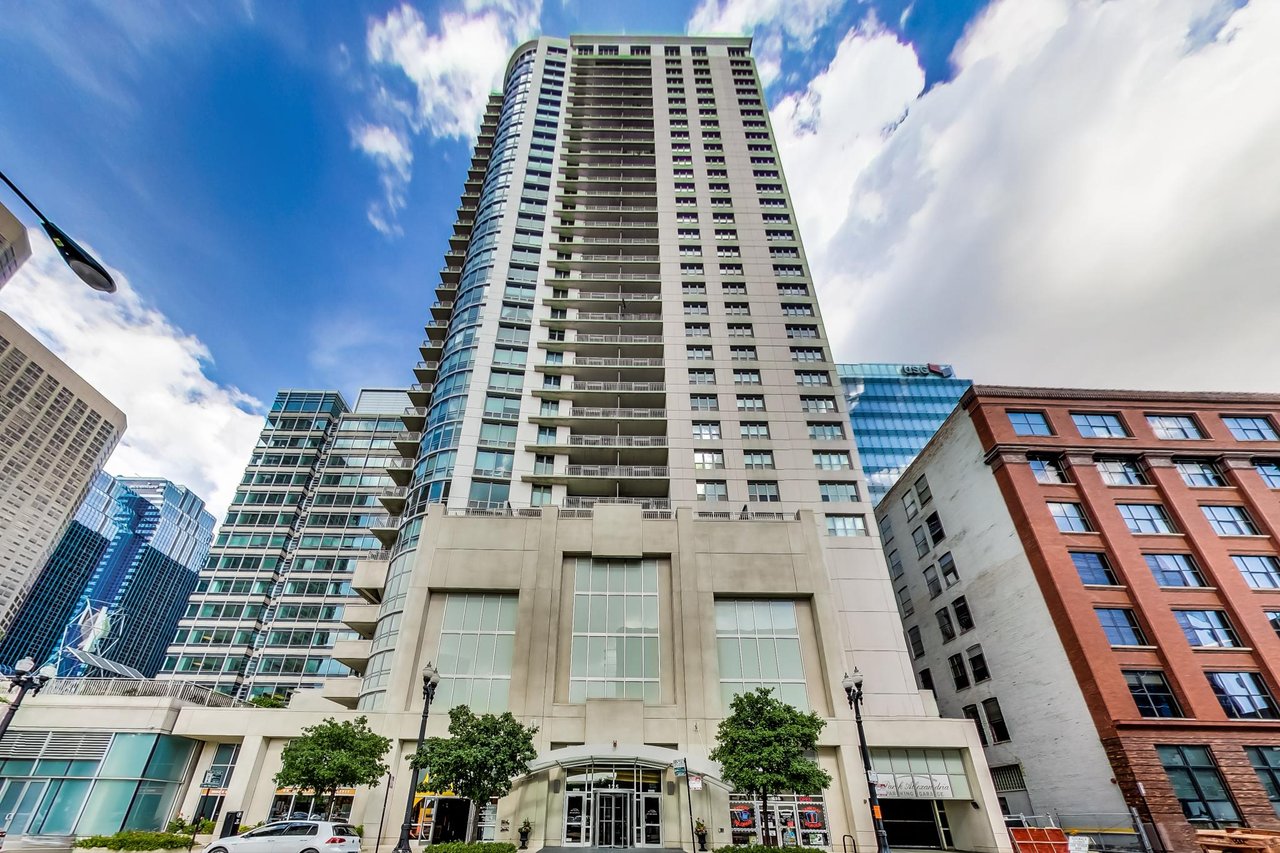
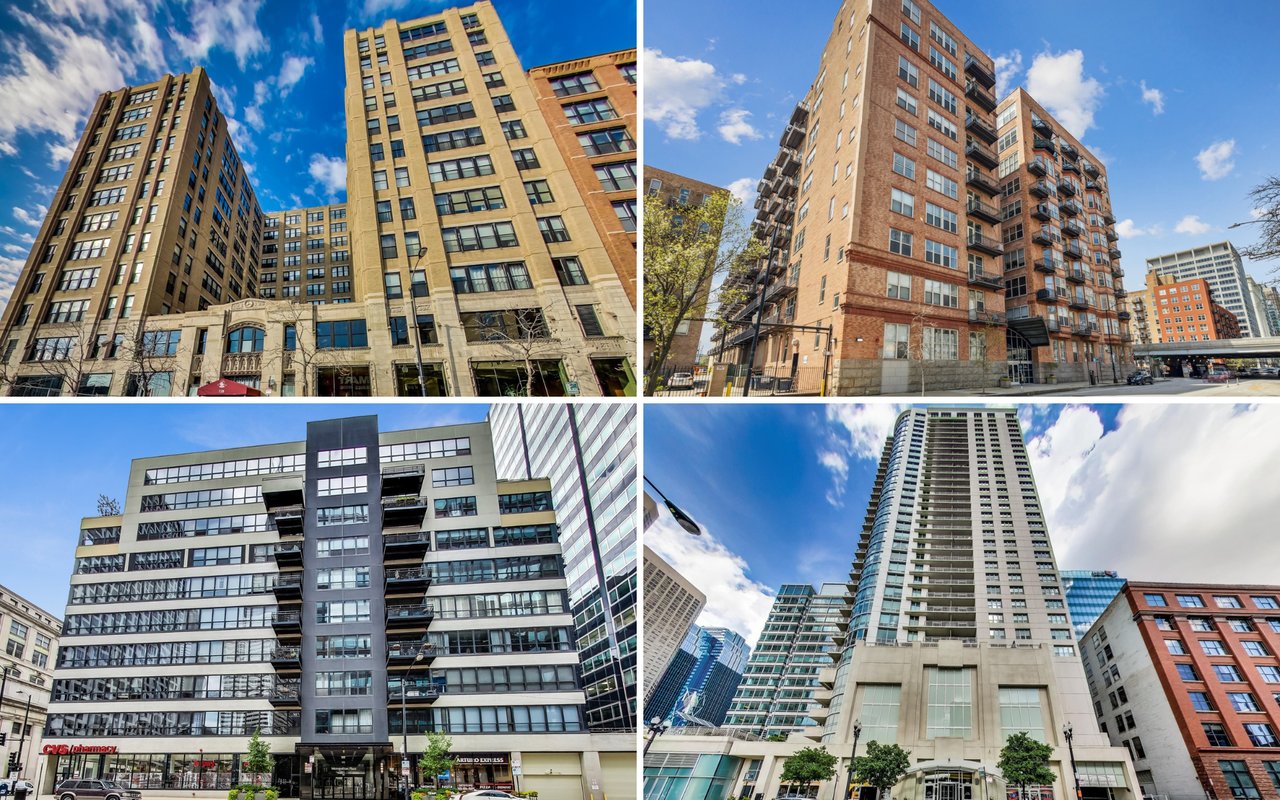
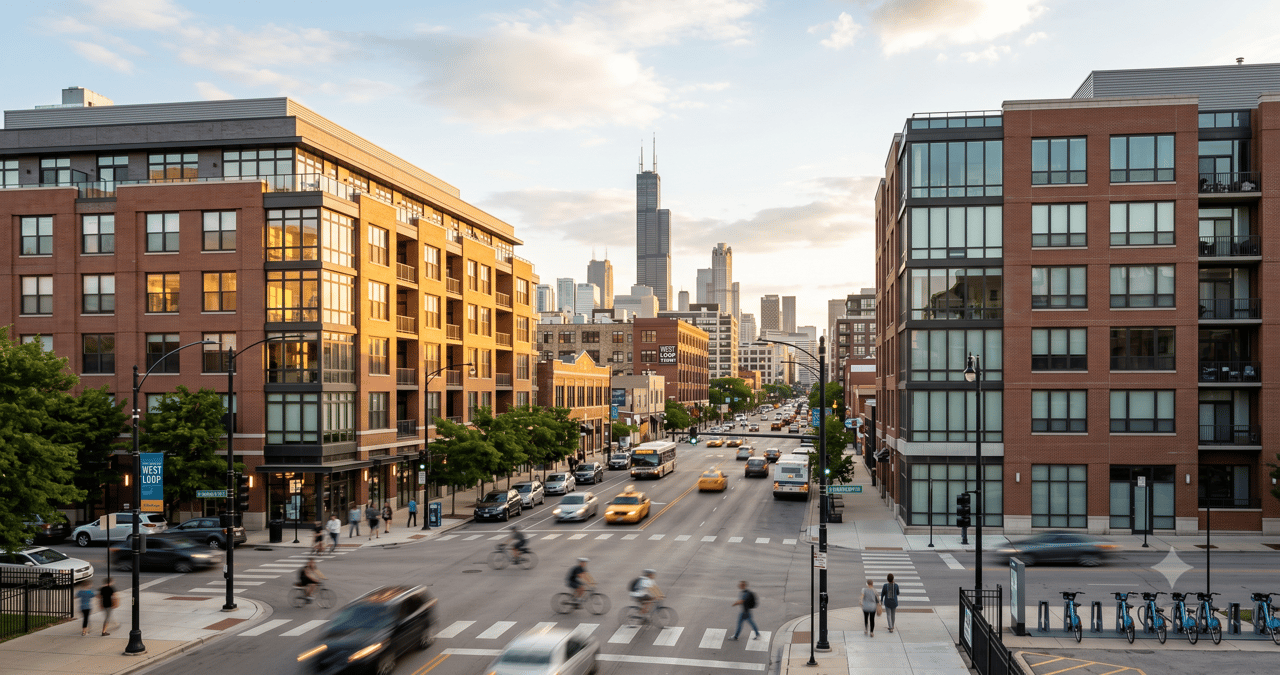
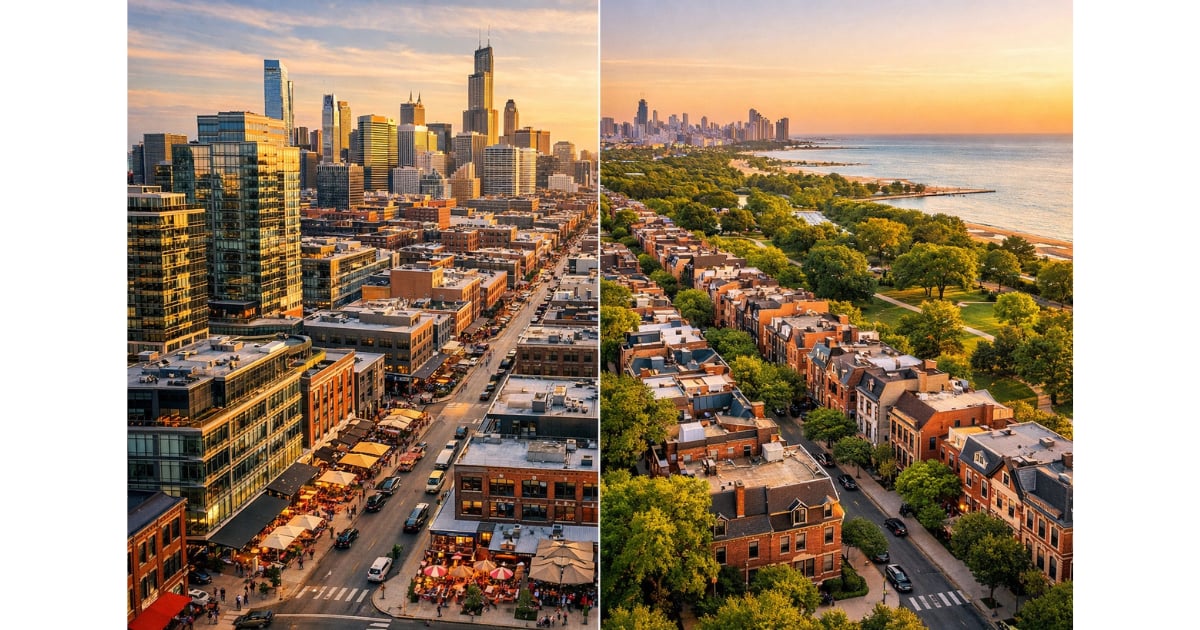
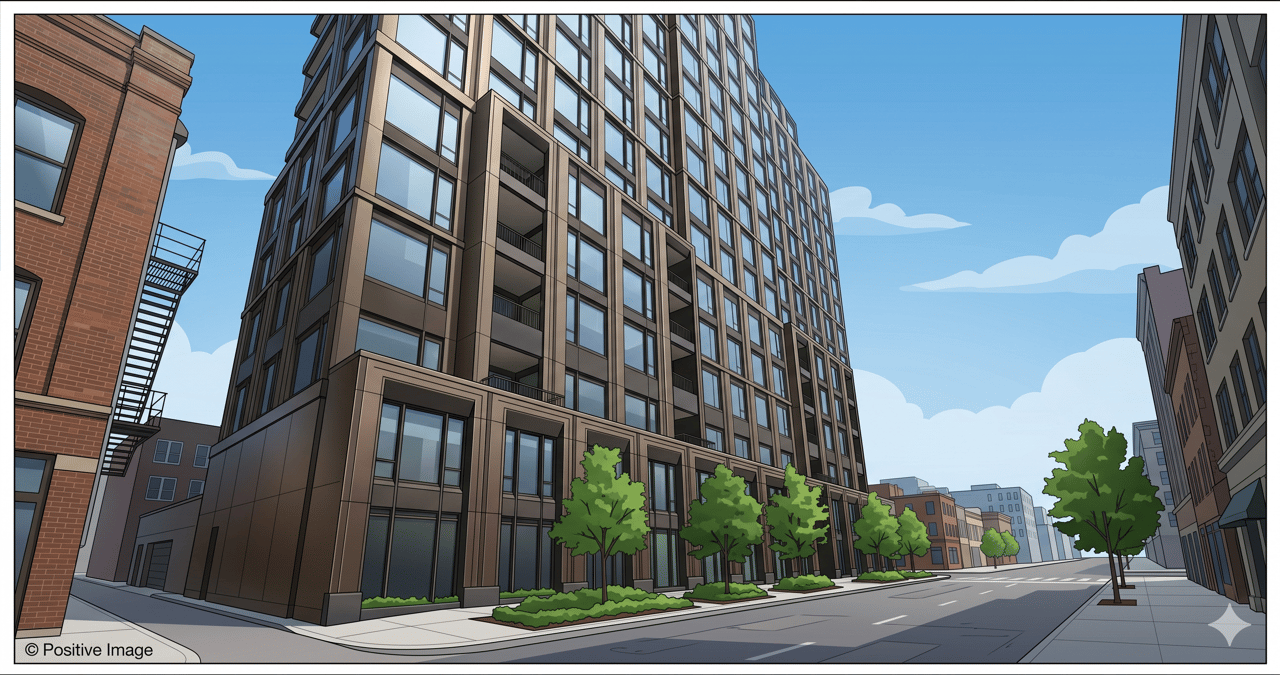
Chicago has one of the largest condominium markets in the United States, with thousands of high-rise units concentrated in neighborhoods like West Loop, River North, South Loop, and Streeterville.
Because many buildings contain dozens or even hundreds of similar units, pricing and marketing strategy often rely heavily on recent sales within the same building.
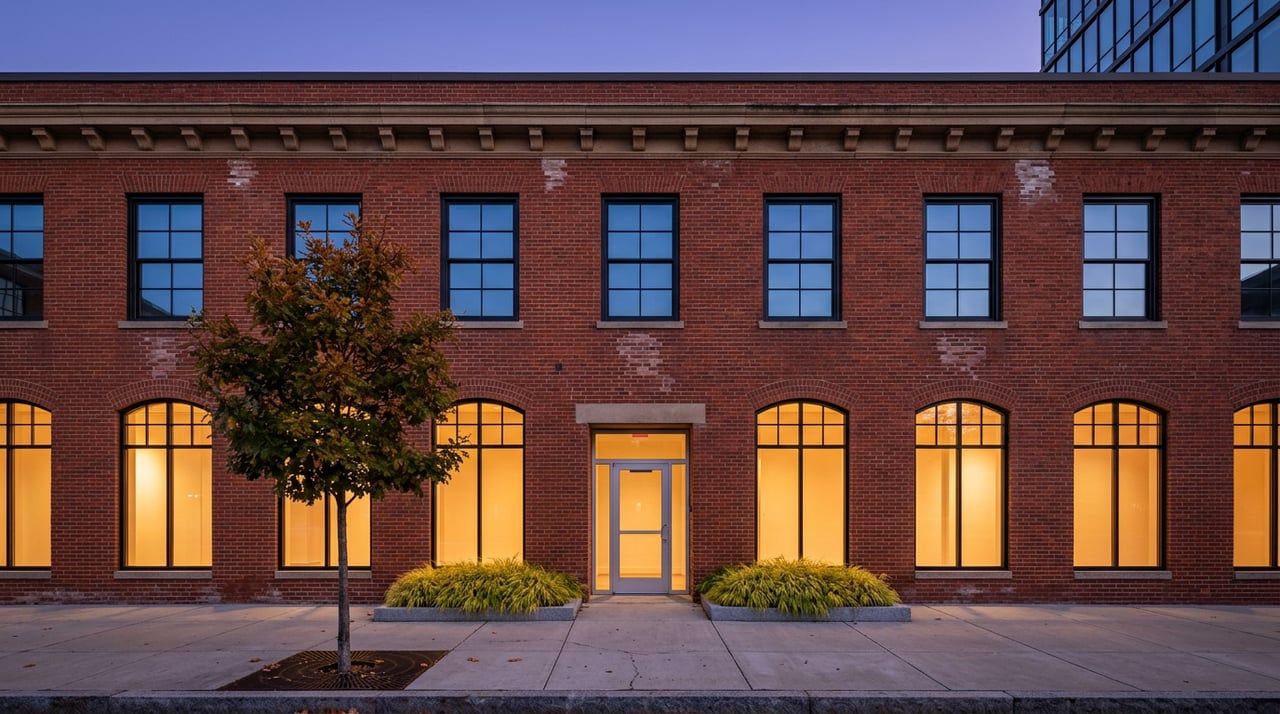
Over more than 25 years selling downtown Chicago condos and lofts, I have helped hundreds of clients navigate the complexities of high rise real estate transactions. From historic timber loft buildings in West Loop to luxury high rises in Streeterville and River North, each building and neighborhood has its own pricing dynamics, buyer profile, and association requirements. Understanding these factors is an important part of creating a successful condo selling strategy.
Answer Box
How do you sell a condo in Chicago?
Selling a condo in Chicago usually involves six steps:
-
Preparing the condo for sale
-
Pricing based on recent building sales
-
Professional staging and photography
-
Launching a digital marketing strategy
-
Coordinating showings within building rules
-
Negotiating offers and completing the closing process
Most Chicago condo sales take 30 to 75 days from listing to closing, depending on pricing, building policies, and buyer financing.
How Selling a Chicago Condo Works
Selling a condo in Chicago requires preparation, smart pricing, strong marketing, and an understanding of building logistics. Condos that are well prepared and correctly priced often sell faster and closer to the asking price than units that enter the market without a clear strategy.
Preparing Your Chicago Condo for Sale
Preparation is one of the biggest factors that influences how quickly a condo sells and how strong the offers are.
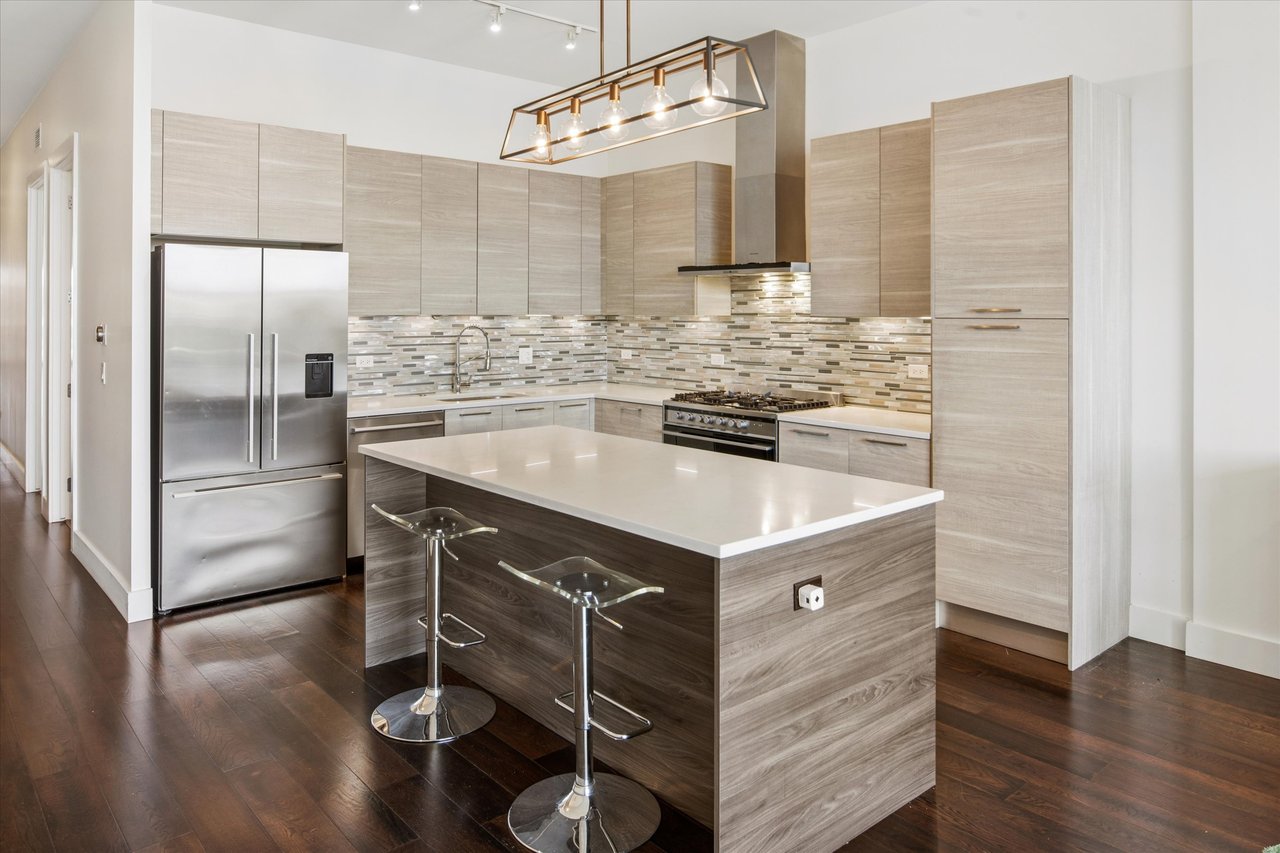
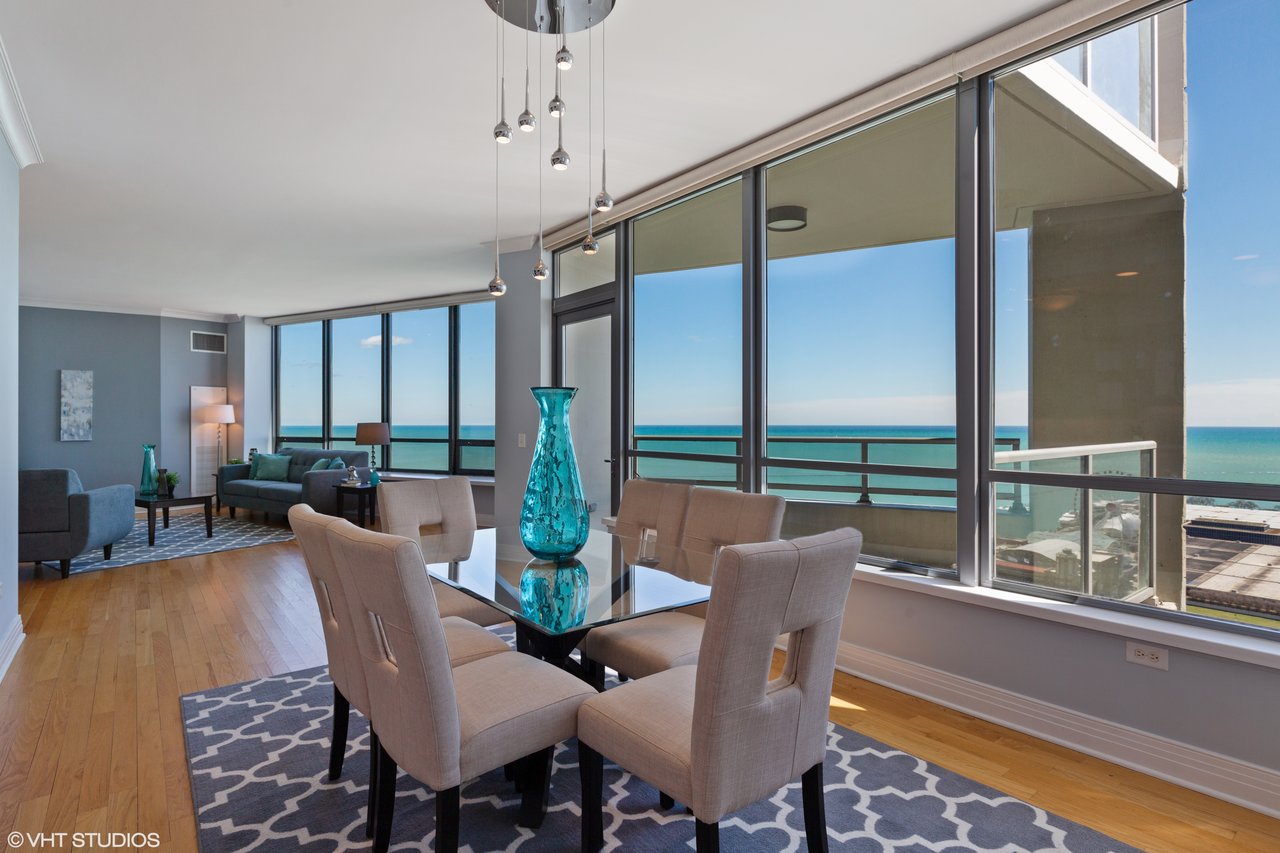
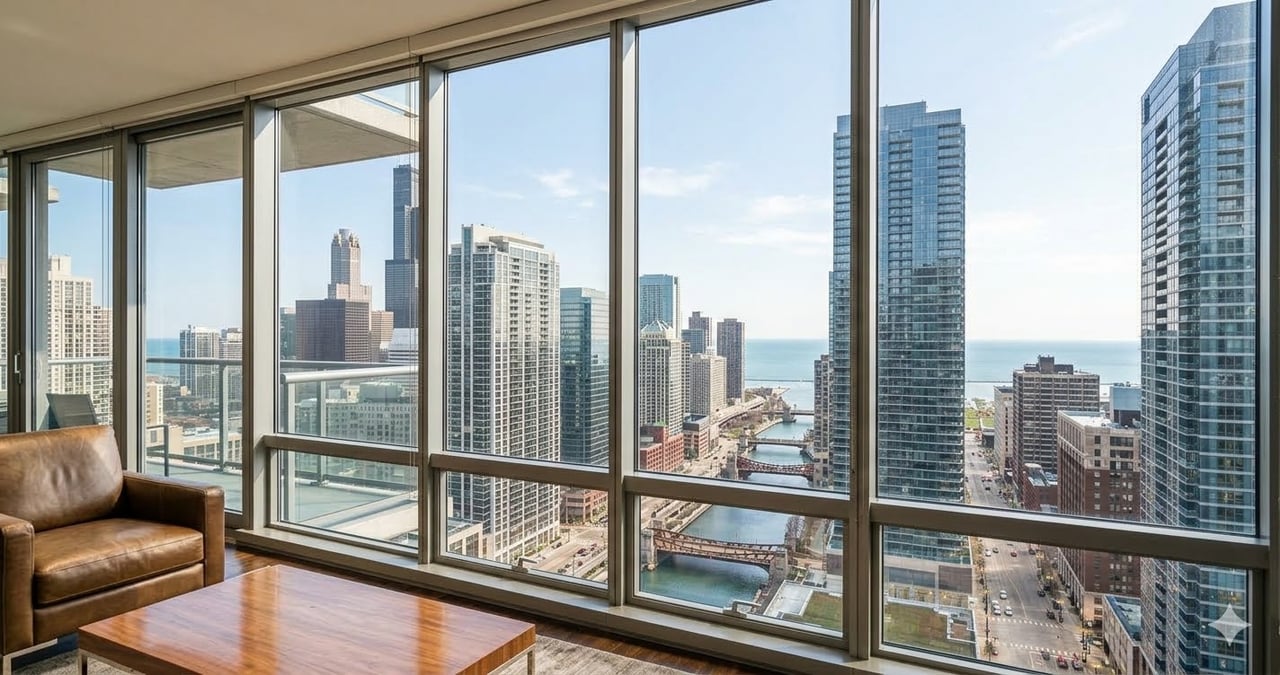
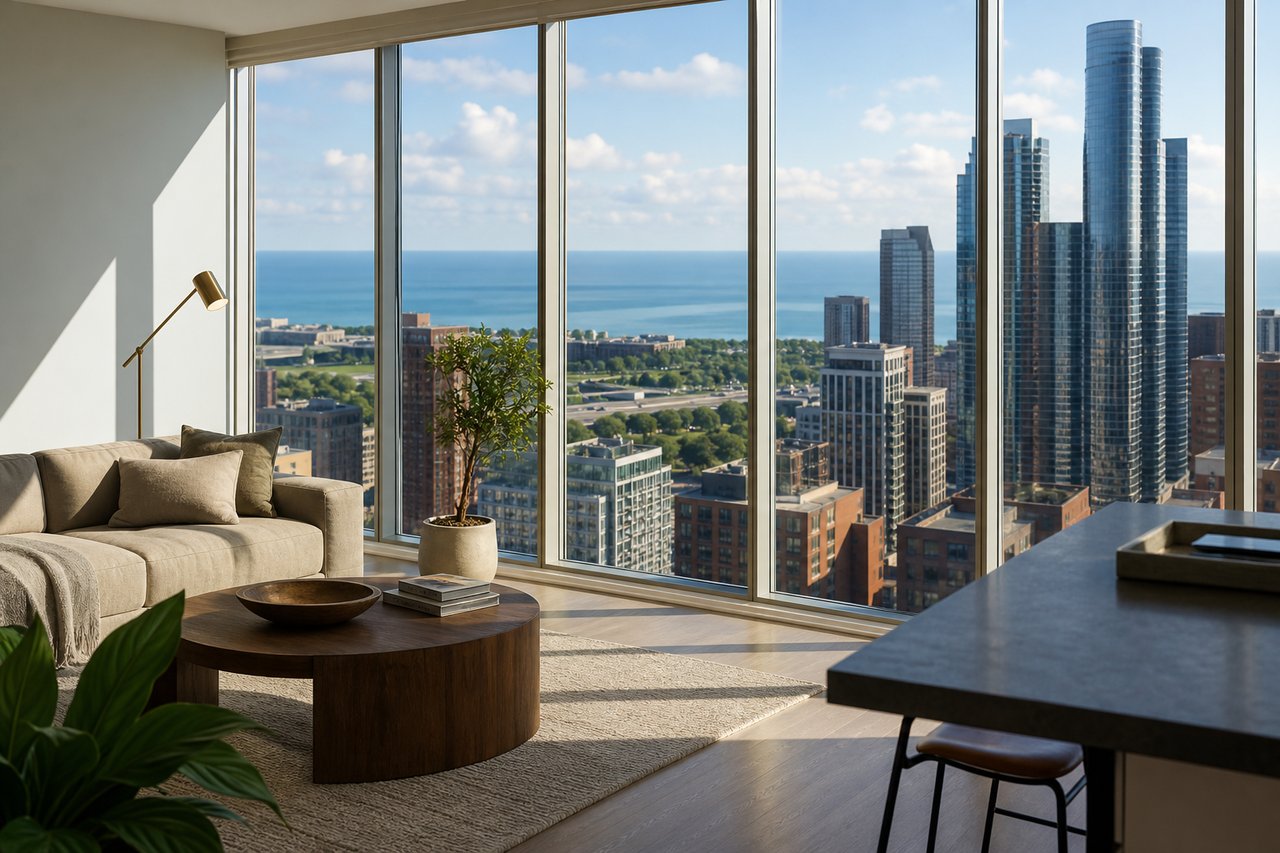
Buyers in Chicago’s downtown condo market often compare multiple listings online before scheduling showings. Professional staging and strong photography can significantly influence how a property performs online. You can learn more about this in my article explaining why some real estate photos mislead buyers.
Key preparation steps include:
Decluttering and simplifying the space
Condo buyers want to imagine themselves living in the home. Removing excess furniture and personal items helps the space feel larger and more neutral.
Addressing small repairs
Simple updates like fresh paint, lighting replacements, or fixing minor wear can improve perceived value significantly.
Understanding building rules
Some Chicago condo associations require move out notices, elevator reservations, or documentation before a unit can be sold. Preparing these early can prevent delays later in the transaction.
How to Price a Chicago Condo Correctly
Pricing a condo correctly is one of the most important decisions a seller makes.
Unlike single family homes, condo pricing is heavily influenced by:
• Recent sales in the same building
• Similar units on nearby floors
• Active competition in the neighborhood
• Market absorption rates
Pricing too high can cause a listing to sit on the market, while strategic pricing often generates more buyer interest and stronger offers.
Many sellers benefit from reviewing:
• comparable recent sales
• active listings in the building
• current buyer demand
Every building has its own pricing patterns
In downtown Chicago, every building has its own pricing patterns based on layout differences, floor levels, amenities, and recent comparable sales. Understanding these building-level trends can make a meaningful difference when determining the right listing price.
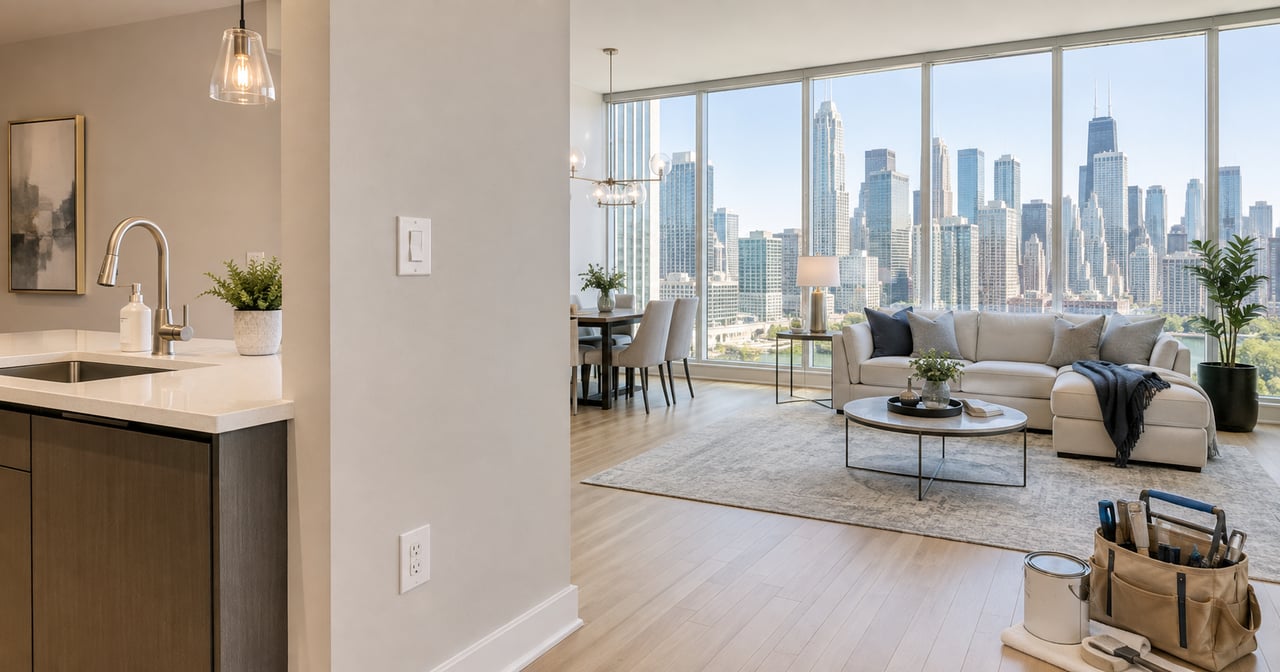
The Role of Staging and Professional Photography
Most condo buyers start their search online. Strong visuals directly impact how many buyers schedule showings.
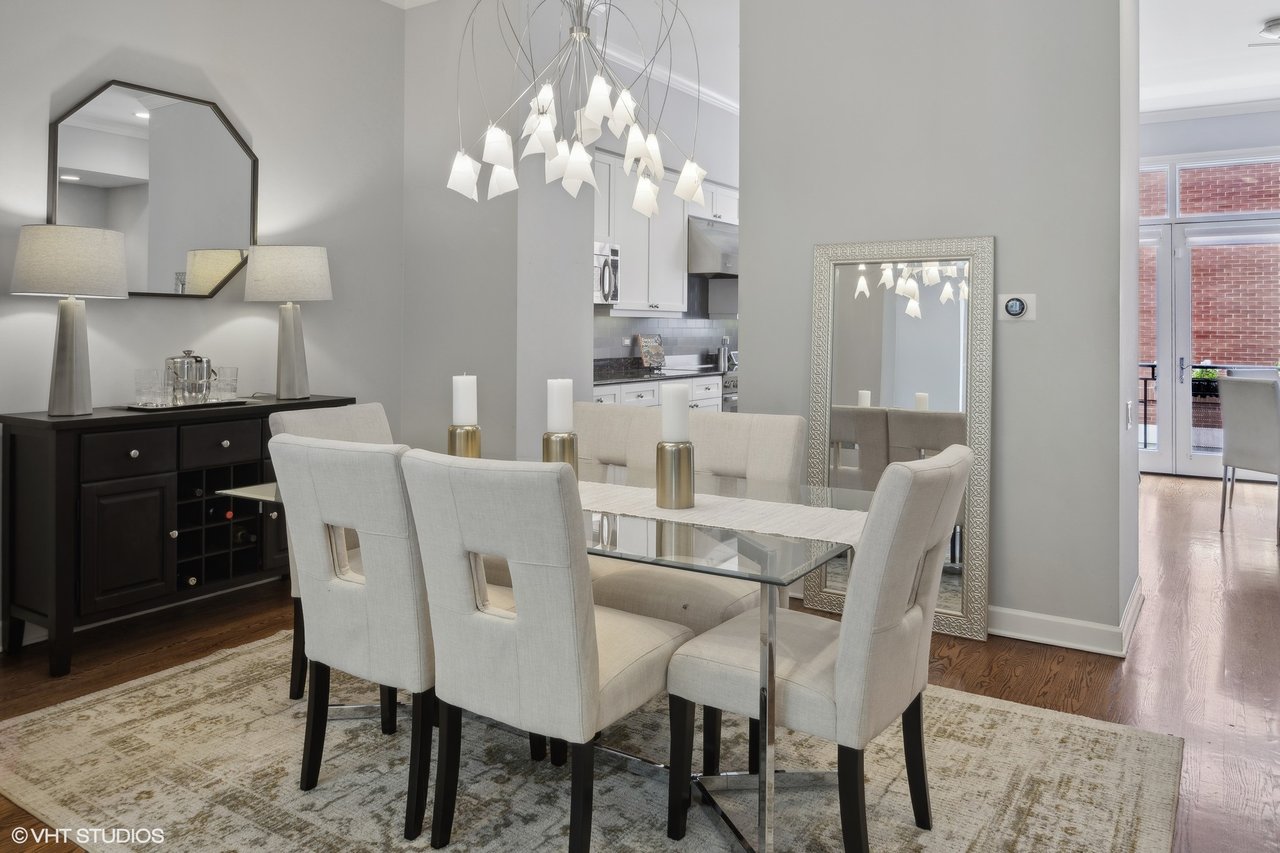
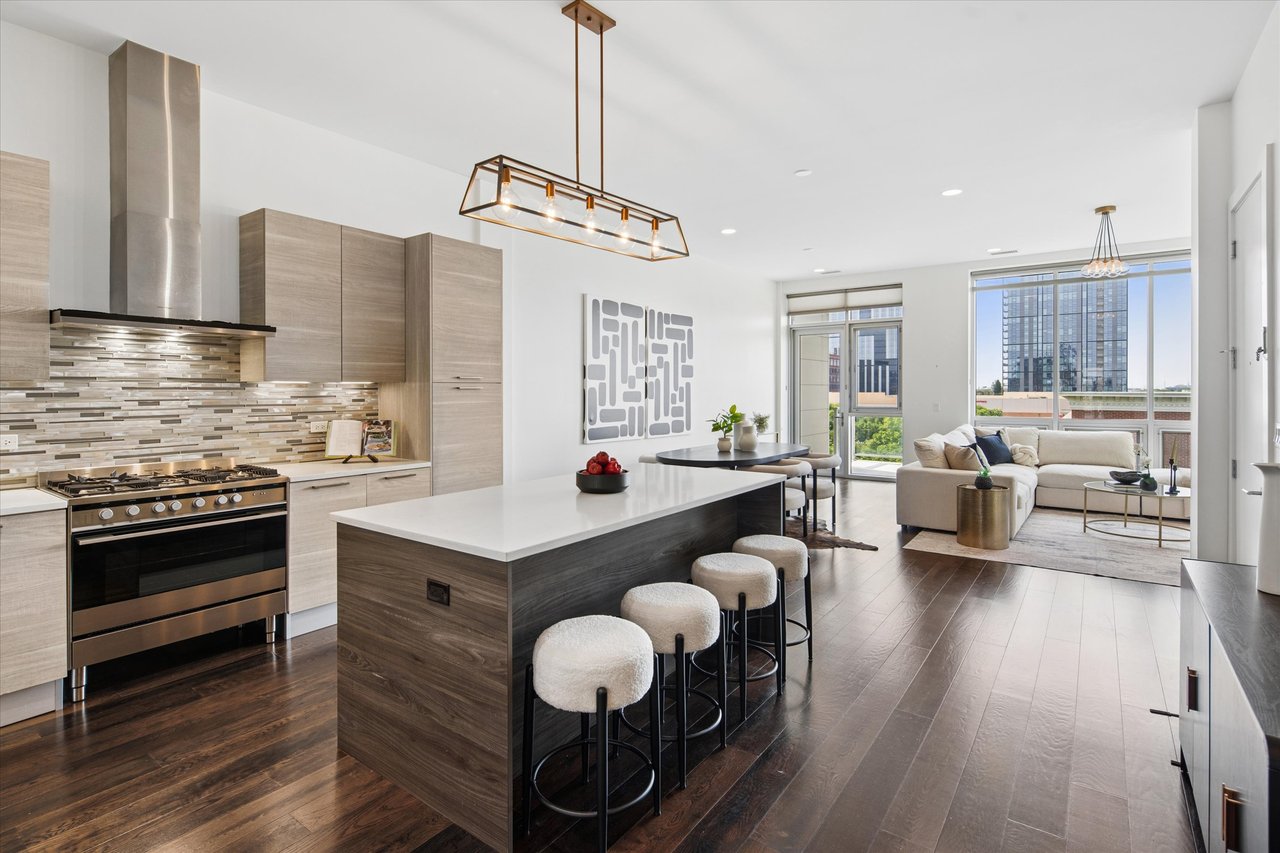
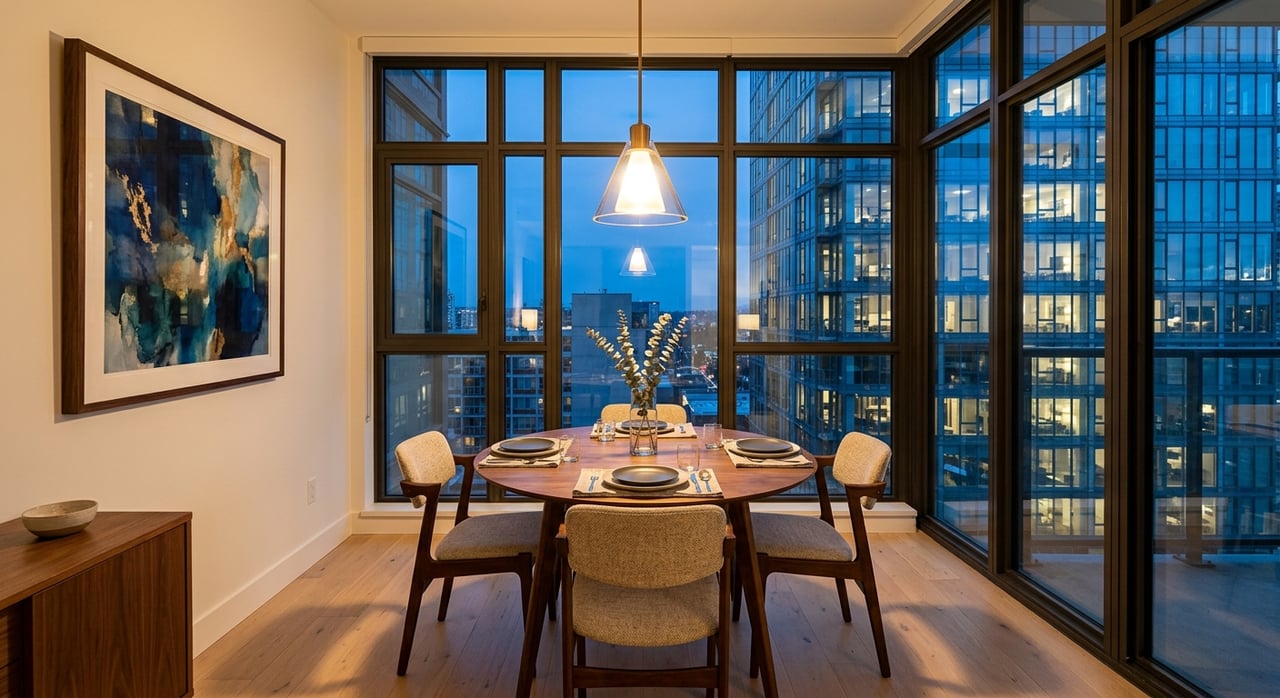
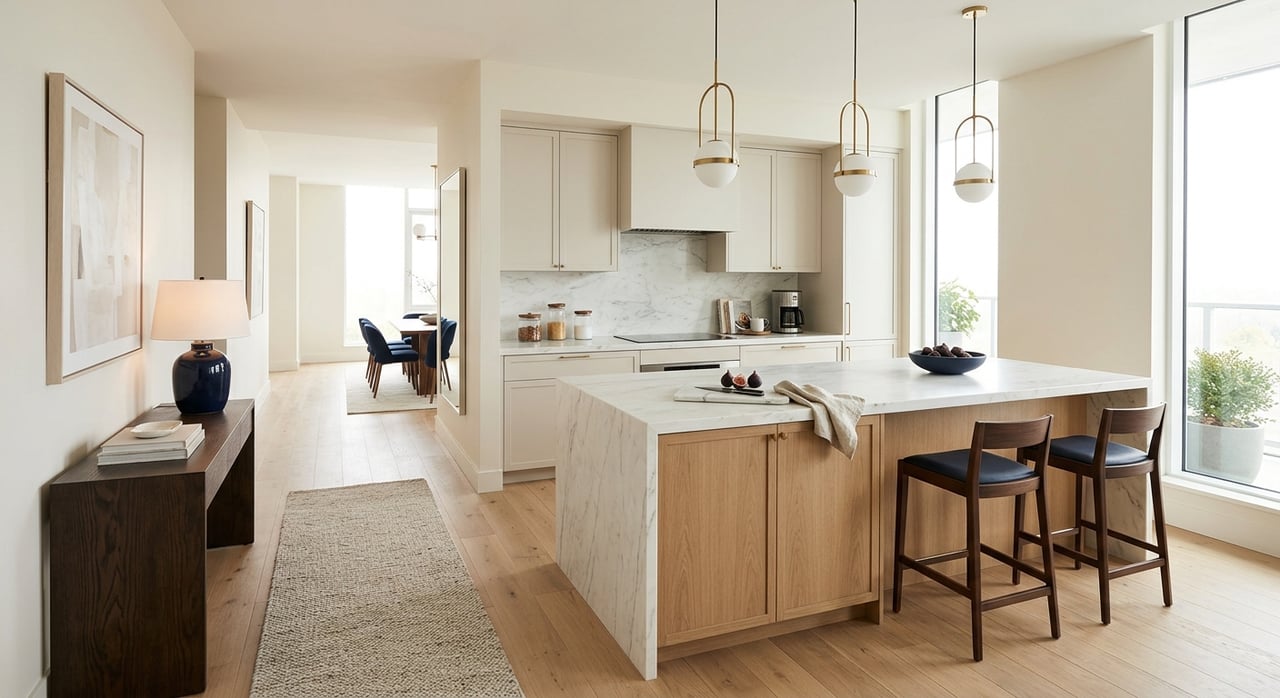
Professional staging helps highlight:
• layout flow
• natural light
• usable living space
High quality photography, video tours, and floor plans allow buyers to understand the unit before visiting.
Research from the **National Association of Realtors** shows staged homes often sell faster and can attract more competitive offers.
In downtown Chicago, where many listings compete in the same building, strong presentation can make a meaningful difference.
Marketing Strategies That Attract Serious Buyers
Effective marketing goes beyond posting a listing on the MLS.
Successful condo marketing often includes:
• MLS distribution to thousands of agents
• syndication to major real estate platforms
• targeted digital advertising
• agent outreach and broker networks
• social media exposure
• email marketing to qualified buyers
How Technology and AI Improve Condo Marketing
Modern condo marketing increasingly uses data driven tools and AI assisted search optimization. Listing descriptions, photo tagging, and digital marketing campaigns can now be structured to improve visibility across MLS platforms, Zillow, Redfin, and AI powered search tools.
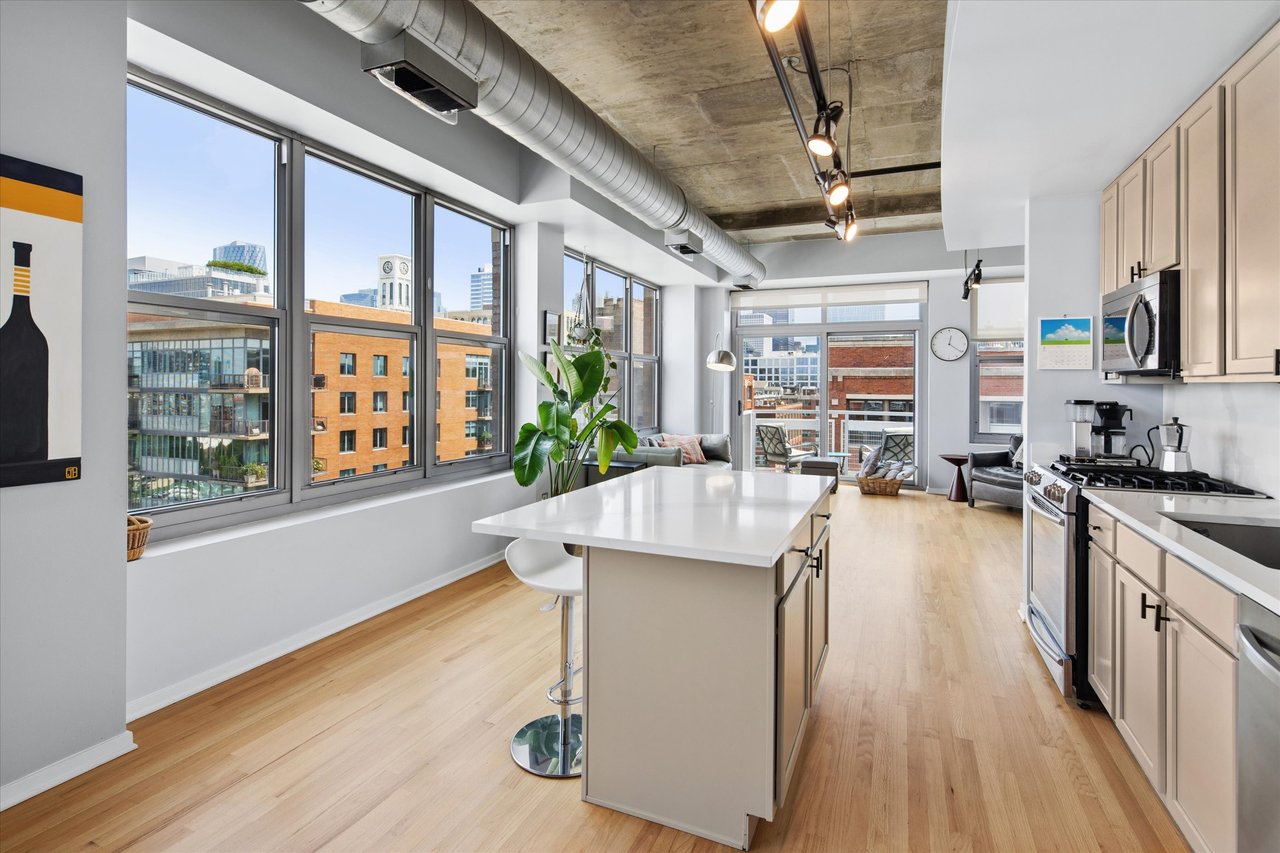
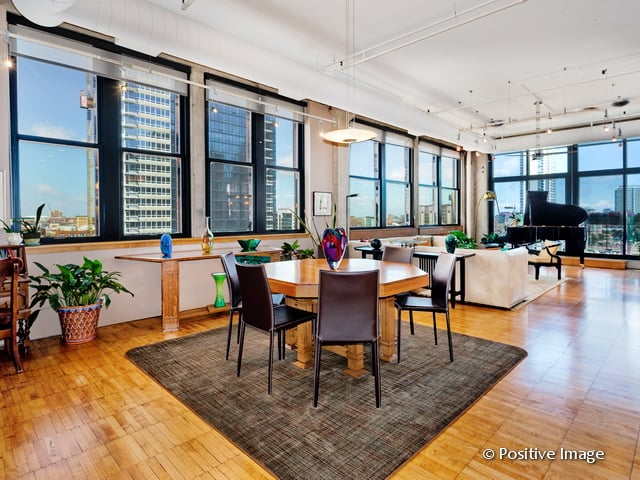
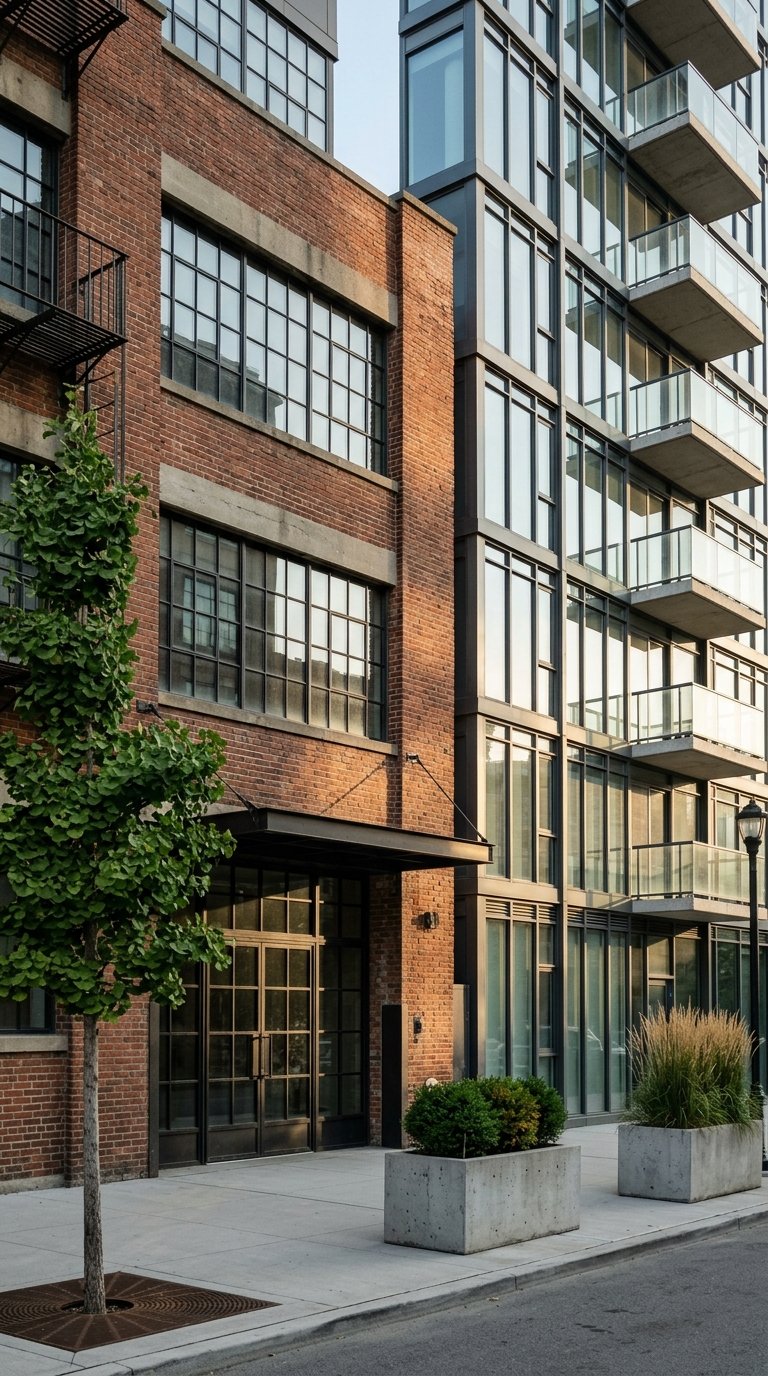
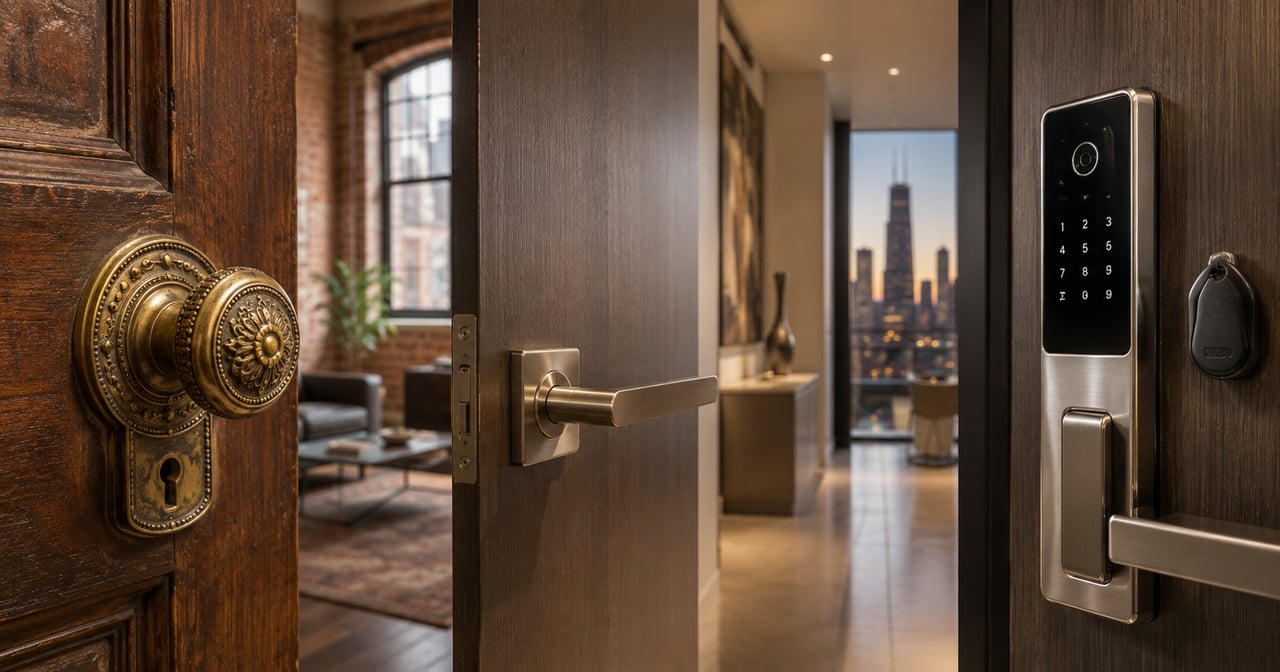
This helps ensure listings appear when buyers search for homes with specific features such as loft layouts, high rise amenities, or West Loop locations. In downtown Chicago, loft style can also influence buyer demand and pricing strategy. Timber vs concrete lofts
According to **Zillow research**, most buyers begin their home search online, which makes digital visibility essential.
The goal is to maximize exposure during the first weeks on the market, when buyer interest is typically highest.
Showing Logistics in High Rise Buildings
Showing condos in downtown Chicago often involves unique logistics compared to single-family homes.
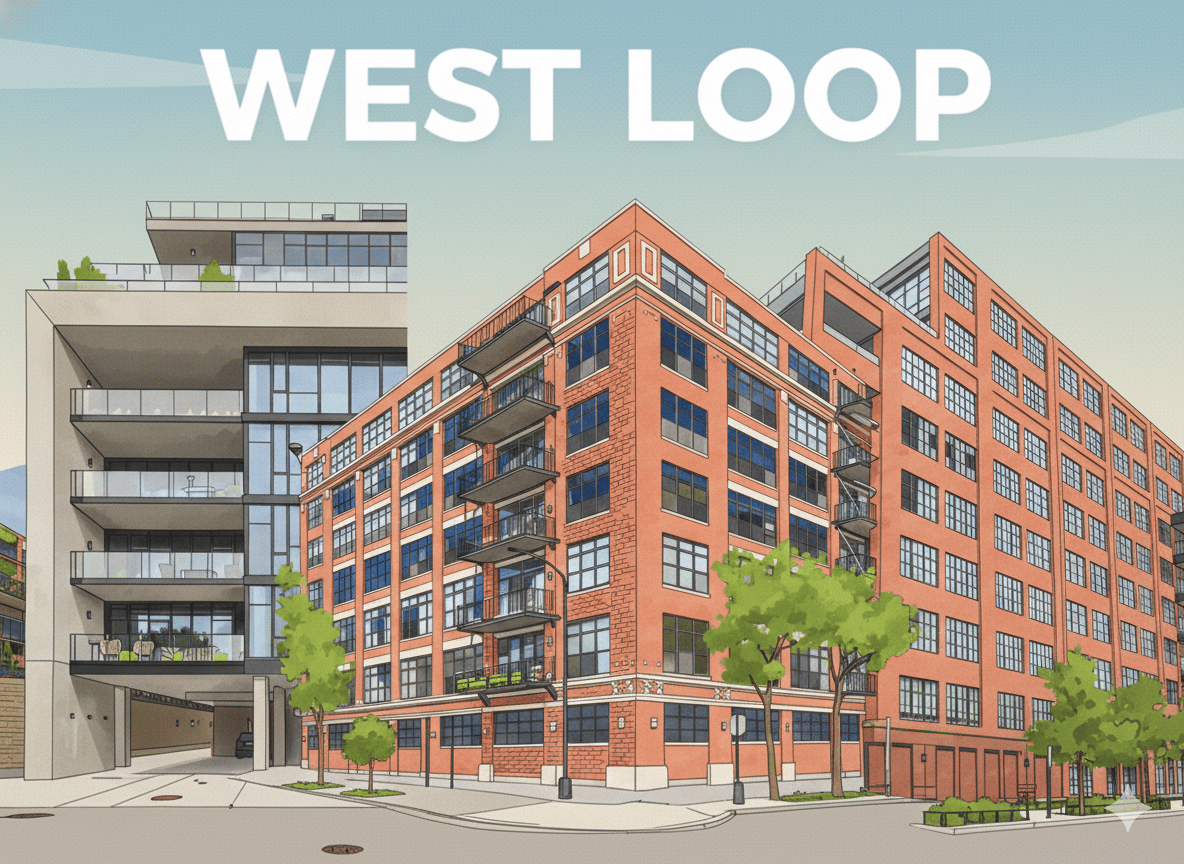
West Loop Condo Selling Strategy
Common factors include:
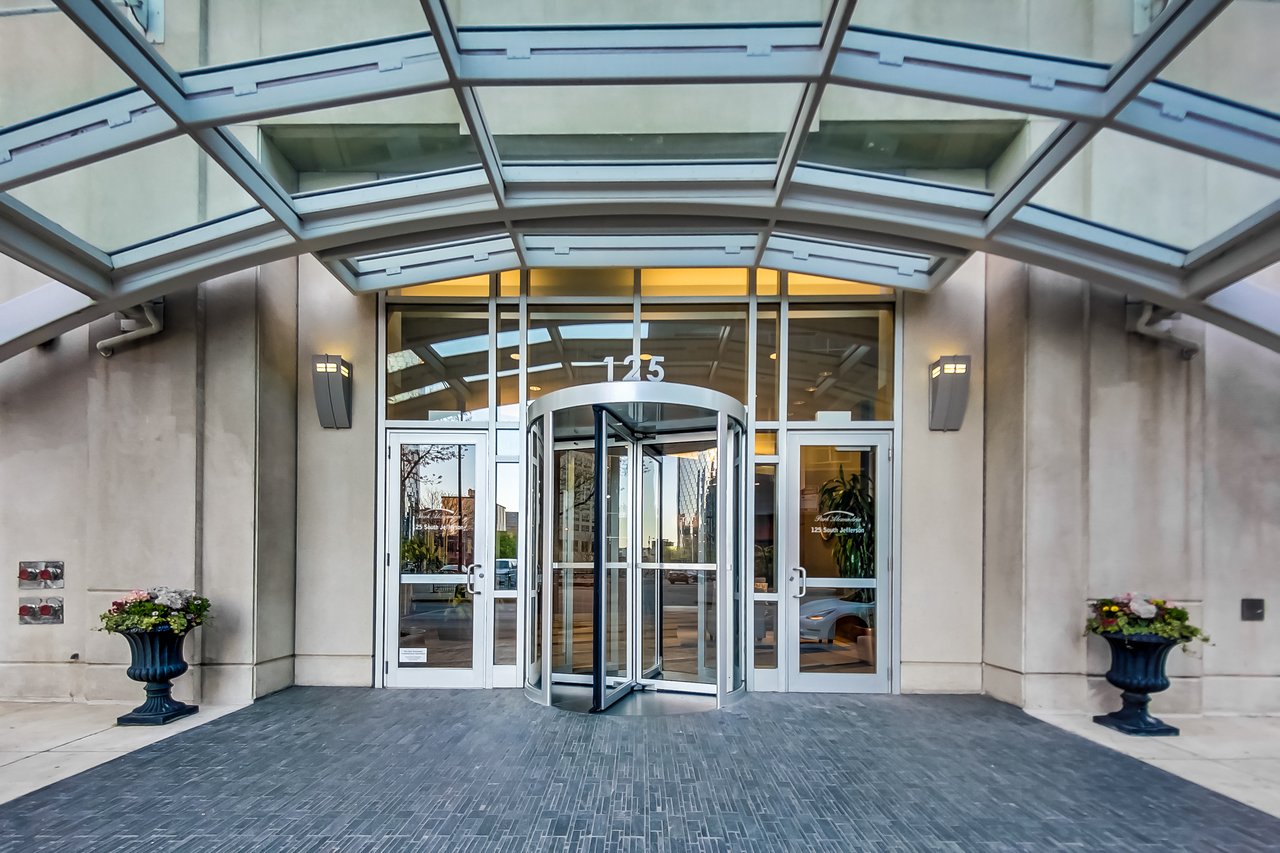
Building access
Some buildings require doorman registration or advance showing approval.
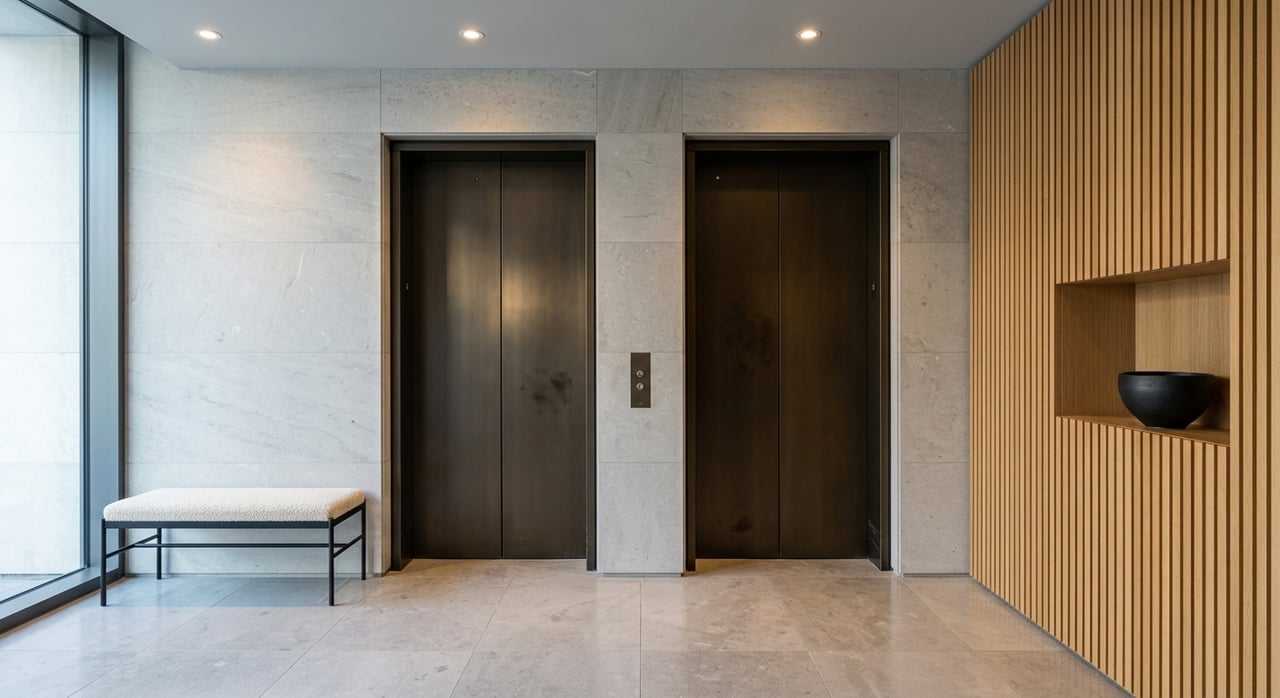
Elevator scheduling
Busy buildings may require elevator reservations for showings or move outs.
Security procedures
High rise buildings sometimes require agent registration or identification at the front desk.
These details may seem small, but smooth logistics can significantly improve the buyer showing experience.
Neighborhood demand also plays a major role in resale value, particularly in areas like West Loop and Lincoln Park.
7 Common Mistakes When Selling a Chicago Condo
Even well maintained condos can sit on the market when the selling strategy is not aligned with the realities of Chicago’s condo market. Avoiding common mistakes can help sellers attract stronger offers and reduce time on market.
1. Pricing Based on Emotion Instead of Market Data
Many sellers compare their condo to the highest sale in the building rather than the most recent comparable sales.
However, buyers and appraisers typically evaluate:
• recent sales in the same building
• units on similar floors
• square footage and layout
• upgrades and condition
Pricing above market value can cause listings to lose momentum in the first weeks on the market when buyer attention is highest.
2. Ignoring Competition Within the Same Building
In many downtown Chicago high rises, buyers may compare five or more units in the same building before making a decision.
If a similar unit is priced lower or shows better, buyers often gravitate toward that property first.
Understanding the building’s current inventory is essential when setting the right listing price.
3. Underestimating the Importance of Presentation
Because most buyers begin their search online, the visual presentation of a condo can strongly influence whether buyers schedule a showing.
Professional staging, strong lighting, and accurate photography can significantly improve how a listing performs online.
4. Using Overly Edited Listing Photos
Overly distorted wide angle photography can create unrealistic expectations.
Buyers may feel disappointed when they visit the property in person and the rooms appear much smaller than the images suggested.
When this happens, it can actually reduce buyer confidence in the listing.
5. Not Preparing Condo Association Documents Early
Chicago condo transactions often require buyers to review association documents, including:
• budgets
• bylaws
• financial statements
• reserve information
If these documents are not available quickly, transactions can slow down or even fall apart during attorney review.
6. Overlooking Building Showing Logistics
Some high rise buildings require:
• advance showing approval
• agent registration
• elevator reservations
Understanding these policies early helps ensure smoother showings and avoids buyer frustration.
7. Waiting Too Long to Adjust Strategy
If a condo does not attract showings within the first few weeks, it may indicate a pricing or marketing issue.
Adjusting strategy quickly can help maintain buyer interest before a listing accumulates excessive days on market.
Understanding the Chicago Condo Closing Timeline
Most condo sales follow a general timeline from listing to closing.
Typical steps include:
1. Listing and marketing period
2. Offer negotiation and contract acceptance
3. Attorney review period
4. Condo association document review
5. Inspection and possible repair negotiations
6. Mortgage approval for the buyer
7. Final walkthrough and closing
In many cases, Chicago condo closings occur 30 to 60 days after contract acceptance, although timelines can vary depending on financing and association documentation.
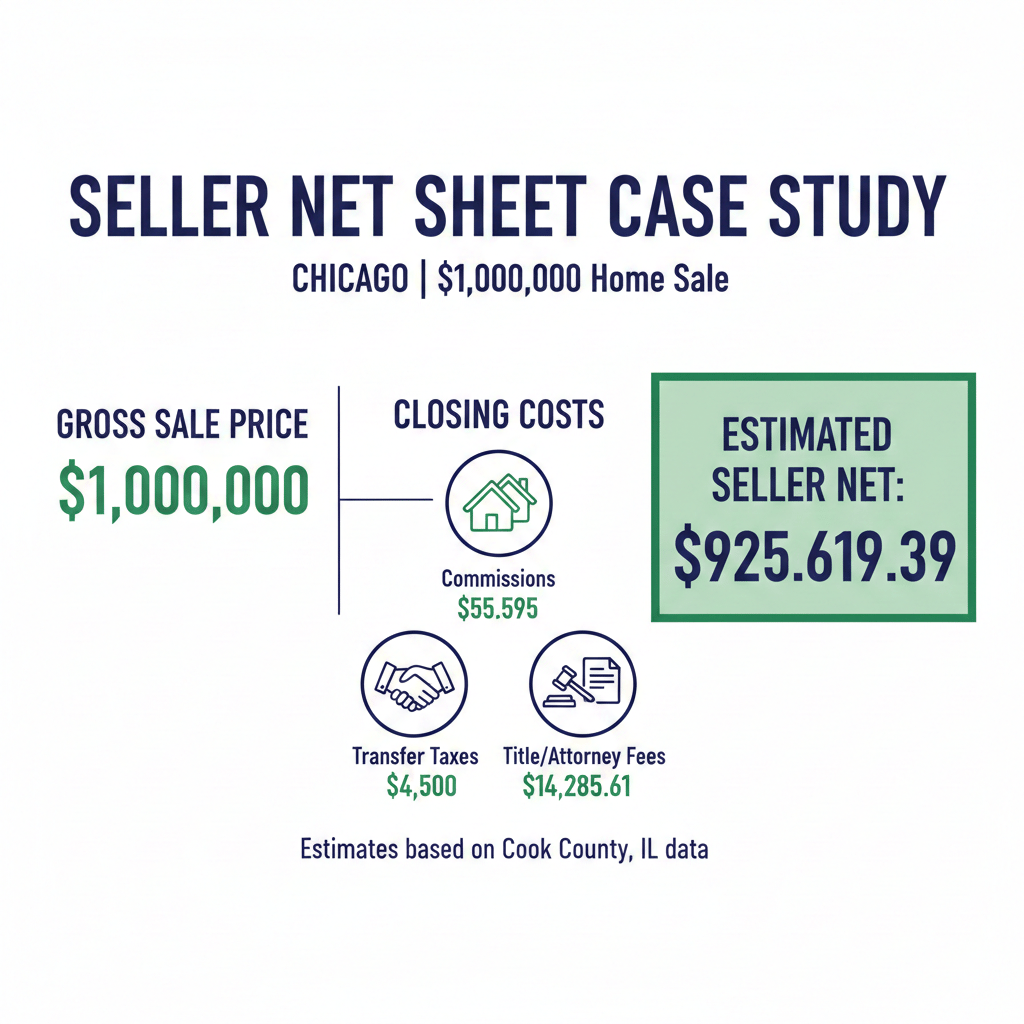
Typical Costs When Selling a Condo in Chicago
Many sellers focus on the sale price but forget to plan for the costs involved in closing a condo transaction.
While every situation is different, common seller expenses may include:
Real Estate Commission
Real estate commissions are typically the largest cost and compensate the agents involved in marketing and negotiating the transaction.
Attorney Fees
In Illinois, real estate attorneys usually manage the contract, attorney review period, and closing documentation.
Attorney fees typically range between $700 and $1,500 depending on complexity.
Condo Association Fees
Some buildings charge administrative fees when a unit is sold. These may include:
• document preparation fees
• move out fees
• elevator reservation fees
• transfer fees
Potential Buyer Credits
In some transactions, buyers may request credits following inspections or association document review.
These negotiations are common and depend on the condition of the property.
Moving and Preparation Costs
Sellers often invest in preparation before listing, such as:
• painting
• staging
• deep cleaning
• minor repairs
These improvements can help the property show better and may attract stronger offers.
Documents Often Required When Selling a Chicago Condo
Chicago condo transactions require buyers to review information about the building and association before closing.
This documentation helps buyers understand the financial health and rules of the building.
Common documents include:
Condo Association Bylaws and Rules
These outline how the building operates, including policies about rentals, pets, and renovations.
Association Budget and Financial Statements
Buyers and lenders often review the building’s finances to confirm that reserves and operating budgets are stable.
Recent Meeting Minutes
Meeting minutes can reveal upcoming projects or discussions about building improvements.
Reserve Information
Reserve funds help cover future building repairs such as roof replacement, elevators, or facade work.
Buildings with stronger reserves often appear more financially stable to buyers.
Condo Disclosure Forms
Illinois law requires sellers to provide disclosure forms covering known material defects in the property.
Key Takeaways
• Preparing your condo before listing can significantly improve buyer interest
• Strategic pricing based on building sales is essential
• Professional staging and photography increase online engagement
• Marketing exposure drives early buyer activity
• High rise building logistics require careful coordination
Local Expertise: Selling Condos in Downtown Chicago
Selling a Condo in Chicago’s Downtown Neighborhoods
While the overall selling process is similar across the city, different downtown neighborhoods attract different buyer profiles and pricing trends.
Understanding these differences can help sellers position their property effectively.
Selling a Condo in West Loop
West Loop has become one of Chicago’s most sought after condo markets due to its proximity to Fulton Market, Restaurant Row, and major tech offices.
Many buyers in this area are professionals working in nearby offices who prioritize walkability and modern amenities.
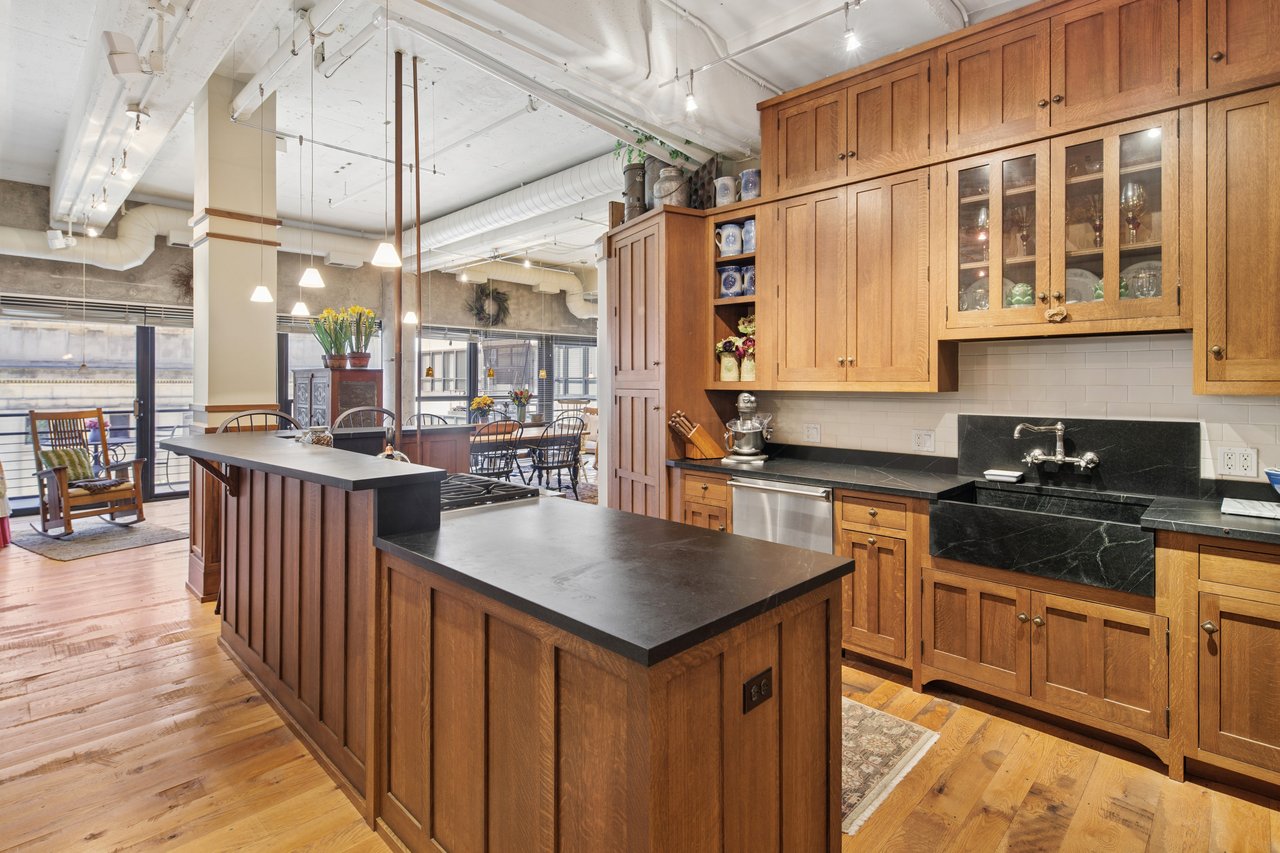
Condos in West Loop buildings with strong amenities, newer construction, or authentic loft character often attract strong buyer interest.
Selling a Condo in River North
River North attracts buyers who want immediate access to downtown nightlife, restaurants, and art galleries.
High rise buildings with skyline views, concierge service, and luxury amenities are common in this neighborhood.
Pricing strategy often depends heavily on recent sales within the same building due to the large number of comparable units.
Selling a Condo in South Loop
South Loop offers a mix of historic loft buildings and modern high rise developments.
Buyers are often drawn to the neighborhood’s proximity to Grant Park, Museum Campus, and easy access to public transit.
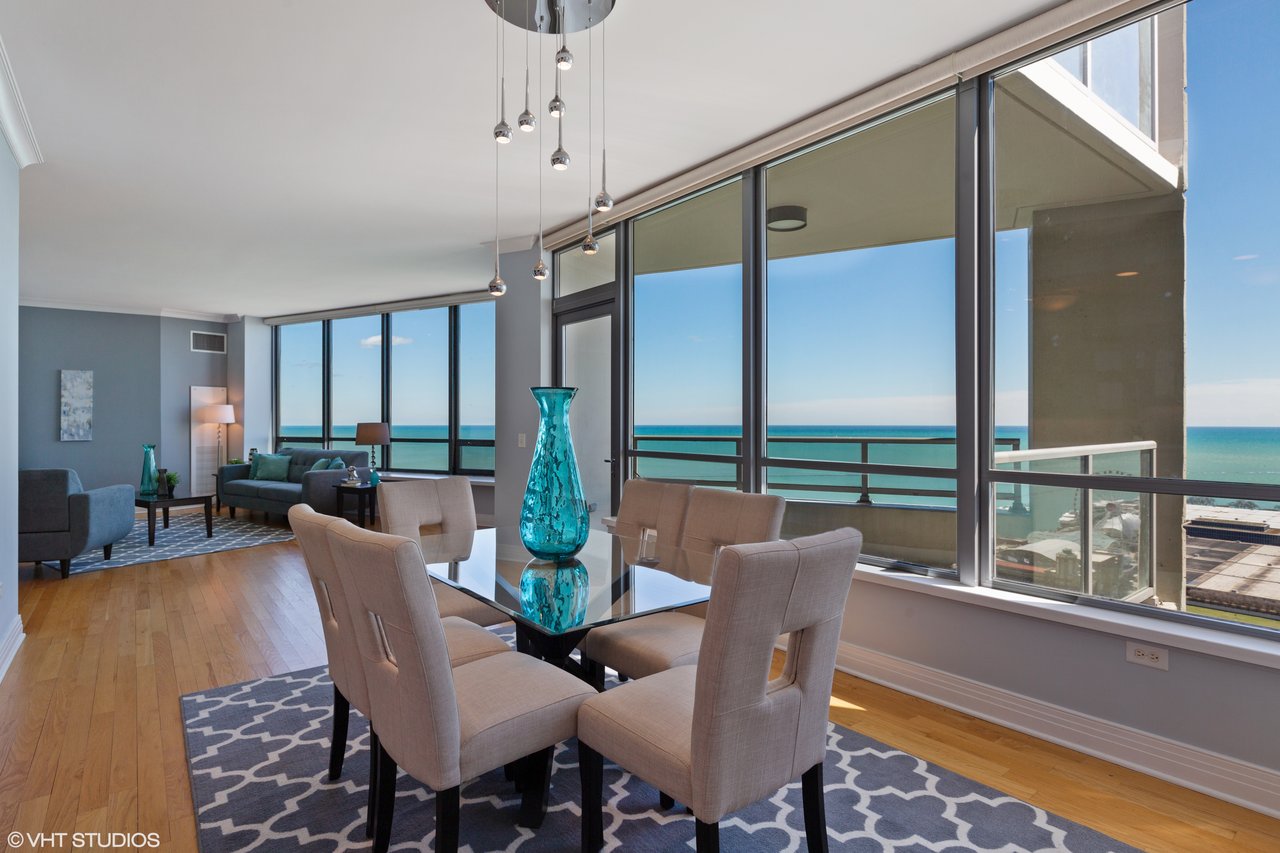
Buildings with lake views or strong amenity packages may command pricing premiums.
Selling a Condo in Streeterville
Streeterville condos are frequently purchased by buyers seeking proximity to Northwestern Hospital, the Magnificent Mile, and lakefront living.
Luxury high rises dominate the area, and pricing is often influenced by building reputation, amenities, and view corridors.
Bottom Line
Selling a condo in Chicago involves more than simply listing the property. Successful sales require preparation, accurate pricing based on building data, strong digital marketing, and careful coordination with condo associations and buyers.
Before listing a condo, many sellers review recent building sales, current competition, and buyer demand to determine the best pricing strategy and timing for the market.
Sellers who approach the process strategically often attract stronger offers and experience smoother closings.
Every Chicago condo building has its own market dynamics. Recent comparable sales, current competition in the building, and buyer demand can all influence how a condo should be priced and marketed. Reviewing this data before listing often helps sellers position their property strategically and avoid unnecessary time on the market.
Sources
Research from the National Association of Realtors shows that staged homes often sell faster and may attract more competitive offers. https://www.nar.realtor/research-and-statistics/research-reports/profile-of-home-staging
Research from the Congress for the New Urbanism (CNU) suggests that walkable downtown neighborhoods often maintain strong demand among condo buyers. https://www.cnu.org/publicsquare/2025/12/16/walkability-high-demand-realtors-say
Chicago Condo Seller Questions
Is it harder to sell a condo than a house in Chicago?
Condos can sometimes take longer to sell than single family homes because buyers often compare multiple units within the same building. Pricing strategy, building amenities, and recent comparable sales can strongly influence buyer interest. Condos that are priced correctly and marketed well often sell faster.
Do condo associations need to approve buyers in Chicago?
Most Chicago condo associations do not formally approve buyers, but they do require buyers to review association documents during the transaction. These documents typically include financial statements, bylaws, meeting minutes, and reserve information.
Do condo fees affect resale value?
Yes. Buyers often compare monthly HOA fees when evaluating condos. Buildings with higher fees may need stronger amenities, better services, or newer infrastructure to justify the cost.
Can tenants stay in a condo while it is being sold?
Yes, but it may limit the pool of buyers. Many owner occupants prefer vacant units, while investors may welcome tenant occupied properties depending on the building’s rental rules.
What is the best month to sell a condo in Chicago?
Spring and early summer are typically the busiest periods for the Chicago real estate market. However, well priced condos in desirable downtown neighborhoods can attract buyers throughout the year.
How important are building amenities when selling a condo?
Amenities can influence buyer interest, especially in downtown Chicago buildings. Features like fitness centers, rooftop decks, door staff, and parking often increase buyer appeal.
Frequently Asked Questions
How long does it take to sell a condo in Chicago?
Many Chicago condos sell within **30 to 75 days**, depending on pricing, condition, and current market conditions.
Do Chicago condo associations affect the sale process?
Yes. Buyers review condo association documents during the transaction, including budgets, bylaws, and financial statements.
Should I stage my Chicago condo before selling?
Staging can help buyers better understand the space and often improves the overall presentation of the property.
What costs do sellers pay when selling a condo in Chicago?
Common costs include real estate commissions, attorney fees, potential move out fees, and any outstanding association balances.
ABOUT THE AUTHOR
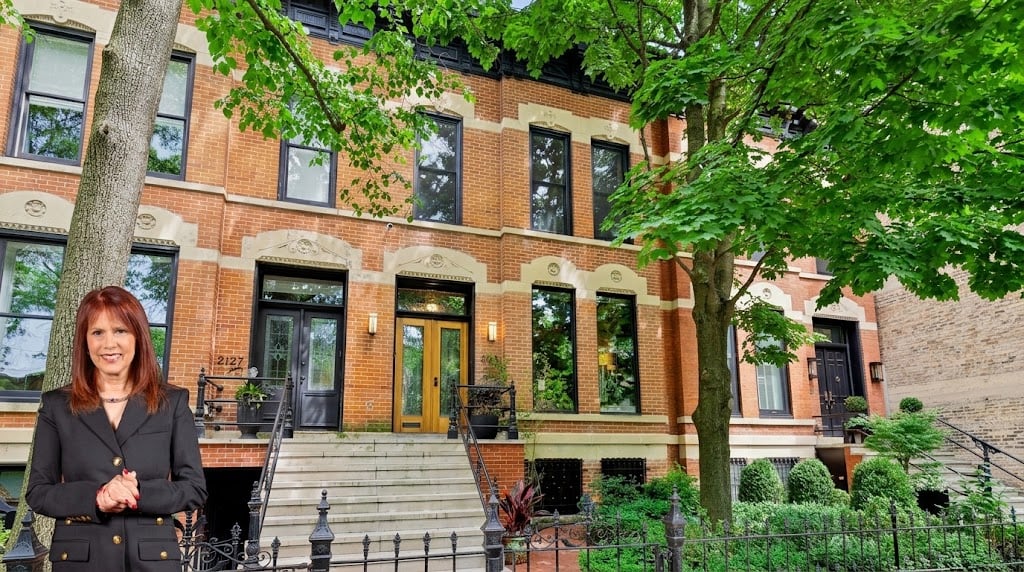
Christine Hancock is a Chicago Realtor with @properties Christie’s International Real Estate, bringing more than 25 years of experience and over $200 million in closed sales in the downtown condo market. With 96 five-star Zillow reviews, Christine is recognized for her commitment to client satisfaction and market expertise.
She specializes in high-rise and luxury condominium sales in West Loop, South Loop, River North, and Streeterville—helping buyers and sellers navigate complex transactions with data-driven pricing strategies and deep neighborhood insight.
Christine partners with clients to evaluate market trends, position properties competitively, and make confident, informed decisions in Chicago’s vibrant downtown housing market.
Call or text 312-296-9300 to discuss current market conditions or your real estate goals.