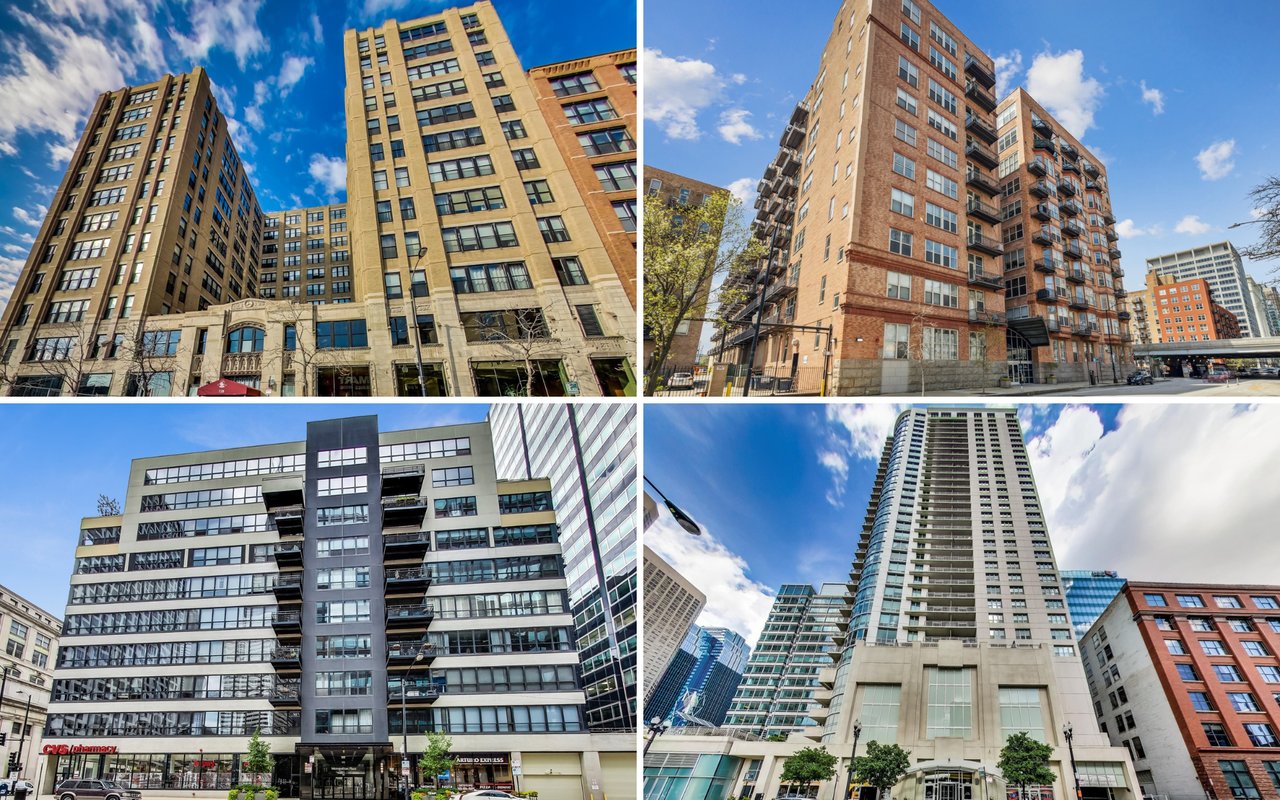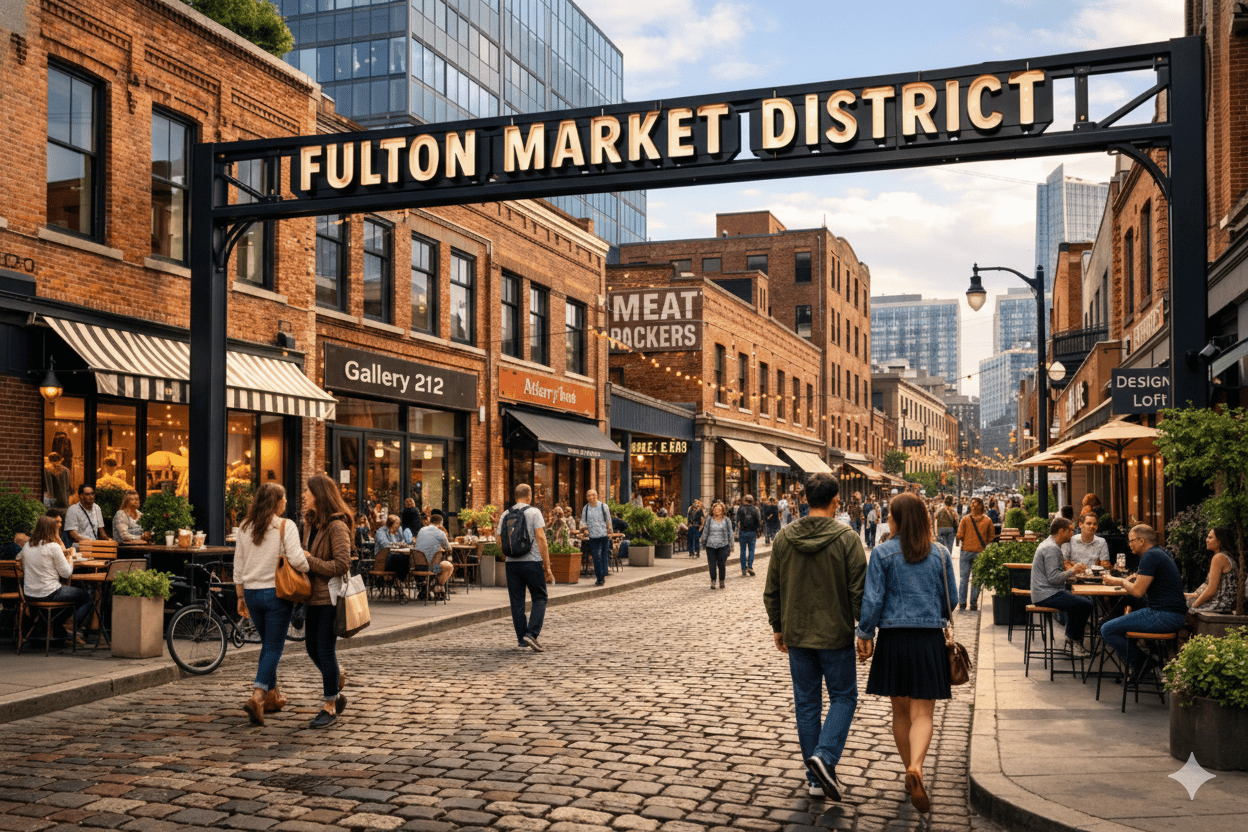
From meat hooks to Michelin stars: Fulton Market is one of Chicago’s most dramatic reinventions, unfolding over just a few short decades.
From Packing House To Powerhouse
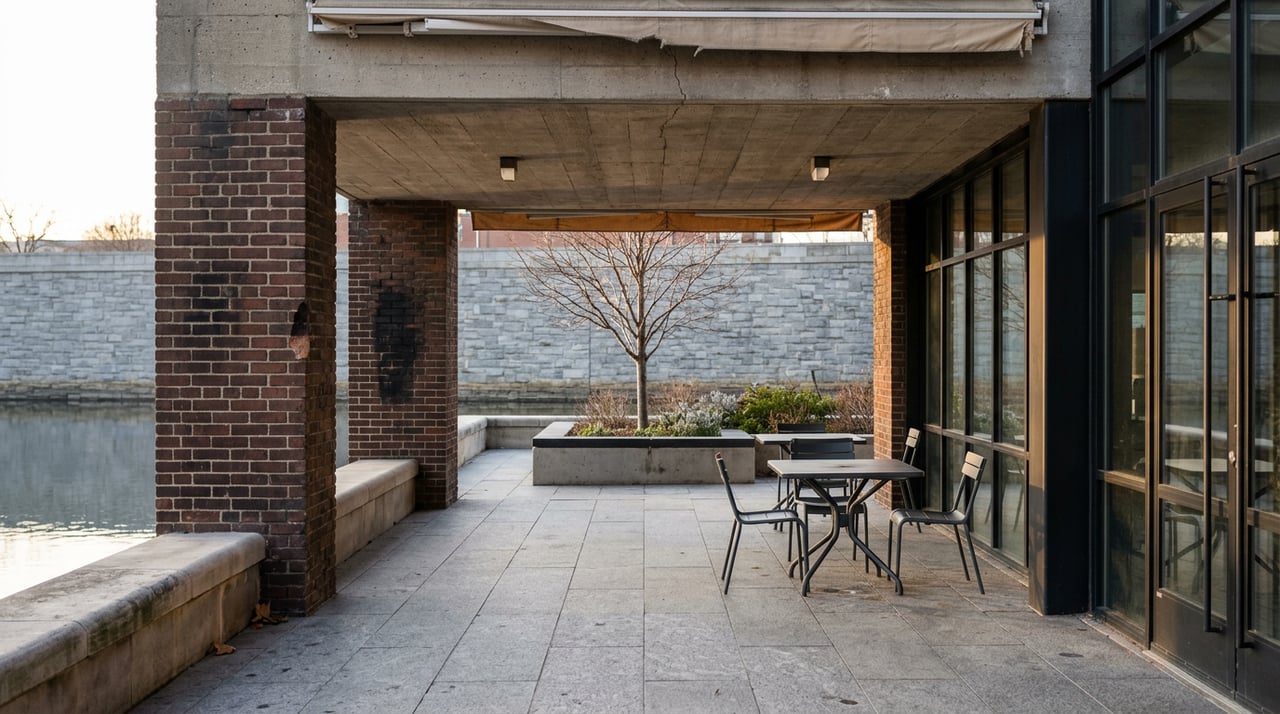
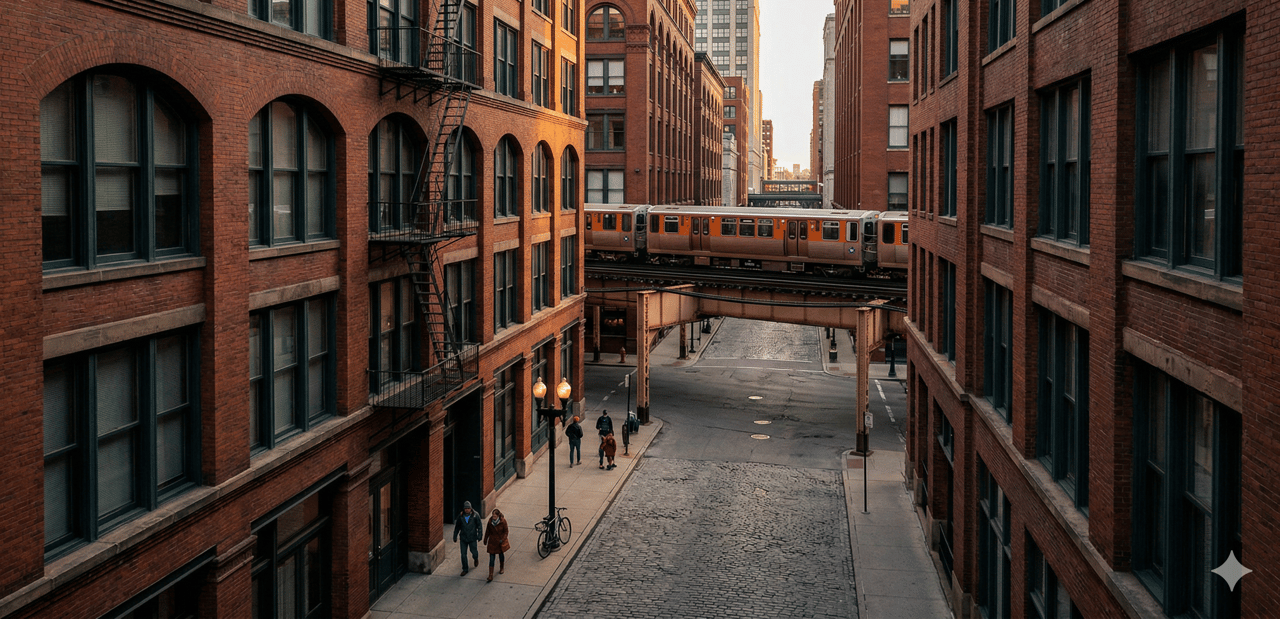
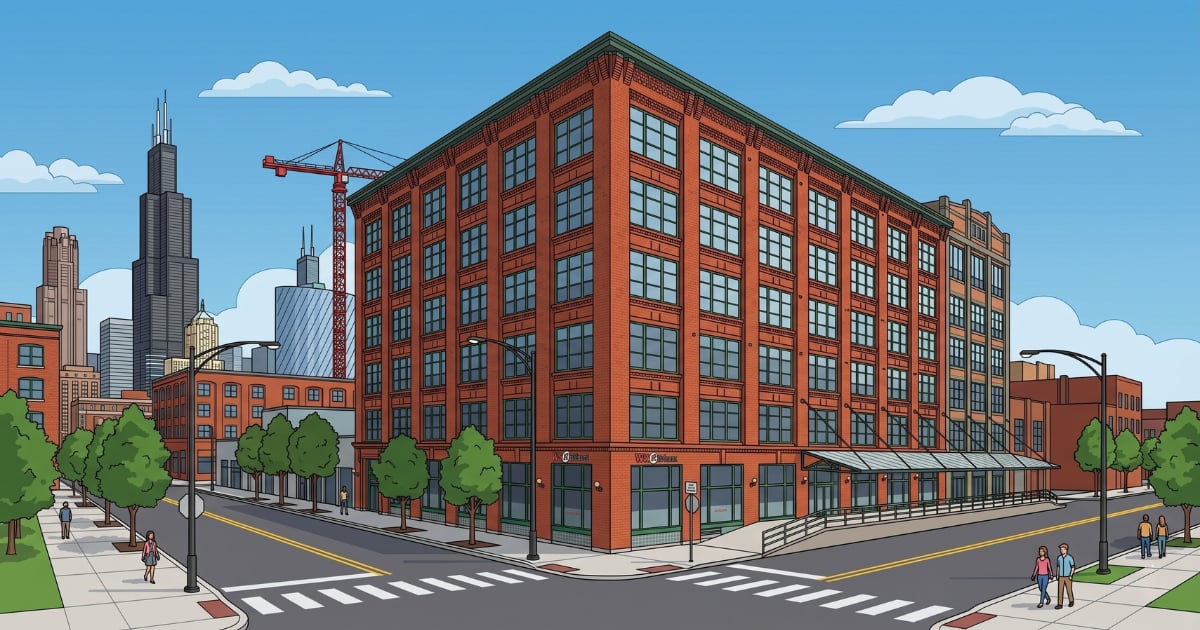
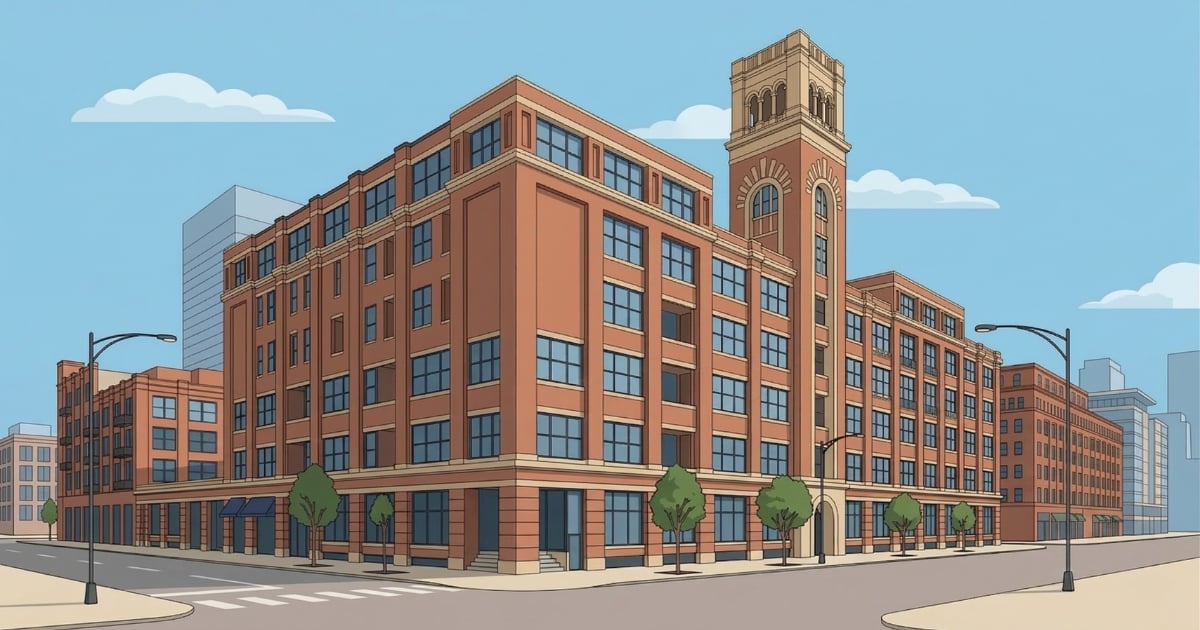
A century ago, Fulton Market was the working guts of “hog butcher for the world” Chicago: brick warehouses, loading docks, and cold-storage facilities moving millions of pounds of meat across the Midwest. Refrigerated trucks and suburban plants eventually emptied those buildings out, leaving behind incredible bones, soaring ceilings, timber beams, and industrial facades, but not much daily life.
The Fulton Market Snapshot: Fulton Market is Chicago's most dramatic neighborhood transformation. Former meatpacking warehouses became Restaurant Row, tech headquarters, and luxury lofts. Limited inventory of authentic industrial spaces and continued development make it one of Downtown Chicago's strongest real estate markets.
The Creatives Arrive
In the early 2000s, artists, makers, and small businesses discovered those underused spaces and low rents, bringing studios, galleries, and independent offices into the neighborhood. Chefs followed quickly. Girl & the Goat, Au Cheval, The Publican, and Avec helped turn Randolph and Fulton into Chicago’s Restaurant Row, putting the district on the national dining map almost overnight.
Google, McDonald’s, And The Corporate Wave
The true tipping point came when companies started treating Fulton Market as a flagship address. Google’s move into the former cold-storage building at 1000 W. Fulton, followed by McDonald’s new global headquarters on Carpenter and other blue-chip brands, cemented the area as a hub for tech and corporate innovation west of the Loop. Office demand surged, and land values followed.
Planning, Preservation, And Growth
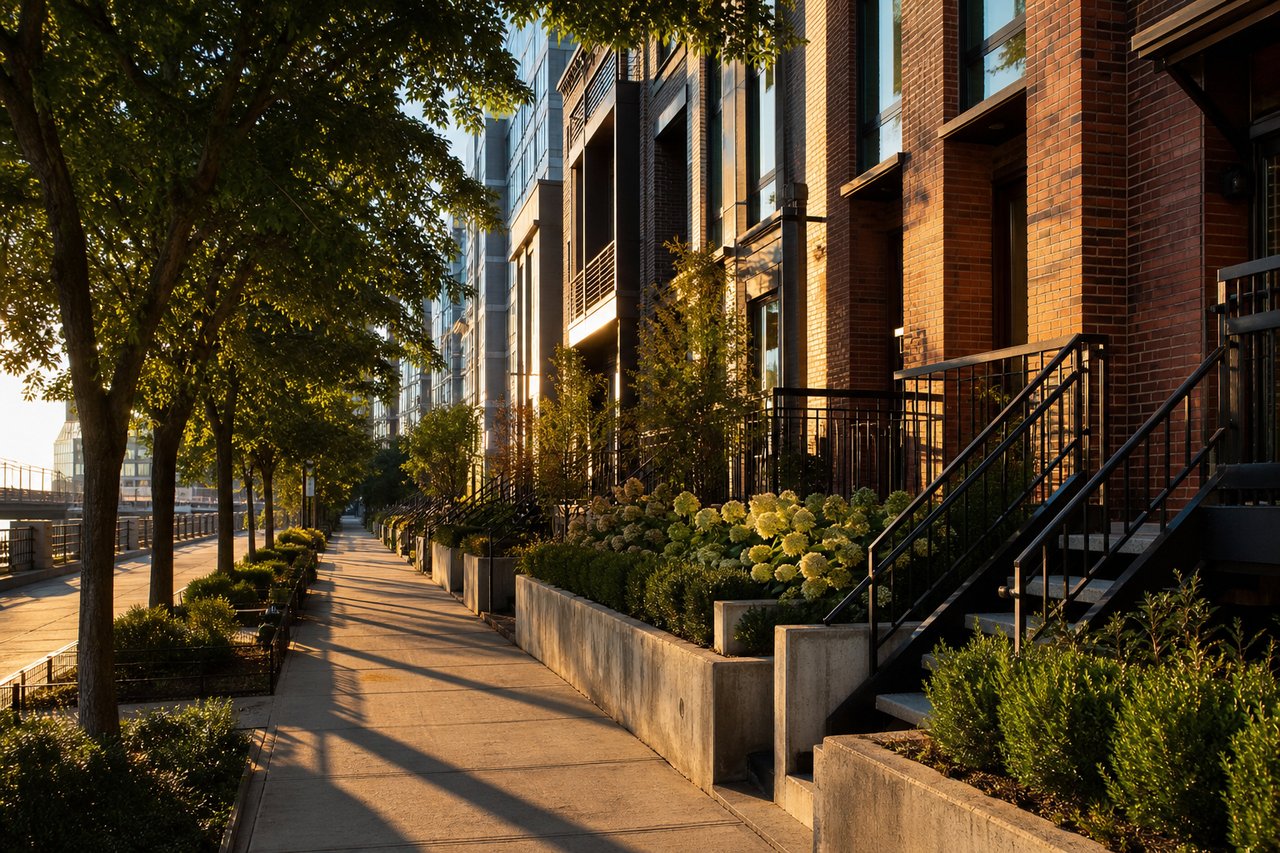
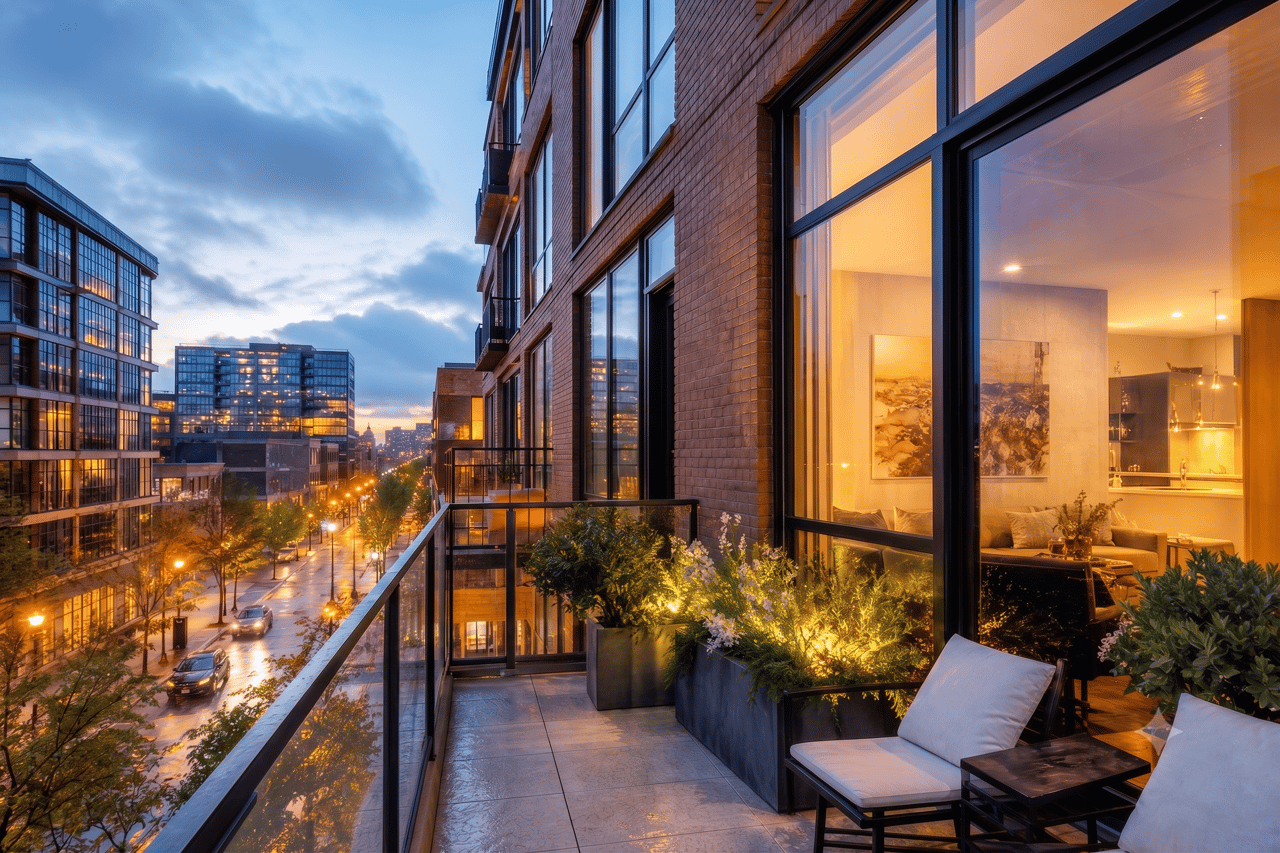
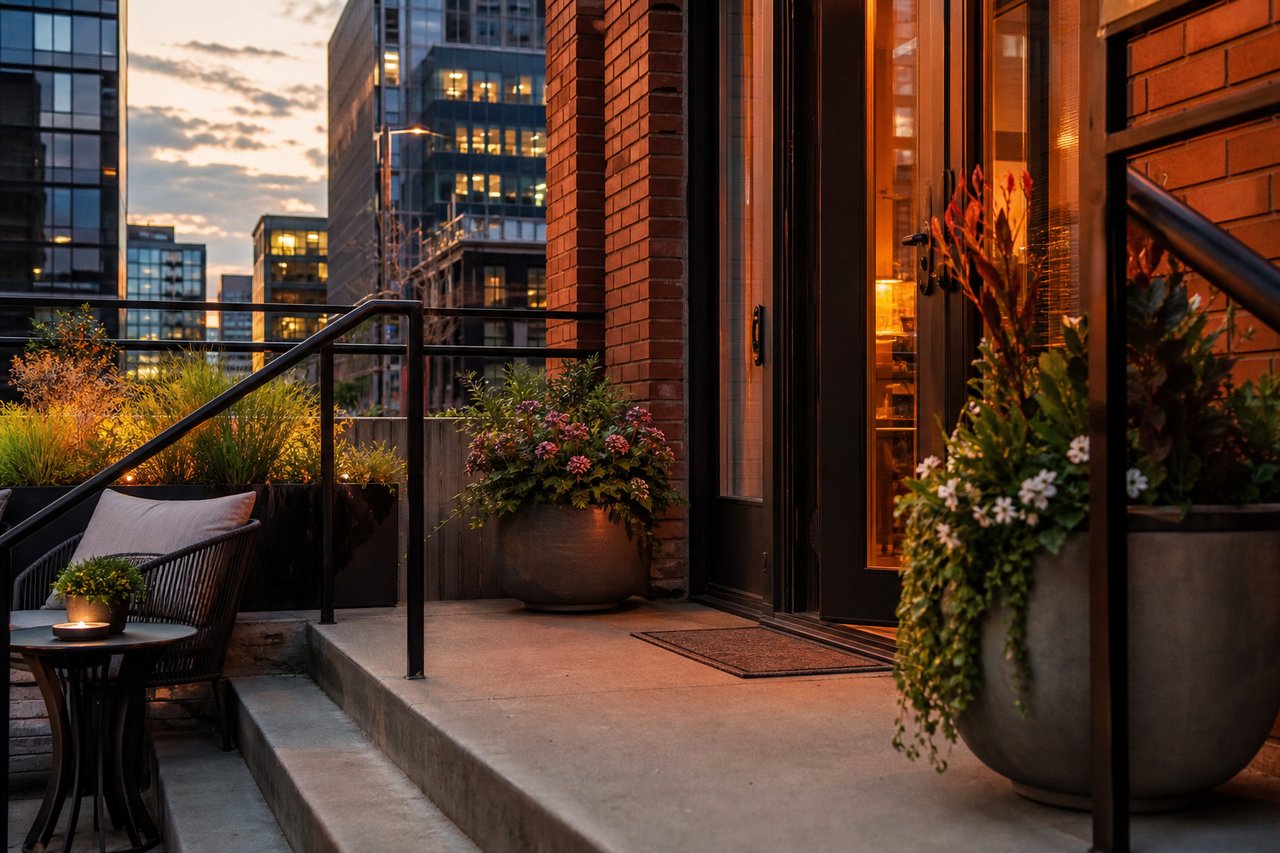
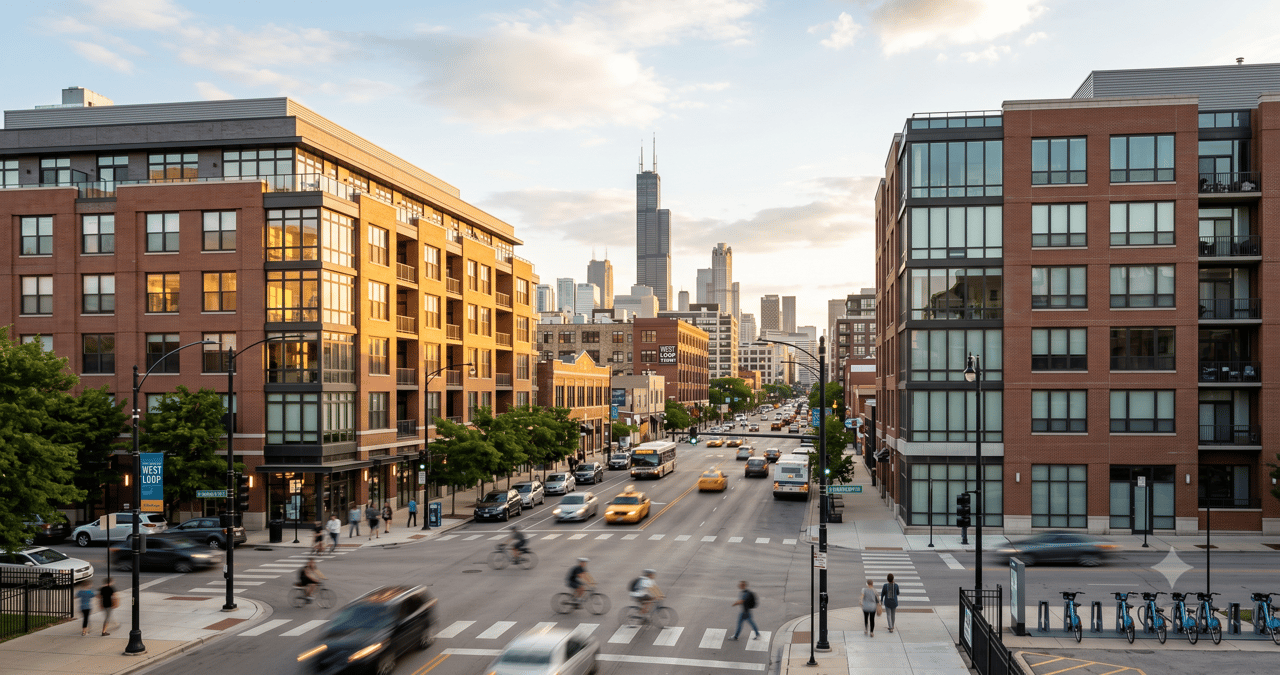
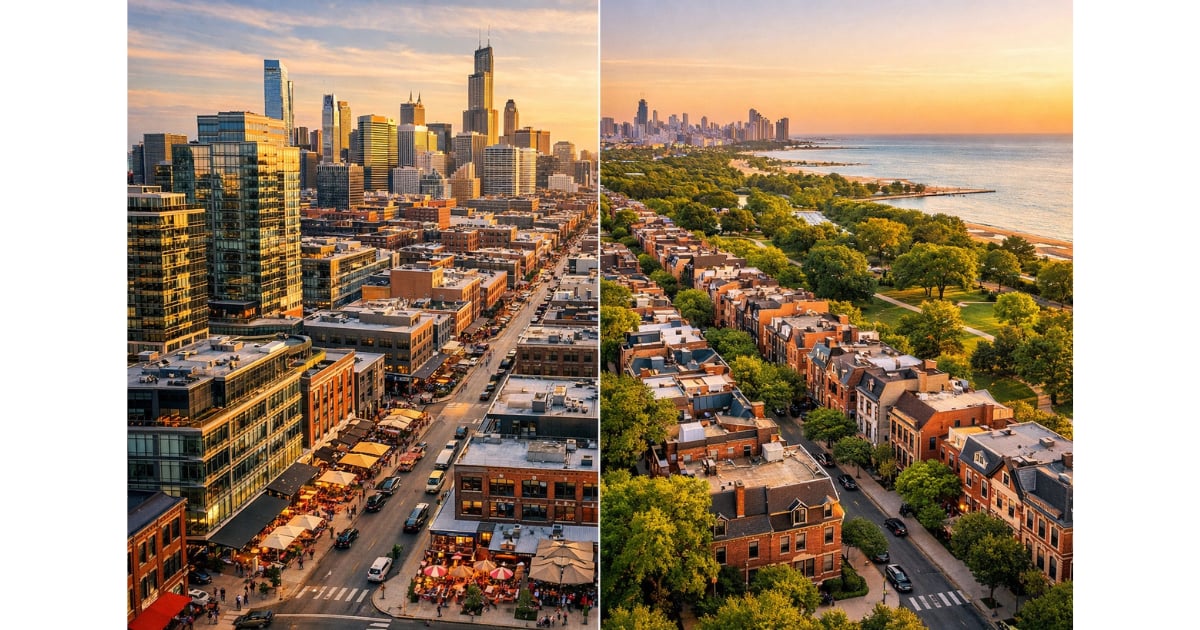
The city stepped in with the Fulton Market Innovation District plan, expanding downtown-style zoning while landmarking key historic structures to protect the gritty industrial character that makes the neighborhood so distinctive. Updated guidelines now encourage more mixed-use and residential development, especially north of Lake Street, while keeping the brick-and-timber streetscapes that define Fulton and Randolph.
Lofts, Towers, And Today’s Lifestyle
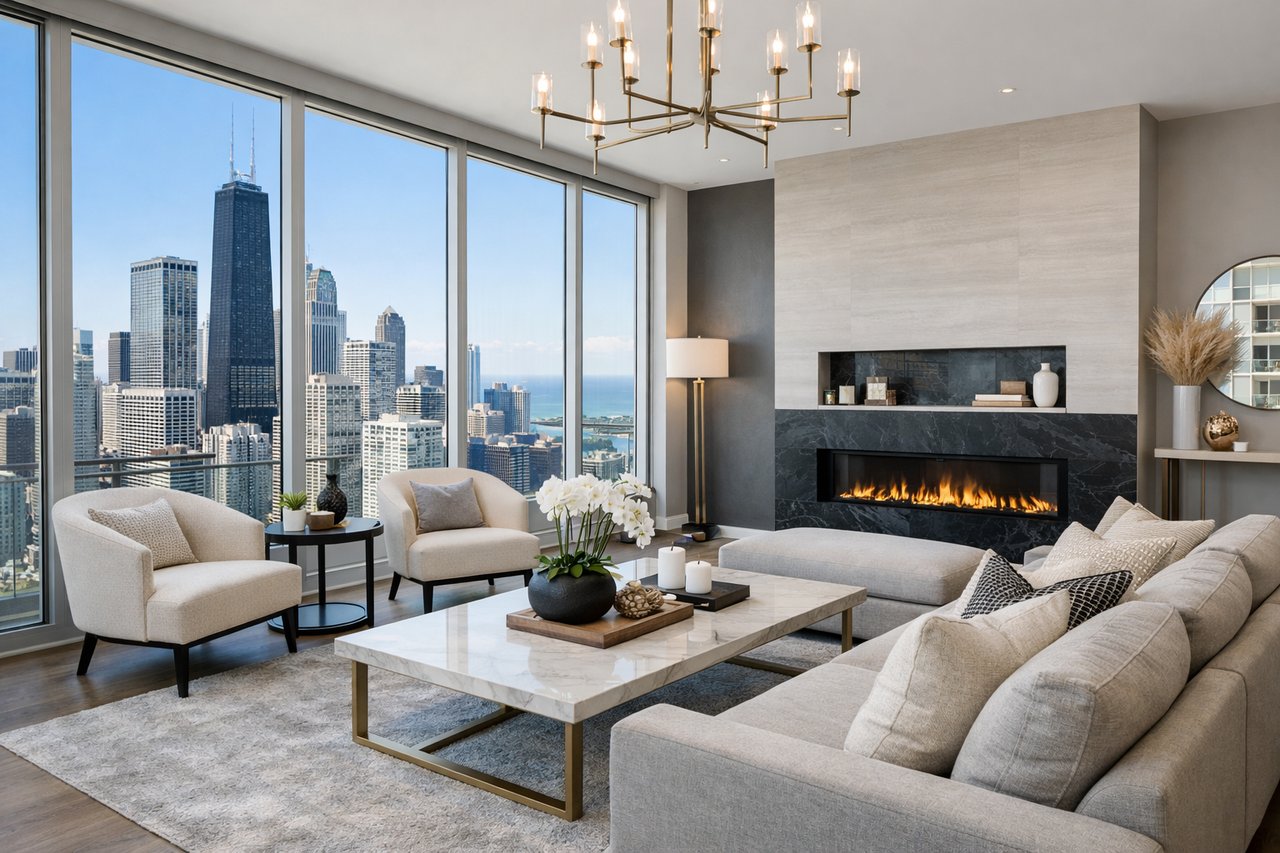
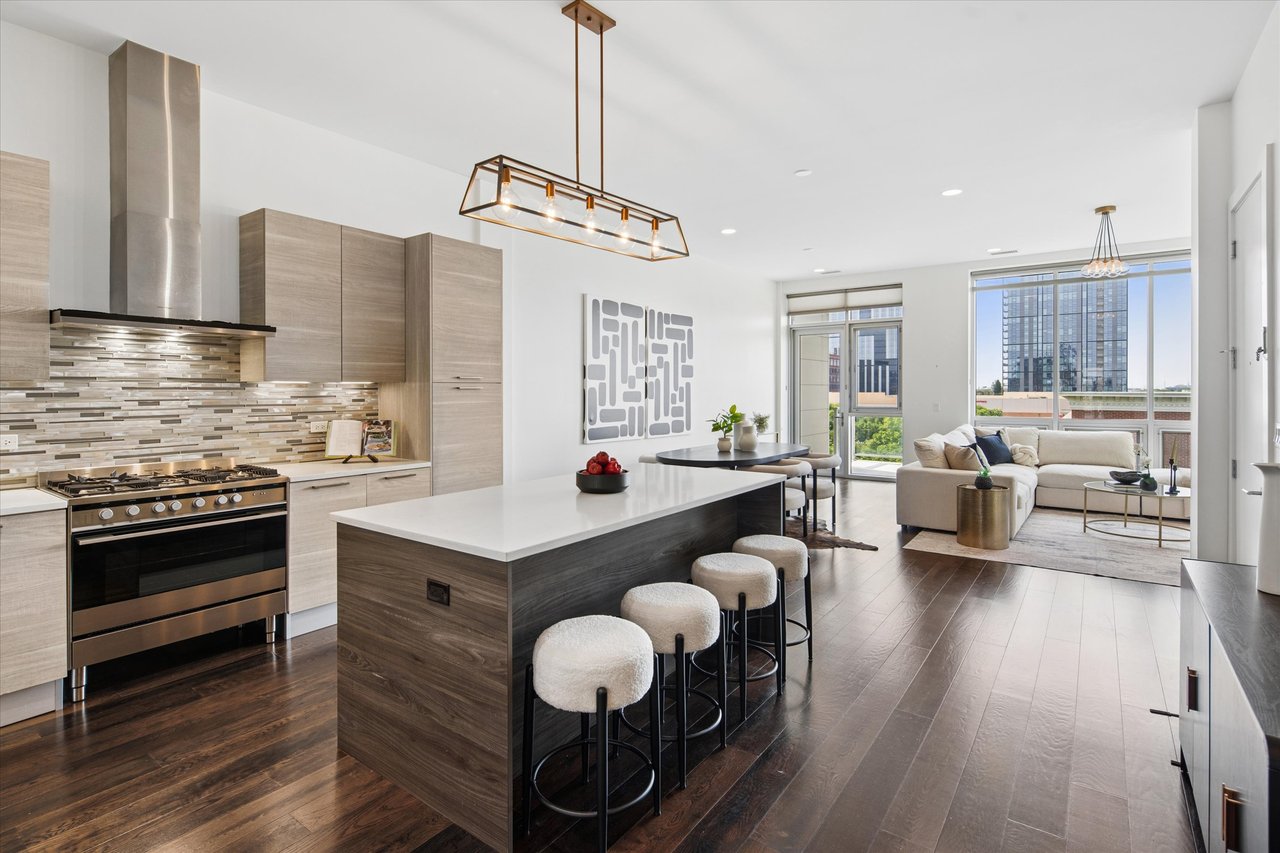
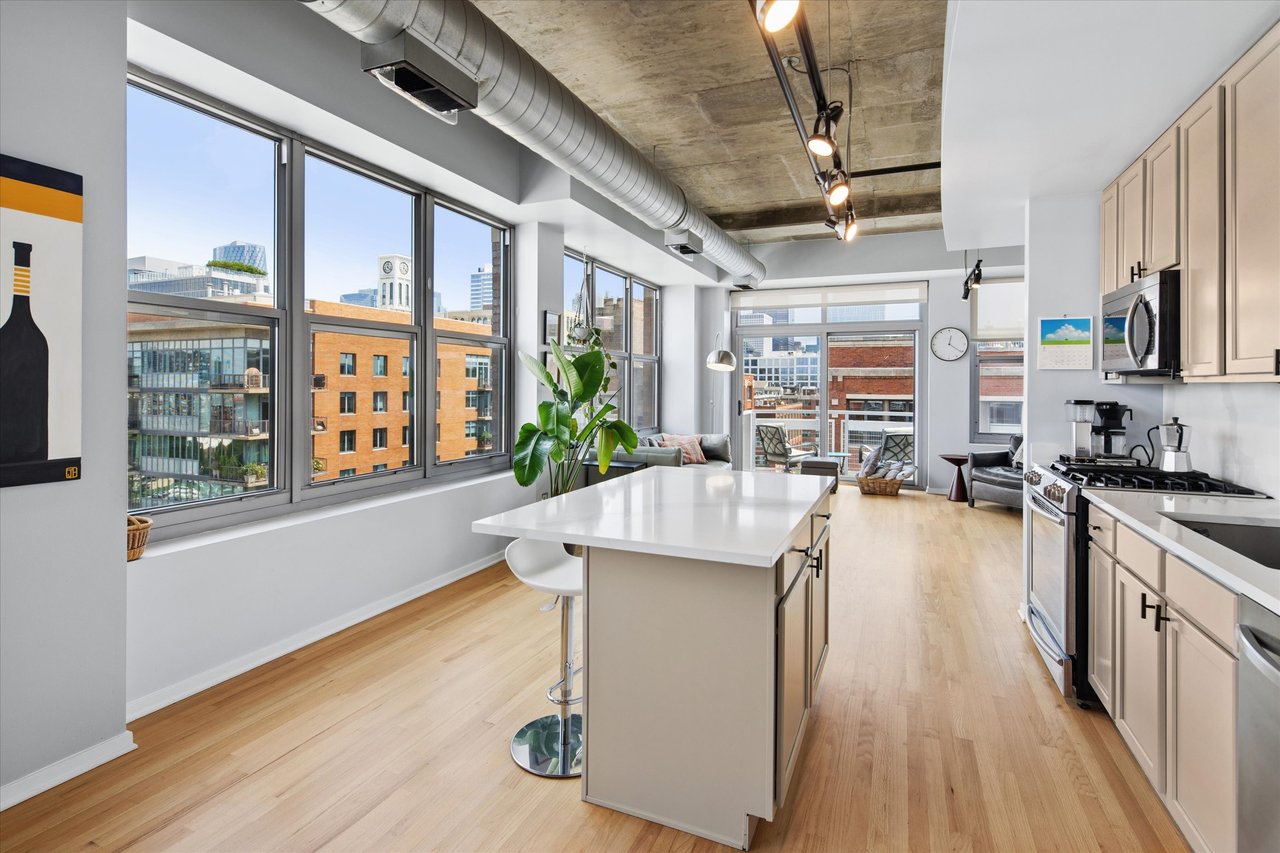
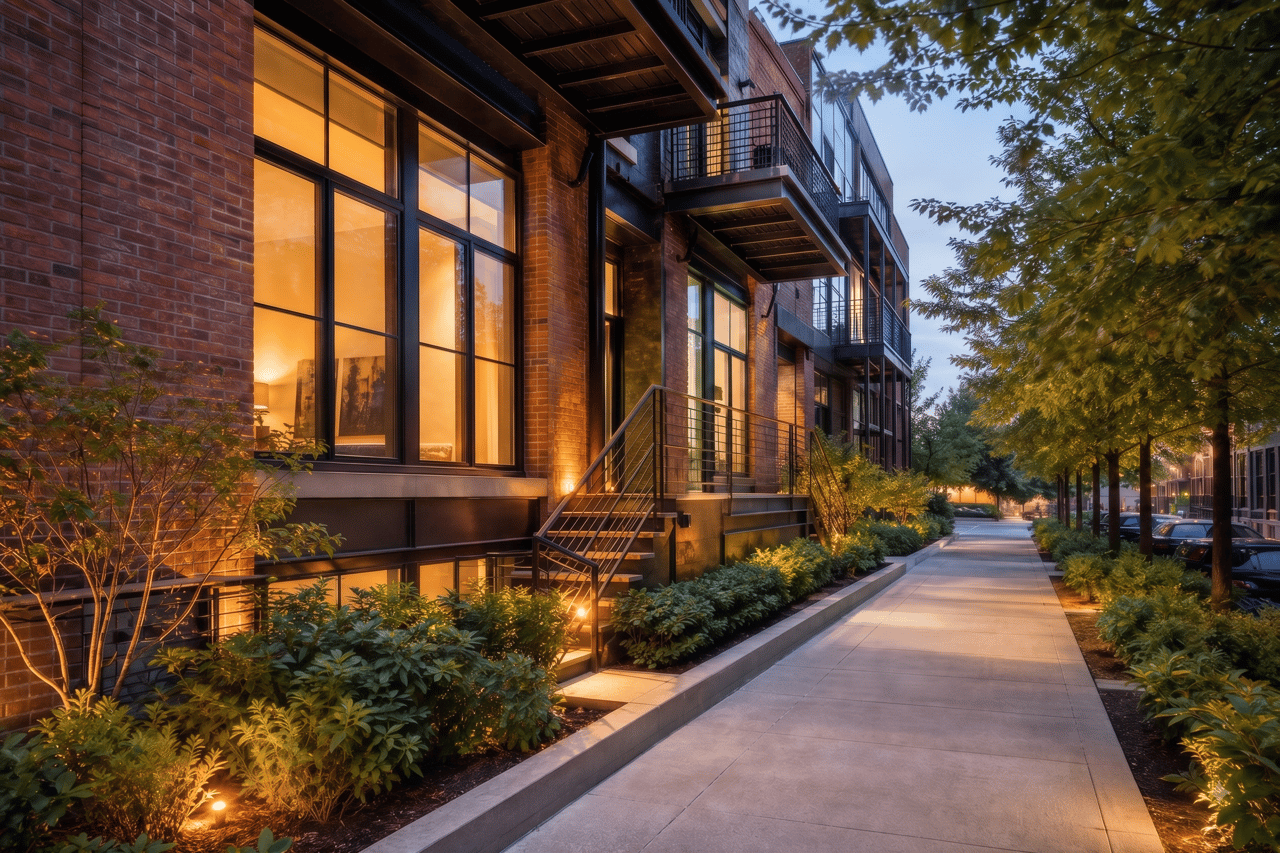
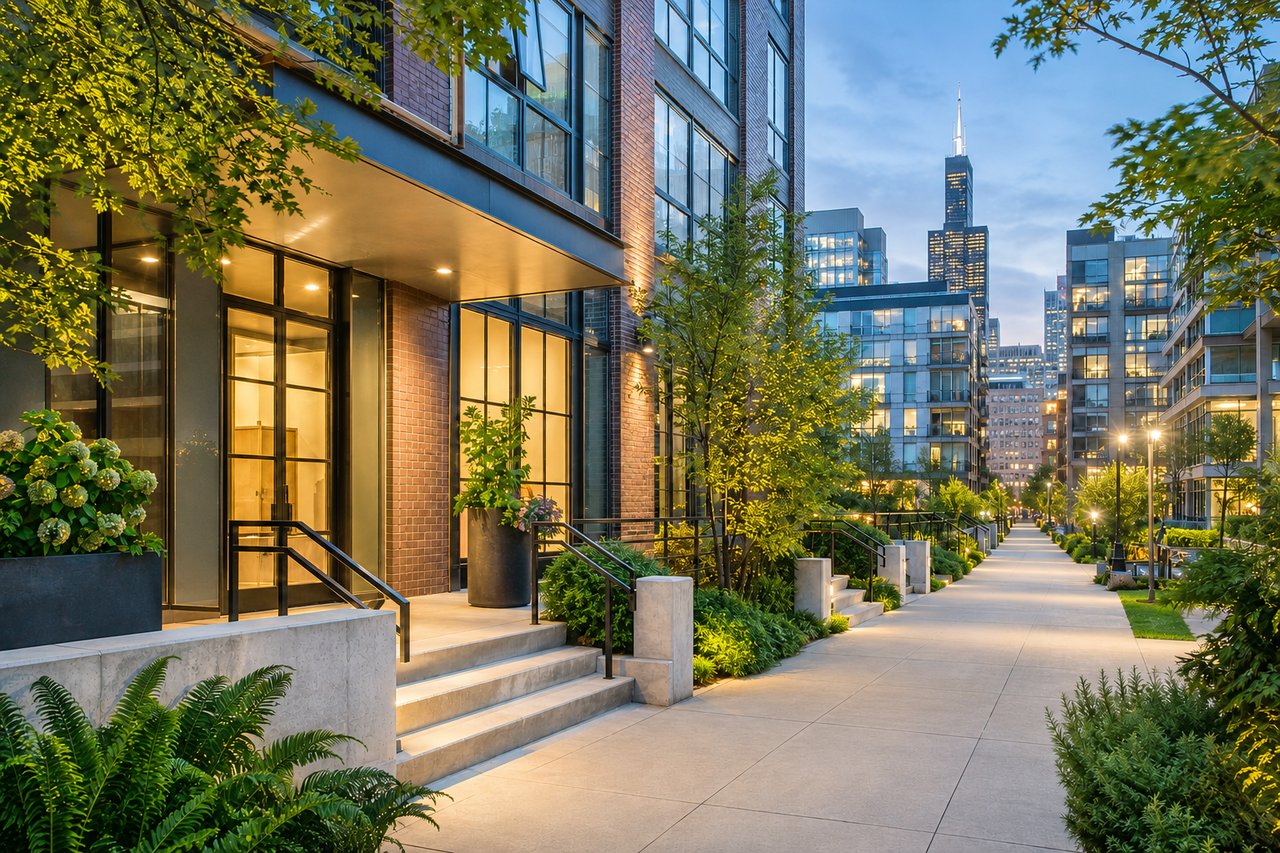
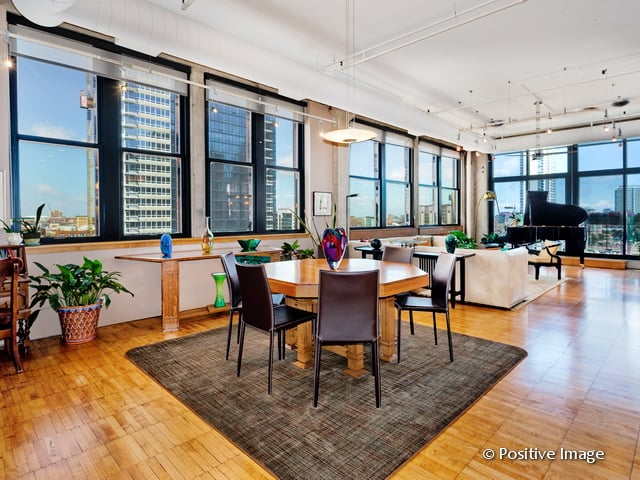
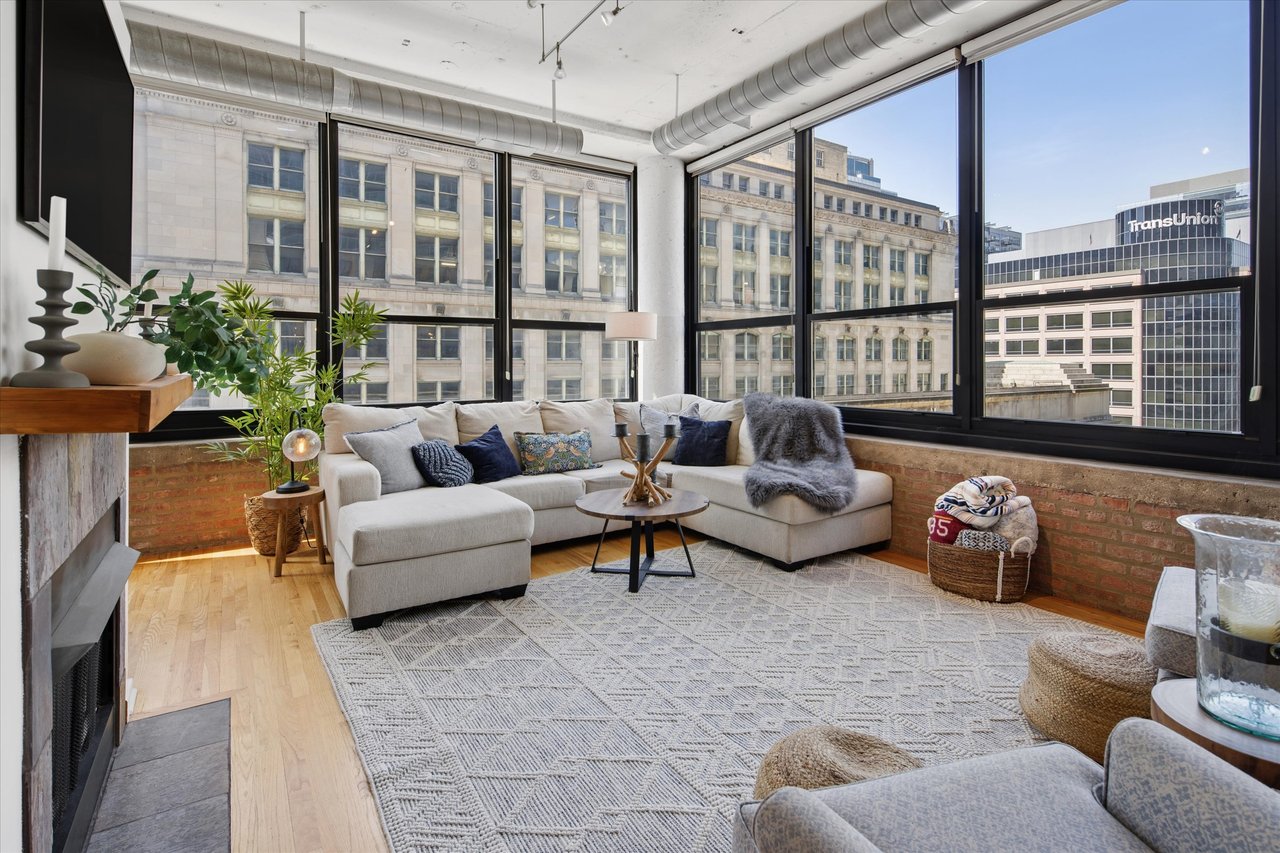
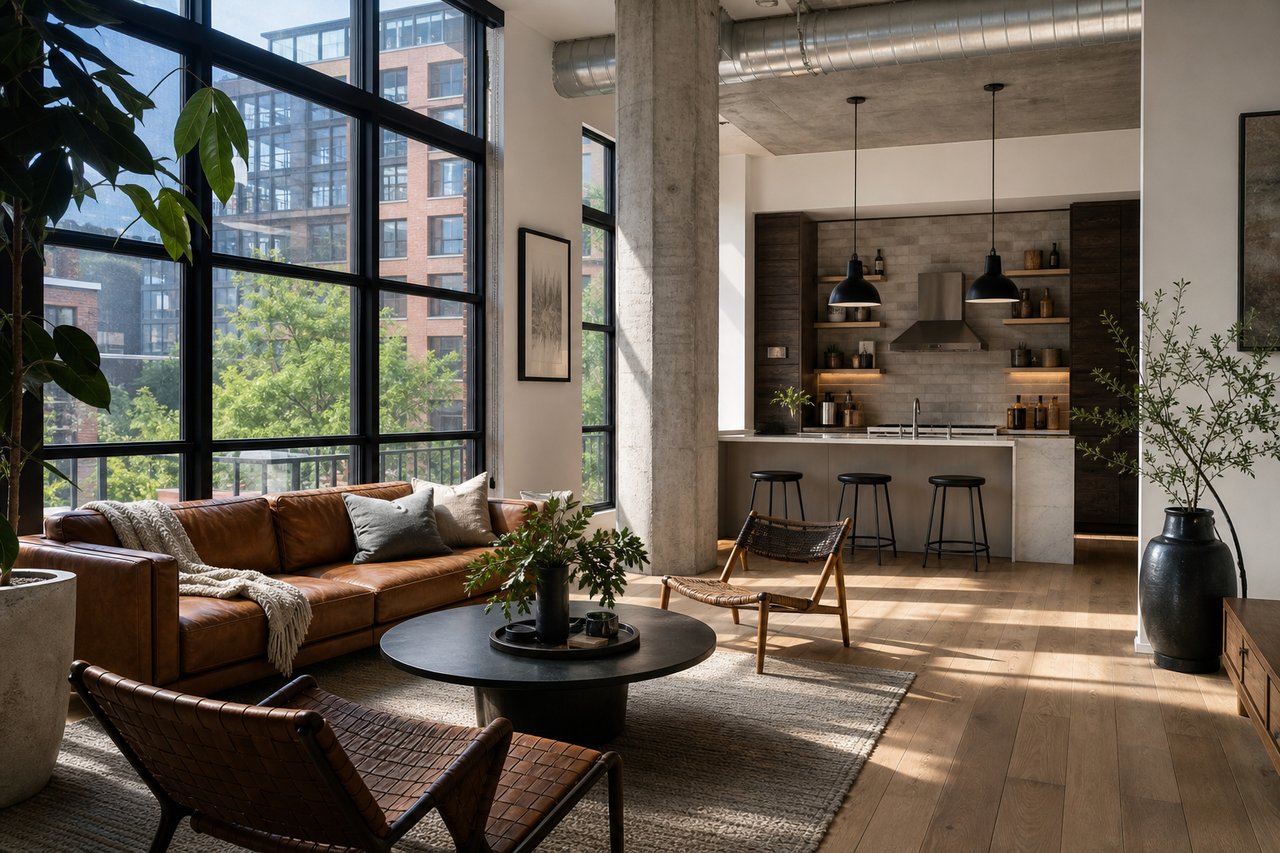
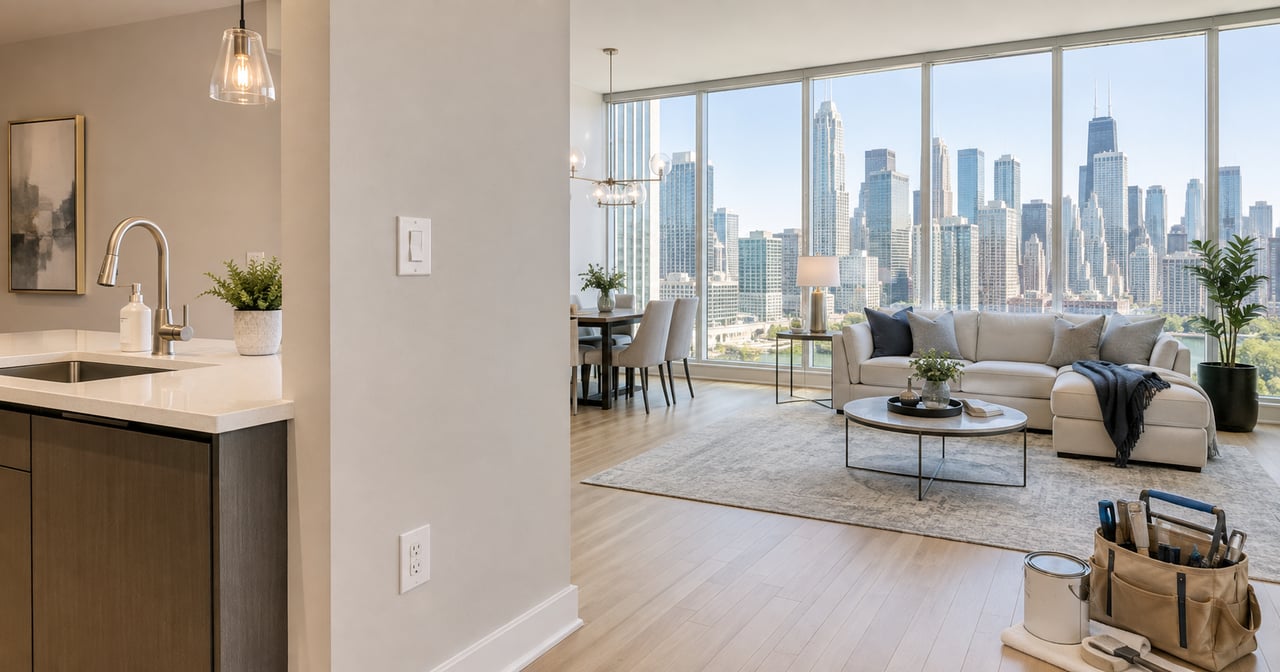
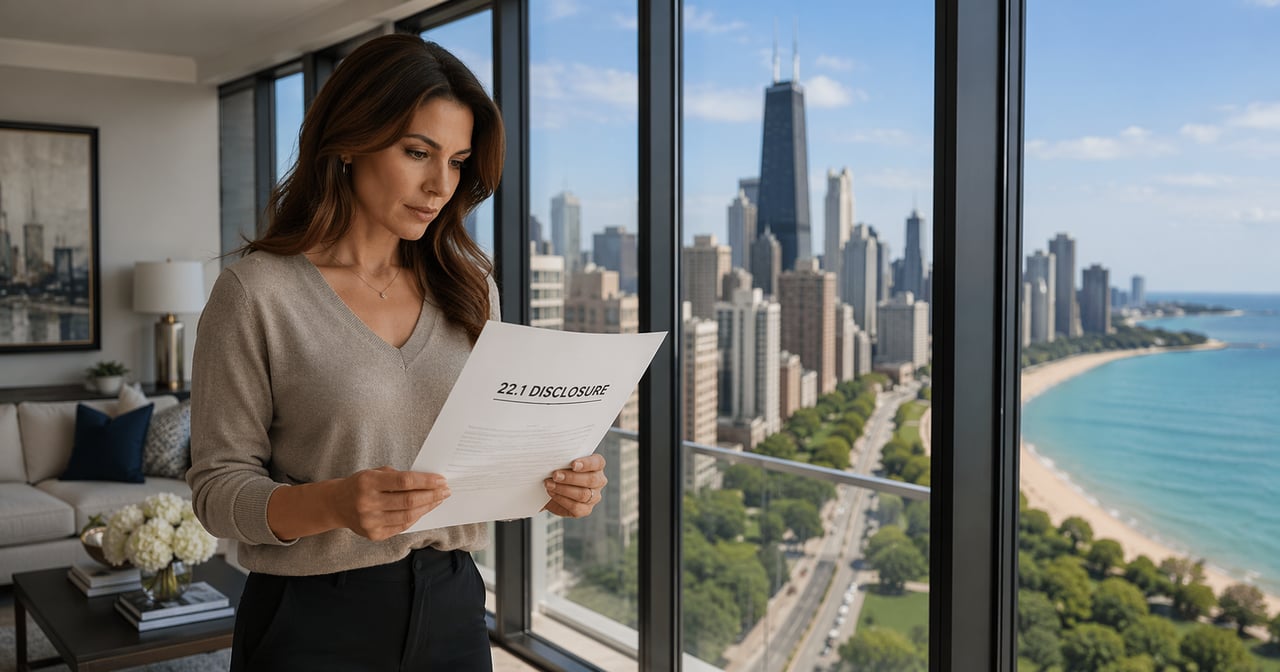
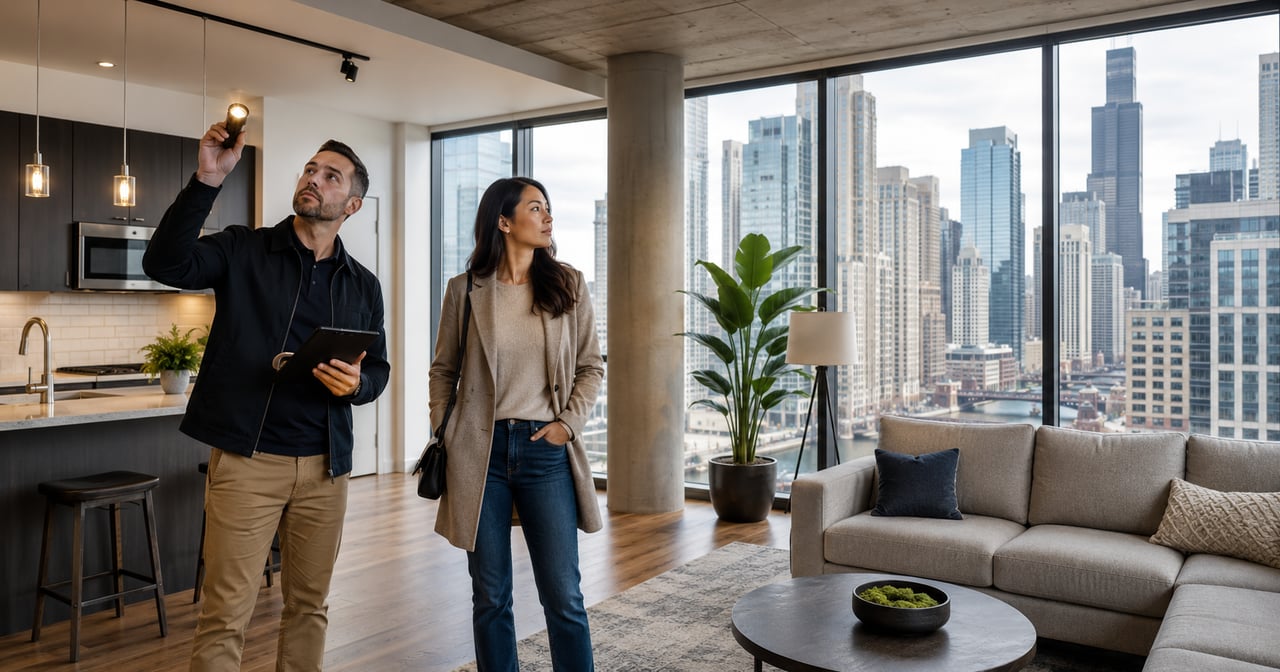
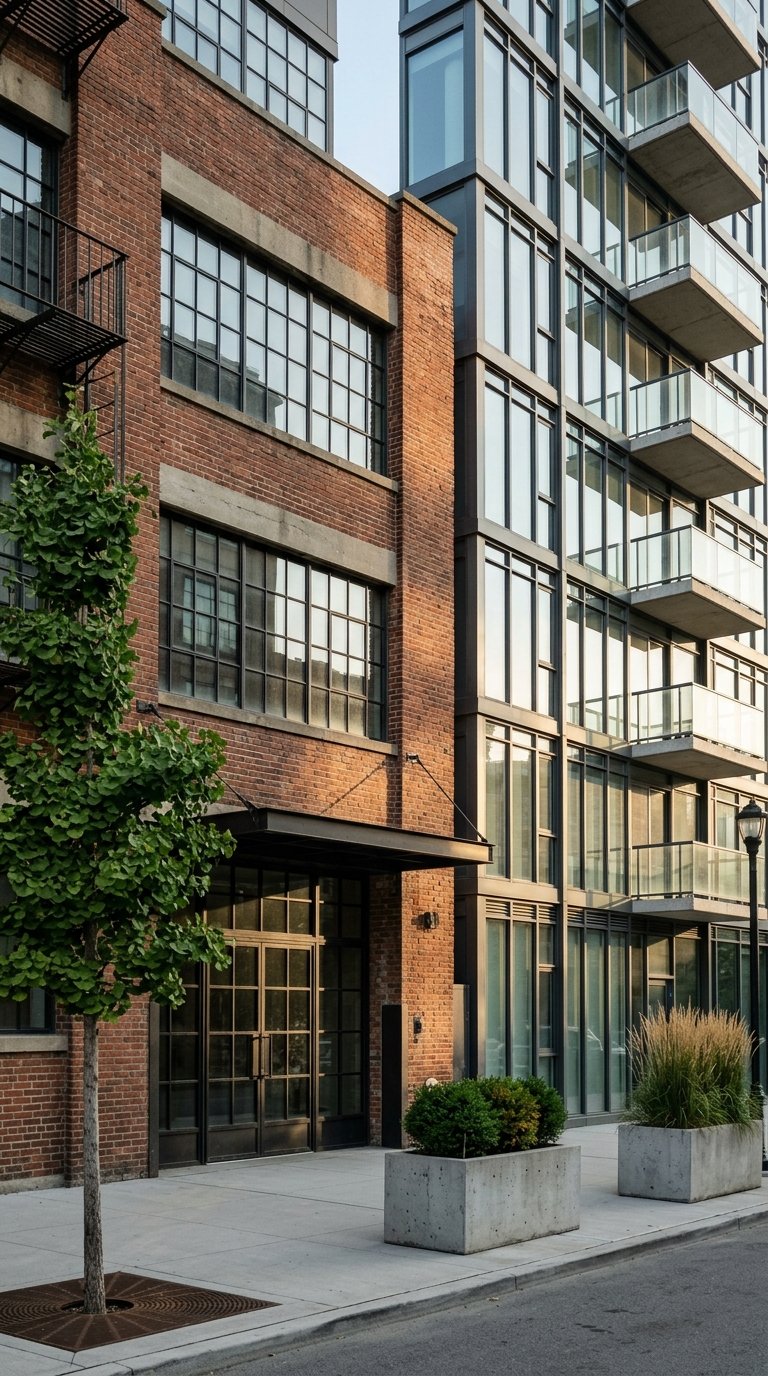
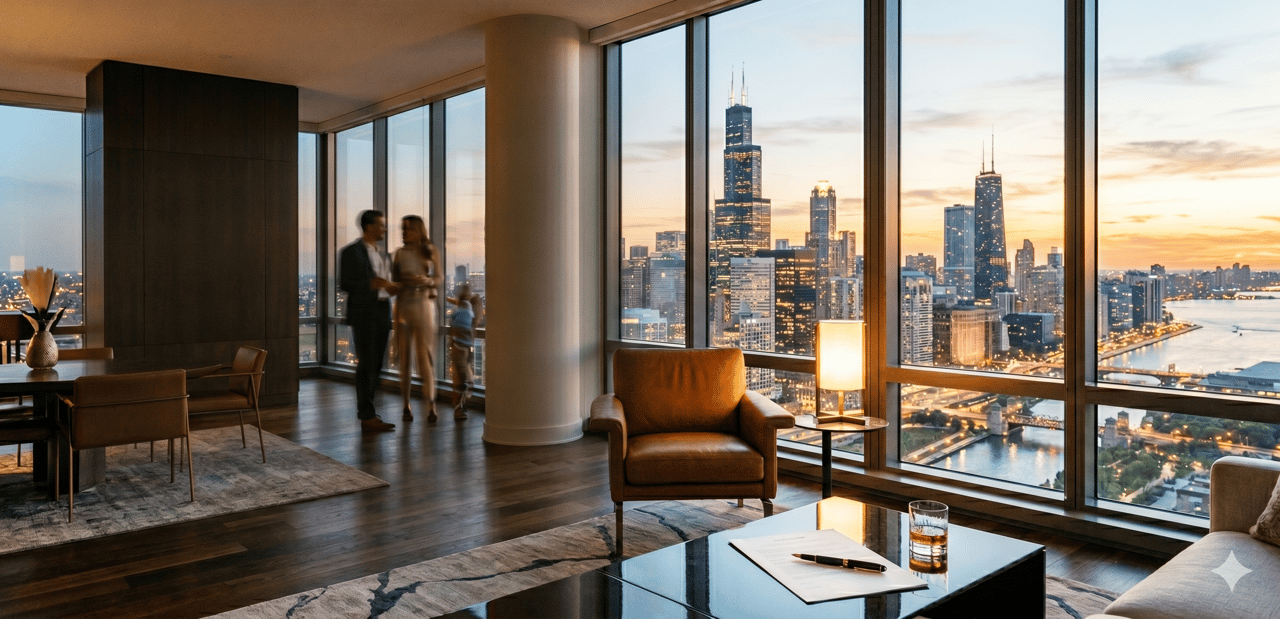
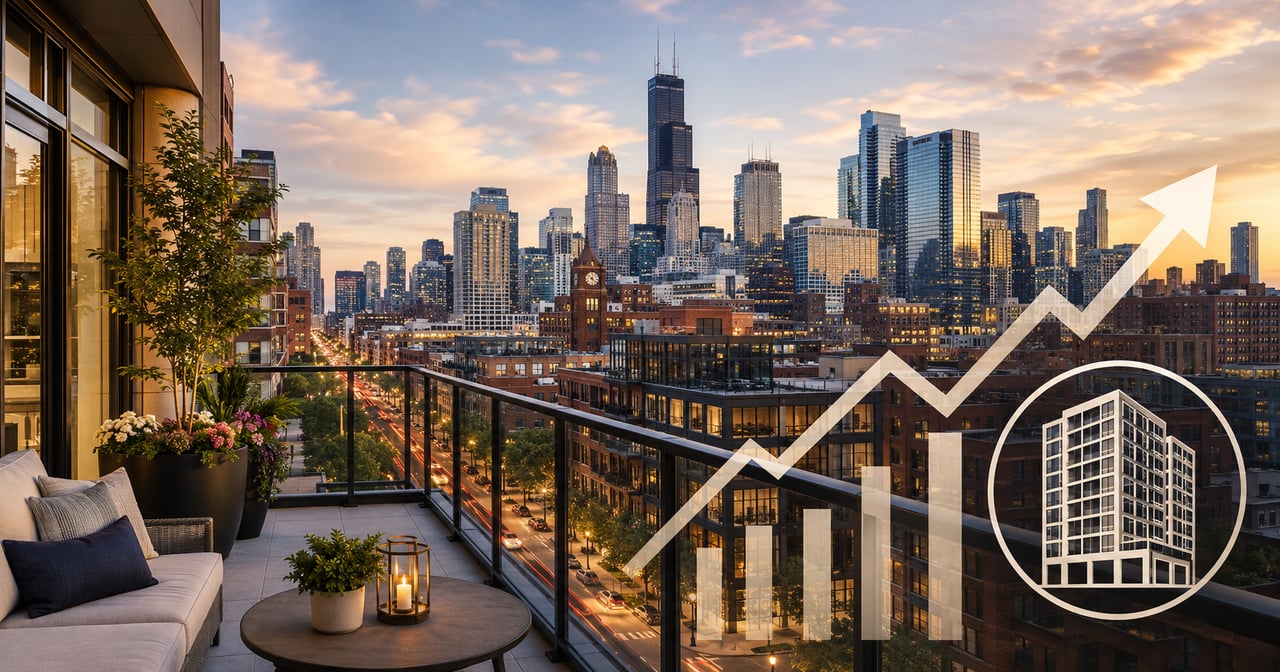
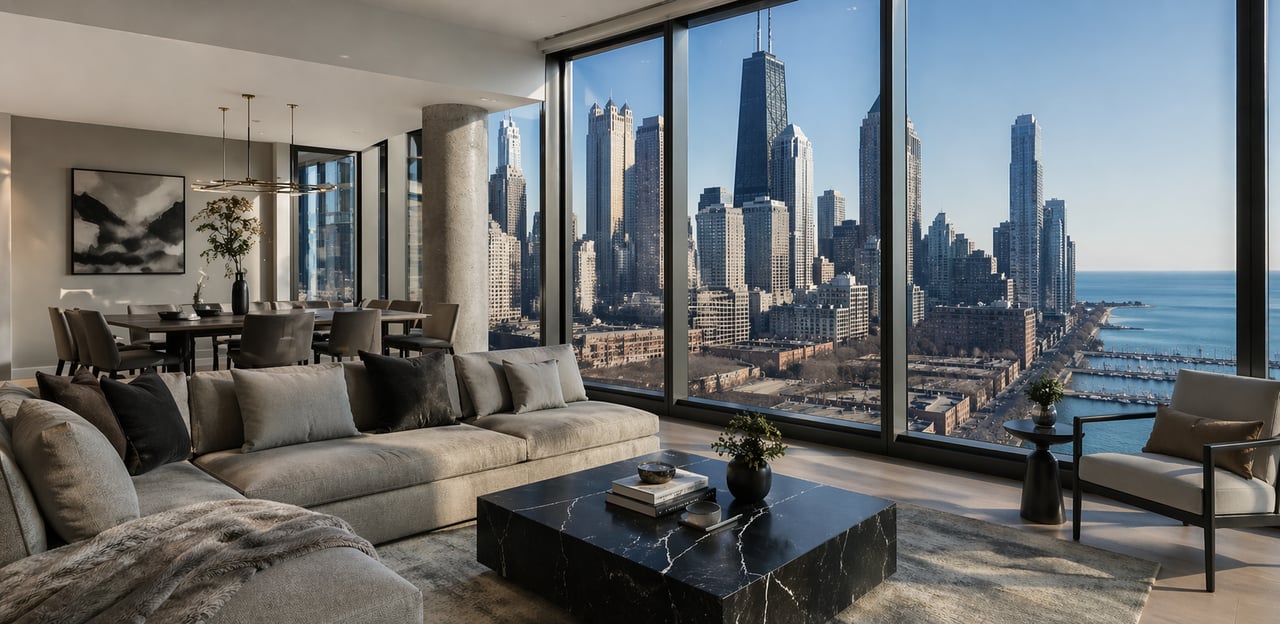
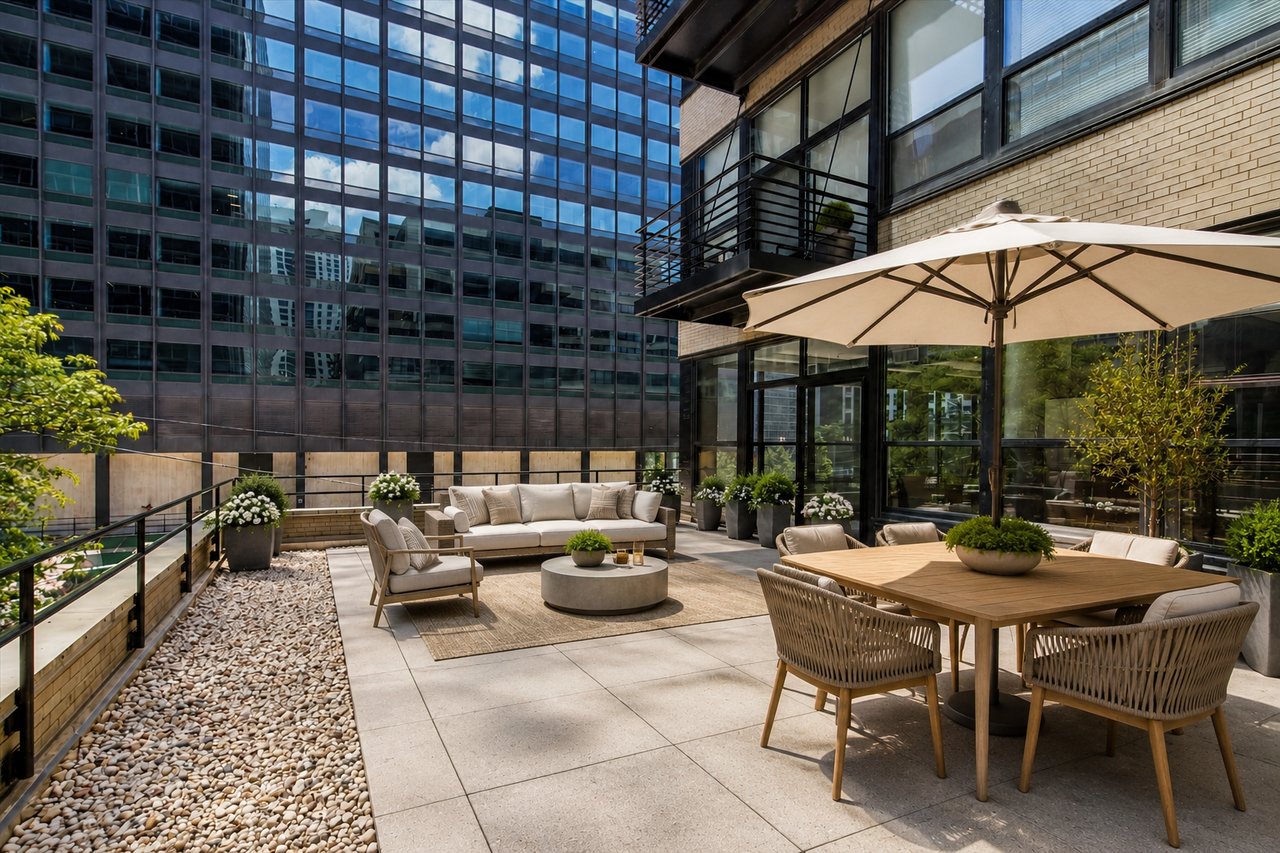
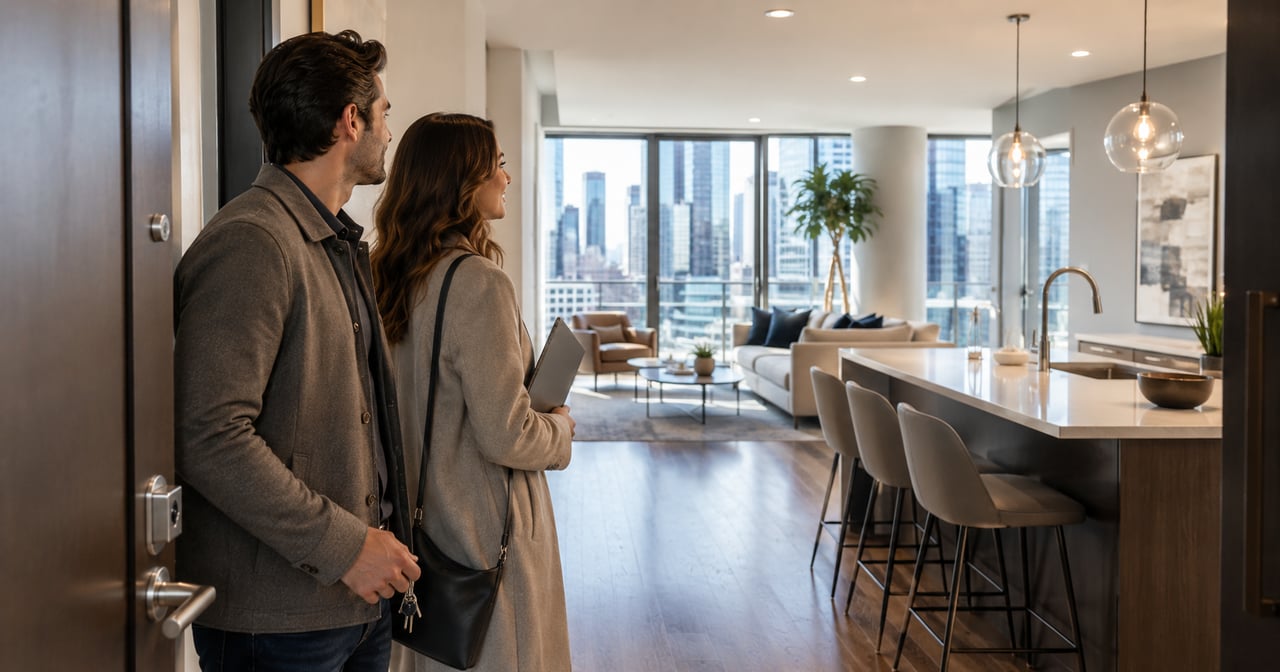
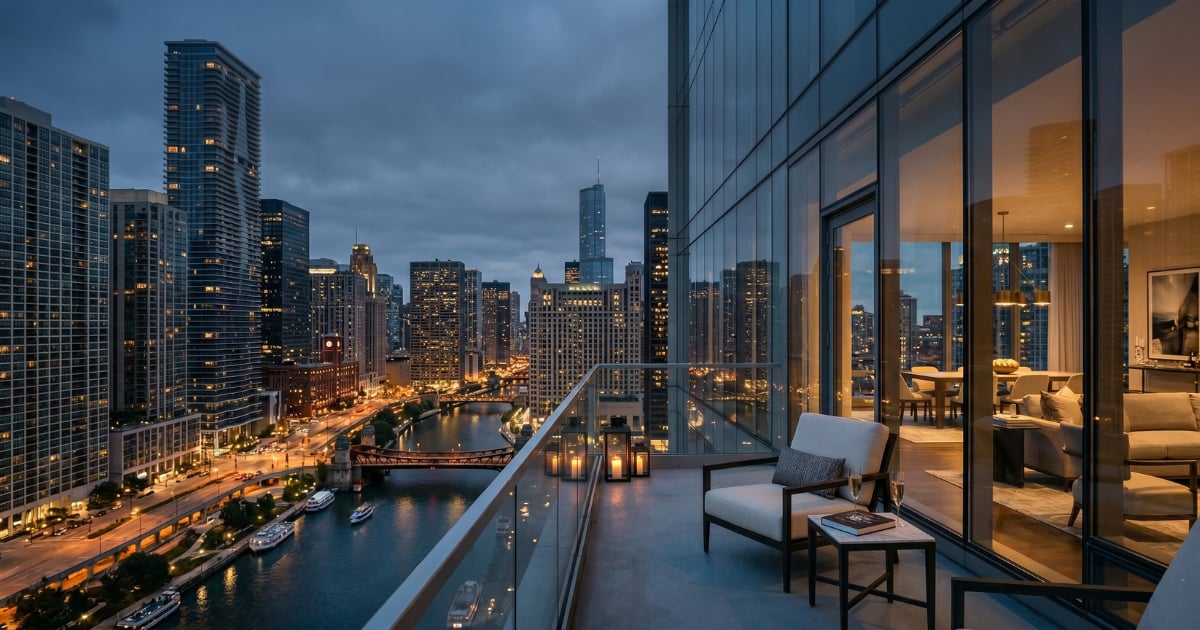
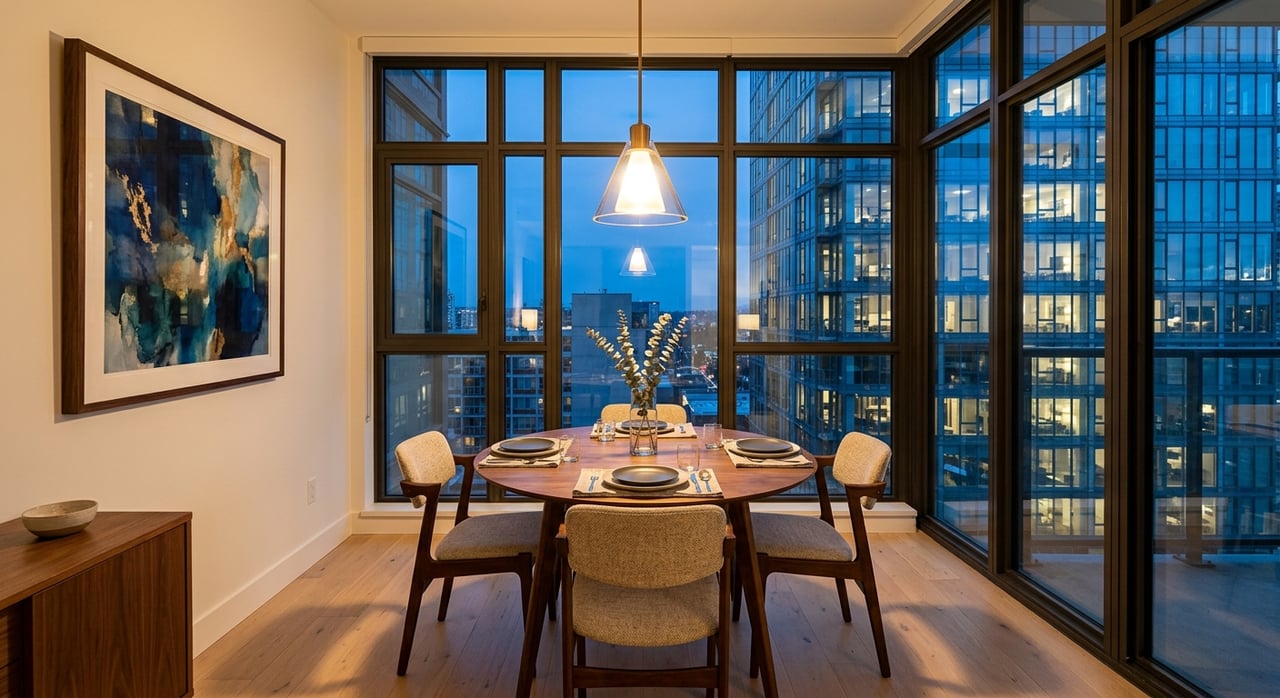
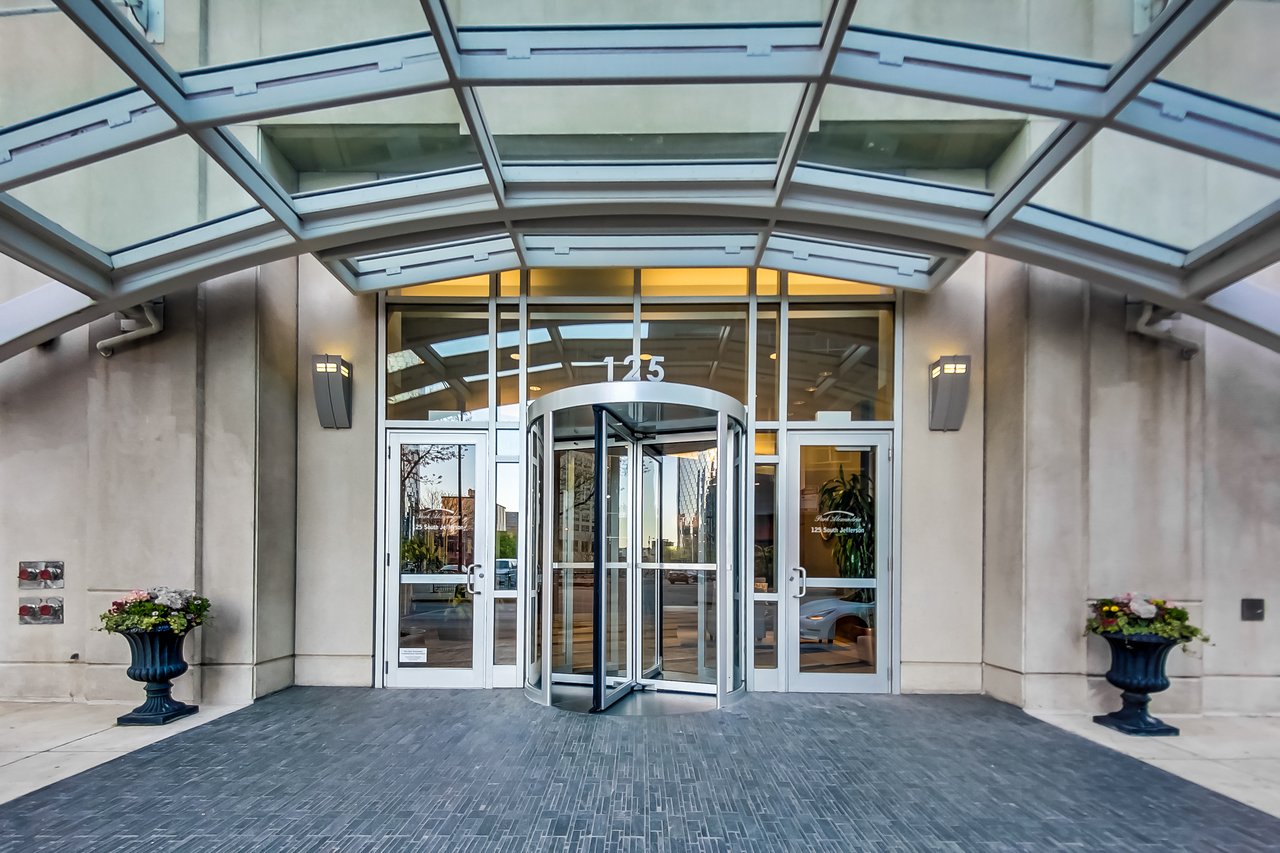
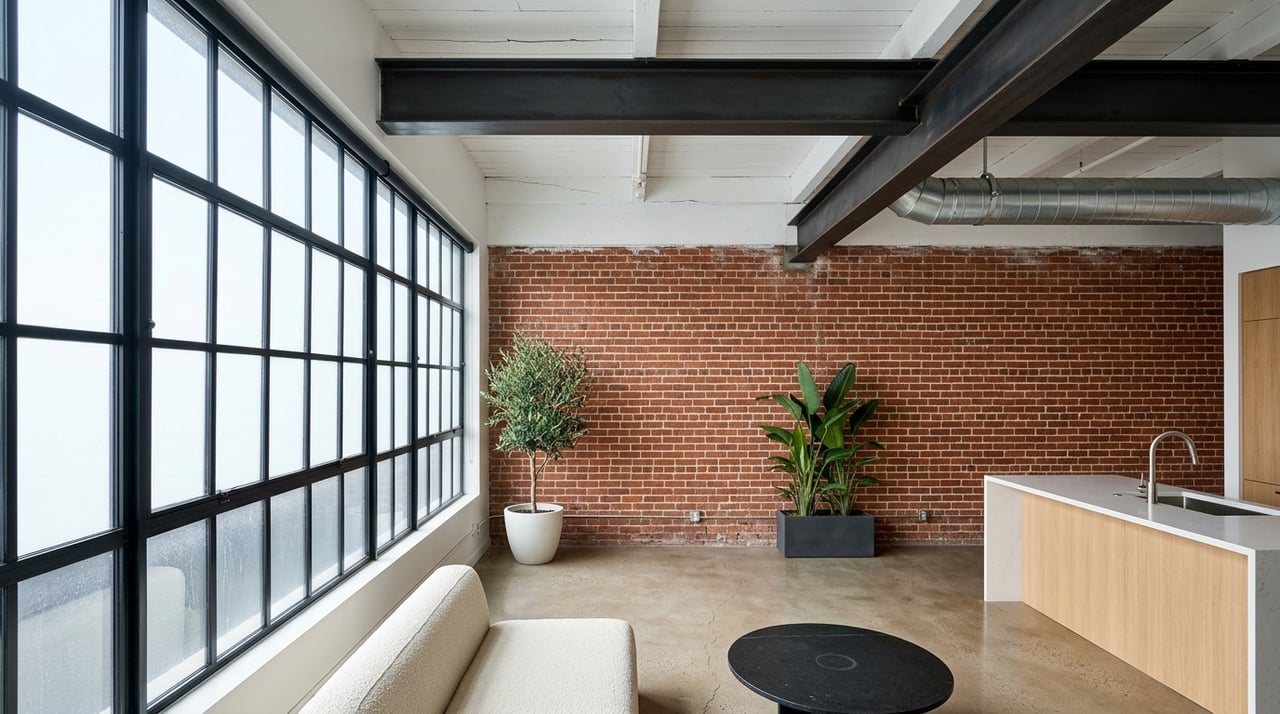
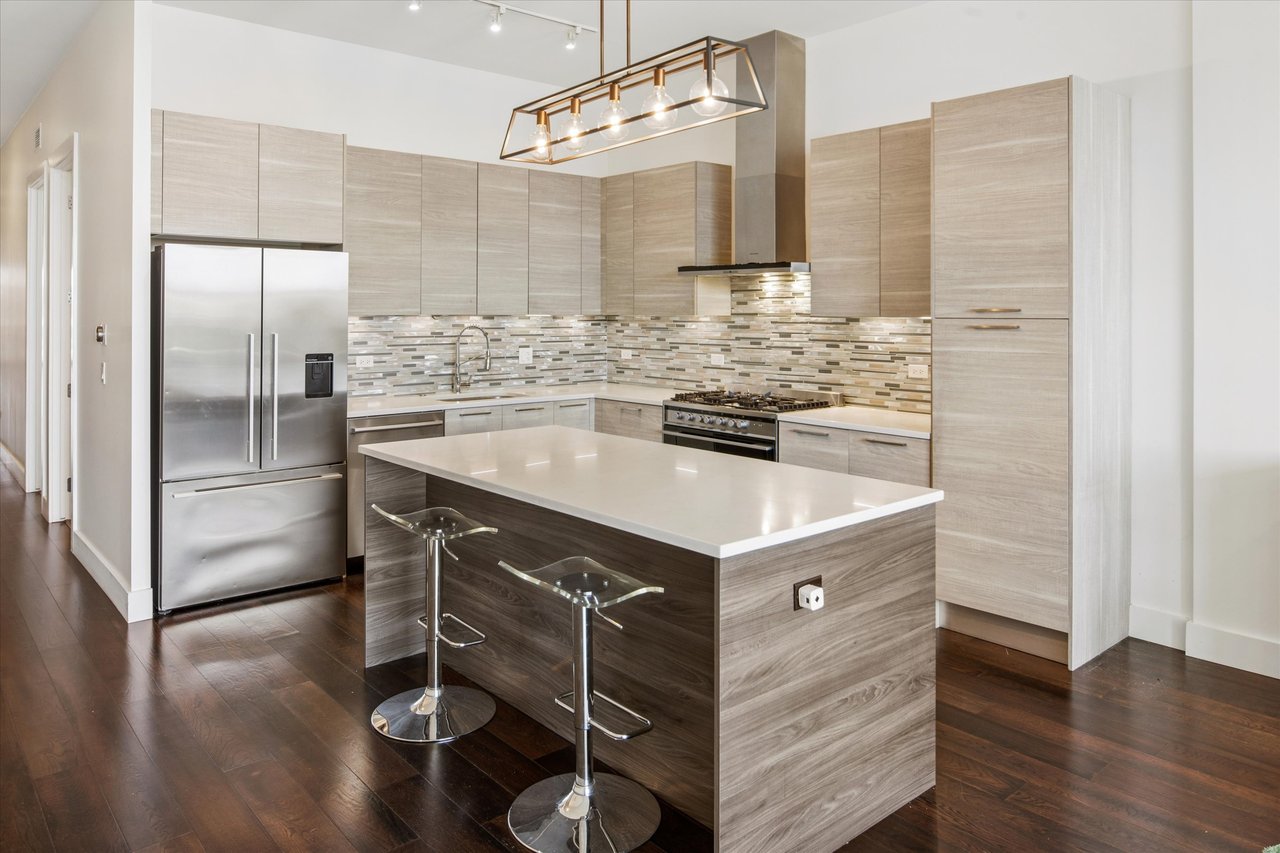
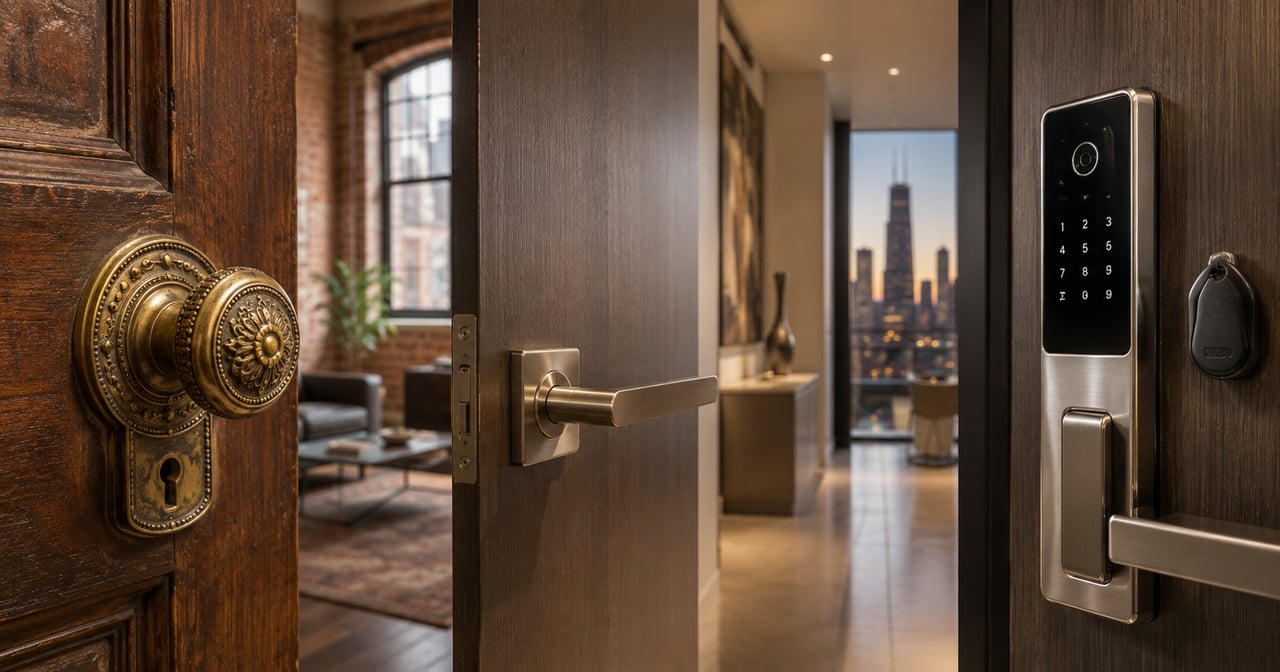
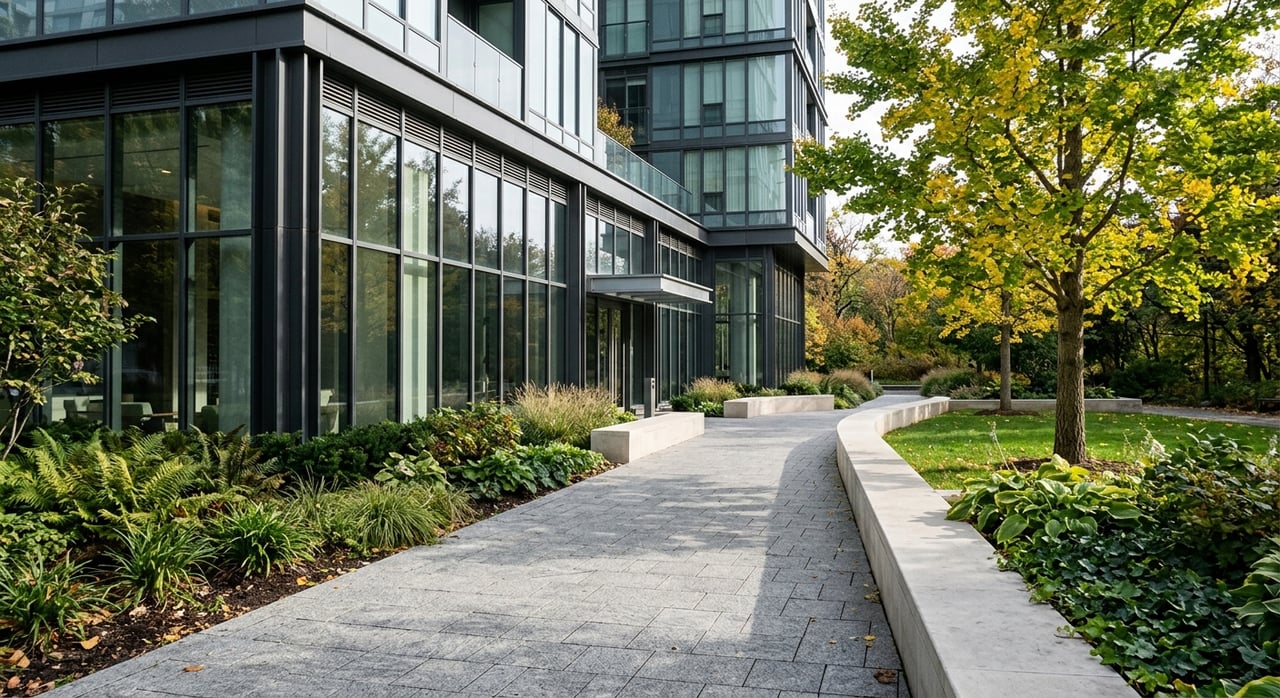
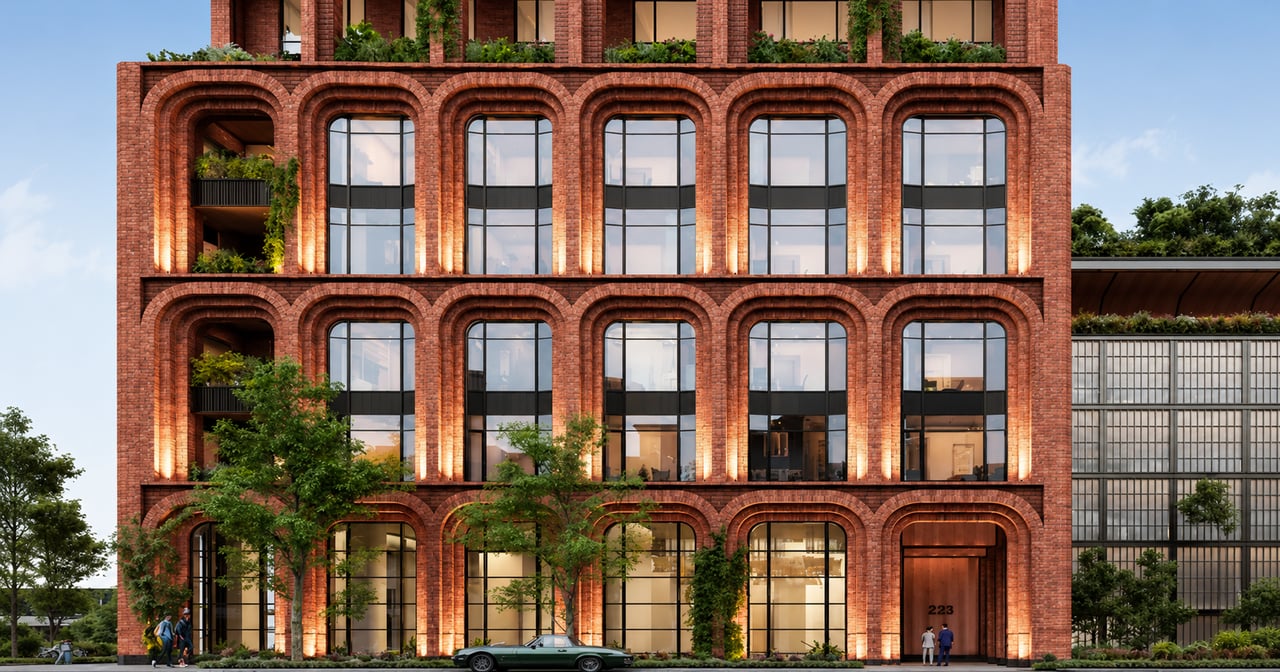
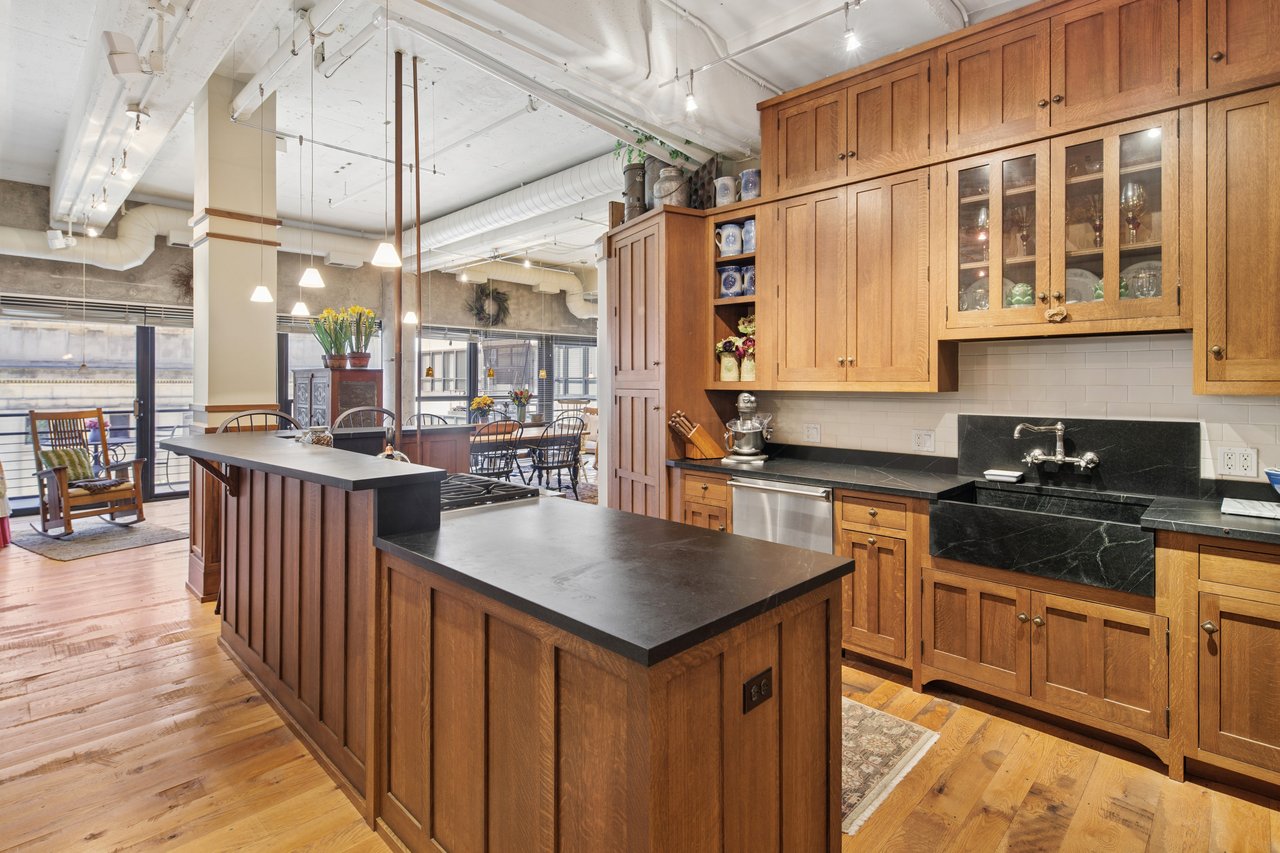
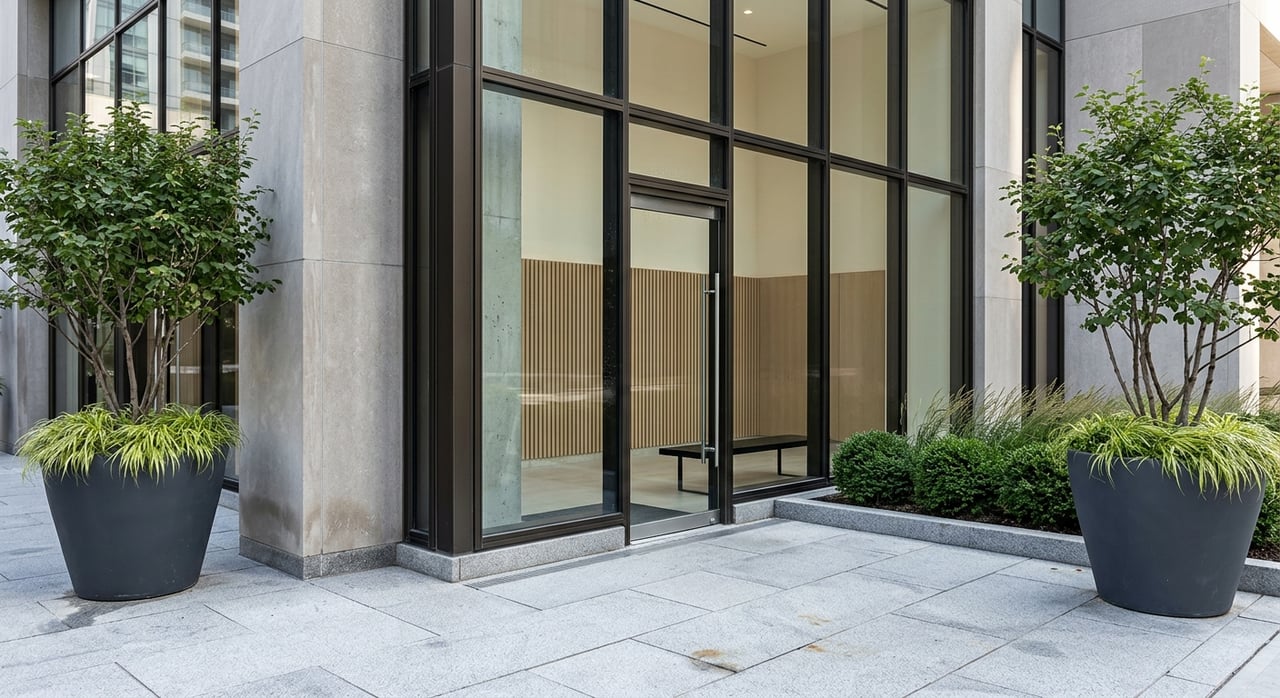
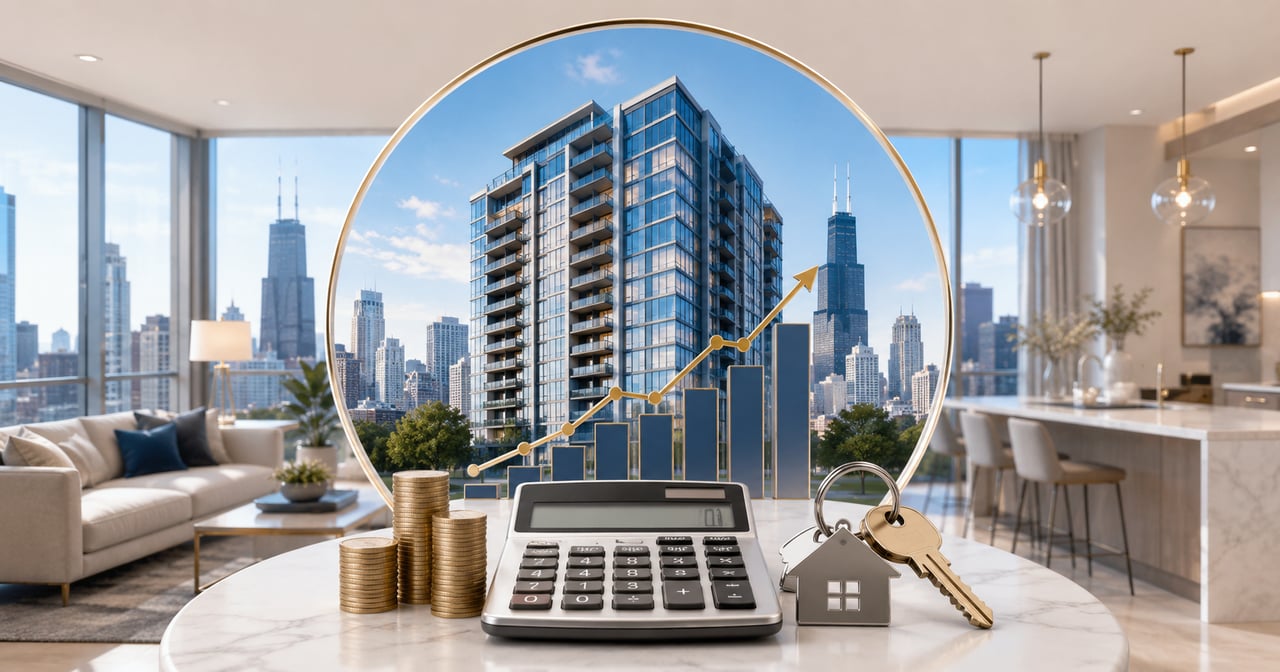
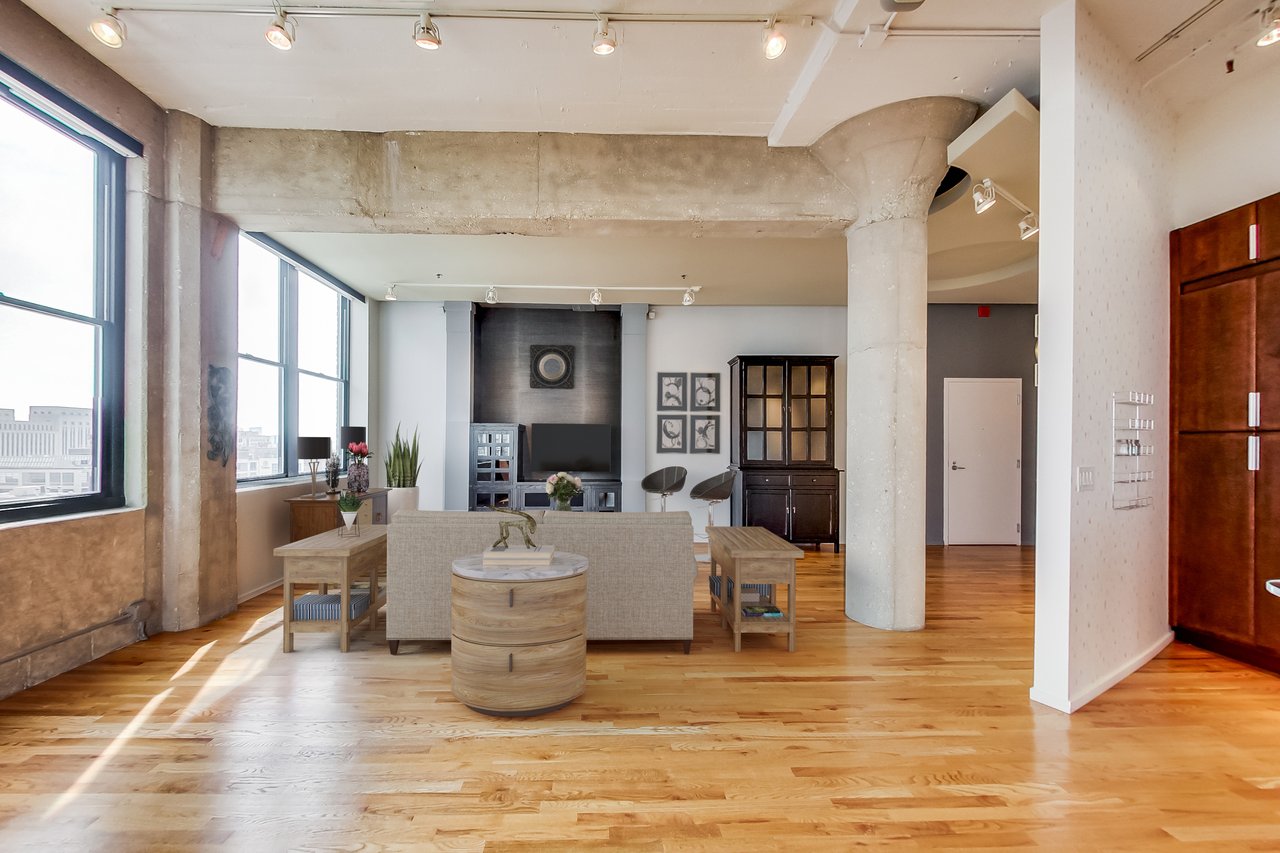
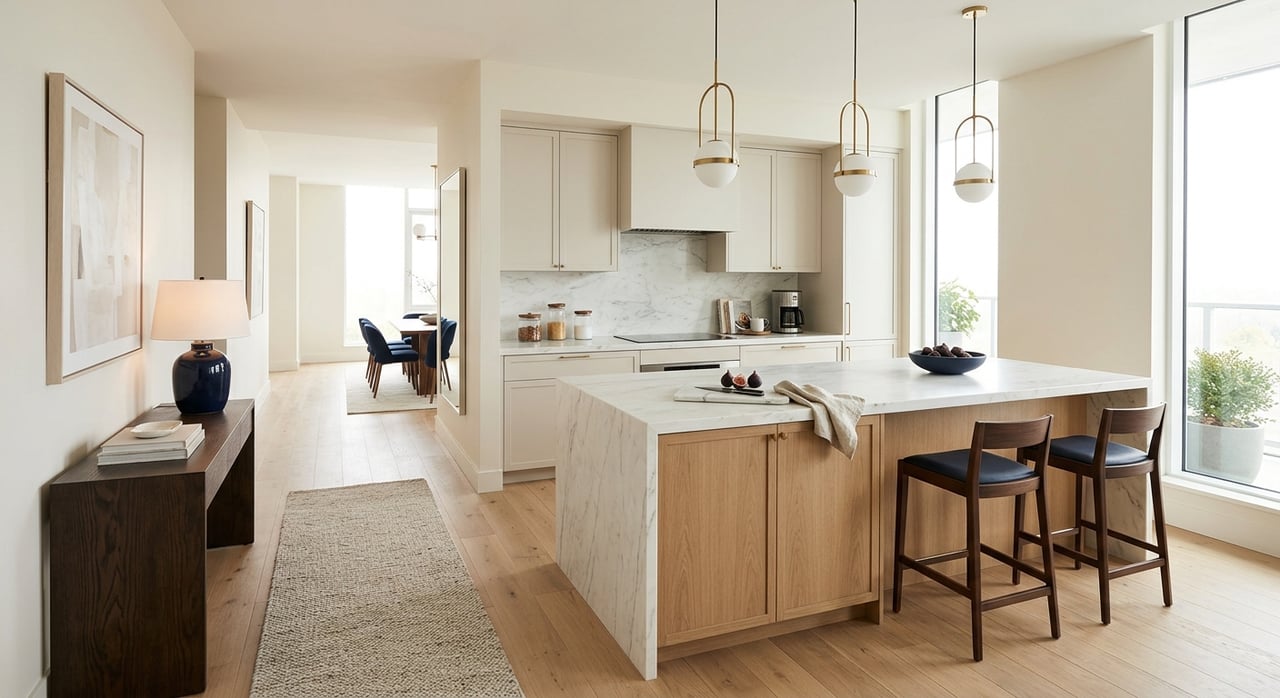
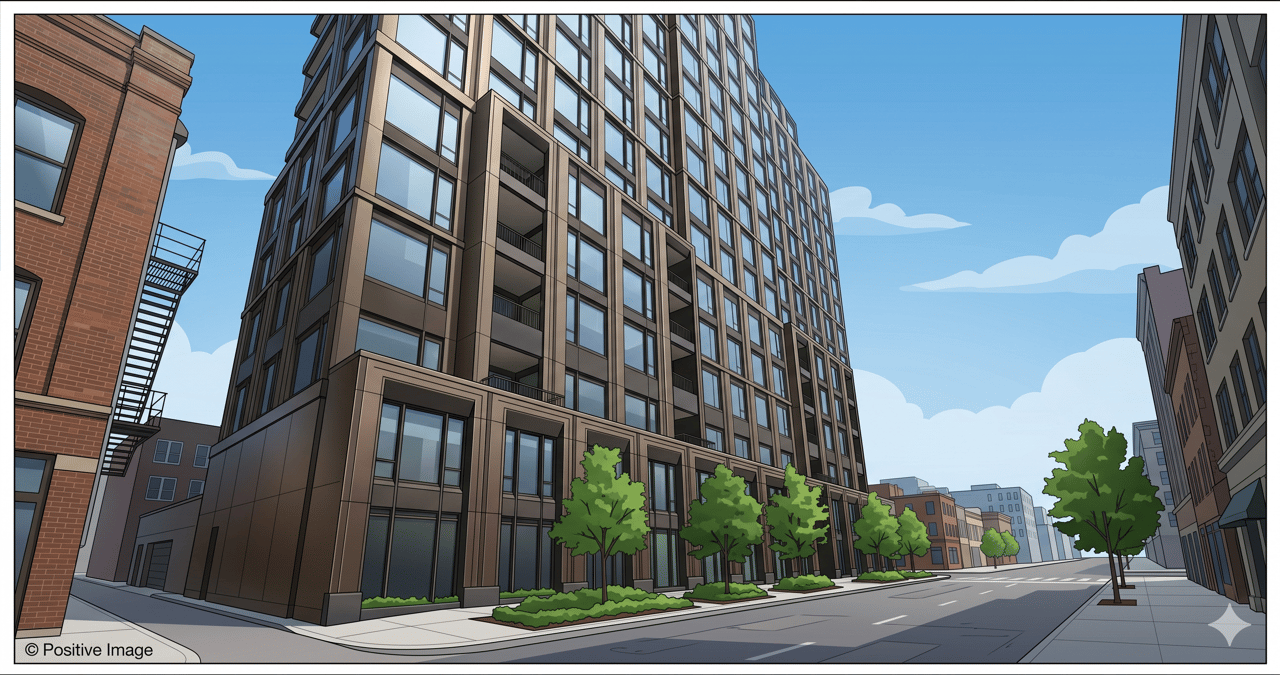
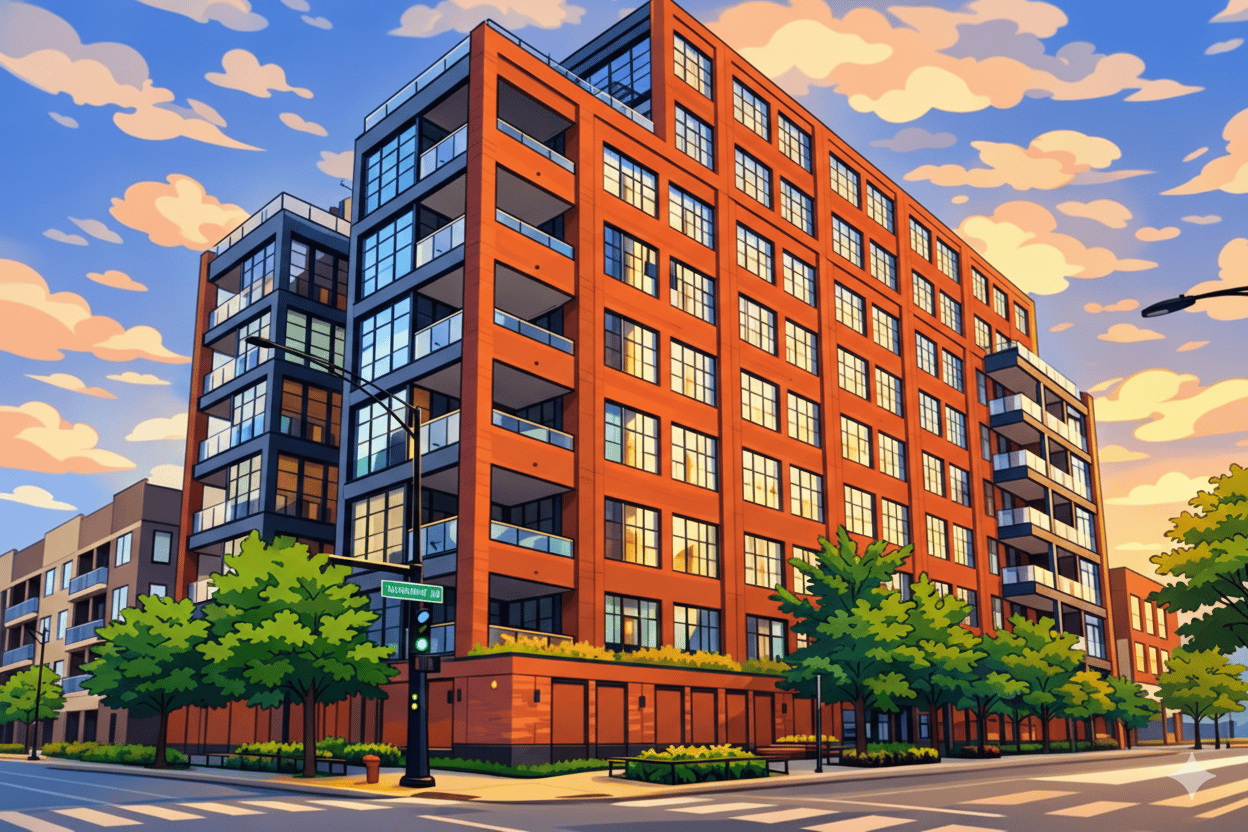
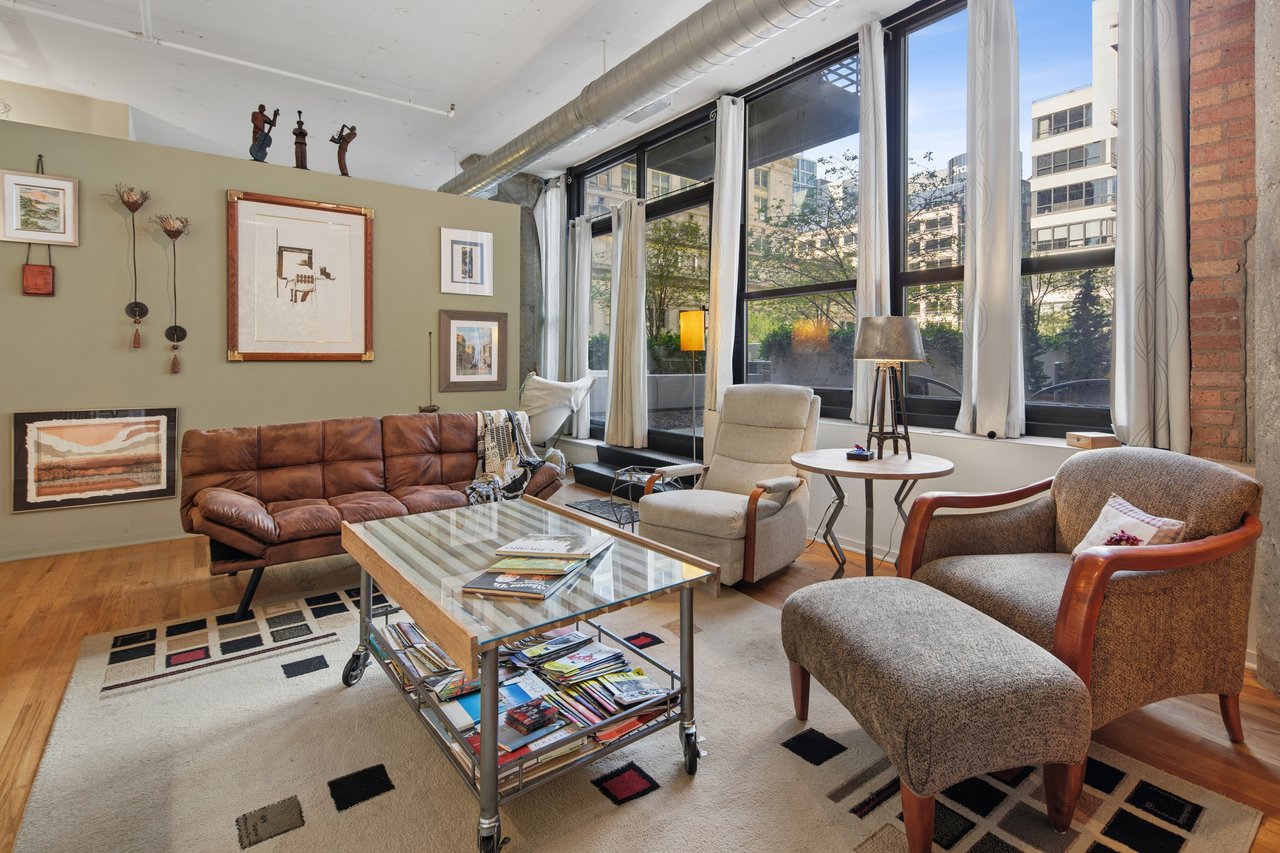
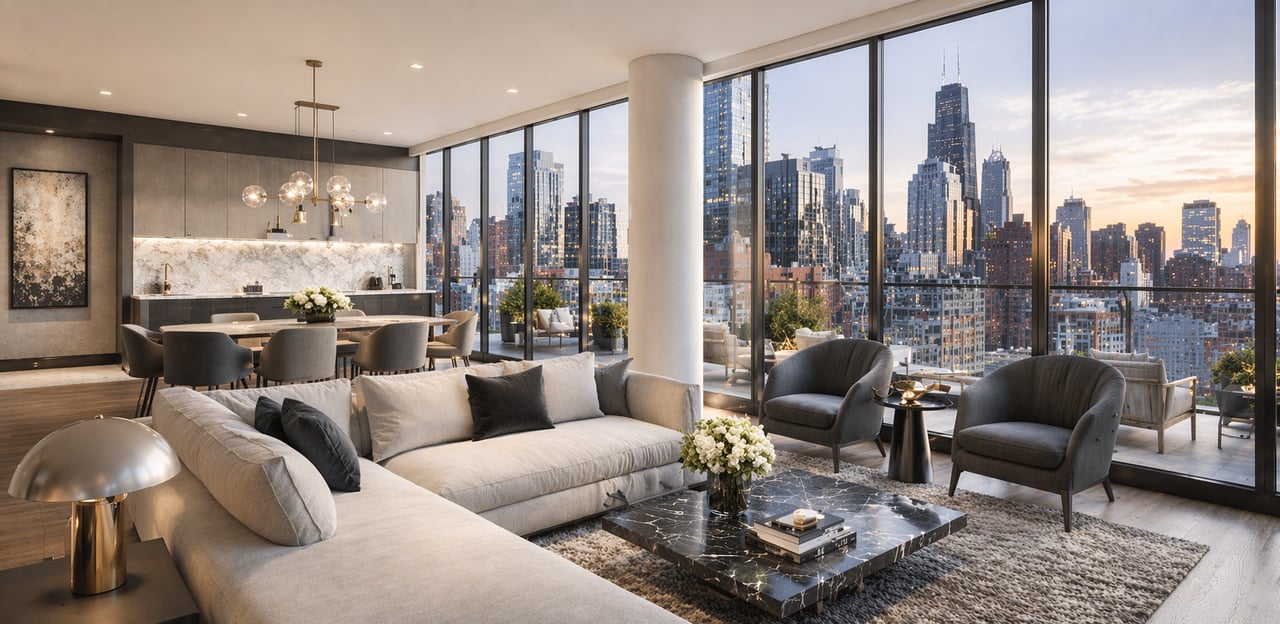
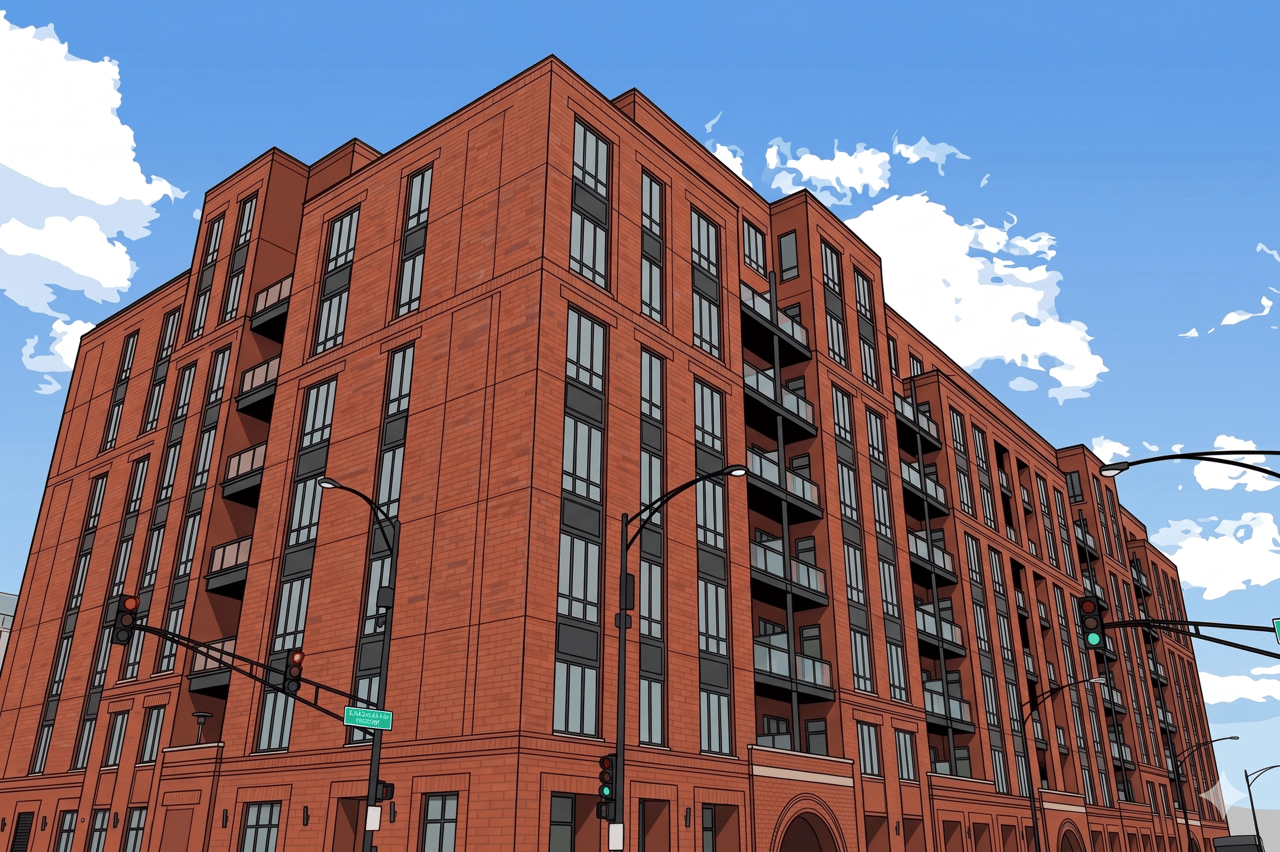
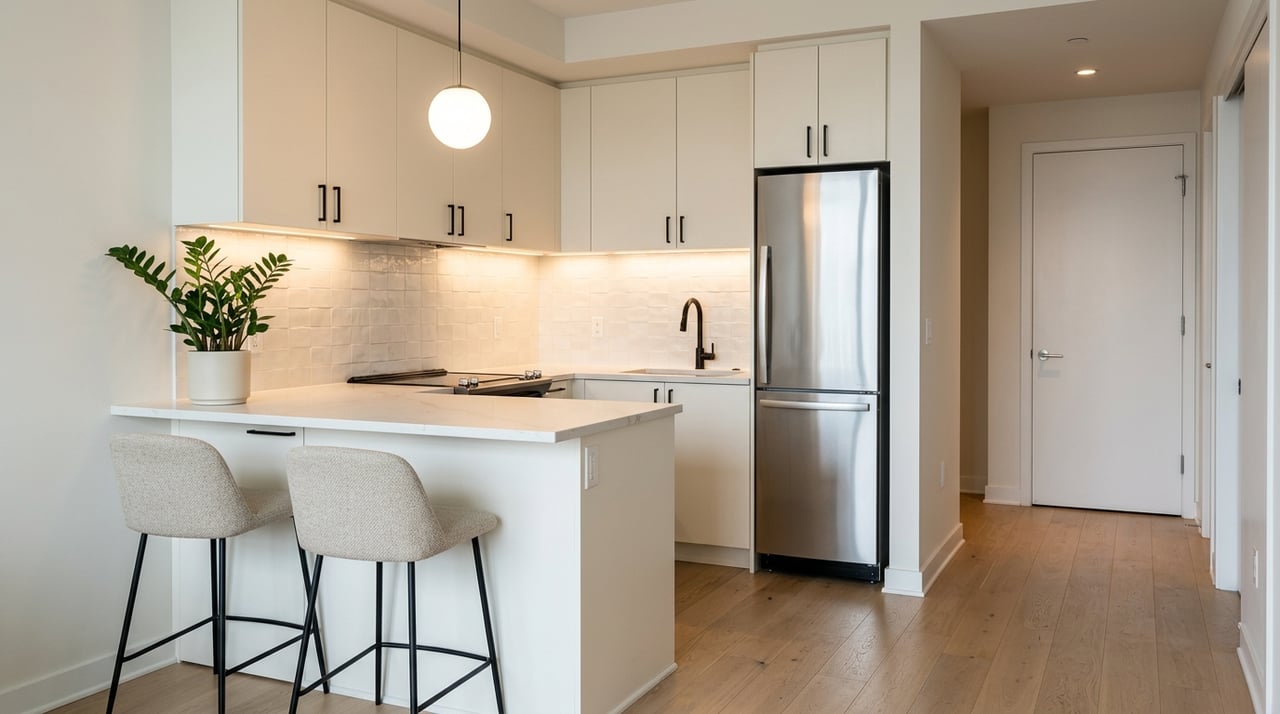
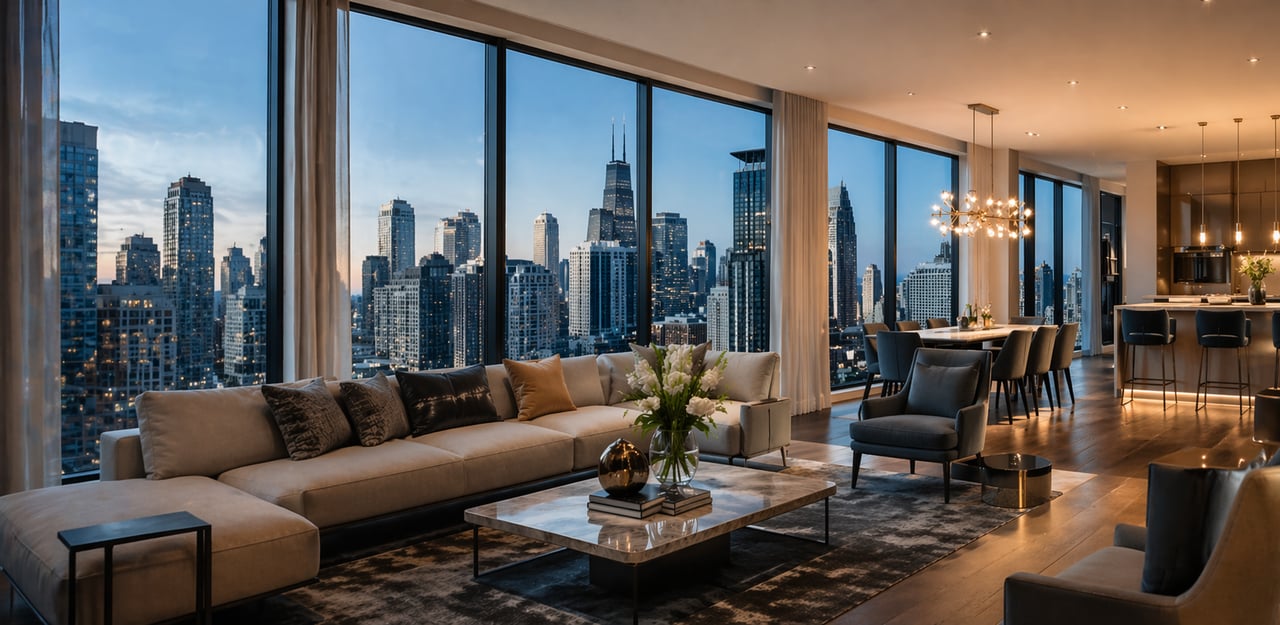
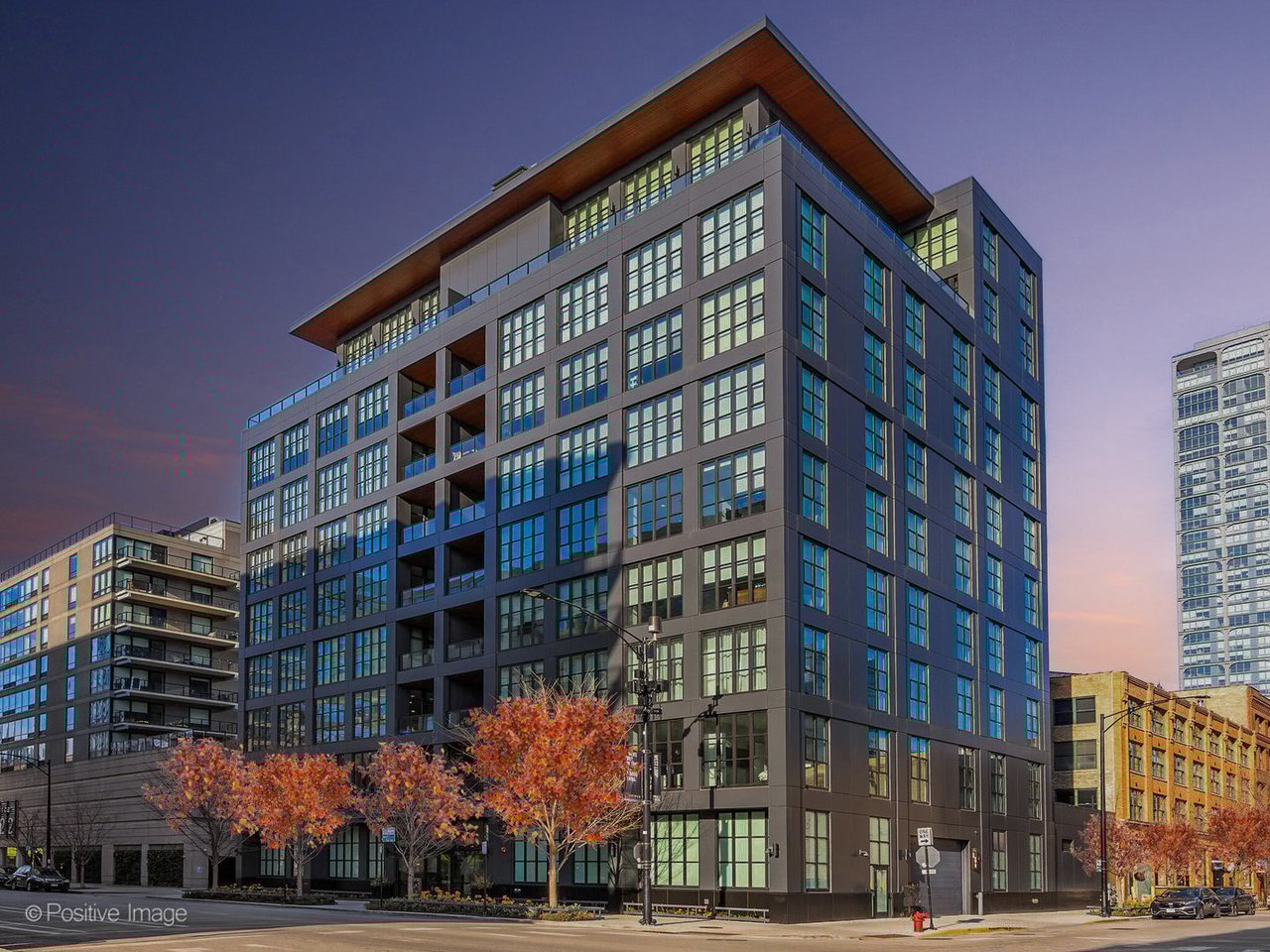
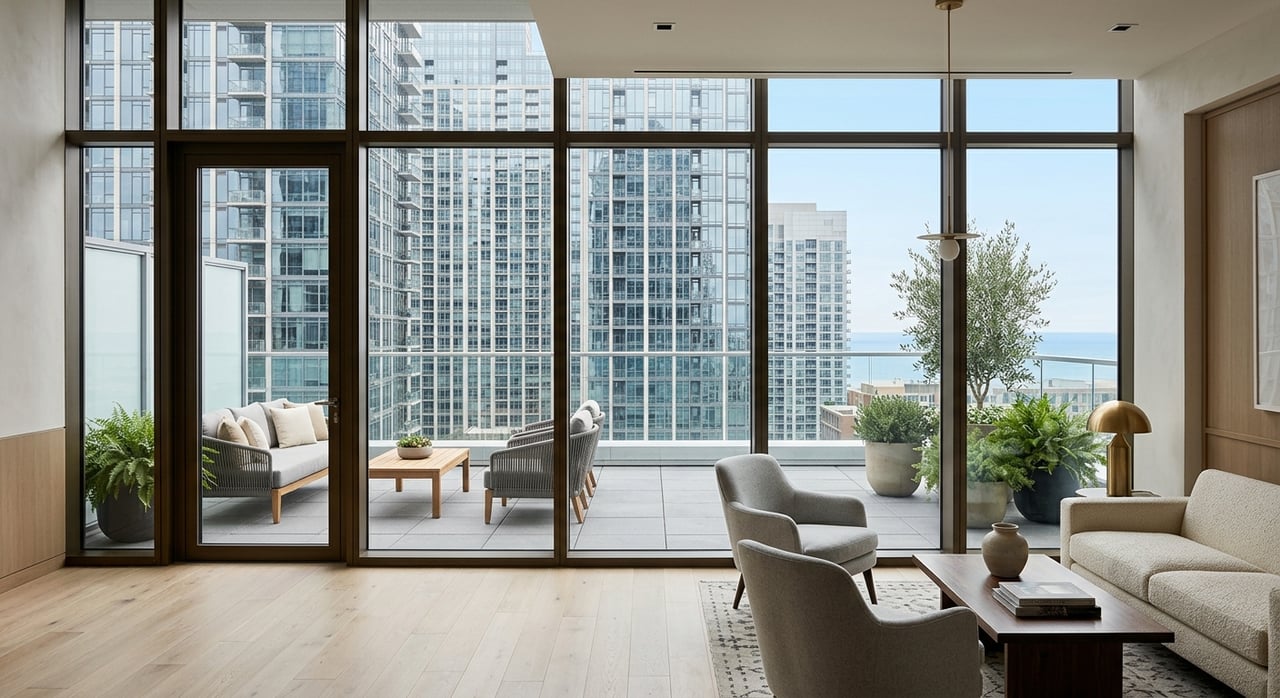
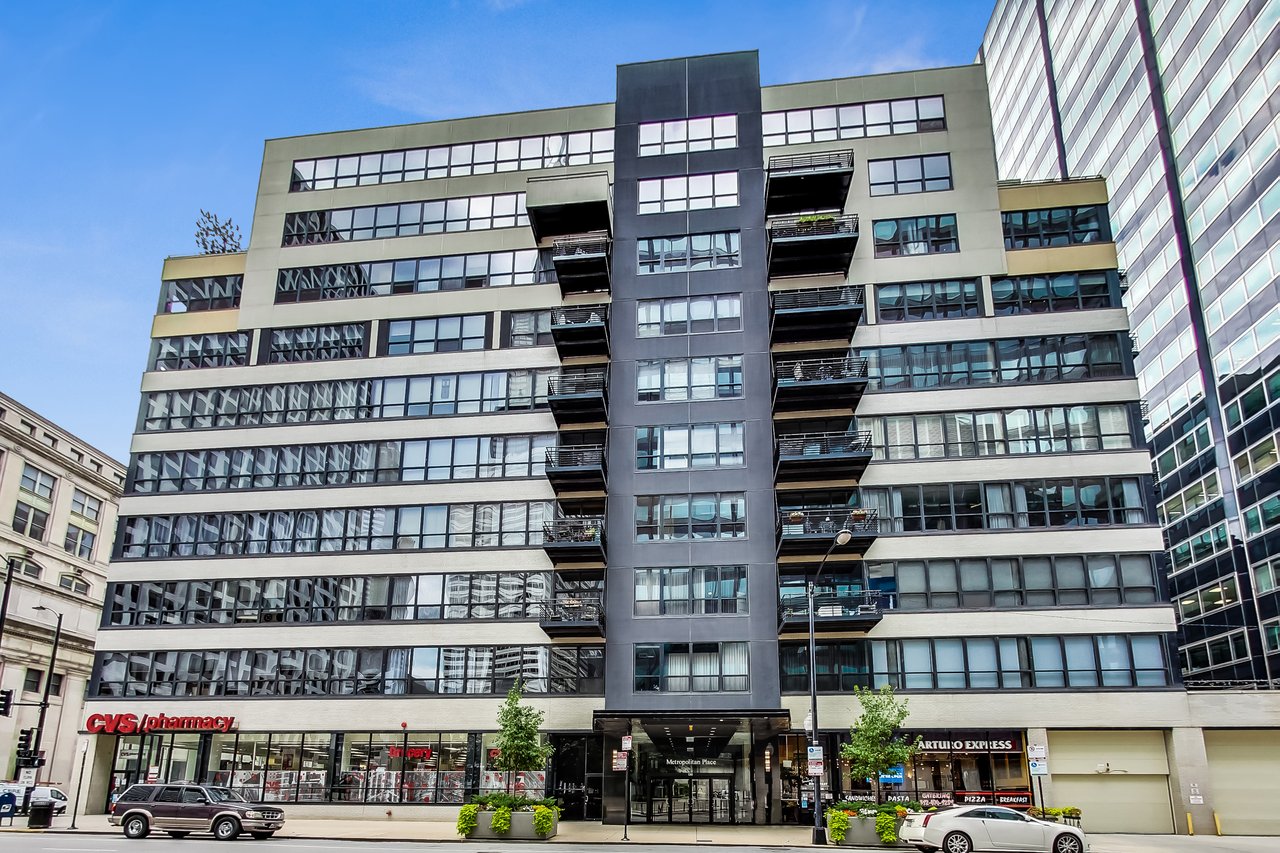
For buyers, Fulton Market offers two very different but equally compelling ways to live in the neighborhood’s history. Authentic brick-and-timber loft conversions deliver irreplaceable character, with original beams, tall ceilings, and factory windows you simply cannot duplicate in new construction. At the same time, new luxury condo towers such as Fulton Bond at 1325 W. Fulton are bringing large-format residences, elevated amenities, and skyline views to the district. Recent data shows median sale prices in Fulton Market in the mid-to-high six figures, with strong price-per-square-foot performance that reflects sustained demand for both lofts and newer buildings.
Restaurant Row, Refined
The dining scene has only deepened. Longtime icons like Girl & the Goat and Au Cheval now share the stage with destination tasting-menu restaurants such as Smyth and Oriole, plus rooftop and global spots like Aba, Nobu, and the Time Out Market food hall. Whether it is a quick taco, a perfect burger, or a three-Michelin-star experience, Fulton Market delivers it on a single walkable grid of streets.
Why It Matters If You’re Moving
Fulton Market is no longer an up-and-coming area. It is an established, nationally recognized neighborhood with limited supply of true industrial lofts and a growing collection of high-end condo buildings. With ongoing zoning debates and new towers in the pipeline, the trajectory continues to point upward for both property values and neighborhood amenities. For sellers, that means leveraging a powerful neighborhood brand; for buyers, it means acting strategically in a market where the most authentic spaces are finite.
People Also Ask
What is Fulton Market known for?
Fulton Market is best known for its award-winning restaurants, converted warehouse buildings, major corporate offices, and luxury real estate.
Is Fulton Market the same as the West Loop?
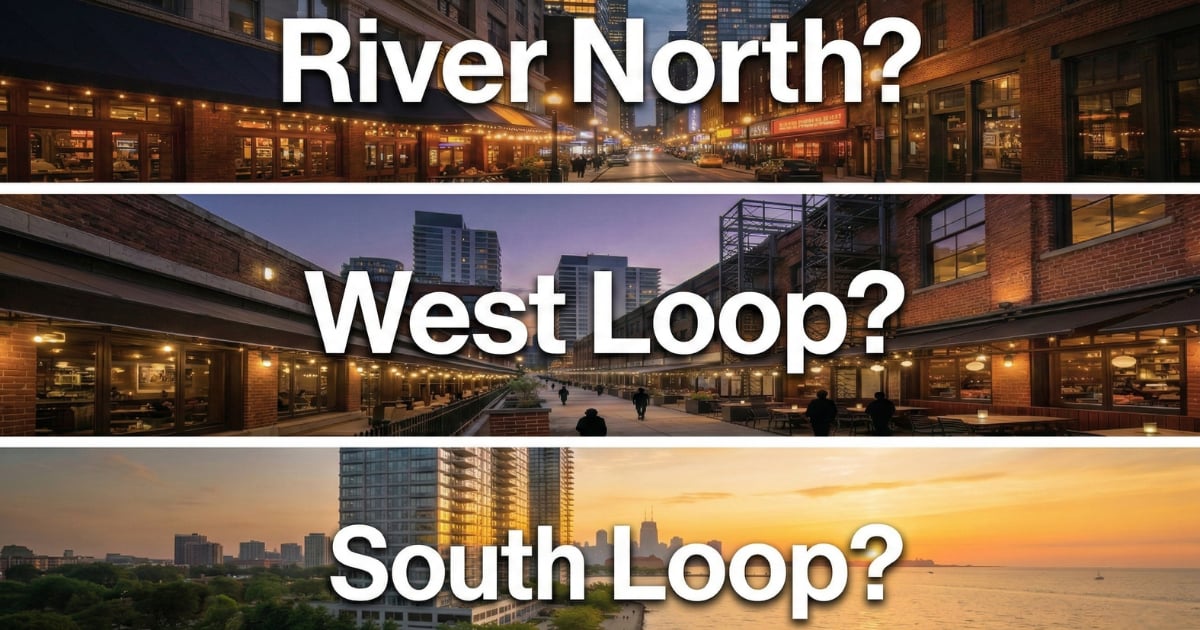
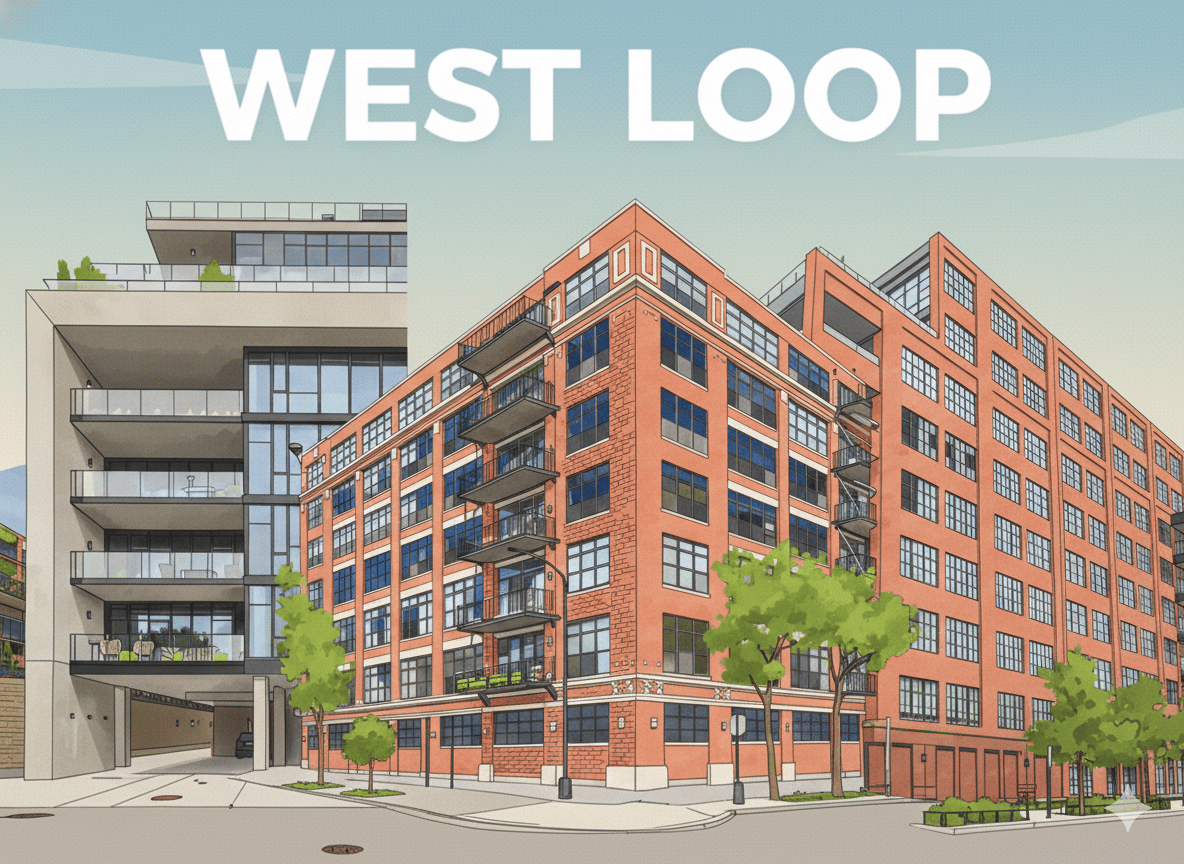
Fulton Market sits within the broader West Loop area, but it has its own identity centered on former industrial buildings, Restaurant Row, and rapid commercial and residential growth.
Are there still true lofts in Fulton Market?
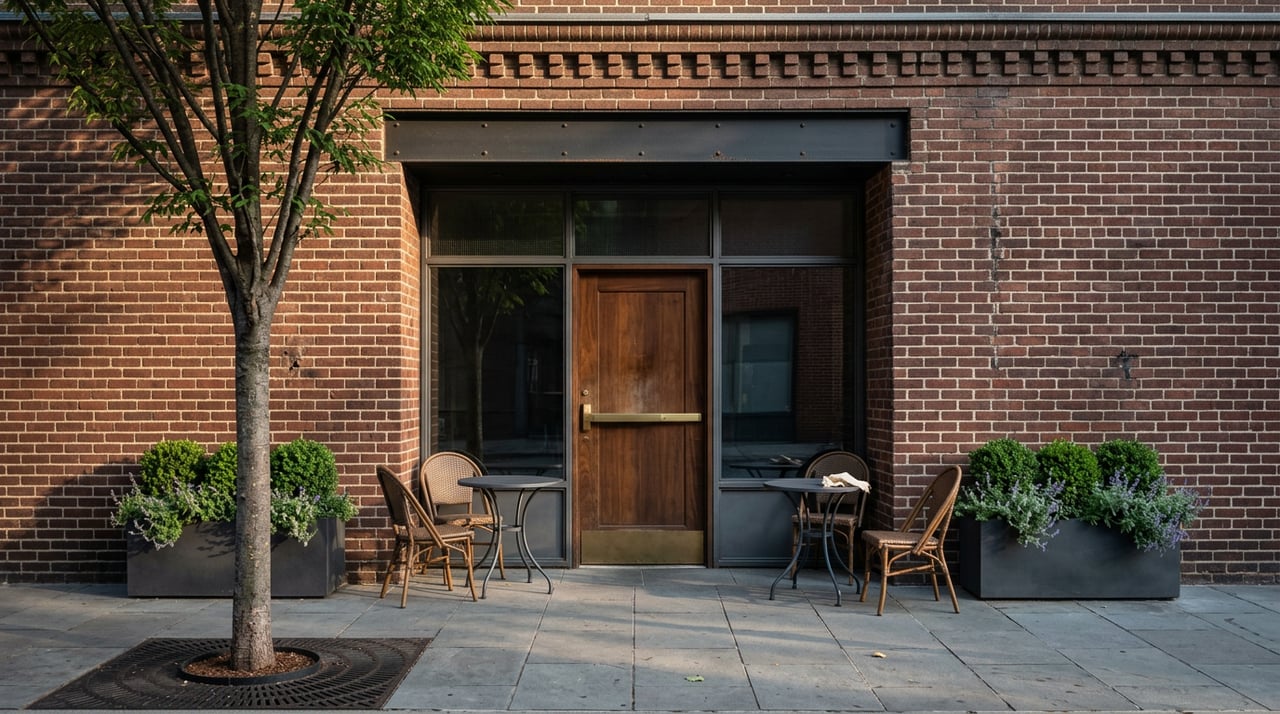
Yes. Fulton Market still offers authentic brick-and-timber lofts with exposed beams, high ceilings, and oversized windows, although supply is limited.
What kind of homes can buyers find in Fulton Market?
Buyers can find vintage loft conversions, newer condo developments, luxury apartments, and a growing number of high-end residential towers.
Why do buyers love Fulton Market?
Many buyers are drawn to the neighborhood’s mix of historic character, walkability, top restaurants, nightlife, and proximity to downtown offices.
Is Fulton Market a good place to invest in real estate?
Many buyers and investors see Fulton Market as attractive because of its strong neighborhood brand, continued development, and limited inventory of truly distinctive loft properties.
Where can I search Fulton Market condos for sale? Browse current listings and get live market data directly on this site. Search Fulton Market Lofts and Condos | [View the Fulton Market Market Report
Thinking about buying or selling in Fulton Market? Let’s talk strategy.
I’ll help you understand current pricing, position your property, and make confident decisions in one of Chicago’s most competitive neighborhoods.