Questions Every Buyer Should Ask Before Buying a Downtown Chicago Condo
Every buyer knows to ask about price. But the questions that actually protect you? Most people never think to ask them.
Here's What You Need to Know
Before buying a Downtown Chicago condo, you need to ask more than "what's the price?" The right questions about what's included, building rules, rental policies, and financials can reveal hidden costs, lifestyle conflicts, and deal-breakers, before you're under contract.
What's Included in the Sale?
This one sounds simple. It isn't.
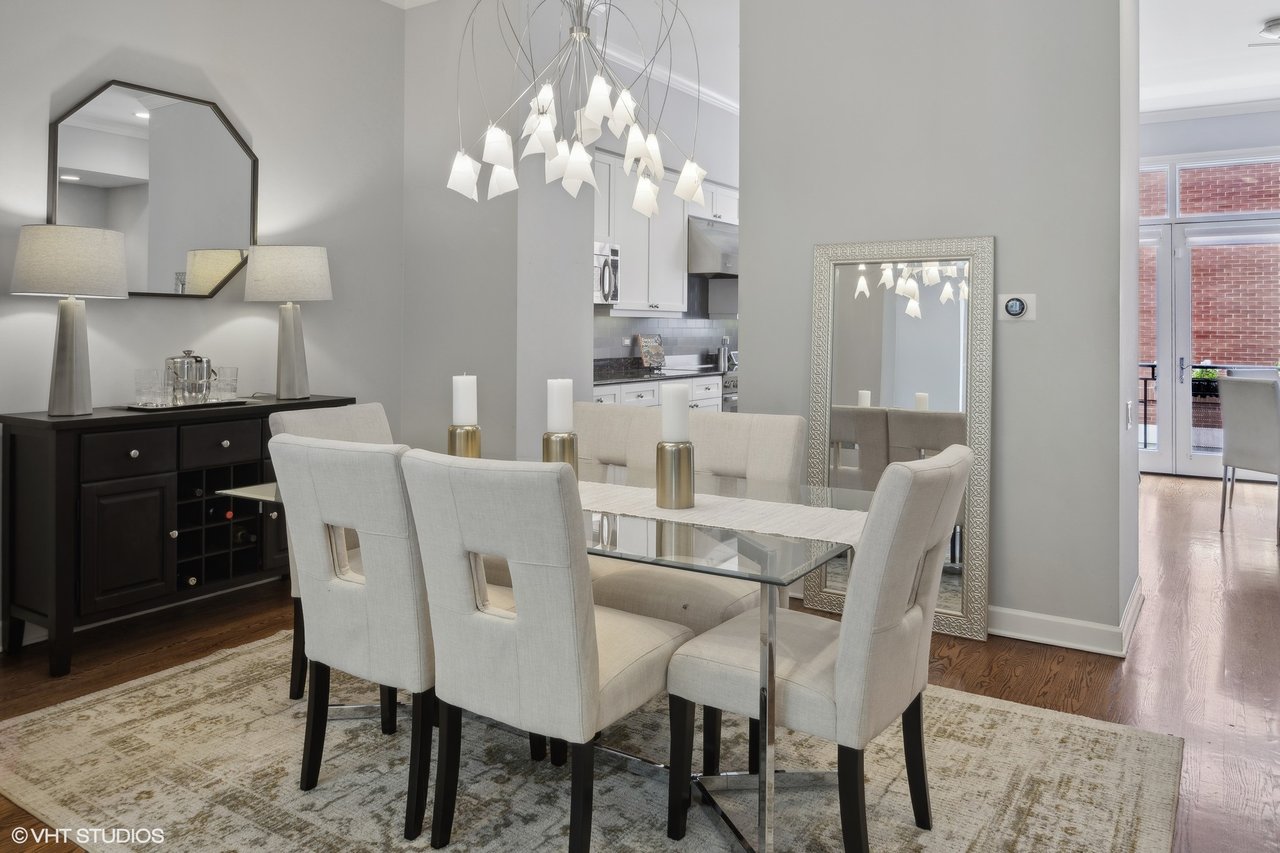
In Chicago condos, what's "included" can vary wildly unit to unit. Appliances, light fixtures, window treatments, storage cages, and parking spaces are not automatically part of the deal. Some sellers take the chandelier. Some include a second parking spot worth $30,000. You need to know before you make an offer.
Ask your agent to pull the MLS remarks and confirm exactly what transfers. Then get it in writing in the contract.
What Are the Rental Restrictions?
Here's where it gets interesting.
Most buyers hear "rental restrictions" and assume that's bad news. It can actually be the opposite. If a building limits how many units can be rented, that usually means a higher percentage of owner-occupants. Owner-occupants take better care of the building. They vote to approve reasonable budgets. They're invested in the long-term health of the property.
For buyers who plan to live in the unit, a building with tight rental restrictions can actually be a selling point. It signals stability. It often means better maintained common areas, fewer transient neighbors, and a stronger sense of community.
If you're a buyer who wants flexibility to rent later, you'll want to ask early. Being number 30 on a rental waitlist matters a lot if you get transferred for work.
What's the Pet Policy?
Again, this sounds like a small question. It isn't.
Some buildings allow cats only, no dogs. Some have weight limits, like 25 pounds max. Some require board approval. A few have no restrictions at all. And some have zero tolerance for animals.
If you have pets, this question ends the conversation early or confirms you're in the right place. Either way, it saves everyone time.
Even if you don't have pets, it's worth asking. Pet restrictions can influence the lifestyle feel of a building and matter when you eventually sell.
Were There Any Major Renovations?
Ask about recent work on the unit itself, but also ask about the building.
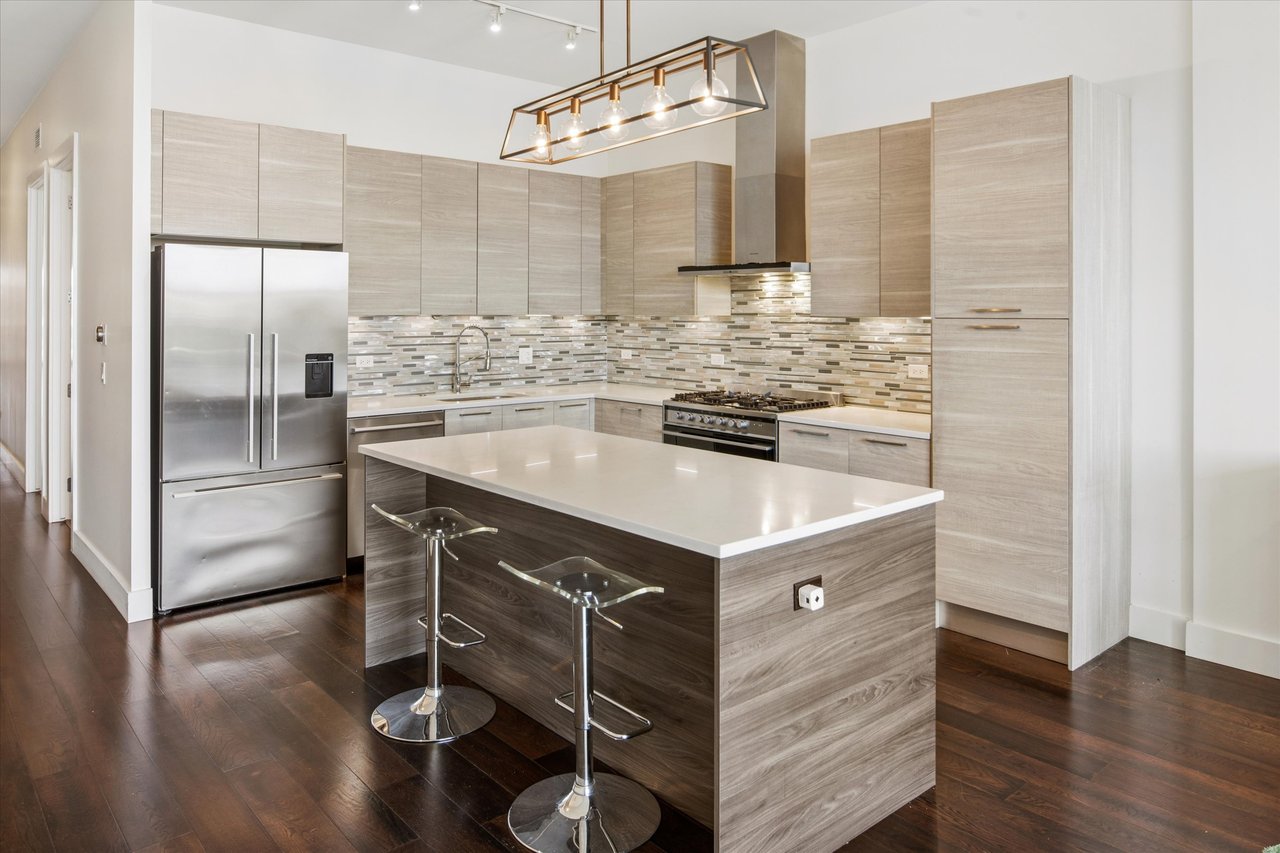
A freshly renovated kitchen looks great. But if it was done by a seller who flipped the unit quickly and pulled no permits, you could inherit code issues or unpermitted work. Ask what was done, when, and whether permits were pulled.
On the building side, ask what major projects have been completed in the last five years: roof, windows, elevator, mechanical systems, façade. A building that just wrapped a major capital project often has healthier reserves going forward. A building that hasn't addressed aging systems may be heading toward a painful special assessment.
What Are the HOA Fees, and What Do They Actually Cover?
This is one of the most important financial questions a Downtown Chicago condo buyer can ask, and most people still get it wrong. Don't just ask the number. Ask what's included.
In Chicago, HOA fees typically cover water, common-area maintenance, building insurance, and reserves for future repairs. Some buildings include heat, gas, cable, or internet. Others include nothing beyond the basics.
A $600/month fee that includes heat and water might be a better deal than a $400/month fee where you pay those separately. You have to do the math on your actual monthly cost, not just the headline fee.
Also ask about the reserve fund balance. A building with six months of operating expenses in reserves is in a very different position than one with nothing saved and a major roof project coming.
For a deeper dive on what those numbers should look like, check out my post on Chicago condo HOA fees explained
Are There Any Pending Special Assessments?
Sellers are required to disclose known special assessments in Illinois, but buyers still need to ask directly. A special assessment is a one-time charge to all unit owners to fund a major repair or capital project that wasn't covered by reserves.
They can range from a few hundred dollars to tens of thousands per unit depending on the scope of work.
Ask the listing agent directly. Ask to review the meeting minutes. If a major project was discussed at a board meeting in the last 12 months, assume it may come with a price tag even if nothing has been formally announced.
What's the Building's Financial Health?
Beyond the HOA fee and reserve question, ask to see the most recent financials and the reserve study.
A reserve study is an independent assessment of the building's long-term capital needs and whether the current reserves are adequate to fund them. Not every building has one, but many do, and it tells you a lot about how well-managed the association is.
High delinquency rates (other owners not paying their fees) are also a red flag. They can strain the association's budget and lead to fee increases or assessments down the road.
Is There Parking? What's It Worth?
In Downtown Chicago, parking is a separate asset with real value. Some condos include a deeded parking space in the purchase price. Others sell them separately. Others don't have building parking at all.
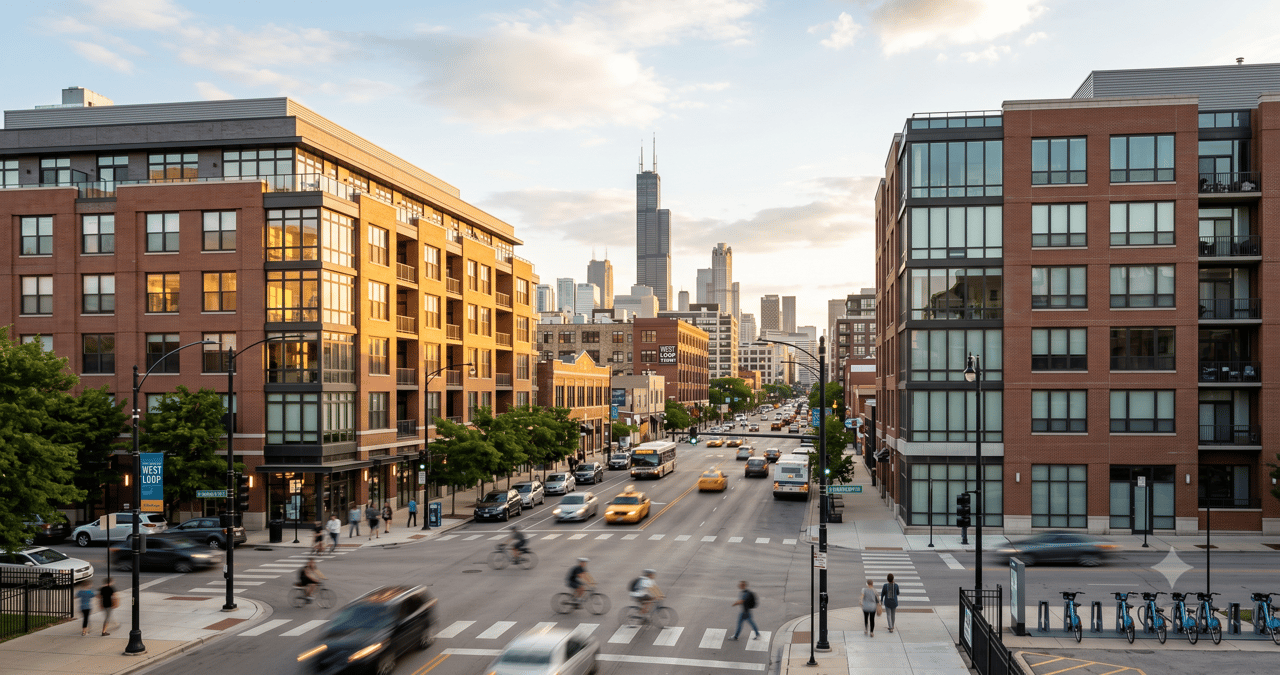
If parking is included, confirm it transfers with the unit. If it's optional, get the price. Deeded parking spaces in West Loop or River North can run $30,000 to $50,000+. Monthly rental parking nearby can run $300 to $500/month. That cost is invisible in the list price but very real in your monthly budget.
If you don't have a car now but think you might in the future, ask about availability before you assume you can add it later.
What Are the Owner Move-In / Move-Out Rules?
This one catches buyers off guard. Many buildings charge move-in and move-out fees, require elevator reservations, and have specific hours when moves are allowed. Some charge damage deposits. A few have lengthy waiting lists for elevator time in popular spring and fall moving seasons.
This won't change whether you buy, but it's good to know before closing day. Showing up with a moving truck and no reservation is a stressful way to start life in a new place.
Are There Airbnb or Short-Term Rental Restrictions?
With Airbnb baked into many buyers' financial planning, this question matters more than it did five years ago.
Chicago requires registration and licensing for short-term rentals. Many condo associations go further and ban them entirely in their rules and regulations. If short-term rental income is part of why the numbers work for you, confirm the building's position on this before you get attached to a unit.
Key Takeaways
- "What's included?" is not a simple question. Get the full list in writing.
- Rental restrictions can be a feature, not a bug. Owner-occupied buildings often maintain better.
- Always ask about the reserve fund, the most recent financials, and any pending special assessments.
- Parking is a separate asset with real dollar value. Know whether it's included and what it costs.
- Short-term rental rules vary by building. Confirm before you assume.
What I Tell Every Buyer
The right questions don't just protect your money. They protect your lifestyle. A condo that looks perfect on paper can turn into a headache if the building's finances are shaky, the pet policy doesn't work for you, or you didn't realize parking was a separate purchase.
The buyers who close with confidence are the ones who asked the uncomfortable questions early. Not after the inspection. Not after the contract. Before the offer.
That's where I come in.
FAQ
What are the most important questions to ask before buying a condo in Chicago? Start with what's included in the sale, the HOA fee and what it covers, the reserve fund balance, any pending special assessments, and the building's rental and pet policies. These questions reveal the real cost and lifestyle fit of a unit faster than anything else.
What is a special assessment in a Chicago condo building? A special assessment is a one-time charge to unit owners to fund a major repair or capital project not covered by the association's reserves. In Illinois, sellers must disclose known assessments, but buyers should ask directly and review board meeting minutes to spot anything in the pipeline.
Does a condo building's rental restriction affect my purchase? It can, both positively and negatively. For buyers who plan to live in the unit, a building with low rental percentages often means better maintenance and more stable ownership. For buyers who want flexibility to rent, you need to know the building's cap and waitlist status before you make an offer.
Is parking included when buying a condo in Downtown Chicago? Not always. Parking may be deeded with the unit, sold separately, or unavailable in the building altogether. Confirm what's included and, if it's separate, what it costs. In neighborhoods like West Loop and River North, parking can add $30,000 to $50,000 to the total purchase price.
Can I do Airbnb in a Chicago condo? City regulations require licensing and registration for short-term rentals in Chicago. Many condo associations also prohibit them in their governing documents. If short-term rental income matters to your purchase decision, check both the city requirements and the building's rules before you make an offer.
Ready to buy in Downtown Chicago but not sure what you're really looking at?
I'll walk you through the questions that protect you before you're under contract.
ABOUT THE AUTHOR
Christine Hancock is a Chicago Realtor with @properties Christie's International Real Estate, bringing more than 25 years of experience and over $200 million in closed sales in the downtown condo market. With 96 five-star Zillow reviews, Christine is recognized for her commitment to client satisfaction and market expertise.
She specializes in high-rise and luxury condominium sales in West Loop, South Loop, River North, and Streeterville, helping buyers and sellers navigate complex transactions with data-driven pricing strategies and deep neighborhood insight.
Christine partners with clients to evaluate market trends, position properties competitively, and make confident, informed decisions in Chicago's vibrant downtown housing market.
Call or text 312-296-9300 to discuss current market conditions or your real estate goals.