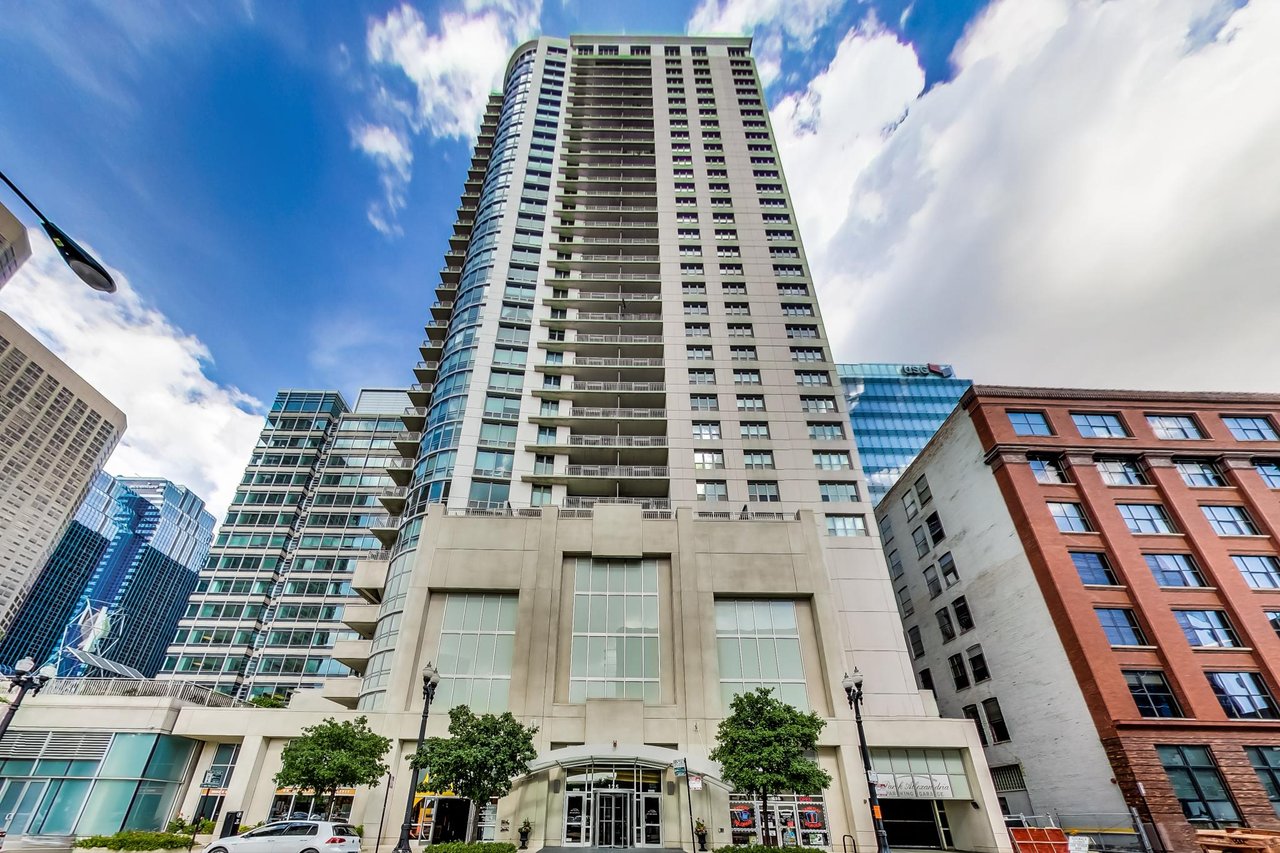
Selling a Downtown Chicago Condo: Every Question Answered
What are the most common questions sellers ask before listing their condo? Sellers want to know what their unit is worth, how long it will take to sell, what they need to do to prepare, and what it will cost them. This guide answers all of those questions.
THE SHORT ANSWER
Selling a Downtown Chicago condo involves pricing strategy, preparation, negotiation, and timing. The sellers who get the best results ask the right questions before they list, not after. This guide covers the most common questions Christine Hancock hears from sellers, with straight answers to every one.
Quick Definition: What Is a Condo Listing Strategy?
A condo listing strategy is the combination of pricing, preparation, marketing, and timing used to position a unit competitively in the market.
Thinking of selling your Downtown Chicago/West Loop Home?
What Is My Condo Worth Right Now?
Question number one. Always. And it's the right place to start.
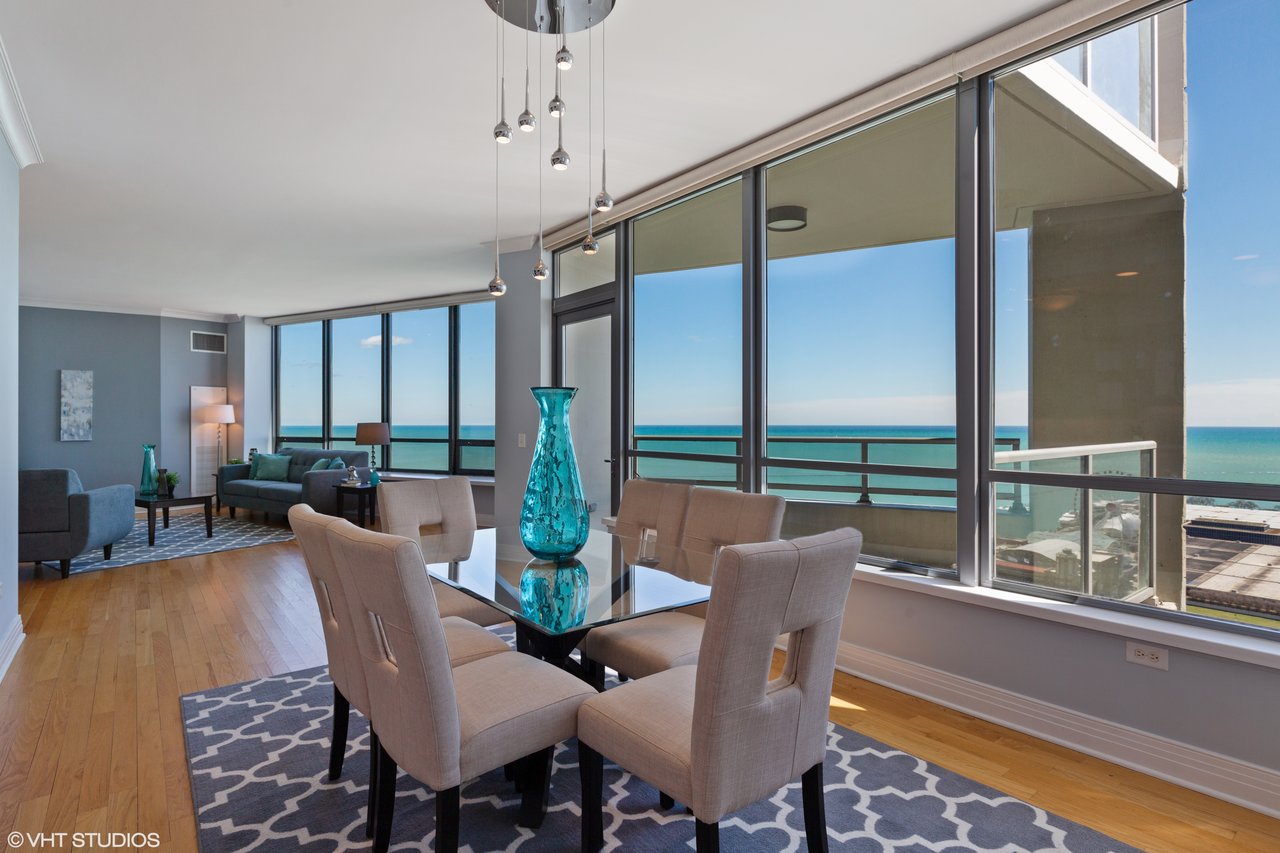
Value is determined by recent sales of comparable units in the same building or in buildings with similar amenities, finishes, and location. Price per square foot matters, but it's not the whole story. Views, parking, outdoor space, and updated kitchens all move the needle significantly in Downtown Chicago condos.
A professional comparative market analysis looks at closed sales in the last 90 to 180 days, active competition, and what's gone under contract recently. That combination gives you a realistic price range, not a guess.
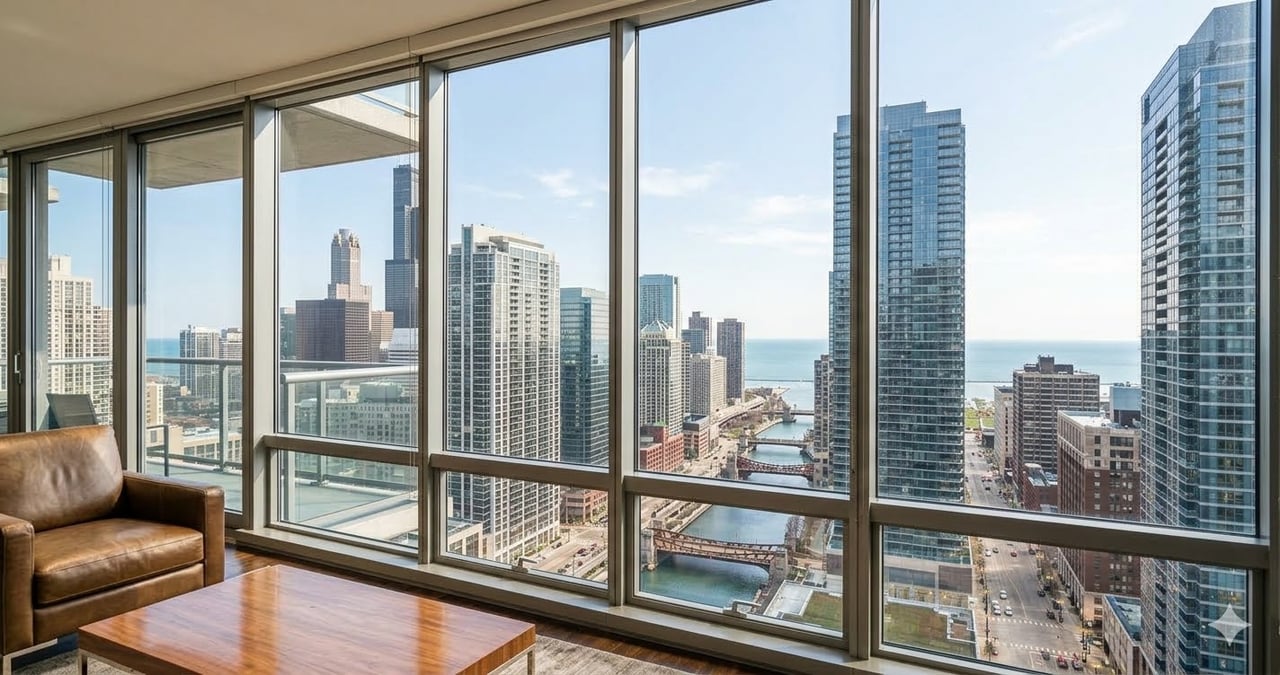
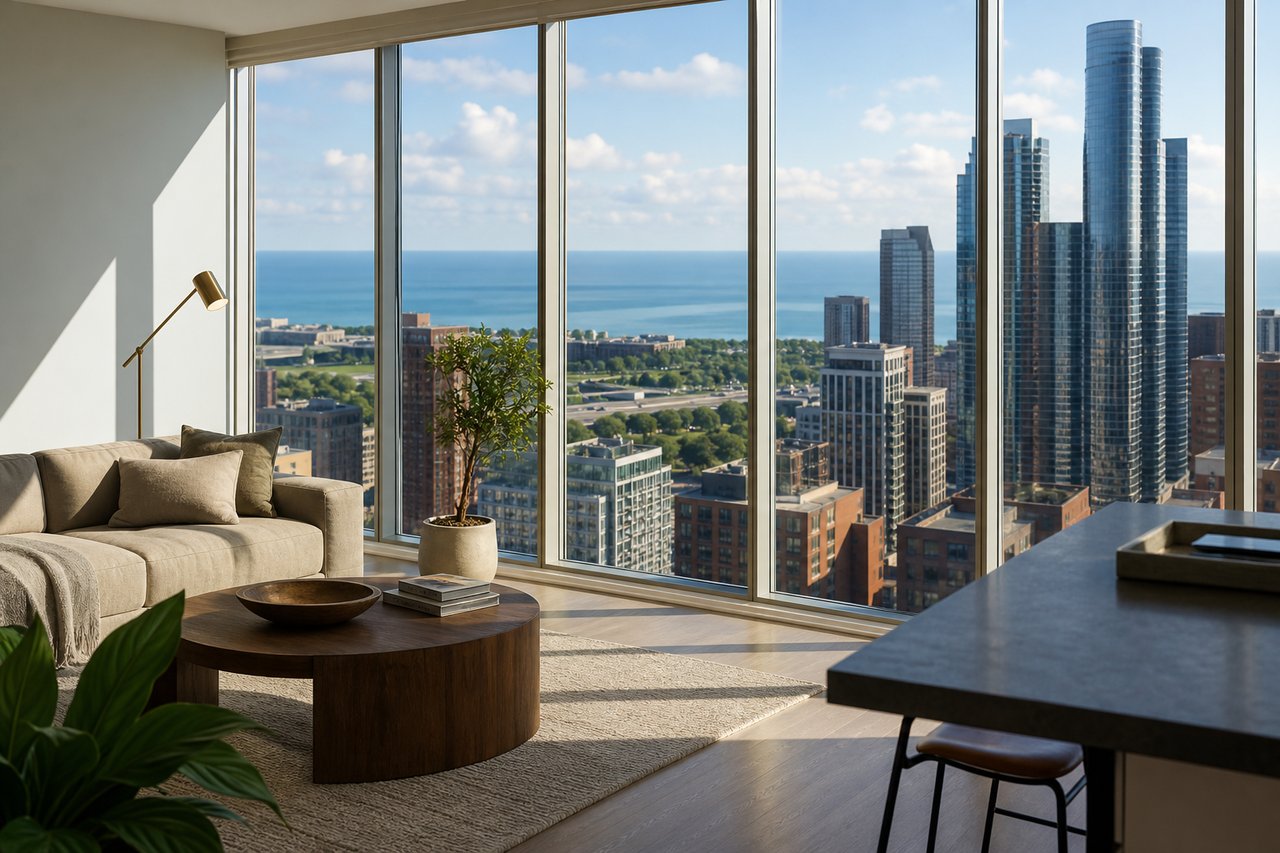
The online estimates from Zillow and Redfin are starting points only. In a high-rise building where one unit on the 30th floor with a lake view can be worth $75,000 more than an identical floor plan on the 8th floor facing an alley, automated estimates miss the mark constantly.
When Is the Best Time to List in Chicago?
Spring is traditionally the strongest season in Chicago's condo market. Buyer activity peaks from late February through June. Inventory rises in the same window, so you're competing with more listings, but the pool of qualified buyers is also at its deepest.
That said, But 'best time' is relative to your unit. A well-priced, well-prepared condo sells in any month. According to the National Association of Realtors, the best time to list is when inventory in your specific building or submarket is low and your unit is ready to show at its best.
Fall, particularly September through November, is often underrated. Buyers are serious. Competition from other sellers has dropped off. And serious buyers who didn't find what they wanted in the spring are still active.
When inventory is tight and your unit is priced right, you may see competing offers regardless of the season.
How Long Will It Take to Sell?
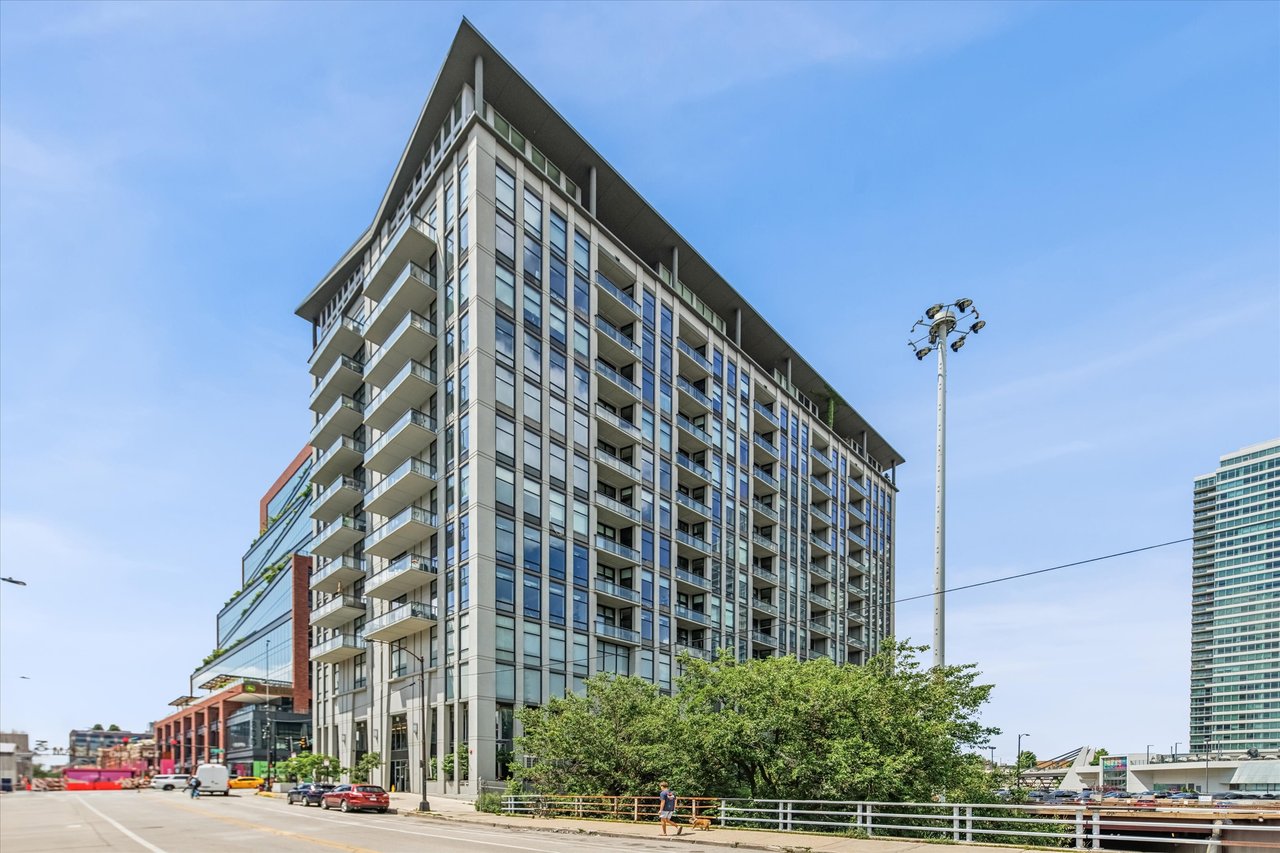
In Downtown Chicago condo neighborhoods like the West Loop, River North, and South Loop, well-priced units in move-in condition typically go under contract within 10 to 30 days. Overpriced units can sit for 60, 90, or 120+ days and often end up selling for less than they would have at the right price from day one.
Days on market is one of the most misunderstood metrics in real estate. A long DOM signals to buyers that something is wrong, even if nothing is. First impressions in online search are everything.
People Also Ask
Do condos in Chicago sell slower than houses?
Condos often take longer to sell than single-family homes because buyers evaluate building finances, HOA fees, and resale potential in addition to the unit itself.
What is a good days on market for a Chicago condo?
In Downtown Chicago, 10 to 30 days is strong performance for a well-priced condo in move-in condition.
What Do I Need to Do to Prepare My Condo to Sell?
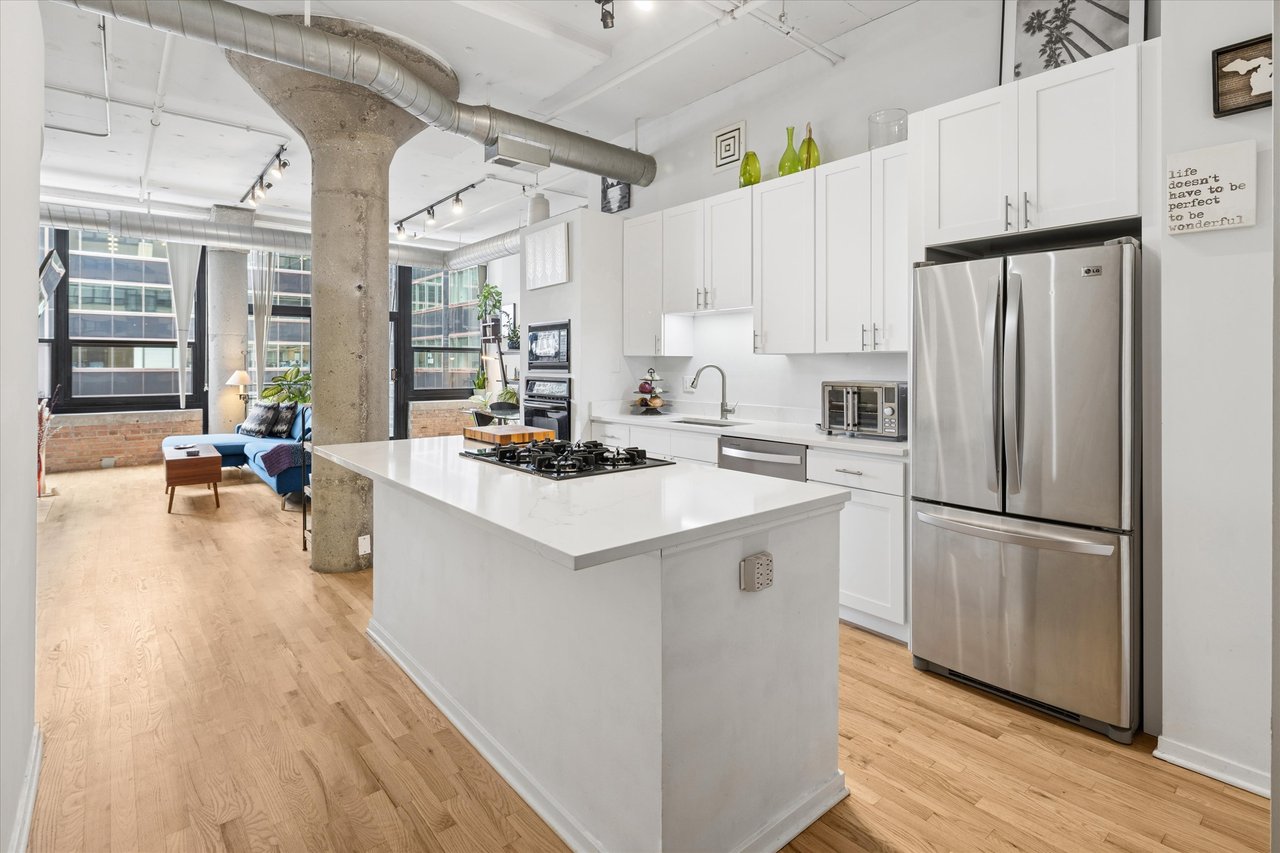
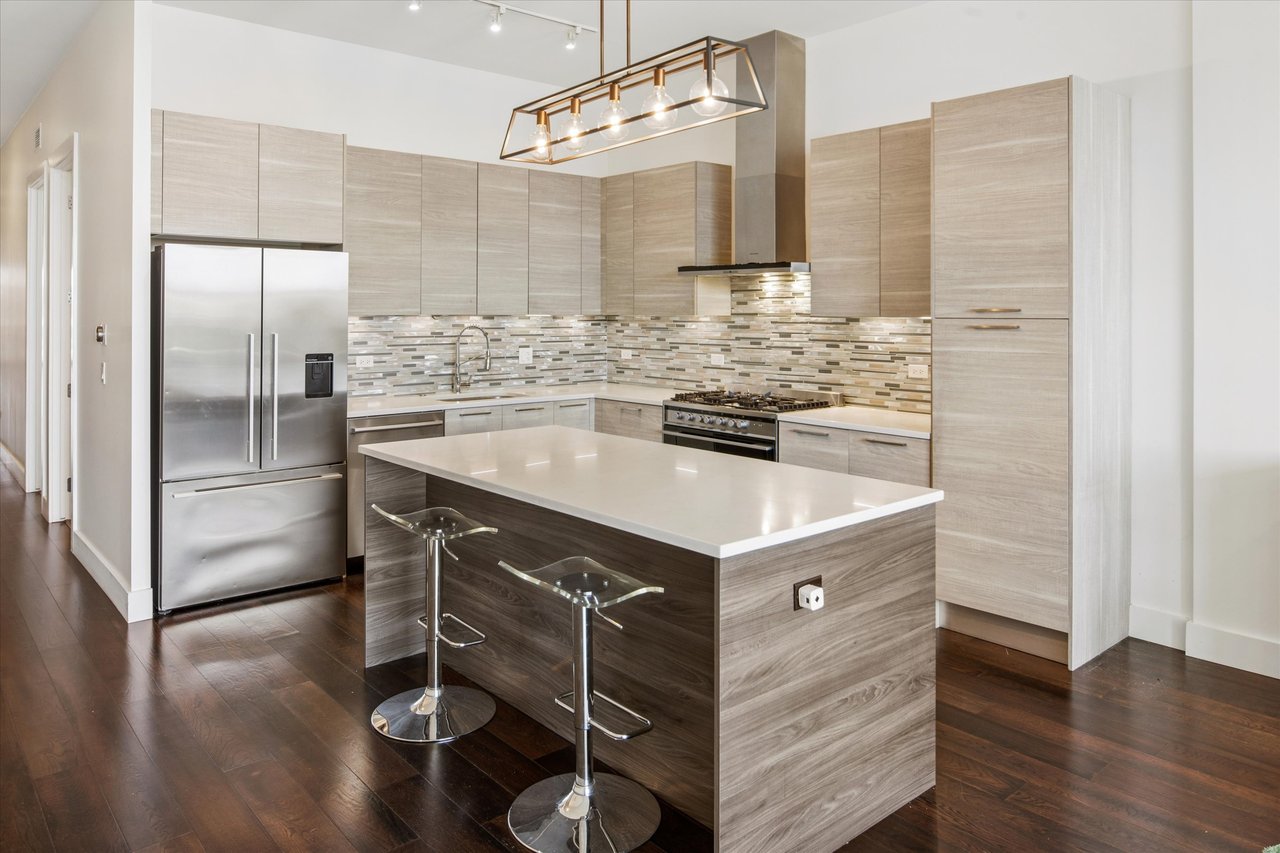
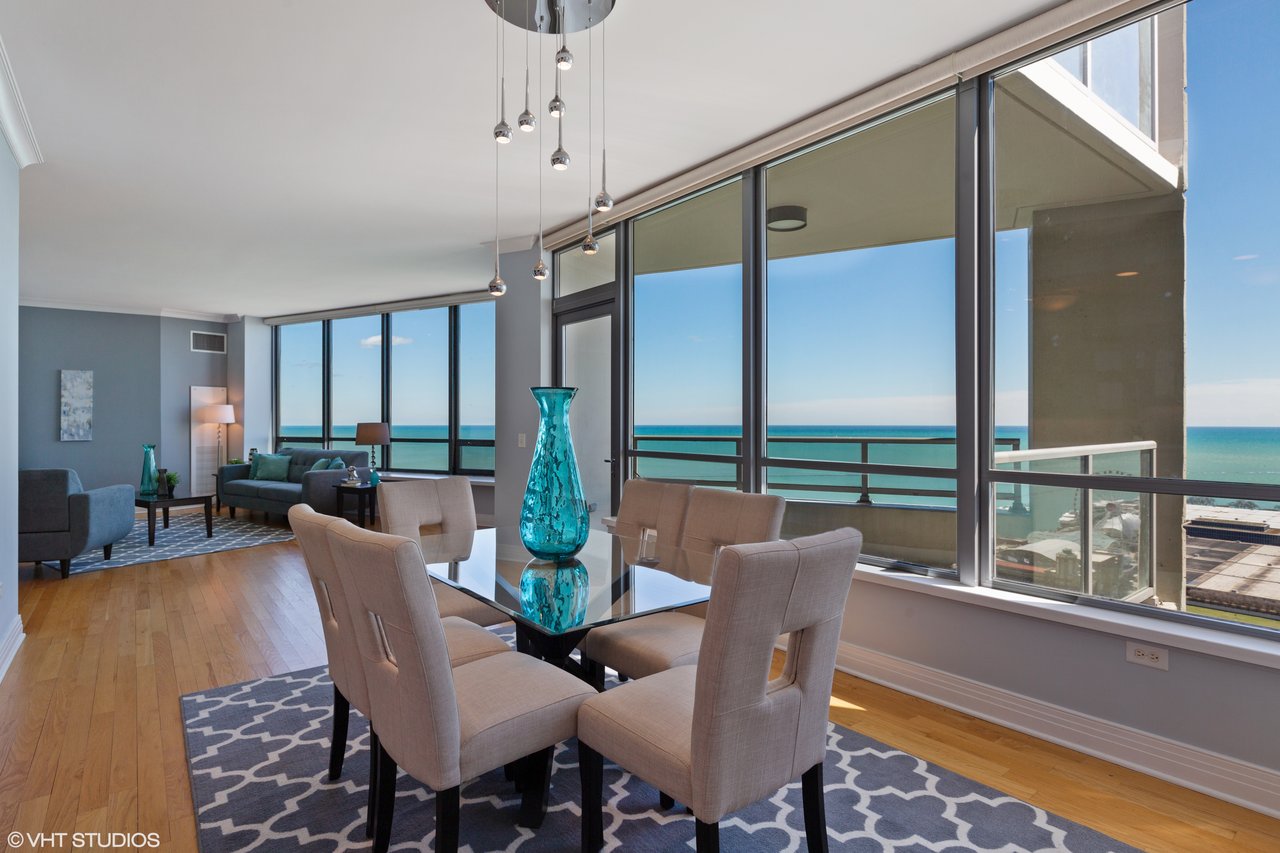
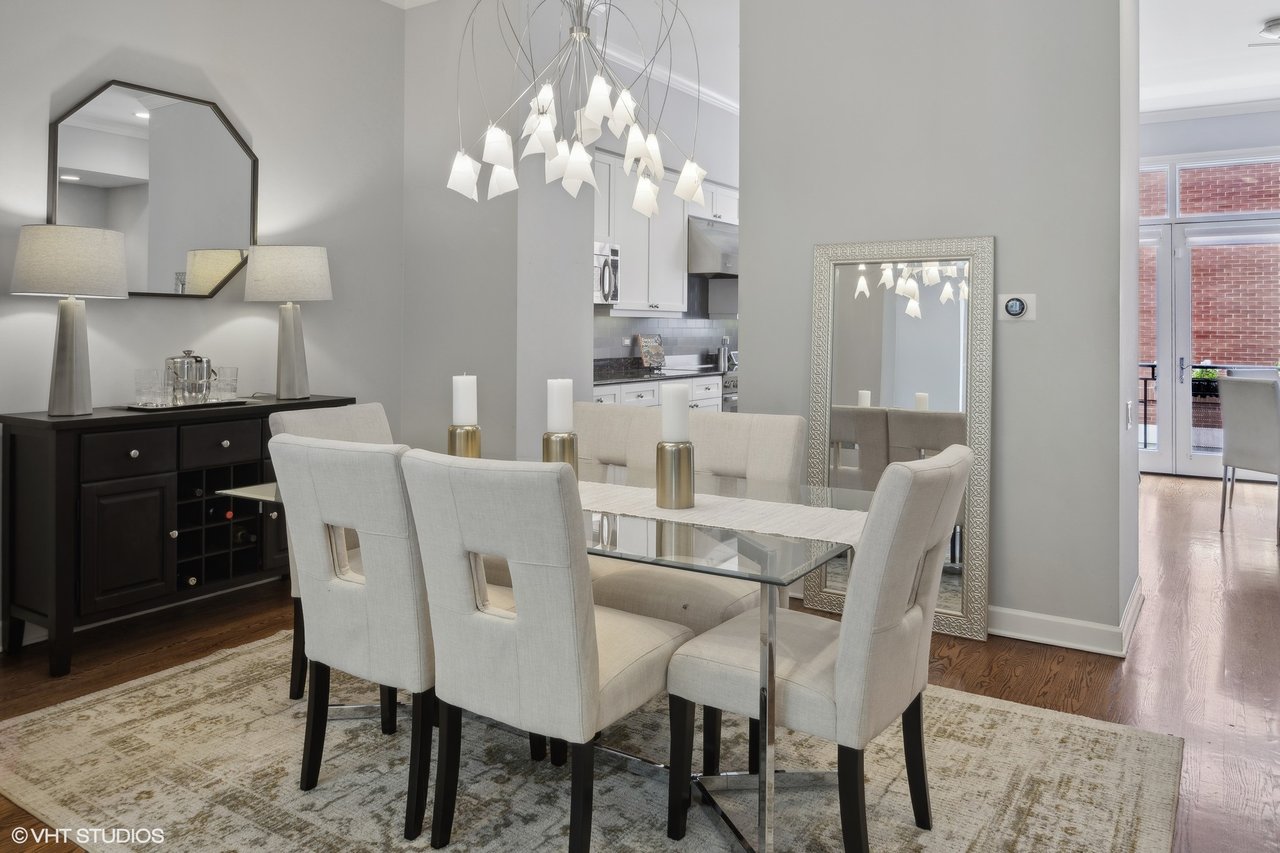
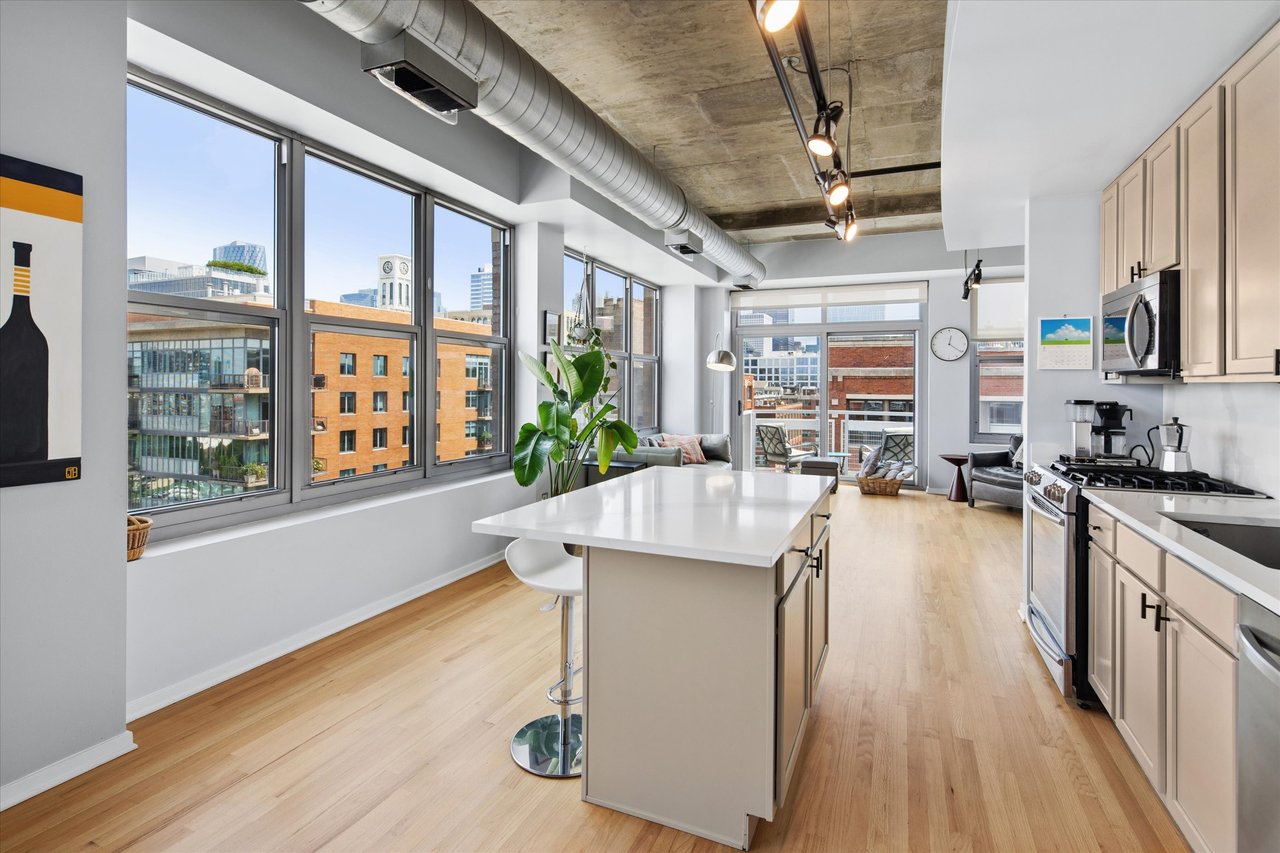
Less is usually more. Decluttering, depersonalizing, and deep cleaning make a bigger impact than most expensive renovations. Buyers want to picture themselves in the space. Personal collections, family photos, and excess furniture get in the way of that.
Specific improvements worth considering before listing:
- Fresh neutral paint throughout
- Updated light fixtures and hardware
- Professional cleaning of appliances, grout, and windows
- Pre-listing inspection to get ahead of any surprises
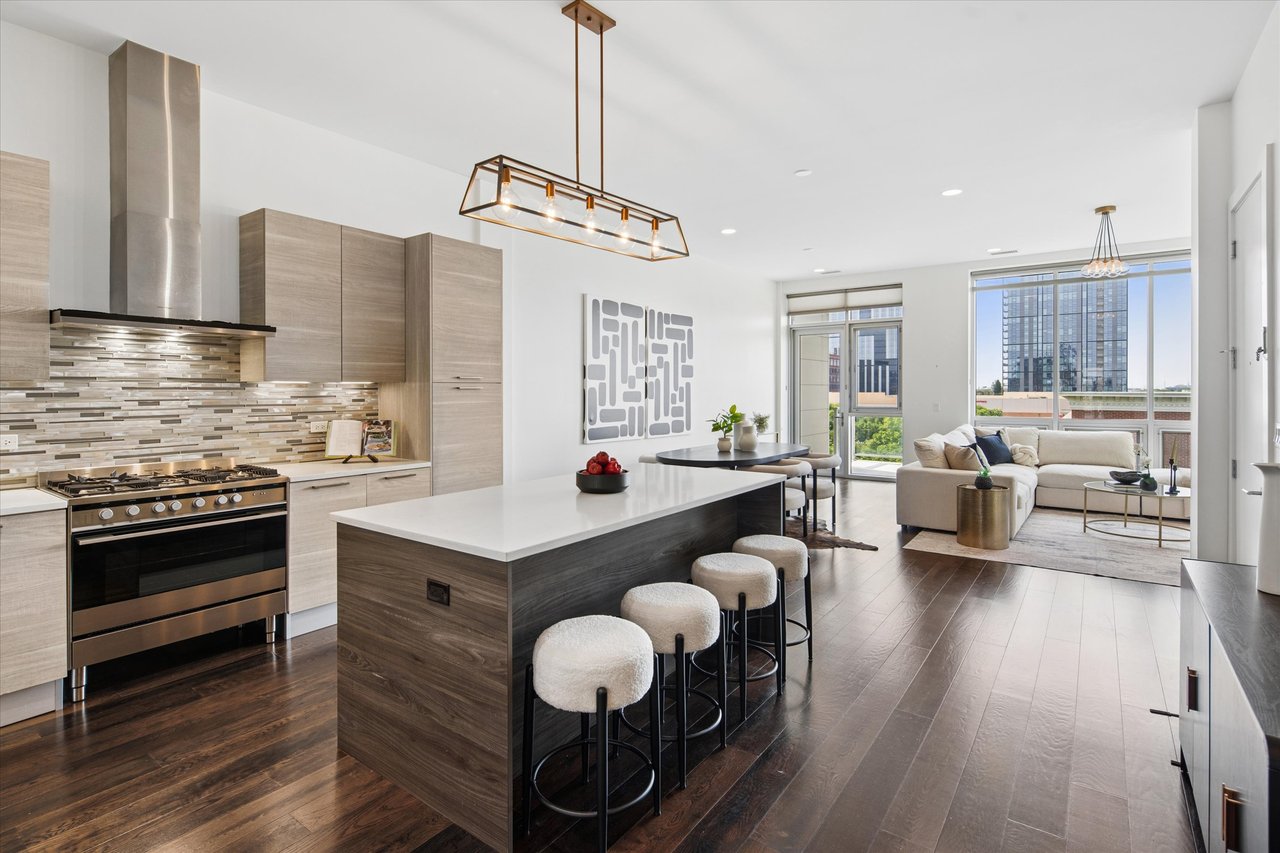
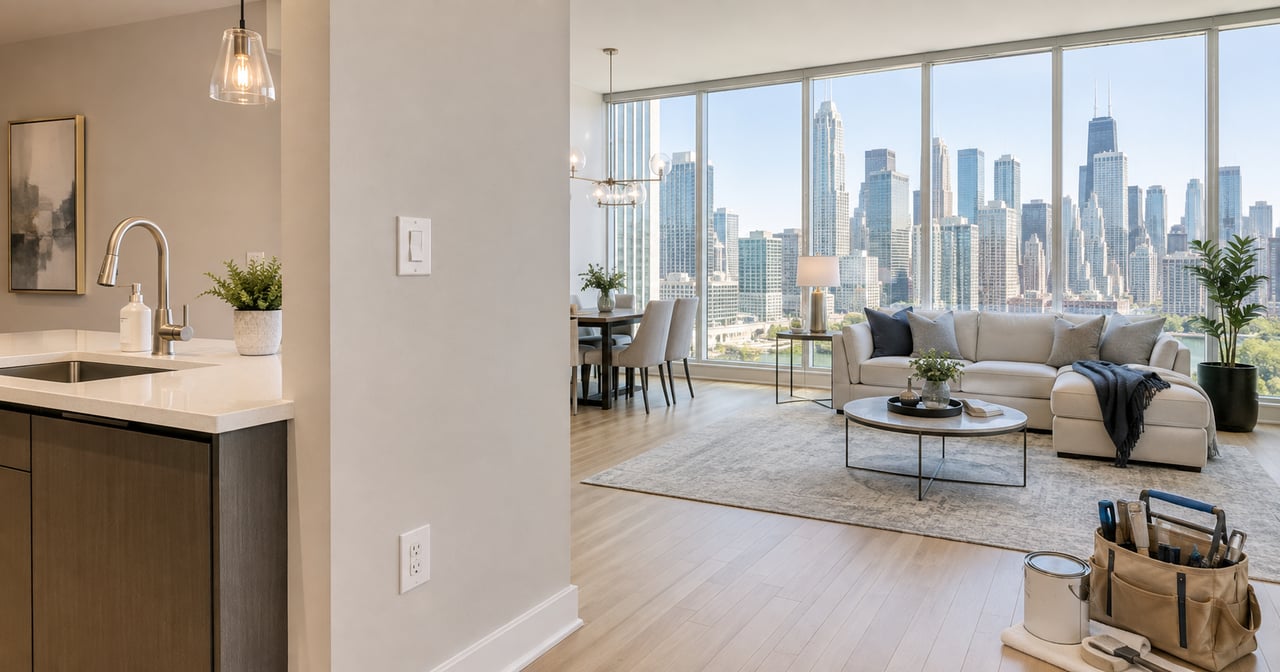
According to the Chicago Association of Realtors, staged homes sell faster and closer to asking price than unstaged listings. In a competitive condo market, professional staging is one of the highest-return investments a seller can make.
Does Staging Really Make a Difference?
Yes. Consistently, measurably, and significantly.
Buyers consistently prioritize monthly affordability and move-in condition over taking on renovation projects, especially in full-service Chicago condo buildings.
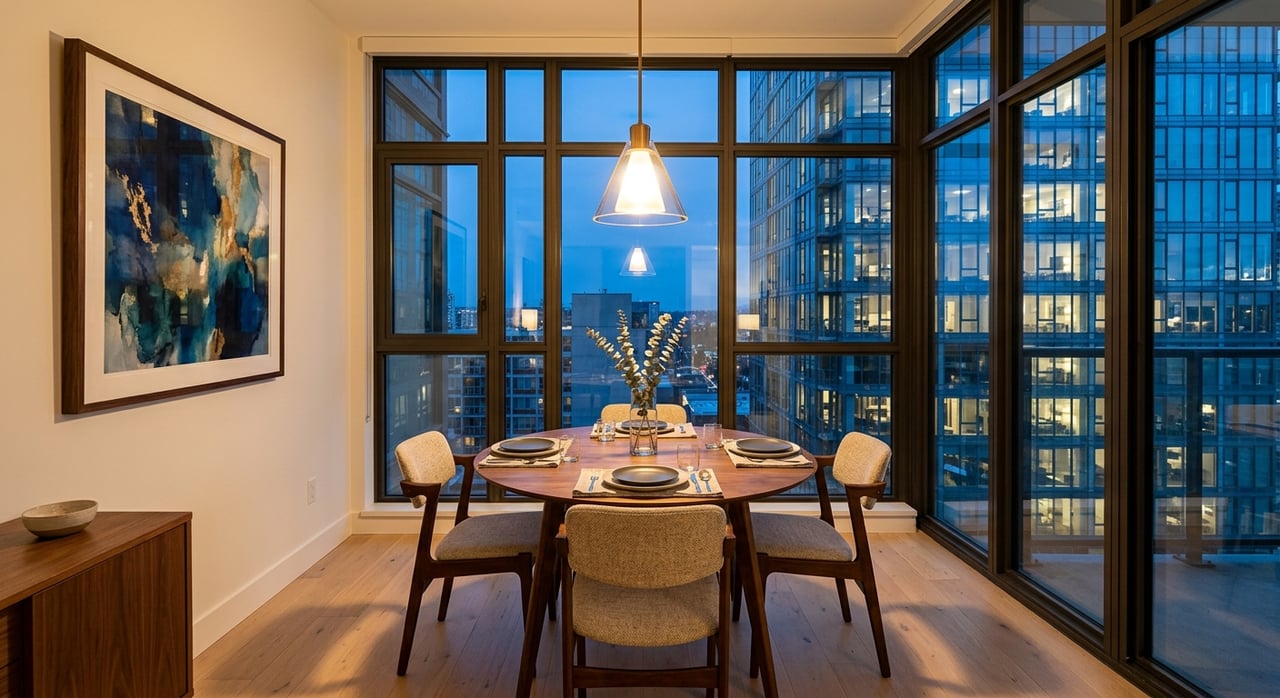
Staging makes your unit photograph better. It improves how the unit shows. And it makes buyers feel something when they walk in the door, which is ultimately what drives offers. In Downtown Chicago condos where buyers may tour 15 to 20 units before making a decision, the ones that feel like homes, not vacant boxes, stand out.
The cost of staging is almost always recovered in sale price and fewer days on market.
What Are the Costs of Selling a Condo in Chicago?
Sellers underestimate what comes out of the sale. Plan for these:
Agent commissions are negotiated, not fixed. The structure changed in 2024 following NAR settlement changes, so it's worth having that conversation directly.
Transfer taxes in Chicago are among the highest in the country. Chicago imposes a real property transfer tax that sellers should factor into their net proceeds calculation. For specifics, the City of Chicago's transfer tax page has current rates.
Attorney fees are standard in Illinois transactions, typically ranging from $500 to $1,500.
HOA move-out fees and paid assessments are required at closing. You'll need to bring assessments current and potentially pay a move-out deposit to the building.
Condo disclosure documents are required under Illinois law. The cost of pulling the 22.1 disclosure package from your association is usually $100 to $300.
Don't forget to factor in any repairs or credits that come out of the inspection process.
Do I Have to Disclose Everything That's Wrong With My Condo?
Illinois law requires sellers to disclose known material defects. The Illinois Residential Real Property Disclosure Act covers a defined list of items including structural issues, water intrusion, HVAC condition, and more. You are disclosing what you know. Not warranting a perfect property.
For condo sales specifically, Illinois also requires a 22.1 disclosure from the association. This package includes meeting minutes, financials, reserve fund status, and pending assessments. Buyers have five business days to review it and can cancel during that window.
This is one area where working with an experienced Chicago condo attorney is non-negotiable.
What Happens After I Accept an Offer?
Once you accept an offer, the clock starts on several parallel processes. In Illinois, both parties typically have three to five business days to sign the contract after verbal agreement.
Here's what follows:
- Attorney review begins immediately. Both sides have attorneys review the contract.
- Inspection usually happens within five to ten business days. Buyers request repairs or credits based on findings.
- 22.1 disclosure review by the buyer's attorney.
- Appraisal is ordered by the buyer's lender if financing is involved.
- Mortgage commitment deadline is typically three to four weeks in.
- Final walkthrough happens 24 to 48 hours before closing.
- Closing is the finish line. In Illinois, most closings are in-person at a title company.
The typical timeline from accepted offer to closing is 30 to 45 days for financed purchases, sometimes faster for cash.
Can I Stay in My Condo After Closing?
Yes, with a rent-back agreement. A post-closing possession agreement (sometimes called a rent-back) lets the seller remain in the property for an agreed period after closing in exchange for a daily rent payment to the buyer. This is common when sellers need time to find their next home or coordinate a move.
The terms are negotiated as part of the offer. Most buyers will agree to 30 to 60 days. Extensions beyond that are less common.
What If My Condo Isn't Selling?
If your unit has been on the market for 30 or more days without offers, there are usually three culprits: price, condition, or marketing.
Price is most often the issue. Buyers are doing their research. If your unit is priced above what comparable units have sold for, buyers will notice and move on.
If pricing and condition are strong, evaluate the marketing. Are the photos professional? Is the listing description compelling and searchable? Is the unit being shown actively?
A price reduction, refreshed photos, or a strategic relisting can reset buyer perception and generate new activity.
Why a Condo Isn’t Selling
Price
Too high vs recent comparable sales
Condition
Dated finishes, clutter, or needed repairs
Marketing
Weak photos, poor exposure, limited showings
Should I Be Present During Showings?
No. Sellers being home during showings makes buyers uncomfortable. They feel they can't speak freely, open cabinets, or ask honest questions. The result is shorter showings and fewer follow-up inquiries.
Leave the unit, take the dog or cat, and let your agent do their job.
Key Takeaways
- Accurate pricing from the start is the single biggest factor in how well your sale goes.
- Preparation, staging, and professional photography are high-return investments.
- Illinois requires both property and association disclosures. Know what you're obligating yourself to provide.
- The closing process in Illinois involves attorneys, inspections, and association documents. A 30 to 45 day timeline is standard.
- If the listing isn't moving, address price first, then condition, then marketing.
FAQ
How do I know if my condo is priced right?
If you receive multiple showings but no offers in the first two weeks, pricing is often the issue. Your agent should be tracking showing feedback and competing inventory weekly.
Is it better to sell vacant or occupied?
Occupied and staged typically shows better than vacant. A vacant unit can feel smaller and less inviting. If you've already moved, professional staging is worth the investment.
Can I sell if I still owe on my mortgage?
Yes. Your mortgage is paid off at closing from your sale proceeds. As long as you sell for more than you owe, including closing costs, you'll net positive.
What if the appraisal comes in low?
You and the buyer negotiate. Options include reducing the price, having the buyer make up the gap in cash, meeting somewhere in the middle, or walking away if no agreement is reached.
Do I need a real estate attorney in Illinois?
Yes. Illinois is an attorney state for real estate transactions. Attorney representation is standard and expected on both sides.
Should I sell before or after buying my next condo?
It depends on your financial position and risk tolerance. Many sellers choose to sell first to lock in proceeds, then buy with certainty.
The Bottom Line
Selling a Downtown Chicago condo is a process with a lot of moving parts. The sellers who get the best outcomes are the ones who ask good questions early, price realistically from the start, and work with a broker who knows their building and their neighborhood.
With 25+ years in the Downtown Chicago condo market and over $200 million in closed sales, Christine Hancock has heard every question in this list, and a few more. If you're thinking about selling, the conversation starts with understanding what your unit is worth today.
Call or text Christine Hancock at 312-296-9300 to talk about your unit's value, or what it would take to get you to the closing table.
Wondering what your condo would actually sell for in today’s market, not what an algorithm says?
Get a data-backed price range based on your building, your tier, and your competition.
ABOUT THE AUTHOR
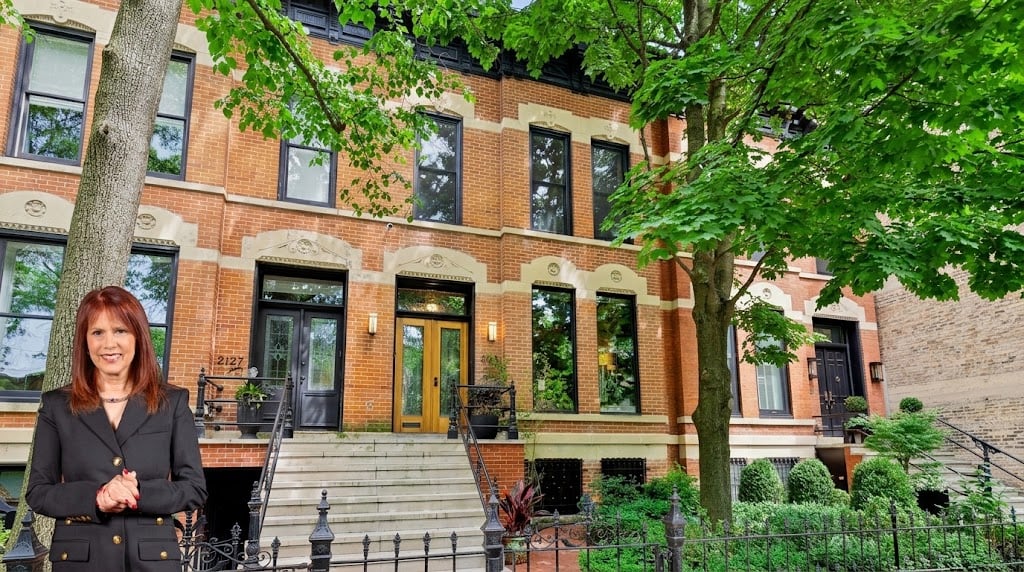
Christine Hancock is a Chicago Realtor with @properties Christie's International Real Estate, bringing more than 25 years of experience and over $200 million in closed sales in the downtown condo market. With 96 five-star Zillow reviews, Christine is recognized for her commitment to client satisfaction and market expertise.
She specializes in high-rise and luxury condominium sales in West Loop, South Loop, River North, and Streeterville, helping buyers and sellers navigate complex transactions with data-driven pricing strategies and deep neighborhood insight.
Christine partners with clients to evaluate market trends, position properties competitively, and make confident, informed decisions in Chicago's vibrant downtown housing market.
Call or text 312-296-9300 to discuss current market conditions or your real estate goals.
Seller Resources
- Chicago Home Staging Trends 2026
- What Chicago Condo Sellers Need to Know About the 22.1 Disclosure
- Can You Trust Zillow Zestimates for a Chicago Condo?
- Chicago Condo HOA Fees