7 Factors That Influence Luxury Condo Prices in the West Loop
Why does the unit on the 18th floor sell for $80,000 more than the one on the 4th floor in the same building? West Loop condo pricing isn't random. It's driven by a specific set of factors that stack on top of each other, and if you're selling, understanding them is the difference between leaving money on the table and walking away with the number you wanted.
THE SHORT ANSWER
Luxury condo prices in the West Loop are shaped by seven key factors: outdoor space, parking, building reputation, floor height and views, renovation quality and finishes, unit location within the building, and HOA financial health. The condos that command top dollar typically score well across multiple categories at once.
Factor 1: Does the Unit Have Outdoor Space?
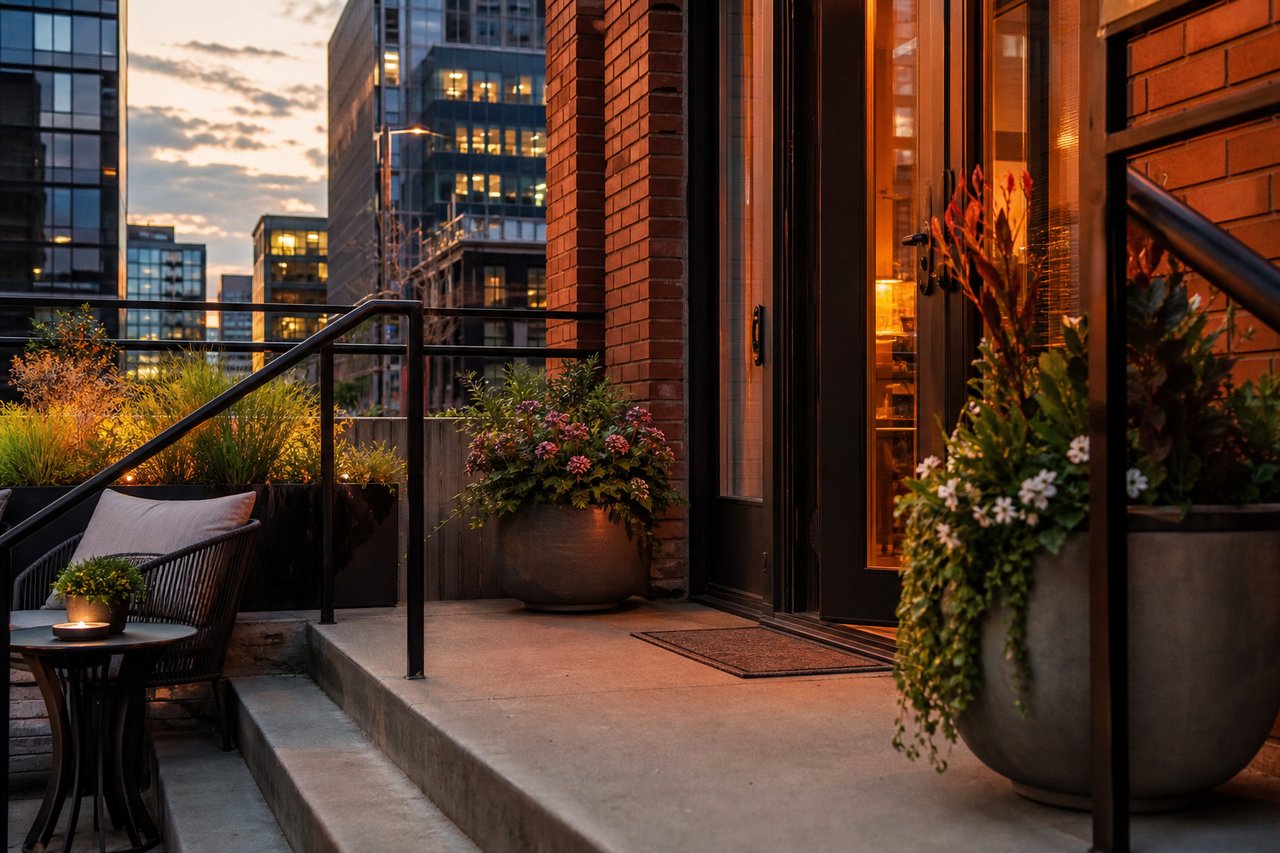
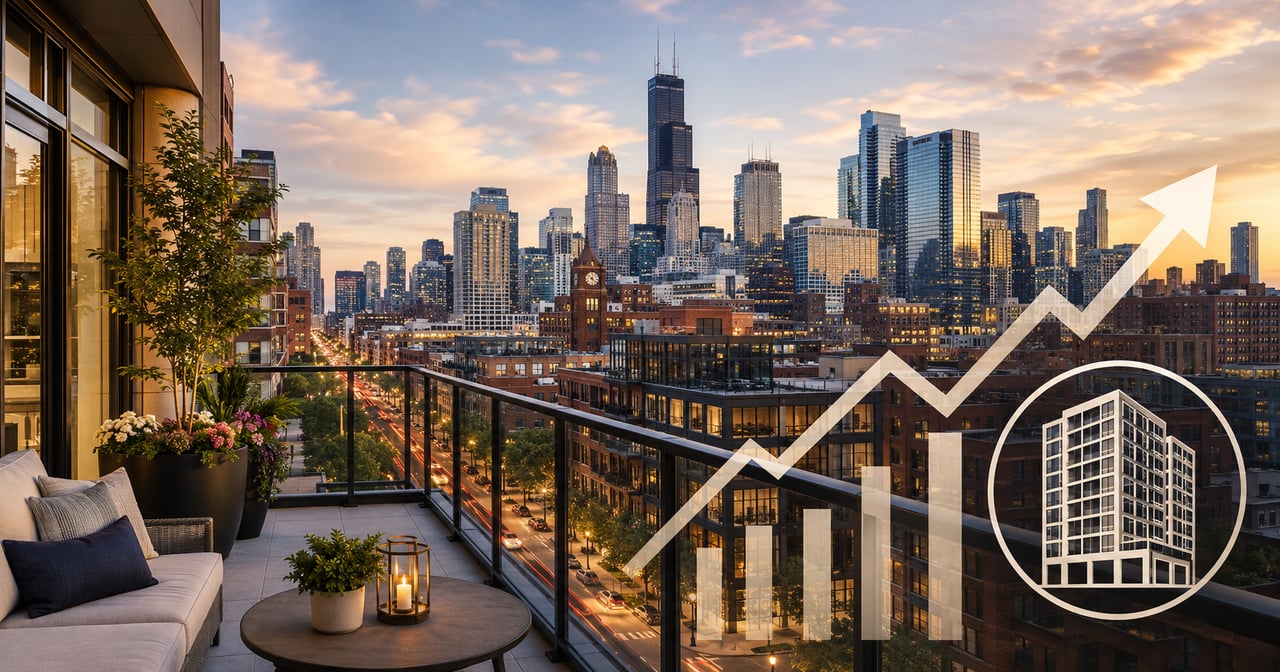
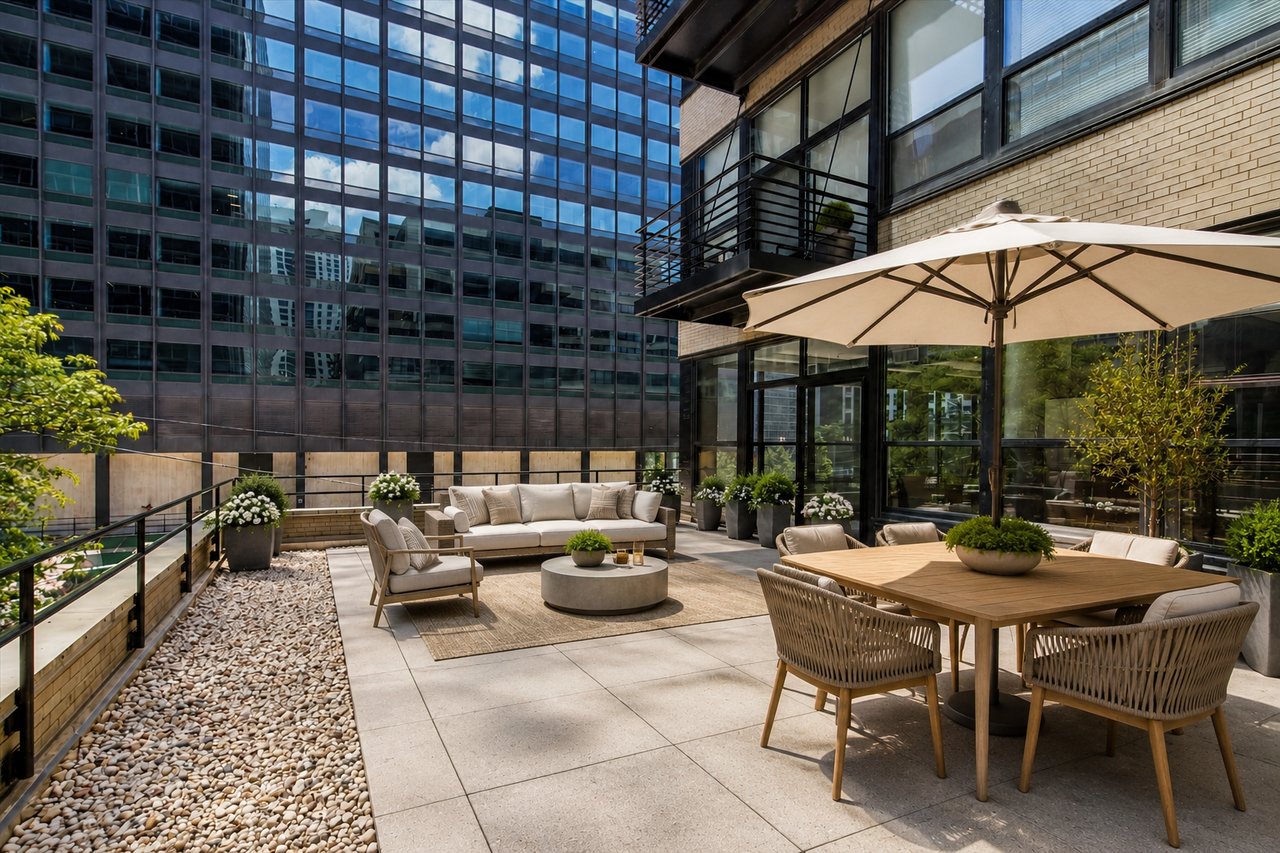
Private outdoor space is one of the biggest value drivers in the West Loop market. Full stop.
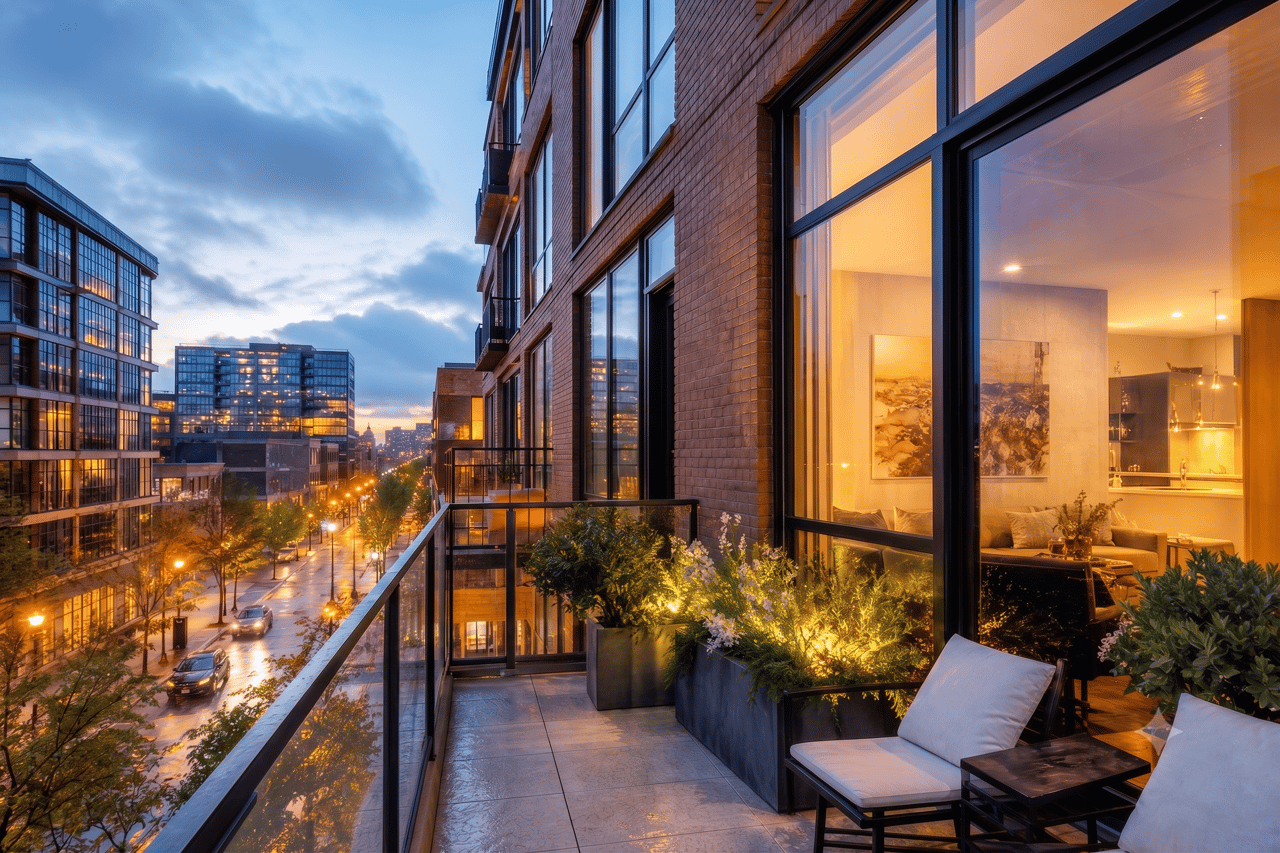
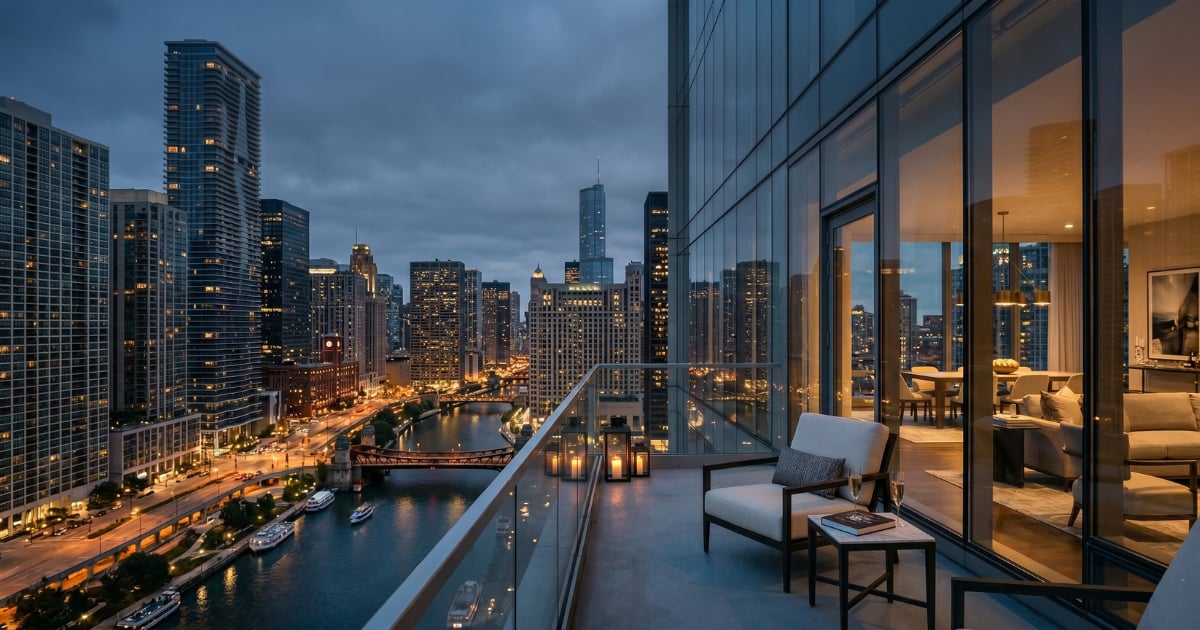
A private balcony, a terrace, or a rare rooftop deck can add meaningful dollars to a sale price. Buyers shopping in the $500K to $1M+ range want somewhere to put a grill, a chair, and a glass of wine after dinner. It's that simple.
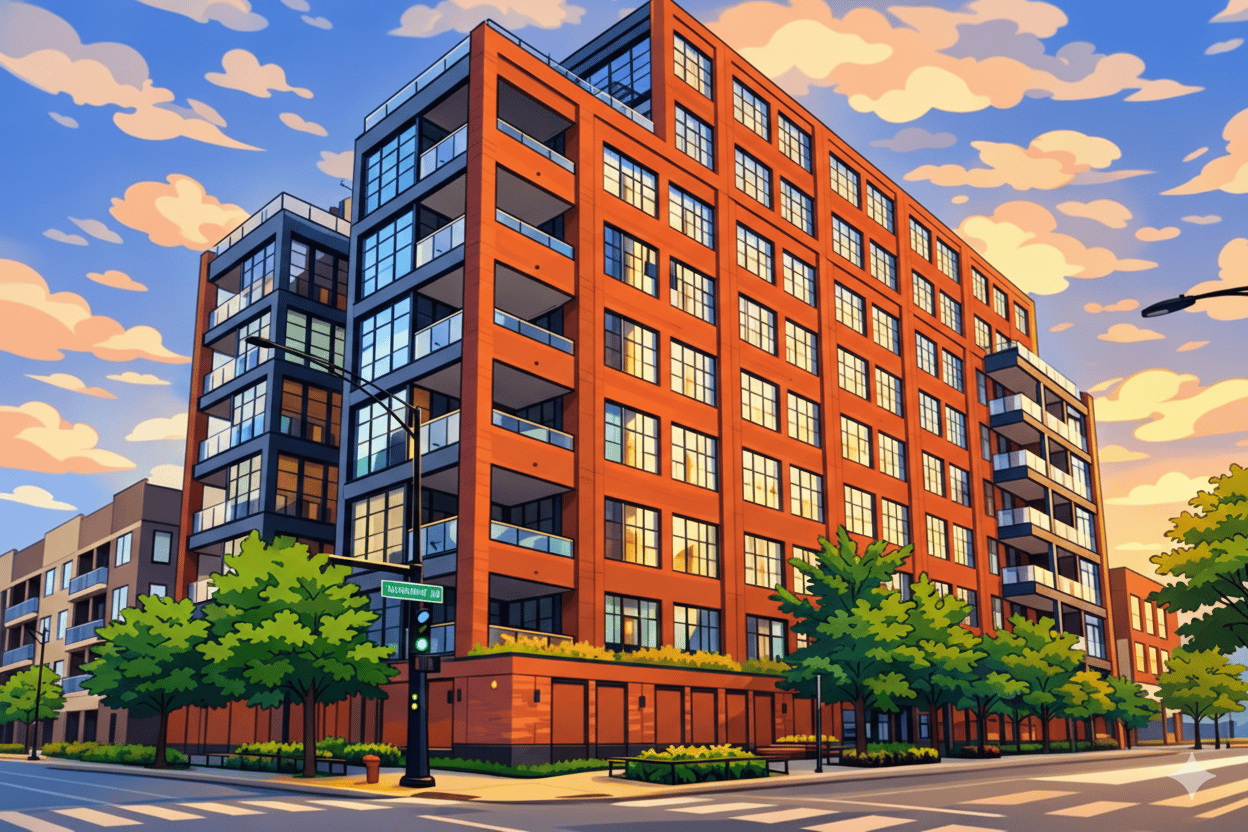
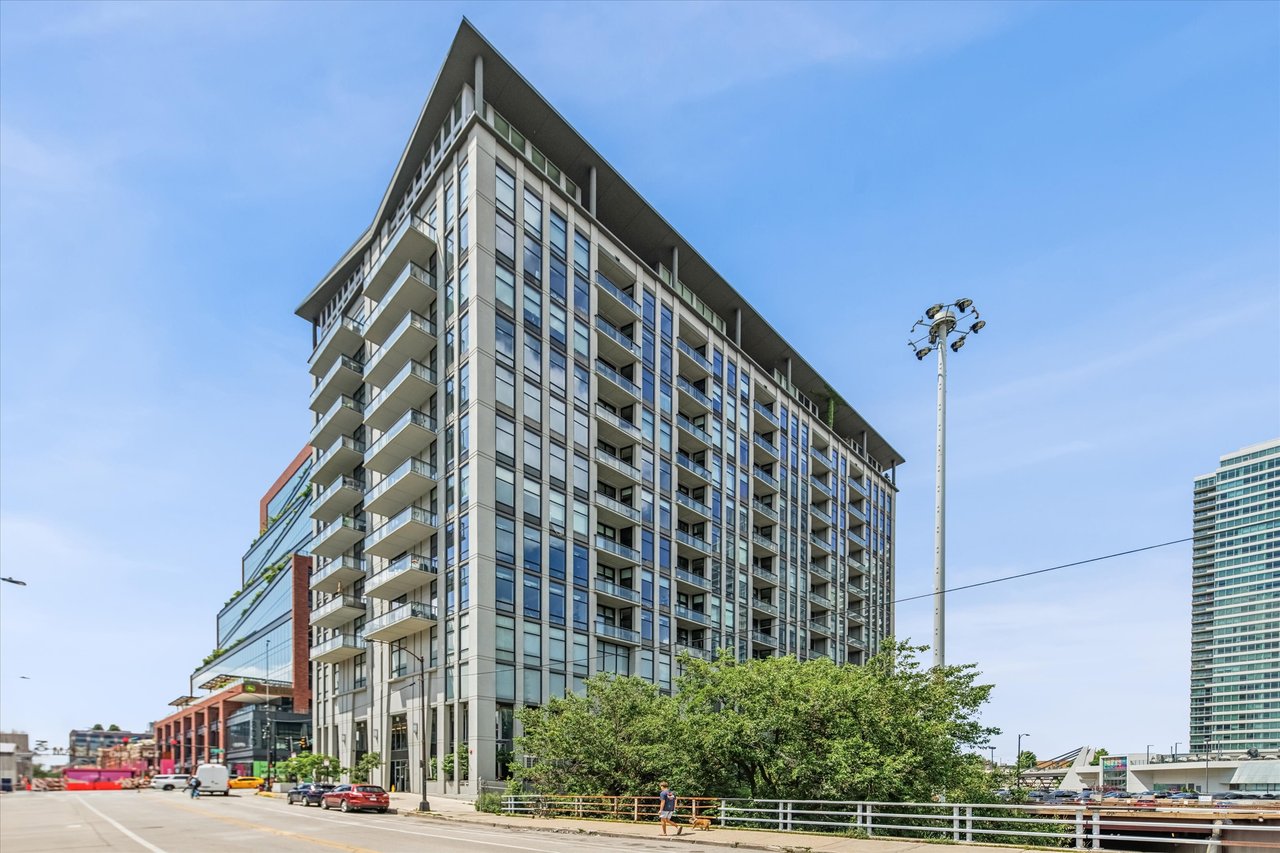
At buildings like The Hayden on Washington Boulevard, private outdoor space often exceeds 200 square feet, and it shows up in the sale price. Units without any outdoor access frequently need to compete on price. Units with a south or west-facing terrace? They rarely sit long.
If your unit has outdoor space, it deserves to be front and center in your listing strategy. If it doesn't, there are other ways to compete, but don't pretend the market doesn't notice.
Factor 2: What's the Parking Situation?
Parking in the West Loop is a real dollar figure, not an afterthought.
Garage parking spaces in downtown Chicago routinely sell or rent for $25,000 to $50,000+. When parking is included with a condo, buyers factor that value into their offer. When it's not included, they subtract it from what they're willing to pay.
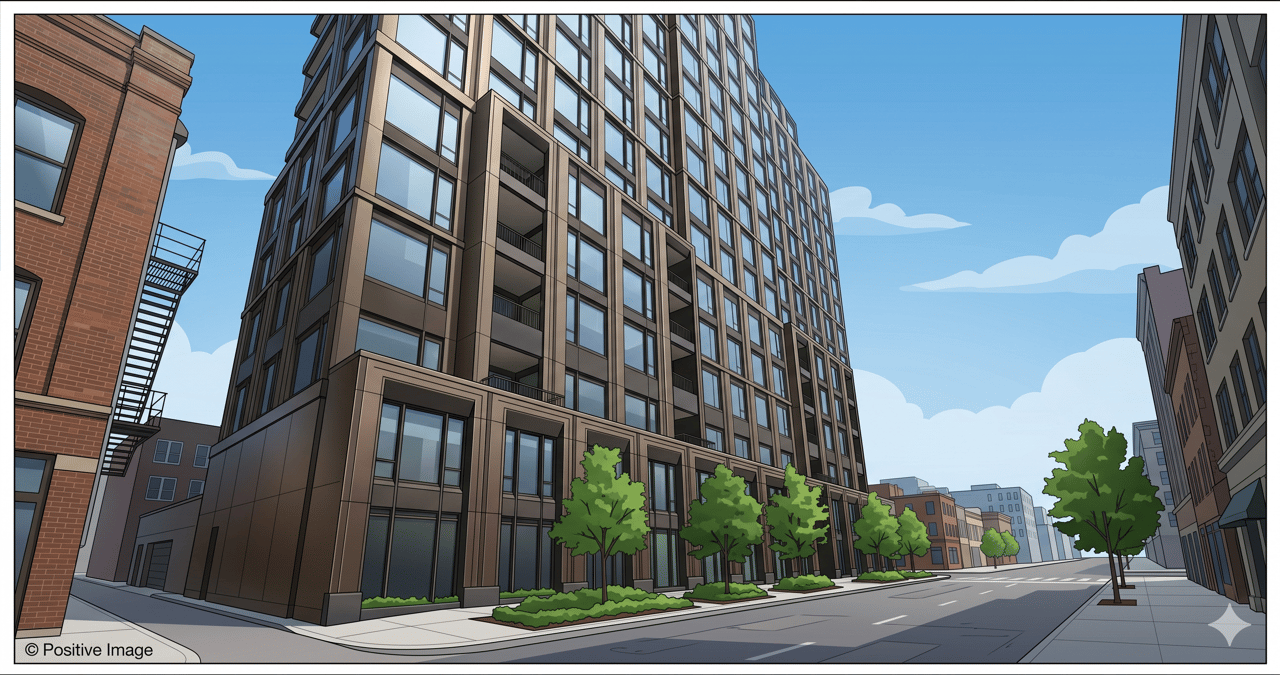
Two-car parking, which is more common in boutique buildings like The Hayden, adds even more perceived value. EV charging capability is now a meaningful selling point for buyers who drive electric vehicles.
If your unit comes with parking, make sure that value is clearly communicated. If it doesn't, expect buyers to ask, and expect it to affect price negotiations.
According to the National Association of Realtors, parking remains among the top five features that influence urban condo purchase decisions.
Factor 3: How Respected Is the Building?
Building reputation matters enormously in the West Loop. And owners don't always think about it when they decide to sell.
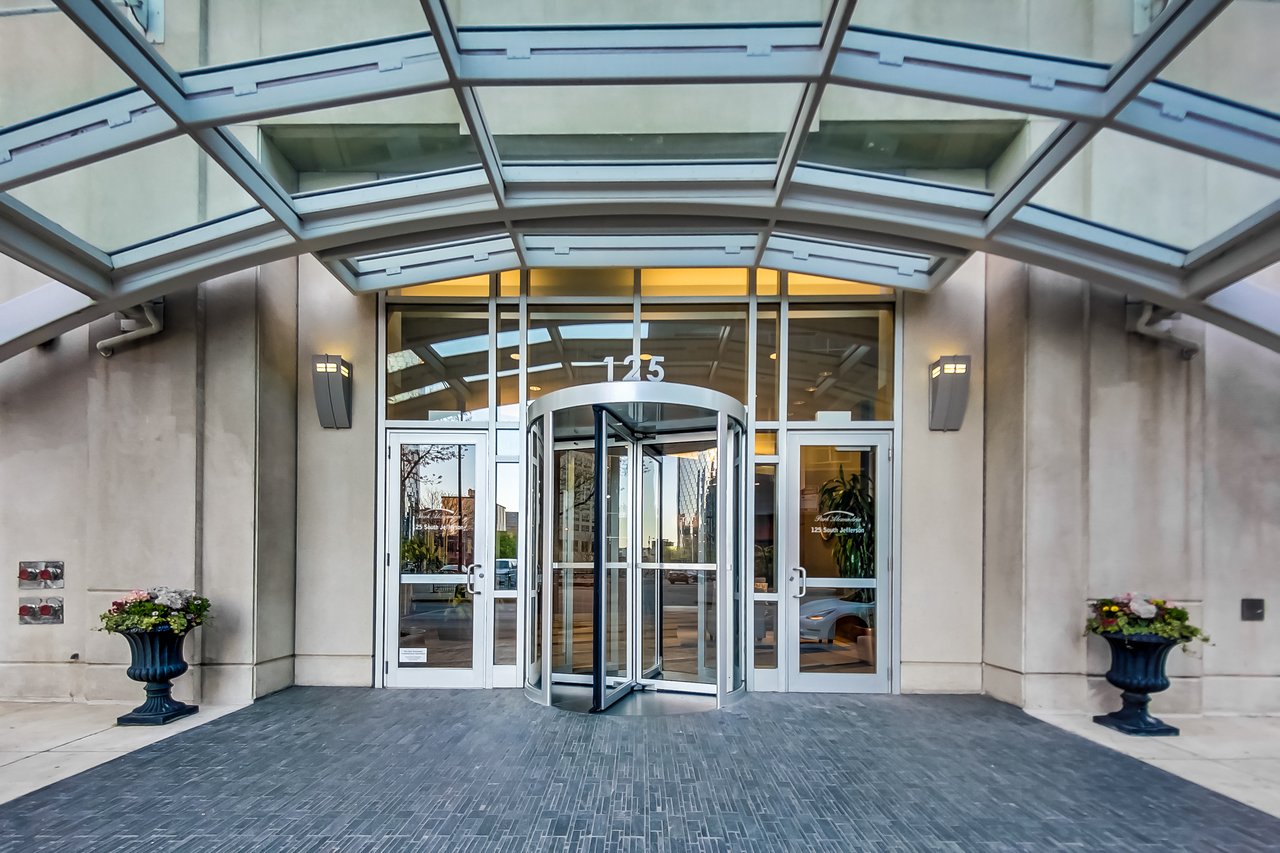
Buyers in this market do their homework. They know which buildings have strong reserves, proactive management, and a history of clean financials. They also know which buildings have had special assessments, deferred maintenance, or ownership conflicts.
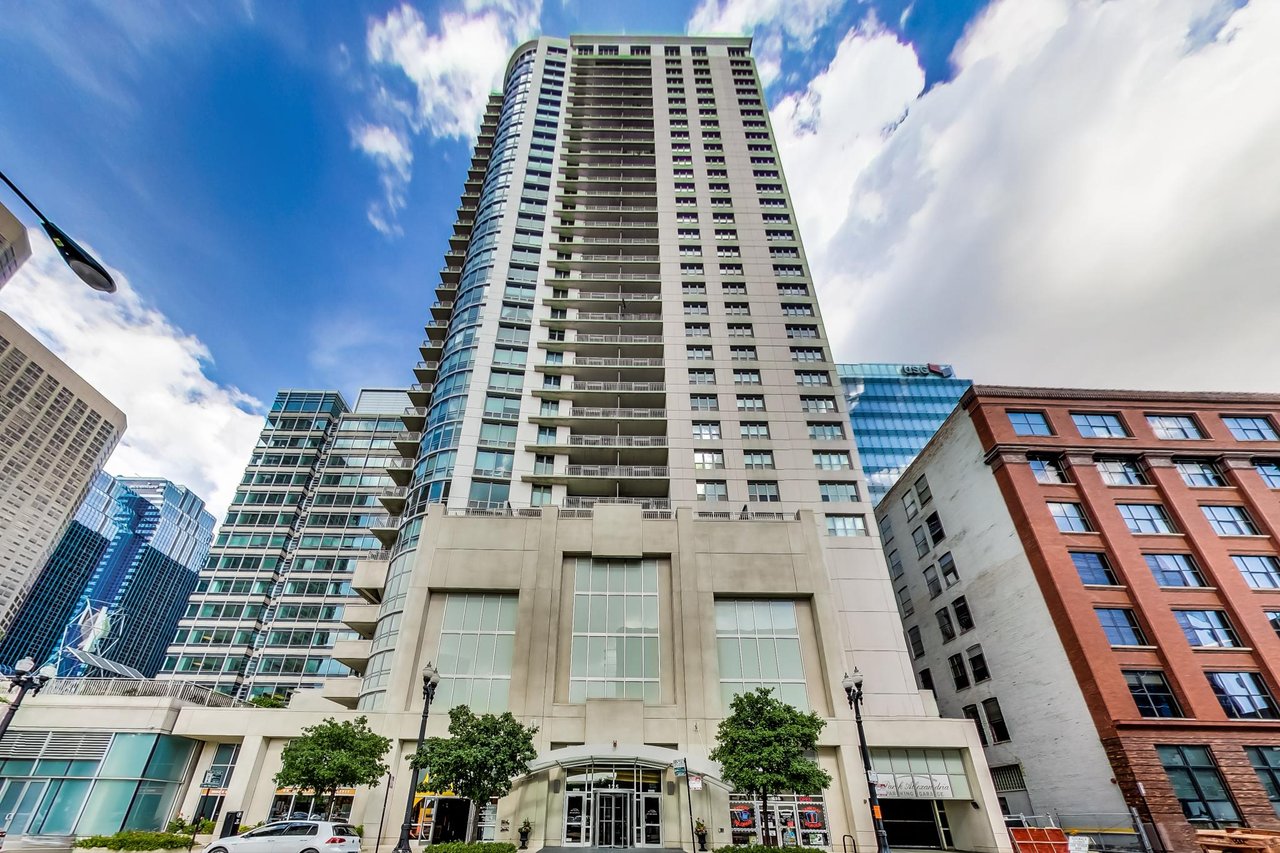
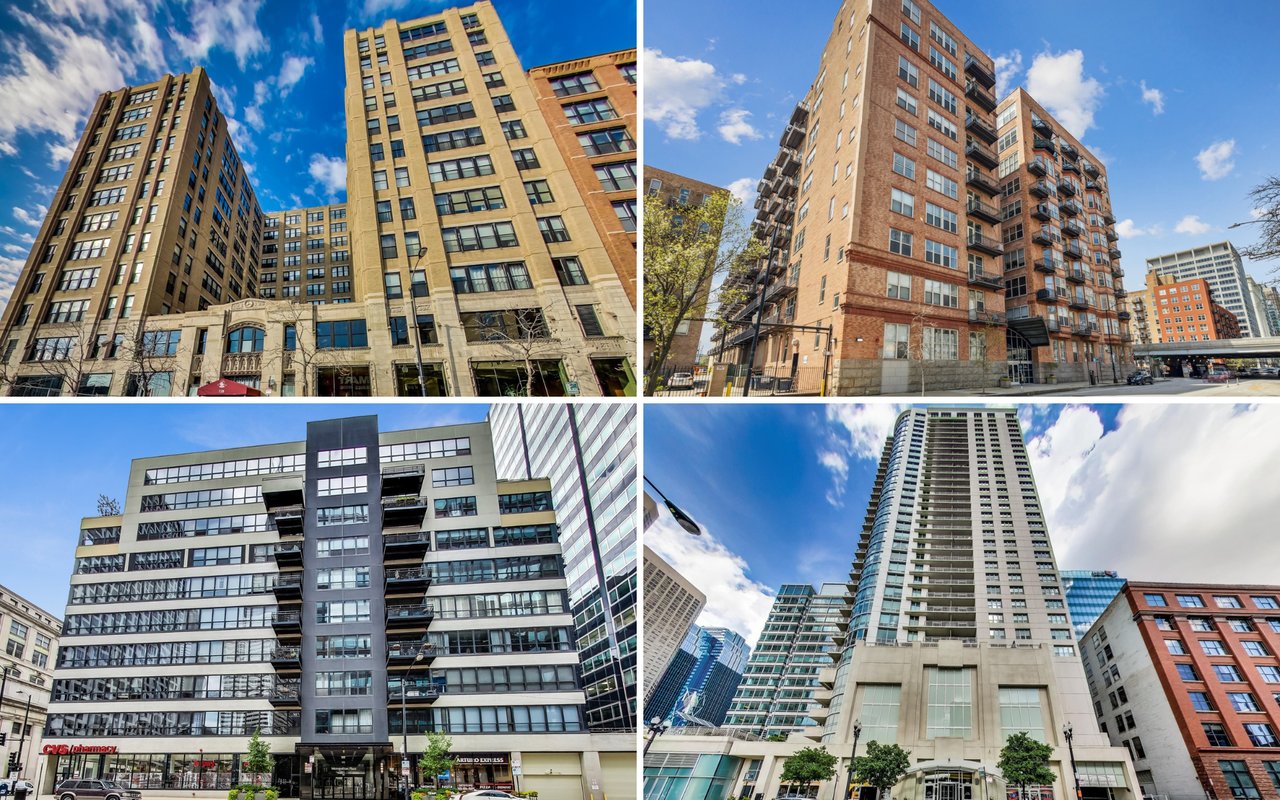
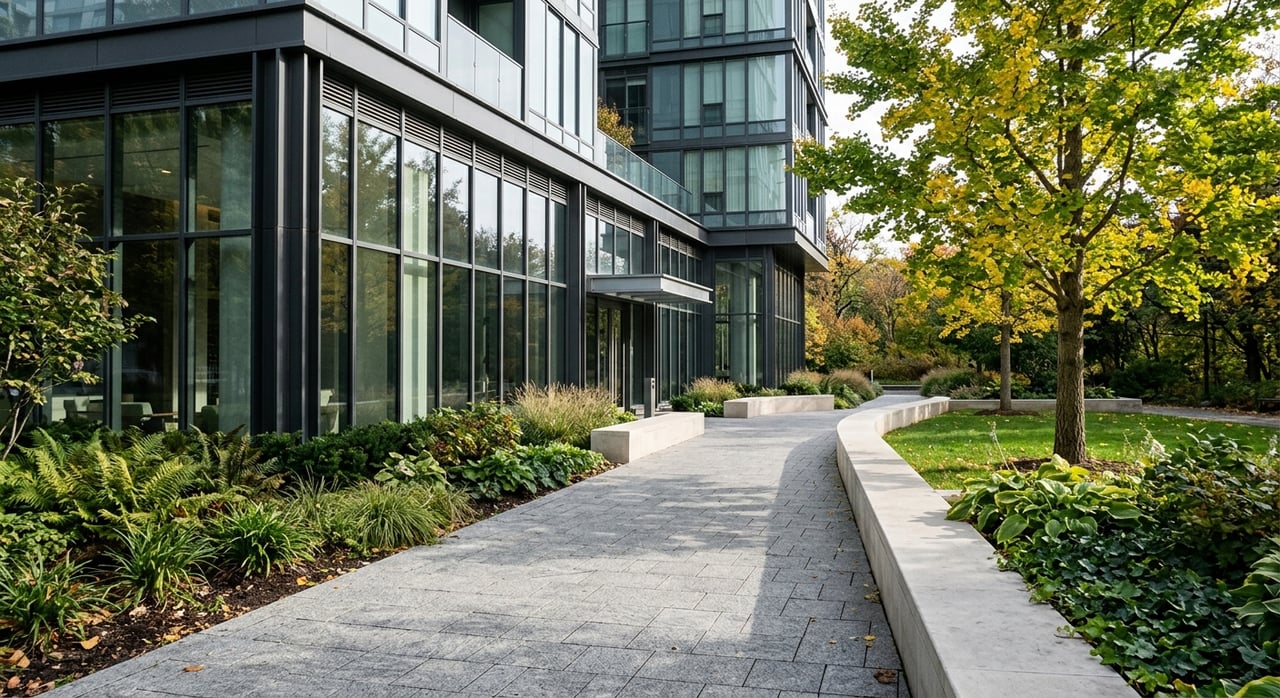
A well-run building like 850 W. Adams or a boutique property like 111 S. Peoria St. commands buyer confidence. That confidence shows up in offers. Buyers are more willing to move quickly, waive contingencies, and pay close to ask when they trust the building.
A building's reputation also affects how easily buyers can get financing. Lenders look at owner-occupancy ratios, reserve fund levels, and pending litigation. A building that fails lender requirements can kill deals before they ever reach the closing table.
Factor 4: How Much Does Floor Level Affect Price?
In high-rise and mid-rise buildings, floor level is one of the most reliable price predictors.
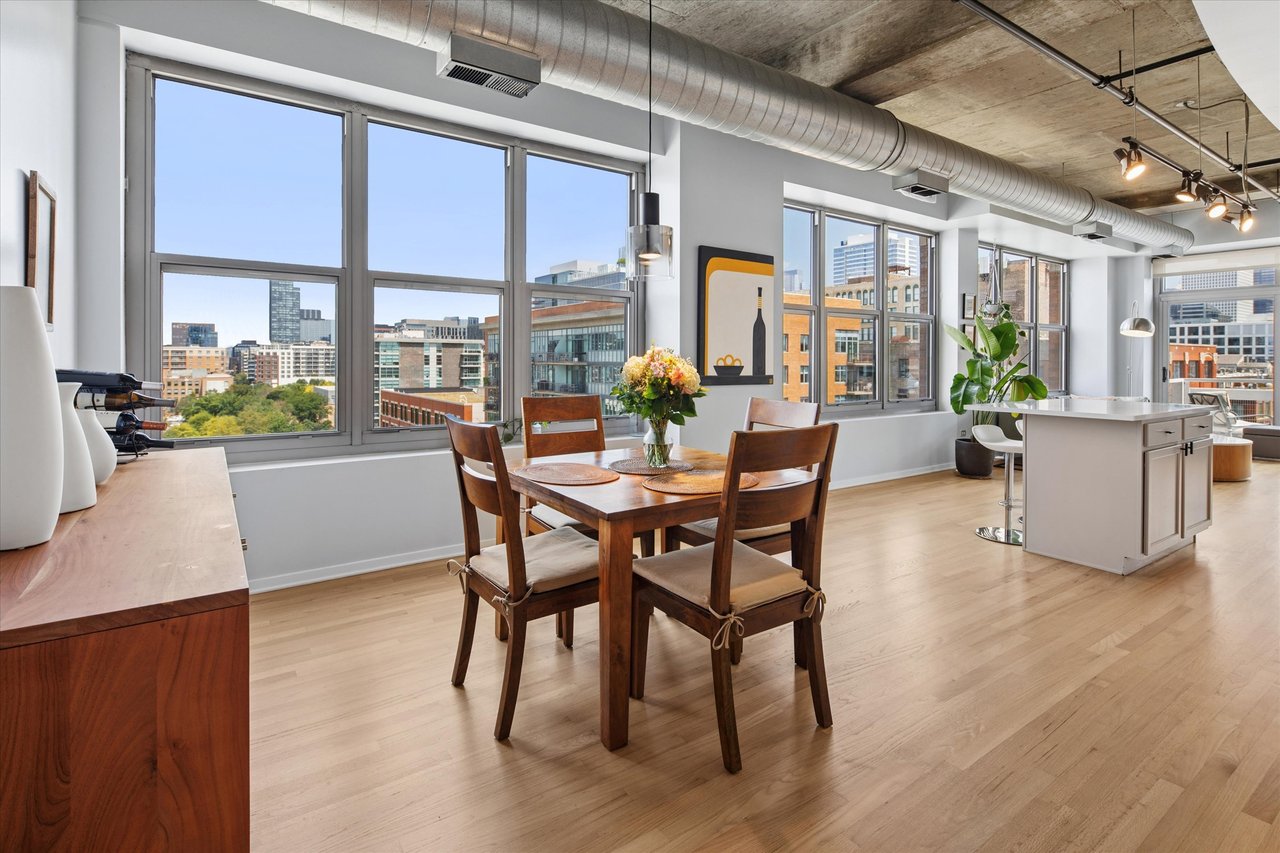
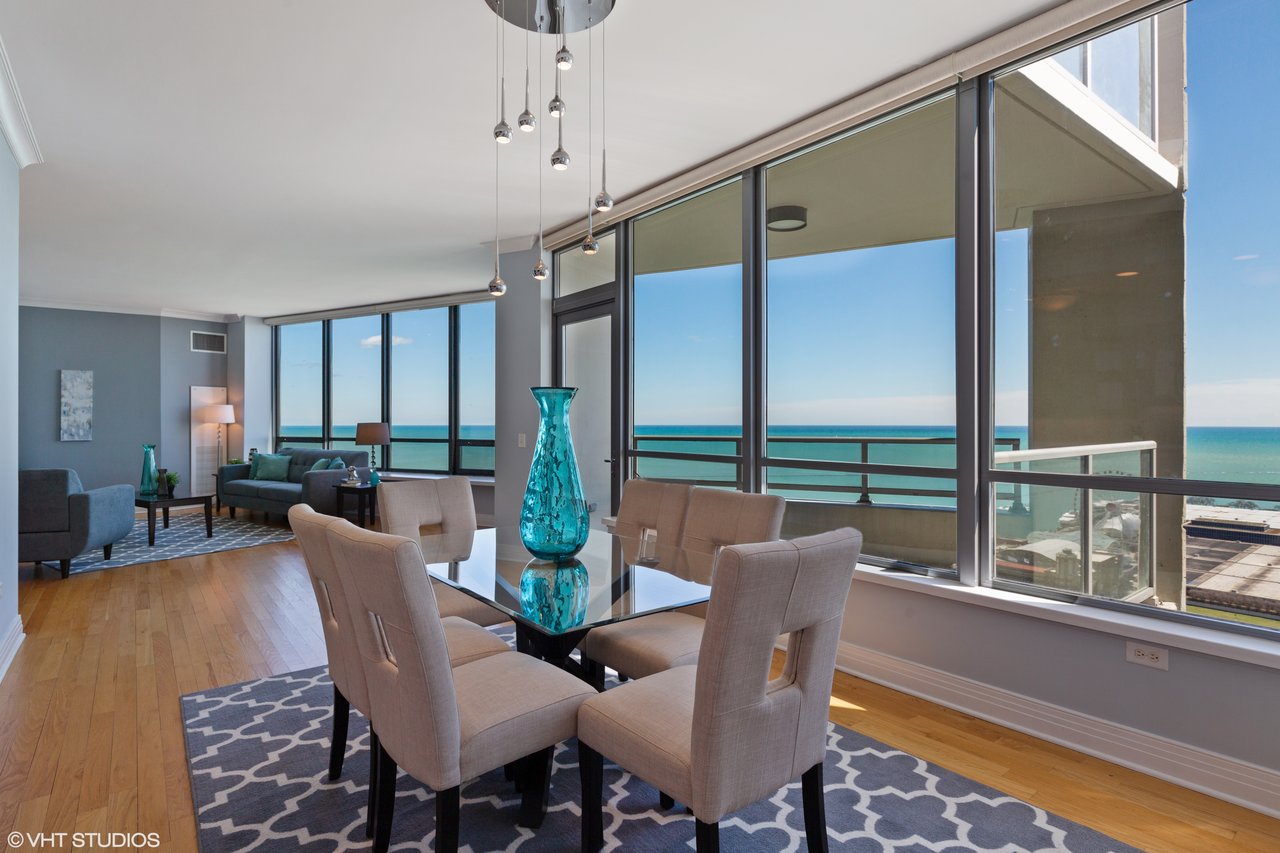
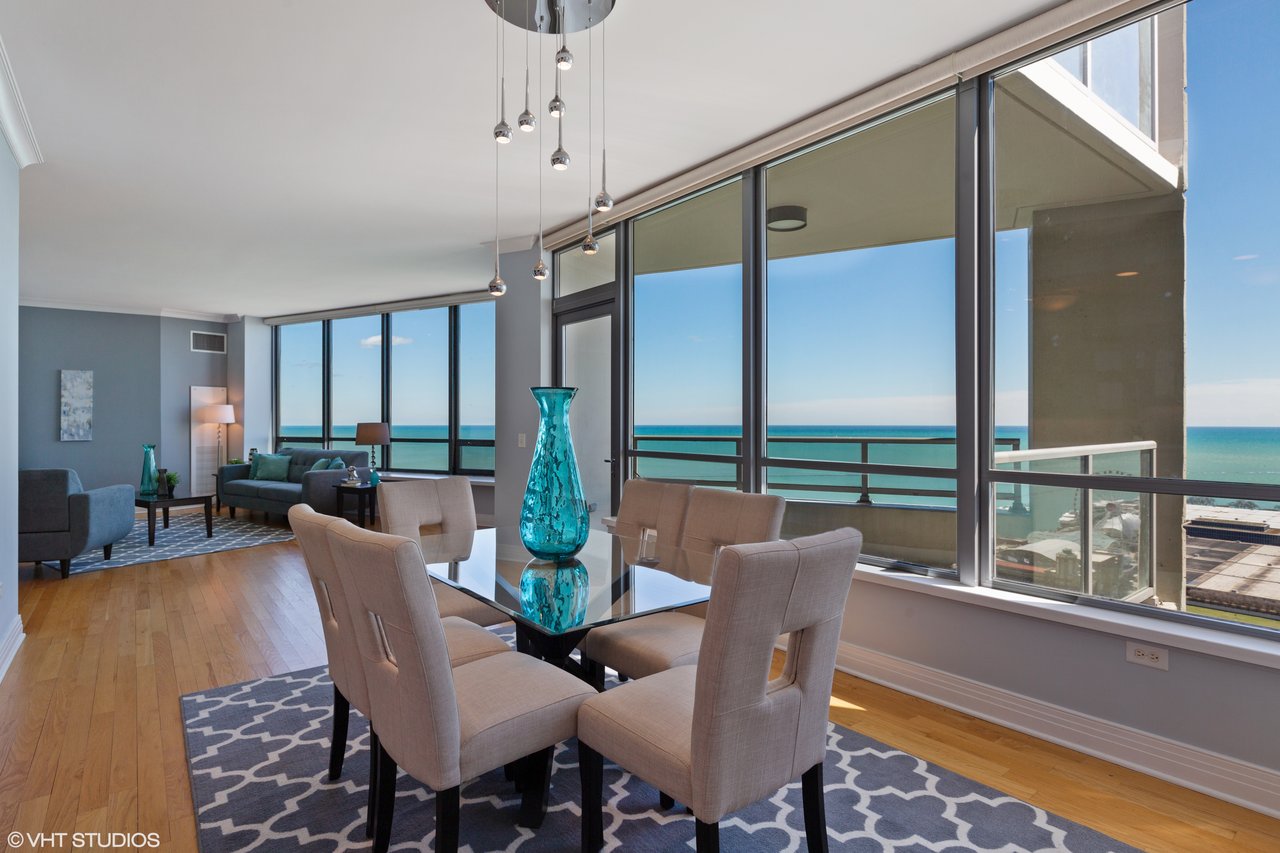
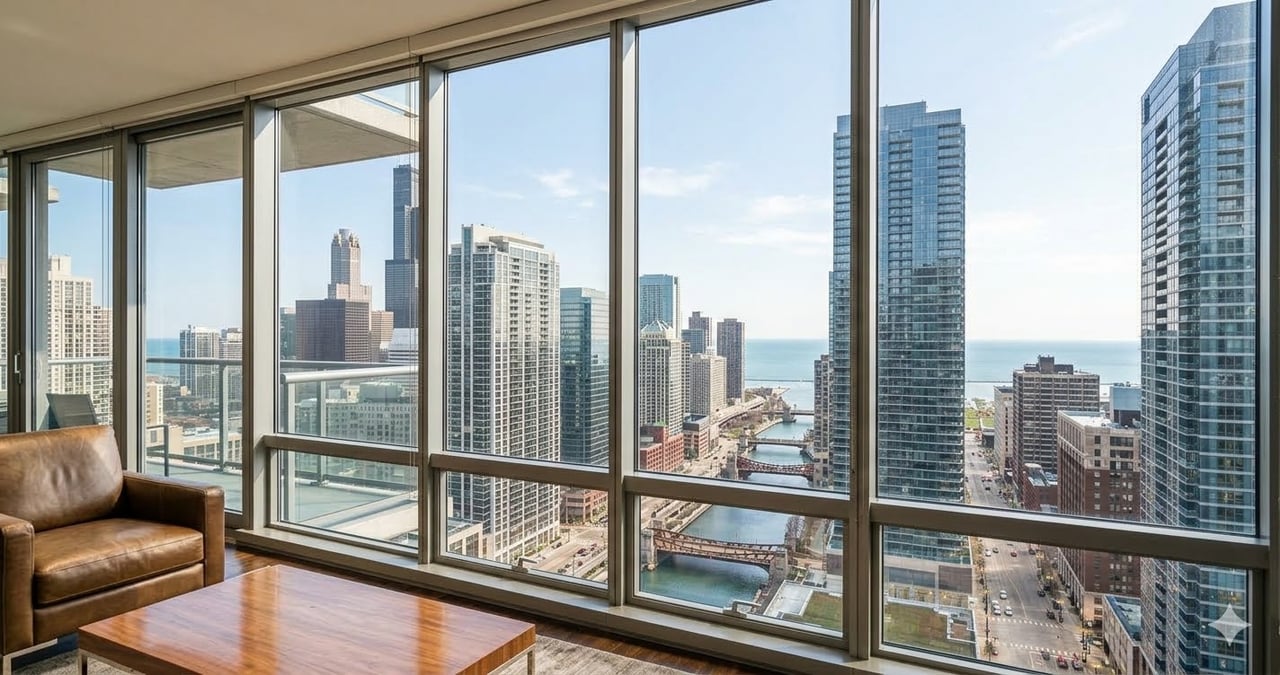
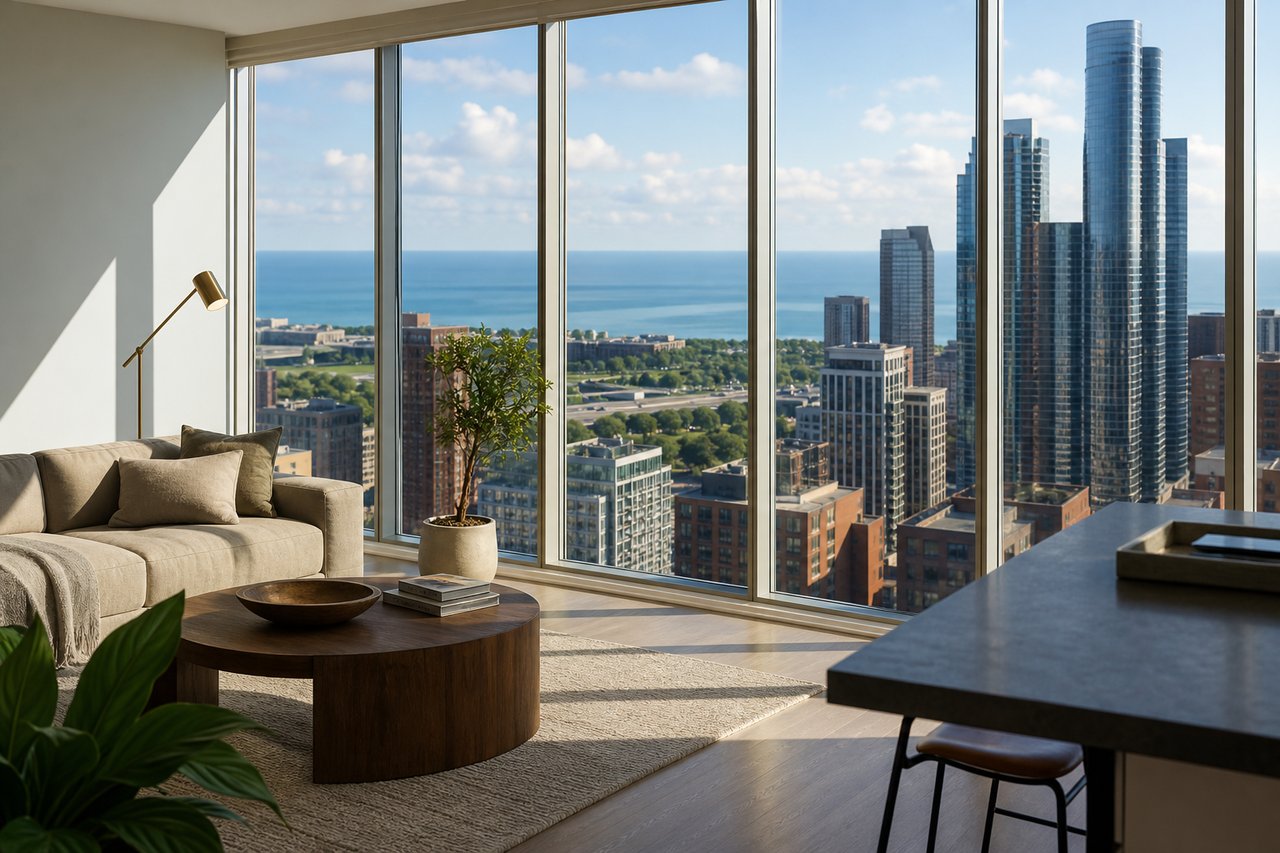
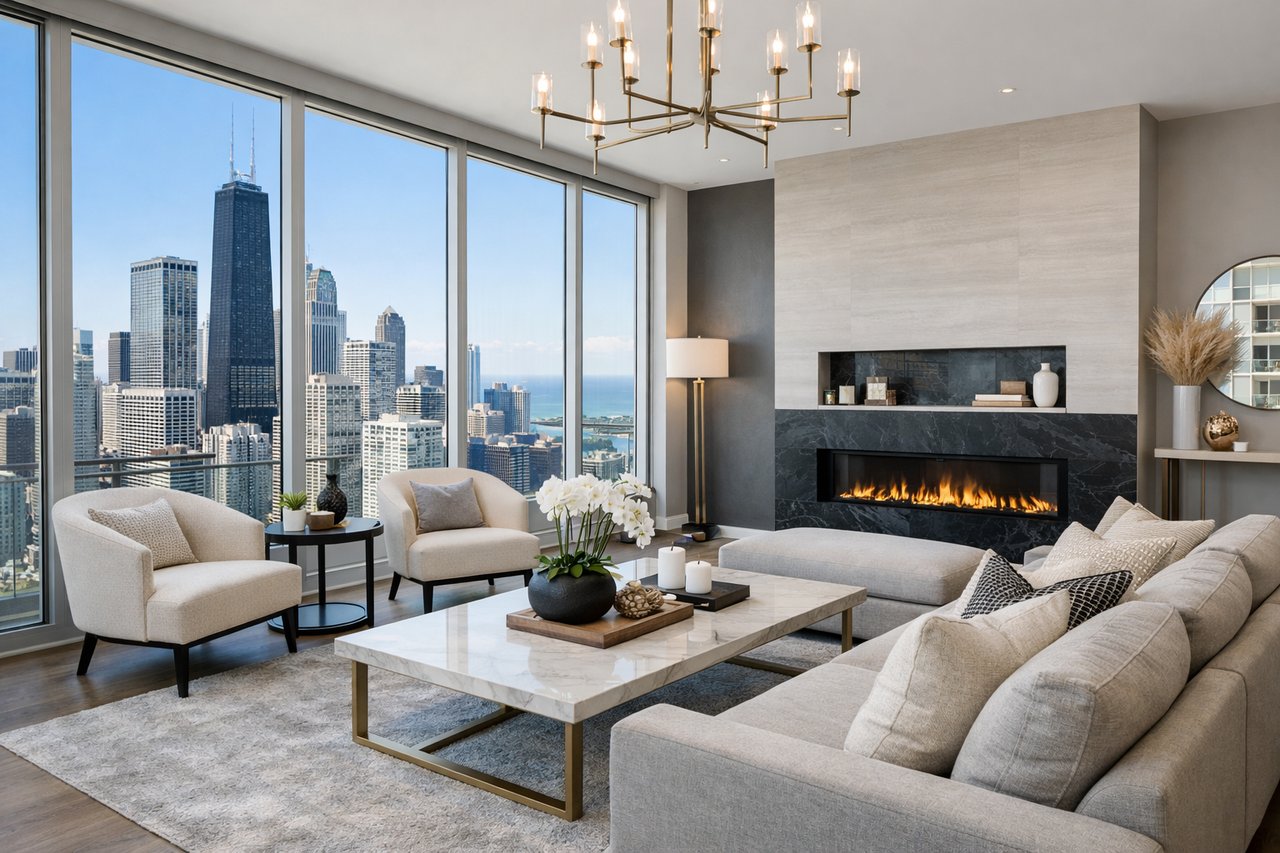
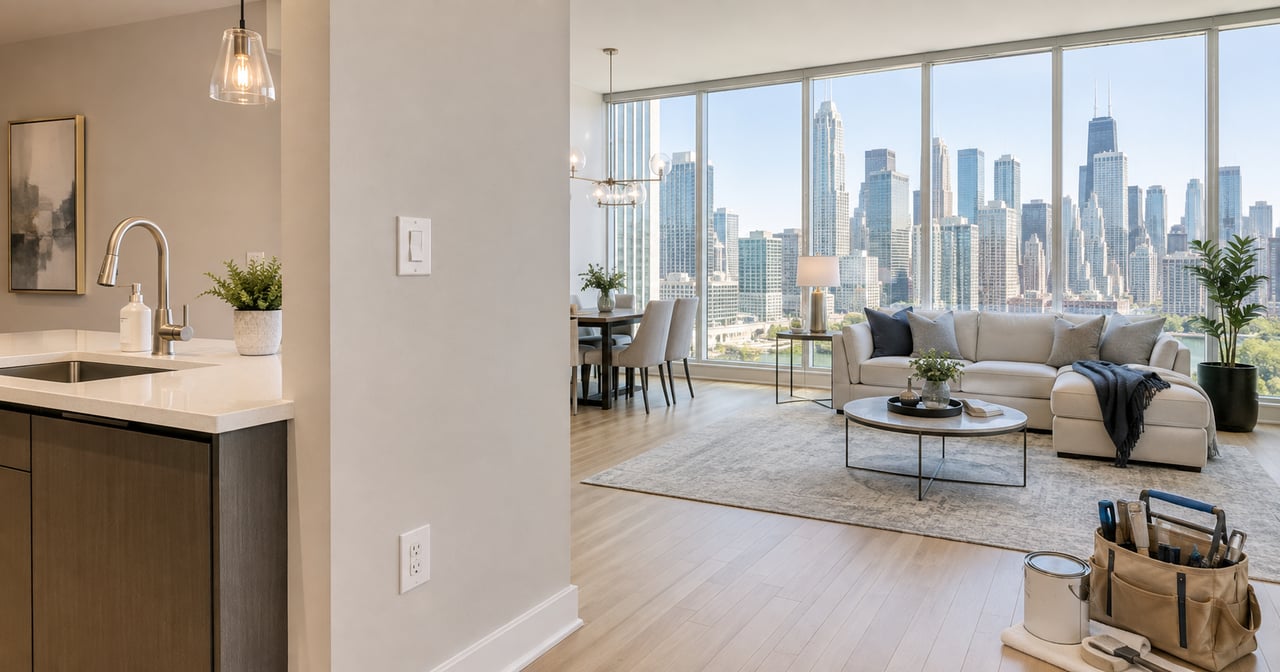
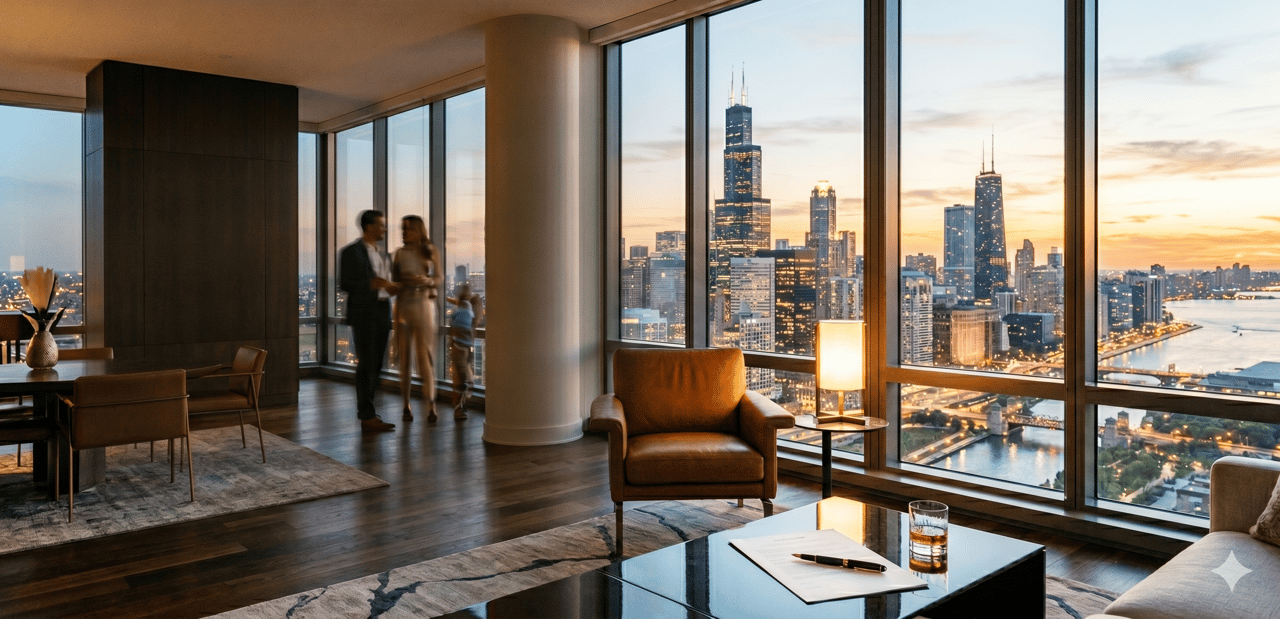
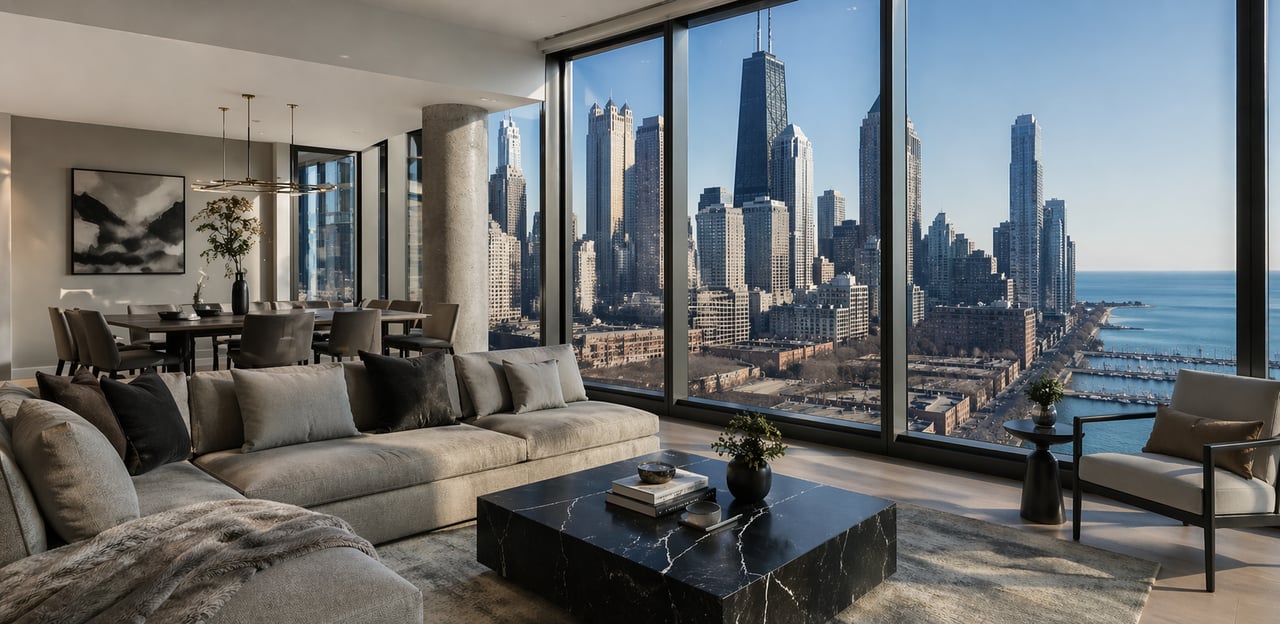
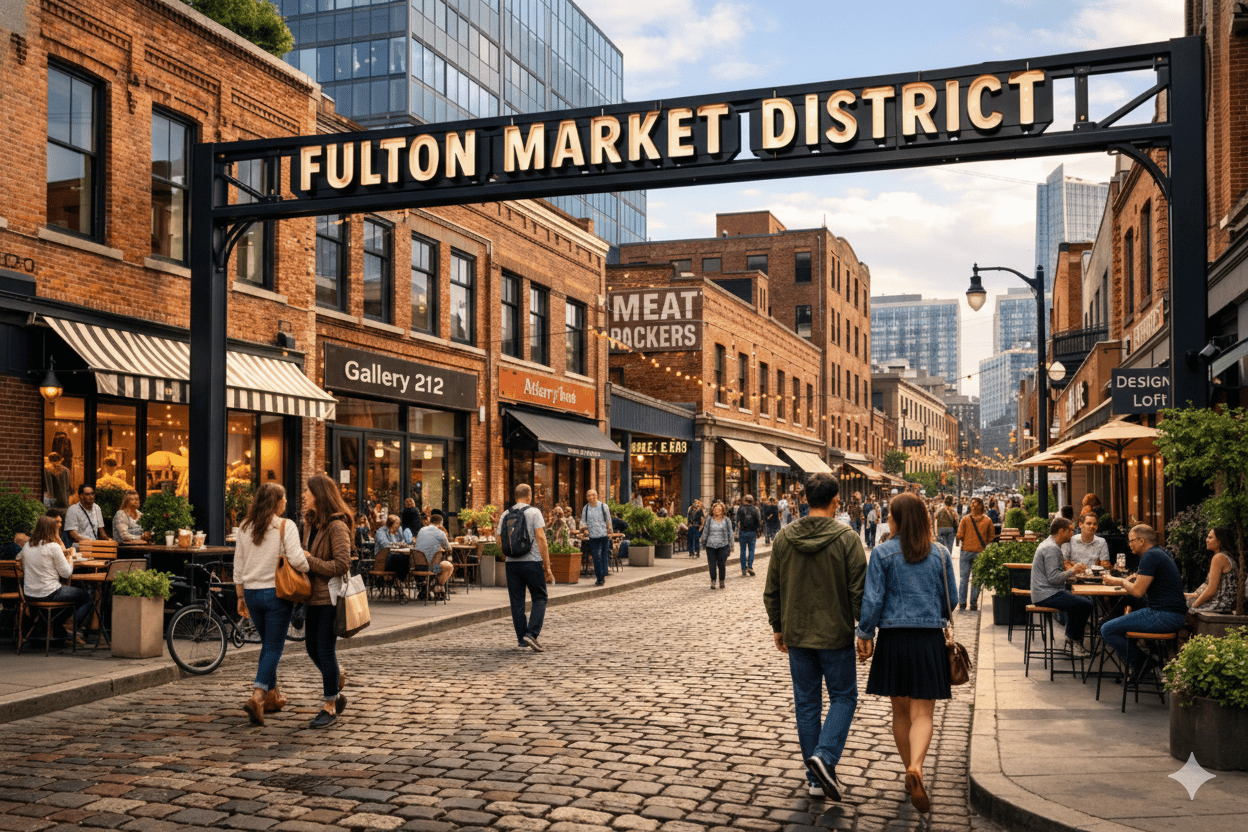
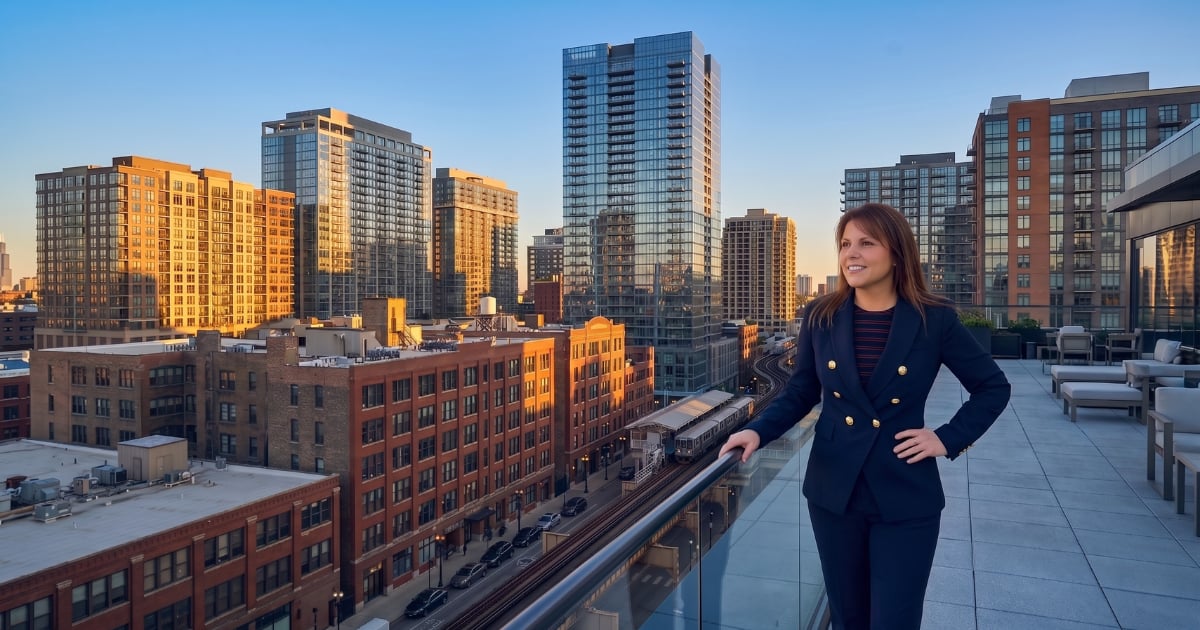
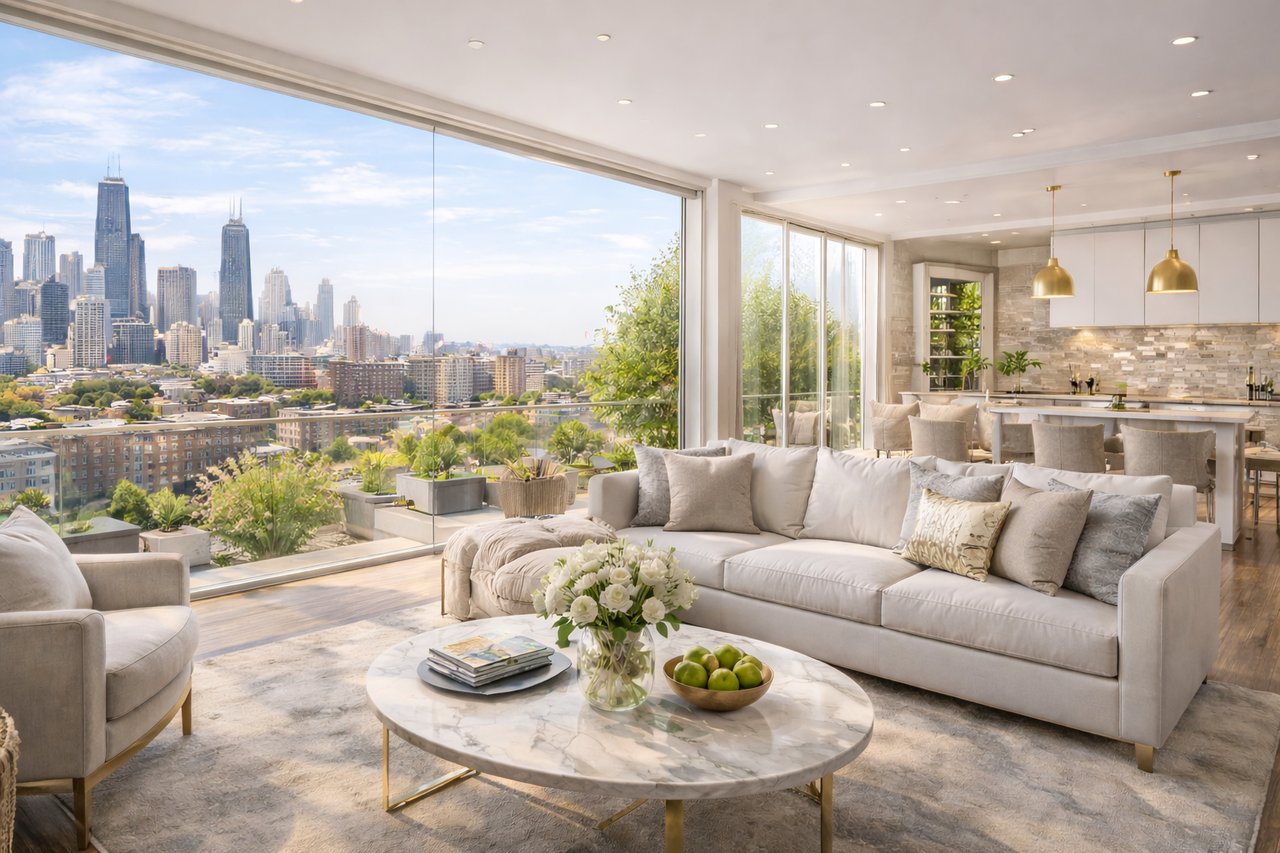
Higher floors generally mean better views, less street noise, more natural light, and a stronger sense of privacy. In the West Loop, views of the city skyline or the Fulton Market corridor are genuinely compelling to buyers who are paying premium prices.
A unit on the 20th floor with a clear southern exposure is a different product than the same floor plan on the 5th floor facing a neighboring building. Buyers treat them differently, and so does the market.
Floor premium isn't unlimited. At some point, higher floors start commanding diminishing returns. But in the $600K to $1.2M range where much of West Loop luxury trading happens, floor level is a real variable.
That's why I always analyze the sales stack in a building before I price a unit. Sales on floors 10, 15, and 20 can tell you exactly what buyers are paying for elevation in that specific property.
Factor 5: Which Renovations Add the Most Value?
Updated units sell for more. But not all updates are equal.
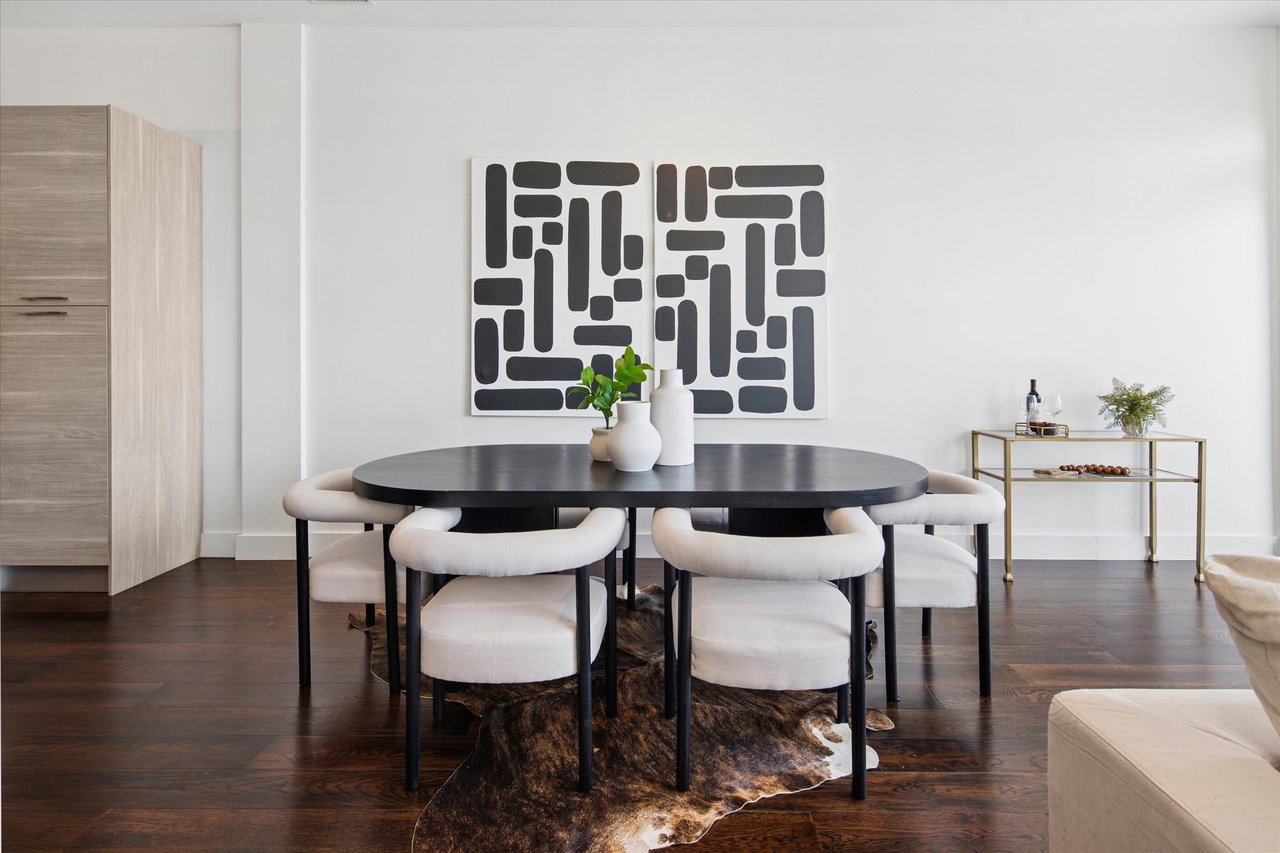
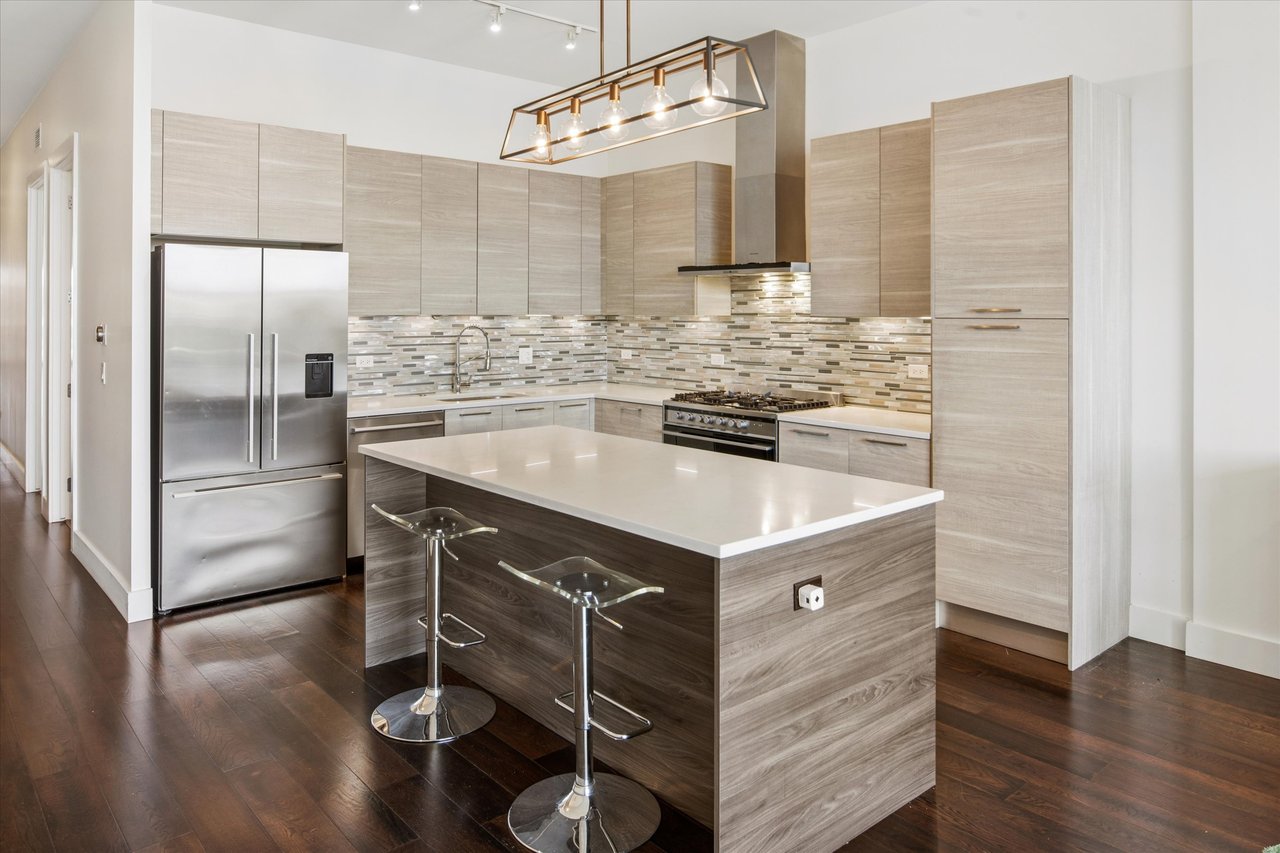
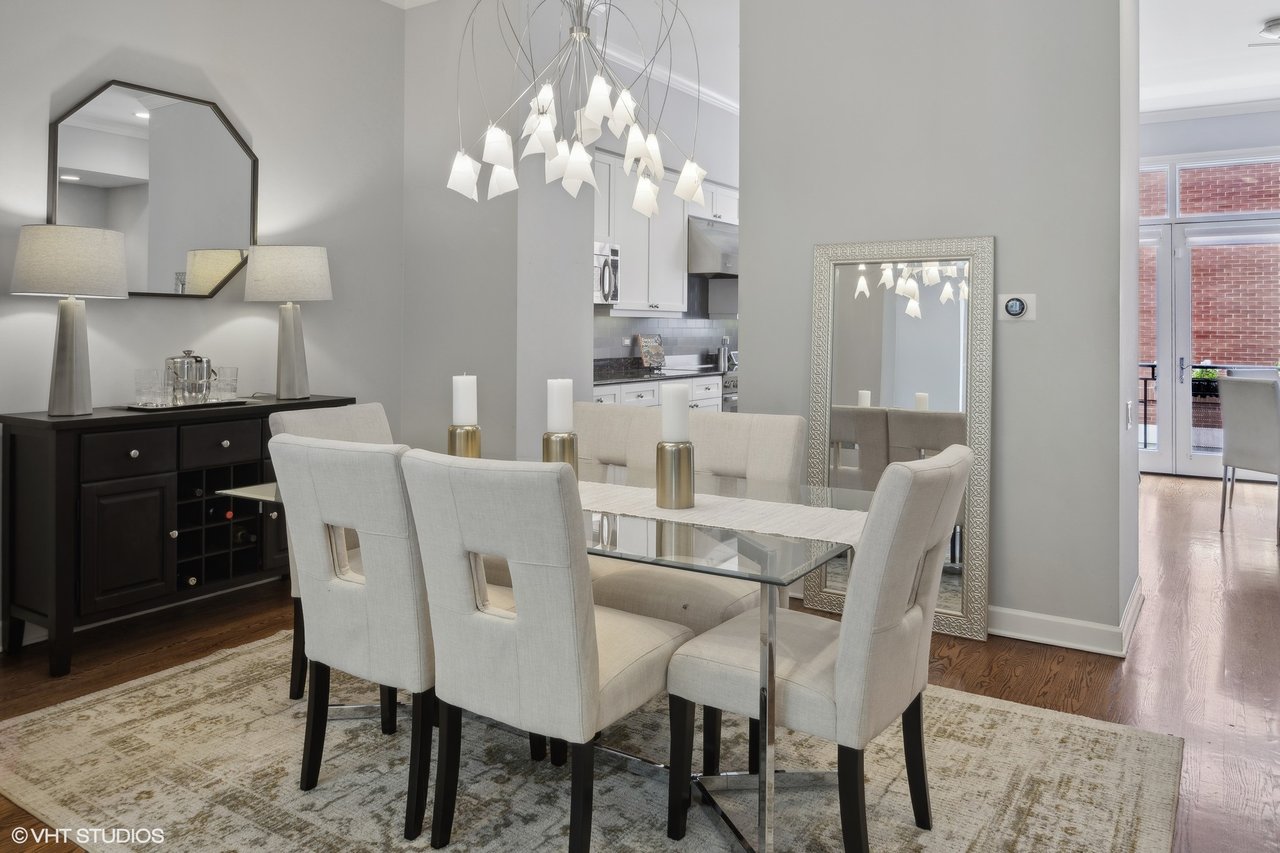
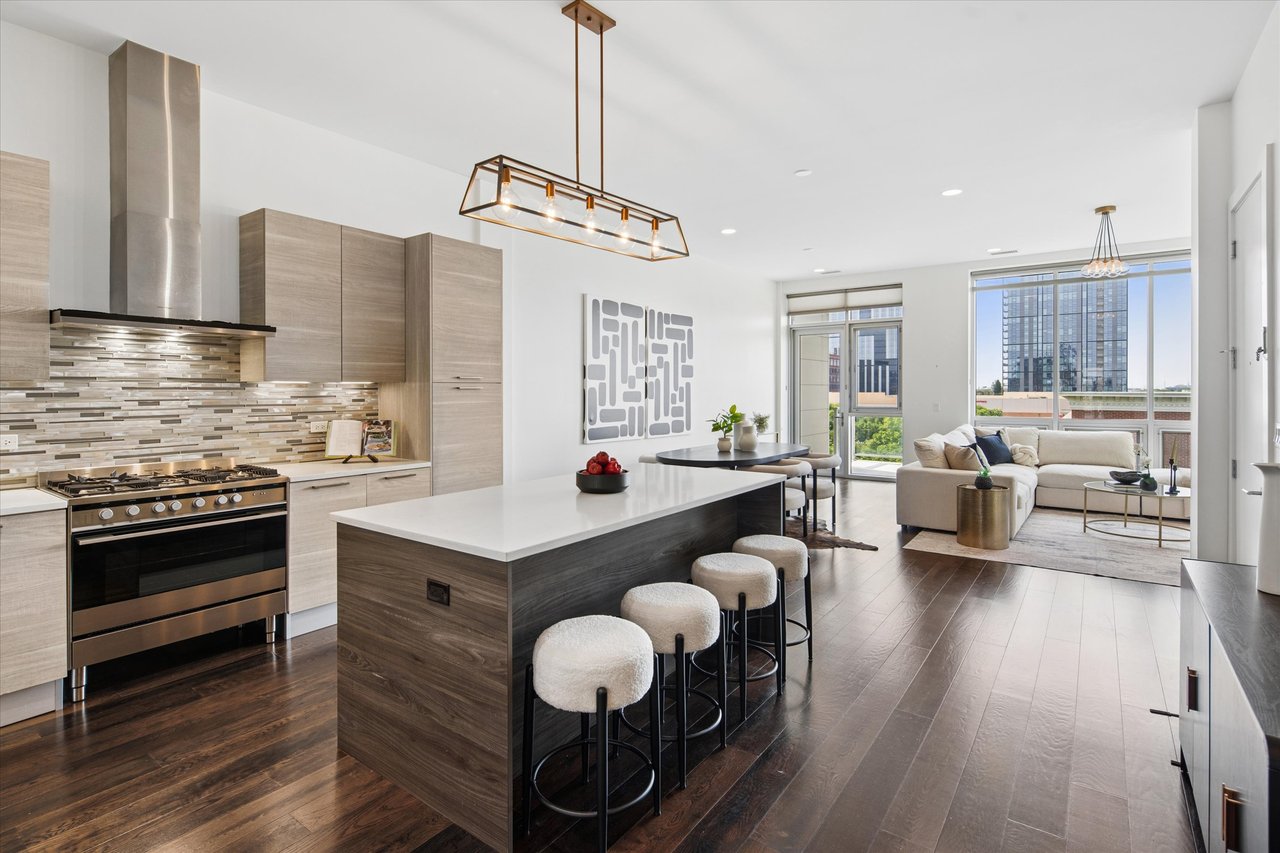
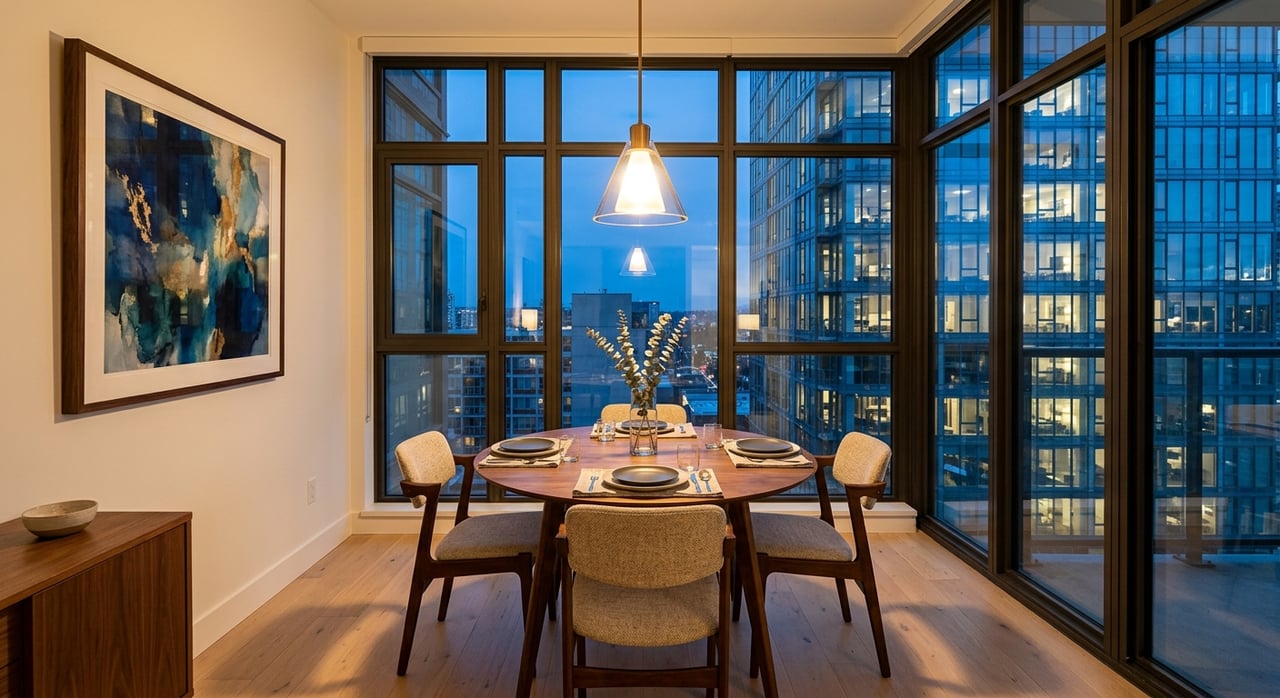
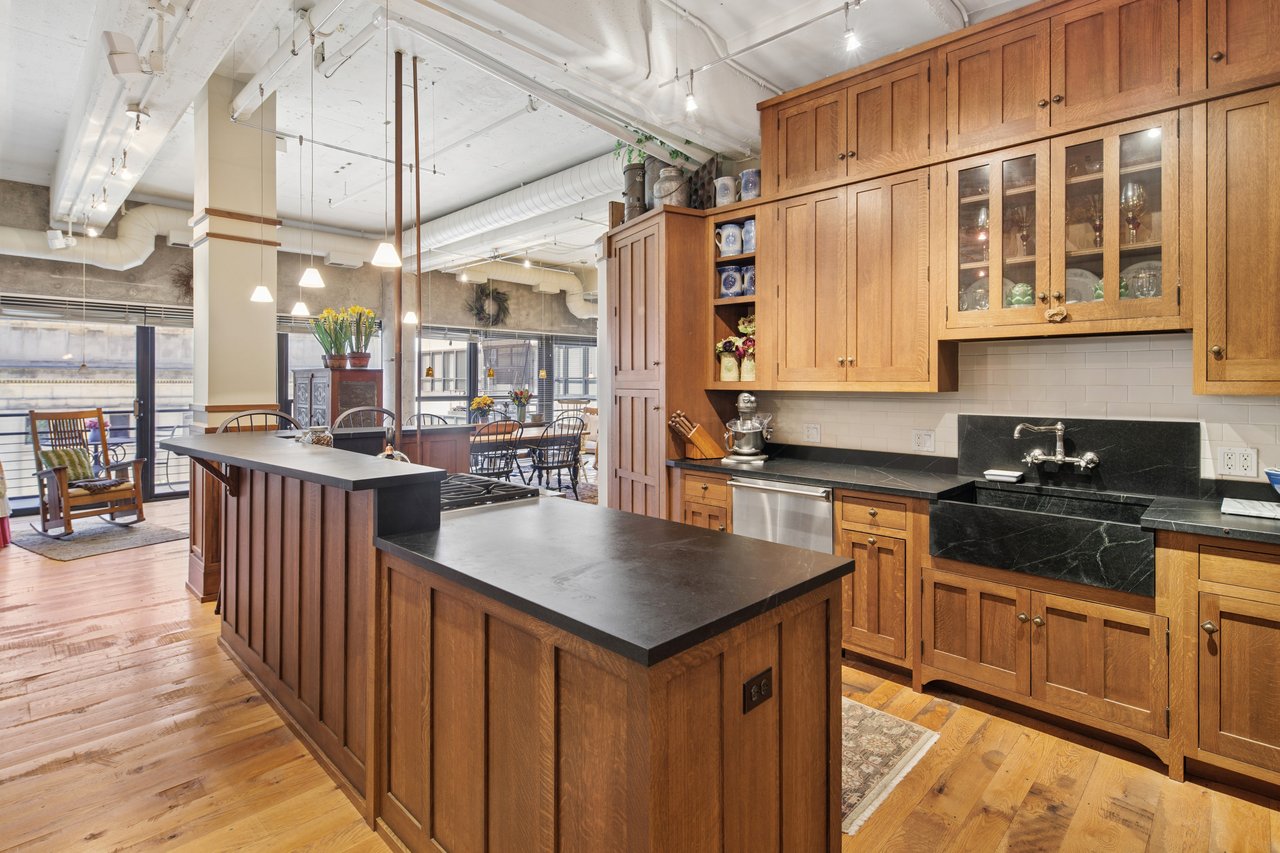
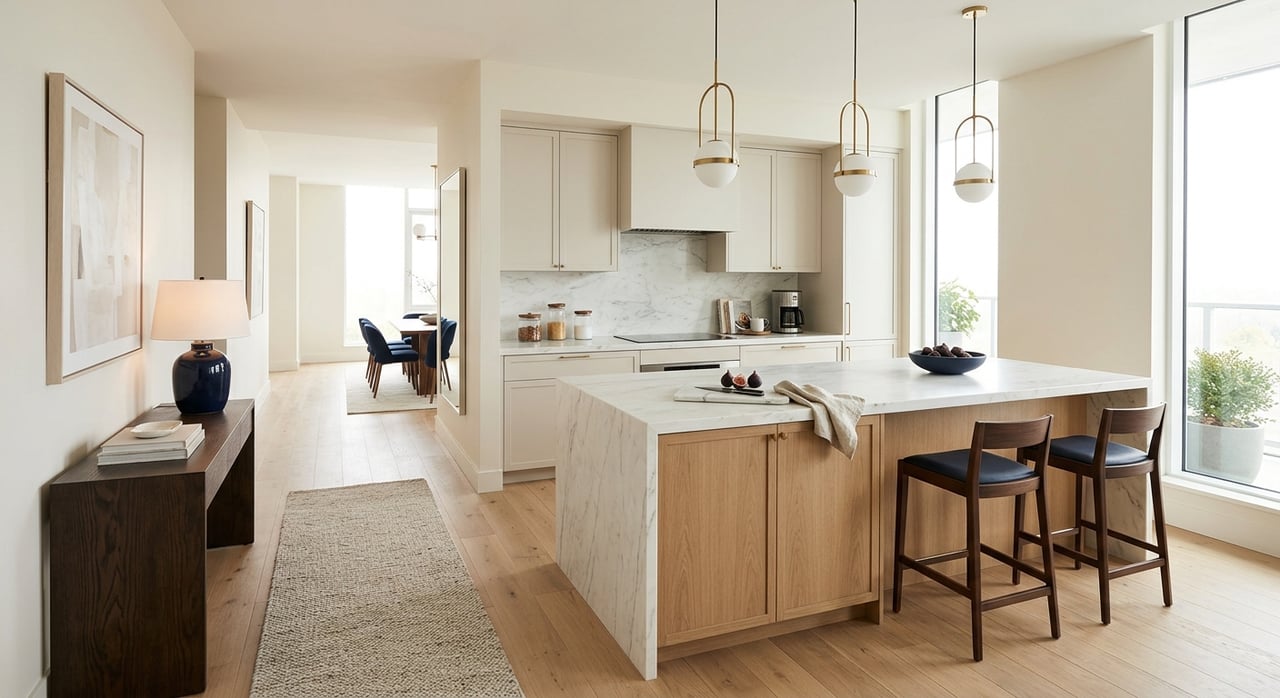
The renovations that move the needle in luxury Downtown Chicago condo sales are kitchen and bath updates with high-end, cohesive finishes. Think waterfall-edge quartz counters, custom cabinetry, wide-plank hardwood flooring, and spa-style baths with large-format tile.
What doesn't move the needle? Partial updates. A renovated kitchen next to a dated bathroom confuses buyers. They start mentally calculating what the fix will cost, and that number comes off their offer.
The other thing buyers are paying attention to is design cohesion. Does the space feel intentional, or does it look like a series of unrelated improvements done over 15 years? Cohesion communicates care. It makes buyers feel like the property has been treated as a home, not just a holding.
Original finishes in the luxury tier don't command top dollar anymore. Neutral, cohesive, high-quality updates win. Redfin's research on home renovation ROI consistently shows that kitchen and bath updates in urban condos produce the strongest return relative to investment.
Factor 6: Does Unit Position in the Building Matter?
Where your unit sits in the building is a pricing factor that often gets overlooked.
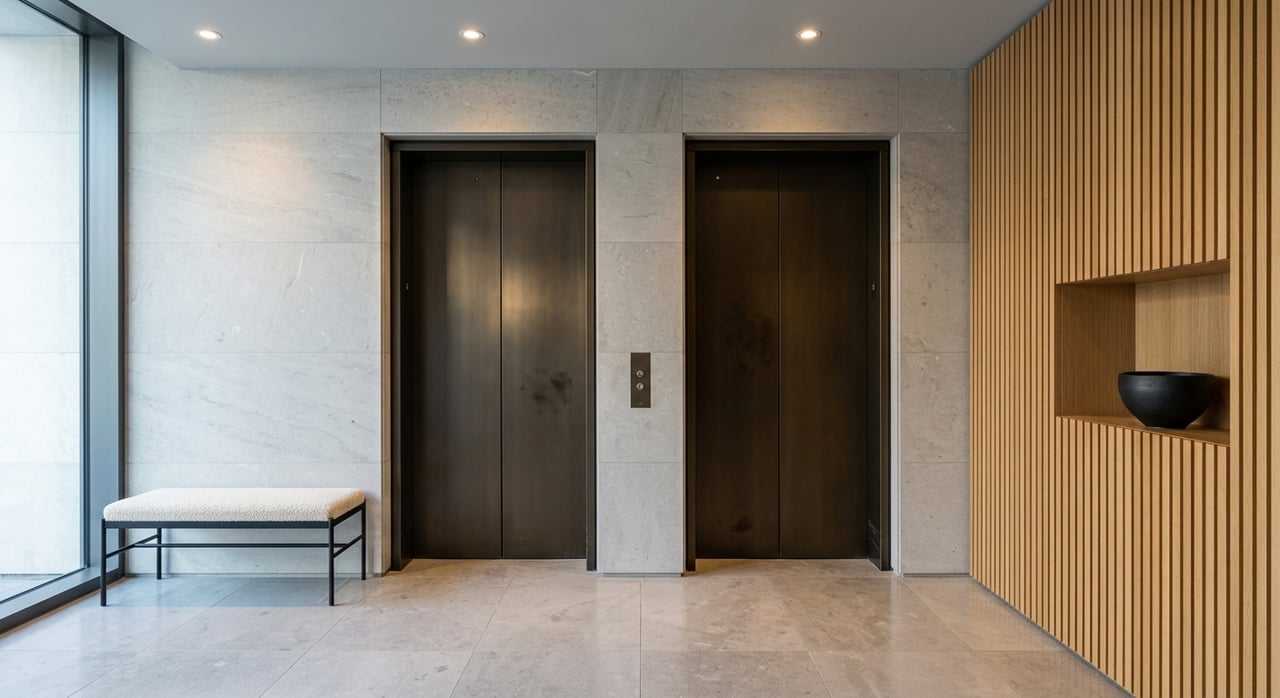
Corner units have more windows, more natural light, and more visual interest than interior units. End units on a given floor tend to be quieter. Units positioned near the elevator are convenient but can feel less private. Units at the end of a long hallway feel tucked away, which many buyers actually prefer.
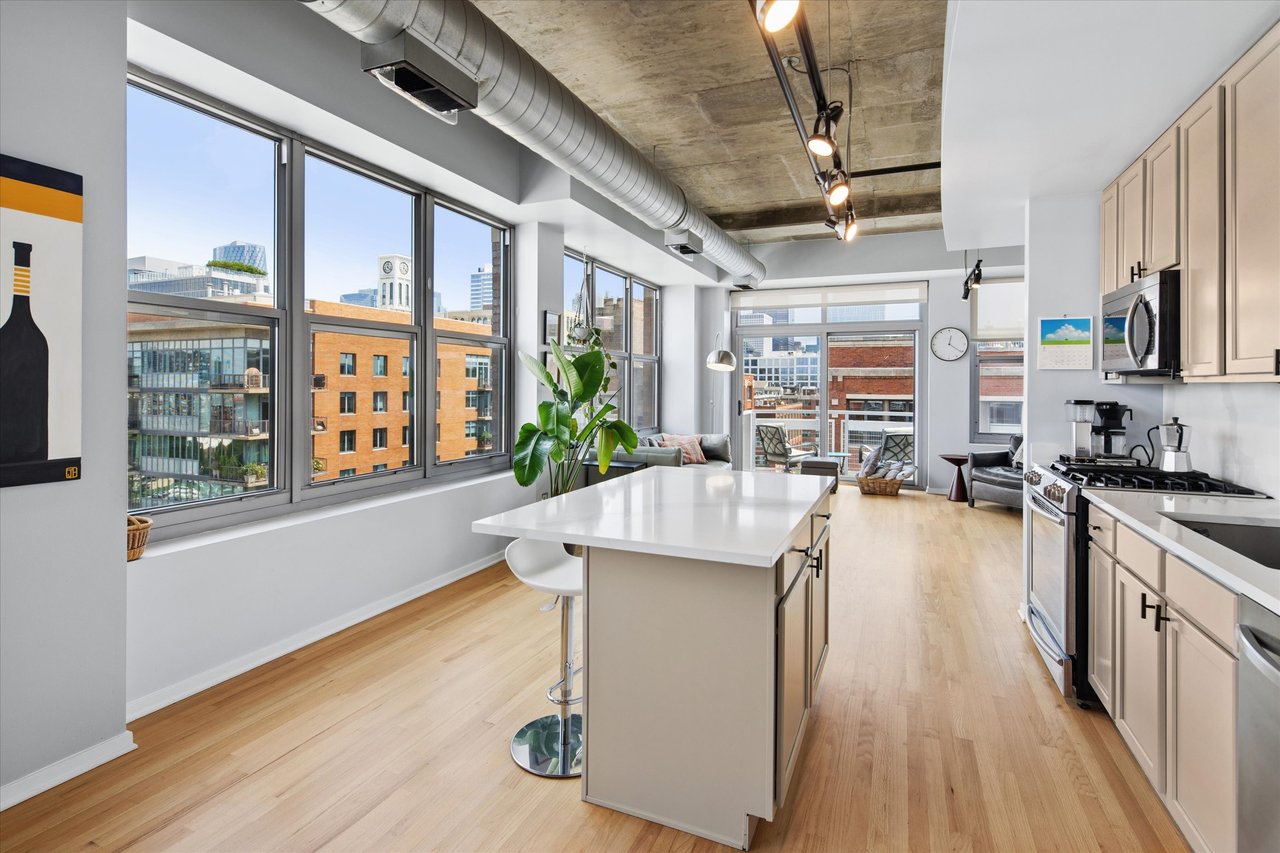
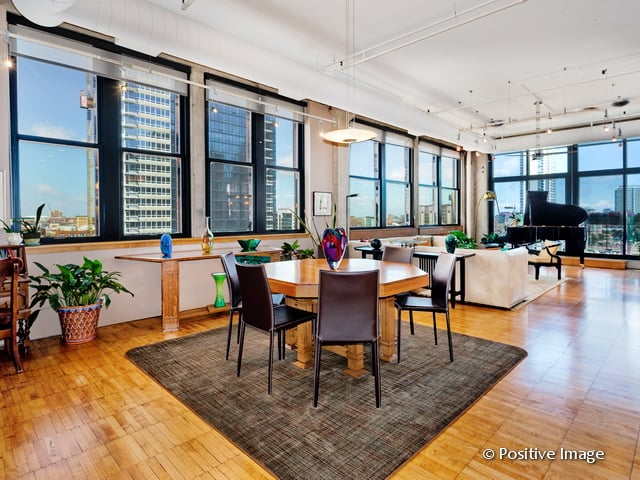
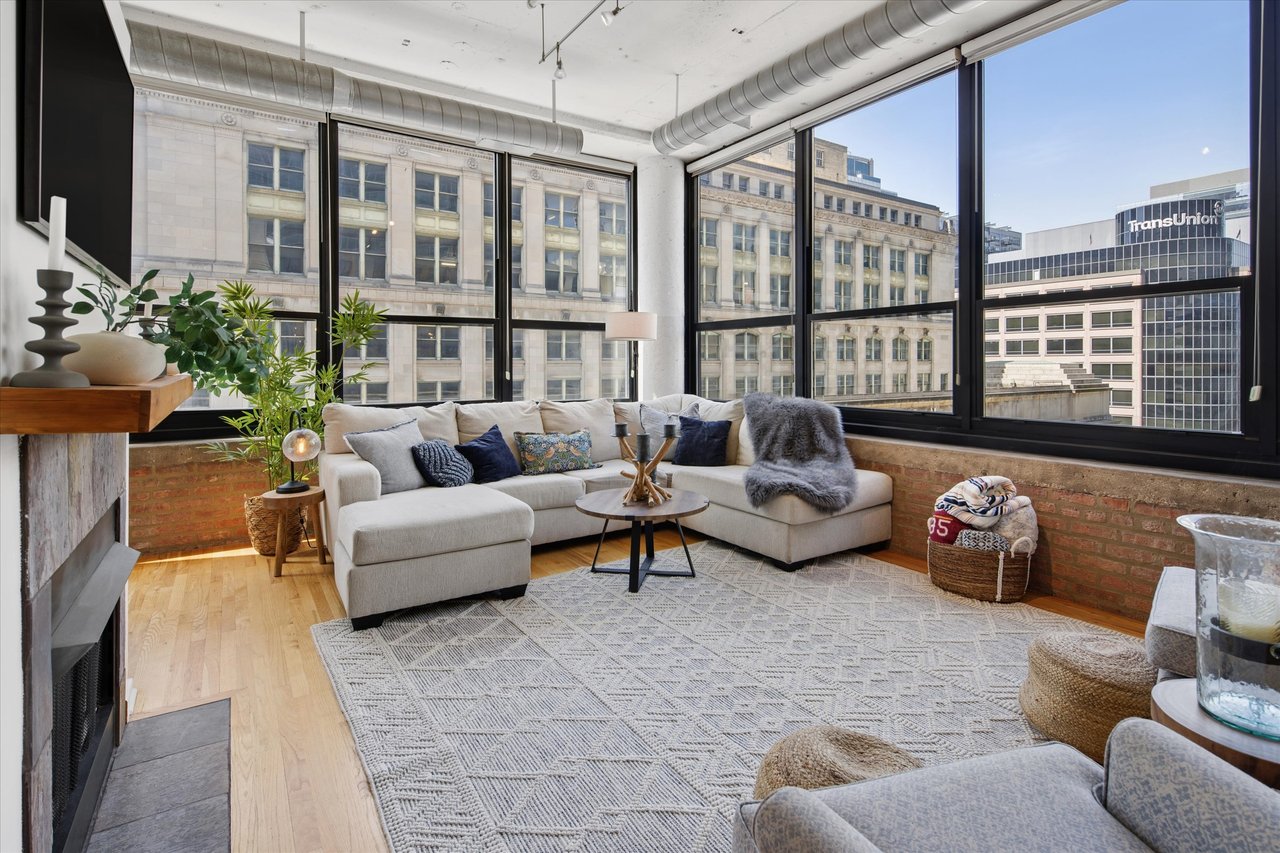
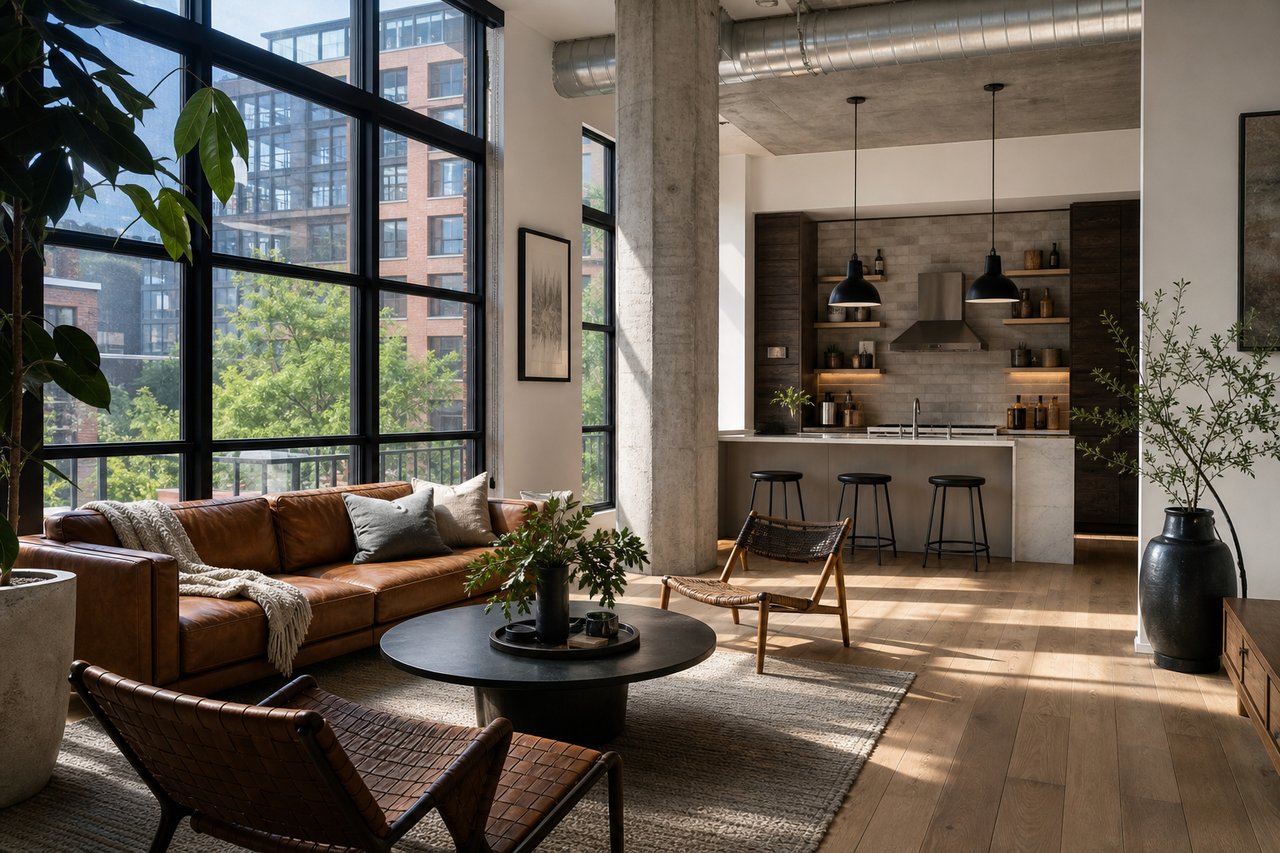
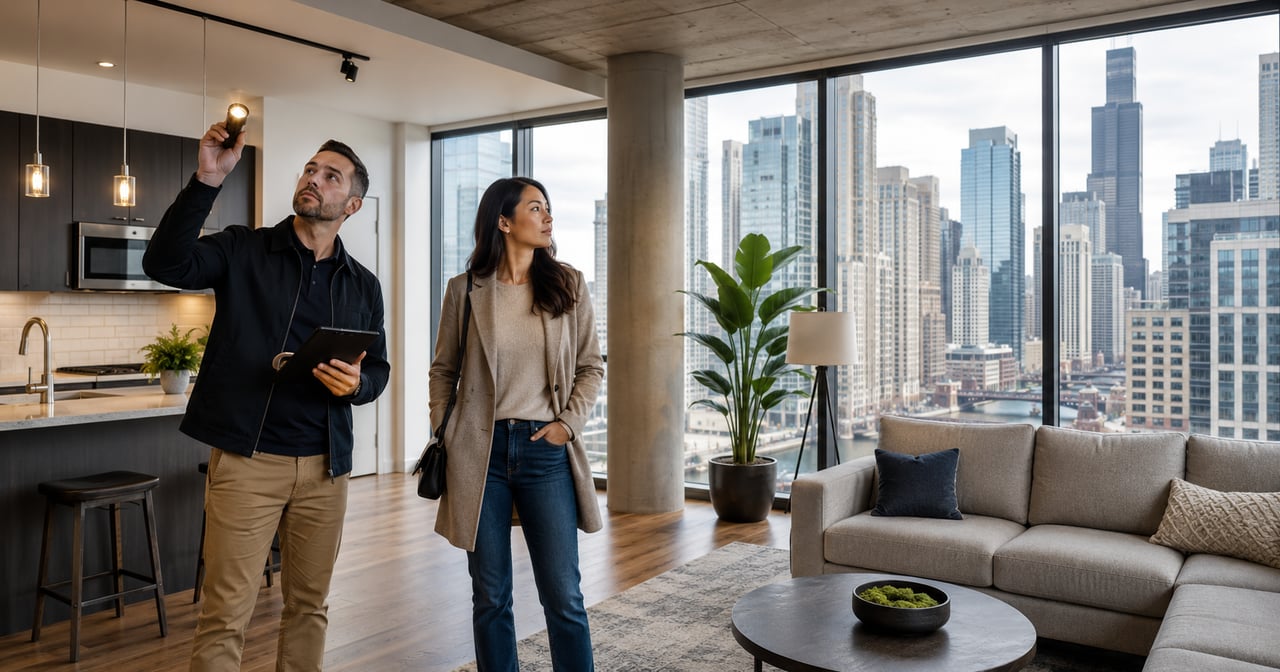
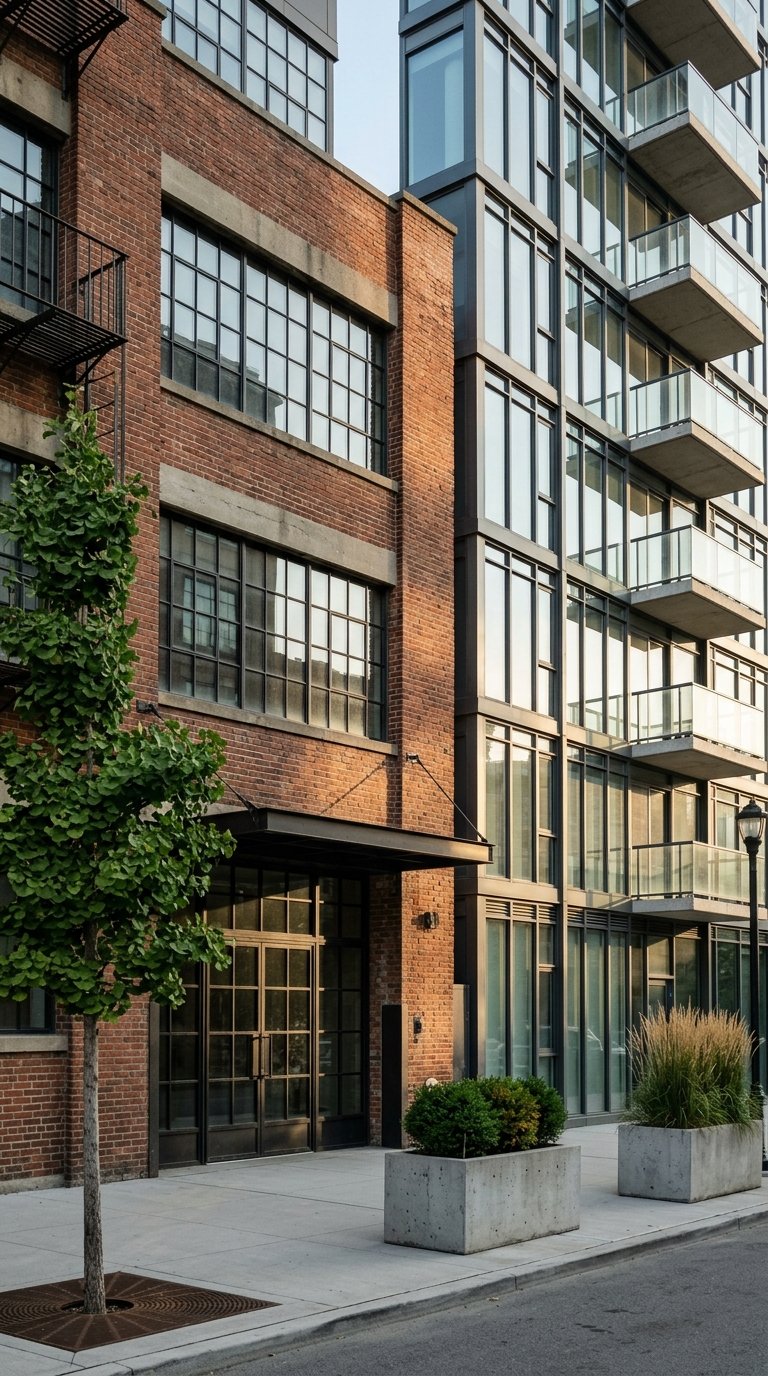
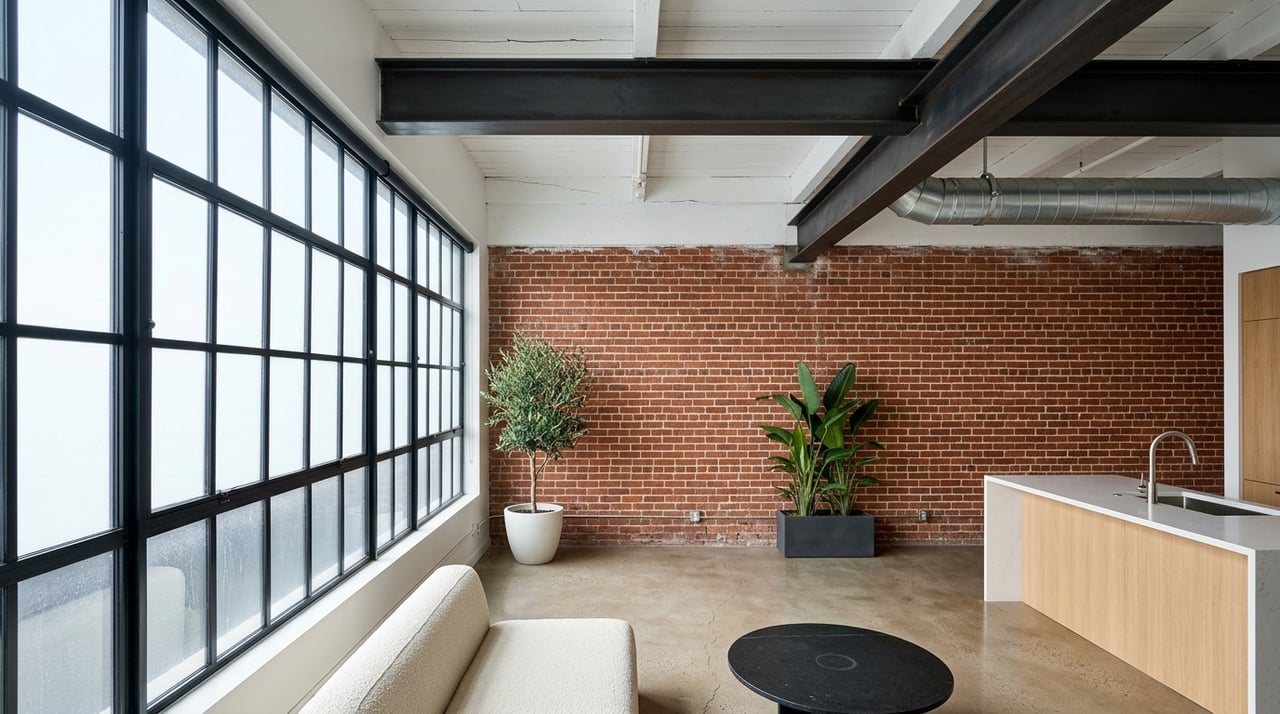
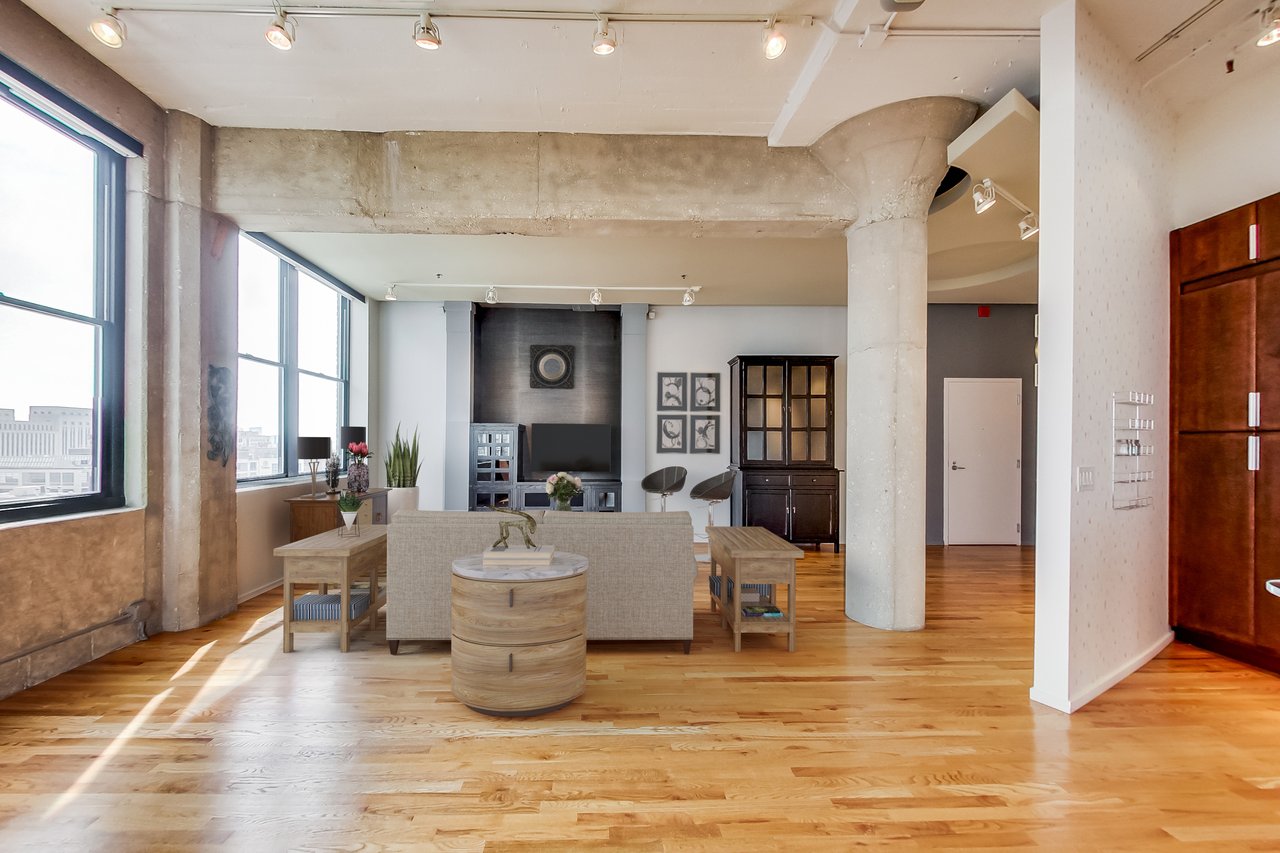
In loft buildings like those found in the West Loop, unit position also affects ceiling height, column placement, and the raw character of the space. A timber loft with an unobstructed south-facing wall of windows is simply not the same as a similarly priced unit that looks at a light well.
Stack matters too. If the unit directly below yours sold for a price that reflects issues, like a lower floor, poor exposure, or a layout compromise, your agent needs to know how to position you differently and why you deserve more. That's where building-specific expertise pays off.
Factor 7: How Does HOA Financial Health Affect Sale Price?
This one surprises sellers. But the financial health of your association absolutely affects what buyers will pay for your unit.
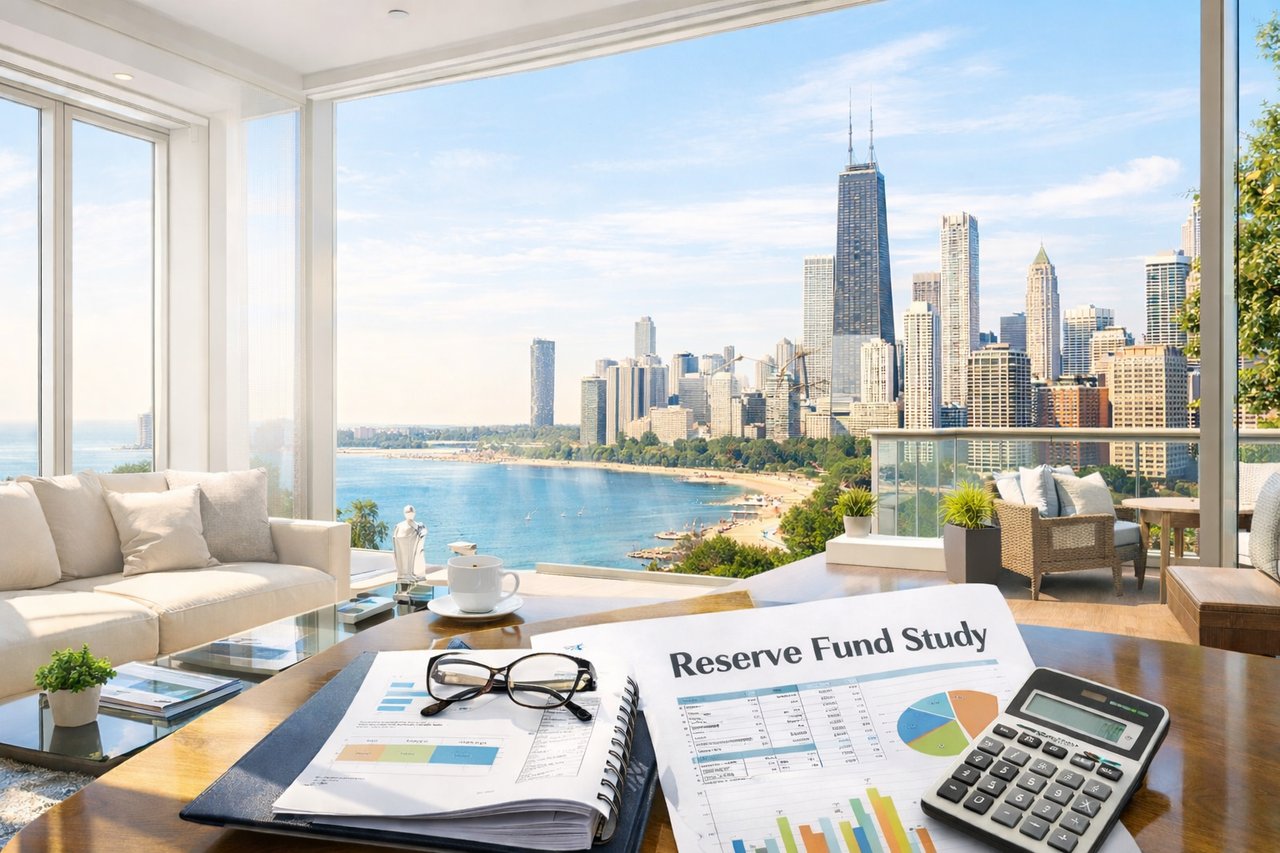
A building with a healthy reserve fund, steady assessments, and no pending litigation is a safe place for buyers to put serious money. A building with a thin reserve, a history of special assessments, or unresolved maintenance issues introduces risk, and buyers price that risk into their offers.
Savvy buyers in the $700K+ market will pull the condo docs. They'll read the financials. If your building's reserve is underfunded or there's a special assessment on the horizon, expect buyers to negotiate harder.
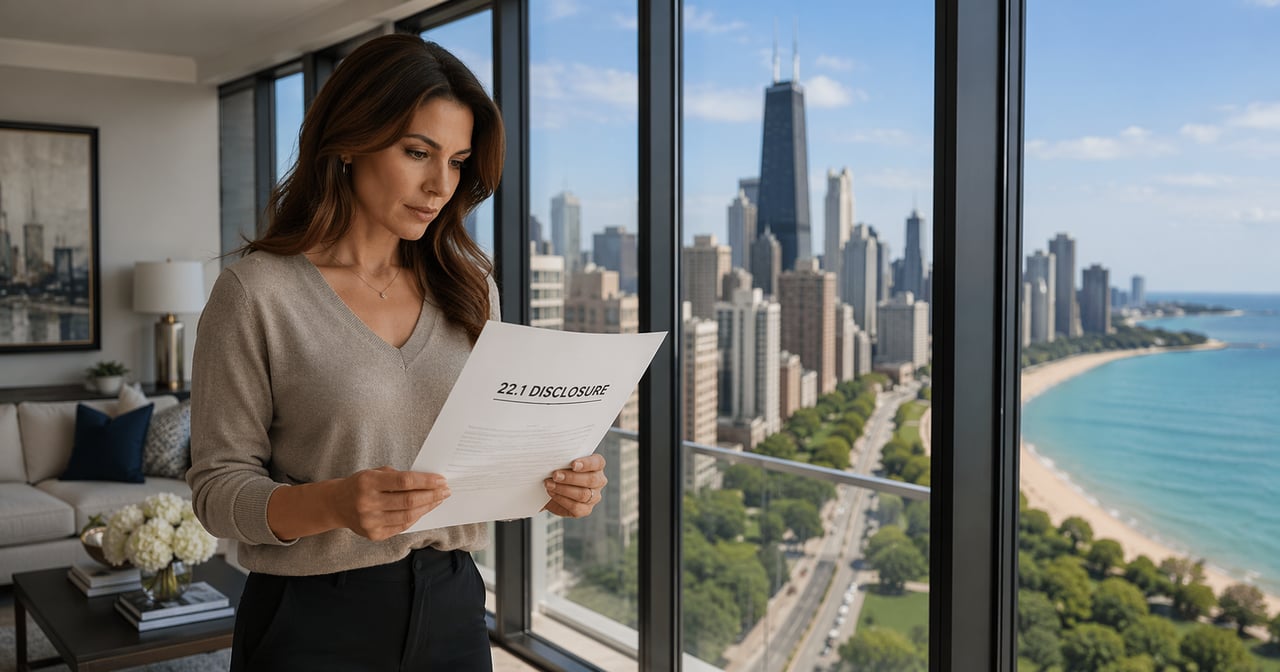
Can Buyers Cancel After Reviewing the 22.1 Packet?
Yes. In most Illinois condo transactions, buyers receive a review period after receiving the Section 22.1 documents. During that window, they can terminate the contract without penalty if the building's finances, reserve funding, litigation, or special assessments concern them.
The good news is that if your building is financially strong, that's a selling point worth calling out explicitly. It's not just background information. It's a value driver. Zillow's research on condo financial disclosures confirms that buyers increasingly factor HOA financial health into their purchase decisions in high-rise markets.
Key Takeaways
- Outdoor space adds significant value in the West Loop, especially terraces with skyline or city views.
- Parking carries real dollar value, often $25,000 to $50,000 per space, and buyers factor it into offers.
- Building reputation and financial health affect buyer confidence and lender approval.
- Floor level and views are reliable price predictors within a building stack.
- Renovation quality and cohesion matter more than the total number of updates made.
How These Factors Stack in the West Loop
West Loop buyers are sophisticated. They're often professionals in tech, finance, and creative industries who have researched the market, toured other buildings, and understand relative value.
What they're really asking when they look at a listing is: does this unit justify the price relative to everything else I've seen?
A unit that scores well on multiple factors will generate buyer urgency. Picture a high floor with an outdoor terrace. Garage parking. A kitchen renovation done in the last three years. A building with a strong reserve fund. That unit moves fast. Buyers feel competition. They move quickly. They offer strong numbers.
A unit that checks only one or two boxes will sit longer and sell lower. Not because something is wrong with it, but because it doesn't stand out in a market where buyers are paying a premium to live in one of Chicago's most desirable neighborhoods.
I work through these factors with every seller before we set a price. In your specific building. With your specific unit. It's not guesswork. It's analysis.
The West Loop Is Not a Commodity Market
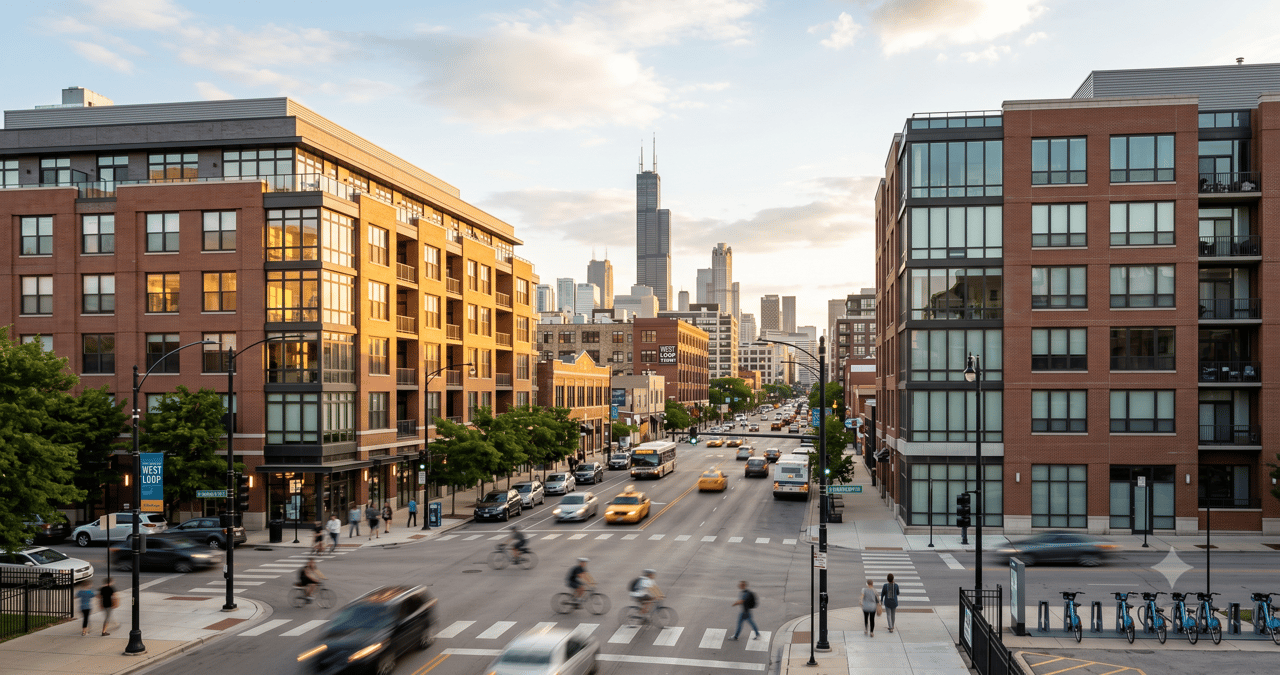
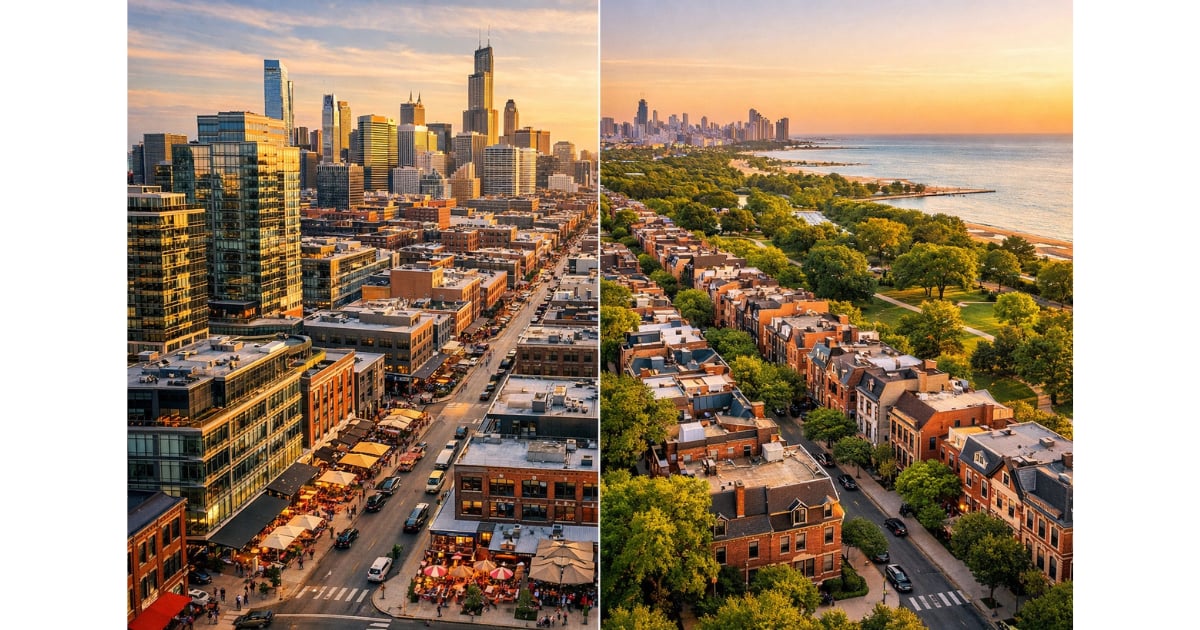
Every building in the West Loop, and across the Downtown Chicago condo market, has its own pricing logic.
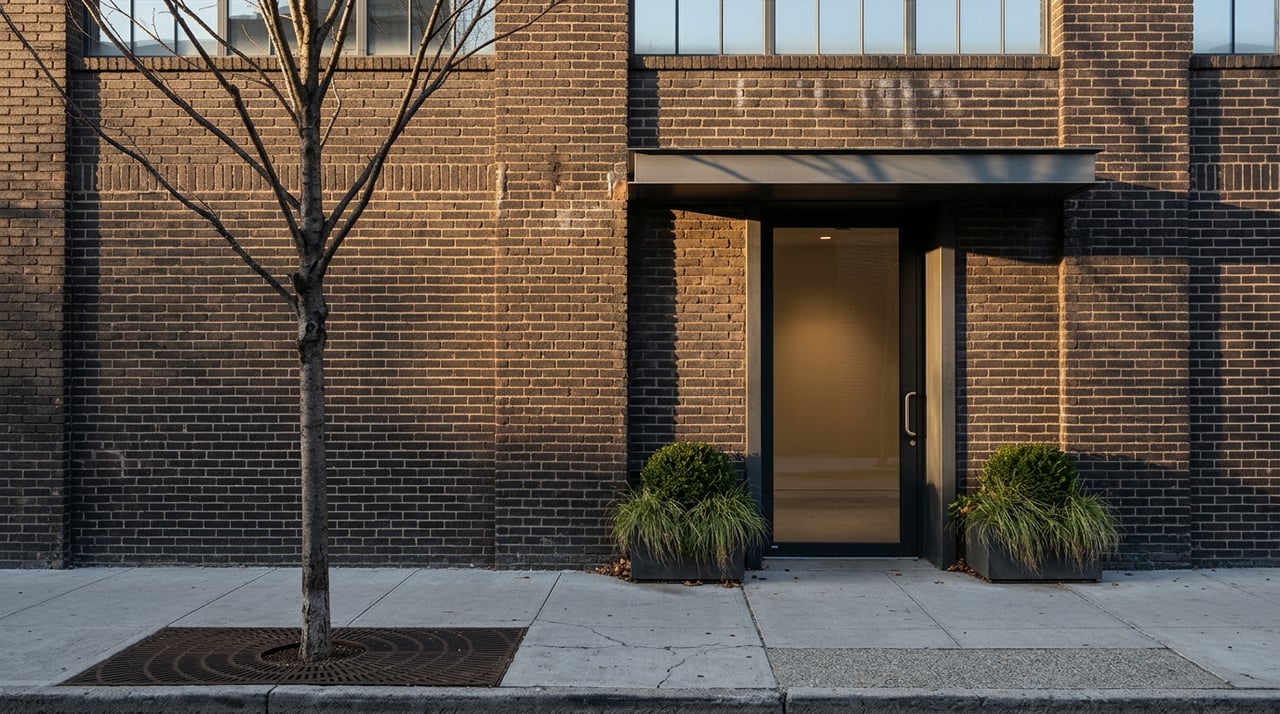
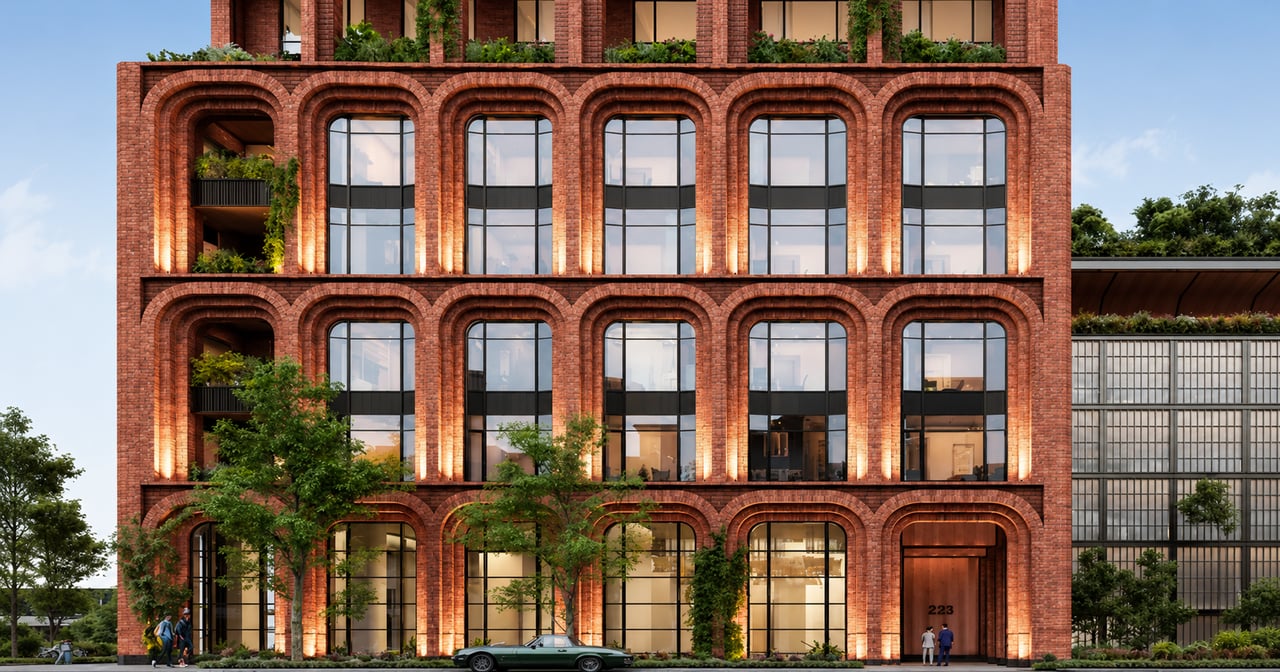
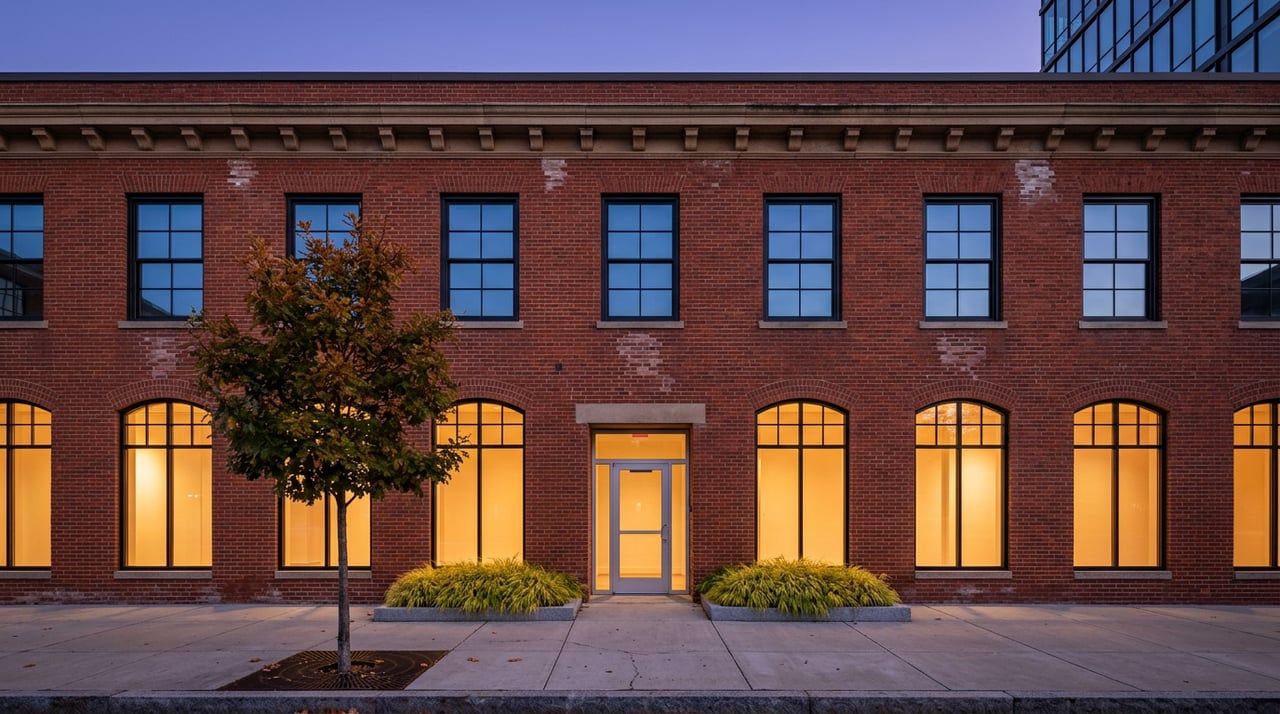
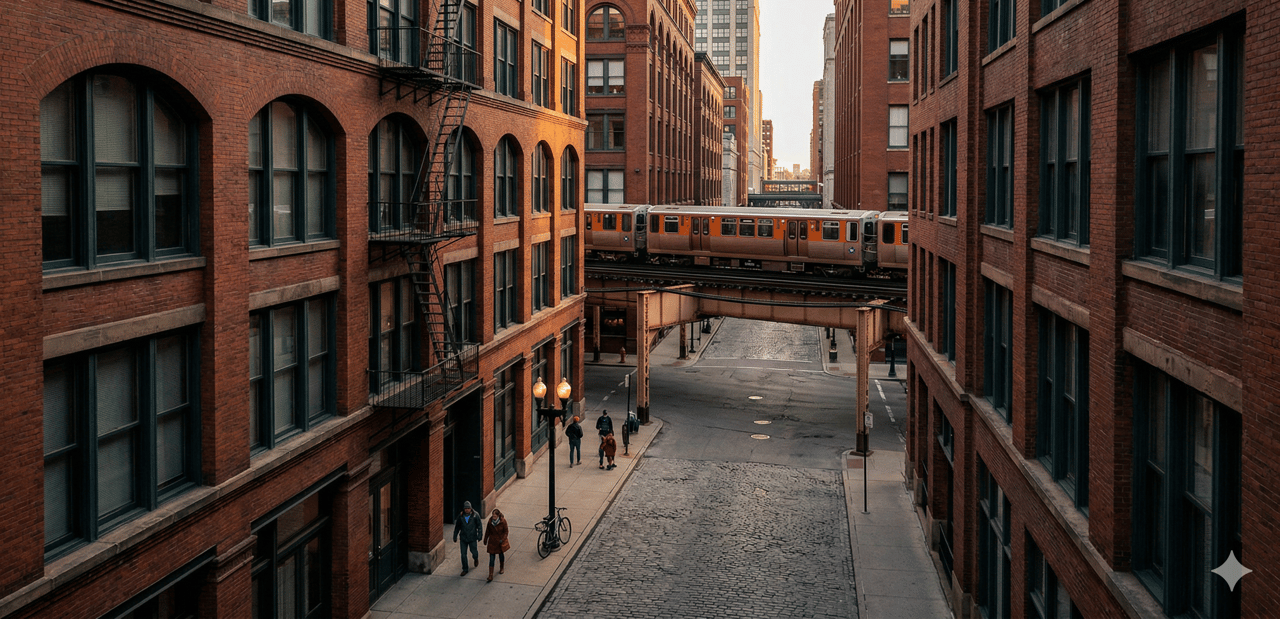
At boutique properties like 111 S. Peoria, private access, limited inventory, and high finish standards create a different buyer calculus than at a larger mid-rise building a few blocks away. At historic loft buildings in the West Loop, exposed brick and timber beams carry emotional premiums that newer construction simply can't replicate.
I've closed more than 300 transactions in the West Loop over 25 years with @properties Christie's International Real Estate. I know which buildings have pricing tailwinds and which have headwinds. I know what the buyer on the other side of your deal will scrutinize. And I know how to position your unit to compete at the top of what the market will support, not the middle.
According to the Chicago Association of Realtors, the West Loop consistently ranks among the strongest appreciating condo submarkets in downtown Chicago. That doesn't mean every unit sells itself. It means the opportunity is real for sellers who price and prepare strategically.
The Bottom Line
Two condos in the same building, same size, same price, can produce very different results. The one that sells faster and at a stronger number almost always scores better across these seven factors.
If you're thinking about selling your West Loop condo and want an honest assessment of where you stand on all seven of these variables, let's talk. I'll tell you what's working in your favor, what might be holding you back, and exactly what it would take to put you in the best position when you go to market.
Frequently Asked Questions
How much does a private balcony add to a West Loop condo sale price? It varies by size, exposure, and condition, but private outdoor space in the West Loop commonly adds $20,000 to $60,000 in perceived value compared to identical units without it. South or west-facing terraces with skyline views tend to command the highest premium.
Is garage parking always included in West Loop luxury condos? No. Parking is often sold or leased separately in many downtown buildings. When parking is included with a condo, it can meaningfully strengthen the asking price. Two-car parking in boutique buildings commands especially strong interest from buyers.
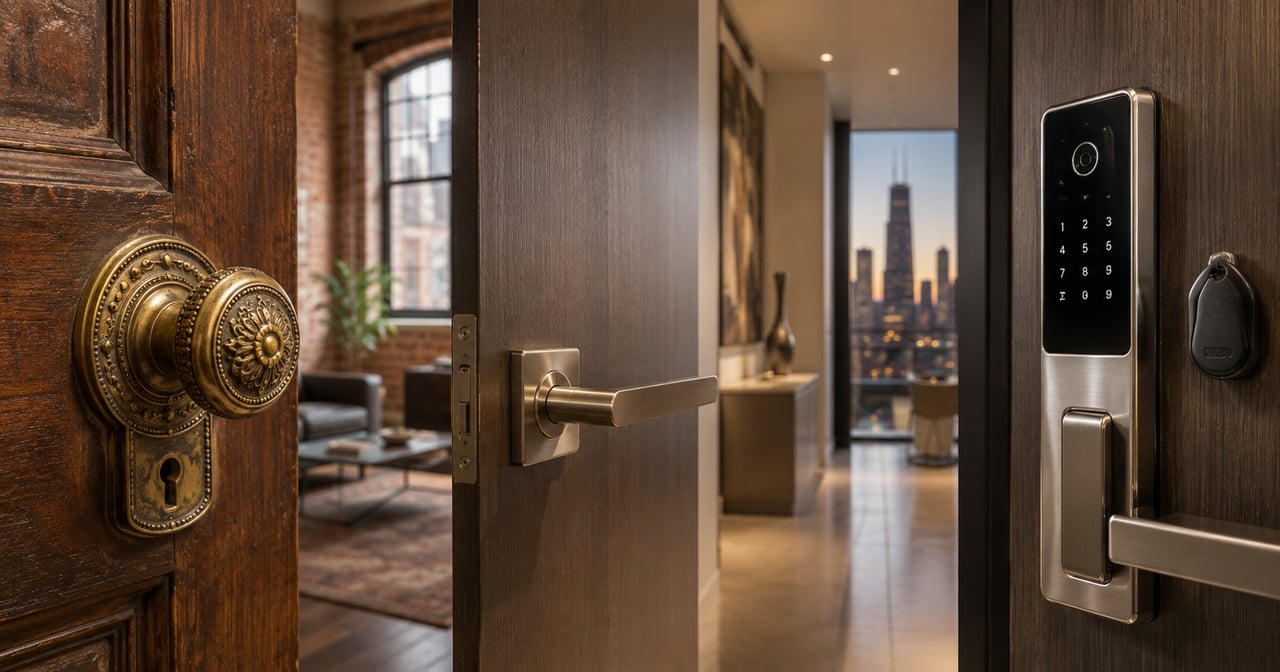
Does building age affect condo prices in the West Loop? Not always. Older buildings with original loft character, exposed brick, timber beams, and high ceilings often hold their value very well because buyers pay a premium for that aesthetic. What matters more than age is the building's financial health, maintenance record, and the quality of unit finishes.
How do I know if my building's HOA financials will affect my sale? A buyer's attorney will review the condo disclosures and financials as part of due diligence. If your building has a thin reserve fund, a history of special assessments, or pending litigation, buyers may ask for concessions. I can walk you through your building's financial position before you list.
What renovation has the highest ROI for West Loop luxury condo sellers? Kitchen and primary bathroom updates with cohesive, high-quality finishes consistently produce the strongest return. Flooring updates and fresh neutral paint are lower-cost improvements that also make a measurable difference in buyer perception.
Thinking about selling your West Loop condo?
You deserve to know exactly where you stand before you list. Call or text Christine Hancock at 312-296-9300 for a straight-talk conversation about your unit's value and what it would take to go to market strong.
ABOUT THE AUTHOR
Christine Hancock is a Chicago Realtor with @properties Christie's International Real Estate, bringing more than 25 years of experience and over $200 million in closed sales in the Downtown Chicago condo market. With 96 five-star Zillow reviews, Christine is recognized for her commitment to client satisfaction and market expertise.
She specializes in high-rise and luxury condominium sales in West Loop, South Loop, River North, and Streeterville, helping buyers and sellers navigate complex transactions with data-driven pricing strategies and deep neighborhood insight.
Christine partners with clients to evaluate market trends, position properties competitively, and make confident, informed decisions in Chicago's vibrant downtown housing market.
Call or text 312-296-9300 to discuss current market conditions or your real estate goals.