Selling a River North condo from another city can feel like trying to manage a move, a legal file, and a marketing launch all at once. If you no longer live in Chicago, you need more than a listing that simply goes live. You need a clear plan for pricing, prep, building documents, showings, and closing logistics so nothing stalls while you are away. Here’s how to make the process smoother and more strategic from start to finish.
Why remote selling needs a plan
River North remains an active condo market, but it is also price-sensitive. Recent market snapshots showed median listing prices around $480,000 to $485,000, median sold price around $437,000, and roughly 35 to 42 days on market, depending on the source and timing. Both data points suggest the same thing: buyers have options, so presentation, pricing, and access matter.
If you are selling from out of town, that reality becomes even more important. Your condo cannot depend on last-minute cleanup, delayed paperwork, or slow showing coordination. It needs to be treated like a managed project with local oversight and a tight timeline.
Start with the unit, not just the listing
Before your condo hits the market, you want a realistic picture of its condition. A pre-list inspection can help you identify repair items early so you can decide what to fix, what to disclose, and what may be better handled as a credit during negotiations. That kind of planning is especially helpful when you are not in Chicago to check on the property yourself.
Cleaning, decluttering, and staging should happen before photos are taken. Illinois Legal Aid specifically recommends cleaning, removing clutter, making necessary repairs, and considering staging before marketing begins. For a remote seller, doing this work upfront can reduce surprises later and create a stronger first impression online.
Focus on the rooms buyers notice first
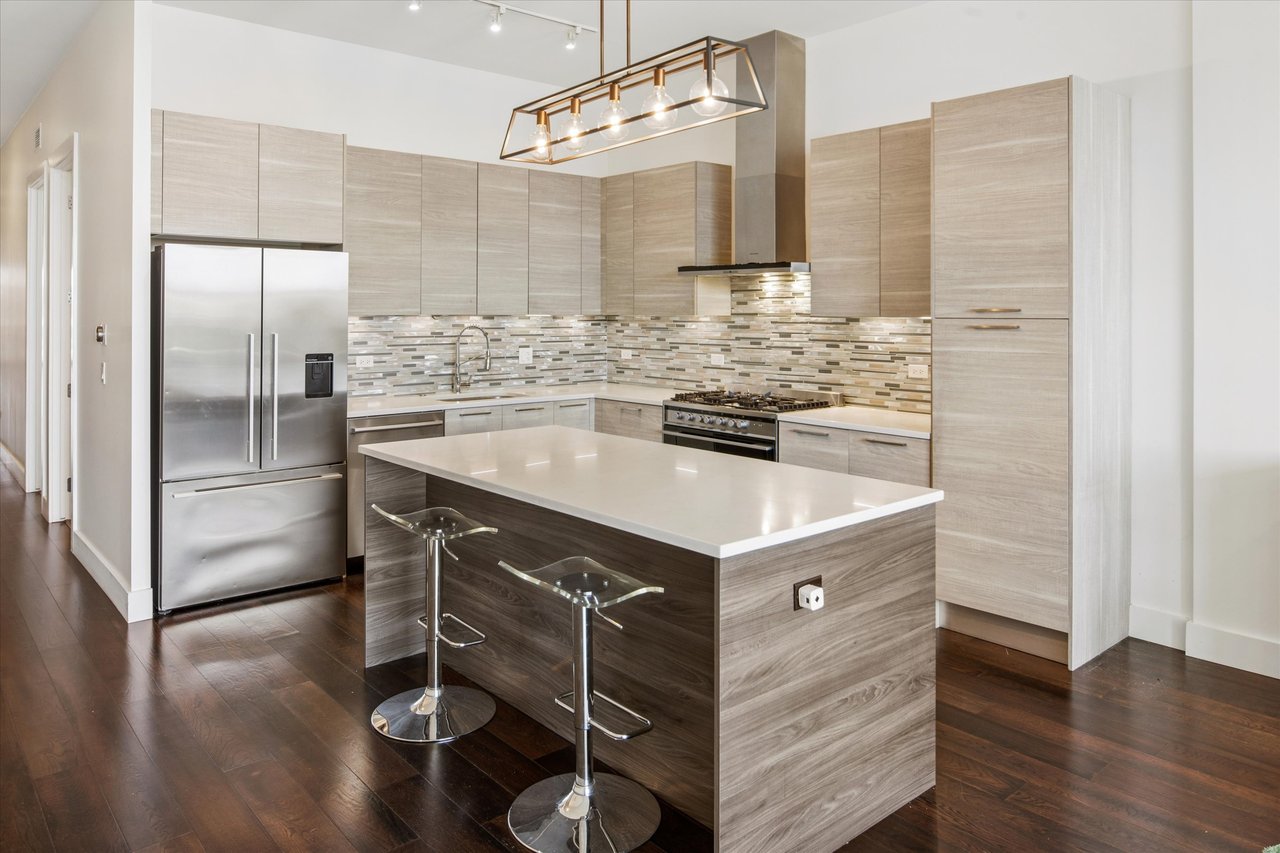
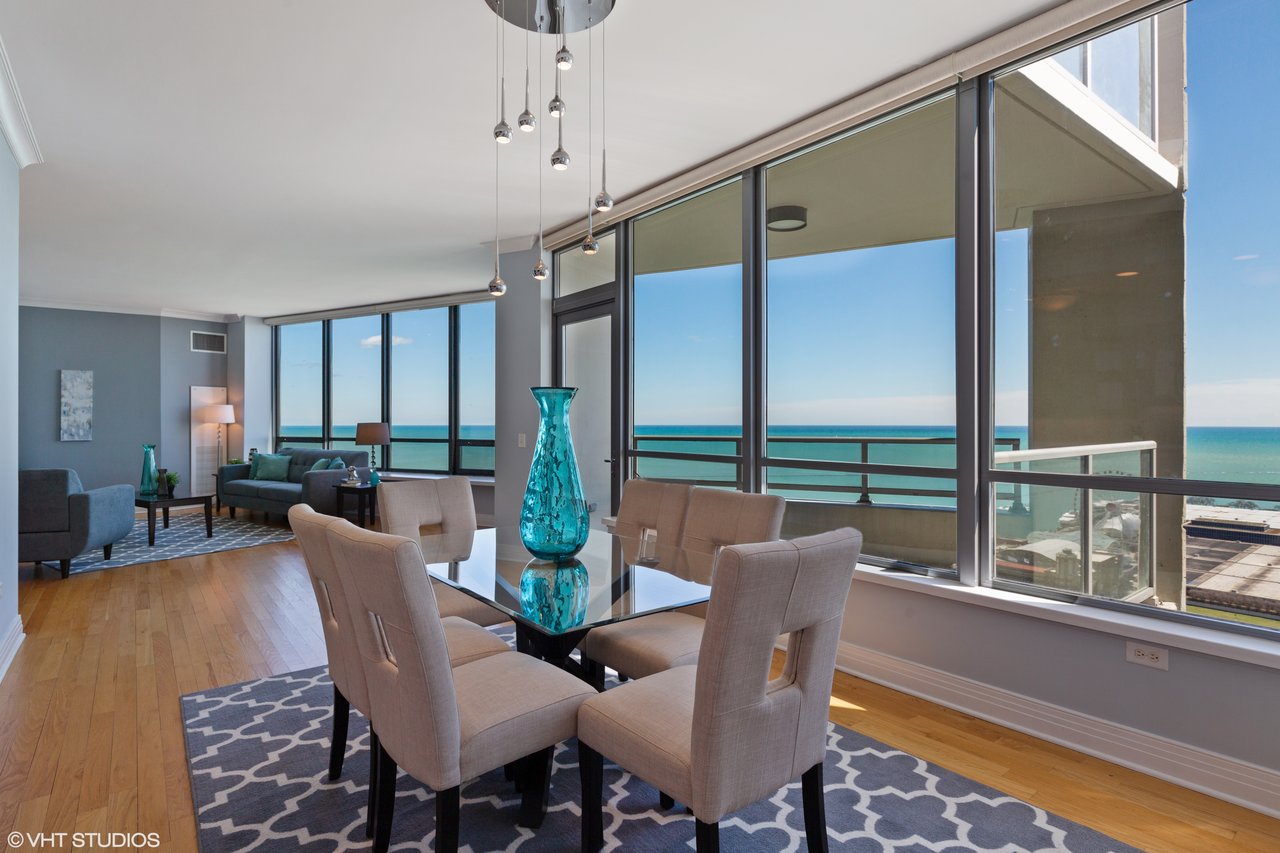
Staging does not have to mean overcomplicating the process. According to the 2025 staging profile, buyers' agents said staging helps buyers visualize the property, and the rooms viewed as most important to stage were the living room, primary bedroom, and kitchen. If you are prioritizing time and budget, those are smart places to start.
In a condo-heavy area like River North, many buyers compare listings online before they ever schedule a tour. That means your photos, video, and virtual tour are not extra touches. They are core marketing assets that help your home compete.
Build a local coordination system
One of the biggest mistakes remote sellers make is trying to manage every showing, vendor appointment, and document request themselves. That approach usually creates delays and unnecessary stress. A better setup is to have one local point of contact who can coordinate access, track work, share updates, and keep the process moving.
For many sellers, that local coordinator is part of the listing team, with support from the closing attorney when needed. Illinois Legal Aid notes that agents and lawyers can help manage tasks, negotiate repairs or credits, review inspection issues, address title concerns, handle deed and survey matters, and guide closing. When you are out of state, that kind of on-the-ground support becomes a major advantage.
What a full-service approach should cover
If you are interviewing agents, ask how they handle remote listings in practical terms. A strong seller-first process should include:
- Pre-list inspection guidance and a repair punch list
- Cleaning, decluttering, and staging coordination
- Professional photography, video, and virtual tours
- Showing access management
- HOA document request tracking
- Disclosure follow-up and deadline management
- Regular updates so you can make decisions without being on-site
For a River North condo, this is not about convenience alone. It is about protecting your timeline and your final result.
Handle Illinois disclosures correctly
When you sell a condo in Illinois, your disclosure obligations apply to the unit and any limited common elements tied to your exclusive use. The seller disclosure form does not cover the building’s common elements. You must provide the disclosure before the contract is signed, and if you later discover an error, inaccuracy, or omission before closing, you must supplement it.
If you no longer live in the condo, gathering accurate information can take more effort. That is why it helps to start early and review what you know about the unit’s condition, repairs, systems, and any past issues before the listing goes live. A careful review upfront can reduce the chance of last-minute revisions.
Order the condo documents early
For many remote condo sellers, the resale package is one of the most important pieces of the process. Under Section 22.1 of the Illinois Condominium Property Act, the seller must obtain and make available key association documents and information. This includes items such as the declaration, bylaws, rules, financial statements, reserve information, insurance coverage, pending suits or judgments, assessment information, anticipated capital expenditures, and the association contact person.
The association must provide the information within 10 business days of a written request, and it may charge up to $375, plus up to $100 for rush service within 72 hours. That timing matters. If you wait until you have an offer, you may create avoidable delays right when the deal should be moving forward.
Why HOA timing matters in River North
River North has many larger condo buildings, and buyers often want to review building finances and rules early in the transaction. If your documents are incomplete or late, buyer confidence can drop and deadlines can get tighter. Ordering them early gives you more control.
It also helps your team spot potential issues sooner, whether that is an unpaid balance, a pending special assessment question, or a building rule that affects the sale. For an out-of-town seller, early document collection is one of the simplest ways to reduce friction.
Make showings easy
Once your condo is live, buyer access needs to be straightforward. In a market where many condos receive limited offers and buyers are comparing several options, easy scheduling can make a real difference. If a buyer or buyer’s agent cannot tour the property quickly, they may move on.
That is why a remote sale should not rely on your real-time involvement for every appointment. Your listing team should be able to coordinate showing instructions, confirm readiness, and handle access without needing you to step in throughout the day. The smoother the showing process, the easier it is for your condo to stay competitive.
Price with the current market in mind
River North market snapshots point to a neighborhood where inventory exists and buyers are paying attention to value. Median listing prices and sold prices are not the same, and days on market suggest buyers are not rushing blindly into every condo that appears online. That makes pricing strategy critical.
A data-driven approach matters even more when you are not local. You want pricing based on the current condo competition, your building, your unit’s condition, and how your presentation will compare online. Overpricing can cost time, and extra time on market can weaken your position.
Prepare for Chicago closing logistics
An out-of-town sale often feels easiest once you have an accepted offer, but closing still has important moving parts. In Chicago, transfer taxes are a major line item. Illinois imposes a state real estate transfer tax of 50 cents per $500 of value, counties can impose 25 cents per $500, and Chicago’s rate is $5.25 per $500 of sale price.
Chicago also requires a Full Payment Certificate for all real property transfers in the city, even if the transfer is exempt from the city transfer tax. The deed cannot be recorded without the city transfer stamps, and the city advises allowing at least 10 business days for Full Payment Certificate processing, although some residential requests may be completed the same day. For a remote seller, this is one more reason to avoid waiting until the last minute.
Know what will be needed before closing
Your closing file will usually include:
- The deed
- Title review and title insurance items
- An affidavit of title
- A final closing statement
- Prorated property taxes
- HOA fees or assessments
- Final repair documentation if applicable
Illinois Legal Aid also notes that the buyer typically completes a final walkthrough before closing to confirm the condo is in the agreed condition and any requested repairs are done. If you are already living elsewhere, your local team should help confirm the property is ready.
Confirm remote signing details early
Illinois law allows remote notarizations by commissioned notaries using two-way audio-video communication and identity verification procedures, but the rules are specific. Because of that, you should not assume every closing document can be signed the same way from another state. The safest move is to confirm the signing plan with the closing attorney or title company well in advance.
Ask exactly which documents can be signed remotely, what identification will be required, and whether an Illinois remote notary or another approved signing method will be used. Getting those details sorted early can prevent a scramble during the final week.
Use a final checklist before and after closing
A remote sale runs best when the final steps are just as organized as the listing launch. Before closing, make sure repairs are signed off, balances with the HOA are checked, utilities are addressed, and all closing documents have been reviewed. Small loose ends can create big last-minute stress.
After closing, Illinois Legal Aid recommends changing utilities and services and setting up mail forwarding. If you have not lived in the condo for a while, this may sound minor, but it is still worth confirming so nothing follows you after the transaction is complete.
Selling a River North condo from outside Chicago is absolutely doable, but it works best when every step is handled with intention. From staging and photography to HOA documents, buyer access, and Chicago-specific closing details, the right support can help you stay off-site without feeling out of touch. If you want a high-touch, seller-first process built for downtown condo owners, connect with Christine Hancock - Hancock Group to request your home valuation.
FAQs
How do you sell a River North condo if you live out of state?
- The smoothest approach is to set up local coordination for repairs, cleaning, staging, showings, HOA documents, and closing tasks so the sale does not depend on your physical presence in Chicago.
What condo documents are required for a Chicago sale?
- For an Illinois condo resale, sellers typically need the Section 22.1 association documents, which can include the declaration, bylaws, rules, assessment information, reserve information, financial statements, insurance details, pending suits or judgments, and related building disclosures.
How long does it take to get condo association documents in Illinois?
- Under Illinois law, the association must furnish the requested information within 10 business days of a written request, and it may charge up to $375, with an additional rush fee of up to $100 for faster service.
What disclosures are required when selling an Illinois condo?
- The seller must provide the Illinois residential real property disclosure before the contract is signed, and if a material error, inaccuracy, or omission is discovered before closing, the disclosure must be supplemented.
Can you close on a Chicago condo sale remotely?
- Illinois permits remote notarization in some cases, but the closing attorney or title company should confirm in advance which documents can be signed remotely, what identification is required, and what notarization method will be used.
What taxes should a seller expect in a Chicago condo closing?
- Chicago sales may involve the Illinois state transfer tax of 50 cents per $500 of value, a county transfer tax of 25 cents per $500 where applicable, and the City of Chicago transfer tax of $5.25 per $500 of sale price, along with other standard closing costs and prorations.