The Illinois Attorney Review Period: What Happens in Those 5 Business Days
What is the Illinois attorney review period? The Illinois attorney review period is a 5-business-day window after contract acceptance where buyers and sellers can have attorneys review, modify, or cancel the purchase agreement without penalty. In downtown Chicago condo sales, this period also overlaps with condo document review and can significantly affect whether a deal moves forward.
Quick Answer: The Illinois attorney review period gives buyers and sellers 5 business days to have a real estate attorney examine the signed contract, request modifications, or cancel the deal entirely. It starts the business day after all parties sign. For downtown Chicago condo sellers, this period also triggers the condo document review process. It is a buyer and seller protection built into Illinois real estate law.
What Is the Attorney Review Period in Illinois?
You accepted an offer. Congratulations. Now what?
In Illinois, the purchase contract does not become fully binding the moment both parties sign. There is a built-in cooling-off window called the attorney review period. It gives both sides time to bring a licensed attorney into the transaction to review the agreement, request changes, and protect their interests.
This is standard practice in Illinois and in downtown Chicago condo sales. It is not optional. It is baked into the contract itself.
The clock starts the NEXT business day after the fully executed contract is delivered to both parties. From there, you have 5 business days. Weekends and most federal holidays do not count.
What Can Actually Happen During Those 5 Days?
A lot. Here is the short version.
The buyer's attorney can:
- Request changes to the contract terms
- Add contingencies or clarify existing ones
- Negotiate repairs or credits before the contract is locked in
- Cancel the contract entirely, for any reason, without losing earnest money
The seller's attorney can:
- Counter the buyer's requested modifications
- Protect the seller's timeline and terms
- Push back on unreasonable amendment requests
- Also cancel if the parties cannot agree on modifications
The key thing to understand: if either attorney issues a timely written objection or cancellation, the deal is not dead. It moves into a negotiation phase between the two attorneys. Most deals survive attorney review. But not all of them do.
Why Does This Matter for Downtown Chicago Condo Sellers?
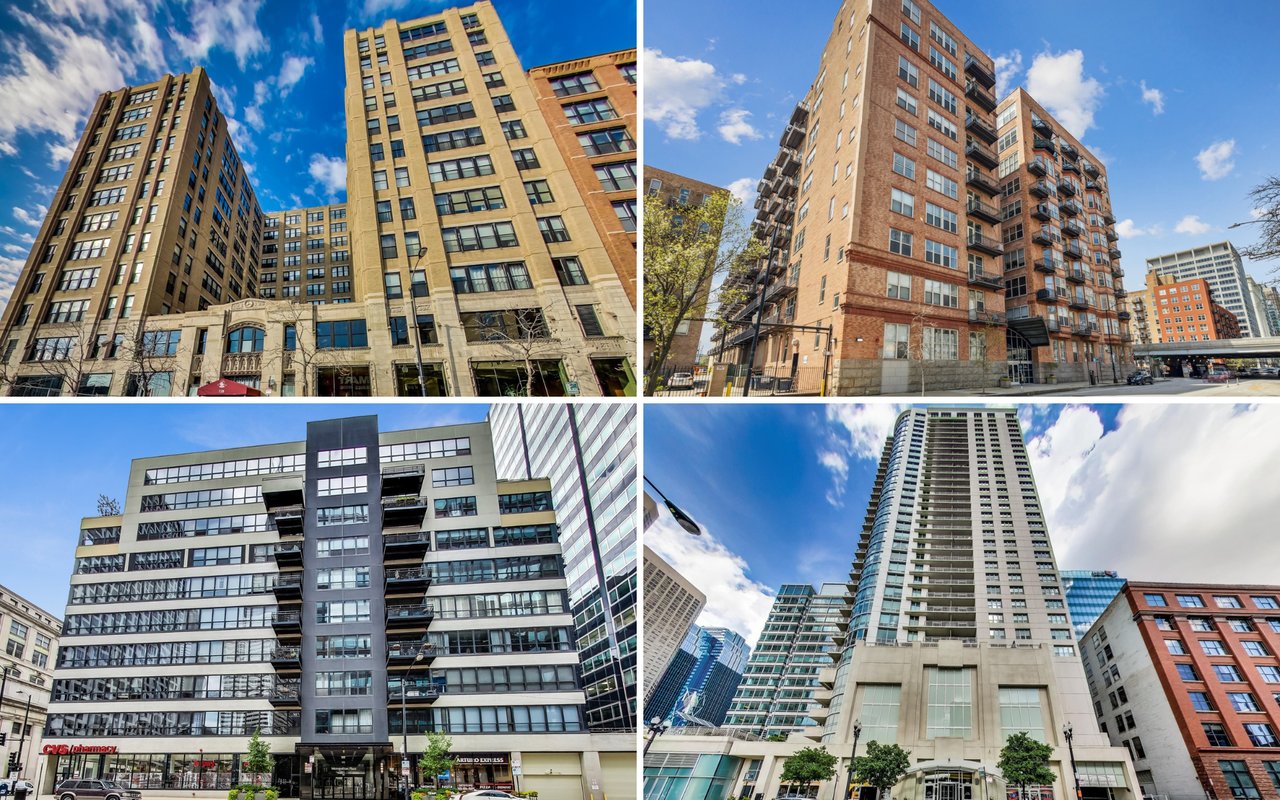
If you are selling a condo in the West Loop, River North, South Loop, or Streeterville, attorney review is more than just a contract formality. It overlaps with another critical process: the condo association document review.
Illinois law requires the seller to provide the buyer with the condo association's governing documents, financials, meeting minutes, and other disclosures. The buyer's attorney is reviewing all of this at the same time they are reviewing the contract.
If the condo documents reveal something concerning, such as a large pending special assessment, an underfunded reserve, or a pending lawsuit against the association, the buyer's attorney has grounds to raise objections or push for price adjustments during this same window.
In buildings like those throughout the West Loop and South Loop, where HOA financials can vary significantly from building to building, this document review step is something experienced sellers prepare for well in advance. According to the Chicago Association of Realtors, document transparency is one of the factors that most directly affects buyer confidence during the under-contract period.
Common Attorney Review Mistakes Chicago Condo Sellers Make
Include:
- waiting too long to order HOA documents
- ignoring reserve fund red flags
- assuming attorney review is “just paperwork”
- poor communication between attorney and listing agent
- reacting emotionally to amendment requests
Can a Buyer Walk Away With No Consequences?
Yes. During the attorney review period, a buyer can cancel the contract and get their earnest money back. No penalty. No fight.
That changes once attorney review closes. After the 5-day window ends without cancellation or modification, the contract becomes binding. At that point, the buyer's ability to exit the deal is limited to specific contingencies, such as inspection issues, financing problems, or condo document concerns.
This is one reason sellers in downtown Chicago condos want to move efficiently. The sooner attorney review closes cleanly, the more protected you are as a seller.
The National Association of Realtors notes that transactions where both parties are represented by attorneys typically see fewer post-contract disputes and smoother closings overall.
What Should a Seller Do During Attorney Review?
Do not sit back and wait. Here is what the smartest downtown Chicago condo sellers do during those 5 business days.
1. Have your condo documents ready before the contract is signed. Request your HOA's governing documents, the most recent budget, reserve study, and meeting minutes before you list. Delays in producing these documents during attorney review slow everything down and can spook buyers.
2. Communicate daily with your agent. Your agent should be in contact with the buyer's agent throughout attorney review. If the buyer's attorney sends a modification request, you want to know immediately, not at the end of the day.
3. Do not make major decisions without your attorney. If the buyer's attorney asks for a price reduction or a credit as part of their modification, your attorney needs to respond, not you directly. Let the legal professionals do their job.
4. Stay calm. Amendment requests are extremely common. They do not mean the deal is falling apart. In the vast majority of downtown Chicago condo transactions, attorney review closes with an agreed-upon modification or with the original contract intact.
How Long Does Attorney Review Actually Take?
It can close in as few as 1 or 2 days, or it can run right up to the full 5. It depends on how quickly the attorneys communicate, how complex the modification requests are, and whether the buyer's review of condo documents raises any issues.
In competitive deals where the buyer is motivated and the building's financials are solid, attorney review often wraps up quickly. In deals where questions arise about the association's reserve fund or a pending special assessment, expect the full window to be used.
According to Redfin, most Illinois real estate transactions move through attorney review without major complications, but being prepared as a seller dramatically reduces the chance of delays.
What Happens After Attorney Review Closes?
Once both attorneys sign off, the contract is fully binding. The transaction moves into the next phases:
- Inspection period (if included as a contingency)
- Condo association document review (if not already fully completed)
- Financing contingency period (for financed buyers)
- Appraisal (if required by the lender)
- Final walkthrough and closing
In most downtown Chicago condo transactions, closing happens 30 to 60 days after attorney review closes, depending on the buyer's financing timeline and any association-specific requirements.
The Local Reality in West Loop and Downtown Chicago Condos
In buildings across the West Loop, River North, and South Loop, there is an added layer of complexity that sellers need to understand.
Many downtown condo buildings have their own move-out policies, elevator scheduling requirements, and HOA transfer documents that take time to assemble. A seller who has not gathered these materials before going under contract can find attorney review extended or stalled simply because the buyer is waiting on paperwork.
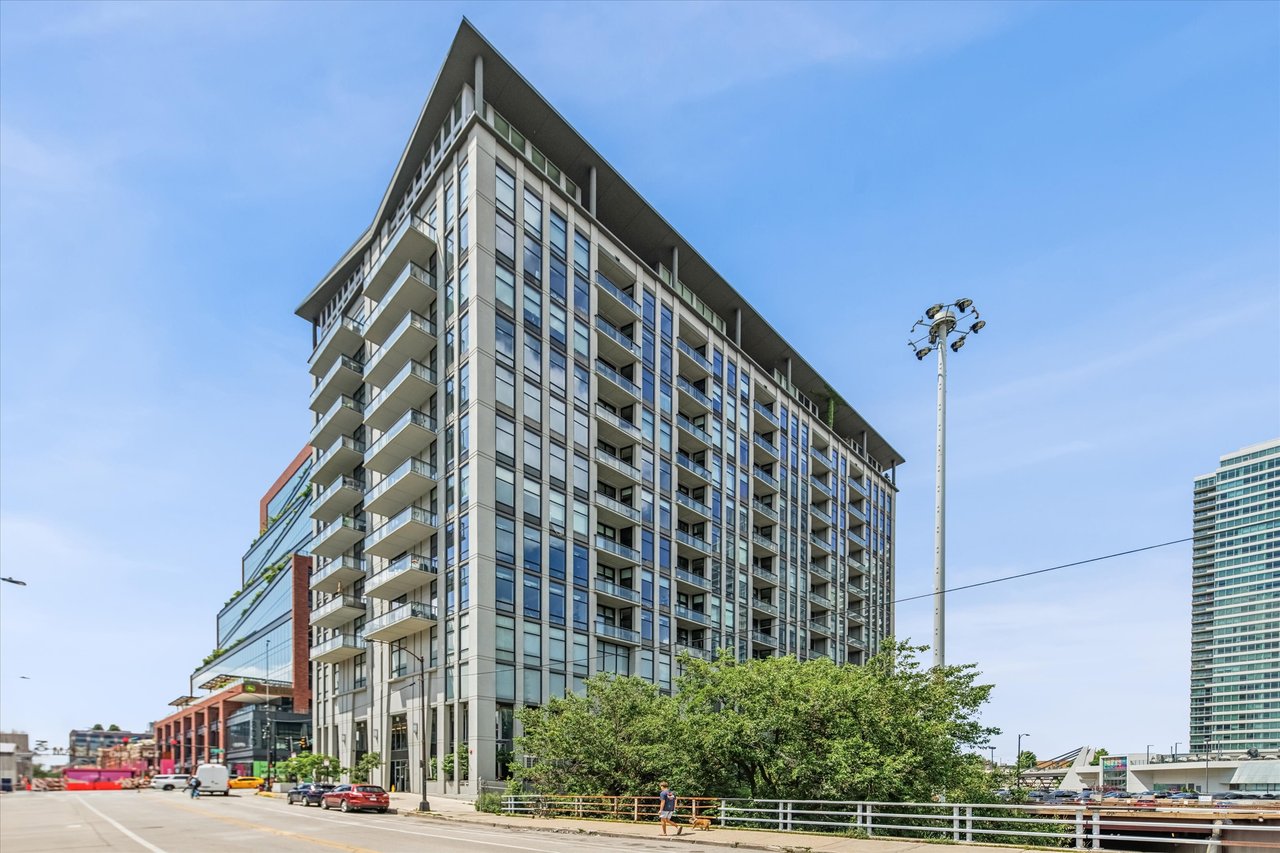
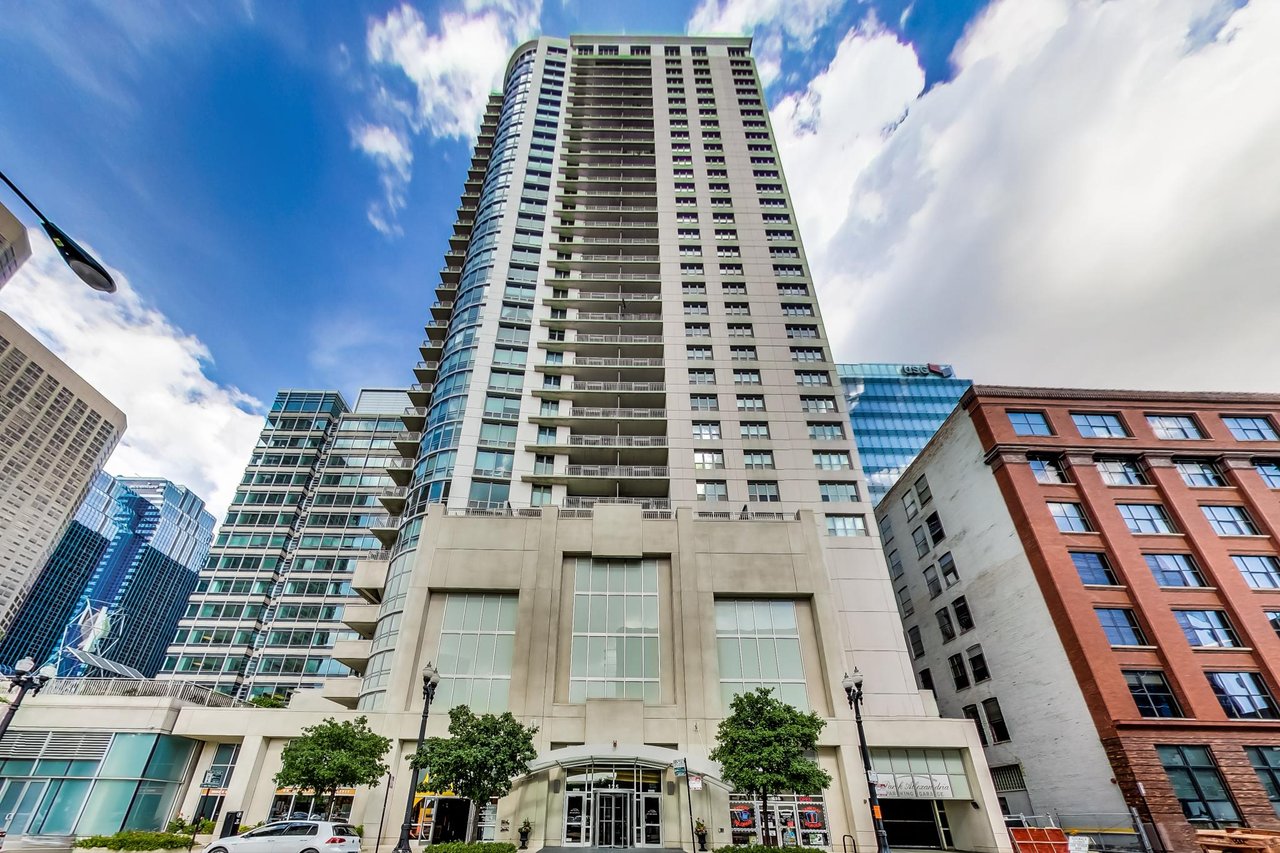
Over 25 years and more than 300 transactions in buildings like Park Alexandria, Haberdasher Square Lofts, and Metropolitan Place, I have seen deals delayed, and occasionally lost, because sellers underestimated how document-intensive the condo review process really is.
The sellers who close fast and clean are the ones who prepare in advance.
Key Takeaways
- The Illinois attorney review period is 5 business days starting the day after contract acceptance
- Either party can cancel the contract during this window without penalty
- Buyers and sellers can request contract modifications through their attorneys
- For downtown Chicago condo sellers, this period also triggers the condo document review process
- Preparation before listing, including having HOA documents ready, dramatically reduces attorney review delays
FAQ
Does Illinois require both parties to have an attorney during attorney review? No. Illinois does not legally require you to hire an attorney to close a real estate deal. However, it is standard practice in Illinois, and most experienced agents strongly recommend it. Attorney fees for a Chicago condo transaction typically range from $700 to $1,500.
Can a seller cancel the contract during attorney review? Yes. The seller's attorney can also issue a cancellation during the 5-day window. This is less common than a buyer cancellation but it does happen, particularly when new information surfaces or when the parties cannot agree on requested modifications.
Does attorney review start on the day the contract is signed? No. It starts the business day AFTER the fully executed contract is delivered to both parties. Make sure you and your agent confirm the exact start date in writing.
What happens if the buyer requests a price reduction during attorney review? Your attorney responds on your behalf. You are not obligated to accept the request. If the parties cannot agree, either side can walk away, or you can negotiate a compromise. Your agent and attorney work together to protect your position.
Do weekends count toward the 5 business days? No. Saturdays, Sundays, and most federal holidays do not count toward the 5-day window. Only business days count.
Can a buyer cancel after attorney review ends? Yes, but not freely. Once attorney review closes, the contract is binding. A buyer can still exit the deal, but only through a valid contingency, such as an unsatisfactory home inspection, a financing denial, or condo document concerns raised within the allowed review window. If a buyer walks without a contractually valid reason after attorney review ends, the seller can claim the earnest money as damages.
Who pays for condo document fees in Chicago? In most downtown Chicago condo transactions, the seller covers the cost of pulling the association documents. Buildings charge varying fees for assembling the disclosure package, typically anywhere from $150 to $500 or more depending on the association. Some buildings use a third-party document service, which adds to the cost. These fees are usually paid upfront by the seller and are separate from attorney fees or closing costs.
Can attorney review be extended in Illinois? Yes, but only by mutual agreement between both parties. If the attorneys need more time to negotiate modifications or if the condo document review surfaces issues that require discussion, the two sides can agree in writing to extend the window. There is no automatic extension. If one party does not agree to extend, the original 5-business-day deadline stands. In practice, extensions are not common in straightforward downtown Chicago condo deals, but they do happen when complex contract modifications are on the table.
Selling a downtown Chicago condo involves far more than accepting the highest offer.
Attorney review, condo document preparation, HOA disclosures, and contract strategy all affect your final outcome.
ABOUT THE AUTHOR
Christine Hancock is a Chicago Realtor with @properties Christie's International Real Estate, bringing more than 25 years of experience and over $200 million in closed sales in the downtown condo market. With 96 five-star Zillow reviews, Christine is recognized for her commitment to client satisfaction and market expertise.
She specializes in high-rise and luxury condominium sales in West Loop, South Loop, River North, and Streeterville, helping buyers and sellers navigate complex transactions with data-driven pricing strategies and deep neighborhood insight.
Christine partners with clients to evaluate market trends, position properties competitively, and make confident, informed decisions in Chicago's vibrant downtown housing market.
Call or text 312-296-9300 to discuss current market conditions or your real estate goals.