1000 W. Washington Blvd., Chicago, IL. Building Guide & History
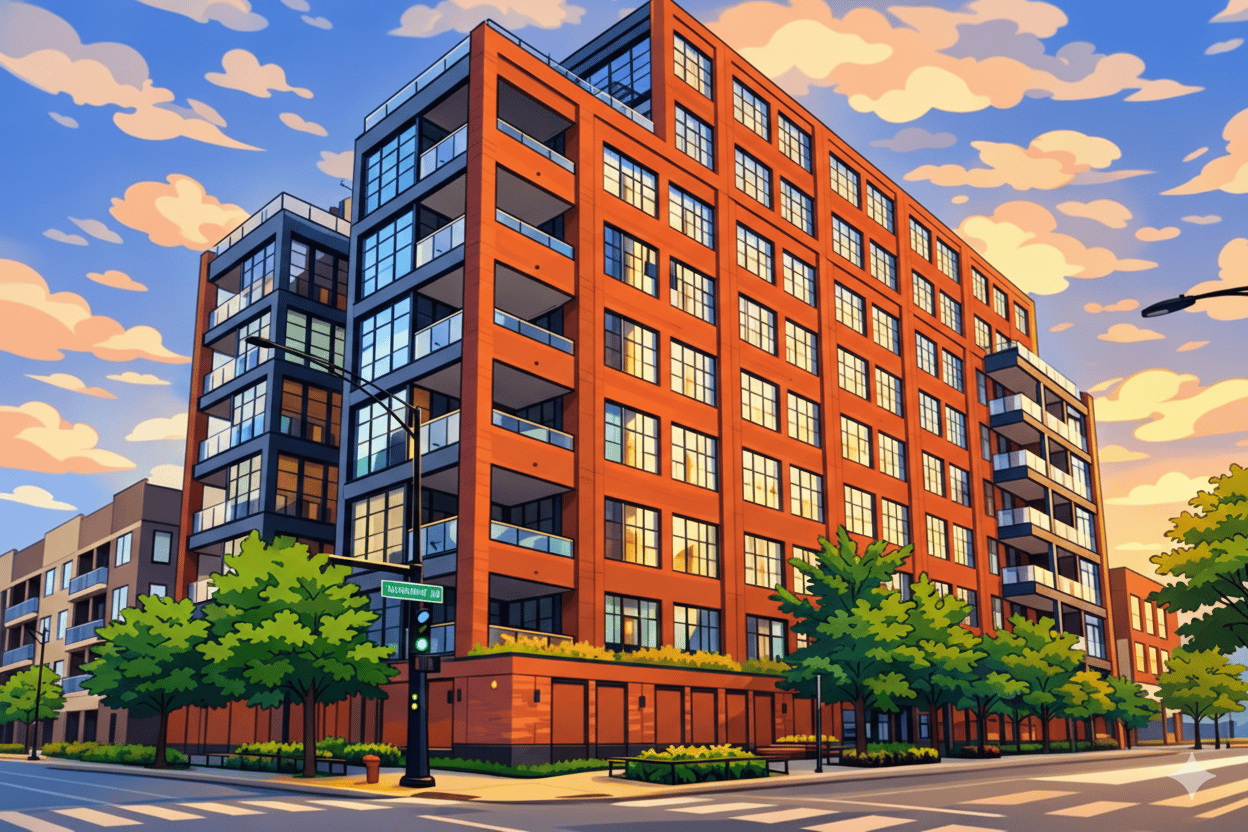
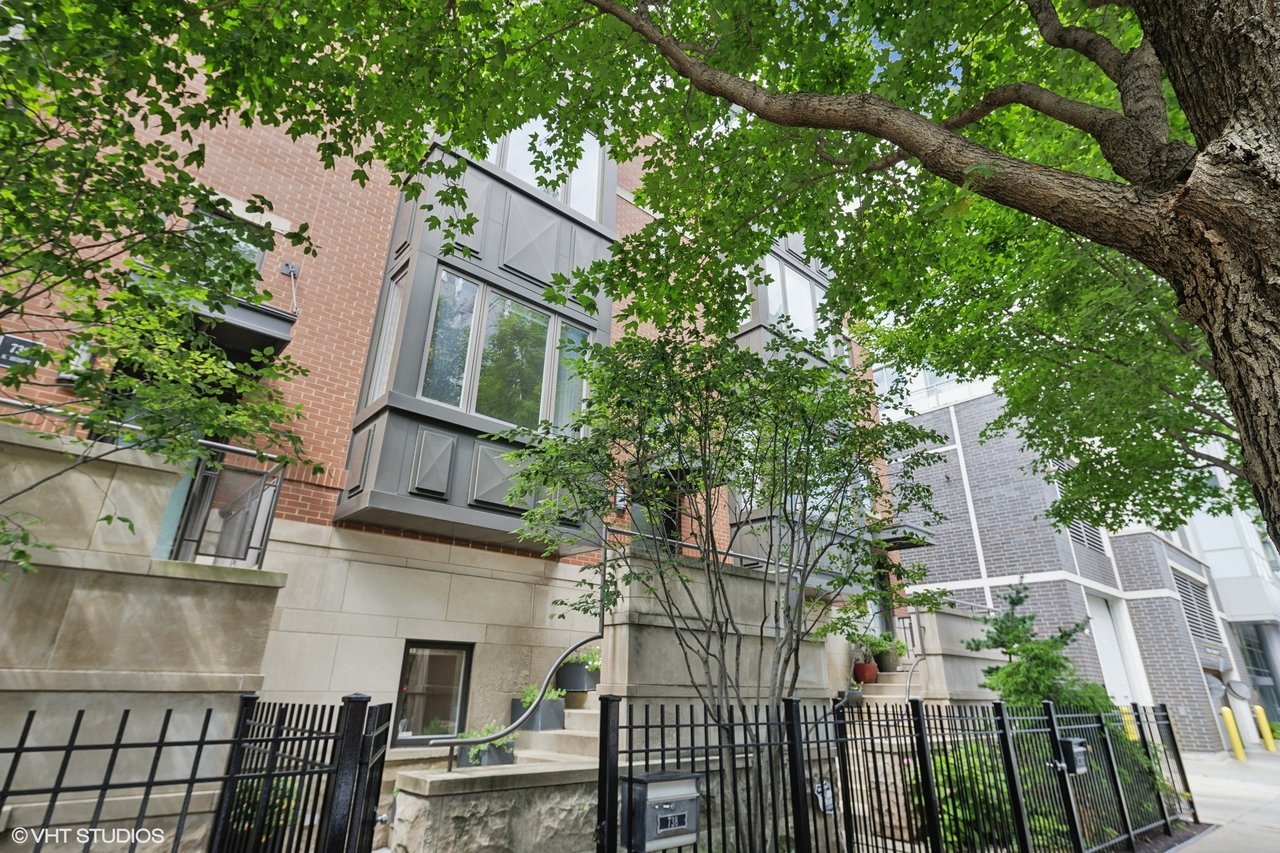
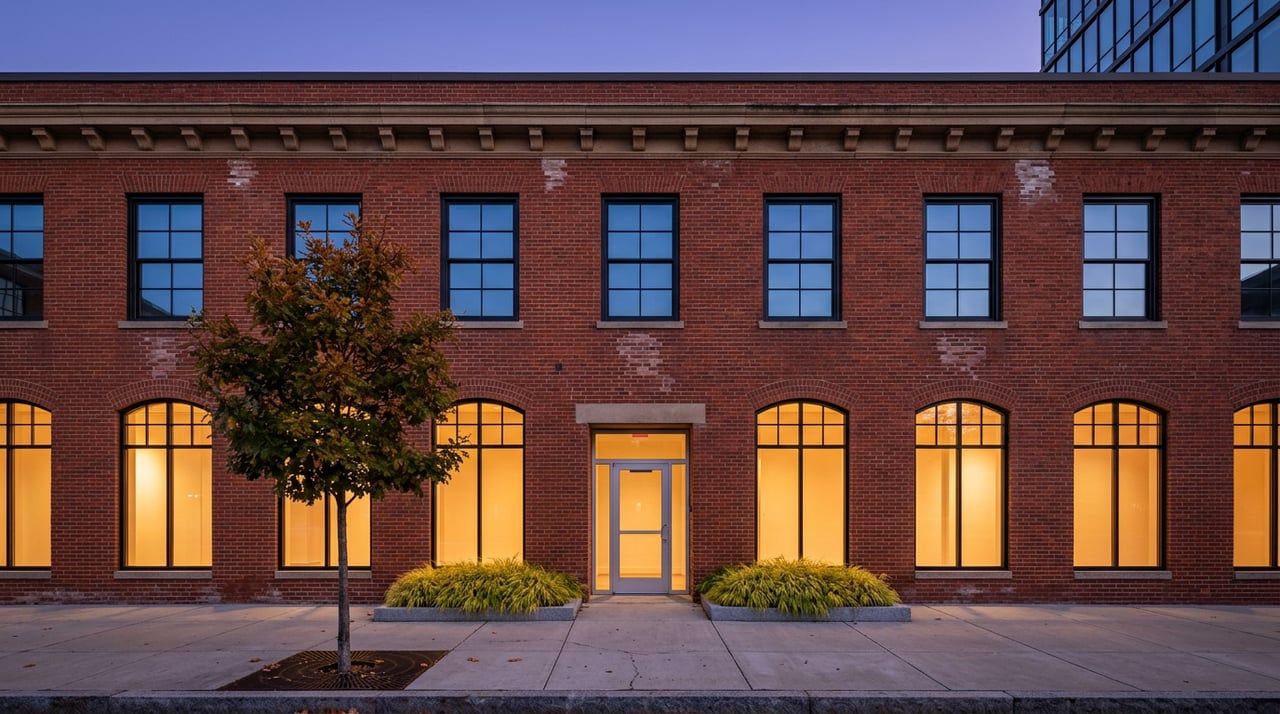
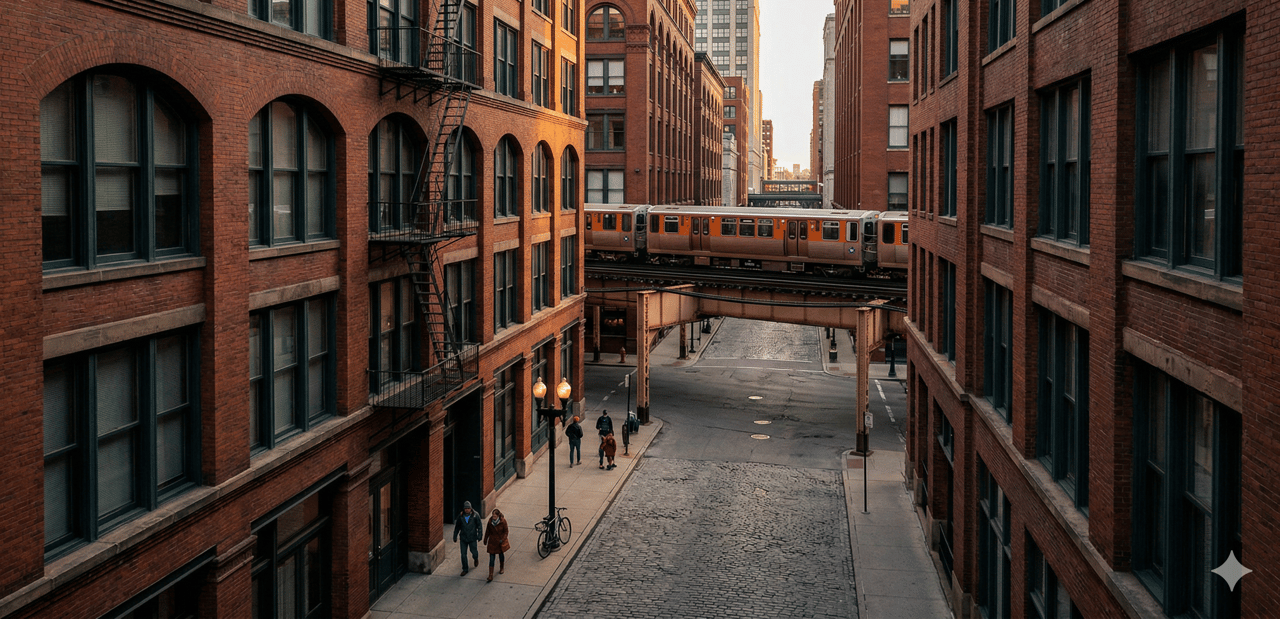
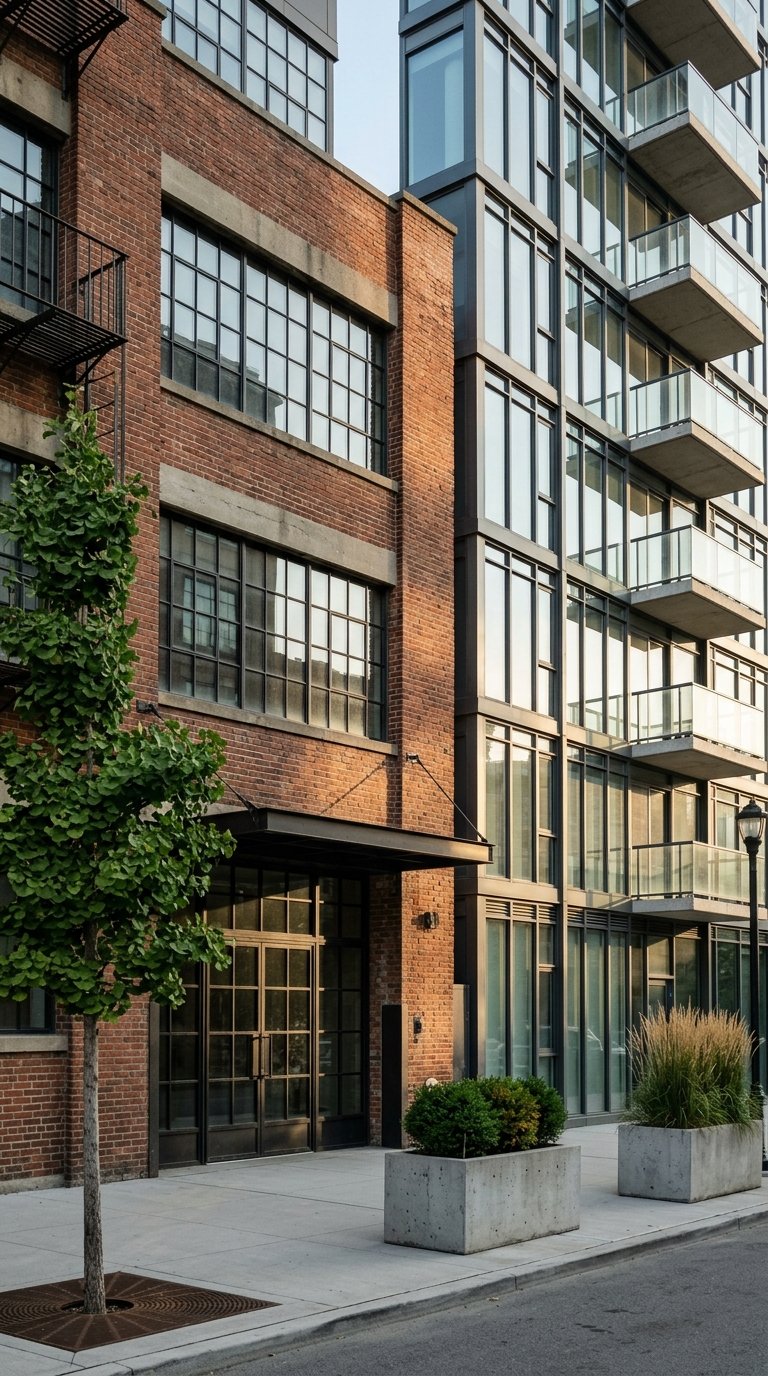
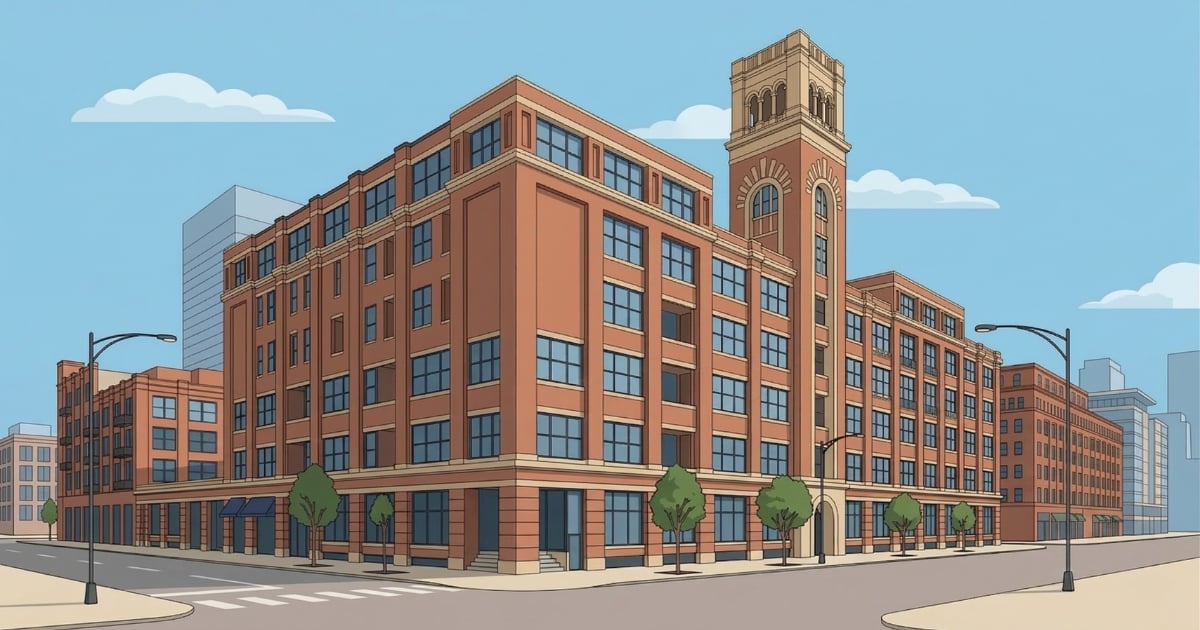
What is 1000 West Washington in Chicago? 1000 West Washington is a pair of historic brick loft buildings in Chicago's West Loop, originally built as industrial bakeries for the National Biscuit Company (Nabisco) and converted to residential condominiums in the mid-1990s.
At a Glance 1000 West Washington Lofts is one of the most storied loft addresses in the West Loop. Two buildings, one from 1884 and one from 1902, sit on the same campus. Once the Nabisco bakery complex, they were converted to 179 residential units in the mid-1990s and remain one of the most sought-after loft addresses in downtown Chicago.
The History of 1000 W. Washington Blvd.
This address has a history that very few Chicago buildings can match. Long before the West Loop became one of Chicago's most desirable neighborhoods, this block had already been shaping the city for well over a century.
Before the buildings stood here, the land was owned by Deacon Philo Carpenter, who arrived in Chicago in 1832 and purchased roughly 160 acres in the area for $200. He built a home here with a white picket fence. The land was bounded by Madison to the south, Kinzie to the north, Halsted to the east, and Elizabeth to the west. 1000wwashingtonlofts After the Civil War, as Chicago rapidly industrialized, the character of the neighborhood shifted dramatically.
The Kennedy Biscuit Company connection: The older of the two buildings was built by the Kennedy Biscuit Company in 1884, according to a 2014 report to the Commission on Chicago Landmarks. Kennedy was later one of many biscuit companies amalgamated into the National Biscuit Company by Chicago attorneys Adolphus Green and William Moore. Crain's Chicago Business
The Nabisco era: In 1890, the American Biscuit Company was founded, taking control of 40 bakeries around the Midwest, including the Kennedy Baking Company and several large bakeries in the neighborhood. In 1898 it became part of the new National Biscuit Company, growing into the dominant force of mass-produced cookies and crackers, with annual sales of approximately $40 million just after the turn of the century. 1000wwashingtonlofts
The company employed nearly 1,300 men and women at its Chicago bakeries, and in 1902 began construction of a new bakery specially designed to produce its popular Uneeda brand biscuits and fig bars. That new state-of-the-art facility, designed by the influential Chicago architecture firm of Treat & Folz, was a prime example of the most current industrial architecture of the time. 1000wwashingtonlofts
One of the most remarkable architectural details still visible today: some penthouse-level units feature rounded brick barrel ceilings that were originally the giant Nabisco baking ovens. The entire living room of one fifth-floor unit was once a large oven used for baking Nabisco biscuits. TODAY.com
After Nabisco: In the early 1950s, Nabisco sold the buildings to a textbook wholesaler, J.W. Wilcox & Follett. In the 1990s, the textbook company, by then known simply as Follett, sold the buildings to a developer. Crain's Chicago Business By then, the buildings had been vacant for years.
The Conversion to Loft Condominiums
The architecture firm of Schroeder, Murchie, Laya Associates was hired to design the homes in both buildings. Their vision transformed a combined 497,000 square feet into 180 units with 160 different floor plans ranging from 850 to 3,600 square feet. Construction began in 1995, combining original architectural elements of the buildings with new contemporary home features. 1000wwashingtonlofts
According to a 1994 article from the Chicago Tribune, the conversion to approximately 180 lofts was a $44 million project. Crain's Chicago Business
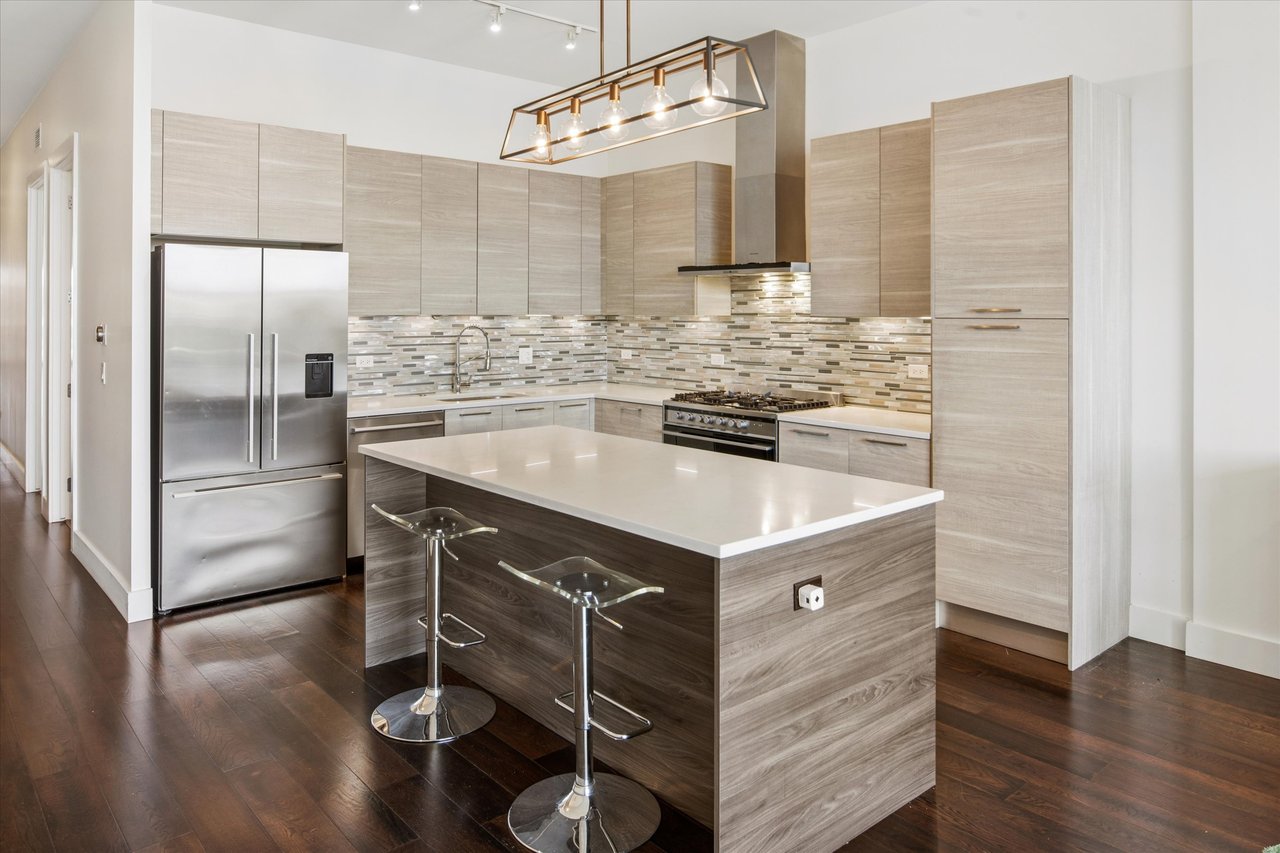
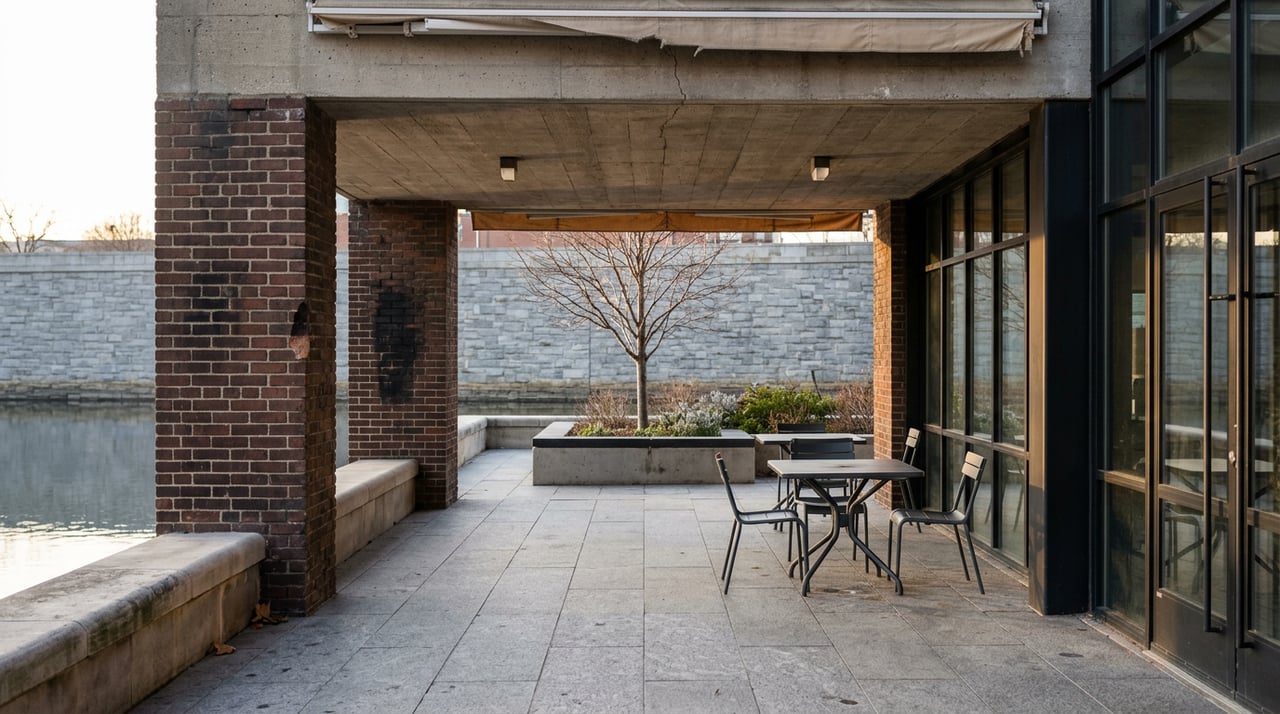
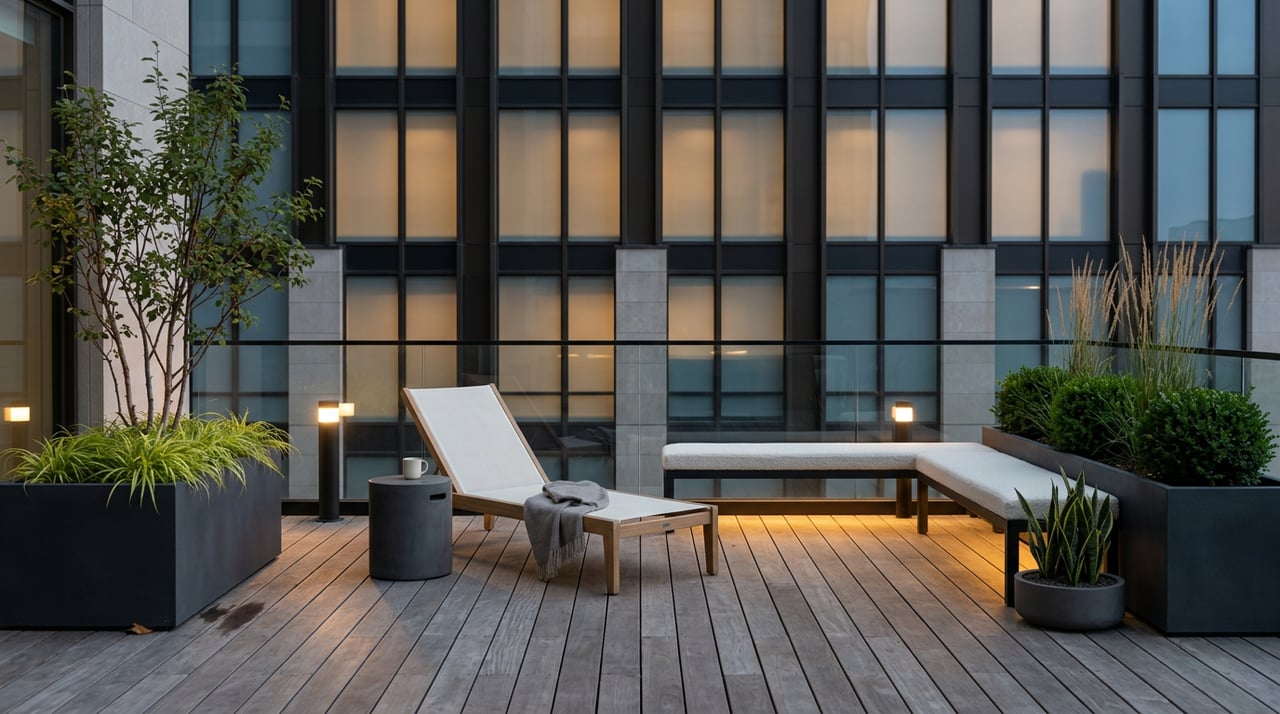
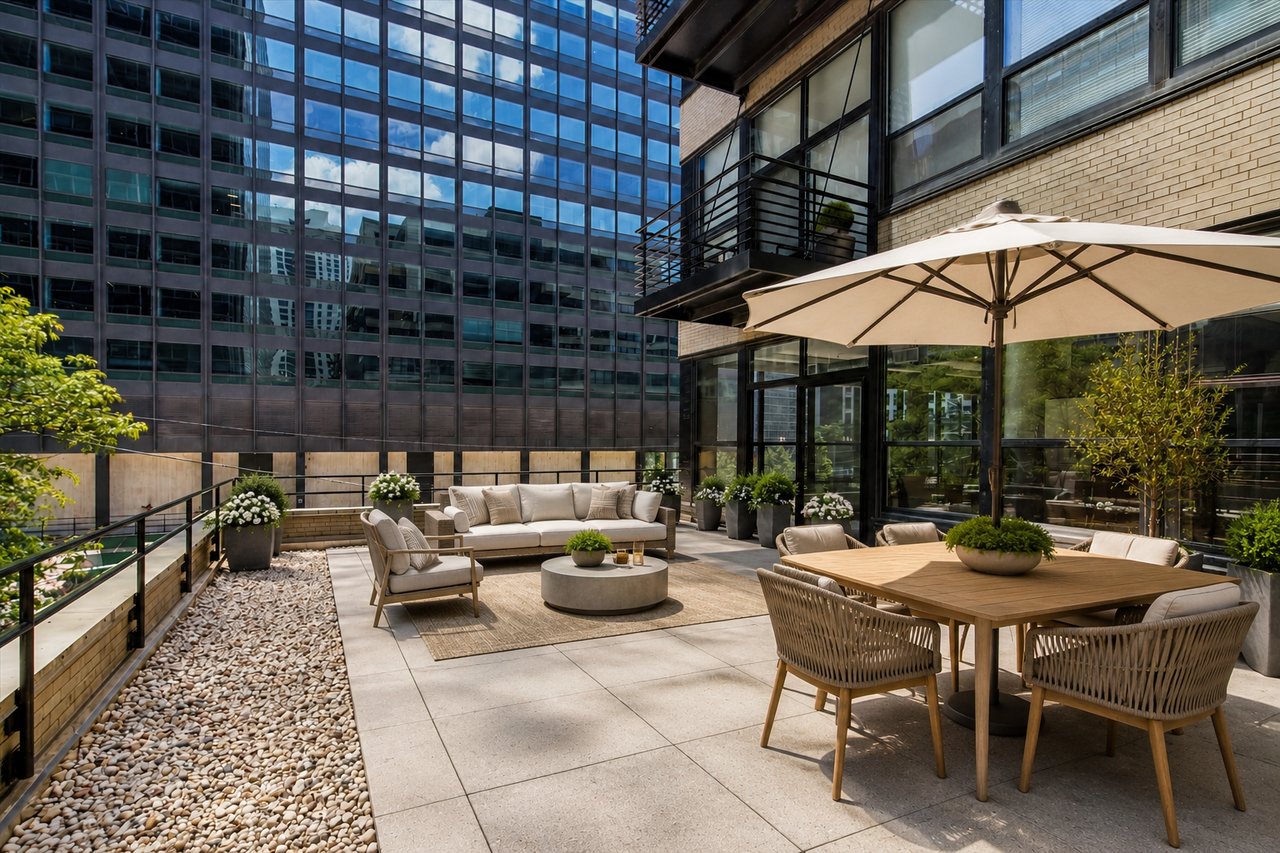
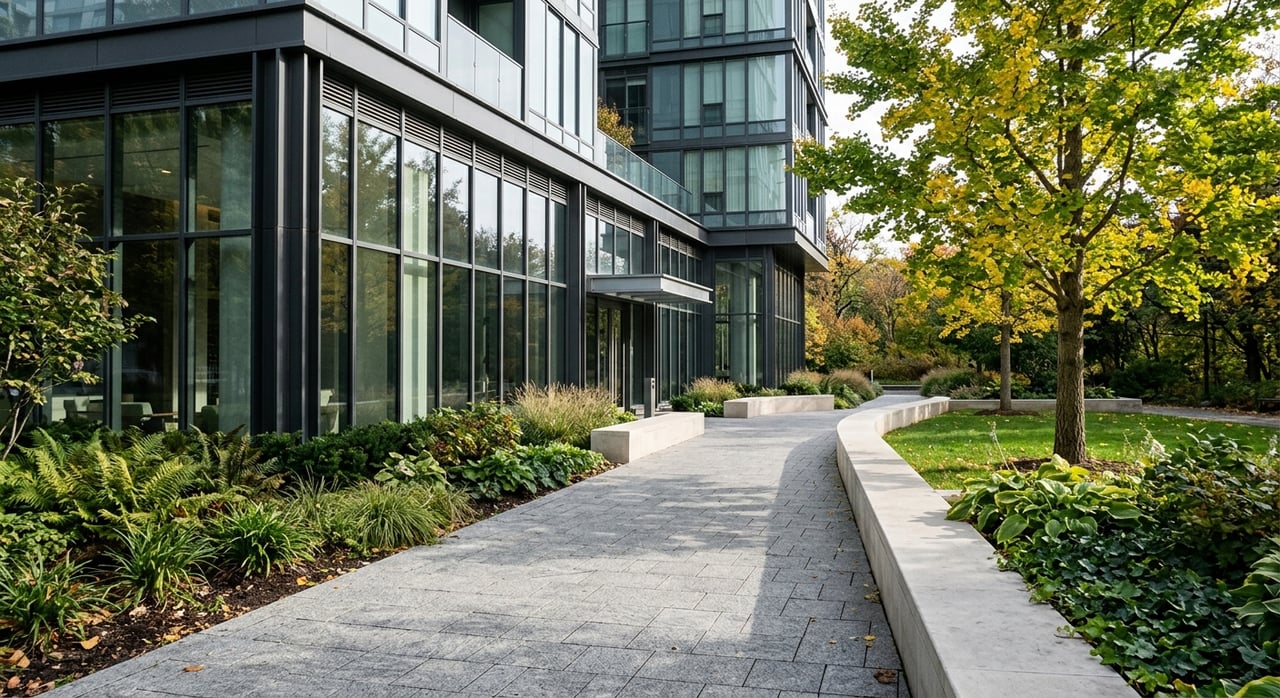
When converted to loft condos, the buildings were extensively renovated and updated. Designers melded the vintage sophistication of the structures with more modern touches, including a new courtyard, a shared rooftop deck, and an atrium carved into one of the buildings where residents can garden and lounge. 1000westwashington
Many of the original owners worked directly with the builders to customize their layouts, which is why the building is famous for having an extraordinary variety of floor plans. No two units are exactly alike.
Building Details
1000 West Washington Lofts is made up of two buildings:
The Randolph building (1884) and the Washington building (1902) sit on a shared campus at Washington Boulevard and Carpenter Street in Chicago's West Loop. Together they contain 179 units spread across five stories. Apartments.com
Unit sizes: 850 to 3,600 square feet, with 160 distinct floor plans.
Signature features:
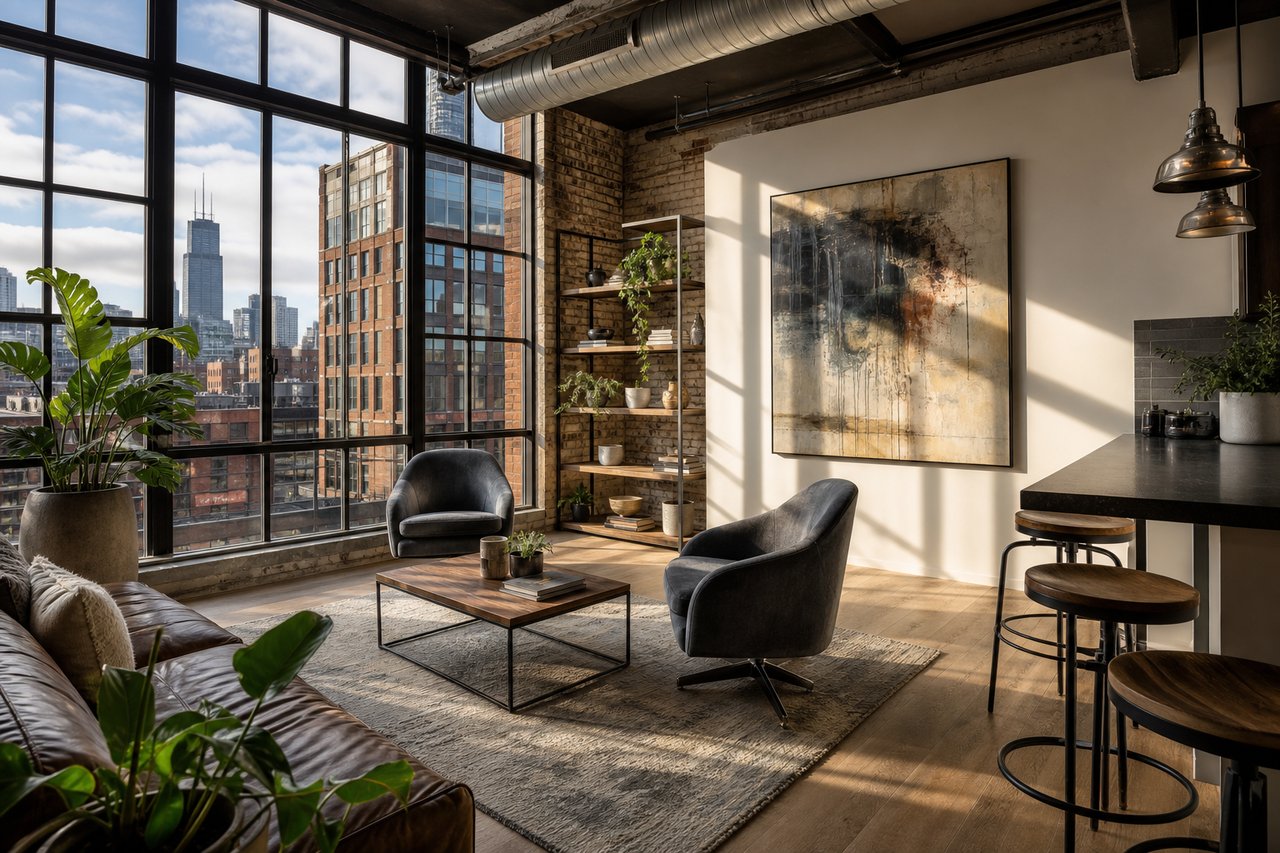
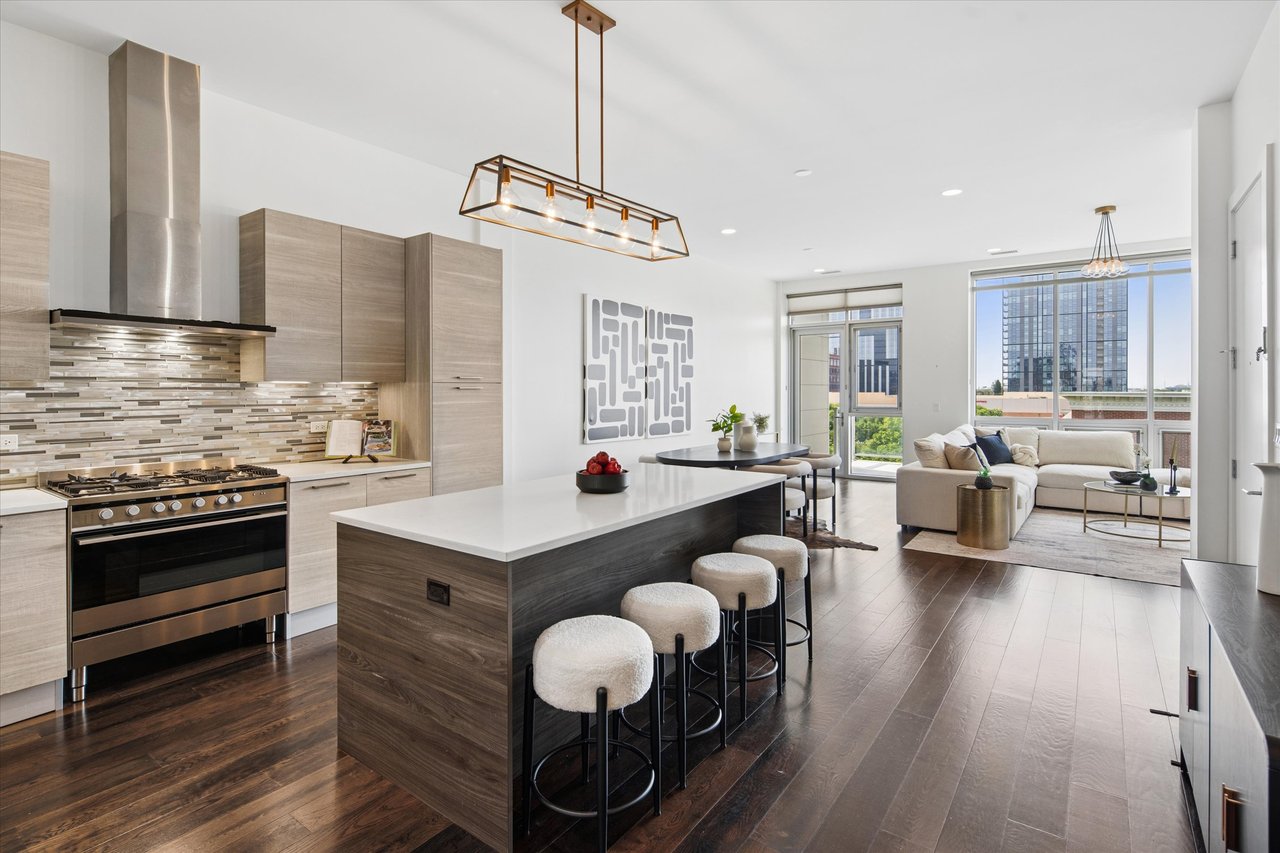
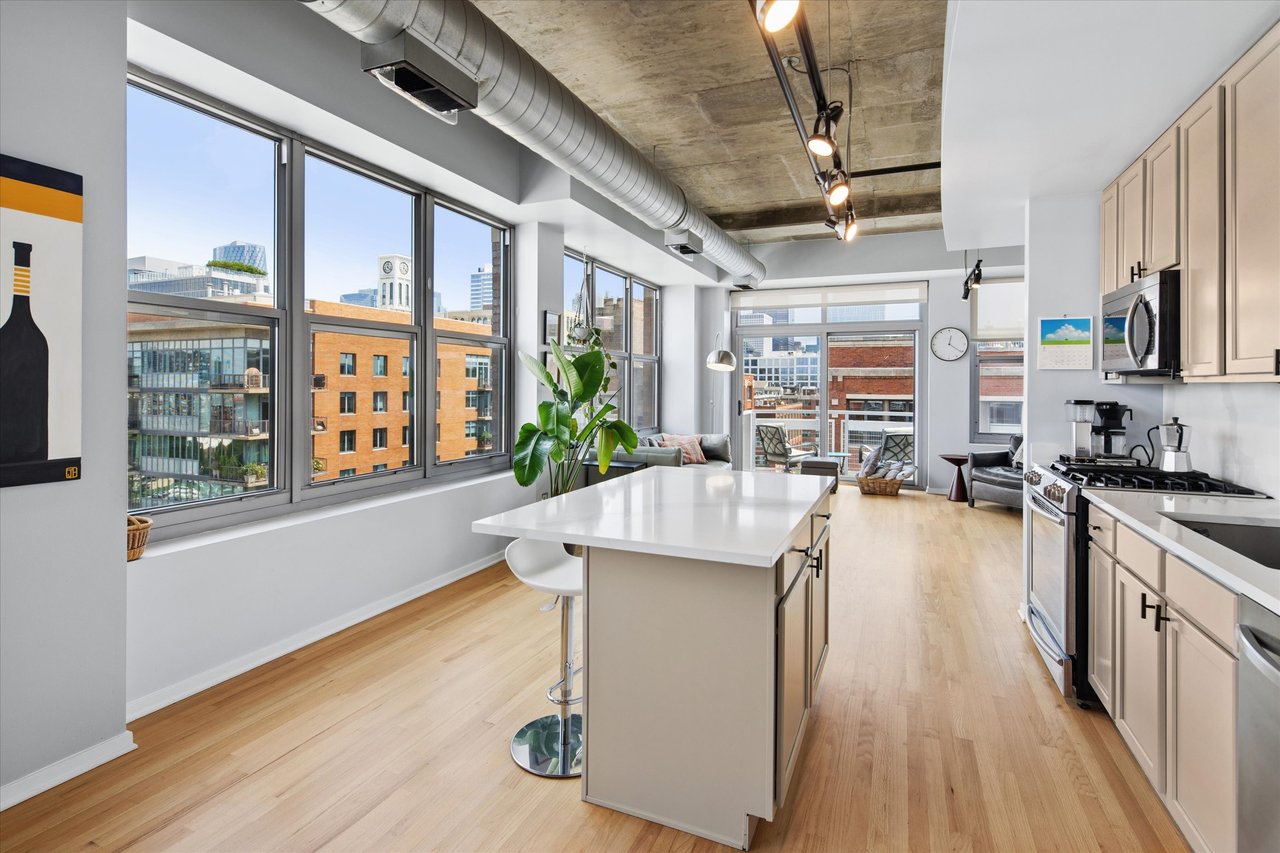
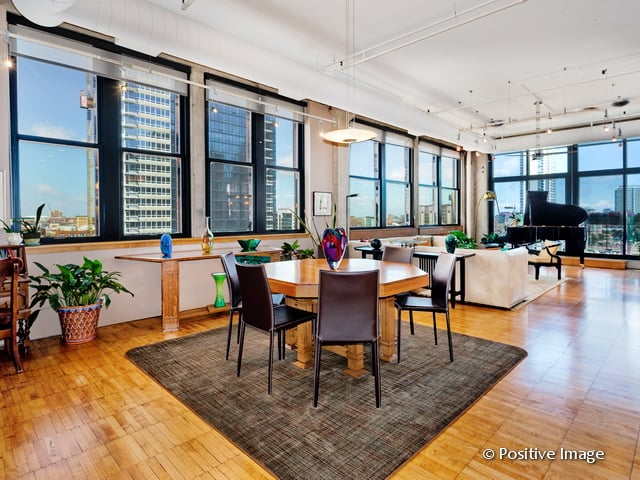
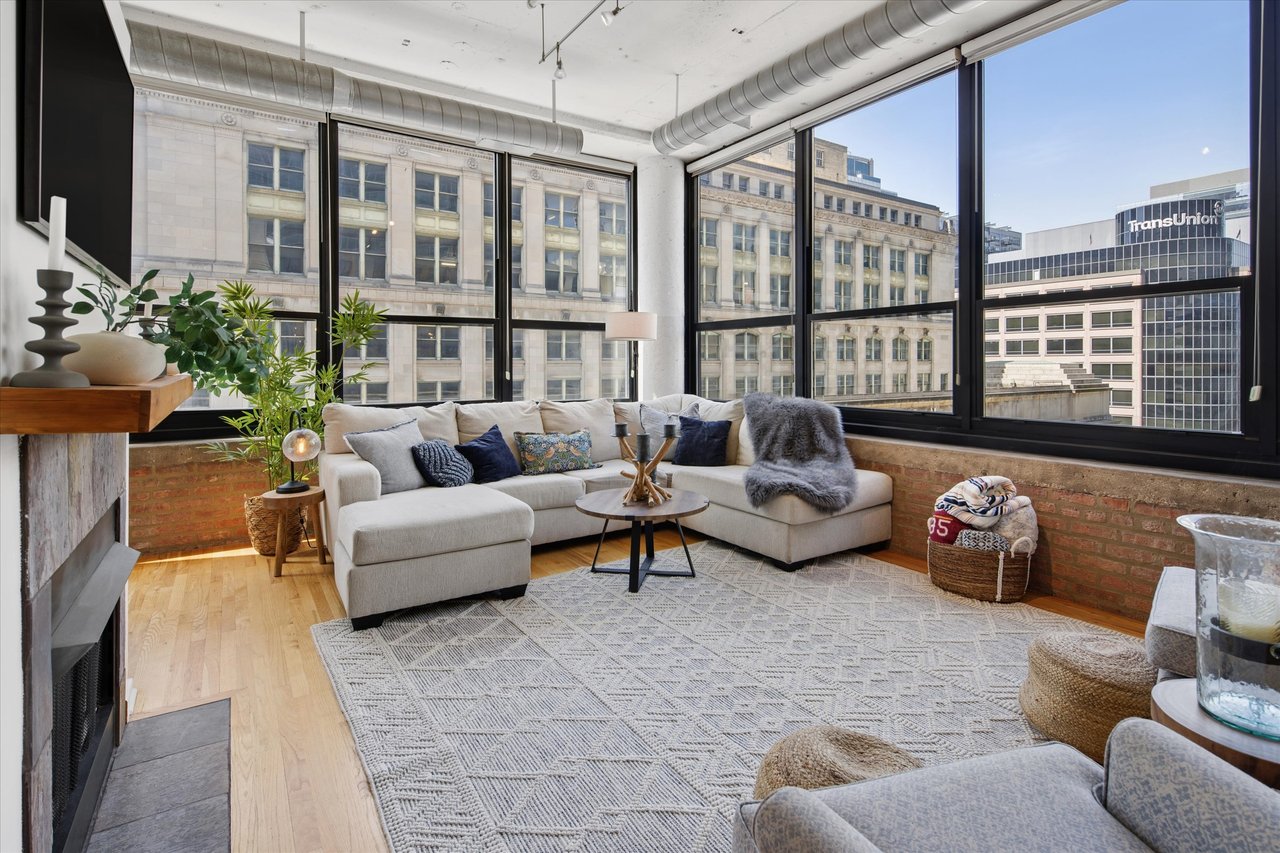
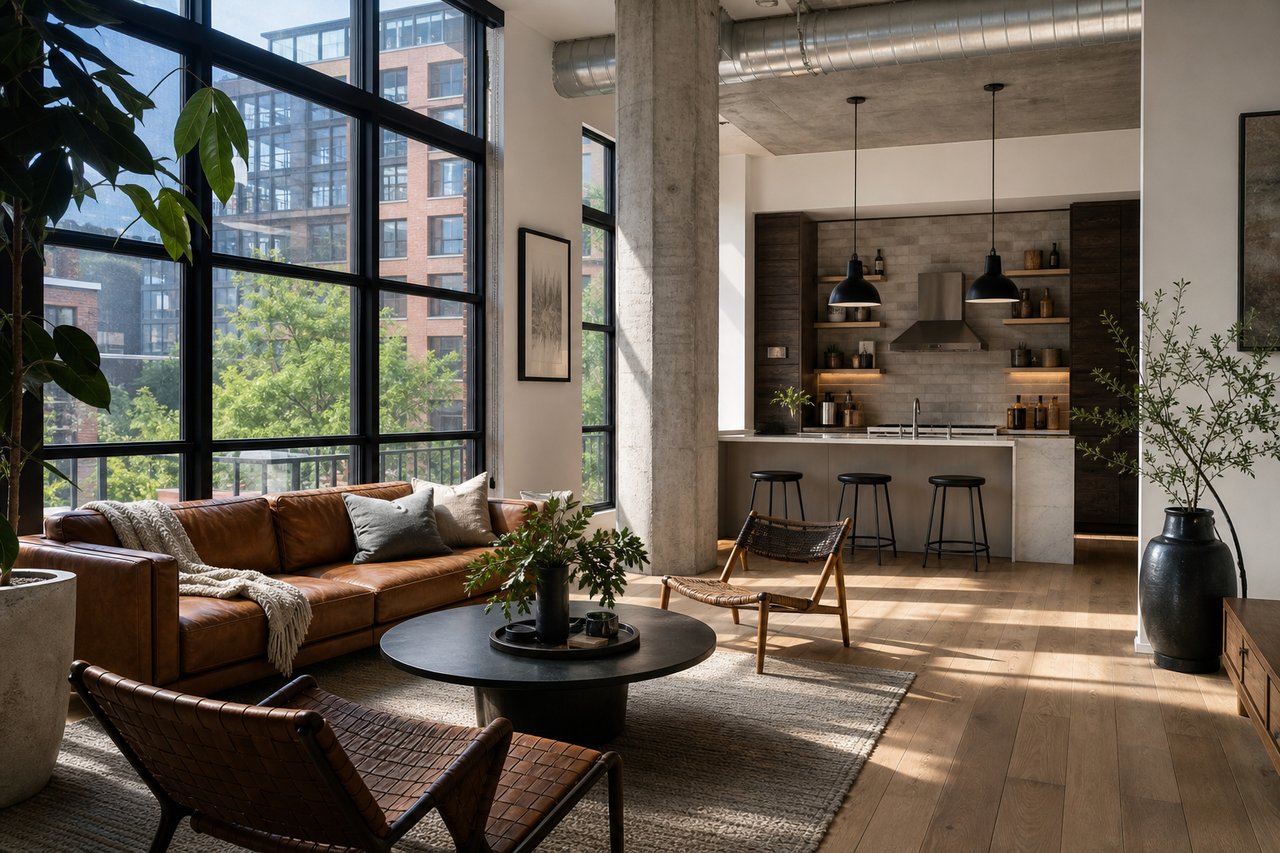
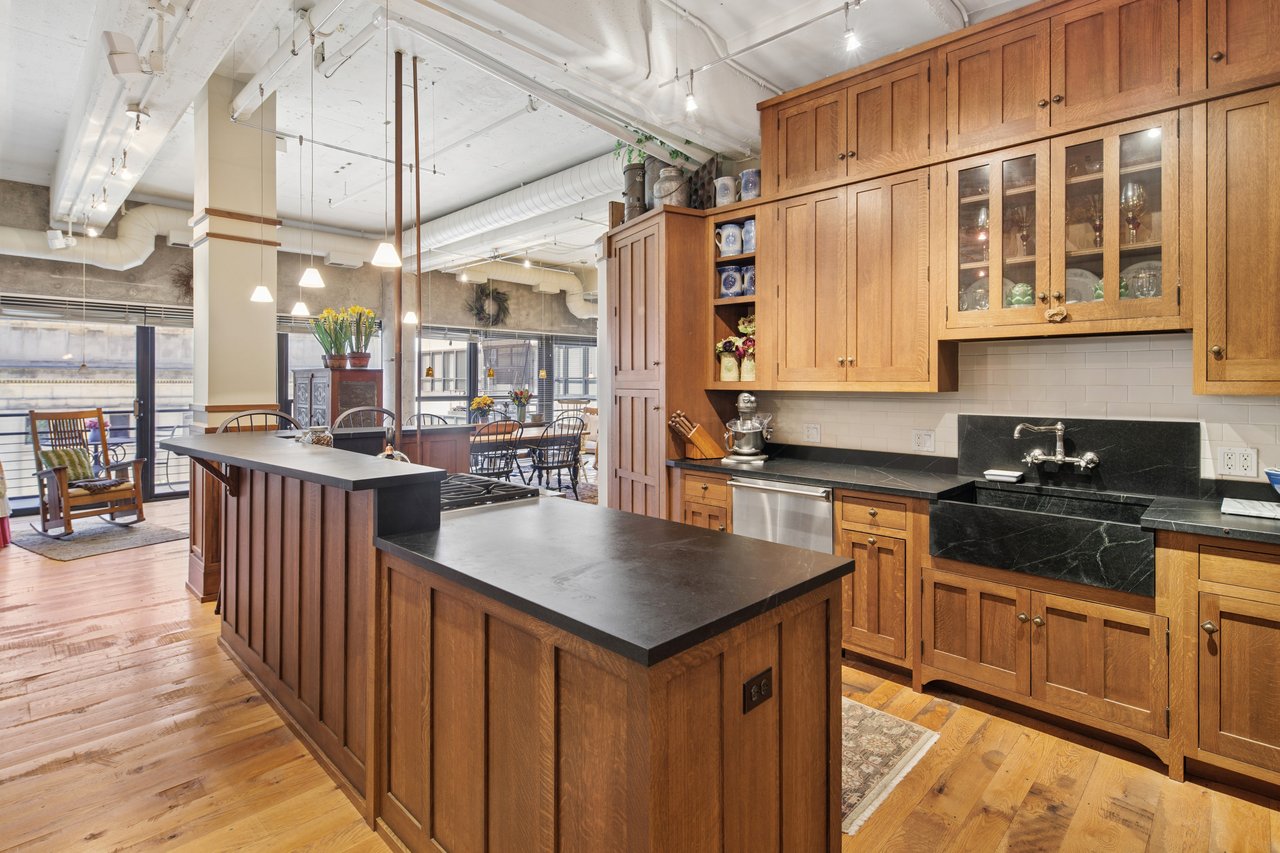
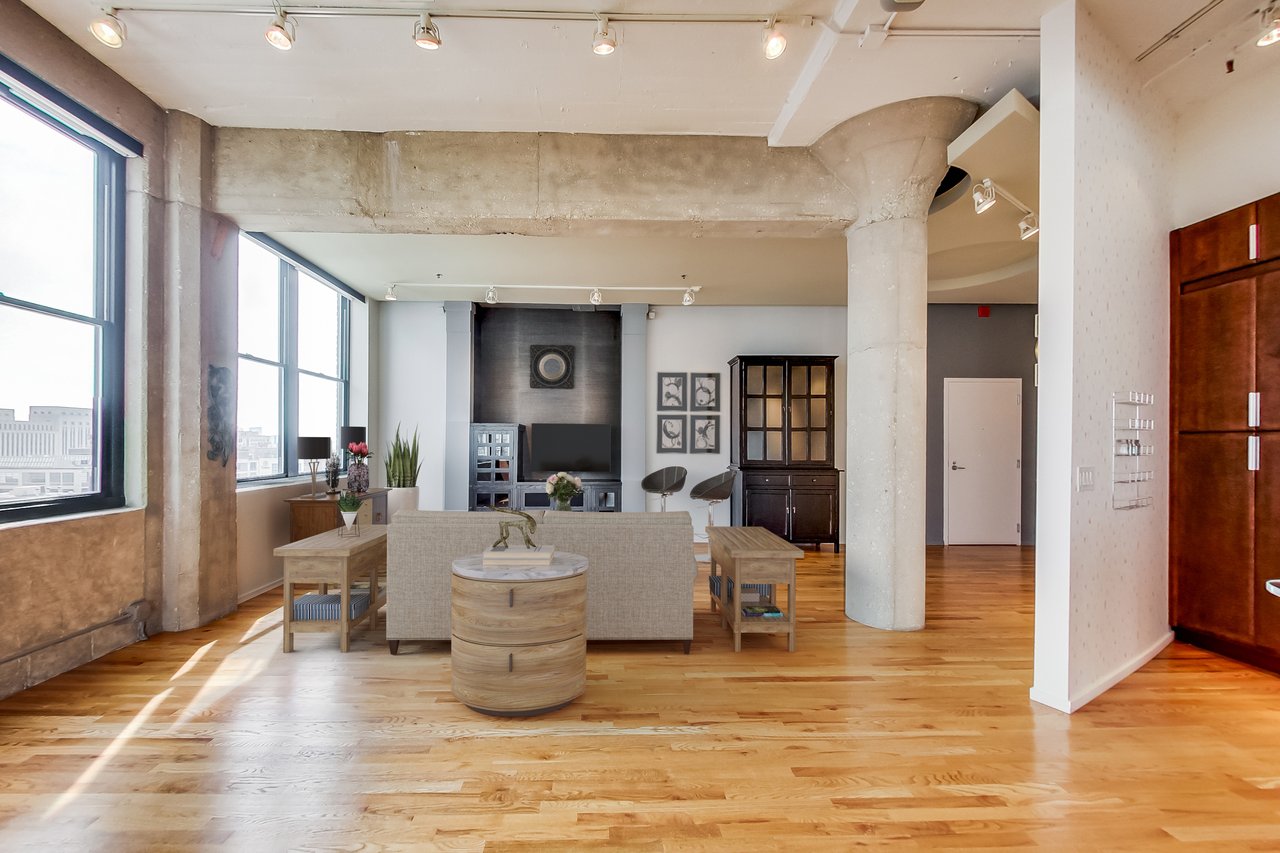
- Soaring ceilings up to 15 feet, with some units featuring original coved concrete ceilings with brick inlay
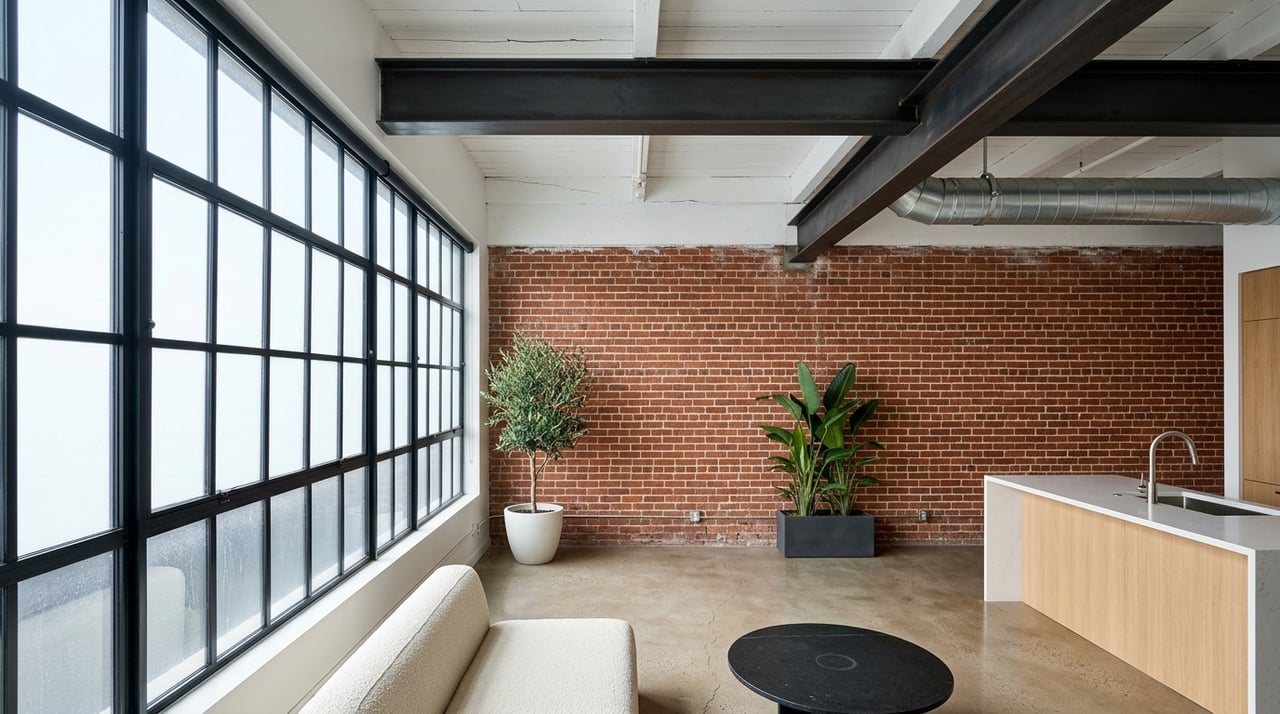
- Exposed brick and timber throughout
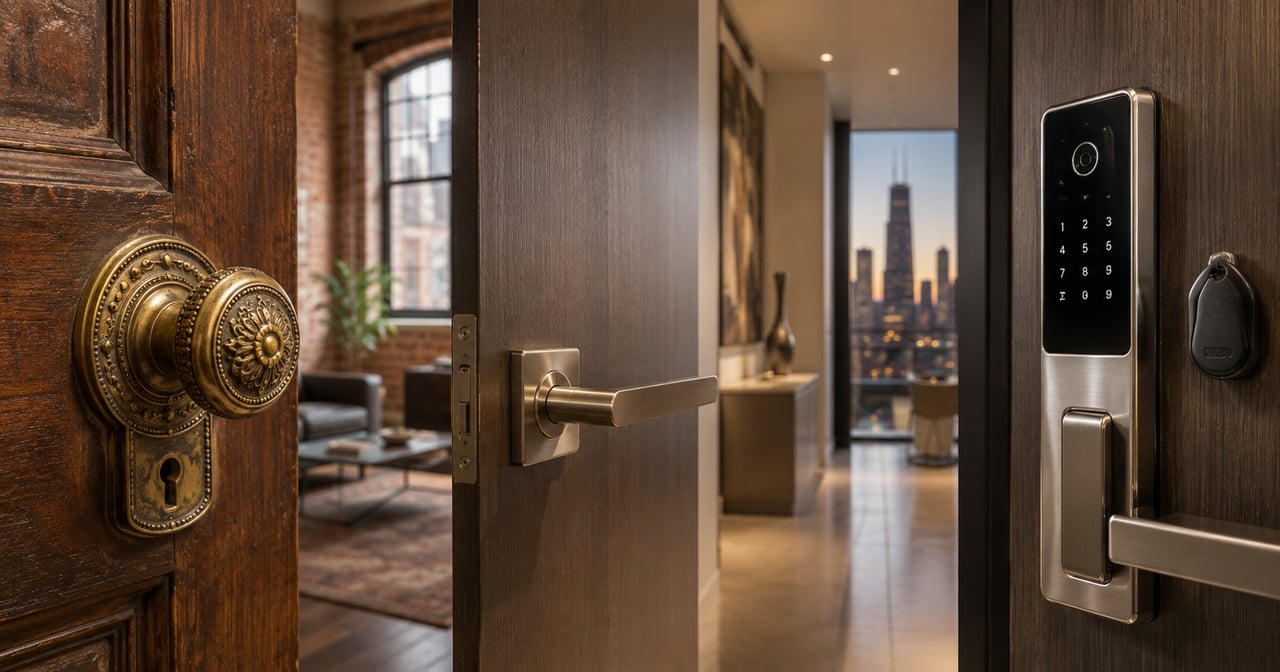
- Original factory windows and industrial doors preserved in select units
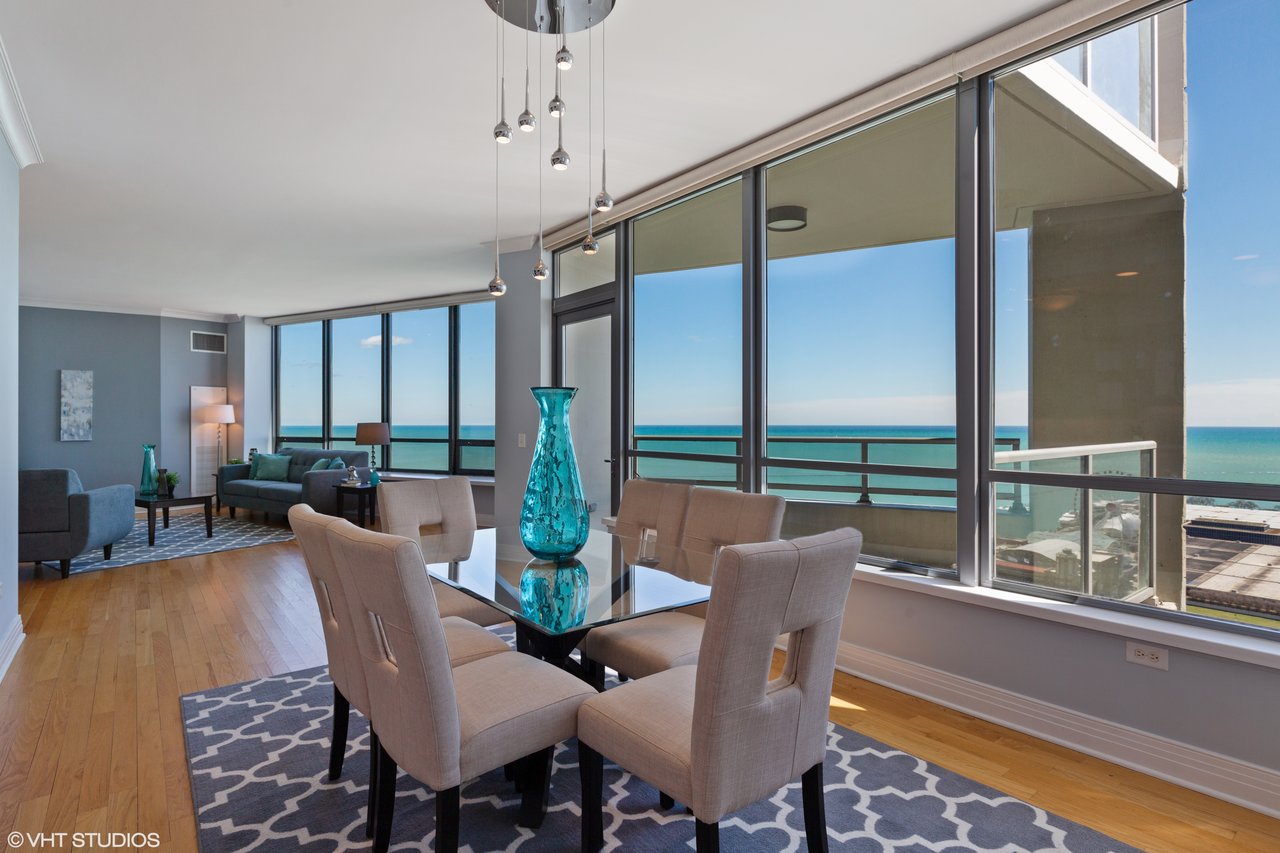
- Private balconies and terraces
- Gas fireplaces in many units
- Real hardwood floors
Building amenities:
- 24-hour doorman
- On-site building manager and maintenance staff
- Shared rooftop deck
- Heated garage parking
- Package receiving room
- On-site bicycle storage
- Resident courtyard and atrium
- Party room
- Kastle security system
- Basic cable and 1GB internet included in assessments (confirm with HOA)
Location and Walkability
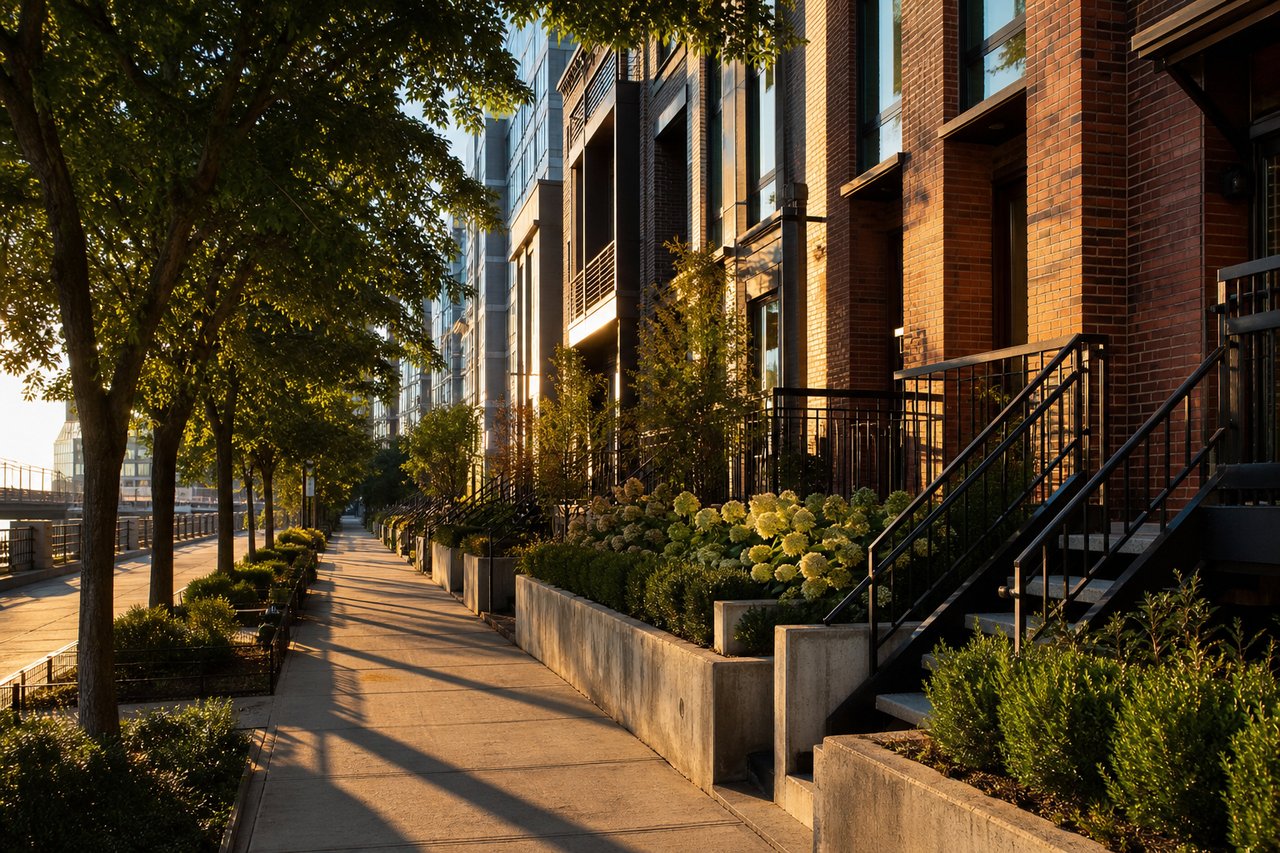
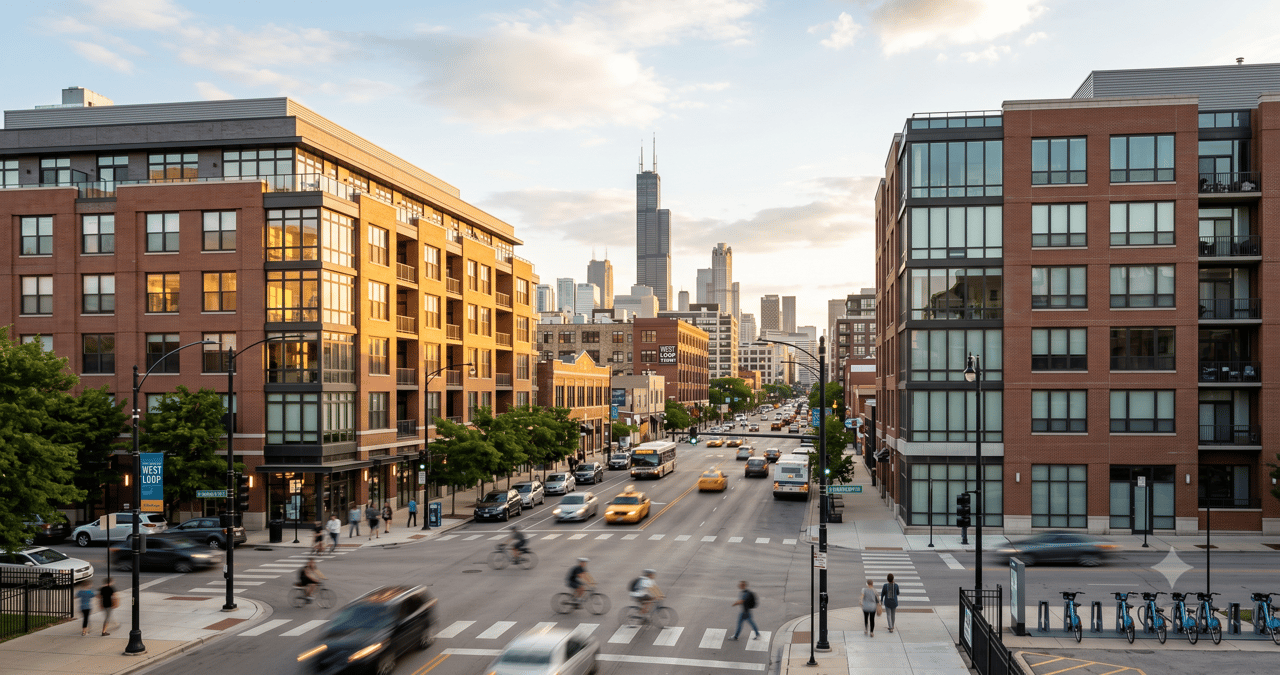
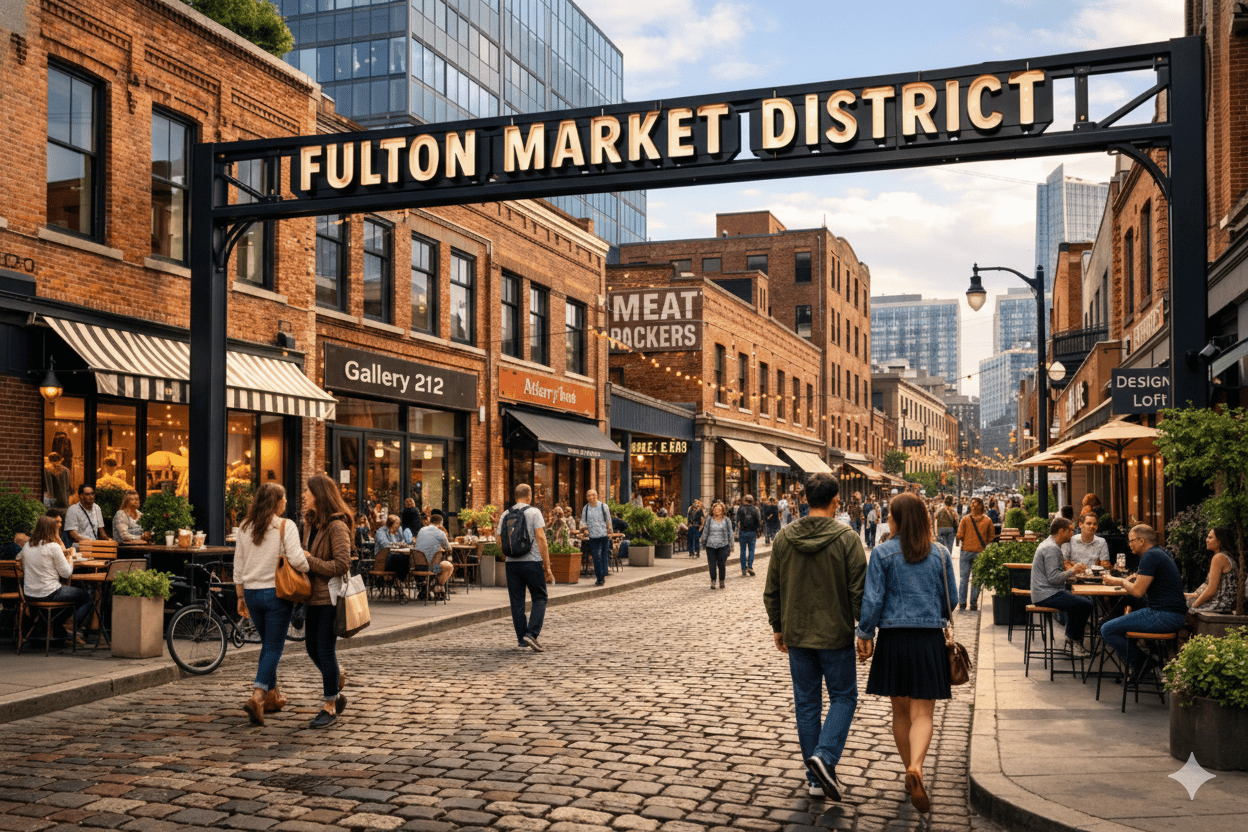
1000 West Washington Lofts enjoys one of the best and most walkable locations in the West Loop, with easy access to SoHo House, Ace Hotel, Nobu, and all that Fulton Market offers. For groceries, J.P. Graziano's, Whole Foods, and Mariano's are nearby. Mary Bartelme Park is also close. Bestchicagoproperties
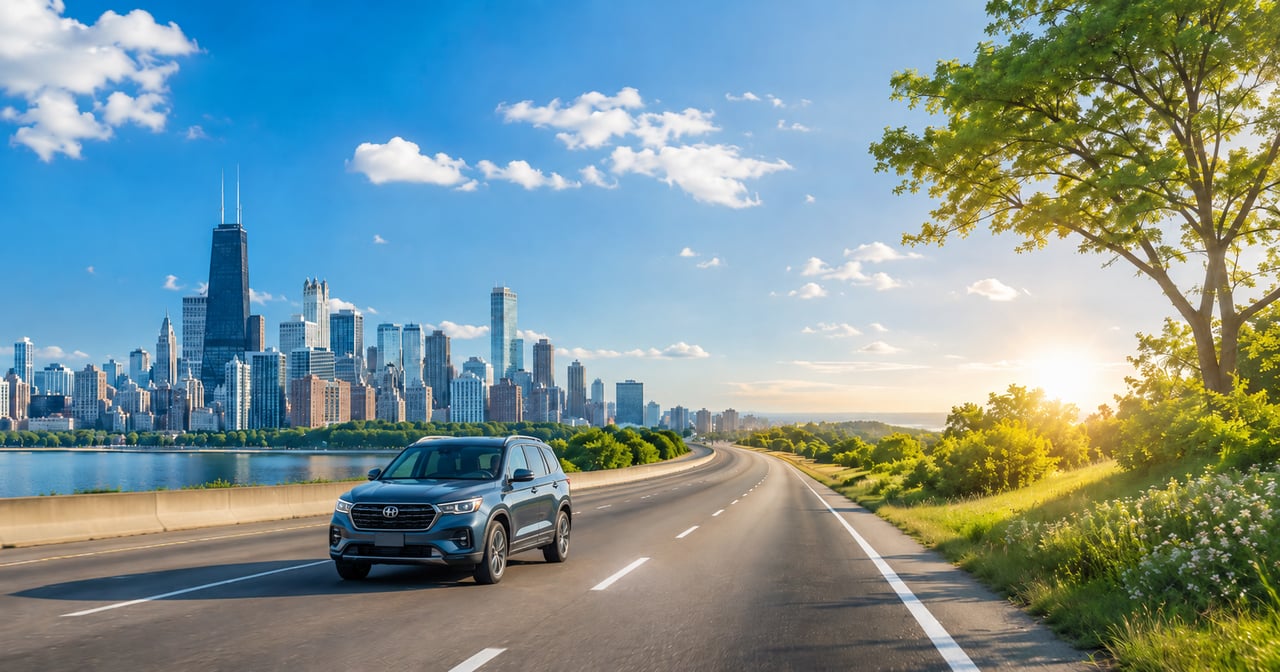
The building sits steps from Randolph Street's Restaurant Row. It is directly across the street from McDonald's global headquarters. The CTA Green and Pink Line Morgan stop is 0.2 miles away, and I-90/94 and I-290 are both easily accessible.
Recent Sales Data
Units at 1000 W. Washington have shown strong and consistent demand. Recent closed sales include a 2-bed/2-bath unit at $1,190,000 in October 2025, a 3-bed/3-bath unit at $855,500 in May 2025, and a 2-bed/2-bath unit at $925,000 in April 2025. Redfin The wide range reflects the extraordinary variety of unit sizes and floor plans in the building.
Pricing per square foot varies by unit, floor, finishes, and exposure. Units with original industrial architectural details, higher ceilings, or larger outdoor spaces tend to command the strongest premiums.
Why 1000 West Washington Stands Out
This is not a soft loft. It is not a new-construction building designed to look industrial. 1000 West Washington was one of the first loft conversions in the West Loop, and it remains iconic and sought-after. Bestchicagoproperties The authenticity here, the real brick, the real timber, the real history, is something buyers recognize and pay for.
The variety of floor plans also means you are unlikely to find a direct comp in the building. That cuts both ways. It means every unit tells its own story at sale time, and pricing strategy matters enormously.
What Stands Out
- Two buildings: one built in 1884, one in 1902, both originally Nabisco bakeries
- Converted to 179 residential lofts in a $44 million project starting in 1995
- 160 distinct floor plans ranging from 850 to 3,600 square feet
- Some units retain original brick barrel-vaulted baking ovens as architectural features
- 24-hour doorman, heated garage, rooftop deck, courtyard, and atrium
- Steps from Fulton Market, Restaurant Row, and the CTA Morgan stop
- One of the most historically significant loft addresses in downtown Chicago
Thinking About Buying or Selling at 1000 W. Washington?
Frequently Asked Questions
What was 1000 W. Washington before it was condos? The two buildings that make up 1000 West Washington were originally industrial bakeries. The older building dates to 1884, when it was built by the Kennedy Biscuit Company. The newer building was added in 1902 by the National Biscuit Company (later known as Nabisco). Both were used for large-scale baking of cookies and crackers until Nabisco sold the complex in the early 1950s.
How many units are at 1000 W. Washington? The building has 179 units across two five-story buildings, with 160 different floor plans ranging from approximately 850 to 3,600 square feet.
When were the lofts at 1000 W. Washington built? The buildings themselves date to 1884 and 1902. The residential conversion began in 1995 and was completed in the mid-1990s at a cost of approximately $44 million.
What are the signature architectural features? Original exposed brick, heavy timber beams, soaring ceilings up to 15 feet, oversized factory windows, and in some units, the original brick barrel-vaulted baking ovens from the Nabisco era, now used as ceiling features in select top-floor units.
Is 1000 W. Washington a good building to buy in? It is consistently one of the more desirable loft addresses in the West Loop. The authentic industrial character, the building's history, the variety of floor plans, and its proximity to Fulton Market and Restaurant Row all drive strong buyer demand. As with any loft building, unit selection, floor, finishes, and pricing strategy all matter. Working with an agent who knows this building specifically is a major advantage.
ABOUT THE AUTHOR
Christine Hancock is a Chicago Realtor with @properties Christie's International Real Estate, bringing more than 25 years of experience and over $200 million in closed sales in the downtown condo market. With 96 five-star Zillow reviews, Christine is recognized for her commitment to client satisfaction and market expertise.
She specializes in high-rise and luxury condominium sales in West Loop, South Loop, River North, and Streeterville, helping buyers and sellers navigate complex transactions with data-driven pricing strategies and deep neighborhood insight.
Christine partners with clients to evaluate market trends, position properties competitively, and make confident, informed decisions in Chicago's vibrant downtown housing market.
Call or text 312-296-9300 to discuss current market conditions or your real estate goals.
Pro Tips:
West Loop Condo & Loft Expert- How I became the Top Selling Agent in Chicago's Hottest Neighborhood
Buying a Condo in the West Loop - What makes West Loop condos different from River North, Streeterville, the Loop, and South Loop, and how to buy with confidence and resale in mind.
West Loop Loft Expert: West Loop Condo and Loft Expert: How I Became the Top Selling Agent in Chicago’s Hottest Neighborhood
7 Condo Buying Red Flags: 7 Red Flags to Watch for When Buying a Condo in Downtown Chicago or the West Loop