Should You Trust Zillow Zestimates to Find Out What Your Downtown Chicago Condo Is Worth?
Can a Zillow Zestimate tell you what your Downtown Chicago condo is worth? Not reliably. Zestimates are a starting point at best, and in Chicago's dense urban condo market, they're often wrong by tens of thousands of dollars.
THE SHORT ANSWER
Based on current Downtown Chicago condo market data, a Zestimate gives you a rough ballpark, but rarely enough precision to confidently price a condo for sale because it cannot properly account for your floor, your view, your unit's condition, your building's financials, and what's actively selling in your specific building right now. For a real number, you need a Comparative Market Analysis from someone who knows the building.
Quick Definition: What Is a Zestimate?
A Zestimate is Zillow’s automated estimate of a home’s market value based on public records, recent sales, tax data, and algorithmic pricing models. It is not an appraisal and it is not a professional Comparative Market Analysis (CMA).
How Zillow Calculates a Zestimate
Zillow's Zestimate is an automated valuation model, or AVM. It uses publicly available data, tax records, recent sales, square footage, and some property characteristics, and runs them through an algorithm to generate an estimated value.
It updates frequently. It looks official. And for a lot of property types in a lot of markets, it gets you reasonably close.
The problem? Downtown Chicago condos are not a lot of markets. They're one of the most complex property types in the country to value accurately with an algorithm.
Why Zestimates Struggle with Downtown Chicago Condos
Here's where the model falls apart.
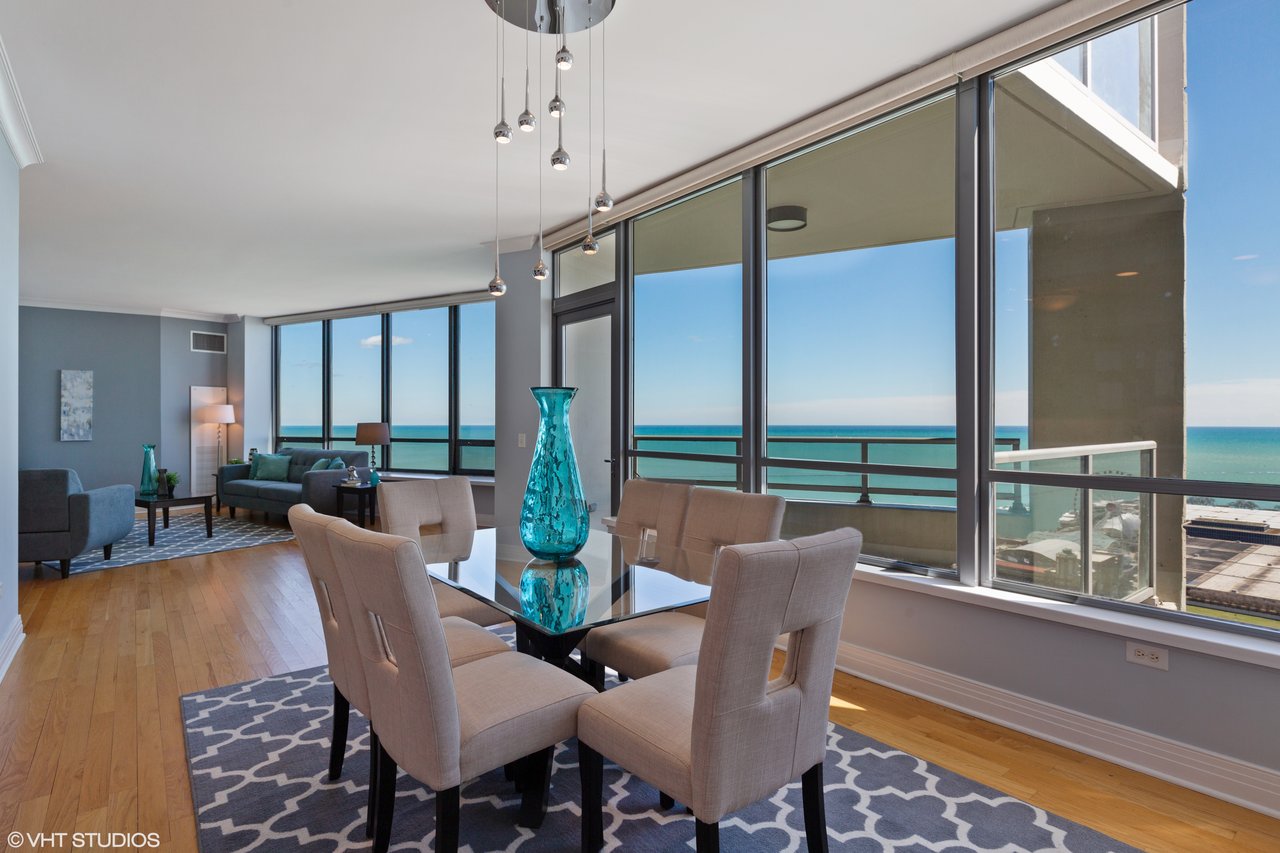
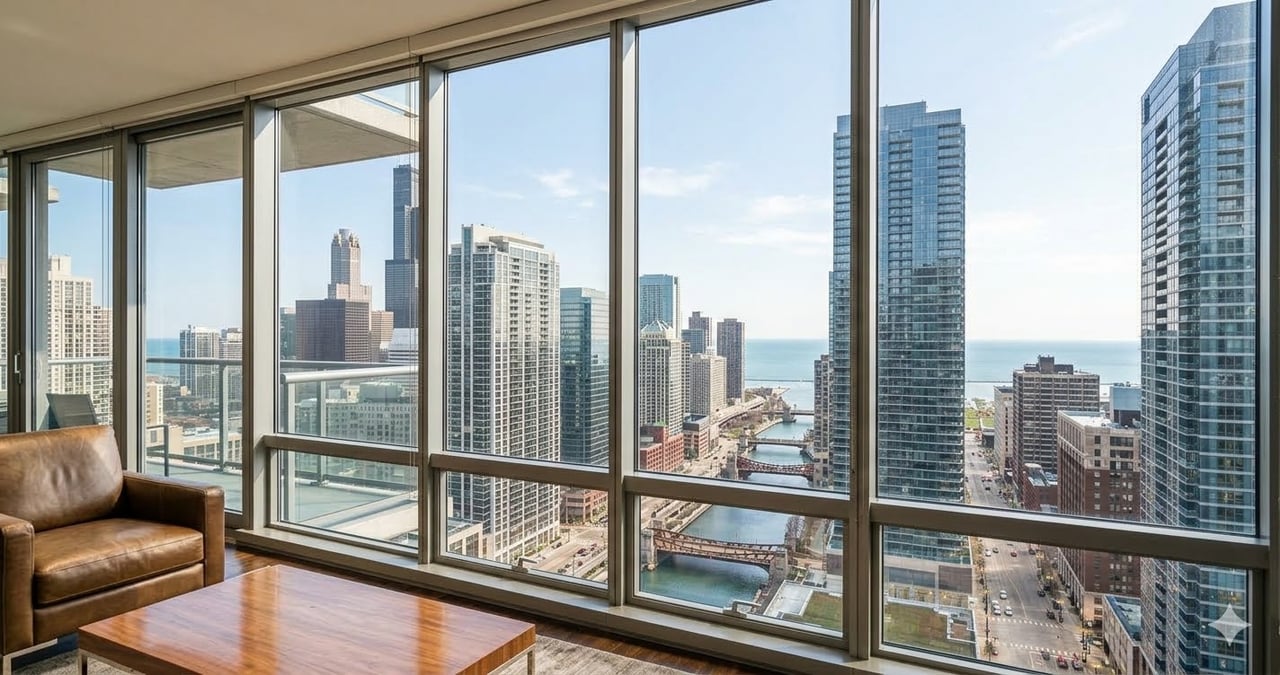
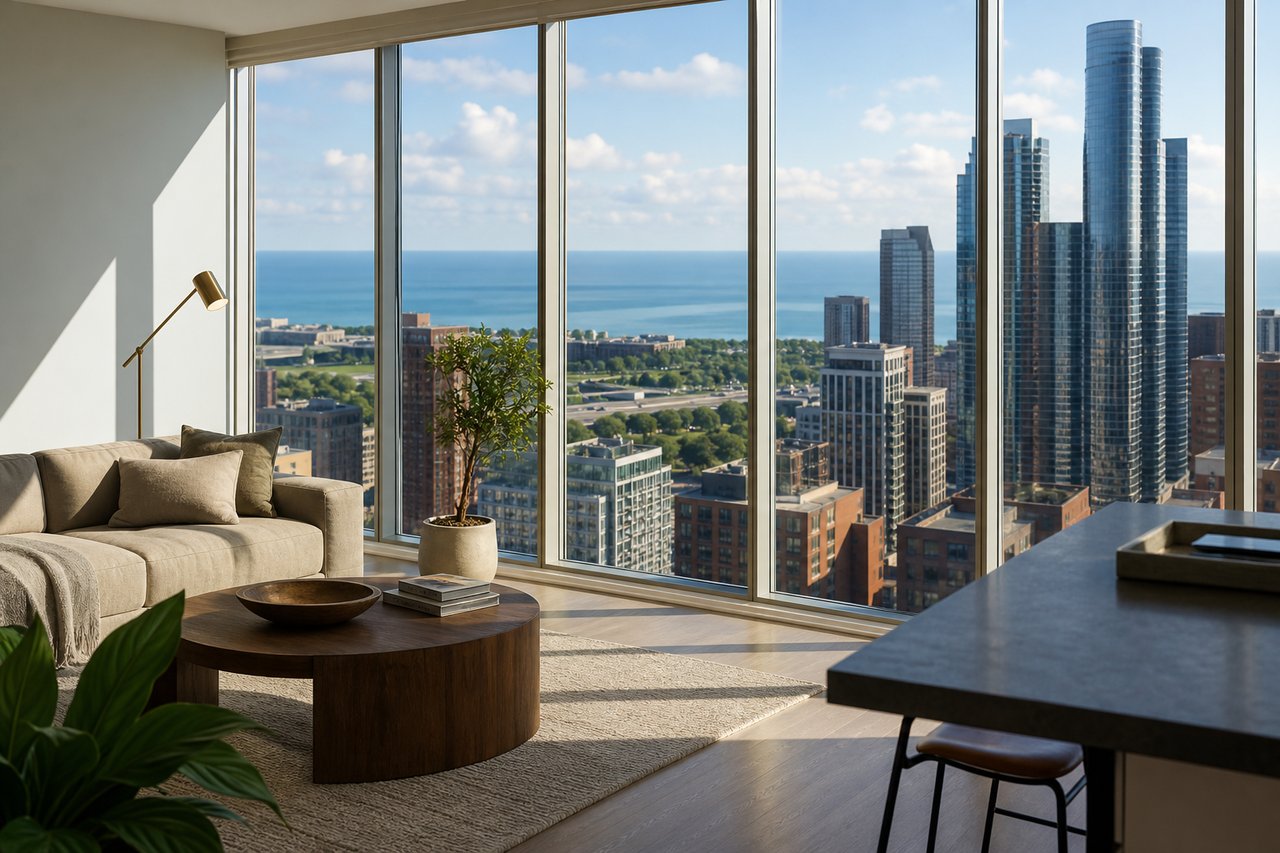
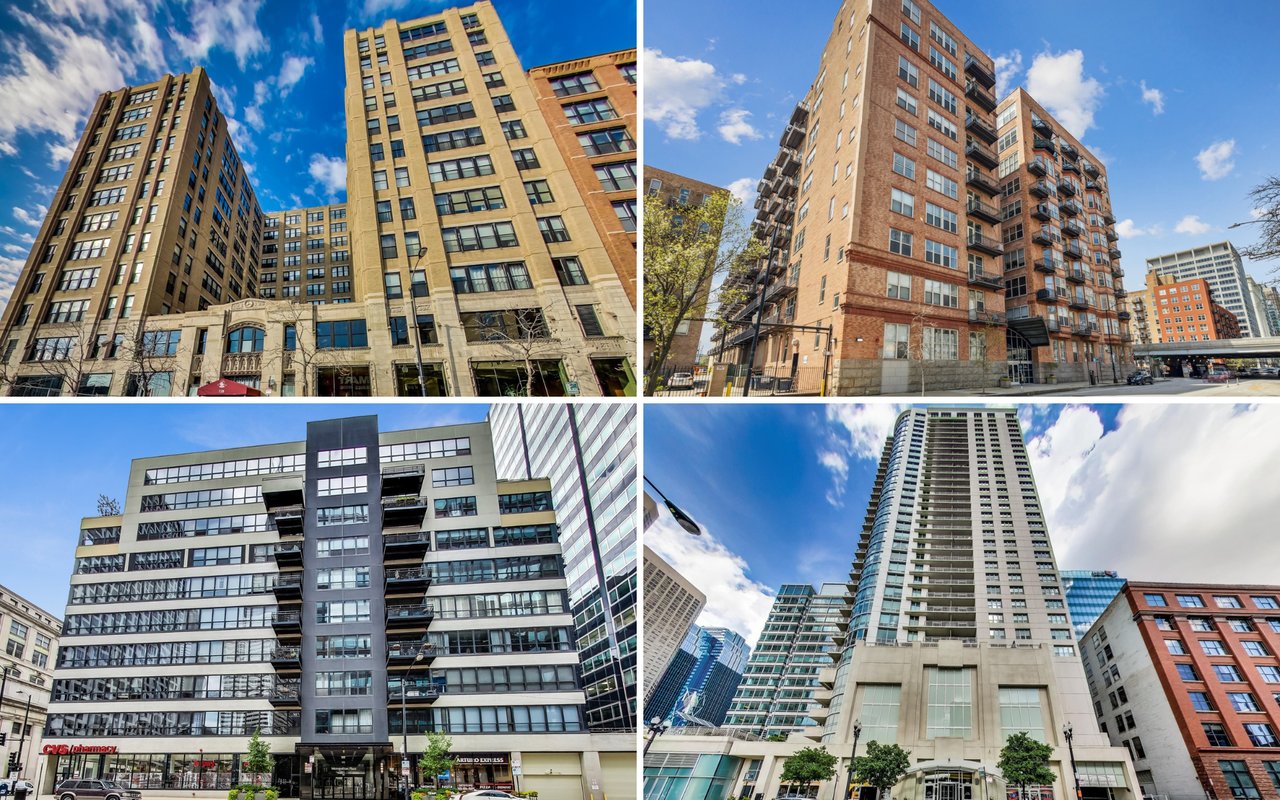
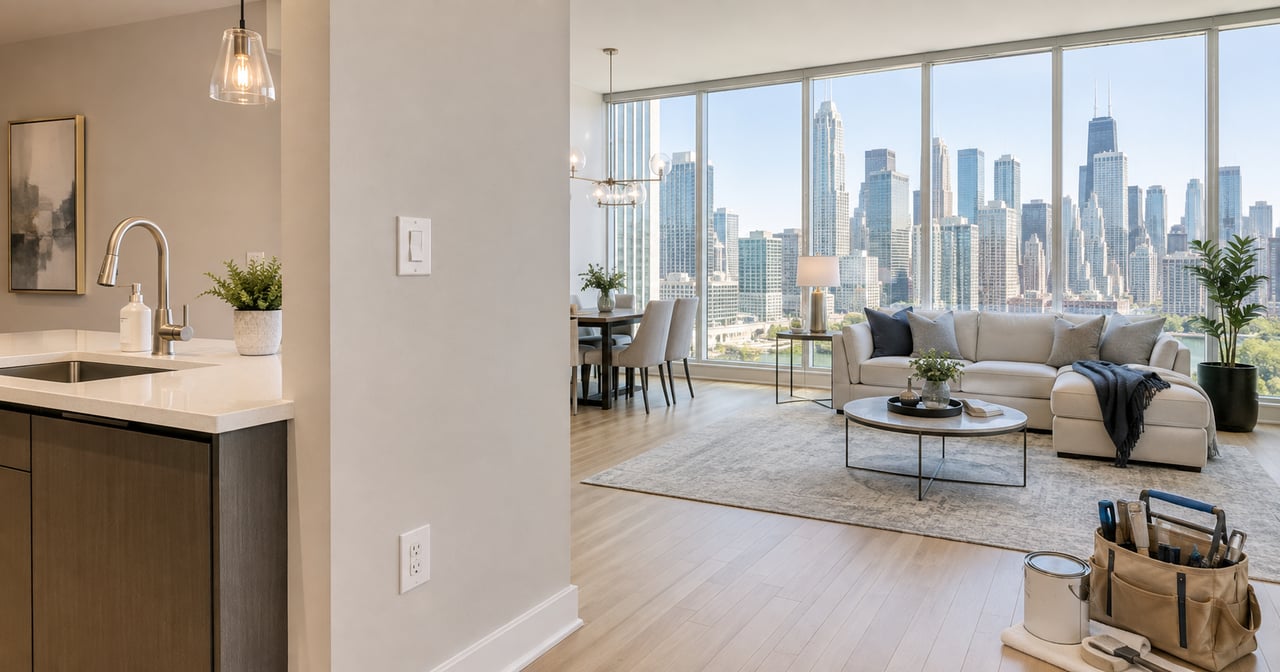
Floor and view matter enormously. In a high-rise in Museum Park in the South Loop or a River North tower, a unit on the 30th floor with lake views can be worth $75,000 to $150,000 more than an identical floor plan on the 6th floor facing a parking structure. Zillow's algorithm does not handle this well. It sees square footage and building address. It does not see your specific unit's position in the building.
Building-specific sales comps are everything. In Downtown Chicago condo buildings, buyers and appraisers rely almost entirely on recent sales within the same building. What a unit sold for two blocks away in a different building is not really comparable. The building's HOA fees, amenities, financial health, and buyer demand profile are all different. Zillow pulls from a broader geographic radius. That's a problem.
HOA fees and assessments are invisible to the algorithm. A West Loop condo with $1,200 per month in HOA fees is not worth the same as an identical unit with $450 per month in fees, even if they have the same square footage and finishes. Buyers absolutely factor this into their offer. Zillow does not.
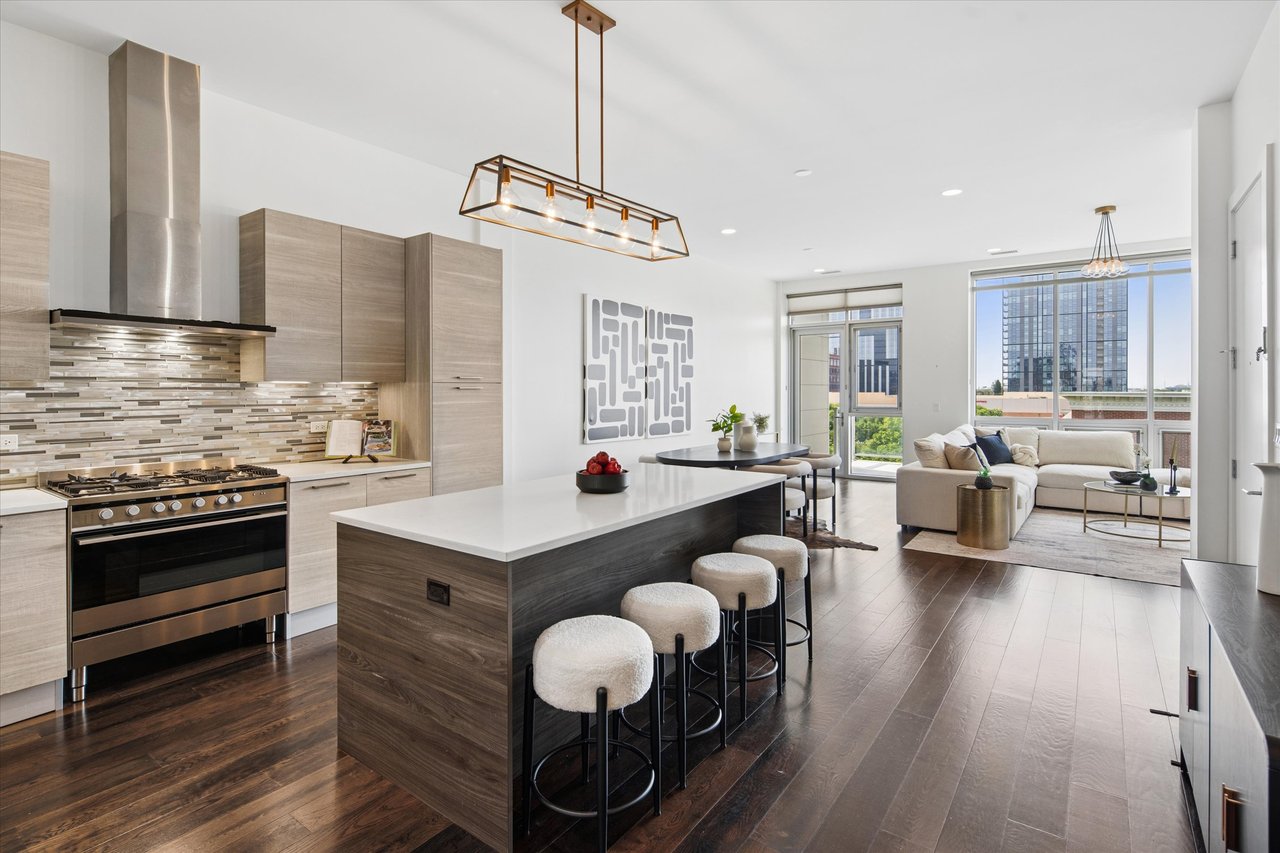
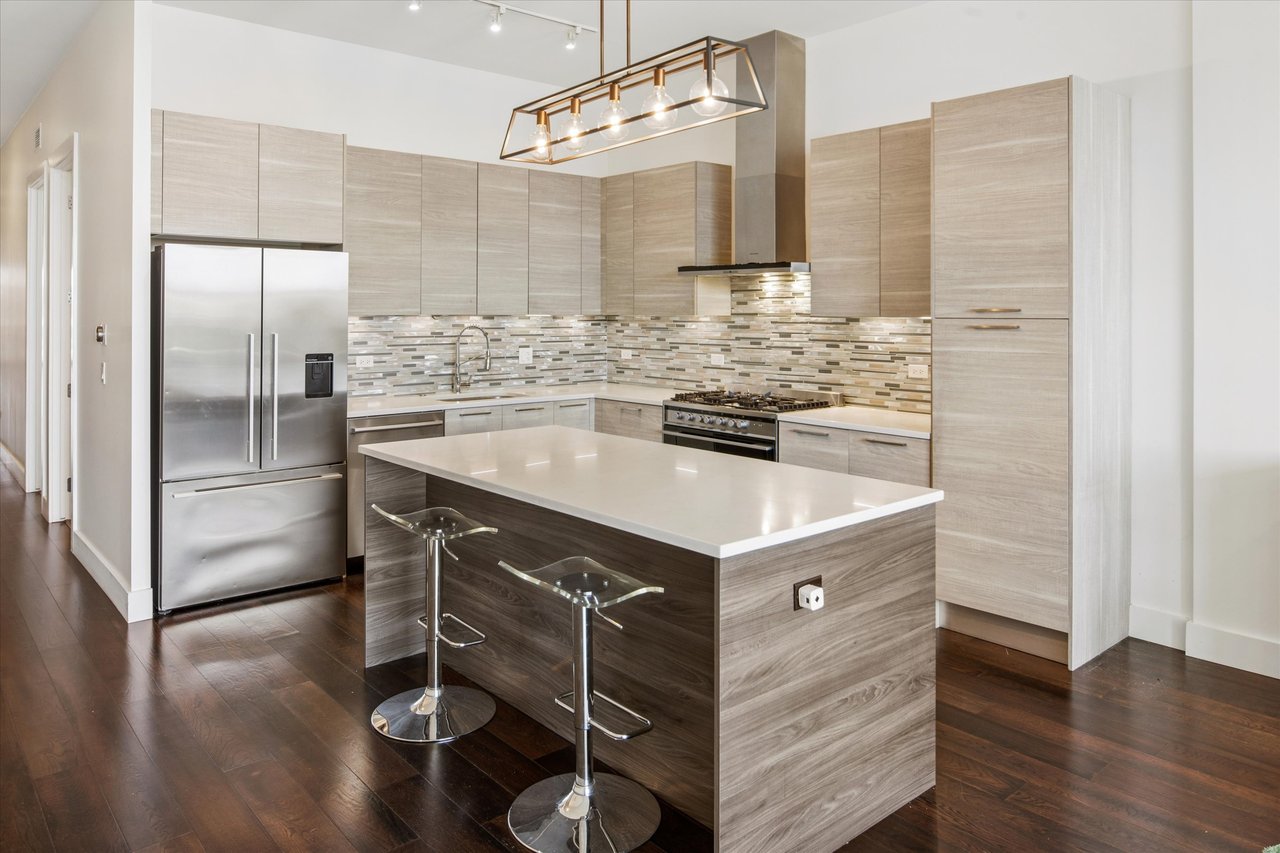
Condition and finishes aren't visible. A renovated unit with a new kitchen, updated baths, and hardwood floors throughout is worth more than the same floor plan with original 2002 finishes. Zillow has no way to see inside your unit.
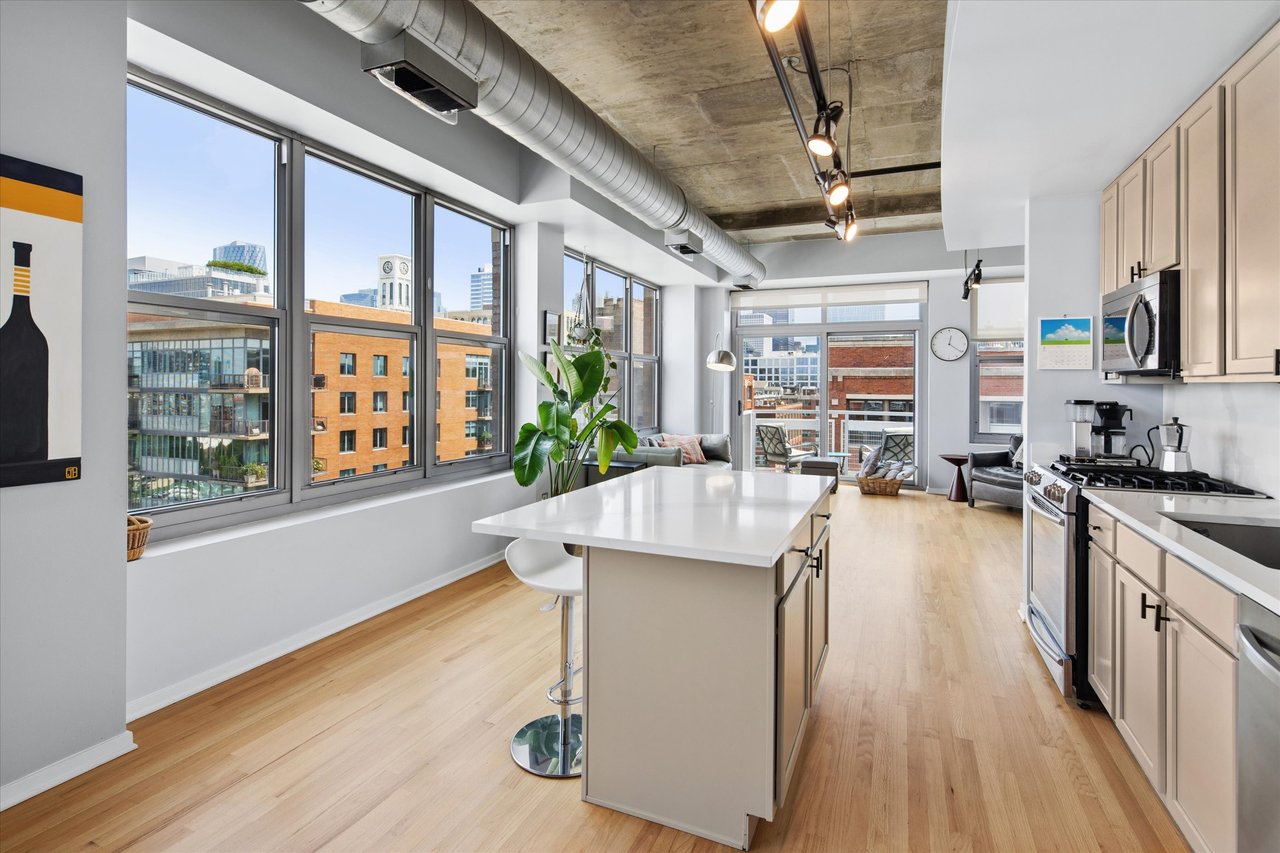
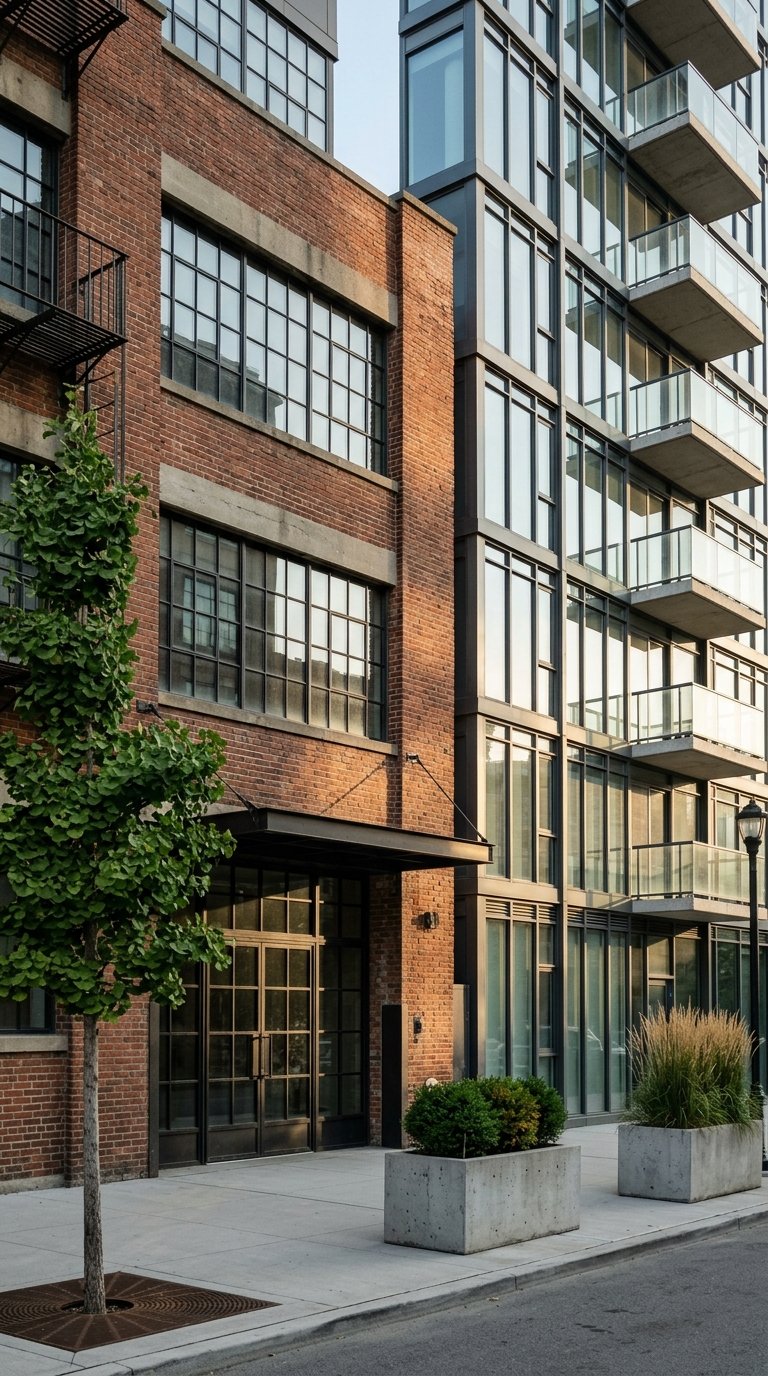
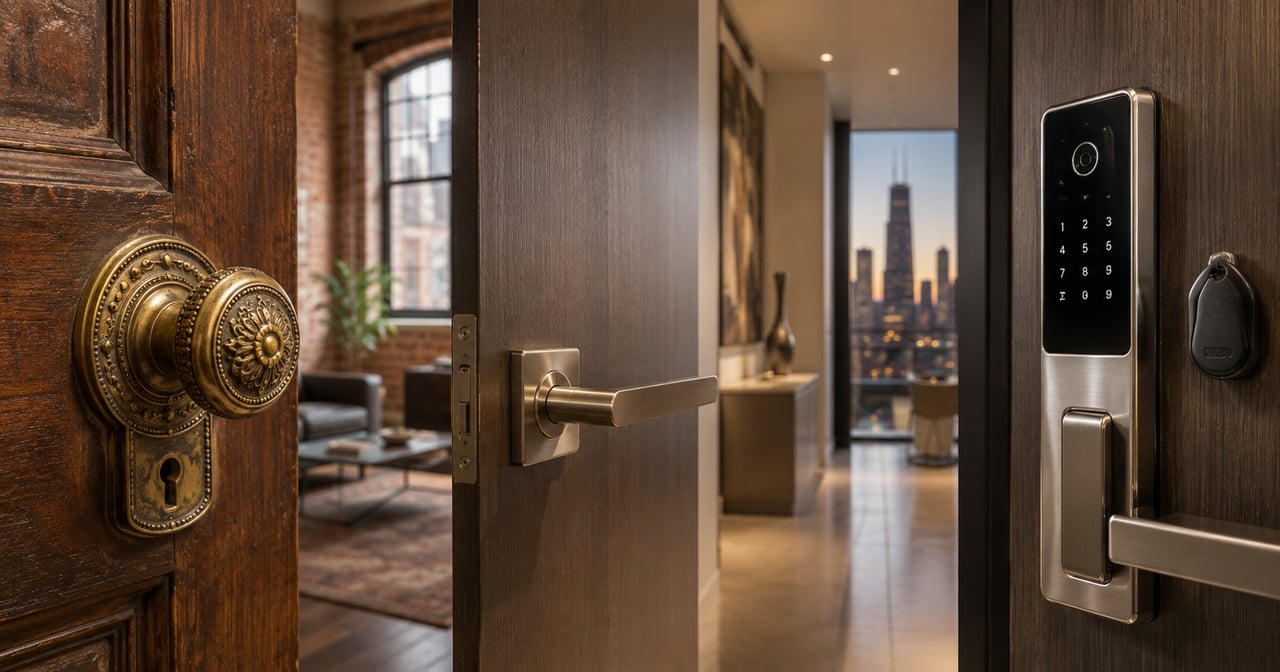
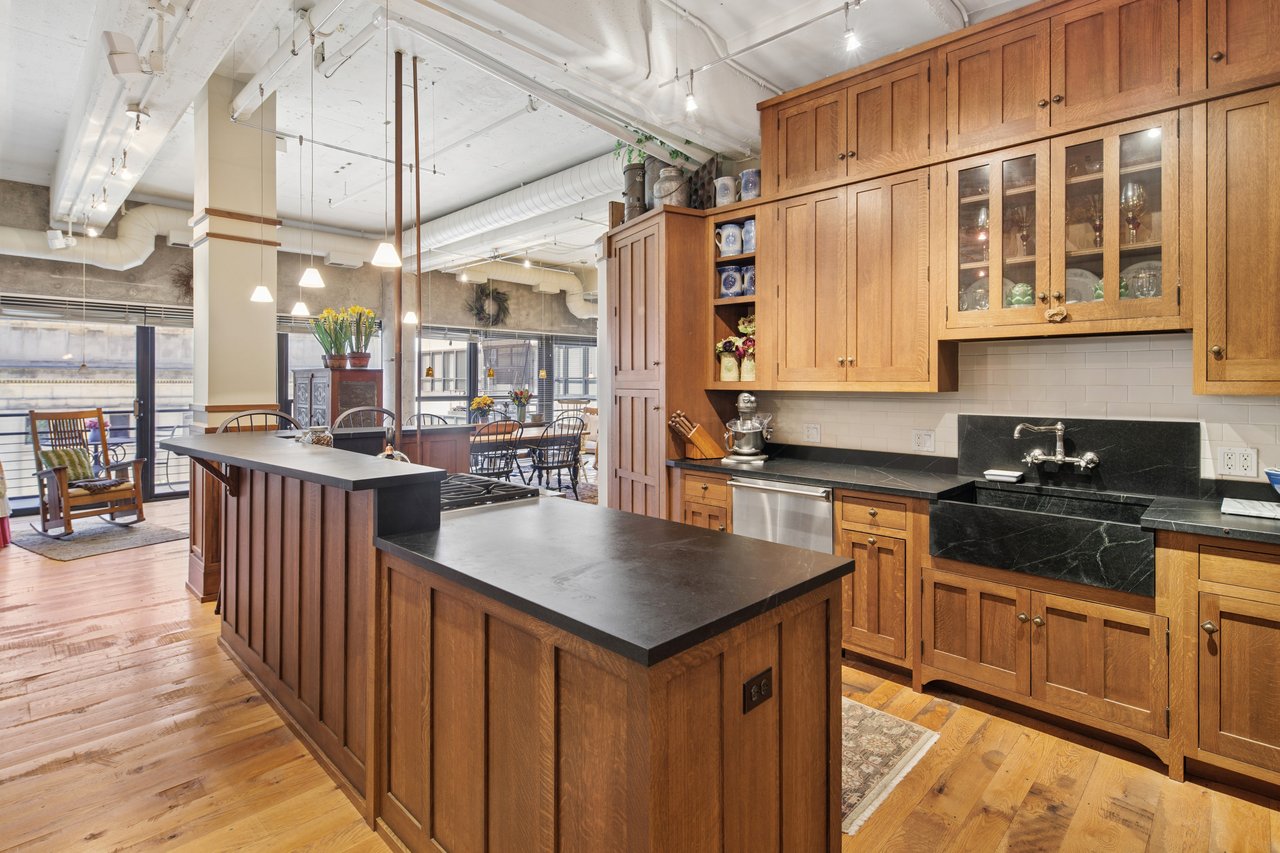
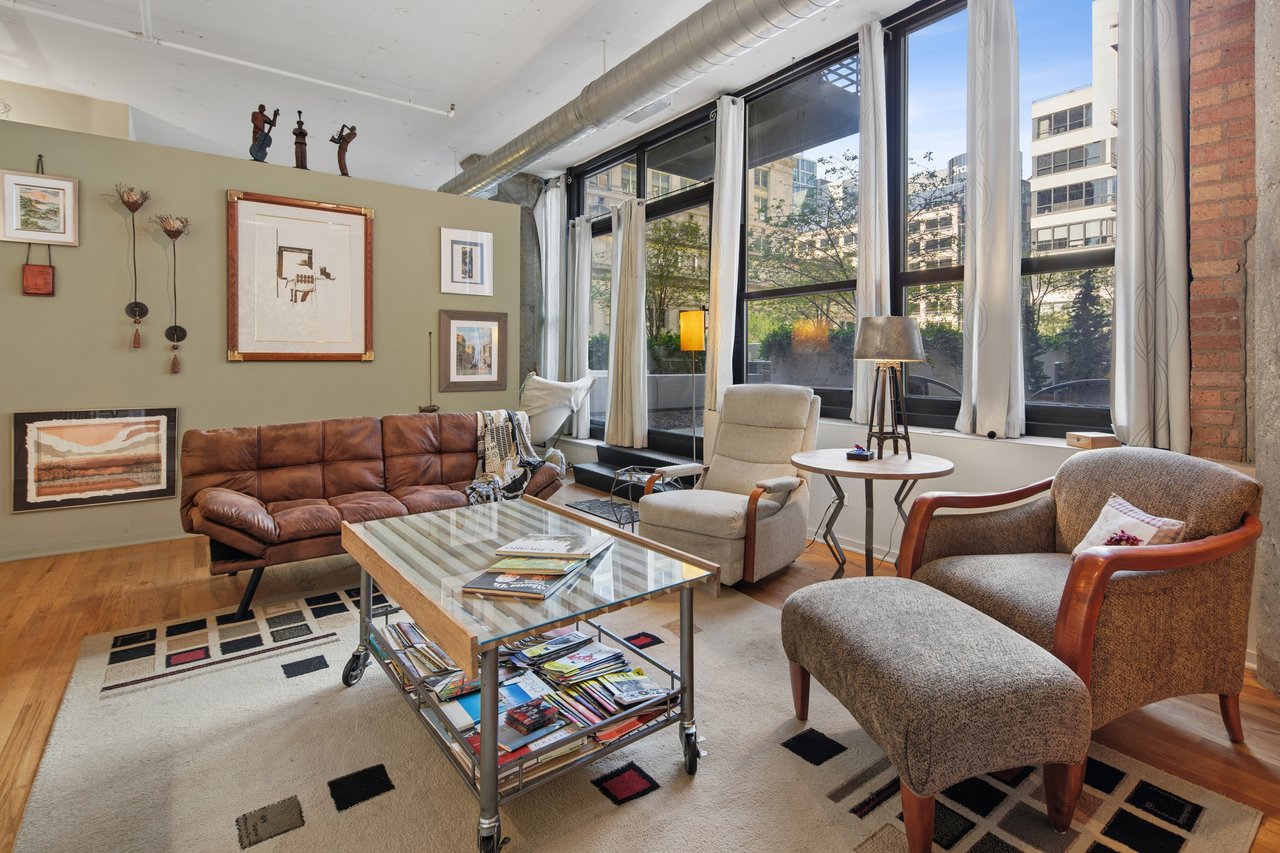
Loft buildings are especially difficult. In the West Loop, Fulton Market, and Printers Row, converted loft buildings like Haberdasher Square Lofts at 728 W. Jackson or Acorn Lofts at 1017 W. Washington have unique layouts, exposed brick, timber ceilings, and building-specific character that algorithms cannot price properly. There are no clean comparables to pull from outside the building.
How Far Off Can a Zestimate Be?
Zillow itself publishes accuracy statistics and acknowledges the error margin can be significant in complex urban markets.
According to Zillow's published accuracy data, the national median error rate for off-market homes is around 7.5%. For a $500,000 West Loop condo, that's a $37,500 swing in either direction. And that's the median. Half of all estimates are off by more than that.
In urban condo markets, the error rate climbs. Research from the National Association of Realtors has consistently shown that automated valuation models perform least reliably in high-density urban condo buildings where unit-level factors, like floor, view, and condition, drive most of the price differentiation.
A $50,000 to $100,000 miss on a Downtown Chicago condo is not unusual.
So What IS a Zestimate Good For?
To be fair, Zestimates are not useless. Here's what they're actually good for.
They give you a general sense of your building's price range. If you have no idea whether your unit is in the $300,000 range or the $700,000 range, a Zestimate gets you oriented.
They're useful for tracking broad trends over time. If your Zestimate has moved up significantly over three years, that reflects real appreciation in your area, even if the specific number is off.
They're a reasonable conversation starter. Bring it to your first call with a real estate agent. It's a data point, not a verdict.
What they cannot do is price your specific unit accurately enough to make a listing decision.
What Actually Determines Your Downtown Chicago Condo's Value
Here's what a seasoned Downtown Chicago agent looks at when pricing your condo.
Recent sales in your specific building. What sold on your floor or a comparable floor in the last 90 to 180 days? What were those units' condition, square footage, and parking situation?
Active competition. What else is currently for sale in your building and in comparable nearby buildings? Buyers are shopping your unit against real alternatives right now.
Your floor, view, and orientation. High floors with skyline or lake views command premiums. Lower floors, north-facing units, and units with obstructed views trade at discounts relative to the building average.
Parking and storage. In West Loop, River North, and Streeterville, a deeded parking space adds real value. Two parking spaces add even more value.
HOA fees and building financial health. Buyers look at your monthly carry cost. High fees or an underfunded reserve fund will suppress offers.
Your unit's condition. Updated kitchens and baths, fresh finishes, and move-in-ready condition consistently reduce days on market and support stronger pricing.
Current market velocity. How fast are units in your building moving? Are there multiple offers or price reductions happening right now?
None of this data lives inside a Zestimate.
The Right Tool: A Comparative Market Analysis
A CMA is what your agent does before recommending a list price. It's not an algorithm. It's a human looking at your specific unit and telling you what the market will actually pay.
A good CMA for a Downtown Chicago condo takes into account building-level data, unit-specific factors, current absorption rates in the building, and active competition. It takes 30 to 60 minutes to prepare properly. It's worth doing before you make any decision about listing.
Redfin's data on Chicago condo market conditions can complement a CMA by giving you current market velocity context. But data tools support the analysis. They don't replace it.
Curious what your Downtown Chicago condo is actually worth right now?
I prepare building-specific pricing analyses for Downtown Chicago condo owners every week. If you're thinking about selling, even six months from now, start with real numbers.
Zestimate vs CMA: Quick Comparison
Before trusting an online estimate, it helps to see exactly how a Zestimate compares to a true Comparative Market Analysis.
| Feature | Zillow Zestimate | Comparative Market Analysis |
|---|---|---|
| Automated | Yes | No |
| Uses building-specific sales | Limited | Yes |
| Considers floor + view | No | Yes |
| Includes HOA fees | Often No | Yes |
| Accounts for renovations | Limited | Yes |
| Accurate for downtown condos | Often No | Yes |
Why West Loop Lofts Are the Hardest Condos to Zestimate
West Loop and Fulton Market condos are among the trickiest to value correctly using automated tools, and and it’s a neighborhood where I’ve spent decades selling condos and studying building-level pricing.
In buildings like 850 W. Adams, 1000 W. Washington, or the loft conversions along Washington and Jackson in the West Loop, value swings dramatically based on whether you have exposed brick and timber or a drywall renovation, whether your ceilings are 12 feet or 18 feet, and whether your parking space is included or separately deeded. Zillow sees none of that. A well-prepared CMA sees all of it.
The same applies in River North, Streeterville, and South Loop high-rises where floor and view are the dominant pricing variables. Your building's specific absorption rate, meaning how fast units are moving versus sitting, also matters more than the neighborhood-level Zestimate ever could.
Key Takeaways
- Zestimates use public data and algorithms. They cannot see your floor, view, unit condition, or HOA fees.
- In Downtown Chicago condo buildings, the most relevant comps are within your specific building, not the surrounding neighborhood.
- The median Zestimate error rate means a $500K condo could be priced $37,000+ off in either direction. In complex urban markets, that gap is often wider.
- A Comparative Market Analysis from a Downtown Chicago specialist gives you building-level and unit-specific pricing that an algorithm cannot replicate.
- Zestimates are useful for general orientation. They are not a substitute for a real pricing conversation.
People Also Ask
Can Zillow Zestimates Hurt Sellers?
Yes, if sellers rely on them too heavily.
A Zestimate can create false confidence when it comes in too high, causing a seller to overprice their condo and miss the critical first two weeks on market when buyer attention is strongest. In Downtown Chicago, especially in buildings with heavy competition, overpriced listings often sit longer, require price reductions, and ultimately sell for less than they could have with proper pricing from the start.
The opposite can happen too. If a Zestimate comes in too low, sellers may undervalue their condo and leave real money on the table. Neither outcome is ideal.
A Zestimate is useful for general orientation, but pricing decisions should come from a building-specific Comparative Market Analysis, not an algorithm.
Do Appraisers Use Zillow Zestimates?
No, professional appraisers do not rely on Zillow Zestimates when determining value.
Appraisers use closed MLS sales, building-specific comparable properties, unit condition, floor level, view, parking, and market conditions to determine market value. In Downtown Chicago condo buildings, they focus heavily on recent sales within the same building because that is where the most relevant pricing data exists.
Zillow’s Zestimate is an automated estimate based on public data, not a formal valuation tool used in lending decisions. A lender will care about the appraisal, not the Zestimate.
That is why a seller can see a Zestimate at $625,000 and still receive an appraisal at $585,000 if the true building comps support that number.
Why Are West Loop Lofts Harder to Price Than Standard Condos?
West Loop lofts are harder to price because no two units are truly the same.
Unlike standard high-rise condos with repeated floor plans, loft buildings often have major differences between units, even within the same building. Ceiling height, exposed brick, timber beams, concrete columns, oversized windows, original warehouse details, and unique layouts all create value differences that algorithms struggle to measure.
A loft with 14-foot timber ceilings and authentic industrial character may command a significant premium over a renovated drywall version of the same square footage.
Parking structure matters too. Included garage parking, separately deeded spaces, private terraces, and true outdoor space all affect value.
Buildings like Haberdasher Square Lofts, Acorn Lofts, and Metropolitan Place require building-level expertise because buyers are not just comparing square footage, they are buying character, layout, and lifestyle.
That is exactly where automated pricing tools like Zillow tend to miss the mark.
FAQ
How accurate is Zillow's Zestimate for Chicago condos?
Zillow's median national error rate is around 7.5% for off-market homes, but in urban condo buildings, the actual error is often higher. Building-specific factors like floor, view, HOA fees, and unit condition are not visible to the algorithm, which causes the estimate to miss on many Downtown Chicago units.
Should I use my Zestimate to decide my list price?
No. A Zestimate is a starting point for general orientation, not a pricing tool. Listing too high based on a Zestimate can cost you momentum in the first critical weeks on the market. Listing too low based on one leaves money on the table. Get a CMA from a specialist first.
What's the difference between a Zestimate and a CMA?
A Zestimate is an automated algorithmic estimate based on publicly available data. A CMA is a human analysis conducted by a licensed agent using MLS data, building-specific sales history, active competition, and unit-level factors. For Downtown Chicago condos, a CMA is substantially more accurate.
Does Zillow know about my HOA fees?
In most cases, no. HOA fees significantly affect a condo's market value because they affect the buyer’s monthly carrying cost and qualifiability. Zillow's algorithm does not reliably incorporate HOA data into its estimates.
How do I find out what my Downtown Chicago condo is actually worth?
Call a Downtown Chicago condo specialist and request a CMA. It costs you nothing and gives you a real pricing picture based on your specific unit, your building's recent sales, and current market conditions.
ABOUT THE AUTHOR
Christine Hancock is a Chicago Realtor with @properties Christie’s International Real Estate, bringing more than 25 years of experience and over $200 million in closed sales in the downtown condo market. With 96 five-star Zillow reviews, Christine is recognized for her commitment to client satisfaction and market expertise.
She specializes in high-rise and luxury condominium sales in West Loop, South Loop, River North, and Streeterville, helping buyers and sellers navigate complex transactions with data-driven pricing strategies and deep neighborhood insight.
Christine partners with clients to evaluate market trends, position properties competitively, and make confident, informed decisions in Chicago's vibrant downtown housing market.
Call or text 312-296-9300 to discuss current market conditions or your real estate goals.
Helpful Resources for Chicago Condo Sellers
- What Is the 22.1 Disclosure?
- Chicago Condo HOA Fees Explained
- How to Read a Condo Reserve Fund Study
- The Ultimate Guide to Selling a Condo in Chicago
- Timber vs Concrete Lofts in Chicago
- West Loop Real Estate Market Guide