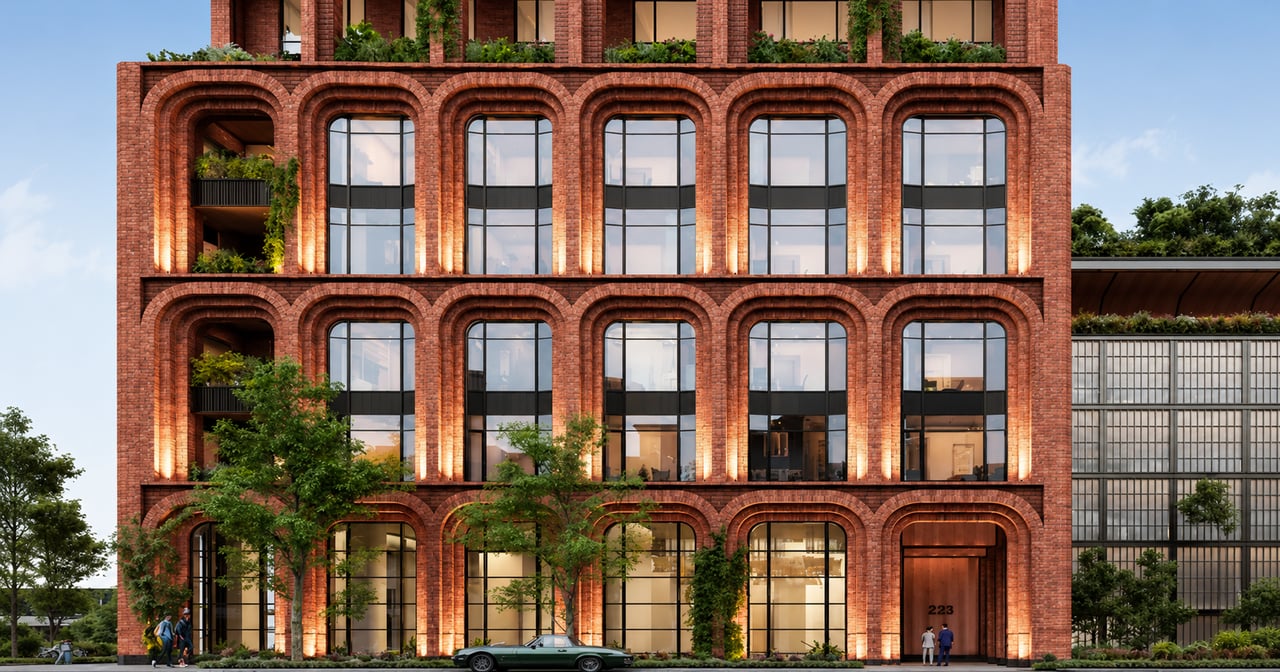
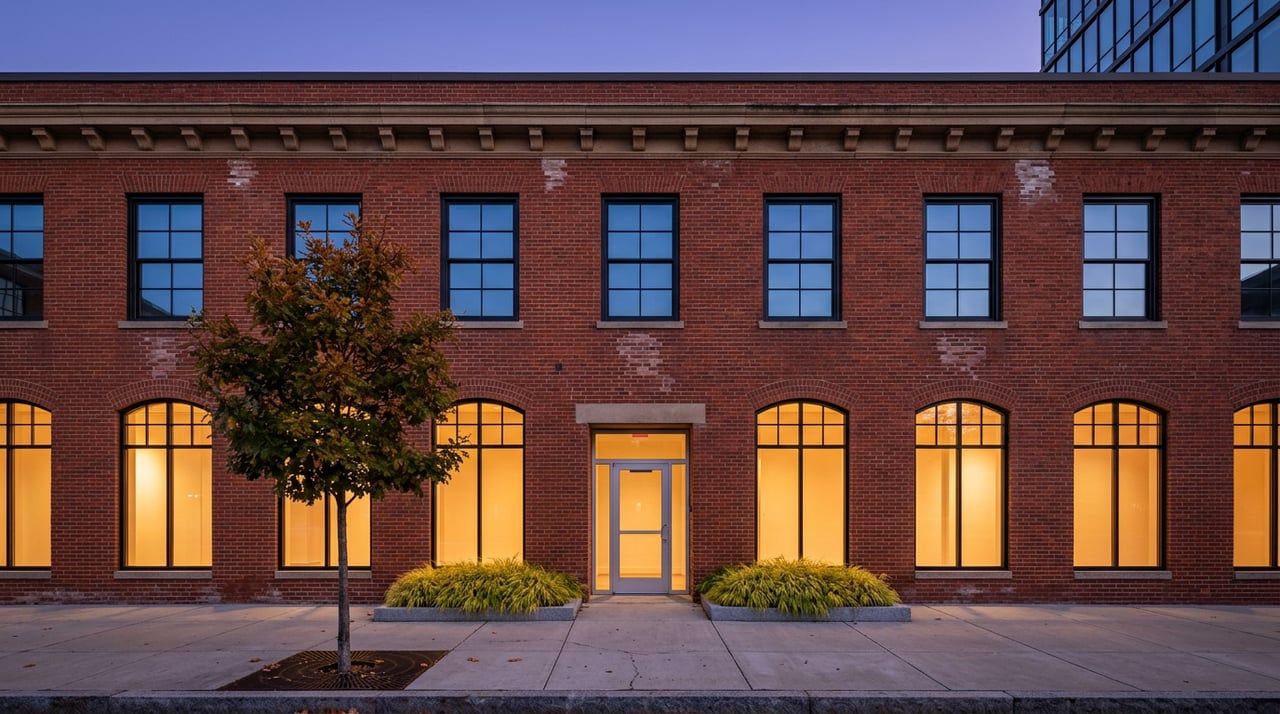
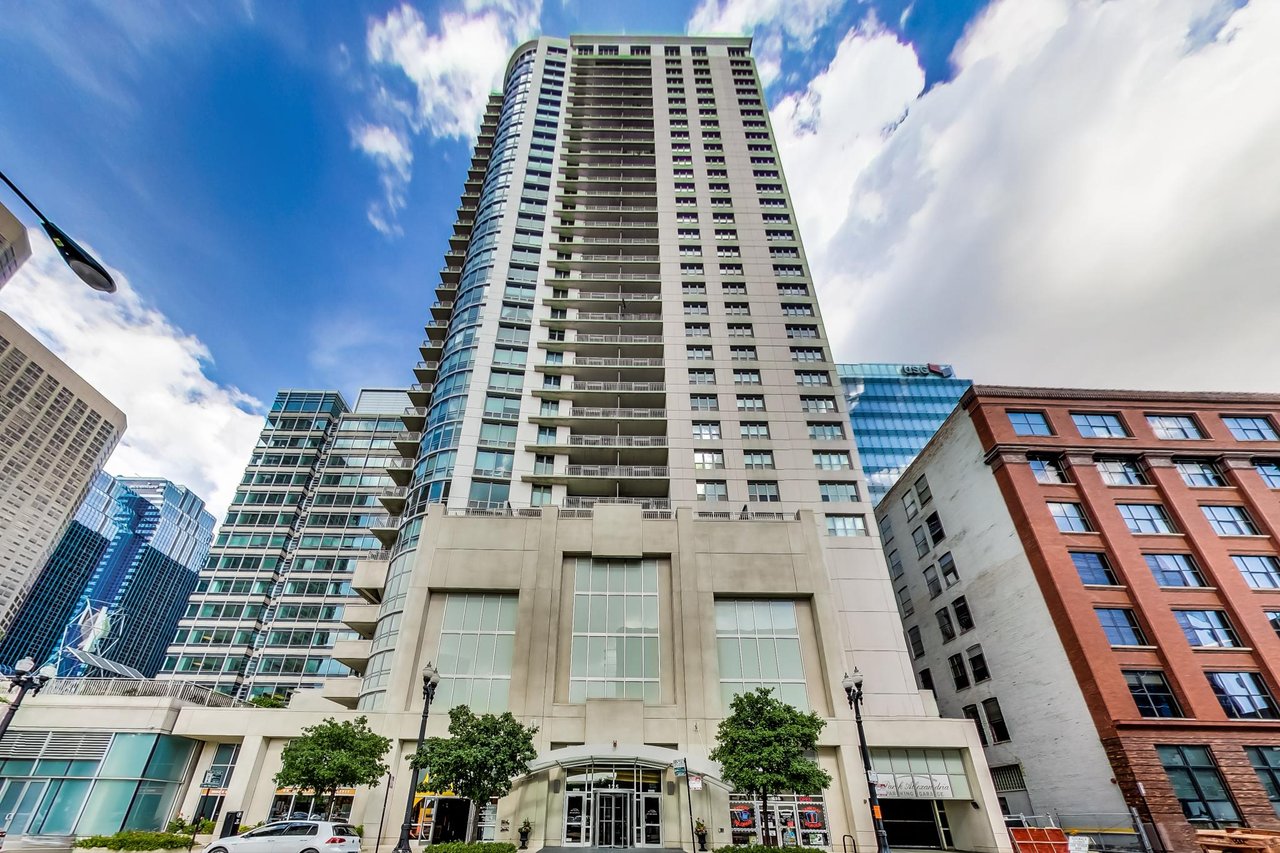
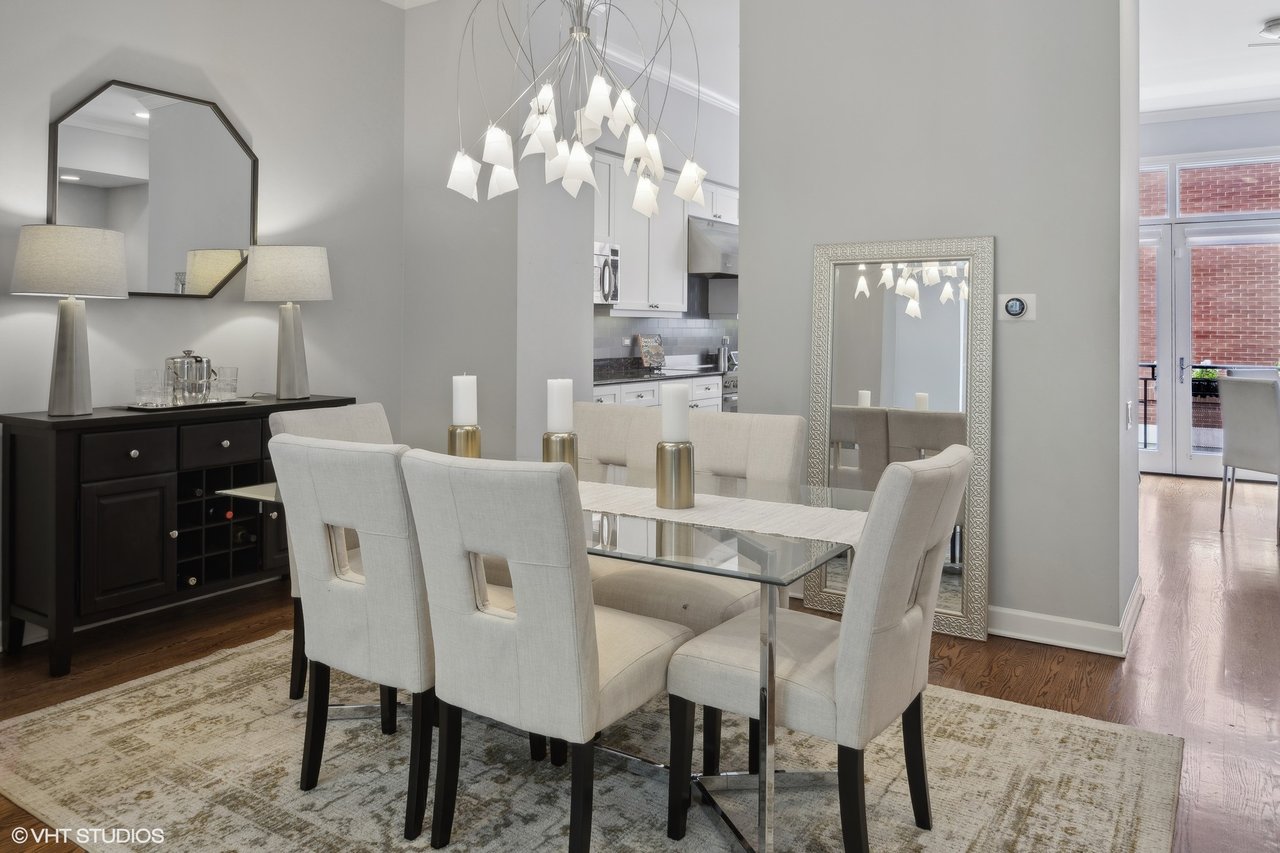
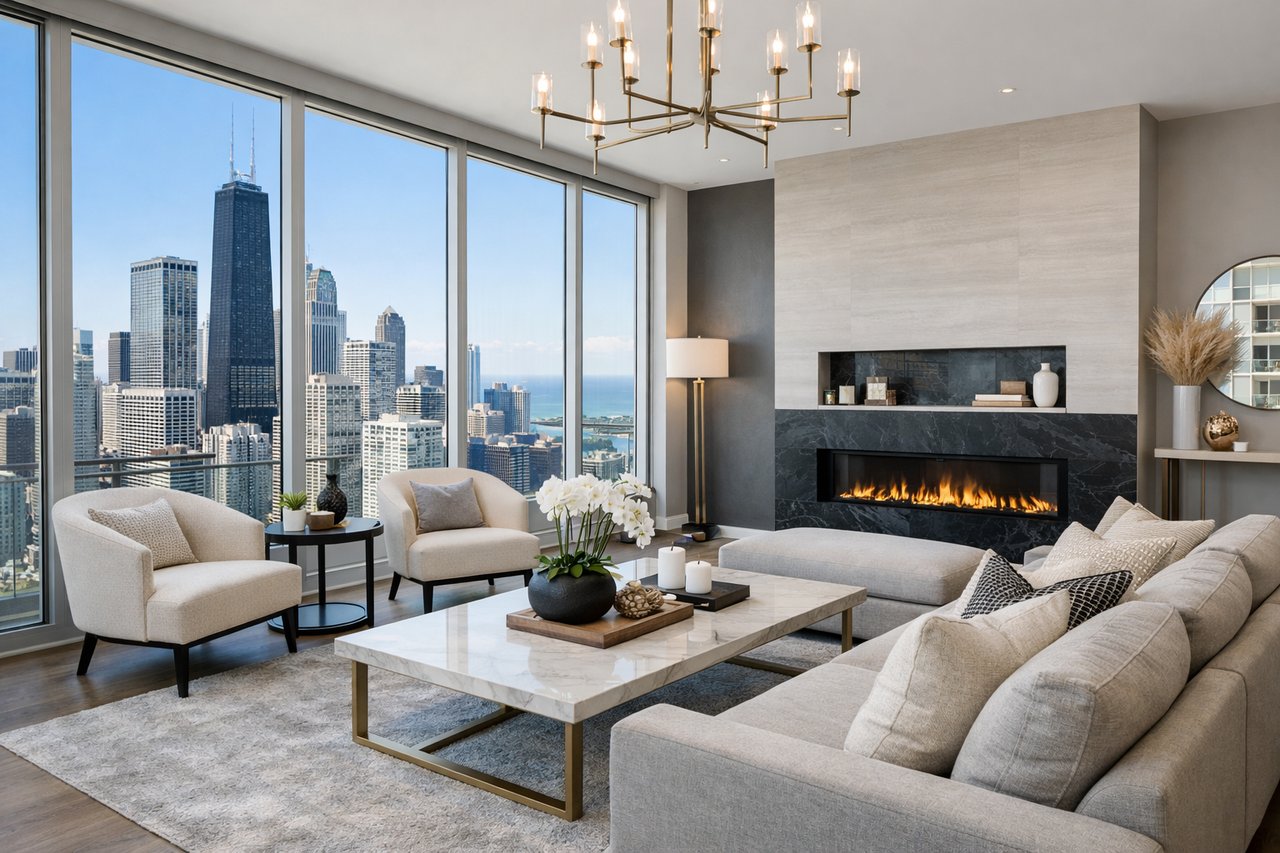
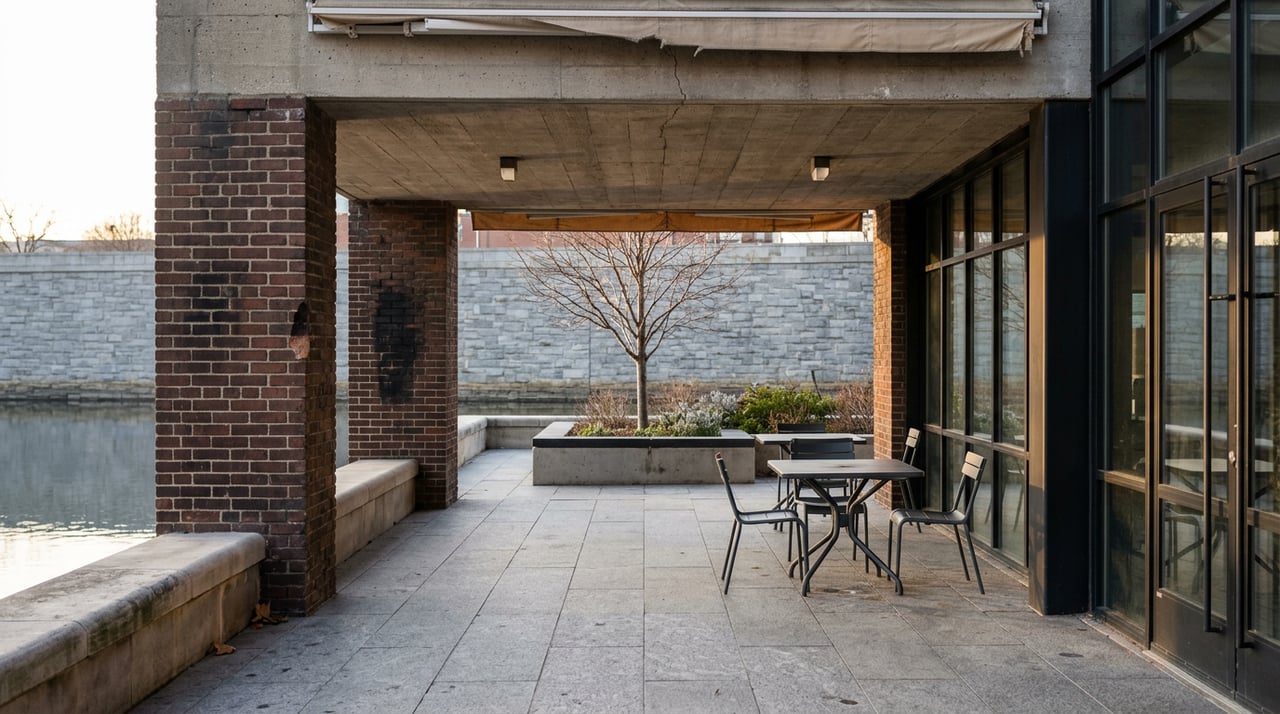
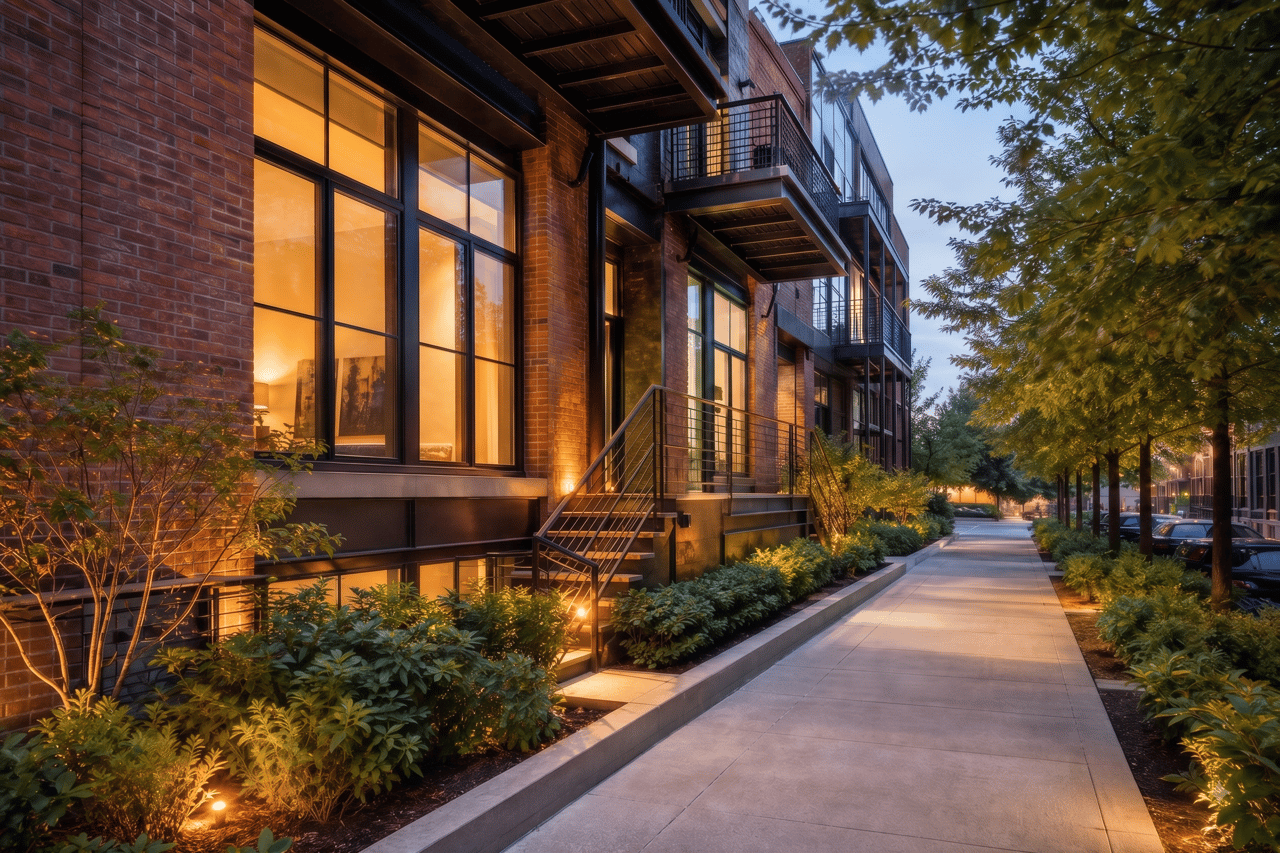
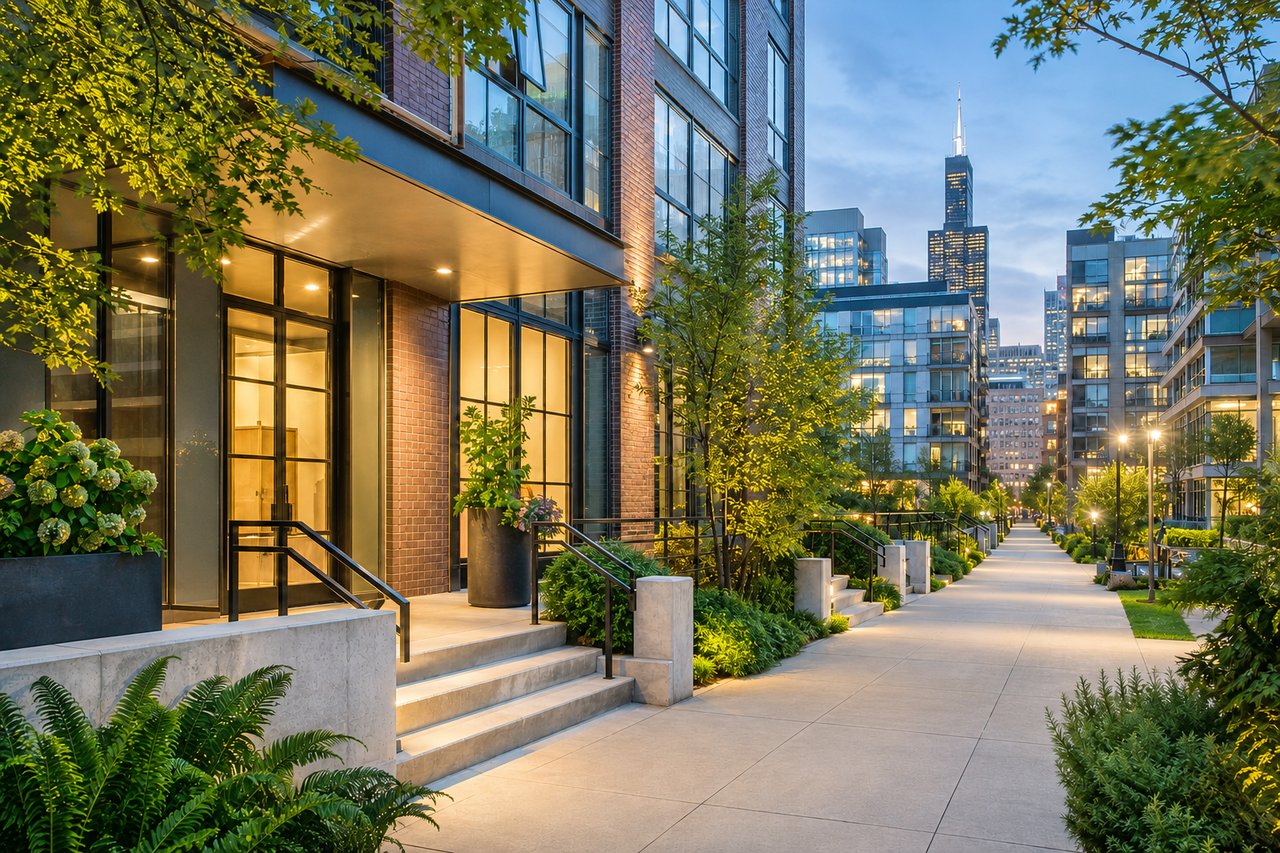
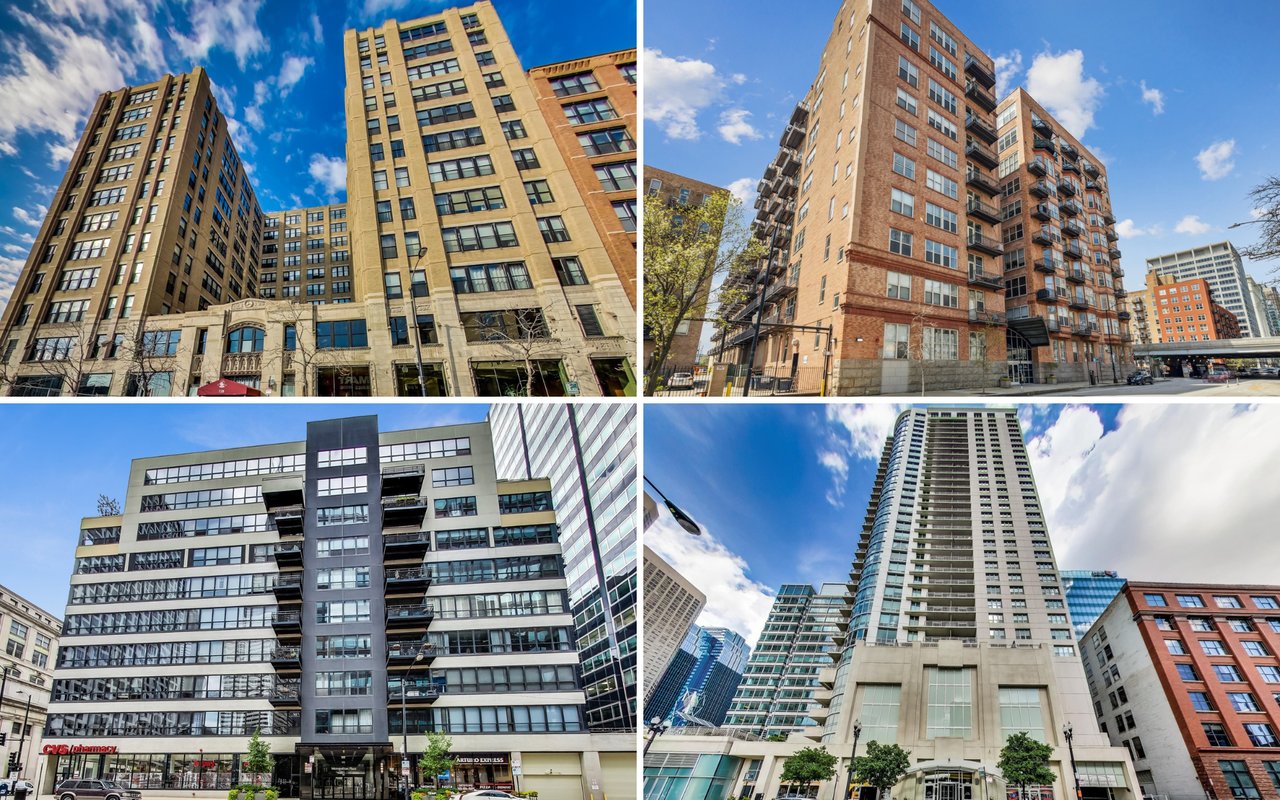
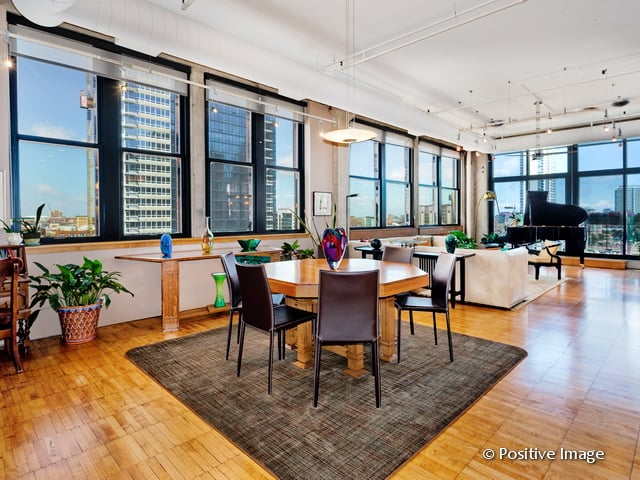
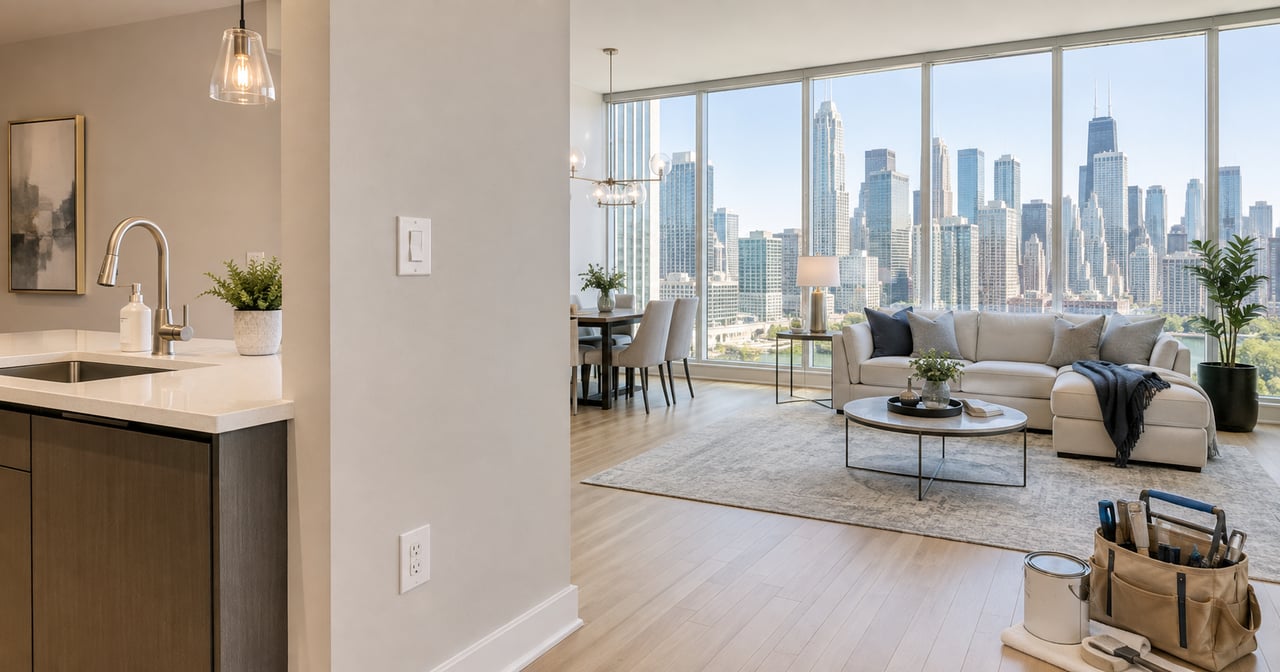
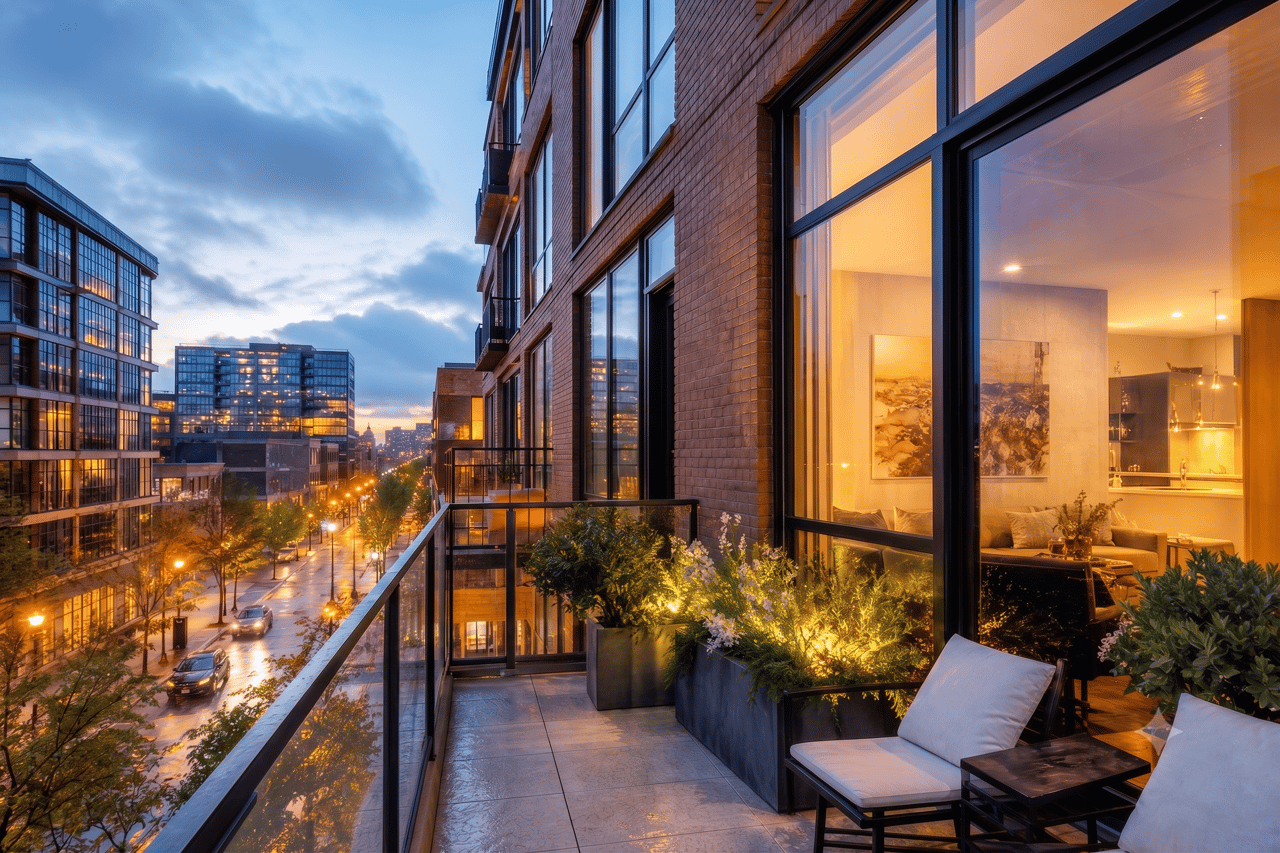
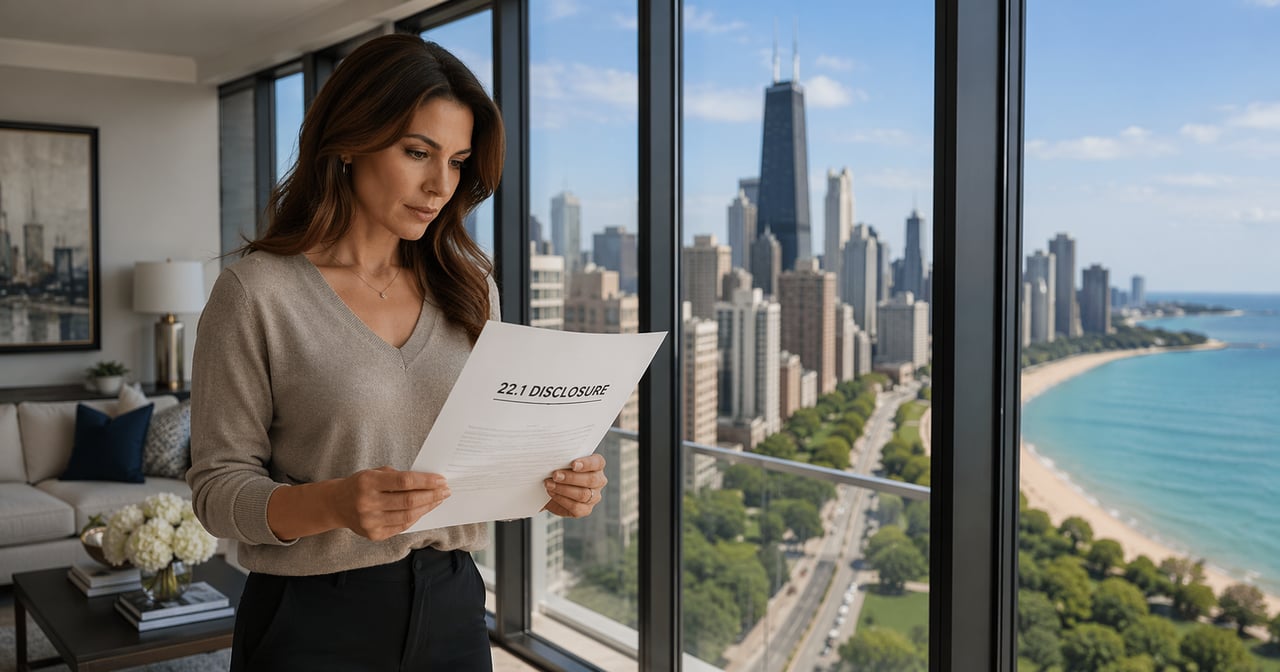
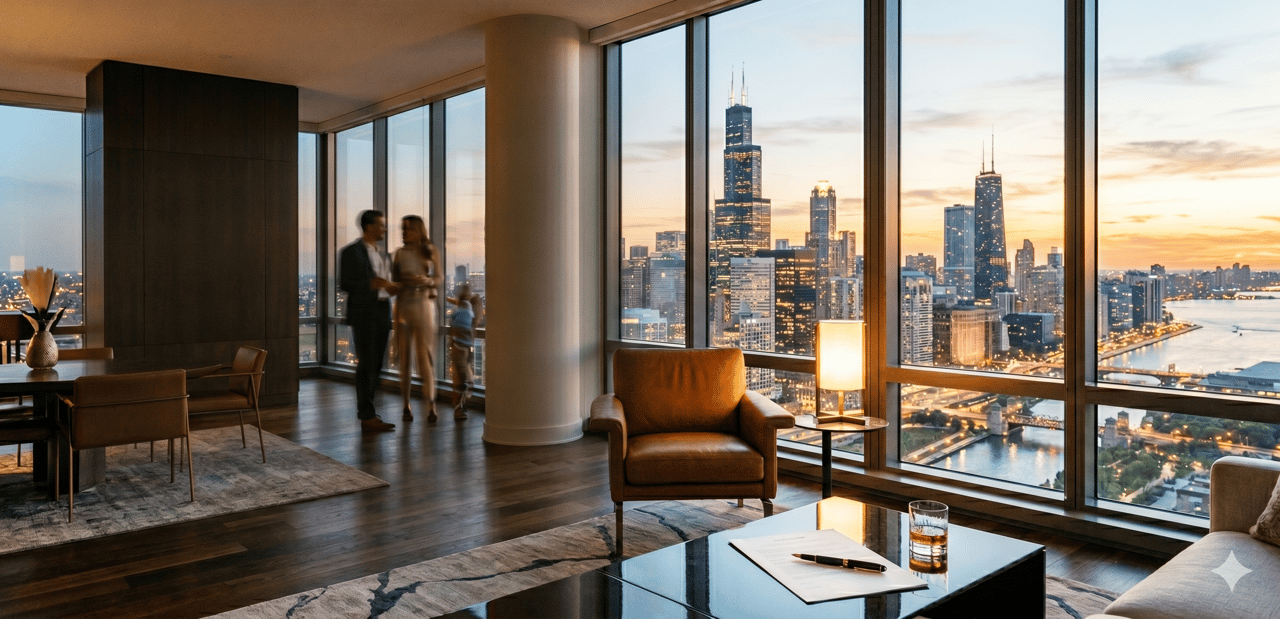
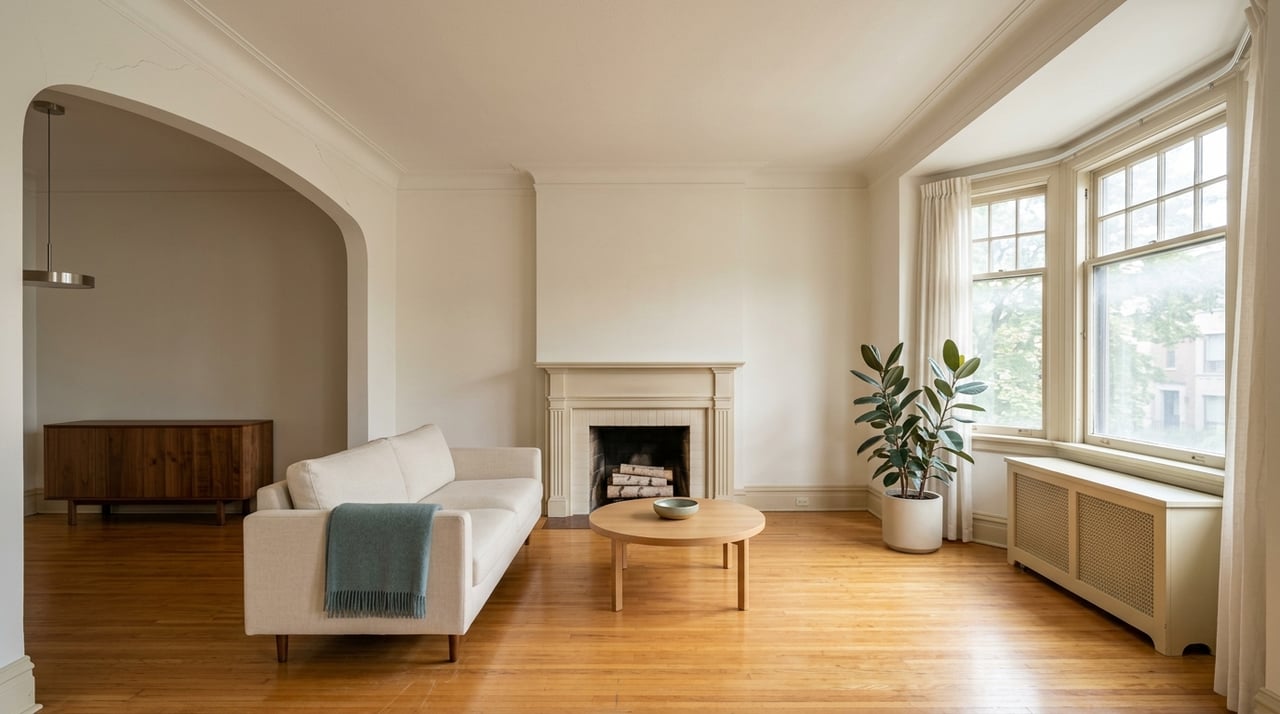
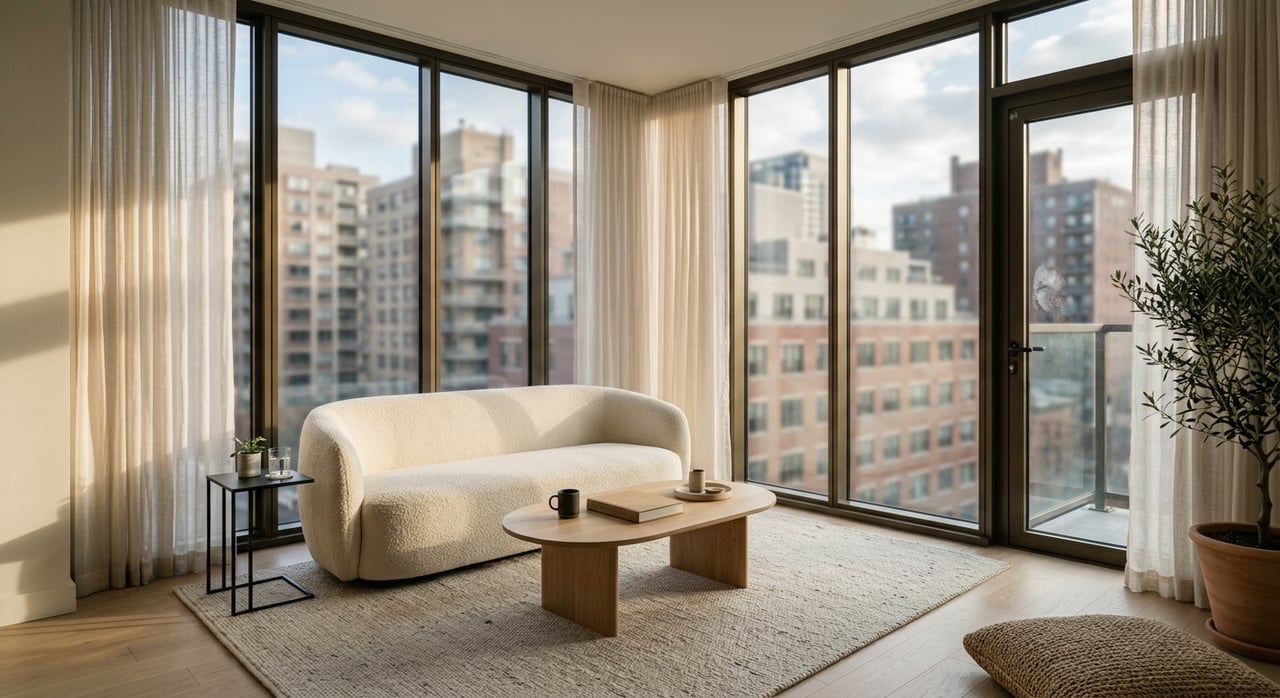
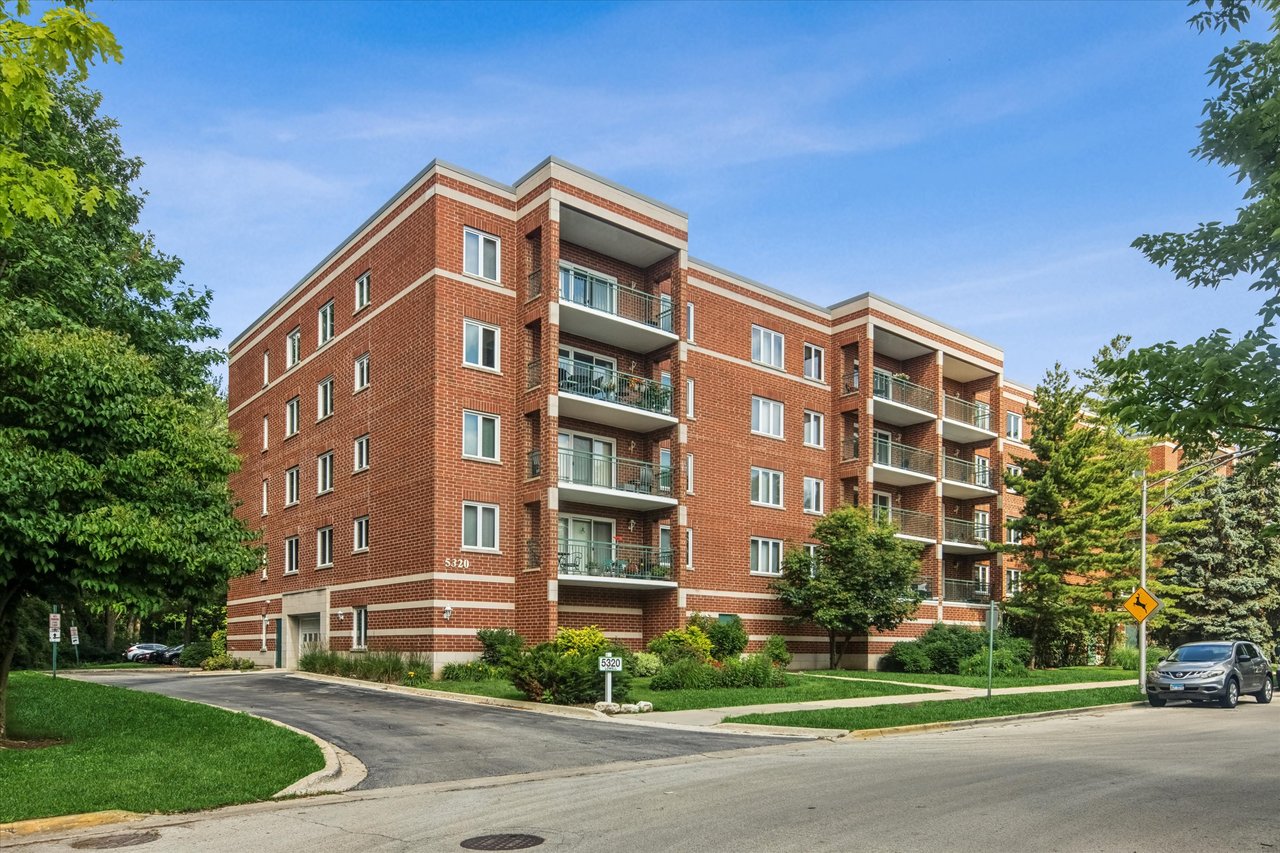
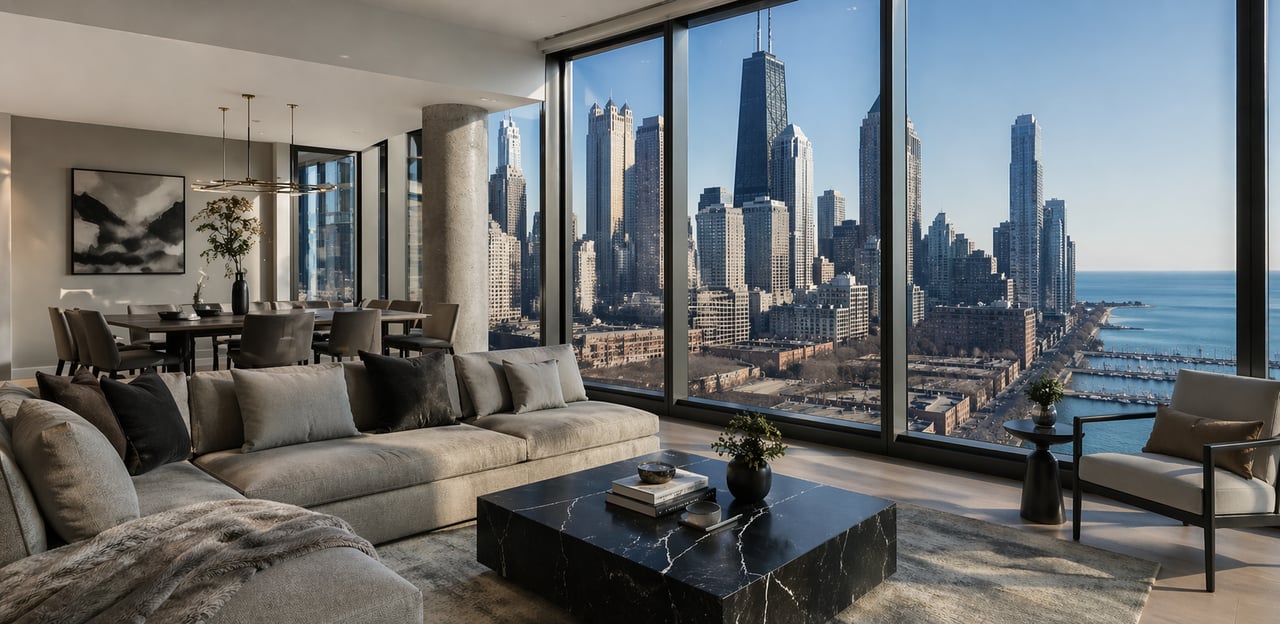
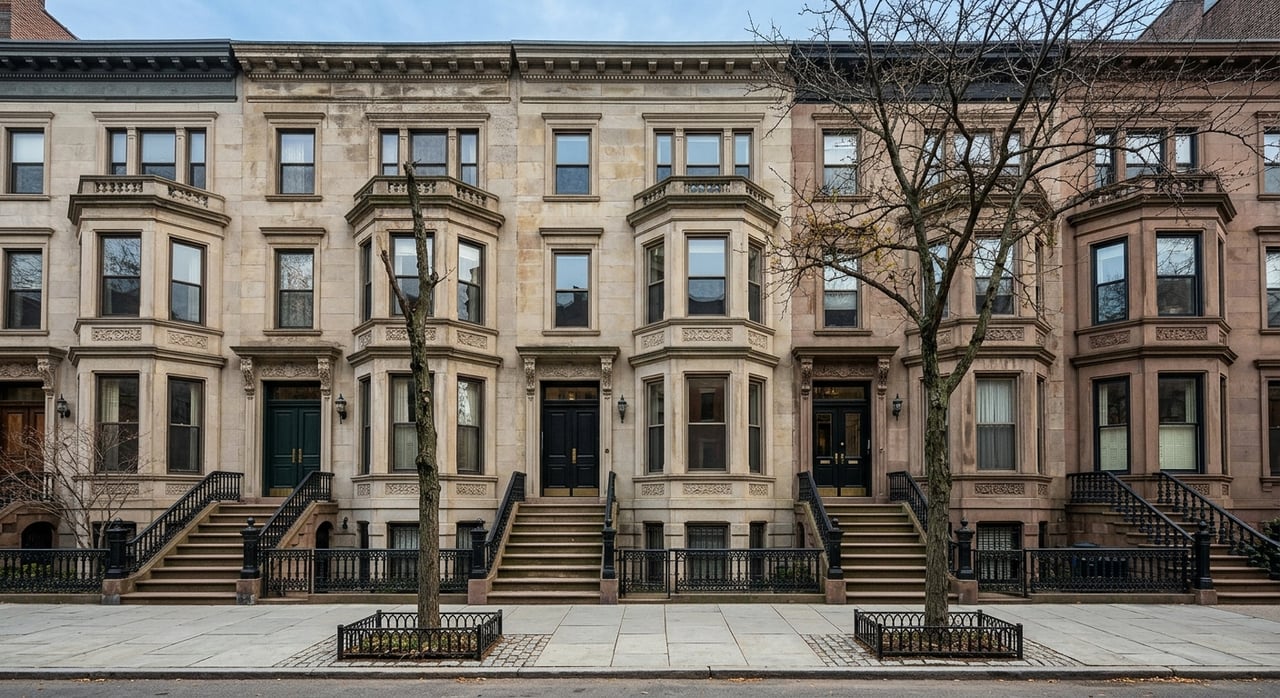
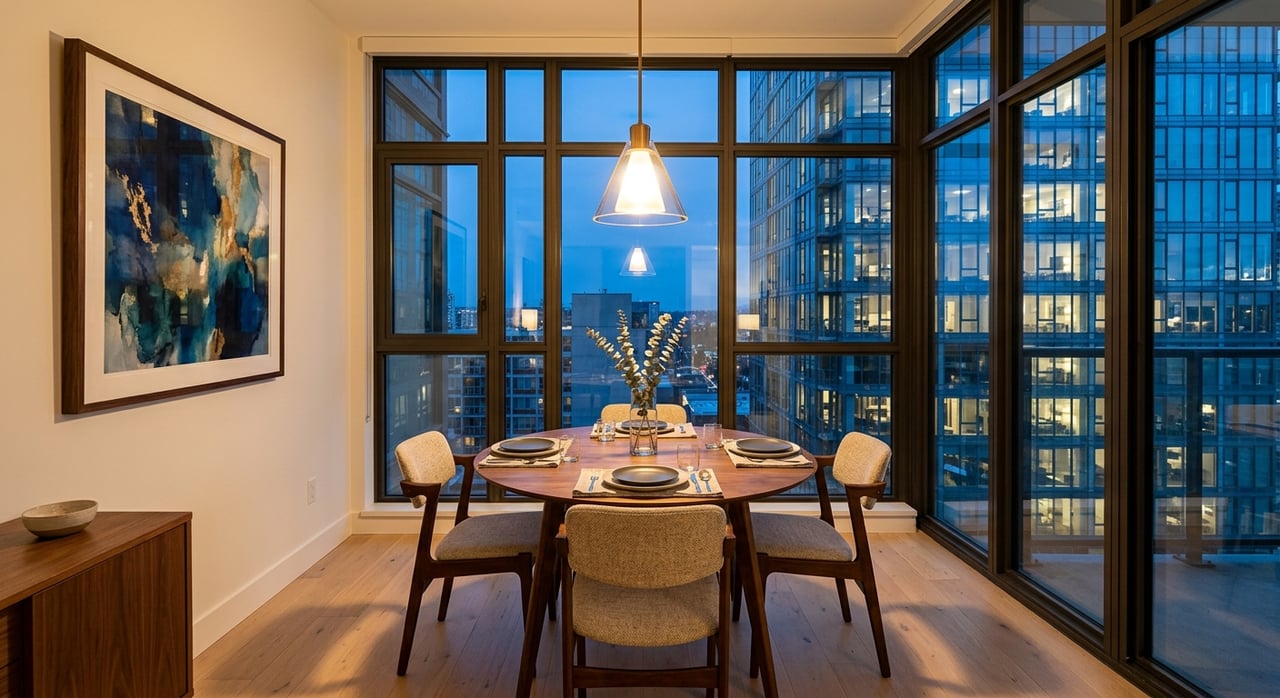
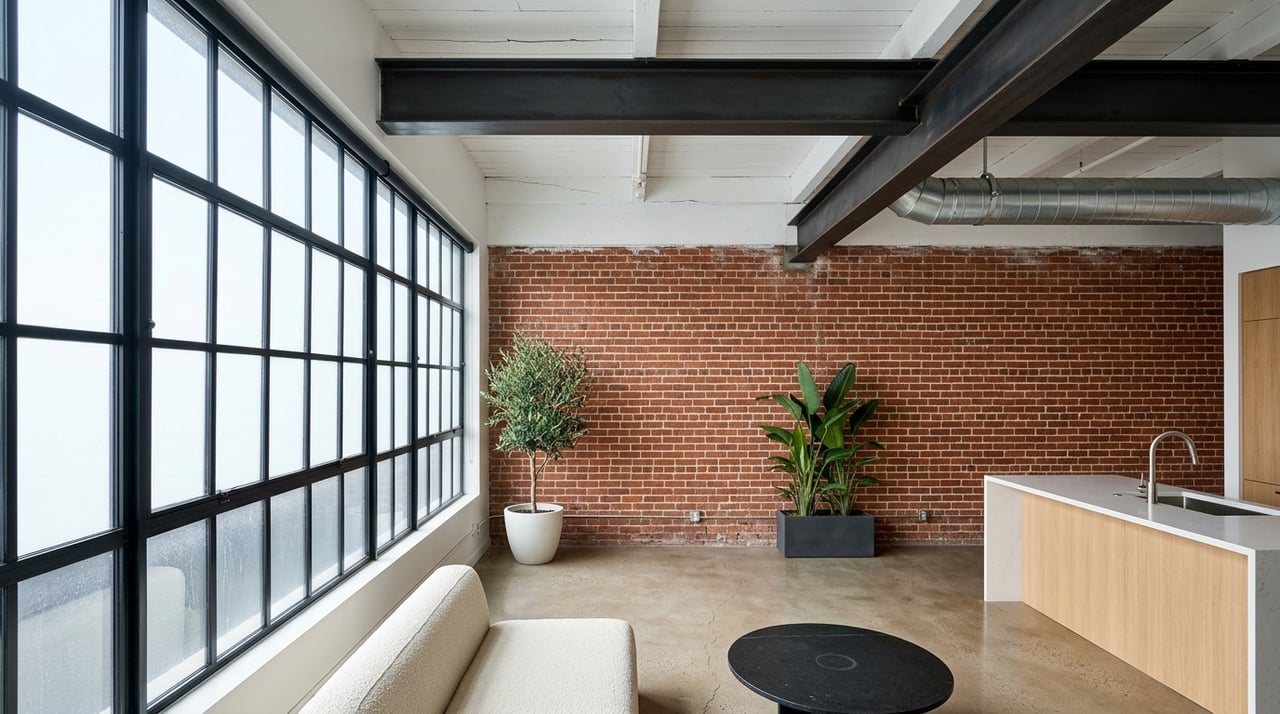
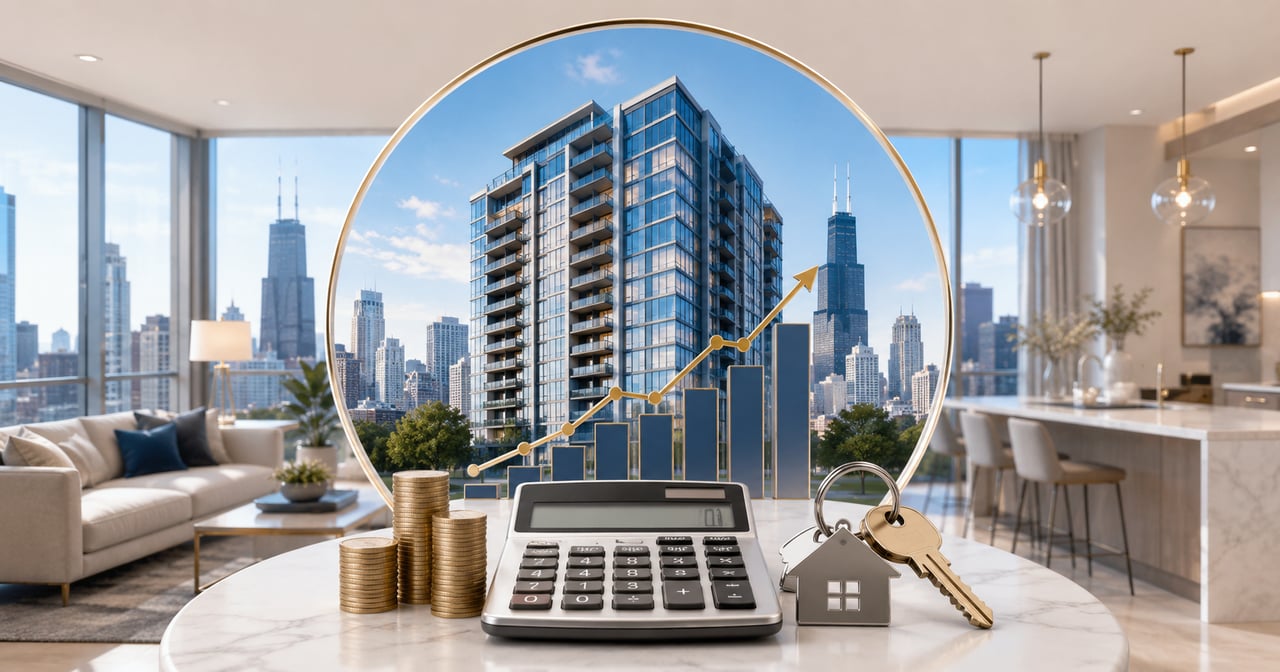
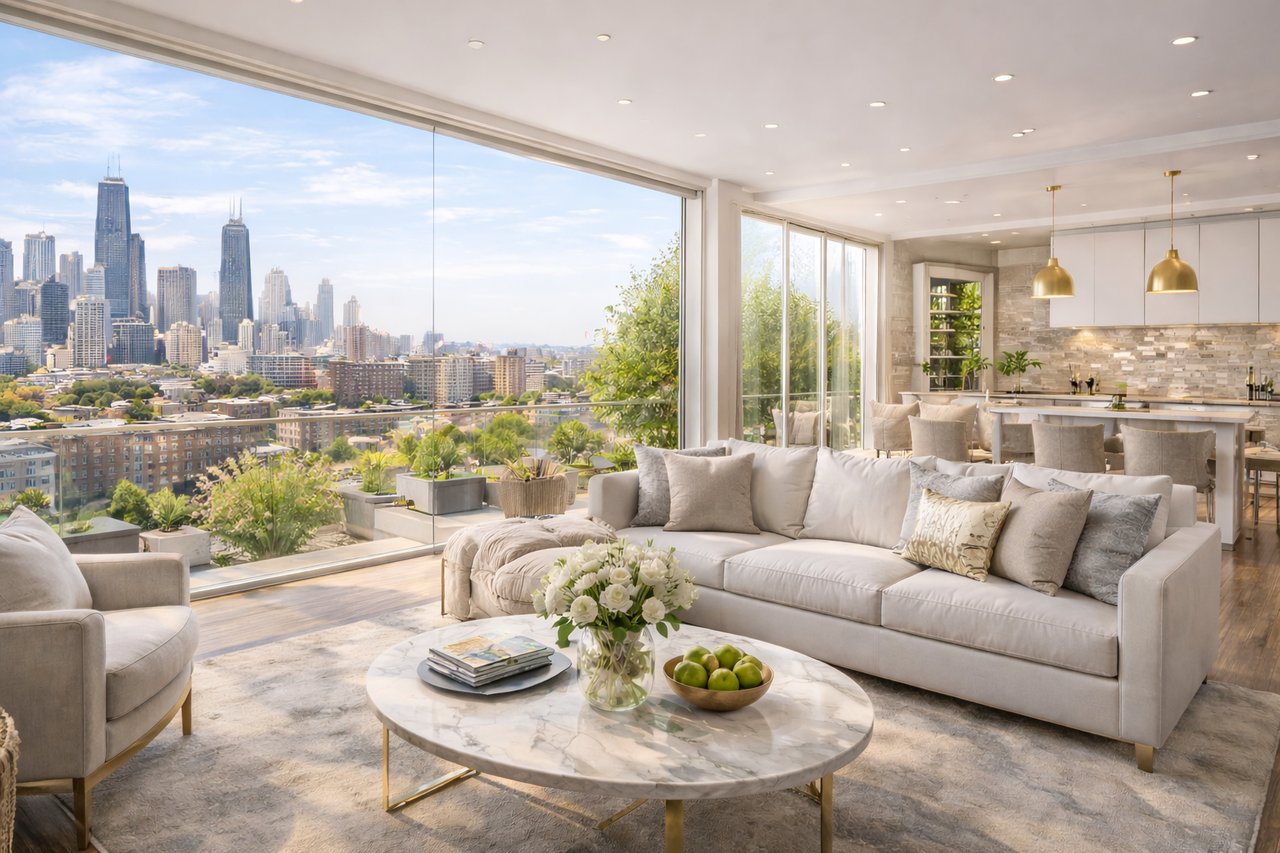
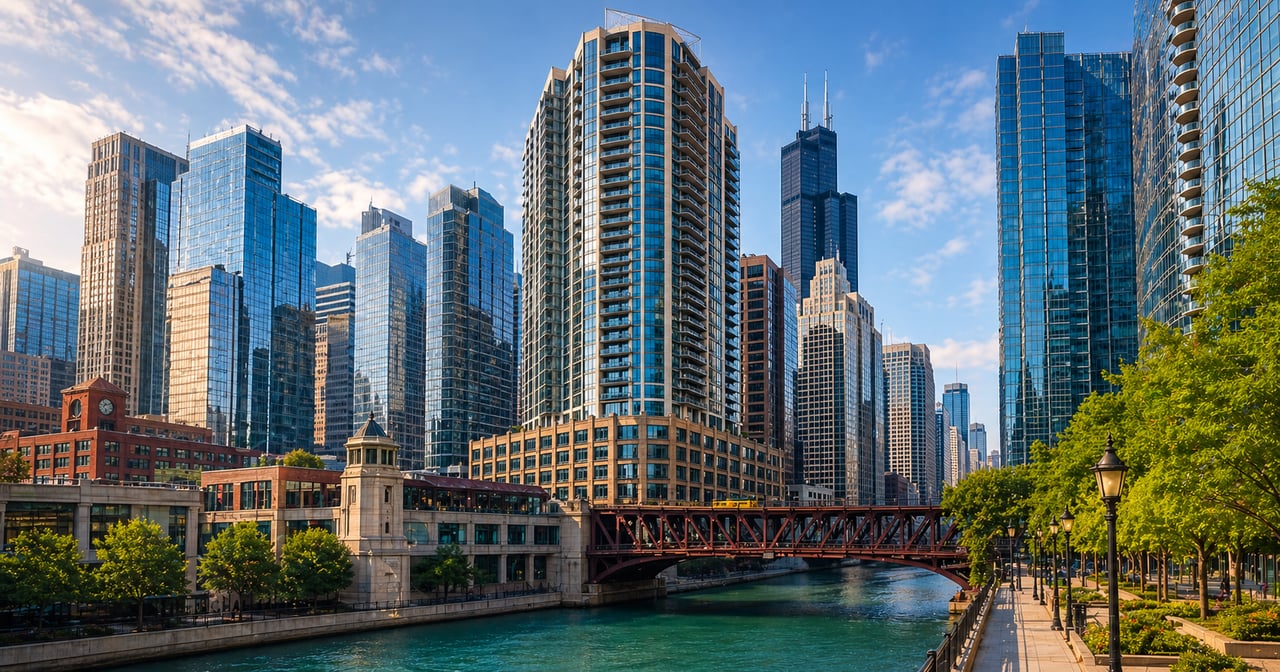
Real estate photos can attract buyers or create instant distrust. Real estate photos can attract buyers or create instant distrust. In today’s online real estate market, listing photos often determine whether a buyer decides to schedule a showing.
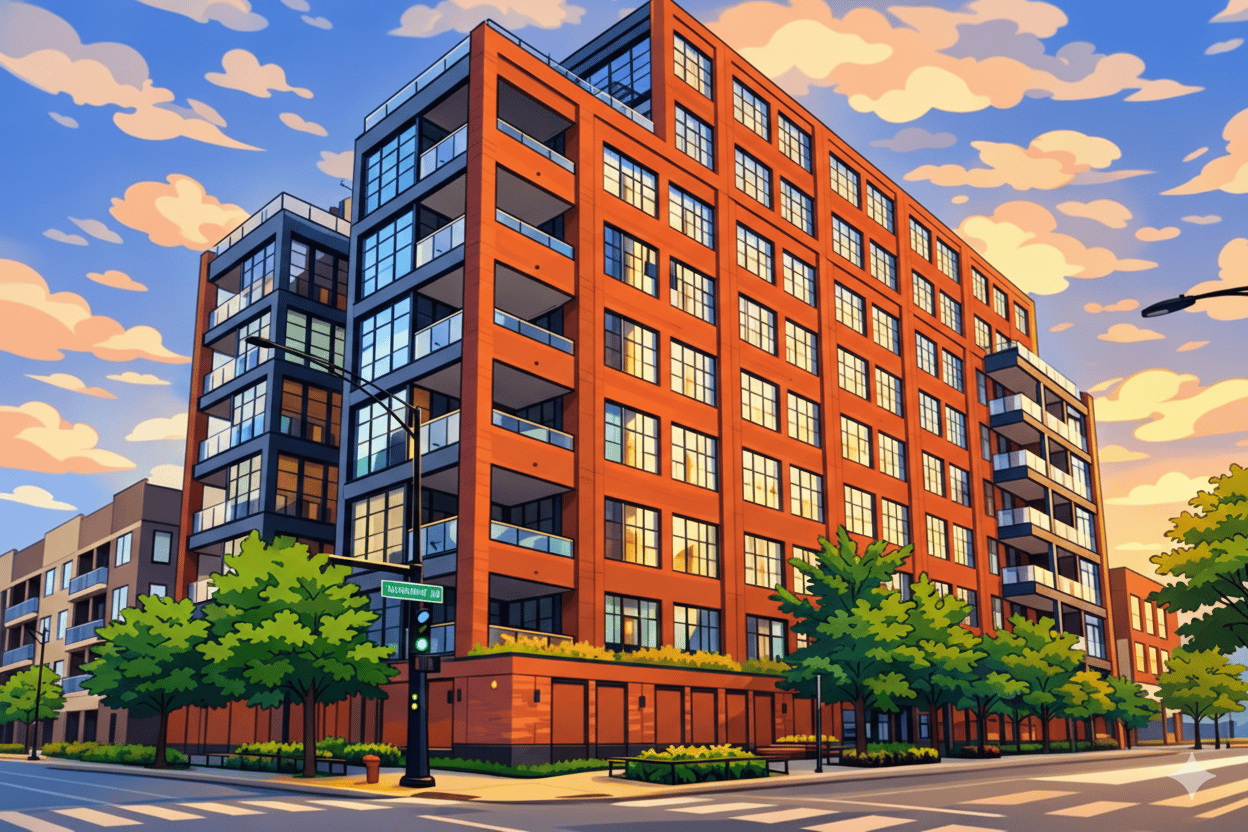
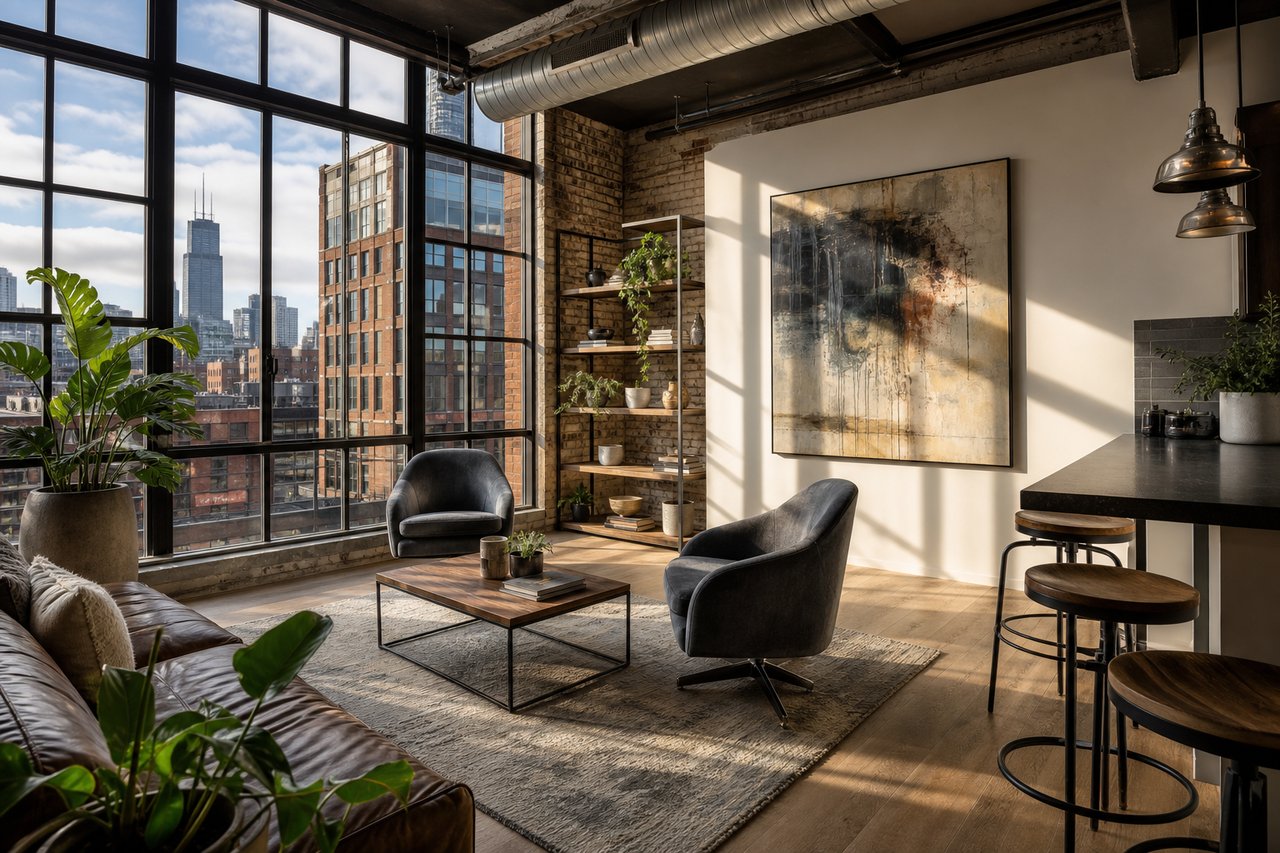
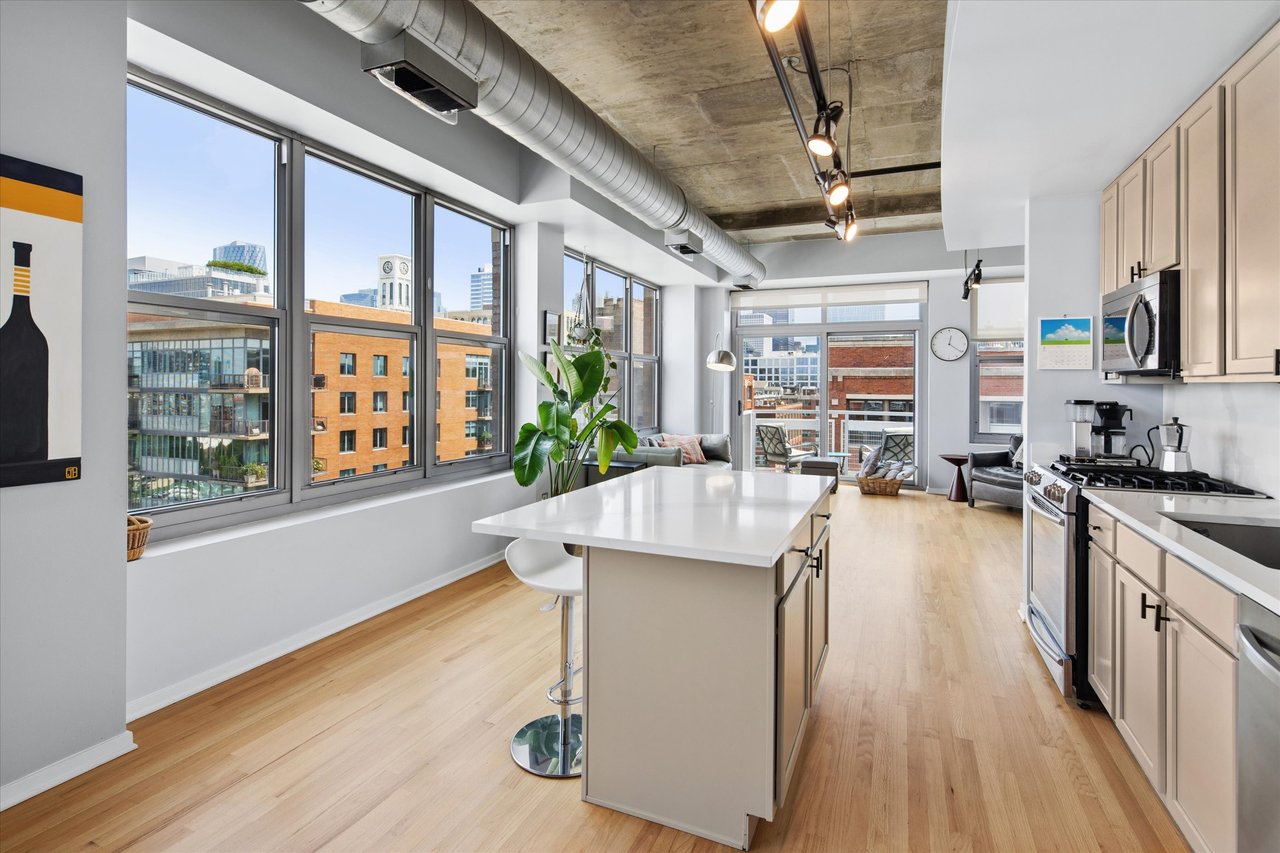
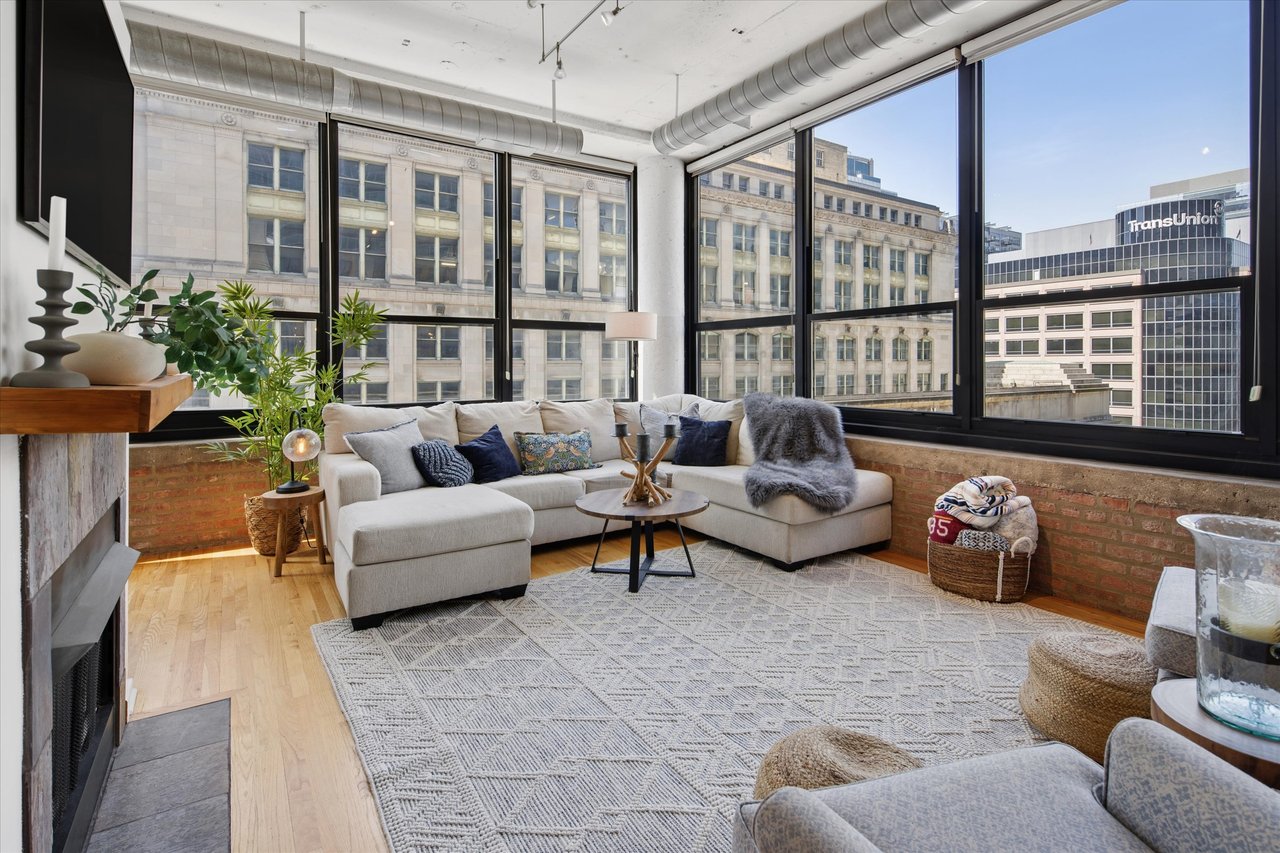
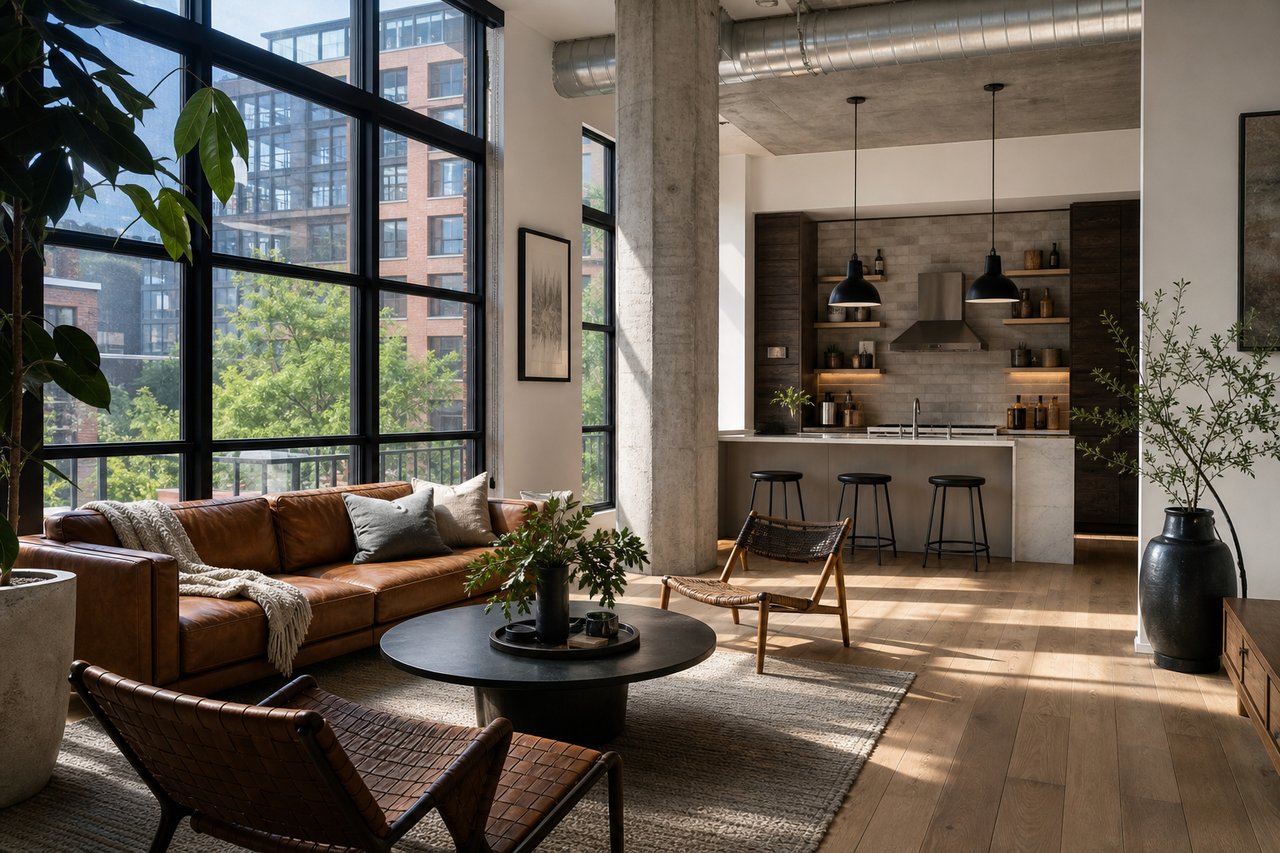
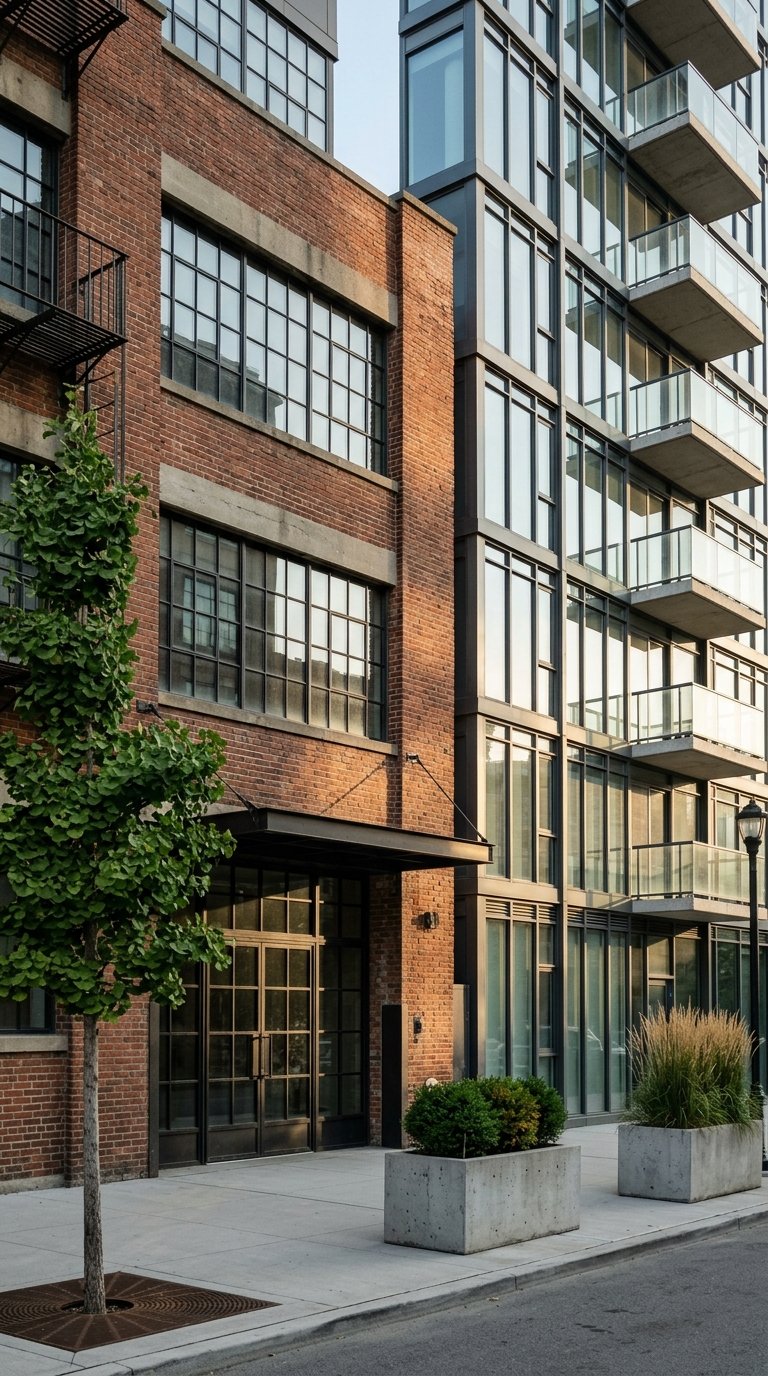
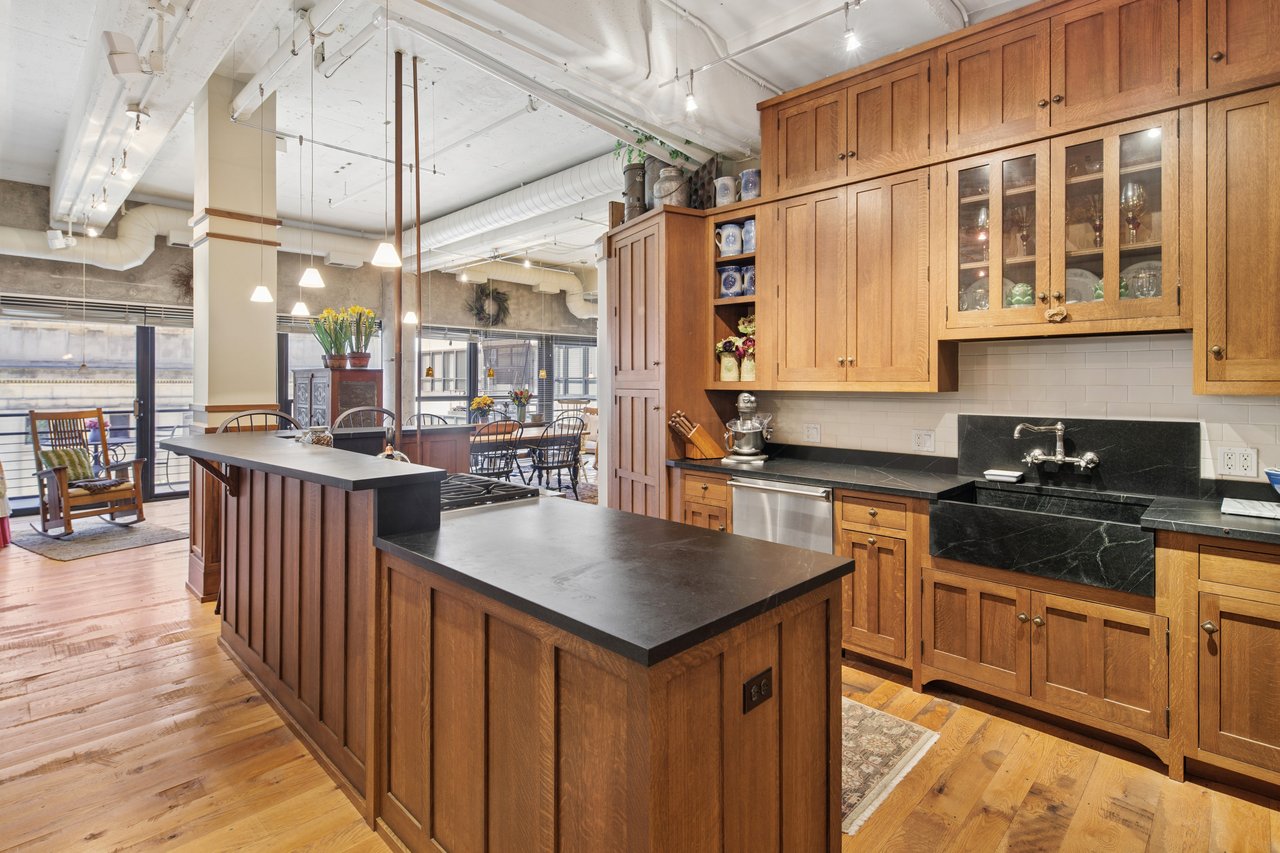
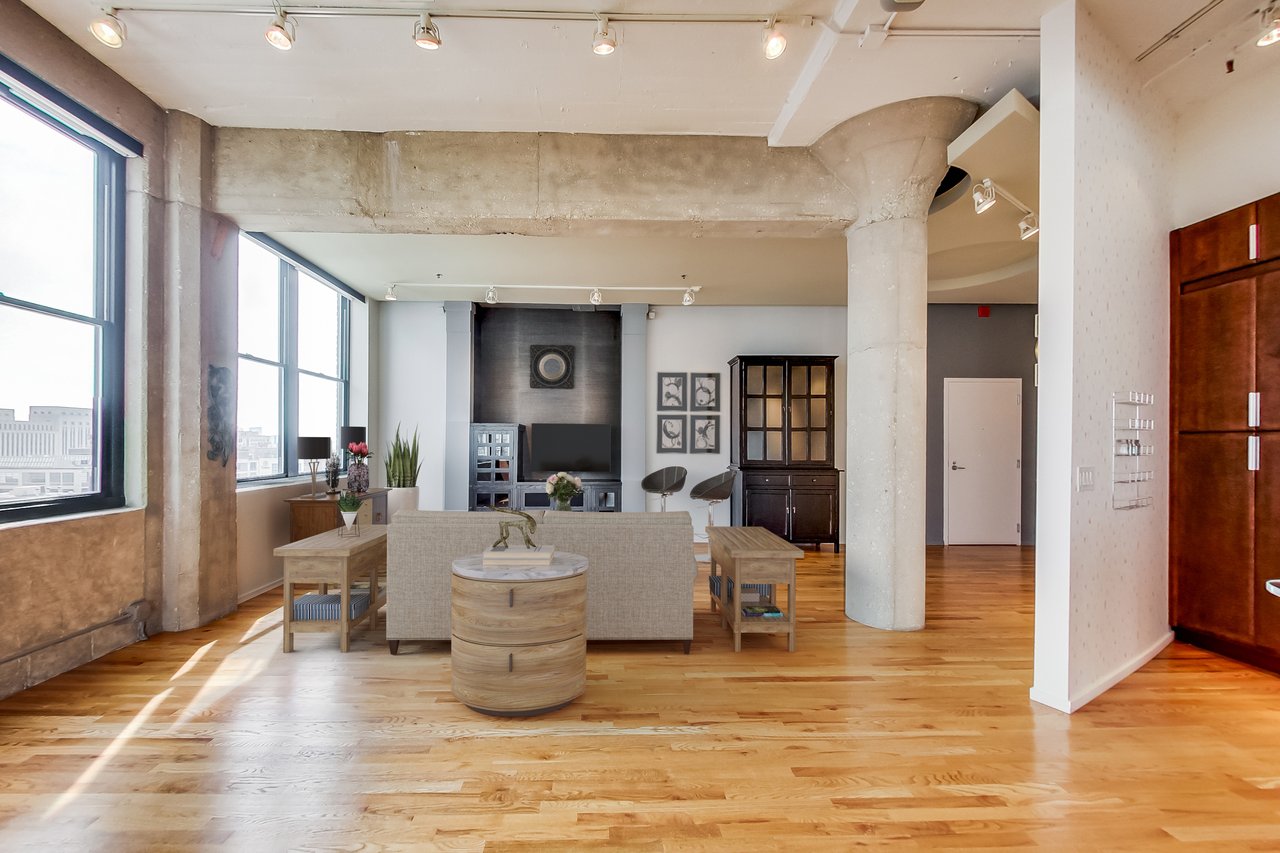
Learn why overly edited listing photos hurt showings, weaken buyer confidence, and why accurate photography matters when selling a Downtown Chicago condo or loft. This is especially important in lofts, where architectural features like beams or concrete ceilings can be exaggerated or minimized in photos.
Buyers scroll through photos on MLS, Zillow, Redfin, and brokerage websites. Within seconds they decide whether a property feels exciting, disappointing, or worth visiting in person.
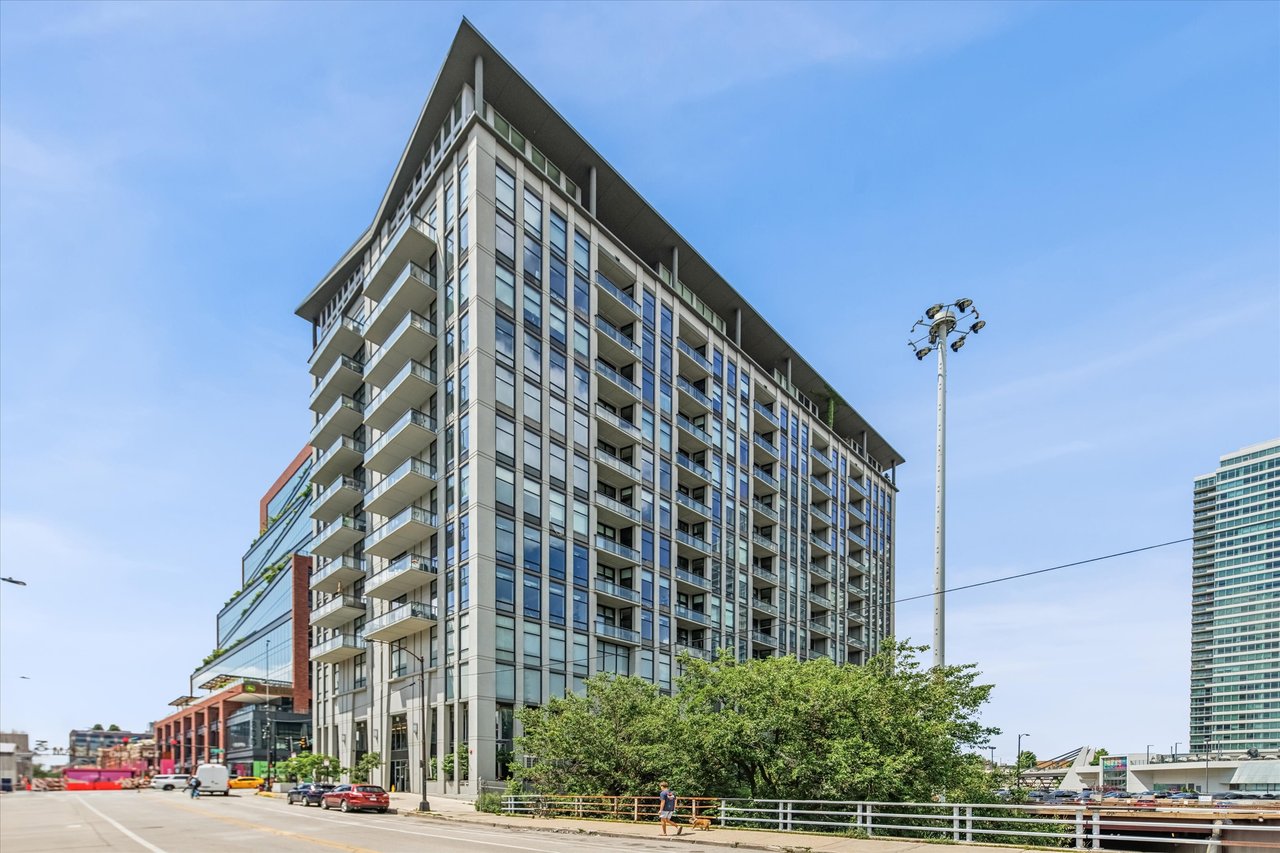
This is especially true in Chicago’s downtown condo market, where many buyers preview dozens of properties online before scheduling showings. Features like building amenities, location, and layout can strongly influence how buyers perceive a property.
When Real Estate Photos “Catfish” Buyers
Homebuyers today often fall in love with a property before they ever step inside it. Listing photos create the first impression, and sometimes the strongest one. The first showing usually happens online.
But when those photos don’t match the experience of the home in person, buyers can feel instantly disappointed.
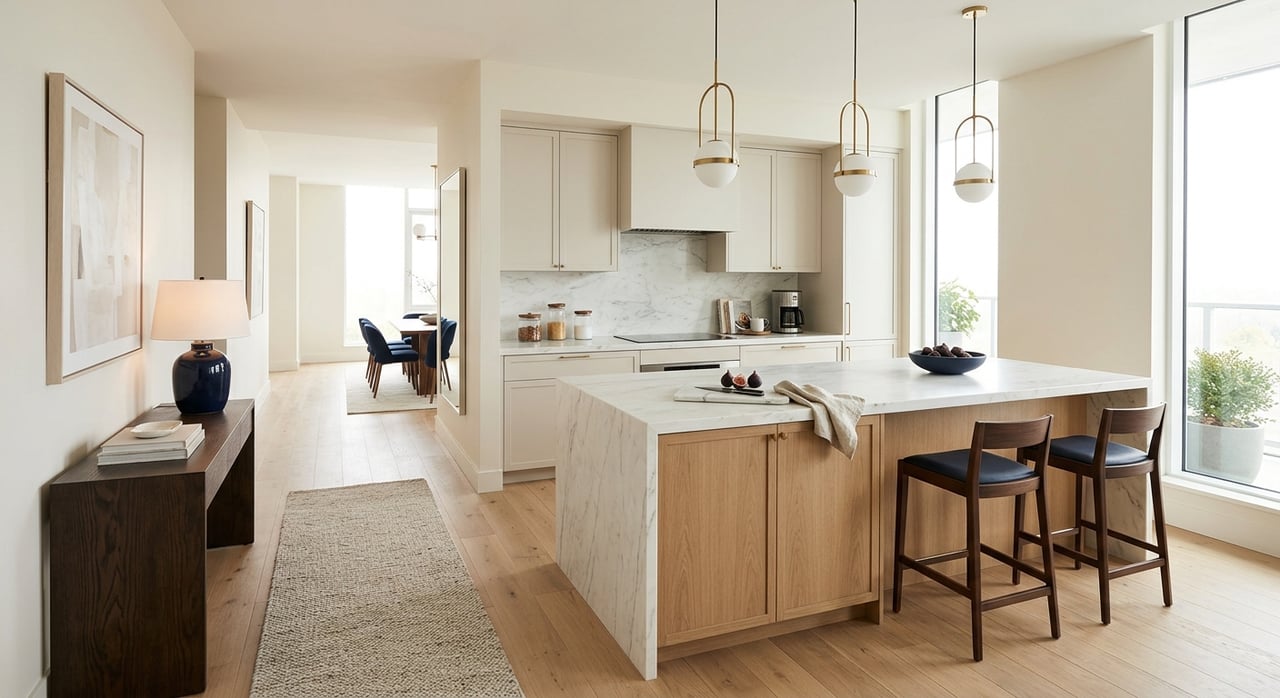
Because buyers form opinions so quickly online, presentation matters. Many sellers also wonder whether staging a condo before selling can help listings stand out online, especially when buyers are comparing dozens of properties at once.
But sometimes the home they fall in love with online is not the same home they experience in person.
In real estate, agents sometimes describe this experience as a kind of “catfishing.”
Are Real Estate Listing Photos Sometimes Misleading?
Sometimes, yes.
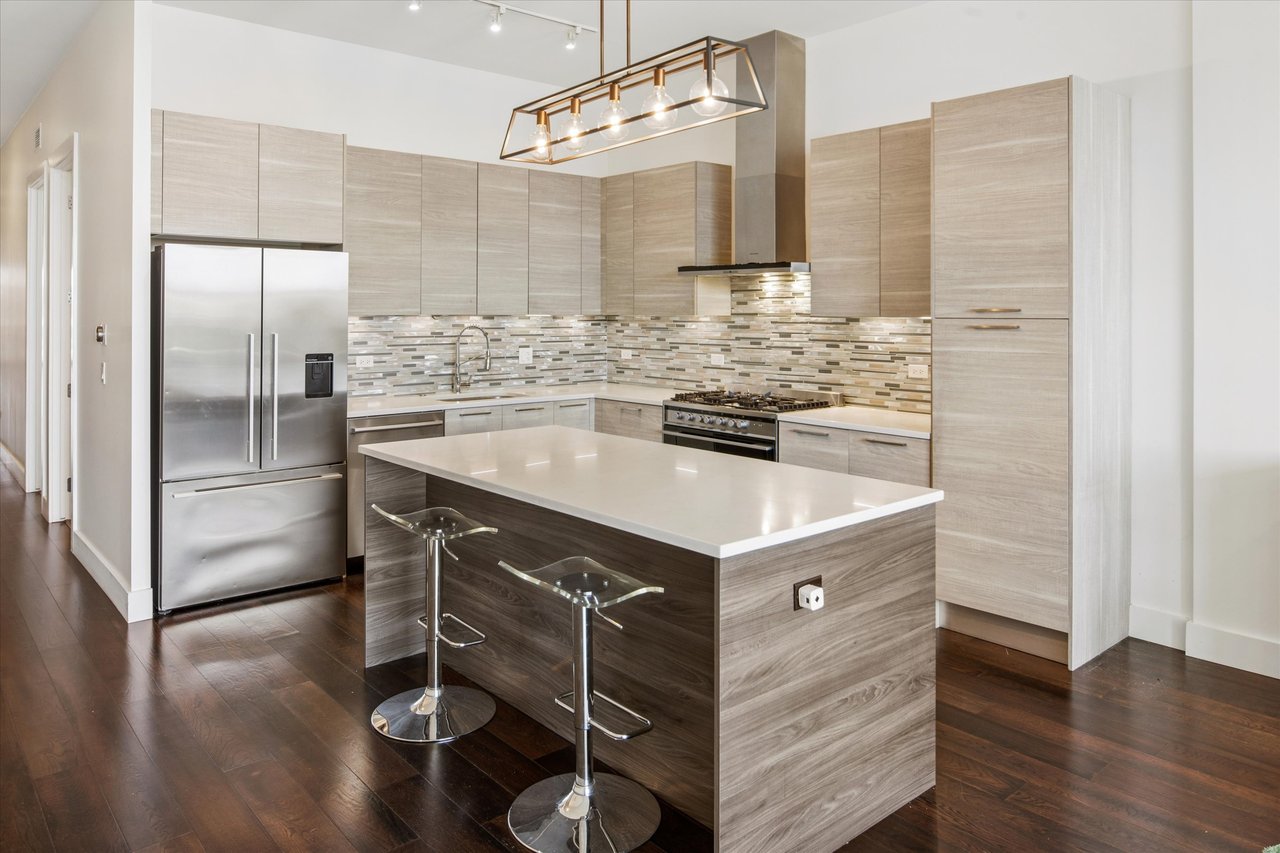
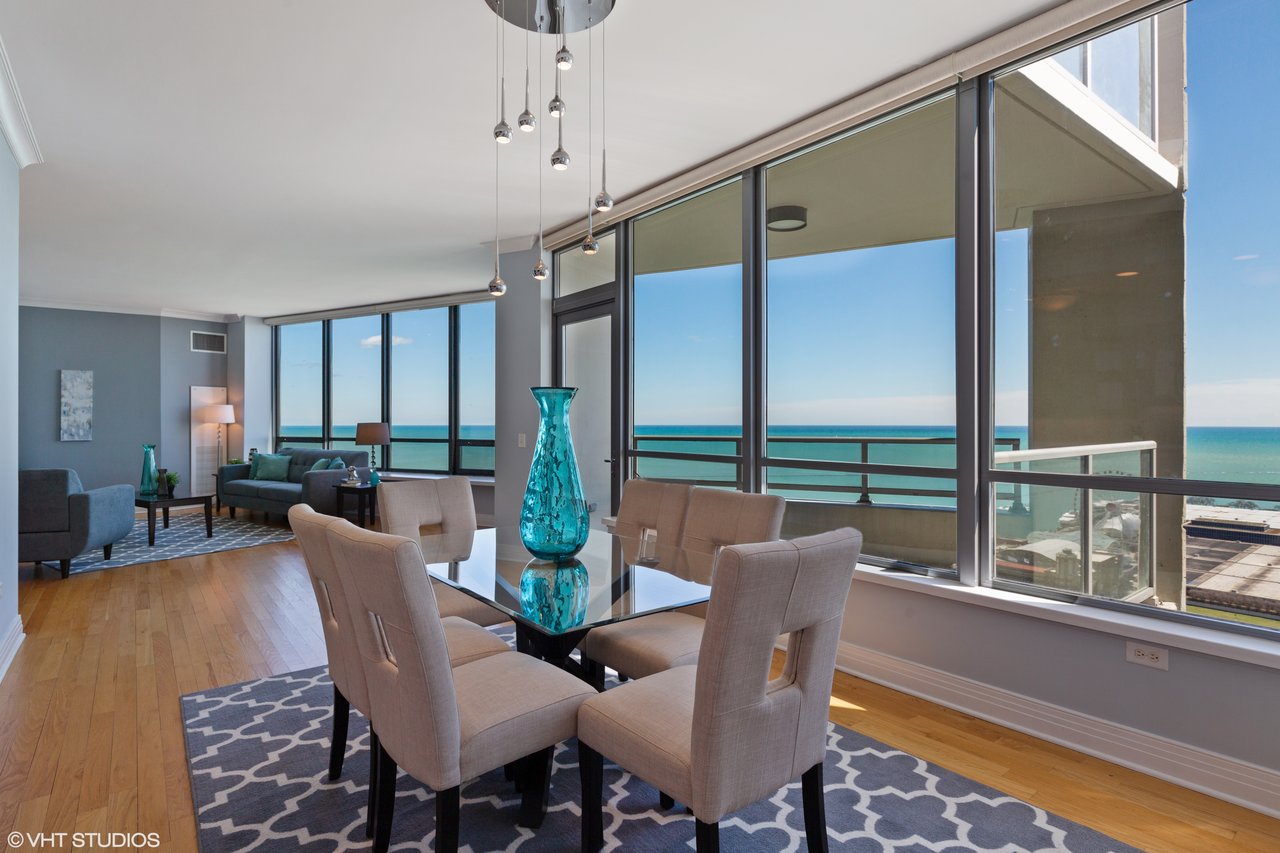
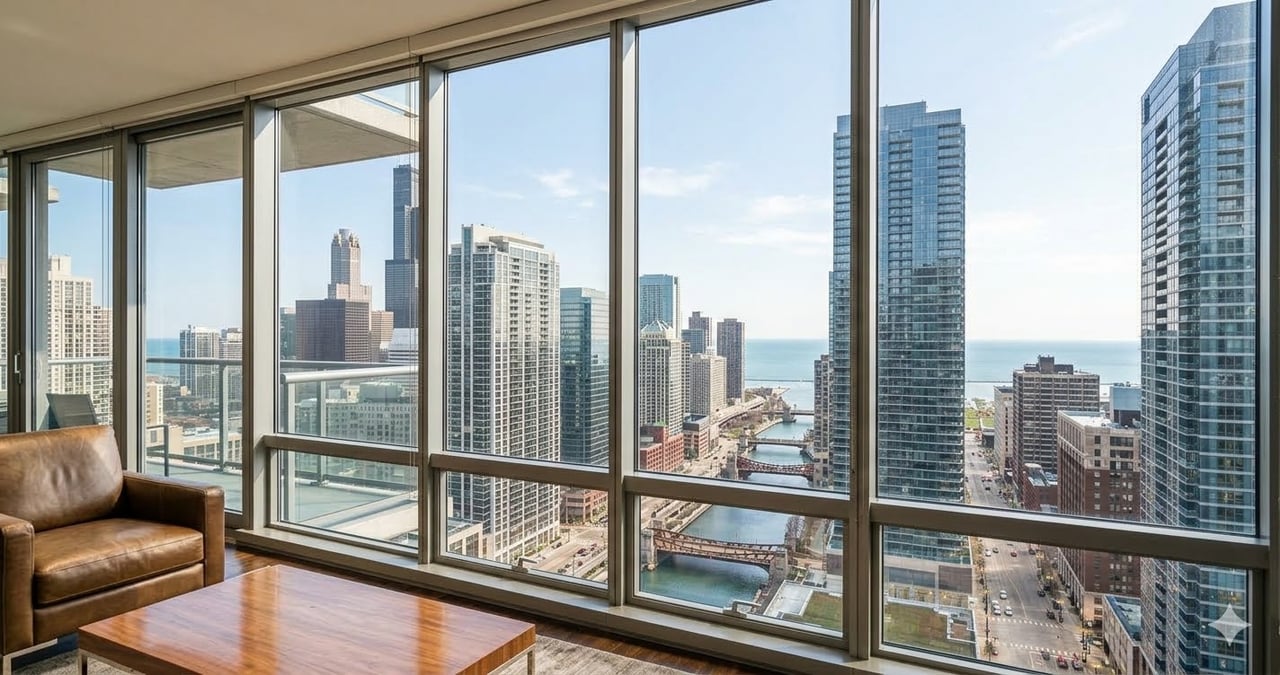
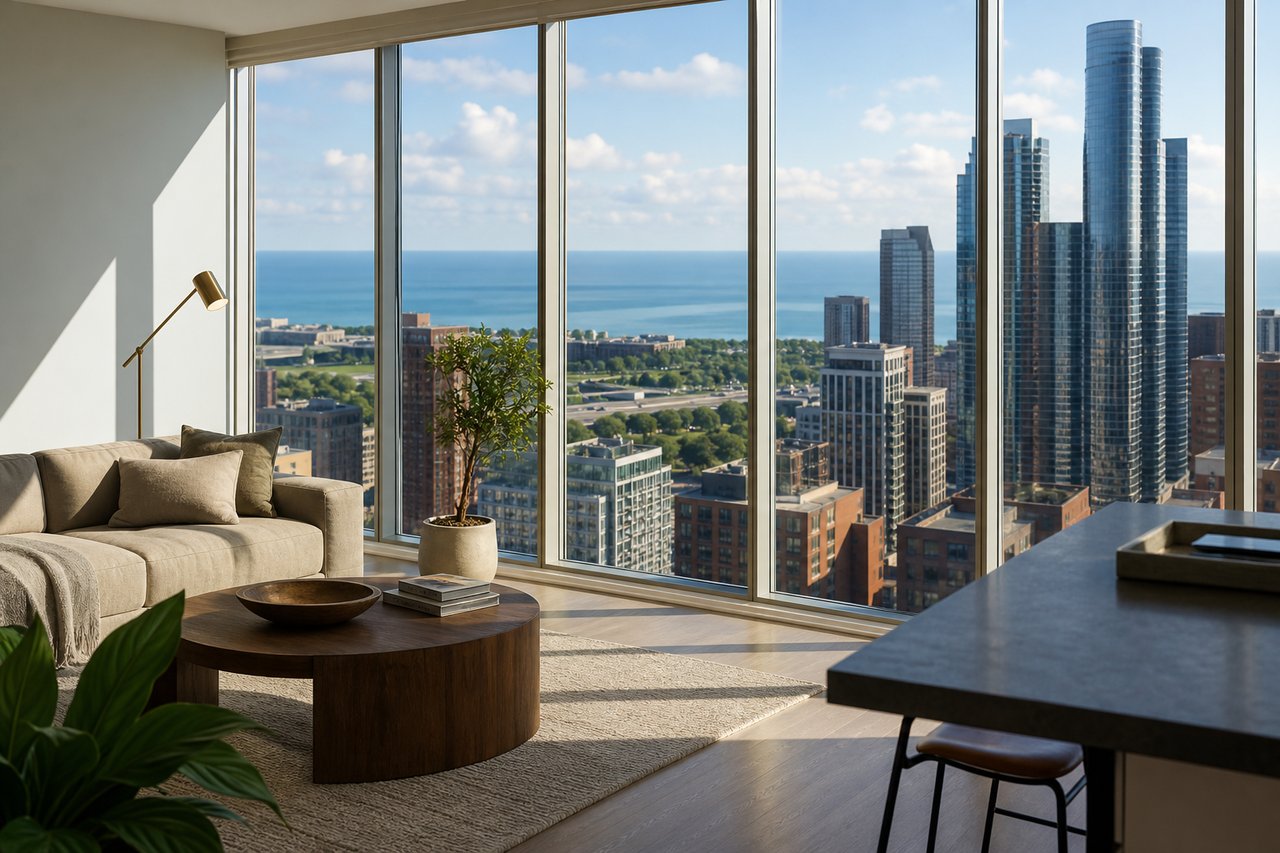
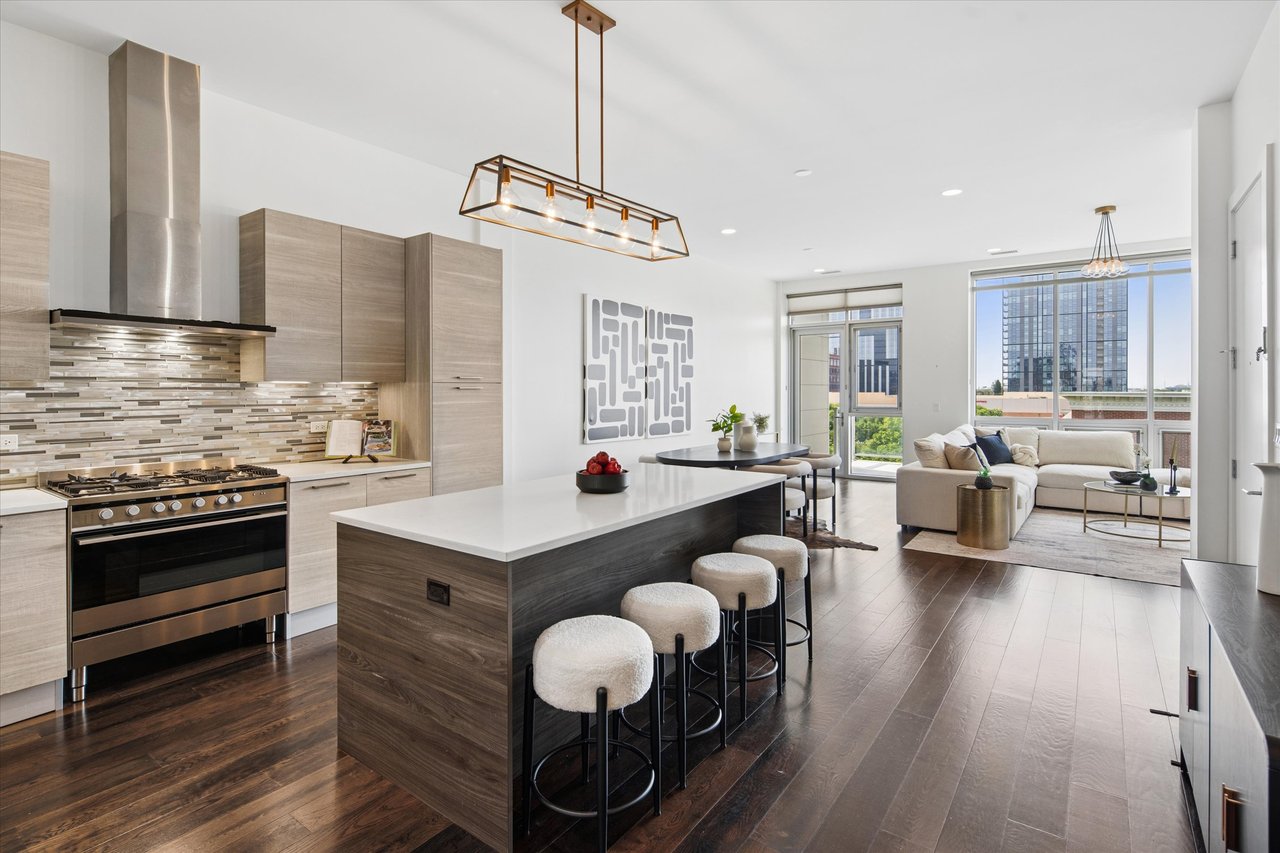
Real estate listing photos can occasionally make homes appear larger, brighter, or more updated than they feel in person.
This usually happens because of wide angle lenses, careful staging, or heavy photo editing used during marketing.
When photography exaggerates the space too much, buyers may arrive at a showing feeling disappointed, which can hurt the overall perception of the property.
What Is Real Estate “Catfishing”?
In online dating, catfishing happens when someone presents an unrealistic or misleading version of themselves online.
In real estate, something similar can happen when listing photos make a property look dramatically different than it actually is.
Buyers arrive excited.
Then they walk through the door and feel immediate disappointment.
The Showing That Feels Different Than Expected
Many buyers have had this experience.
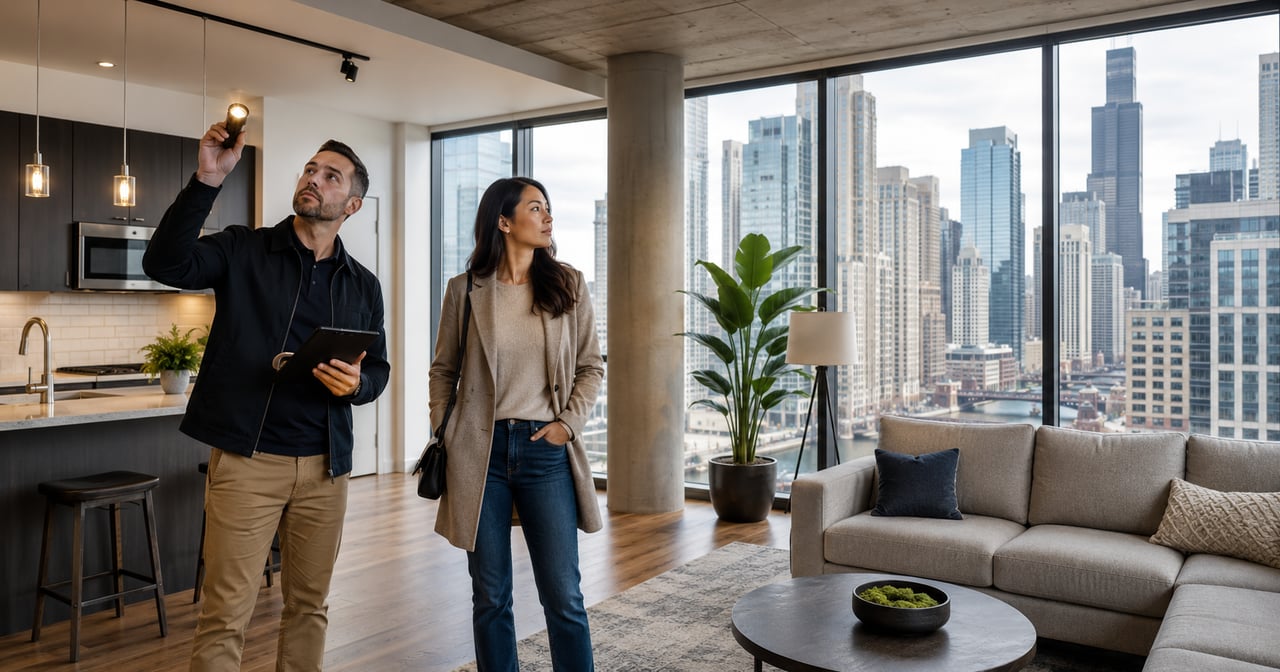
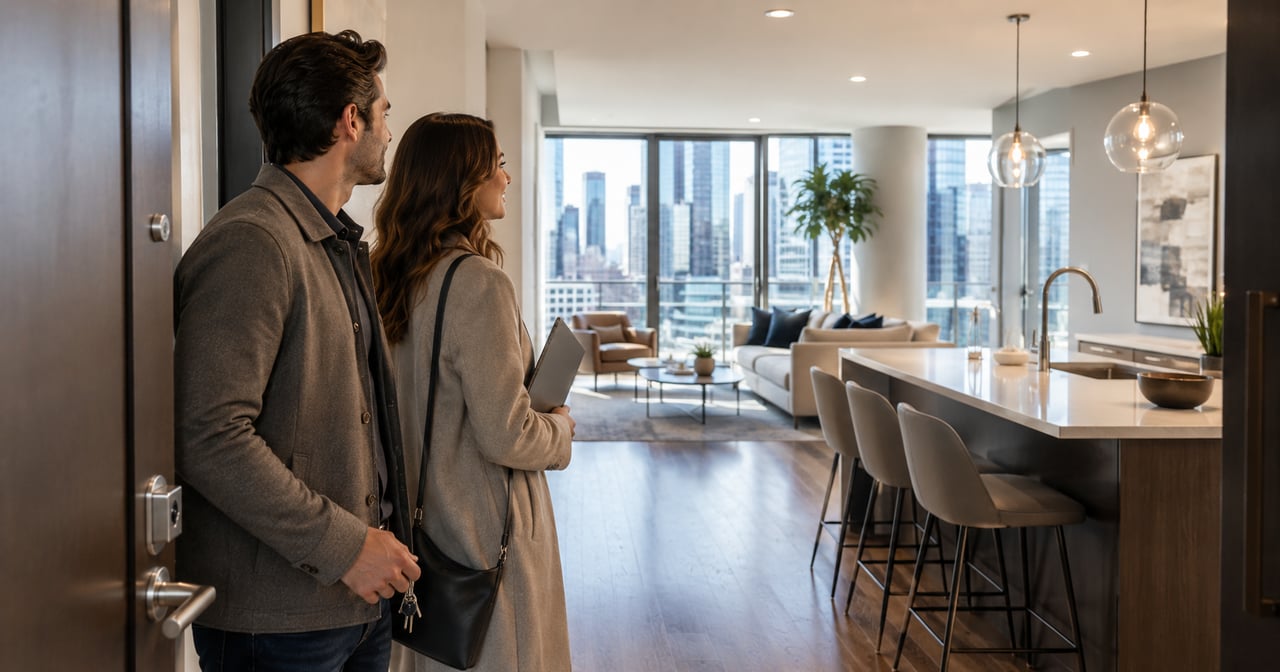
They walk into a home they were excited about online and immediately pause. Something feels different.
The living room that looked spacious in the photos suddenly feels tighter. The natural light looks softer than expected. The layout feels a little more awkward than it appeared online.
Nothing about the home is necessarily bad. It just does not match the mental picture buyers formed while scrolling through the listing photos.
And that small moment of confusion can shift the entire showing experience.
Instead of imagining themselves living in the space, buyers may start questioning what they saw online.
Maybe the rooms feel much smaller than the photos suggested. Maybe the lighting looks darker. Maybe the condition of the home doesn’t match the polished images they saw online.
That moment of disconnect can instantly change how buyers feel about a property.
Top Buyer Turnoffs in Downtown Chicago Condos
Why This Happens
Professional photography is an important part of real estate marketing. Good photos help a home stand out and attract attention in crowded listing platforms.
But problems arise when photography crosses the line from presenting a home well to misrepresenting it.
This can happen in a few different ways.
Ultra-wide lenses
Wide angle lenses can make rooms appear much larger than they actually are.
Over-editing
Heavy color correction, artificial lighting, and sky replacements can create a version of the home that feels unrealistic.
Strategic angles
Certain angles can hide awkward layouts, low ceilings, or less attractive areas.
Selective photography
Only photographing the best corners of a home while avoiding others can create an incomplete picture.
None of these techniques are inherently wrong. In fact, most professional photographers use them to some degree.
The issue arises when the final result no longer reflects the true experience of the property.
Why Do Real Estate Photos Make Homes Look Bigger?
Many buyers wonder why a home can look spacious in listing photos but feel much smaller during a showing.
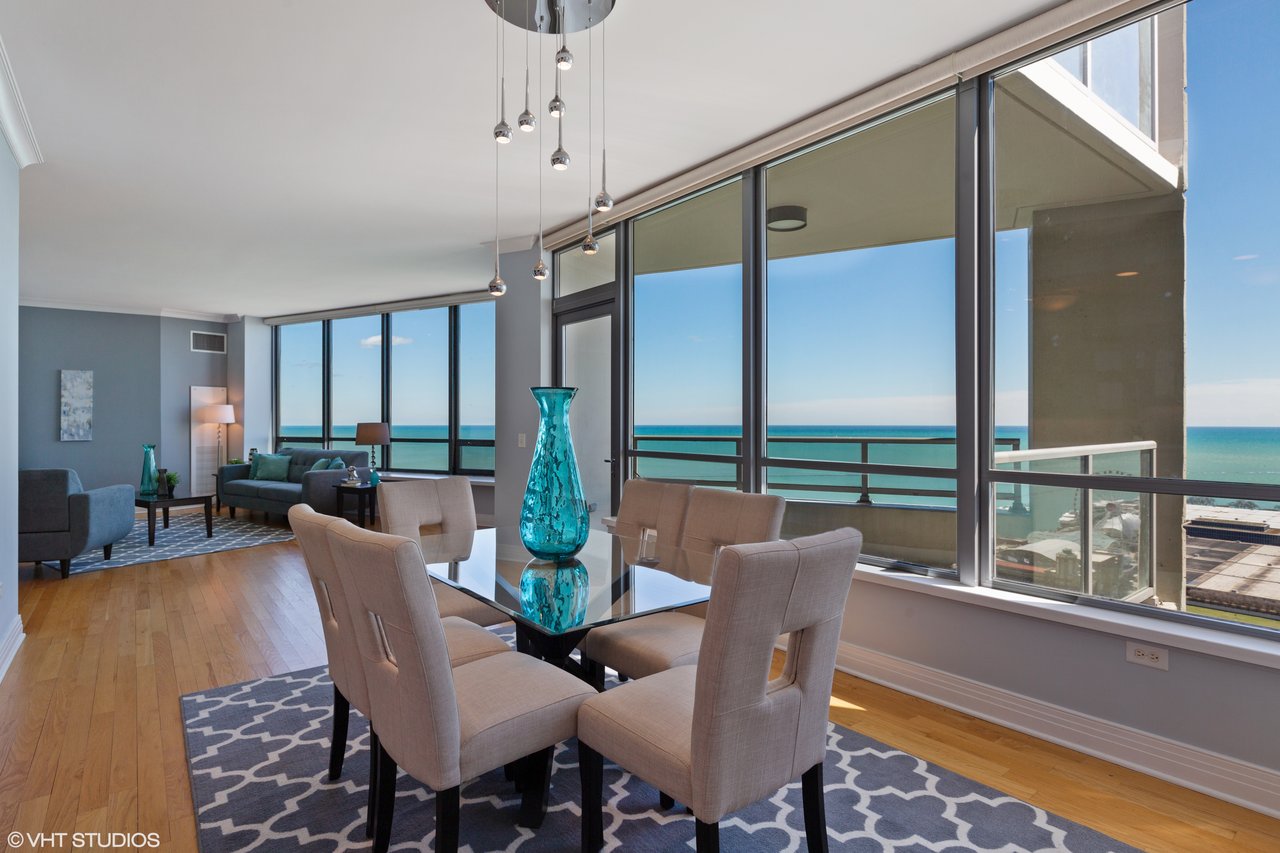
One common reason is the use of ultra wide angle lenses in real estate photography. These lenses allow photographers to capture more of a room in a single image, which helps make spaces feel open and visually appealing online.
However, wide lenses can also stretch the perspective of a room, making walls appear farther apart and rooms appear deeper than they actually are.
This technique is widely used in professional real estate photography and is not necessarily misleading when used carefully. The goal is simply to show more of the room.
But when the effect is too strong, buyers may feel surprised when they experience the true scale of the space in person.
That is why the best real estate photography balances wide perspective with realistic representation of the home.
The Problem With Over-Perfect Photos
When buyers feel misled by photos, it can actually hurt the sale of a home.
Instead of building excitement, unrealistic images often create buyer distrust.
Buyers may think:
• “The photos made this look much bigger.”
• “This looks completely different than the listing.”
• “If the photos are misleading, what else might be?”
When that happens, buyers tend to move on quickly.
And sometimes they may even question the credibility of the listing agent.
Honest Marketing Builds Stronger Buyer Interest
The goal of real estate marketing should not be to create a fantasy.
The goal is to attract the right buyers by presenting the home accurately and beautifully.
Professional photography should highlight a home's strengths while still representing the true space buyers will experience when they walk through the door.
That balance matters.
When buyers arrive and the home looks just as good or even better than the photos, the emotional response is completely different.
Instead of disappointment, they feel excitement.
That emotional reaction is often what leads to strong offers.
Sometimes photography can hide small flaws or dated finishes. But buyers will quickly notice these details during a showing. Making a few strategic condo upgrades before selling can often make a stronger impression than relying on editing tricks.
Why Accurate Listing Photos Matter
Today’s buyers often preview dozens of homes online before scheduling a showing.
That means the listing photos create the first impression and sometimes the strongest impression.
If those images are misleading, buyers can feel like their time was wasted.
Can Listing Photos Mislead Buyers?
One mistake sellers and agents should avoid is misleading listing photos.
I remember working with buyers who were specifically looking for a true two bedroom condo. We found what looked like a great option online. The photos showed a nicely furnished second bedroom with a full bedroom set and a door.
My clients drove an hour and a half from the far suburbs into downtown Chicago to see it.
When we arrived, the “second bedroom” could barely fit a desk, let alone an actual bed. There was no door, no closet, and no realistic way it functioned as a bedroom. At best, it might have worked for a small bassinet for a newborn.
The listing photos had clearly been manipulated to make the space appear like a full bedroom suite.
To make matters worse, the agent began suggesting that a buyer could knock down the wall between the bedroom and living room and rebuild a larger bedroom, something that was never mentioned in the listing description.
My buyers left frustrated and disappointed. It felt like a clear case of real estate “photo catfishing.”
For sellers, the lesson is simple. Accurate photography and honest marketing attract serious buyers who are excited to see the property. Misleading photos may generate clicks, but they often create disappointment during showings, which can hurt momentum and reduce buyer trust.
Accurate photography, realistic staging, and clear descriptions create a much better experience for buyers and ultimately lead to stronger offers.
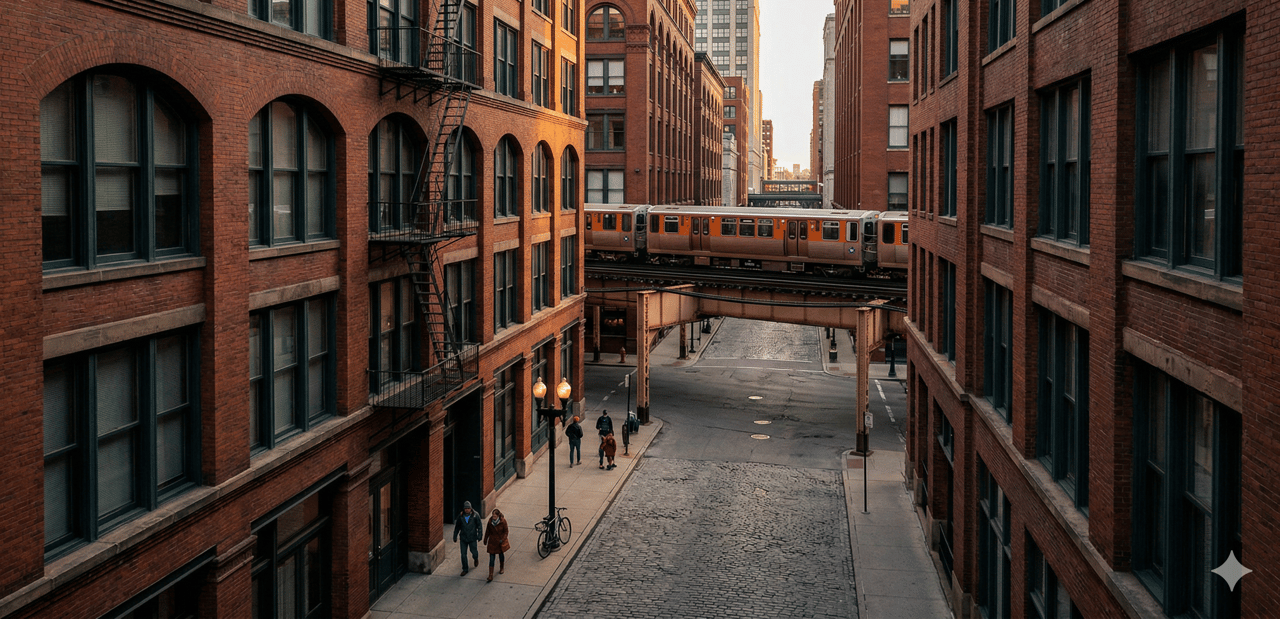
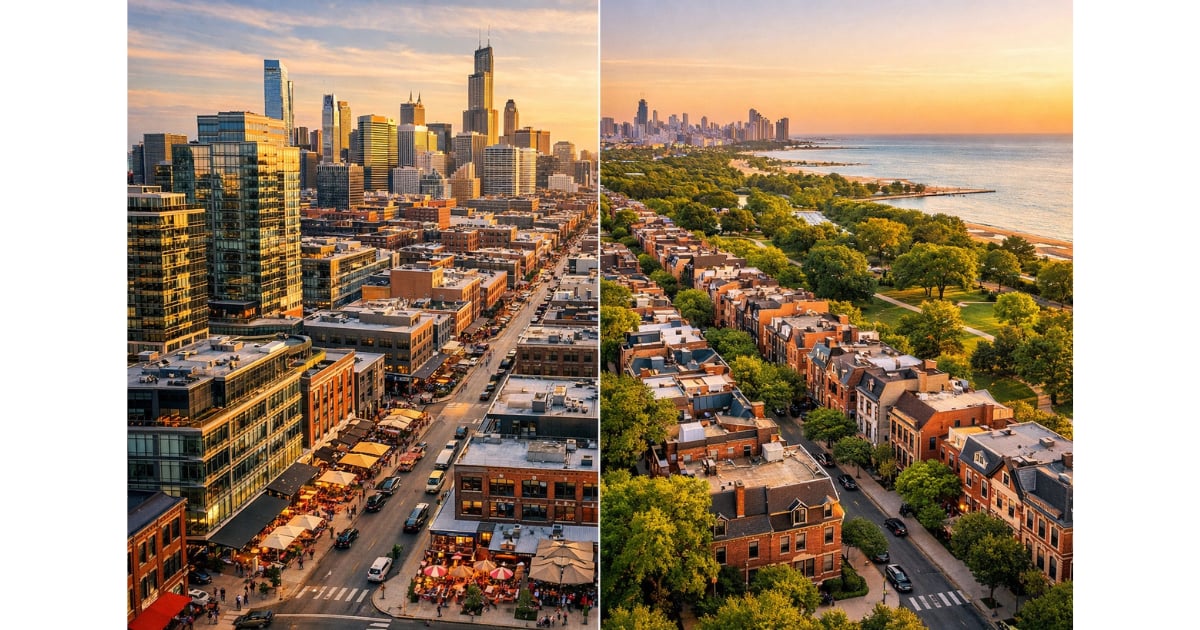
Why This Matters in Chicago’s Downtown Condo Market
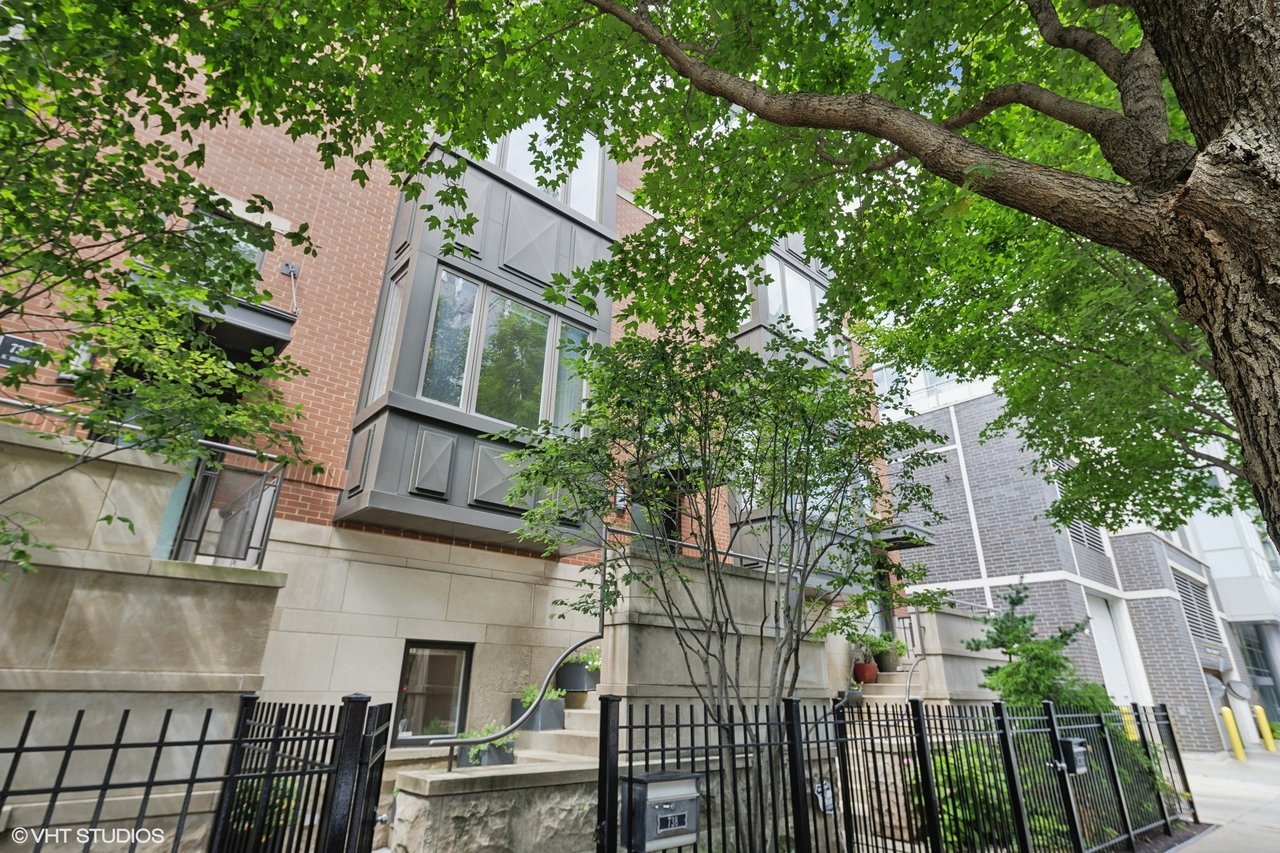
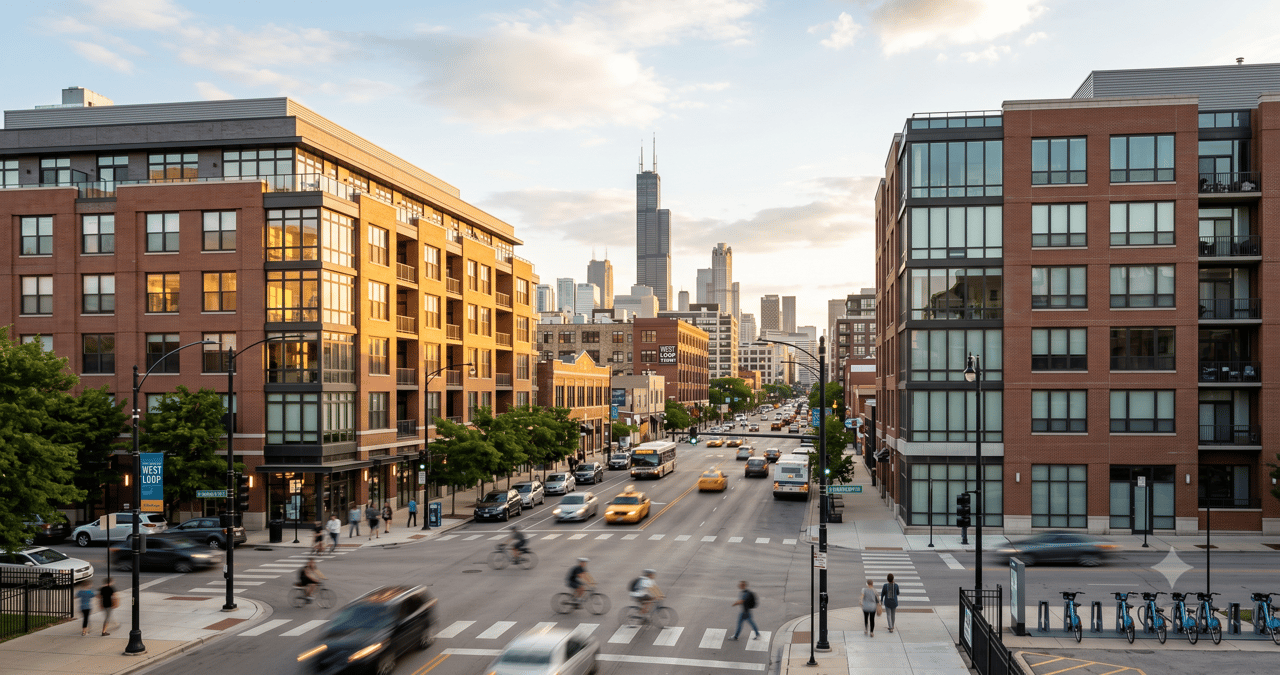
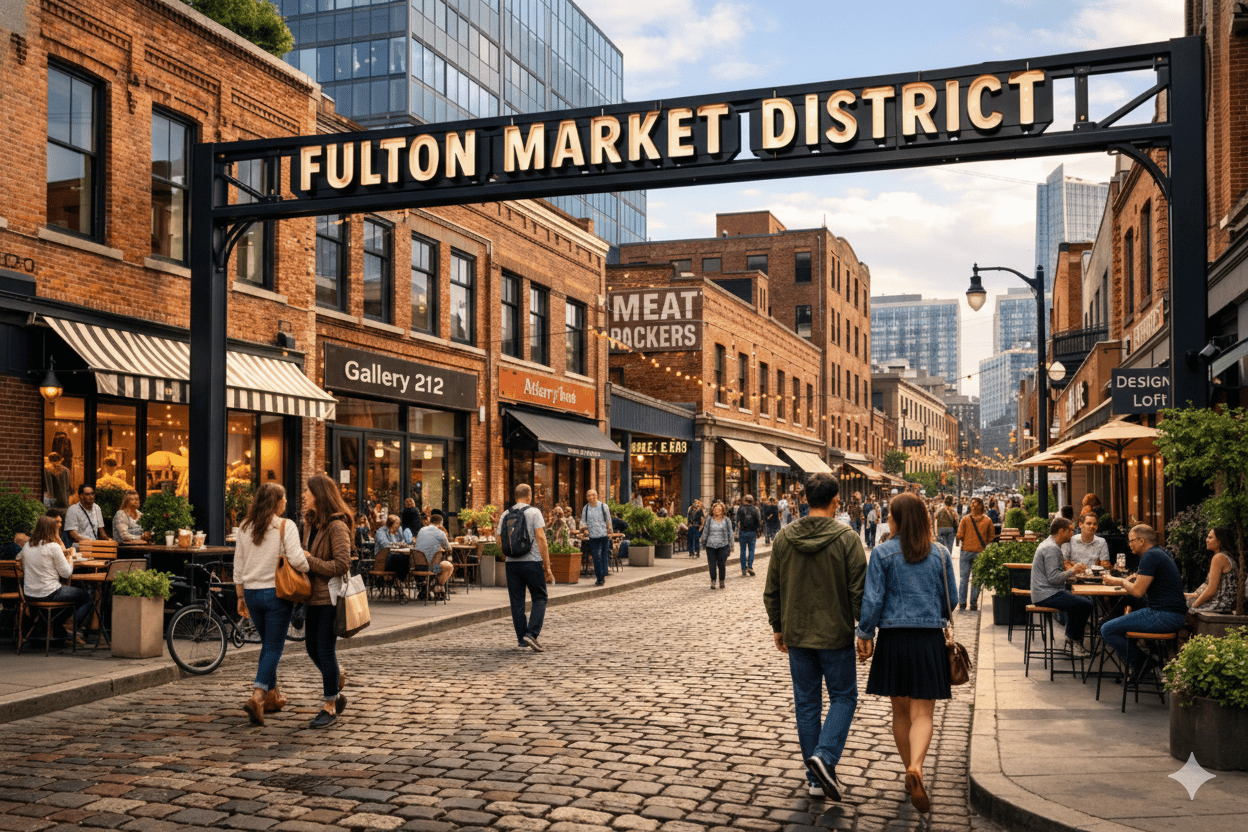
In Downtown Chicago neighborhoods like the West Loop, River North, and the Loop, buyers often tour multiple condos in a single afternoon.
That means expectations matter.
If a buyer walks into a property that feels smaller, darker, or very different than the photos suggested, they may move on quickly to the next showing.
Accurate listing photos help ensure buyers arrive with the right expectations. When the home matches what they saw online, it creates a much stronger emotional response and often leads to more serious offers.
Accurate listing photos also play an important role when trying to sell a Downtown Chicago condo quickly, especially in competitive buildings where buyers may tour several properties in the same afternoon.
A Better Approach to Real Estate Photography
Strong real estate marketing is about balance.
Photos should absolutely be professional, well lit, and thoughtfully composed. A home should look its best.
But the experience should still feel authentic.
The best listings achieve three things:
1. Professional photography that highlights the space naturally
2. Accurate room perspectives that reflect the real layout
3. A complete story of the home, not just the most flattering corners
When buyers arrive and the home matches what they saw online, trust is built immediately.
And trust is what helps homes sell.
How Buyers Can Spot Overly Edited Listing Photos
Buyers can often identify when listing photos may be exaggerating a property.
Here are a few things to watch for when browsing listings online.
• Curved walls or distorted lines often indicate ultra wide lenses
• Rooms that look unusually deep or stretched may appear smaller in person
• Lighting that looks dramatically brighter than typical indoor light can signal heavy editing
• Missing angles of key rooms may mean the layout is being selectively photographed
Photos should make a home look attractive, but they should still feel believable.
If a listing feels too polished to be real, it can be helpful to review the floor plan, read the property details carefully, or visit the home in person before forming strong expectations.
The Bottom Line
Beautiful real estate photos are essential in today’s digital market, especially when selling a condo or loft in Downtown Chicago.
But when listing photos become unrealistic, they can create the same effect as online “catfishing.” Buyers fall in love with something that does not actually exist.
The most effective real estate marketing does not trick buyers. It invites them in with an honest first impression and lets the home deliver the rest of the story.
Frequently Asked Questions About Real Estate Listing Photos
Why do real estate photos make rooms look bigger?
Real estate photographers often use wide angle lenses so they can capture more of a room in a single image. This technique helps show the layout and makes listings more visually appealing online. However, wide lenses can stretch perspective slightly, which sometimes makes rooms appear larger in photos than they feel during an in person showing.
Do real estate photographers use wide angle lenses?
Yes. Wide angle lenses are a standard tool in professional real estate photography. They allow photographers to photograph an entire room even in smaller spaces like condos or lofts. When used carefully, they help buyers understand the layout. When pushed too far, they can distort the true proportions of a room.
Why do homes sometimes look different than listing photos?
Several factors can create differences between listing photos and a home in person. These include wide angle lenses, professional lighting, image editing, and staging. Good real estate photography should make a home look attractive while still representing the space accurately.
Sources:
Industry discussions have also noted that ultra-wide camera lenses can distort room size, making spaces appear larger than they actually are, which can lead to buyer disappointment when they see the property in person.
https://homejab.com/how-to-avoid-over-exaggerating-spaces-with-ultra-wide-lenses/?utm_source=chatgpt.com
The National Association of Realtors "8 Tips to make Your Listing Picture Perfect"
https://www.nar.realtor/blogs/styled-staged-sold/8-tips-to-make-your-listing-picture-perfect
Why Real Estate Photography is Important for High-Performing Listings (and Faster Sales)
https://www.autoreelapp.com/
ABOUT THE AUTHOR
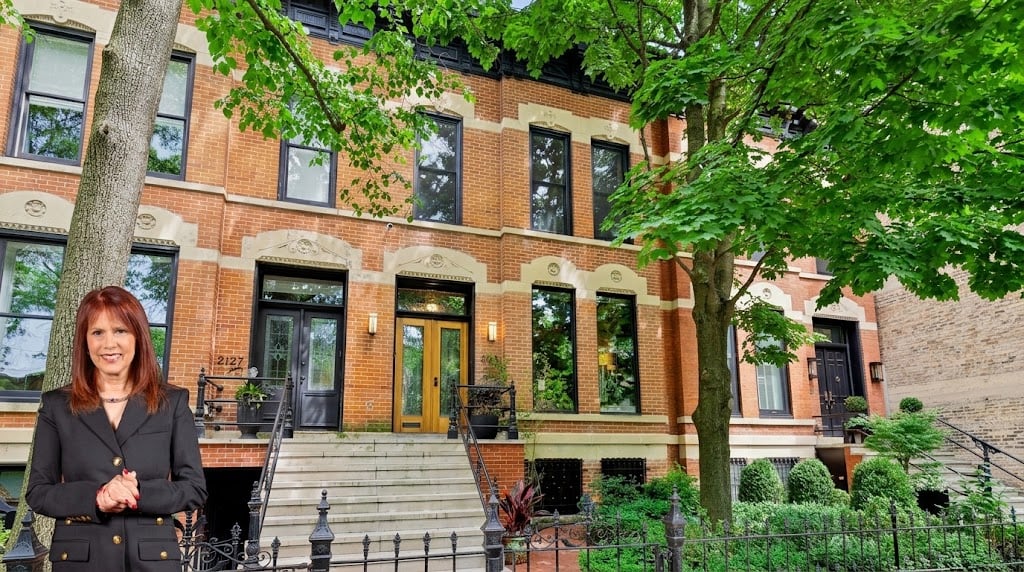
Christine Hancock is a Chicago Realtor with @properties Christie’s International Real Estate, bringing more than 25 years of experience and over $200 million in closed sales in the downtown condo market. With 96 five-star Zillow reviews, Christine is recognized for her commitment to client satisfaction and market expertise.
She specializes in high-rise and luxury condominium sales in West Loop, South Loop, River North, and Streeterville—helping buyers and sellers navigate complex transactions with data-driven pricing strategies and deep neighborhood insight.
Christine partners with clients to evaluate market trends, position properties competitively, and make confident, informed decisions in Chicago’s vibrant downtown housing market.
Call or text 312-296-9300 to discuss current market conditions or your real estate goals.