I've Lived and Worked in the West Loop for 30 Years — Here's What's Actually Changed
There's a corner on Randolph St. that I've driven past more times than I can count.
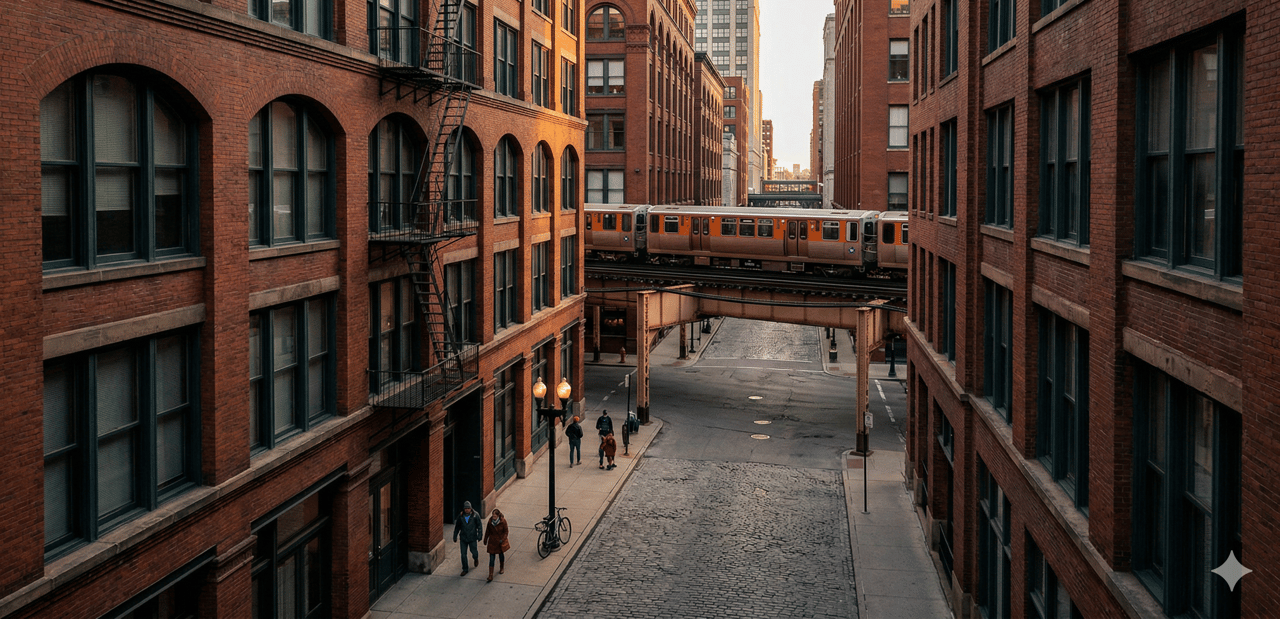
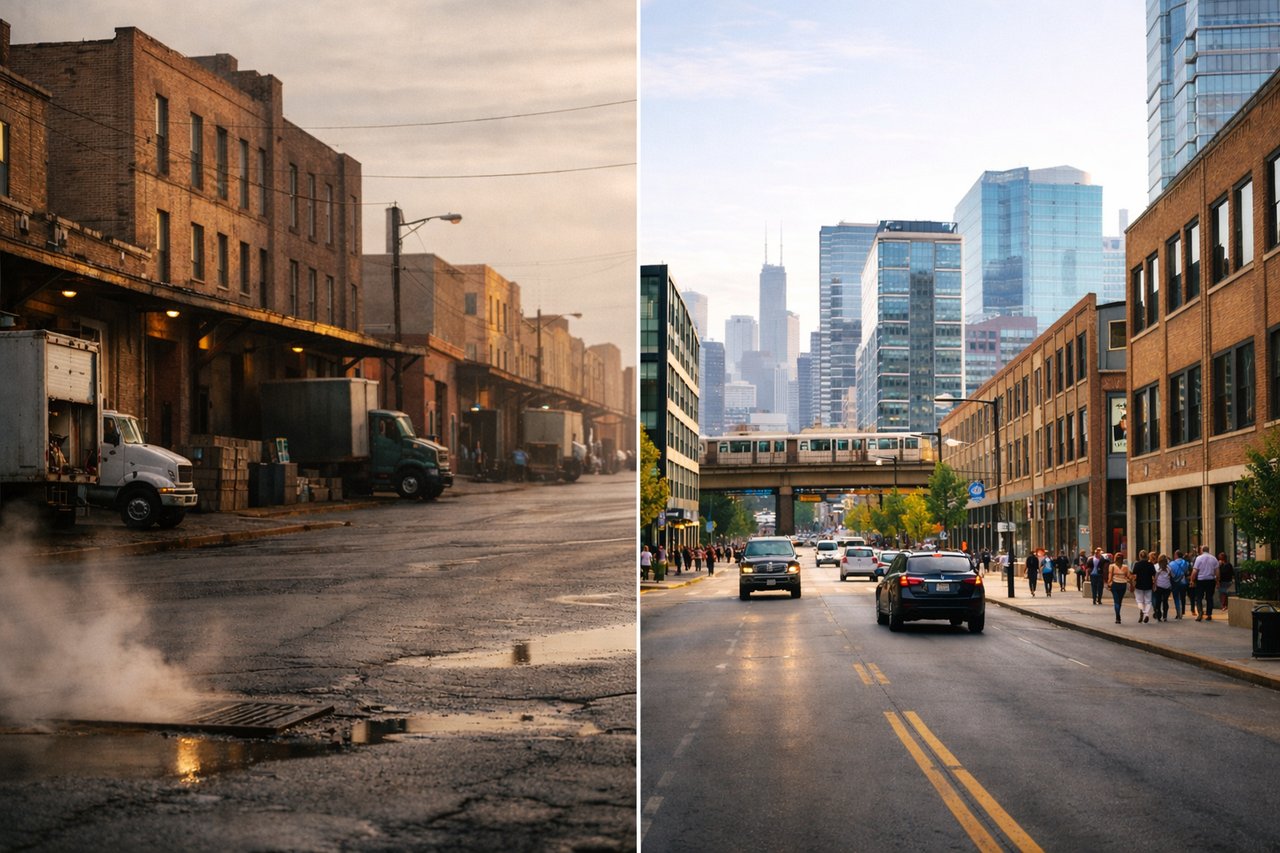
For most of the 1990s, it smelled like the meatpacking facility a block over. The street was quiet before 9am and even quieter after 5pm. If you'd told me then that one day that same block would have a two-hour brunch wait on a Sunday morning, I would have laughed you out of my car.
But that’s Chicago’s West Loop.
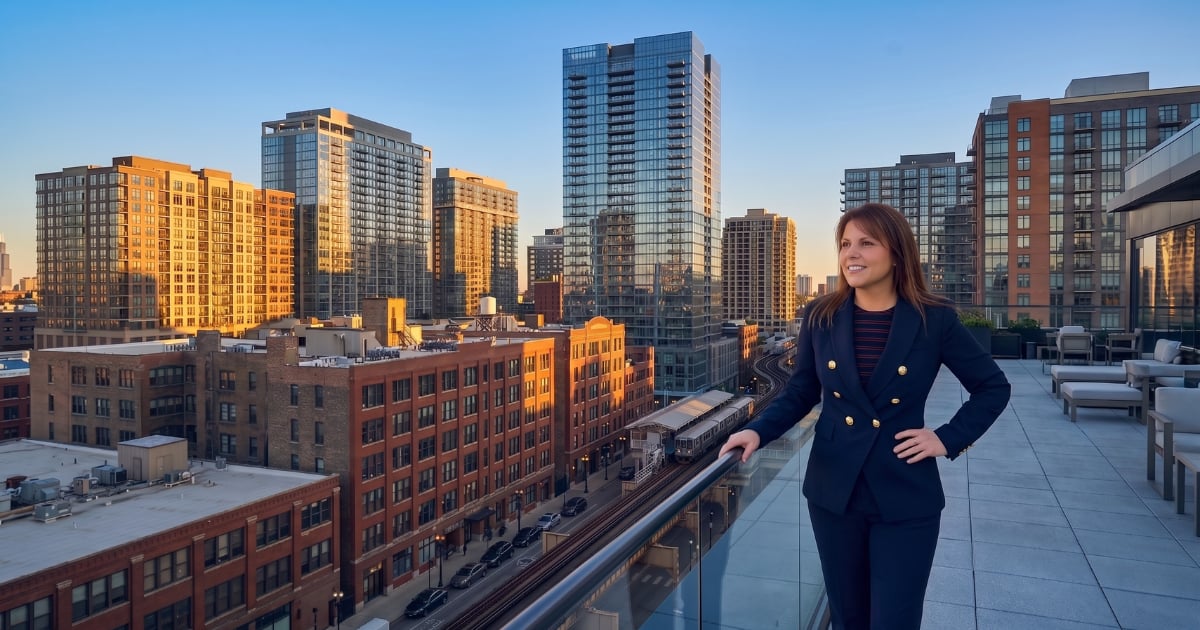
And after 30 years of living and working in the West Loop, I've had a front-row seat to one of the most remarkable neighborhood transformations in Chicago's history.
What the West Loop Actually Looked Like 30 Years Ago
When I started in real estate, the West Loop was not a destination. It was an industrial corridor just west of downtown Chicago.
The warehouses were still working warehouses.
Loading docks, not rooftop decks.
Freight elevators, not luxury amenities.
The people who lived here were here for one reason. Price.
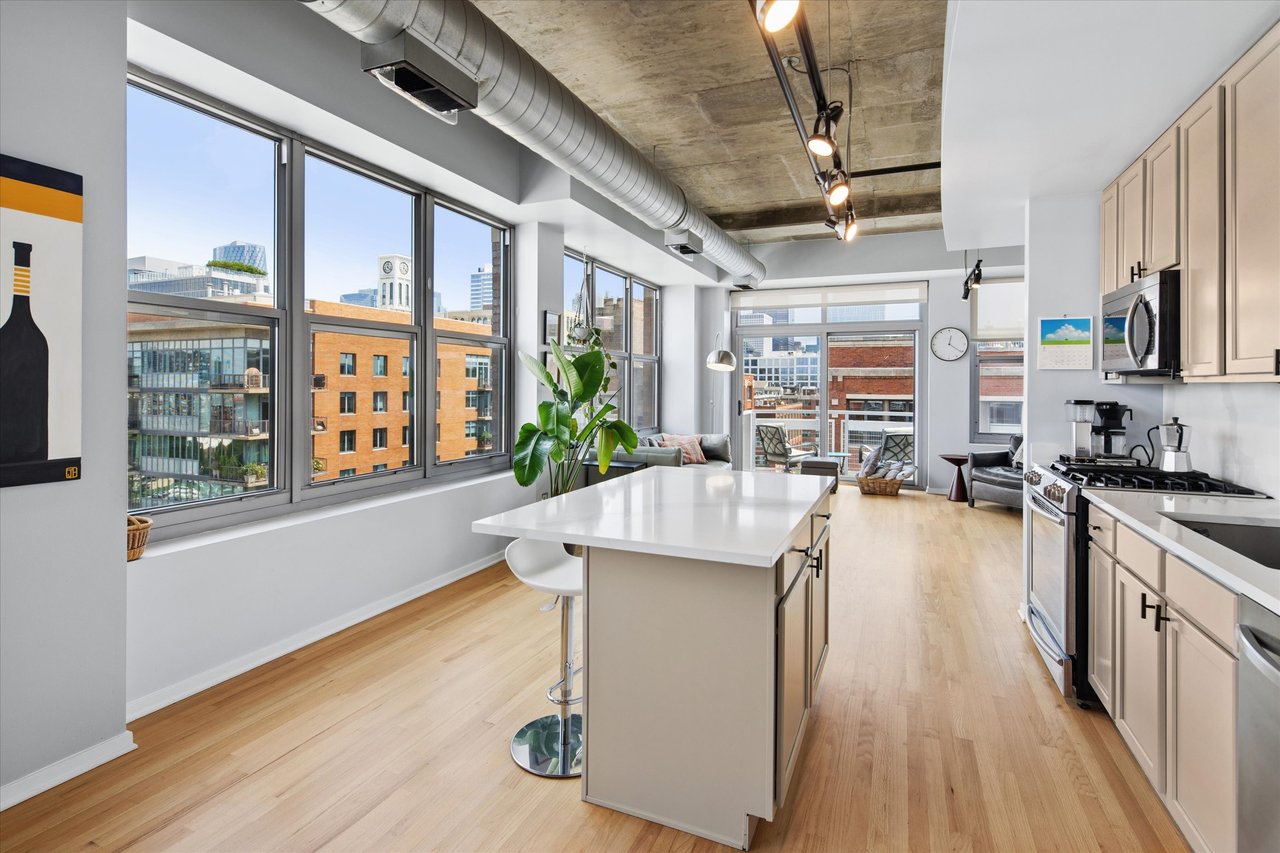
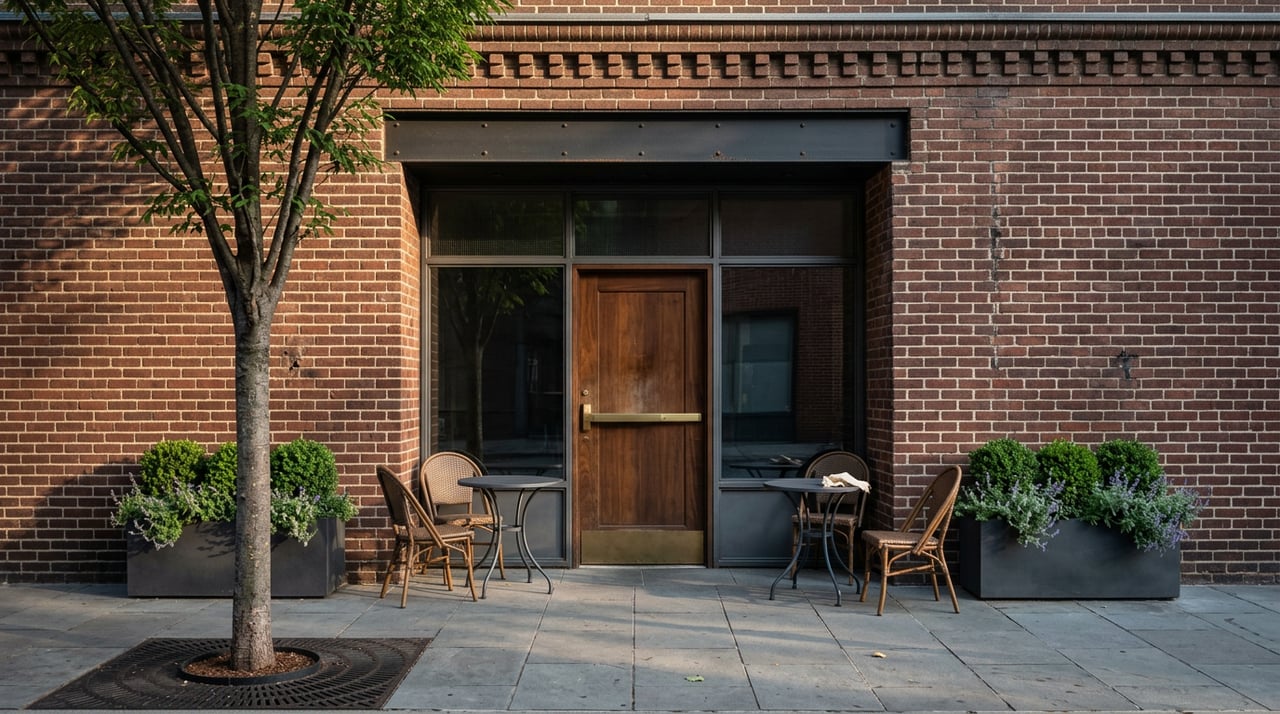
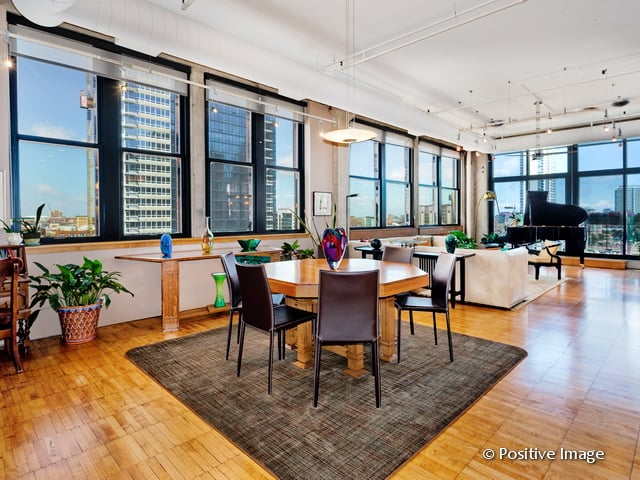
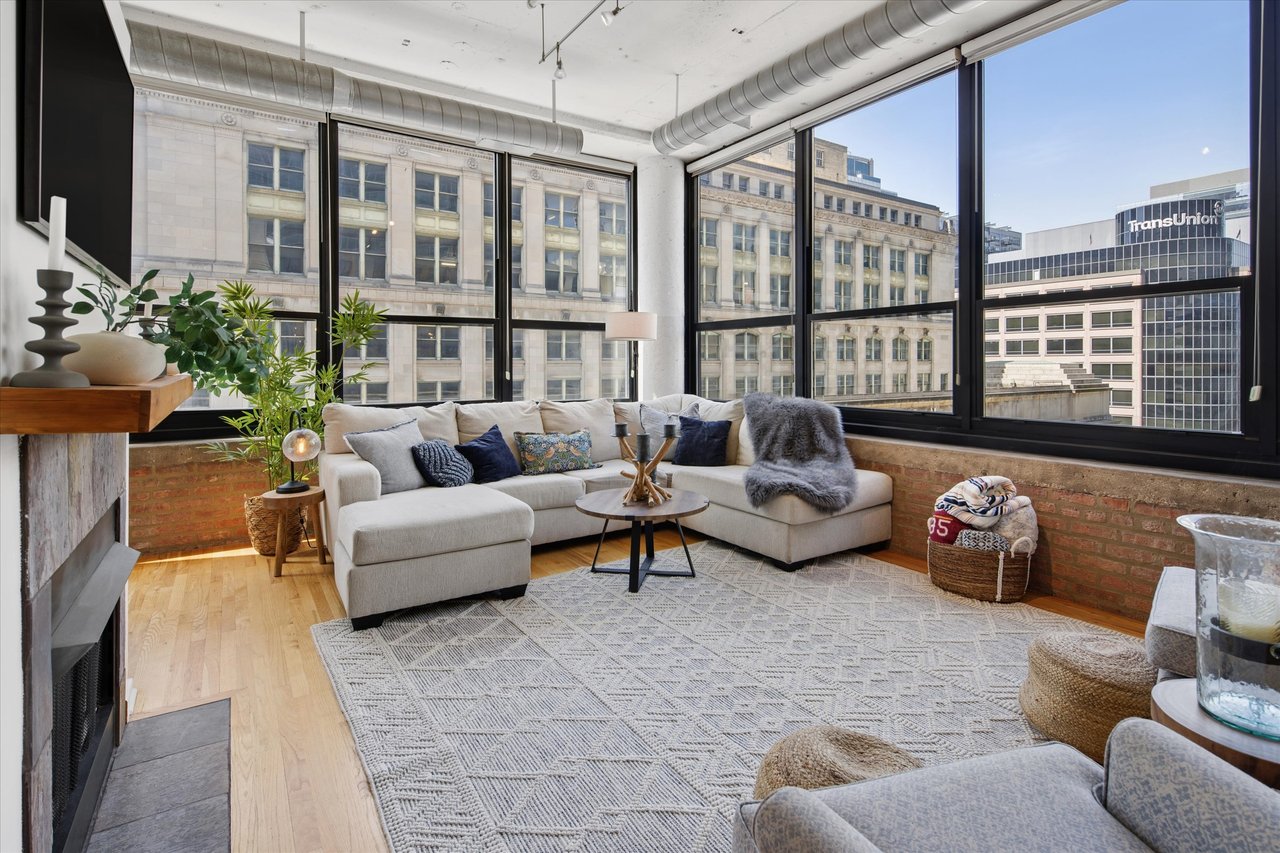
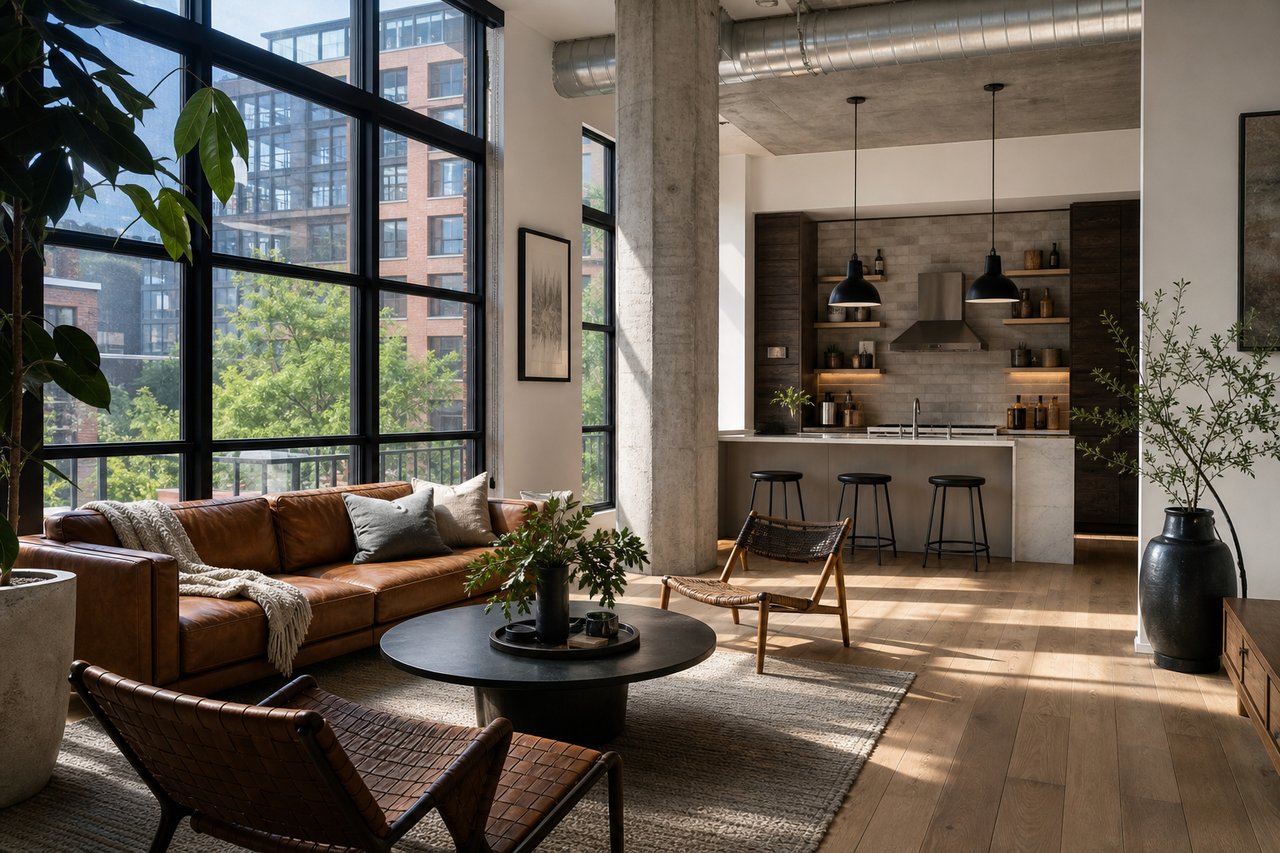
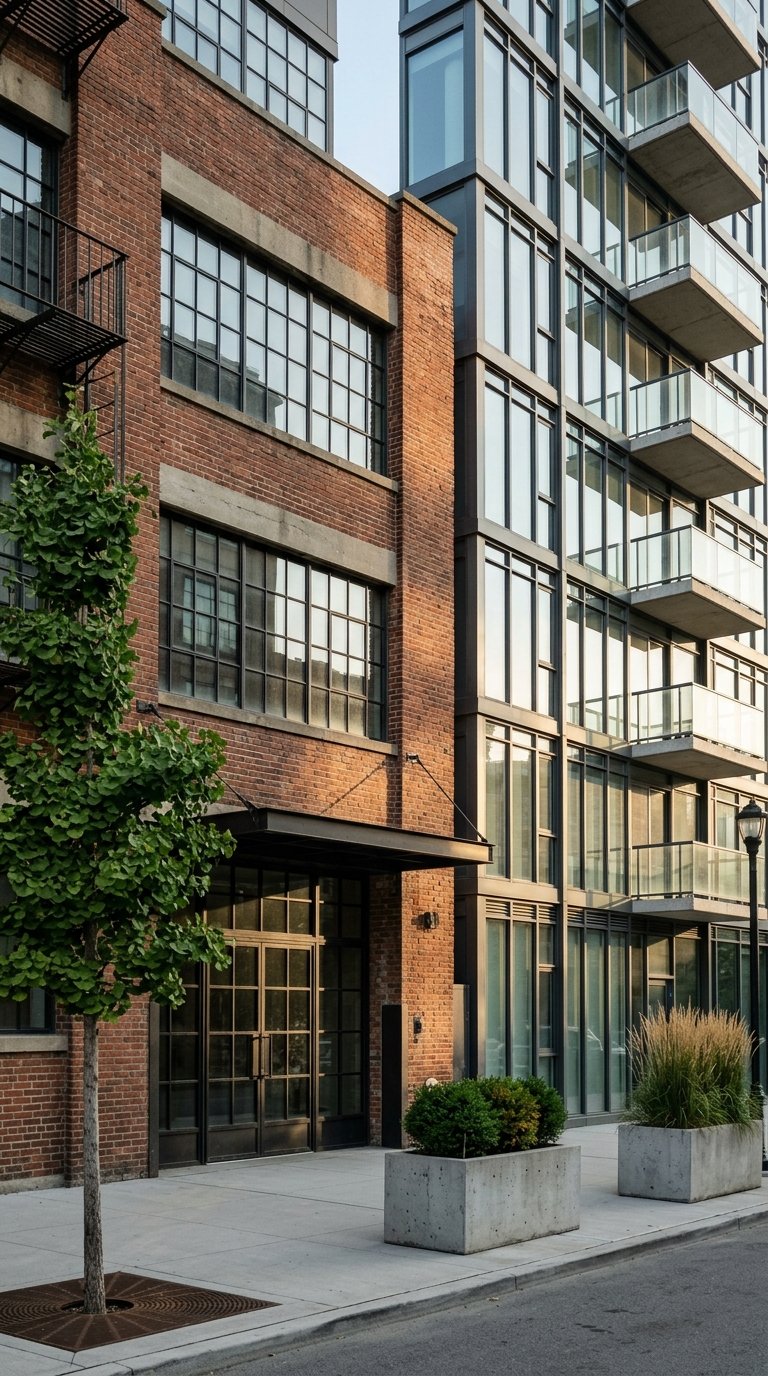
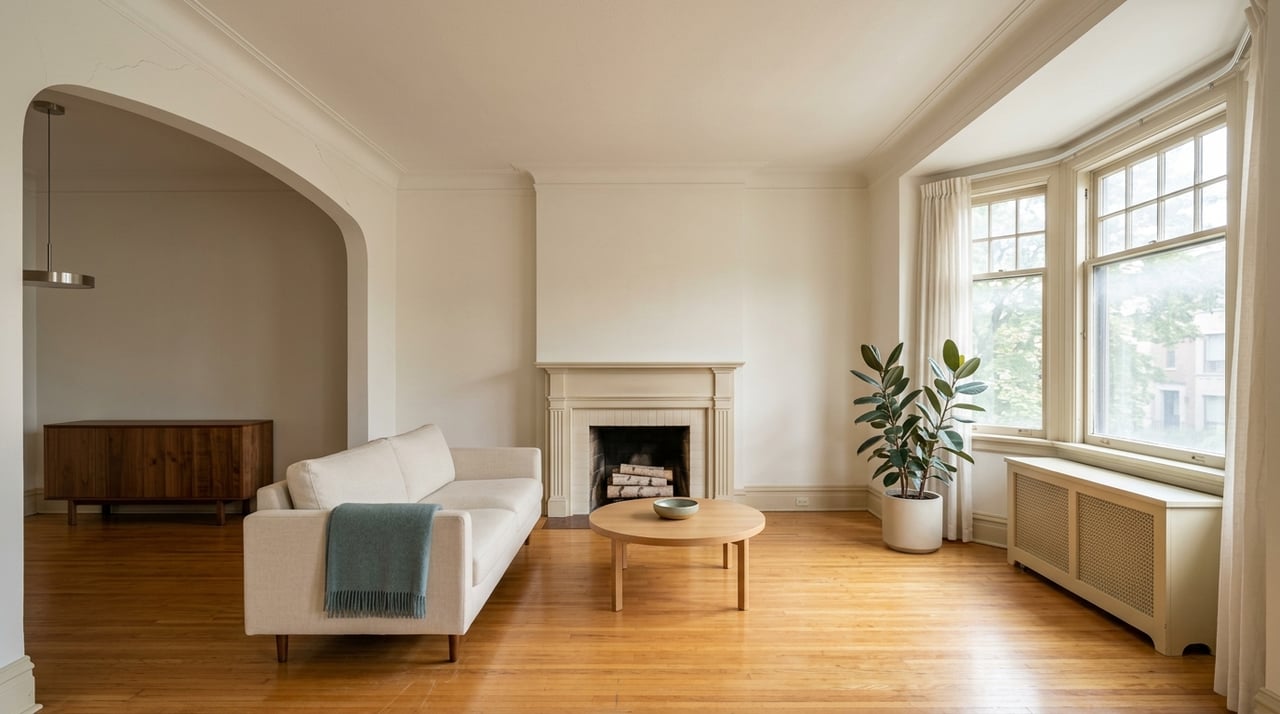
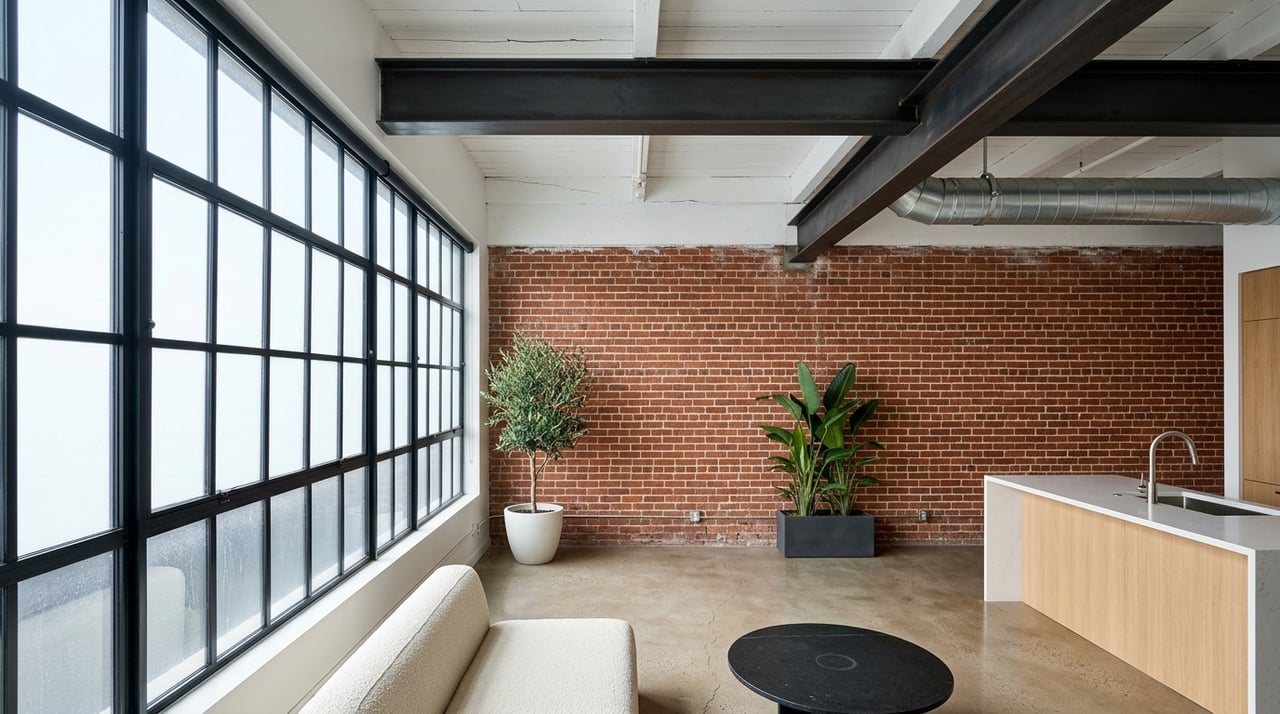
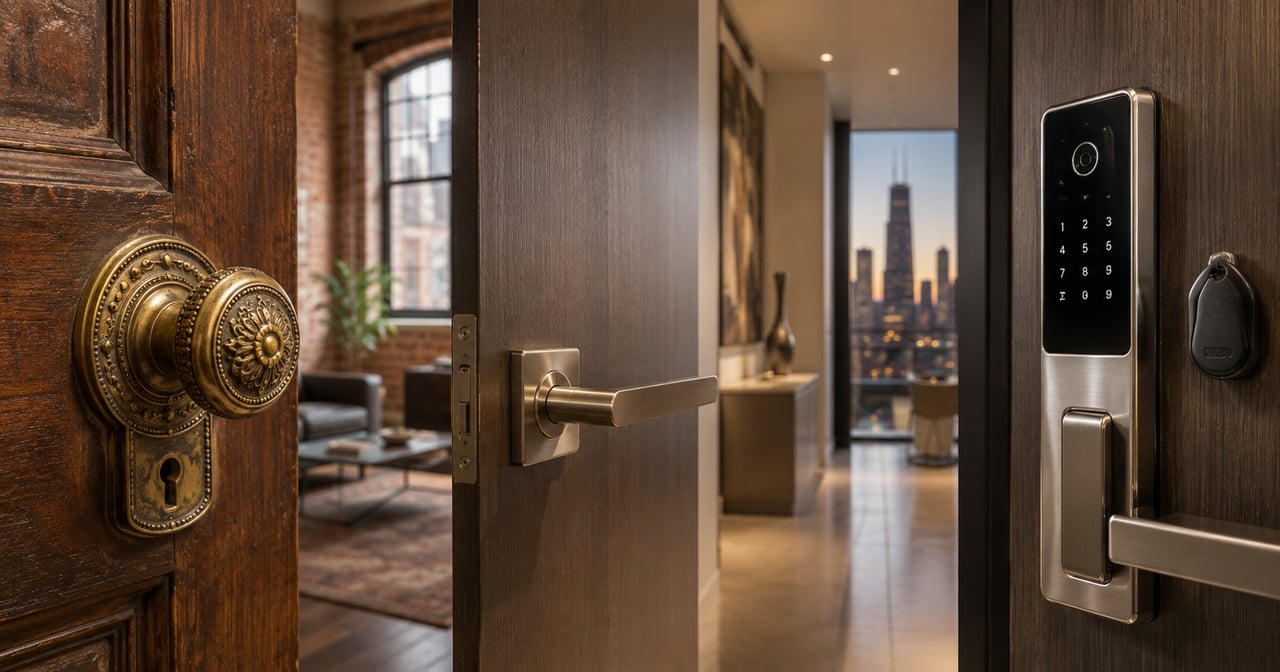
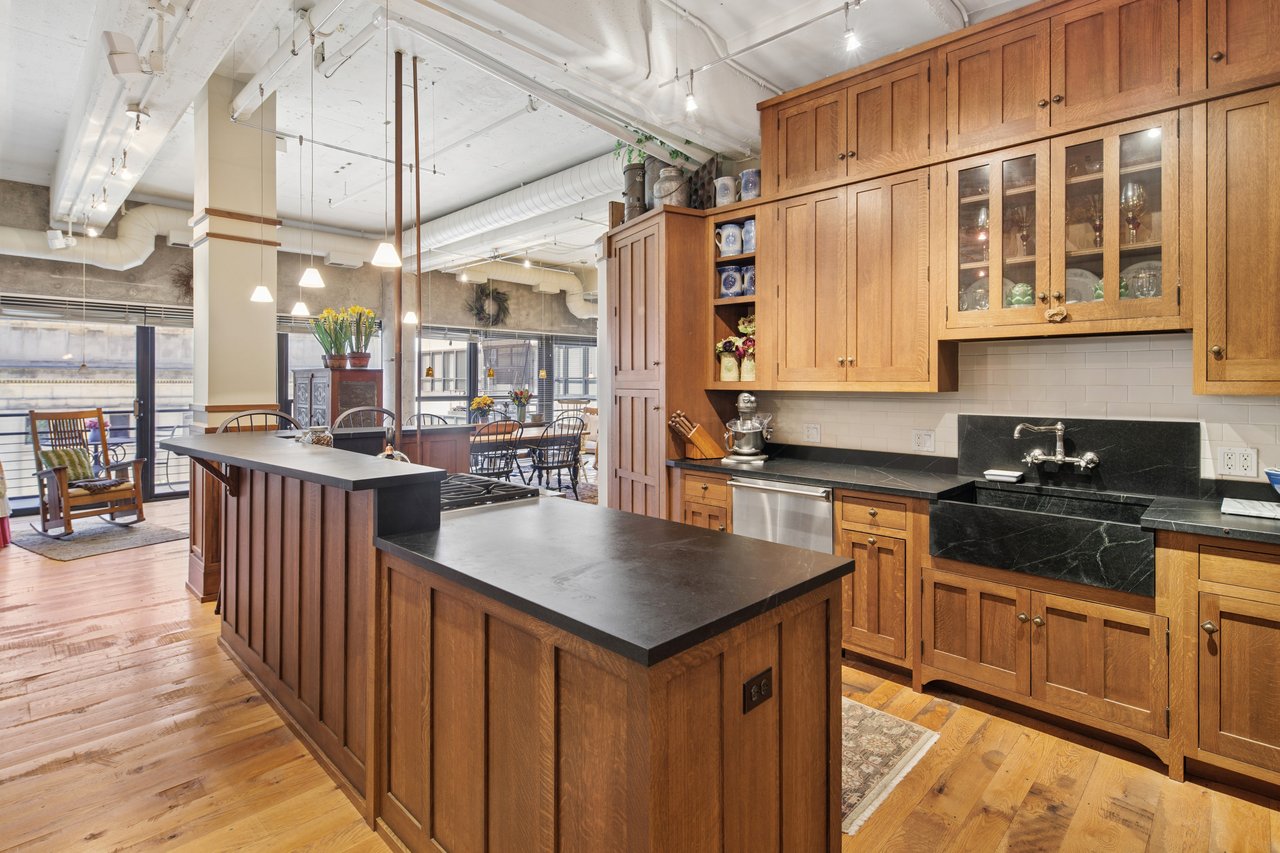
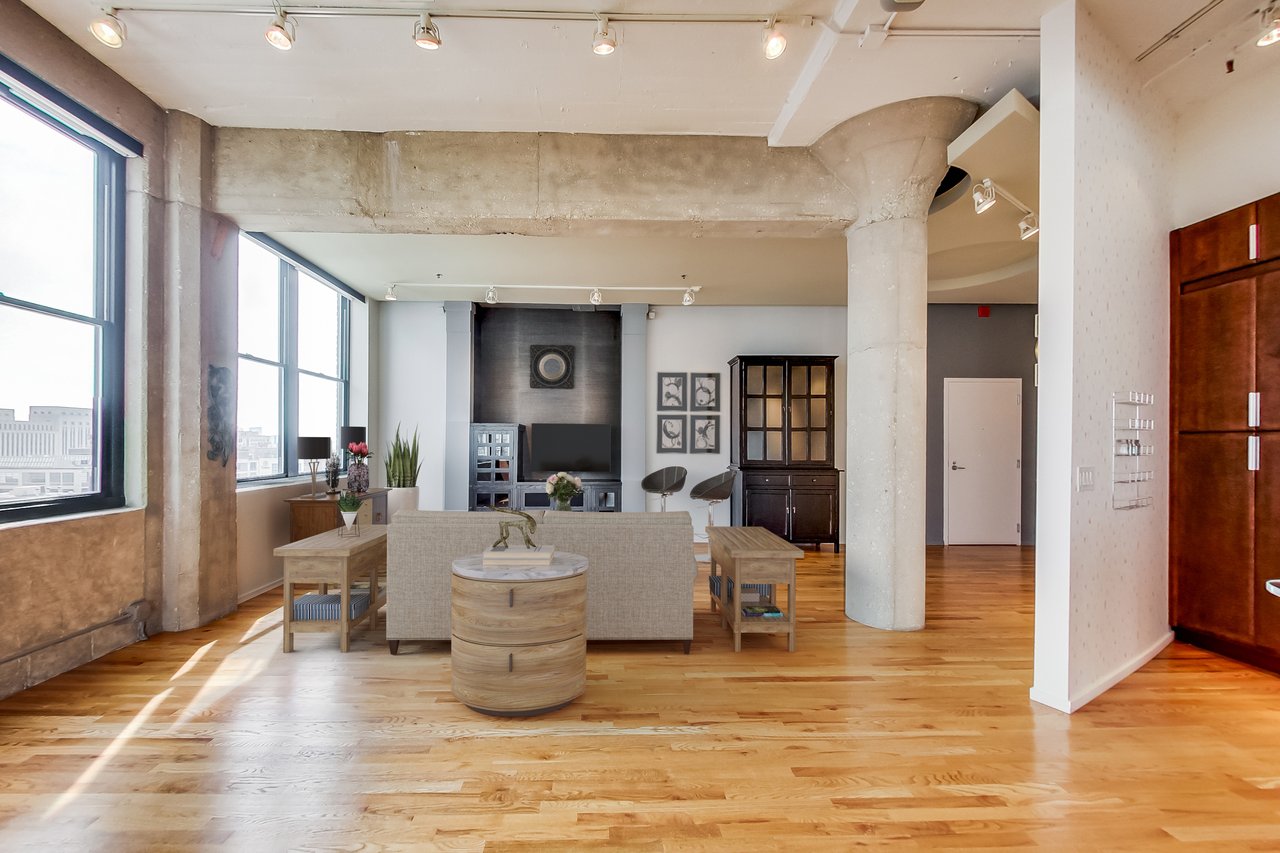
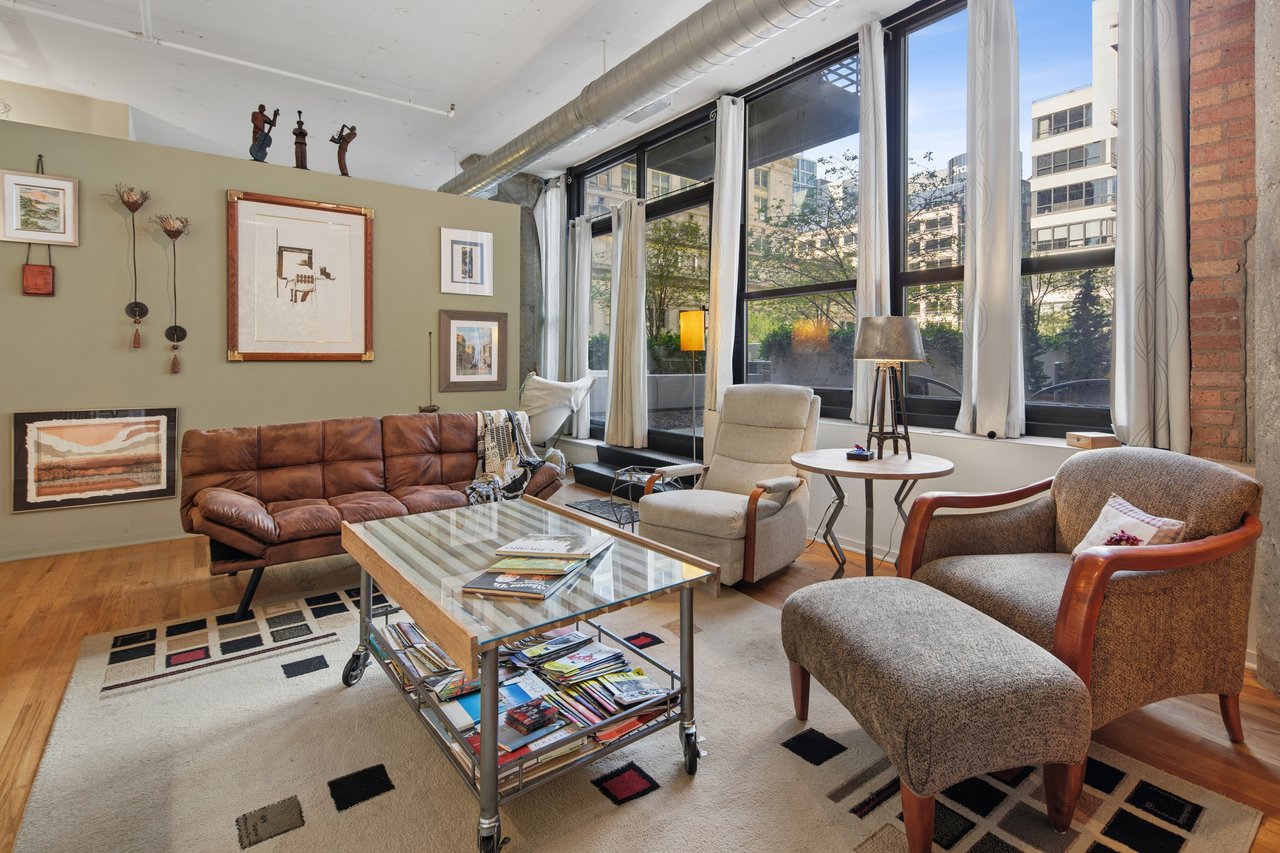
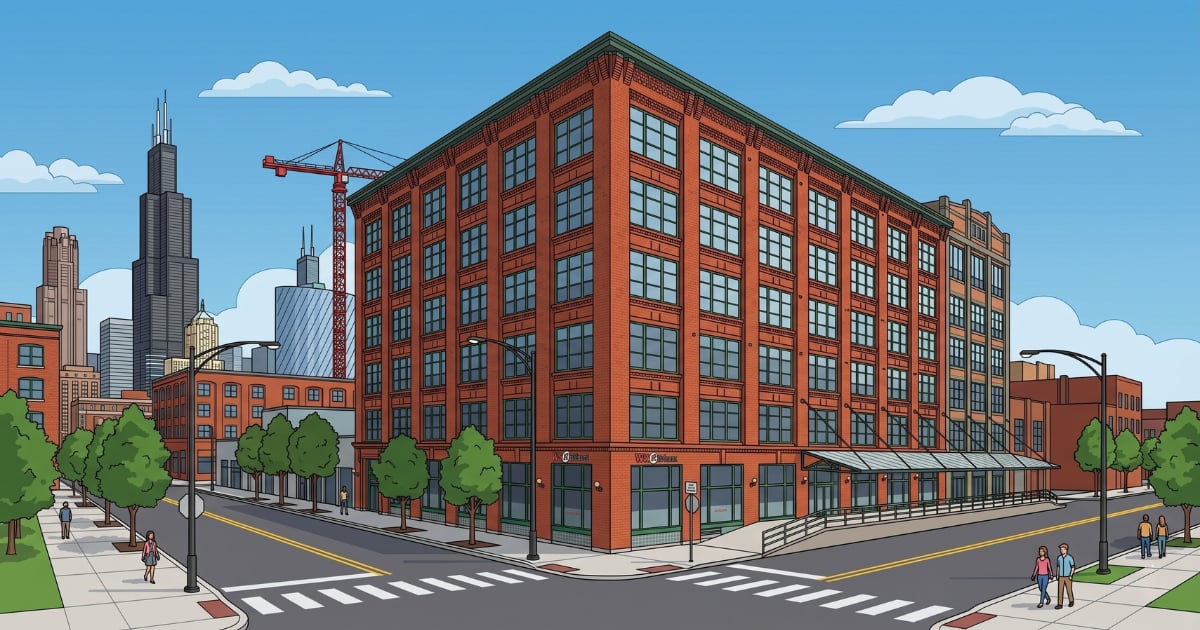
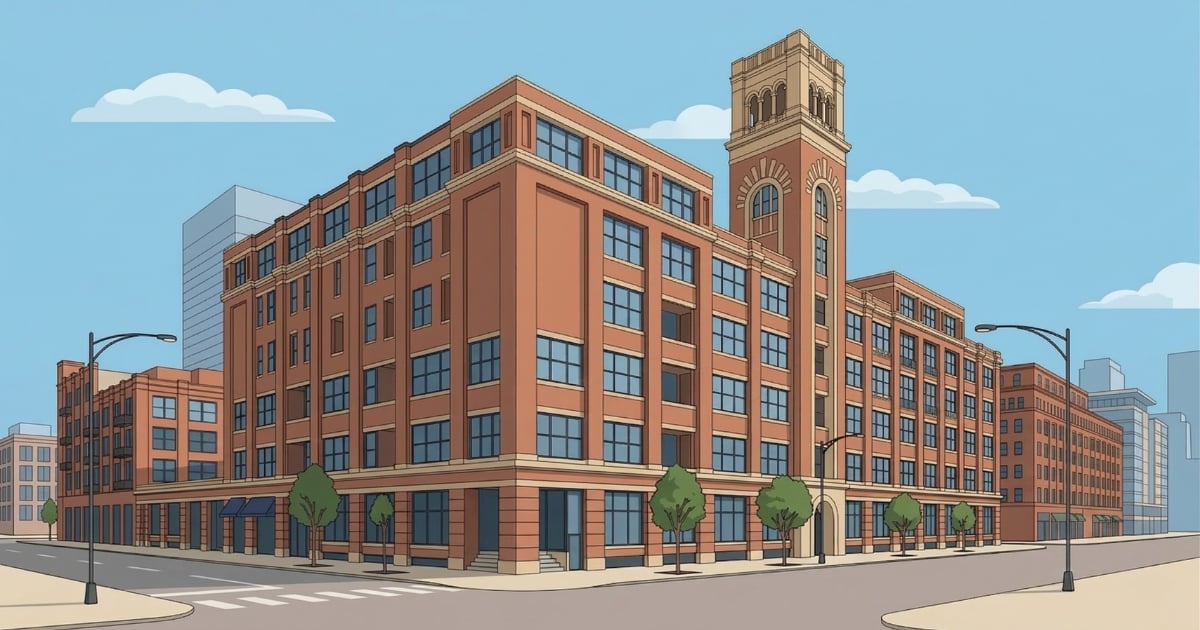
I remember showing loft buildings with exposed brick and raw timber ceilings. Not because they were trendy, but because nothing had been updated yet.
Some buyers saw potential.
A lot of them walked right back out.
The Shift Nobody Saw Coming (Until It Was Already Here)
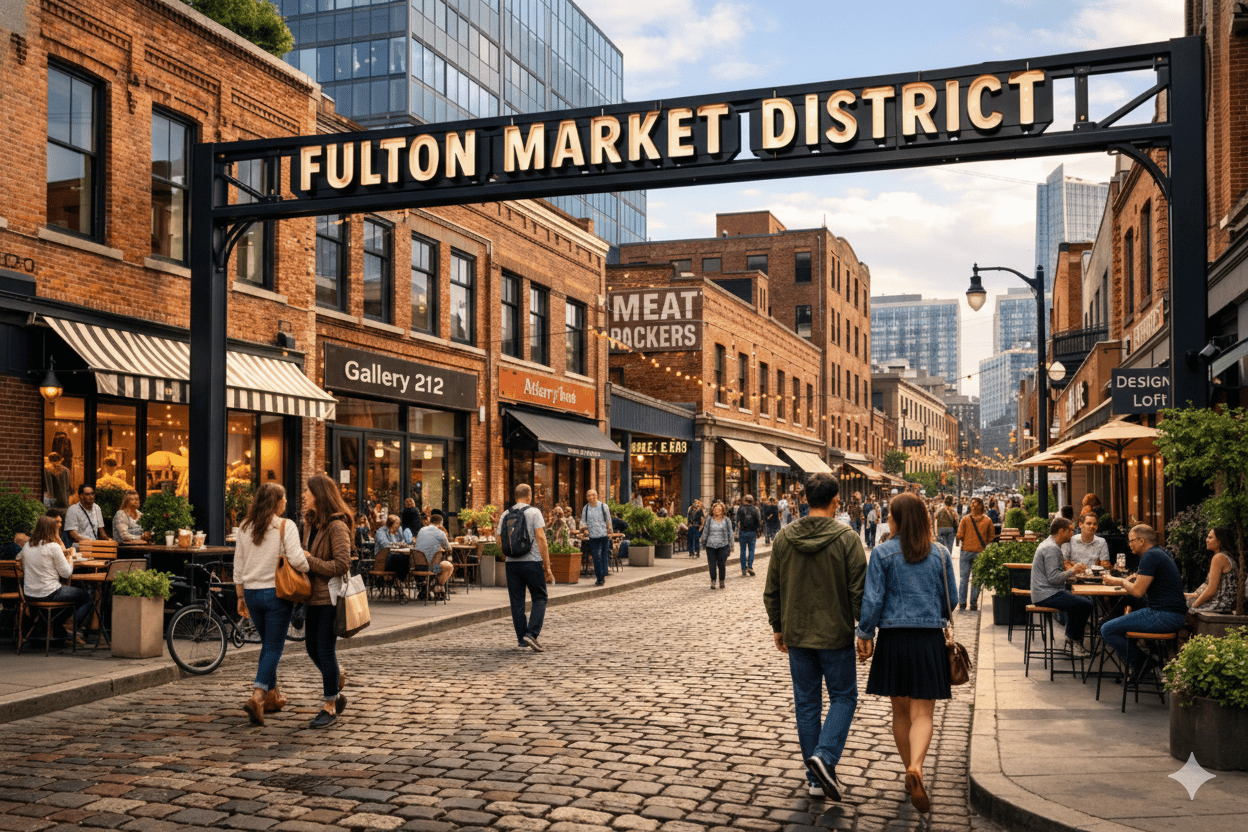
Somewhere in the early 2000s, something started to quietly change. If you look at today’s West Loop real estate market insight, you can clearly see how that shift played out over time. Chefs started signing leases on Randolph Street. Artists moved into the lofts. A few brave buyers started asking me, "What about over there, West of the highway?"
I always said the same thing: "That neighborhood is going to be something special. The question is when."
The answer turned out to be: sooner than anyone expected.
By the time Fulton Market started drawing national attention, the buyers who had taken that early leap were sitting on some of the best investments of their lives — the kind of move that often turns into a smart long term investment in this neighborhood. I think about those clients often. The ones who trusted the bones of the neighborhood before the amenities caught up.
What's Changed — And What Hasn't
Thirty years in, here's what genuinely surprises me when I stop to think about it:
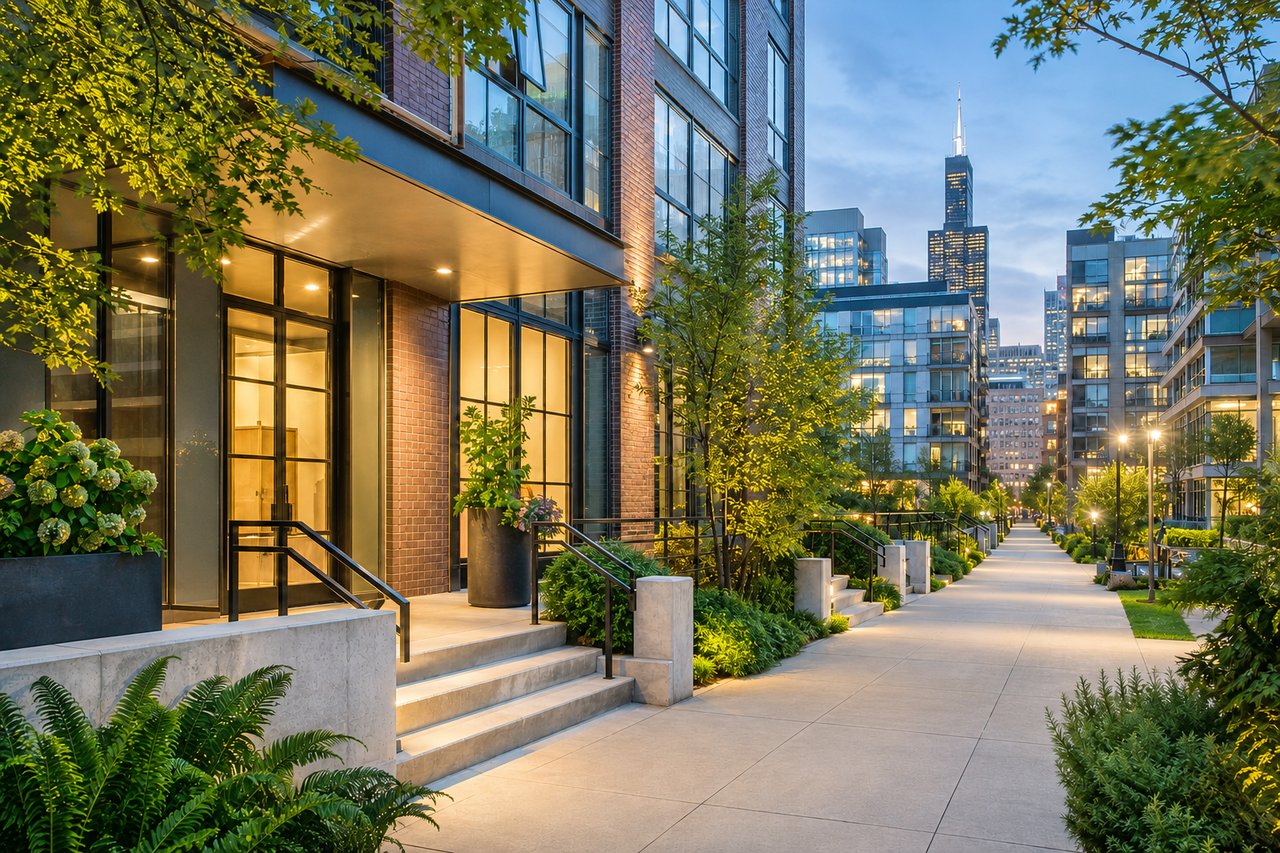
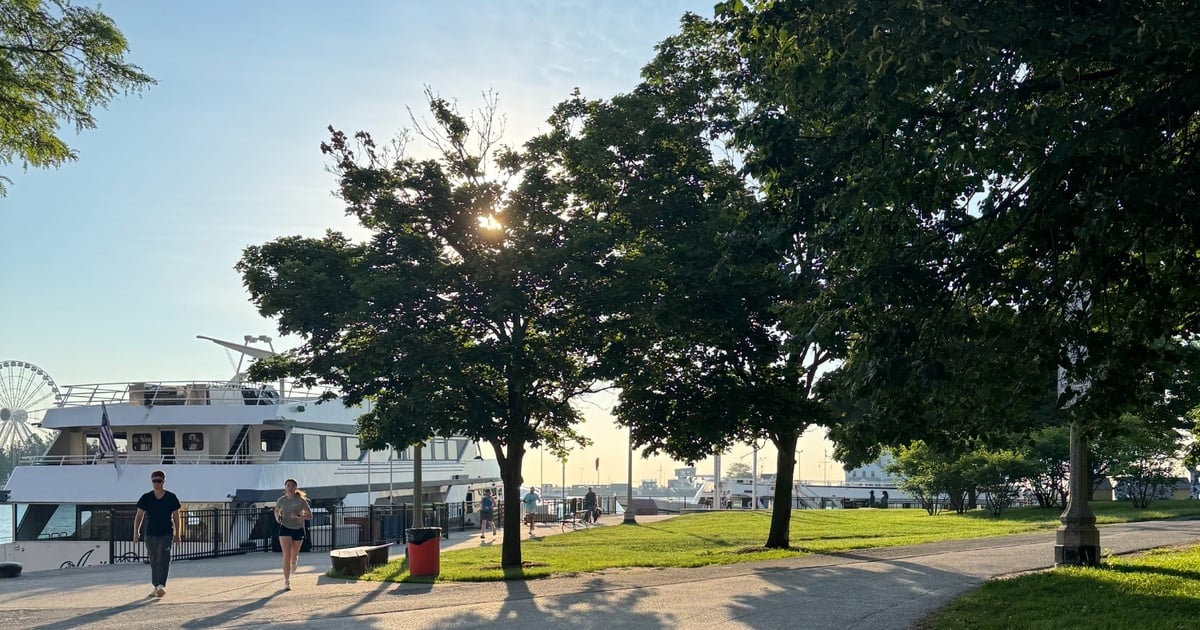
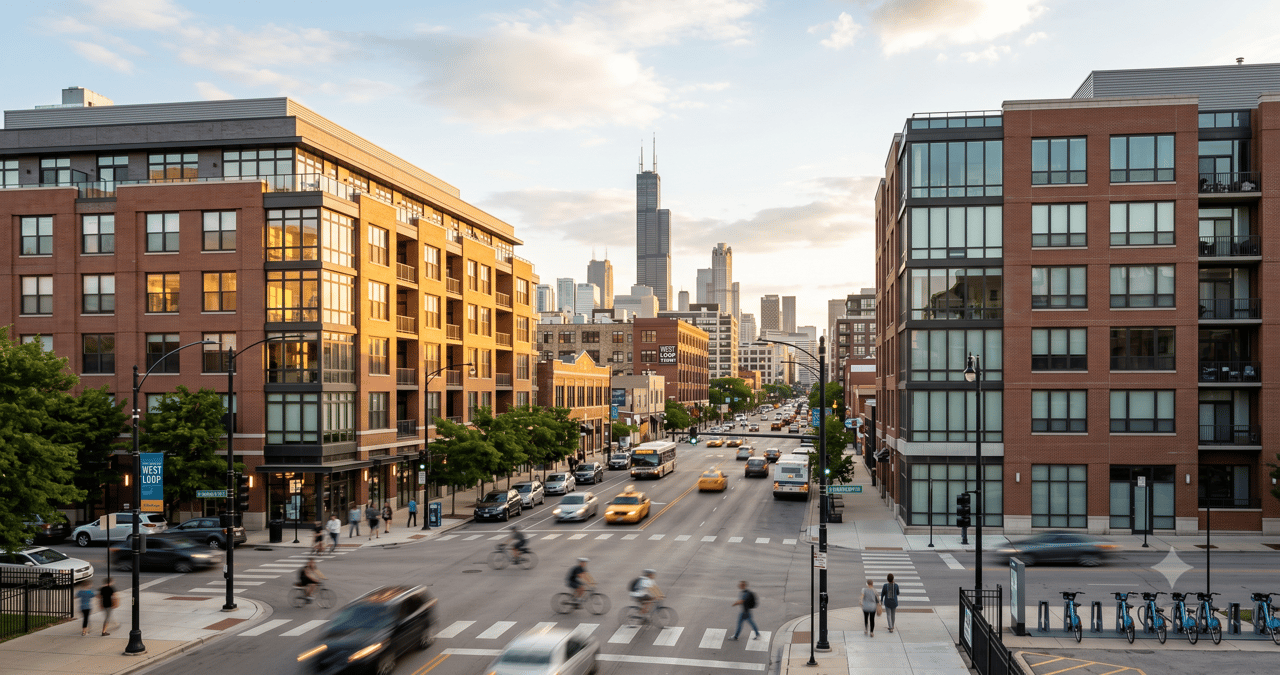
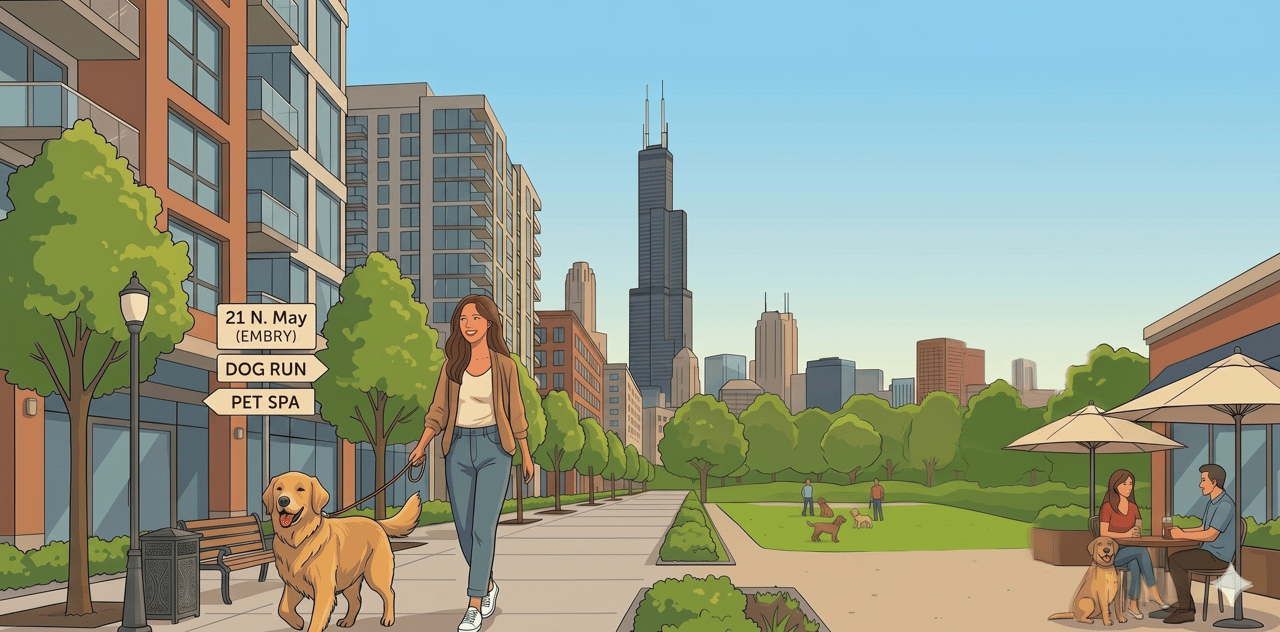
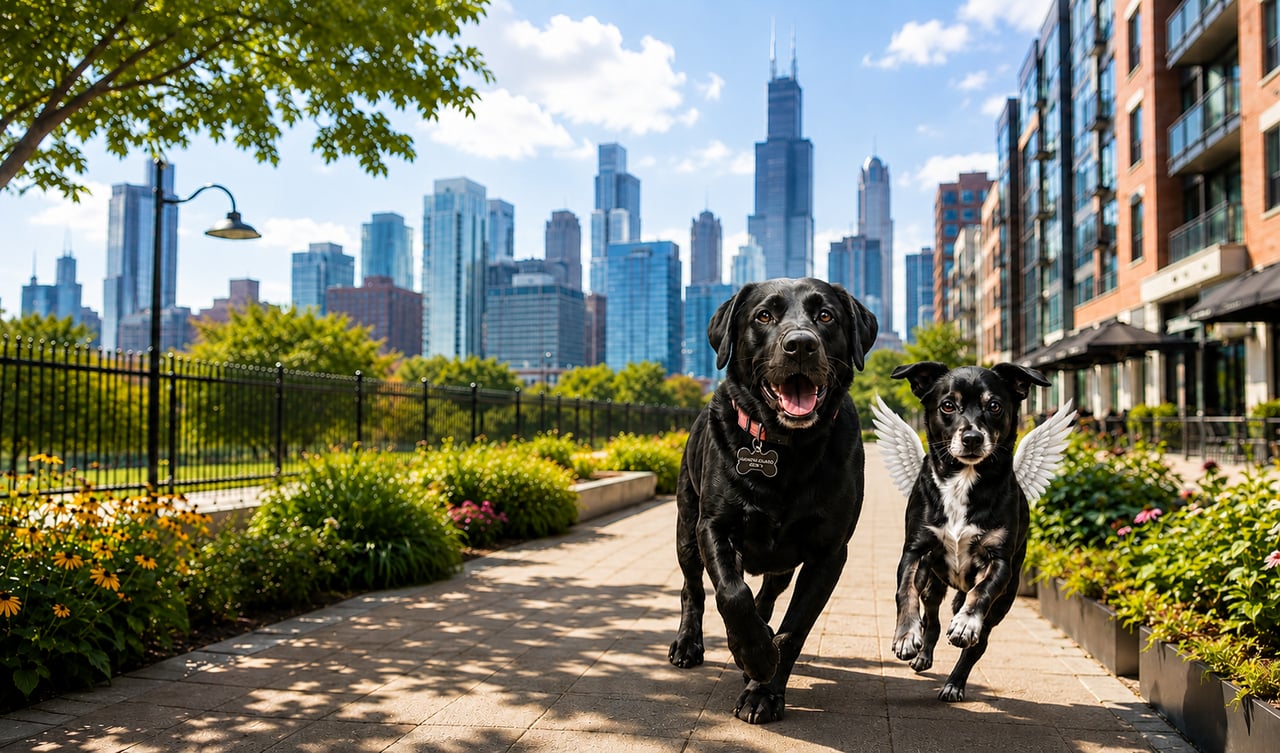
The streets are louder now. In the best way. There's foot traffic at midnight on a Tuesday. There are dog parks and coffee shops and a farmer's market. The energy is completely different.
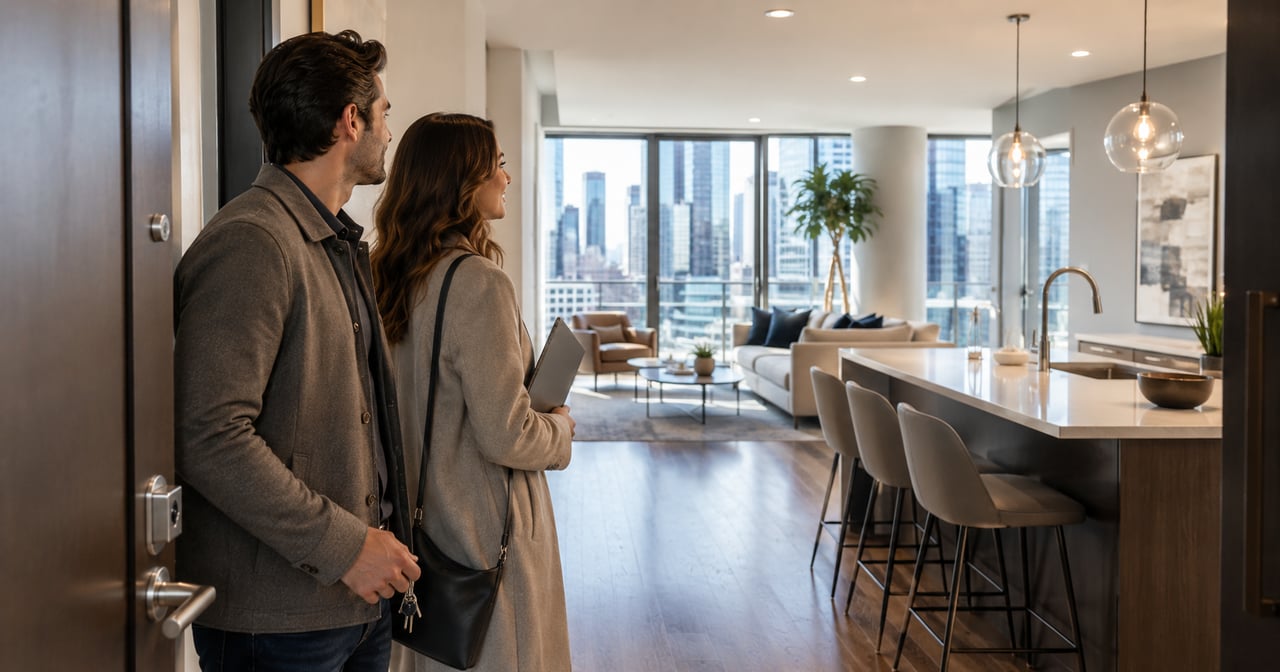
I'm seeing a new wave of buyers who don't just want to live here, they want to belong here. Early on, the West Loop attracted a certain adventurous type. Now I'm working with people who grew up watching this neighborhood bloom, and they want to plant roots here. That’s exactly what makes buying a West Loop condo today a very different experience than it was even ten years ago. That's a different kind of buyer, and honestly, a really exciting one.
The prices tell the whole story. And if you really want to understand what really drives the price of a West Loop condo, it comes down to timing, location within the neighborhood, and how the area evolved block by block. I don't need to run the numbers for you - if you've done any research, you already know. What I will say is that the clients I think about most are the ones who asked the right questions early, and had the courage to act.
But the community pride? That never changed. Even in the scrappy, unglamorous early days, the people here loved this neighborhood. That spirit didn't get polished away, it just grew into something bigger.
Why I'm Still Here
People ask me sometimes why I never pivoted to the Gold Coast or River North or Lincoln Park, neighborhoods with longer track records and shinier listings.
My honest answer is that I fell in love with this neighborhood the same way my clients did. Slowly, then all at once.
There's something about watching a place grow up, really grow up, that creates a kind of loyalty you can't manufacture. I know which blocks flooded before the infrastructure improved. I know which buildings were converted first and which ones held out the longest. I know the history underneath the exposed brick.
That knowledge isn't just trivia. It's the thing that helps me serve my clients in a way that a newcomer simply can't.
Thirty years goes by fast when you love what you do and where you do it.
I'm curious, what's your favorite thing about the West Loop, or what made you first take notice of this neighborhood? Drop it in the comments. I'd genuinely love to know.
Frequently Asked Questions
Q: Is the West Loop still a good place to buy real estate, or has it already peaked?
A: In my 30 years here, I've heard "it's already peaked" at least a dozen times, and every time, the neighborhood proved that wrong. The fundamentals that drive value here are strong: walkability, transit access, world-class dining, and continued commercial investment in Fulton Market. I wouldn't bet against the West Loop.
Q: What types of properties are most common in the West Loop?
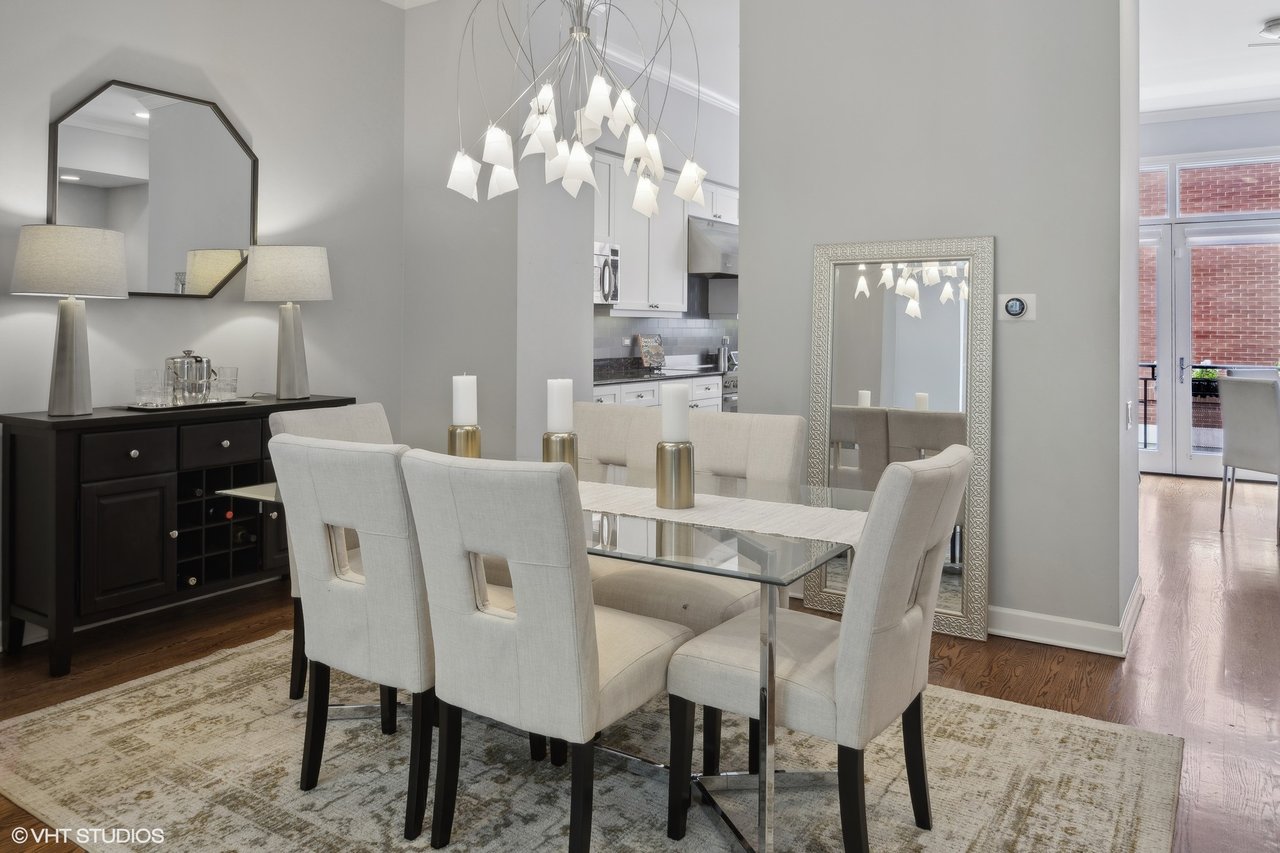
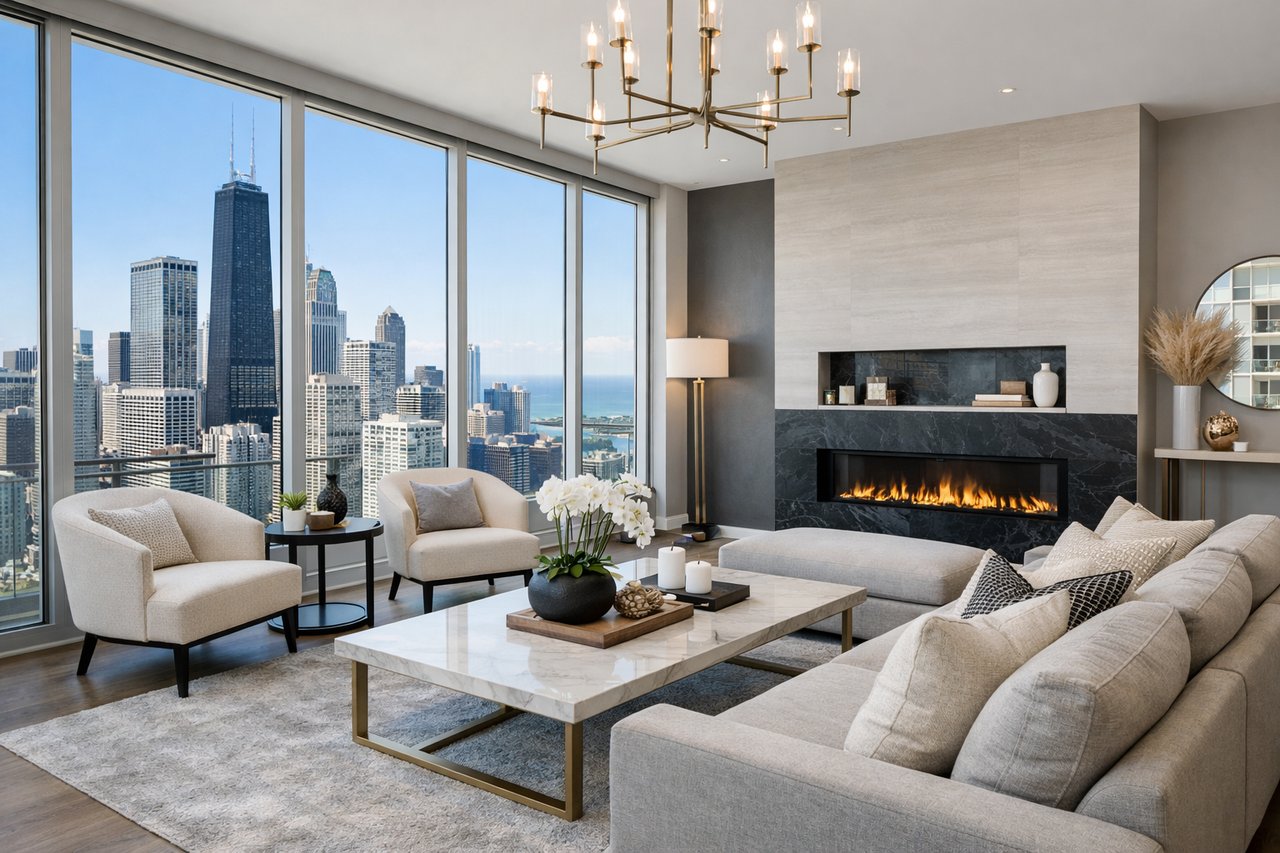
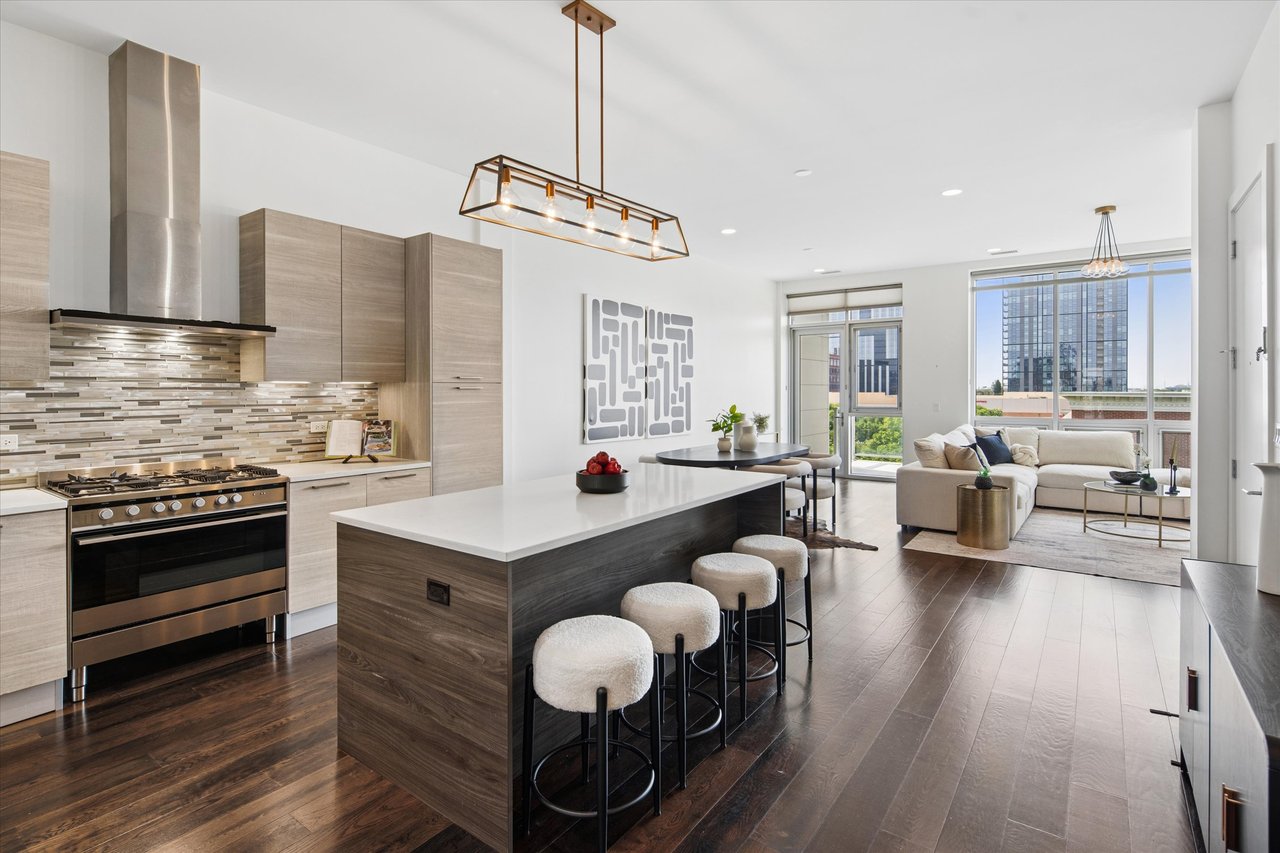
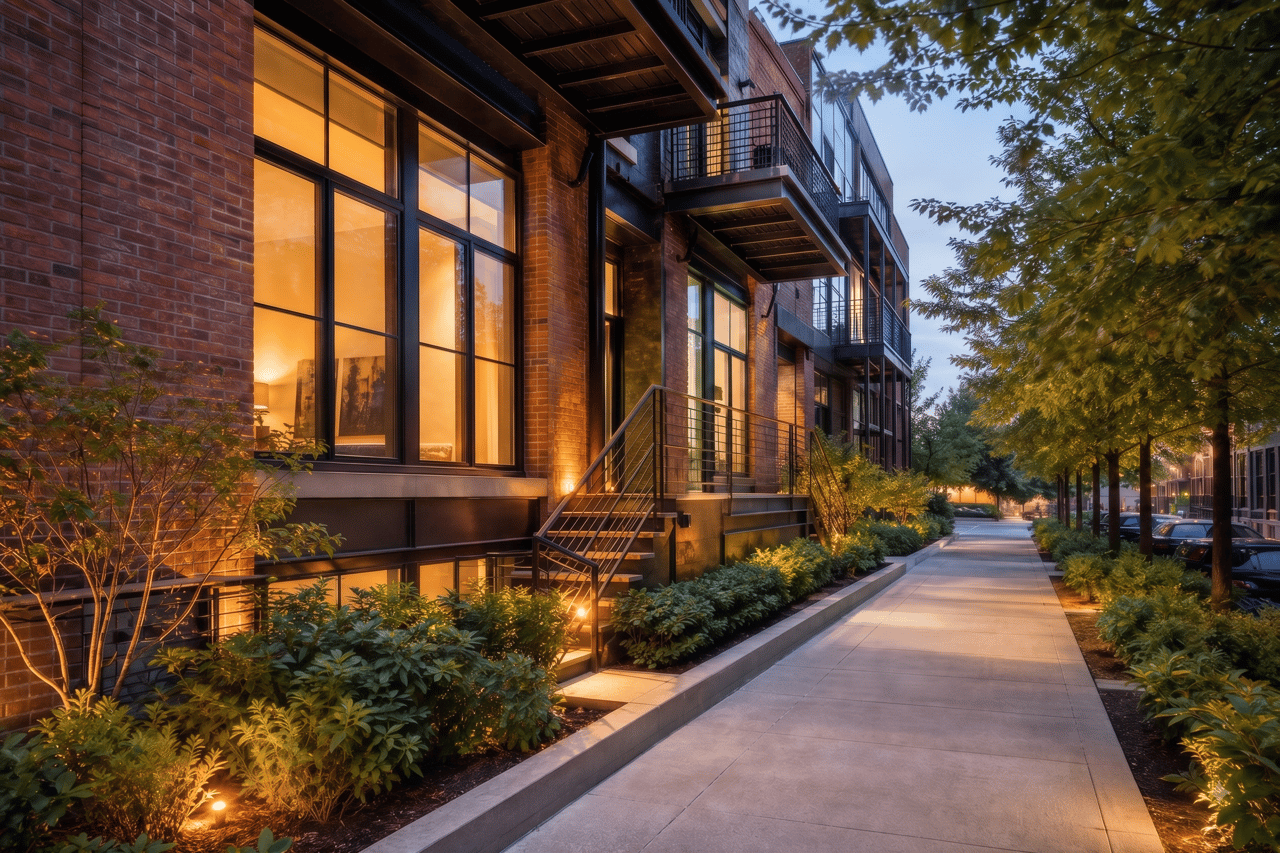
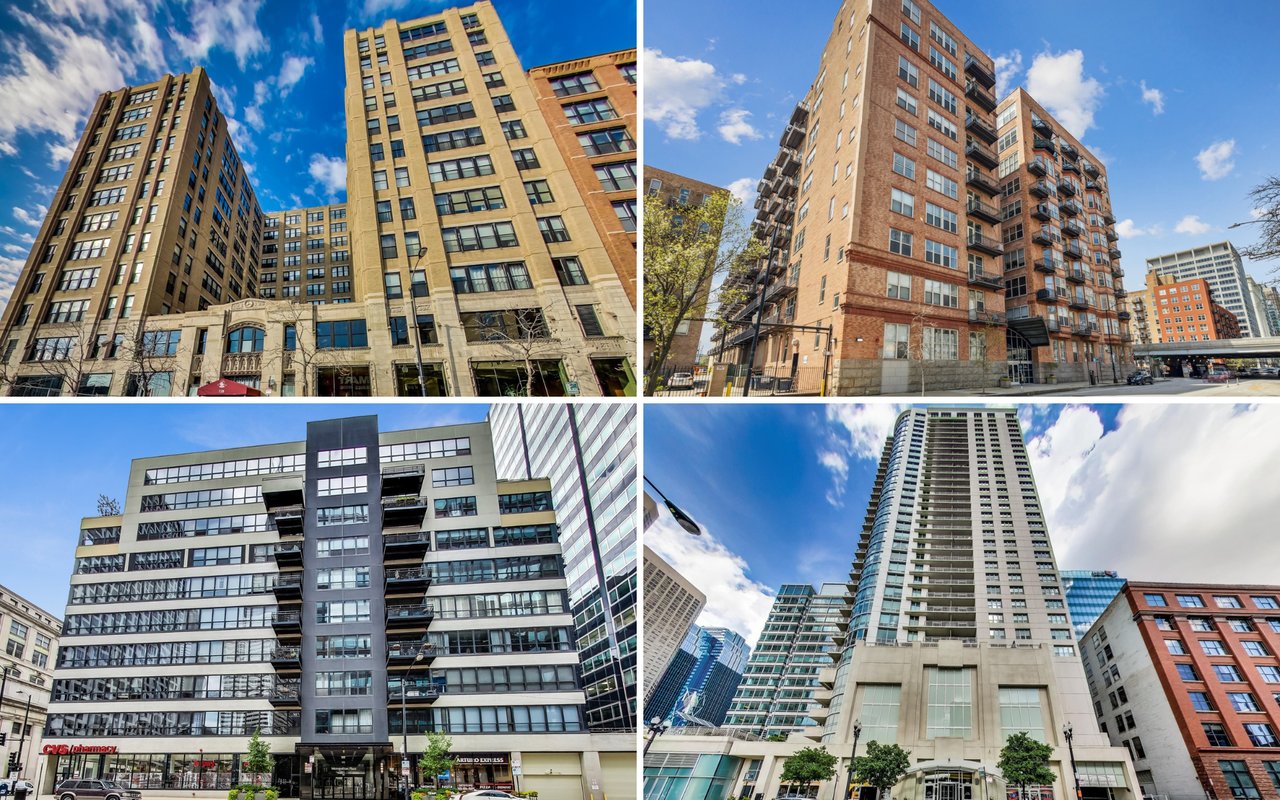
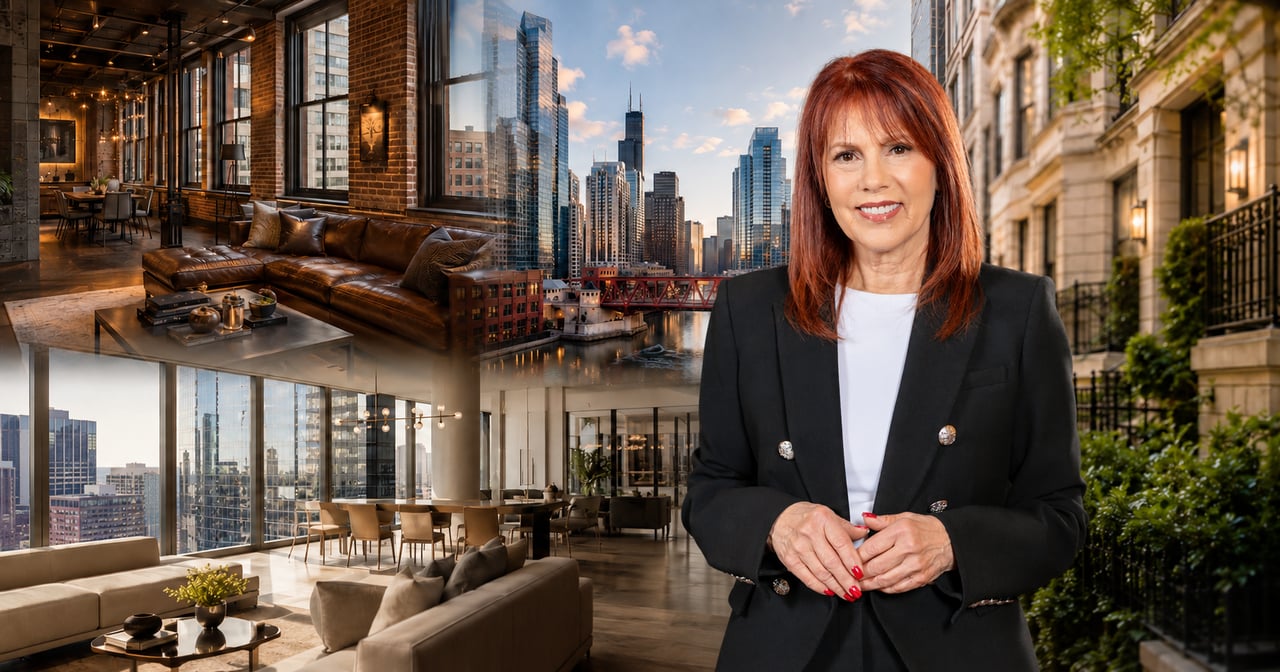
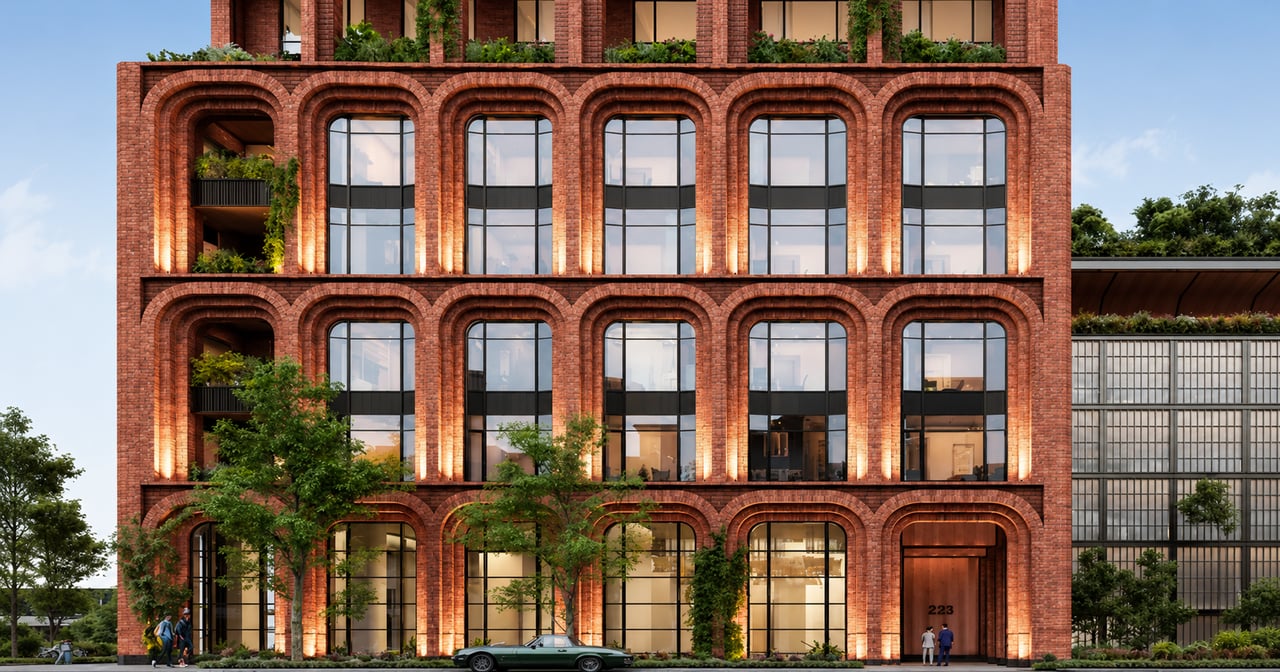
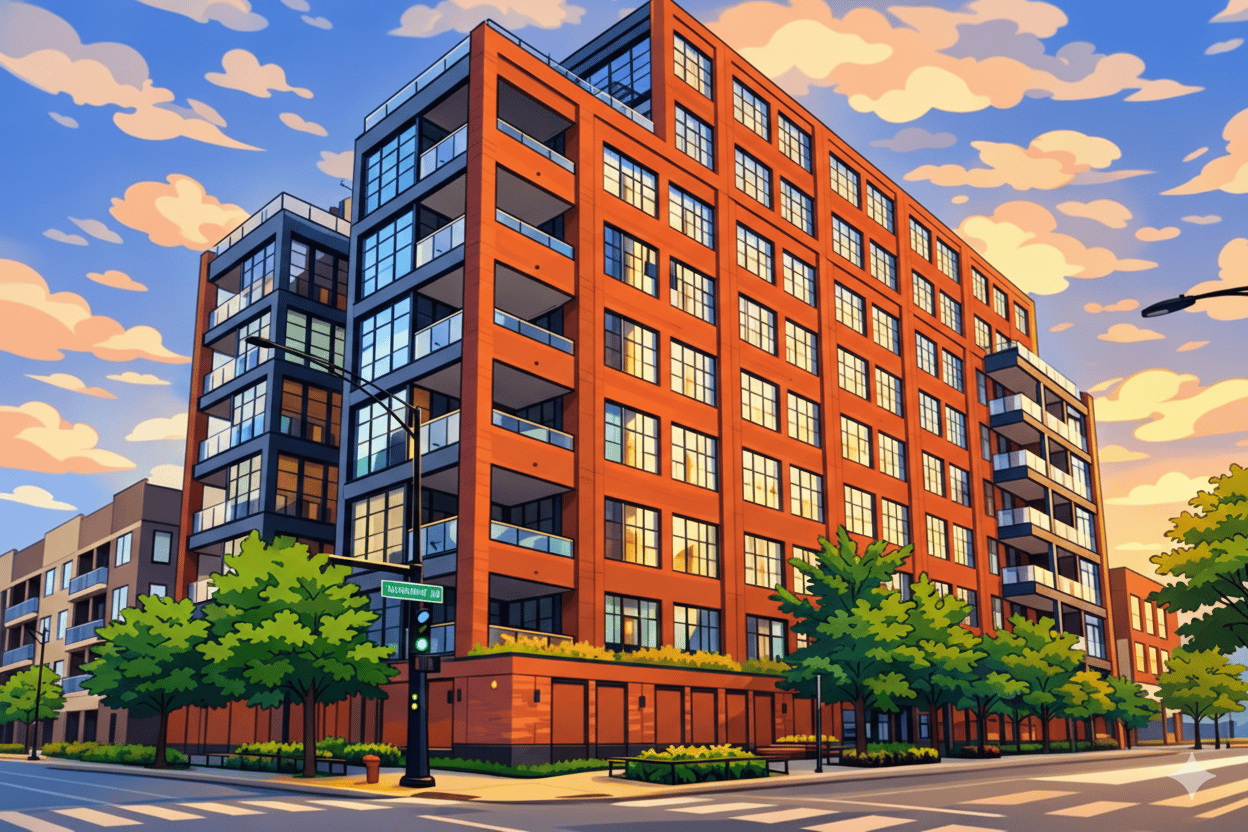
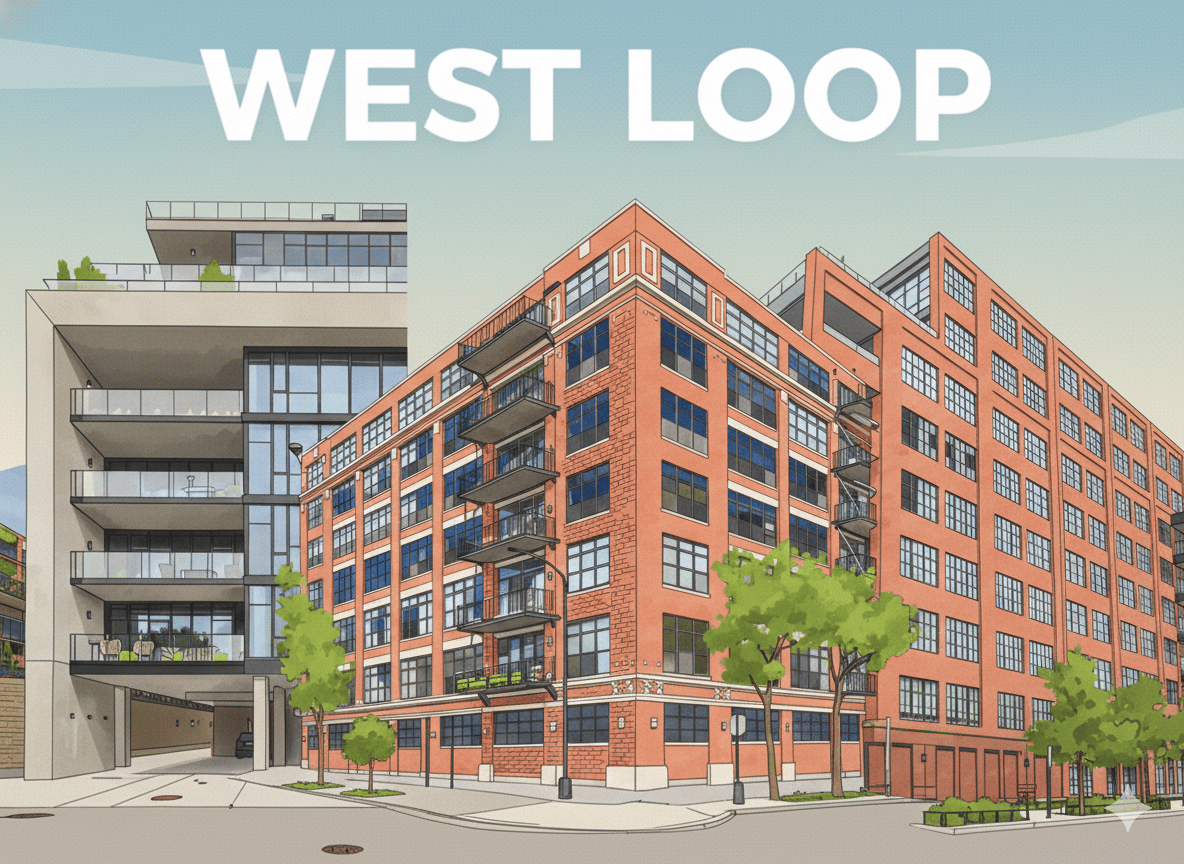
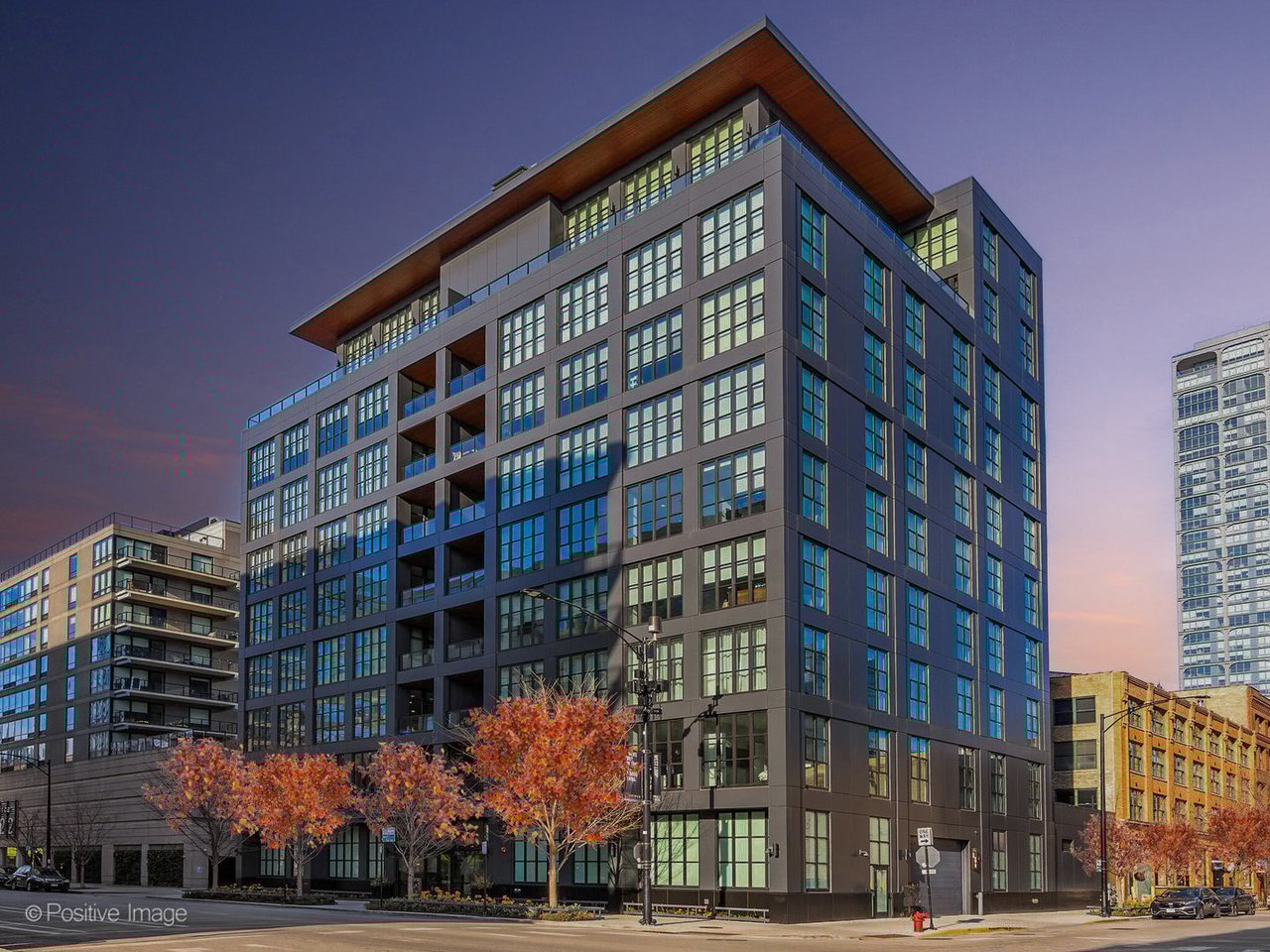
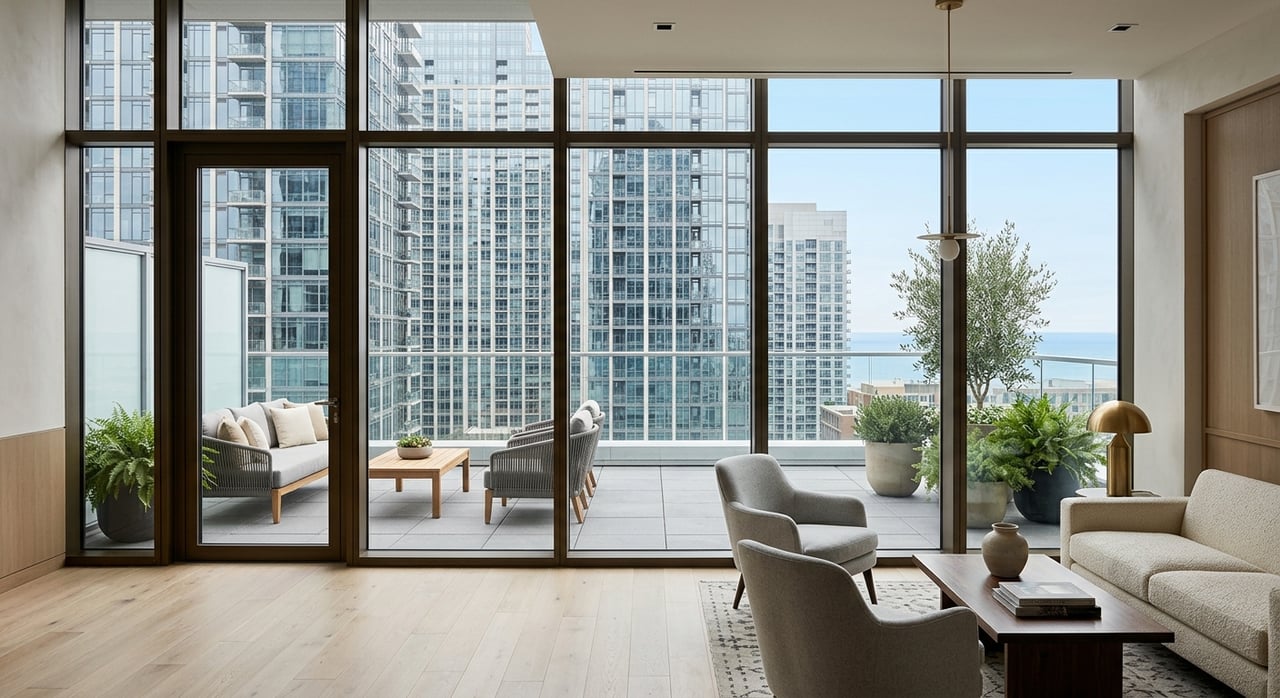
A: The neighborhood is known for its West Loop loft conversions, think exposed brick, timber ceilings, and open floor plans that came from old warehouses and meatpacking facilities. But you'll also find modern high-rise condos, new construction townhomes, and everything in between. It's actually one of the most architecturally diverse pockets of Downtown Chicago.
Q: How does the West Loop compare to nearby neighborhoods like River North or the South Loop?
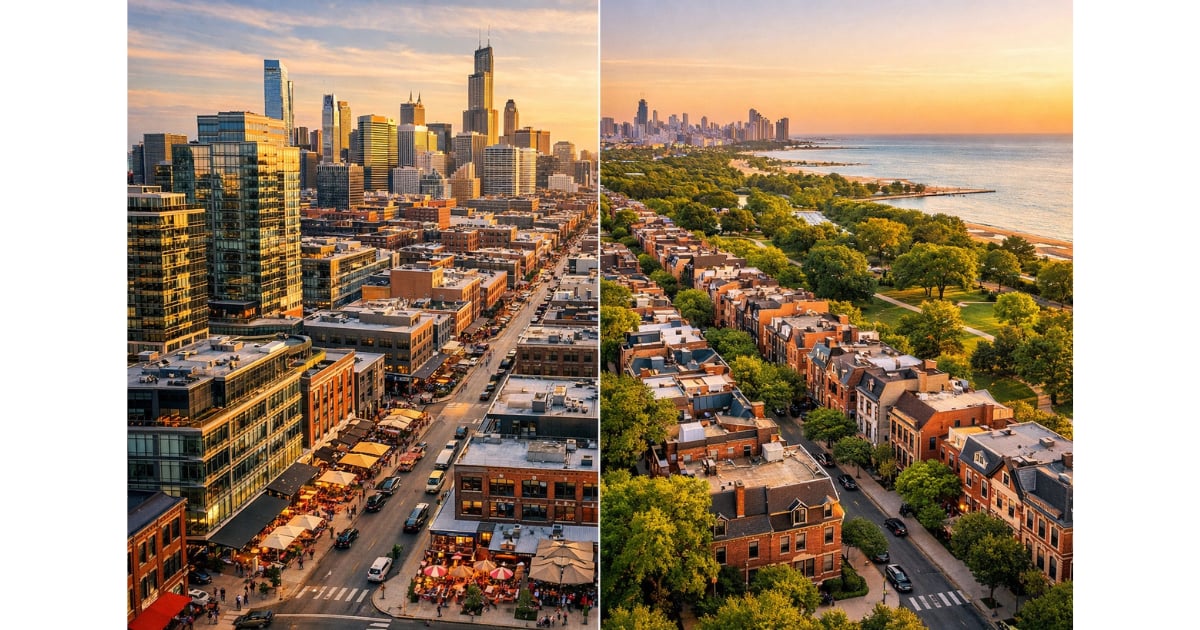
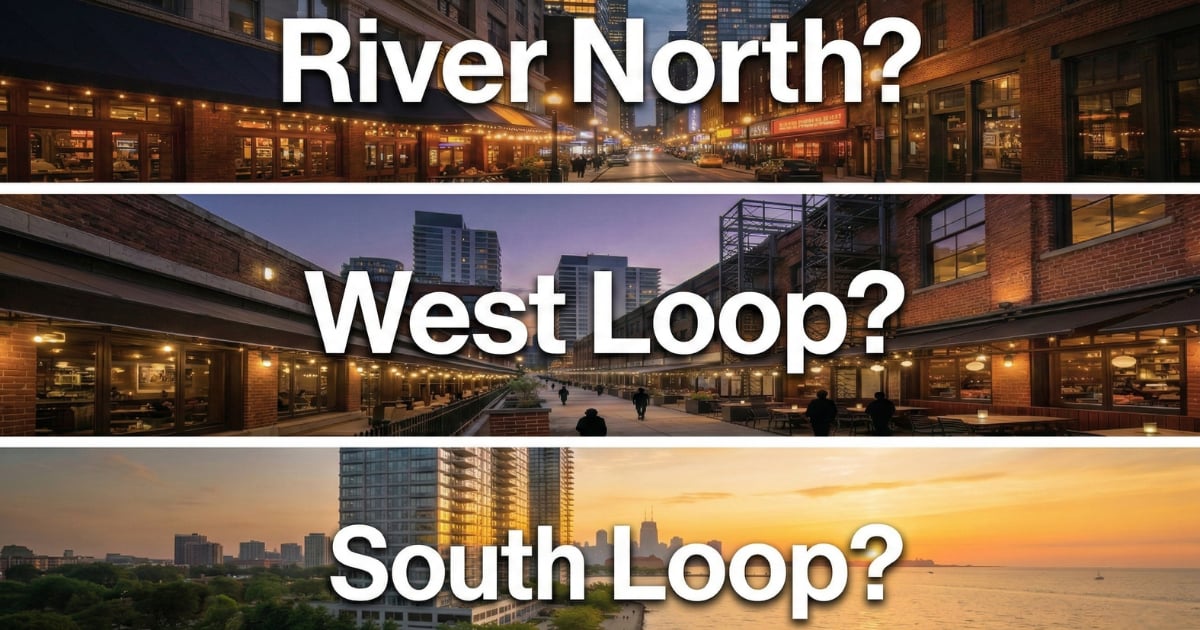
A: Each neighborhood has its own personality. River North is polished and high-energy. The South Loop offers more space for the price. The West Loop sits in a sweet spot — it has the grit and character of a neighborhood with a real history, combined with the amenities of one of the city's most sought-after zip codes. For buyers who want both, it's hard to beat. Compare West Loop, South Loop & River North.
Q: Is the West Loop a good fit for people looking to put down long-term roots? A: Absolutely. Green spaces, newer construction with larger floor plans, and a strong sense of community have made it one of the more compelling long-term options in Downtown Chicago. I always recommend exploring the neighborhood on a weekend morning to get a real feel for the day-to-day vibe.
Q: What's the best way to start a home search in the West Loop?
A: Start by getting clear on your lifestyle, do you want a historic loft conversion or a newer build? A high-rise with amenities or a quieter side street? The West Loop has a lot of variety, and knowing what matters most to you makes the search much more focused. From there, having someone who knows the neighborhood deeply makes all the difference. Happy to be that person.
Is now a good time to buy a condo in the West Loop? A: Every market cycle is different, but the West Loop's fundamentals, walkability, transit, Fulton Market's ongoing development, and limited housing inventory, have consistently supported long-term value. The best time to buy is when it aligns with your goals and financial picture. I'm happy to walk through current market conditions with you directly.
ABOUT THE AUTHOR
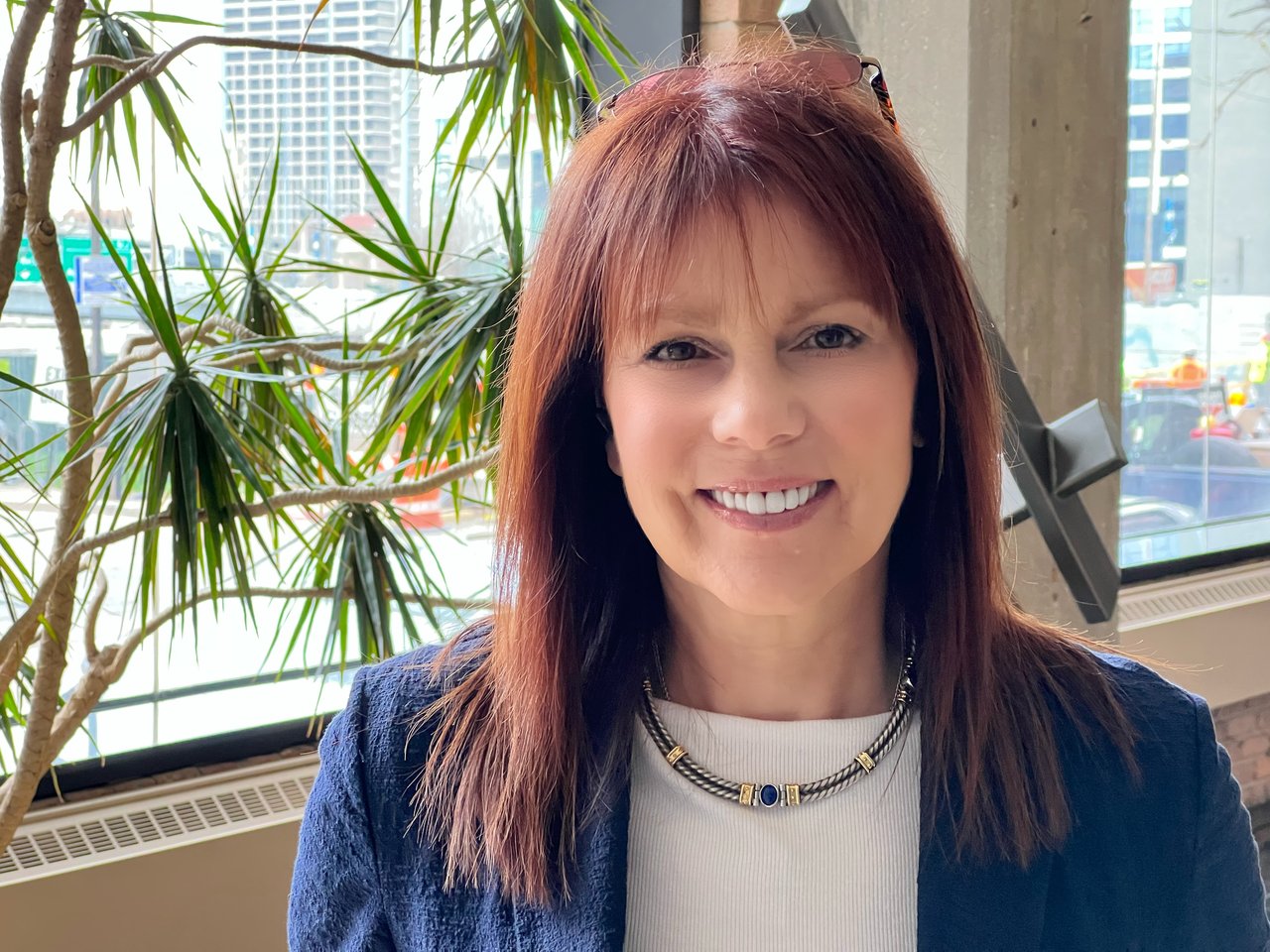
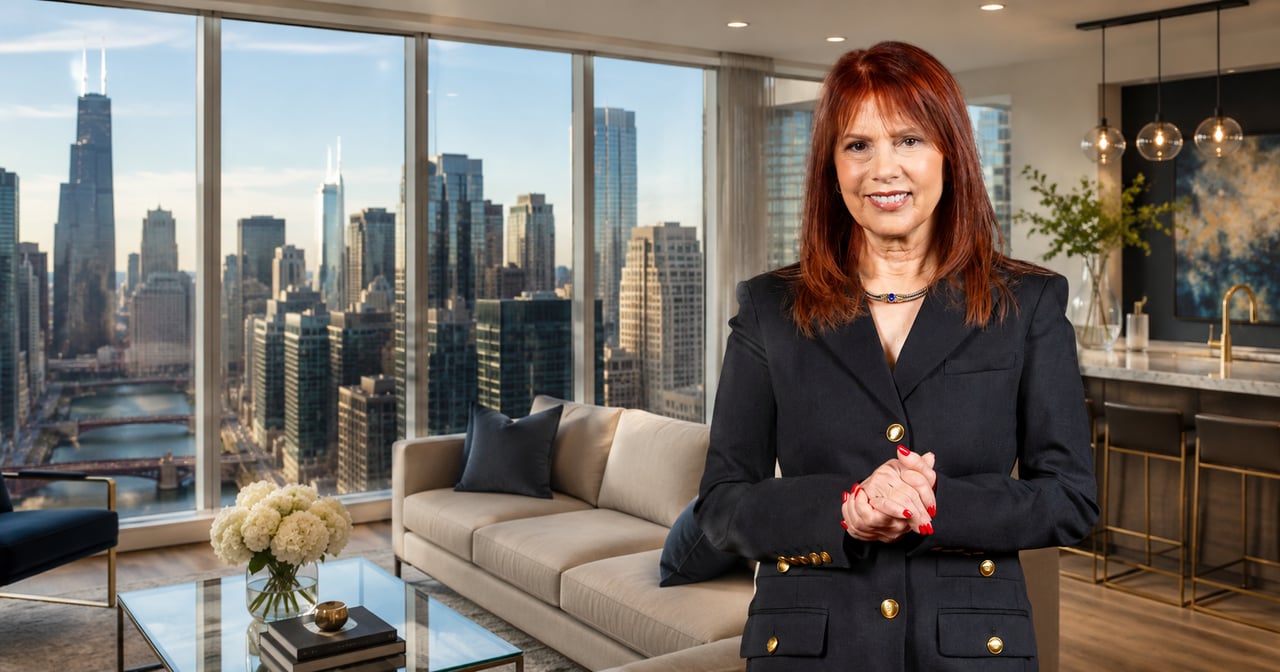
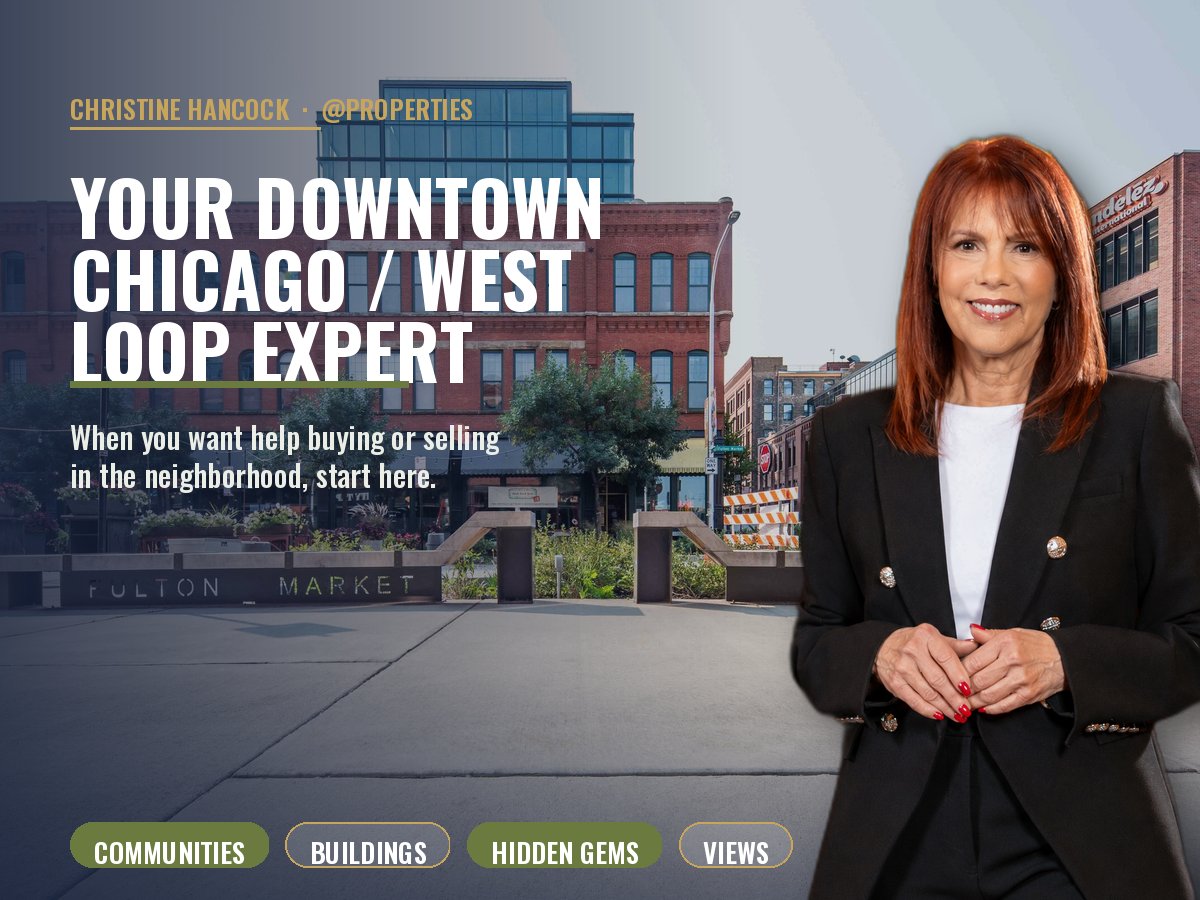
Christine Hancock is a Chicago Realtor with @properties Christie’s International Real Estate, bringing more than 25 years of experience and over $200 million in closed sales in the downtown condo market. With 96 five-star Zillow reviews, Christine is recognized for her commitment to client satisfaction and market expertise.
She specializes in high-rise and luxury condominium sales in West Loop, South Loop, River North, and Streeterville—helping buyers and sellers navigate complex transactions with data-driven pricing strategies and deep neighborhood insight.
Christine partners with clients to evaluate market trends, position properties competitively, and make confident, informed decisions in Chicago’s vibrant downtown housing market.
Call or text 312-296-9300 to discuss current market conditions or your real estate goals.