West Loop Real Estate Market Guide 2026, Condo Prices, Loft Trends, Lifestyle, and What Buyers Should Know
West Loop Real Estate Market in 2026: What Buyers Need to Know
If you are thinking about buying a condo in West Loop Chicago in 2026, this neighborhood remains one of the strongest downtown markets to watch. West Loop continues to attract purchasers who want walkability, restaurant access, newer luxury inventory, true loft character, and proximity to Fulton Market, the Loop, and major employers. Current market data shows West Loop home values sitting above broader Chicago medians, which reinforces the neighborhood’s premium positioning in the downtown condo conversation.
Quick Summary: West Loop Real Estate 2026
-
West Loop remains a premium downtown Chicago condo market
-
Median price around $530,000 with wide variation by building type
-
Strong demand driven by lifestyle, dining, and proximity to Fulton Market
-
Mix of lofts, luxury condos, and full-amenity buildings
-
Buyers should focus on building quality, HOA, and micro-location
West Loop Real Estate at a Glance
West Loop is one of Chicago’s most in-demand condo markets in 2026 because it combines converted lofts, newer full amenity buildings, strong lifestyle appeal, and ongoing development. Buyers can expect pricing that is generally above the citywide median, with value shaped heavily by building style, location within the neighborhood, HOA structure, and outdoor space. (Redfin)
The Bottom Line
West Loop works best for condo buyers who want an urban lifestyle first and a commodity condo second. It is a neighborhood where building type matters, block by block differences matter, and pricing can shift quickly depending on whether you are looking at a true timber loft, a boutique new construction condo, or a larger full service building near Fulton Market. (christinehancock.com)
Key Takeaways
-
West Loop continues to perform as a premium downtown Chicago neighborhood in 2026, with median sale pricing above the broader Chicago market. (Redfin)
-
Buyers will see a mix of authentic loft conversions, boutique condo buildings, and newer luxury developments. (christinehancock.com)
-
Lifestyle demand remains a major driver, especially near Fulton Market and Randolph Street’s restaurant scene. (Choose Chicago)
-
New projects and redevelopment activity continue to add inventory and keep buyer attention on the neighborhood. (Chicago YIMBY)
-
In 2026, buyers should pay close attention to dues, building rules, resale strength, and micro location, not just headline price. (christinehancock.com)
What Is West Loop, and Why Do Buyers Keep Targeting It?
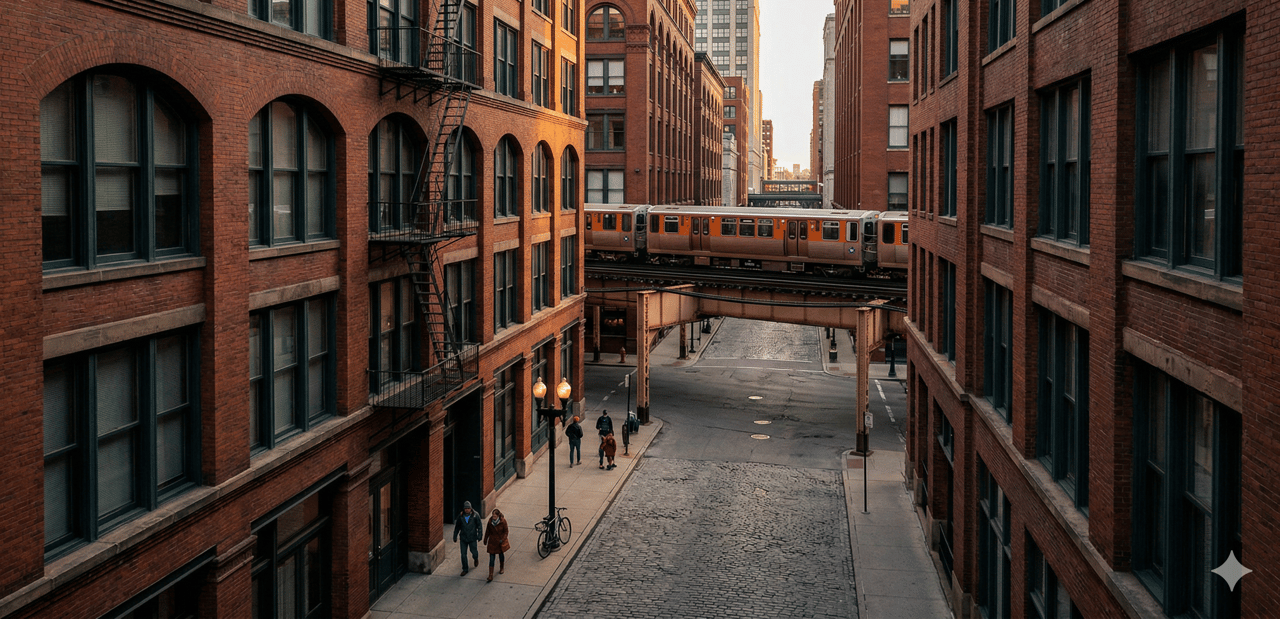
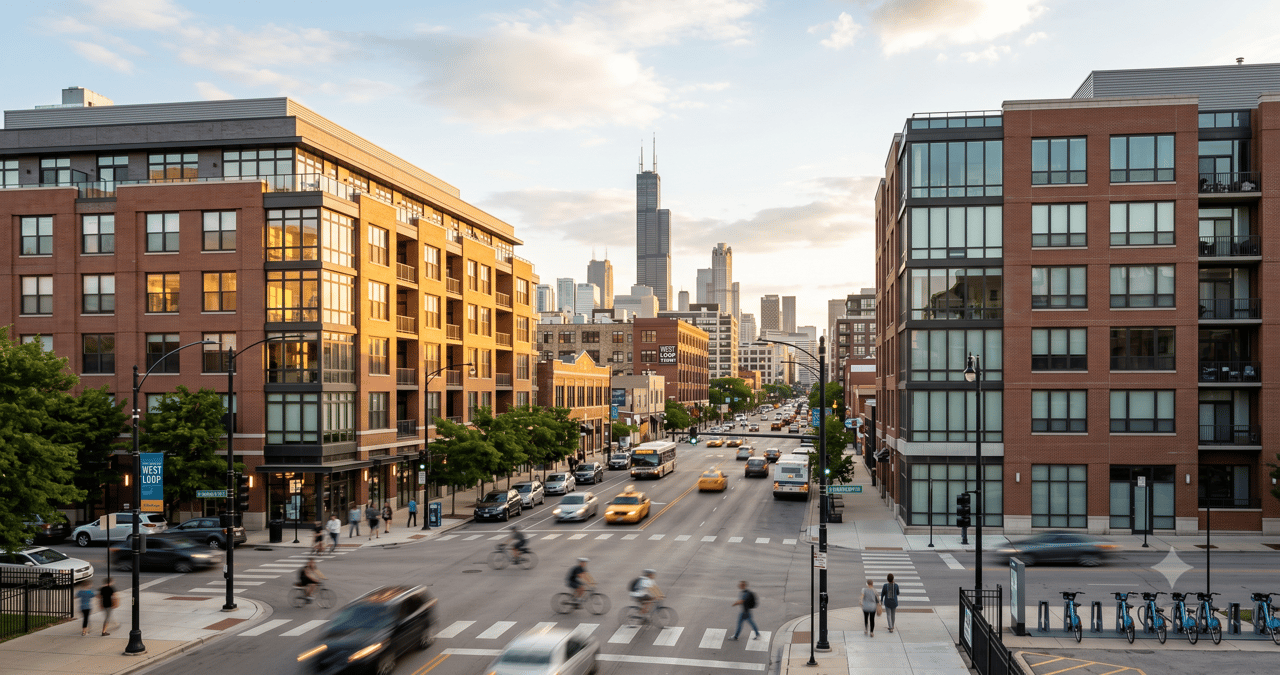
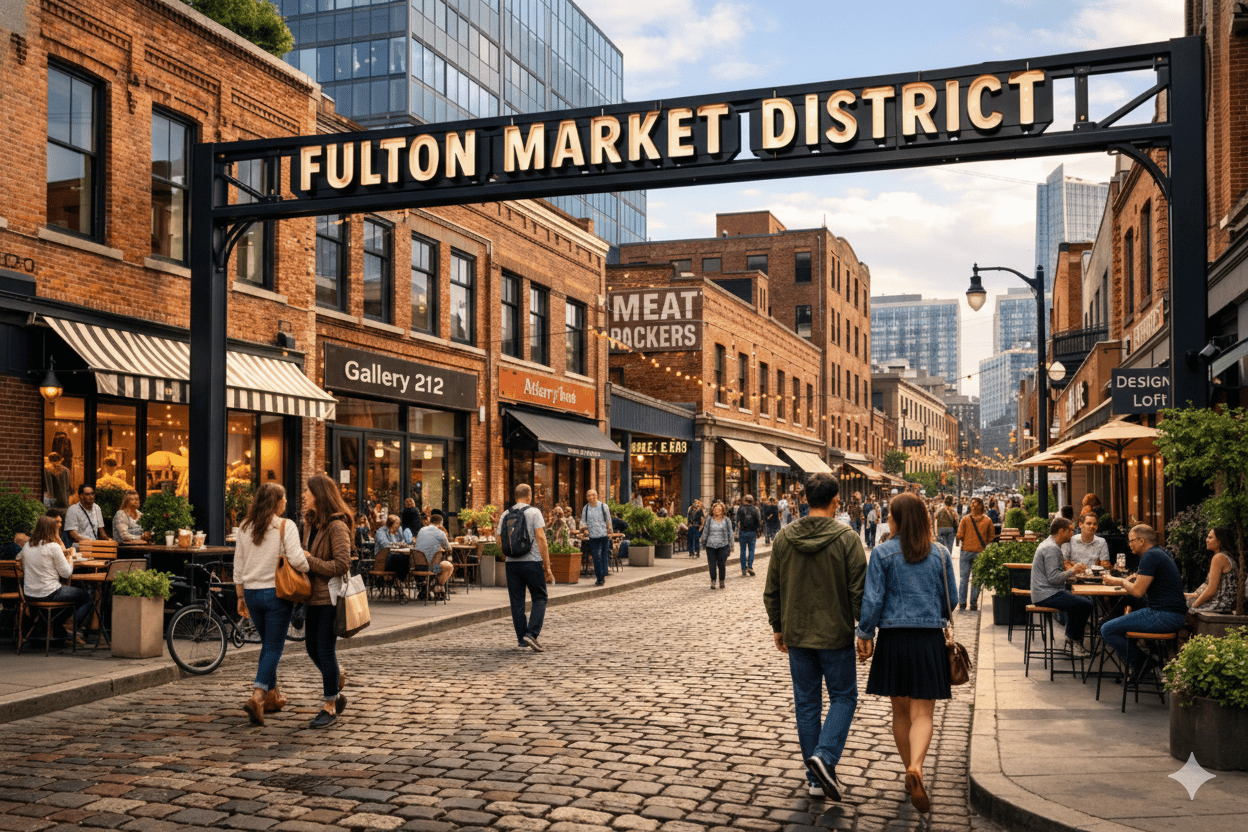
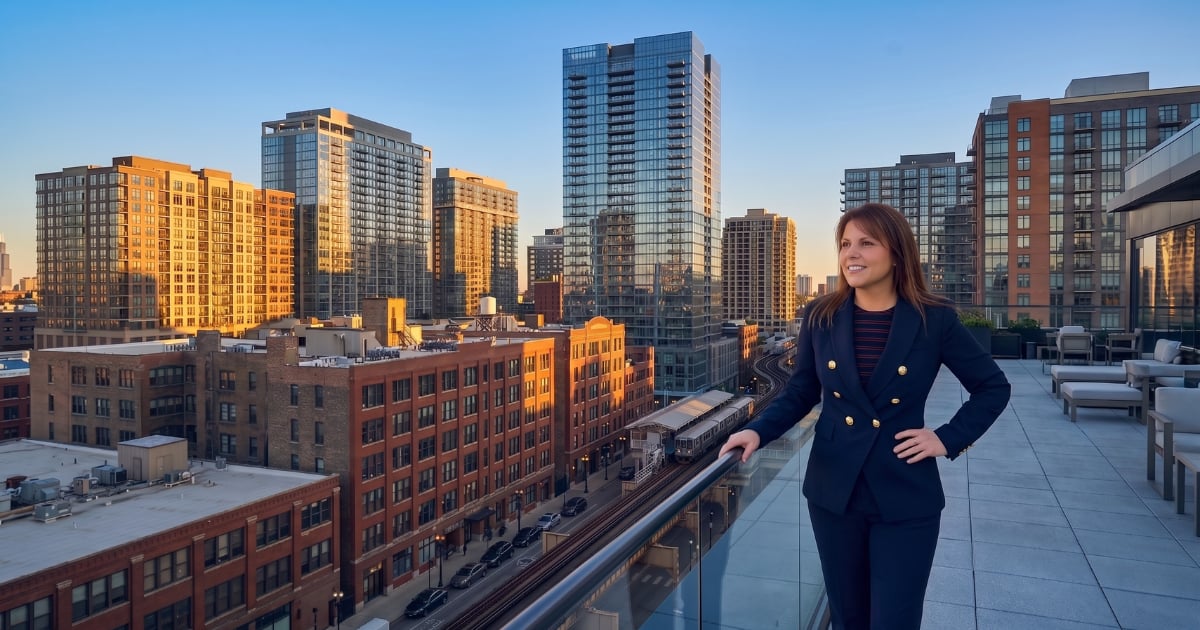
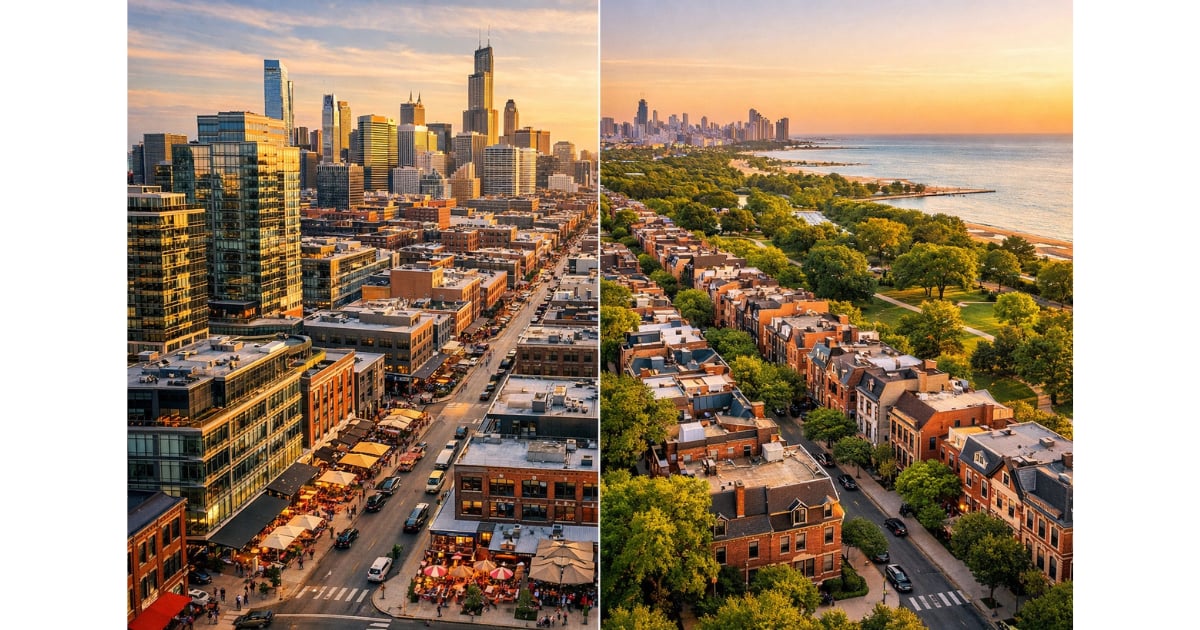
West Loop sits just west of downtown and has evolved from an industrial warehouse district into one of Chicago’s most desirable urban neighborhoods. Today, downtown buyers are drawn to its combination of loft architecture, dining, nightlife, gallery spaces, commuter access, and proximity to the Loop and Fulton Market. Choose Chicago highlights the area’s concentration of notable restaurants, hotels, arts venues, and shopping, which helps explain why lifestyle driven demand remains so strong. (Choose Chicago)
From a real estate perspective, West Loop appeals to several buyer groups at once. First-time downtown buyers like the energy and convenience. Move-up buyers like the larger floor plans and private outdoor space found in certain loft and boutique buildings. Long-term owners often like the neighborhood’s staying power because it has both daily livability and broad resale appeal.
What Types of Condos and Lofts Will You Find in West Loop?
West Loop is not a one-note condo market. That is one reason it performs so well in search and in real life. Buyers can choose from several distinct product types.
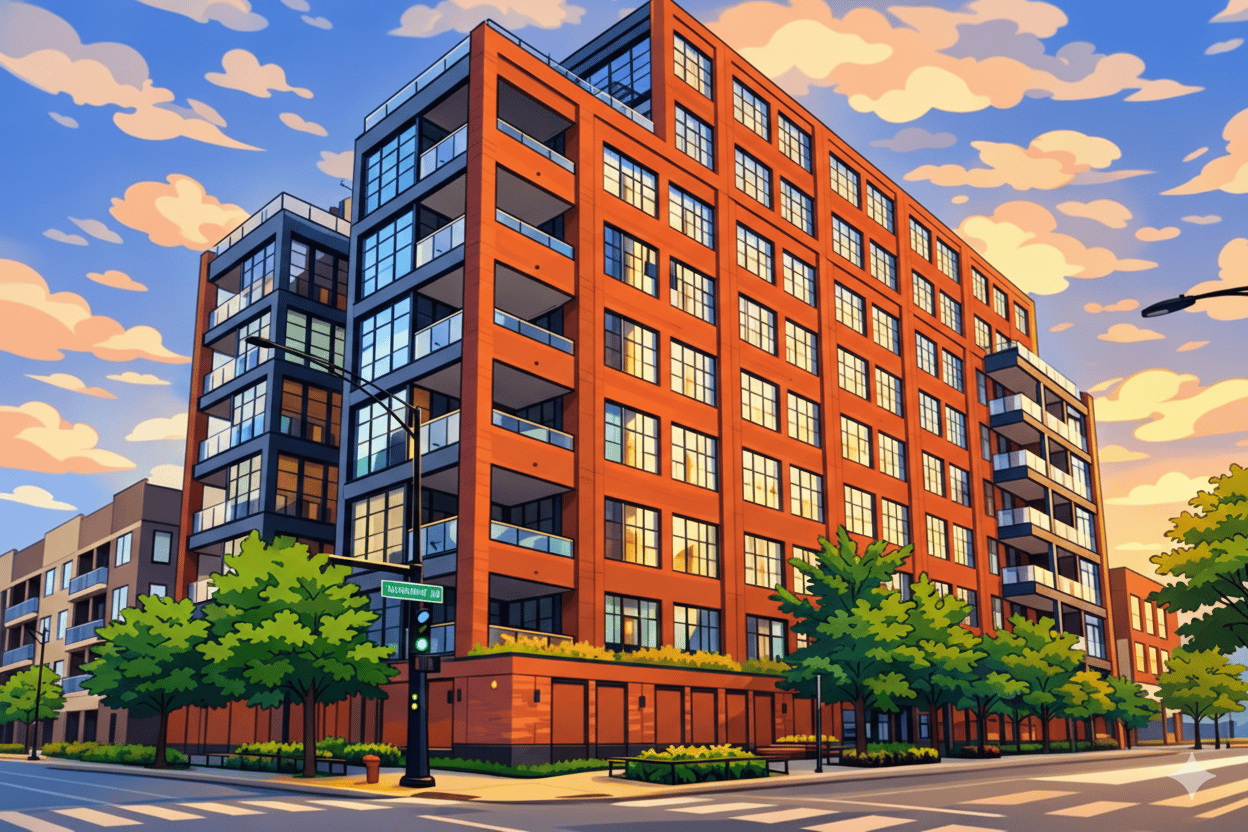
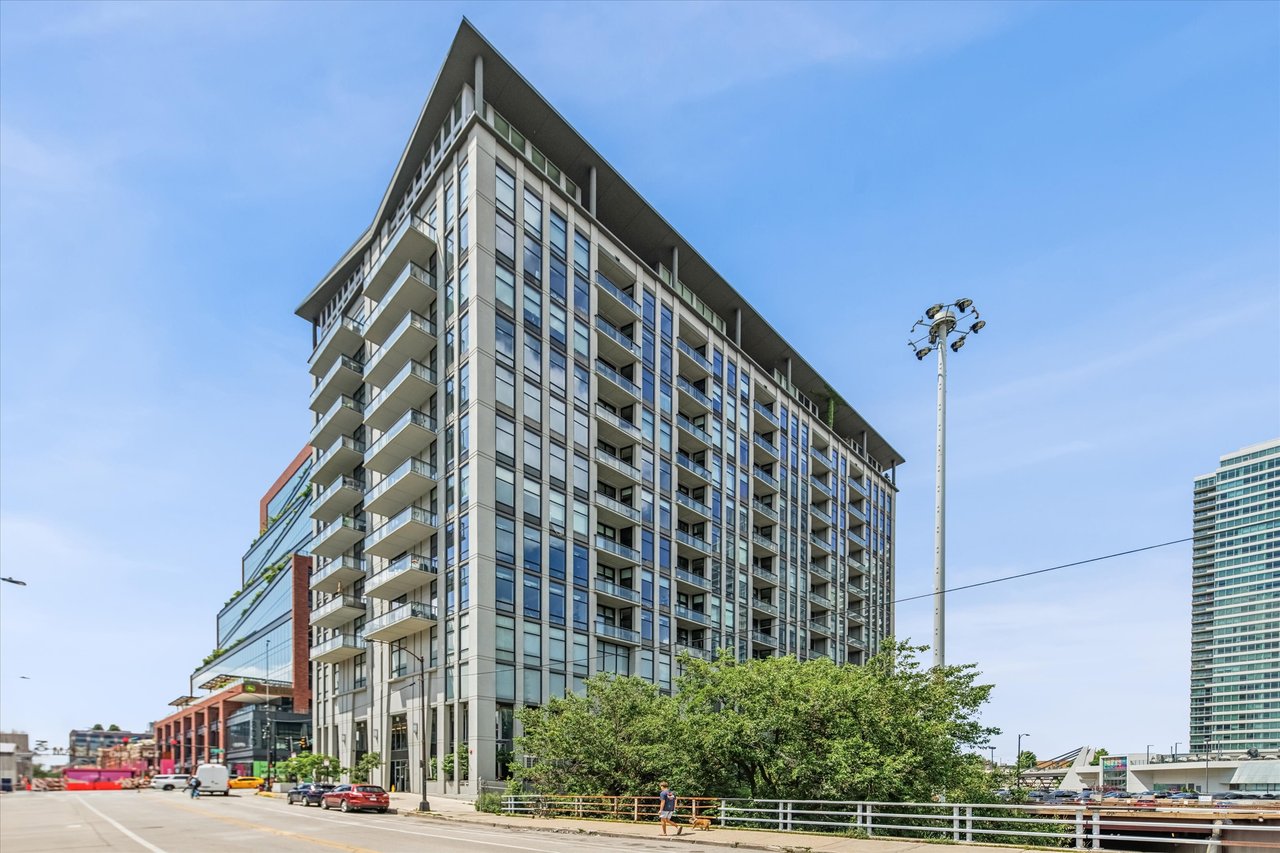
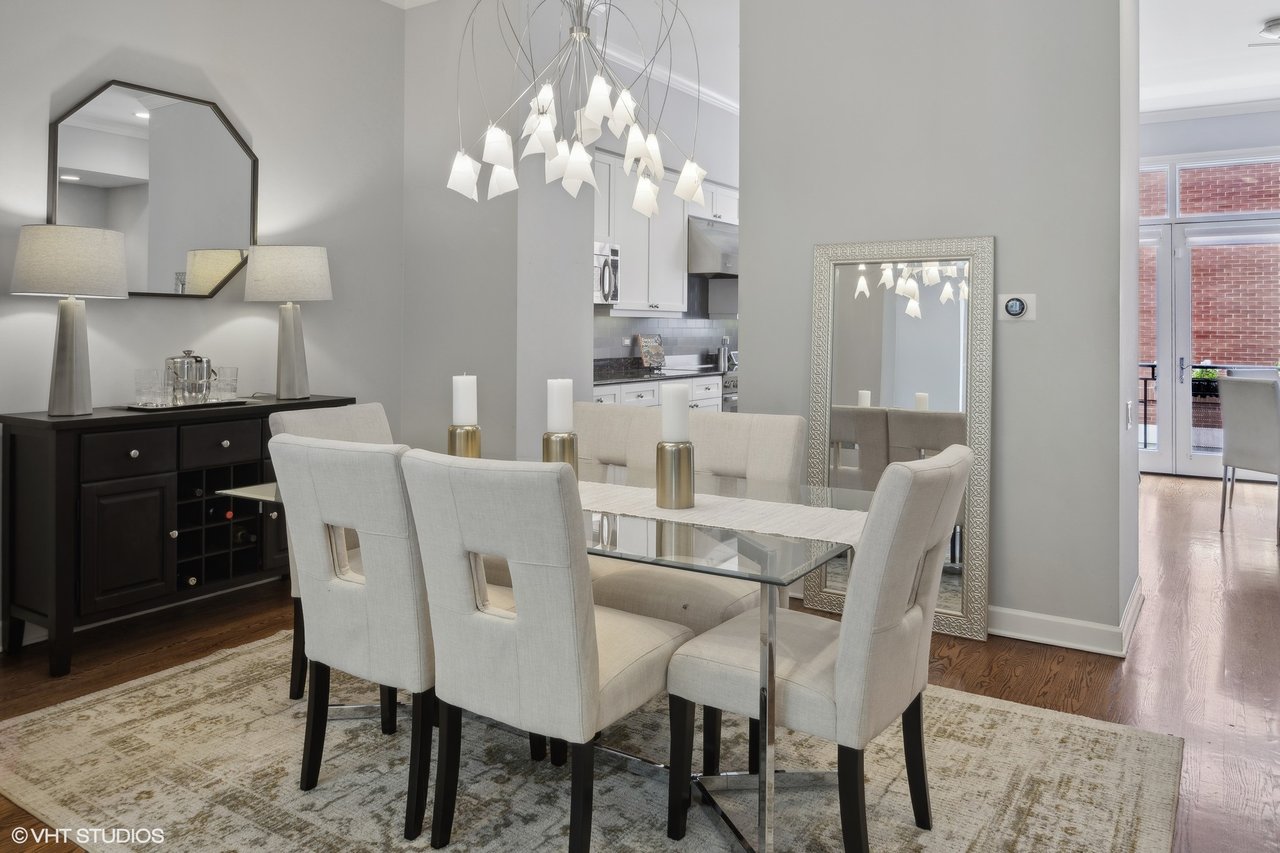
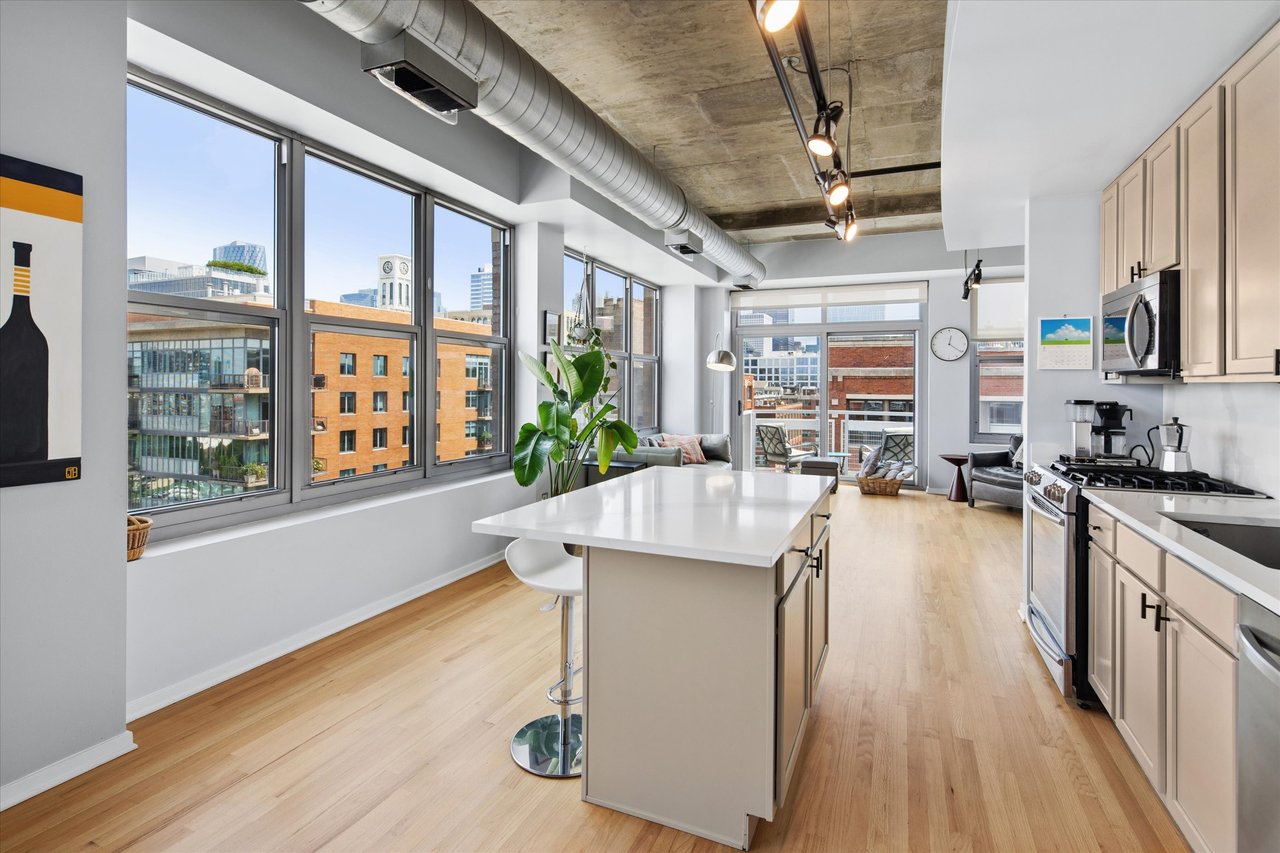
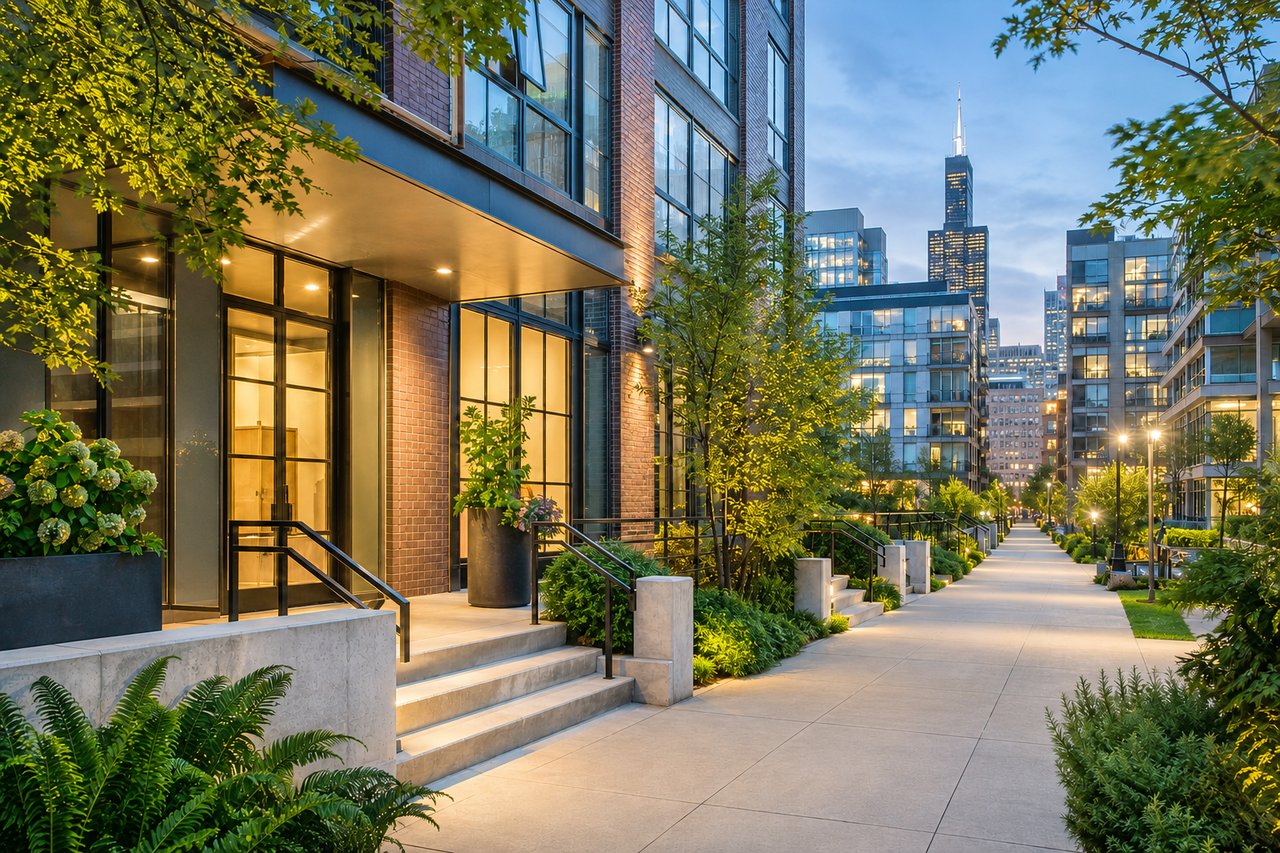
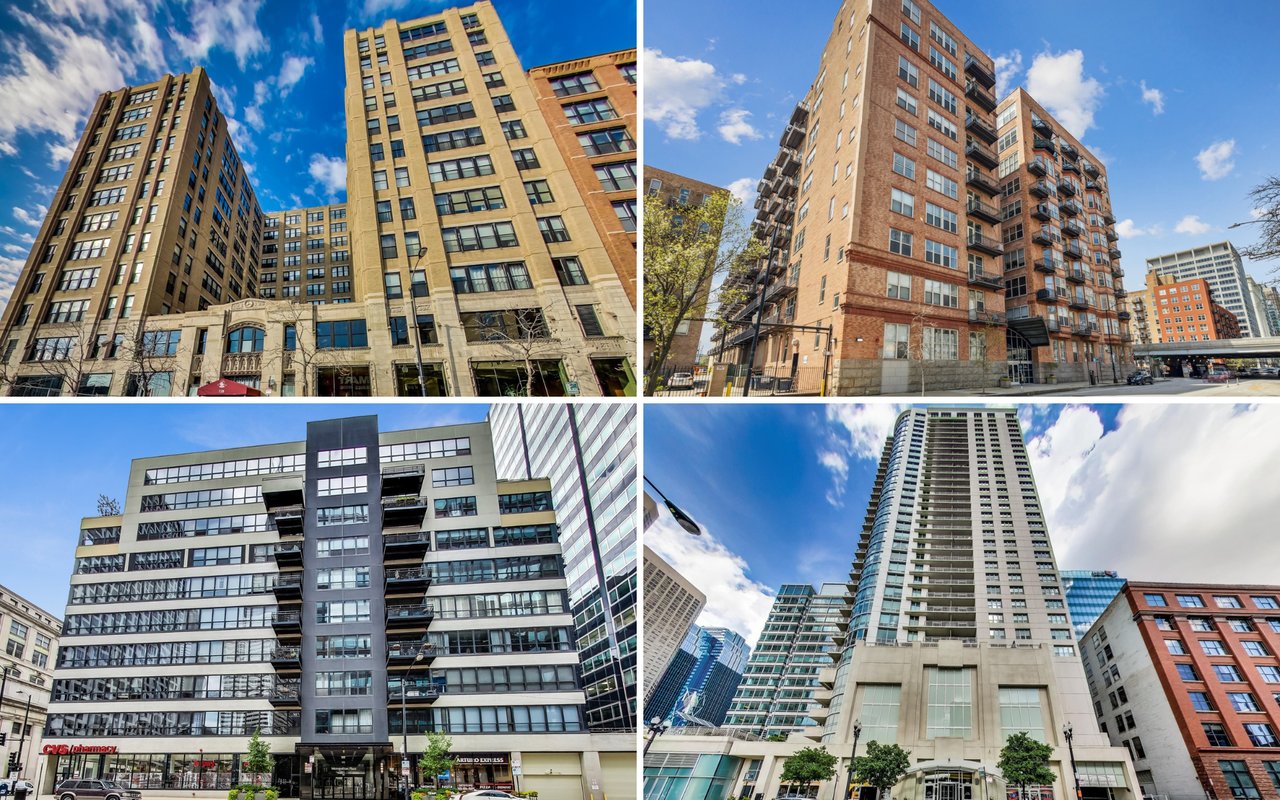
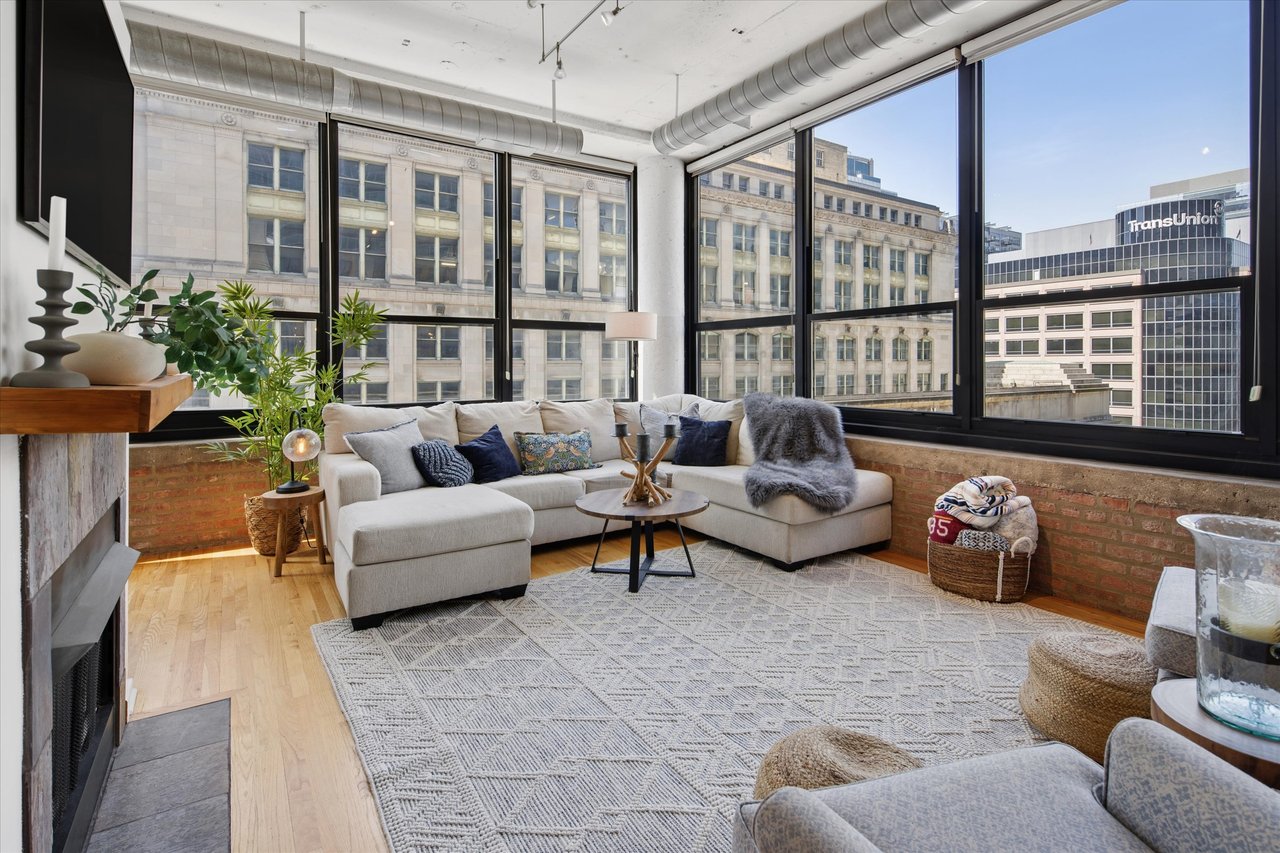
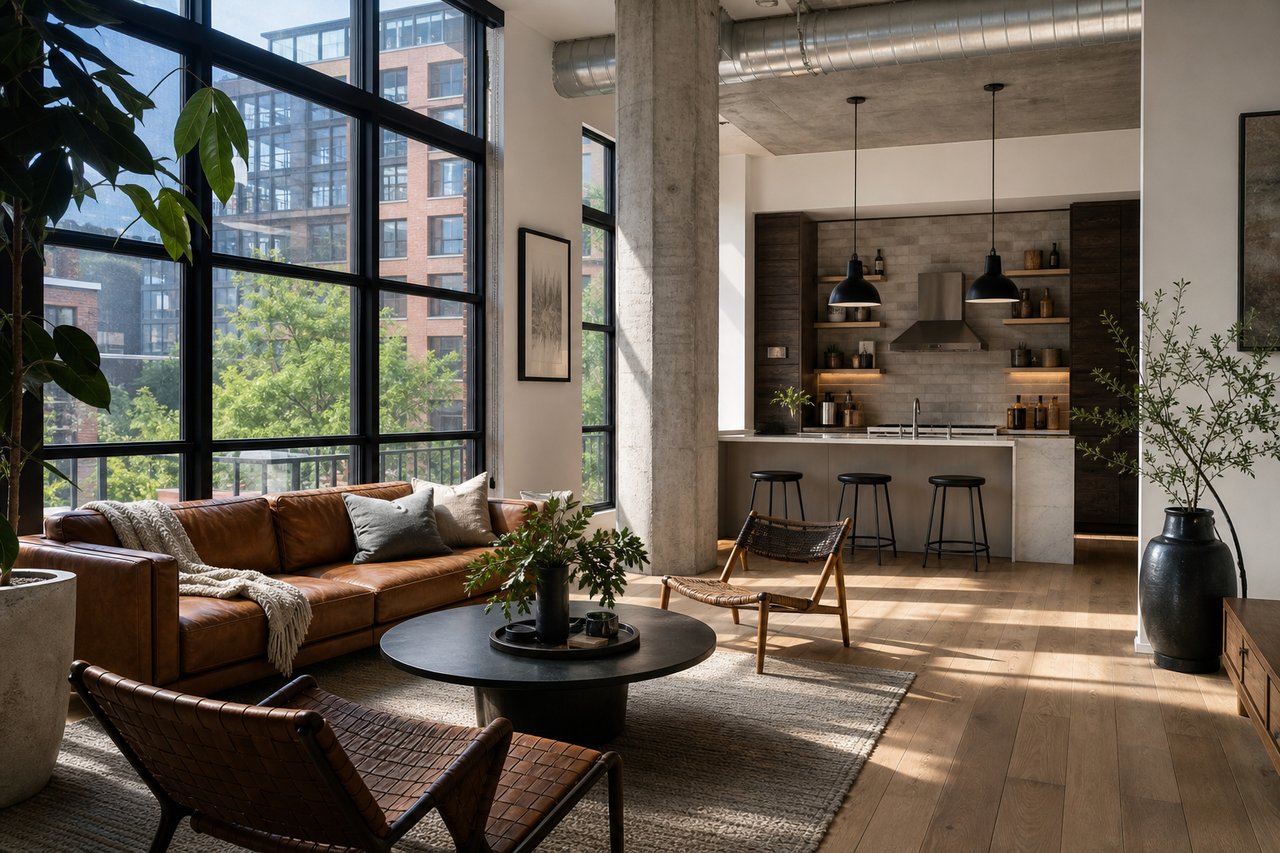
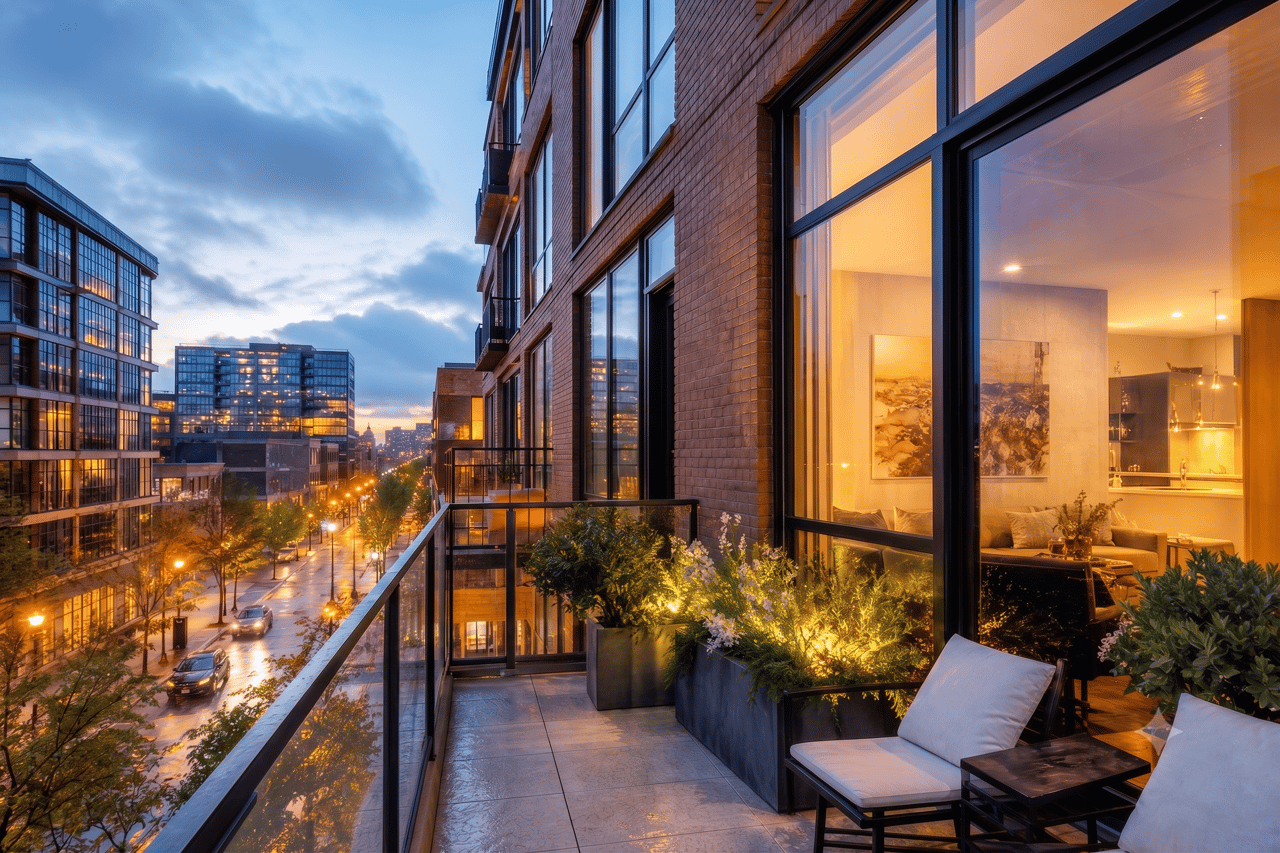
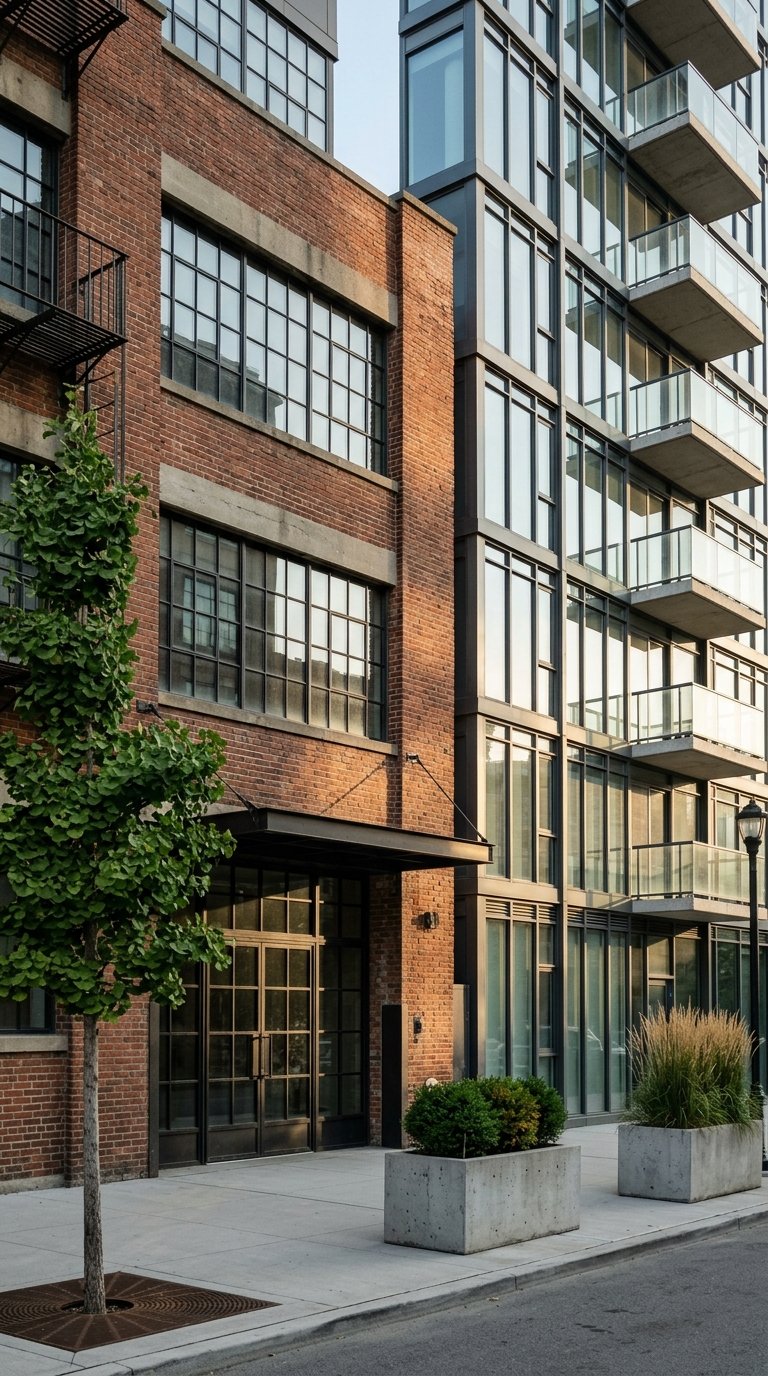
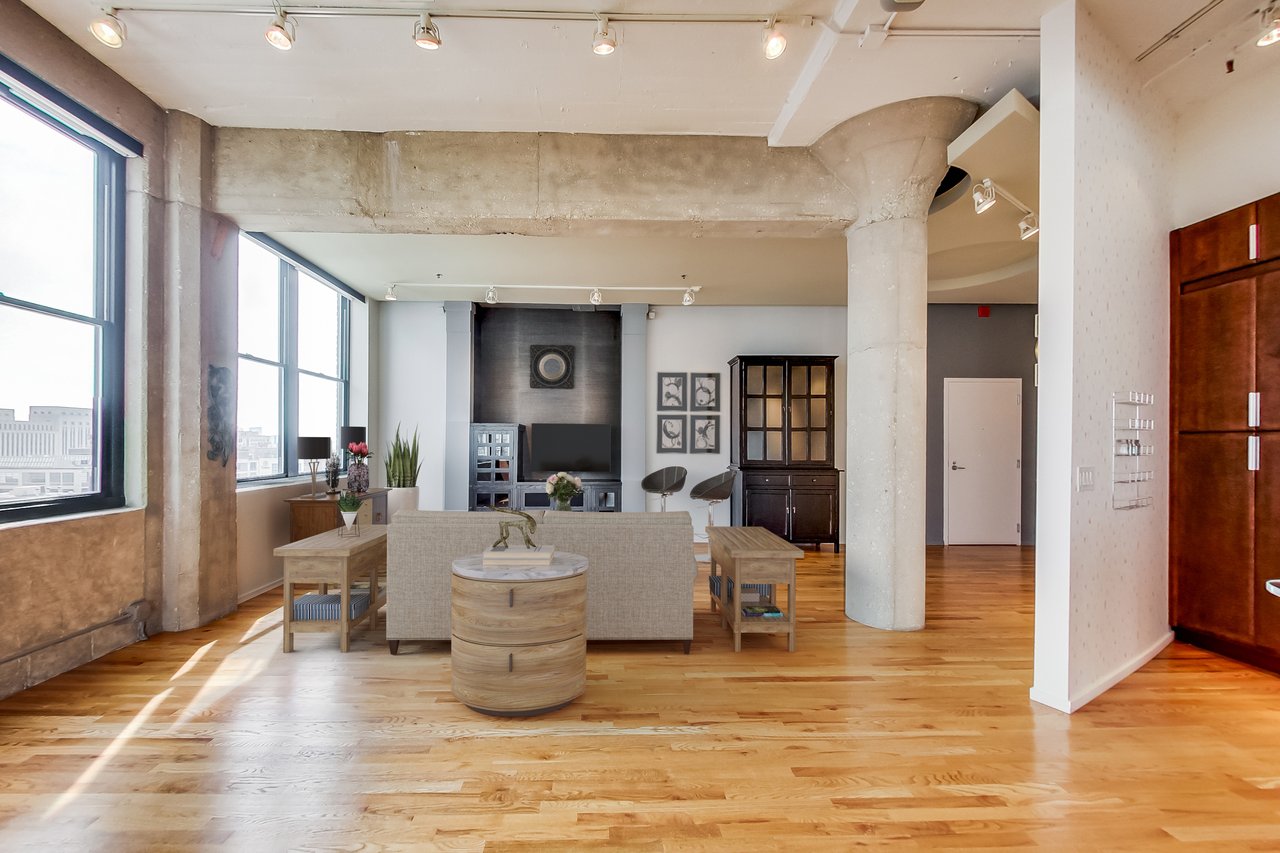
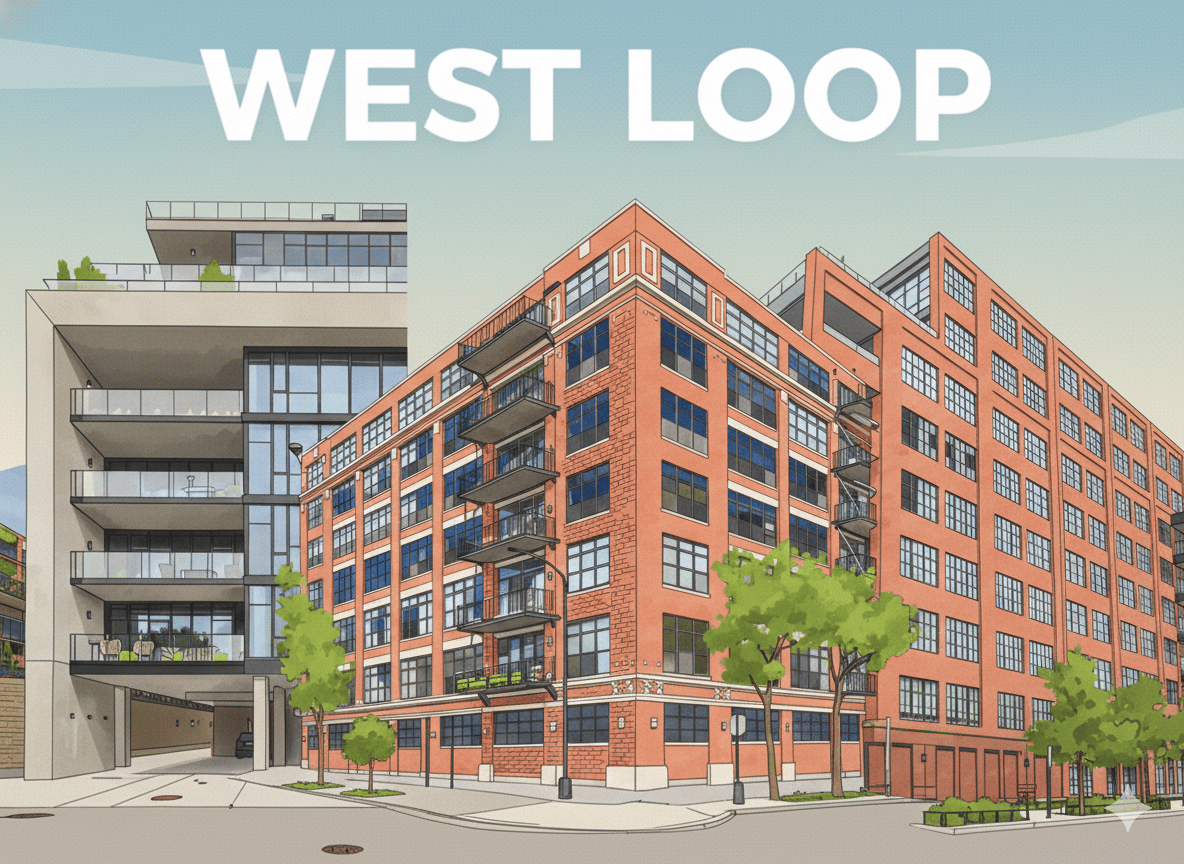
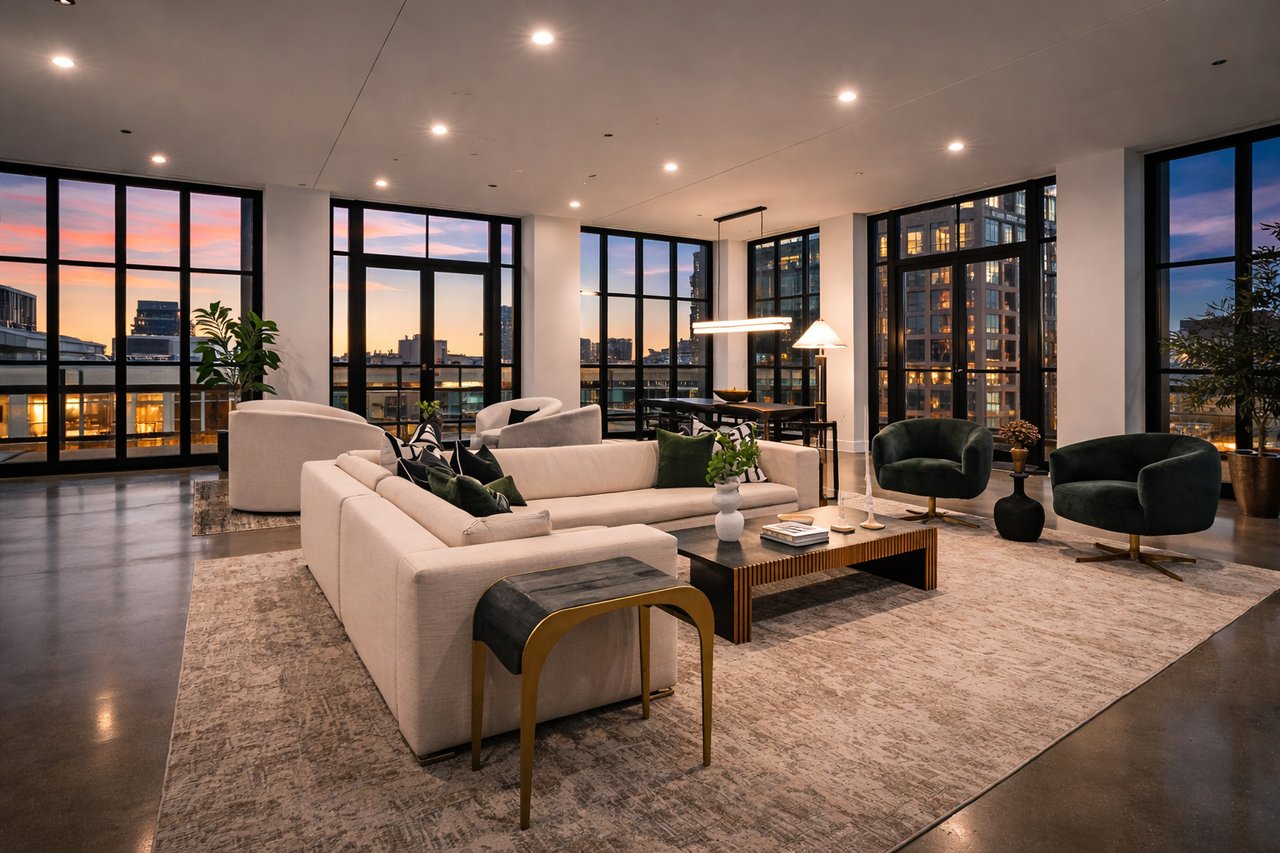
West Loop real estate includes a mix of converted timber lofts, modern concrete lofts, and newer full amenity condo buildings.
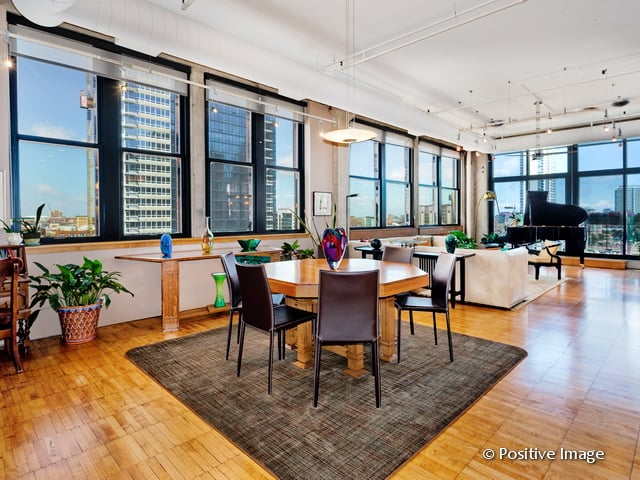
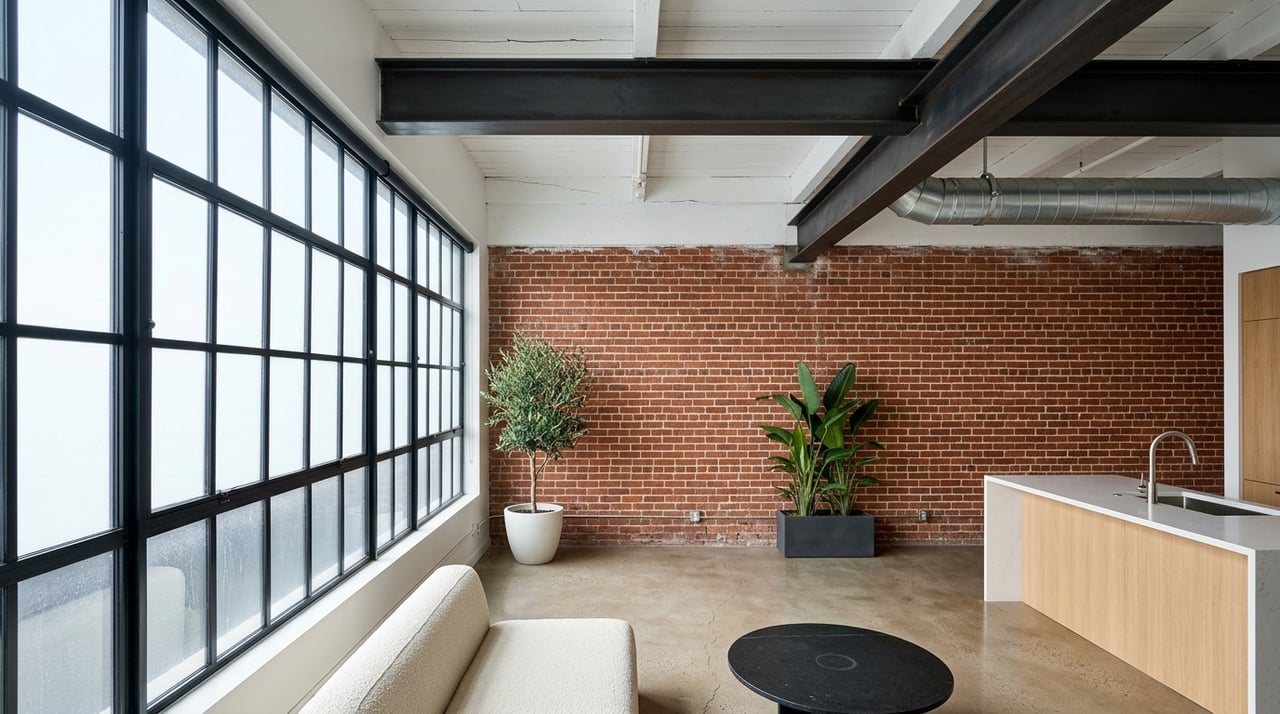
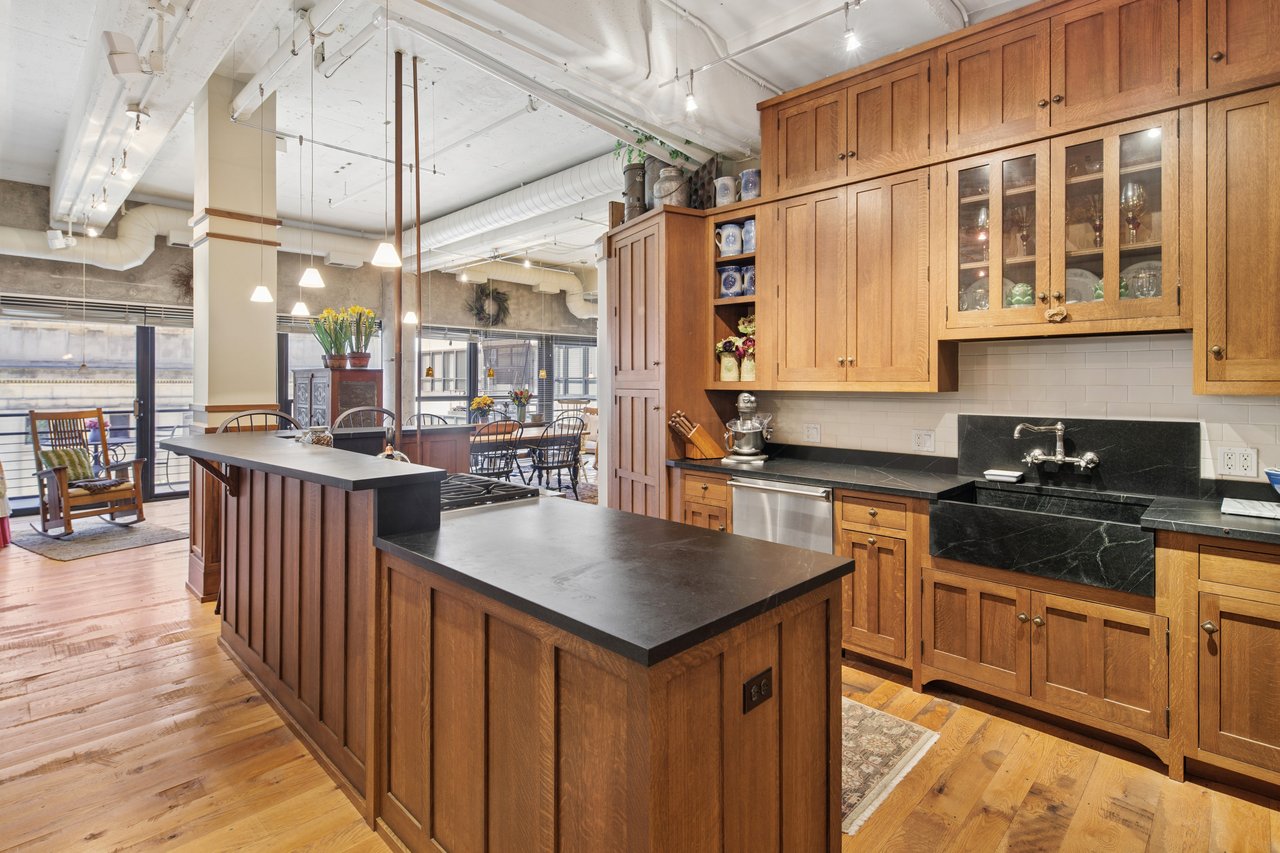
The West Loop offers one of the strongest mixes of loft styles in Chicago, giving buyers the ability to compare character-driven timber spaces with more modern concrete designs. The difference between timber and concrete lofts in Chicago.
Timber lofts and brick loft conversions
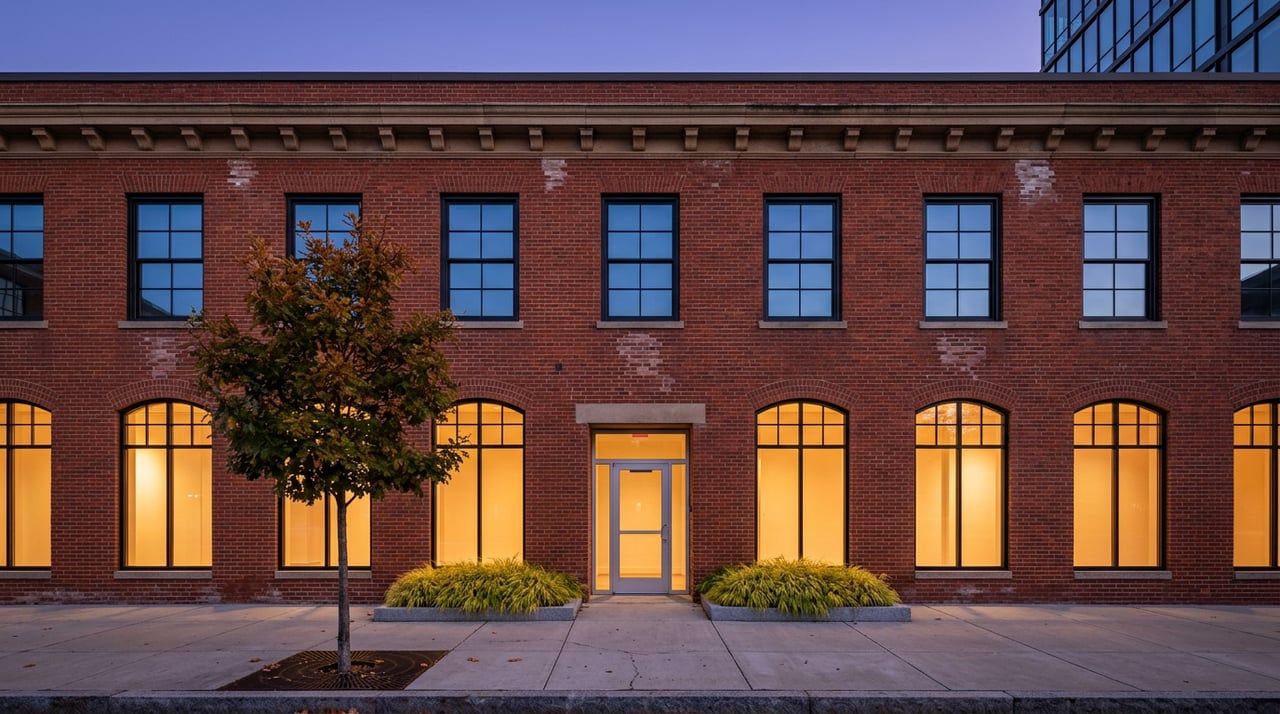
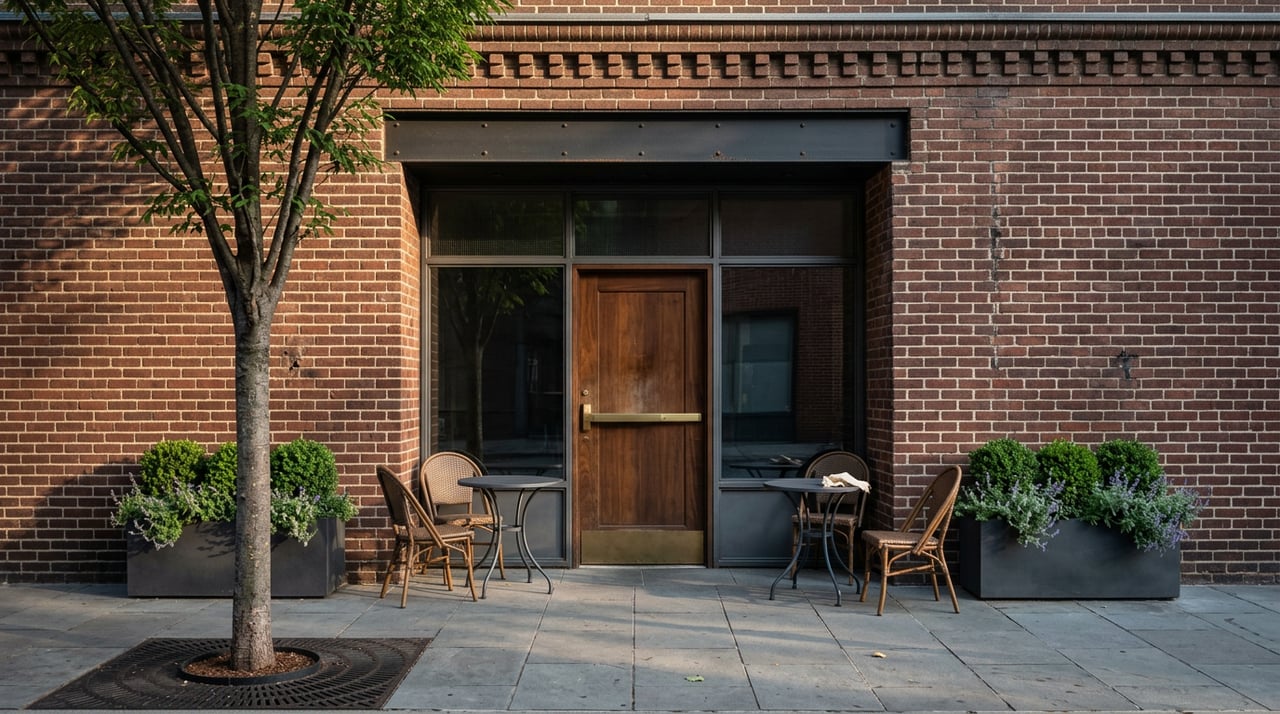
These are some of the neighborhood’s most recognizable homes. They typically offer exposed brick, timber beams, tall ceilings, larger windows, and open floor plans. Christine’s West Loop content consistently highlights loft inventory as a defining part of the neighborhood’s identity. (christinehancock.com)
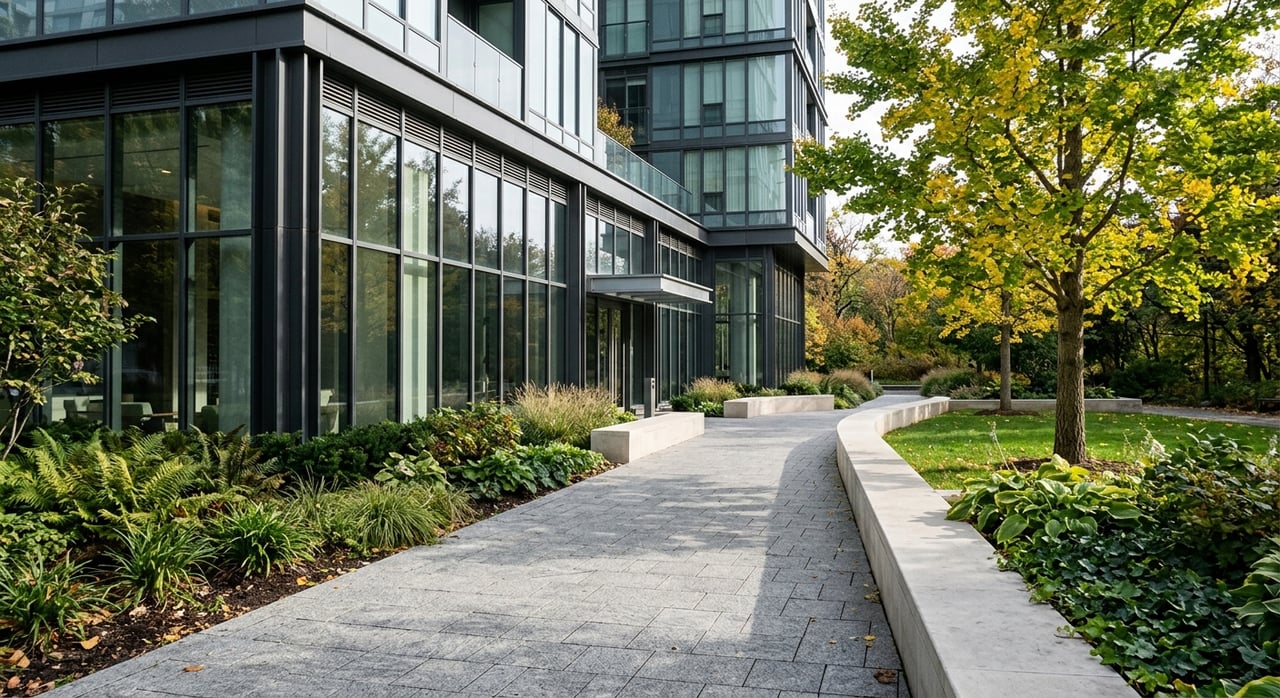
Newer luxury condos
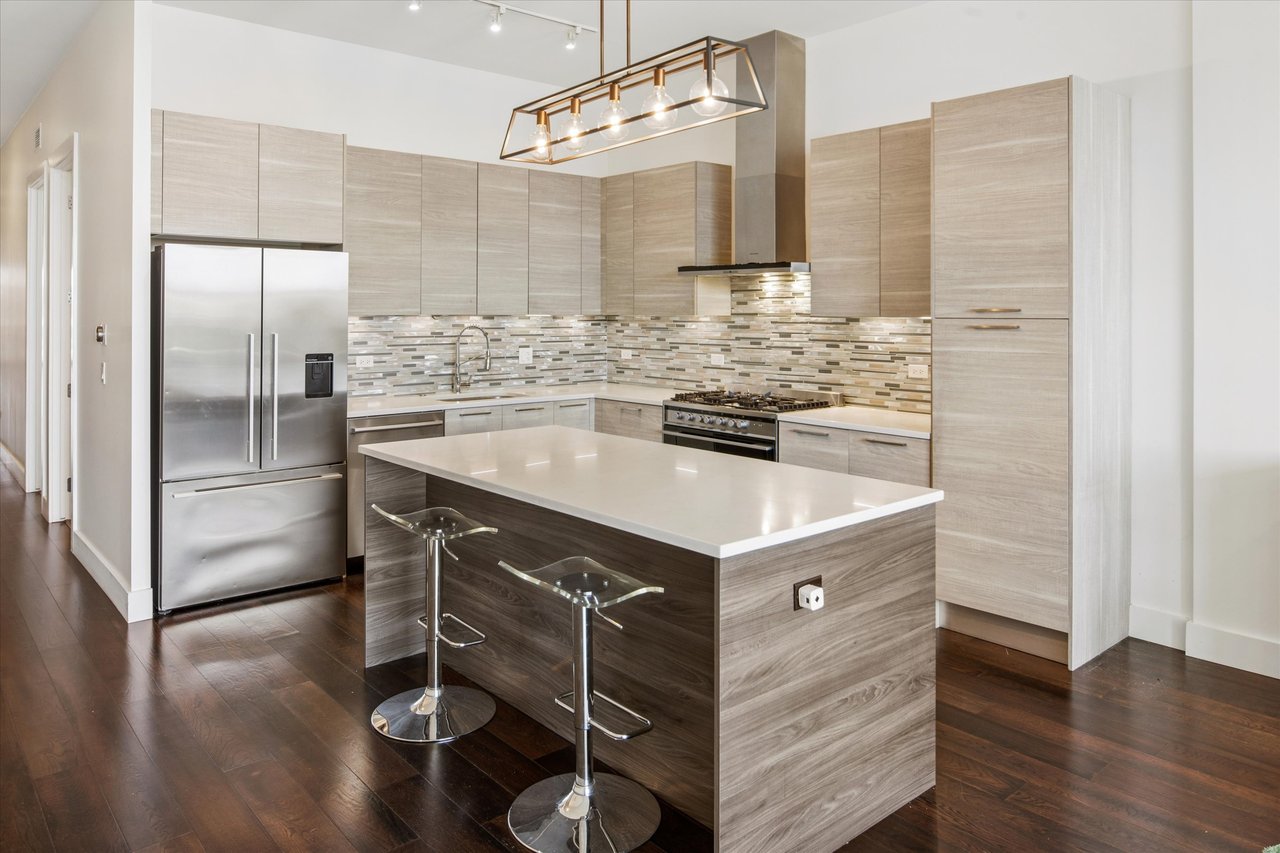
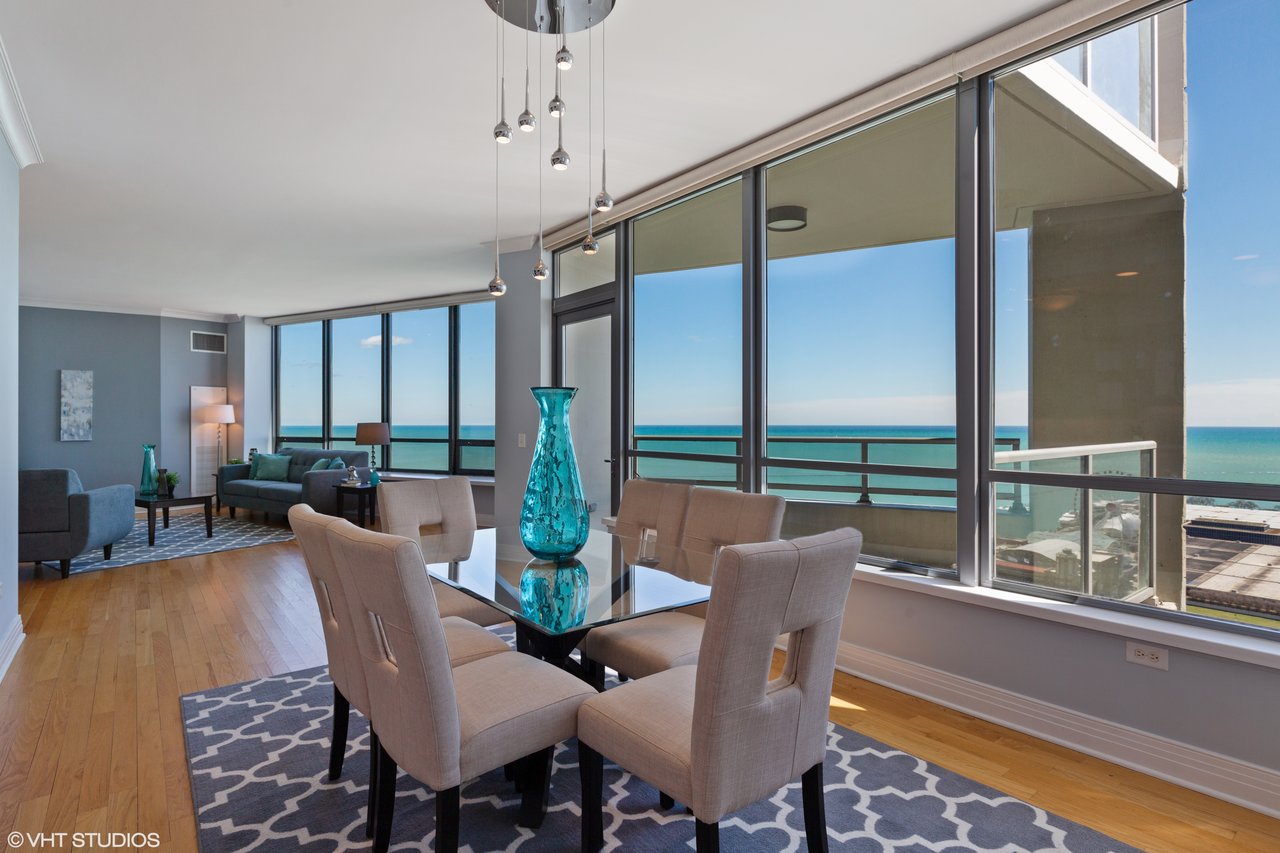
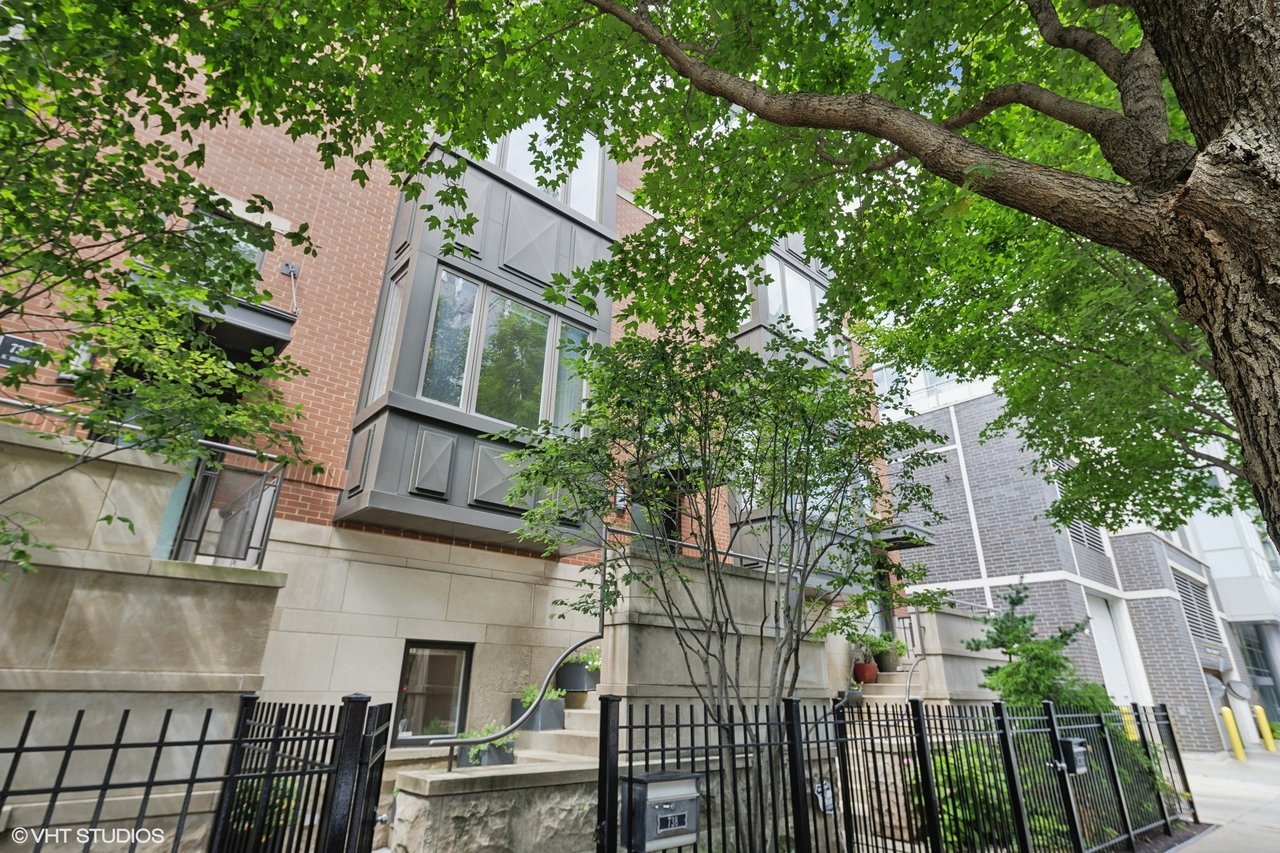
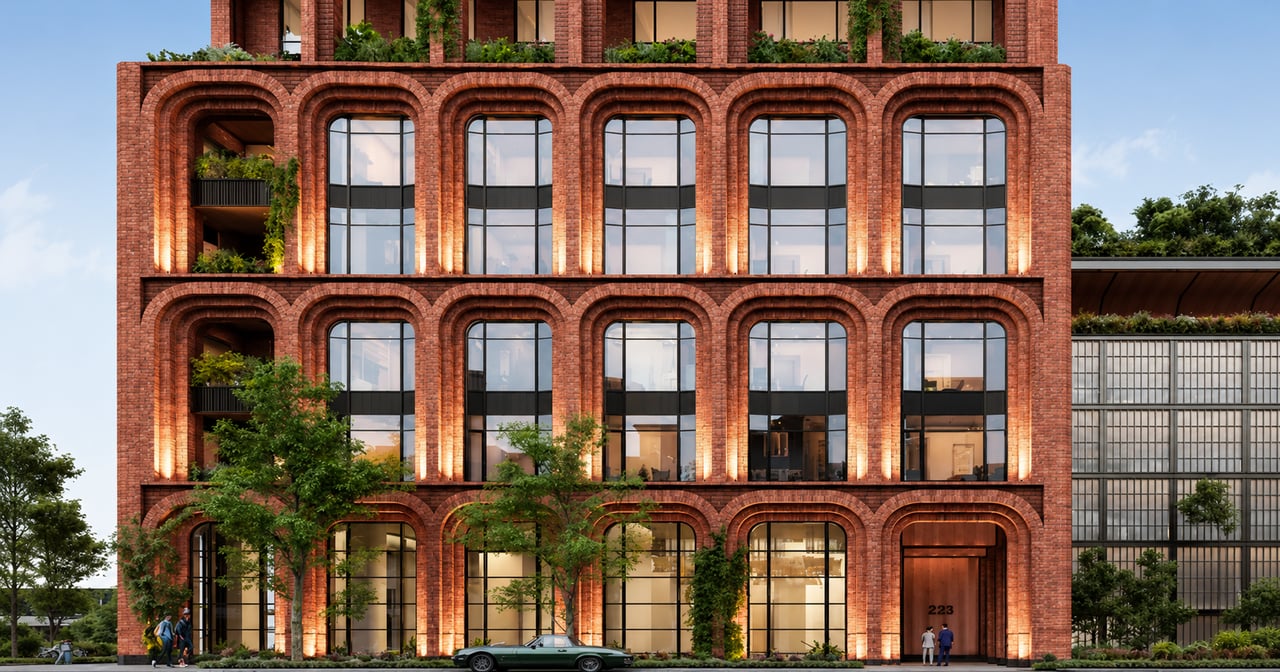
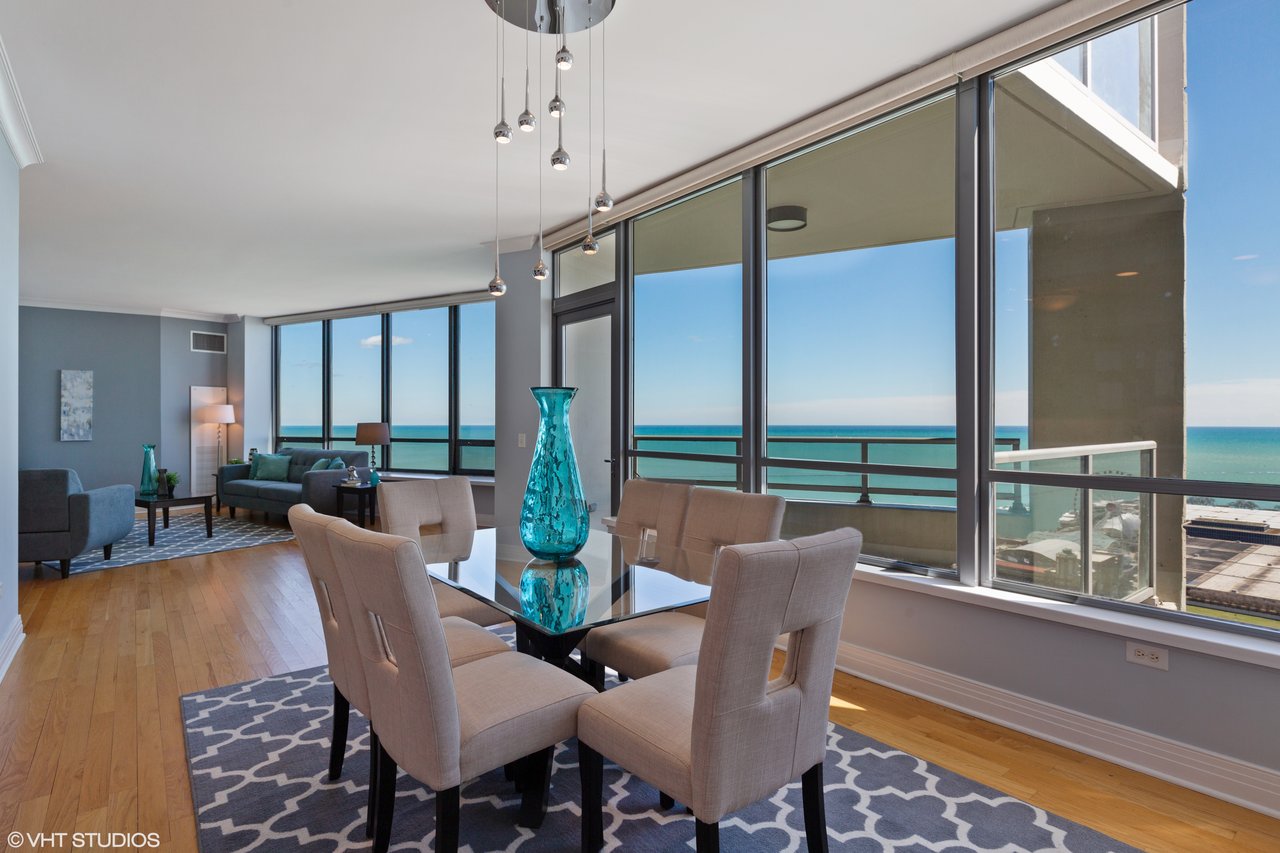
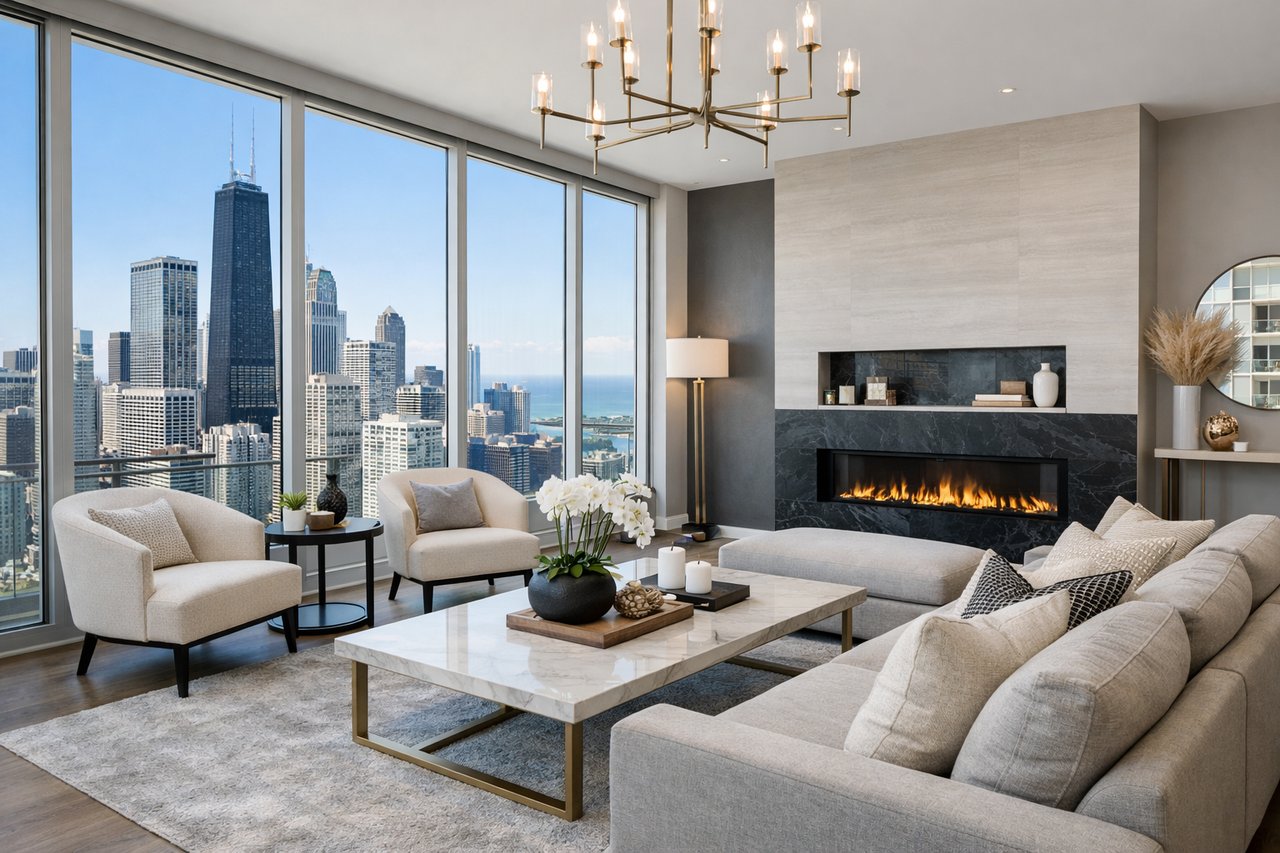
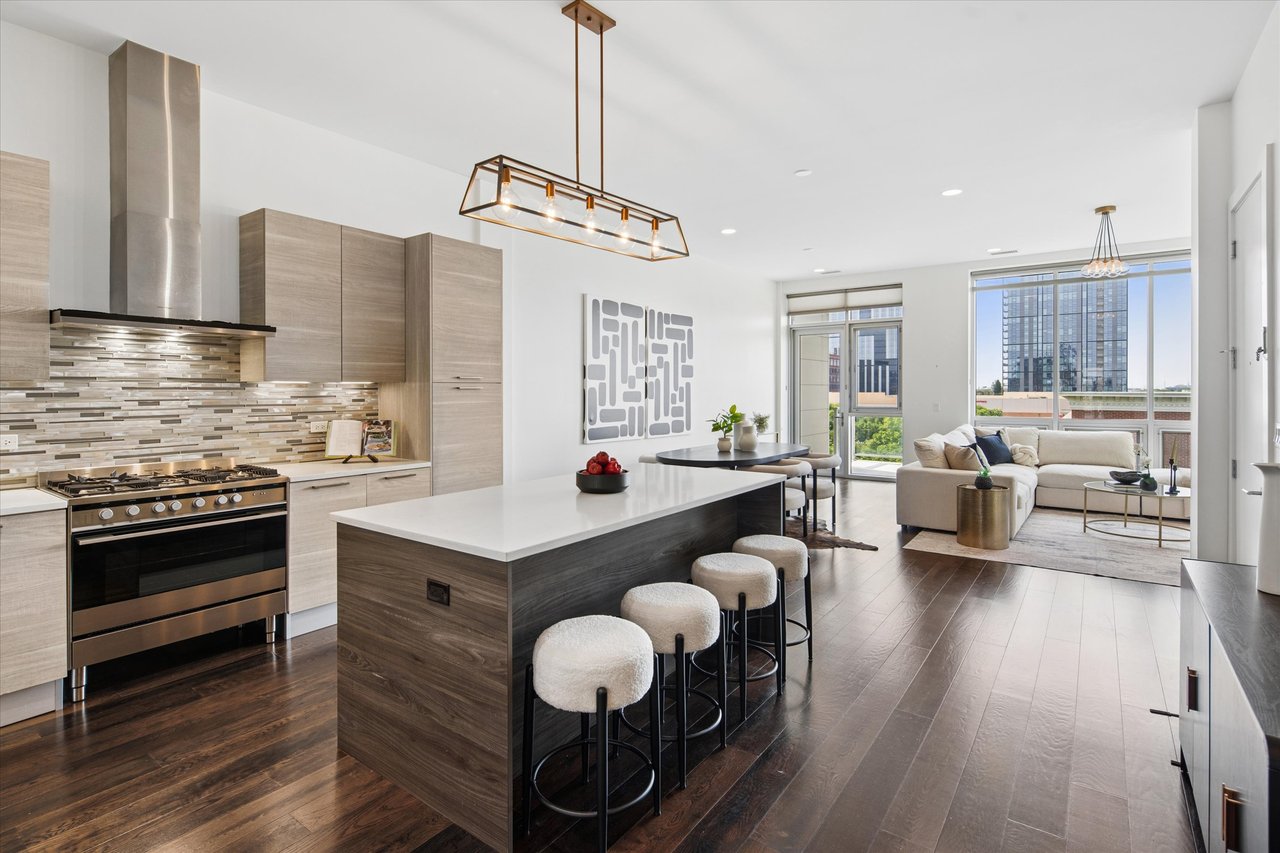
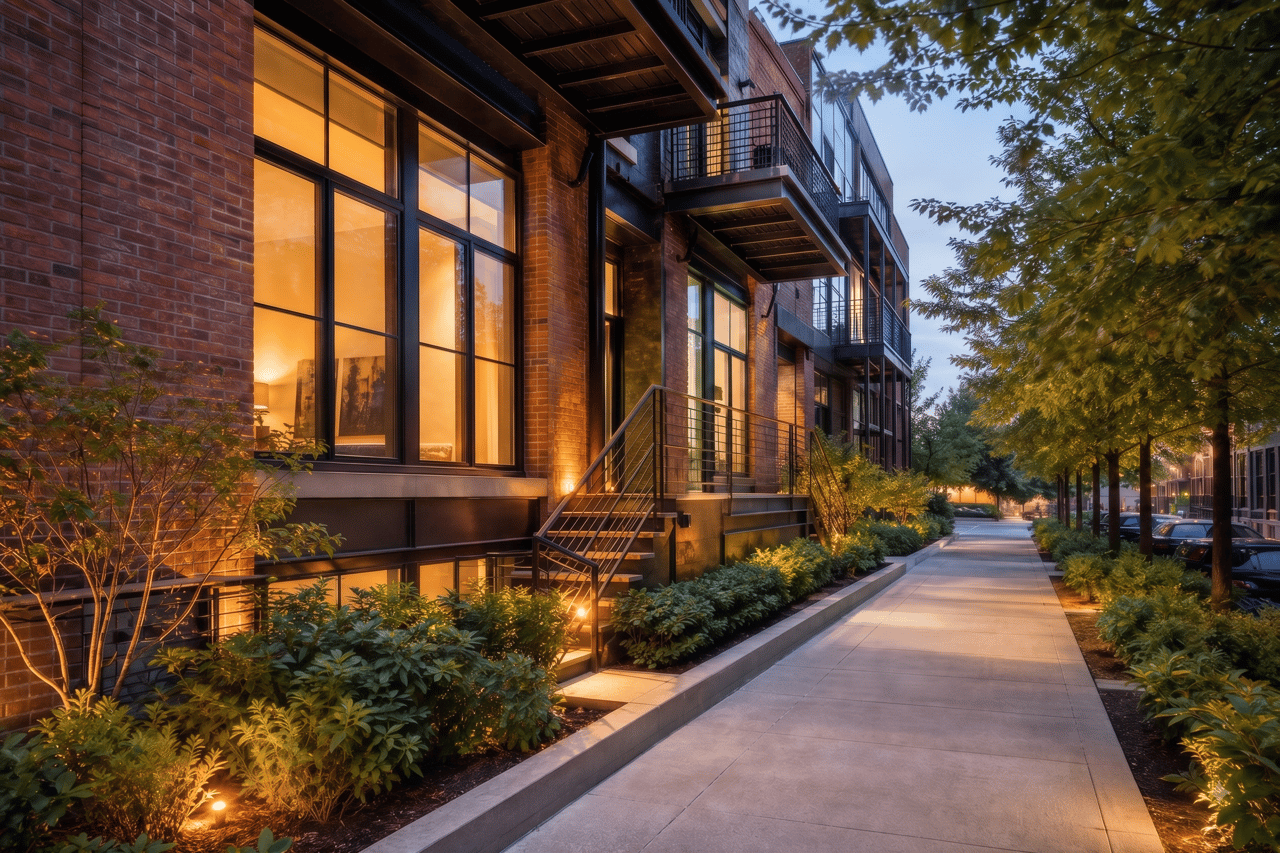
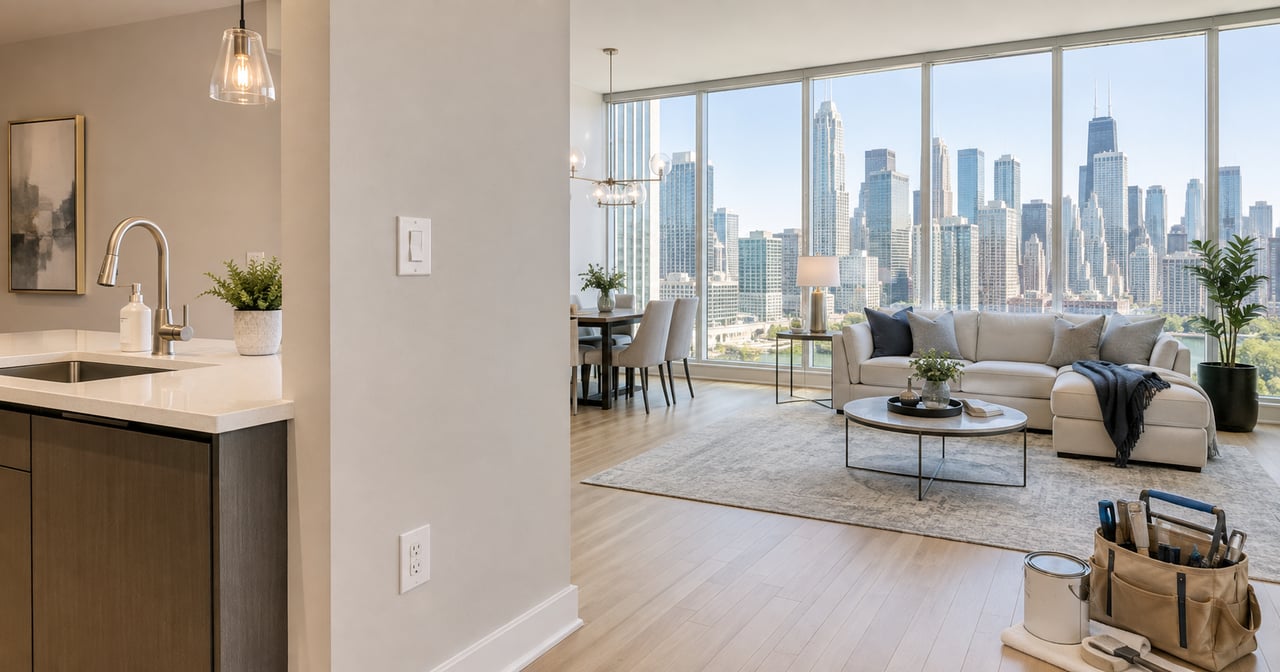
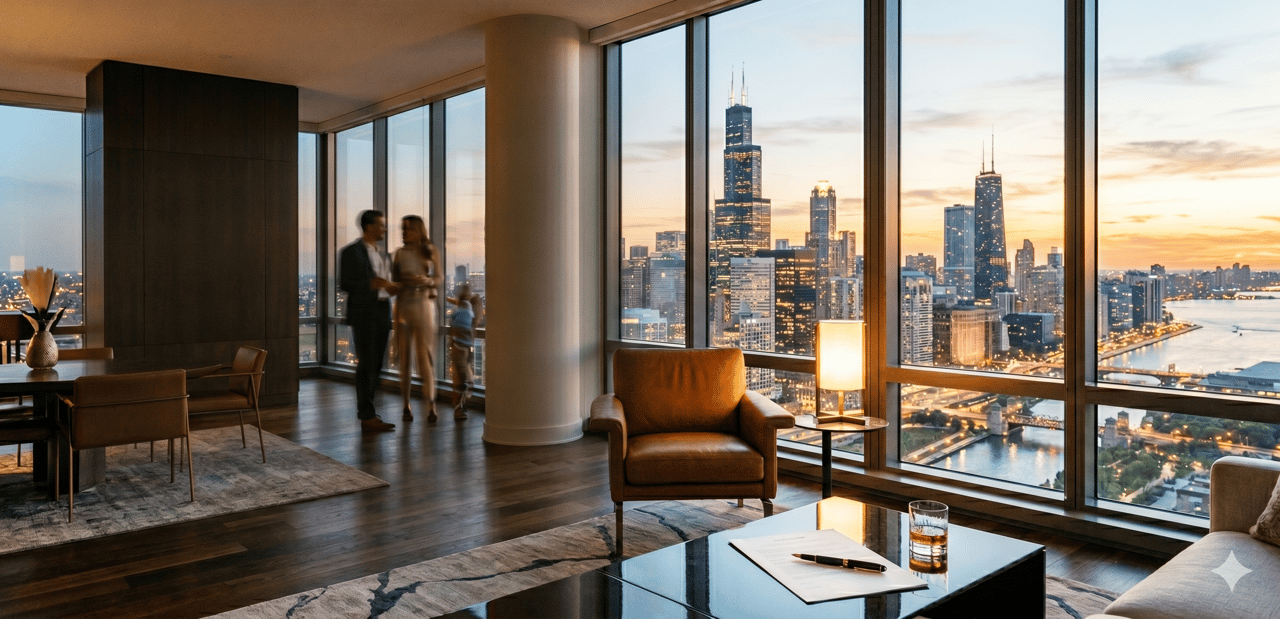
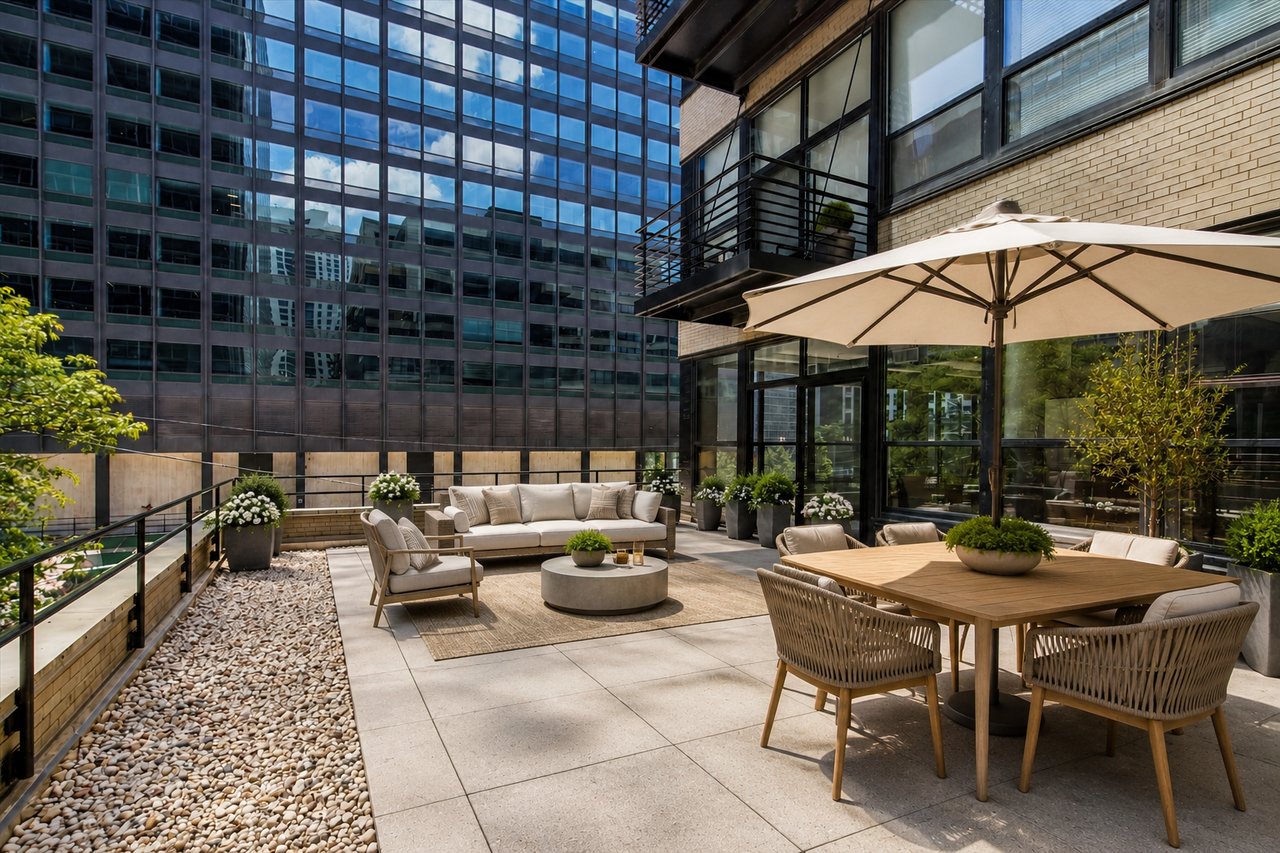
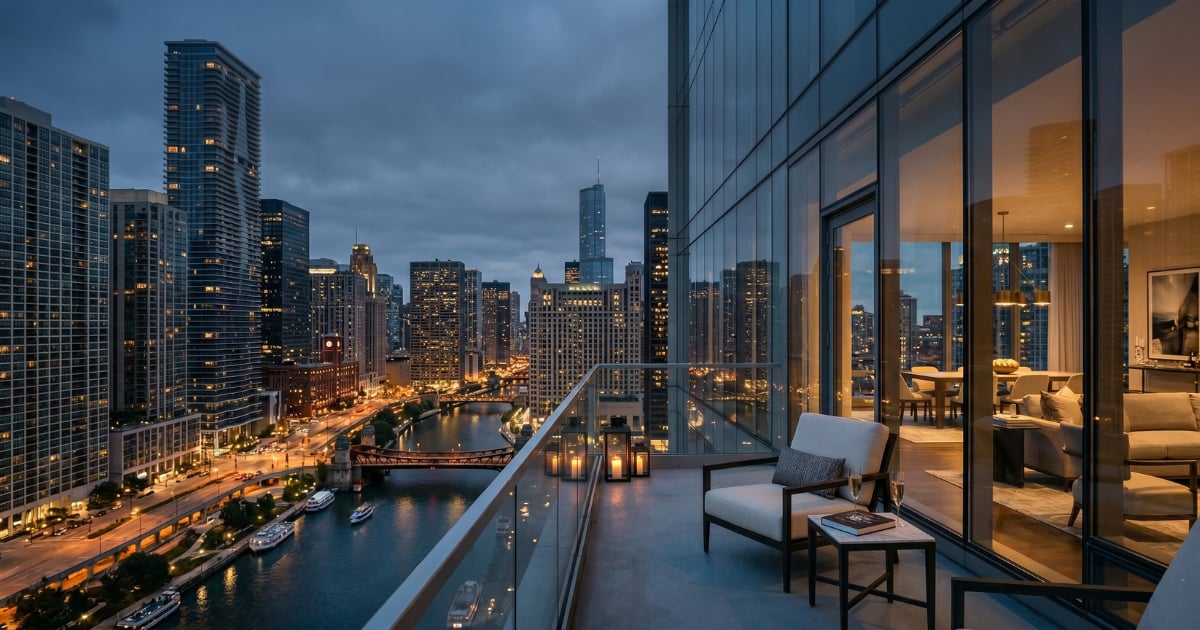
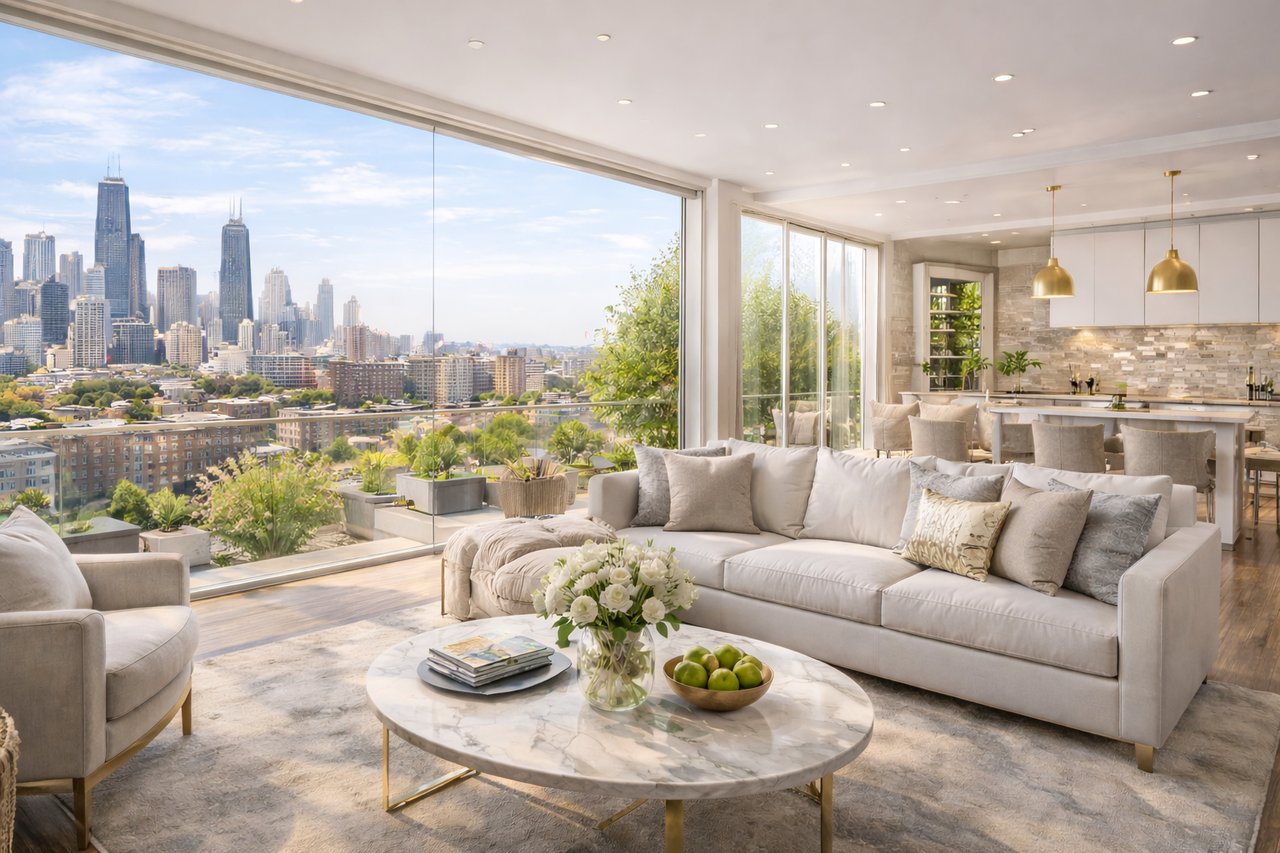
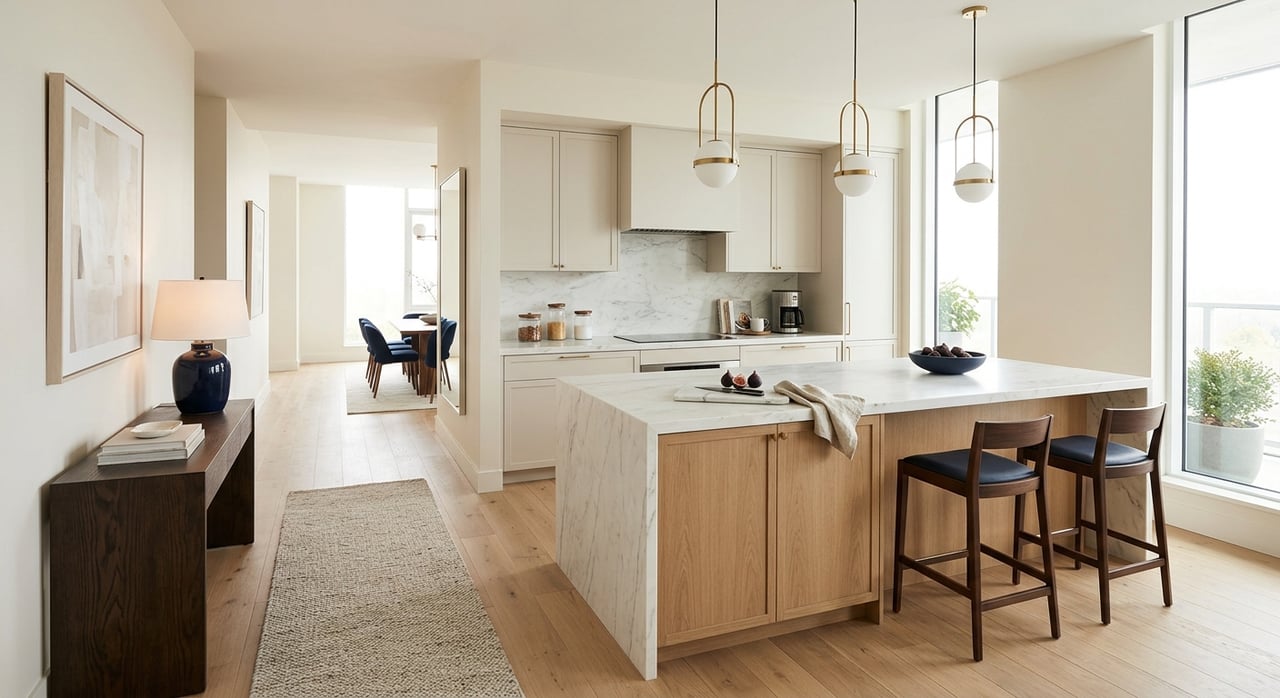
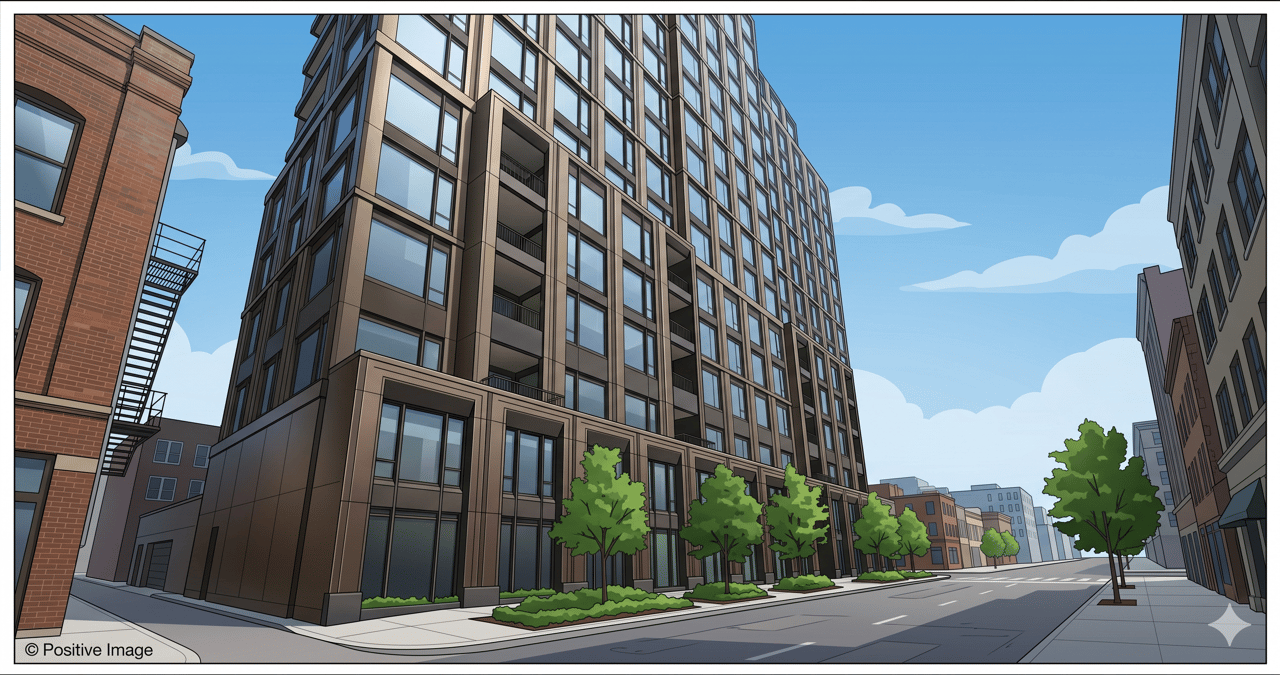
These homes tend to offer cleaner contemporary finishes, private terraces, garage parking, better energy efficiency, and more polished common areas. Boutique new construction also continues to shape buyer demand in parts of the neighborhood and nearby Fulton Market. (Chicago YIMBY)
Full amenity buildings
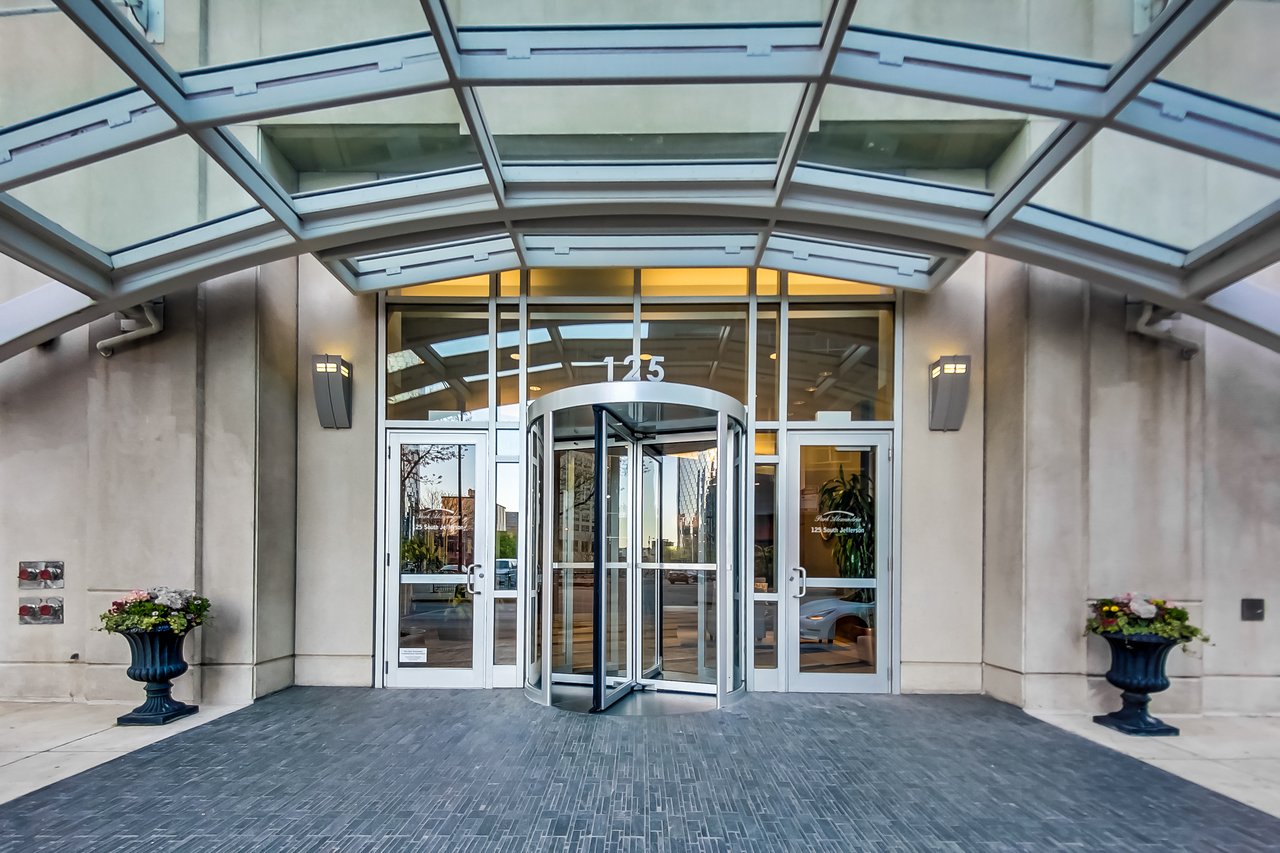
Some West Loop buyers want door staff, fitness rooms, roof decks, elevators, package handling, and higher service levels. These buildings can work well for buyers prioritizing convenience, though dues and amenity value should always be evaluated carefully. (christinehancock.com)
Soft lofts and mid rise condos
These properties often split the difference between character and convenience. They may offer higher ceilings and industrial influence, but with more traditional layouts and newer systems than older warehouse conversions.
West Loop Condo Prices in 2026
West Loop pricing remains above broader city medians, but buyers need to understand that headline numbers only tell part of the story. Redfin’s current neighborhood snapshot shows a median sale price of about $530,000 in West Loop, compared with about $390,000 for Chicago overall. Redfin also reports West Loop median sale price per square foot at about $408. (Redfin)
That does not mean every buyer needs a $530,000 budget. In practice, pricing breaks down more like this:
Typical price ranges by segment
Entry level one bedroom condos: Often start in the upper $200,000s to $300,000s, depending on age, finishes, parking, and exact location.
One bedroom plus den and larger one bedrooms: Often land in the $350,000s to $500,000s.
Two bedroom condos and lofts: Often range from the $500,000s into the $800,000s, with larger terraces, premium finishes, and stronger Fulton Market adjacency pushing pricing higher.
Boutique luxury and larger high end homes: These can move well above $1 million, especially for penthouse layouts, private outdoor space, elevator access, and prime blocks near the neighborhood’s top dining corridors.
These ranges are strategic planning ranges, not substitute pricing for a specific listing. In West Loop, the value difference between two homes with the same bedroom count can be substantial because buyers price architecture, outdoor space, HOA structure, and block location very differently.
Definition: What Counts as a “True Loft” in West Loop?
A true loft usually refers to a converted industrial or warehouse building, not simply a condo with higher ceilings. In West Loop, buyers often use “true loft” to mean original industrial character, exposed brick, timber or concrete structure, wider open living spaces, and a more authentic warehouse feel. That distinction matters because true loft buyers are often shopping for a different lifestyle and resale profile than buyers targeting a conventional newer condo.
Lifestyle, Restaurants, and Everyday Appeal
Lifestyle is a major part of West Loop value. This is not a neighborhood people choose only because of square footage. They choose it because daily life feels easy and interesting.
Choose Chicago points to West Loop and nearby Fulton Market as hubs for dining, hotels, bars, shopping, and arts venues, while its neighborhood restaurant guide highlights the depth of chef driven options in the area. Michelin’s Chicago guide and Choose Chicago’s Michelin coverage also show how much culinary prestige clusters in and around this part of town. (Choose Chicago)
For buyers, that translates into real demand drivers:
-
Walkability to destination dining
-
Strong social appeal for entertaining and nightlife
-
Fast access to downtown offices and transit
-
A neighborhood identity that still feels current, not generic
That lifestyle premium is one reason West Loop tends to stay top of mind with downtown condo buyers.
New Developments and What They Mean for the Market
West Loop still has active redevelopment momentum in 2026. Recent reporting shows plans for a 16 unit condominium project at 1282 W. Washington, with delivery projected for 2027. Other mixed-use and residential projects in Fulton Market continue to reinforce long term neighborhood investment and keep the area in front of buyers who want newer inventory. (Chicago YIMBY)
New development matters for two reasons. First, it creates fresh competition for resale sellers at the upper end. Second, it helps validate long term confidence in the neighborhood. When buyers see continued investment, it supports the idea that West Loop remains a high priority submarket within downtown Chicago.
West Loop Real Estate Market Trends for 2026
The broad housing backdrop for 2026 looks more constructive than the past few years. The Chicago Association of REALTORS® outlook points to improving sales activity as mortgage rates ease and inventory gradually improves. National Association of REALTORS® reporting similarly expects lower mortgage rates and higher sales activity to bring more buyers back into the market during 2026. (Chicago Association of REALTORS®)
At the local level, West Loop remains a somewhat competitive market, according to Redfin. That is an important distinction. It is not uniformly overheated, but well positioned and well priced homes can still draw strong attention, especially when they check the boxes buyers care about most, including outdoor space, updated kitchens and baths, parking, and manageable HOA dues. (Redfin)
My read on the neighborhood in 2026 is straightforward. Buyers have more information and more choice than they did in the frenzy years, but demand has not disappeared. It has become more selective. That usually benefits buyers who are strategic and sellers who understand exactly how their building fits into the market.
👉 West Loop Market Data
Here are the most useful numbers shaping the 2026 conversation:
-
West Loop median sale price: about $530,000 last month on Redfin. (Redfin)
-
West Loop median price per square foot: about $408. (Redfin)
-
Chicago median sale price: about $390,000 in February 2026 on Redfin. (Redfin)
-
City of Chicago median sales price: $345,000 in January 2026, according to Chicago Association of REALTORS® market snapshot. (Chicago Association of REALTORS®)
-
2026 national outlook: NAR expects existing home sales to improve and has pointed to mortgage rates around 6% as a major affordability driver. (National Association of REALTORS®)
Practical Strategy Section: How to Buy Smart in West Loop
If you are buying in West Loop, focus on the details that affect both daily enjoyment and future resale.
1. Buy the building, not just the unit
A great kitchen does not overcome weak reserves, unusually high dues, poor rental rules, or an awkward owner to investor mix.
2. Understand your product type
A true loft, a soft loft, and a newer full amenity condo do not attract the same buyer pool. That affects resale timing and pricing.
3. Pay close attention to micro location
Being near Fulton Market, Randolph Street, Mary Bartelme Park, or a quieter residential pocket can change value, noise level, and buyer demand.
4. Compare monthly ownership cost, not just purchase price
HOA fees, parking, taxes, and special assessments matter a lot in Chicago condo ownership. (christinehancock.com)
5. Think ahead to your likely next move
West Loop can be a great fit for primary buyers, but the smartest purchases are usually the ones that will still appeal to the next buyer when you sell.
Local Expertise Section
West Loop is one of those Chicago neighborhoods where general advice is not enough. Buyers need building level context. The neighborhood includes iconic loft conversions, newer luxury projects, and streets that feel completely different from one another even when they are only a few blocks apart. That is why I look beyond the headline stats and focus on how each property fits the real buyer pool for that building type.
In this market, the right purchase is not always the newest unit or the one with the flashiest finishes. Sometimes the better long term buy is the home with the stronger layout, lower monthly carrying cost, better light, better outdoor space, or the more proven building.
Final Thoughts
West Loop holds its position as one of the best neighborhoods in downtown Chicago for buyers who want a mix of character, convenience, and long term appeal. In 2026, the market is still active, still selective, and still shaped by lifestyle as much as price. If you are buying a condo here, the best results come from understanding the building, the block, the monthly cost, and the specific resale story behind the home, not just the listing photos.
I can help you compare buildings, understand pricing, and make a smart move based on your goals, not just the latest listing alerts.
Frequently Asked Questions
Is West Loop a good place to buy a condo in 2026?
Yes, for many condo buyers it is. West Loop combines strong lifestyle appeal, access to downtown, varied housing stock, and continued development, all of which support demand. (Redfin)
Are West Loop condos expensive compared with the rest of Chicago?
Generally, yes. West Loop median sale pricing is currently above the broader Chicago median, though exact pricing varies a lot by building type and location. (Redfin)
What is the difference between a loft and a condo in West Loop?
A loft usually refers to a more industrial style home, often in a converted building with exposed brick, beams, and open layouts. A conventional condo may have a more traditional layout and newer construction feel. (christinehancock.com)
What should buyers watch most carefully in West Loop buildings?
HOA fees, reserves, special assessments, rental rules, parking, noise exposure, and resale appeal should all be reviewed closely before buying. (christinehancock.com)
Are new developments still coming to West Loop?
Yes. Recent proposals and approvals show additional condo and mixed-use projects moving forward in and around the neighborhood. (Chicago YIMBY)
ABOUT THE AUTHOR
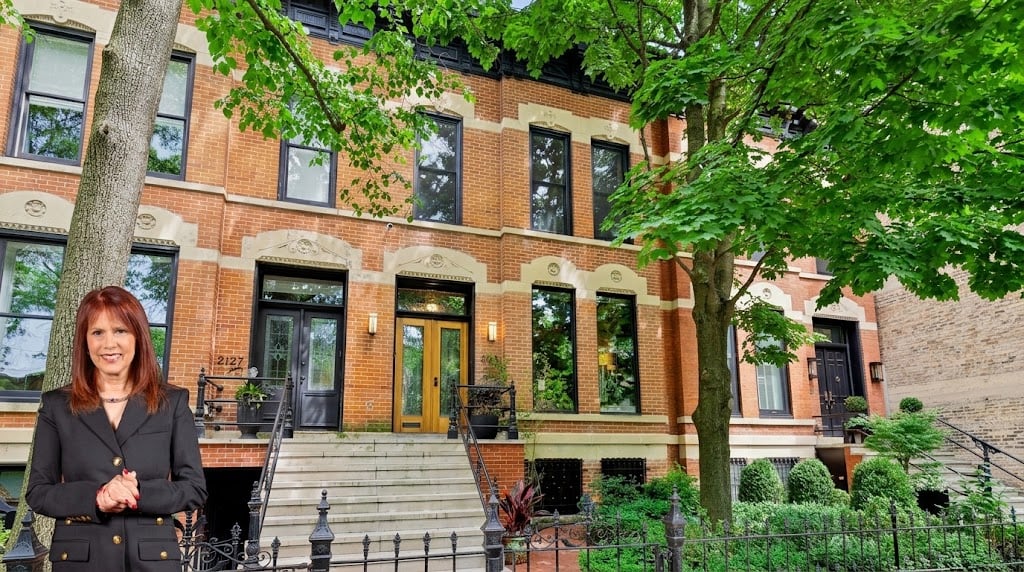
Christine Hancock is a Chicago Realtor with @properties Christie’s International Real Estate, bringing more than 25 years of experience and over $200 million in closed sales in the downtown condo market. With 96 five-star Zillow reviews, Christine is recognized for her commitment to client satisfaction and market expertise.
She specializes in high-rise and luxury condominium sales in West Loop, South Loop, River North, and Streeterville—helping buyers and sellers navigate complex transactions with data-driven pricing strategies and deep neighborhood insight.
Christine partners with clients to evaluate market trends, position properties competitively, and make confident, informed decisions in Chicago’s vibrant downtown housing market.
Call or text 312-296-9300 to discuss current market conditions or your real estate goals.