Why Your Downtown Chicago Condo Is Sitting — And What Actually Fixes It
If your downtown Chicago condo has been on the market longer than 30 days without a serious offer, something is off. The market isn't broken. Your strategy is.
The Short Answer
In 2026, downtown Chicago condos are selling, but only the ones that are priced right, show well, and don't carry obvious red flags. Units sitting past 45 days are almost always giving buyers a reason to wait. The fix is rarely a renovation. It's usually a reset, and a good one starts with understanding what buyers are actually reacting to.
The Market Is Active — But It's Selective
Let's get this out of the way first. The downtown Chicago condo market is not frozen. As of February 2026, the median sale price was $430,000, up 3.4% year over year. Buyers are here. Deals are closing.
But the average days on market is sitting at 91 days. That number matters. It tells you buyers are taking their time, comparing carefully, and passing on anything that doesn't check the right boxes.
The days of listing and waiting for a bidding war are behind us. Today's buyer is informed, deliberate, and has options. If your condo isn't moving, it's because it's not winning that comparison.
What's Your Price Actually Saying?
Price is the first filter every buyer uses. And it's communicating something whether you intend it to or not.
If you priced your unit based on what you paid, what you put into it, or what your neighbor got two years ago, you may have already lost the buyer before they ever walked through the door. The 2026 buyer is running comps the same day they see your listing. They know the building. They know the floor. They know what sold on the same tier last quarter.
A price that's even 5% above the comp set sends a signal: this seller isn't serious, or this unit has a problem they're hiding. Neither is a good start.
The fix: Pull the last six months of closed sales in your building. Not the neighborhood. Your building. Same bedroom count, similar floor, comparable finishes. That's your pricing anchor.
Is the View Doing the Work or Killing the Deal?
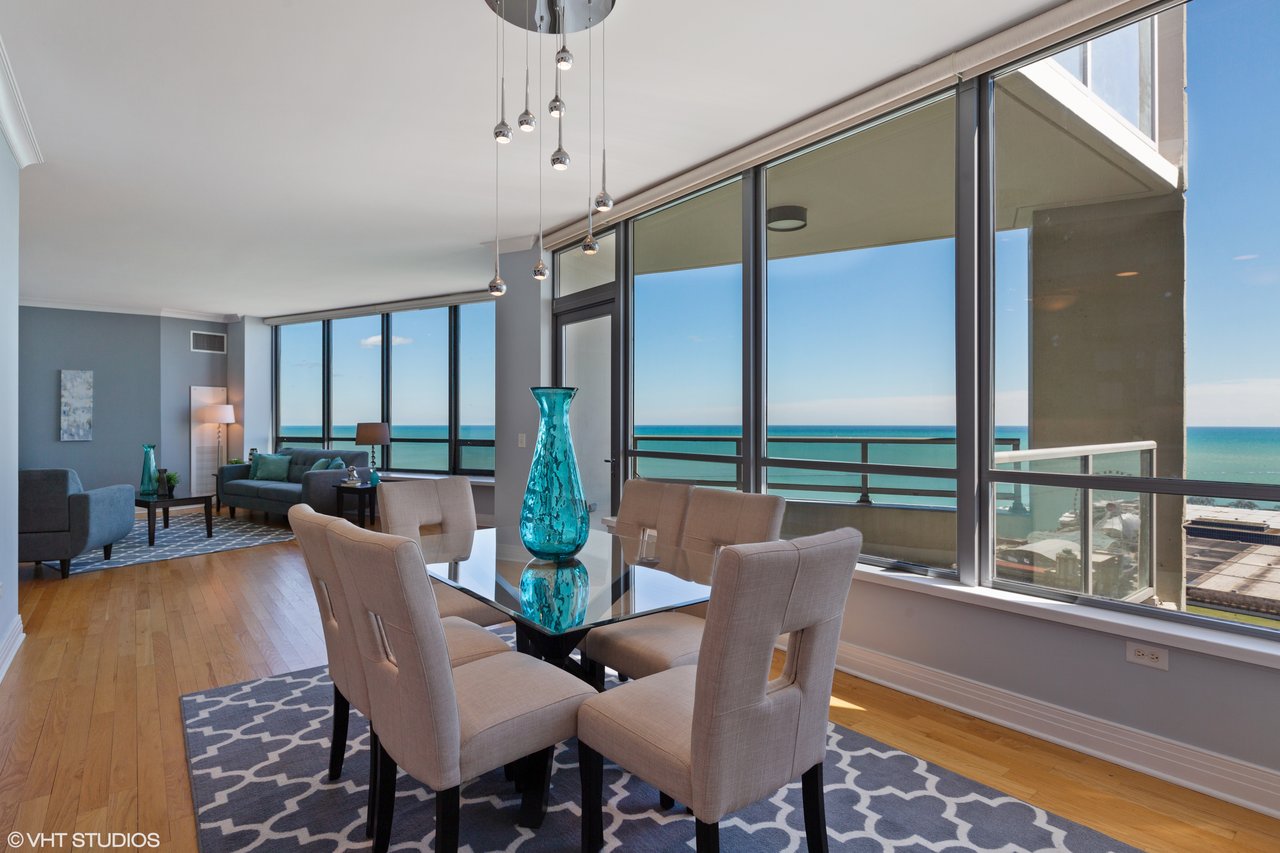
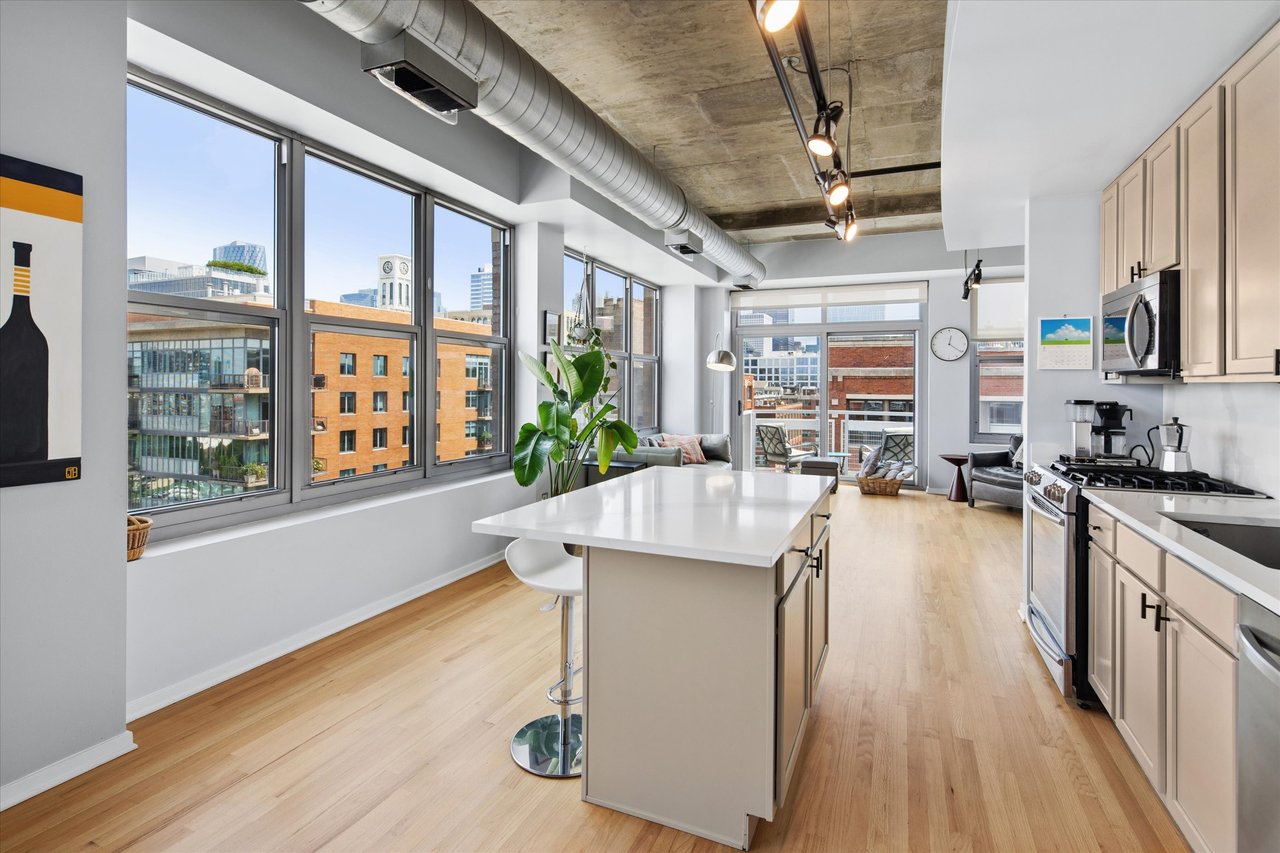
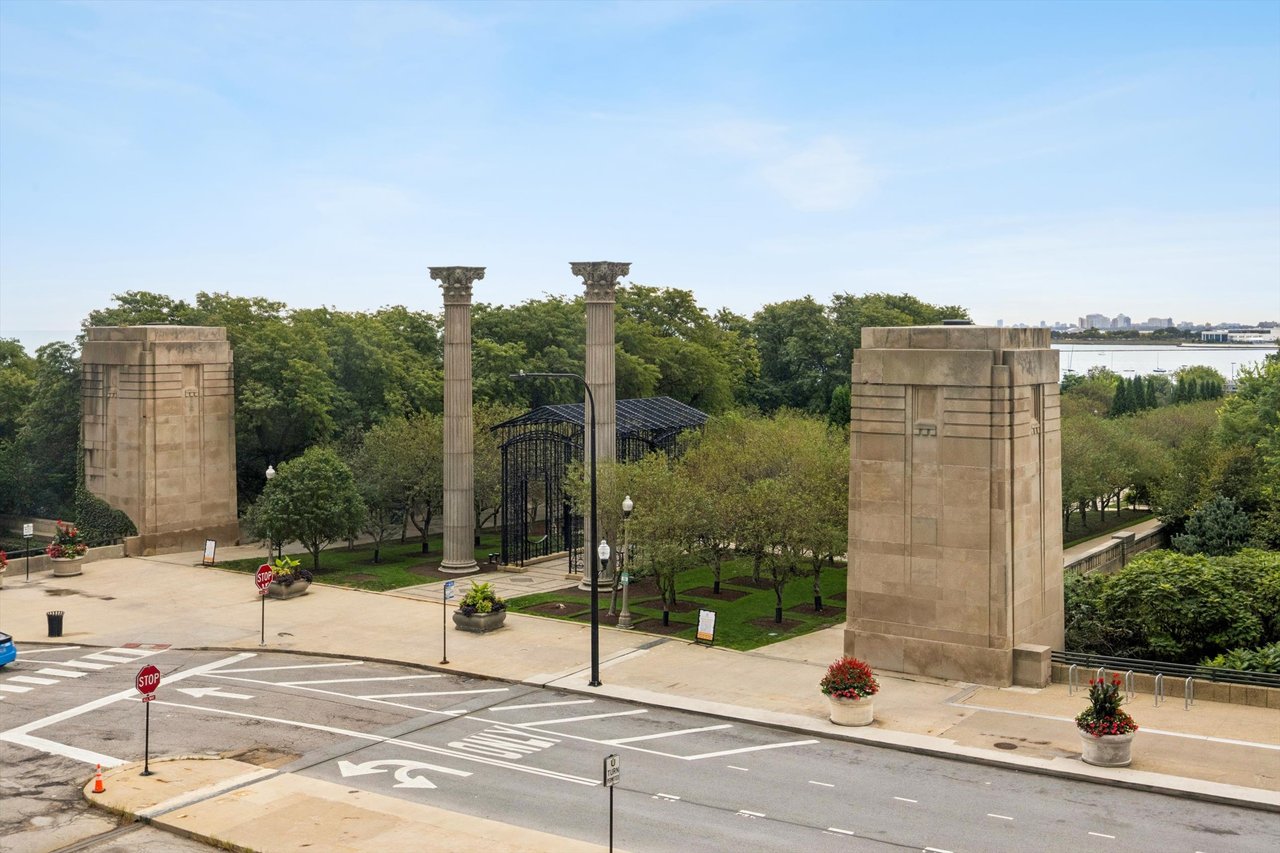
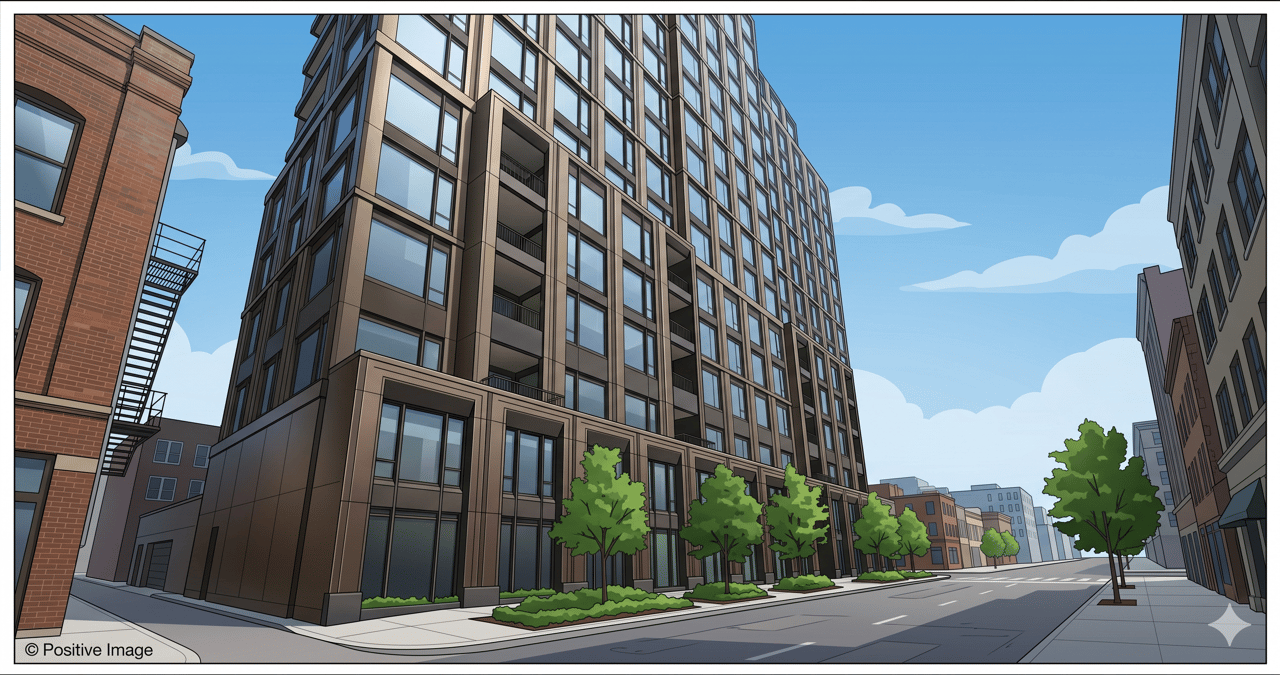
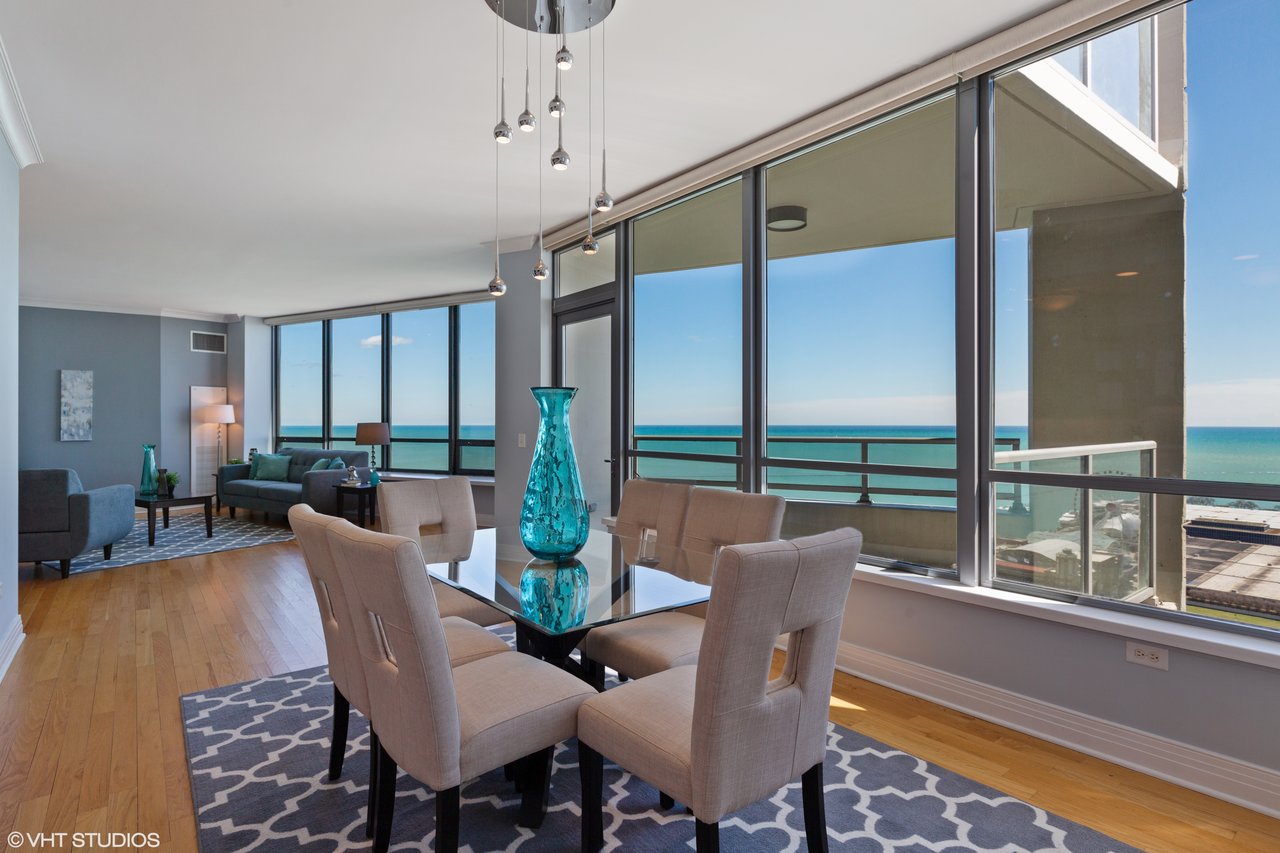
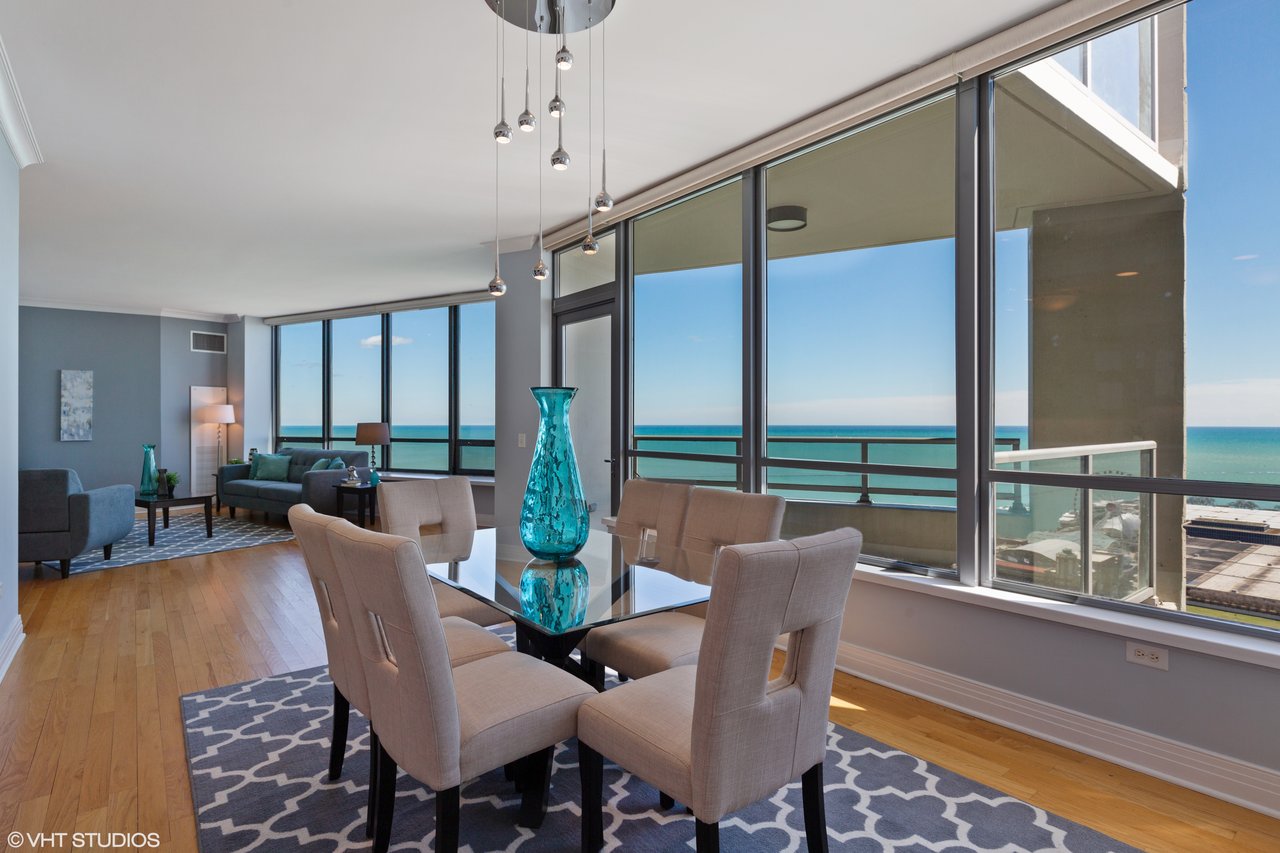
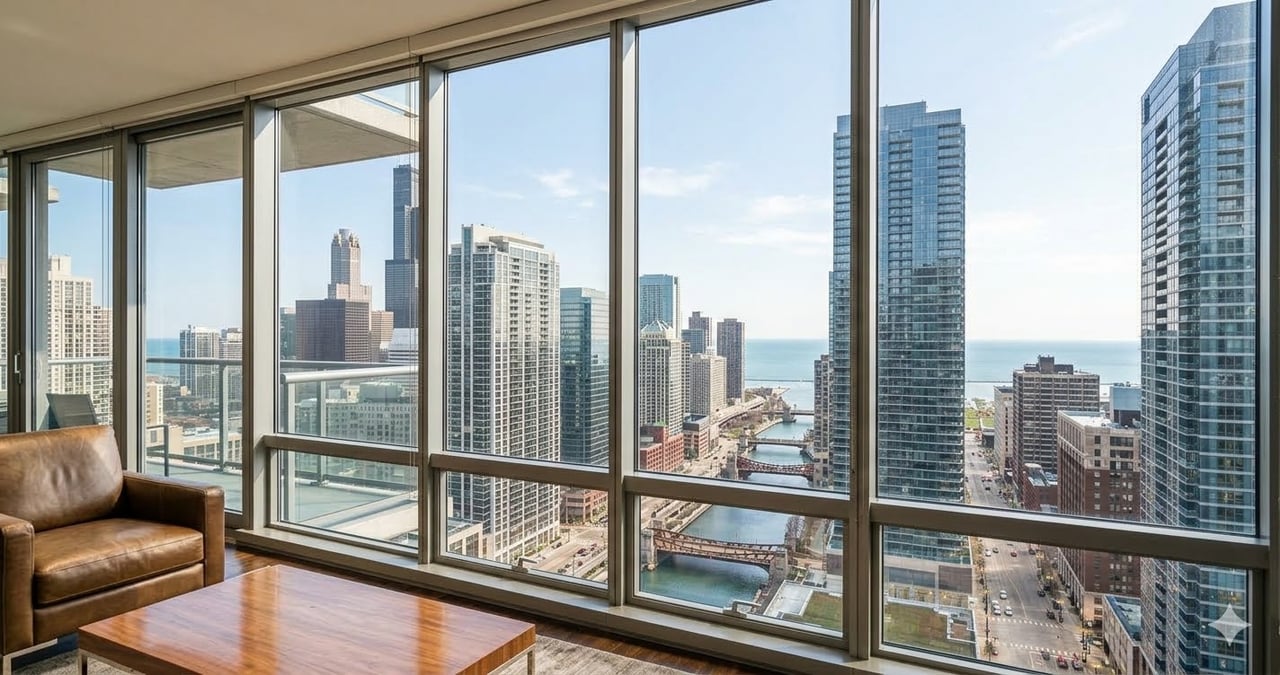
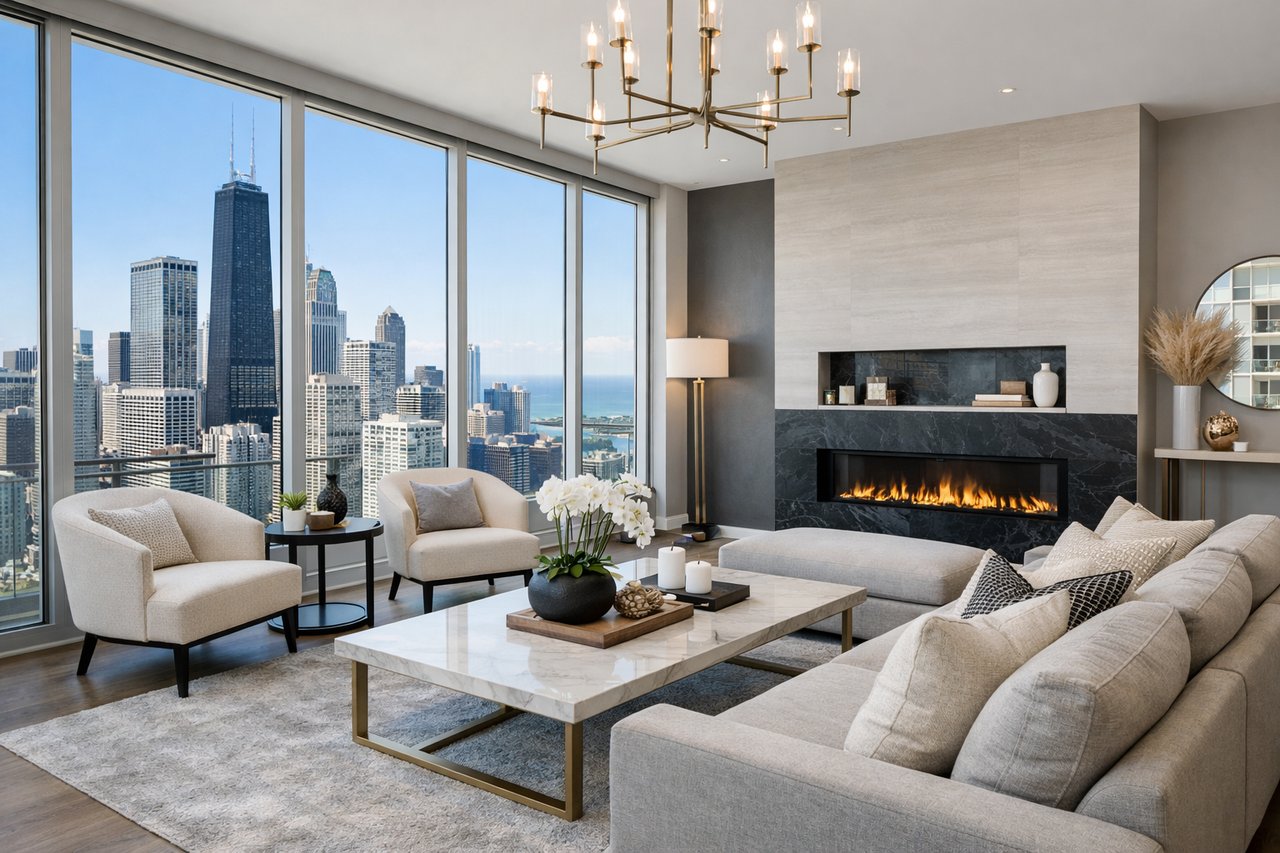
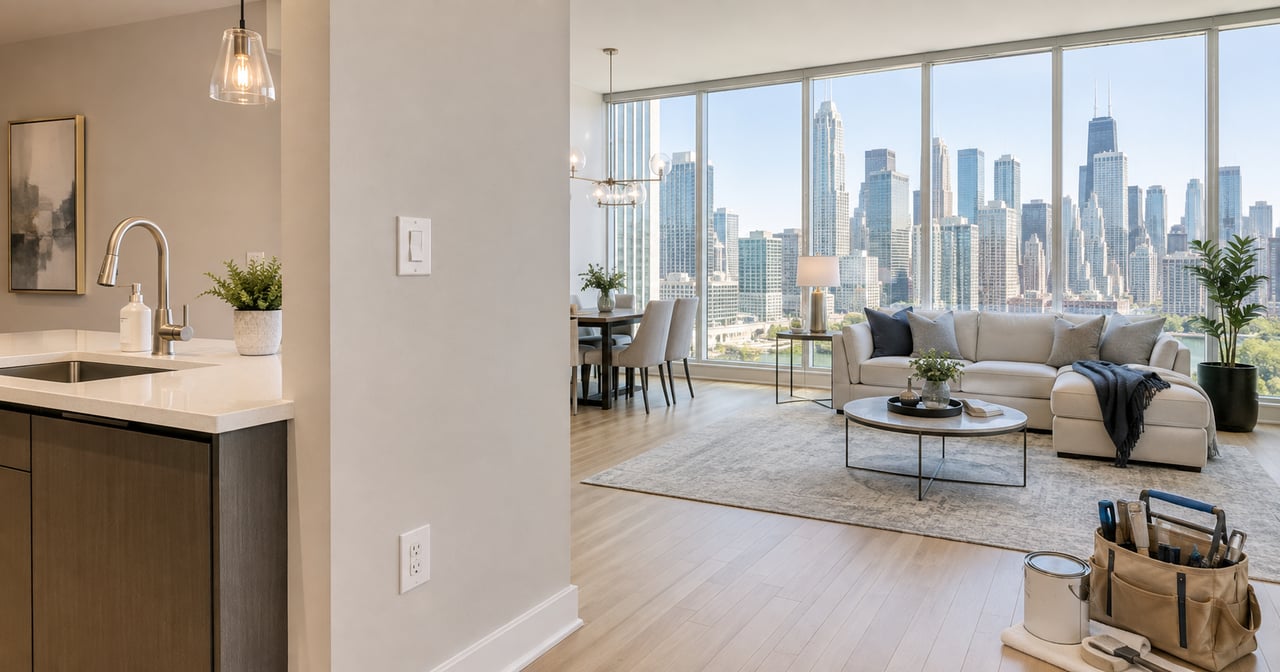
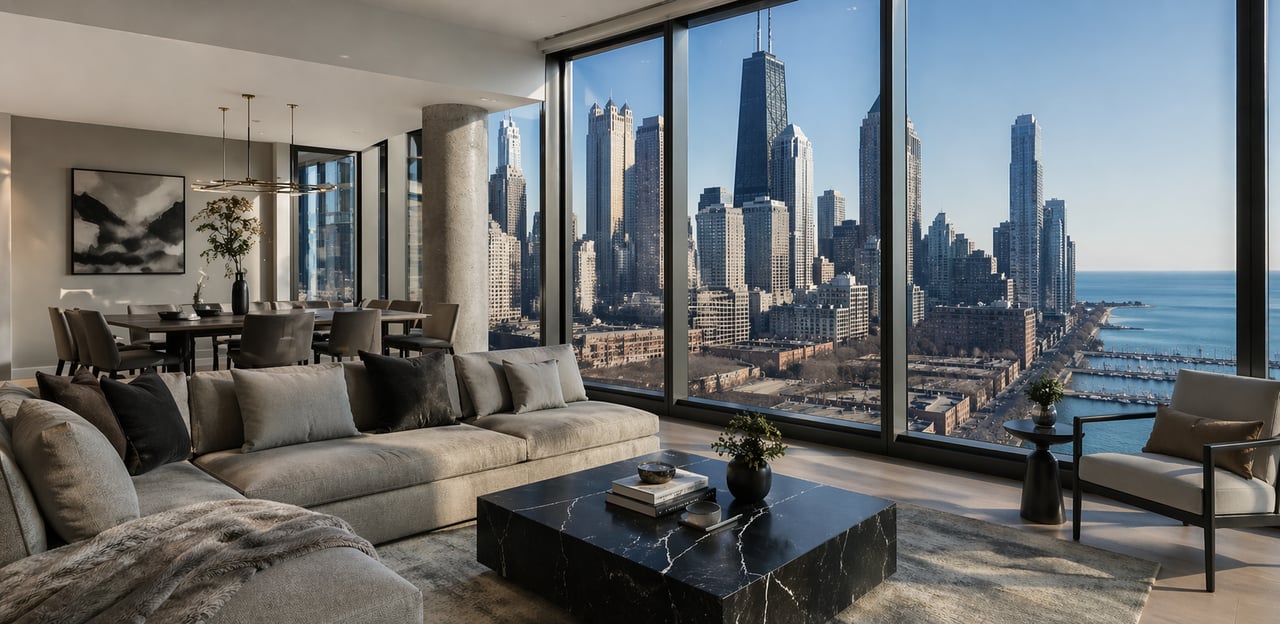
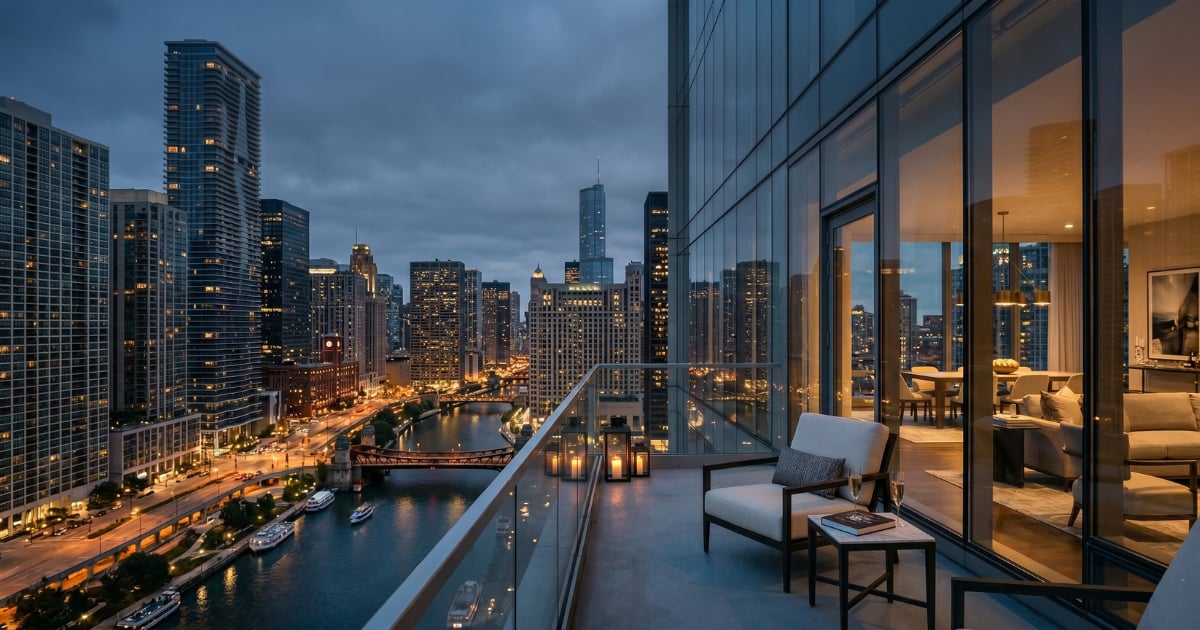
In downtown Chicago high-rises, view is a primary value driver. Buyers shopping River North, Streeterville, Gold Coast, and the West Loop expect to pay differently based on what they're looking at. A unit facing a parking garage or another building's HVAC system is not the same product as a unit with lake or skyline exposure, even if the square footage is identical.
If your view is a liability, the price has to reflect that. If it doesn't, you'll get a lot of showings and no offers. Buyers aren't rude about it, they just don't come back.
The fix: Price to view. And in your marketing, be honest about what you're offering. "City view" and "unobstructed lake view" are not the same thing, and buyers know the difference.
HOA Fees: The Silent Deal Killer
This is one of the most underestimated obstacles in the downtown condo market. High HOA fees shrink your buyer pool fast. Here's why.
When a lender qualifies a buyer, they factor in the monthly assessment alongside the mortgage payment, taxes, and insurance. A $700 or $900/month assessment on a $450,000 unit can push a buyer out of qualification range, even if they love the unit. And buyers who can qualify are doing the math on what they could get elsewhere for the same monthly cost.
HOA fees in downtown Chicago buildings range from around $300/month in smaller boutique buildings to well over $1,000/month in full-amenity high-rises. That spread matters enormously for pricing strategy.
The fix: Know your effective cost of ownership number. That's mortgage + taxes + HOA. If the total is out of line with competing units, your list price needs to account for that gap.
Parking: Still Non-Negotiable for Most Buyers
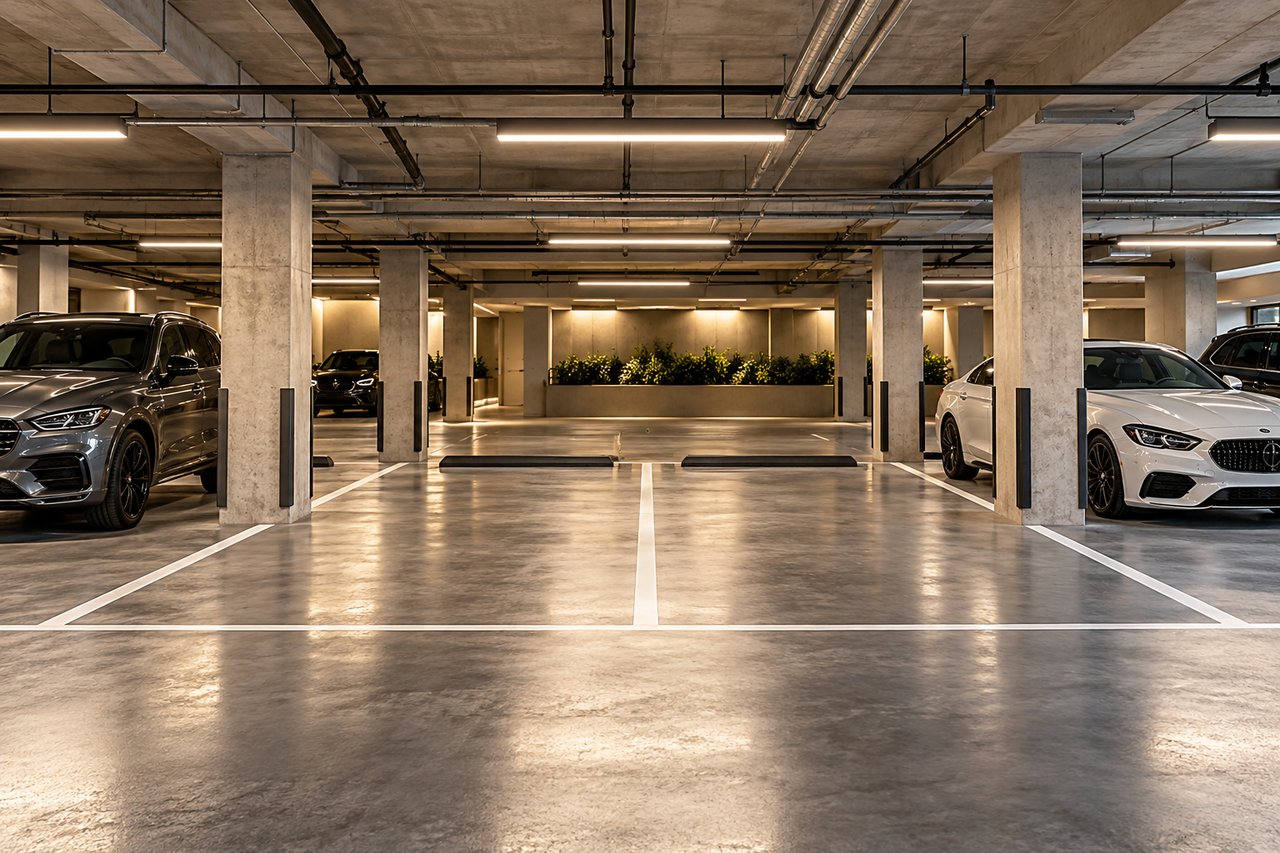
Parking in downtown Chicago is a amenity, not a given. And for a large segment of buyers, a unit without deeded garage parking is a unit they won't seriously consider, regardless of everything else it offers.
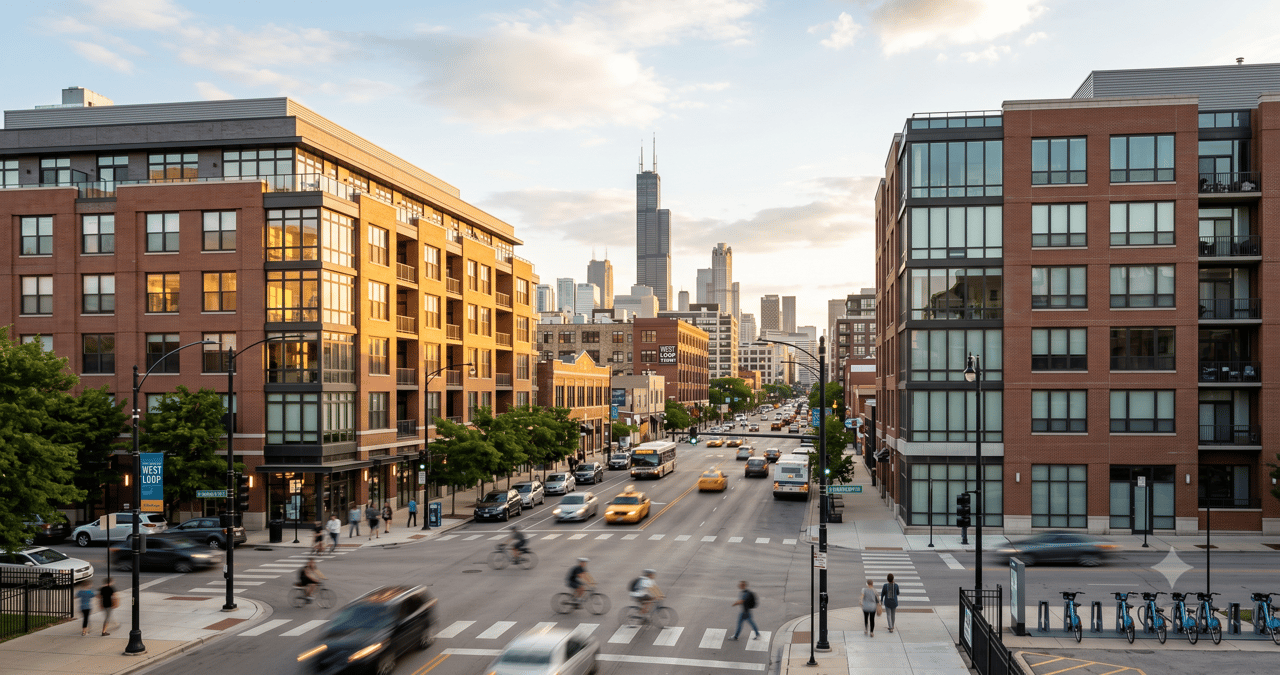
This is especially true in West Loop and River North, where street parking is competitive and buyers place real value on a heated garage space. If your unit doesn't include parking, you need to price accordingly. If parking is available to purchase separately in the building, make sure that option is clearly communicated and easy to act on.
The fix: If parking is included, lead with it in every marketing piece. If it isn't, price the unit relative to comparable no-parking sales in your building, not the ones that included a space.
What "Updated" Actually Means to a 2026 Buyer
Not every renovation adds value. And not every original kitchen is a deal-breaker. But the gap between what sellers call "updated" and what buyers experience as updated has gotten wider in recent years.
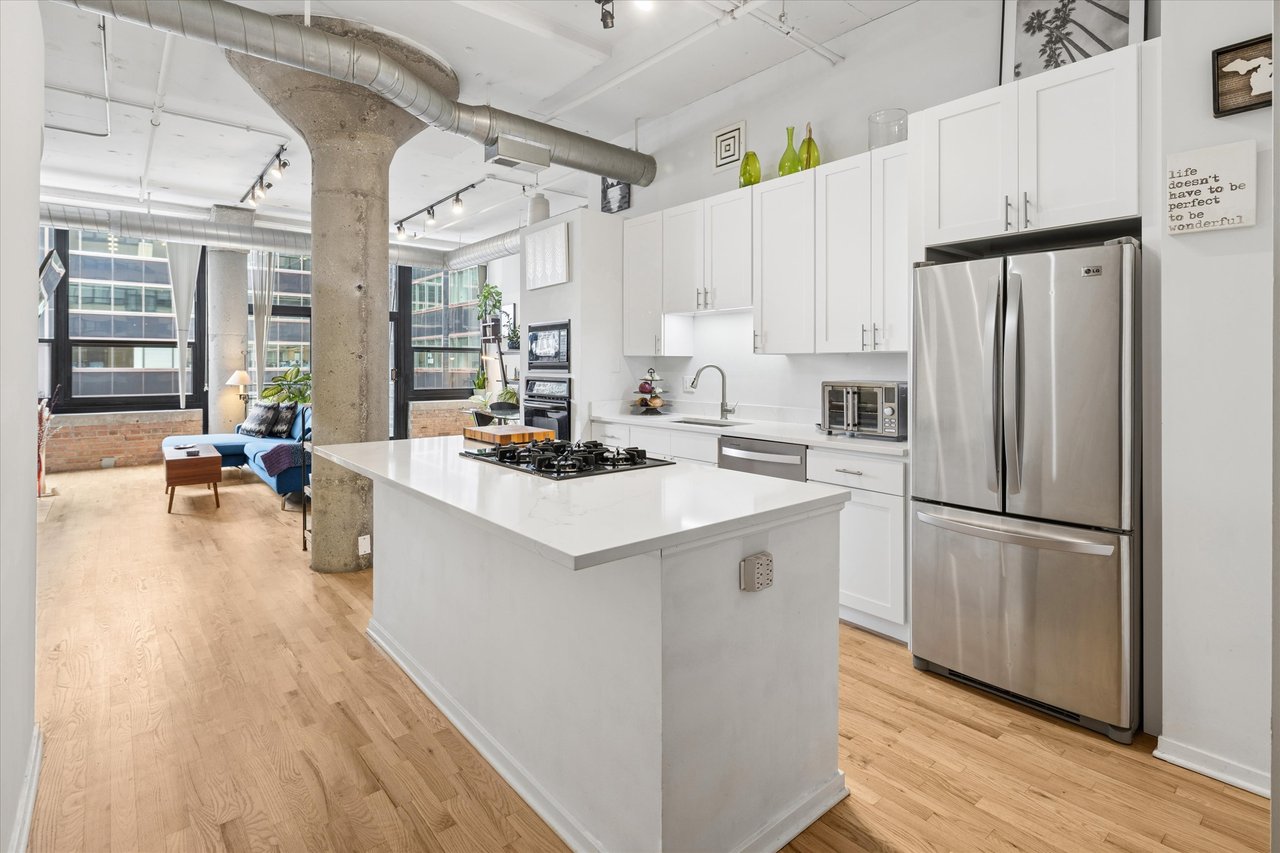
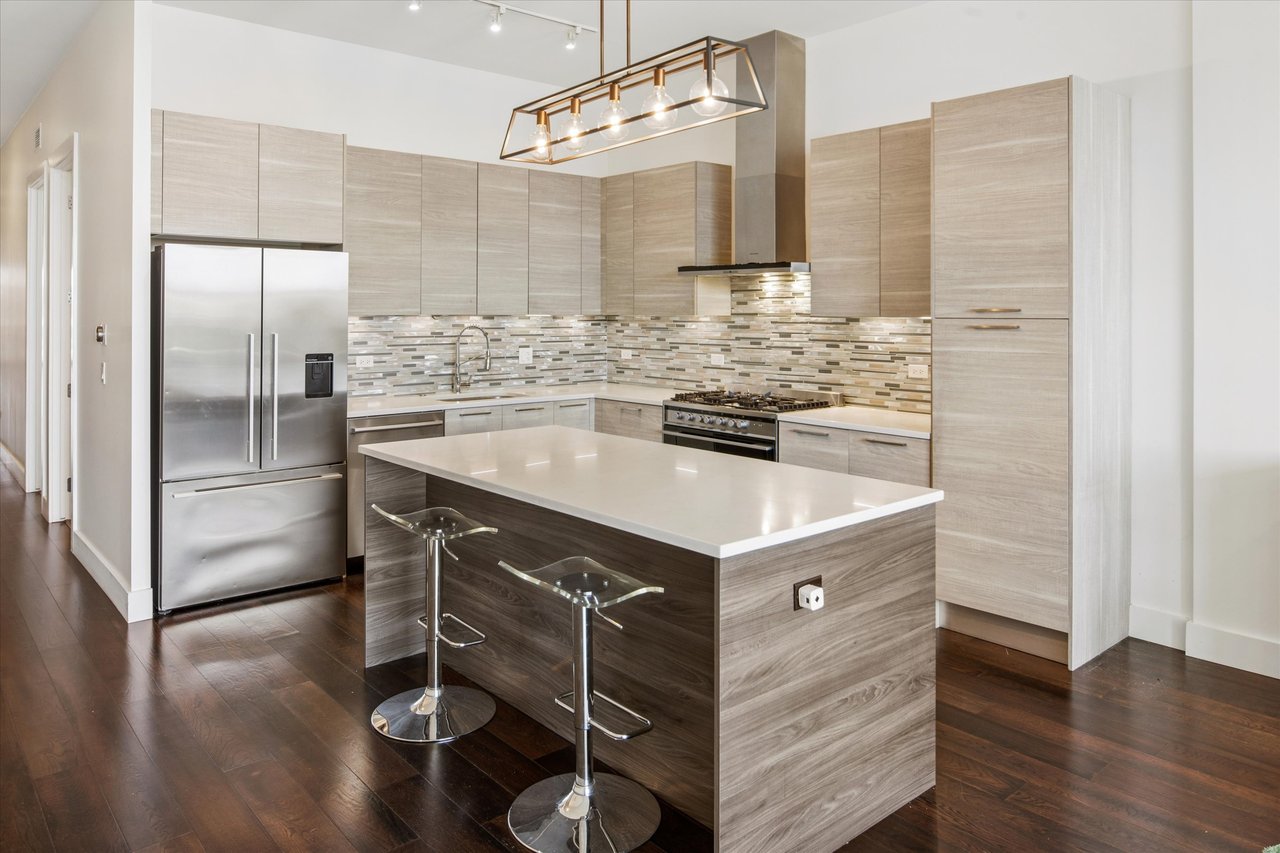
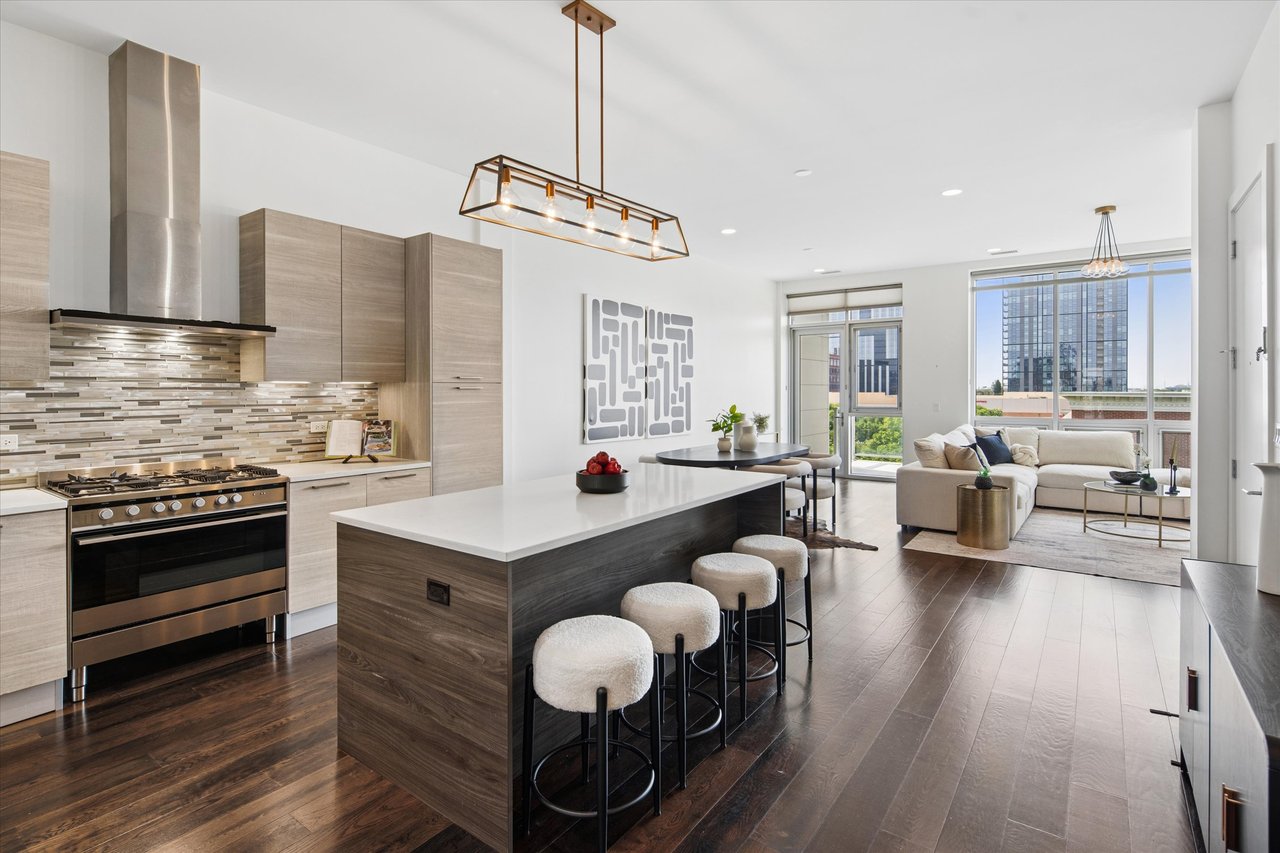
A kitchen with granite counters and stainless appliances from 2012 is not a renovated kitchen to a 2026 buyer who has spent the last five years scrolling Redfin and watching renovation content. They're looking for quartz, panel-front appliances, integrated storage, and clean lines. If your finishes were current a decade ago, they're now "dated but functional," which is fine as long as your price says that clearly.
The Chicago Association of Realtors consistently notes that turnkey, move-in-ready inventory commands a premium in the current market. Buyers who have lived through rate volatility are not eager to absorb renovation costs on top of a mortgage.
The fix: Walk your unit with fresh eyes. Better yet, have your agent walk it and be brutally honest with you. Is the kitchen a selling point or a concession? The price should reflect the honest answer.
Presentation Matters More Than You Think
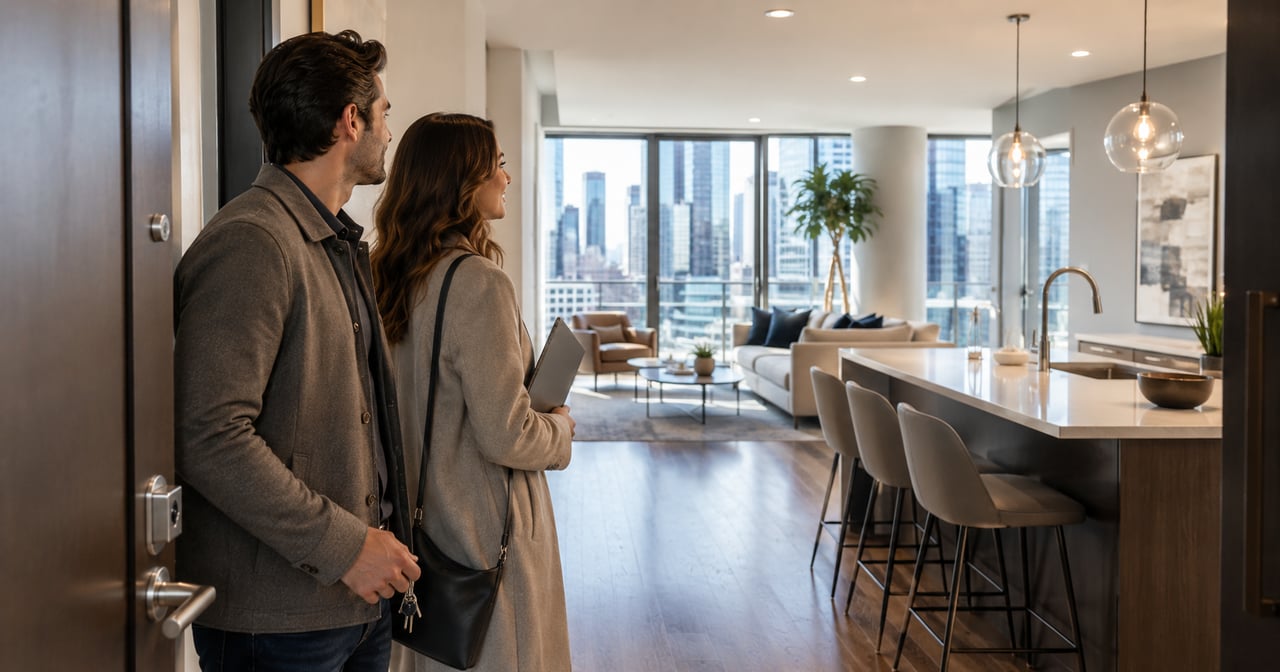
Buyers form opinions in the first 15 seconds of a listing photo. They form opinions again in the first 60 seconds inside your front door. If either of those moments creates hesitation, you've lost momentum that's hard to recover.
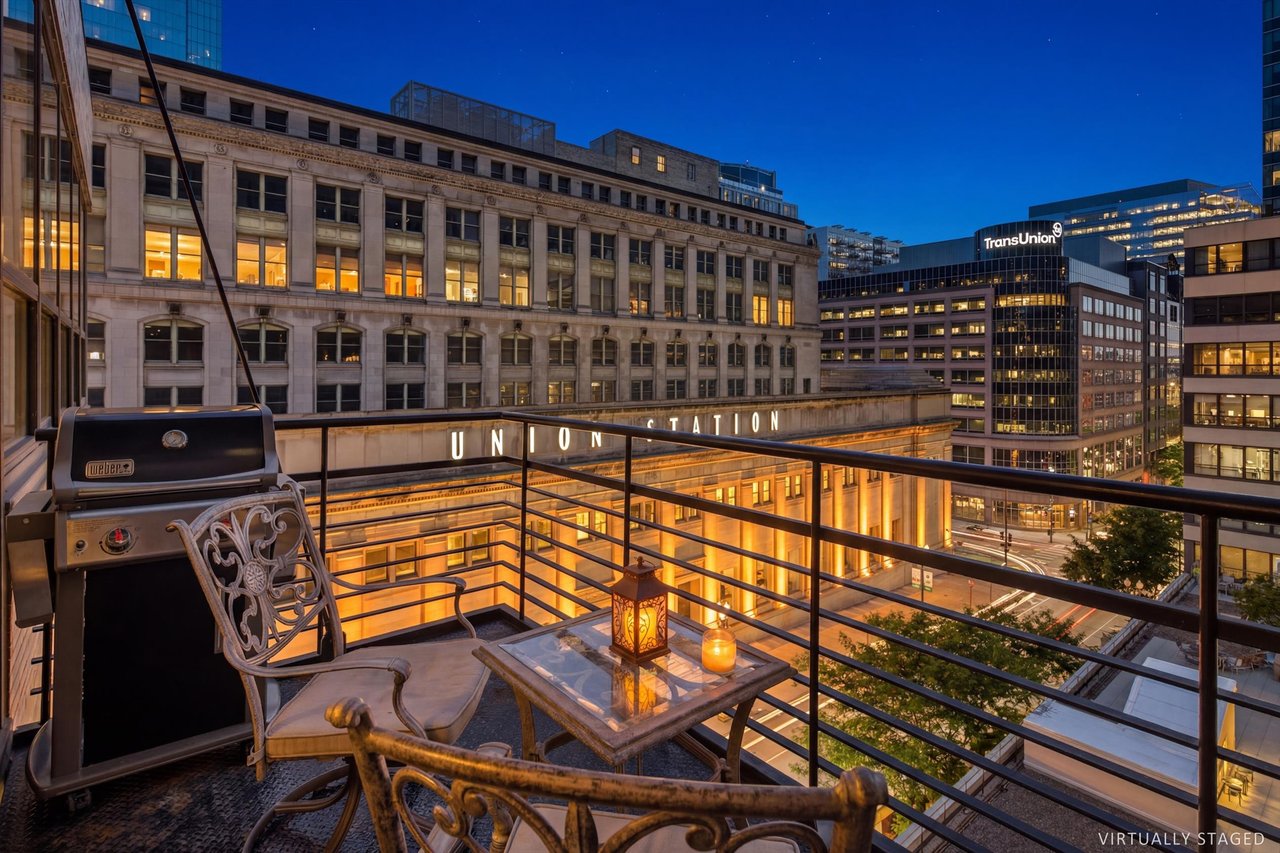
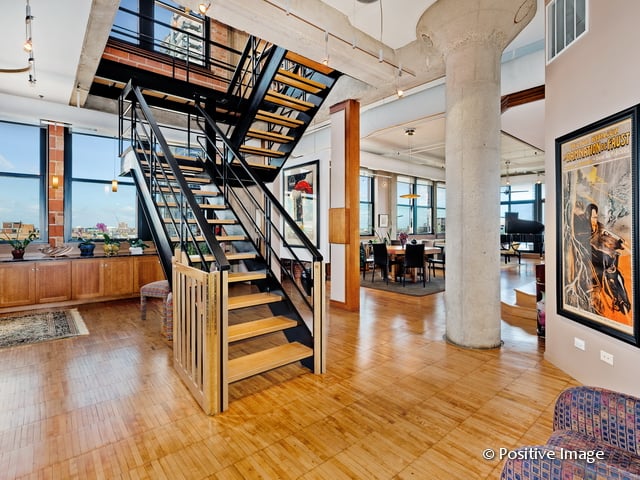
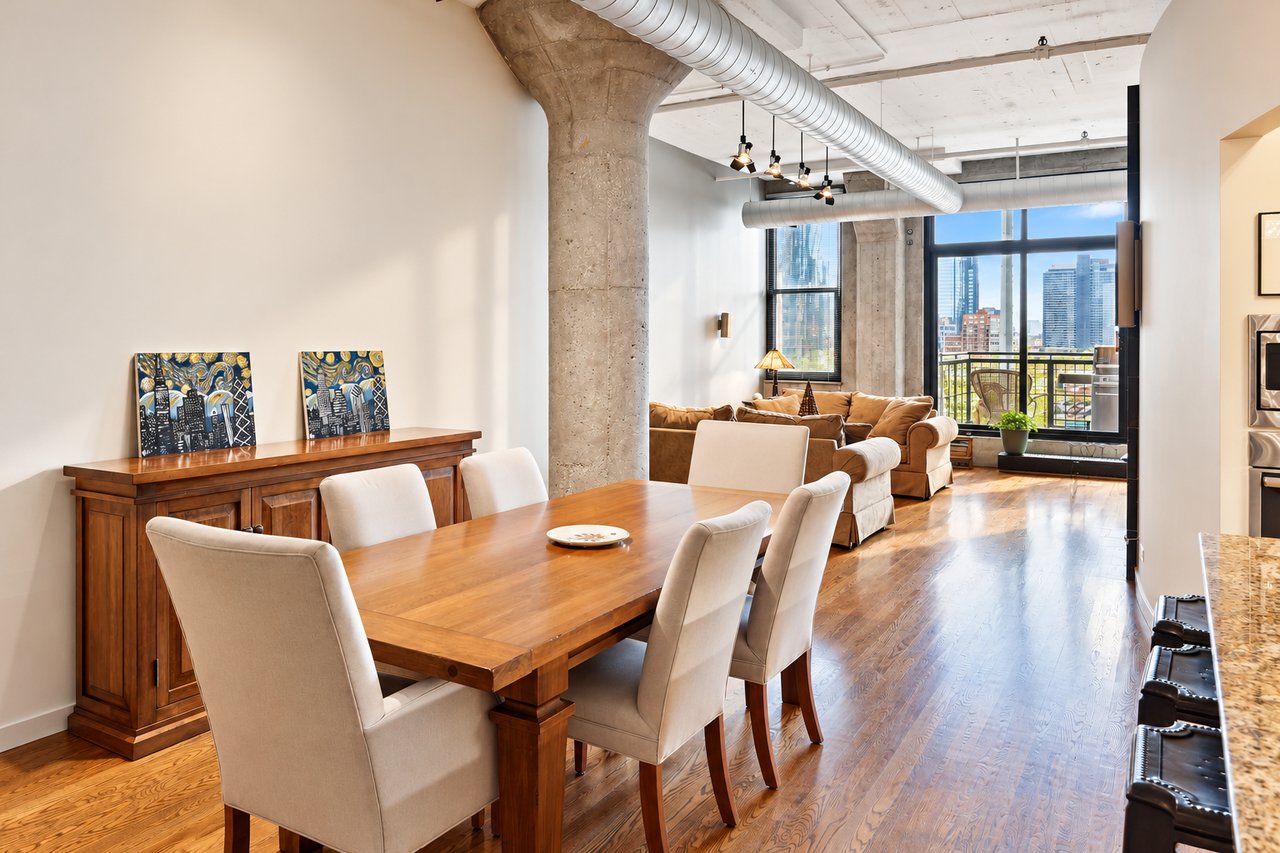
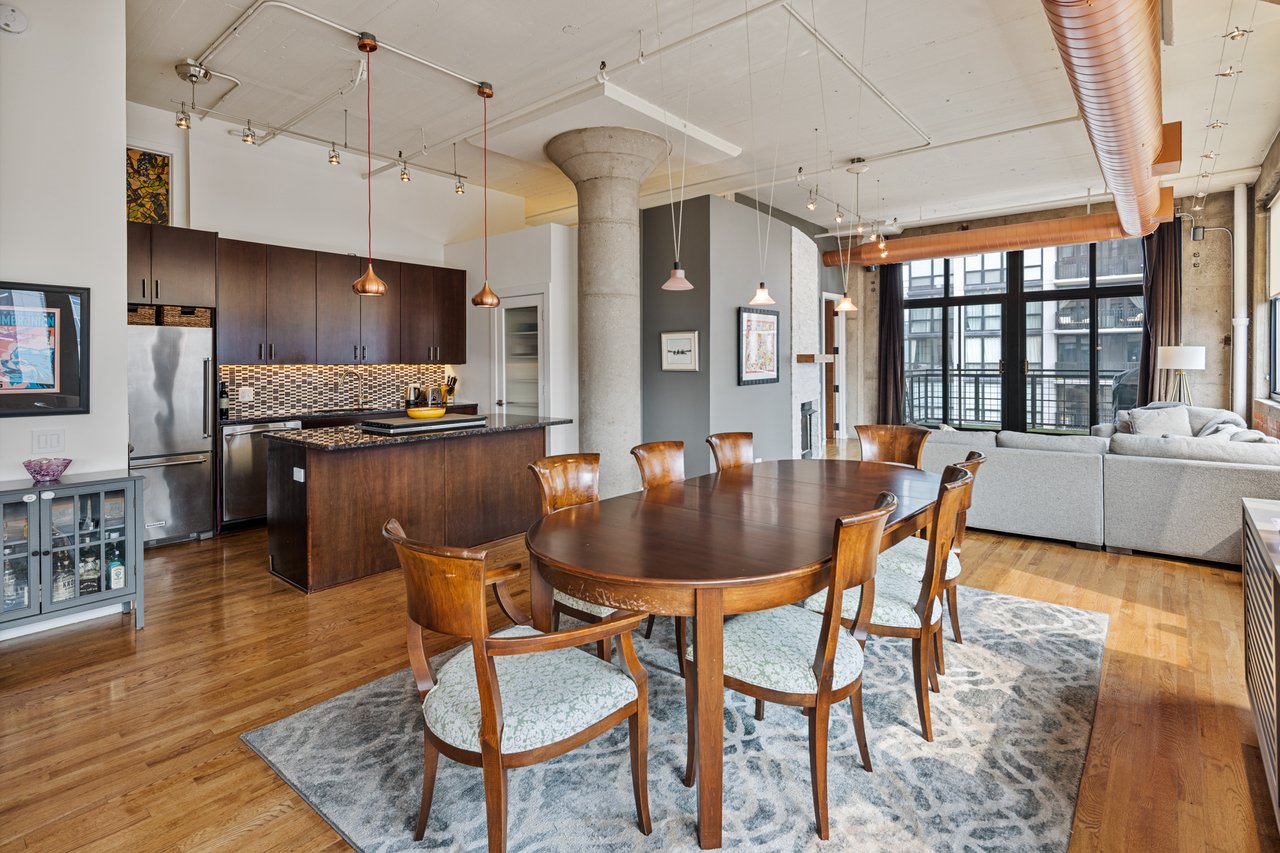
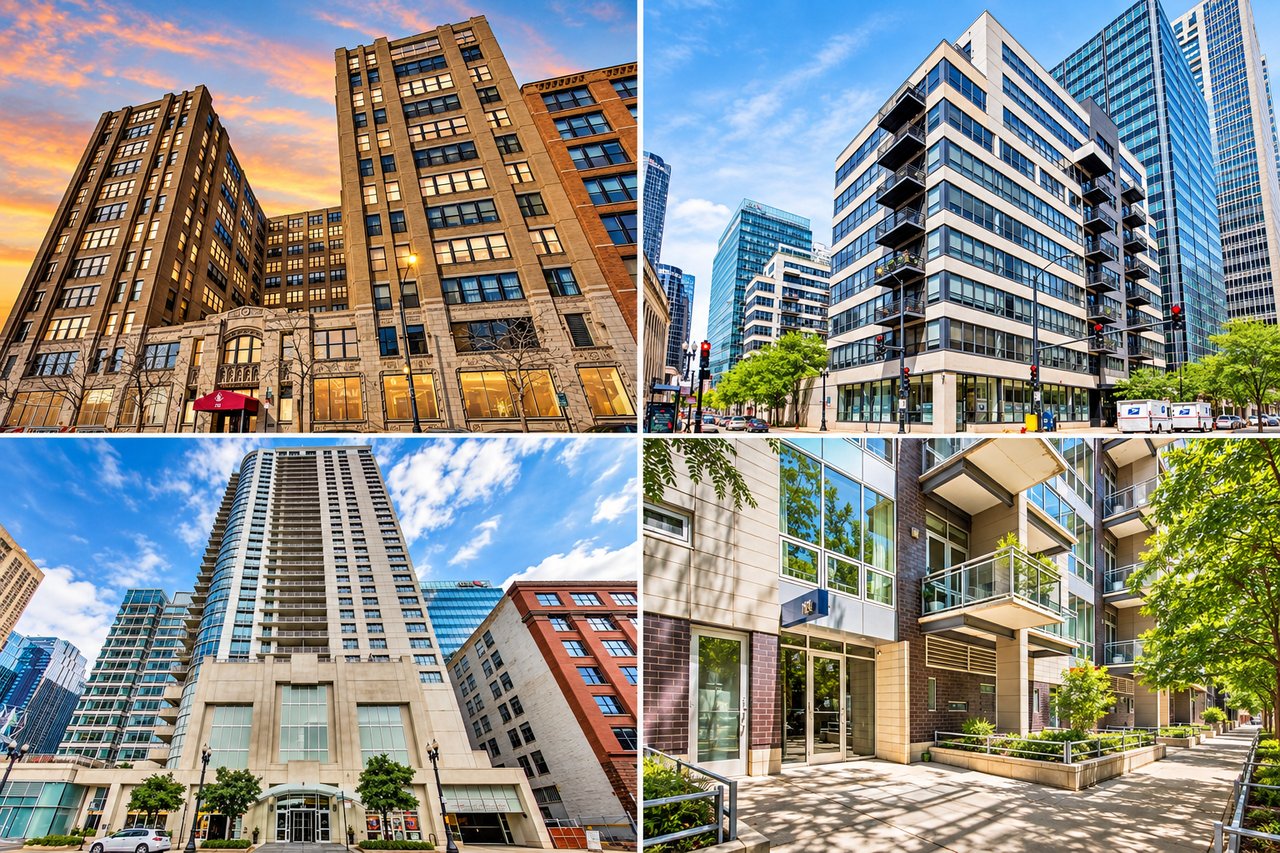
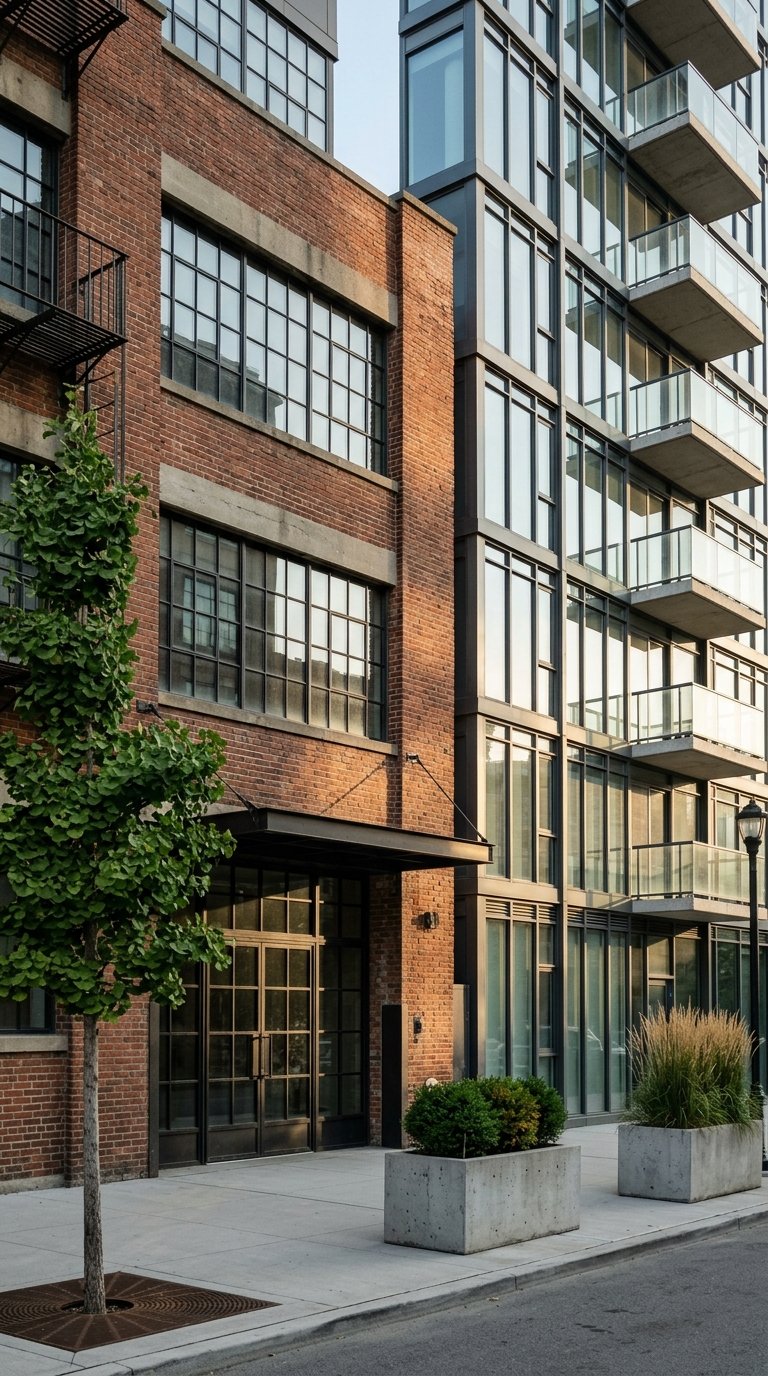
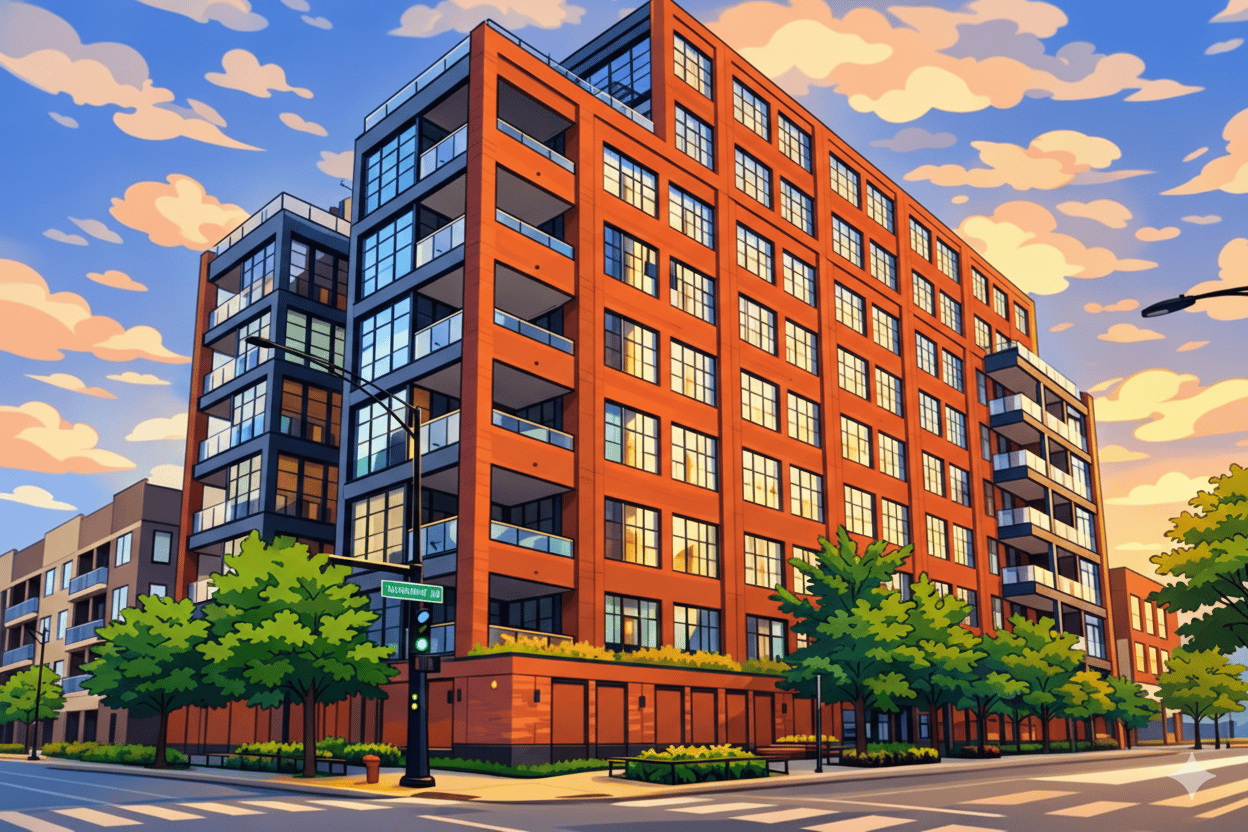
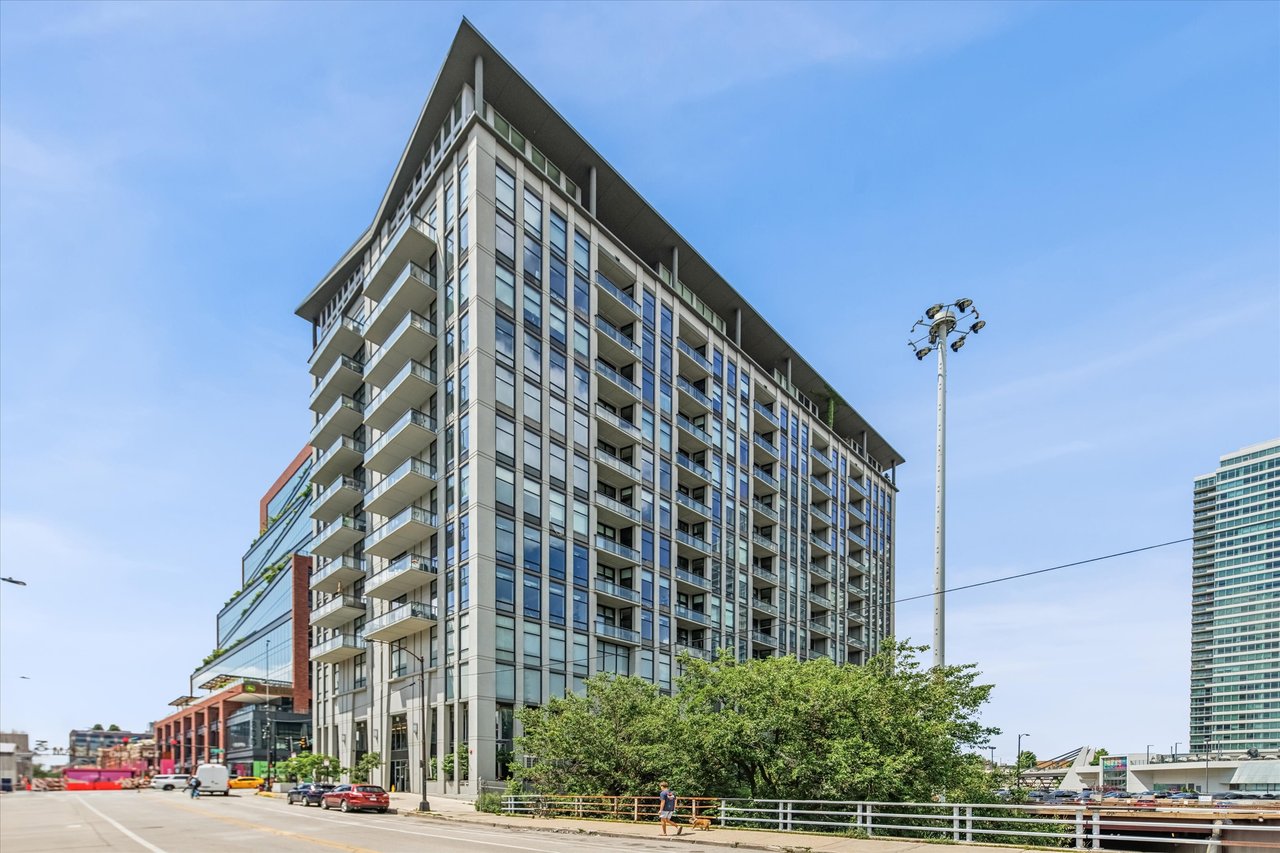
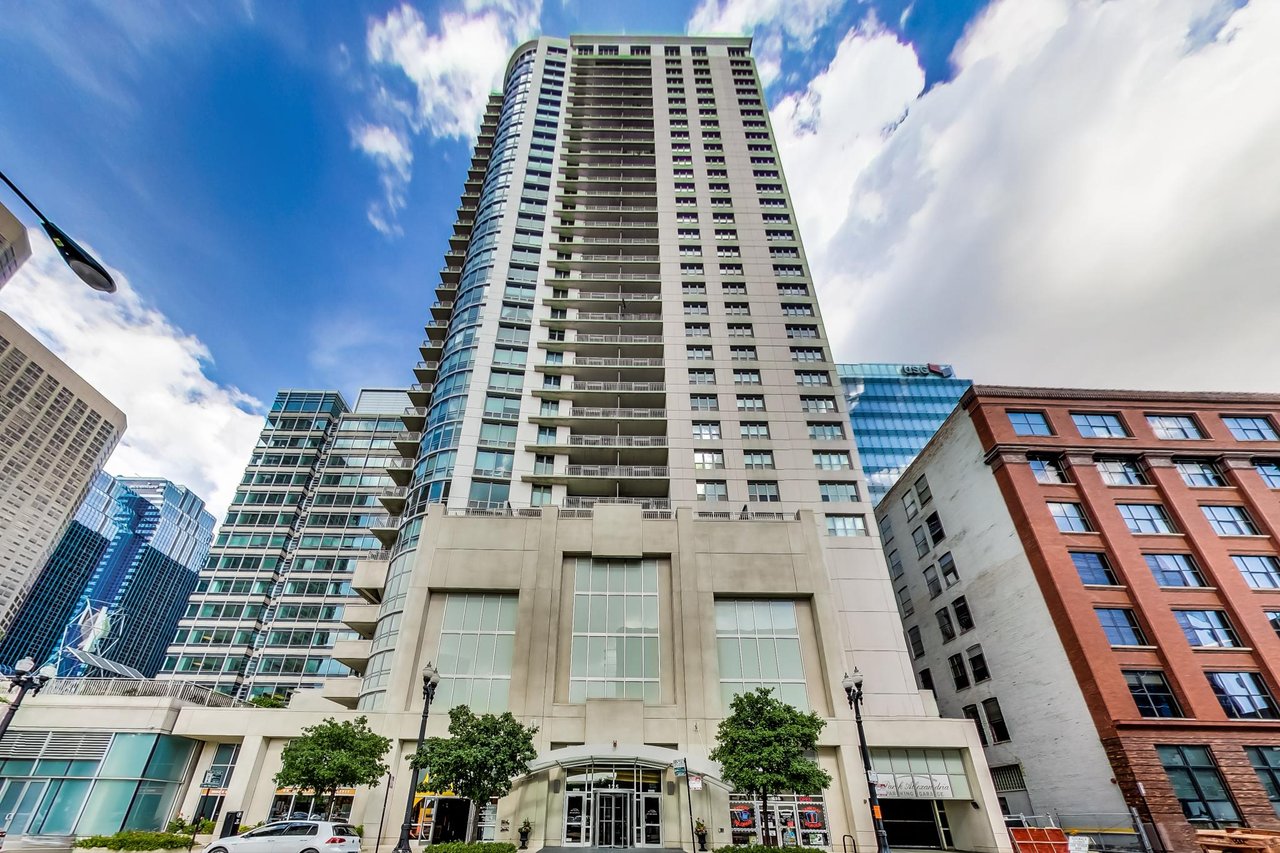
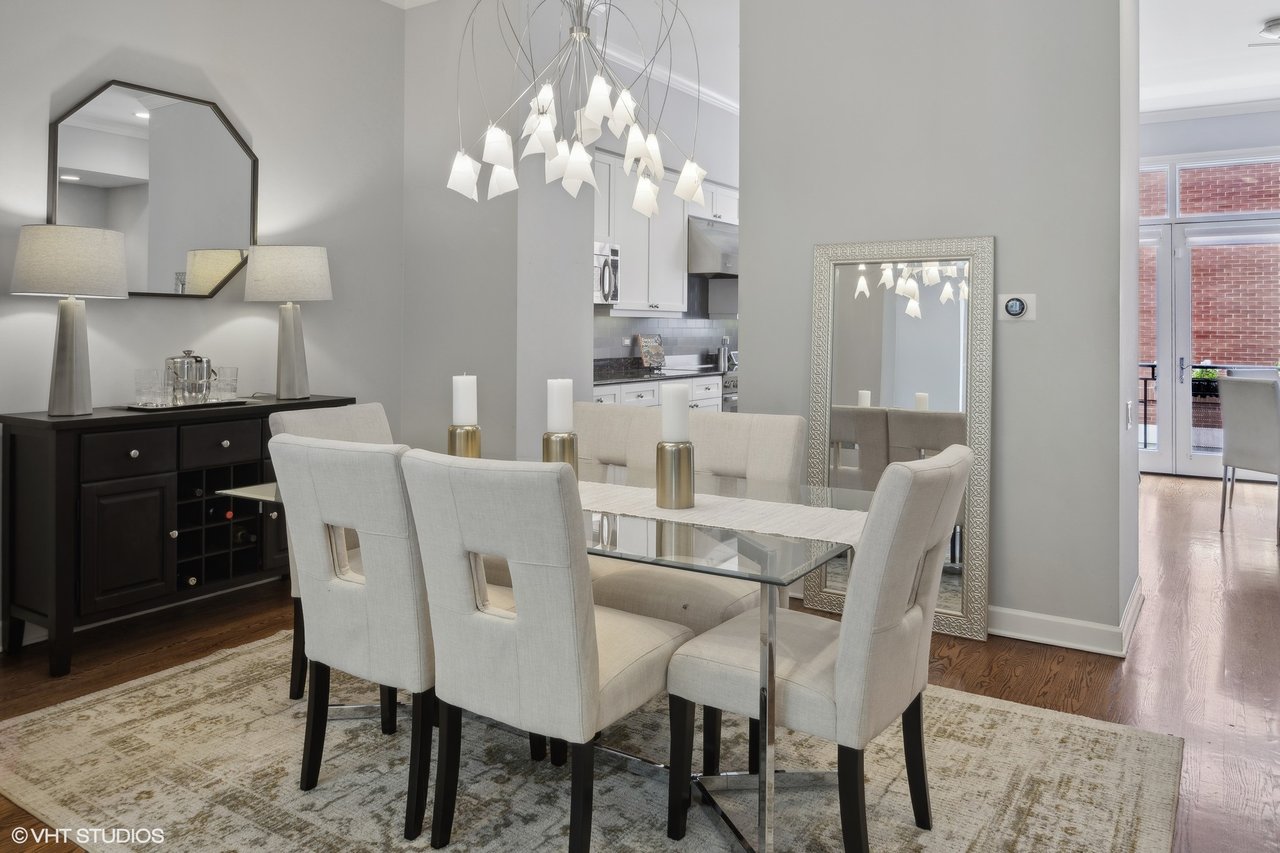
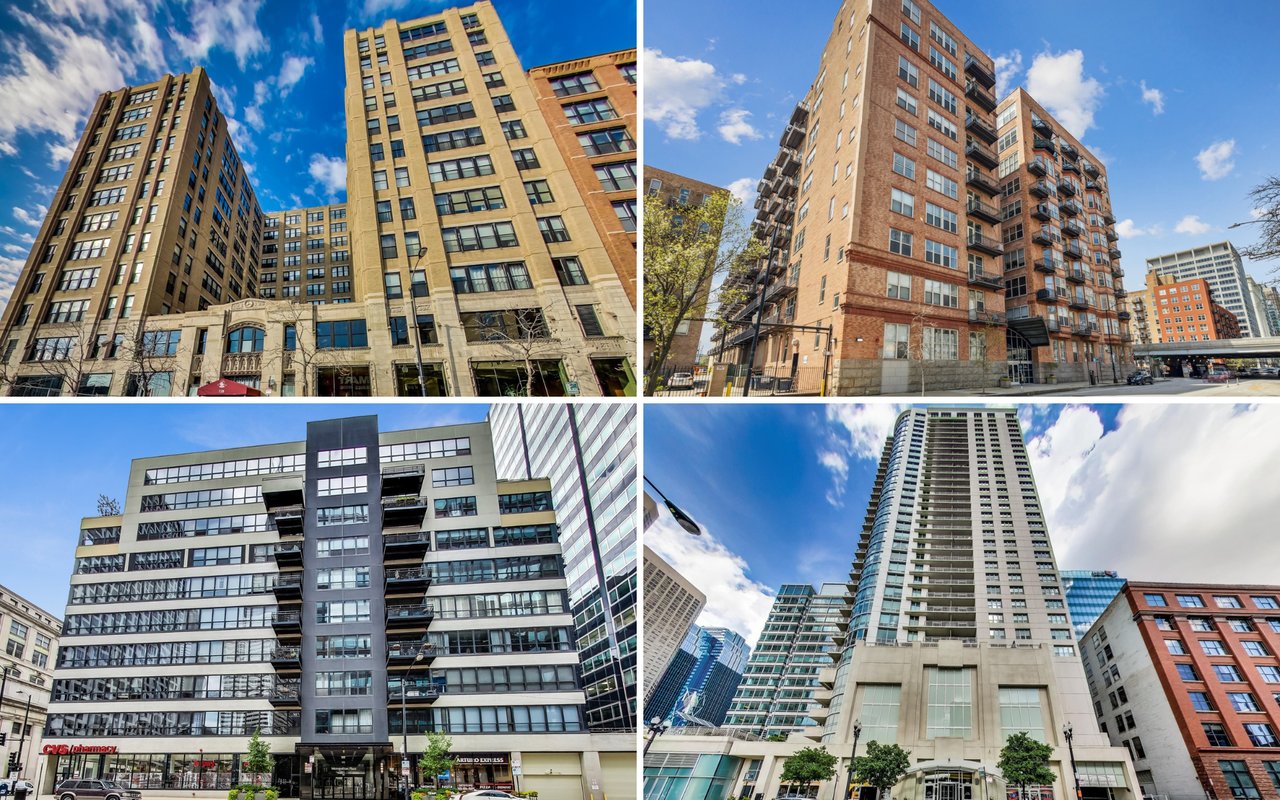
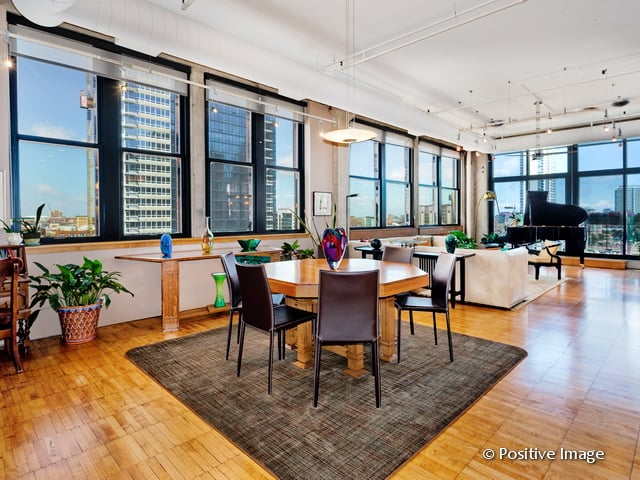
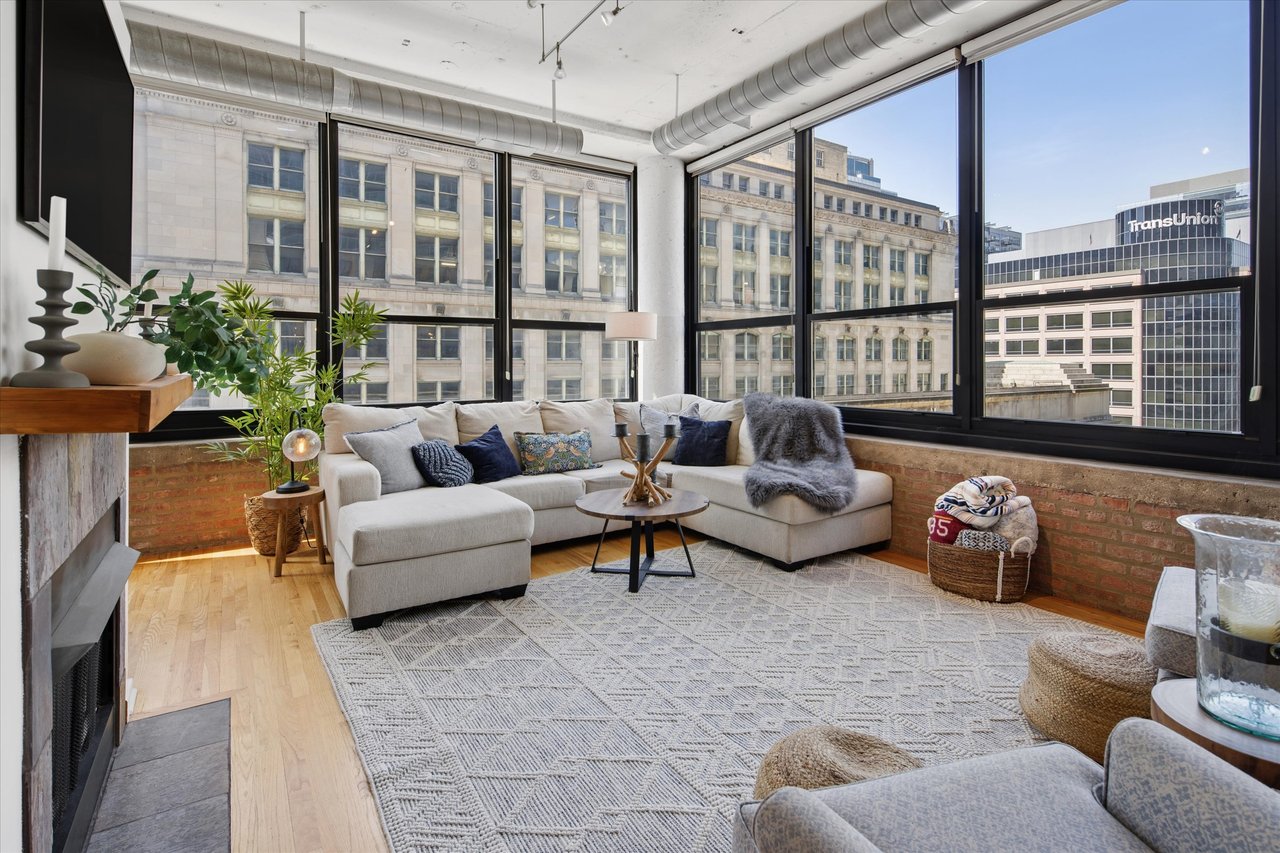
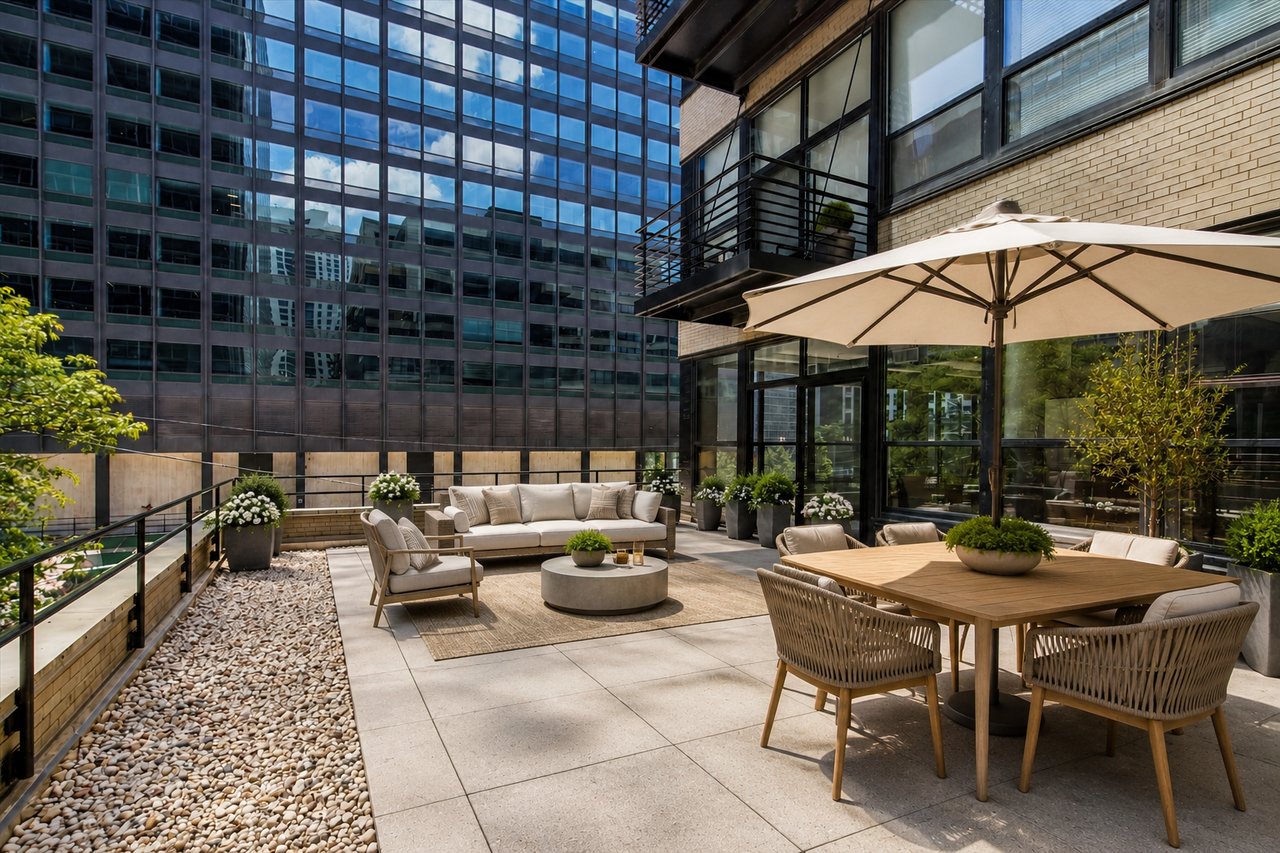
Declutter ruthlessly. Replace photos that make your rooms look dark or small. If you have outdoor space, stage it. In buildings like 1000 S. Michigan, Aqua Tower, or the loft buildings throughout the West Loop, the bones are extraordinary. The staging just has to get out of the way and let the space speak.
The National Association of Realtors reports that staged homes sell faster and closer to list price than unstaged ones. It's not decorating. It's strategy.
The fix: Invest in professional photos and at minimum a light staging or declutter consult. The cost is small relative to the price reduction you're trying to avoid.
Key Takeaways
- Days on market is a signal, not a sentence. If your unit is sitting, something specific is causing it. Find it and fix it.
- Price is the most powerful tool you have. It has to reflect the actual comp set, including view, parking, HOA, and condition.
- High HOA fees shrink your qualified buyer pool. Your price needs to compensate.
- Parking and view are not negotiable for most downtown buyers. If yours are a liability, price accordingly.
- Presentation and photography are not optional. They are the first showing.
Downtown Chicago by the Numbers (February 2026)
| Metric | Data |
|---|---|
| Median sale price, Downtown Chicago | $430,000 |
| Year-over-year price change | +3.4% |
| Average days on market | 91 days |
| West Loop price per sq. ft. | ~$408 |
| River North price per sq. ft. | ~$372 |
| South Loop price per sq. ft. | ~$343 |
| Streeterville price per sq. ft. | ~$400 |
Sources: christinehancock.com
What to Actually Do If Your Condo Isn't Moving
- Pull same-building comps from the last 90 days. Not neighborhood. Building.
- Calculate your effective cost of ownership (mortgage + taxes + HOA) and compare it to competing units.
- Walk the unit with your agent and assess it as a buyer would. View, parking, condition, finishes.
- Audit your photography. Are the rooms bright? Is the outdoor space shown? Does the first photo stop a buyer from scrolling?
- Have an honest pricing conversation. A 5% price adjustment now is almost always better than 60 more days on market and a larger reduction later.
What I Know About These Buildings
After 25 years and over $200 million in closed sales across downtown Chicago, I've worked in nearly every significant building in the market. I know the floor plans at 125 S. Jefferson. I know how parking stalls are deeded at 850 W. Adams. I know which units at Aqua Tower face east and which face the roof deck below.
That building-level knowledge is the difference between pricing from general comps and pricing from actual intelligence. It's what I bring to every listing, and it's what gets my clients to the closing table without a prolonged, demoralizing sit.
The Bottom Line
Your downtown Chicago condo can sell in 2026. The market supports it. Buyers are here. But the market is selective, and buyers are smart. If your unit is sitting, it's not a coincidence. It's feedback.
The sellers who win right now are the ones who treat their listing like a product launch, not an announcement. They price it correctly from day one, present it professionally, and understand what buyers are reacting to before the first showing, not after the tenth.
That's the game. And you can win it with the right strategy.
Ready to find out what's holding your listing back? Call or text Christine Hancock at 312-296-9300 to talk about your unit's value — and what it would actually take to get you to the closing table.
Frequently Asked Questions
Why is my downtown Chicago condo taking so long to sell? The most common reasons are overpricing relative to same-building comps, a high HOA fee that reduces the qualified buyer pool, a view or parking situation that isn't reflected in the price, or presentation issues in photos and staging. An honest audit of all four usually reveals the problem quickly.
How long should it take to sell a condo in downtown Chicago? As of early 2026, the average days on market in downtown Chicago is around 91 days. Well-priced, well-presented units in strong positions are selling faster. Units sitting past 60 days without activity are typically carrying an unaddressed pricing or presentation issue.
Does high HOA affect my condo's sale price? Yes, significantly. High monthly assessments reduce the pool of buyers who can qualify for financing at your list price. A $600/month difference in HOA fees can shift a buyer's qualifying ceiling by $50,000 or more. Pricing needs to account for this.
Does not having parking hurt my condo's value in downtown Chicago? For most buyers shopping West Loop, River North, Gold Coast, and Streeterville, deeded garage parking is a strong preference and often a requirement. Units without parking should be priced against no-parking comps in the same building, not against units that included a space.
What's the most important thing I can do before listing my downtown condo? Pull your same-building sold comps from the last 90 days and calculate your effective monthly cost of ownership. Then walk your unit as a buyer would and be honest about view, condition, and presentation. Price and prepare from that honest starting point.
I'll tell you exactly what's happening with your unit and what it would take to sell it.
No pressure. Just straight answers from someone who knows Downtown Chicago.
ABOUT THE AUTHOR
Christine Hancock is a Chicago Realtor with @properties Christie's International Real Estate, bringing more than 25 years of experience and over $200 million in closed sales in the downtown condo market. With 96 five-star Zillow reviews, Christine is recognized for her commitment to client satisfaction and market expertise.
She specializes in high-rise and luxury condominium sales in West Loop, South Loop, River North, and Streeterville, helping buyers and sellers navigate complex transactions with data-driven pricing strategies and deep neighborhood insight.
Christine partners with clients to evaluate market trends, position properties competitively, and make confident, informed decisions in Chicago's vibrant downtown housing market.
Call or text 312-296-9300 to discuss current market conditions or your real estate goals.
- Anchor text: what buyers and investors are underwriting in today's market
- Link to: https://christinehancock.com/blog/are-downtown-chicago-condos-a-good-investment-in-2026
- Why it helps: Strengthens topical authority on the 2026 downtown condo market and keeps sellers on the site longer.