Buying a condo in the West Loop is absolutely different from buying anywhere else in Chicago, and that difference is exactly where your advantage can be, if you understand it.
Thinking about a West Loop Chicago condo? Learn how pricing, HOA fees, amenities, and micro‑neighborhoods like West Loop, River North, and Streeterville change your buying strategy.
Why the West Loop Feels So Different
Buying a condo in the West Loop Chicago is not like buying anywhere else in the city. Each micro‑neighborhood, West Loop, River North, Streeterville, the Loop, South Loop, has its own pricing, pace, and buyer profile, and those differences can make or break your purchase. In this guide, I’ll walk you through what truly sets Downtown condo buying apart so you can shop with clarity instead of confusion, and how my selling-side expertise from (Why Downtown Chicago Home Sellers Choose Christine Hancock) benefits you as a buyer, too.
The West Loop: From Warehouse District to Lifestyle Hub
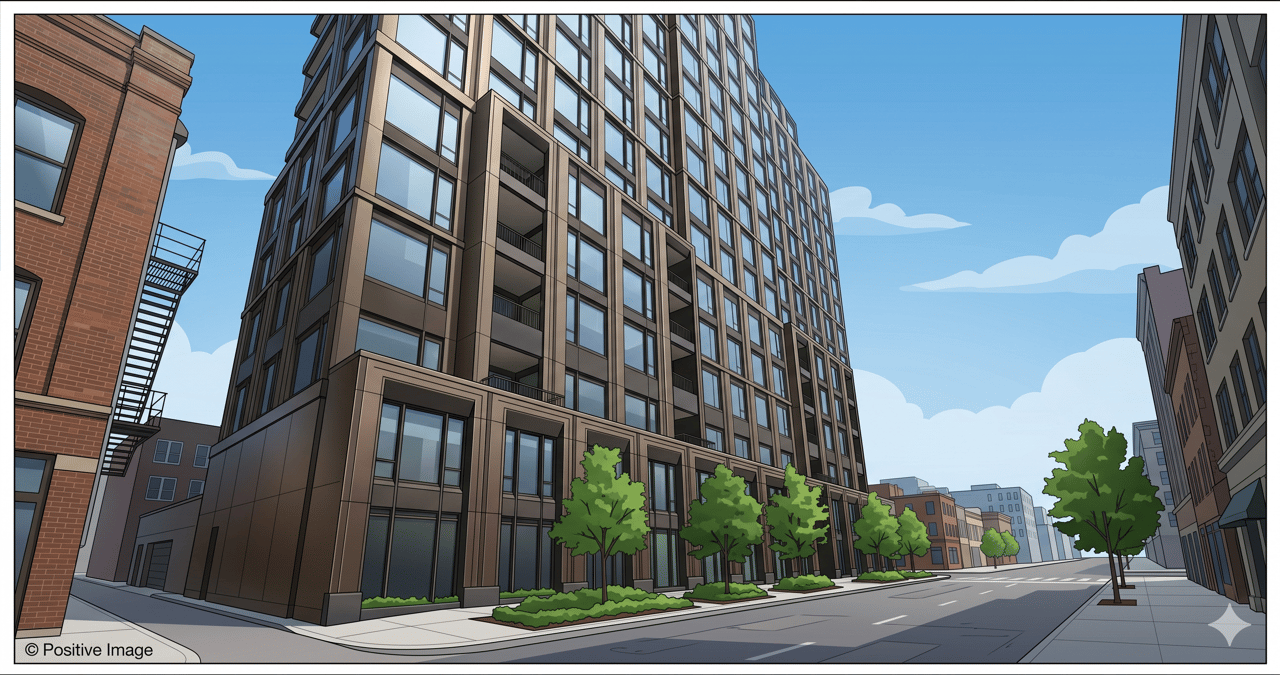
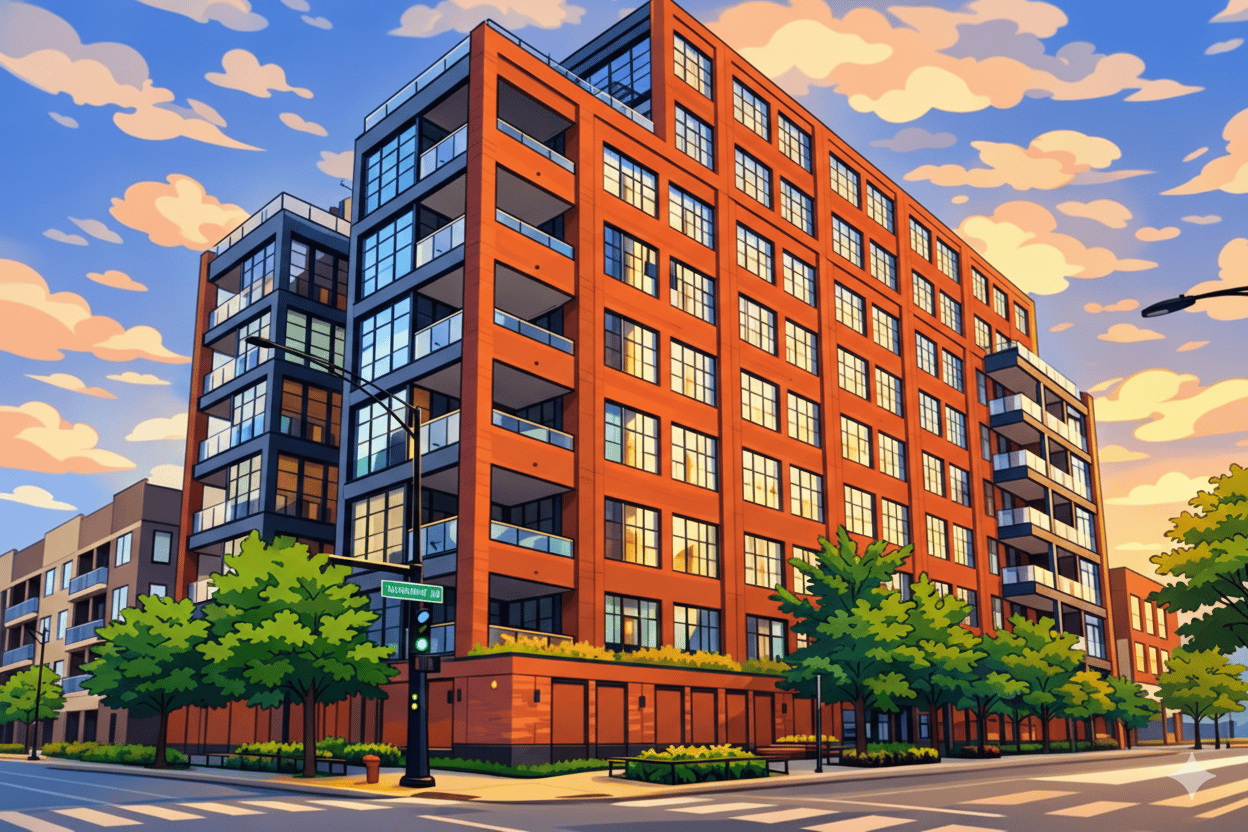
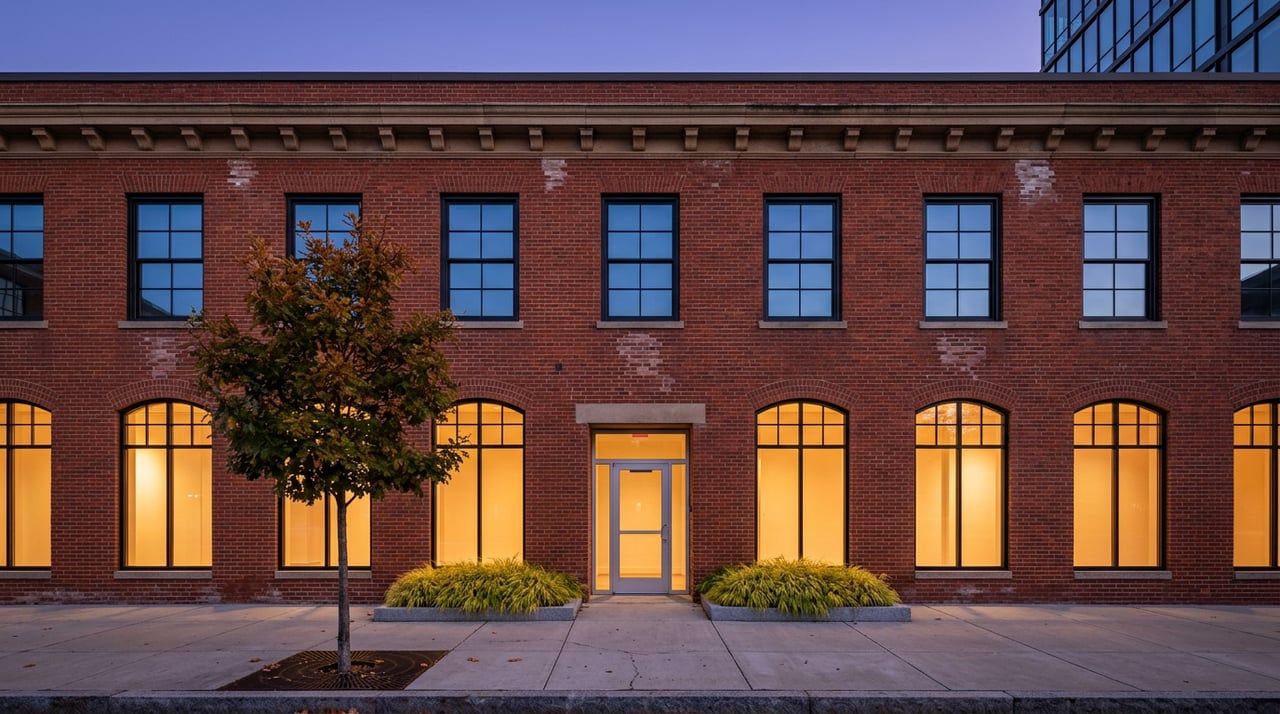
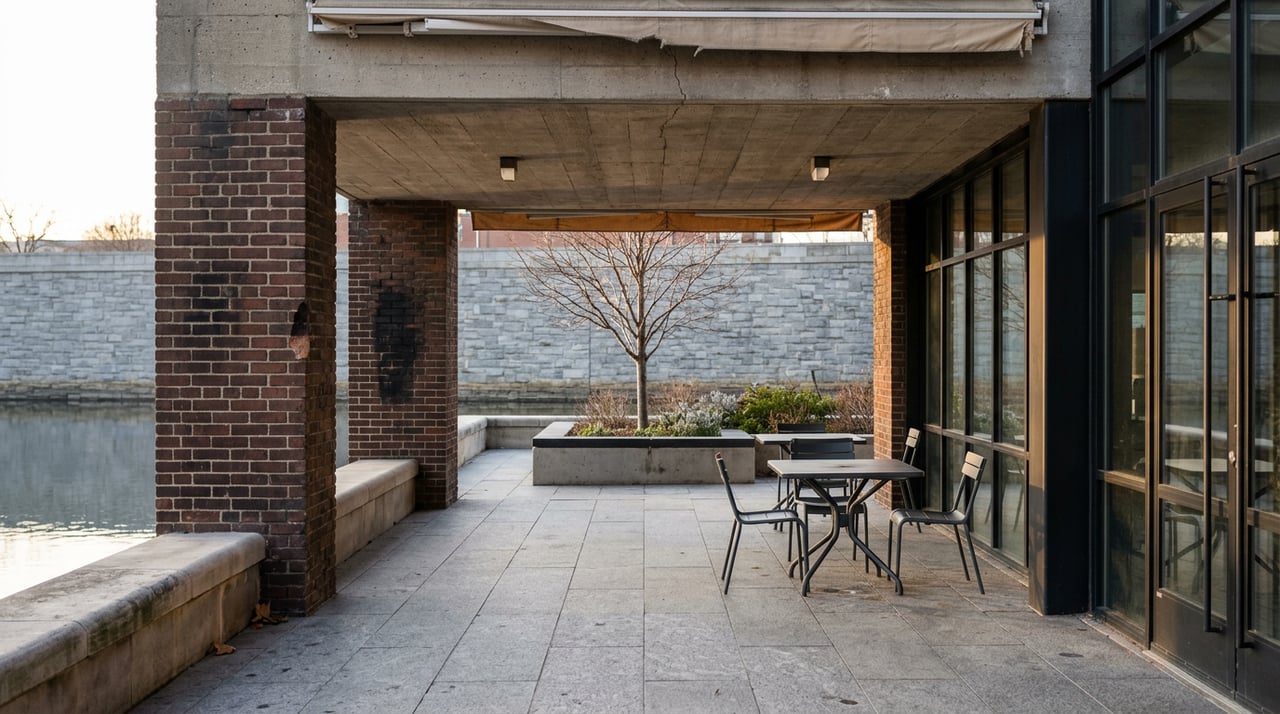
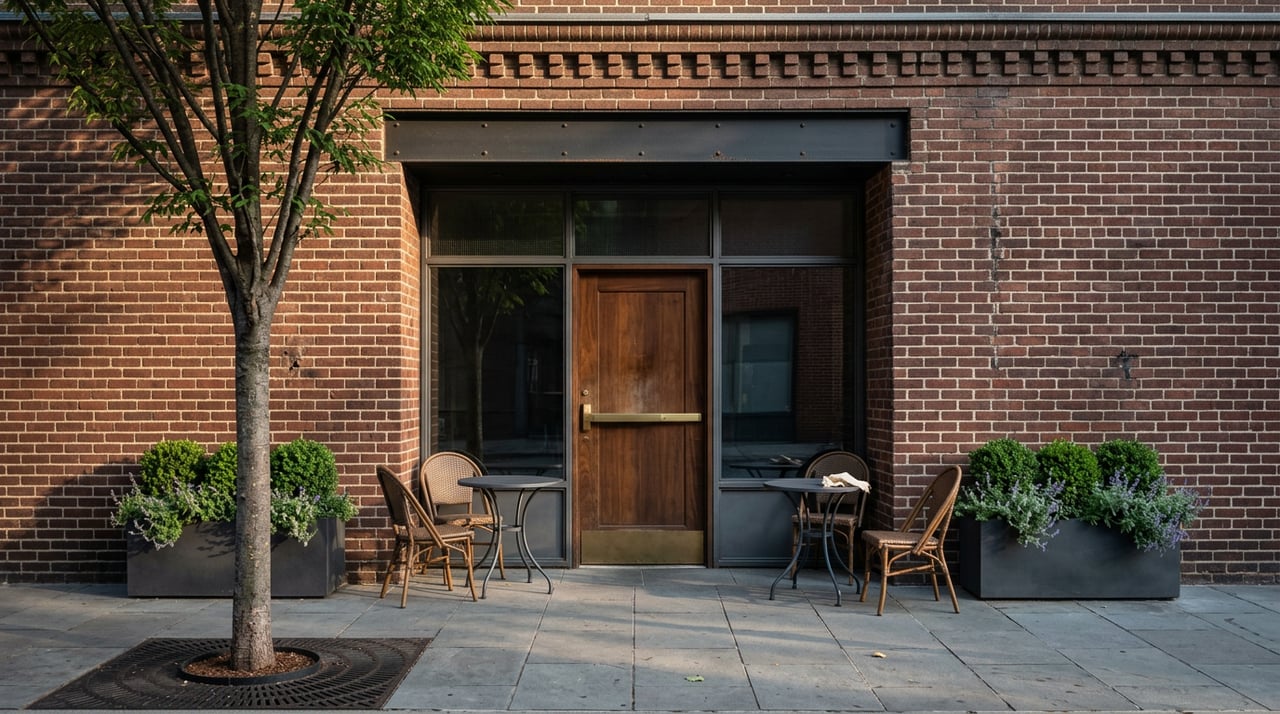
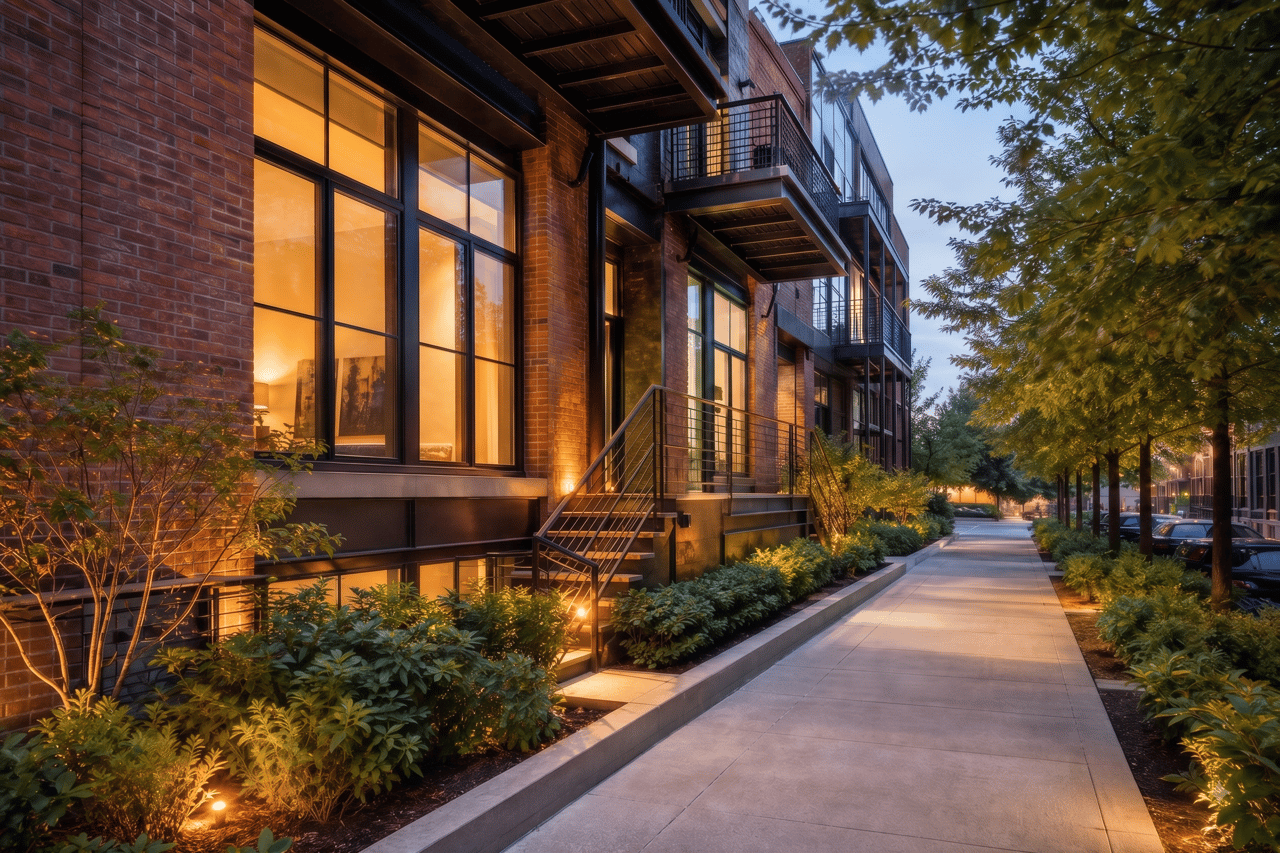
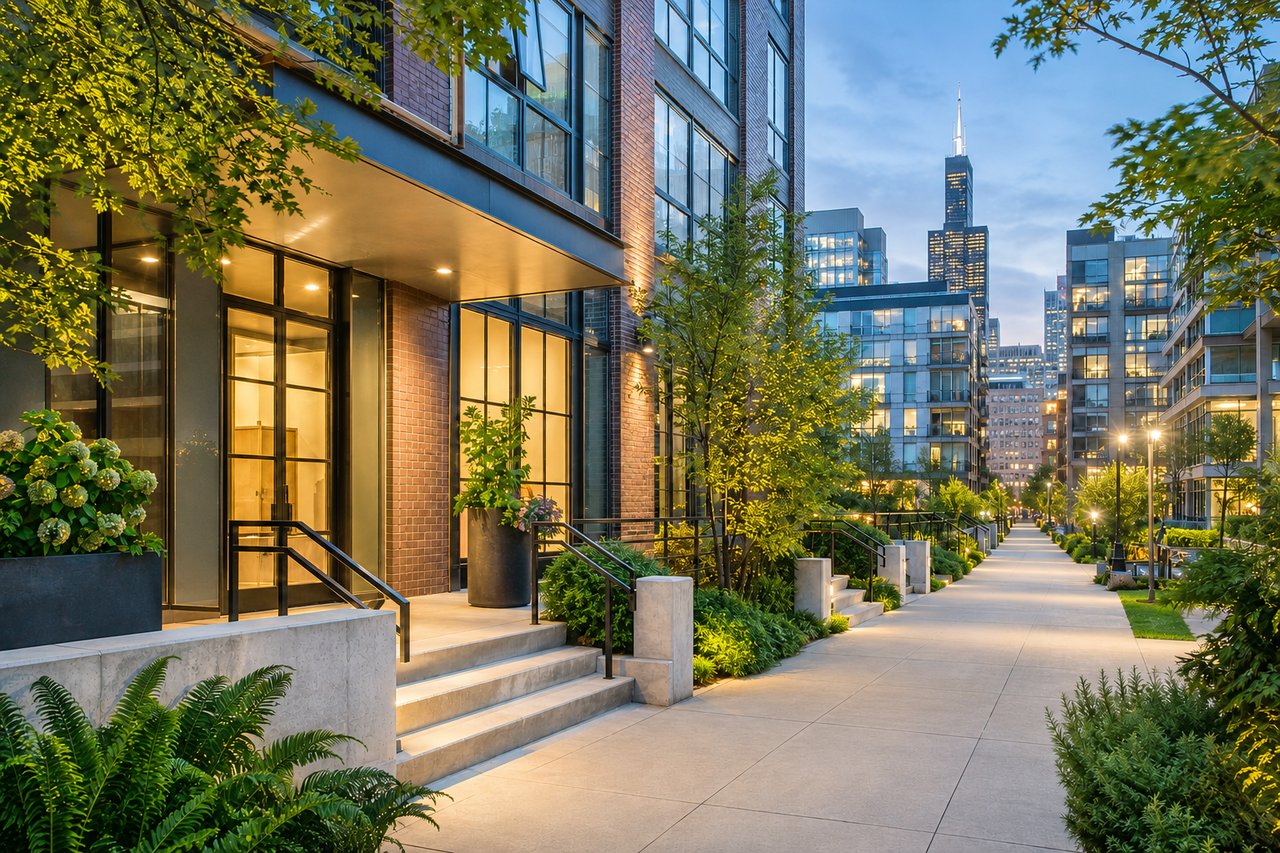
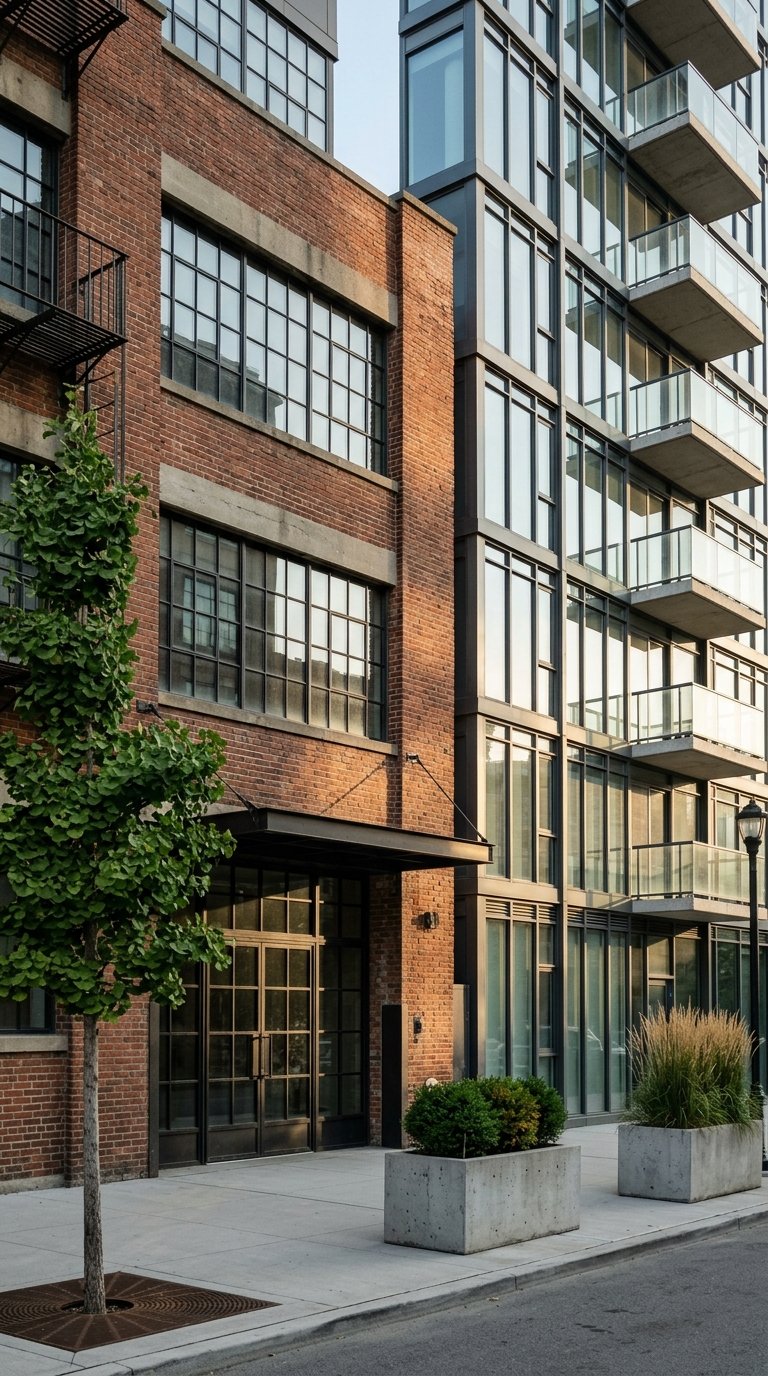
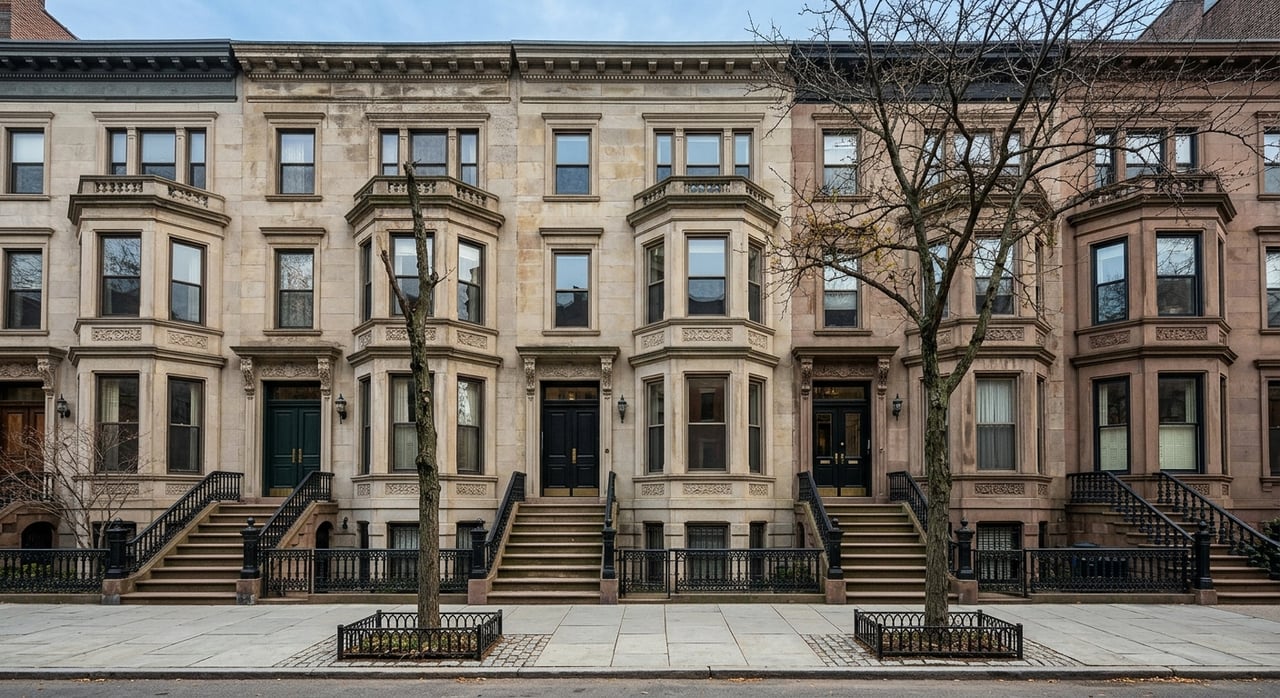
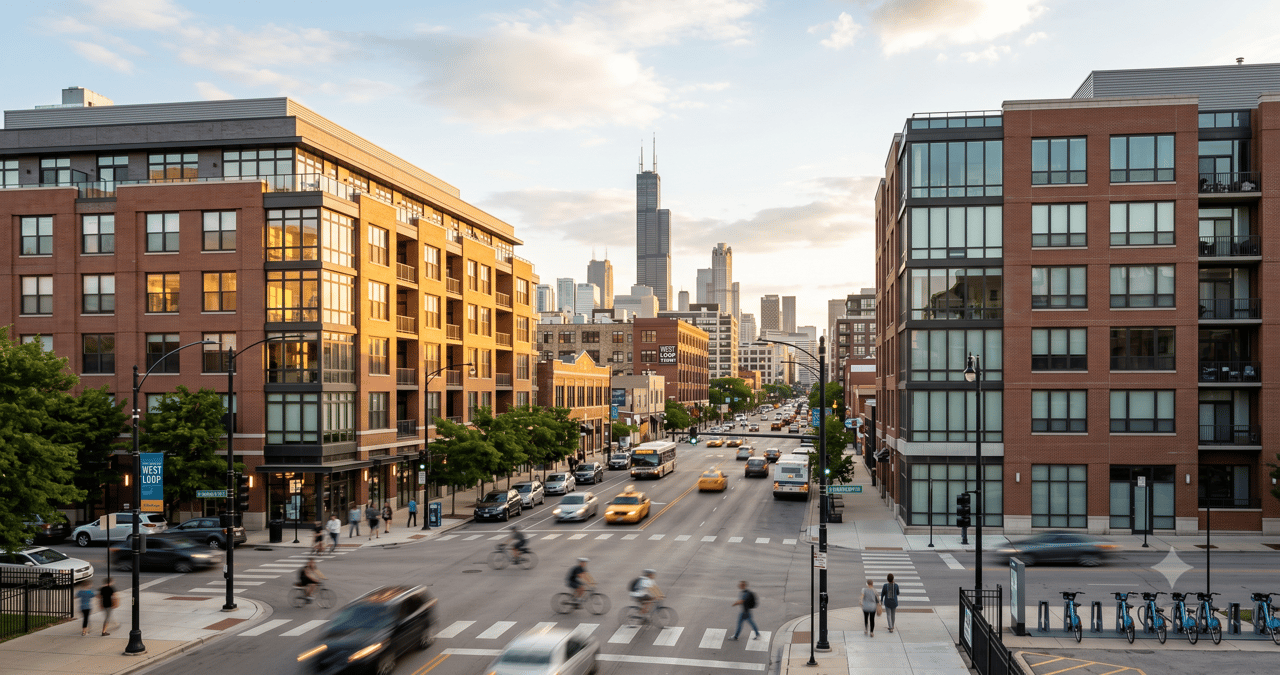
The West Loop is a former warehouse and industrial area transformed into one of Chicago’s most in‑demand neighborhoods. What started as a collection of factories and cold storage buildings is now a mix of converted lofts, sleek new‑construction condos, and boutique mid‑rises anchored by world‑class restaurants and Fulton Market energy.
For buyers, that means two things:
-
You’re not just buying square footage, you’re buying lifestyle.
-
The neighborhood’s rapid transformation creates real differences in value from block to block, even within the West Loop.
How West Loop Pricing Compares to Other Downtown Areas
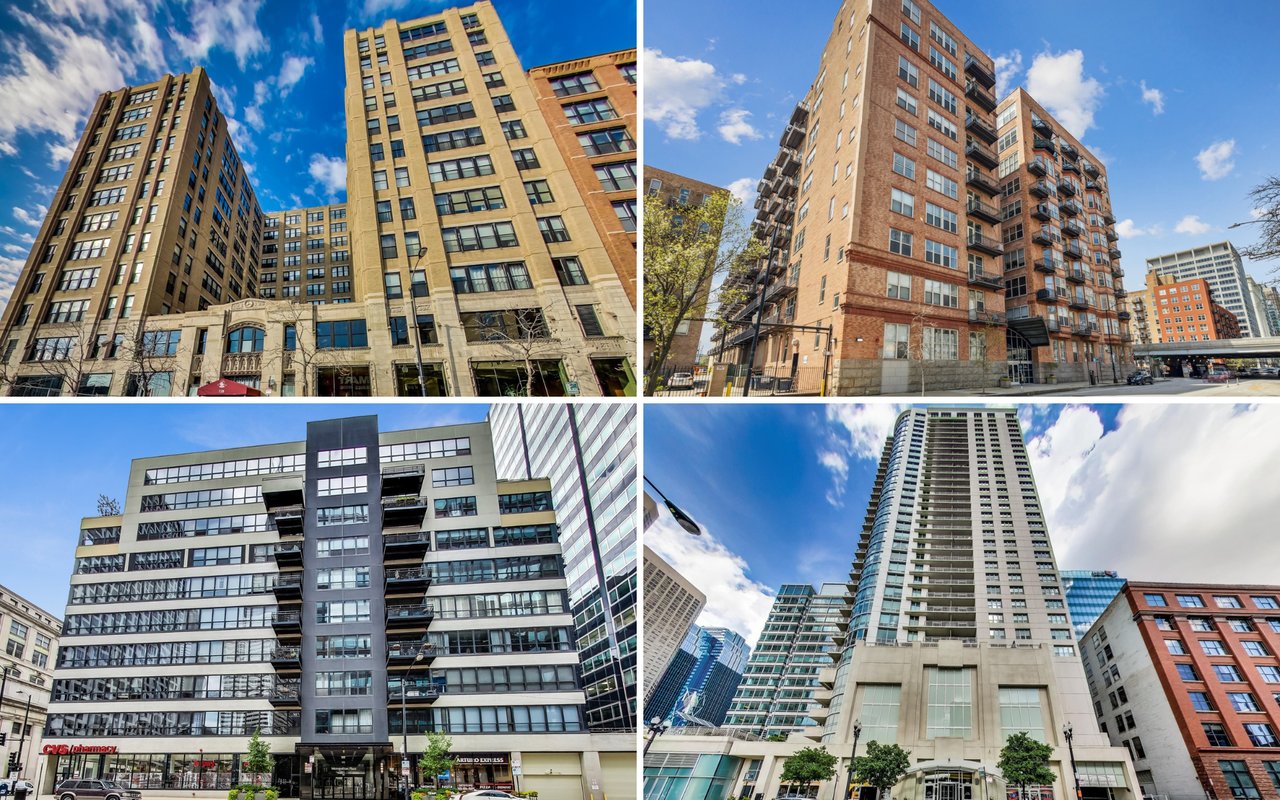
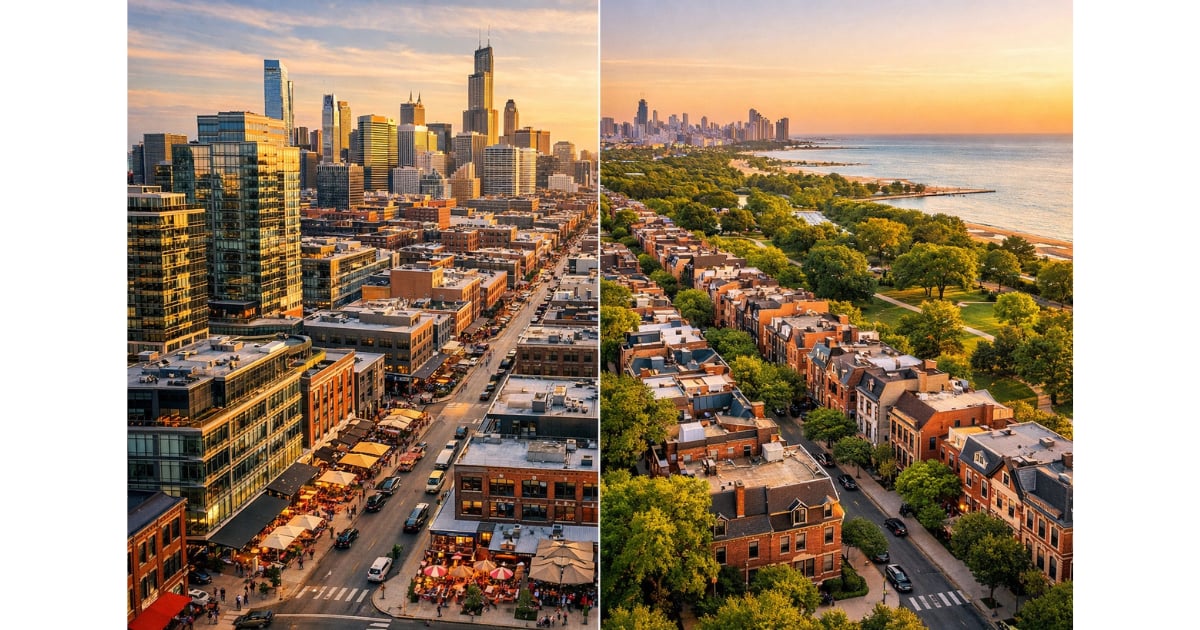
Downtown Chicago isn’t one market; it’s a cluster of micro‑markets. The West Loop often behaves very differently from nearby River North, Streeterville, the Loop, and the South Loop.
Here’s how buyers typically experience it:
-
West Loop: Strong demand from professionals and tech/creative industries, competitive pricing for well‑located lofts and newer buildings, and intense interest near Fulton Market and Randolph’s Restaurant Row.
-
River North: High‑rise living, nightlife‑driven, with a wide range from starter condos to luxury towers.
-
Streeterville: Heavier on full‑amenity high‑rises, lake and river views, and proximity to Northwestern hospitals and the lakefront.
-
The Loop: More weekday energy, with some great condo pockets but still strongly influenced by office/commercial patterns.
-
South Loop: Often more space for the money, family‑friendly buildings, and a slightly different buyer profile than the West Loop.
As a buyer, your strategy should change depending on which of these micro‑markets you’re targeting. In the West Loop, it’s common to compete for standout units, especially true lofts and anything walkable to Fulton Market.
Why HOA Fees Matter More Than You Think
When you’re buying a condo anywhere Downtown, HOA (assessment) fees are a big part of the story, but in the West Loop they can vary dramatically depending on the type of building.
-
Converted loft buildings:
-
Often smaller associations.
-
May have fewer amenities but a strong “boutique” feel.
-
Assessments can be moderate but pay attention to reserves and upcoming projects (roof, masonry, elevator).
-
-
Newer construction and full‑amenity buildings:
-
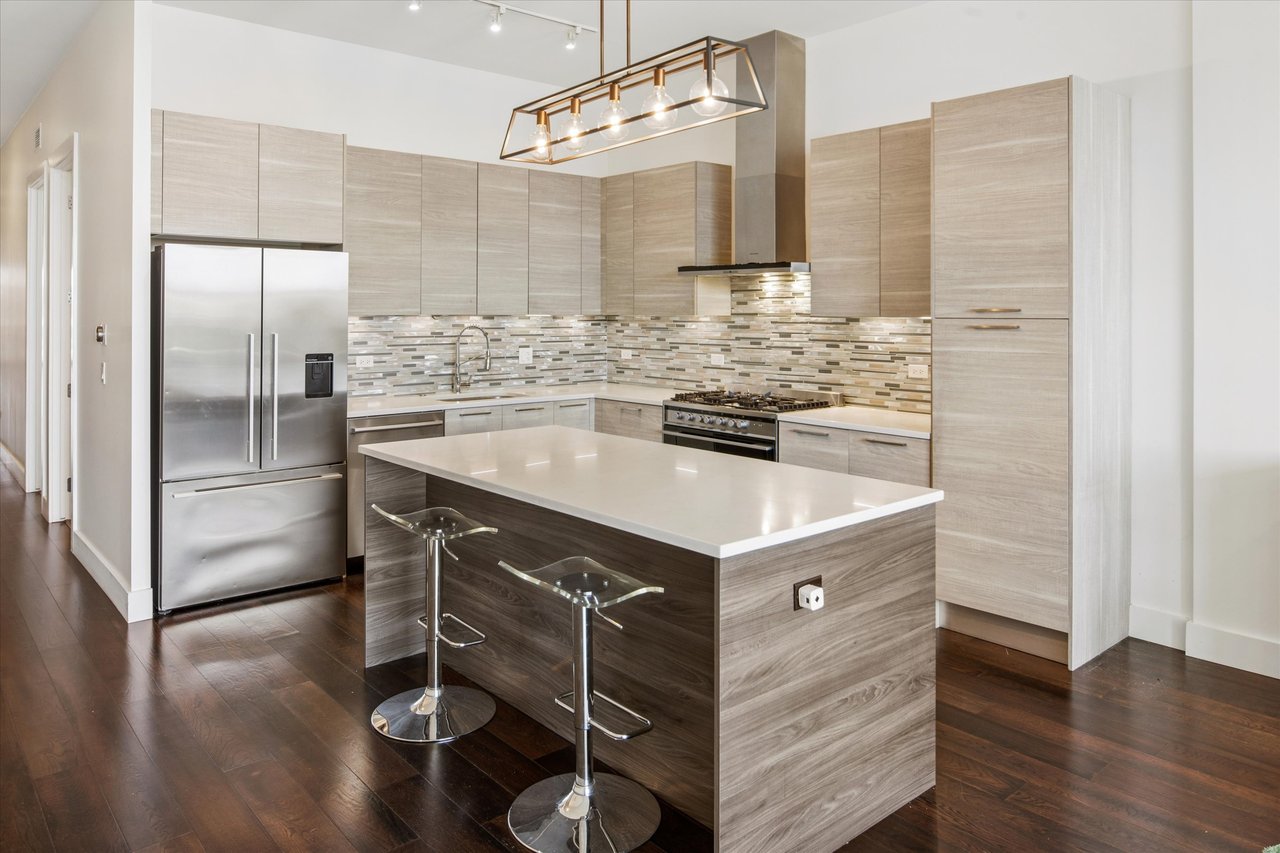
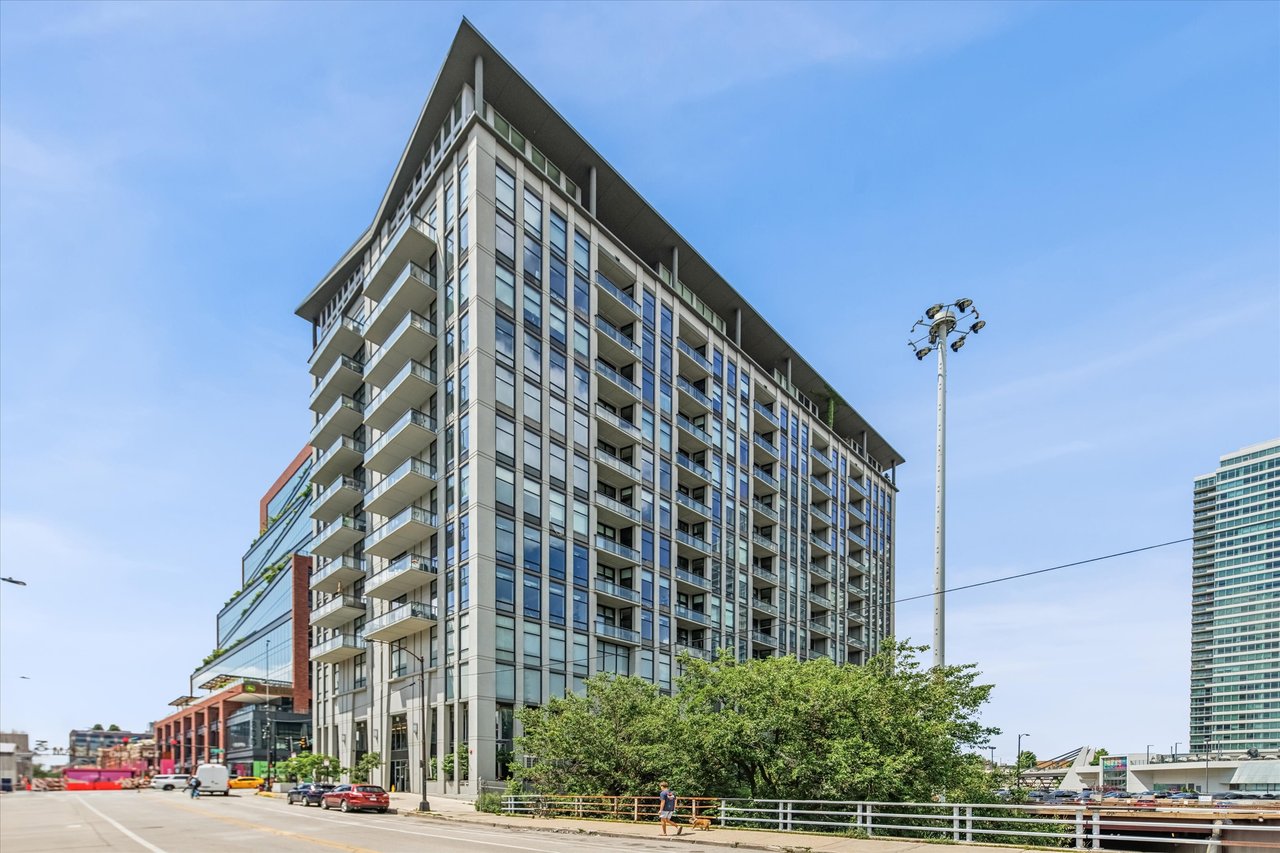
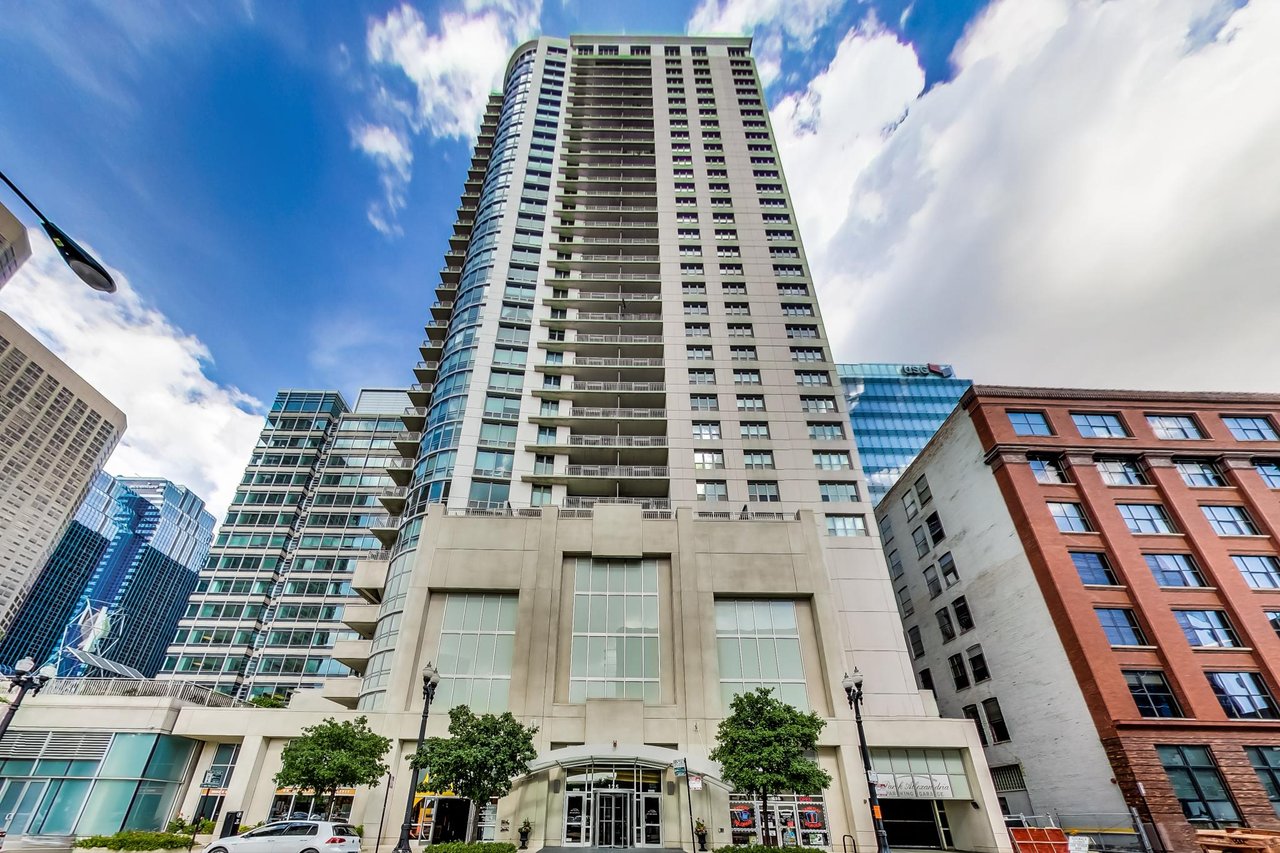
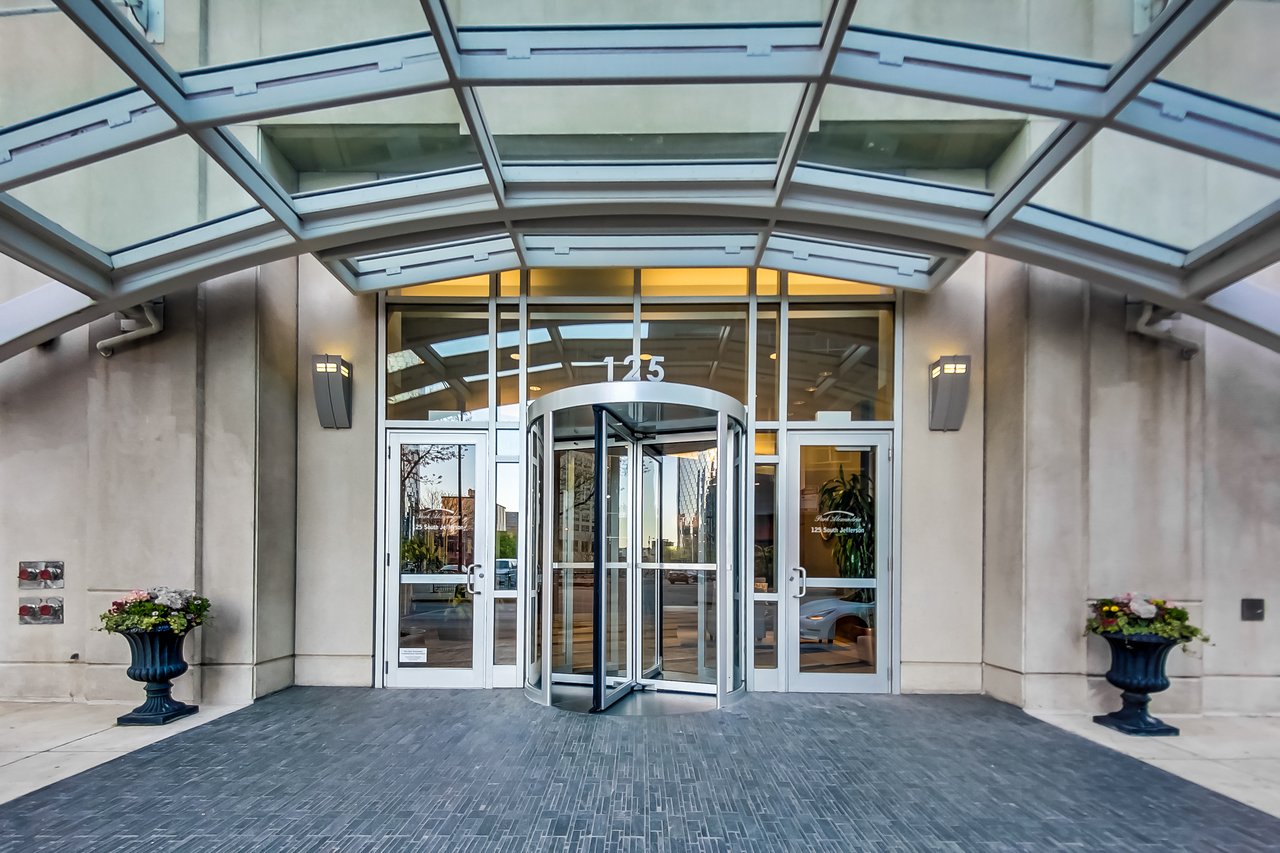
More amenities (door staff, gyms, roof decks, lounges, sometimes pools).
-
Higher assessments, which can be worth it if you’ll use the amenities and want a lock‑and‑leave lifestyle.
-
-
Comparison to other Downtown neighborhoods:
-
Streeterville and some River North towers can have very high assessments due to extensive amenities and older mechanical systems.
-
South Loop often offers larger floor plans with relatively competitive assessments for the space you get.
-
The key question: Is the building’s monthly cost aligned with your actual lifestyle? I walk my buyers through not only the current HOA numbers but also what they mean for resale value later.
West Loop Building Types: Lofts vs. Condos
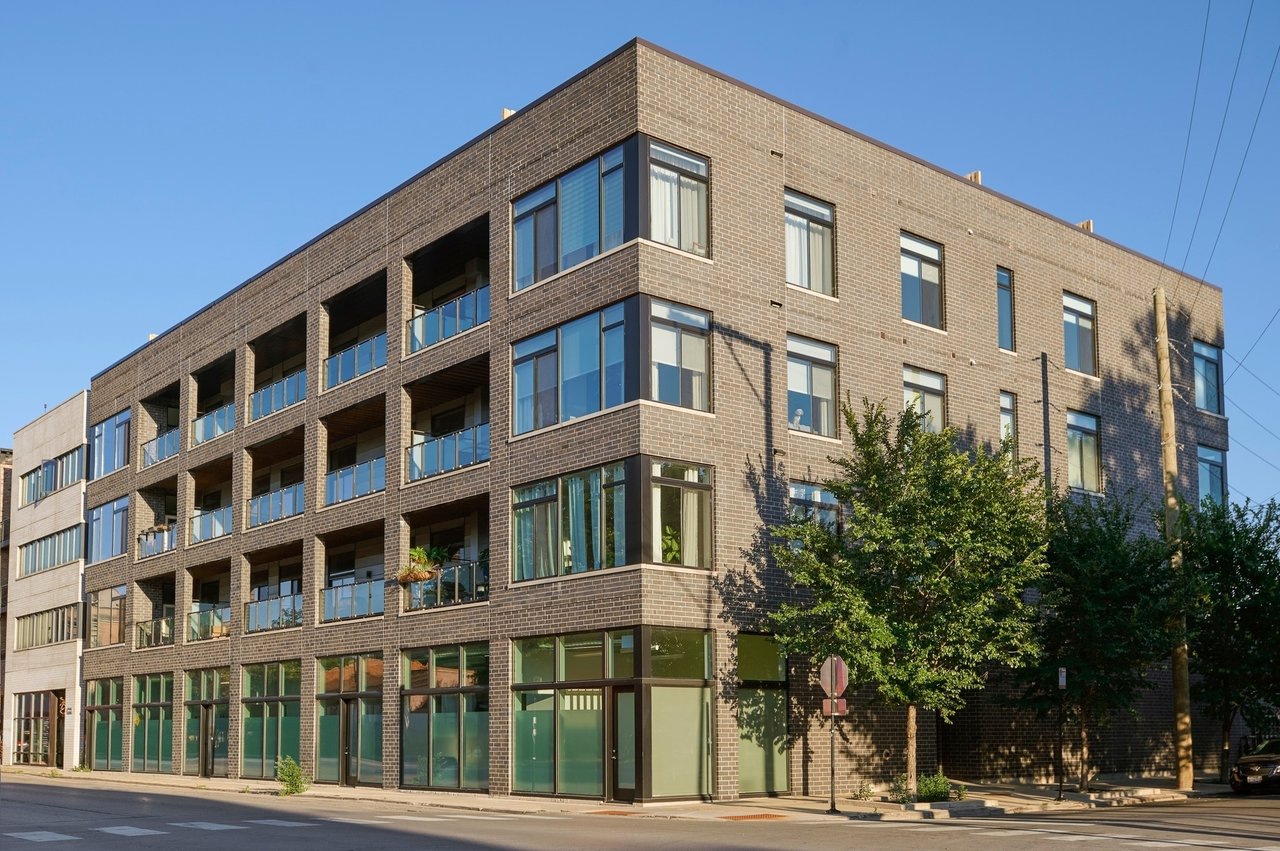
One of the things that makes West Loop buying unique is the variety of building styles in a small geographic area.
-
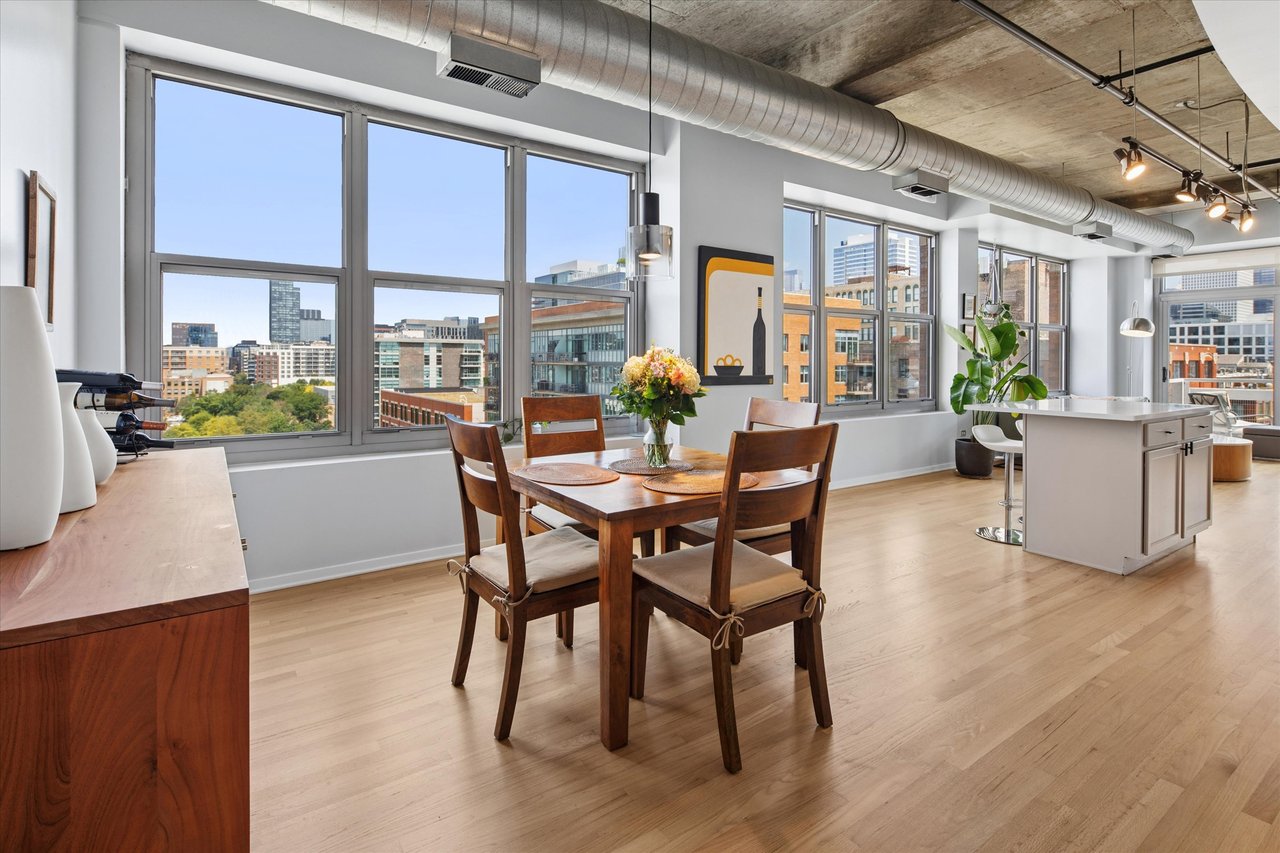
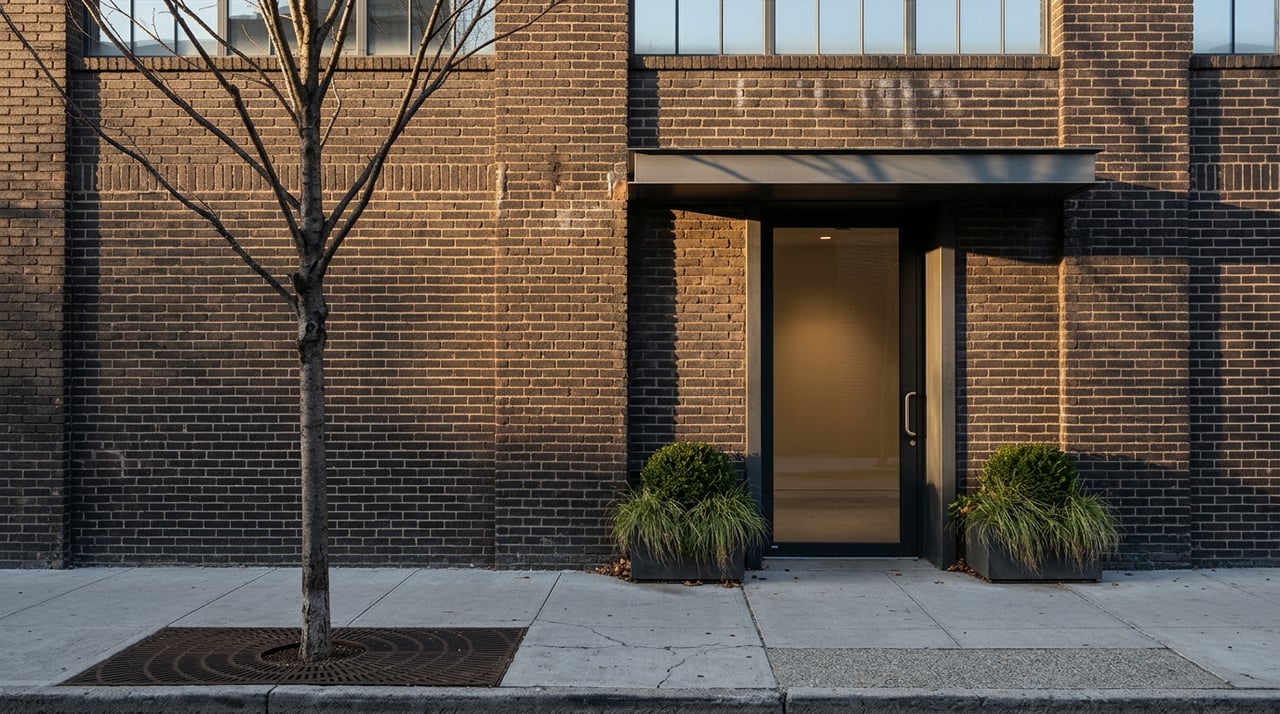
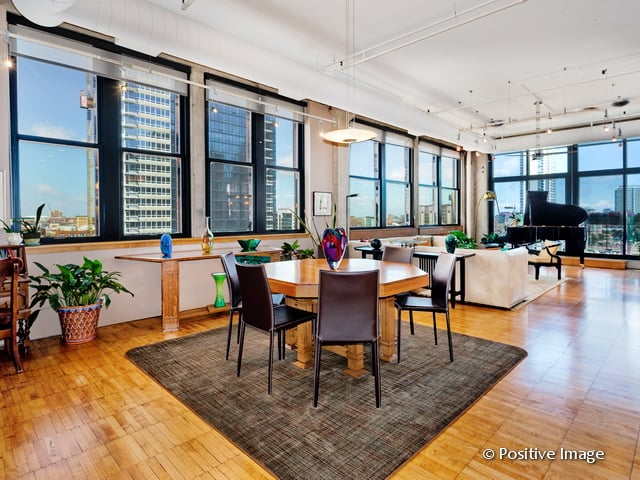
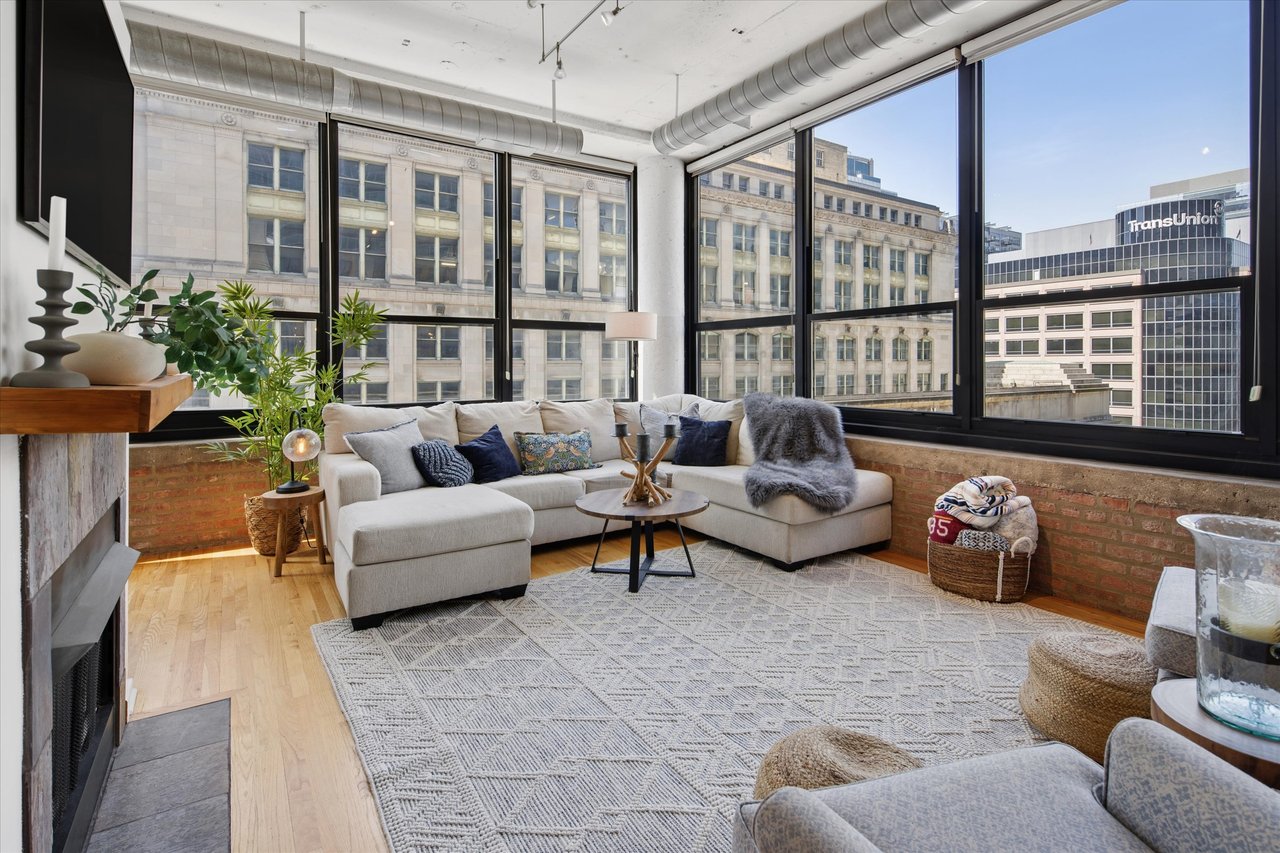
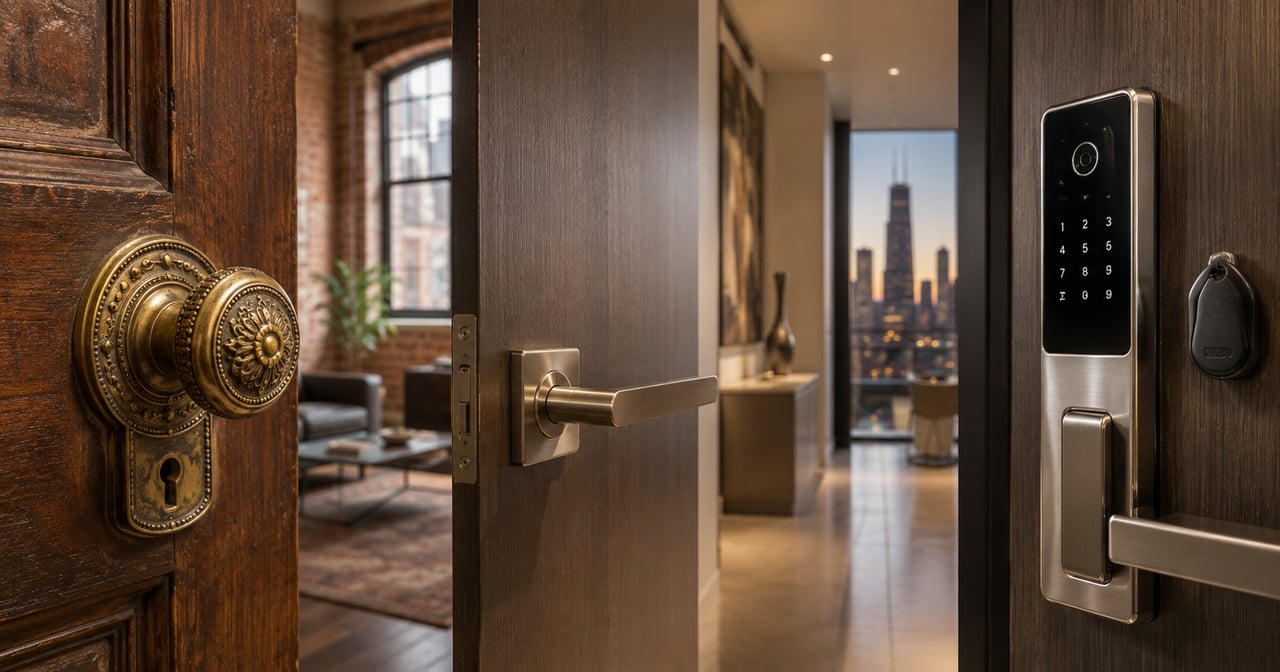
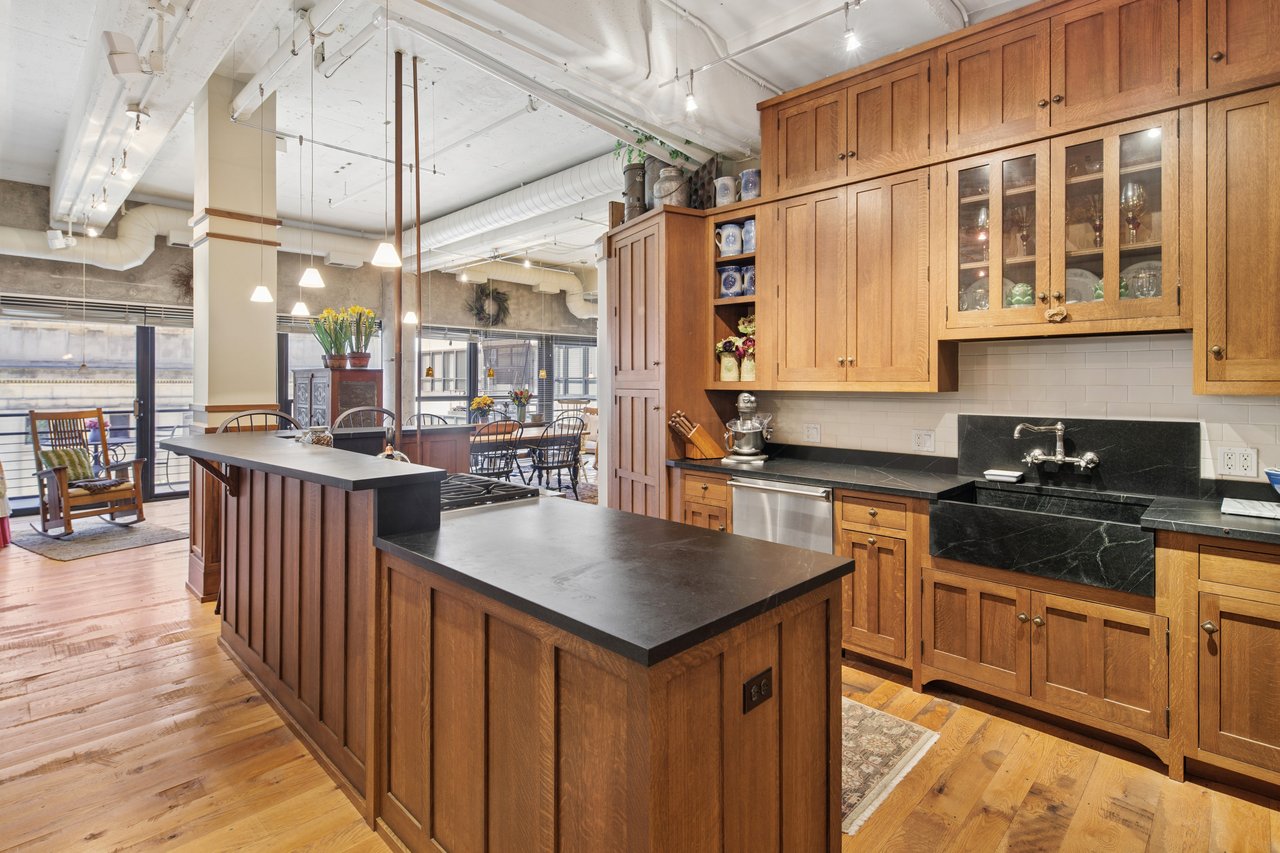
True timber and concrete lofts
-
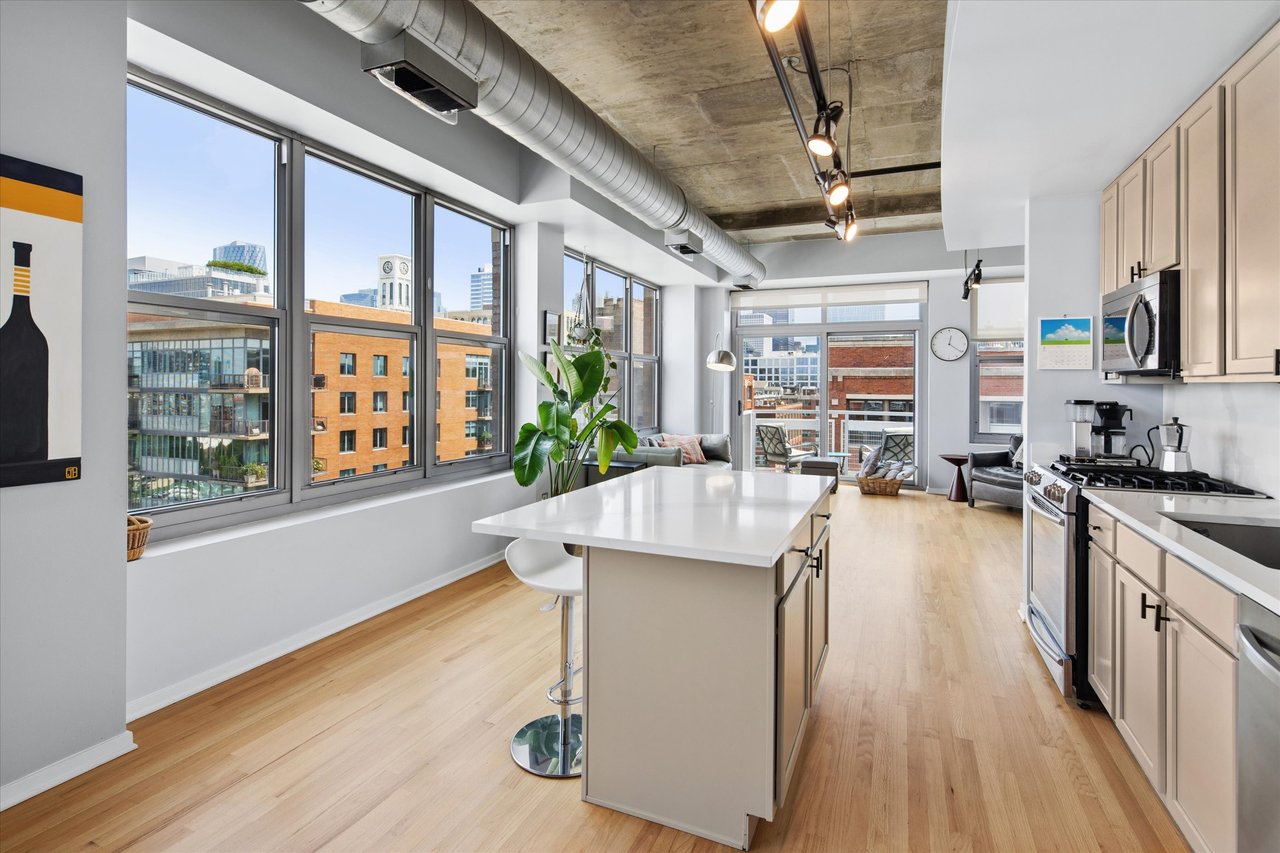
Exposed brick, beams, high ceilings, huge windows.
-
Often have character, quirks, and unique floor plans.
-
Resale appeal is strong if the building is well‑run and the location is prime.
-
-
Soft lofts
-
Loft‑inspired aesthetic but with more traditional layouts.
-
Often newer, with slightly more predictable floor plans and finishes.
-
-
Modern condo buildings
-
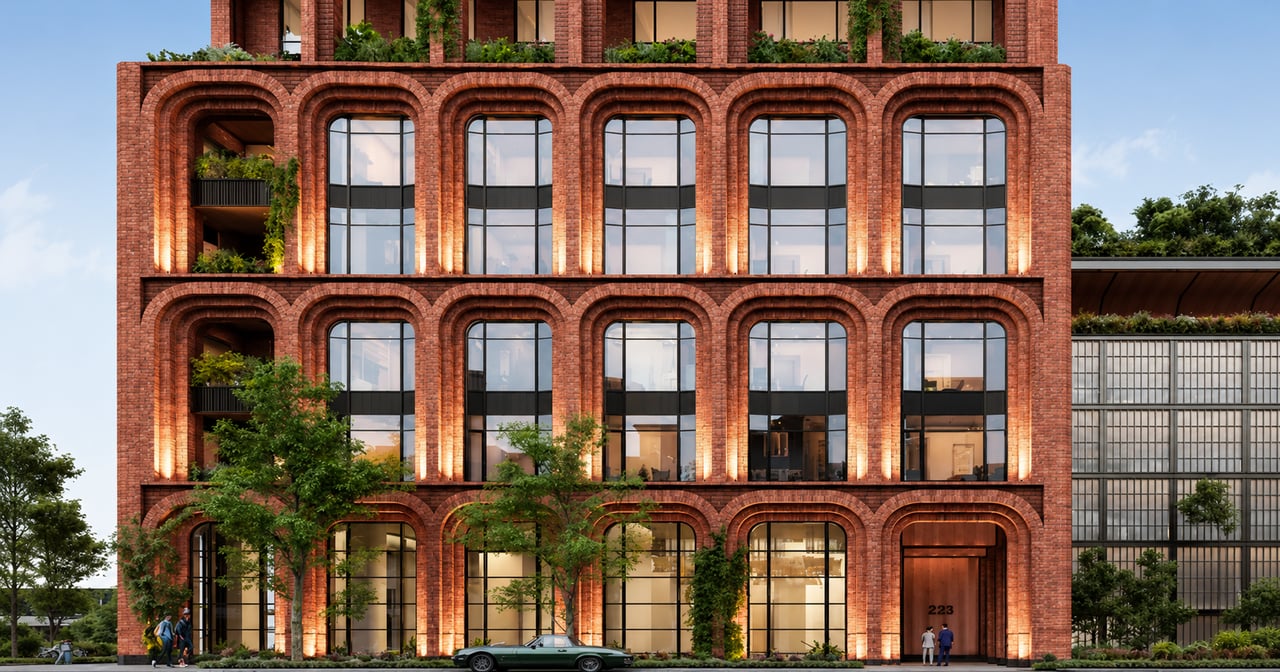
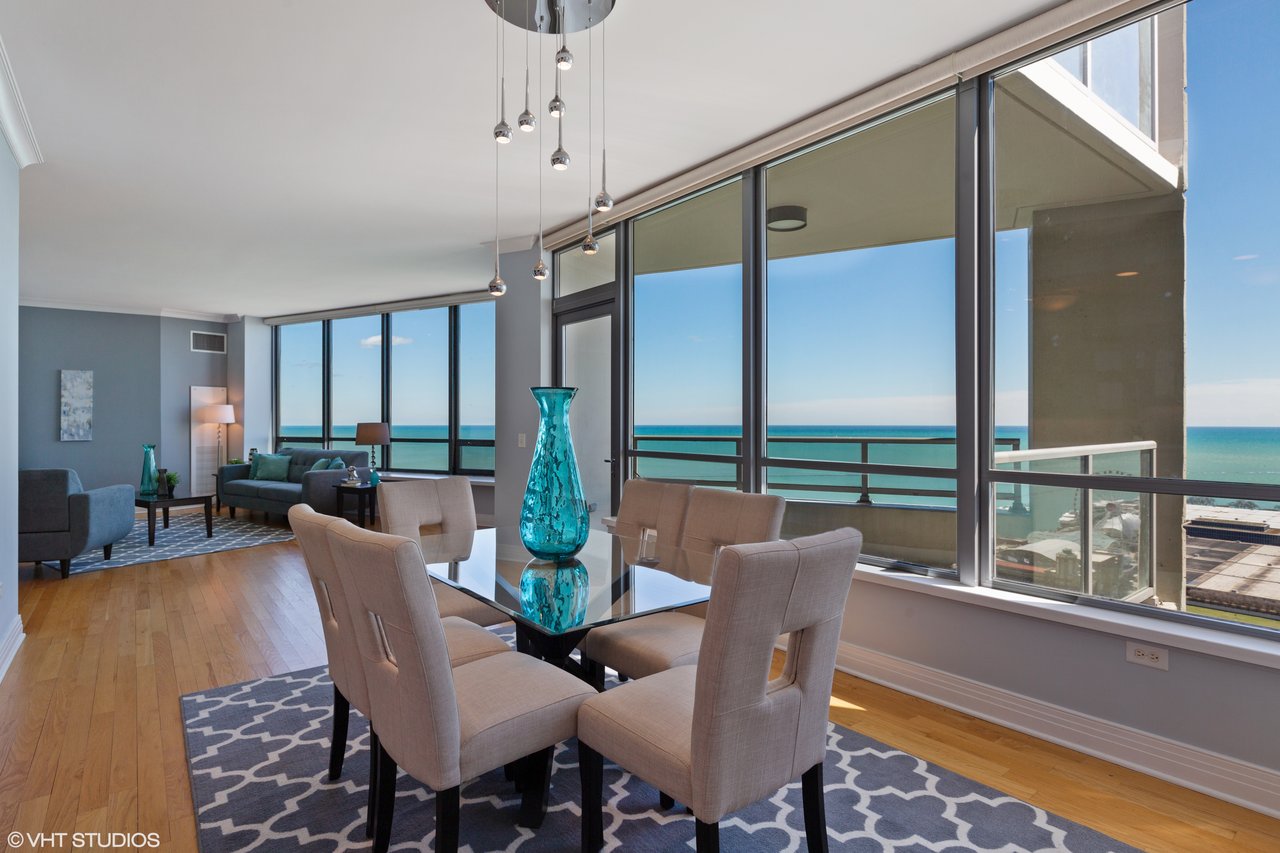
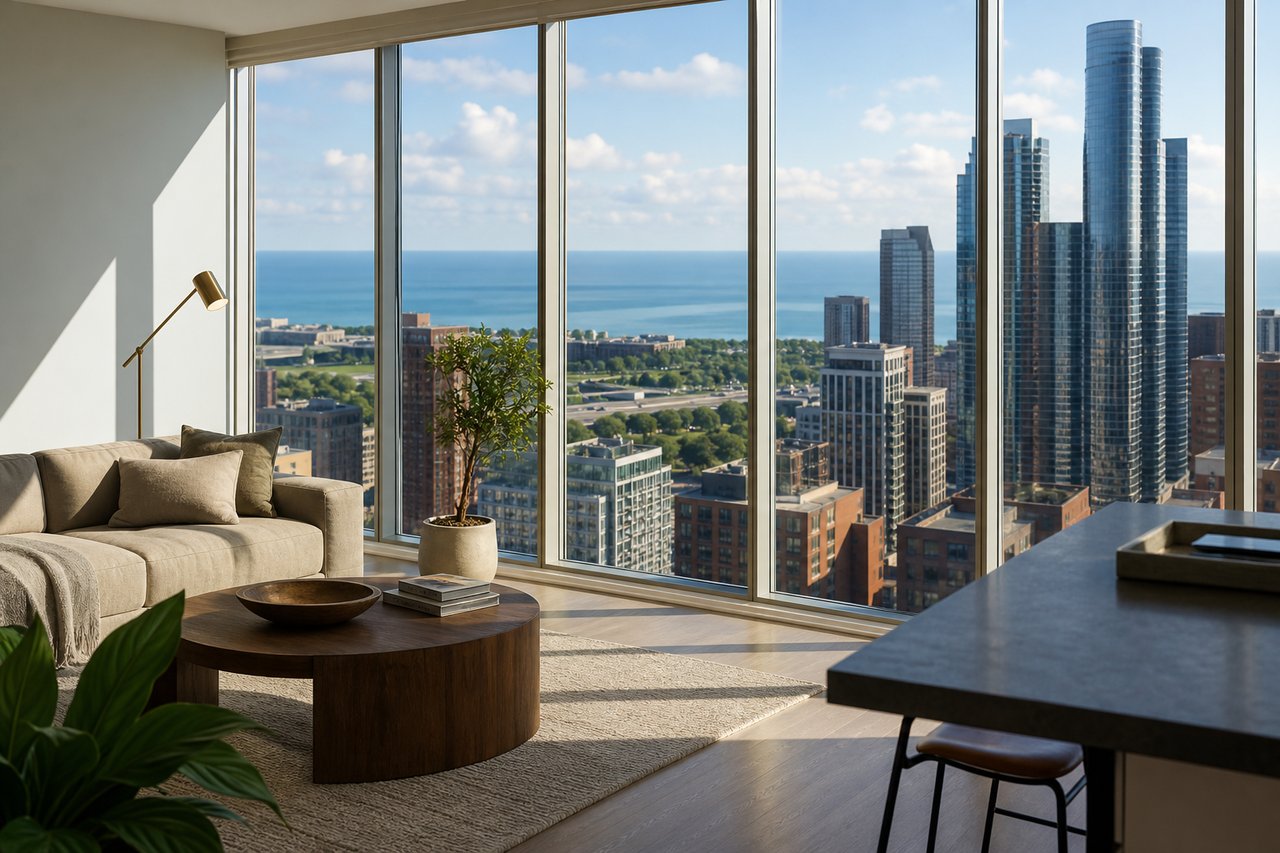
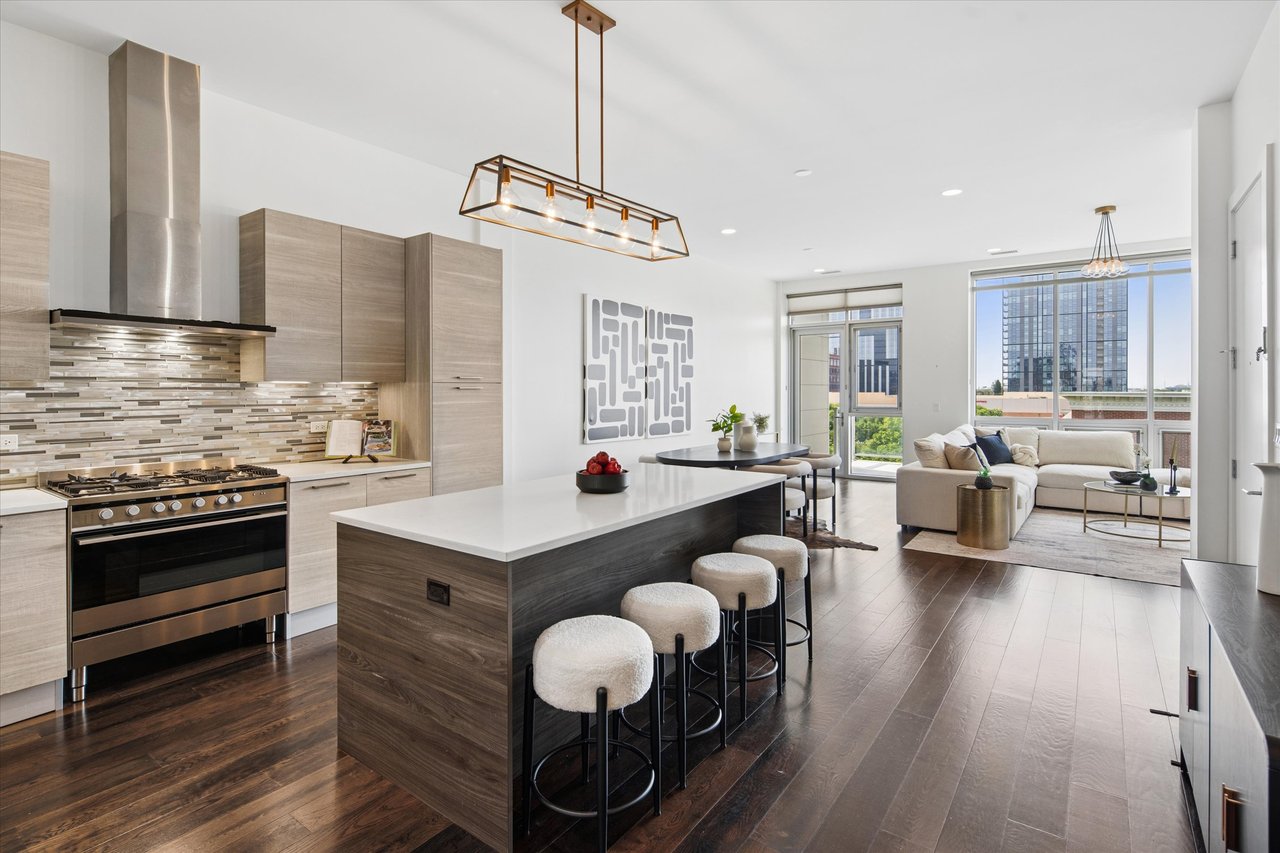
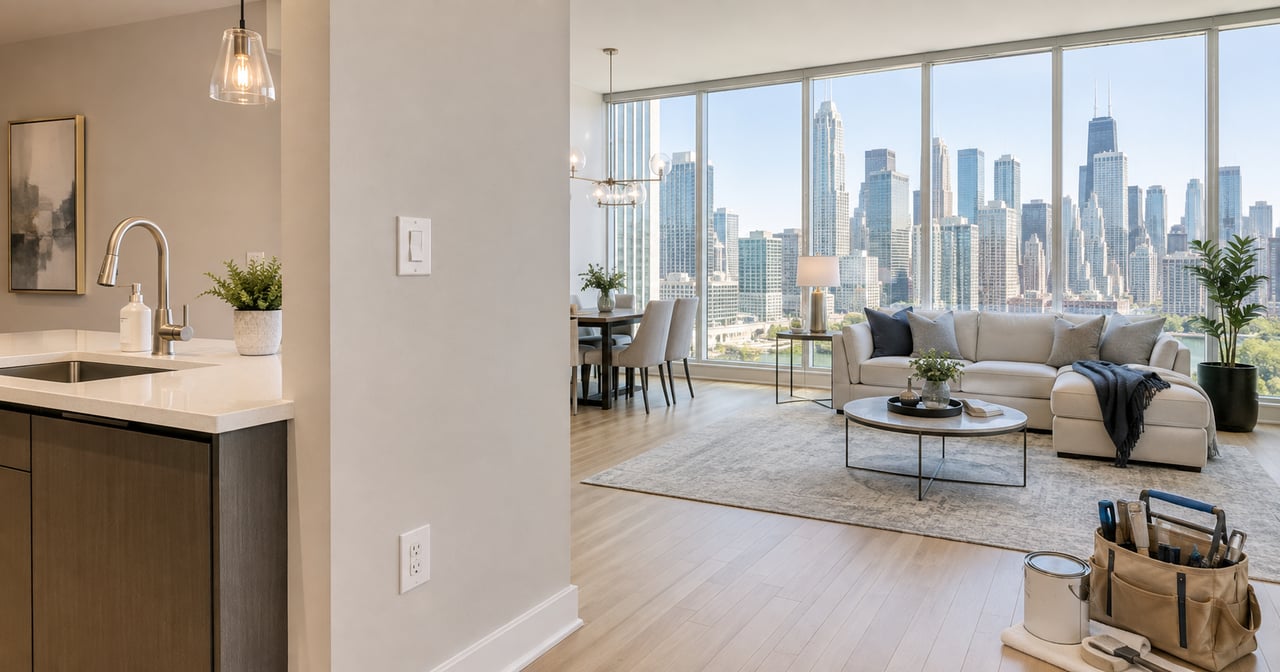
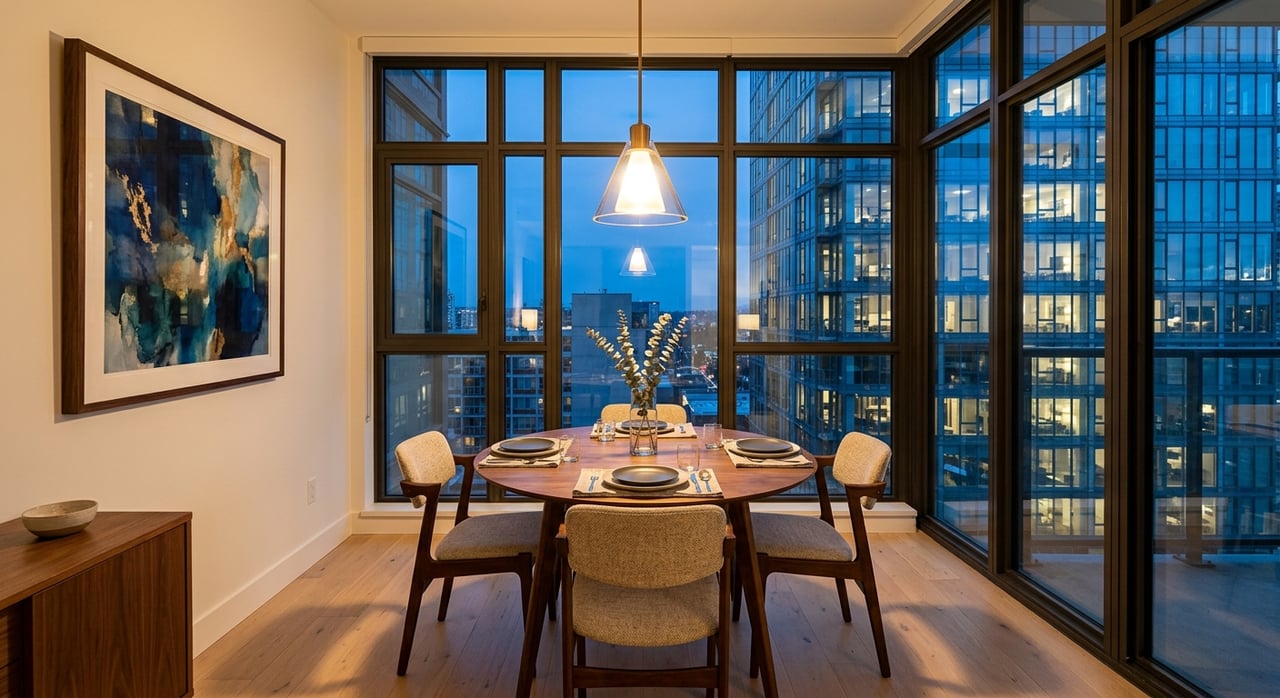
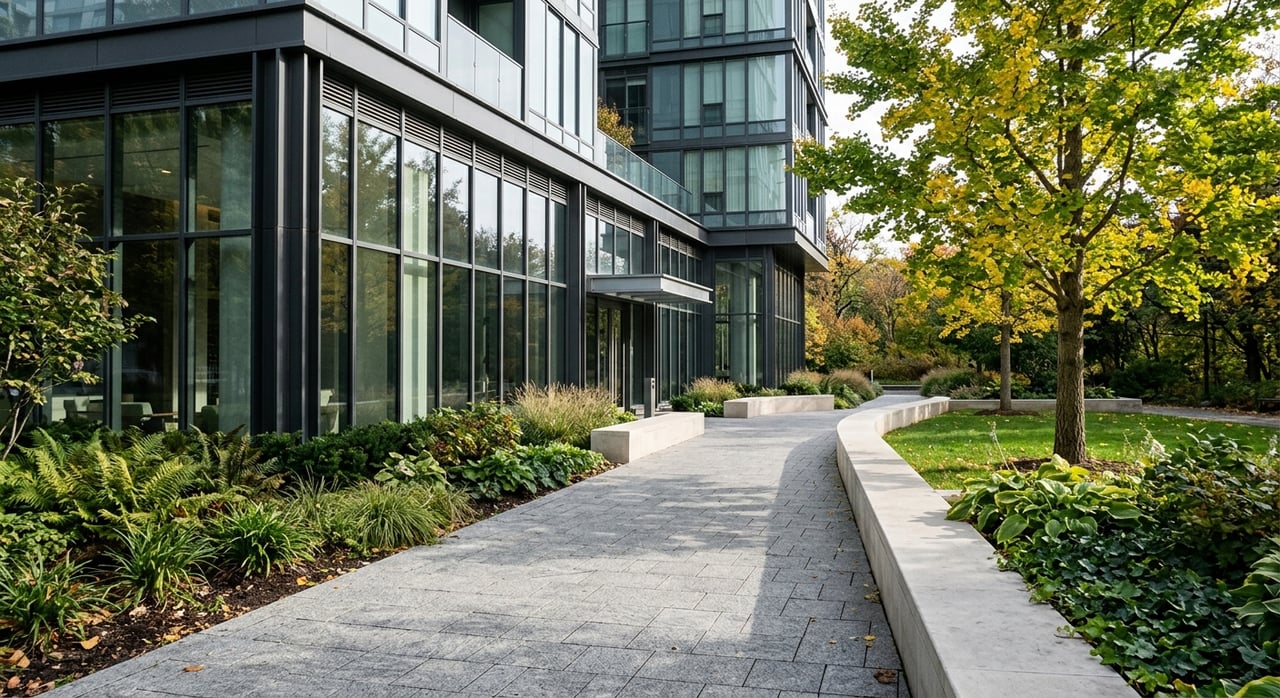
Clean lines, floor‑to‑ceiling windows, and newer mechanicals.
-
Usually easier to compare and appraise due to more consistent layouts.
-
Understanding how buyers value each type, because I see it firsthand from the seller side, helps you avoid overpaying for something that won’t hold its value or underestimating a floor plan that will sell instantly when you’re ready to move on.
Amenities That Actually Drive Value in the West Loop
Not all amenities impact value equally. In the West Loop, certain features tend to matter more to buyers:
-
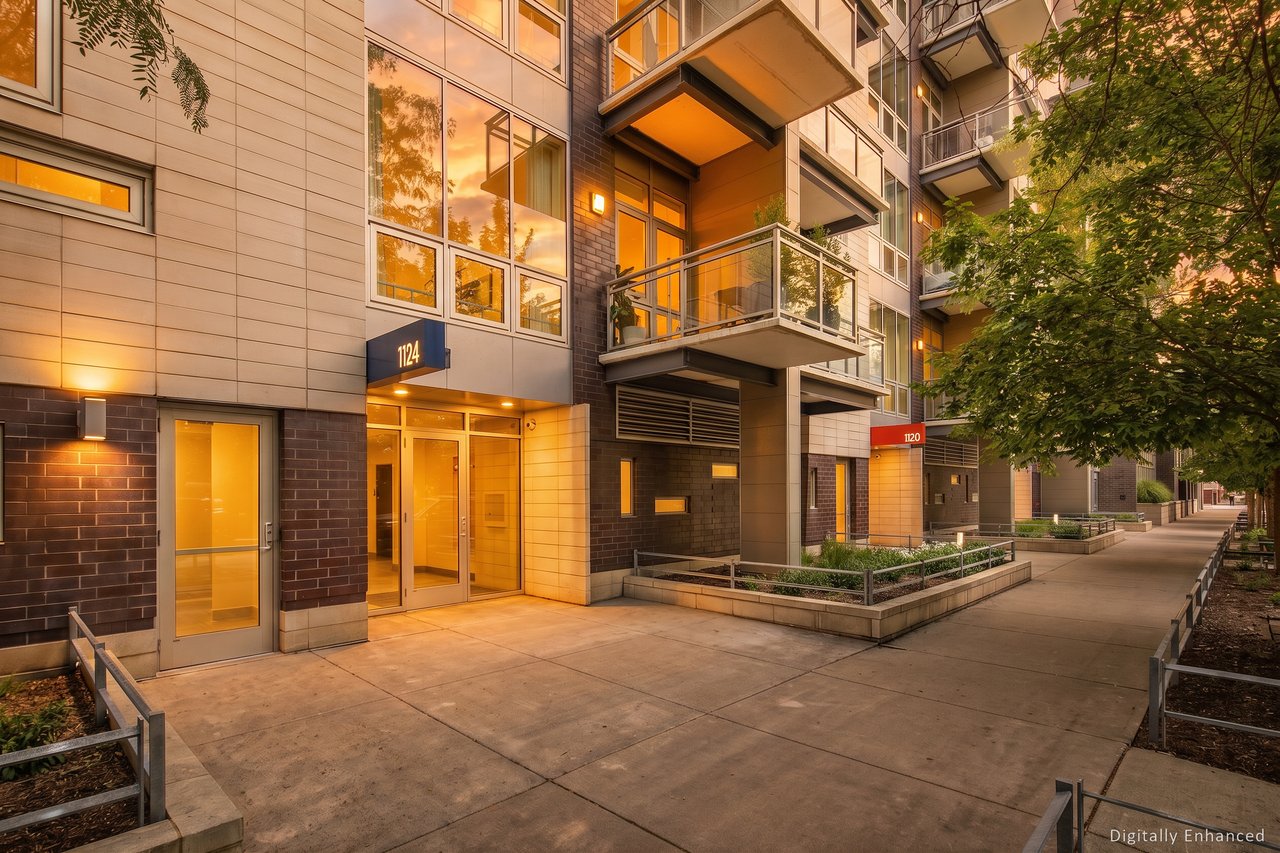
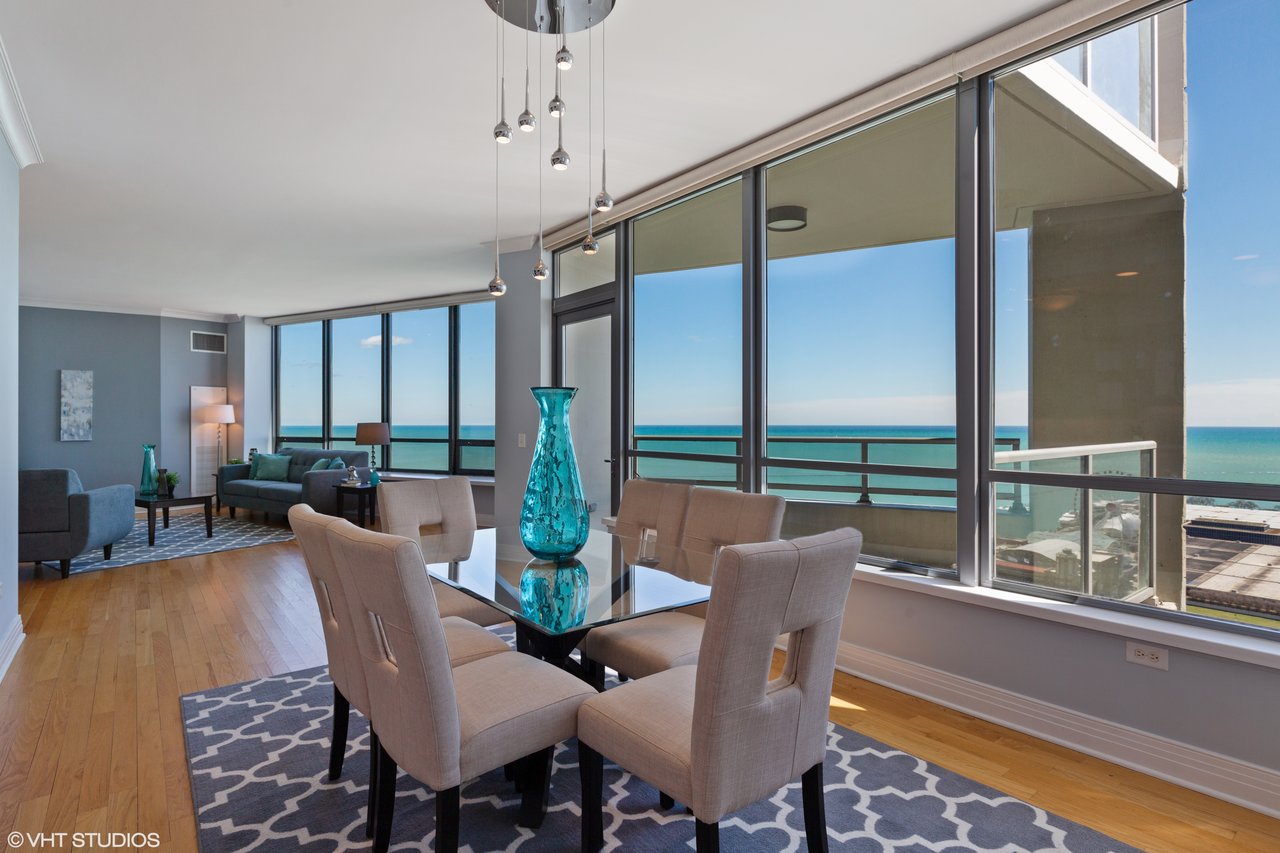
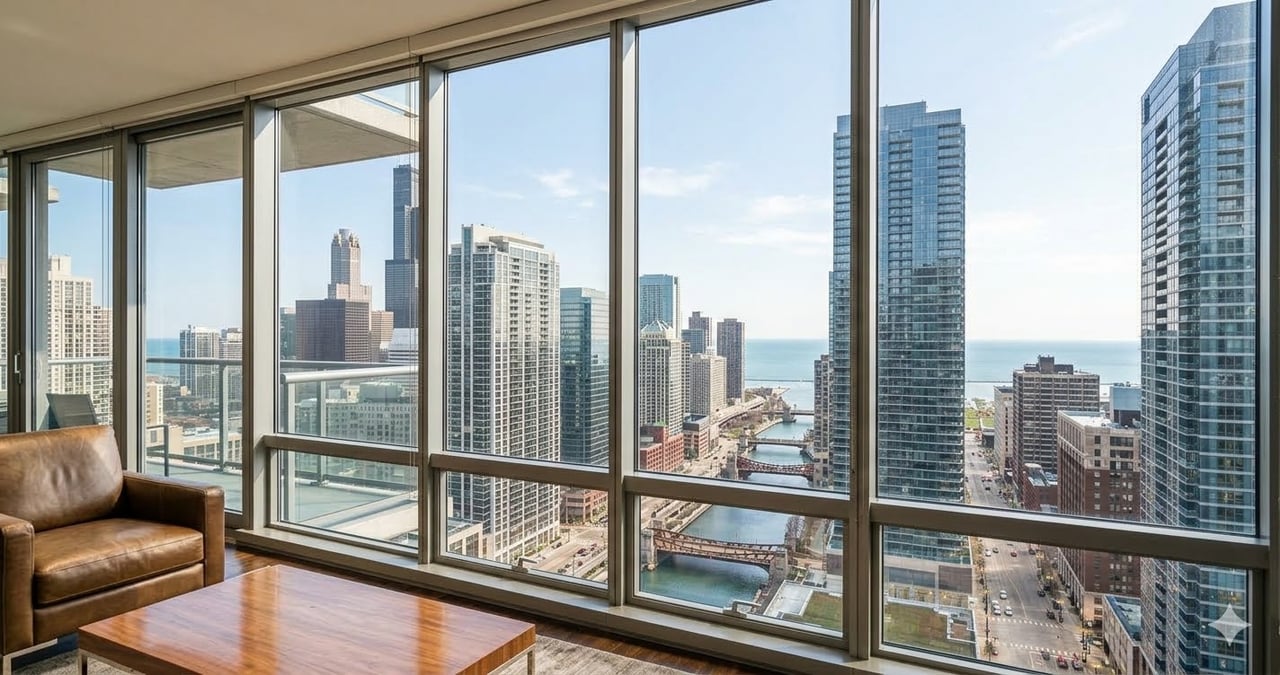
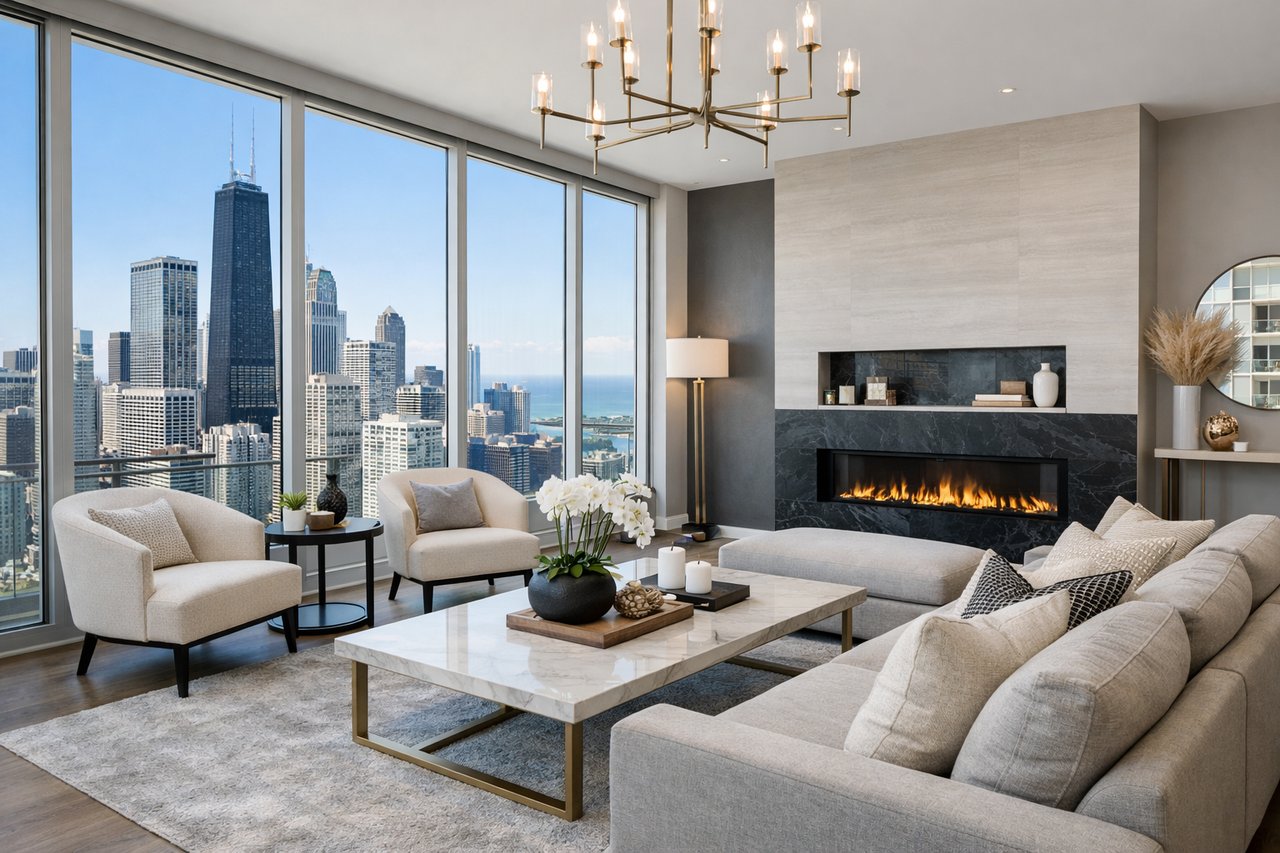
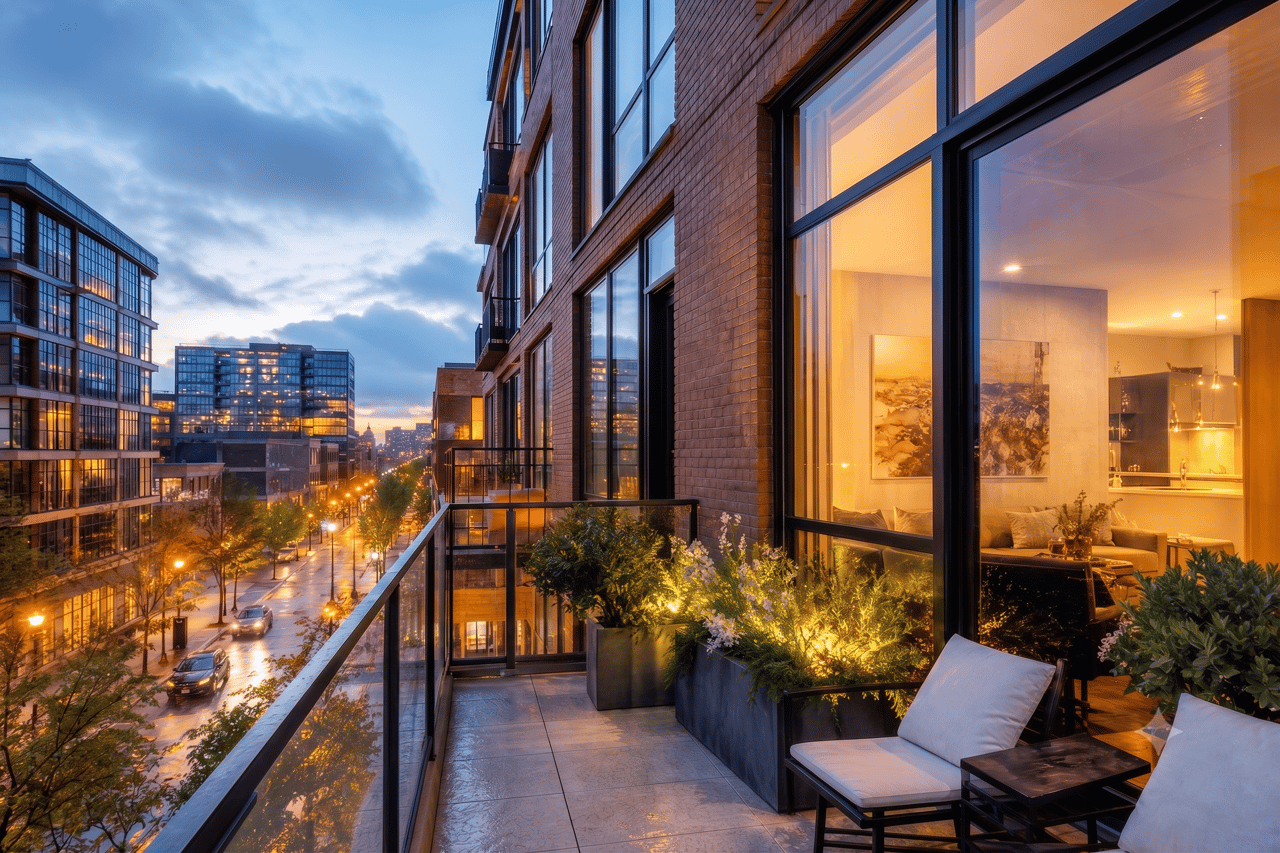
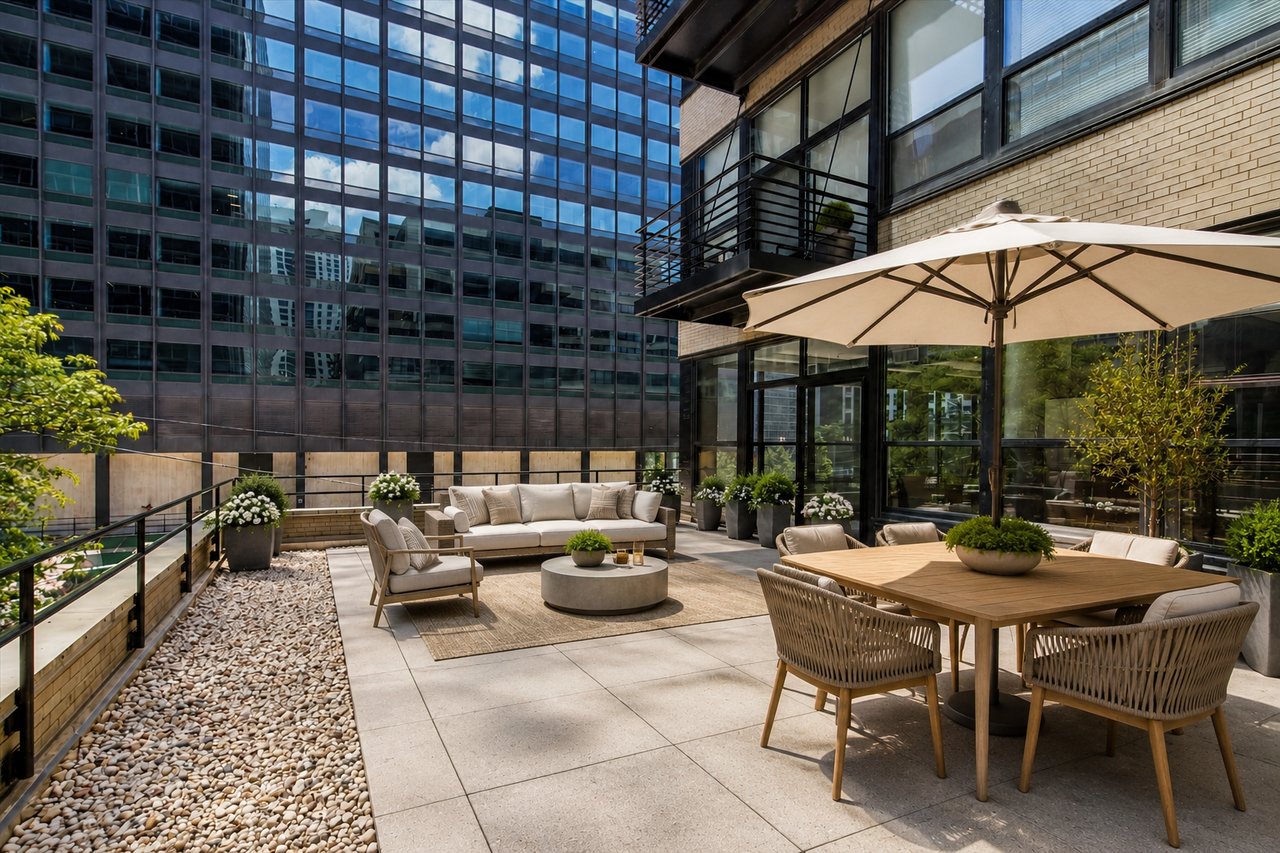
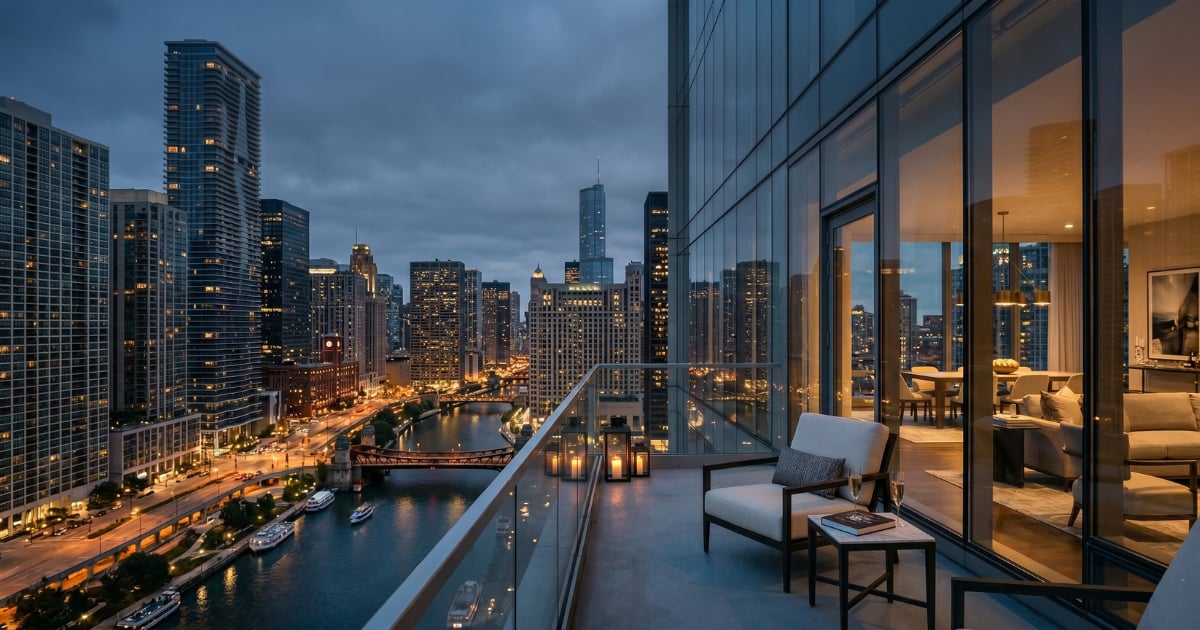
Outdoor space: Balconies, terraces, roof decks, especially with skyline views, are highly prized.
-
Parking: On‑site garage parking is a big plus, particularly for buyers who commute or don’t want to rely solely on rideshare and transit.
-
Pet‑friendliness: The West Loop is a very dog‑friendly neighborhood, so pet policies and nearby parks are a real factor.
-
Walkability to Fulton Market and Randolph Street: The closer you are to dining and nightlife (without being on top of the loudest blocks), the more demand your condo is likely to have when you sell.
By contrast, in Streeterville or certain Loop buildings, buyers may weigh lake views, hospital proximity, or on‑site pools more heavily. Your amenity priorities should align with both your lifestyle and your exit strategy.
Competition and Pace: How Fast Do West Loop Condos Move?
Because the West Loop is so desirable, well‑priced and well‑presented condos can move quickly, especially in prime locations or standout buildings.
What this means for you as a buyer:
-
You often need clear criteria and a readiness to act when the right home appears.
-
You need accurate pricing insight so you know when a unit is truly underpriced, fairly priced, or aspirational.
-
You benefit from working with an agent who has seen both sides of the transaction, how condos are priced, marketed, negotiated, and ultimately sold.
My seller‑side work across Downtown (and heavily in the West Loop) gives me real‑time feedback on what buyers are actually willing to pay and where they walk away. That same insight helps you avoid regret, either from overpaying or from missing a great opportunity.
How Buyer Profiles Differ by Micro‑Neighborhood
The “typical buyer” can look very different depending on where you shop:
-
West Loop:
-
Professionals in tech, creative, and corporate roles.
-
People who value restaurants, walkability, and a neighborhood feel.
-
Buyers who appreciate character (lofts) or modern boutique buildings.
-
-
River North:
-
Buyers who want high‑rise living, nightlife, and a more energetic, vertical lifestyle.
-
-
Streeterville:
-
Medical professionals, students, and buyers who prioritize proximity to the lake, hospitals, and Navy Pier.
-
-
South Loop:
-
Buyers often drawn to more space, parks, and a slightly more residential feel.
-
Knowing who your future buyer is likely to be, even when you’re just now buying, helps us choose a condo with strong resale potential and broad appeal.
How My Seller Expertise Helps You as a Buyer
My previous blog post, Why Downtown Chicago Home Sellers Choose Christine Hancock, focused on why sellers trust my strategy, pricing, and communication. As a buyer, you benefit from the very same skill set:
-
Strategic pricing insight: I know how listings are priced, where there’s room to negotiate, and where there isn’t.
-
Building‑specific knowledge: Understanding floor plans, strengths, and “pain points” in many West Loop buildings helps us evaluate a unit quickly and accurately.
-
Negotiation grounded in reality: Because I see what sellers prioritize, timing, certainty, contingencies, we can write offers that protect you while still being compelling.
In short, you’re not just touring condos; you’re making decisions with the same level of data‑driven strategy I use to help sellers succeed.
Questions to Ask Before You Buy a West Loop Condo
If you’re serious about buying in the West Loop, start with these questions:
-
Does this building fit my lifestyle today and my resale goals later?
-
Are the HOA fees reasonable for the amenities and reserves?
-
How does this condo compare to similar options in nearby micro‑neighborhoods (River North, Streeterville, South Loop)?
-
What trade‑offs am I making on space, location, and finishes—and are they worth it?
-
If I needed to sell in 3–5 years, would this be an easy property to market?
These are the exact conversations I have with my clients so they feel confident, not rushed.
Thinking About Buying a West Loop Condo?
You don’t need to have everything figured out, or be ready to write an offer this week to start the conversation.
If you want clear numbers, honest guidance, and a strategy grounded in real Downtown and West Loop experience, I’m here to help. We can walk through neighborhoods, review buildings, and talk through how your budget, lifestyle, and long‑term plans intersect with what’s actually happening in the market.
Buying smart starts with the right plan, just like selling.
If you’re considering buying a condo in the West Loop or anywhere Downtown, let’s talk strategy first. I’ll help you compare buildings, understand HOA fees, evaluate resale potential, and move forward with clarity and confidence.
Pro Tips:
What 300 West Loop Condo Sales Have Taught Me About Timing the Market
Best Downtown Chicago Neighborhoods for Condo Buyers in 2026
Do You Need a Buyer’s Agreement in Illinois to Tour Homes?
Should You Offer Over Asking Price in Downtown Chicago? A Buyer’s Guide to Winning the Home You Love