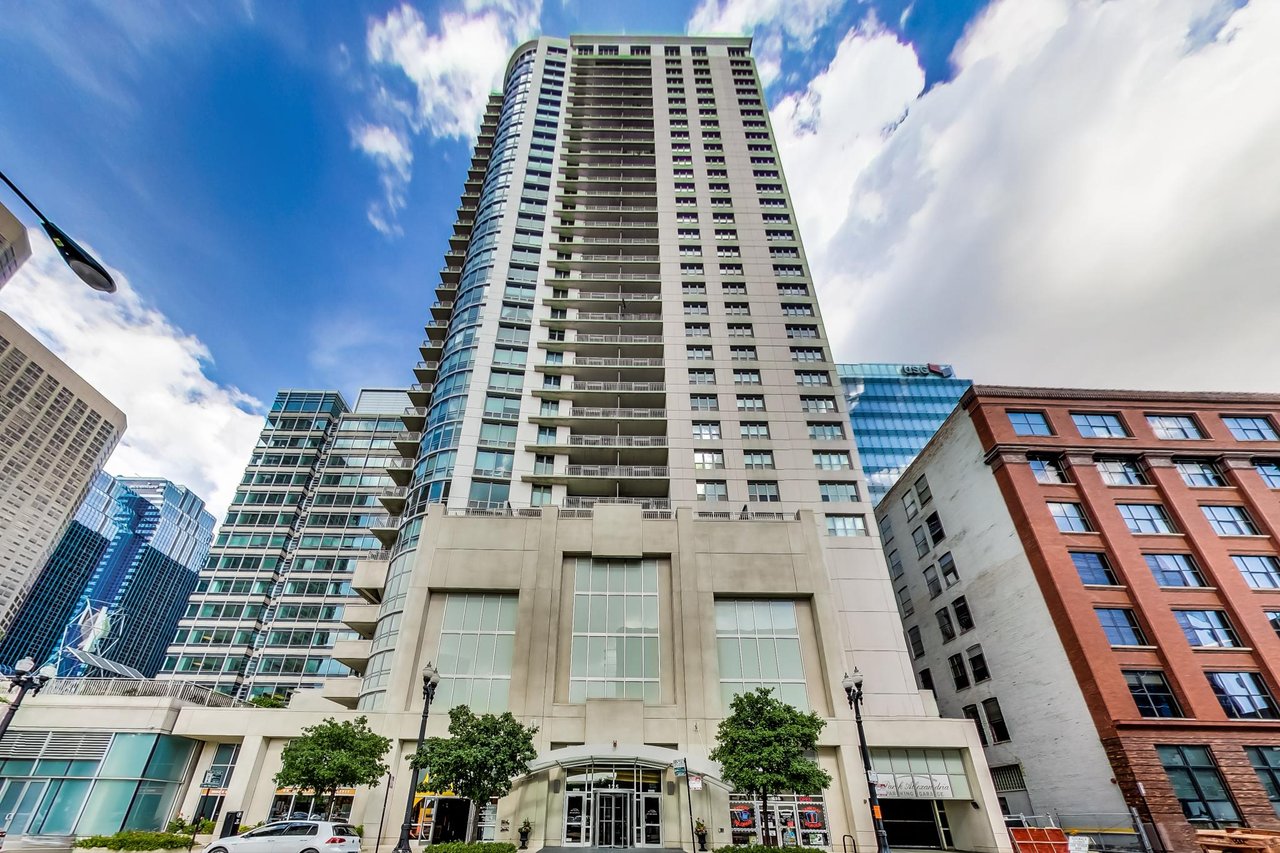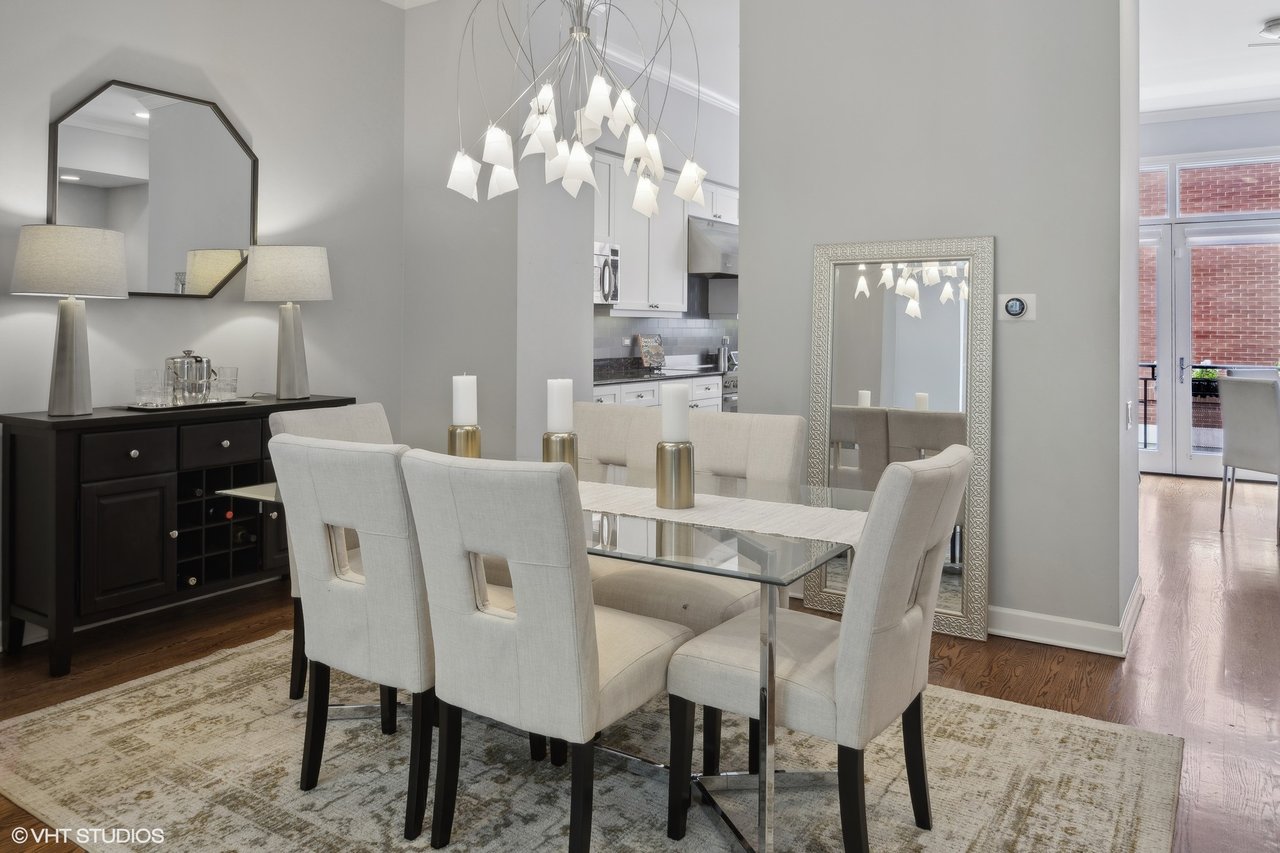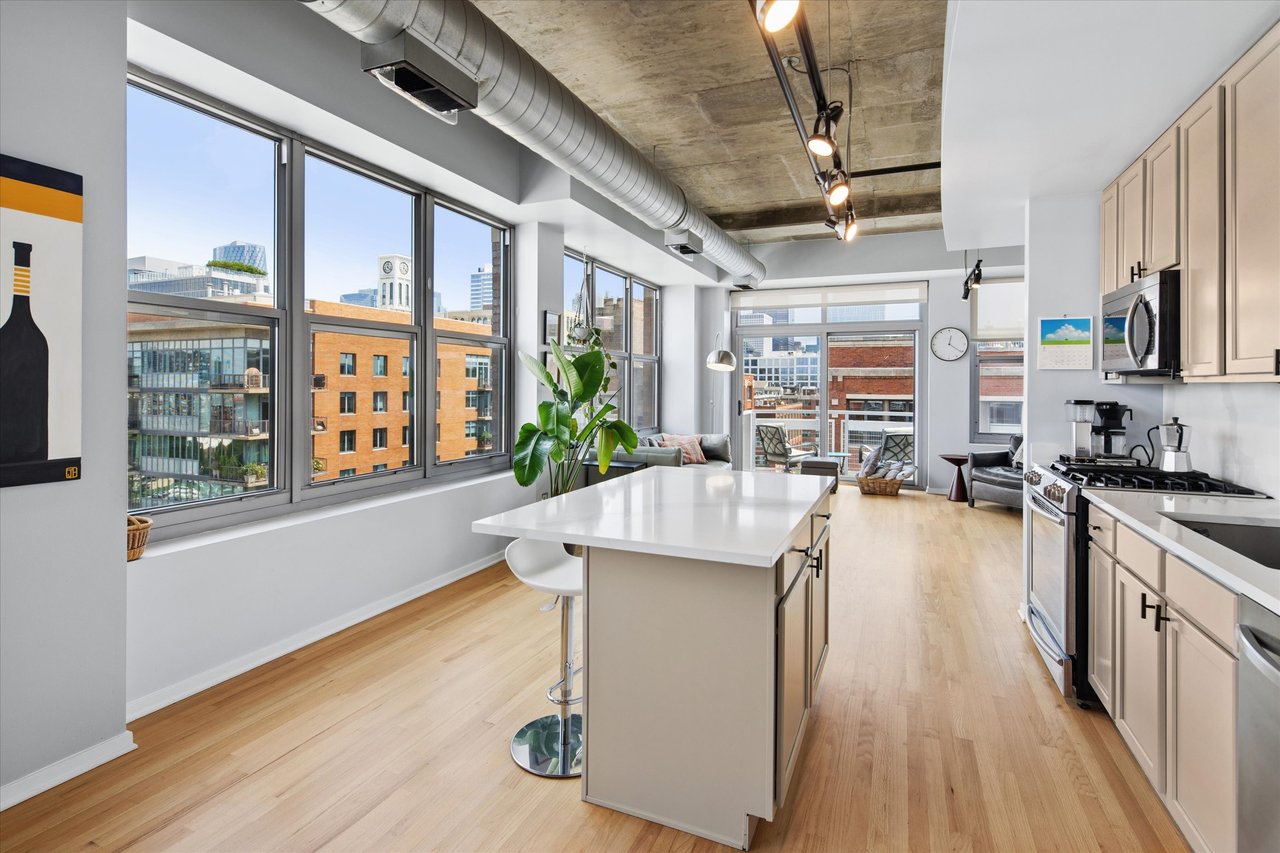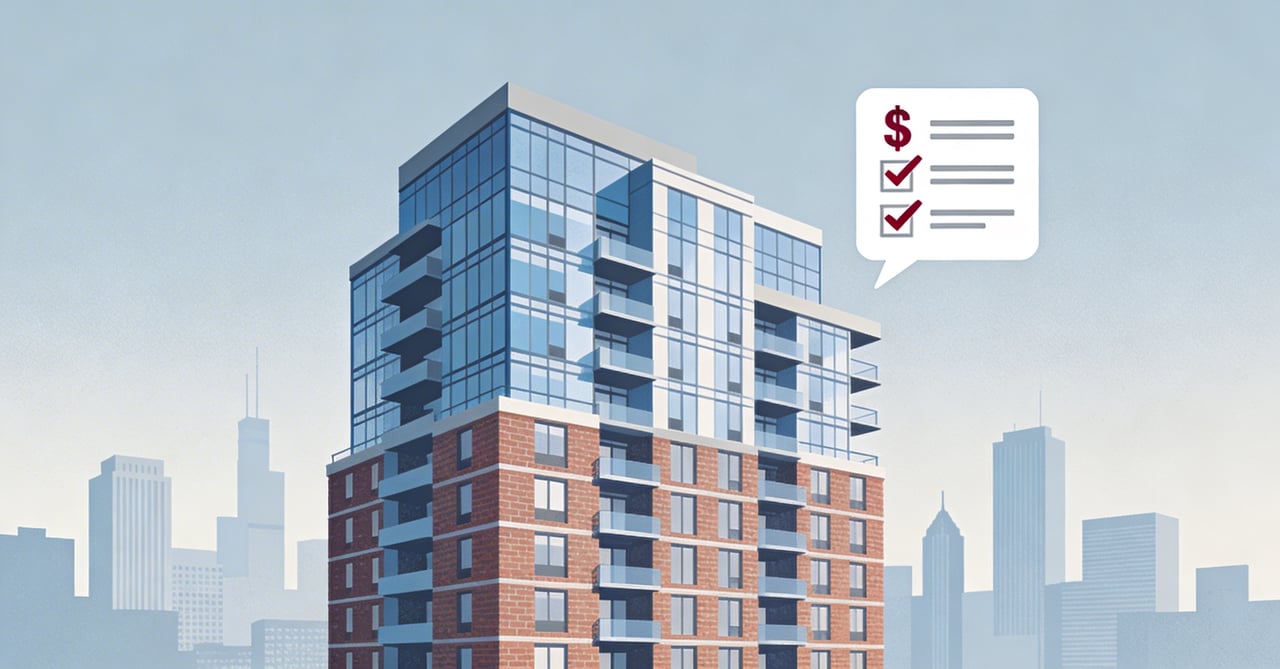
Understanding condo HOA fees in Chicago starts with one key idea: you’re not just paying “extra rent”—you’re paying your shared portion of what it actually costs to run, insure, maintain, and plan for the future of your building.
What Are Chicago HOA Fees
Condo HOA (homeowners association) fees are regular assessments—usually monthly—that each unit owner pays to fund the building’s day‑to‑day operations and long‑term repairs. In Chicago, these fees are written into the association’s governing documents and are mandatory as long as you own the condo.
In most associations, part of the fee goes to current expenses (utilities, cleaning, insurance) and part goes into reserves for future big‑ticket projects like roofs, elevators, or façade work.
Typical HOA Cost Ranges In Chicago
While every building is different, there are some typical ranges you’ll see in Chicago.
-
Many condo associations average about $300–$400 per month for standard buildings with modest amenities.
-
Smaller vintage walk‑ups with limited common areas may fall on the lower side of that range or slightly below.
-
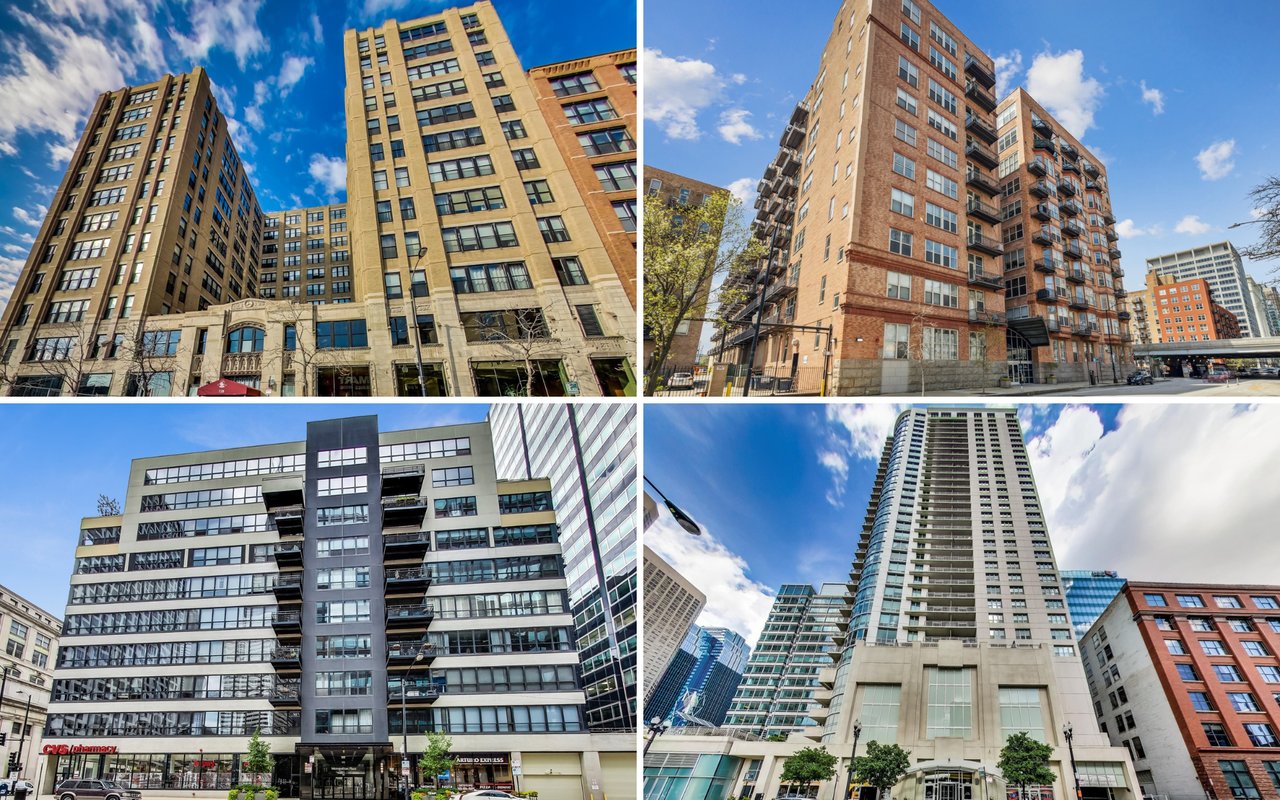
Mid‑size or amenity‑rich buildings (elevators, gyms, door staff) often run $400–$700+ per month, and luxury high‑rises can easily exceed $800–$1,500 per month.
When you evaluate fees, always compare them to what you’d otherwise pay out of pocket for things like heat, water, maintenance, and savings for future repairs.
What HOA Fees Usually Cover
What you get for your fee can vary a lot by building, especially between a vintage three‑flat in Lakeview and a full‑amenity high‑rise in Streeterville.
Common inclusions in Chicago condo fees:
-
Building utilities: water (almost always), common‑area electricity, sometimes central heat or gas.
-
Day‑to‑day maintenance: hallway cleaning, snow removal, landscaping, trash and recycling, minor repairs.
-
Building insurance: master policy for the structure and common areas; you still carry your own “walls‑in” condo policy.
-
Reserves: savings for big projects like roof replacement, tuckpointing, elevator repairs, boiler replacement, or lobby renovations.
-
Amenities and services: gyms, pools, party rooms, package rooms, security systems, door staff, and professional property management.
Always request a detailed budget so you can see the line items your specific association is paying for.
Why HOA Fees Vary So Much
Two condos listed at the same price in Chicago can have totally different HOA fees because the underlying cost structure is different.
Key drivers:
-
Building type and age: Older or more complex buildings with boilers, elevators, flat roofs, or historic façades tend to cost more to maintain than a simple three‑unit walk‑up.
-
Amenities level: Doormen, onsite managers, pools, gyms, and valet‑style services significantly increase payroll and operating costs.
-
Included utilities: If heat, gas, cable, or internet are included, the monthly fee will be higher but your separate utility bills are lower.
-
Reserve philosophy: Associations that prioritize strong reserves may charge a bit more now to avoid painful special assessments later.
-
Professional management: Hiring a management company adds a line item but can improve maintenance, collections, and long‑term planning.
A “low” fee can sometimes signal under‑funded reserves or deferred maintenance rather than efficiency.
What’s Typically Included: Quick Table
This table shows common inclusions you’ll see in Chicago condo buildings; your association’s actual coverage may differ.
| Building feature / service | Commonly in fee? | Notes for Chicago buyers |
|---|---|---|
| Water & sewer | Often yes | City water is frequently bundled into assessments rather than billed to individual units. |
| Heat (radiator/boiler) | Often in vintage/high‑rise | Many pre‑war and older high‑rises provide central steam or hot‑water heat included in dues. |
| Gas for cooking | Sometimes | Some buildings bundle gas, others meter it individually; check listing details. |
| Electric (in‑unit) | Usually no | More commonly covered only for common areas, not for unit usage. |
| Internet / cable | Sometimes | Increasingly common in newer or luxury buildings via bulk contracts. |
| Building insurance | Yes | Covers structure/common areas; you still need condo (HO‑6) for interior and belongings. |
| Snow & landscaping | Yes | Critical in Chicago winters; usually a core budget item. |
| Cleaning & common upkeep | Yes | Hallways, lobby, elevators, shared amenities, light repairs. |
| Reserves for capital projects | Yes (should be) | Ideally a healthy share of the budget goes to reserves for future repairs. |
| Door staff / security | Only in select buildings | Adds convenience and safety but materially increases monthly fees. |
| Pool / gym / roof deck | Only where available | Maintenance and staffing of amenities are funded by monthly dues. |
Special Assessments And One‑Time Costs
In addition to regular monthly fees, Chicago condo associations can charge special assessments—one‑time or short‑term fees for significant, unexpected, or under‑funded projects.
Common reasons:
-
Major roof replacement, façade or balcony repairs, elevator overhauls, or code‑required life‑safety upgrades.
-
Insurance premium jumps, unexpected legal costs, or big mechanical failures not fully covered by reserves.
When reviewing a building, always ask:
-
Have any special assessments been recently passed or discussed?
-
Is there a reserve study, and how much is currently in reserves relative to upcoming projects?
How To Evaluate If Fees Are “Too High”
Instead of asking “Are the fees high?”, a Chicago buyer is better off asking “Do the fees make sense for this building and what they cover?”.
Look at:
-
Value for money: Compare fees against included utilities, amenities, and level of maintenance; $650 with heat, water, strong reserves, and a doorman might be more reasonable than $350 with nothing included and failing systems.
-
Building financial health: Review the annual budget, reserves balance, delinquency rates, and any recent reserve studies.
-
Condition of major components: Roof, windows, masonry, elevators, boilers—if these are near end‑of‑life and reserves are low, expect future increases or assessments.
-
Your full monthly picture: Add mortgage, taxes, HOA, and your remaining utilities to see the true cost versus a similar home without an HOA.
This holistic view is especially important if you’re comparing a condo in River North with a fee‑simple home in a different neighborhood.
Smart Questions To Ask Before You Buy
When you’re serious about a specific Chicago condo, request documents and ask targeted questions so there are fewer surprises later.
Key questions:
-
What exactly do current monthly fees cover, and what do owners pay separately?
-
How much is in the reserve fund, and when was the last reserve study done?
-
Have there been any special assessments in the last 5–10 years, and are any upcoming ones under discussion?
-
Are there large upcoming projects (roof, windows, garage, elevators, balconies) and how will they be funded?
-
What percentage of owners are behind on dues, and what is the association’s policy for collections?
Request and review: the budget, most recent financials, reserve study (if any), meeting minutes, and association rules so you understand both costs and lifestyle implications.
Pro Tips:
Best Downtown Chicago Neighborhoods for Condo Buyers in 2026
Should You Offer Over Asking Price in Downtown Chicago? A Buyer’s Guide to Winning the Home You Love
Do You Need a Buyer’s Agreement in Illinois to Tour Homes?
Experience the Best of Downtown Chicago Living