Thinking about listing your West Loop condo but not sure if now is the moment? You are not alone. Timing can add thousands to your bottom line, yet it is easy to get lost in headlines and guesswork. In this guide, you will learn the specific signals that matter in the West Loop, how to weigh seasonality and mortgage rates, and what to do if you must sell outside the prime window. Let’s dive in.
West Loop market at a glance
West Loop condos continue to see healthy demand. Recent snapshots place the median sale price near $470,000, with typical listings spending about 29 to 36 days on market, and neighborhood months of supply around 1.5. These cues point to a seller-leaning environment for many units. See neighborhood-level stats on the West Loop condo page at Homes.com.
Citywide, inventory has stayed tight, which supports pricing in many core neighborhoods. The Chicago Association of REALTORS® reported lower inventory and months of supply at the end of 2025 compared with a year earlier, a sign of constrained choices for buyers in central areas. Review the December 2025 market snapshot.
If you are tracking leverage, months of supply is the cleanest yardstick. Under about 4 months tends to favor sellers, 4 to 6 months is more balanced, and over 6 months can tilt to buyers. Learn more about how to read months of supply from Realtor.com’s explanation.
What actually moves timing for condos
Seasonality in Chicago
Spring remains the prime window for exposure. National research highlights mid April as a high performing week for many sellers, and Chicago’s rhythm supports listing by mid April to capture peak spring search activity. Early fall can be a solid secondary window if spring feels crowded. See seasonality context in Realtor.com’s seller survey.
Mortgage rates and buyer demand
Rates shape affordability and your buyer pool. The 30 year fixed averaged about 6.09% the week of Feb 12, 2026, and a downward trend can unlock more demand within weeks. Rising or volatile rates can make buyers more price sensitive. Track the weekly pulse in Freddie Mac’s survey coverage via this rate update.
Inventory at the neighborhood and building level
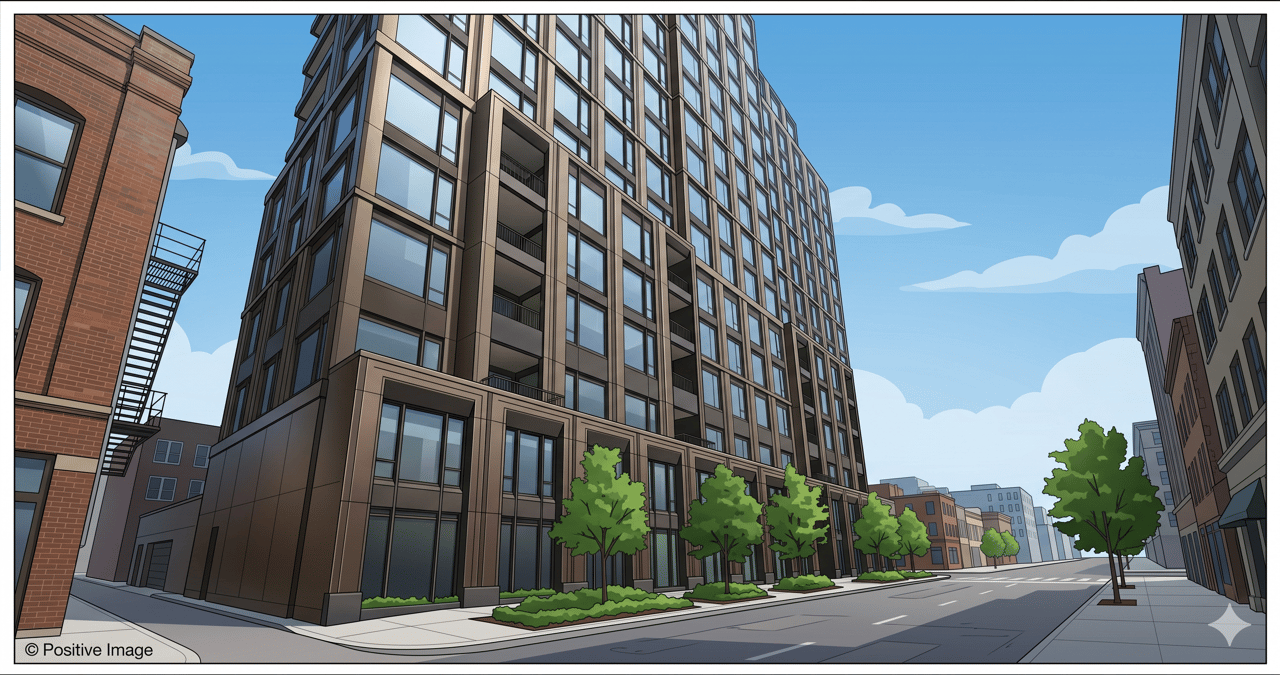
Neighborhood supply near 1.5 months suggests a seller edge, but the micro picture matters. If two or three near identical units hit in your building, buyers will compare and negotiate. At the higher end, select new construction has added choices, like the Embry condominium delivery in the West Loop. Keep an eye on luxury pipeline coverage from Chicago YIMBY’s Embry updates.
Condo financing and HOA health
Lenders review the entire condo project, not just your unit. High investor concentration, low reserves, active litigation, or large unfunded repairs can limit buyer financing and reduce your buyer pool. Confirm your building’s standing against common project standards outlined in the Fannie Mae Selling Guide.
Local demand drivers
The West Loop draws steady interest thanks to its mix of offices, dining, and amenities, which supports ongoing demand for 1 to 2 bedroom condos. This backdrop helps, but your pricing band and building profile will do most of the work.
A simple framework to decide now or later
Use this Market Cue Scorecard. Read local MLS trends right before you set your date, then rate each signal as seller lean, neutral, or buyer lean.
- Months of supply (neighborhood)
- Seller lean: under 3 months. Neutral: 3 to 5 months. Buyer lean: over 5 to 6 months. See interpretation from Realtor.com.
- Days on market for similar units
- Seller lean: median under 30 days. Neutral: 30 to 60. Buyer lean: over 60. Pull 30 to 90 day rolling comps.
- Sale to list ratio and price cuts nearby
- Seller lean: median sale to list 98 to 100 percent with frequent at or above ask outcomes. Buyer lean: sale to list under 95 percent or many reductions.
- Mortgage rate trend
- Seller lean: rates falling week over week or a clear easing path. Buyer lean: rates rising with volatility. Check the weekly trend, such as the Feb 12, 2026 reading.
- Building level competition
- Seller lean: no near identical units listed or coming soon. Buyer lean: several similar units in the same line or tier, or a luxury delivery that overlaps your segment. See project pipeline examples like Embry coverage.
How to act on the score:
- If 3 or more signals lean seller: list now and sharpen marketing.
- If 3 or more lean buyer: consider a 6 to 12 week delay or wait until two signals flip. Use the prep steps below to protect value if you must list now.
- If mixed: price competitively and lean into presentation and targeted advertising to capture peak eyes in spring or fall.
Building level checklist before you list
Your building’s profile can help or hinder financing. Confirm these items and bring them into your pre listing package.
- HOA financials and reserves. Lenders flag low reserves or high delinquency. See why project standards matter in the Fannie Mae guide.
- Litigation and special assessments. Active or pending issues can limit buyer loan options.
- Owner occupancy and rental caps. High investor share can narrow conventional financing choices.
- Major repairs and funding status. Unfunded large projects can make some loans ineligible.
If you must sell off cycle, stack the deck
Stage for impact
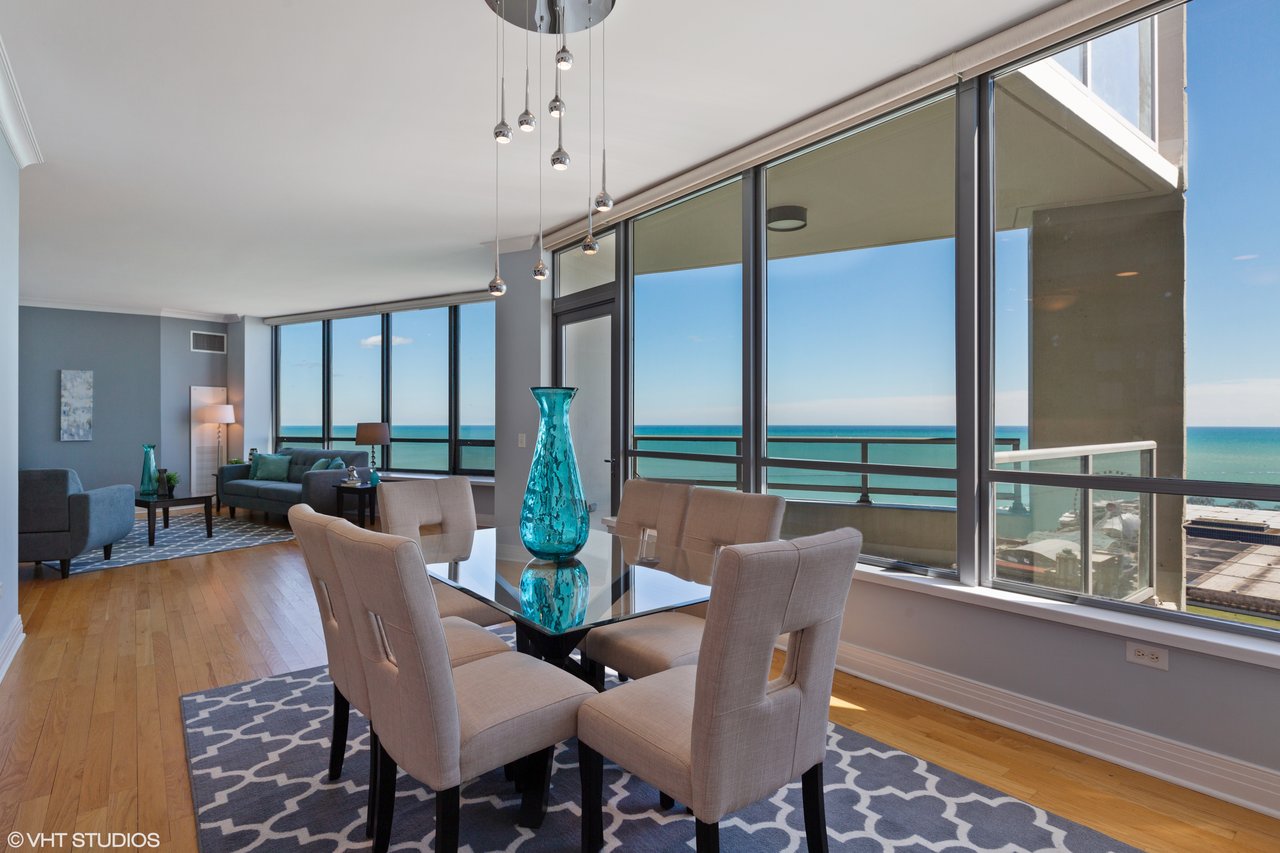
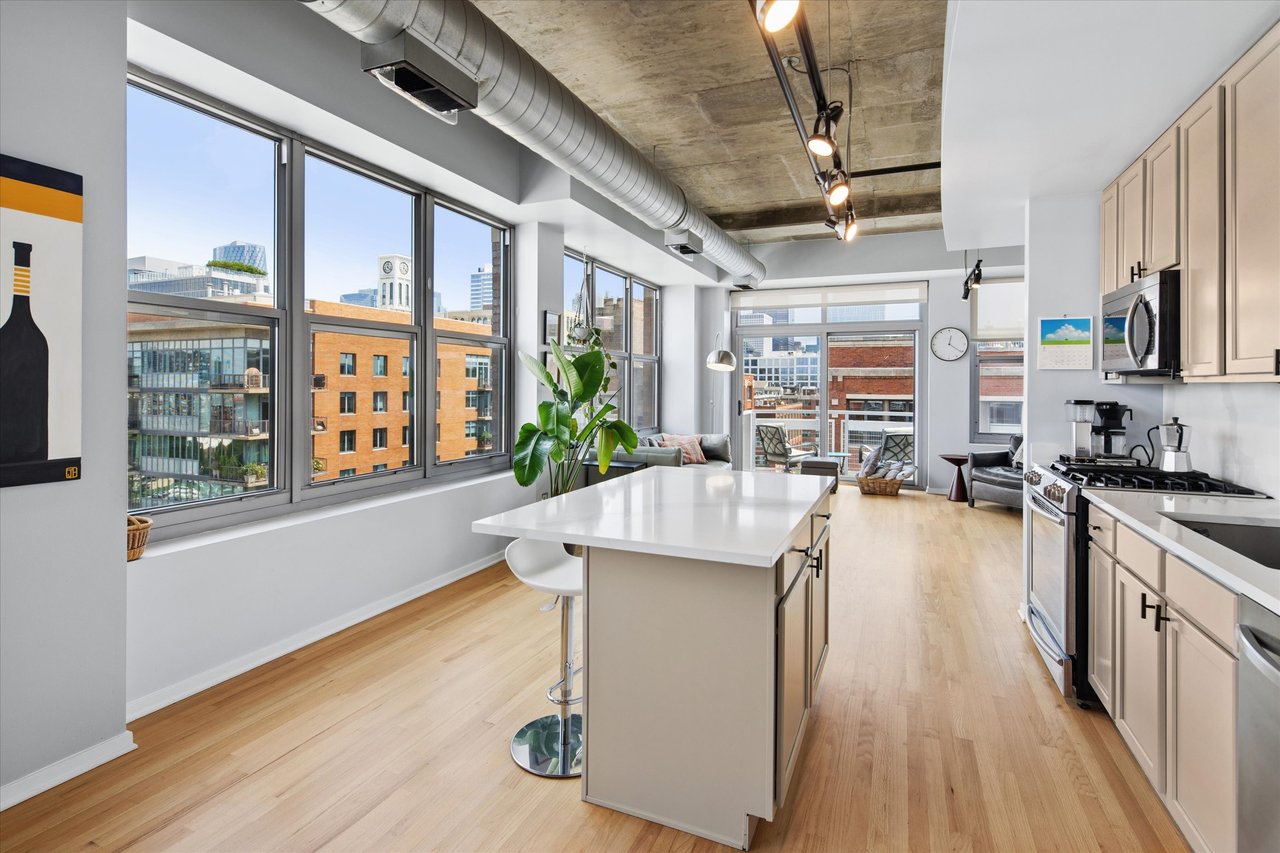
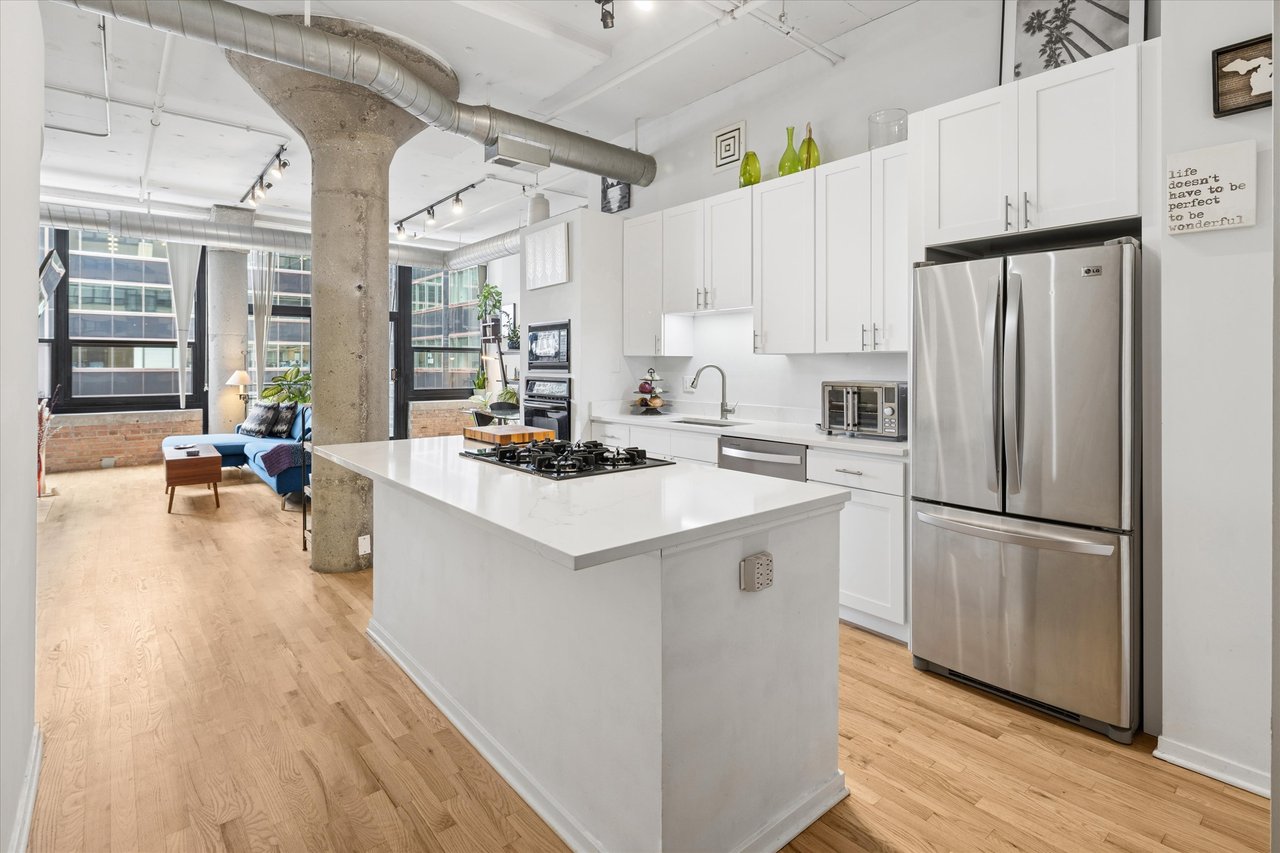
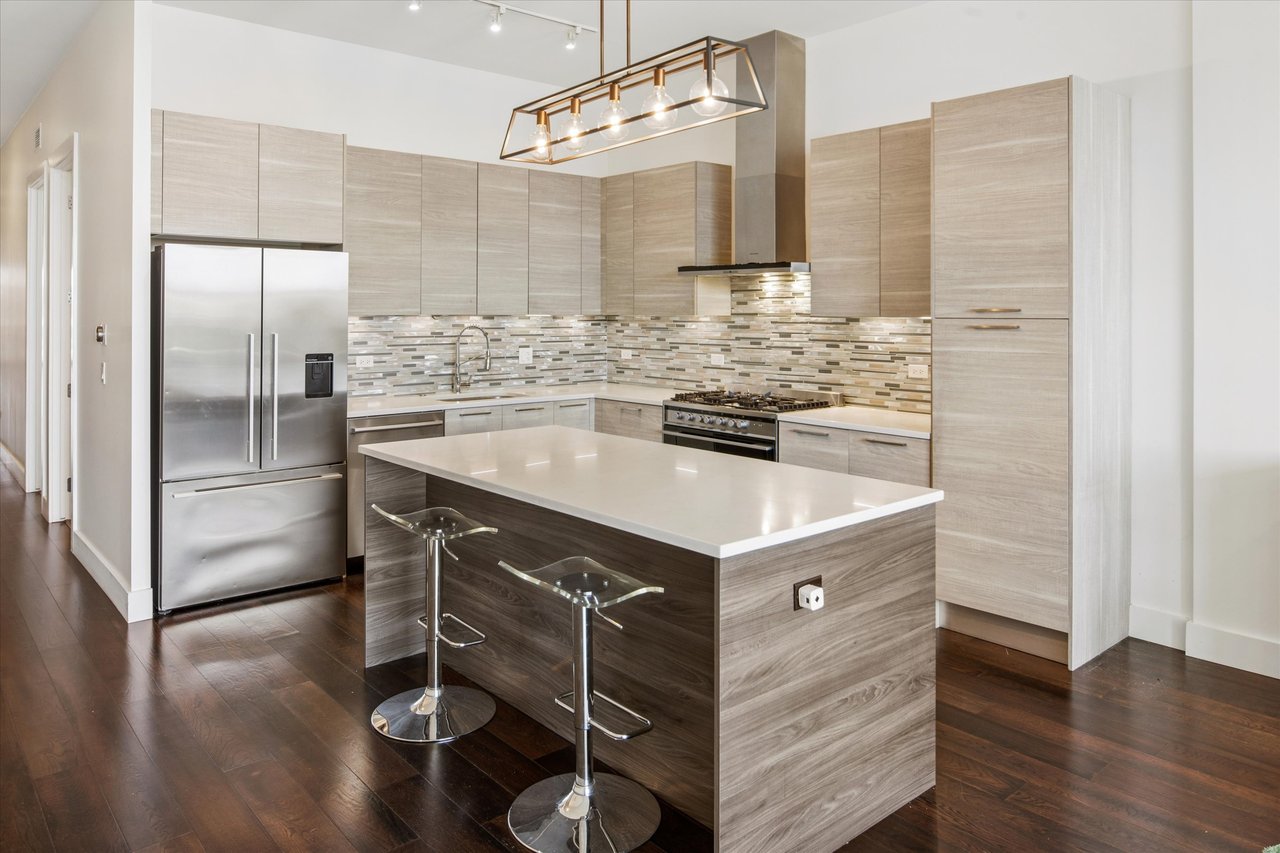
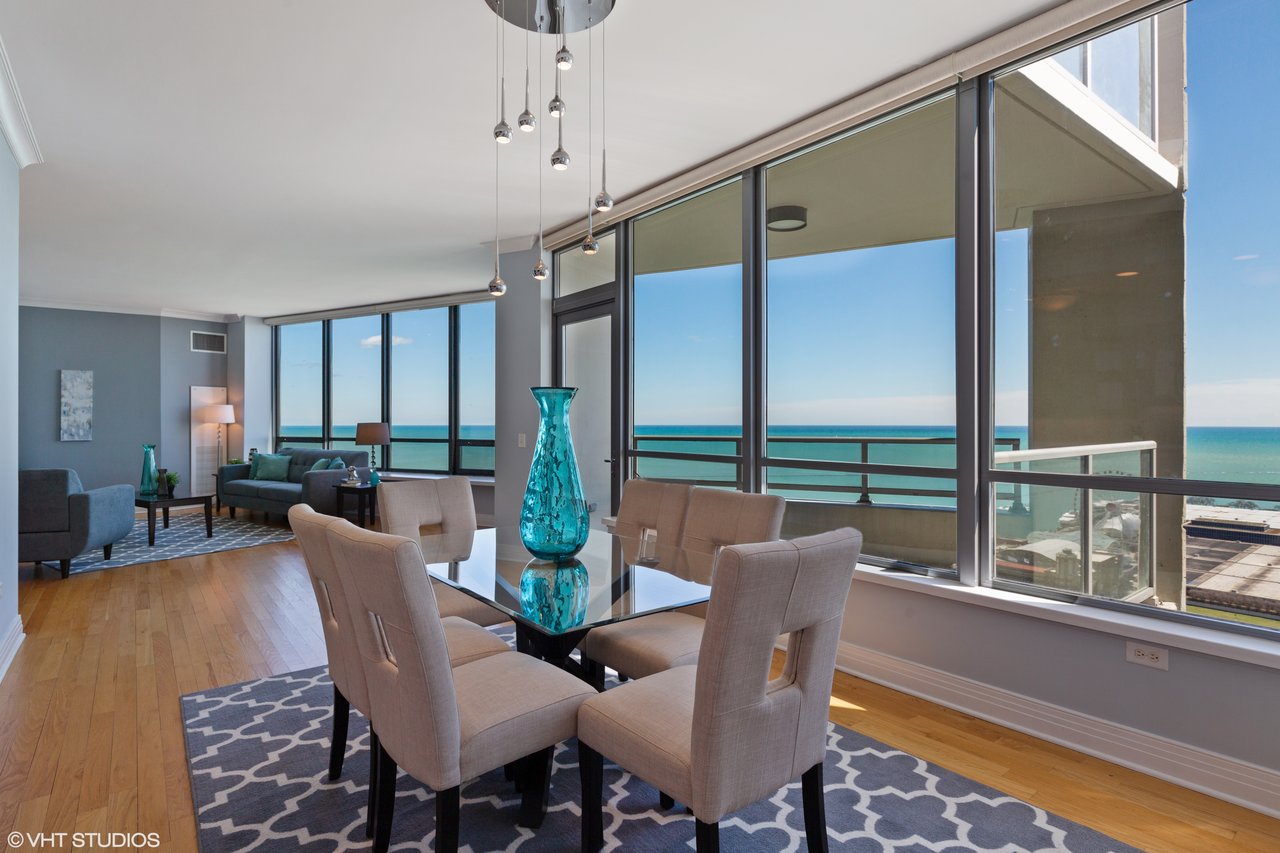
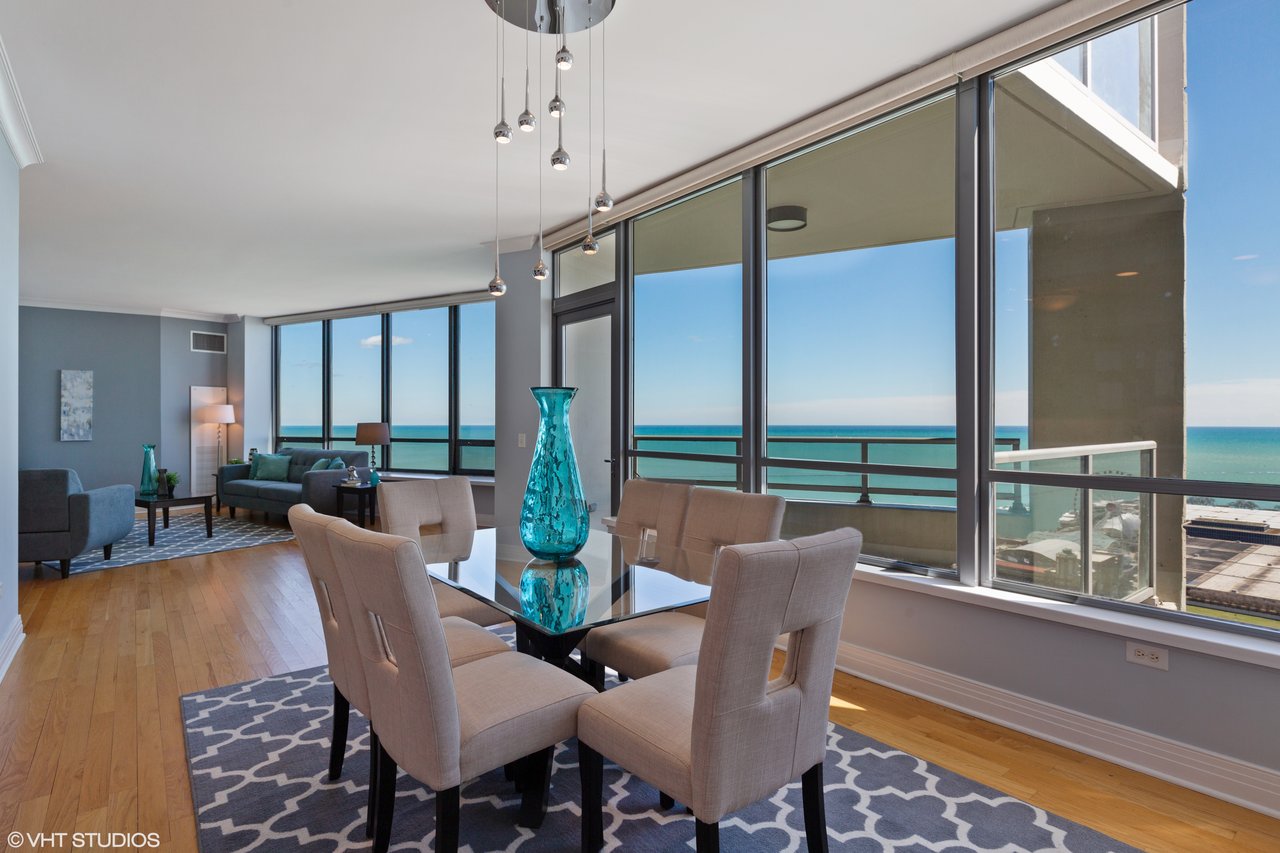
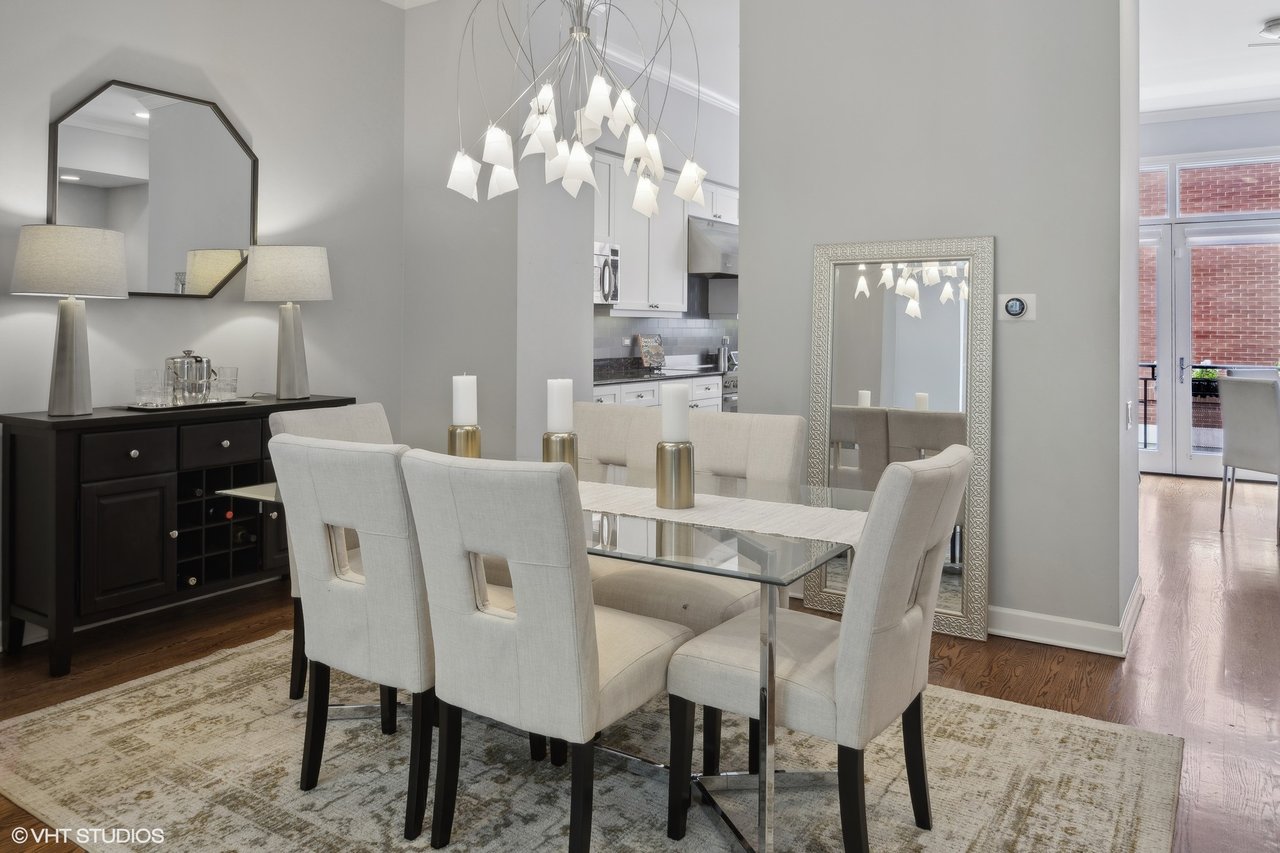
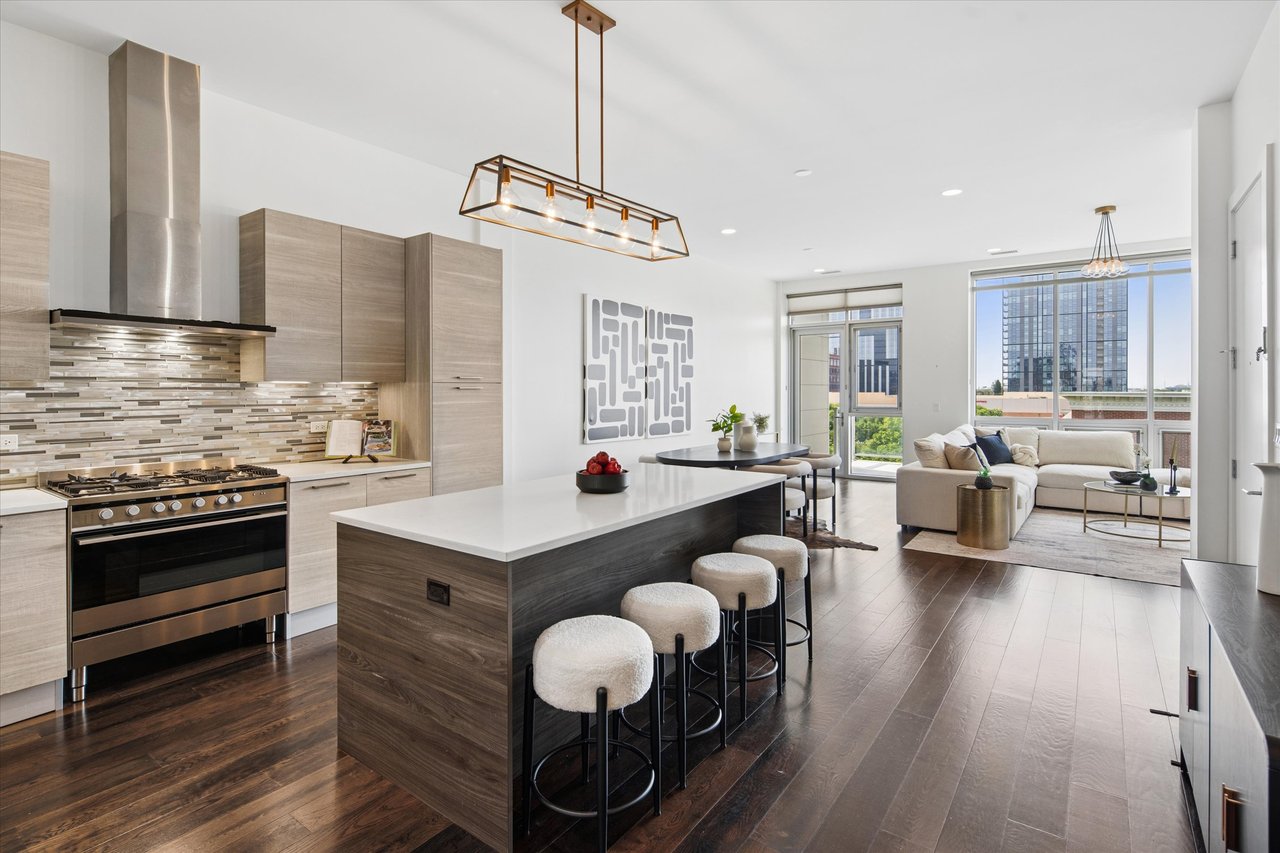
Staging helps buyers visualize how they will live in the space and can shorten time on market. Focus on the living area, kitchen, and primary bedroom if budget is limited. See research based guidance from the National Association of REALTORS®.
Should you Stage your home before selling?
Professional visuals and a pre market packet
Invest in magazine quality photography and a polished 3D tour so only serious buyers schedule showings. Pair visuals with an upfront packet that includes a recent HOA budget snapshot, reserve detail, rules on rentals and assessments, and any relevant engineer or inspection reports. Buyers and lenders value this transparency, which aligns with the financing concerns described in the Fannie Mae project standards.
Pre listing inspection and smart repairs
A pre listing inspection helps you fix issues before they become price cuts during attorney review. Sellers who disclose and resolve items early often see cleaner contracts and fewer delays. Review benefits in HomeLight’s overview.
Pricing and offer strategy
Outside the prime spring window, aim a touch below the price band that invites endless comparison. Sweeten terms that buyers value, like a flexible closing timeline. If investor traffic is likely, consider short occupancy windows and a focus on rent ready condition. Seasonality premiums exist, but the right price and presentation can narrow the gap. See broader timing insights from Realtor.com’s seasonality research.
Action plan for West Loop sellers
- Pull 3 month comps for your line and for the three closest comparable buildings. Note price per square foot, DOM, and sale to list ratio.
- Check neighborhood months of supply and new listing flow in 60607, 60606, and 60661.
- Verify HOA health and project eligibility. Resolve or disclose issues up front.
- Plan staging, photography, and a strong digital launch. Time the go live date to spring if possible, or early fall as plan B.
- Track mortgage rate direction weekly in the lead up to your launch.
What your sale looks like with a boutique, high touch team
You deserve a partner who knows West Loop buildings line by line and pairs that insight with premium marketing. The Hancock Group delivers building level pricing strategy, professional photography and video, targeted digital advertising, thoughtful staging, and proactive transaction management for local and remote sellers. When timing is favorable, we maximize reach and offers. When timing is mixed, we use data, presentation, and negotiation to protect your proceeds.
Ready to decide whether to list now or later? Connect with Christine Hancock - Hancock Group for a building specific plan and a clear path to your best outcome.
FAQs
When is the best month to list a West Loop condo?
- Spring is usually strongest. Aim to be live by mid April to capture peak search activity, with early fall as a secondary window. See timing context from Realtor.com’s seller survey.
How do mortgage rates affect my sale timing in Chicago?
- Lower or easing rates expand your buyer pool and can improve outcomes within weeks, while rising or volatile rates increase price sensitivity. The 30 year fixed averaged 6.09 percent the week of Feb 12, 2026 per this rate update.
What if my building has low reserves or a pending assessment?
- Some loans may be limited if the HOA profile does not meet project standards. Address issues, price with awareness, and disclose early. Review common criteria in the Fannie Mae project standards.
How long are West Loop condos taking to sell right now?
- Recent snapshots show typical West Loop condos spending about 29 to 36 days on market, with a median sale price near $470,000. See neighborhood data on Homes.com.
Do new luxury deliveries affect my timing if I own a higher end loft?
- Yes. Select new projects add competition in upper price tiers, which can slow absorption or increase negotiation. Monitor nearby pipeline, including coverage such as Chicago YIMBY’s Embry updates, and adjust pricing and presentation accordingly.