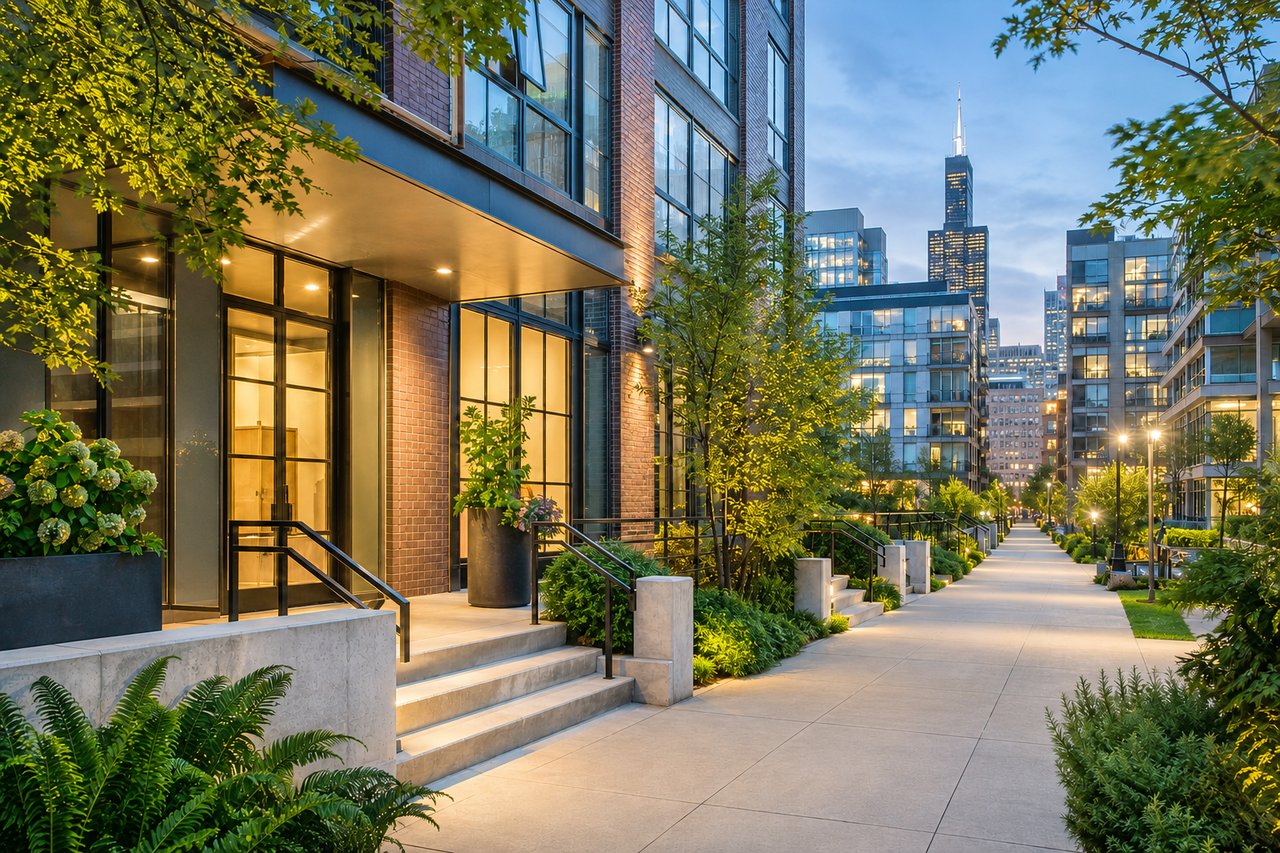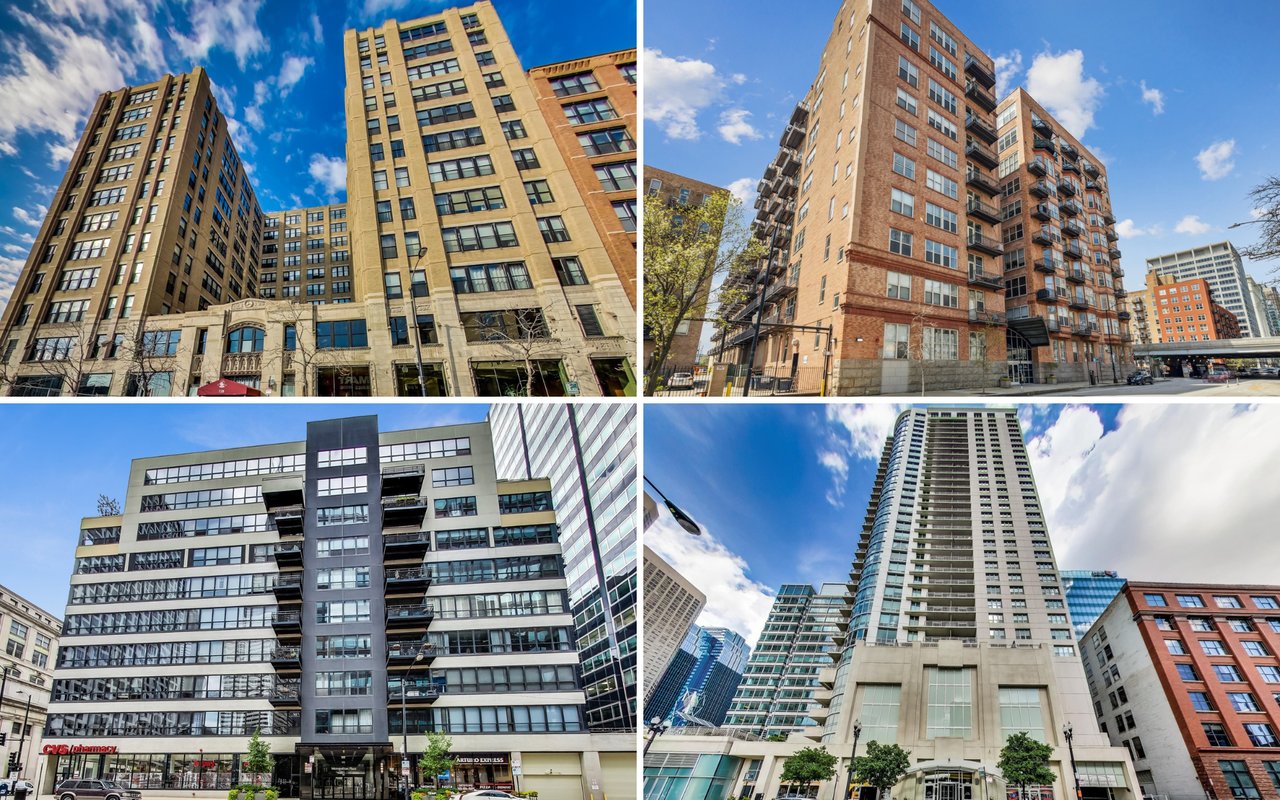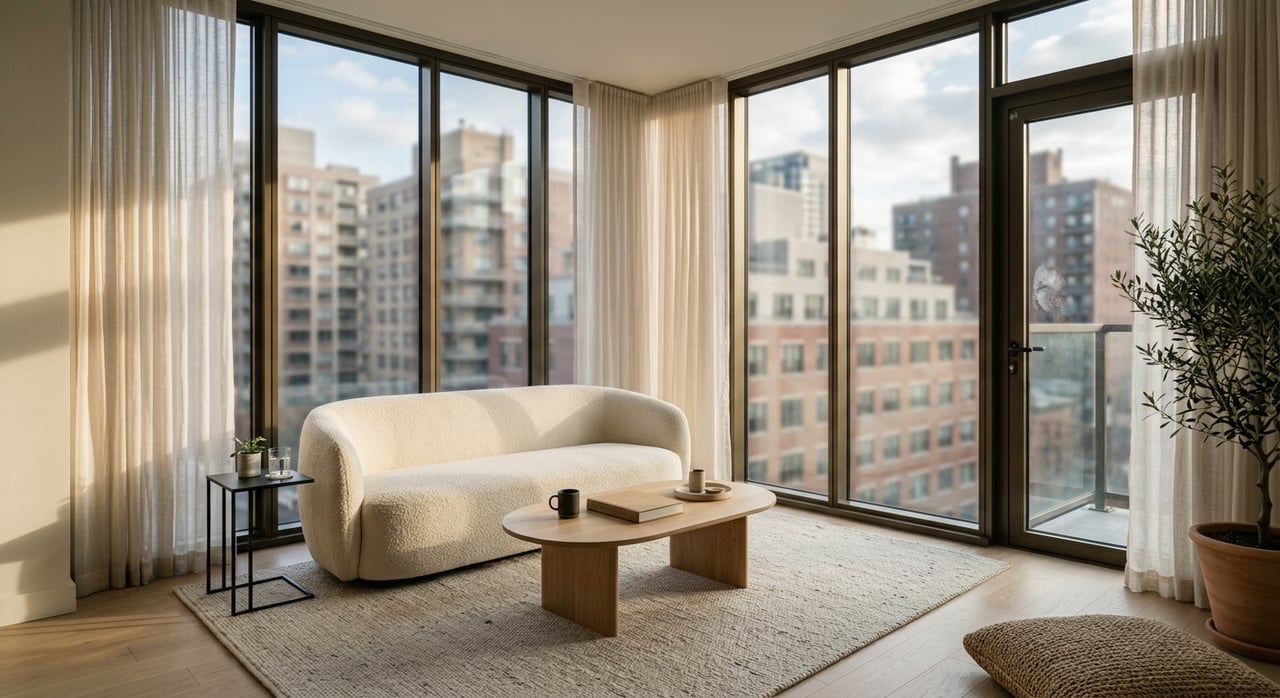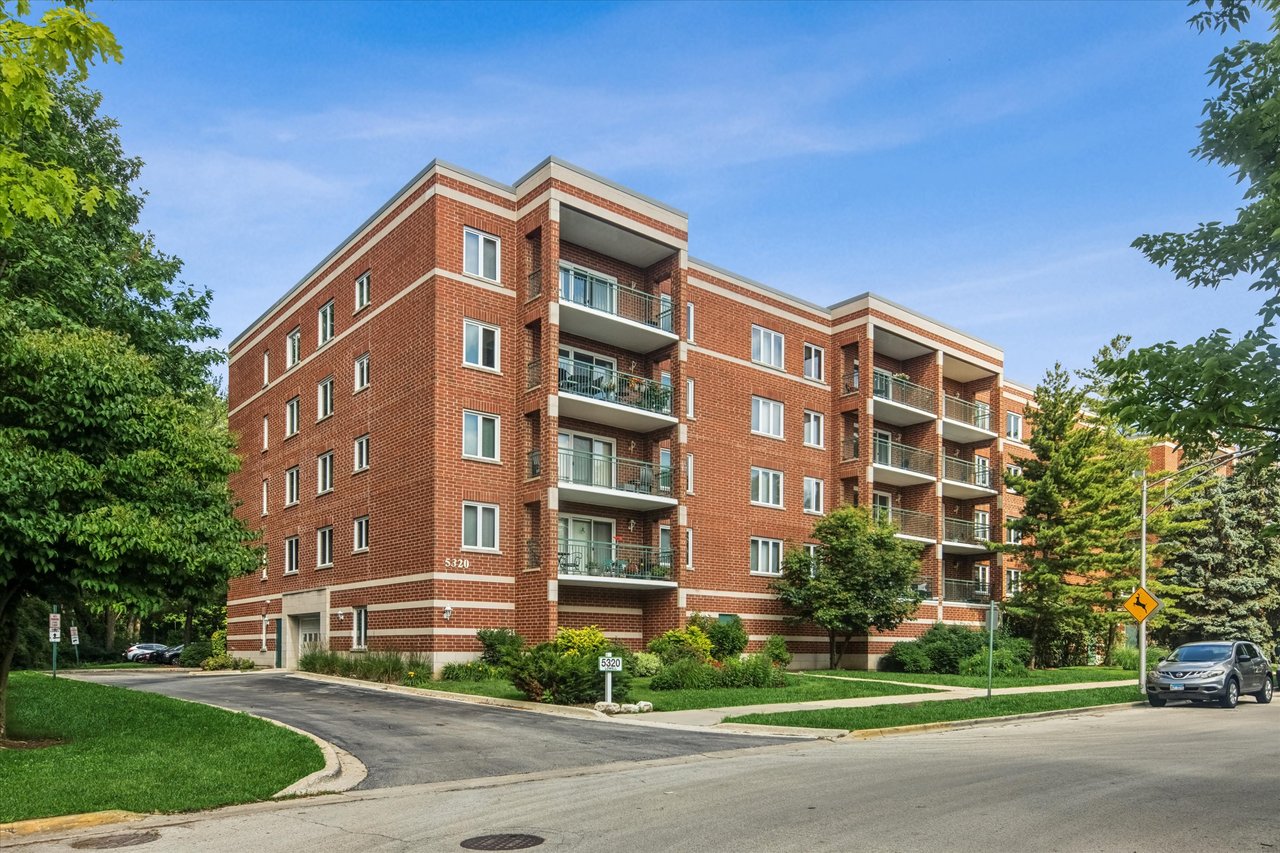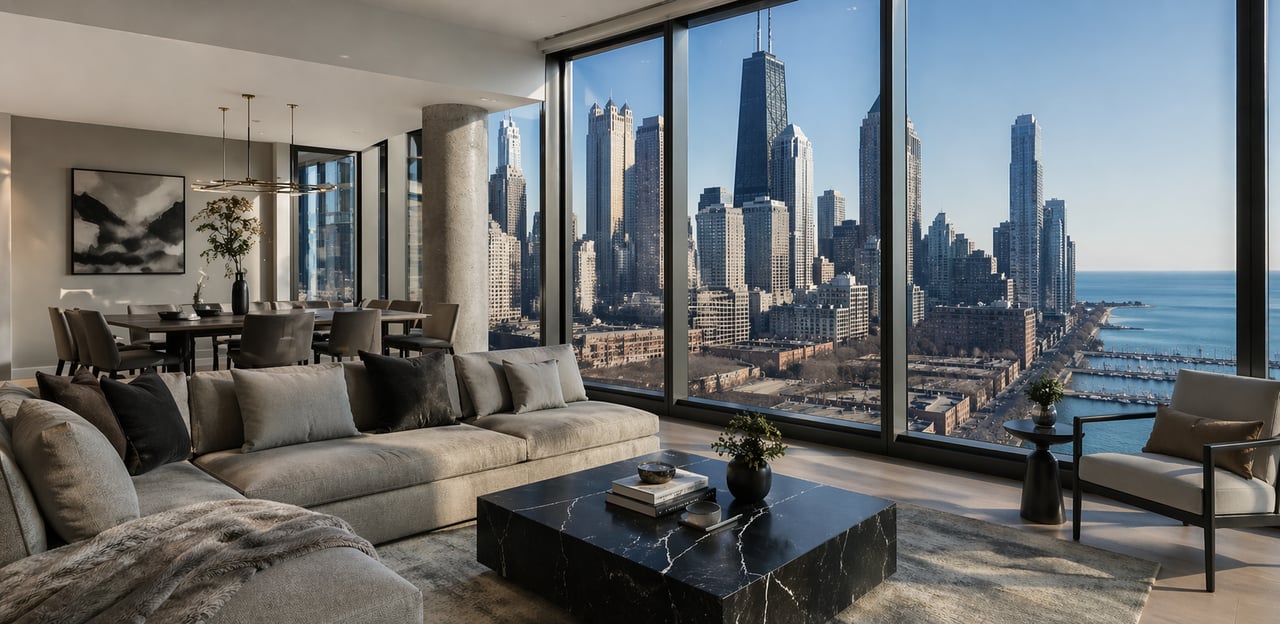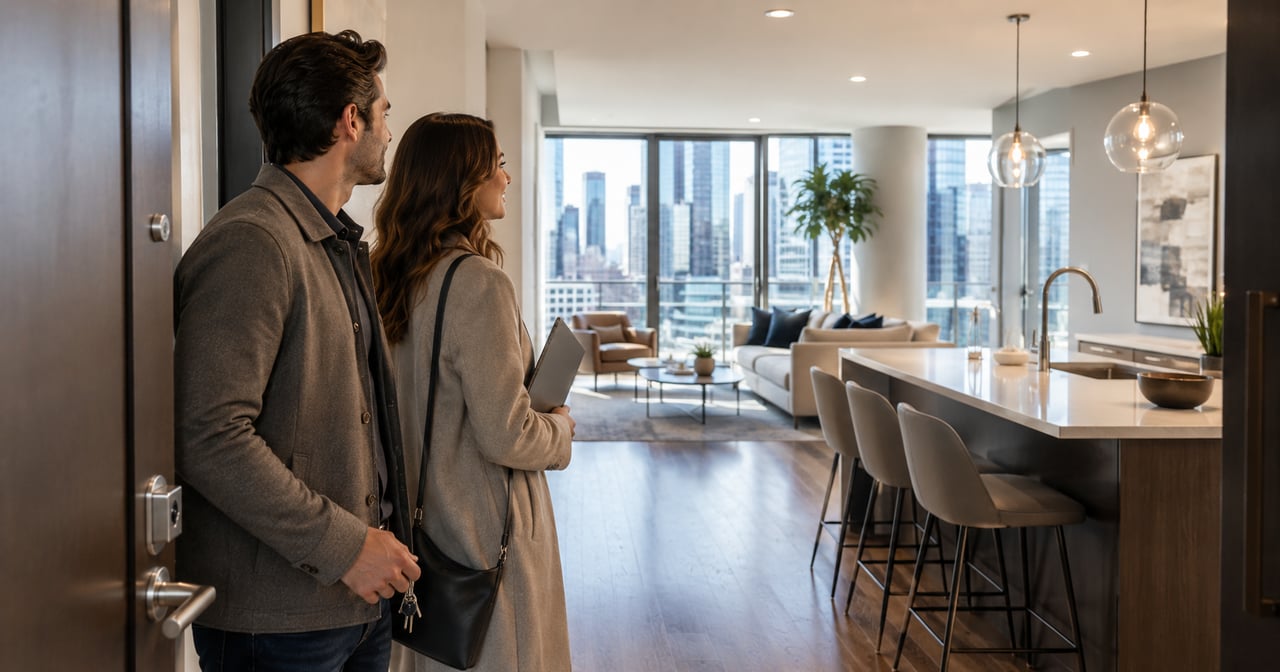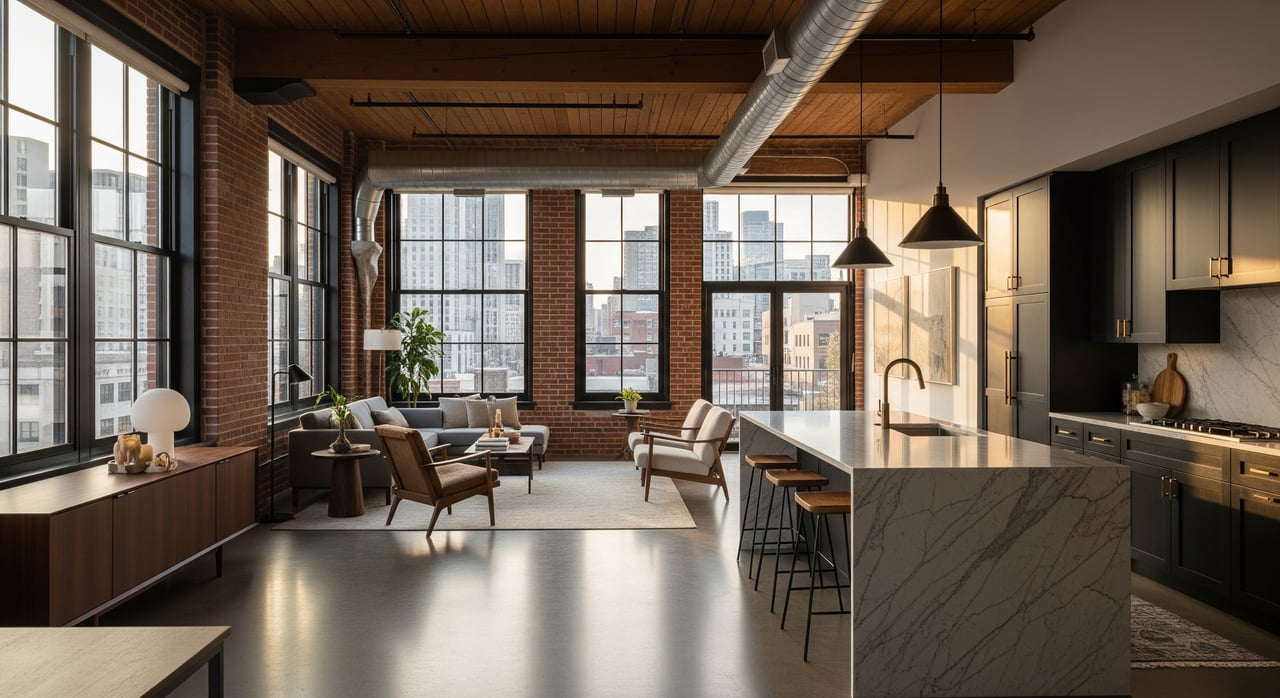
Picture tall ceilings, sunlit brick, and the buzz of great restaurants right outside your door. If that sounds like your kind of city living, a West Loop loft may be a perfect fit. You want the real story on daily life, not a sales pitch. In this guide, you will learn what a typical day feels like, the tradeoffs to expect, how buildings differ, and a simple checklist for touring units with confidence. Let’s dive in.
West Loop at a glance
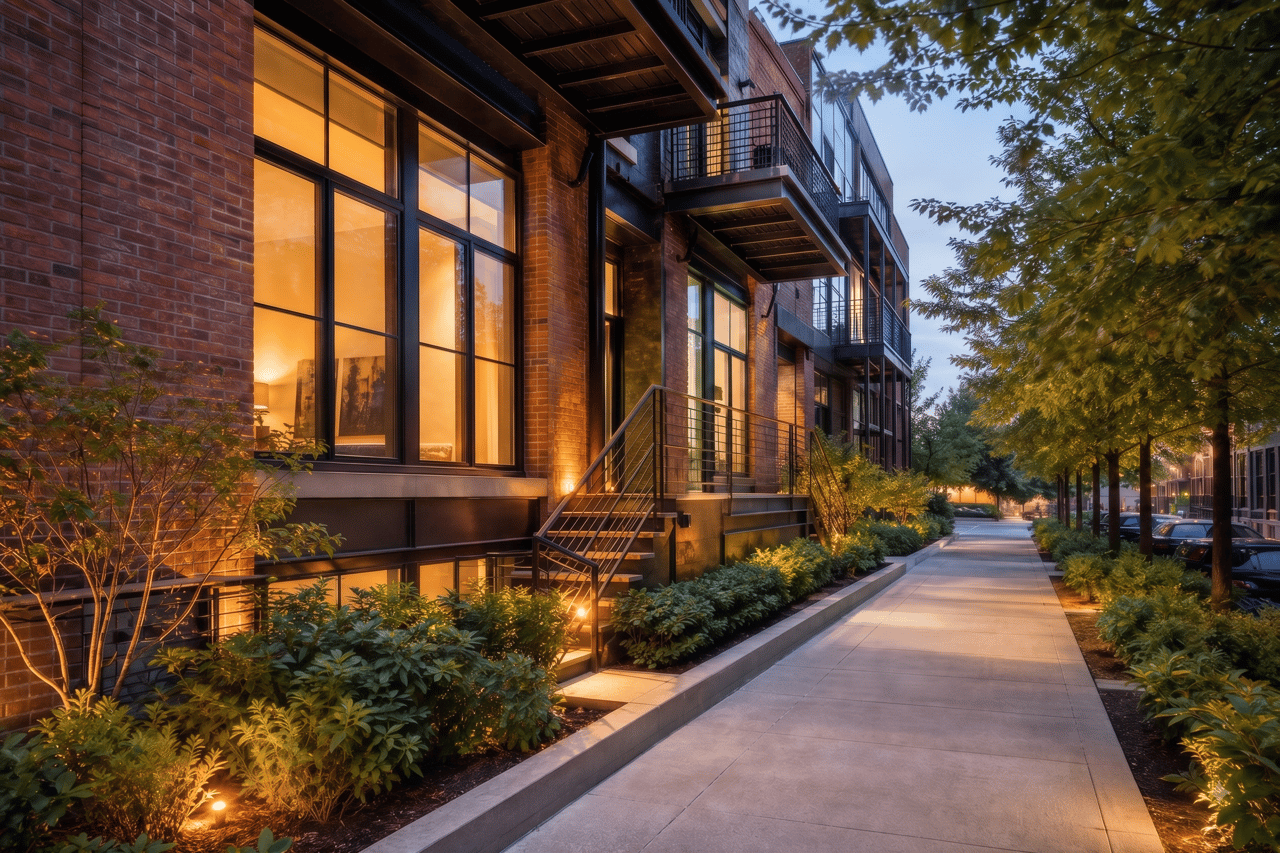
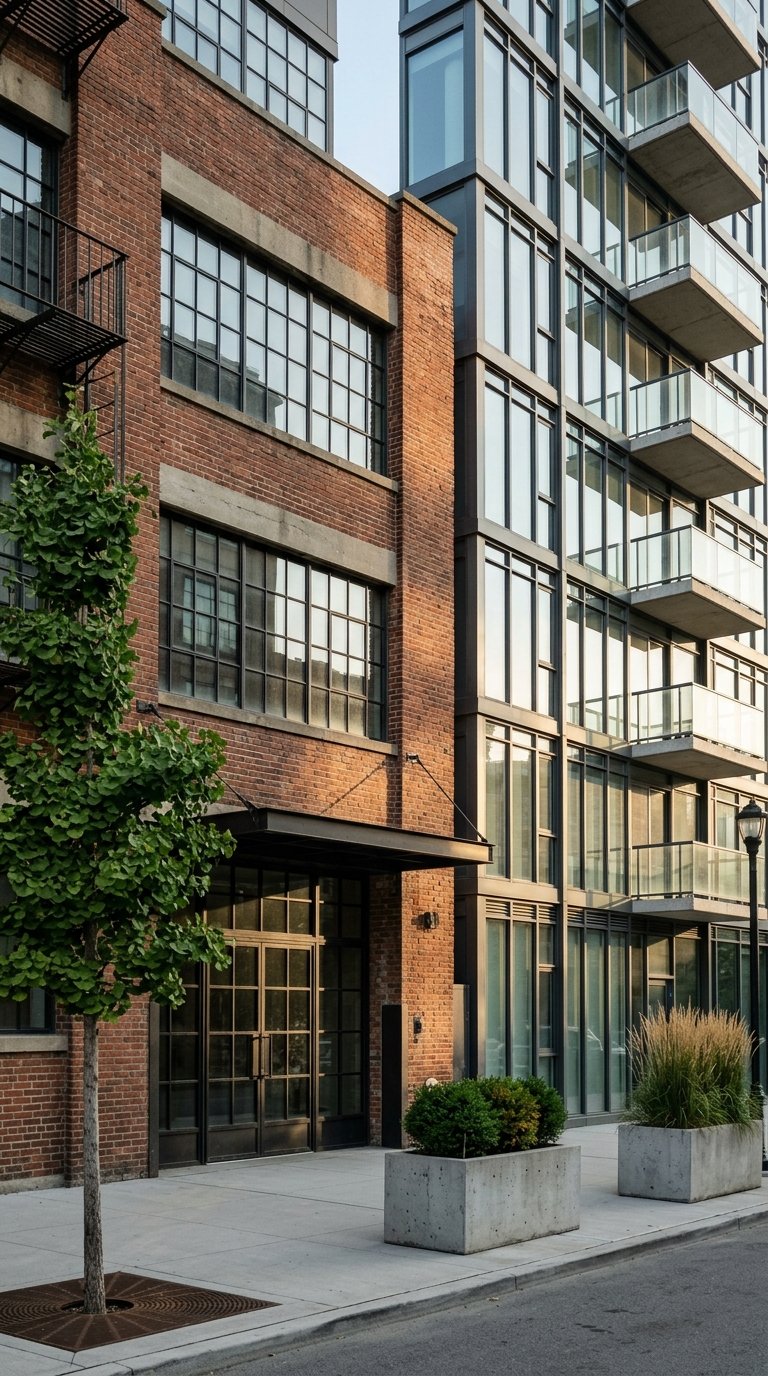
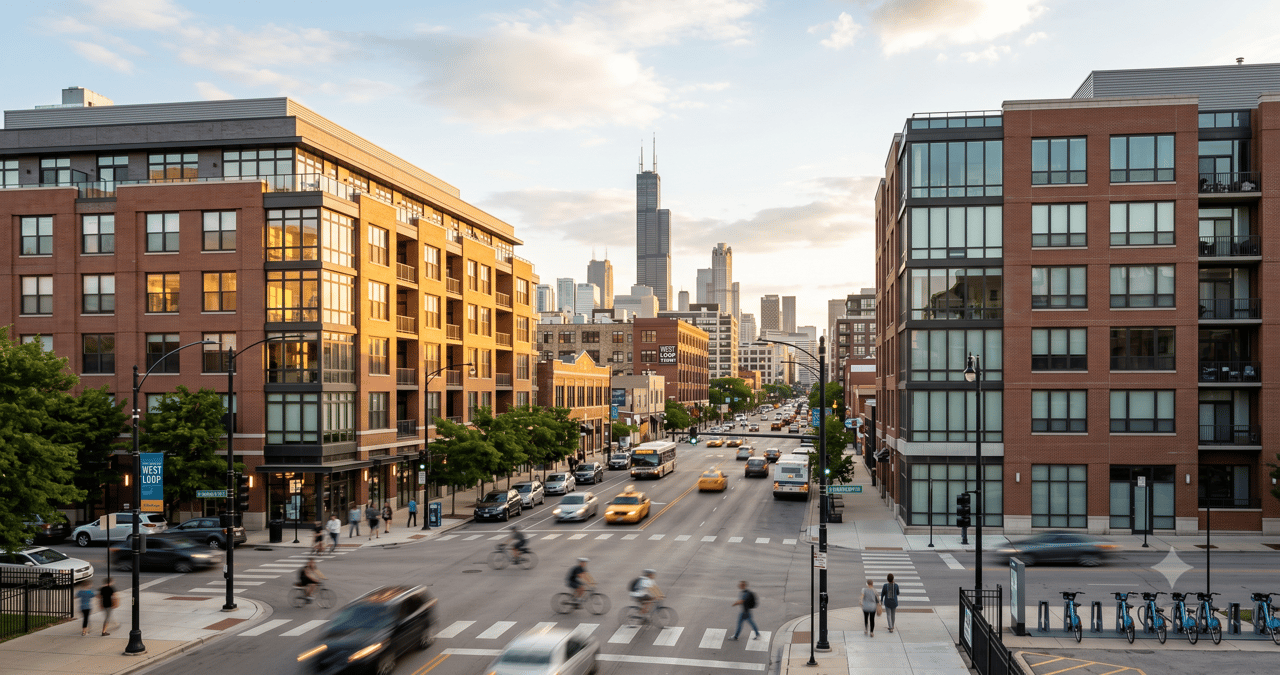
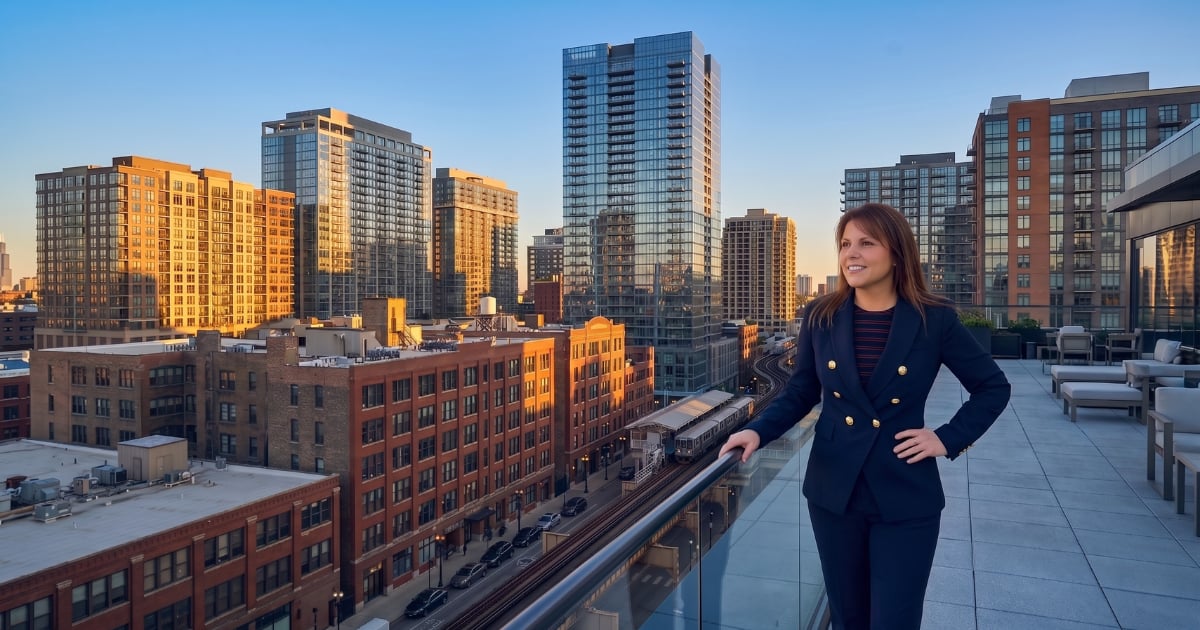
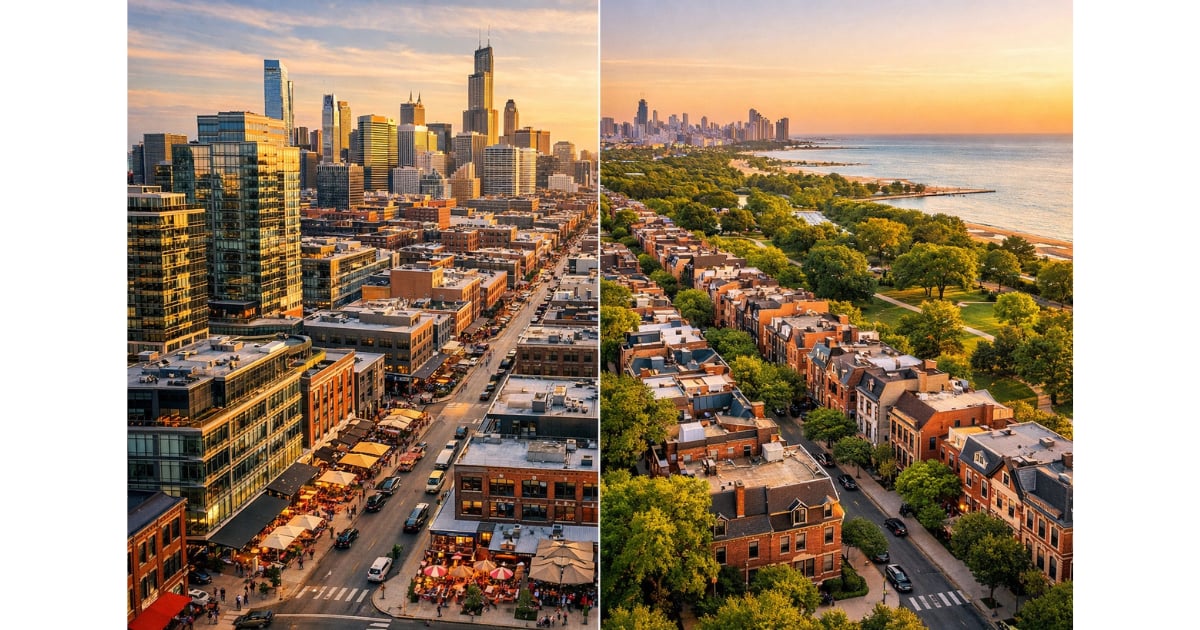
West Loop sits just west of the Chicago Loop, where historic warehouses meet modern mid-rise and high-rise buildings. The neighborhood has evolved from an industrial district into a lively hub for dining, tech and corporate offices, and nightlife, especially in Fulton Market. This mix keeps the streets active throughout the day and into the evening.
You can walk to most daily needs. Coffee shops, specialty grocers, fitness studios, and medical offices are close. Mary Bartelme Park adds green space and a neighborhood gathering spot. Ongoing development brings more options, along with some construction activity and busier sidewalks.
Transit access is strong. You are close to Ogilvie Transportation Center, Union Station, and several CTA bus routes and nearby ‘L’ stations. Biking is common and the area has bike-share coverage. Driving is possible, but expect limited street parking, metered spots, and downtown traffic. Many buildings rely on garage parking, and getting to I‑90/94 and I‑290 is straightforward, though congestion is common.
What makes a loft a loft
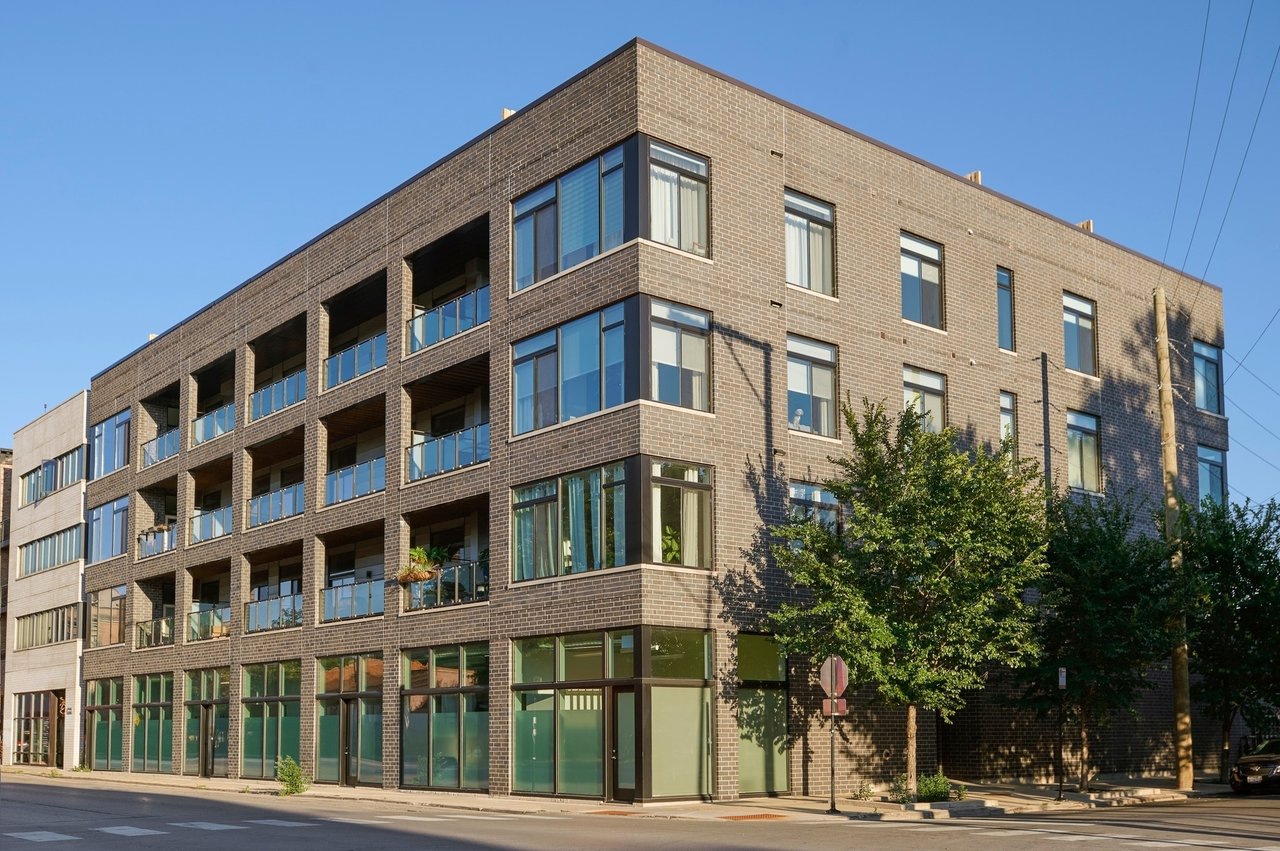
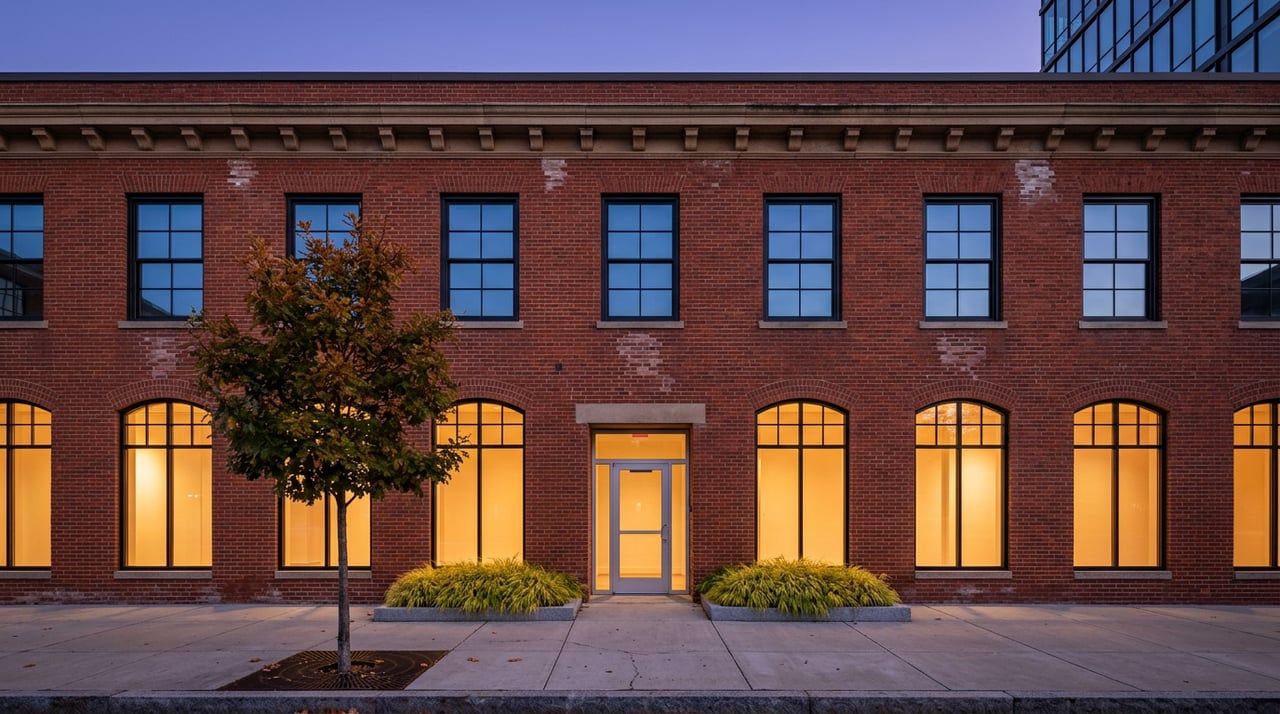
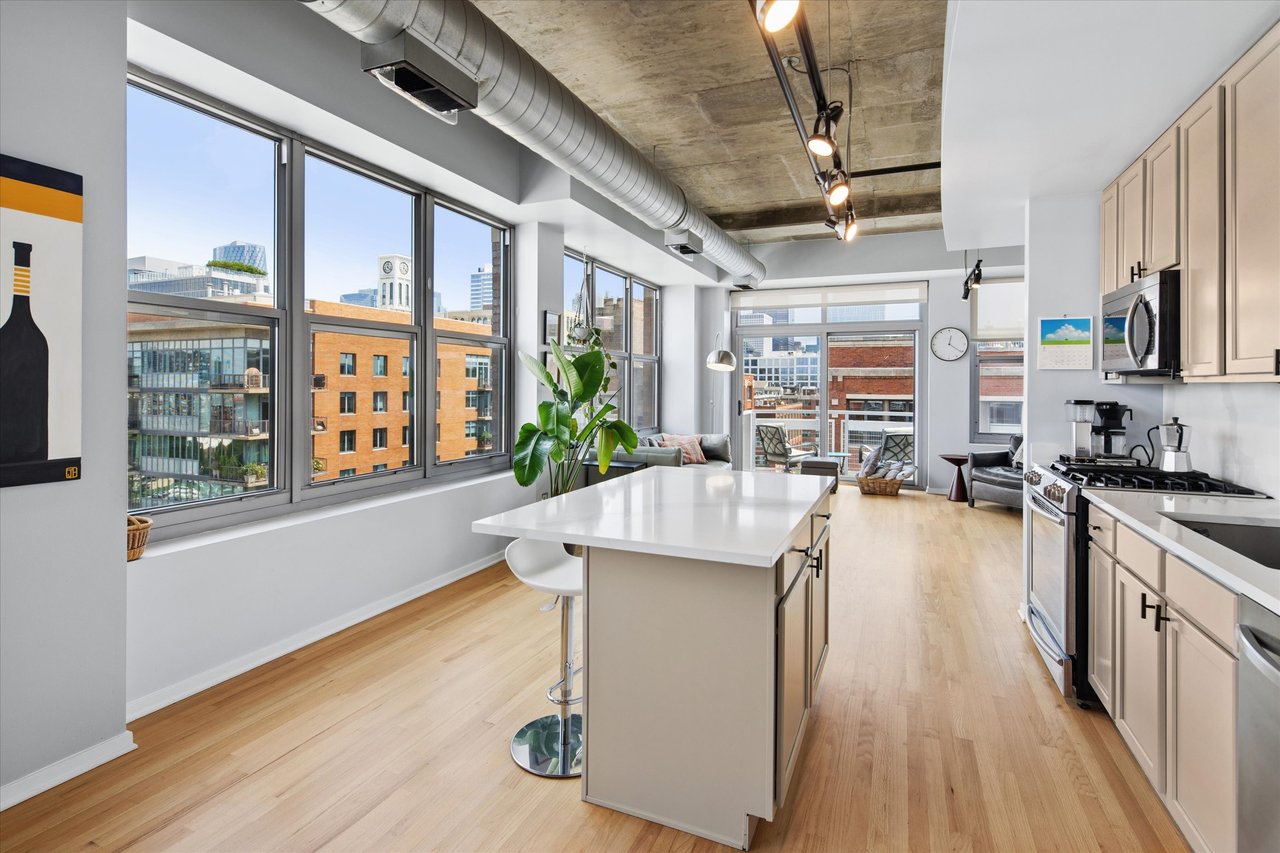
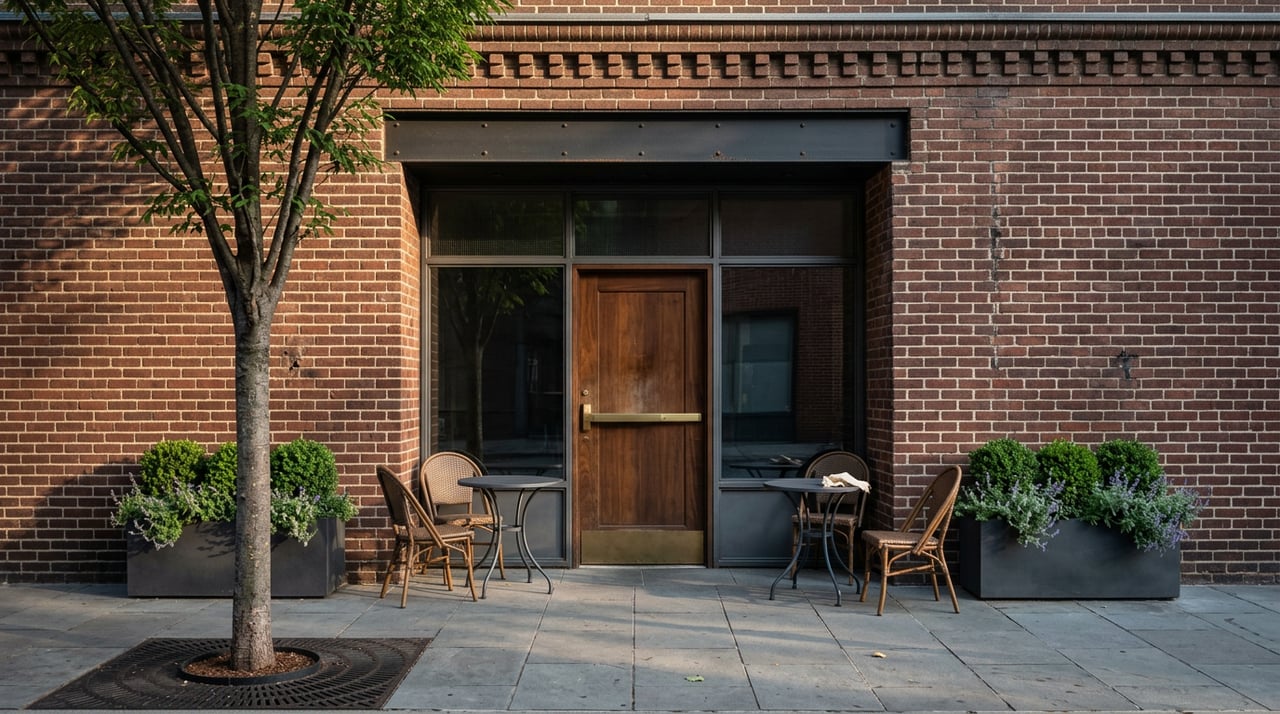
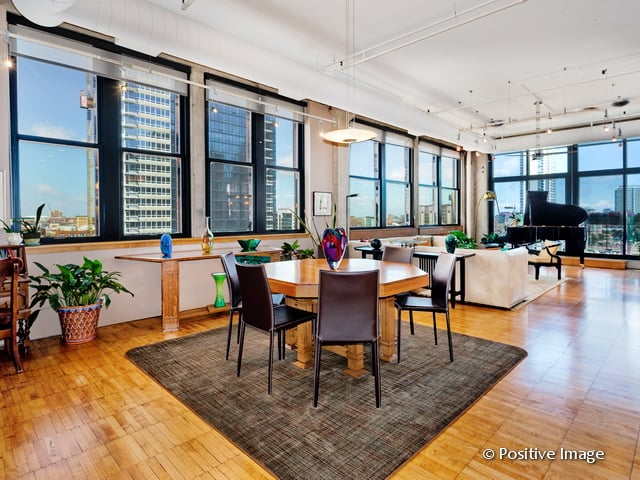
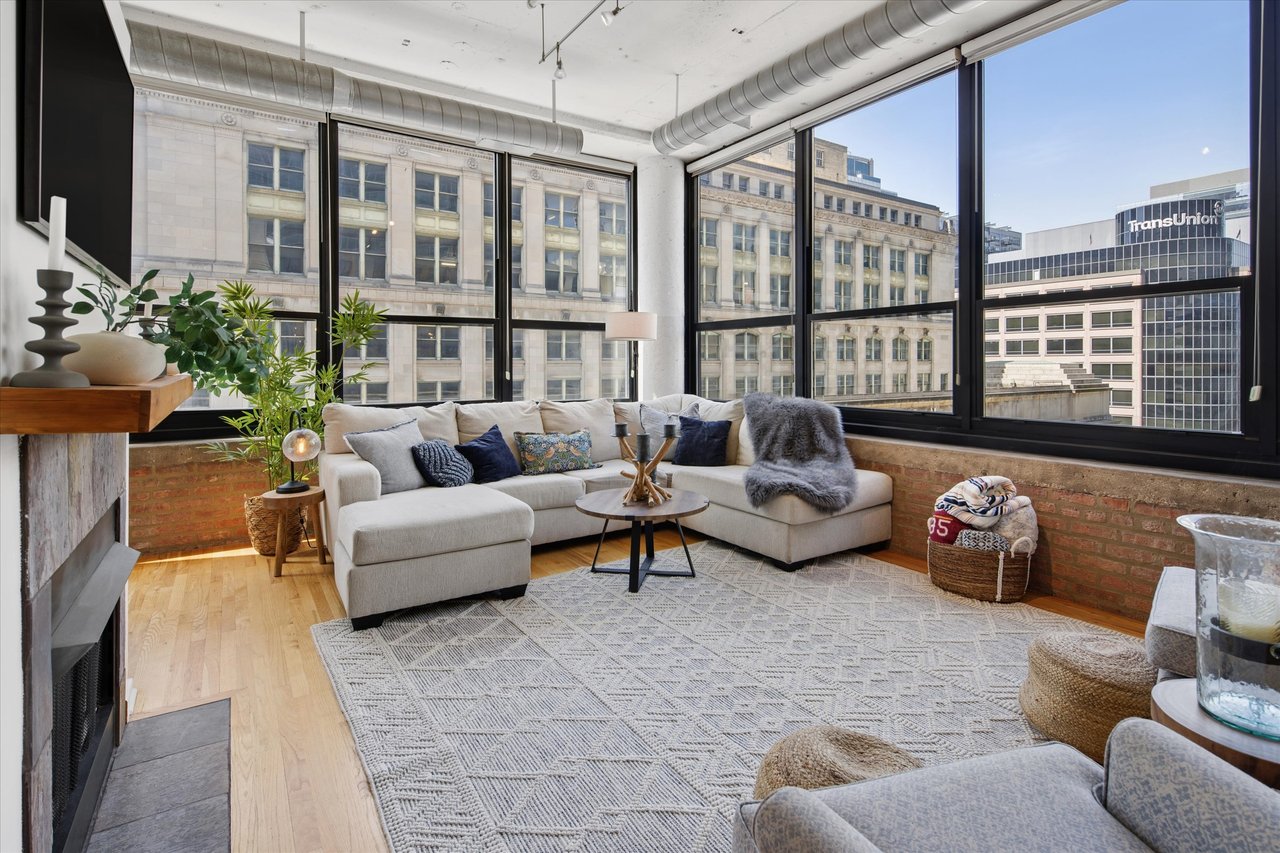
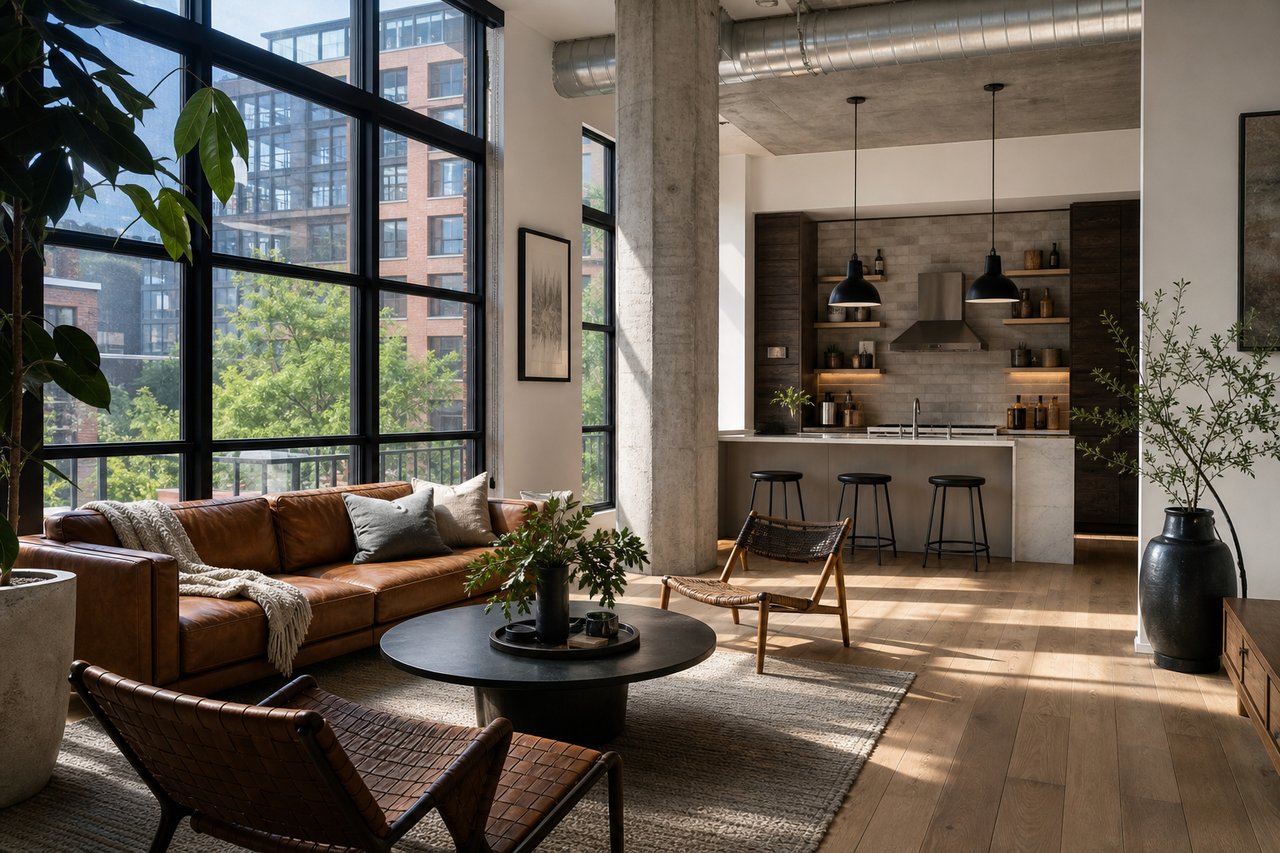
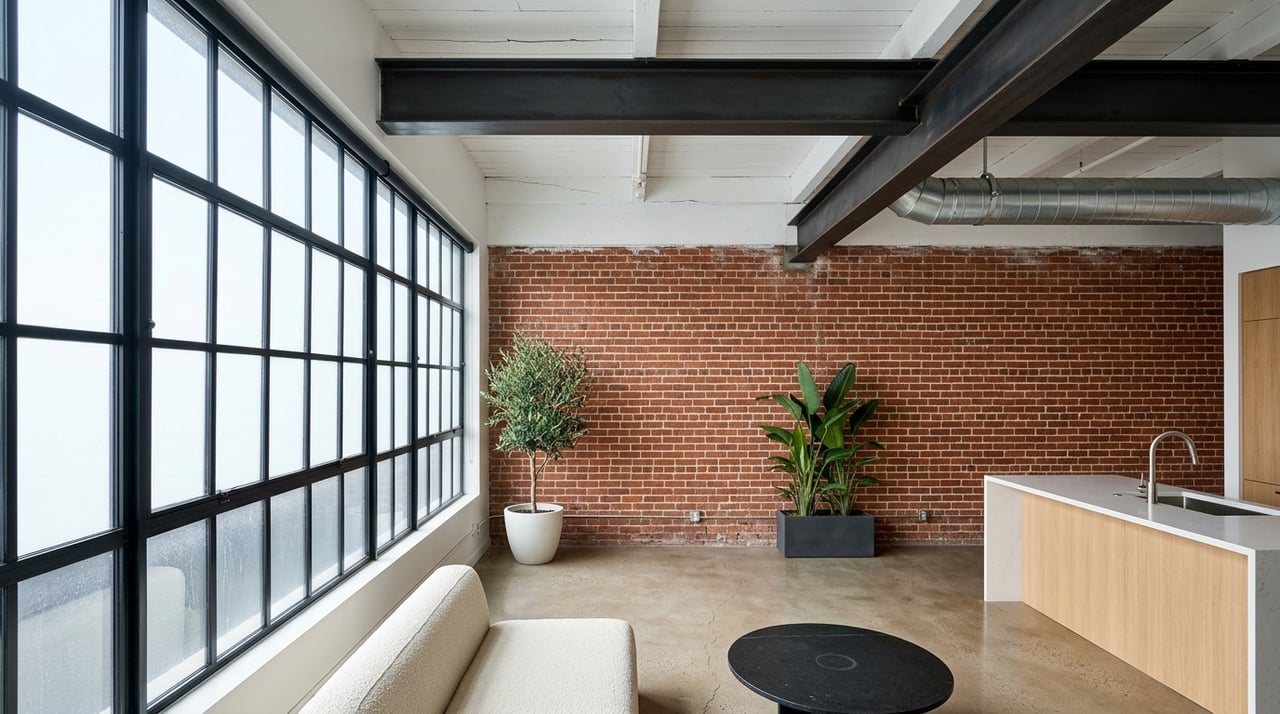
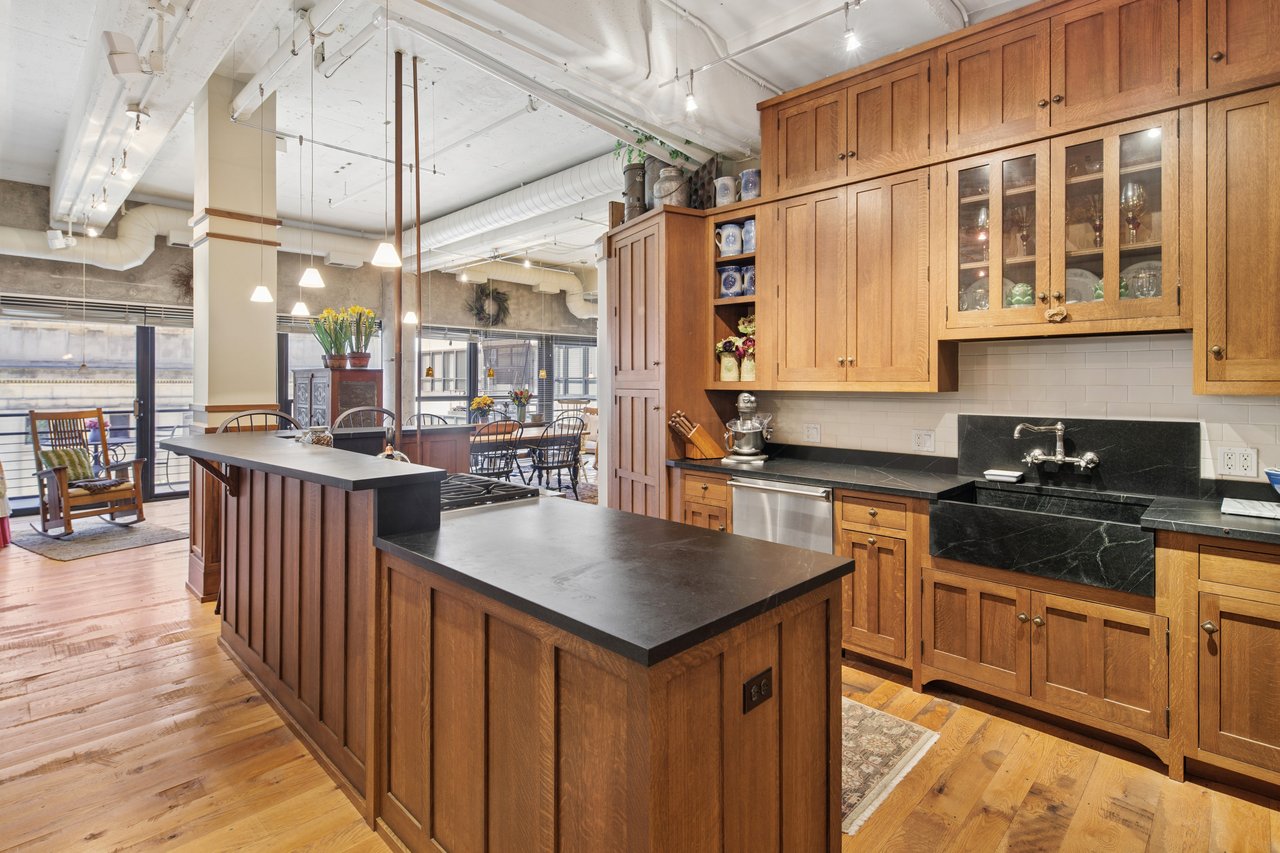
Many West Loop lofts are authentic warehouse conversions. You will see exposed brick, heavy timber or steel columns, large industrial windows, and high ceilings. Some buildings are newer, built to mimic the loft aesthetic with modern systems and amenities. A smaller subset includes live and work configurations, where rules can vary.
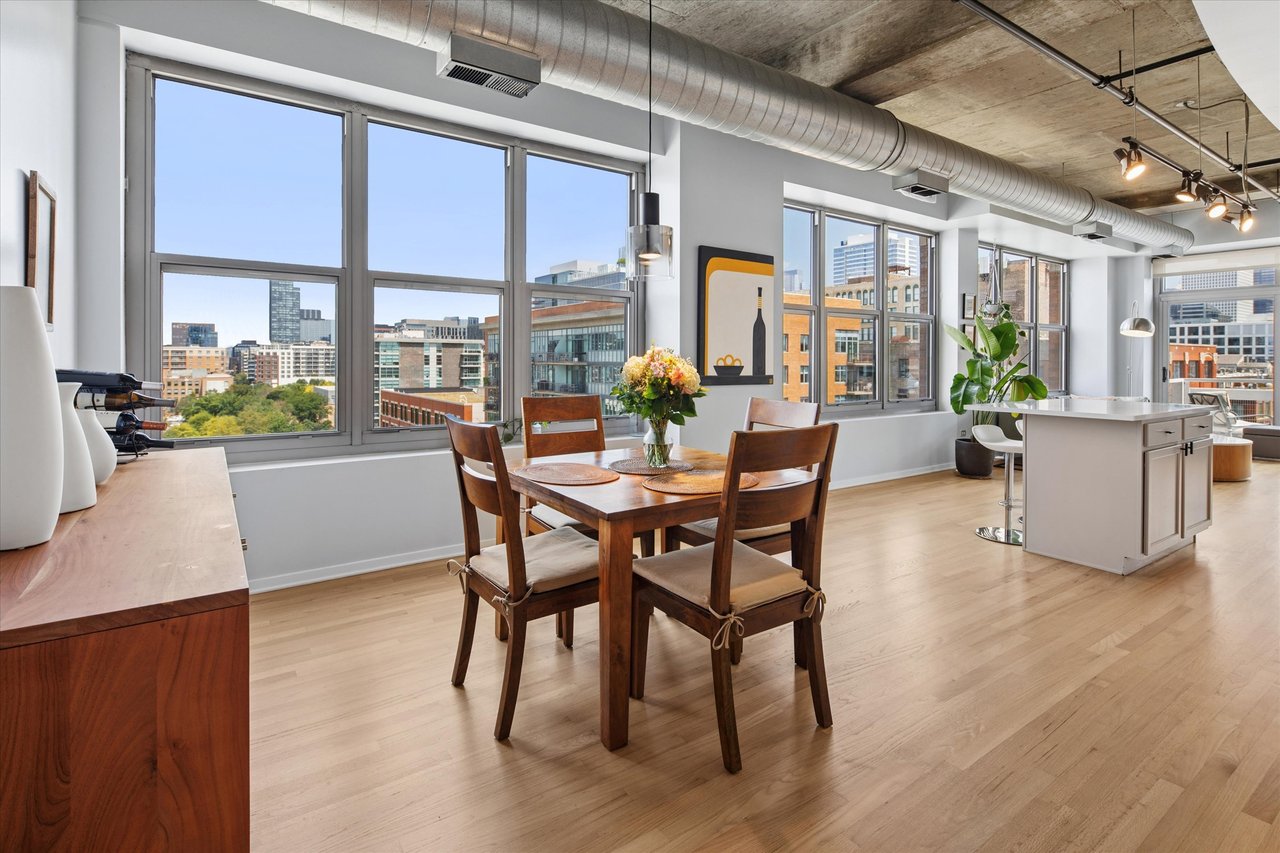
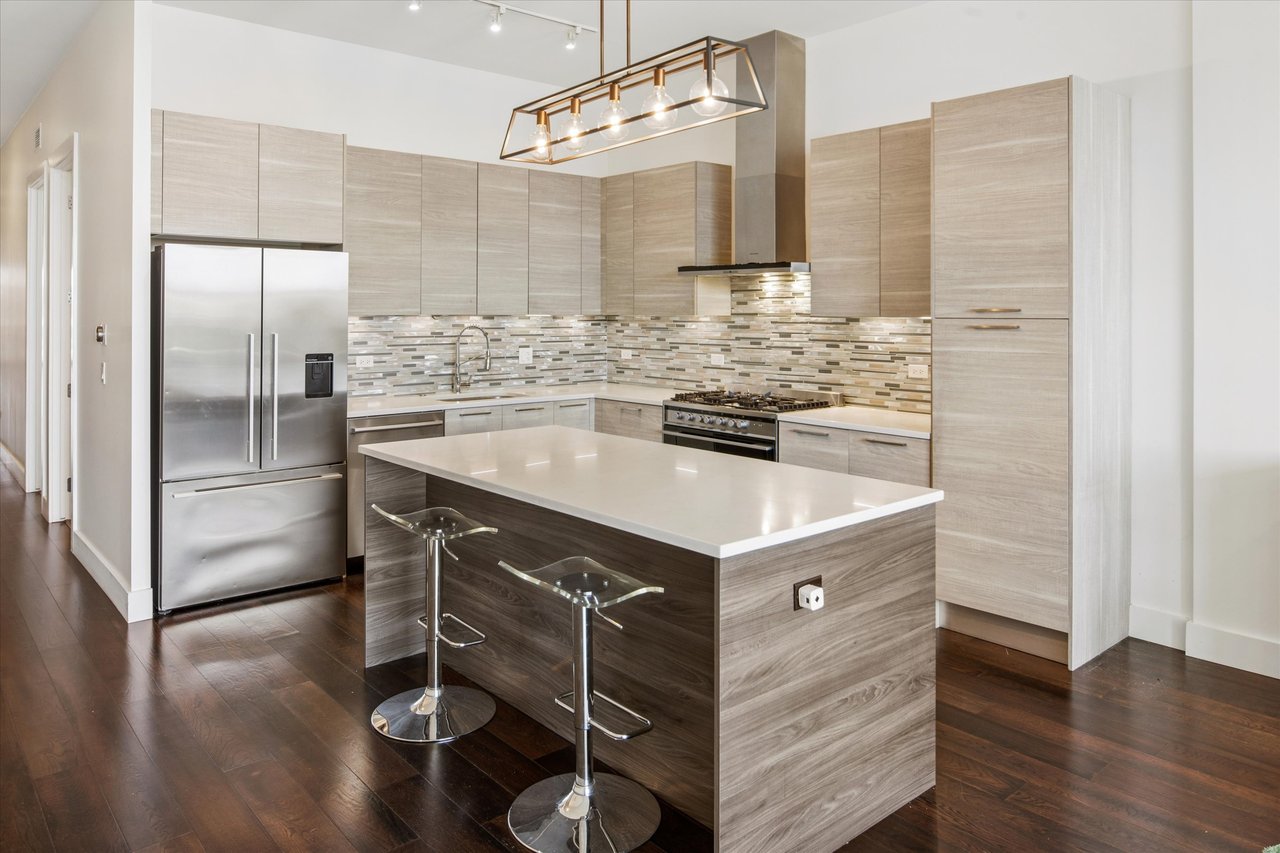
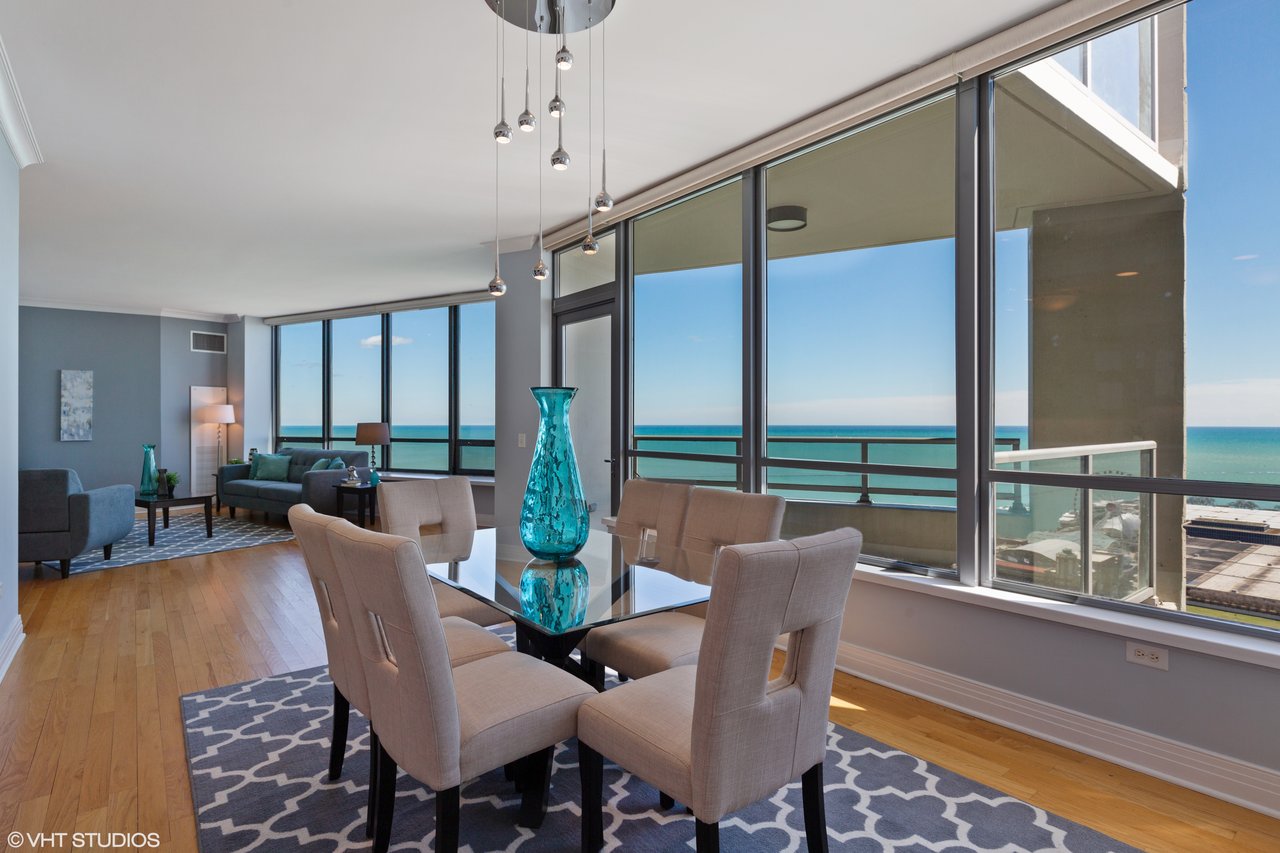
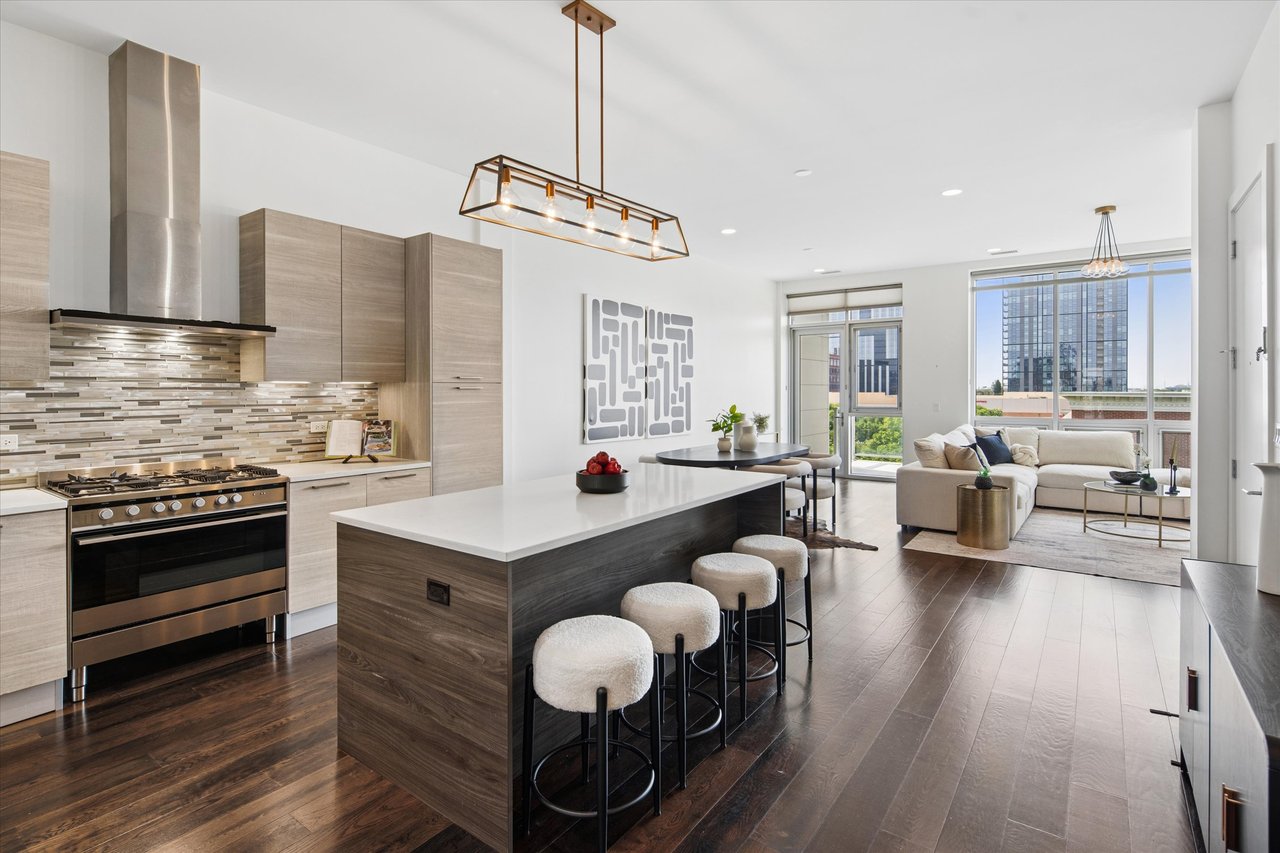
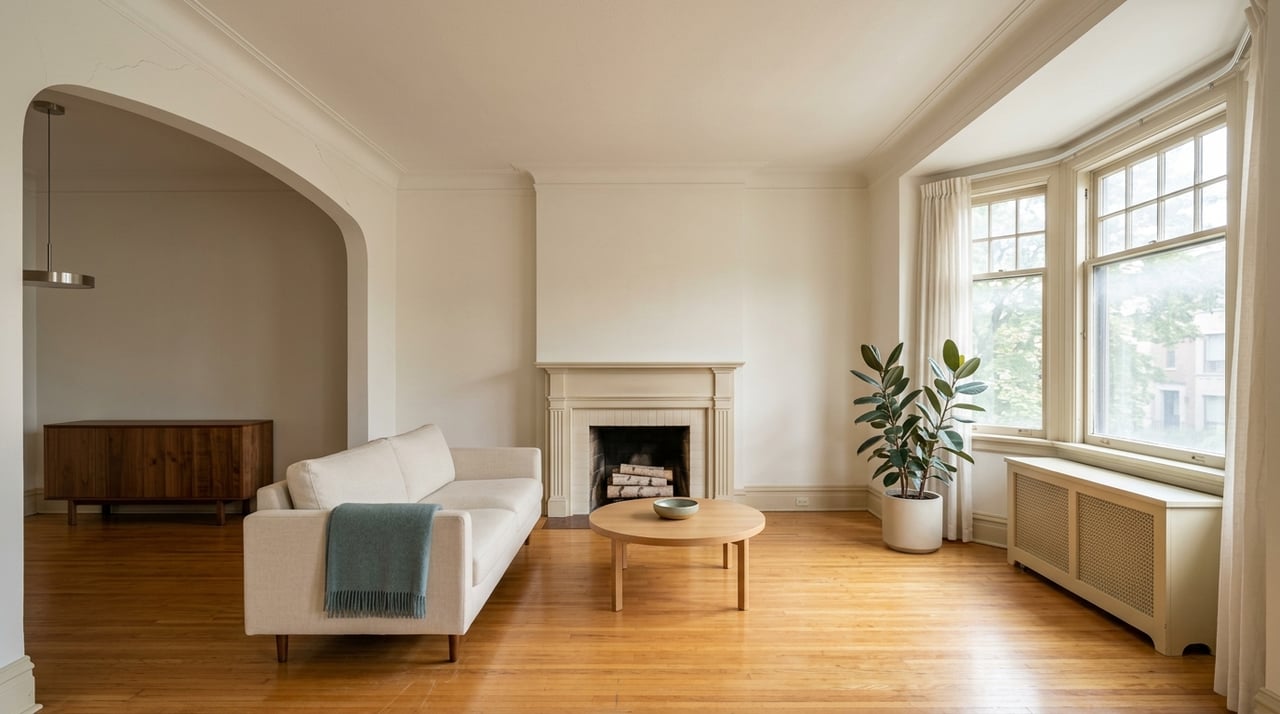
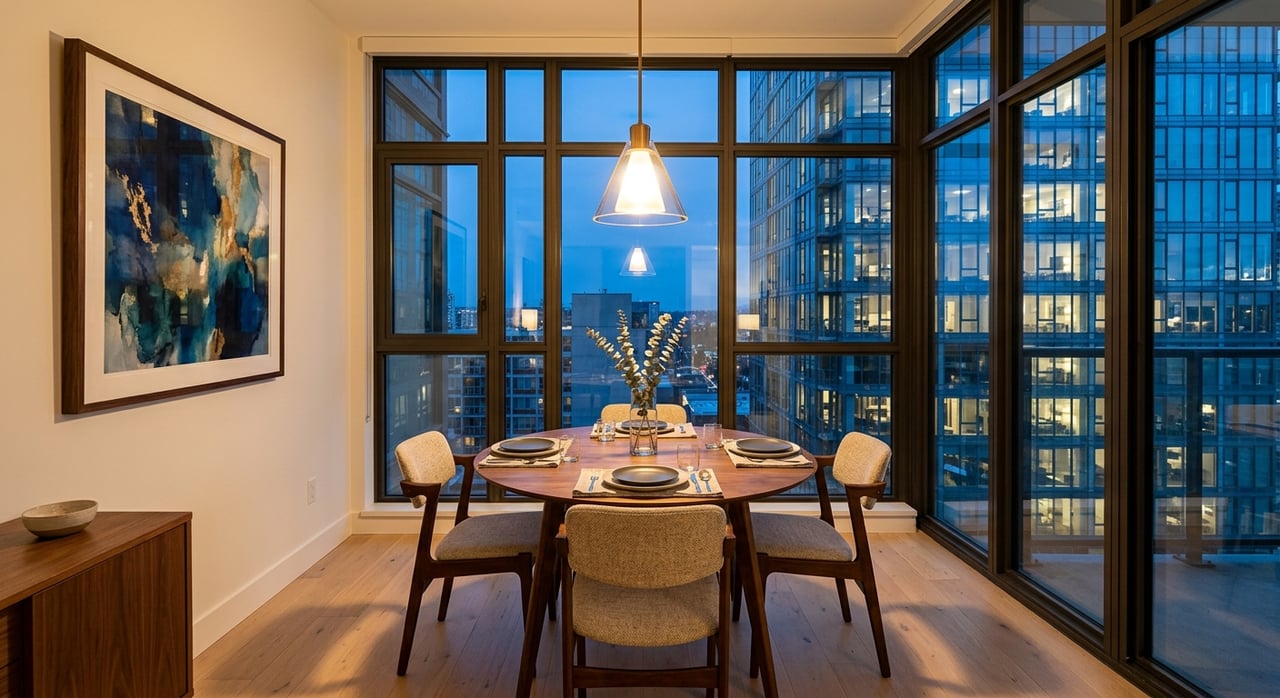
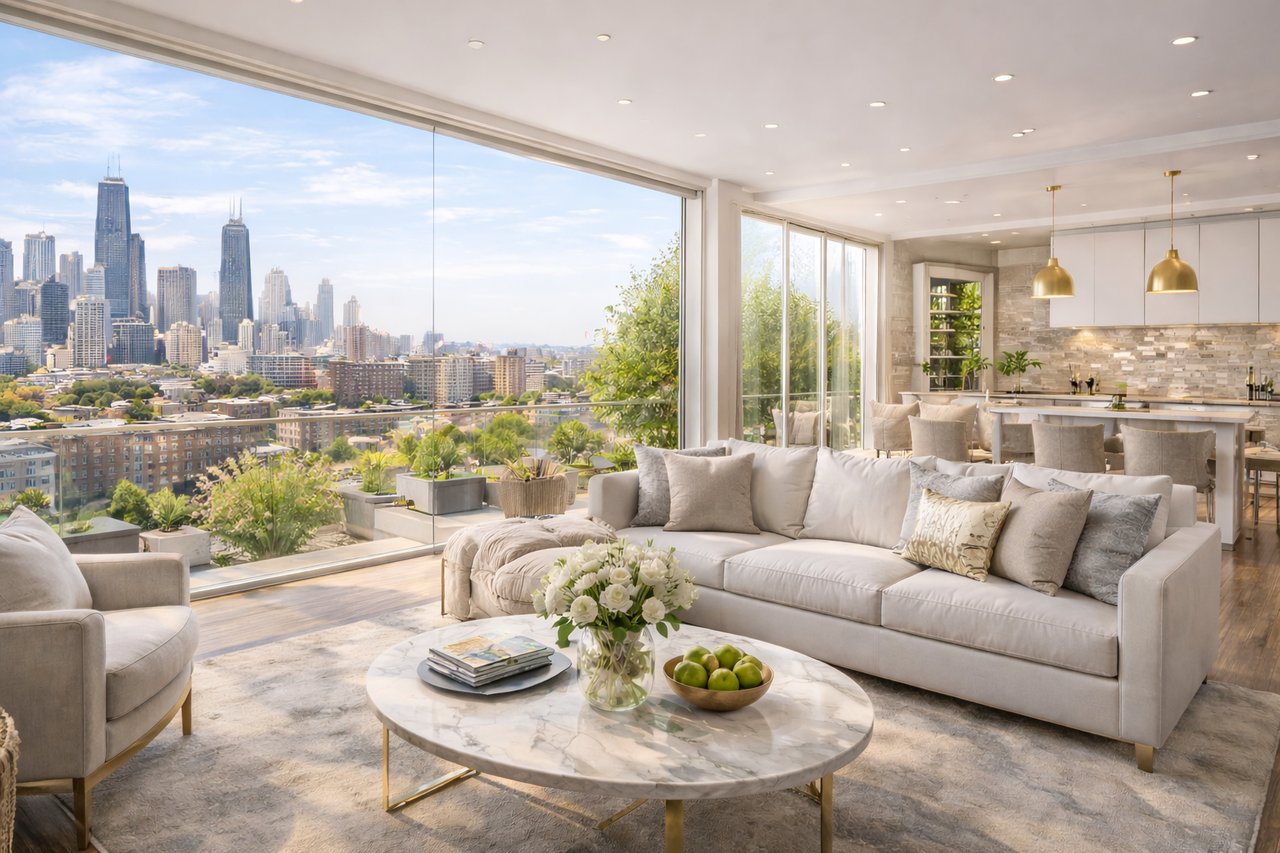
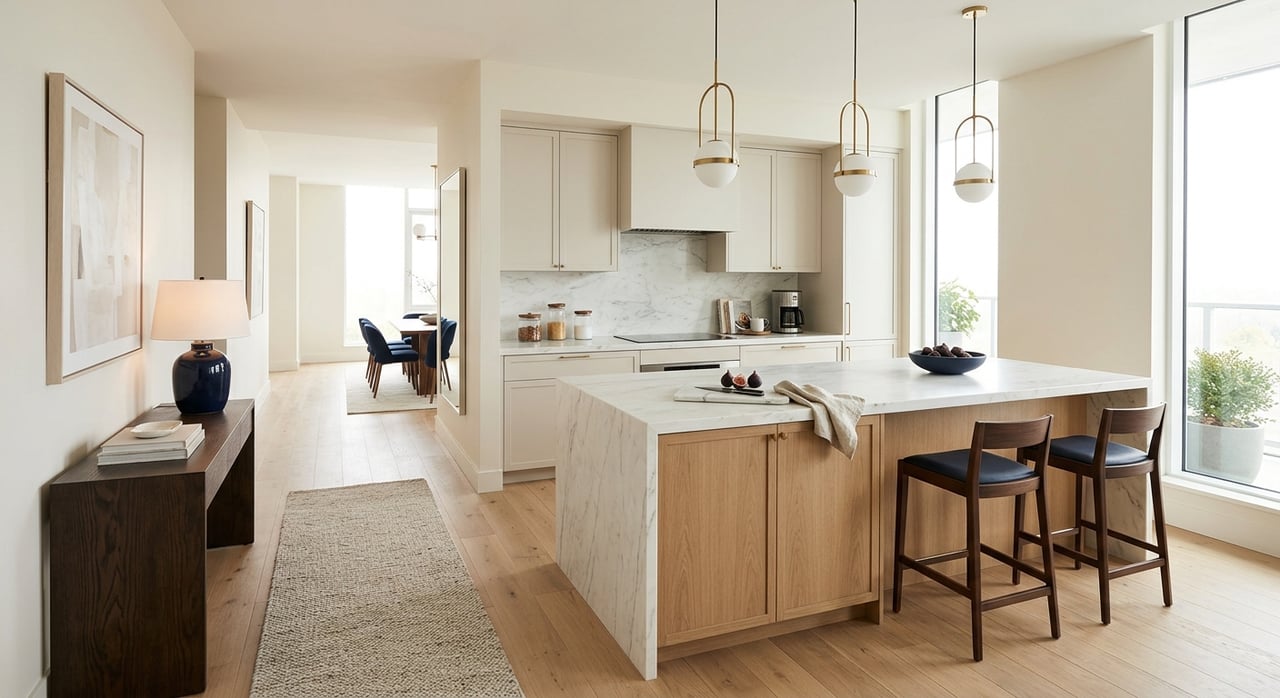
Interiors lean open and airy. Ceilings often reach 10 to 14 feet or higher. Big windows flood rooms with light, but older single-pane glass can affect comfort and noise unless upgraded. Floors are commonly hardwood or polished concrete. Columns and uneven sections can affect furniture layout. Storage is often limited, so built-ins and clever closet solutions matter.
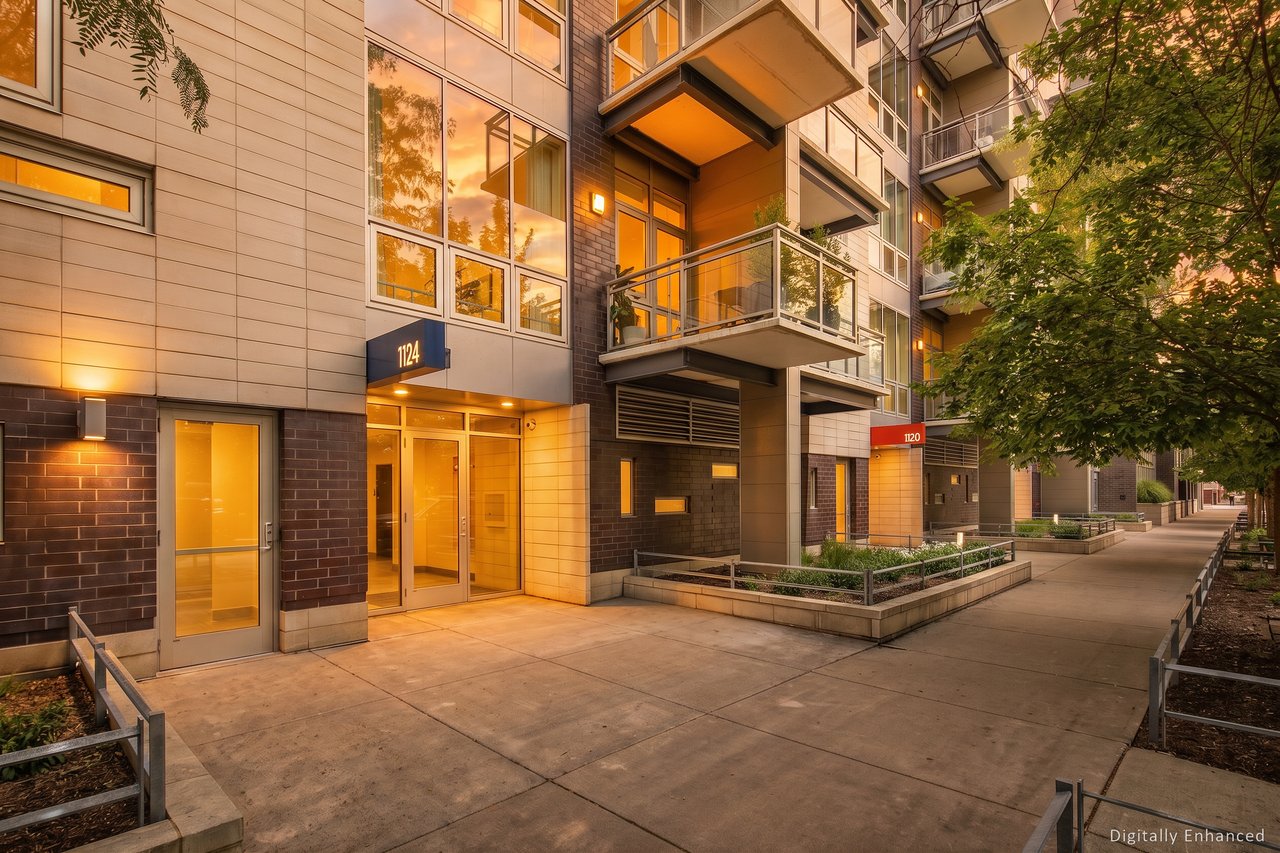
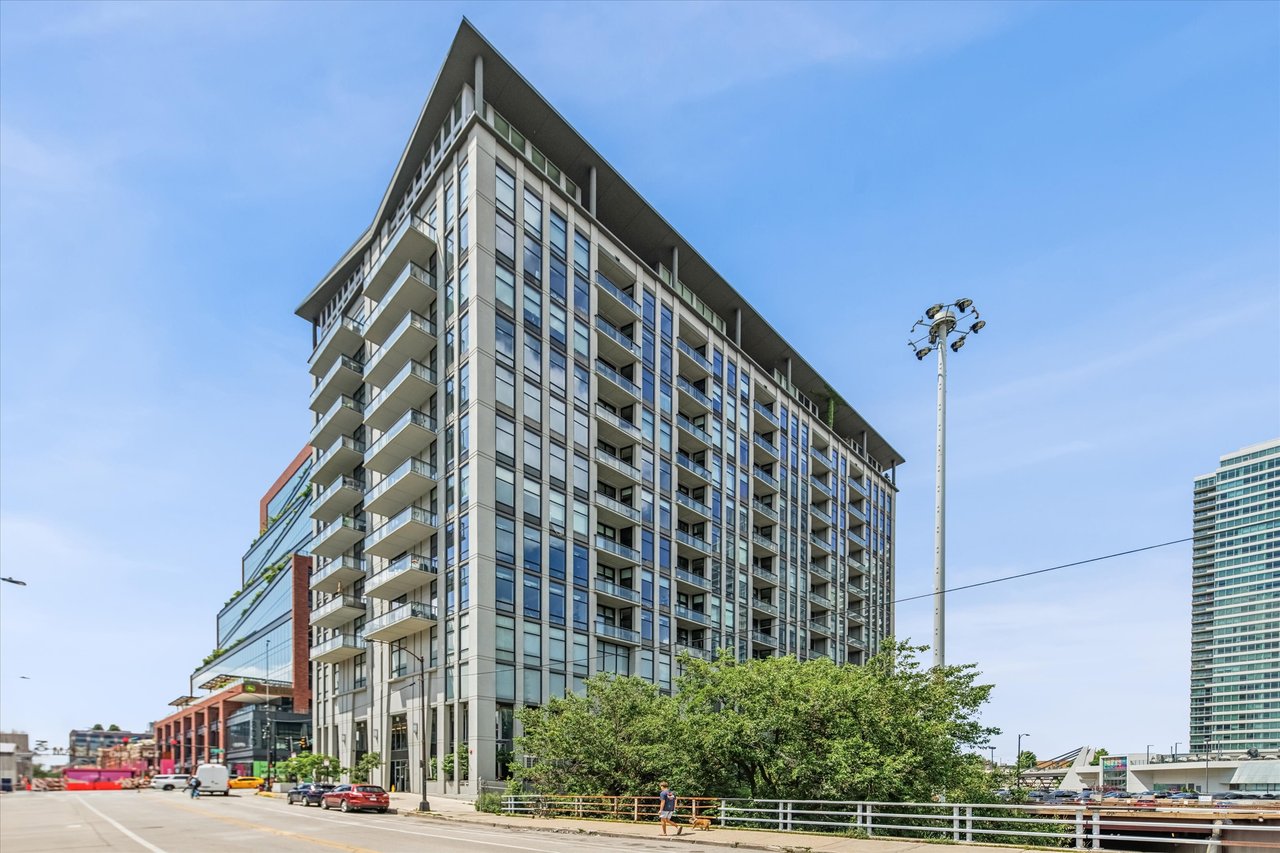
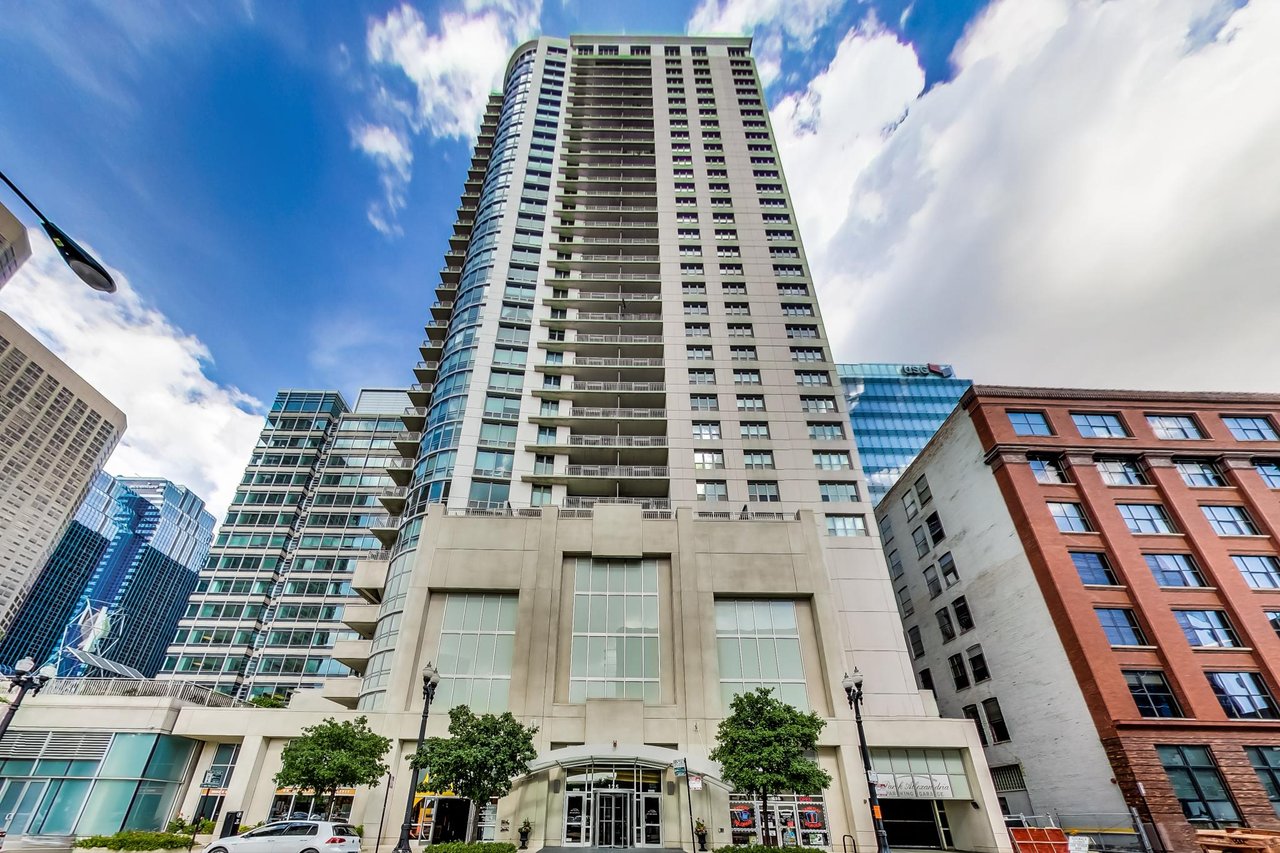
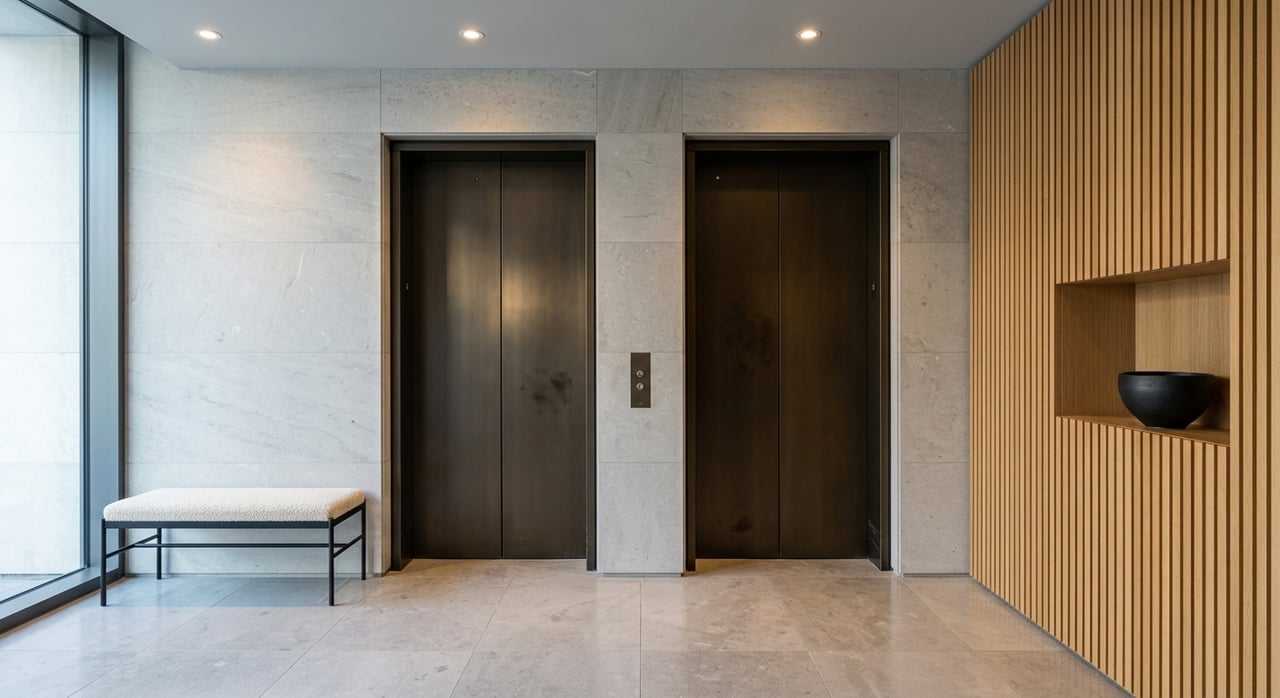
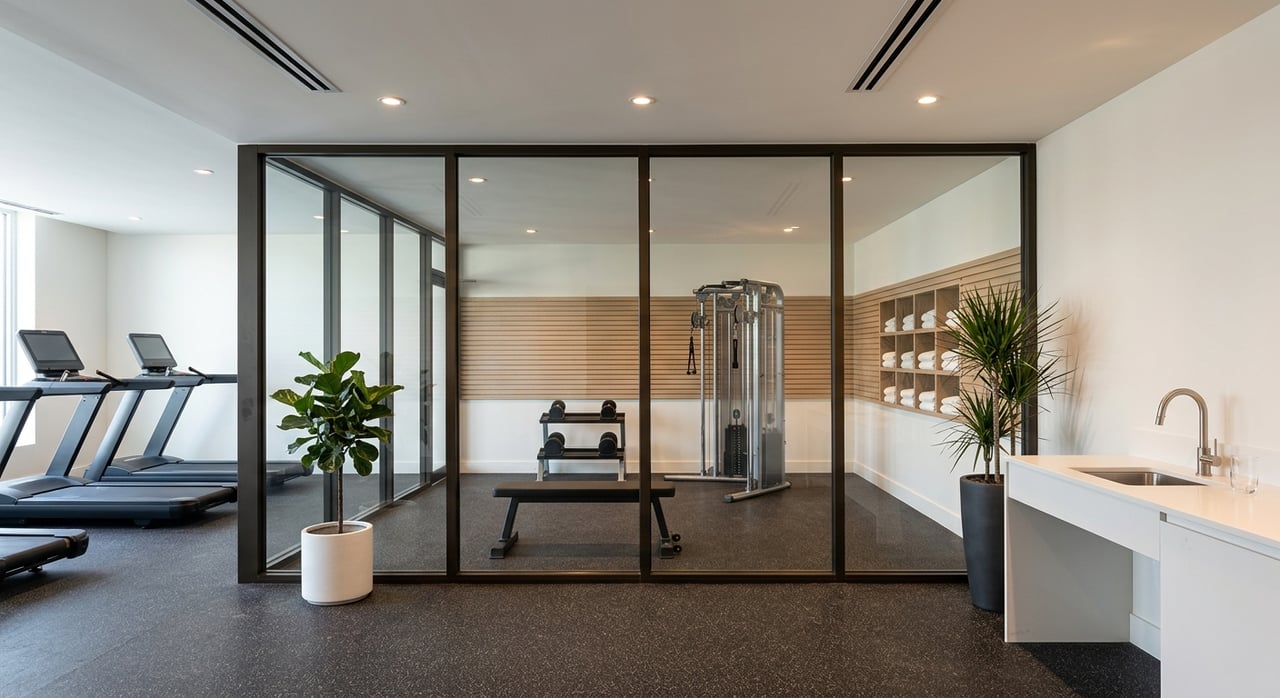
Amenities vary widely. Boutique conversions may offer fewer amenities with lower HOA fees. Newer mid-rise buildings are more likely to include a concierge, fitness rooms, package areas, parking, and rooftop decks. Elevator access is common, but some smaller conversions may have limited service, so confirm if accessibility is important.
Daily life in a West Loop loft
Light and ambiance
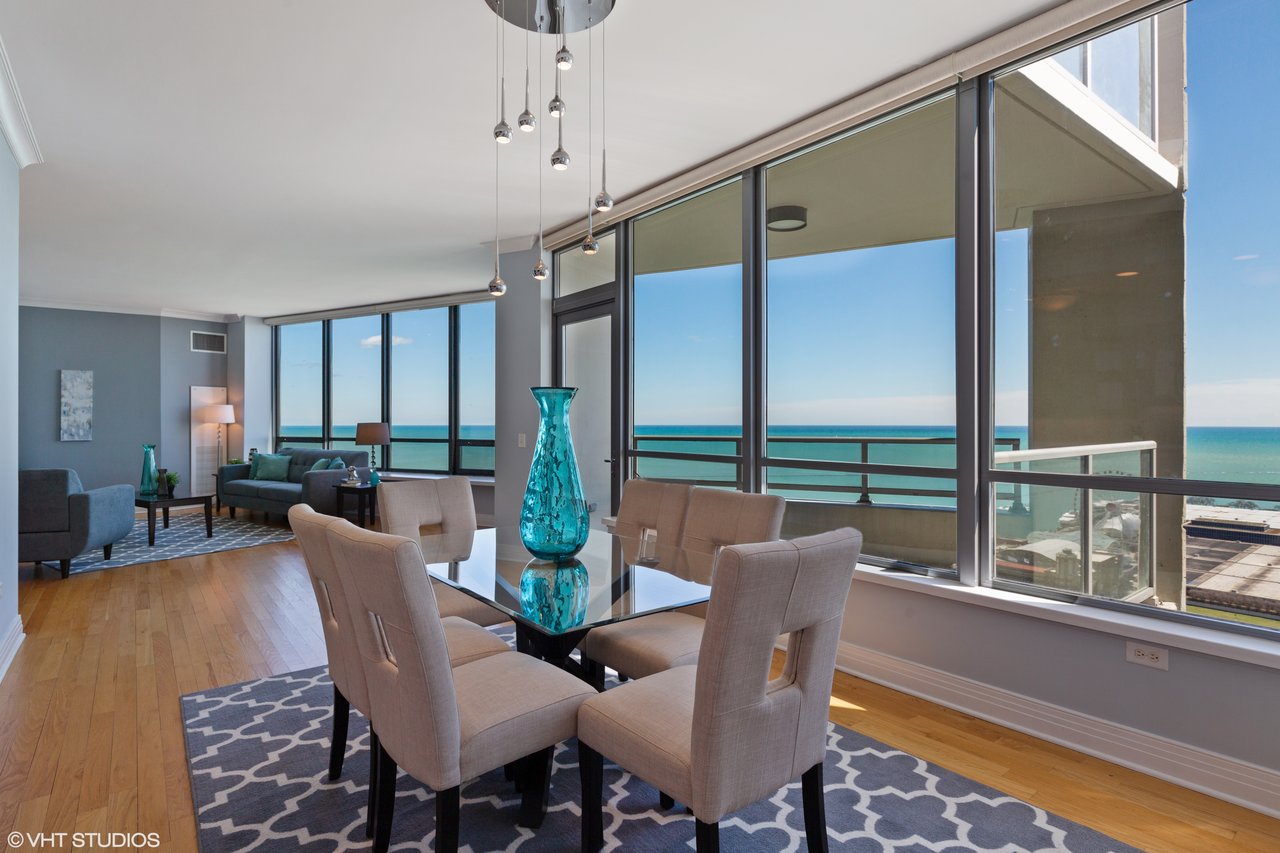
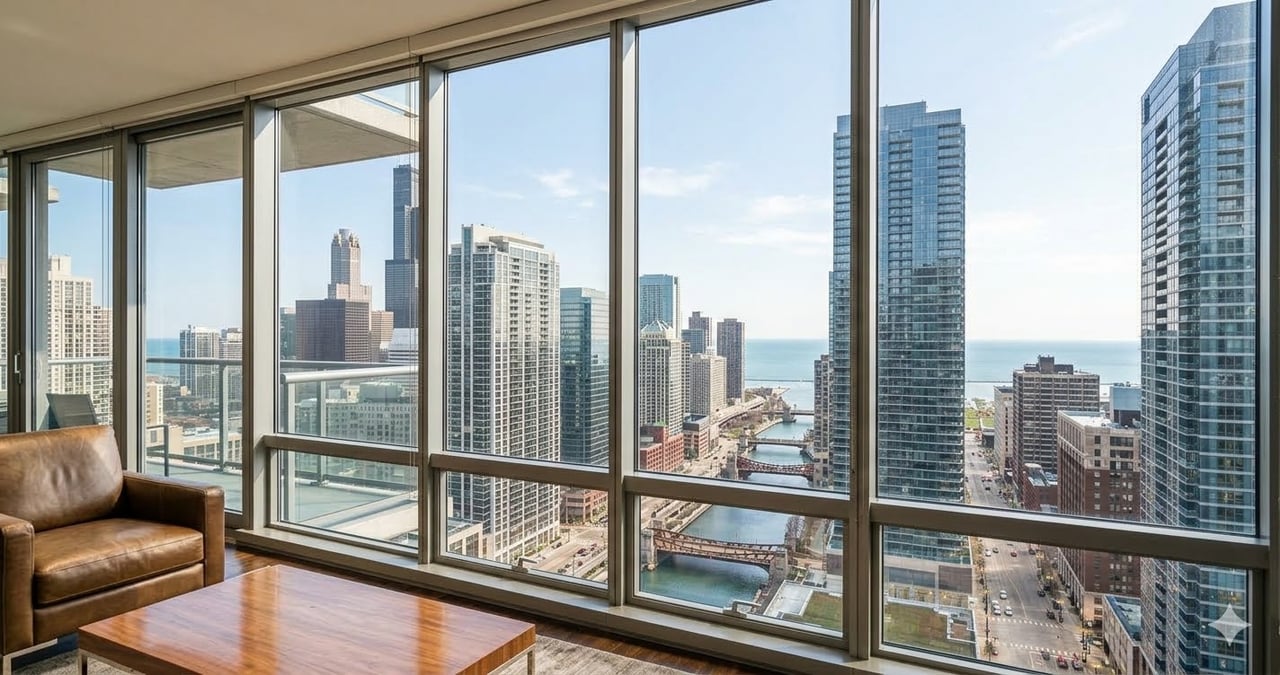
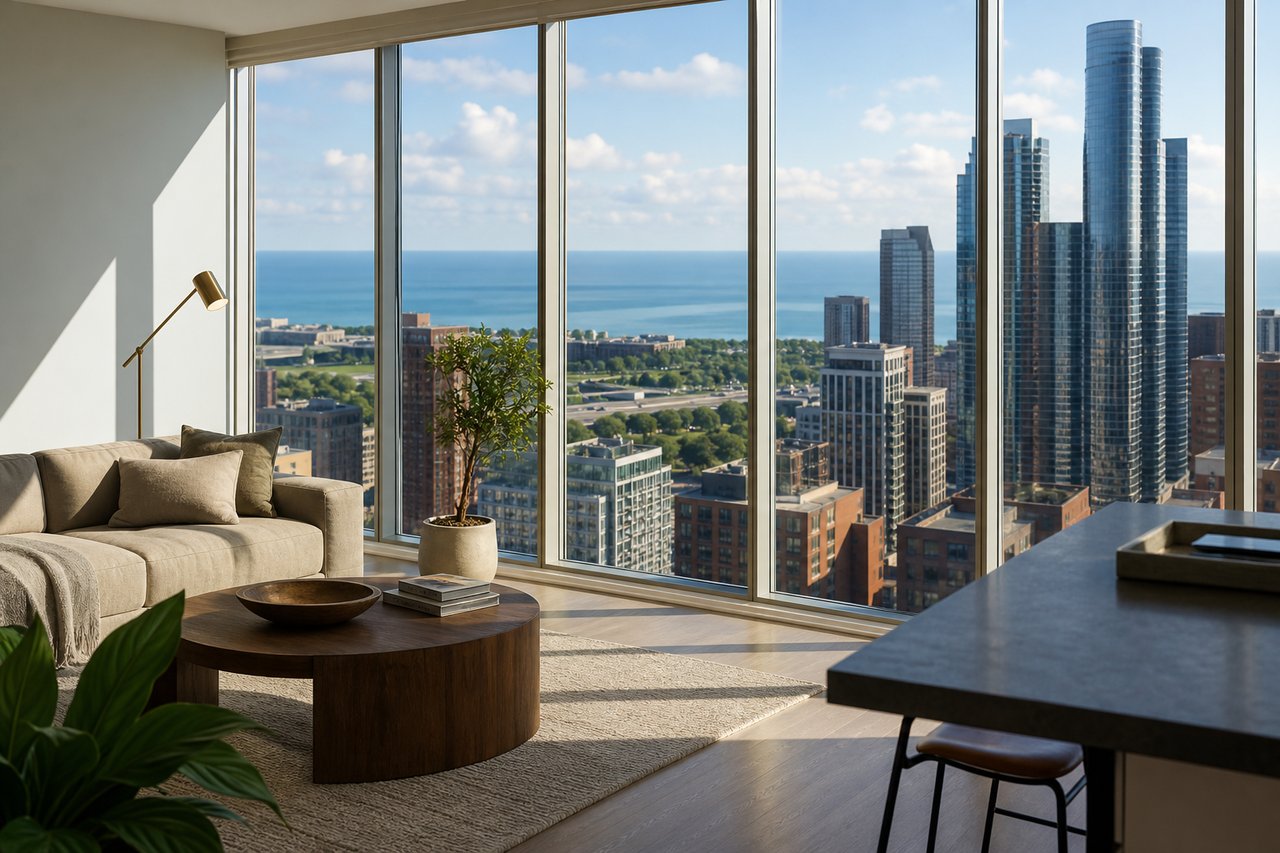
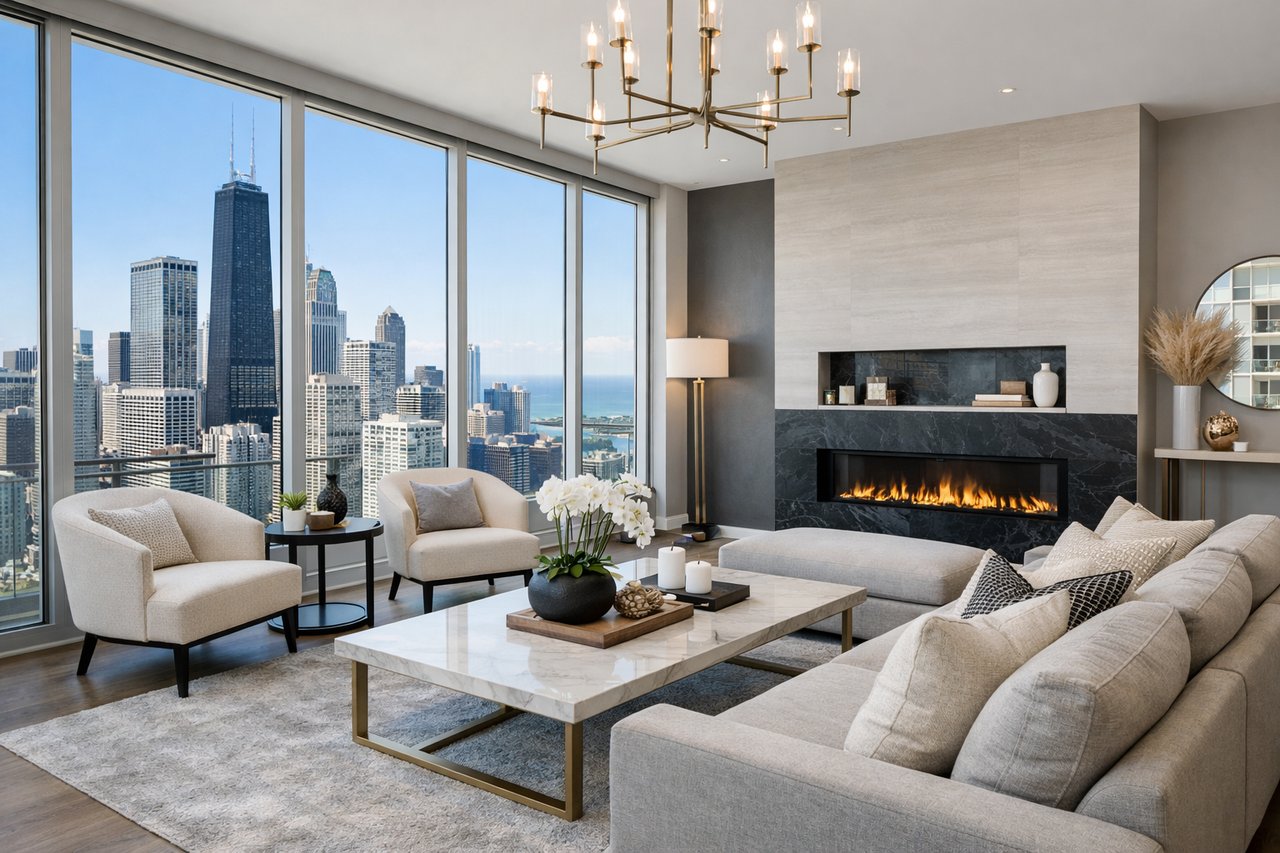
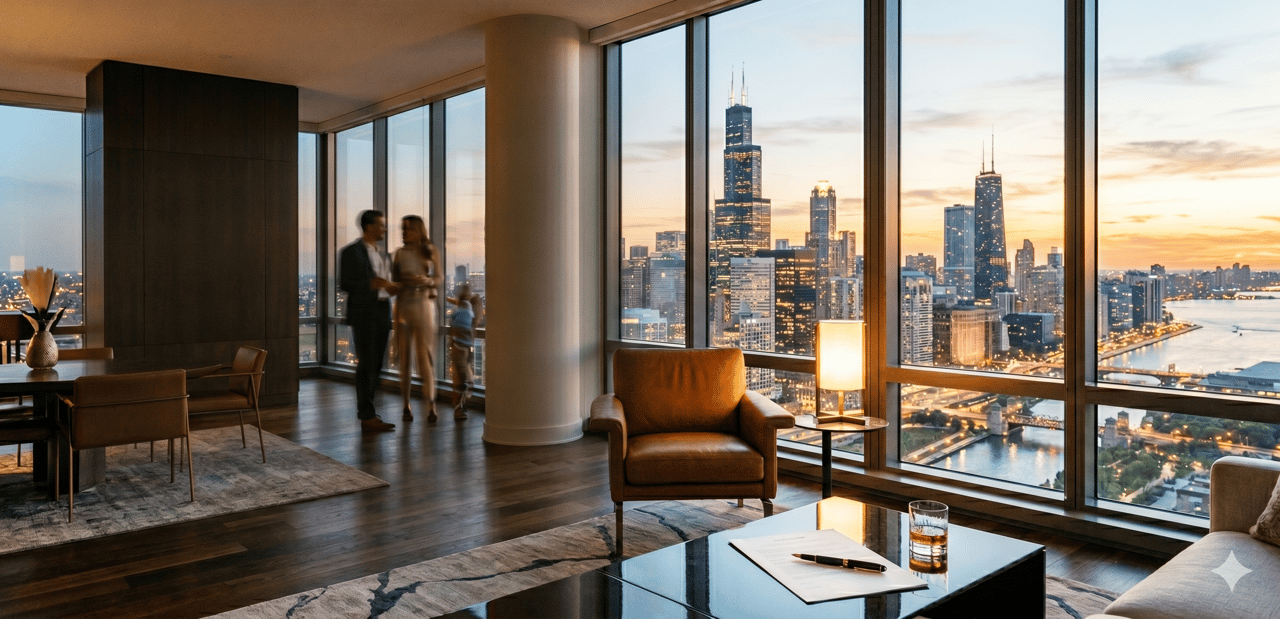
Large windows and tall ceilings create bright spaces that feel open and inspiring. South and west exposures bring excellent afternoon light with potential summer heat gain. Window quality and coverings play a big role in comfort.
Parking and deliveries
Curb space can be crowded, especially near Fulton Market. Rideshare pickups, package deliveries, and loading zones are common. If you need parking, confirm whether the unit includes a space and the exact cost. Many residents choose transit, biking, or ride-hailing rather than owning a car.
Working from home
You will find plenty of light and flexible space for a home office. Open plans can be distracting if more than one person works from home. Consider partitions, room dividers, or converting an alcove into a dedicated work zone.
Pets and accessibility
Many associations allow pets, with rules that vary by building. Older conversions may have stairs, narrower corridors, or bathrooms that are not fully accessible. Check elevator access, doorway widths, and any needed accommodations before you commit.
Safety and security
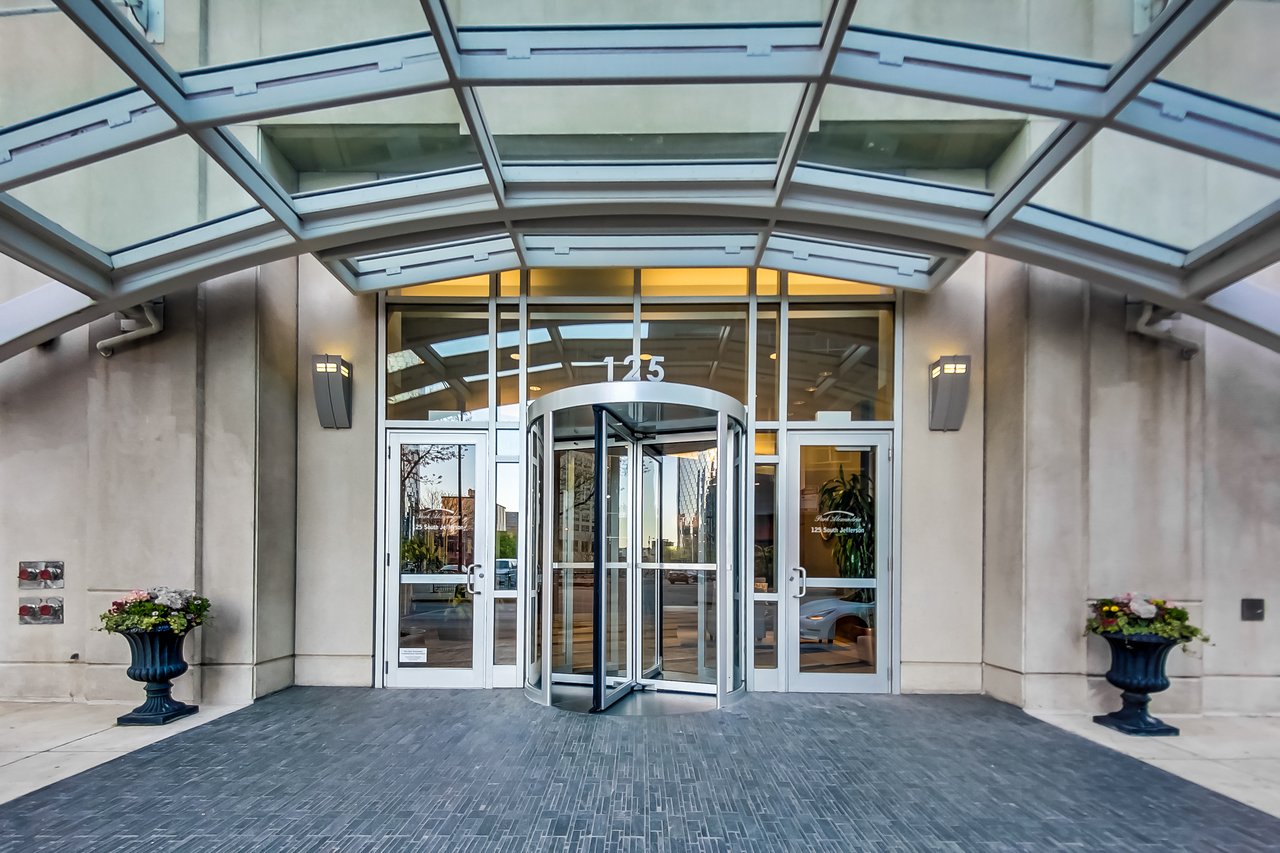
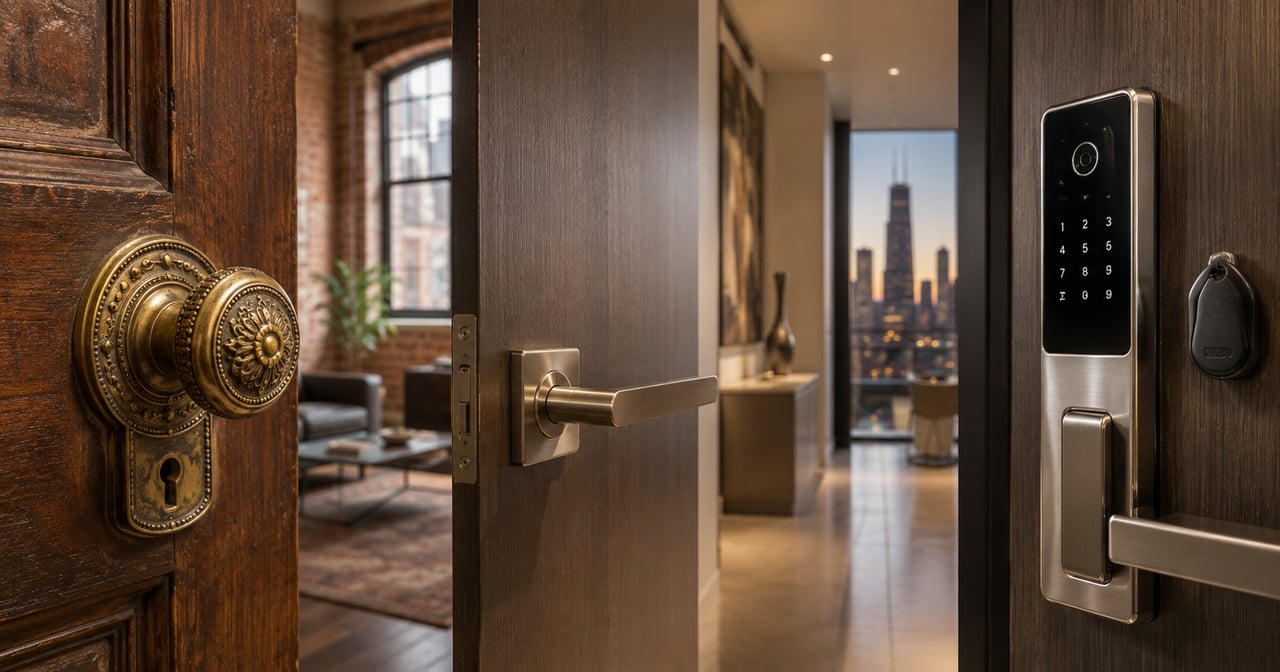
West Loop is a busy urban neighborhood. Building security ranges from locked entries to doormen and cameras. Standard city awareness applies, and you will want to review a building’s access and surveillance features during your tour.
Your loft tour checklist
- Natural light, window type, drafts, ease of operation
- Ceiling height, location of beams or columns, furniture layout
- Sound levels at weekday daytime and weekend evening times
- Heating and cooling type, thermostat location, cooling capacity
- Water pressure, visible plumbing runs, location of stacks
- Closet and storage capacity, including building storage
- Flooring condition and transitions across the unit
- Building entry quality, elevator function, stair access
- Parking details, exact location, and monthly cost if applicable
- HOA rules on pets, short-term rentals, subletting, renovations
- HOA financials, recent minutes, special assessments, reserves
- Smoke and CO detectors, fire escapes, sprinklers
- Signs of water intrusion, roof leaks, or exterior brickwork issues
Costs, financing, and rules to know
Some lenders underwrite converted lofts differently. Bedroom definitions, building status, and unit classification can affect mortgage options. Ask early so there are no surprises.
Confirm insurance details. You will want clarity on what the condo master policy covers and where your interior responsibilities begin. Large windows and open shafts can affect coverage, so verify deductibles and scope.
Read the HOA documents. Rules for pets, subletting, and short-term rentals vary. Review reserves, special assessments, and recent meeting minutes to understand building health. Converted buildings can have unique maintenance needs tied to older structures and systems.
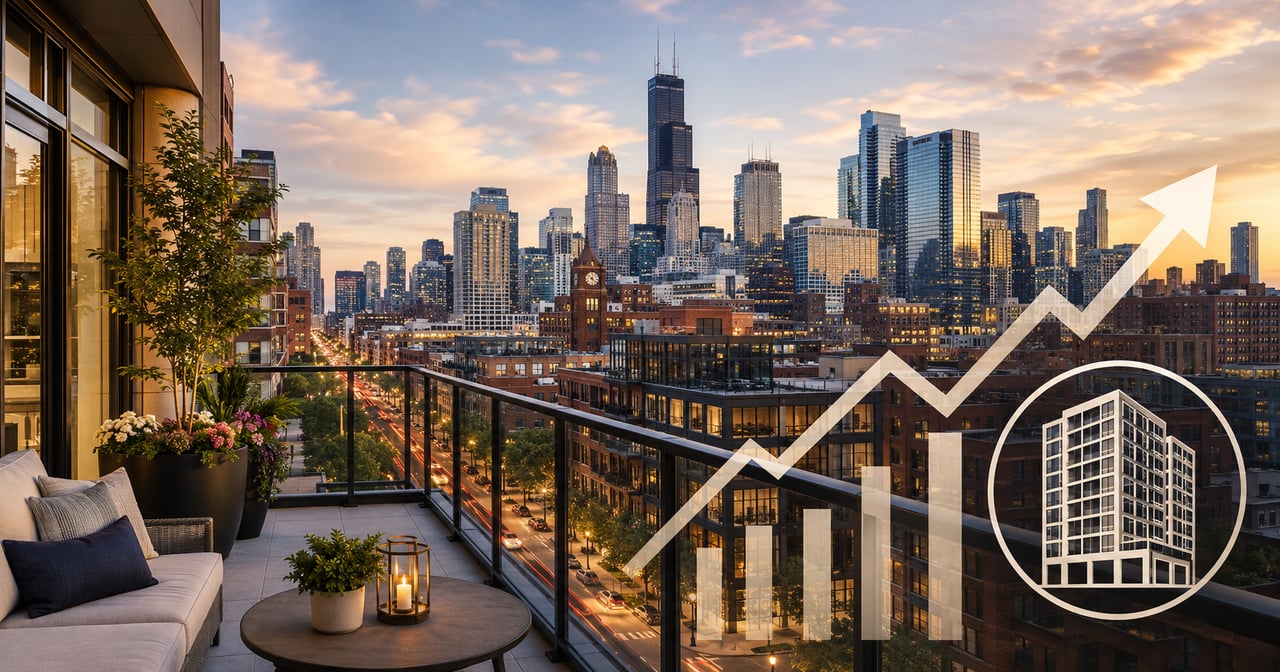
Plan for resale. Authentic, well located lofts in West Loop tend to draw steady interest. Highly niche layouts can have narrower buyer pools. If you plan to renovate, know the limits. Historic elements, window and facade protections, and structural rules can restrict major changes. Always confirm permits and association approvals.
Is a West Loop loft right for you
- Do you want dining and nightlife within a short walk, even if that means some evening noise?
- Does an open, light-filled layout support your routine, or do you need more private rooms?
- Is car ownership a must, or will transit, biking, and ride-hailing work for you?
- Is storage a priority, and are you willing to invest in built-ins or choose a unit with more closets?
- Do you prefer authentic warehouse character with quirks, or a modern loft-style condo with more amenities?
How we can help
Selling or buying a West Loop loft takes building-level insight and a clear plan. You deserve a partner who understands how adaptive reuse, HOA health, window quality, and parking options affect value and marketability. Our team pairs neighborhood expertise with premium marketing that highlights what makes your loft stand out.
If you are selling, we help you position your home with professional photography, staging, and data-informed pricing that attracts the right buyers. If you are buying, we focus your search on the buildings and floor plans that match your lifestyle. Ready to take the next step? Connect with Christine Hancock - Hancock Group to get started and request your home valuation.
Check out my Timber vs Concrete Chicago Loft Guide
FAQs
How is parking handled in West Loop loft buildings
- Street parking is limited and often metered, and many buildings use garage parking; confirm whether your unit includes a space and the monthly cost.
What should I check with loft windows and HVAC
- Look at window type and condition, test for drafts, confirm cooling capacity for summer, and verify whether older windows were upgraded to improve comfort and noise control.
Are West Loop lofts good for working from home
- The open, light-filled setting can be inspiring; if multiple people work from home, consider partitioning, office alcoves, or layouts with a separate den or mezzanine.
How convenient is transit from West Loop lofts
- You are near major commuter hubs like Ogilvie and Union Station, close to CTA routes and some ‘L’ stations, with common bike infrastructure and bike-share options.
What HOA rules matter most when buying a loft
- Review pets, subletting, and short-term rental policies, plus reserves, special assessments, and recent minutes to evaluate building health and any renovation limits.
If you are considering buying or selling a West Loop loft, you deserve guidance based on real building level experience.
Reach out to talk through your goals, your timing, and what matters most in your next move.