Quick Summary
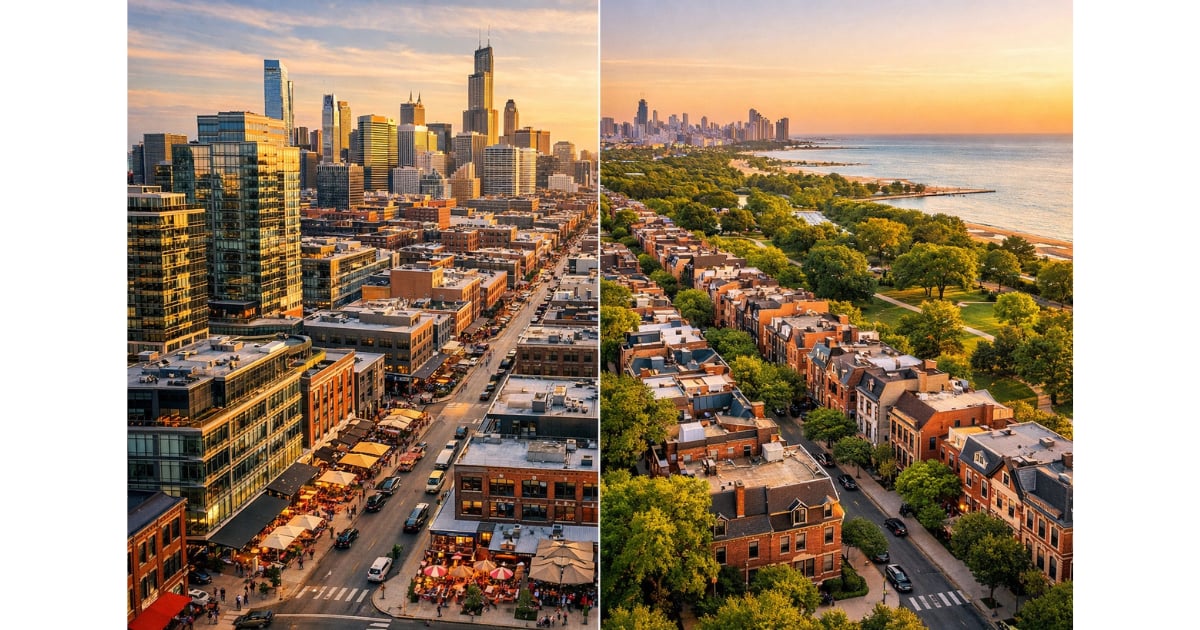
West Loop and Lincoln Park are two of Chicago’s strongest real estate markets. West Loop has experienced faster appreciation due to corporate investment and new development, while Lincoln Park tends to maintain more stable long term property values because of limited housing supply and consistent residential demand.
Buyers comparing these neighborhoods often research everything from property appreciation trends to selling a condo in Chicago and how downtown condo markets perform over time.
• West Loop has seen faster property appreciation due to corporate investment and new development.
• Lincoln Park maintains more consistent long-term property values due to limited housing supply and strong residential demand.
• Both neighborhoods remain among the most desirable housing markets in Chicago.
West Loop vs Lincoln Park: Which Chicago Neighborhood Holds Property Value Better for Real Estate Investment?
When comparing West Loop and Lincoln Park real estate, both neighborhoods perform strongly, but they hold value in different ways. West Loop has experienced some of the fastest appreciation in Chicago over the past decade due to corporate investment and new development. Lincoln Park, however, remains one of the city’s most stable housing markets, with consistent long-term demand driven by schools, parks, and historic housing inventory.
For buyers deciding where to invest, the choice often comes down to growth potential versus long term stability.
The Short Answer
West Loop has delivered faster appreciation in recent years, largely due to major corporate relocations, luxury condo development, and strong demand from downtown professionals. Lincoln Park tends to hold value more consistently over time because of limited housing supply and its long-standing reputation as one of Chicago’s premier residential neighborhoods.
Buyers seeking appreciation often gravitate toward West Loop, while buyers prioritizing stability often prefer Lincoln Park.
West Loop vs Lincoln Park: Quick Comparison
| Feature | West Loop | Lincoln Park |
|---|---|---|
| Neighborhood Style | Trendy, urban, fast growing | Historic, residential |
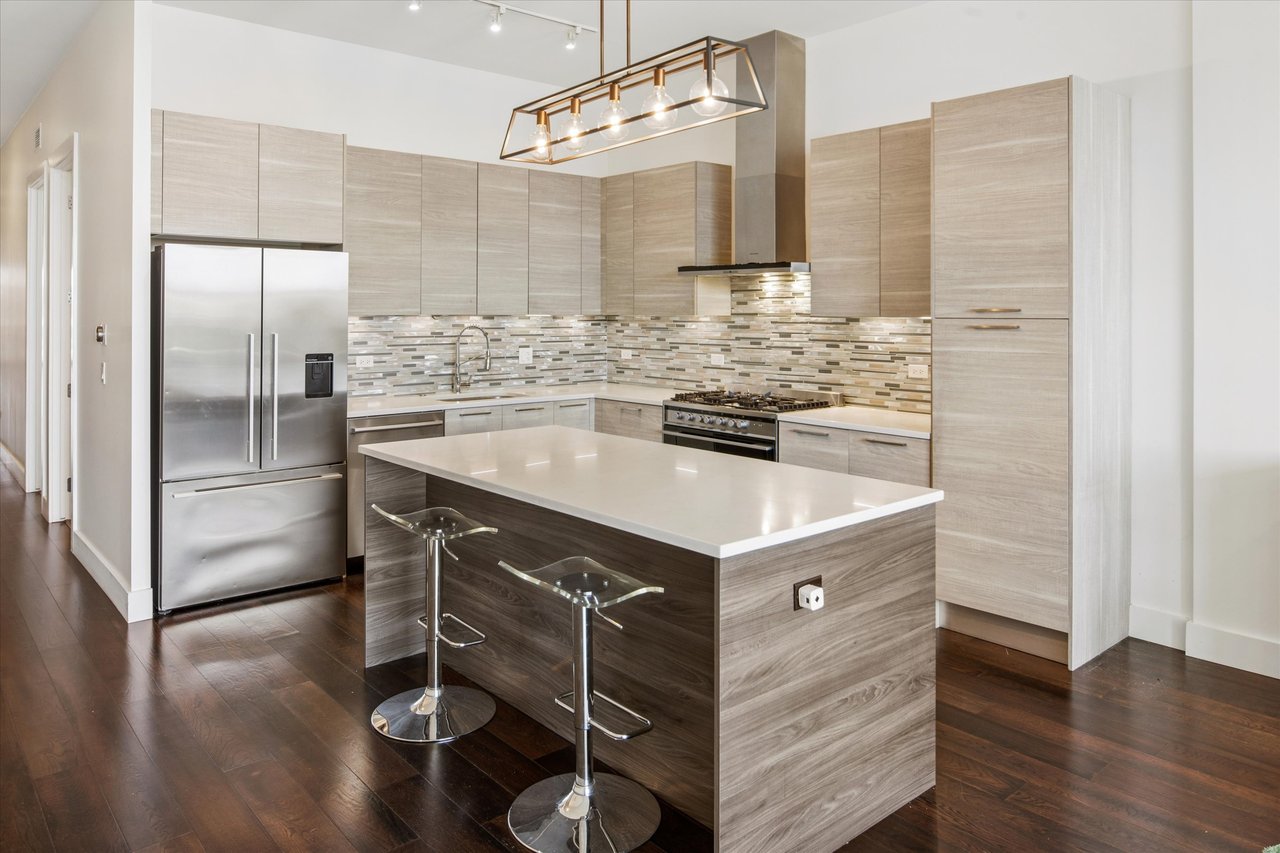
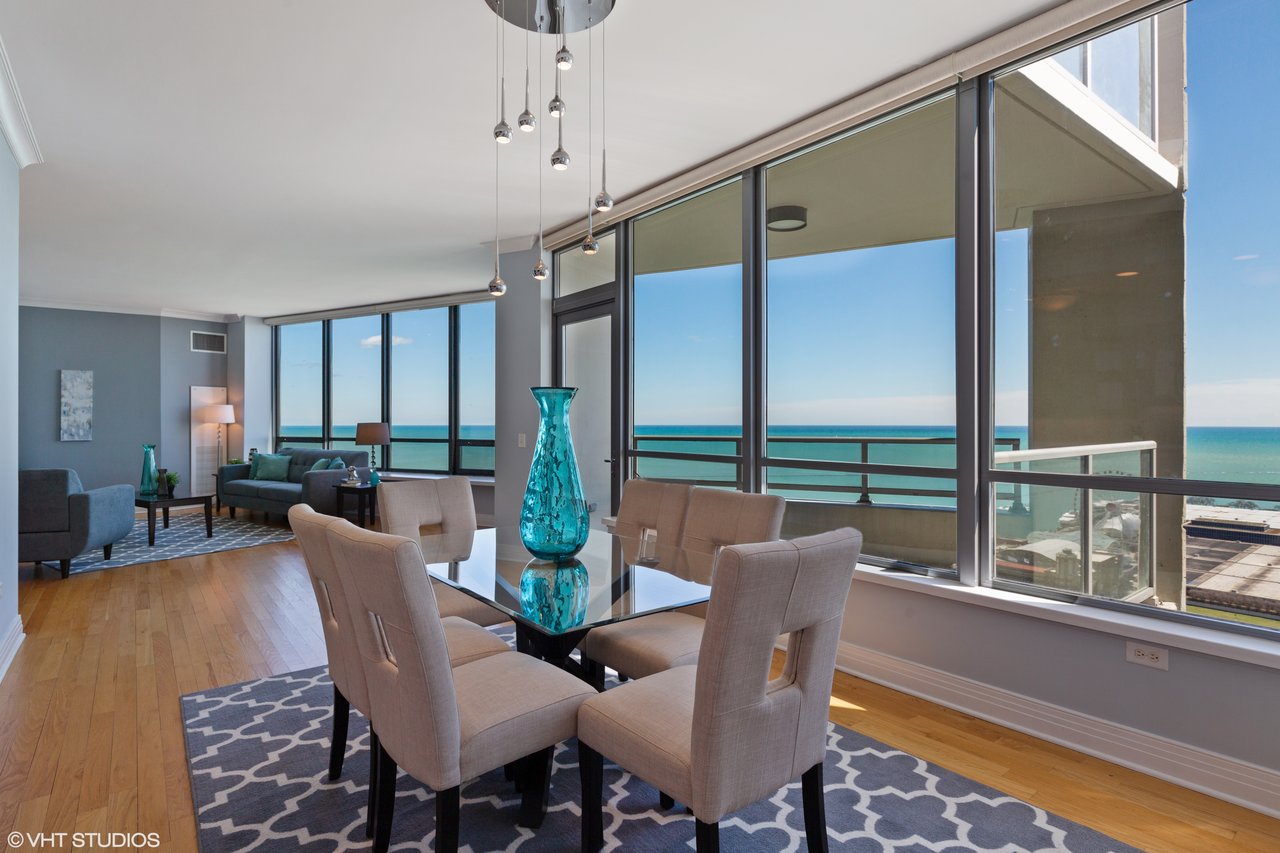
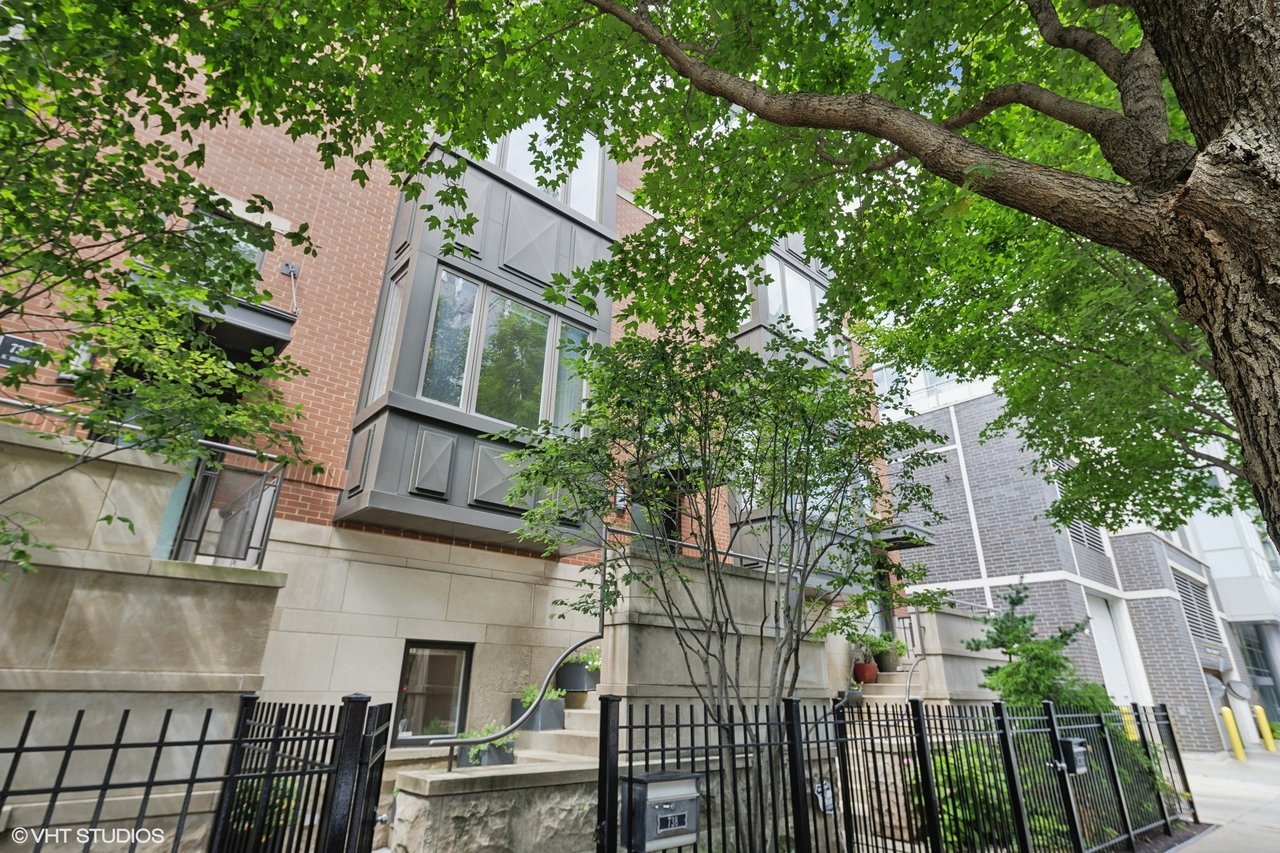
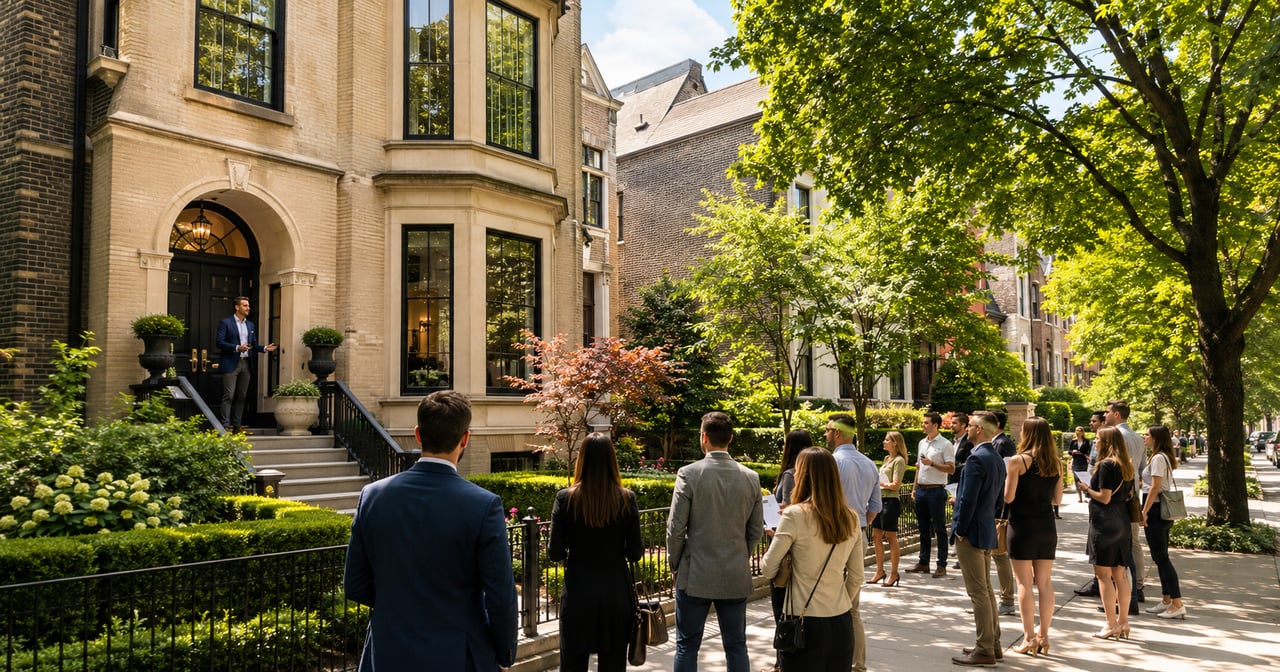
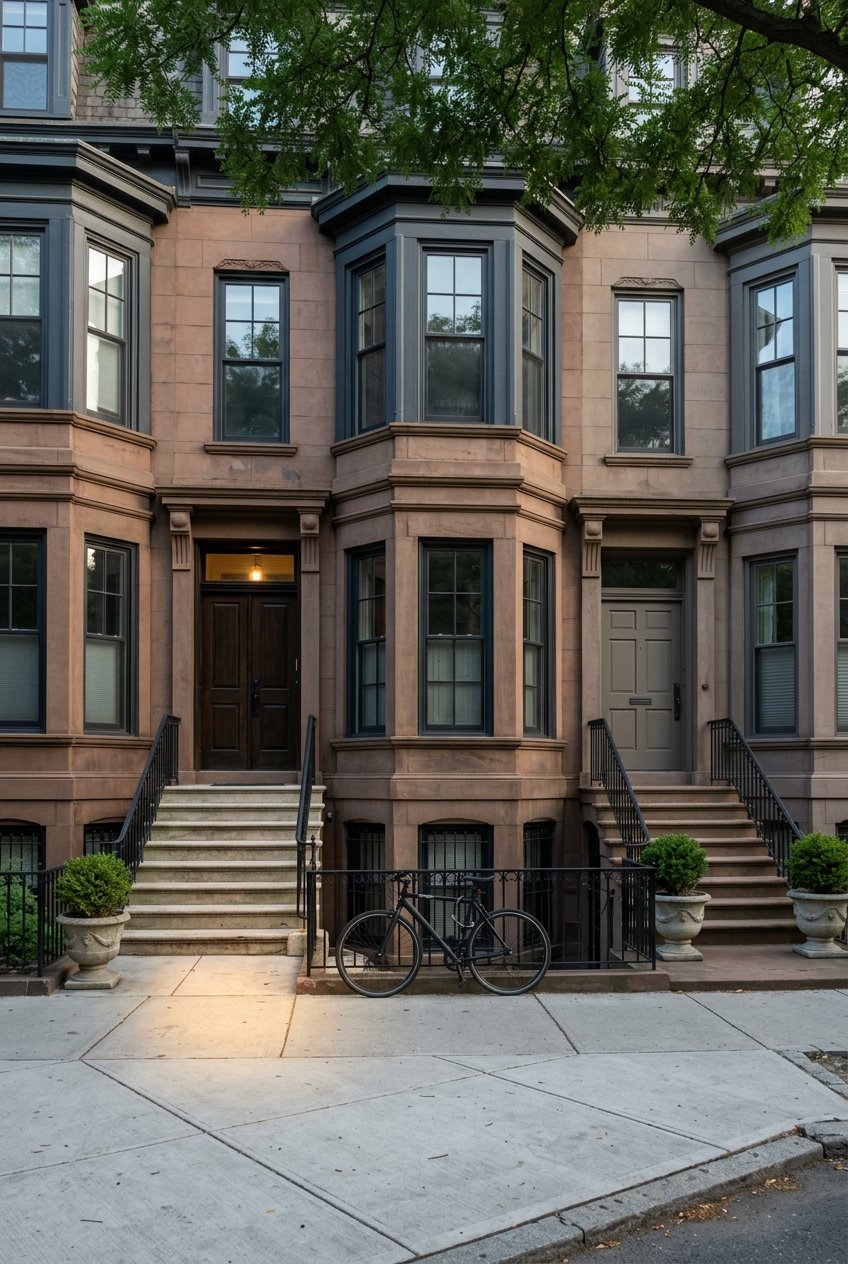
| Typical Housing | Luxury condos, lofts | Brownstones, greystones, homes |
| Buyer Demographic | Professionals, investors | Established buyers |
| Green Space | Smaller city parks | Lincoln Park and lakefront |
| Investment Profile | Growth oriented | Stability oriented |
Both neighborhoods consistently rank among the most desirable places to live in Chicago. [1]
Why West Loop Has Seen Rapid Property Appreciation
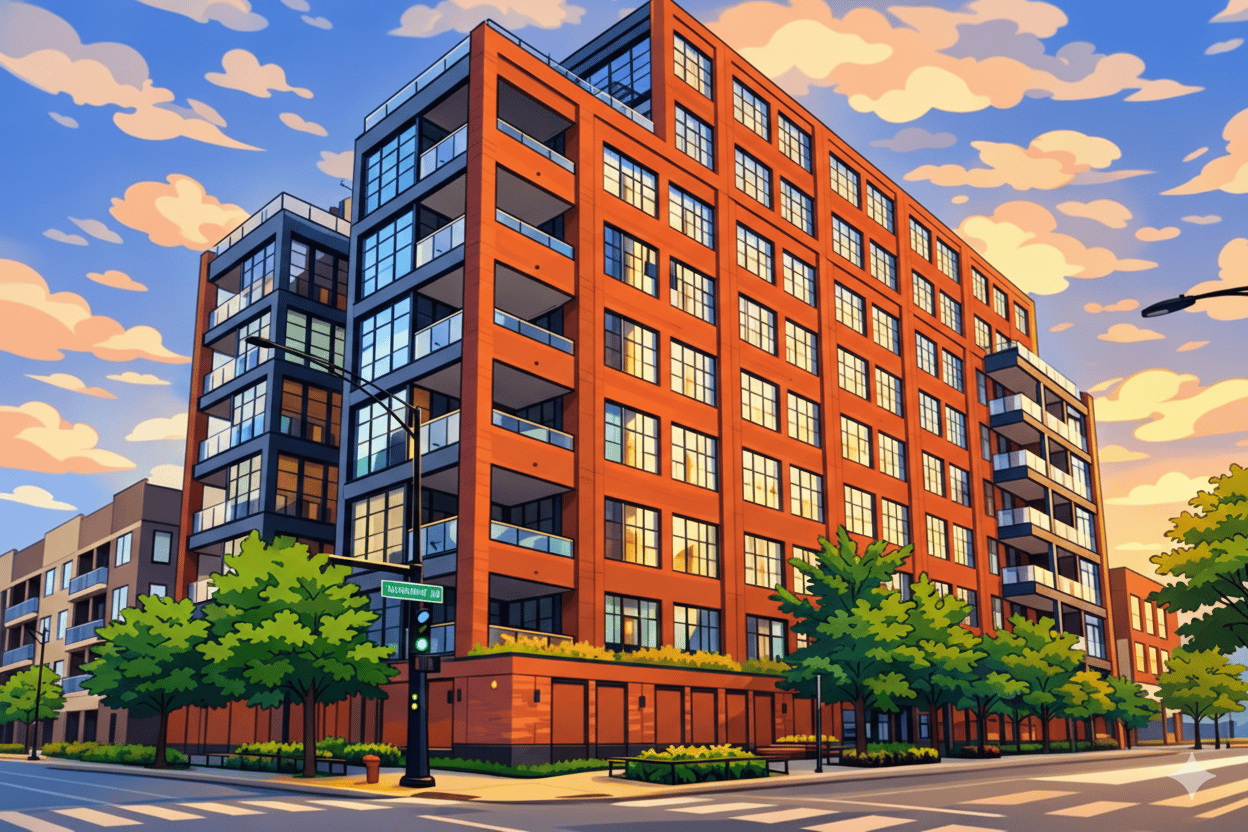
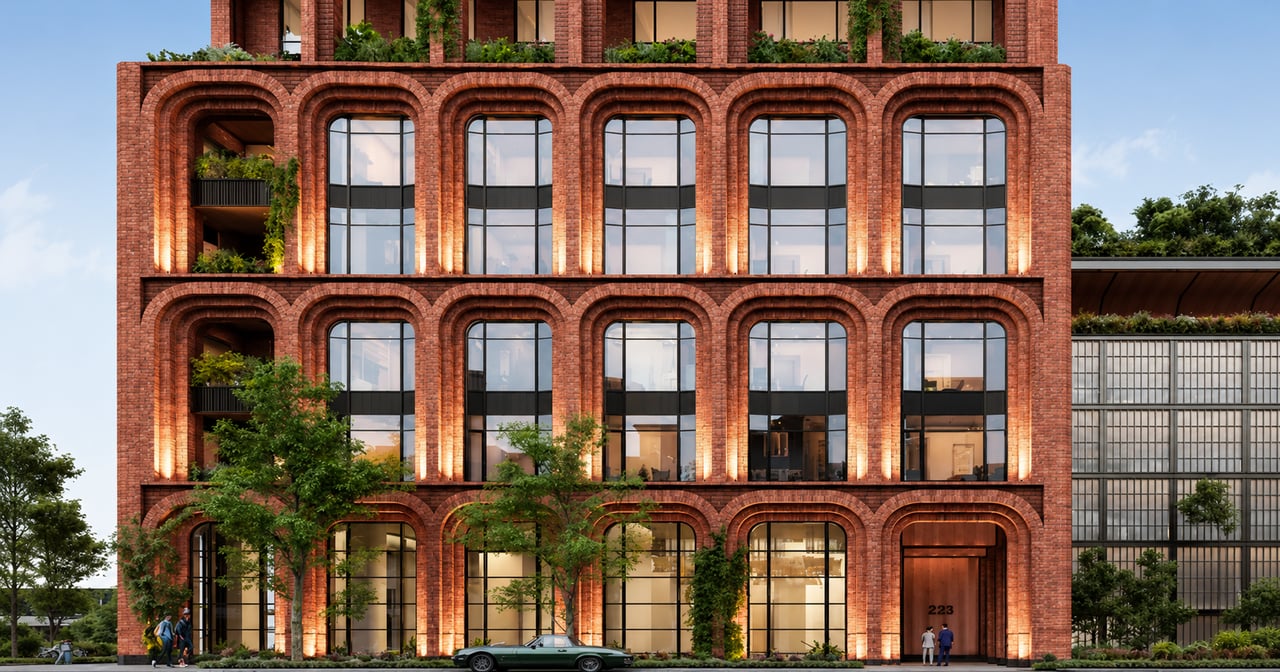
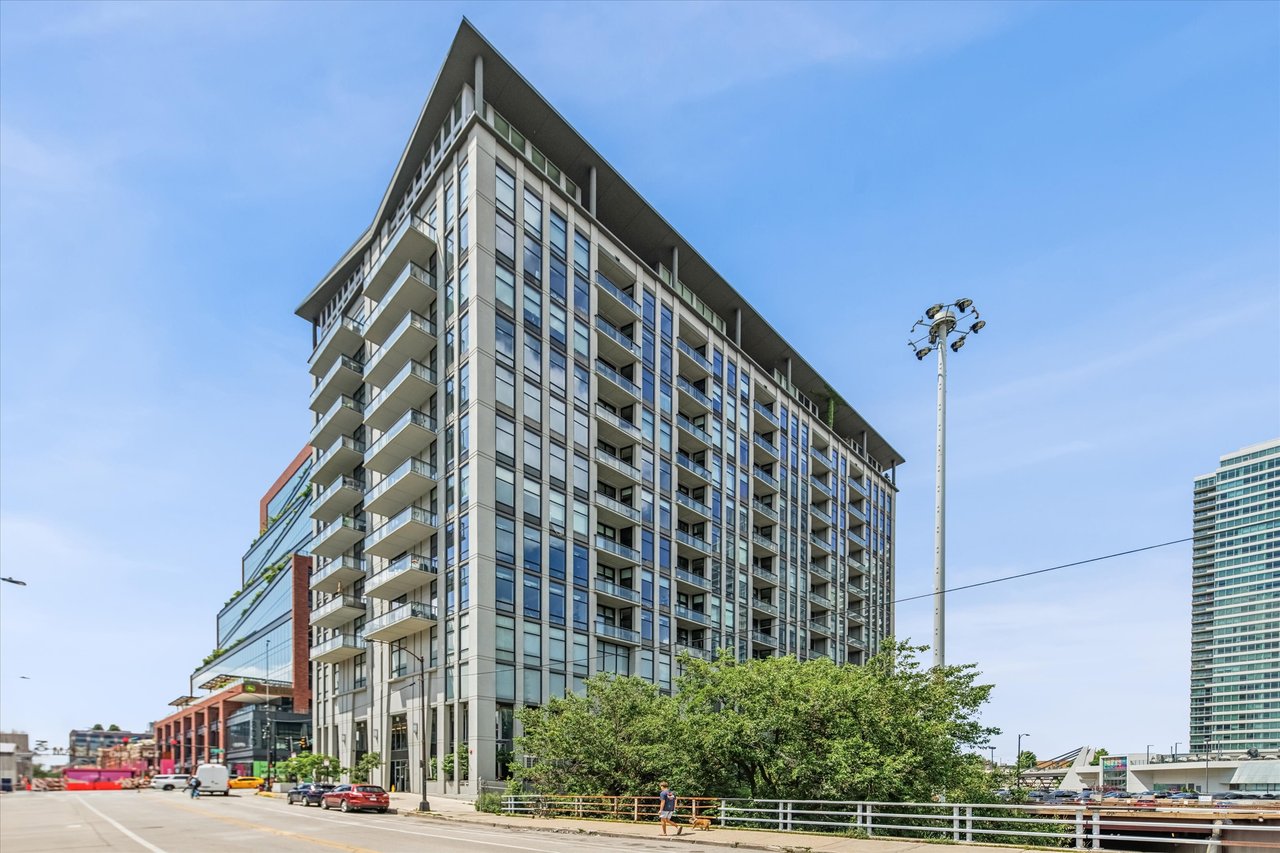
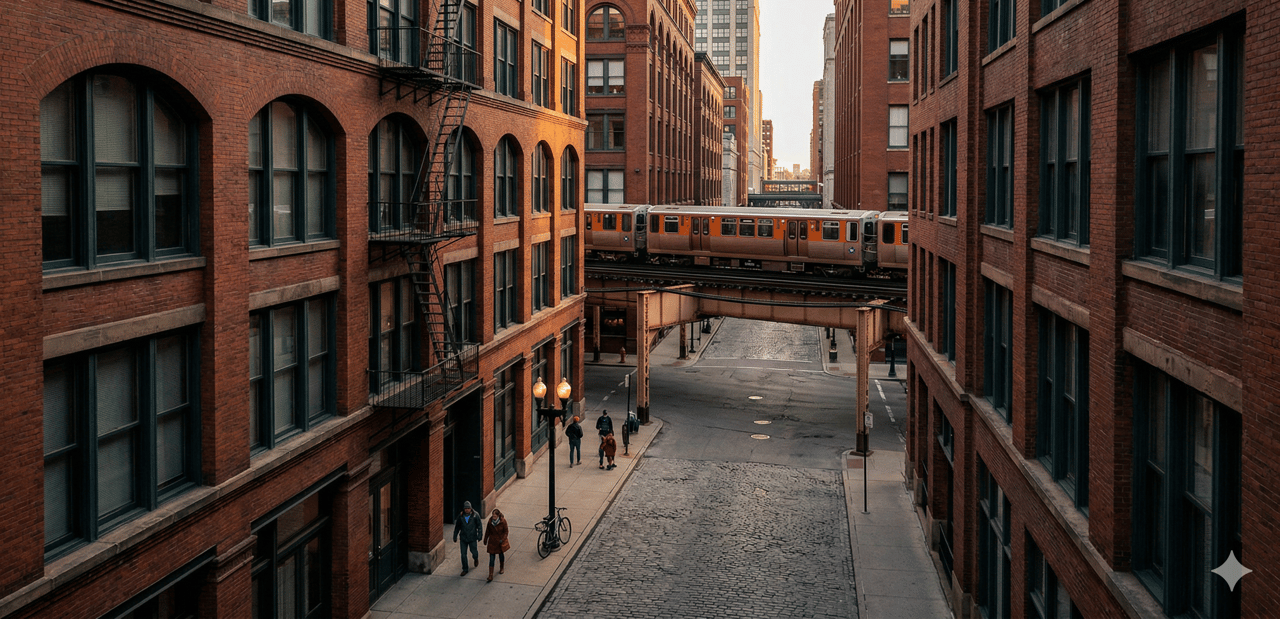
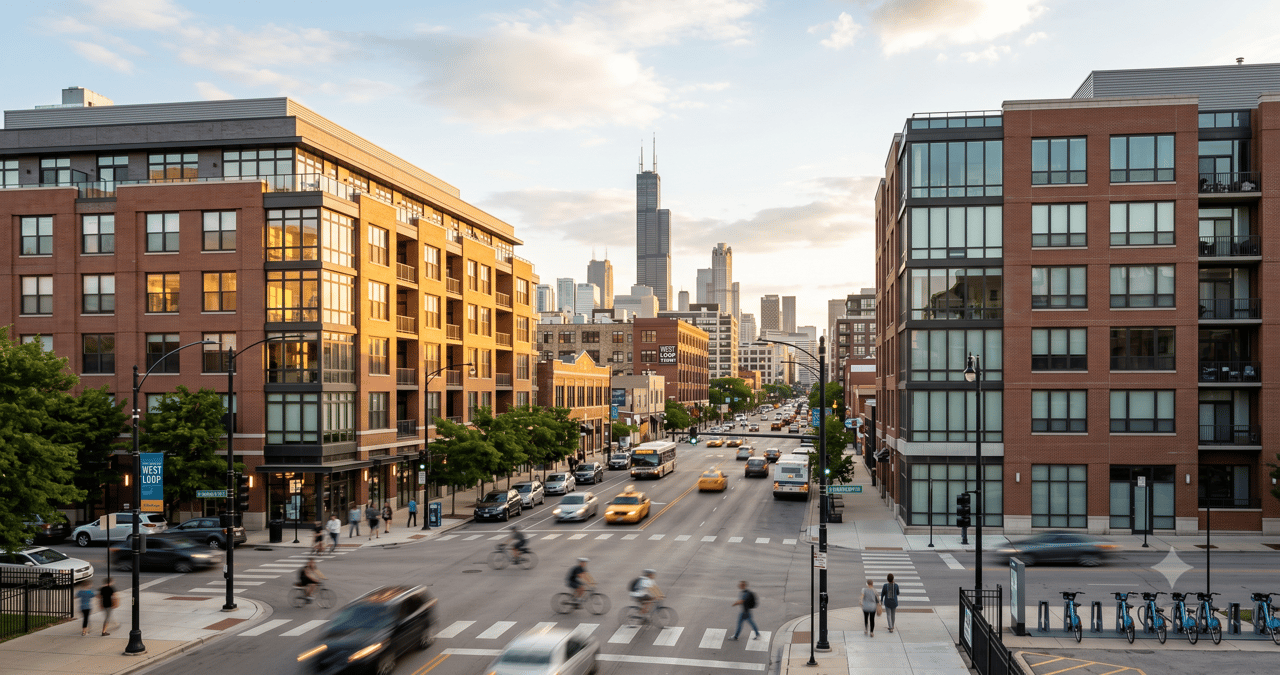
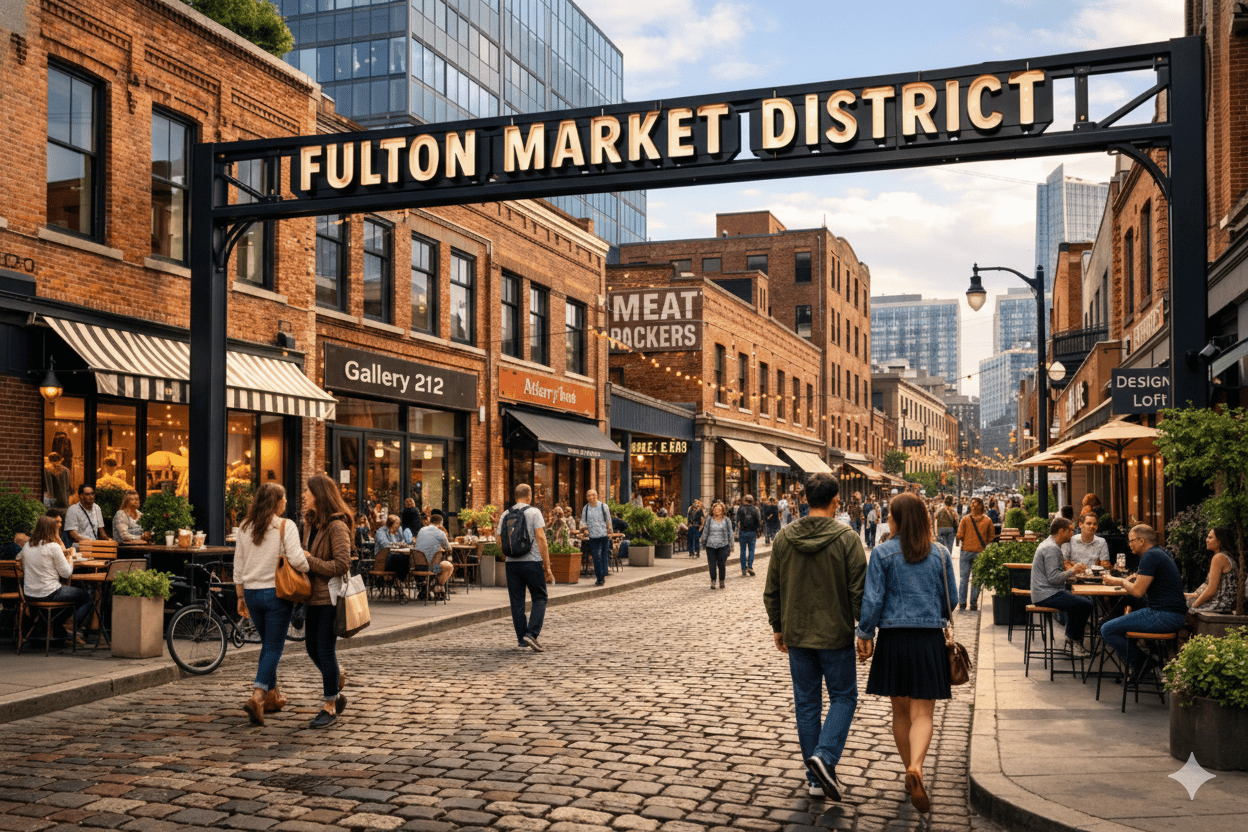
Over the past decade, West Loop has transformed from a former industrial district into one of Chicago’s most dynamic residential markets. Corporate relocations to Fulton Market, the expansion of the restaurant district, and significant luxury condo development have fueled strong buyer demand.
Several factors have driven this growth:
• Corporate headquarters moving to Fulton Market
• Expansion of restaurant and entertainment districts
• Significant luxury condo development
• Proximity to downtown offices
Market analyses show the area has experienced substantial property appreciation since the mid 2010s as the neighborhood became a major hub for tech and business employers. [3]
Local market insight also highlights how continued commercial expansion in Fulton Market continues to support strong residential demand throughout West Loop. [4]
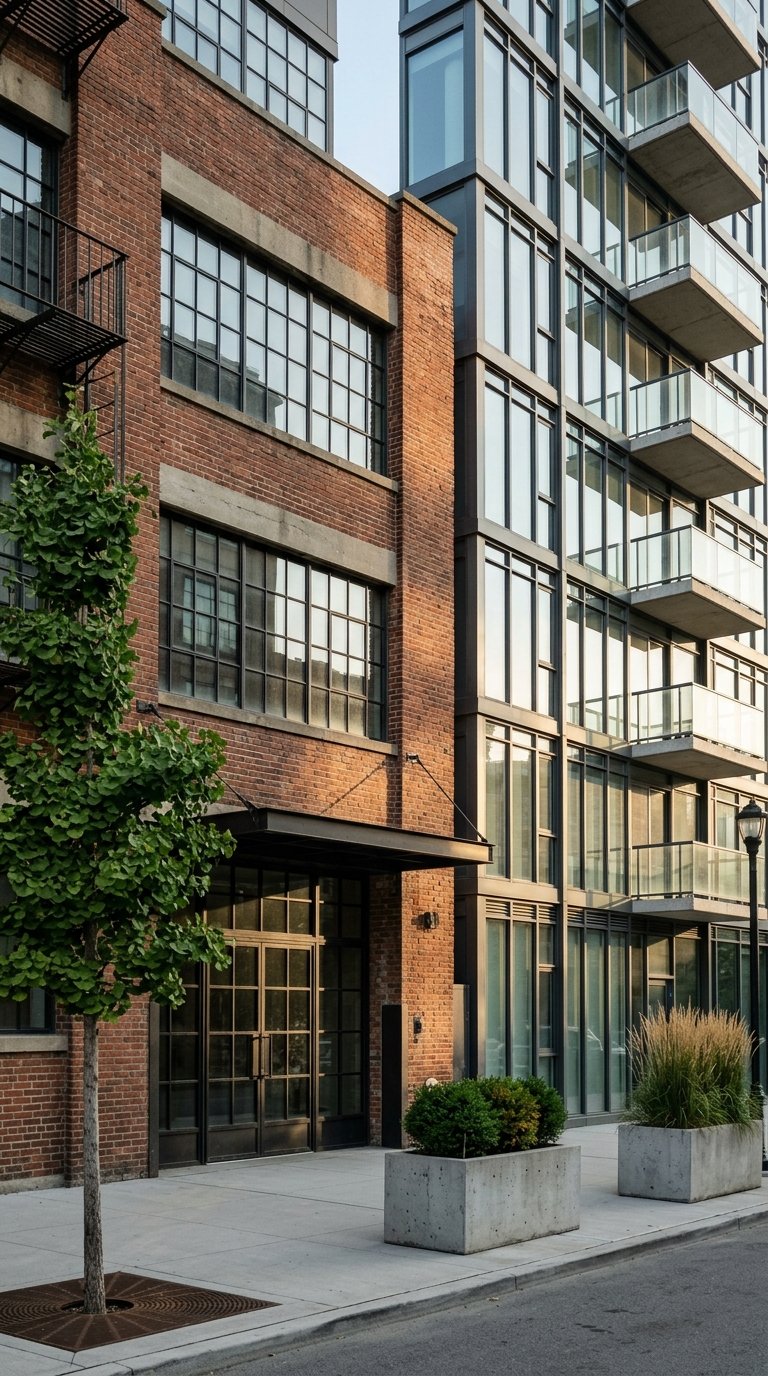
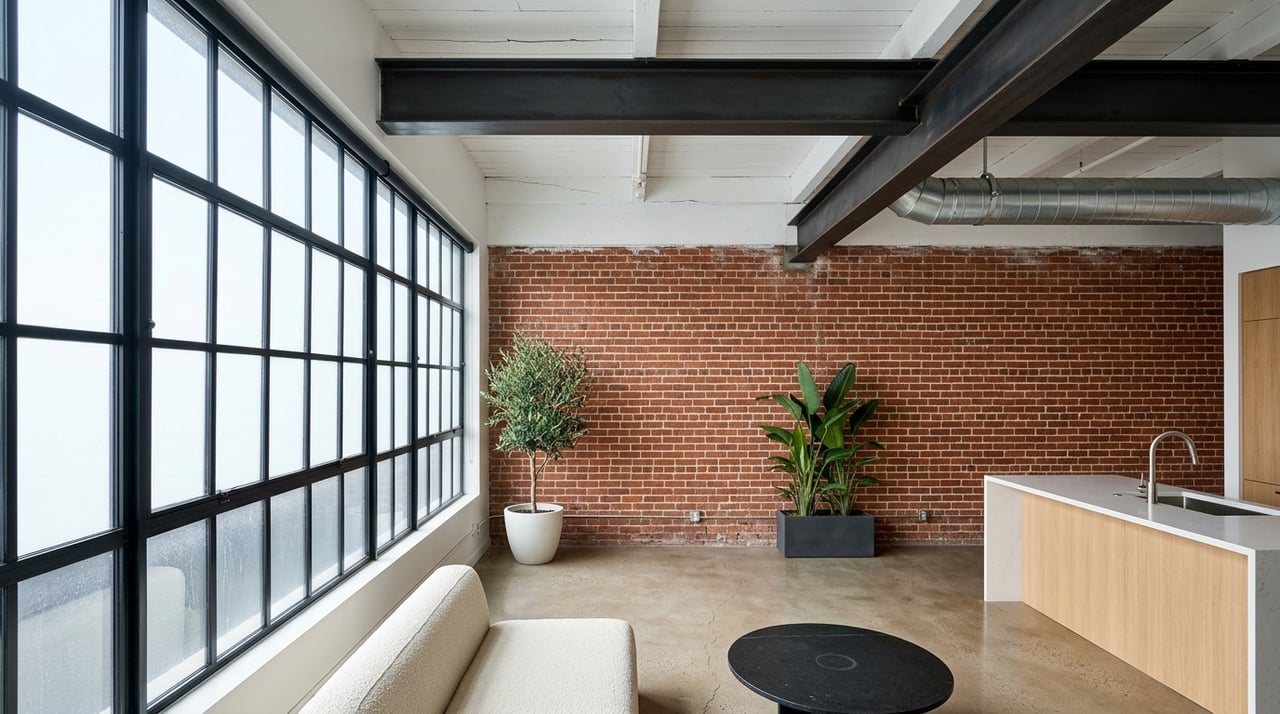
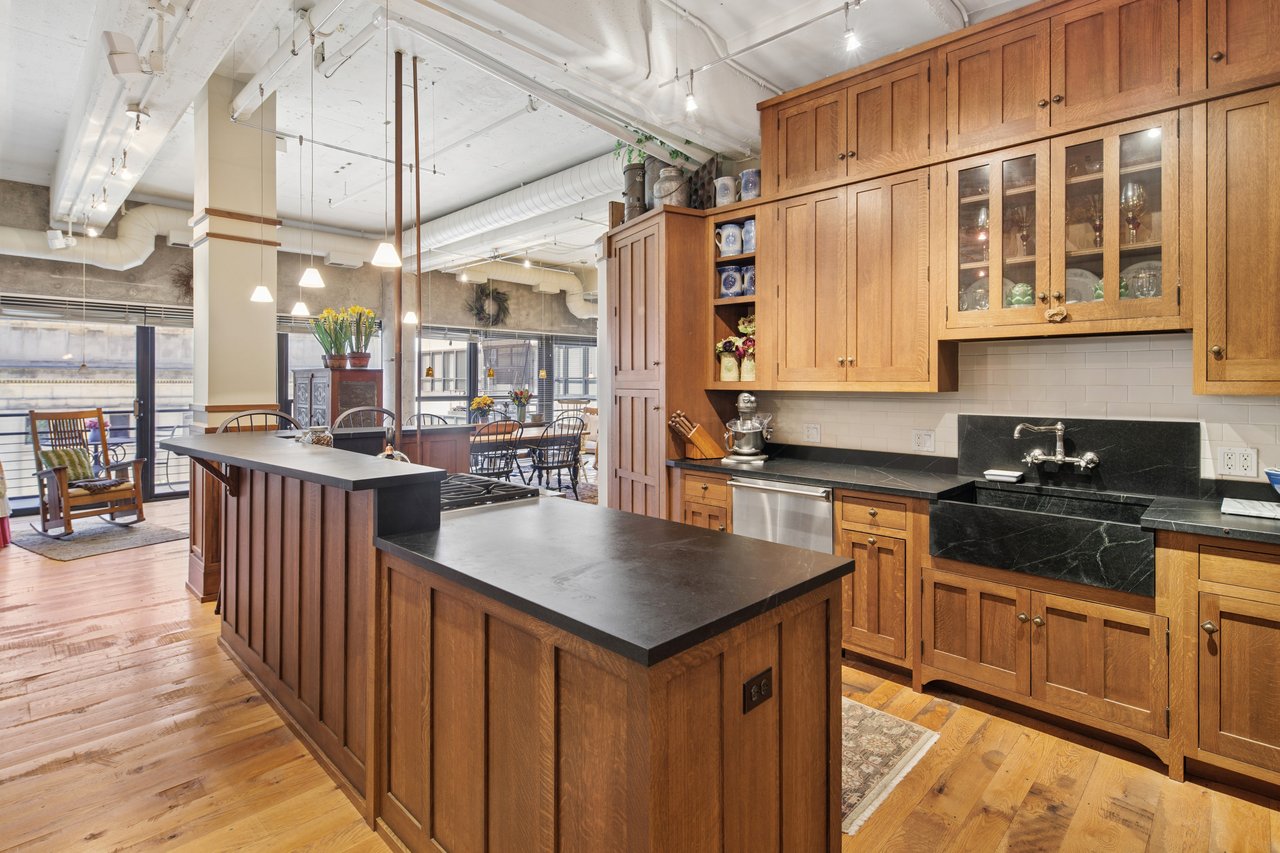
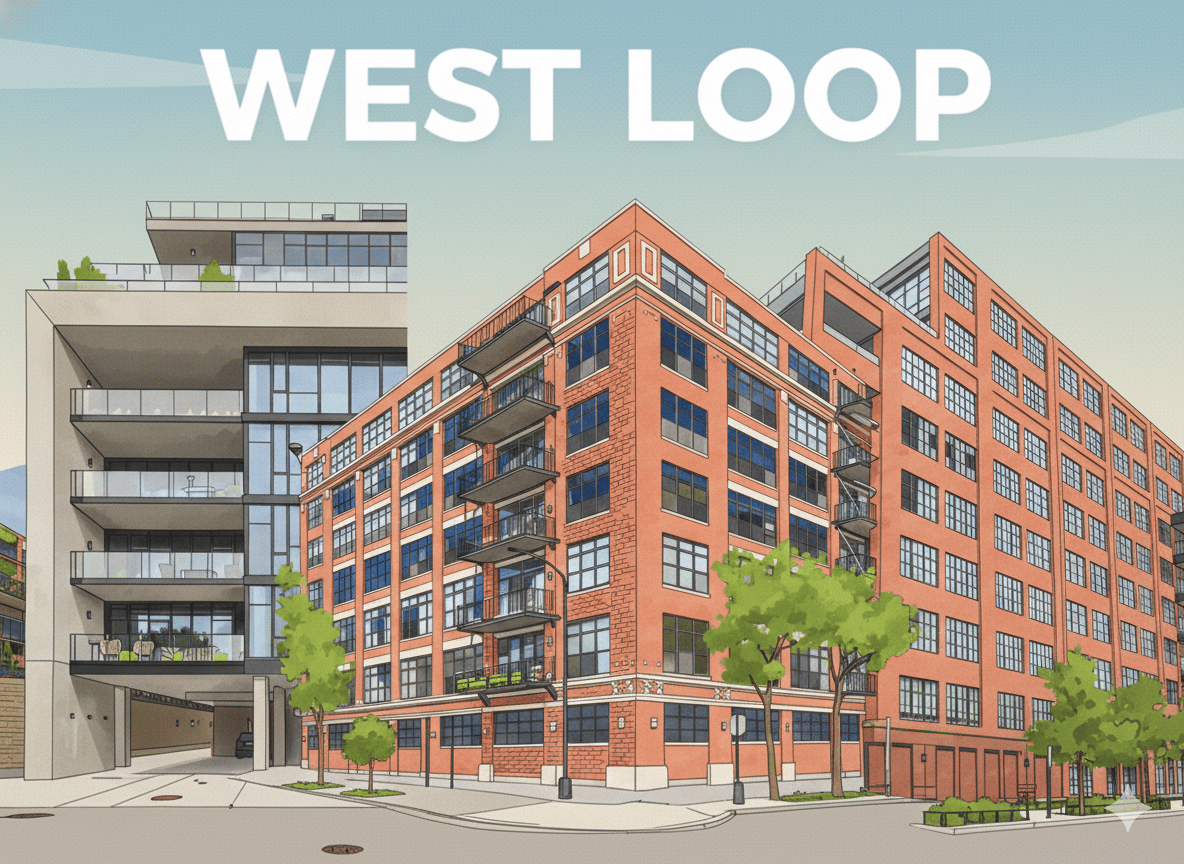
Buyers exploring this area often consider both new developments and classic loft buildings that define the West Loop loft lifestyle.
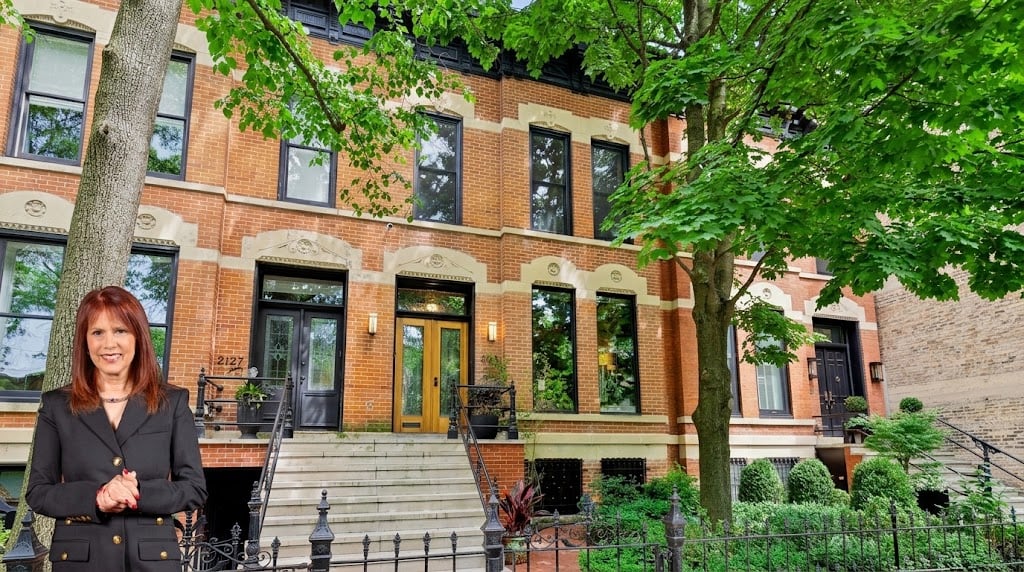
Why Lincoln Park Real Estate Holds Value Consistently
Lincoln Park is often viewed as one of Chicago’s most reliable long-term housing markets.
Key reasons include:
• Limited land for new development
• Strong neighborhood reputation
• Access to the lakefront and parks
• Highly rated schools
• Historic housing inventory
Neighborhood rankings consistently place Lincoln Park among the most desirable areas in Chicago for livability and residential stability. [2]
Real estate commentary also points to continued buyer demand for both condos and single family homes in the area, helping maintain strong property values even during slower market cycles. [5]
What Is Real Estate Appreciation
Real estate appreciation refers to the increase in property value over time, typically driven by rising demand, economic growth, neighborhood improvements, or limited housing supply.
Property values tend to rise when:
• Neighborhood demand increases
• New businesses and employers move nearby
• Housing supply is limited
• Infrastructure and amenities improve
Emerging neighborhoods often experience faster appreciation, while established neighborhoods typically see steadier value growth.
Understanding appreciation trends can also help sellers decide when the best time to sell a Chicago condo might be.
Recent Property Value Trends
Recent Chicago housing data illustrates the different appreciation patterns between these two neighborhoods.
West Loop condo prices have risen significantly since the mid-2010s as Fulton Market evolved into a major tech and corporate hub.
Lincoln Park property values have historically appreciated at a steadier pace, supported by limited housing supply and long-term residential demand.
Because West Loop continues attracting new businesses and high-income professionals, analysts expect the area to remain one of Chicago’s fastest-growing residential markets.
Is West Loop Chicago a Good Real Estate Investment?
West Loop is widely considered one of the strongest real estate investment areas in Chicago due to its rapid neighborhood transformation and continued corporate expansion in nearby Fulton Market.
Over the past decade, the area has attracted major companies, luxury residential development, and a thriving restaurant and entertainment scene. These factors have contributed to strong demand for both condos and loft properties.
Several characteristics support West Loop’s investment potential:
• Proximity to downtown Chicago offices
• Corporate headquarters growth in Fulton Market
• Continued residential development
• Strong demand from young professionals and relocating employees
Because of these factors, West Loop has experienced some of the fastest property appreciation in Chicago over the past decade. While future growth can never be guaranteed, the neighborhood’s economic momentum and desirable location continue to support strong buyer demand.
For investors and homebuyers looking for a neighborhood with long term growth potential, West Loop often ranks among the top choices in Chicago’s downtown housing market.
What Is a Stable Housing Market
A stable housing market is one where home values remain resilient during economic cycles.
Characteristics usually include:
• Limited housing inventory
• Strong neighborhood reputation
• Access to parks, schools, and transit
• Consistent buyer demand
Lincoln Park is often considered one of Chicago’s most stable residential markets because it consistently attracts long-term homeowners.
Local Expertise: How Buyers Actually Choose
In real estate conversations with Chicago buyers, the West Loop vs Lincoln Park choice often reflects lifestyle priorities.
Buyers who choose West Loop usually prioritize
• Walking distance to downtown offices
• Modern condo buildings with amenities
• Restaurant and nightlife access
• Shorter commute times
Buyers who choose Lincoln Park usually prioritize
• Larger homes and historic architecture
• Access to parks and lakefront recreation
• Long term neighborhood stability
Both markets remain highly competitive because demand consistently exceeds available inventory.
Key Takeaways
• West Loop has experienced rapid property appreciation due to corporate investment and development.
• Lincoln Park remains one of Chicago’s most stable and consistently desirable housing markets.
• West Loop tends to attract young professionals and investors.
• Lincoln Park appeals more to families and long term homeowners.
• Both neighborhoods benefit from strong demand and prime locations near downtown.
Which Chicago Neighborhoods Hold Property Value the Best?
When evaluating Chicago neighborhoods for long term property value, West Loop and Lincoln Park are frequently mentioned among the strongest performers.
Each neighborhood attracts buyers for different reasons.
West Loop
• Rapid appreciation over the past decade
• Corporate investment in Fulton Market
• High demand from downtown professionals
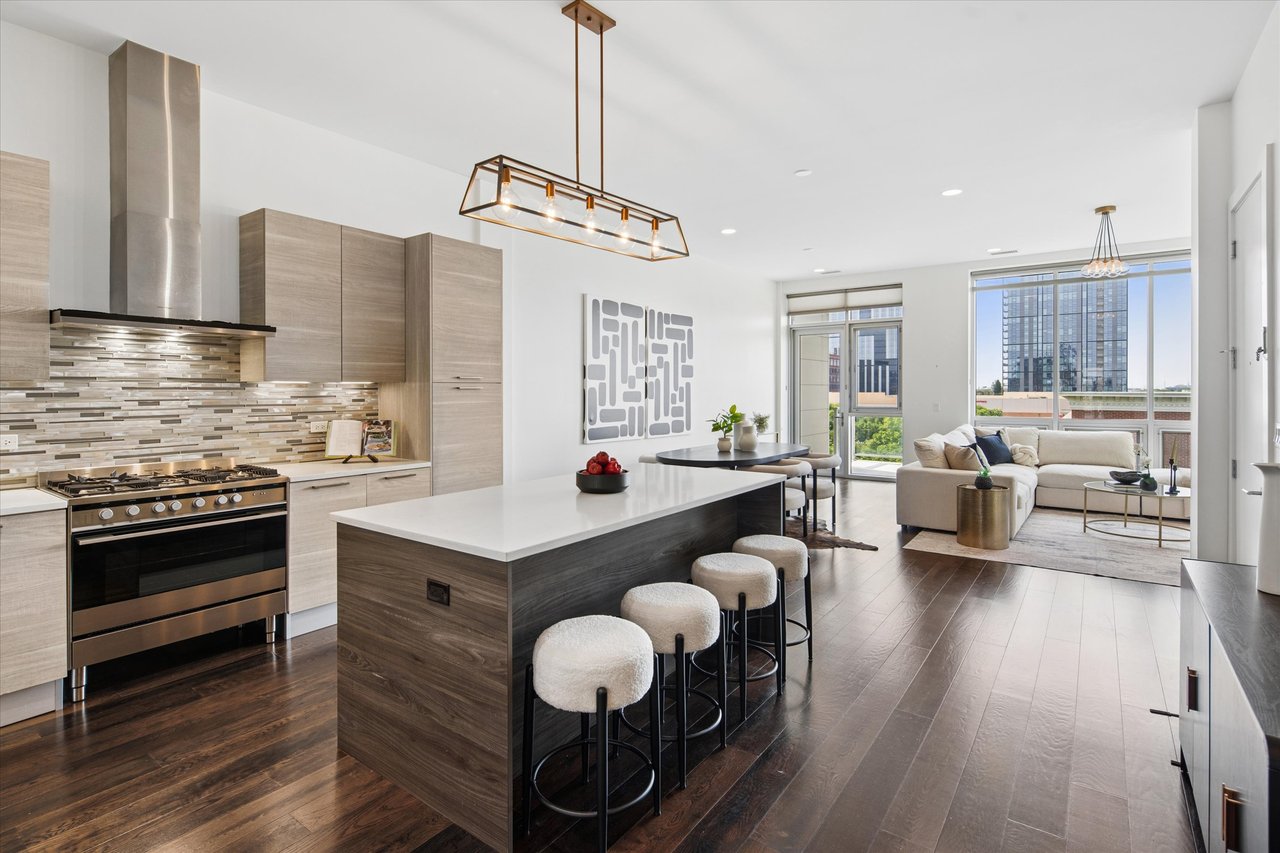
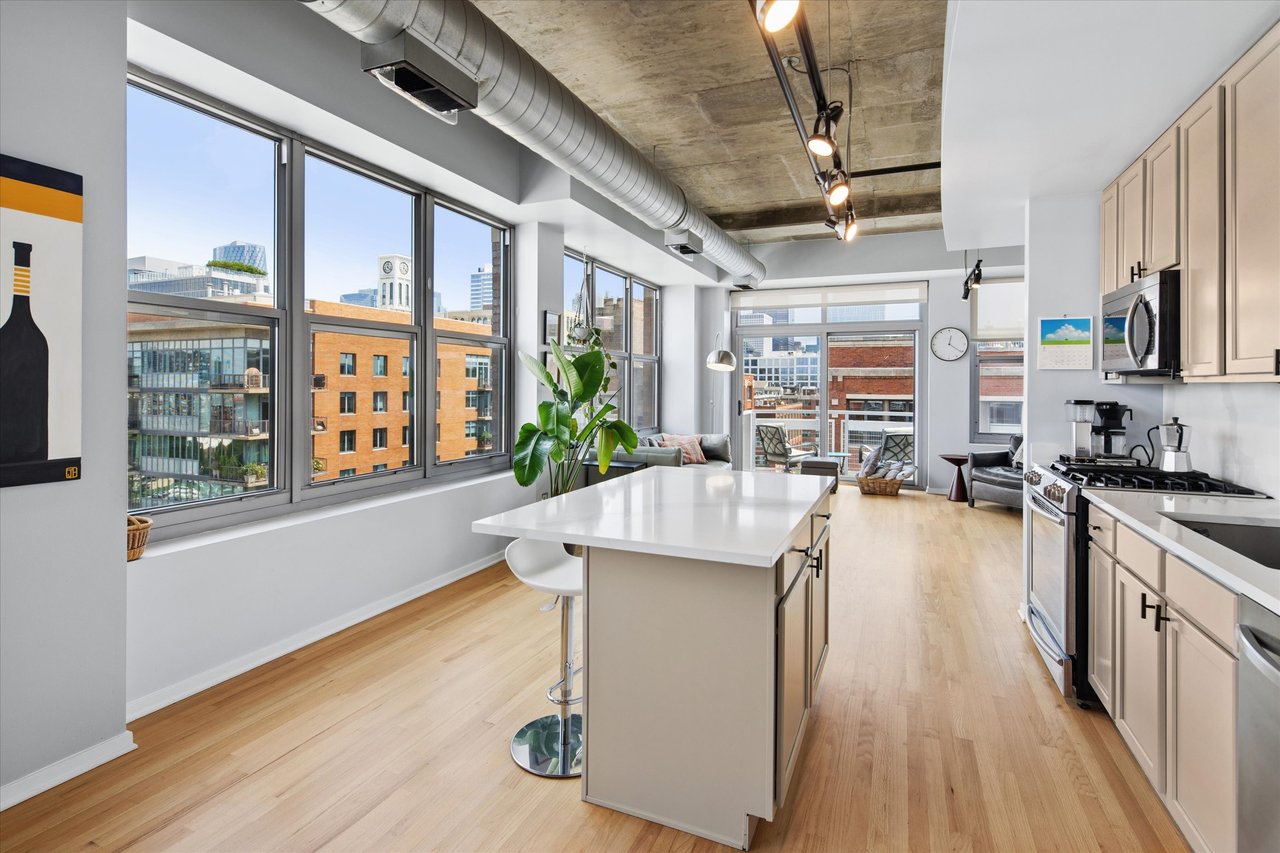
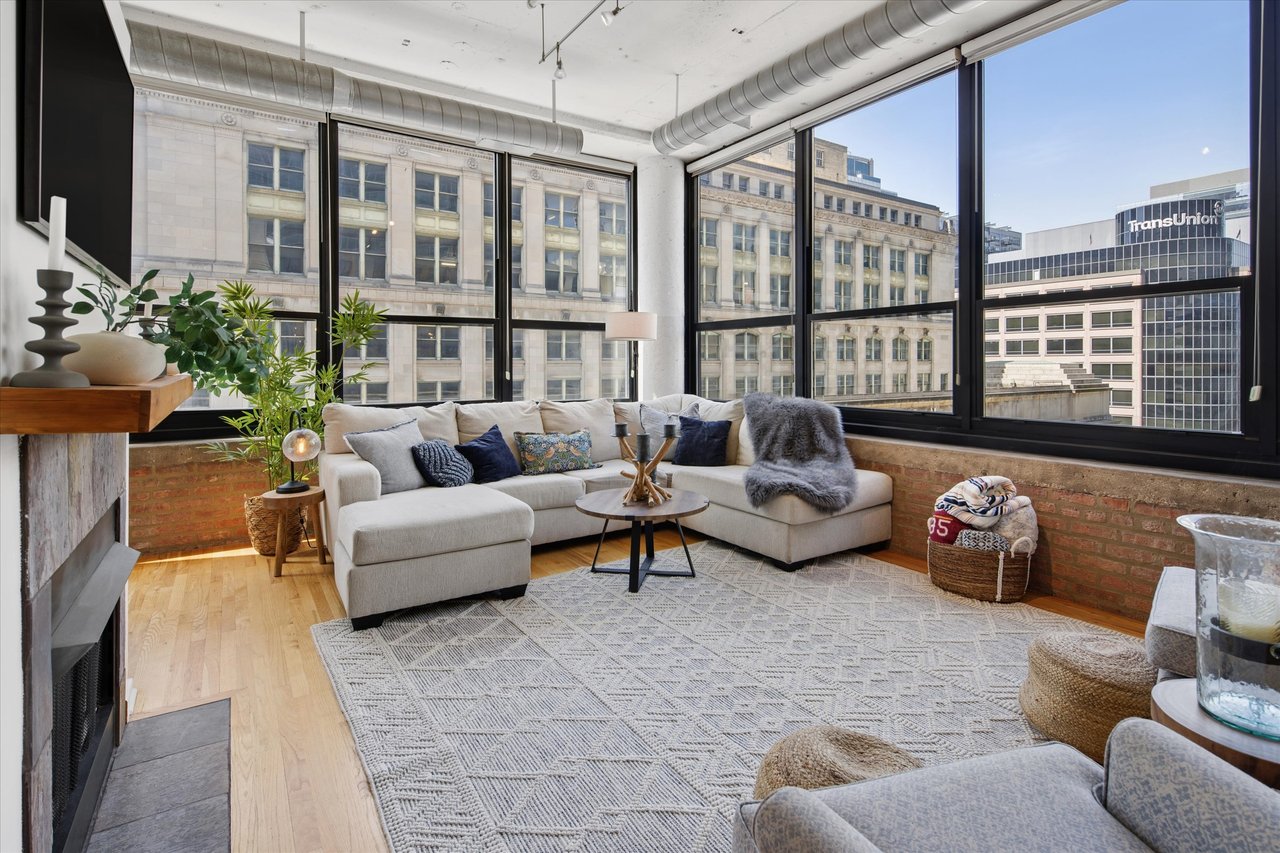
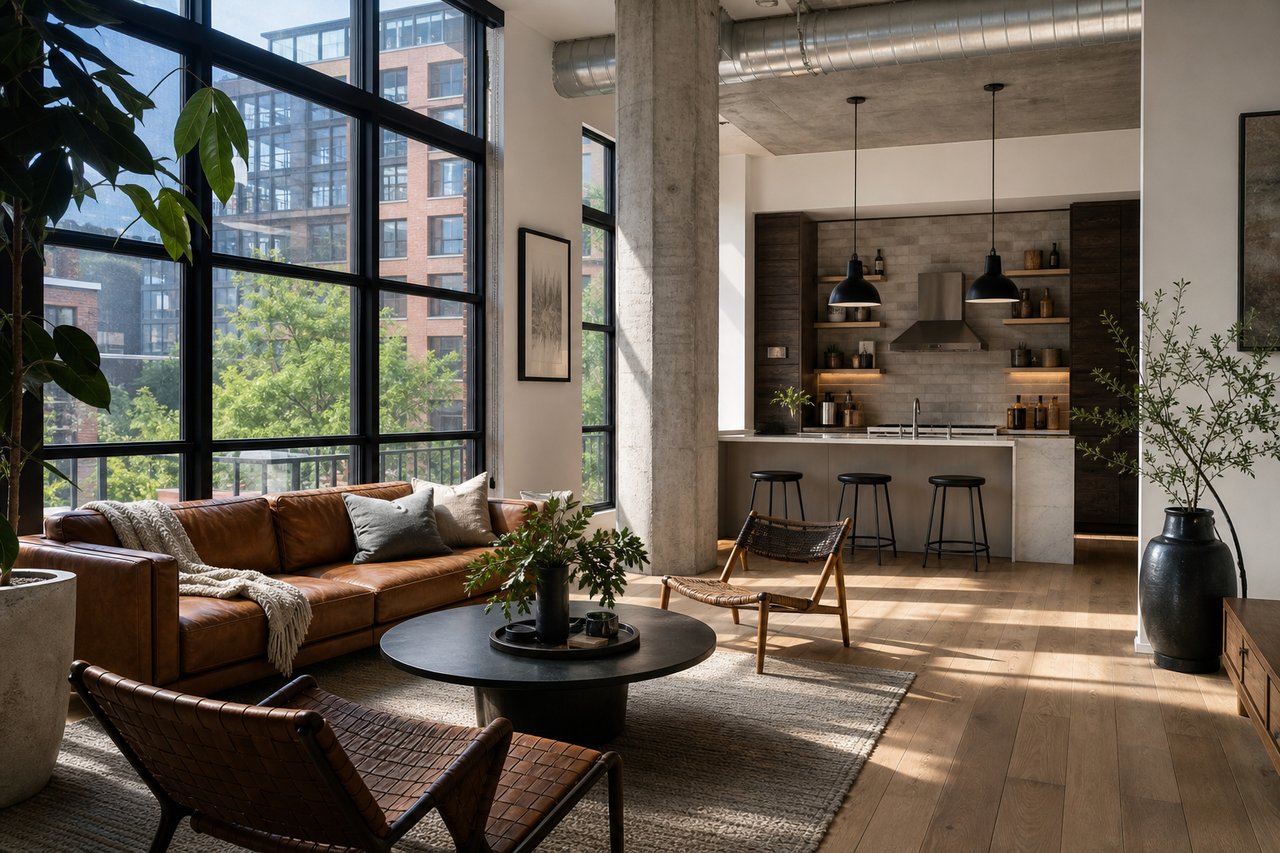
• Modern condo developments and loft conversions
Lincoln Park
• Limited housing inventory
• Strong reputation as a premier residential neighborhood
• Access to parks, the lakefront, and top rated schools
• Historic homes and long established community appeal
Because of these factors, both neighborhoods consistently rank among the most desirable areas in Chicago for real estate investment and long term homeownership.
For buyers deciding between the two, the choice usually depends on whether they prioritize growth potential or long term market stability.
Bottom Line
West Loop and Lincoln Park represent two of the strongest real estate markets in Chicago, but they offer different investment characteristics.
West Loop has delivered faster growth as the neighborhood evolves into a major business and dining district. Lincoln Park offers long-term stability and a proven track record of maintaining property values.
The best choice ultimately depends on whether your priority is appreciation potential or long term real estate stability.
In my experience working with buyers in both neighborhoods, the decision often comes down to lifestyle priorities. Many buyers relocating to Chicago gravitate toward West Loop because of its proximity to downtown offices and the Fulton Market restaurant scene.
Others who prioritize access to parks, the lakefront, and historic architecture often prefer Lincoln Park for its established residential character and long-standing market stability.
Both neighborhoods remain strong performers within the broader Chicago real estate market, attracting buyers who value location, lifestyle, and long term property stability.
Related Chicago Real Estate Guides
If you are researching Chicago neighborhoods or planning a real estate move, these guides may also help:
• Selling a Condo in Chicago: A Step by Step Guide
• What It’s Like to Live in a West Loop Loft
• 6 Downtown Chicago Condo Amenities That Actually Add Value
• Why a Solo Realtor May Be the Best Choice When Selling a Downtown Chicago Condo
Which Chicago Neighborhoods Are Appreciating the Fastest?
Several Chicago neighborhoods have experienced strong property appreciation over the past decade as the city’s economy and residential demand have evolved.
Among them, West Loop has been one of the fastest growing areas in Chicago real estate, largely due to the transformation of the Fulton Market district into a major corporate and technology hub.
Companies relocating to the area have attracted thousands of employees seeking housing within walking distance of downtown offices. This demand has helped drive new condominium development and rising property values.
Other Chicago neighborhoods that have experienced strong appreciation include:
• West Loop – rapid growth driven by Fulton Market corporate expansion
• Lincoln Park – steady long term value supported by limited housing supply
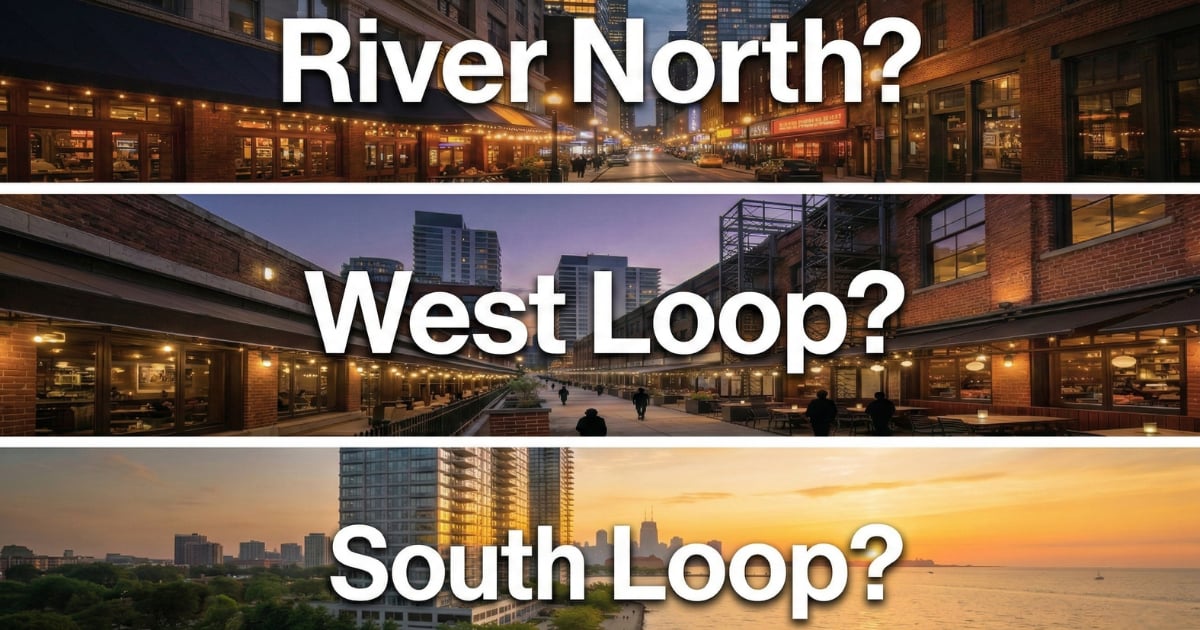
• Old Town– growing popularity with younger buyers and lakefront access
• River North – strong demand due to proximity to downtown and nightlife
• South Loop – continued residential development and downtown access
While each neighborhood performs differently, areas with strong job access, transit connectivity, and limited housing supply tend to experience the strongest long term appreciation.
Frequently Asked Questions
Is West Loop Chicago a good real estate investment?
Yes. West Loop is considered one of the strongest real estate investment areas in Chicago due to corporate expansion in Fulton Market, proximity to downtown offices, and continued luxury condo development. These factors have helped drive strong buyer demand and significant property appreciation over the past decade.
Does Lincoln Park hold property value well?
Yes. Lincoln Park consistently maintains strong property values because of limited housing inventory, access to parks and the lakefront, highly rated schools, and its reputation as one of Chicago’s most desirable residential neighborhoods.
Are West Loop condos expensive?
West Loop condos are generally considered part of Chicago’s premium condo market. Prices vary depending on the building, amenities, and location, but strong demand from professionals and investors has helped support higher property values in the neighborhood.
Which Chicago neighborhood is closer to downtown?
West Loop sits directly next to Chicago’s central business district, making it one of the shortest commutes to downtown offices. Lincoln Park is located slightly north of downtown but remains easily accessible by public transit and major roads.
Which Chicago neighborhood appreciates the fastest?
In recent years, West Loop has been one of the fastest appreciating neighborhoods in Chicago due to the growth of the Fulton Market district, corporate relocations, and strong demand for downtown condo living. Lincoln Park typically appreciates more steadily over time because of limited housing supply and strong long term residential demand.
References
[1] Grilli Murphy Real Estate. (2025). Best Neighborhoods in Chicago 2025.
[2] Niche. (n.d.). Lincoln Park - Chicago, IL.
[3] Turner, S. (2025). West Loop Chicago Real Estate: A Decade of Growth.
[4] Hancock, C. (2026). Fulton Market & West Loop 2026 Real Estate Market Insight.
[5] Gold Coast Realty. (2026). Why Chicago's Lincoln Park Real Estate Market Is On Fire!
ABOUT THE AUTHOR
Christine Hancock is a Chicago Realtor with @properties Christie’s International Real Estate and brings more than 25 years of experience in the downtown Chicago condo market. She specializes in high-rise and luxury condominium sales in West Loop, South Loop, River North, and Streeterville, helping buyers and sellers navigate complex transactions with data-driven pricing strategies and in-depth neighborhood expertise.
Christine works with both buyers and sellers to evaluate market trends, position properties competitively, and make confident real estate decisions in Chicago’s dynamic downtown housing market.
Call or text 312-296-9300 to discuss current market conditions or your real estate plans.