Why Smart Downtown Chicago Sellers Get a Pre-Listing Home Inspection
Should you get a home inspection before listing your condo or loft in Downtown Chicago?
Yes. And most sellers don't.
Here's What You Need to Know A pre-listing inspection lets you find and fix small problems on your terms before a buyer's inspector uses them as negotiating leverage. In Downtown Chicago, where condo transactions move fast and buyer credits at closing are real money, getting ahead of inspection issues is one of the most cost-effective things a seller can do.
Most Sellers Skip This. That's a Mistake.
Here's what happens in a typical downtown Chicago condo sale.
You list. You get a buyer. They hire an inspector. That inspector spends two to three hours finding everything that isn't perfect in your unit. Then the buyer's agent sends over a repair request, and suddenly you're looking at $3,000 to $8,000 in credit demands ten days before closing.
It happens constantly. And most of it is avoidable.
A pre-listing inspection flips the script. You hire a professional inspector before the home goes on the market. They walk through the unit the same way a buyer's inspector would. They find the outlet that stopped working in the guest room. The slow drain under the bathroom sink. The worn caulk around the tub. The HVAC filter that hasn't been changed in two years.
You fix those things. You move on.
When the buyer's inspector comes through later, there's less to flag. Less to negotiate. Less ammunition.
Small Problems Become Big Credits
This is the math that changes how sellers think about pre-listing inspections.
A leaky faucet might cost you $75 to fix before you list. If a buyer's inspector catches it, that same faucet becomes a $400 credit request. A broken GFCI outlet costs $30 to replace. At the negotiating table, it becomes part of a package ask that adds up fast.
These aren't hypotheticals. This is what happens in Downtown Chicago condo transactions every week across West Loop, River North, South Loop, Gold Coast, and Streeterville.
The National Association of Realtors has reported that inspection-related issues are among the top reasons deals are renegotiated or fall apart entirely. Fixing issues proactively keeps that from being your story.
Watch: Why Smart Chicago Sellers Get a Home Inspection Before They List
What a Pre-Listing Inspector Actually Looks For
A professional home inspector will examine the same systems a buyer's inspector would check. In a condo or loft, that typically includes:
- Electrical: outlets, panel, GFCI protection, breakers
- Plumbing: faucets, drains, shut-offs, water pressure, visible supply and drain lines
- HVAC: unit operation, filters, thermostat function
- Windows and doors: seals, latches, operation, weatherstripping
- Appliances: dishwasher, range, oven, range hood
- Ceilings and walls: staining, cracking, signs of moisture
- Flooring: damage, wear, transitions
- Balcony or terrace: if applicable, condition and drainage
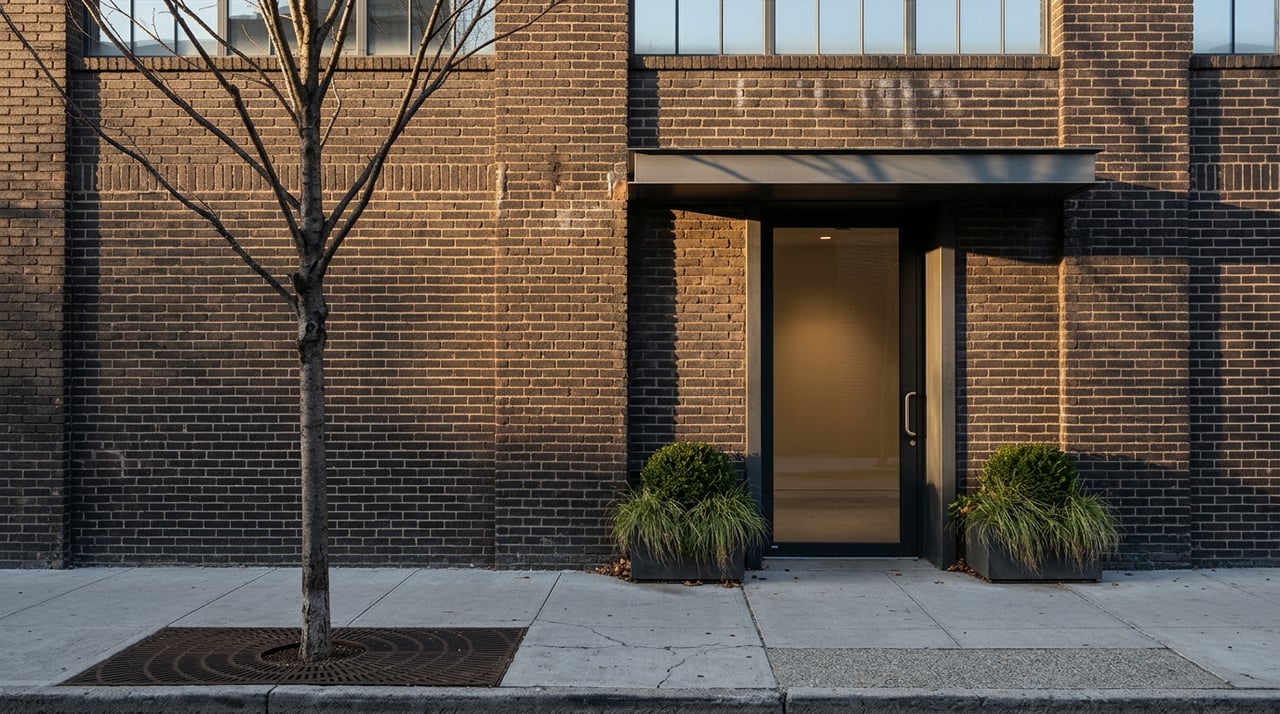
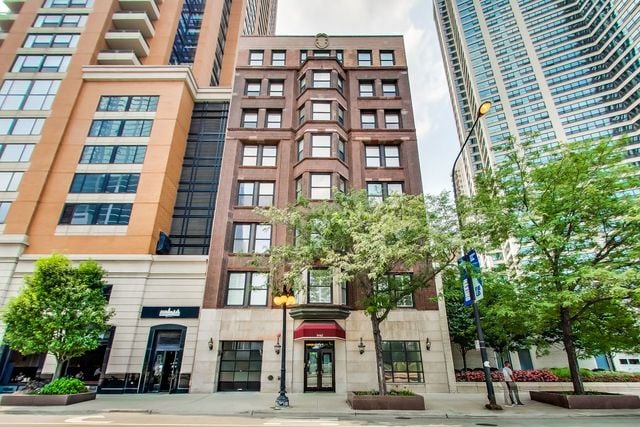
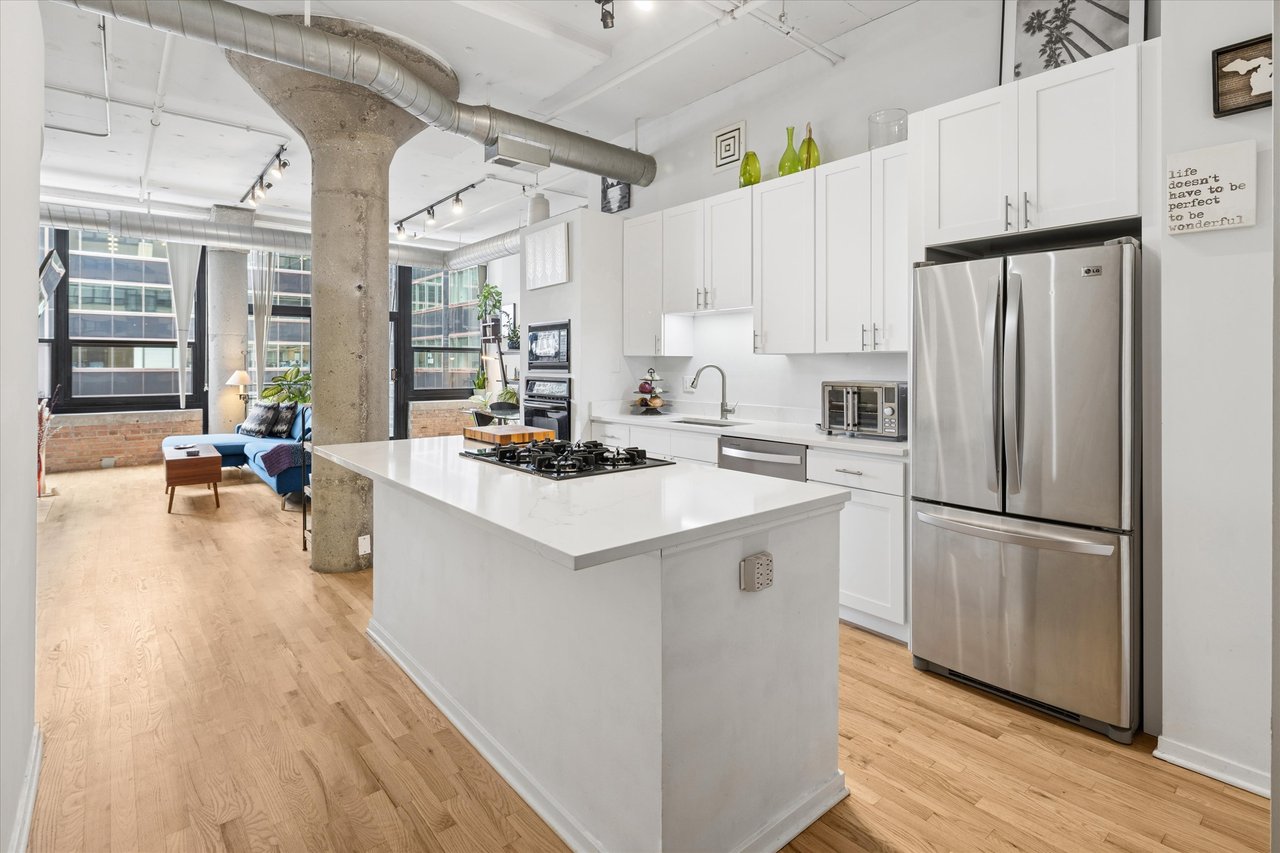
In loft-style units across buildings like Haberdasher Square Lofts in the West Loop or similar timber loft properties, inspectors also note exposed structural elements, brick condition, and original windows. In high-rise condos, they'll check in-unit systems but won't touch common elements that are the building's responsibility.
Knowing the difference between what's on you and what falls to the HOA is important. Your agent should help you sort that out before the inspection takes place.
It Signals Something Buyers Notice
There's a secondary benefit to a pre-listing inspection that doesn't show up in the numbers but absolutely affects how a deal plays out.
When a seller discloses a completed pre-listing inspection, buyers pay attention. It signals that the seller is organized, that the home has been maintained, and that there aren't hidden problems waiting to surface. That kind of confidence from a seller affects how buyers behave. They're less likely to come in low. They're less likely to use the inspection period to renegotiate aggressively.
Sellers who are transparent about property condition tend to attract more serious buyers who are ready to close. That tracks with what I see in Downtown Chicago every year.
How It Affects Your Inspection Period
In Illinois real estate transactions, buyers typically have five to ten business days for inspections. That window is where deals go sideways.
An unresolved inspection report gives a buyer's agent room to work. They compile every finding, even minor ones, into a single credit or repair request. You either negotiate it down, agree to something you hadn't budgeted for, or watch the deal fall apart entirely.
A pre-listing inspection removes most of that leverage before it ever gets used. You've already seen the report. You've already made the repairs. The buyer's inspector comes through and finds a clean unit.
The Illinois Association of Realtors consistently emphasizes that thorough pre-listing preparation reduces friction during attorney review and inspection periods. That's especially true in competitive inventory environments like the Downtown Chicago condo market.
What It Costs vs. What It Saves
A professional home inspection for a condo or loft in Downtown Chicago typically runs $300 to $450 depending on unit size and building type. Some inspectors charge slightly more for older loft buildings with complex mechanical systems.
That same inspection, if you skip it, could cost you $3,000 to $10,000 in buyer credits at closing. That's not a worst-case scenario. That's a fairly typical outcome when a buyer's inspector finds a list of deferred maintenance items that the seller hasn't addressed.
One conversation I have often with sellers in West Loop and River North goes like this: "I've looked past that for years, it doesn't bother me." It will bother a buyer. And it will bother them in the form of a credit request at the worst possible time.
Fix it on your schedule for $150. Or fix it on the buyer's schedule for $1,800. Your choice.
Pre-Listing Inspections in Downtown Chicago Condos: What's Different
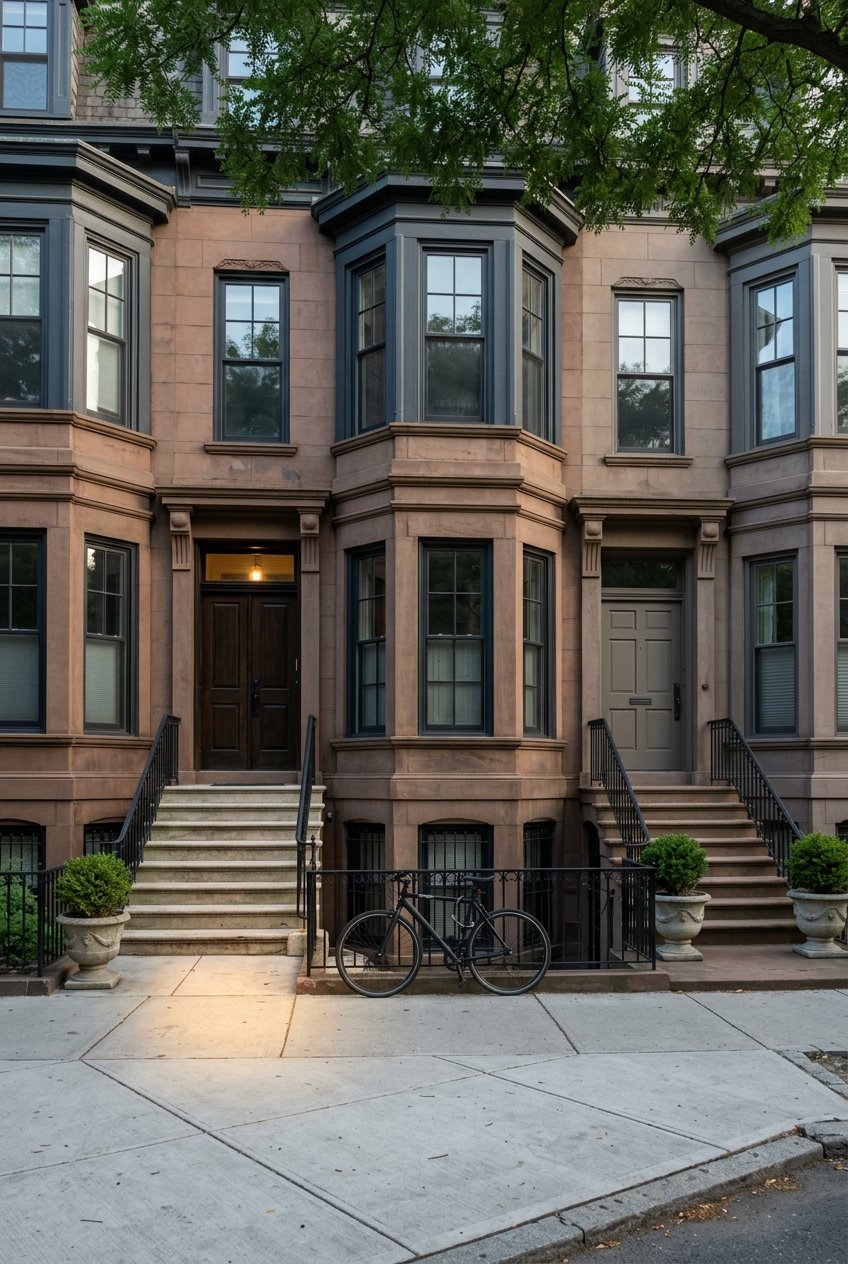
Selling a condo in Chicago is not the same as selling a single-family home, and your inspection strategy should reflect that.
In a high-rise or mid-rise building, the inspection focuses on in-unit systems only. Common areas, the roof, the facade, and building mechanicals are the HOA's responsibility. Your inspector isn't going to the roof. They're not checking the lobby elevator.
What they will check is everything inside your four walls, and that's exactly where a buyer will focus their attention.
For loft buildings, particularly older brick-and-timber properties in the West Loop, the inspection is more nuanced. Original windows, exposed brick, wood beam conditions, and older plumbing can all generate findings. Knowing those in advance and addressing what you can is smart seller strategy.
In both cases, the goal is the same. Know what you're selling before the buyer's team does. Take away their leverage before it exists.
Key Takeaways
- A pre-listing inspection lets you find and fix problems before a buyer uses them against you at the negotiating table.
- Small repairs cost a fraction of what buyer credit requests typically demand.
- In Downtown Chicago condos and lofts, the inspection covers in-unit systems only, so focus there.
- Sellers who disclose a pre-listing inspection signal confidence and attract more serious buyers.
- The cost of a professional inspection is $300 to $450. The cost of skipping it can be several thousand dollars at closing.
The Bottom Line
Getting a pre-listing home inspection is one of the most straightforward ways to protect your net proceeds when selling a condo or loft in Downtown Chicago. It costs a few hundred dollars. It takes a few hours. And it removes some of the most common and costly friction points in a real estate transaction.
The sellers who skip it are the ones who end up agreeing to credits they didn't plan for, two days before a closing they've already scheduled movers around. Don't be in that position.
Be proactive. Fix things on your terms. Show up to the closing table with the deal intact.
FAQ
Do I have to disclose the pre-listing inspection report to the buyer? In Illinois, disclosure requirements are specific to known material defects. If your pre-listing inspection reveals issues and you choose to repair them, disclosure obligations center on what remains unresolved. Your attorney and agent will help you navigate this correctly, but the general rule is: fix what you can, and be honest about what remains.
Can a buyer still request their own inspection if I've already done one? Yes. The buyer has the right to conduct their own inspection regardless of what you've done. Your pre-listing inspection doesn't replace theirs. What it does is reduce what they're likely to find, which reduces their ability to renegotiate.
What if the pre-listing inspection finds something major? That's actually the best outcome. You find it. You decide how to handle it, whether that's fixing it, pricing for it, or disclosing it. The alternative is the buyer finds it and demands a credit at the worst possible moment in the transaction.
Does a pre-listing inspection help in a slow market? Especially then. In a slower market, buyers are more selective and more aggressive in inspection negotiations. A clean unit that's been pre-inspected gives buyers fewer reasons to walk away or renegotiate.
How do I find a good home inspector in Downtown Chicago? Ask your listing agent for a referral. Experienced downtown agents work with inspectors who understand condo and loft properties, including older timber buildings in the West Loop and high-rise units in River North and Streeterville. The inspector's familiarity with your building type matters.
ABOUT THE AUTHOR
Christine Hancock is a Chicago Realtor with @properties Christie's International Real Estate, bringing more than 25 years of experience and over $200 million in closed sales in the downtown condo market. With 96 five-star Zillow reviews, Christine is recognized for her commitment to client satisfaction and market expertise.
She specializes in high-rise and luxury condominium sales in West Loop, South Loop, River North, and Streeterville, helping buyers and sellers navigate complex transactions with data-driven pricing strategies and deep neighborhood insight.
Christine partners with clients to evaluate market trends, position properties competitively, and make confident, informed decisions in Chicago's vibrant downtown housing market.
Call or text 312-296-9300 to discuss current market conditions or your real estate goals.
Pro Tips:
Understanding Property Tax Credits at Closing in Cook County
My Journey as the West Loop Real Estate Expert
Why Every Downtown Chicago Home Seller Needs Professional Photos