How to Price Your Chicago Condo for the Best Offer
The right list price for your Chicago condo right now is the one that matches what buyers are actually paying in your building this quarter, not what your unit was worth two years ago, not what you owe, and not what Zillow says. In today's Downtown Chicago market, condos are closing in a median of 12 days, which means your list price has to be right on day one.
THE SHORT ANSWER
Price your Chicago condo based on the most recent closed sales in your building and your direct comp set, not the active listings sitting around you. With Downtown Chicago condos closing in a median of just 12 days and a $10,000 gap between median list and sold prices, sellers who guess high lose money. Sellers who price correctly attract multiple buyers in the first week.
What the Chicago Condo Market Actually Looks Like Right Now
Here are the real numbers. In the current Downtown Chicago condo market, there are 39 condos actively listed and 41 already closed. The median time to close once a unit goes pending is 12 days.
That last number matters more than most sellers realize. A 12-day median close time tells you buyers are not browsing. They are deciding.
Here's the number that should shape every pricing conversation. The median list price and the median sold price are about $10,000 apart. That is a tight gap. Tighter than most sellers expect.
For broader context on how Chicago condos are performing, the Chicago Association of REALTORS® tracks monthly inventory, closed sales, and median pricing across the city.
Why the $10,000 Gap Is Not a Negotiating Cushion
Here is where sellers make their first mistake. They look at a $10,000 spread between list and sold and assume it is a built-in negotiating buffer. As in, list at $510,000, sell at $500,000, everyone wins.
That is not what the data is saying.
A $10,000 gap on Downtown Chicago condos in a 12-day market means most sellers are pricing within $10,000 of what their unit will actually close at. There is no fat. There is no padding. The sellers who close in 12 days priced almost exactly right.
The sellers who tried to build in a "negotiating cushion" of $25,000 or $50,000 are the ones still sitting on the market. They are not in the 41 closed deals. They are part of the 39 active listings, watching their days on market climb.
When the gap is this narrow, your list price is not your starting point. It is your finishing point, plus or minus a small adjustment.
Why Does Day-One Pricing Matter So Much?
In a 12-day market, buyers move fast and they sort even faster.
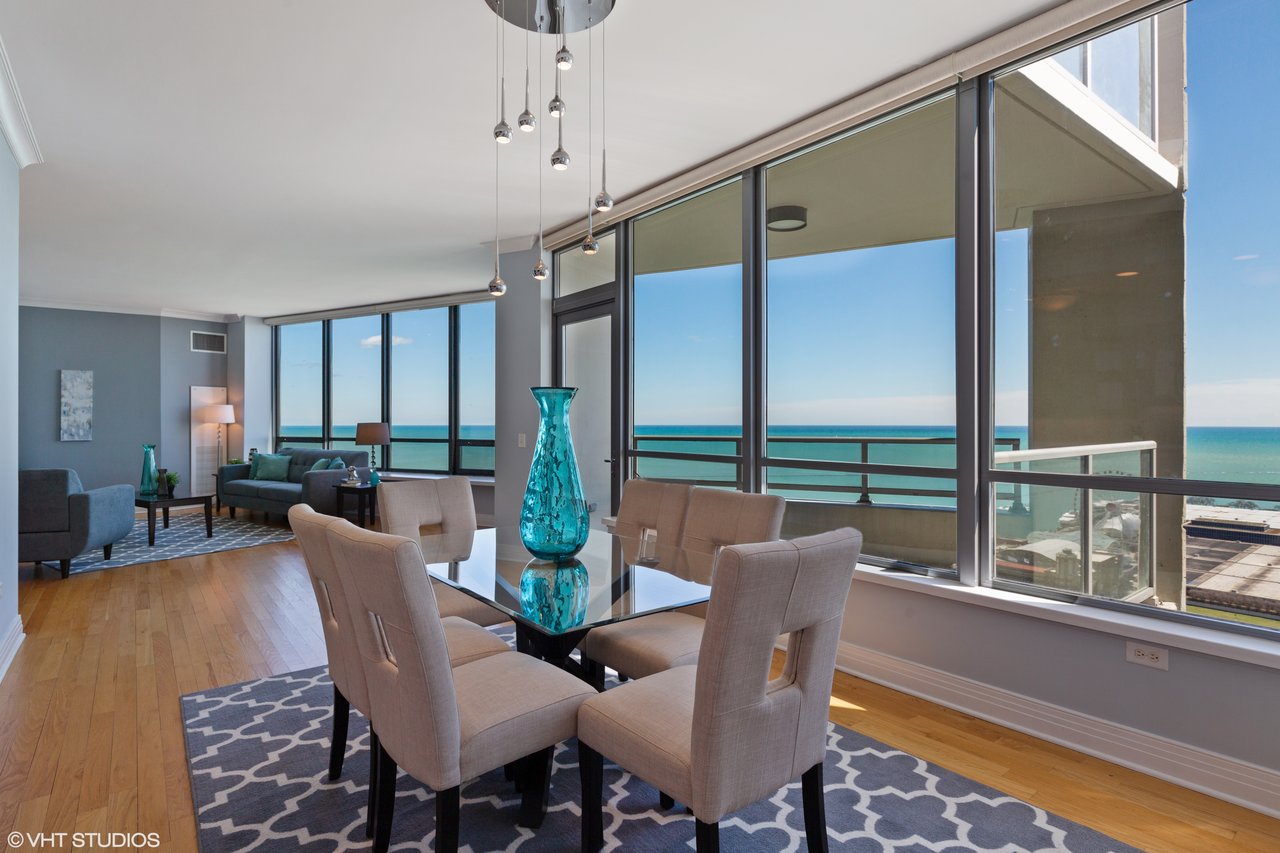
Serious Downtown Chicago condo buyers get daily MLS alerts. The minute your listing goes live, it hits their inbox or their agent's. They scan the photos, the price, the building, and the address in about 15 seconds.
Then they make one of three decisions. Tour it this weekend. Save it for later. Skip it entirely.
Buyers do not negotiate listings they skip. They negotiate listings they tour. So if your price puts you in the "skip" pile on day one, you do not get a second chance to win those buyers back. Even if you reduce later, that buyer has already moved on, already toured three other units, and may already be under contract somewhere else.
This is why day-one pricing is everything. You are not pricing for the buyer who will eventually offer. You are pricing for the buyer who decides in the first 15 seconds whether you are worth their Saturday afternoon.
For more on how buyers approach offers right now, the National Association of REALTORS® publishes regular buyer behavior research that confirms this pattern across major metros.
What's the Difference Between a Strategic List Price and Wishful Thinking?
Before I sit down with any condo seller to set a number, I tell them this. There are two prices on the table. The price the data supports. And the price the seller wishes the data supported.
A strategic list price is built from:
- Closed sales in your building from the last 90 days
- Units on similar floors with similar layouts and views
- Active competition right now in your building and across your direct comp set
- The condition and finish level of your unit compared to what just sold
- Current absorption rate, meaning how fast units in your tier are actually moving
Wishful thinking is built from:
- The highest sale ever recorded in your building
- The Zestimate, which I will get to in a moment
- What you paid in 2019 plus an arbitrary appreciation percentage
- What your neighbor told you they think your place is worth
- The mortgage balance you need to pay off
When those two prices match, listing is simple. When they do not match, the seller has a choice to make. Trust the data, or test the market. Testing the market is expensive in a 12-day environment.
What Are the Most Common Pricing Mistakes Chicago Condo Sellers Make?
After 25 years and 300 plus West Loop closings, these are the patterns I see again and again.
Mistake 1: Anchoring to the Highest Sale in the Building
Buyers and appraisers do not care about the highest sale. They care about the most recent comparable sales. If a penthouse with a parking space, a private terrace, and a recent renovation sold for $750,000, that does not mean your standard one-bedroom on the 8th floor is worth $750,000.
Mistake 2: Trusting the Zestimate Without Verification
The Zestimate is a useful starting point and that is all it is. Zillow's own published median error rate for off-market homes is around 7 percent. On a $500,000 Chicago condo, that is a $35,000 swing. And condo Zestimates tend to be less accurate than single-family estimates because algorithms struggle with floor levels, views, layout variations, and HOA differences within the same building.
Mistake 3: Pricing for What You Need, Not What the Unit Is Worth
I understand. You have a mortgage to pay off, a down payment to fund on your next place, and closing costs to cover. None of that changes what a buyer will pay. The market does not care about your number. It cares about its number.
Mistake 4: Ignoring Active Competition
If there are three units in your building listed right now and two are priced lower than yours with similar layouts, you are not the buyer's first call. You are the price reference they use to make those other two look like a deal.
Mistake 5: Building in Too Much Negotiating Room
Back to that $10,000 median gap. In this market, listing $25,000 high to "leave room to negotiate" usually does the opposite. It pushes you out of the buyer's search filter. Buyers searching $450,000 to $500,000 never see your listing at $525,000. By the time you reduce, you have already lost the first wave of demand, which is the most valuable wave you get.
The closed sales data shows where offers actually land. And it is much closer to the list price than most sellers assume.
How to Read Your Own Building's Recent Sales Before You List
This is the most important homework you can do before pricing your Chicago condo. Pull the data for your building specifically.
Look at:
1. Closed sales in your building in the last 90 days. Not active listings. Not pending. Closed. Closed means the appraisal cleared, the financing cleared, and a real buyer paid a real number.
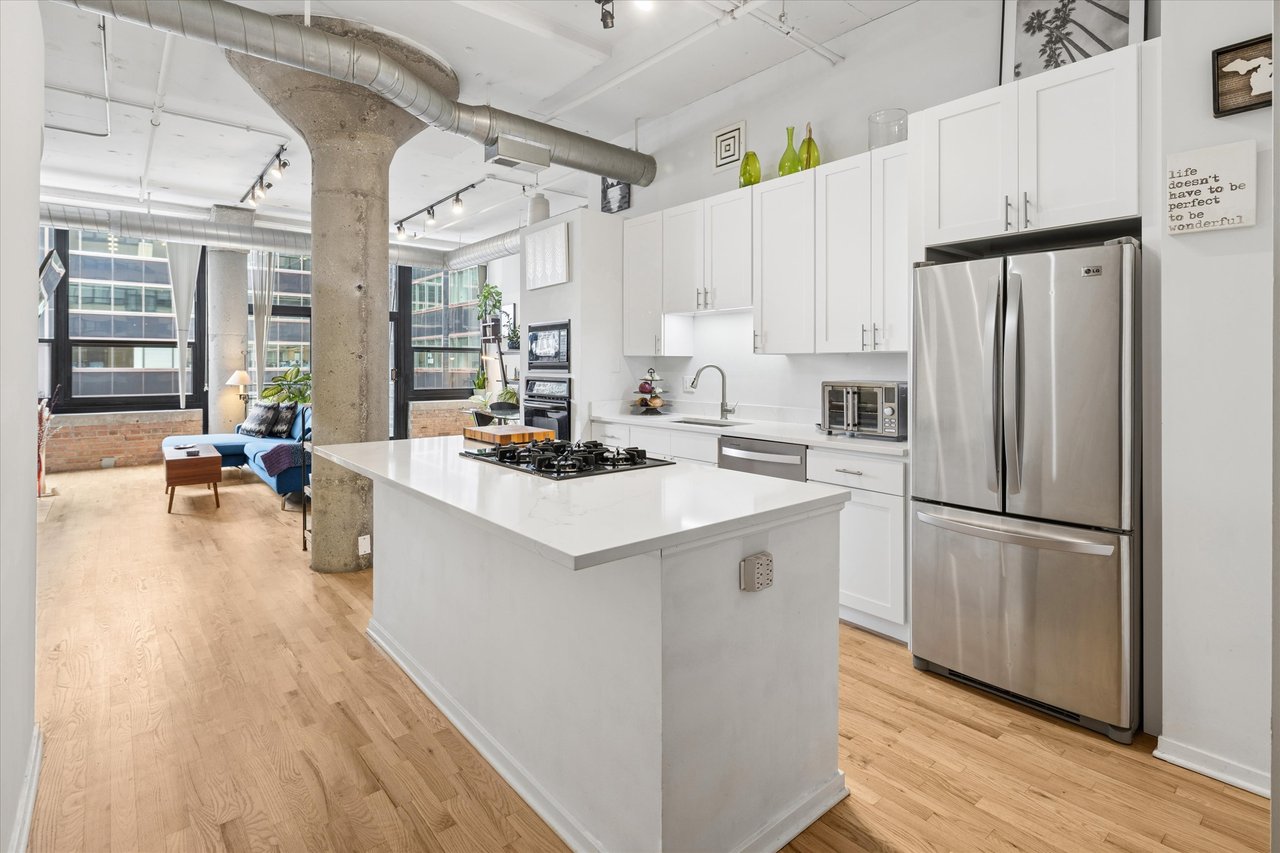
2. Units on similar floors with similar layouts. A 12th-floor two-bedroom with east-facing windows is not a comp for a 4th-floor two-bedroom facing the alley. Same square footage. Different value.
3. Condition and finish level. A unit that sold last month with original 2005 finishes is not the same comp as a unit with a 2024 kitchen and new bathrooms. Adjust accordingly.
4. Days on market for each closed sale. If recent closings in your building took 30 to 60 days, the market is slower in your building than the Downtown 12-day median suggests. If they closed in 8 to 14 days, your building is moving with the market.
5. List price to sold price ratio. Did sellers in your building get full asking? Did they reduce first? Did some sell over ask? This tells you exactly where pricing power sits in your specific building.
If you do not have access to MLS data, your agent should be pulling this for you before you ever discuss a list price. If they cannot, that is a problem.
For an even broader view of building-by-building pricing strategy in West Loop, I covered the same data approach in my West Loop selling strategy post.
Key Takeaways
- Downtown Chicago condos are closing in a median of 12 days, which means your list price has to be right on day one
- The $10,000 gap between median list and sold price is not negotiating room, it is the tight margin sellers are operating in
- Buyers decide in 15 seconds whether to tour your unit based on price, photos, building, and address
- The Zestimate is a starting point with a 7 percent median error rate, not a final pricing answer
- Recent closed sales in your specific building are the only data that actually tells you where offers will land
The Local Expertise Piece
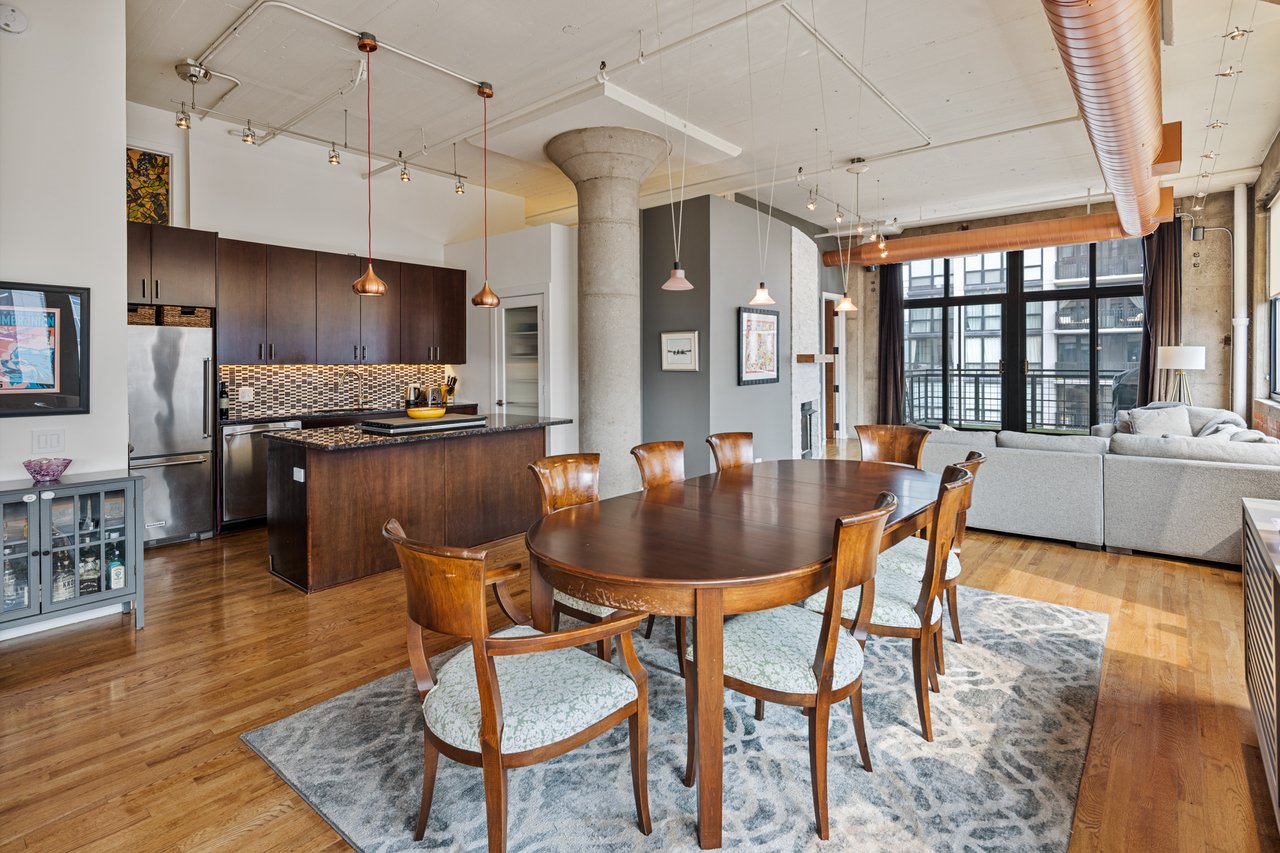
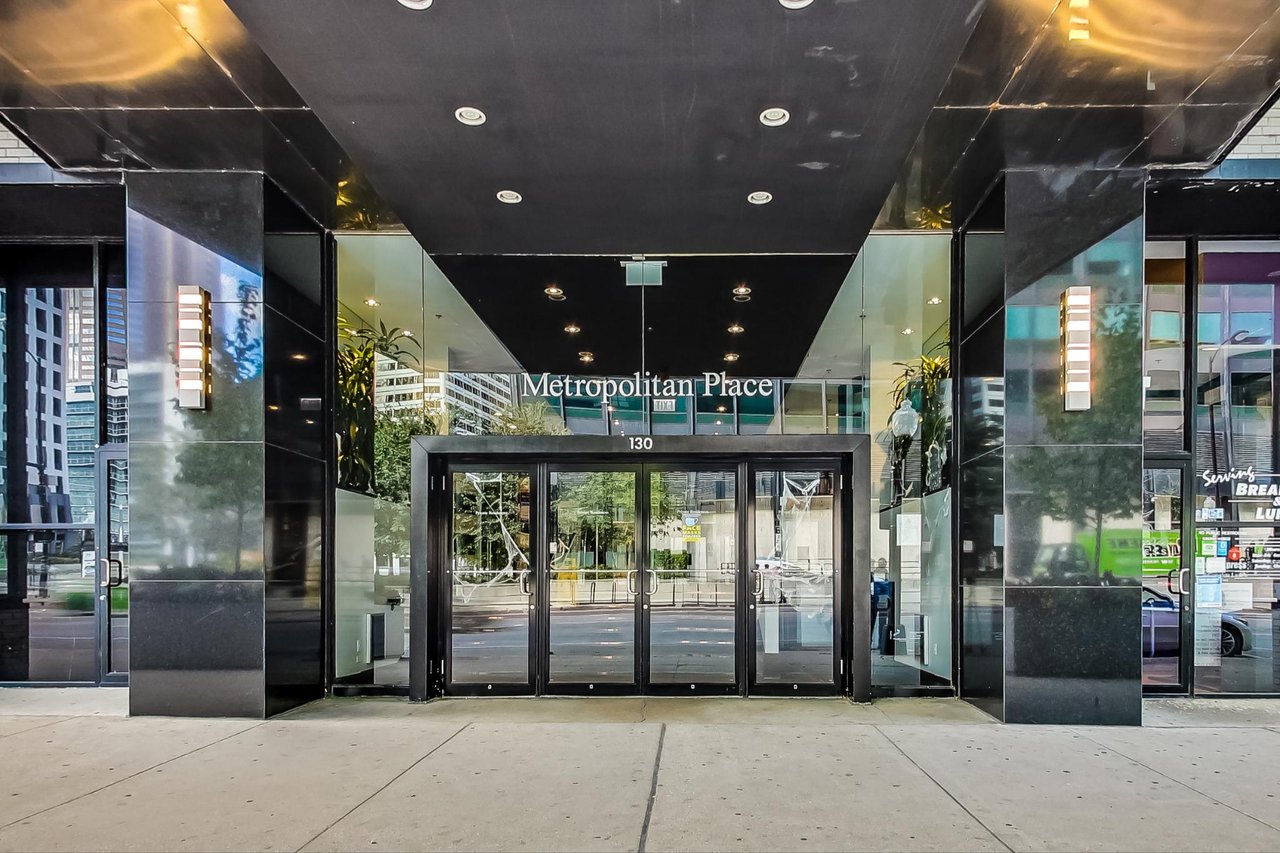
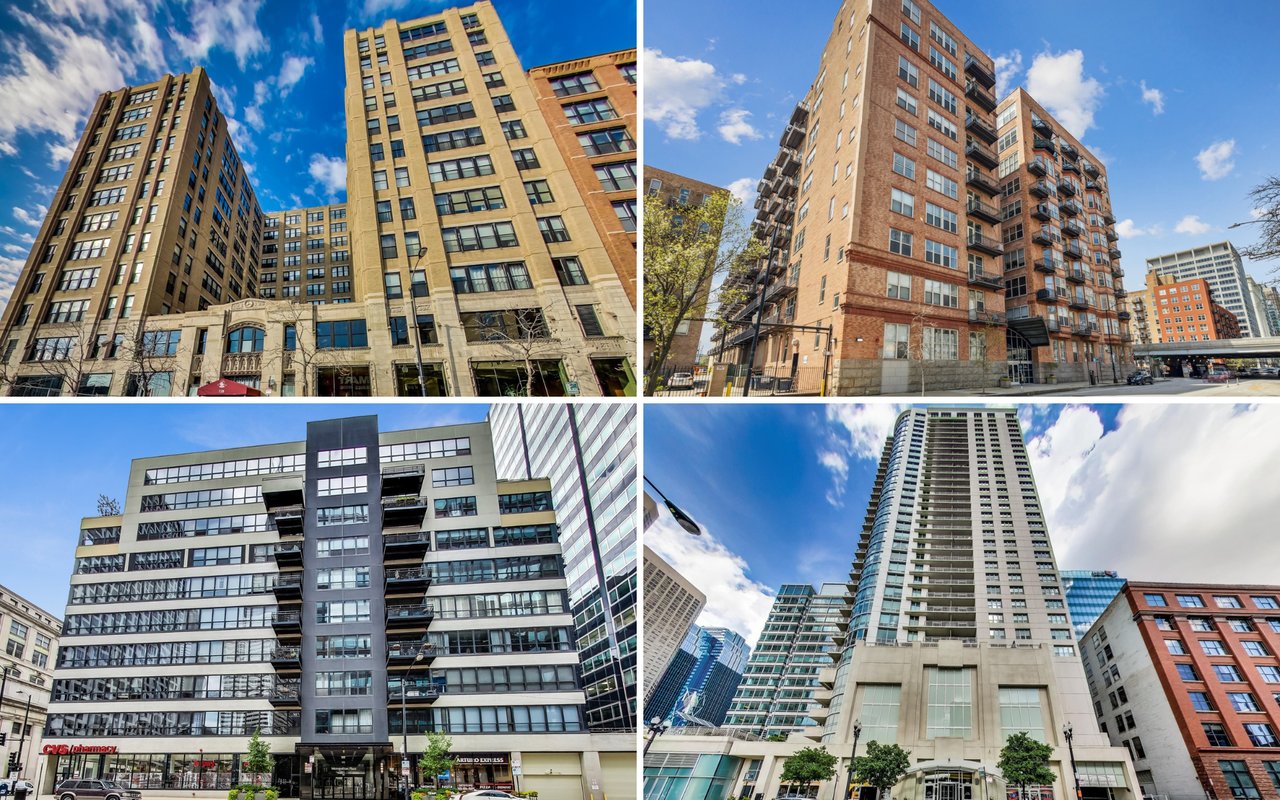
Every Downtown Chicago condo building has its own personality. 1000 W. Washington prices differently than 850 W. Adams. CA6 at 305 S. Racine moves on a different rhythm than Metropolitan Place across from Union Station. Haberdasher Square Lofts attract a completely different buyer than a Gold Coast high-rise.
You cannot use Chicago-wide medians to price a West Loop loft, a Streeterville high-rise, or a South Loop condo. You have to price the building. And inside the building, you have to price the floor, the view, the layout, and the finish level.
That is the work. And that is what separates a strategic list price from wishful thinking.
The Bottom Line
In a 12-day market with a $10,000 gap between median list and sold price, Chicago condo sellers do not get a second chance at day one. You either price right and attract real buyers in the first week, or you price high and watch your listing age until you reduce, sometimes more than once.
The closed sales data is telling us exactly where offers land. The question is whether you trust it before you list, or after.
FAQ
What is the best way to price a condo in Chicago right now?
Pull the closed sales from your specific building over the last 90 days, compare units on similar floors with similar finish levels, and price within the range those sales support. Active listings are useful for understanding competition, but closed sales tell you where offers actually land.
How long does it take to sell a condo in Downtown Chicago in 2026?
The current median time from pending to close on Downtown Chicago condos is 12 days. Total time from listing to close depends on pricing accuracy. Well-priced units often go under contract in the first week or two.
Should I list my Chicago condo above the Zestimate?
The Zestimate is one data point with a known median error rate of around 7 percent. Listing strictly above or below it is not a strategy. Listing based on your building's actual closed sales is.
Why is pricing on day one so important?
Buyers in a fast-moving market sort listings within seconds. If your price is wrong, you get filtered out of buyer searches and skipped in the first round of touring. By the time you reduce, the early demand is gone.
Can I list higher to leave room to negotiate?
In a market where the median list-to-sold gap is $10,000, listing $25,000 or $50,000 high usually backfires. You get filtered out of buyer searches, lose the first wave of demand, and often end up selling for less than if you had priced strategically from day one.
Thinking about selling your Downtown Chicago condo? The numbers in your building tell a story Zillow cannot see.
Let's pull the real closed sales data for your unit and build a pricing strategy that gets you to the closing table. Call or text Christine at 312-296-9300.
ABOUT THE AUTHOR
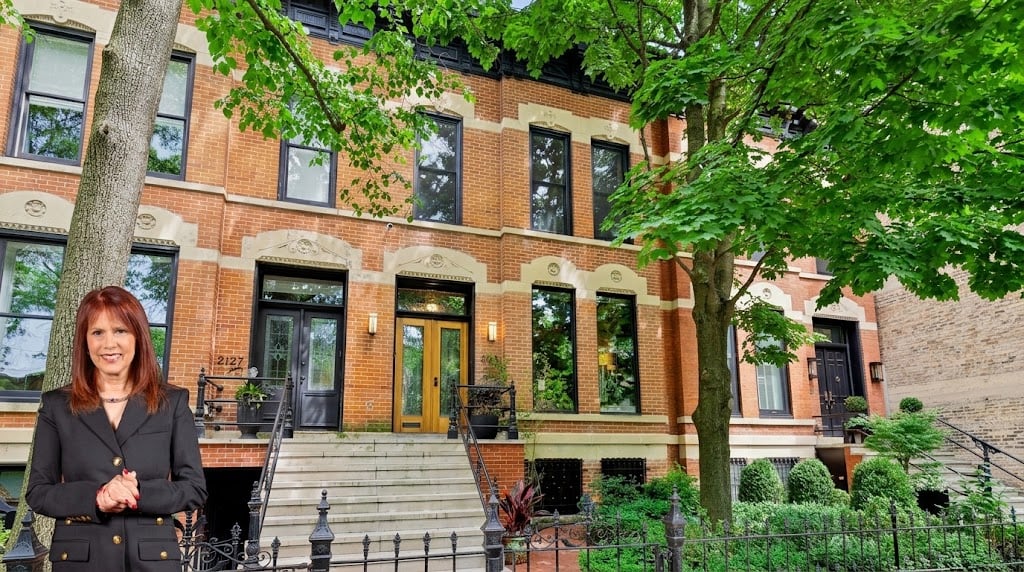
Christine Hancock is a Chicago Realtor with @properties Christie's International Real Estate, bringing more than 25 years of experience and over $200 million in closed sales in the Downtown Chicago condo market. With 97 five-star Zillow reviews, Christine is recognized for her commitment to client satisfaction and market expertise.
She specializes in high-rise and luxury condominium sales in West Loop, South Loop, River North, and Streeterville, helping buyers and sellers navigate complex transactions with data-driven pricing strategies and deep neighborhood insight.
Christine partners with clients to evaluate market trends, position properties competitively, and make confident, informed decisions in Chicago's vibrant downtown housing market.
Call or text 312-296-9300 to discuss current market conditions or your real estate goals.