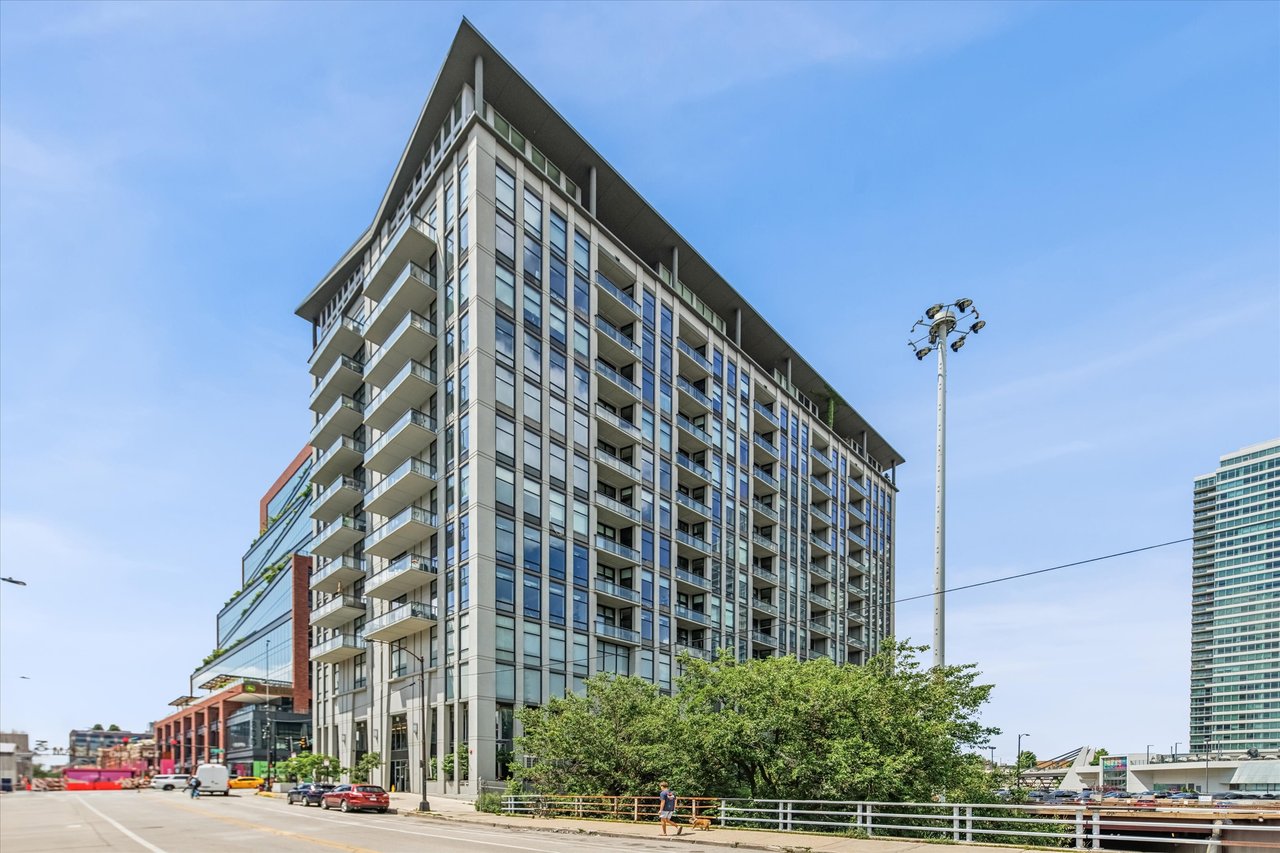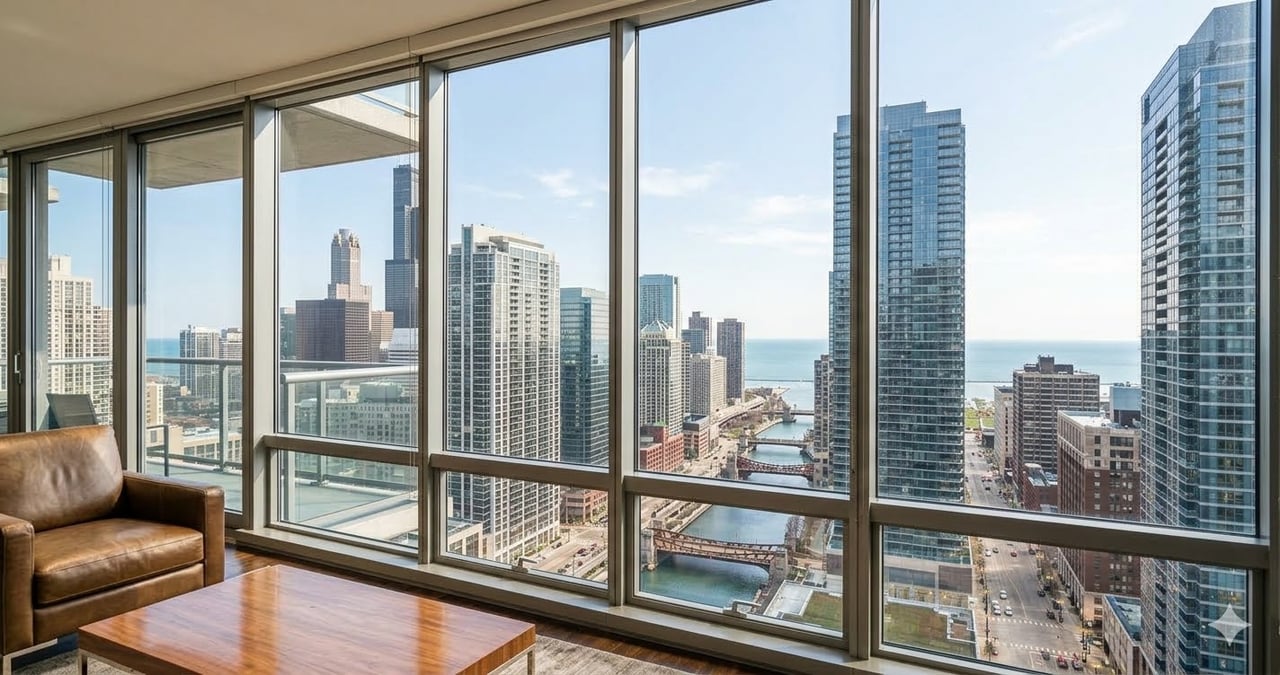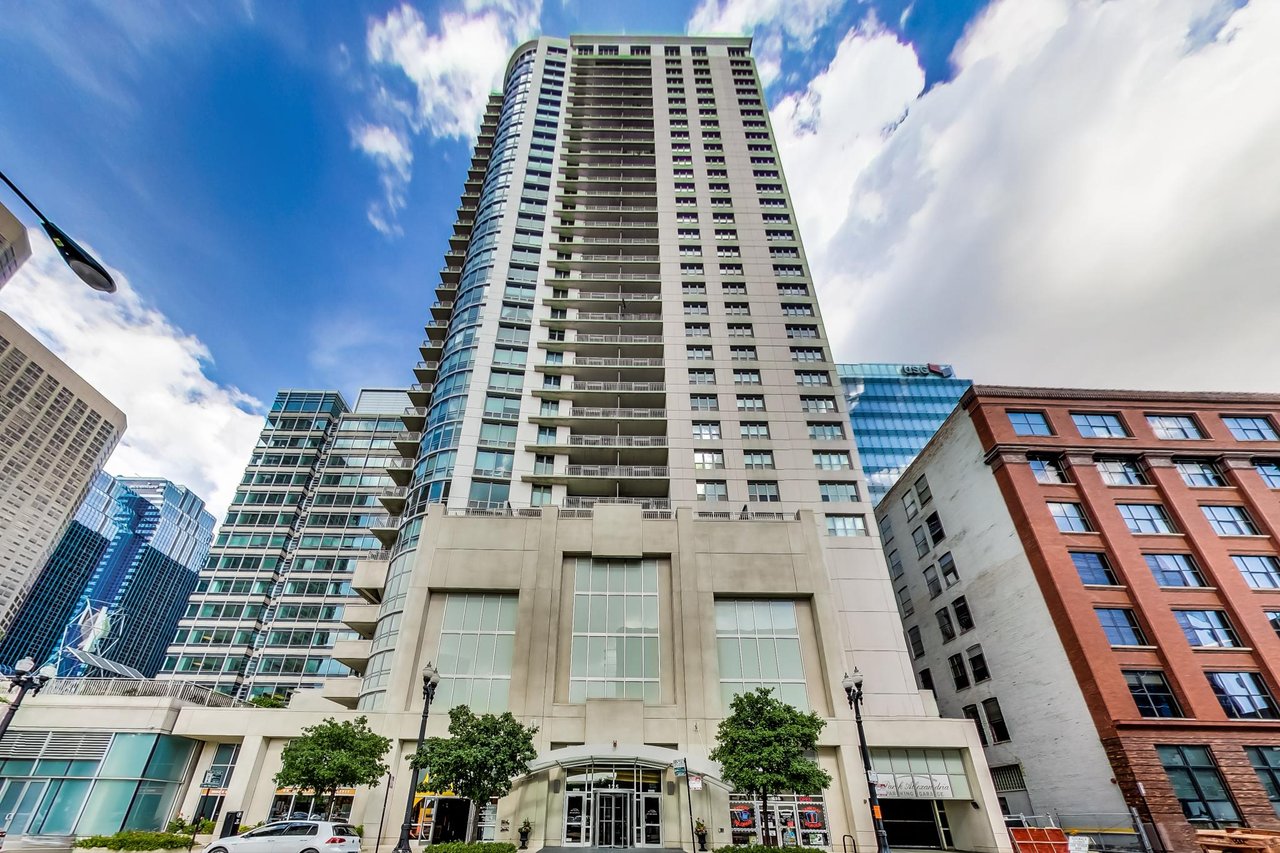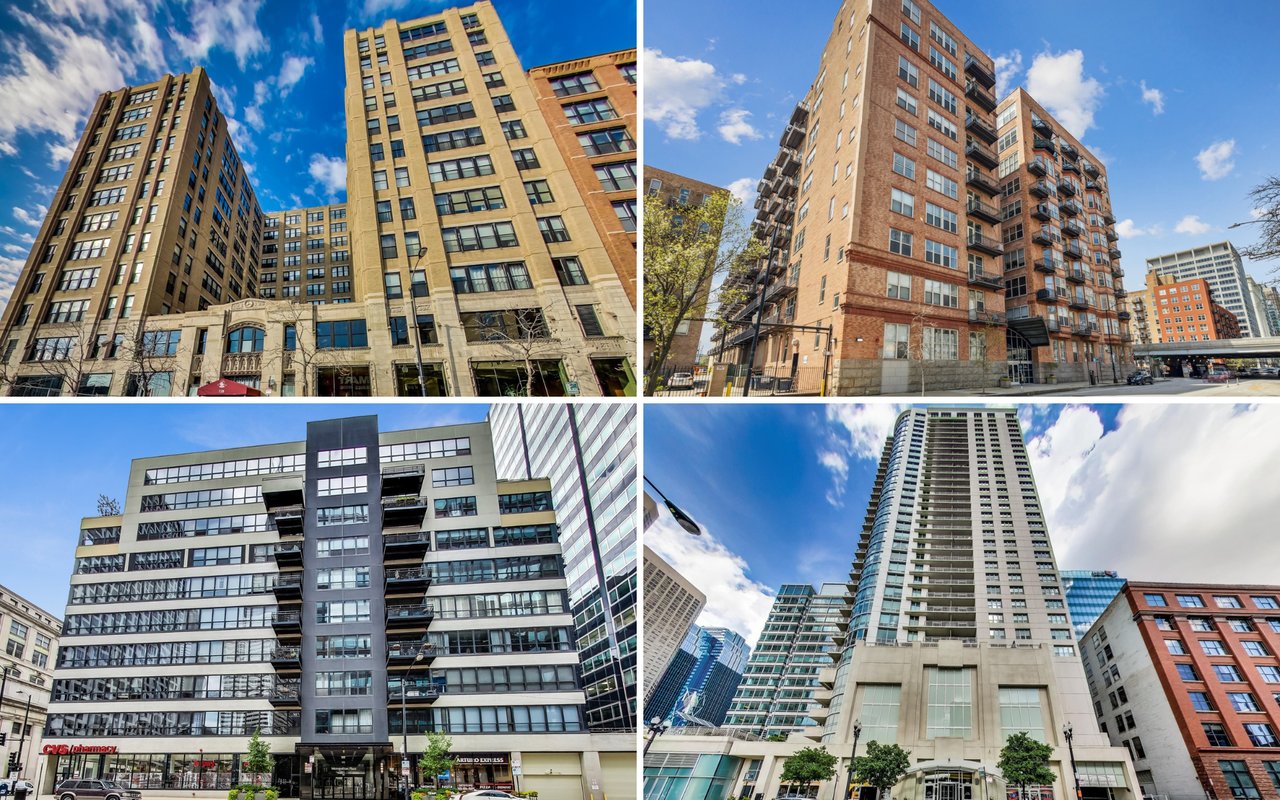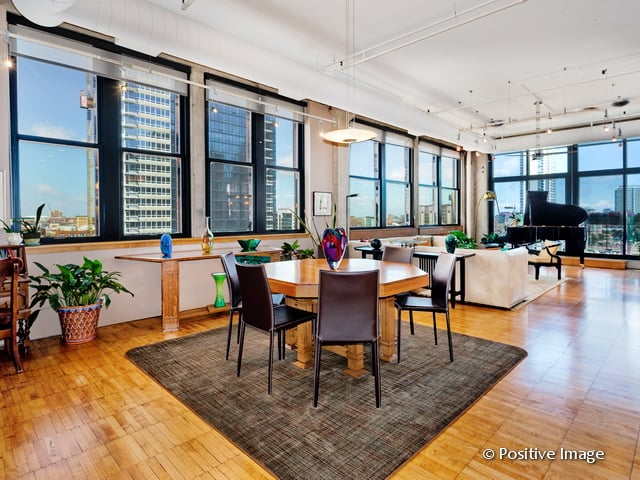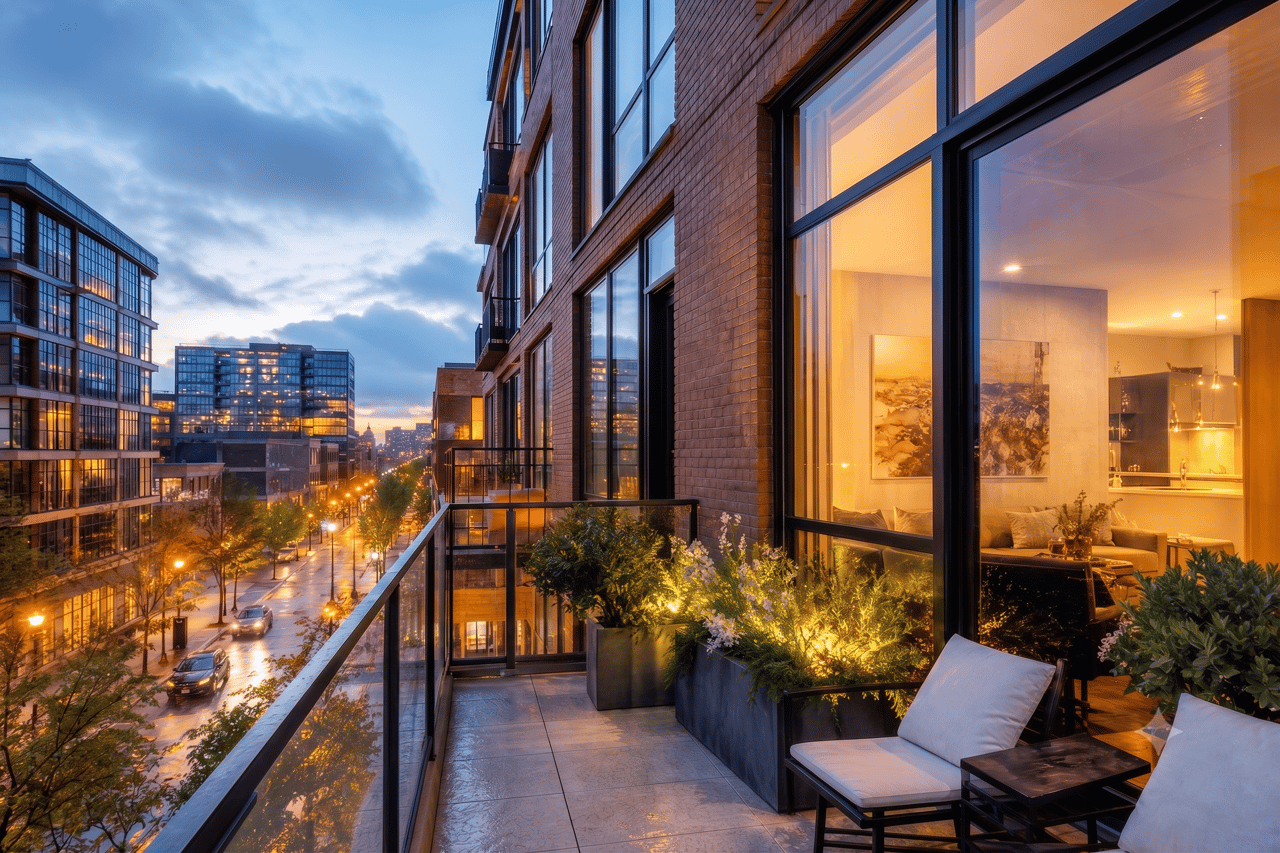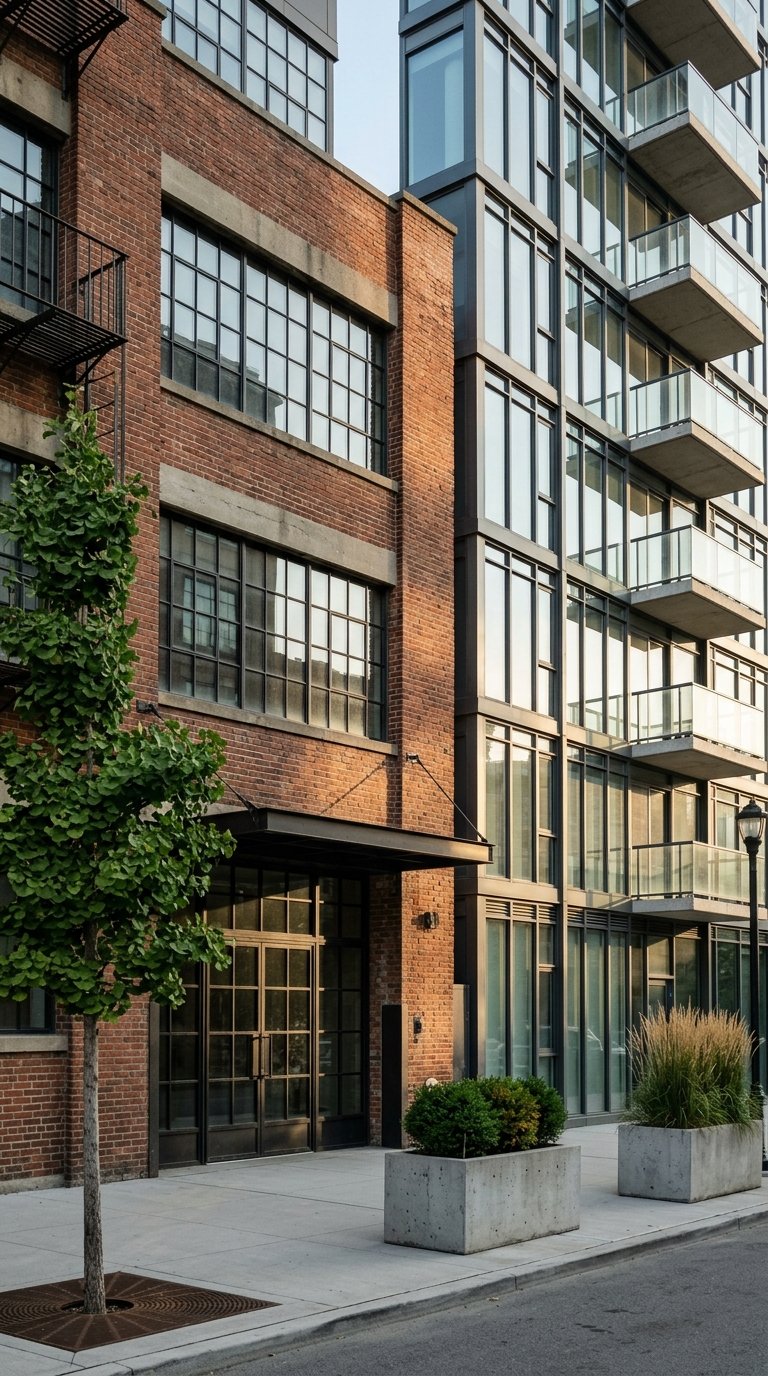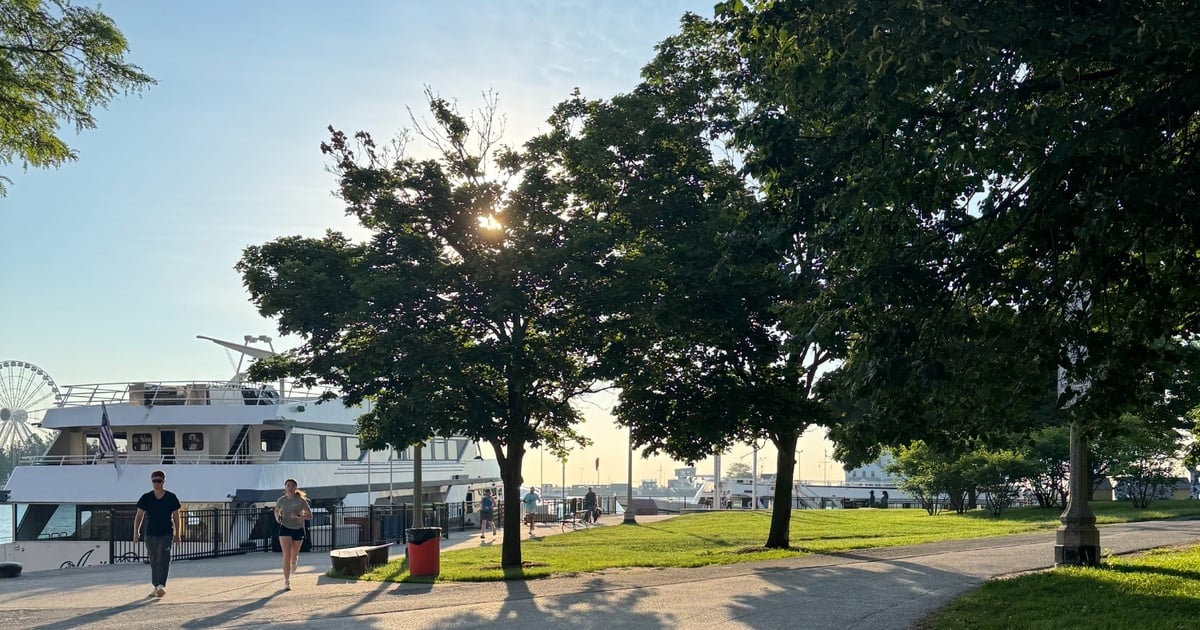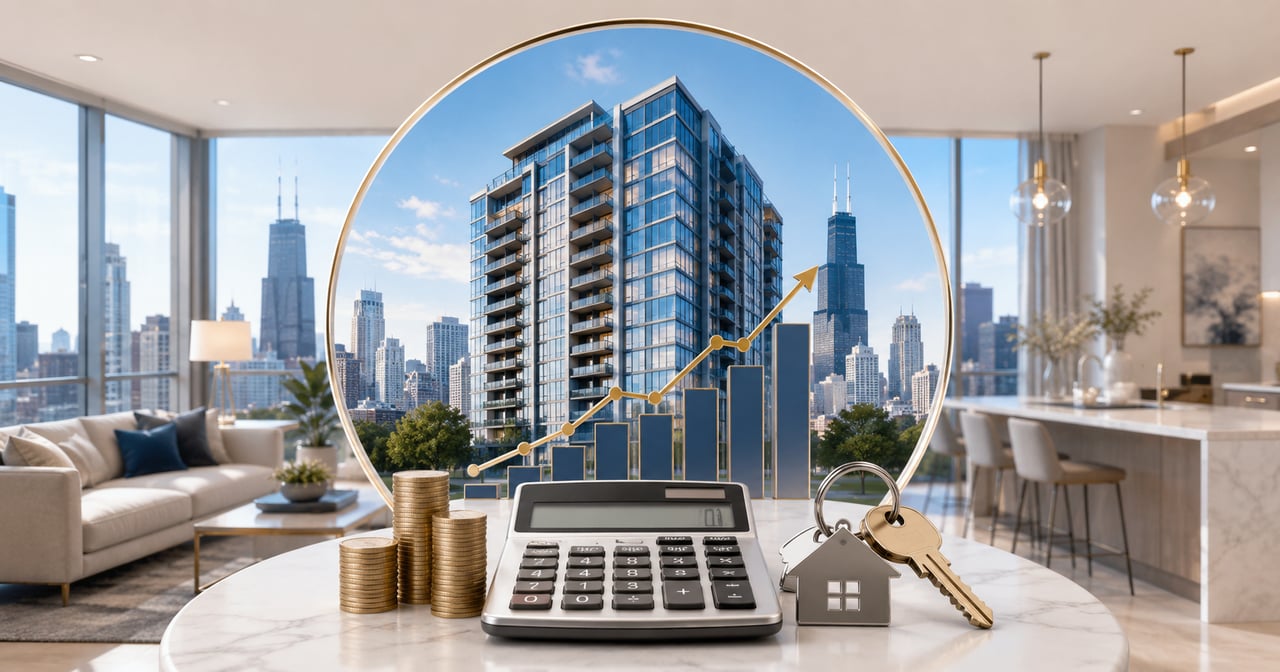
Living downtown Chicago without a car is more realistic than many buyers expect. If you are weighing a condo purchase and wondering whether a parking space is a must-have, the answer often comes down to how you actually live, commute, and spend. In many downtown neighborhoods, daily errands, work trips, and weekend plans can happen without getting behind the wheel. Let’s dive in.
Why car-free living works downtown
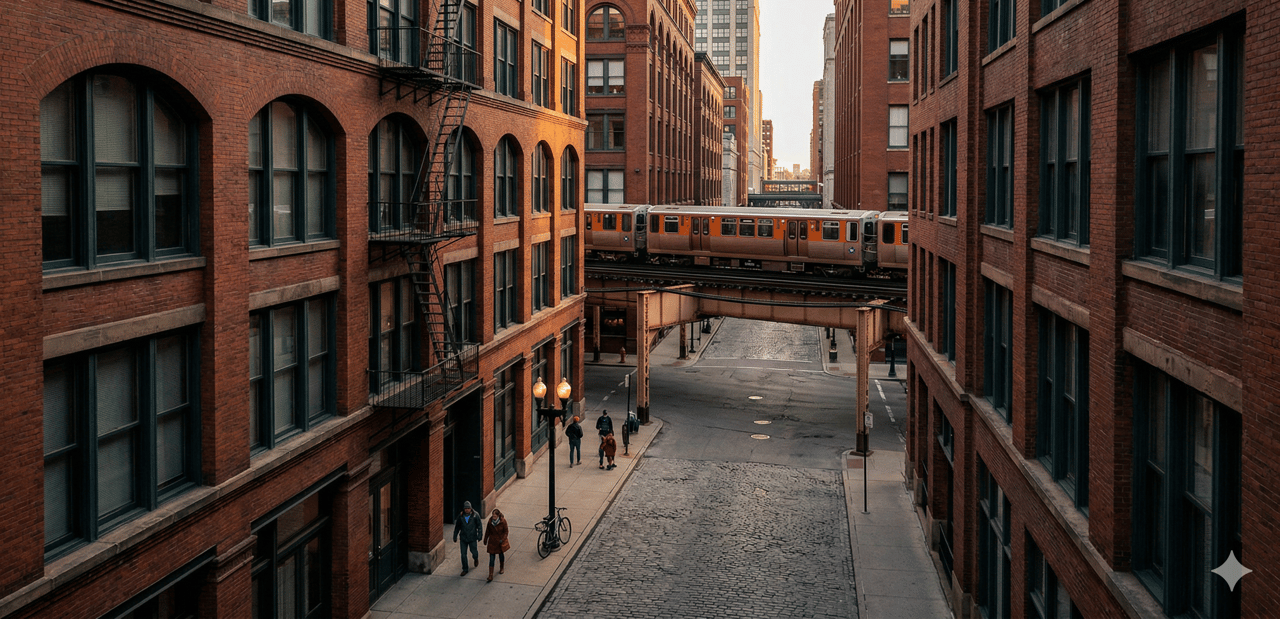
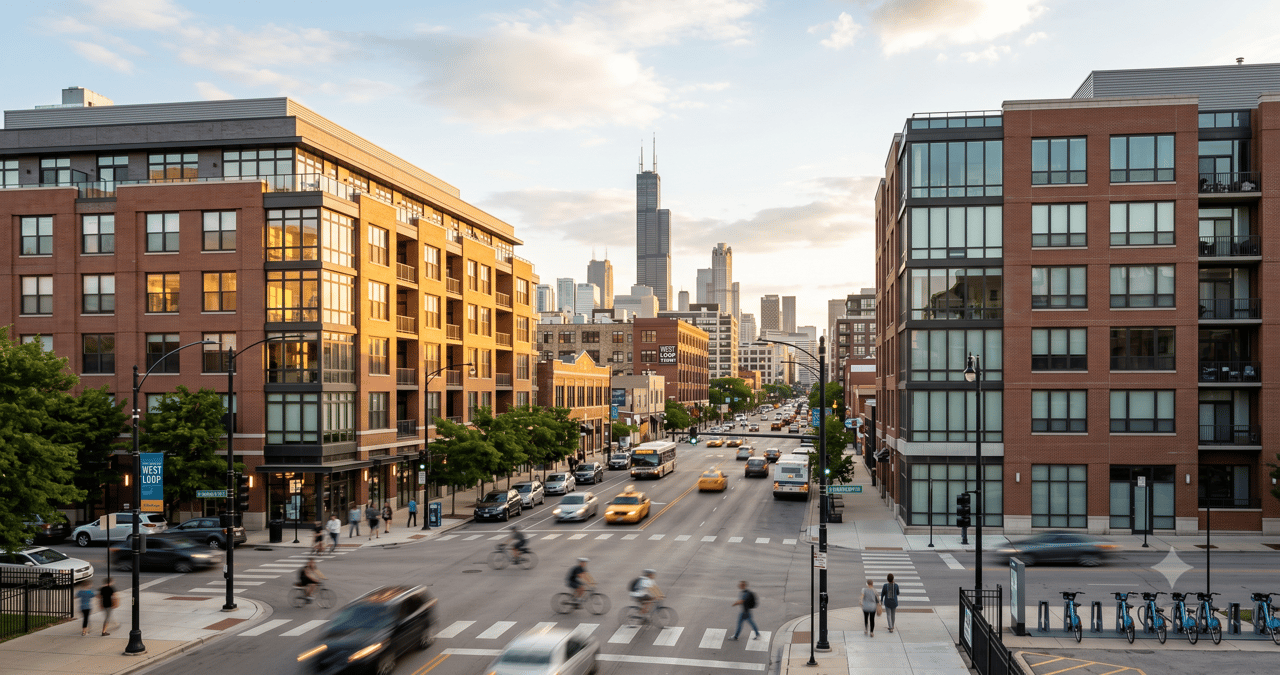
Downtown Chicago is built for people who want options. In the city overall, Chicago posts a Walk Score of 77, Transit Score of 65, and Bike Score of 72, but the core downtown submarkets perform far better.
The data supports that this is not a niche lifestyle. CMAP snapshots show that 51.6% of Loop households and 46.2% of Near North Side households had no vehicle in 2019 through 2023. In the Loop, 26.2% of workers walked or biked to work, and 16.4% used transit.
That matters if you are buying a condo and debating whether to pay extra for parking. In downtown Chicago, skipping a parking space can be a very practical choice, not a compromise.
Downtown neighborhoods where parking is often optional
Some downtown neighborhoods make car-free living especially easy because of strong walkability, transit access, and bike options. If your routine centers on work, dining, errands, and social plans nearby, these areas make the decision simpler.
The Loop
The Loop scores 95 for walkability, 99 for transit, and 82 for biking. Walk Score also notes about 33 bus lines and 5 subway lines passing through the neighborhood.
For many buyers, that means your commute and daily tasks can happen on foot or by train. It is one of the clearest examples of a downtown area where parking may feel unnecessary for day-to-day life.
River North and Near North Side
River North and the broader Near North Side are also highly car-optional. A River North location scores 97 walk, 100 transit, and 85 bike, while Near North Side as a neighborhood scores 96, 90, and 86.
These numbers reflect something buyers notice quickly in person. You can often reach restaurants, grocery options, offices, and transit without planning around a car.
Streeterville
Streeterville also offers strong conditions for car-free living. A location at 300 E Grand Ave scores 97 for walkability, 100 for transit, and 83 for biking, with access within roughly 0.7 miles to multiple CTA and Metra Electric lines.
If you want a downtown condo near the lakefront and major transit connections, Streeterville can support that lifestyle well. In many cases, a parking space becomes more about convenience than necessity.
South Loop
South Loop scores 93 walk, 92 transit, and 90 bike. In the sampled location, the Roosevelt Red Line is a one-minute walk away.
That kind of access can make a big difference if you rely on transit for work or regular city travel. South Loop often appeals to buyers who want room to move around the city without needing a car every day.
West Loop and Fulton Market
West Loop and Fulton Market are also strong contenders, though the experience can vary by exact building location. The 60607 ZIP code scores 85 for walkability, and a West Loop location near Racine and Van Buren scores 92 walk, 83 transit, and 93 bike.
For buyers considering a condo in this area, building-by-building location matters. If you are close to CTA access and daily needs, parking may feel optional. If you leave the city often, the equation can change.
What replaces a daily car
One reason downtown Chicago works so well without a car is that you are not relying on just one alternative. You usually have several ways to get where you need to go.
CTA says its eight-line rail system is centered on downtown, includes more than 140 stations, runs daily, and directly serves both major airports. For many residents, that means airport trips, work commutes, and cross-city travel can happen without owning a vehicle.
Metra adds another layer of flexibility. Downtown terminals include Union Station, Ogilvie Transportation Center, LaSalle Street Station, Millennium Station, Van Buren Street, and Museum Campus/11th Street, giving residents multiple rail gateways for commuter and regional trips.
Bike access also matters more than many buyers expect. Divvy operates 24/7 with hundreds of stations across Chicagoland, and Chicago and Evanston now have more than 400 miles of bike lanes.
Then there is rideshare. In practical terms, many downtown households use it as backup for bad weather, late nights, or luggage-heavy trips, rather than as a daily necessity.
How parking changes your monthly cost
A parking space is not just a convenience feature. It can change both your purchase math and your monthly carrying costs.
If you are buying a condo, it helps to think of parking as part of your total housing cost. Condo and HOA dues are usually separate from the mortgage, so a parking-related expense may sit alongside your loan payment rather than inside it.
You also need to ask how the parking is structured. Fannie Mae advises buyers to ask whether parking is included or assigned, and it states that parking can be financed with the mortgage when the unit and the parking space are on one deed, with underwriting based on the combined value.
That is an important distinction in downtown Chicago, where parking is not always bundled the same way. A deeded stall, an assigned space, and a leased arrangement can affect your budget very differently.
Chicago parking costs to keep in mind
If you are comparing a condo with parking to one without it, local parking rates help frame the decision. SpotHero says Chicago monthly parking averages about $190, with a cheapest listed monthly option of $135, while a current Aon Center garage rate sheet lists monthly parking at $390.
Those are garage examples, not condo deed prices. Still, they offer a useful benchmark for what a downtown parking line item can look like.
There is also a tax layer many buyers overlook. Illinois imposes a 9% Parking Excise Tax on monthly or annual parking, which means the advertised rate may not be your final monthly cost.
Why parking can affect condo value
Parking does not just affect your monthly budget. It can also influence list price, buyer demand, and resale conversations.
Structured parking is expensive to build. The Center for Neighborhood Technology says it can cost tens of thousands of dollars per space, which helps explain why a deeded stall can materially affect a condo’s value and why sellers often market it as a separate asset.
That does not mean every downtown buyer needs parking. It does mean a parking space can change how a property is positioned, especially for buyers who value convenience, winter access, or the flexibility of having a dedicated stall.
For sellers, this is where building-level strategy matters. In some buildings, a deeded space can strengthen pricing and broaden appeal. In others, the no-parking lifestyle may be a selling point if the location strongly supports car-free living.
When you probably do not need parking
Parking is often optional if your lifestyle already fits downtown Chicago’s transit-first setup. You may not need a space if most of the following sound like you:
- You commute mainly by CTA, Metra, bike, or on foot
- You work from home and stay local most days
- You use rideshare only occasionally
- You do not leave the city often by car
- You want to keep your monthly housing costs lower
This case is often strongest in the Loop, Near North Side, Streeterville, and parts of the South Loop. In these areas, everyday convenience may come from location more than from car access.
When a parking space may be worth it
For some buyers, parking is still a smart priority. It may be worth paying for if convenience and flexibility matter more than the extra carrying cost.
You may want a parking space if any of these apply:
- You drive regularly for work or personal routines
- You leave the city often
- You want easier winter access
- You prefer a predictable place to park instead of renting monthly
- You see parking as a resale feature that may help future marketability
In that case, the goal is not simply to find a condo with parking. It is to understand exactly what kind of parking is attached to the property and what it will cost you over time.
Questions to ask before you decide
Before you buy, make sure you understand how parking is handled in the building and in the specific listing. A few due diligence questions can save you money and frustration later.
Parking questions for condo buyers
- Is the parking space deeded, assigned, or leased?
- Is it included in the purchase price?
- Can it be financed with the unit?
- What are the monthly costs tied to the space?
- Are there separate dues or other carrying costs?
- If leased, what is the real monthly number after the 9% Illinois Parking Excise Tax?
These answers can shape both affordability and resale. A condo that looks similar on paper may feel very different once parking costs are fully factored in.
The bottom line for downtown buyers and sellers
In downtown Chicago, parking is usually a lifestyle and budget decision, not a simple yes-or-no rule. Car-free living is highly realistic for many buyers, especially in neighborhoods with top-tier walkability and transit access.
At the same time, parking can still be a meaningful feature. For buyers, it may offer convenience and flexibility. For sellers, it may influence pricing, positioning, and how your condo stands out in the market.
If you are weighing whether a parking space adds value to your purchase or your sale, local building-level insight matters. For tailored guidance on how parking can affect pricing, buyer appeal, and marketing strategy in your building, connect with Christine Hancock - Hancock Group.
FAQs
Do you need a parking space to live in downtown Chicago?
- Not always. In areas like the Loop, Near North Side, Streeterville, and parts of the South Loop, many residents live comfortably without a car thanks to strong walkability, transit access, bike options, and rideshare.
Is downtown Chicago good for car-free condo living?
- Yes. Several downtown neighborhoods post very high Walk Score, Transit Score, and Bike Score numbers, and CMAP data shows a large share of Loop and Near North Side households do not own a vehicle.
How much does monthly parking cost in downtown Chicago?
- Chicago monthly parking averages about $190 according to SpotHero, with some lower listed options around $135 and some garage examples reaching $390, before any applicable taxes.
Does Illinois tax monthly parking in Chicago?
- Yes. Illinois imposes a 9% Parking Excise Tax on monthly or annual parking, so the final monthly cost may be higher than the posted rate.
Can a downtown Chicago condo parking space be financed?
- It can be, depending on how the parking is structured. Fannie Mae says parking can be financed with the mortgage when the condo unit and parking space are on one deed.
Does parking increase a downtown Chicago condo’s value?
- It can. Because structured parking is expensive to build, a deeded parking space may materially affect pricing and resale positioning, though the impact varies by building and neighborhood.