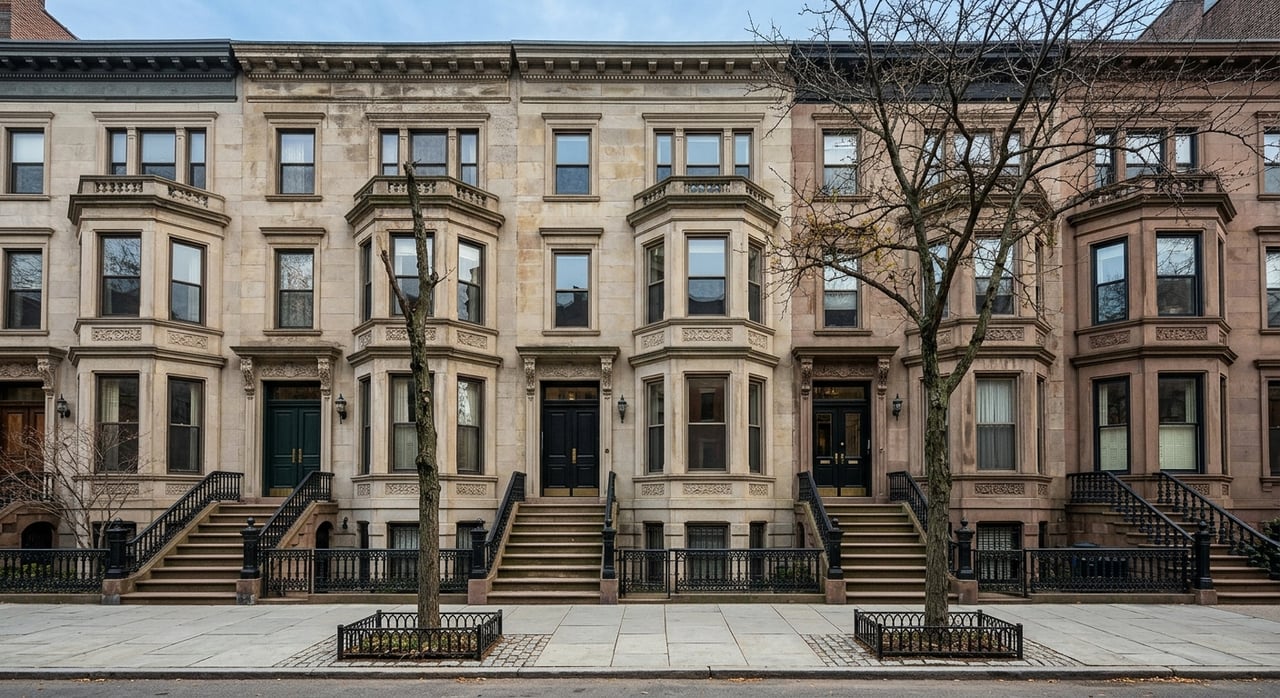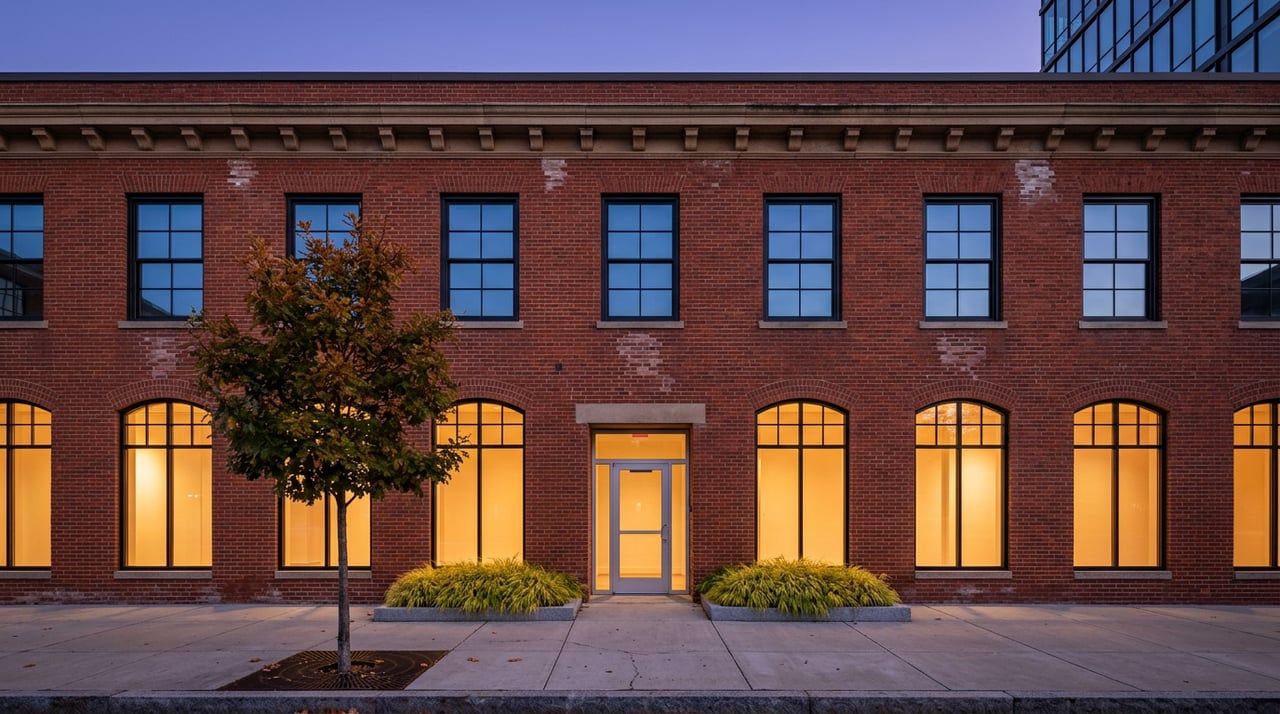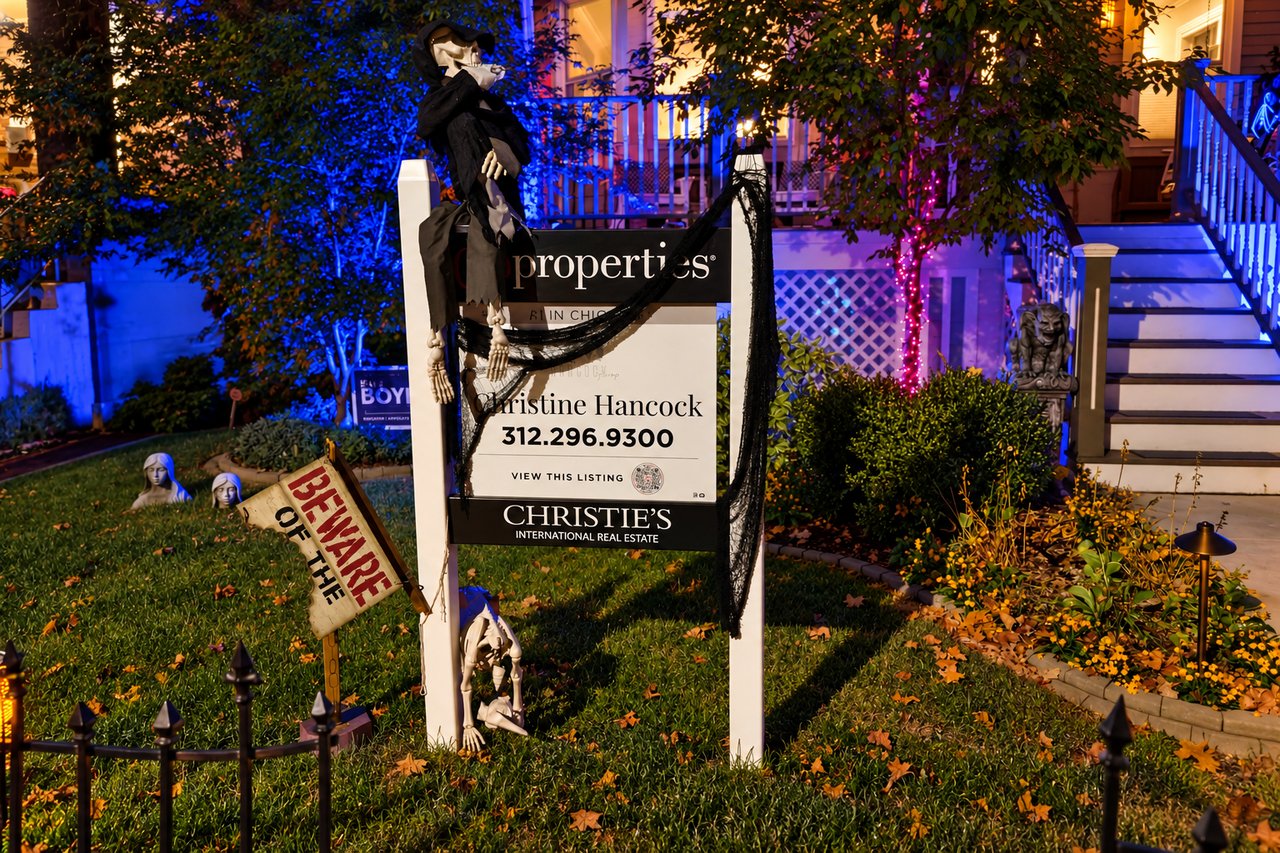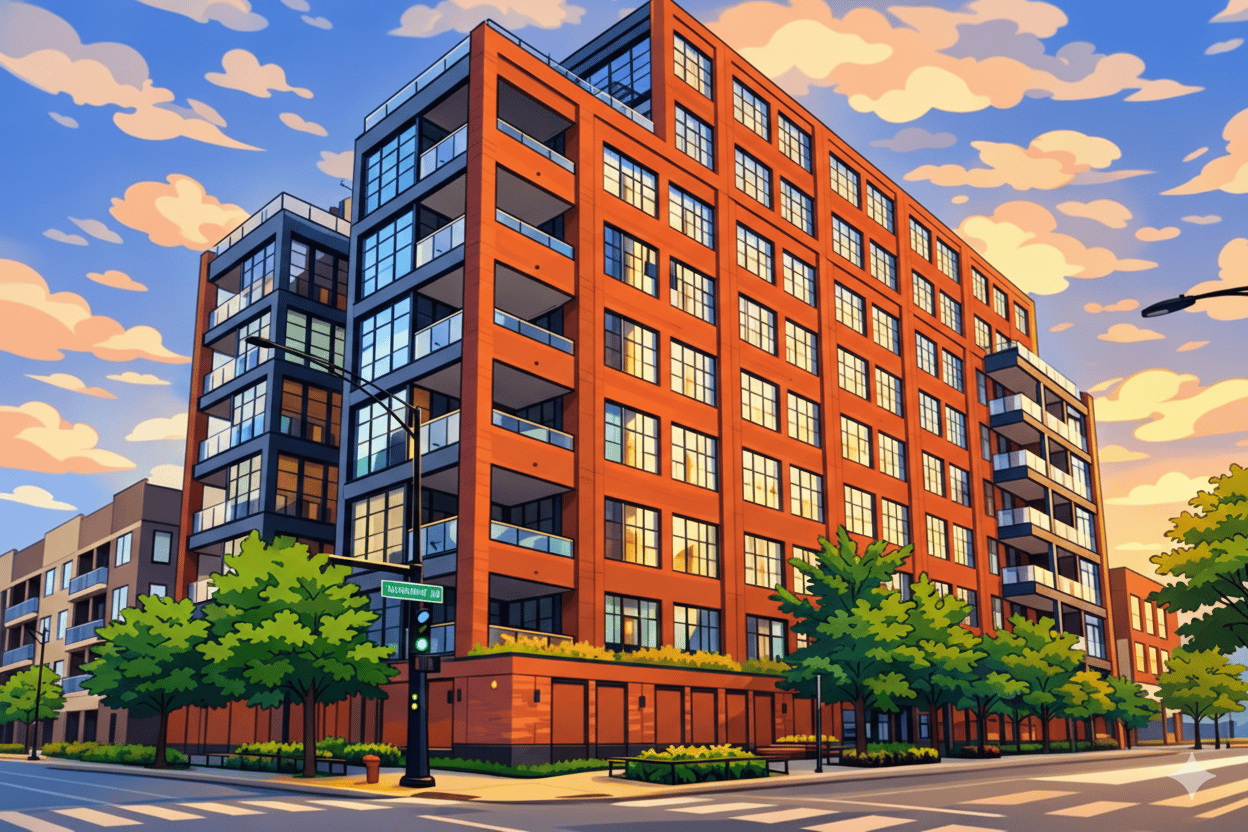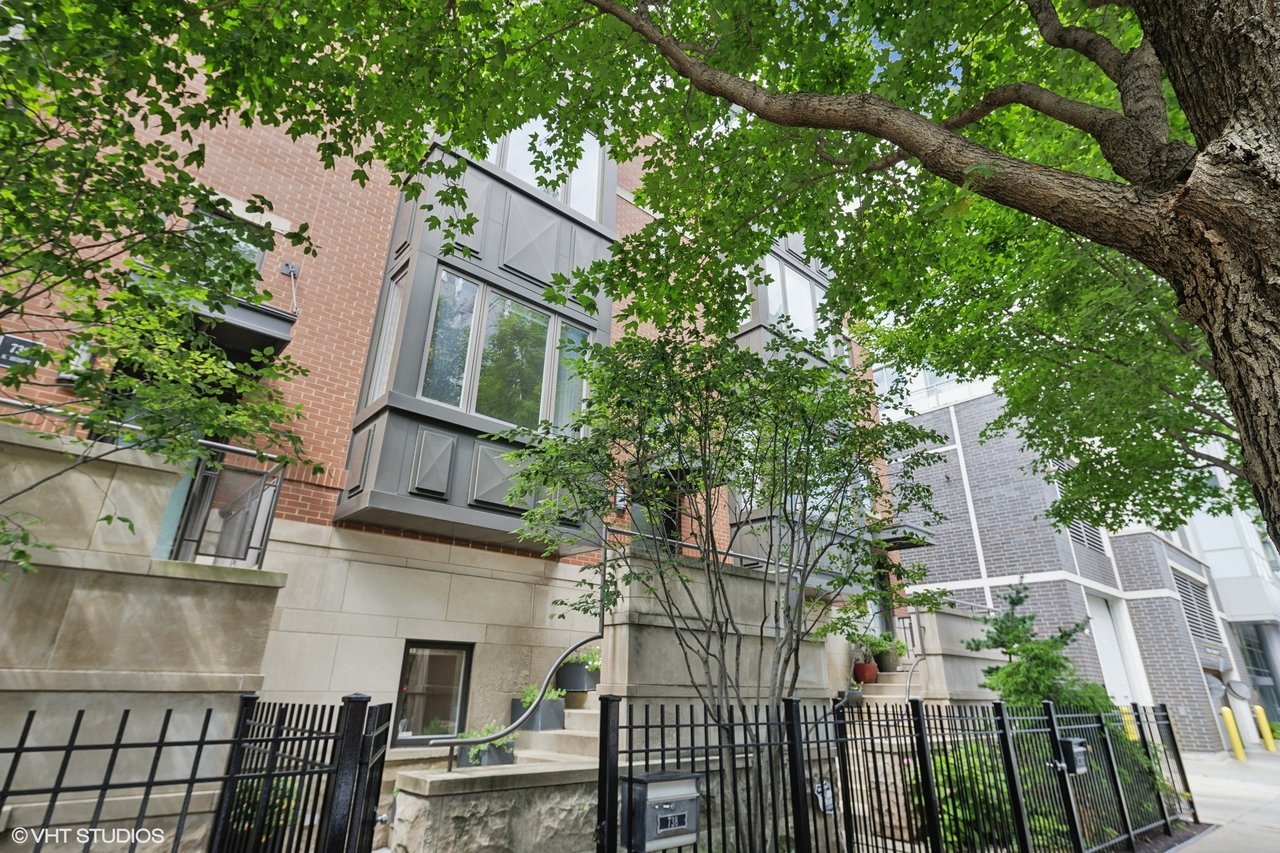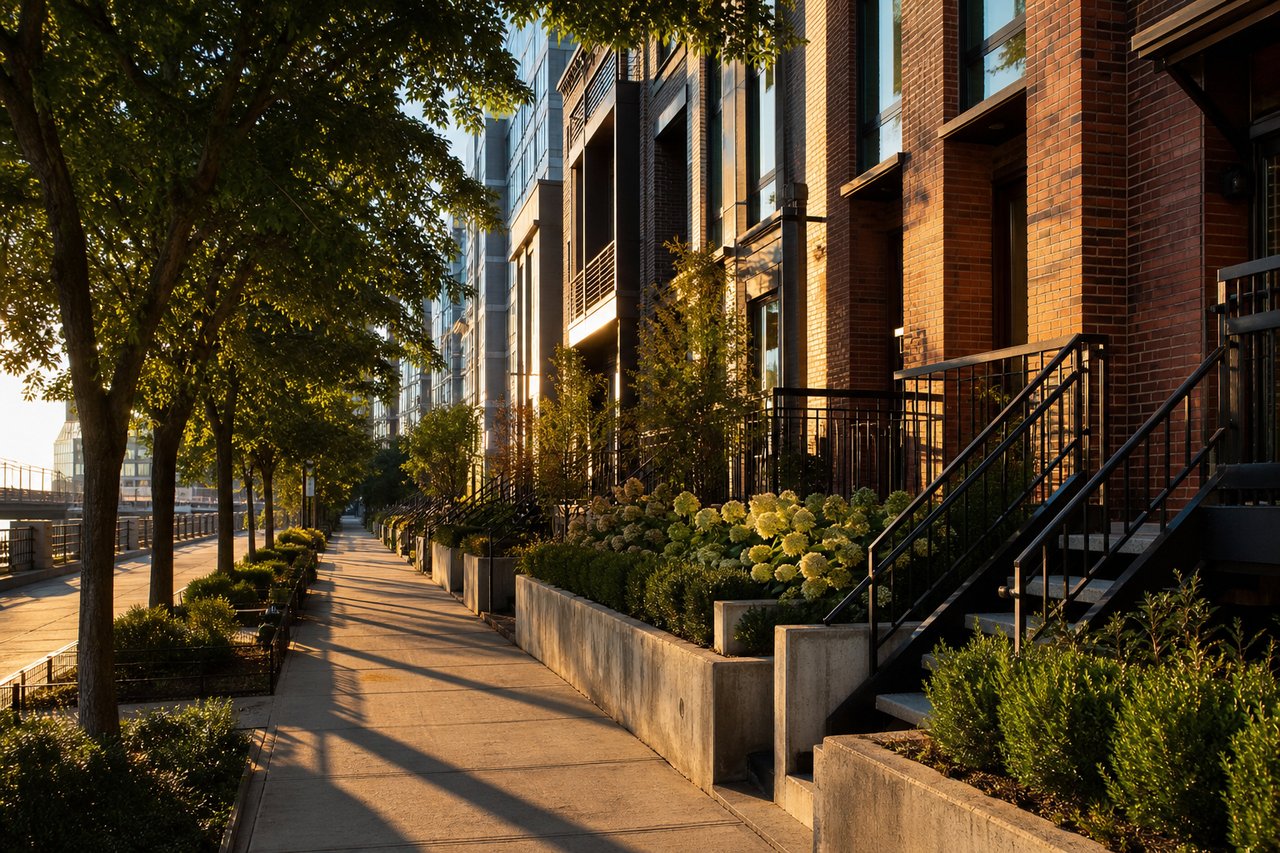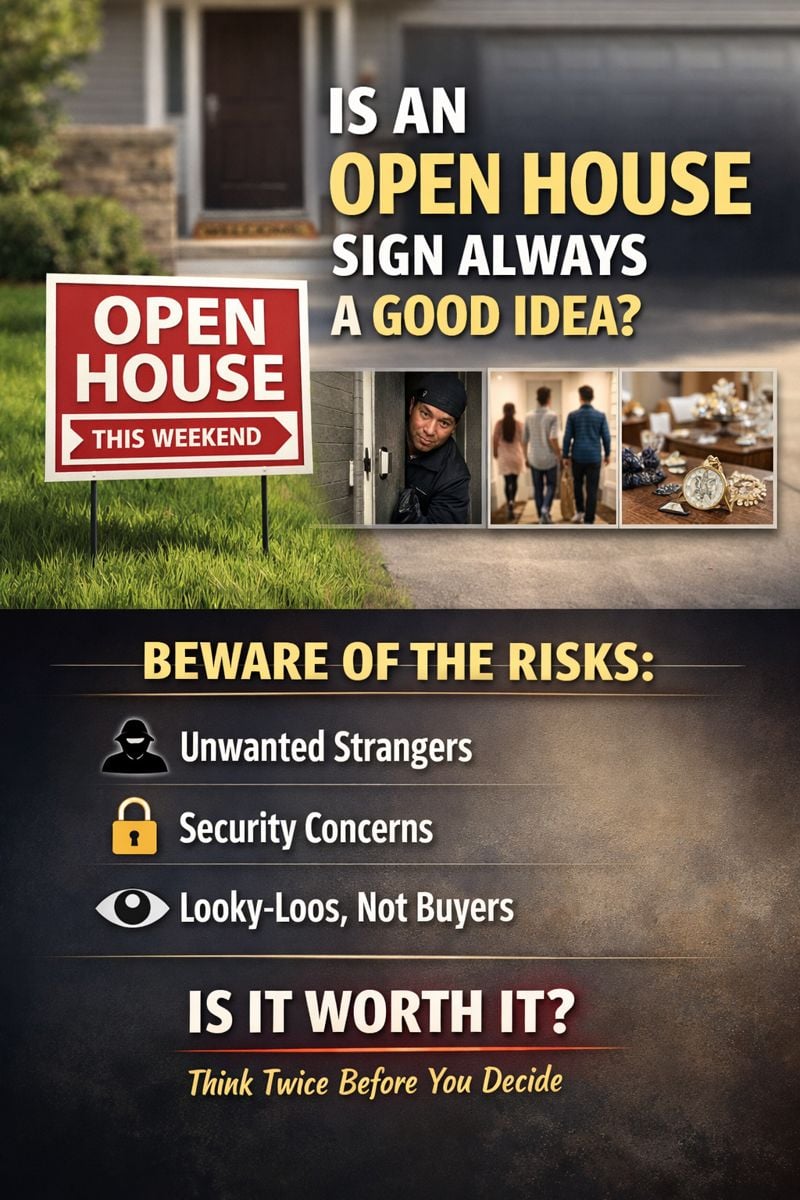
Drive through almost any neighborhood on a weekend and you’ll see them everywhere—bright open house signs planted on corners, sidewalks, and in front of buildings. For many sellers, it feels automatic: If my home is for sale, of course I want an open house sign out front.
After all, more exposure must mean more buyers… right?
Not always.
While open houses can play a role in certain situations, the assumption that a sign in front of your home is the best way to attract a serious buyer deserves a closer look. In some cases, what feels like smart marketing can actually work against your best interests.
Who Open Houses Really Attract
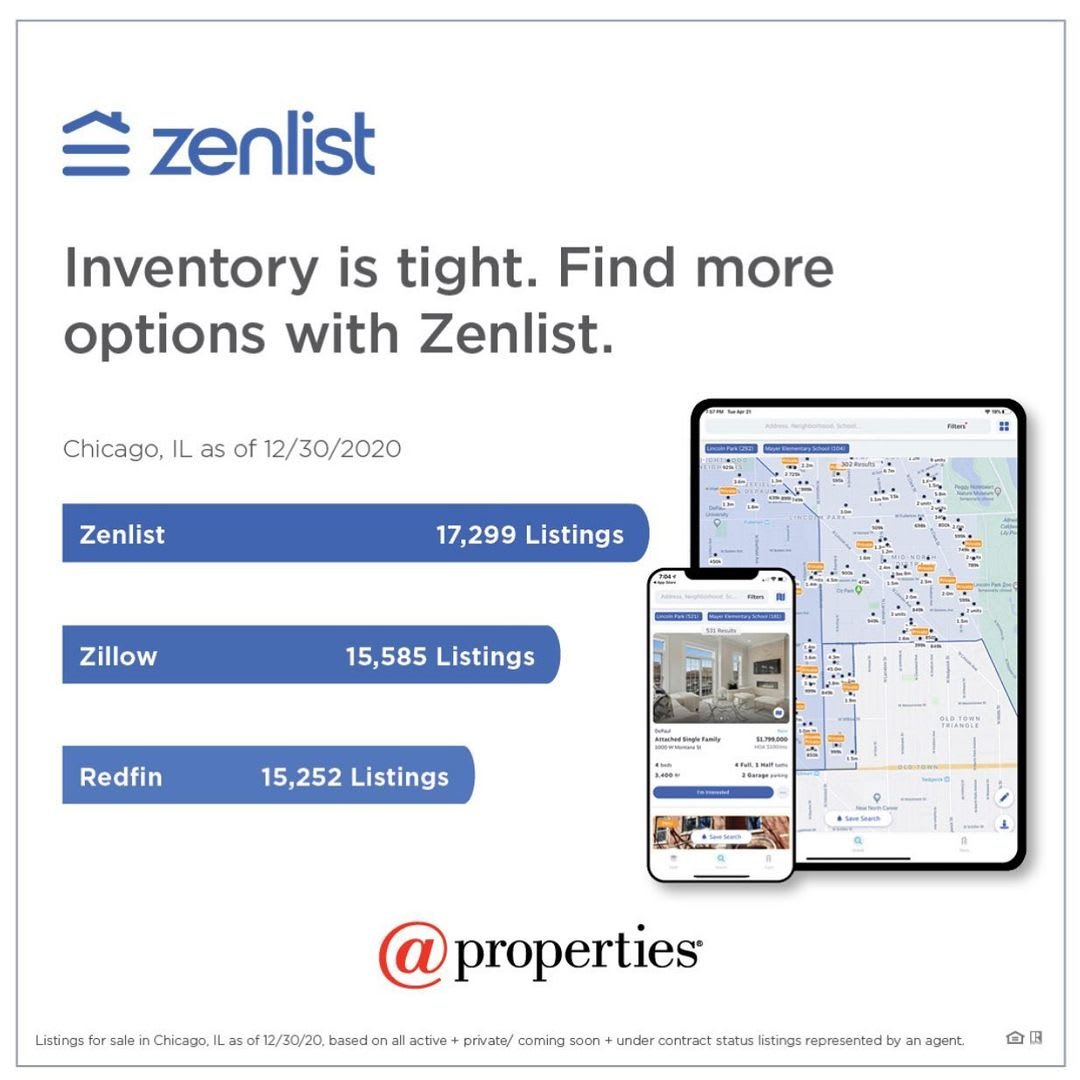
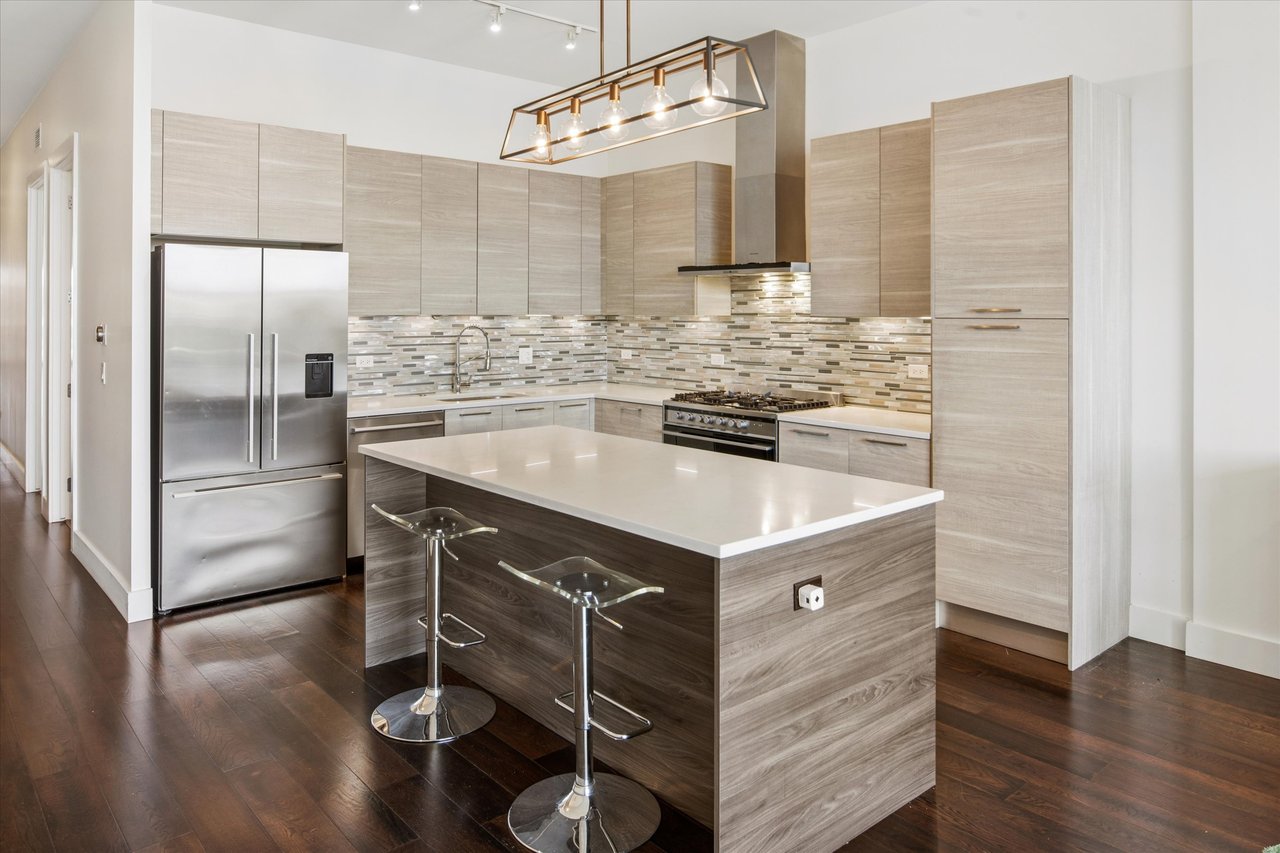
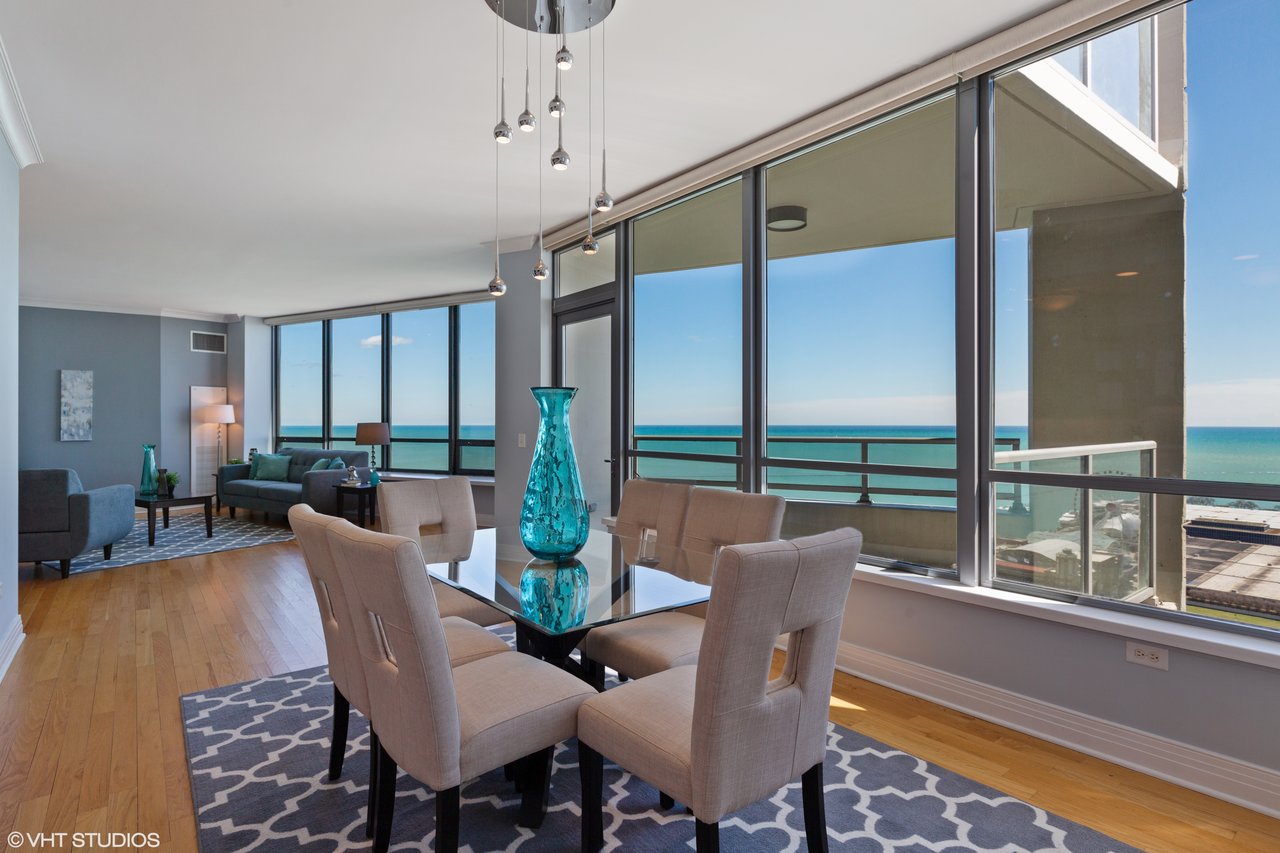
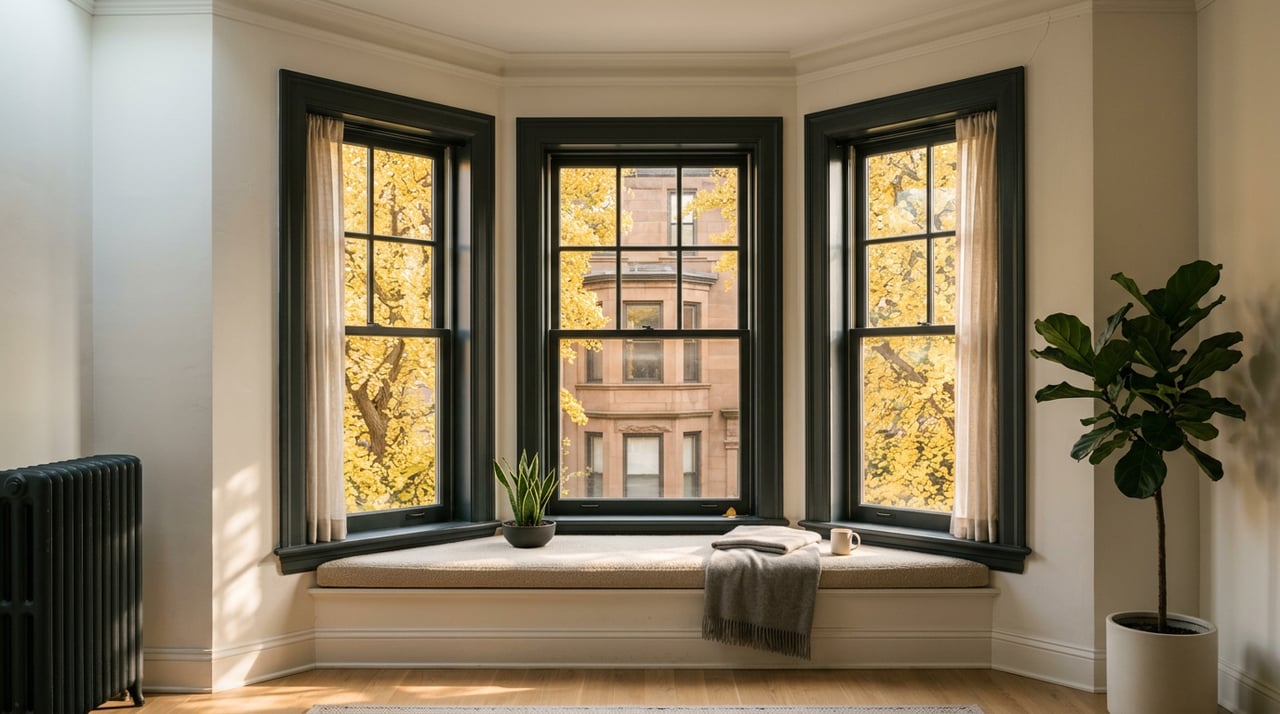
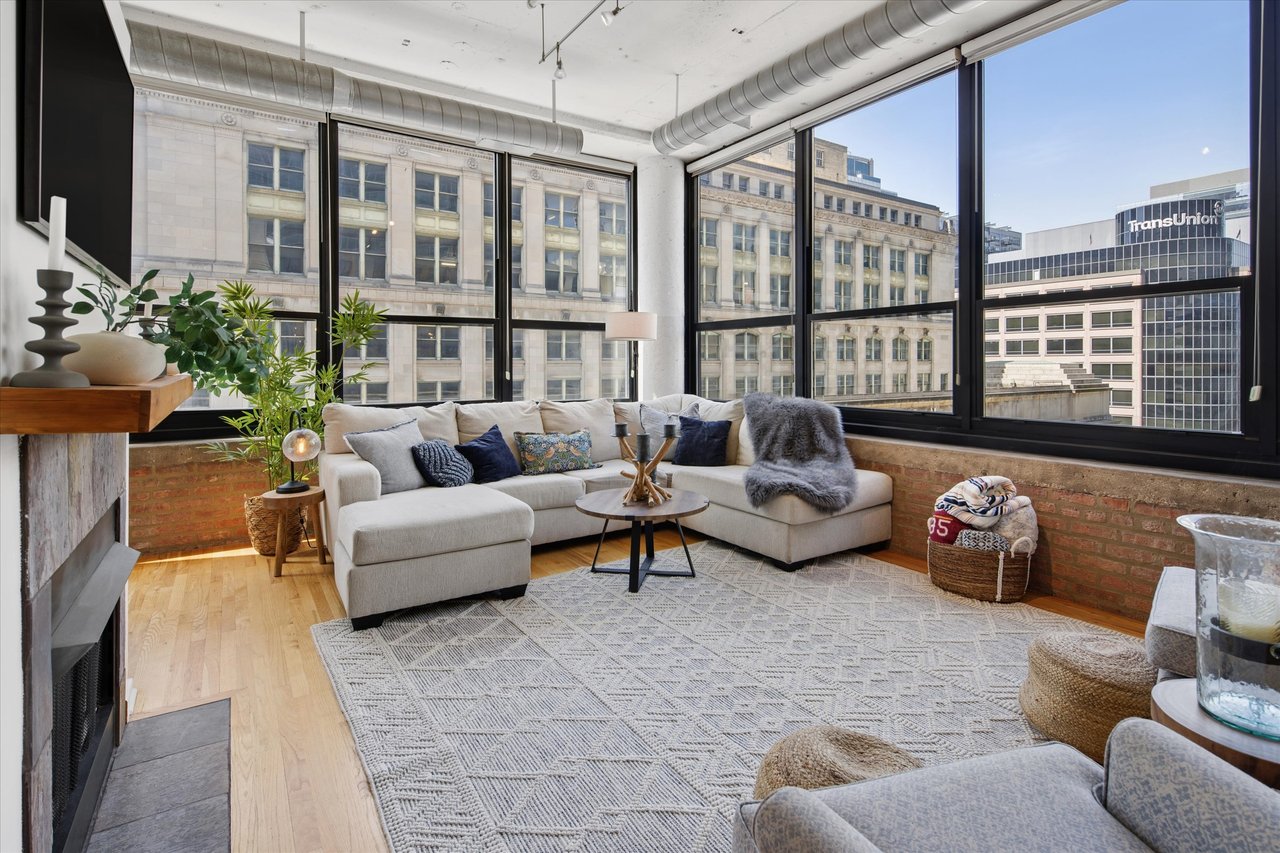
The reality is that most serious buyers today do not find homes by driving around and following signs. They find homes online, through detailed listings, professional photography, floor plans, video tours, and targeted digital marketing.
Open house signs tend to attract:
-
Curious neighbors
-
Weekend browsers
-
People looking for decorating ideas
-
Individuals with no financial ability or intention to buy
These visitors often create foot traffic, but not necessarily qualified interest.
Privacy and Security Concerns
An open house sign publicly announces that your home will be open to anyone who wants to walk in. While most visitors are harmless, open houses do occasionally attract people with no legitimate purpose.
This can include:
-
Individuals casing the home
-
People wandering through private spaces
-
Strangers handling personal belongings
For occupied homes, especially condos or single-family residences, this can be a real concern. Sellers are often surprised to learn that some break-ins occur after open houses, when someone has already seen the layout and valuables.
Open Houses Rarely Sell the Home
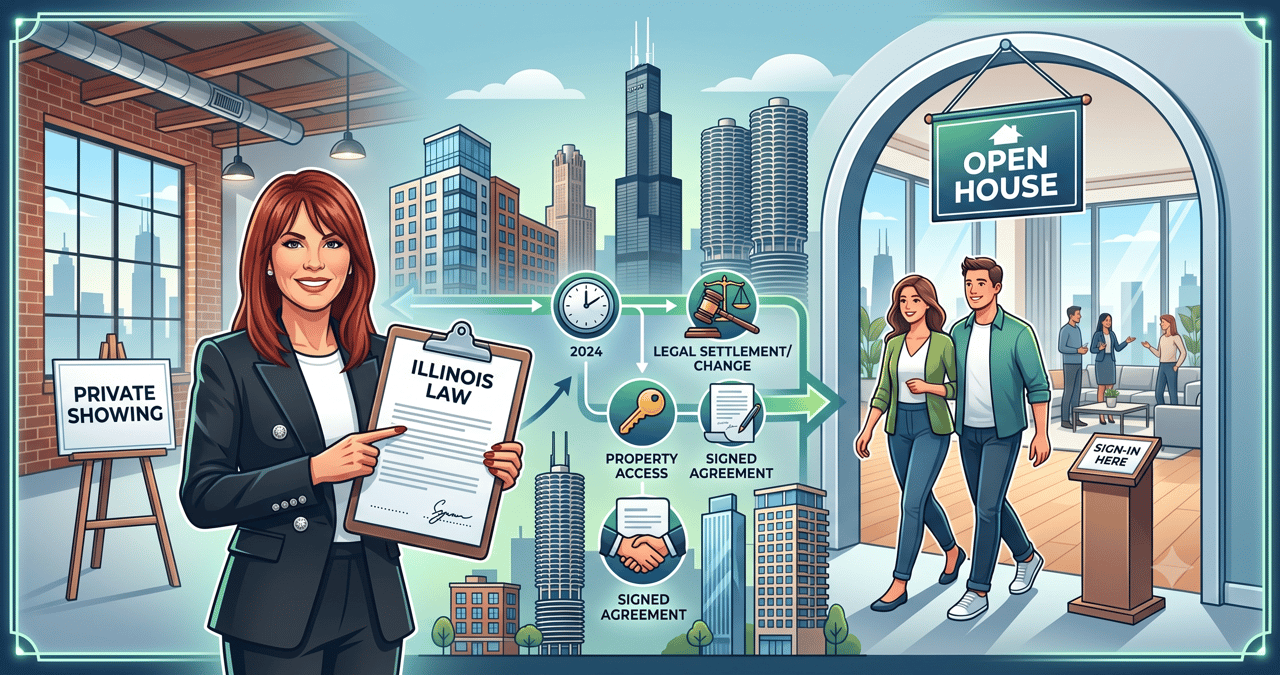
Despite popular belief, open houses rarely result in a direct sale. Most homes are sold through private showings with pre-approved buyers who are actively working with an agent and ready to move forward.
In many cases, open houses serve another purpose entirely: lead generation for agents. While there is nothing inherently wrong with that, sellers should understand that the presence of an open house sign doesn’t automatically mean it’s the most effective strategy for their sale.
When an Open House Does Make Sense
There are times when open houses can be useful:
-
In high-demand, entry-level price points
-
When inventory is extremely limited
-
For vacant homes where privacy and security are less of a concern
-
As part of a broader, well-planned marketing strategy
The key is intention. An open house should be a strategic choice, not a default decision.
What Matters More Than a Sign
The most effective way to sell a home today is through targeted exposure:
-
Professional photography and video
-
Accurate pricing based on real data
-
Digital marketing that reaches qualified buyers
-
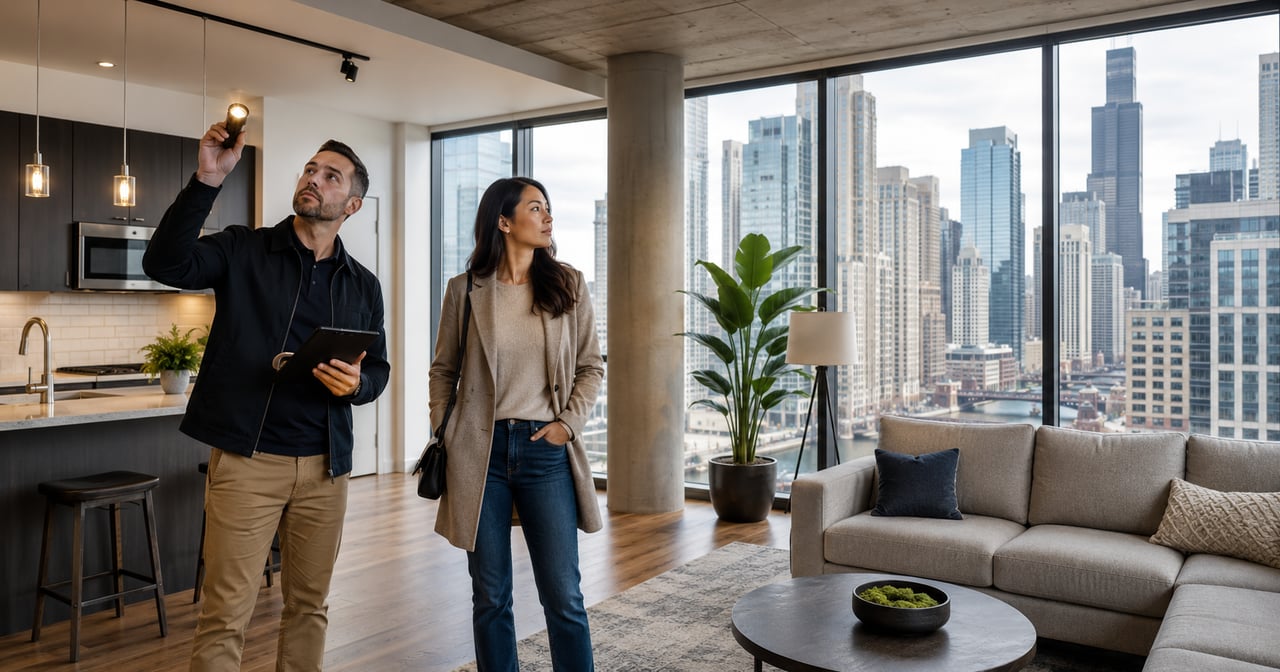
Private showings that create urgency and focus
A sign alone does not create value. Strategy does.
The Bottom Line for Sellers
Before agreeing to an open house, or an open house sign, ask the bigger question: How does this help attract the right buyer, at the right price, with the least amount of risk?
Sometimes the best marketing is quieter, more controlled, and far more effective than a sign on the corner.
If you’re selling, the goal isn’t traffic—it’s results.