Shopping for a downtown Chicago condo can feel simple at first glance. You see the price, scroll the photos, note the monthly assessment, and decide whether the unit seems worth a tour. But condo listings often hide the most important details in a few short lines, and knowing how to read them can save you time, money, and surprises later. Let’s break down how to read a downtown Chicago condo listing like someone who knows what really matters.
Start With the True Monthly Cost
In downtown Chicago, the list price is only part of the story. Condo listings usually include at least two major ongoing cost lines: the monthly condo assessment and the property taxes.
Those numbers do different jobs. The monthly assessment is generally paid to the association and helps fund shared building expenses, amenities, maintenance, and sometimes utilities. The property-tax line is separate, and because Cook County reassesses Chicago on a triennial cycle, taxes can change independently from the HOA assessment.
What the assessment really tells you
A monthly assessment is not just a fee. It can be a clue about how the building is run and what your ownership experience may look like.
Under Illinois law, condo boards must prepare and distribute an annual budget that itemizes anticipated common expenses, assessments, and other income. The budget also must provide for reasonable reserves for capital expenditures and deferred maintenance unless that reserve requirement has been properly waived, and if it has, that waiver must be disclosed in bold to buyers.
That means a very low assessment is not automatically good news. It may reflect lean operations, but it can also raise questions about reserves, deferred maintenance, or whether future costs could show up later through a special assessment.
A higher assessment is not automatically bad either. In many downtown buildings, more services, staff, amenities, and shared utilities naturally mean higher monthly operating costs. The smarter question is: What does the fee cover, and does the building appear financially prepared?
Look Past the Marketing Remarks
Listing remarks are designed to attract attention. They are useful, but they are not the final word on how the building operates.
In Illinois, condo associations can adopt and amend rules, levy late charges and reasonable fines, and enforce the declaration, bylaws, and rules against owners and tenants. So when you see phrases like board approval required, rental cap, or no investors, treat those as signals to review the actual condo documents.
Phrases that deserve a second look
Some listing phrases are more important than they seem. In a downtown Chicago condo search, these deserve follow-up:
- Board approval required
- Rental cap
- No investors
- Special assessment
- Pending litigation
- Reserve waiver
- As-is
- No FHA
Each of these terms points to a larger issue that may affect your costs, financing path, flexibility, or risk.
As-is means the seller is not agreeing to make repairs, even if an inspection reveals defects. Special assessment, reserve waiver, and pending litigation are especially important because Illinois law requires disclosures tied to reserves, anticipated capital expenditures, financial condition, and pending suits or judgments.
If you see no FHA, do not automatically assume the condo itself is defective. Illinois law says an association may not reject a sale solely because the buyer is using FHA-backed financing. That phrase may require more context before you draw conclusions.
Request the Documents That Matter
The listing is only the starting point. The real story of a downtown condo usually sits in the association documents.
Illinois law requires associations to keep important records, and members have inspection rights to core governance and financial documents. If you are serious about a unit, you should ask for the documents that show how the building is actually managed.
What to request after the first showing
Ask for:
- The declaration
- The bylaws
- Plats
- Rules and regulations
- Current insurance information
- Contracts
- Board meeting minutes
- Current financial records
- Any reserve study
- The resale disclosure packet
These documents can tell you whether the building has healthy reserves, upcoming projects, unpaid assessments, pending legal issues, or rules that affect how you plan to use the unit.
If the listing hints at recent fee increases, governance issues, or litigation, this step becomes even more important. The resale disclosure packet should help clarify reserve status, anticipated capital expenditures, and whether the association is dealing with pending suits or judgments.
Understand Special Assessments and Reserve Waivers
Many buyers see the words special assessment and panic. In reality, special assessments are part of the Illinois condo framework and can be used for emergencies, mandated work, additions, alterations, or costs not covered by the annual budget.
That does not mean they are harmless. It means you should understand what the assessment is funding, whether more work is expected, and whether the building has enough reserves to reduce the chance of another surprise.
Why reserve strength matters
Reserves are the funds set aside for future capital repairs and deferred maintenance. If a building has weak reserves or has waived reserve funding, you may face more uncertainty when major building work comes due.
A practical insider question is whether the annual budget clearly separates reserves, capital expenditures, repairs, real estate taxes, and any assessment tied to limited common elements. That level of detail can help you see whether the building is planning ahead or simply reacting to problems.
Decode Parking Before You Assume Anything
In downtown Chicago, parking can add value, convenience, and resale appeal. But the words used in the listing do not always tell you exactly what rights you are getting.
Illinois law recognizes that parking spaces may be reserved for the exclusive use of certain units, and parking can also be treated differently depending on the building’s declaration and plat. In other words, the parking setup may be more complex than the listing makes it sound.
What deeded, assigned, and leased can mean
If a listing says deeded parking, assigned parking, or leased parking, verify that language against the legal documents.
Here is why that matters:
- Deeded parking may transfer with the unit as an ownership interest.
- Assigned parking may mean the space is reserved for your use, but not owned separately.
- Leased parking may be based on a separate agreement that could change or end on resale.
Parking can also affect carrying costs. Illinois law allows some common-expense assessments to be allocated only to the units that use a limited common element, which may include certain parking arrangements.
For downtown buyers, parking is not just a convenience item on a checklist. It can affect usability, monthly costs, and future resale.
Read View Language Carefully
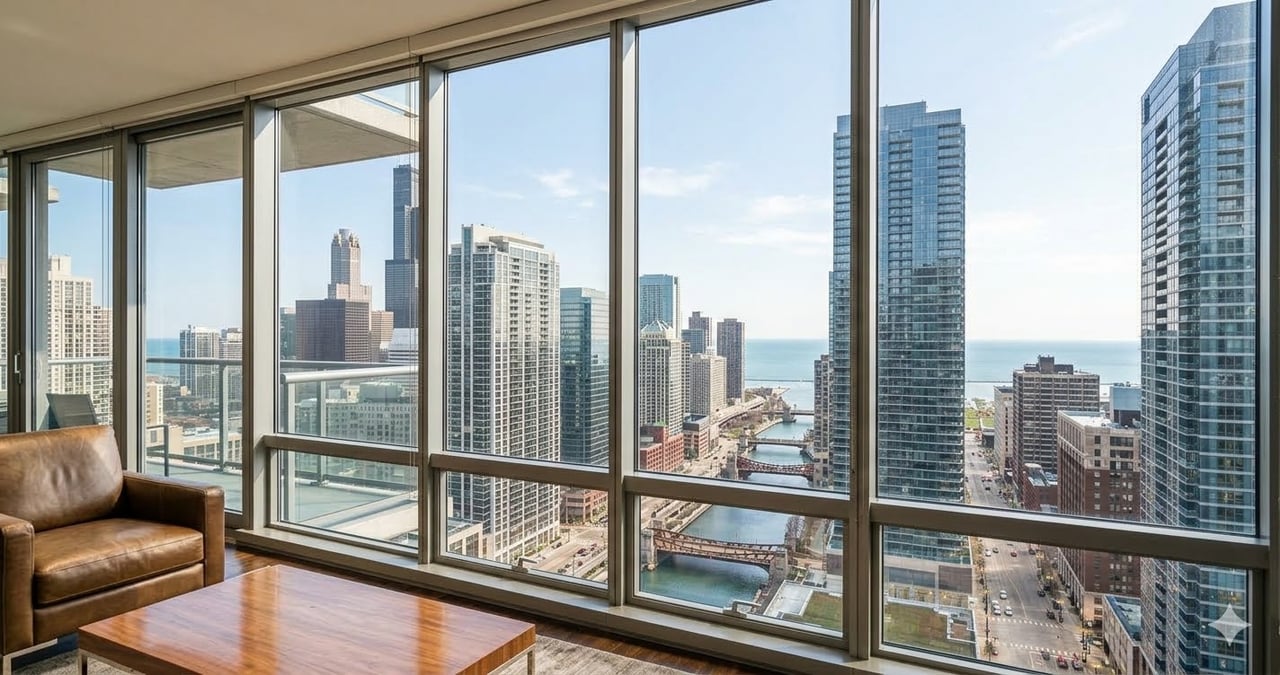
In a high-rise market like downtown Chicago, views matter. They can influence both enjoyment and value, which is why listing language around views is often vague.
Research on high-rise housing shows that view quality can affect pricing, and that value often depends on floor level, orientation, surrounding building height, and the broader urban setting. So terms like skyline view or lake glimpse should not be taken at face value.
What view descriptions may be hiding
When you read phrases like these, ask follow-up questions:
- Skyline view
- Partial city view
- Lake glimpse
- Protected view
The real issue is not the label itself. It is whether the unit’s orientation, floor height, and nearby buildings support that claim in a meaningful way.
A protected view may sound strong, but you still want to understand what is actually protected and by what. In dense downtown locations, even a great view today may be influenced by nearby development patterns and surrounding building heights.
Use an Insider Checklist on Every Listing
Once you know what to look for, condo listings get easier to compare. Instead of reacting only to photos and finishes, you can quickly spot whether a listing deserves deeper review.
Questions to ask after your first read
Use this checklist:
- What does the monthly assessment cover?
- How much of the budget goes to reserves versus day-to-day expenses?
- Is there a current or anticipated special assessment?
- Has the association waived reserves?
- Are there pending capital projects?
- Are there pending suits or judgments?
- Are parking rights deeded, assigned, or leased?
- Are there rental limits or other use restrictions?
- Are there move-in rules or approval requirements?
- Does the tax line look reasonable, knowing Cook County reassesses Chicago on a triennial cycle?
This is the kind of review that helps you move from “nice listing” to “smart decision.”
Why This Matters in Downtown Chicago
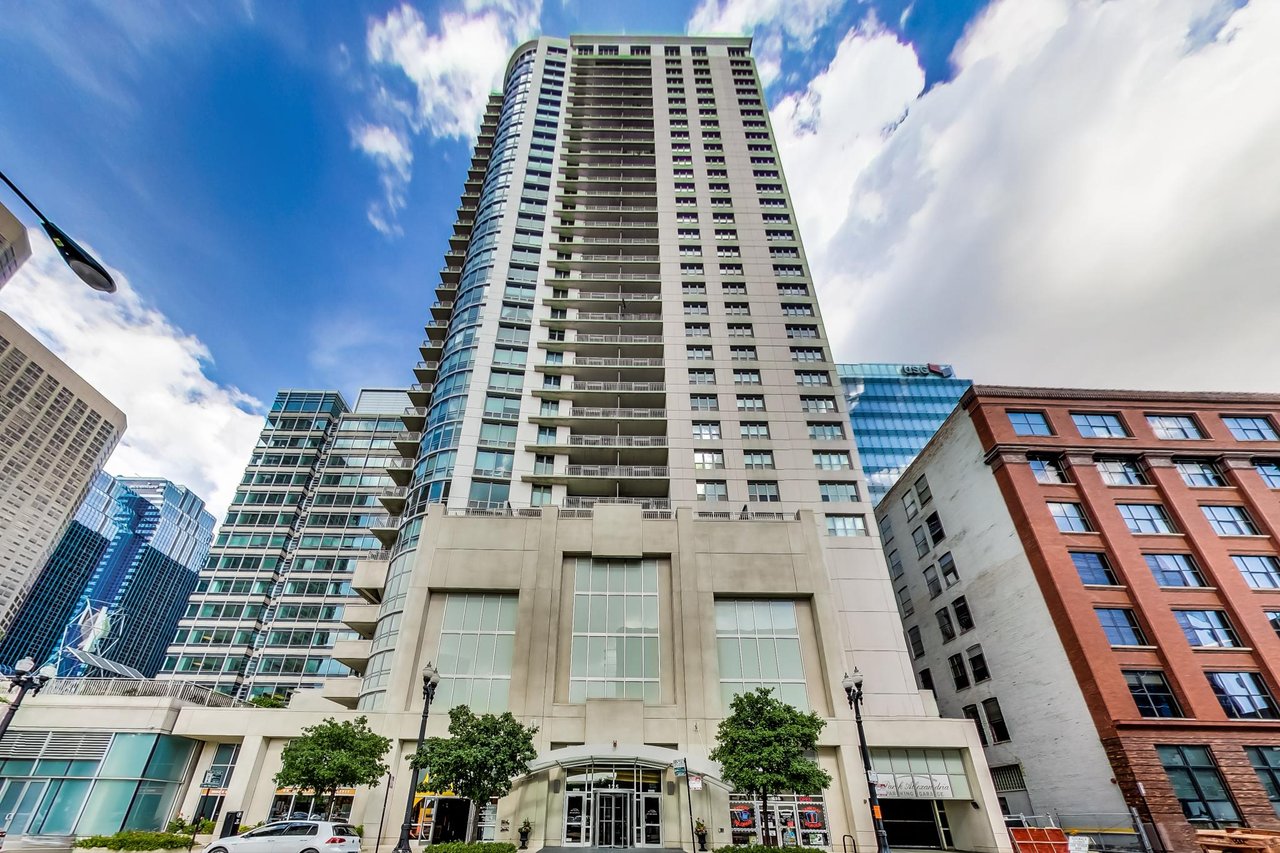
Downtown condo living comes with unique advantages, but it also comes with layers of building-level detail that do not show up in the listing photos. In neighborhoods like River North, West Loop, Old Town, Lincoln Park, and the broader Near North and downtown core, one building can operate very differently from the next.
That is why local, building-level insight matters. A polished listing can generate interest, but the declaration, bylaws, budget, reserve information, and resale disclosures are what show whether a condo is well-managed, financially stable, and aligned with your goals.
If you are buying or selling a downtown Chicago condo, reading the listing like an insider helps you ask better questions early. And that usually leads to better decisions with fewer surprises later.
If you want clear, building-specific guidance on downtown Chicago condos, connect with Christine Hancock - Hancock Group for thoughtful, high-touch support.
FAQs
What does a downtown Chicago condo assessment usually cover?
- A condo assessment typically helps pay for shared building expenses such as maintenance, amenities, and sometimes utilities, but you should confirm the exact coverage in the association budget and documents.
What should buyers request for a Chicago condo association review?
- Buyers should request the declaration, bylaws, plats, rules and regulations, insurance information, contracts, board minutes, current financial records, any reserve study, and the resale disclosure packet.
What does special assessment mean in an Illinois condo listing?
- A special assessment is an additional charge that may be used for emergencies, mandated work, additions, alterations, or costs not covered by the annual budget.
What does deeded parking mean in a downtown Chicago condo?
- Deeded parking may mean the parking space transfers with the unit as an ownership interest, but you should verify that through the declaration, plat, and closing documents.
What does no FHA mean on a Chicago condo listing?
- It should not automatically be read as a defect with the unit, since Illinois law says a condo association may not reject a sale solely because the buyer uses FHA-backed financing.
Why do property taxes and HOA fees change separately in Chicago condos?
- They are different cost categories, and Cook County reassesses Chicago on a triennial cycle, so the property-tax line can change independently from the monthly condo assessment.