Chicago Mail Slots: What Vintage Brass Hardware Tells You About a Building
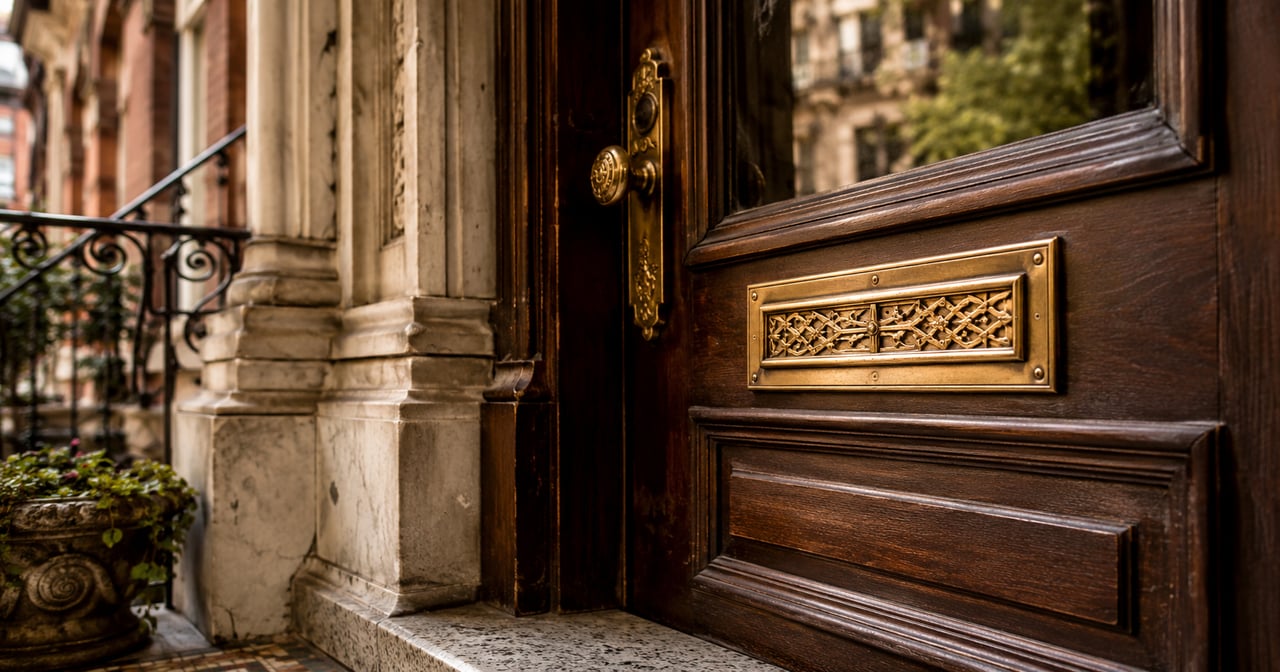
Why do so many old Chicago buildings have a brass mail slot in the door? Because for decades, your mail came straight through it, and that little piece of metal is now one of the clearest clues to a building's age, era, and craftsmanship.
THE SHORT ANSWER
A brass mail slot usually means you are standing in a vintage Chicago building, often from the late 1800s or early 1900s. Back then, mail was delivered directly through the door, and hardware was treated as part of the architecture. Spot a brass slot and you are likely looking at a building with real history.
One of my favorite things about touring Chicago buildings is noticing the details most people walk right past. A few weeks ago I got completely fascinated by doorknobs. This week? Mail slots. Yes, mail slots. That little brass opening in a front door or lobby wall that almost nobody thinks twice about.
But if you have followed me for any amount of time, you know I love the hidden stories behind Chicago real estate. So let's nerd out for a minute. These tiny pieces of metal tell us a lot about how people used to live. And once you know the history, you will never look at them the same way again.
What Did People Use Before Package Rooms?
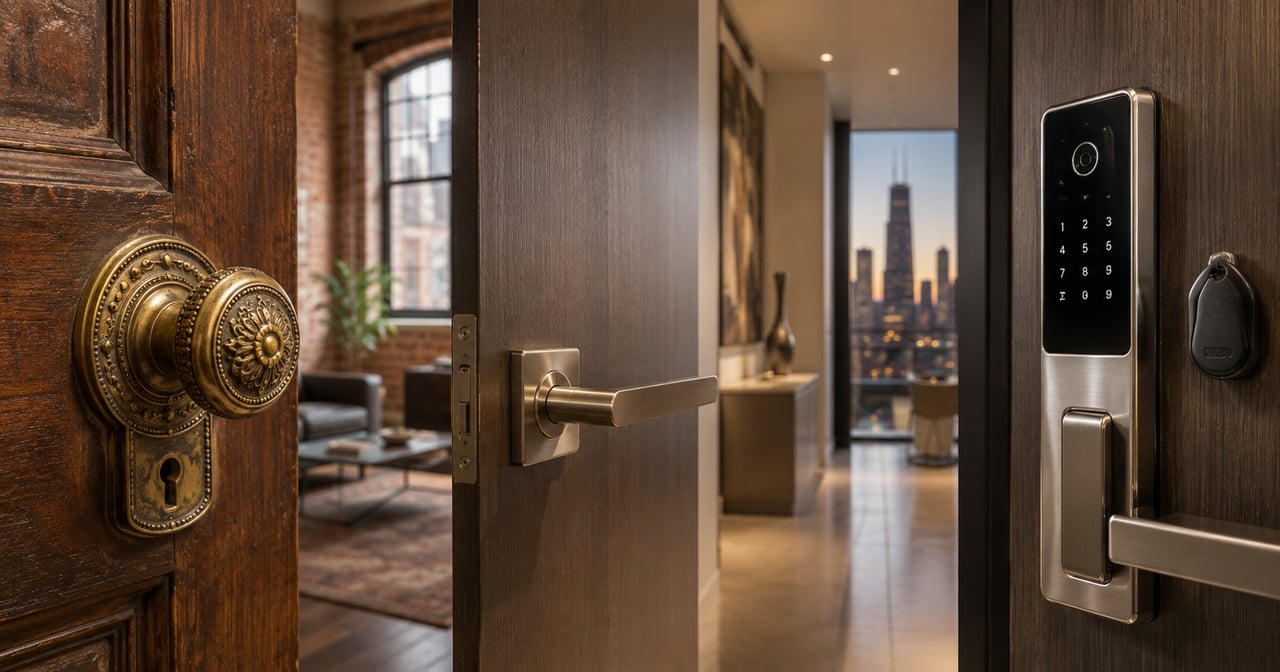
Today we track packages from our phones. We get a ping when Amazon is three stops away. We have package rooms, smart lockers, video doorbells, and key fob access.
But for much of Chicago's history, mail delivery was personal. The carrier walked right up to your building and pushed your mail through a slot in your front door. No community mailbox. No package room. No email telling you it arrived. Just a letter sliding through a brass opening and landing on the floor. Simple, efficient, and kind of charming when you think about it.
Why Were Mail Slots Made of Brass?
If you have spent time in Chicago's vintage buildings, you have probably noticed that most mail slots are brass. That was not an accident.
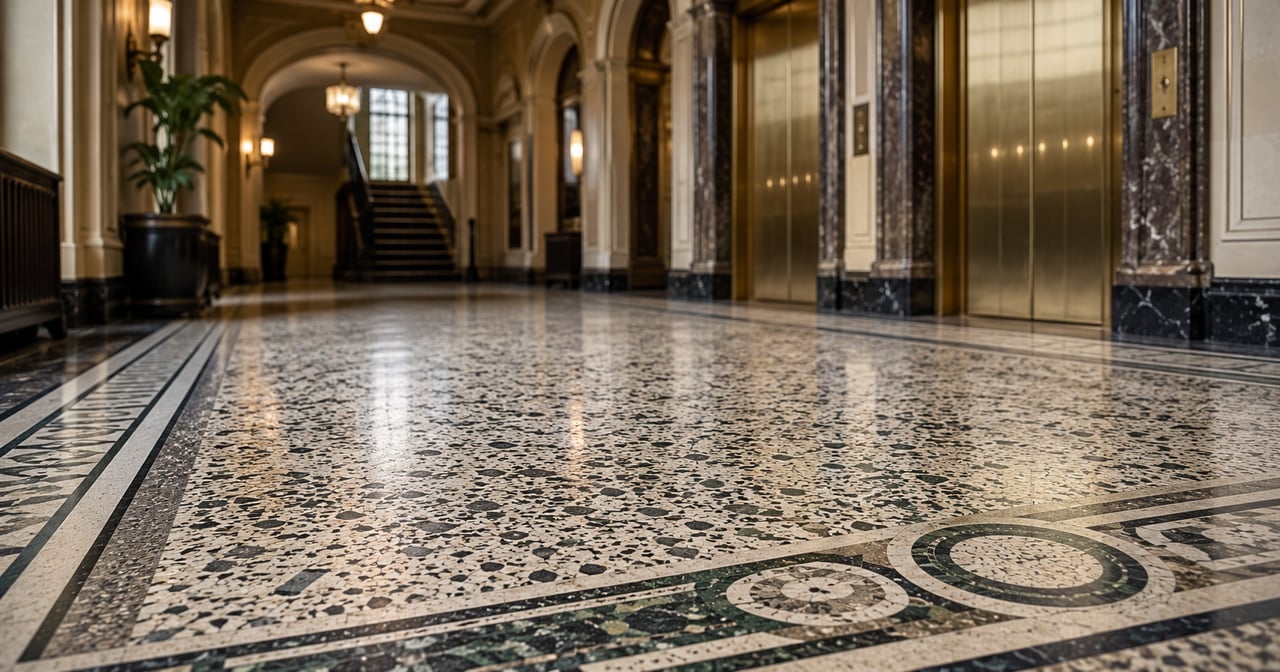
Brass was durable, elegant, and resistant to corrosion. Builders in the late 1800s and early 1900s often treated hardware as part of the architecture itself. The same craftsmen who invested in detailed moldings, terrazzo floors, stained glass, and ornate lobby entrances also paid attention to the mail slot. Many featured decorative engravings and custom work. Imagine that. A time when even getting your mail came with beautiful design.
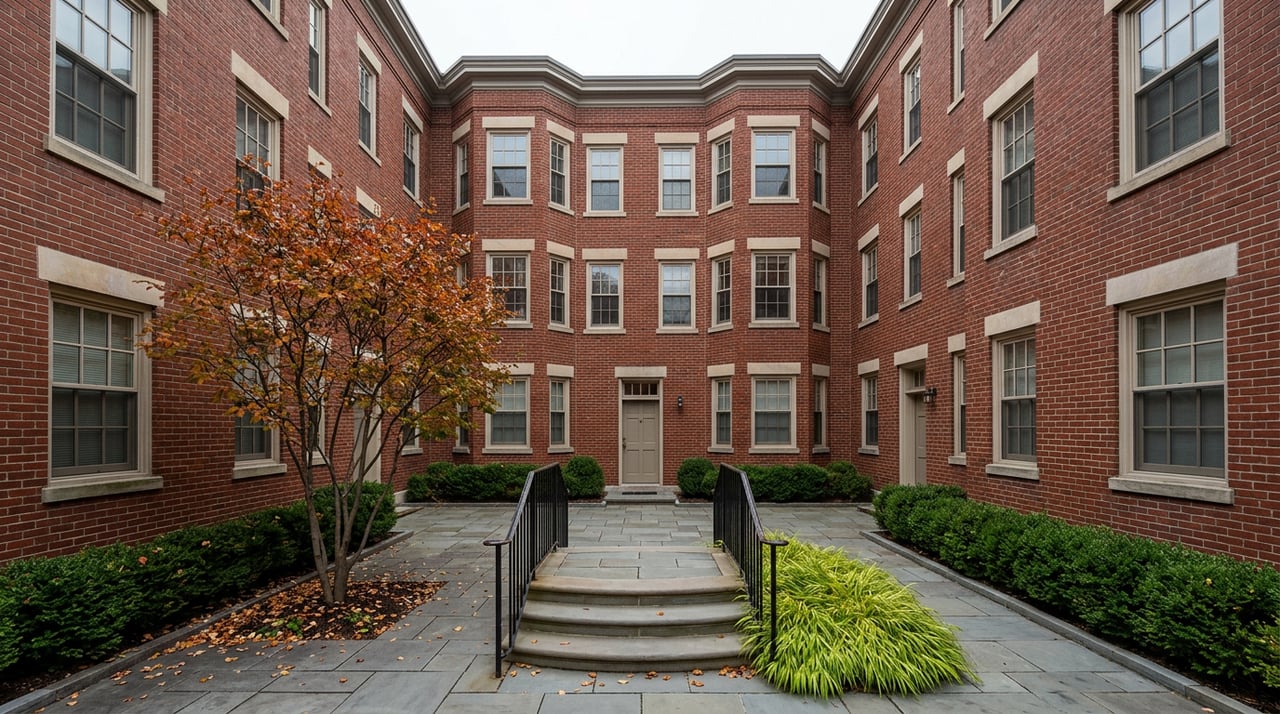
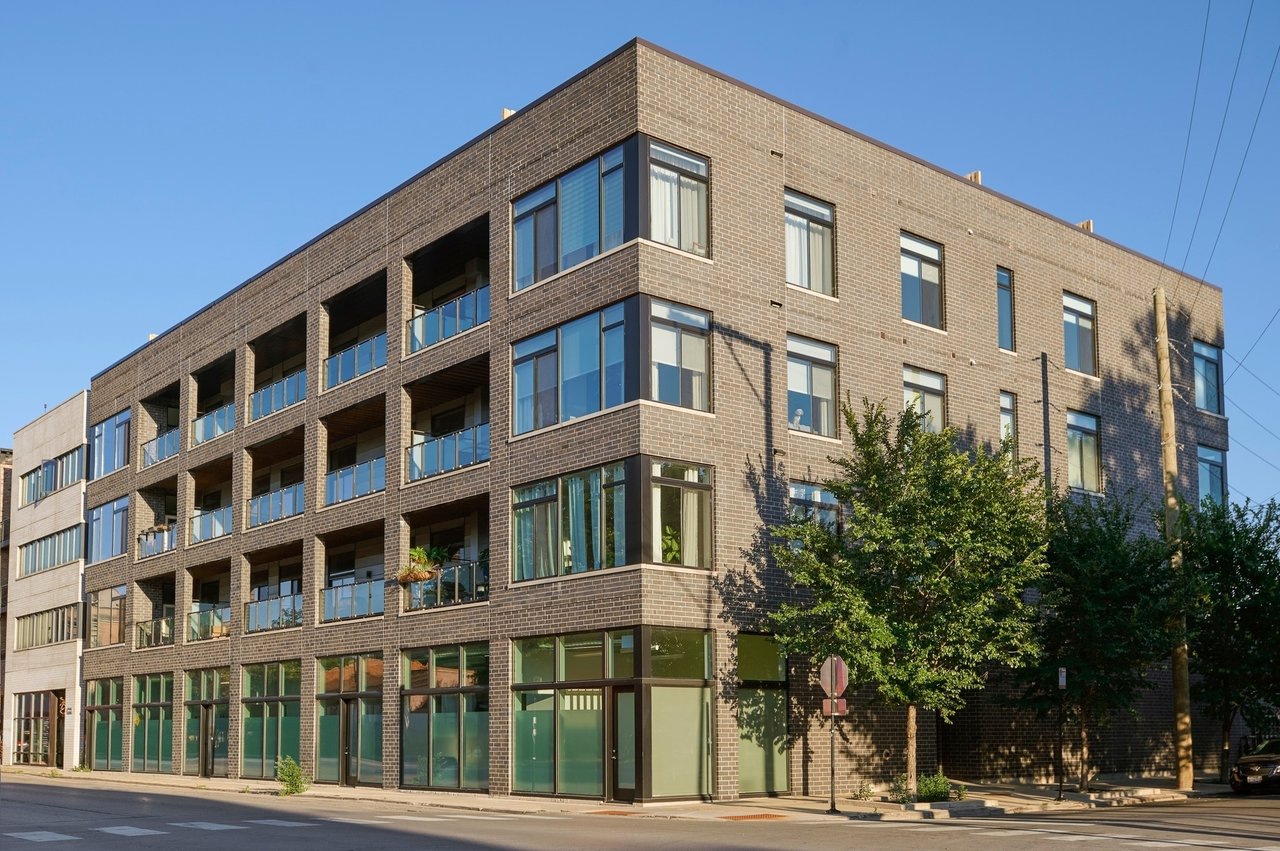
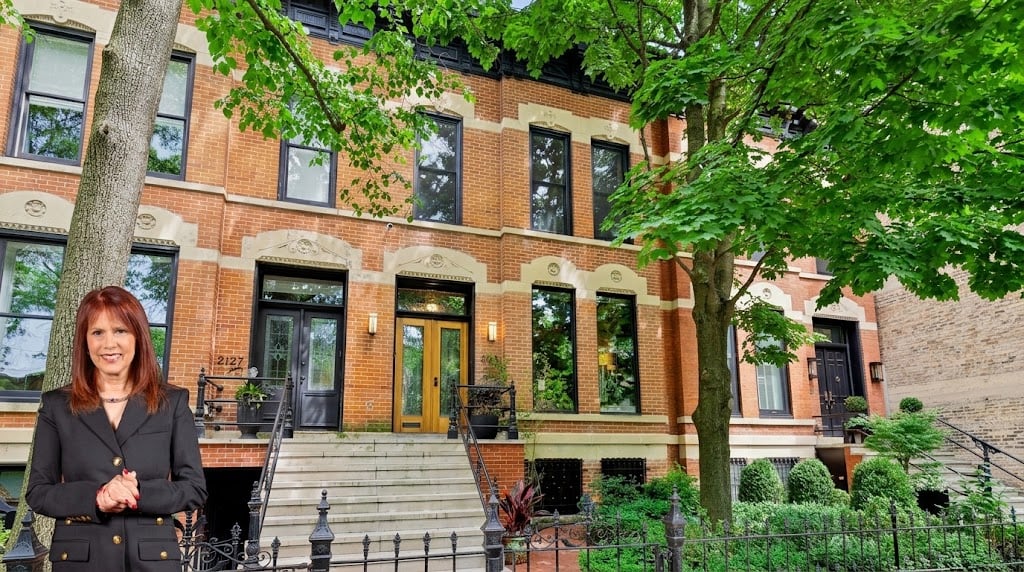
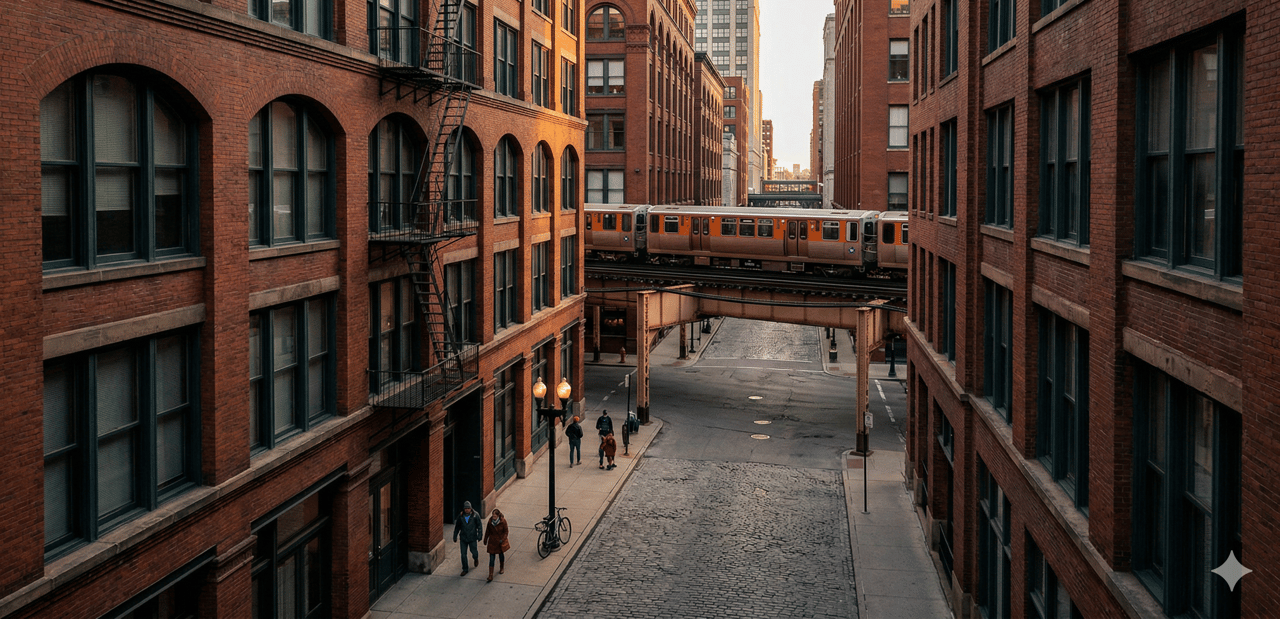
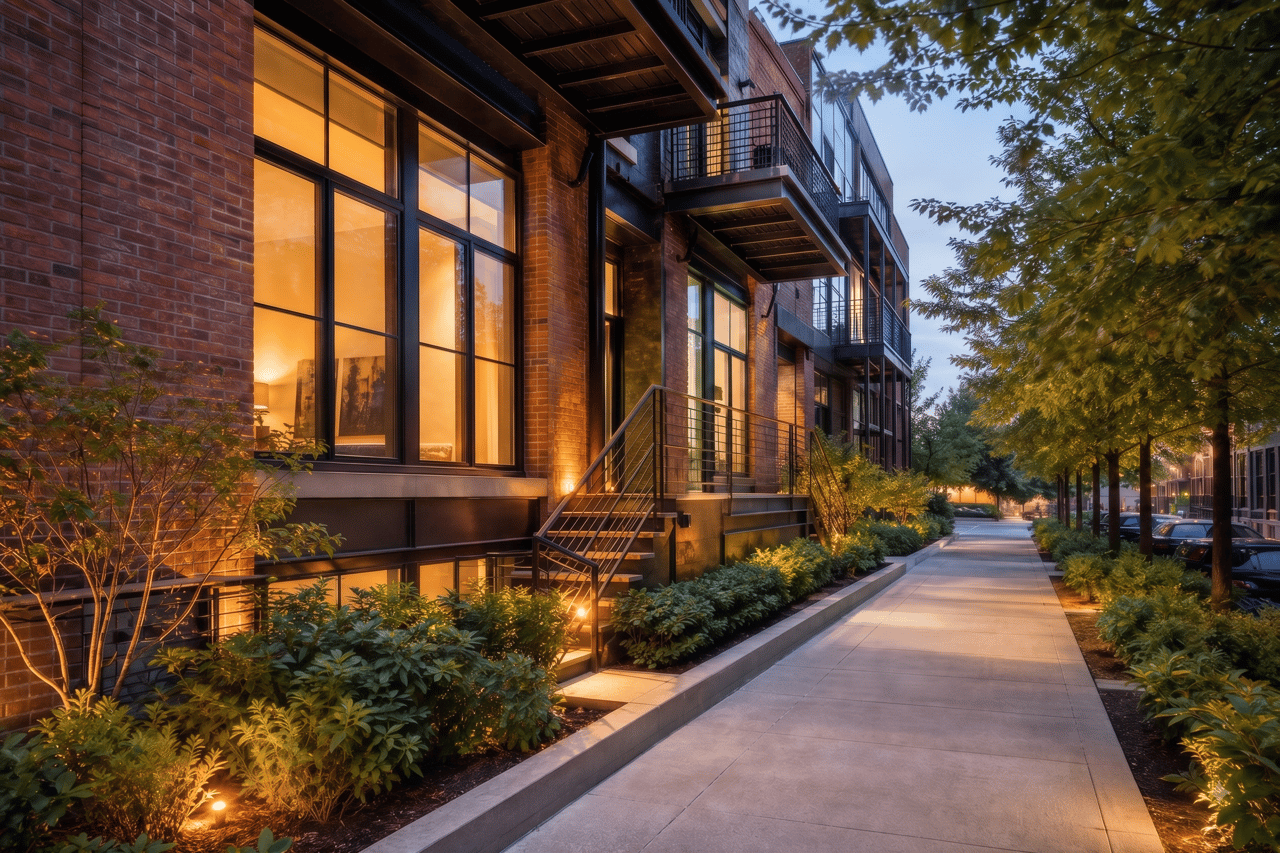
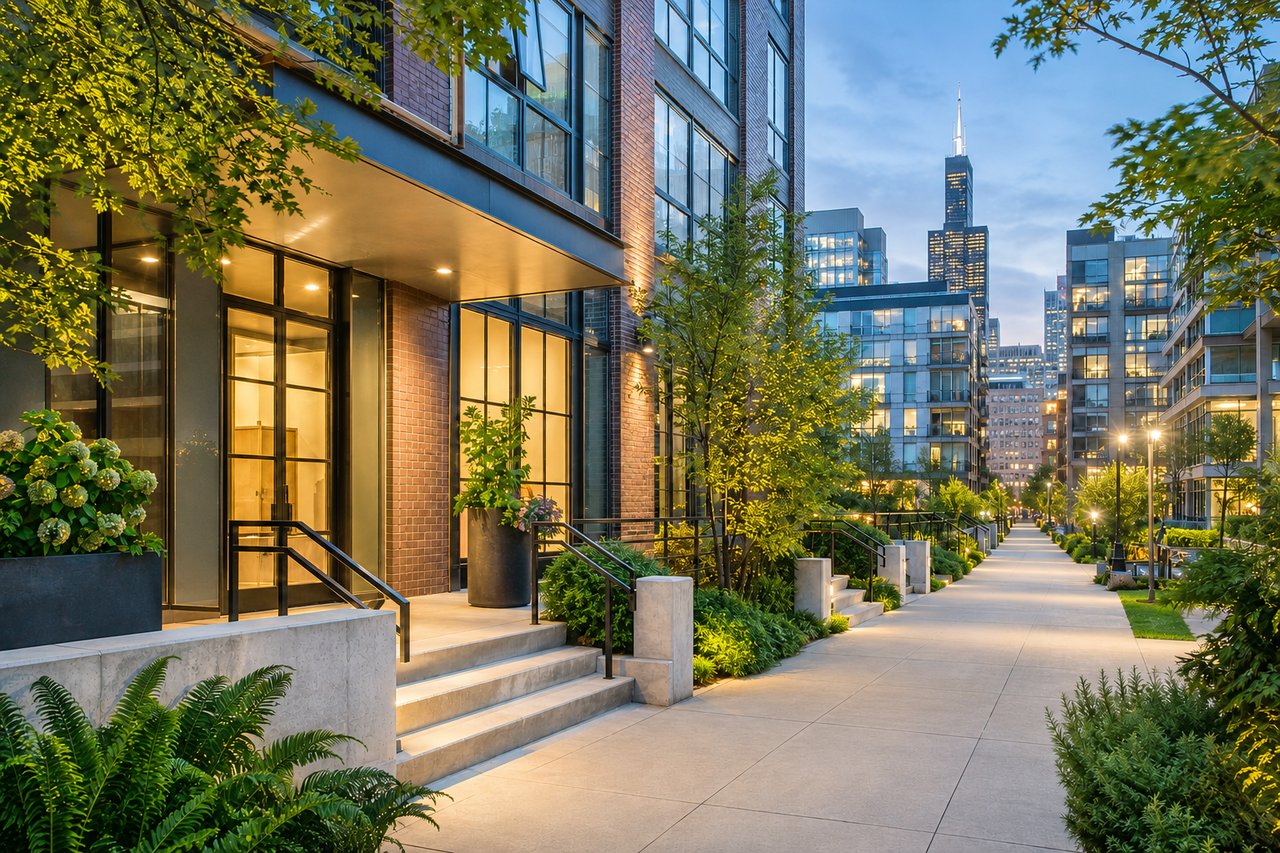
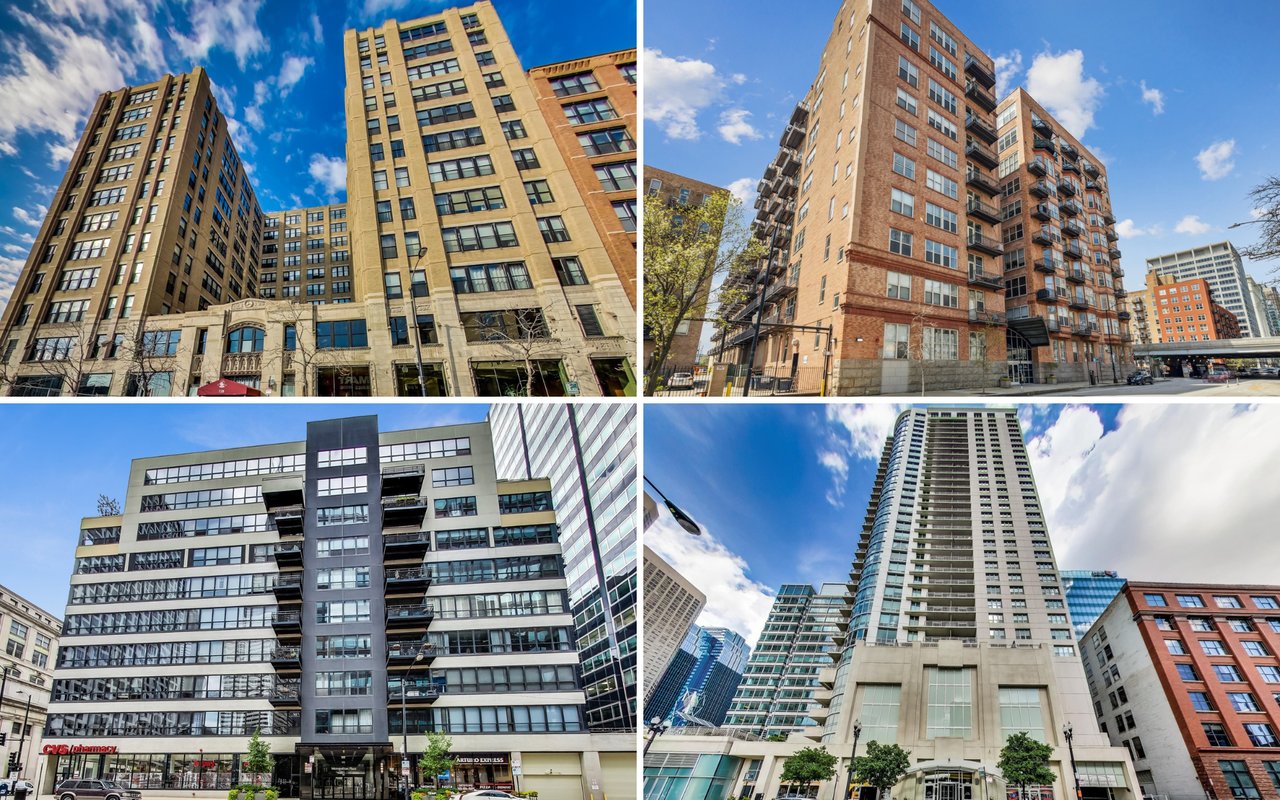
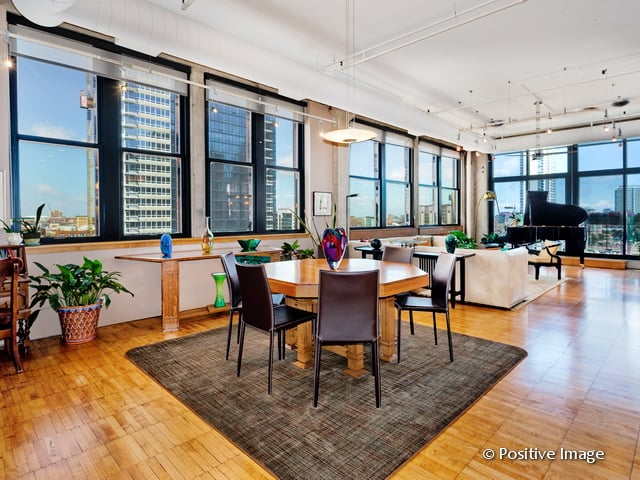
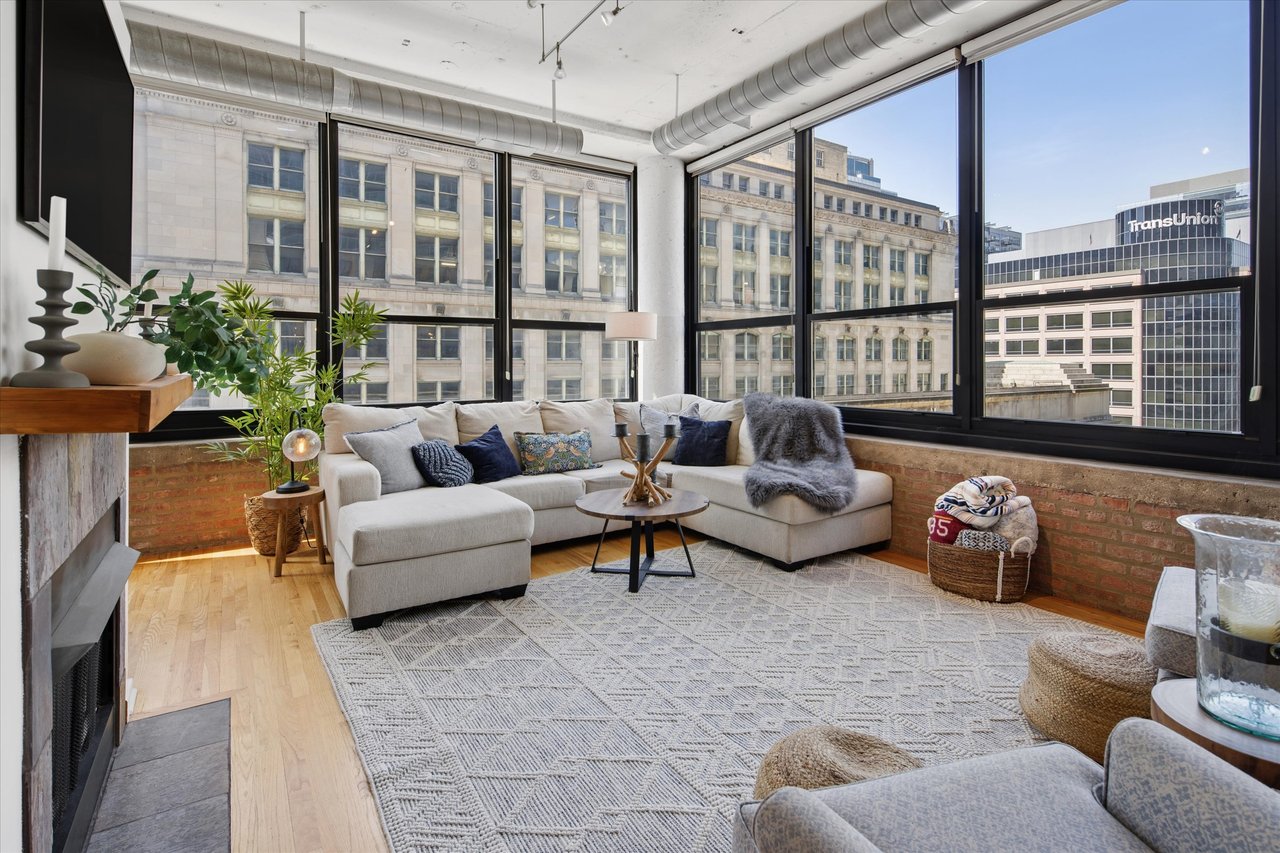
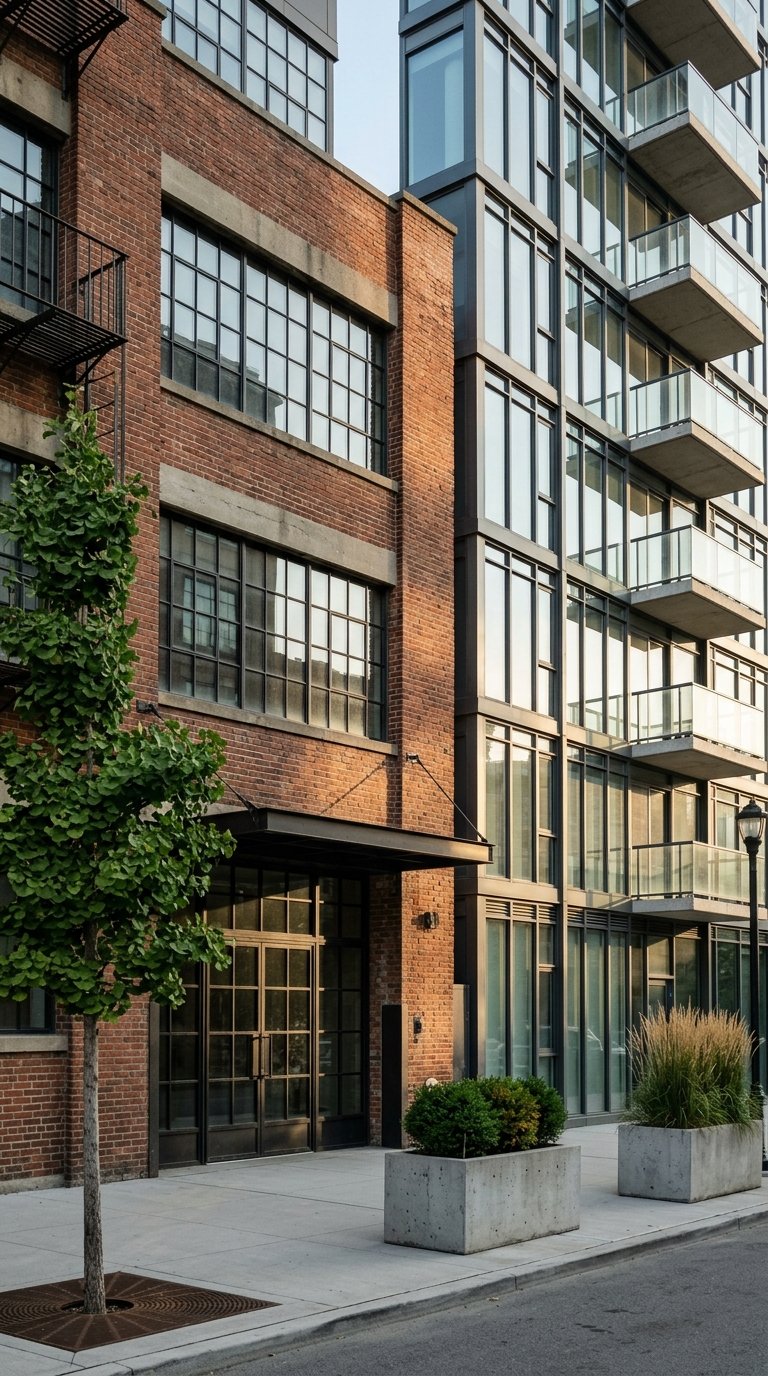
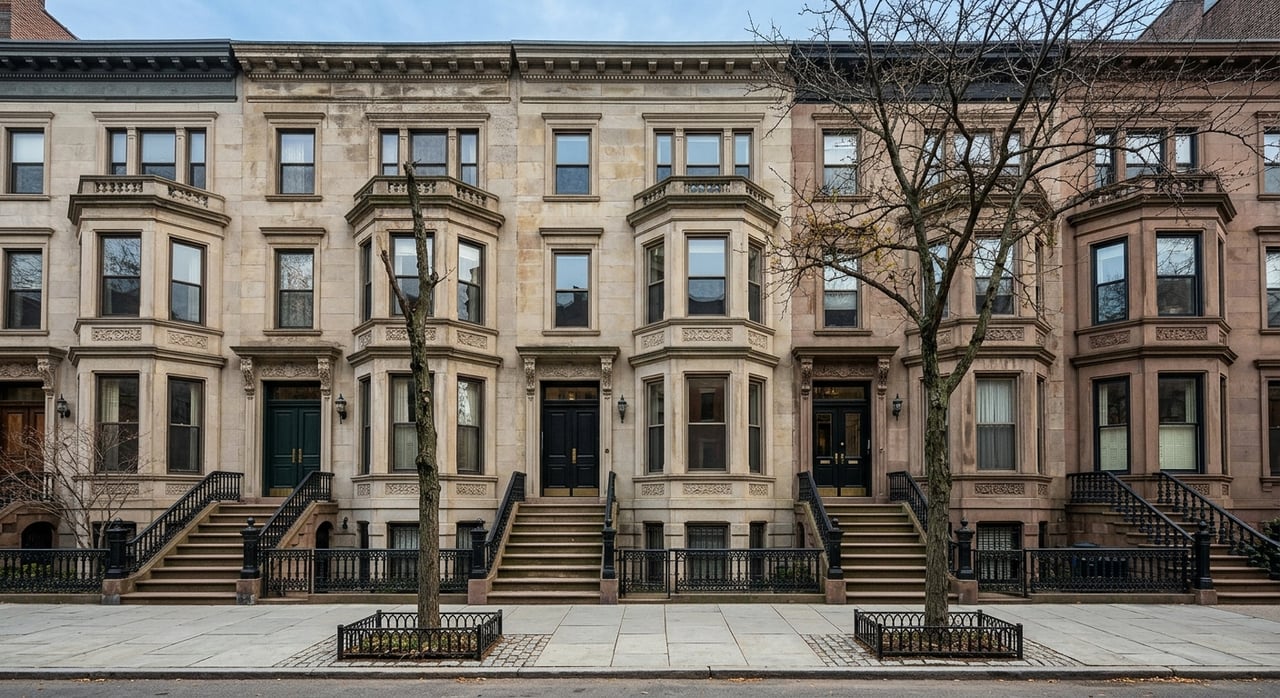
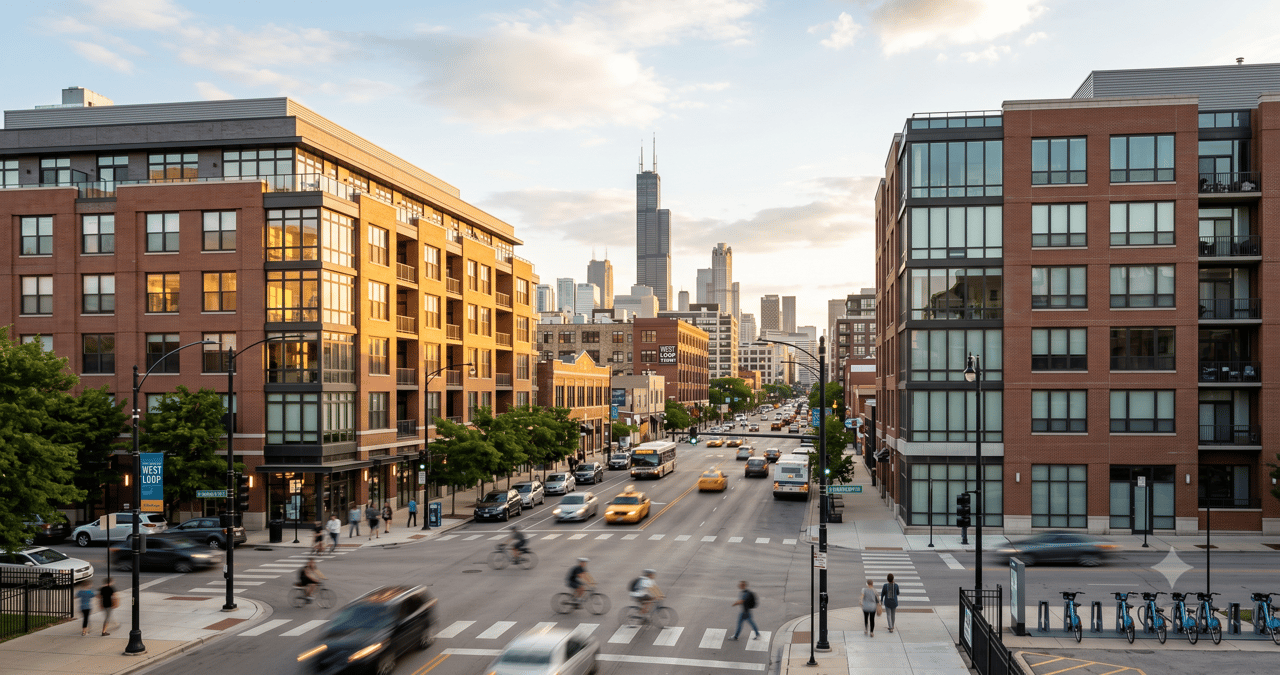
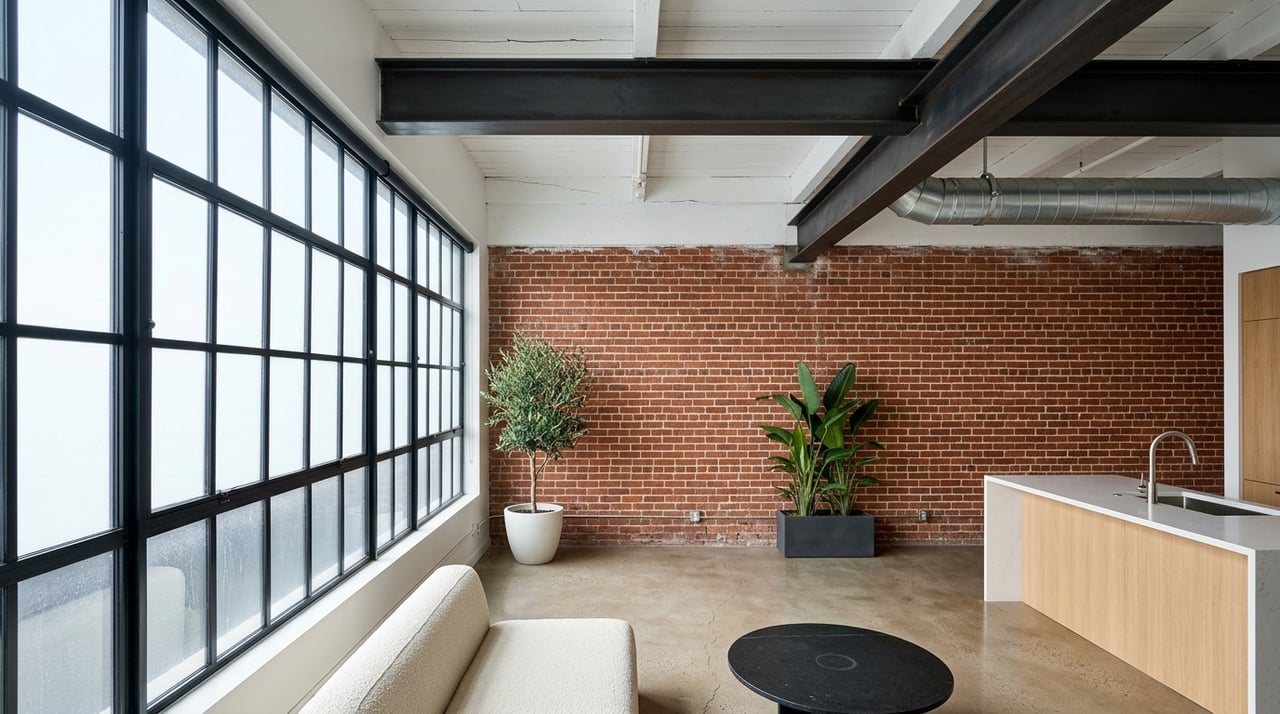
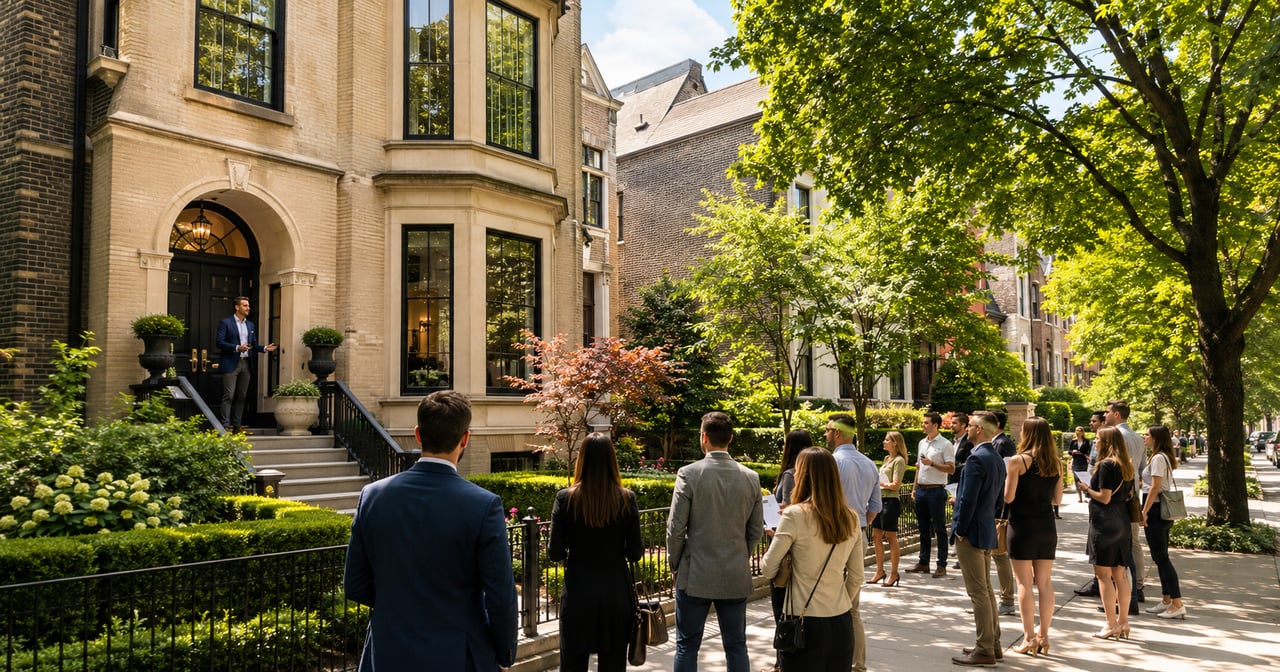
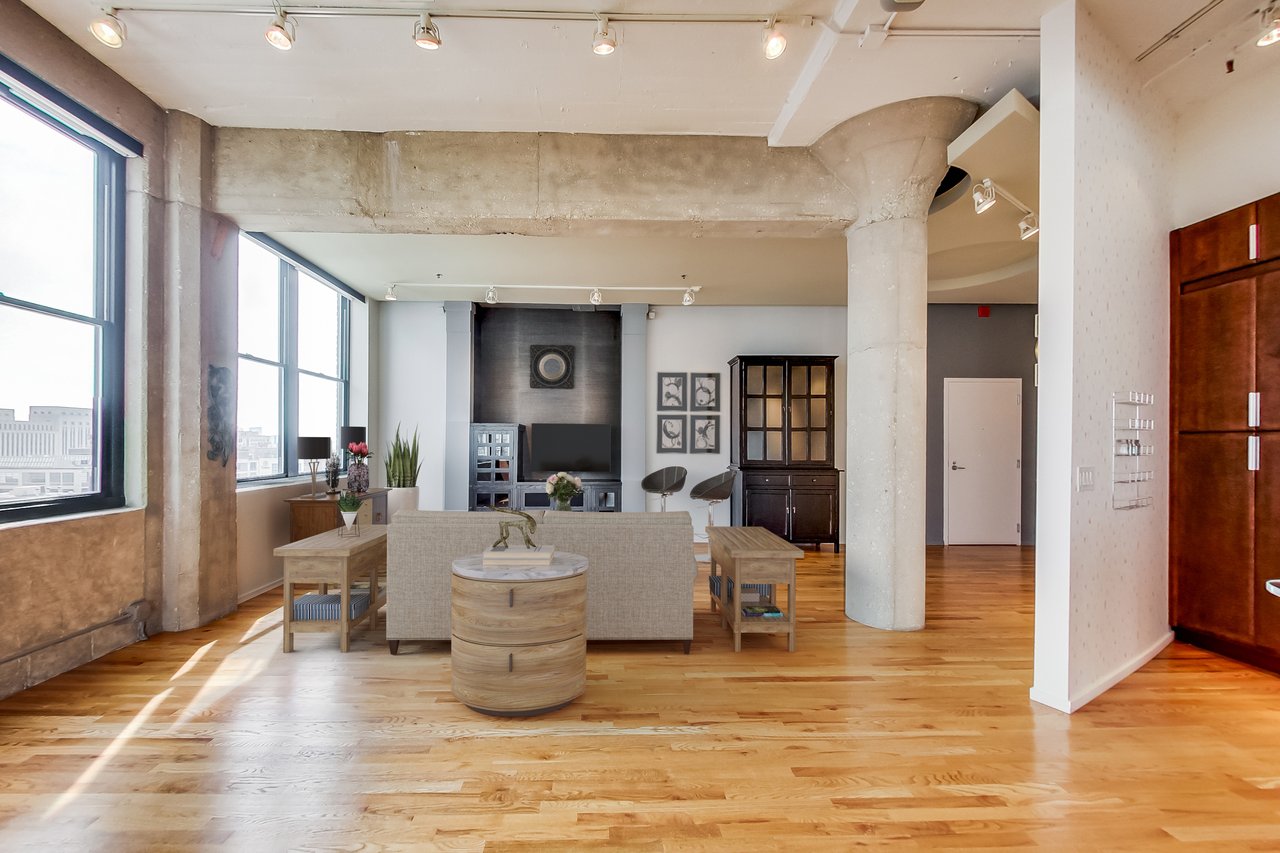
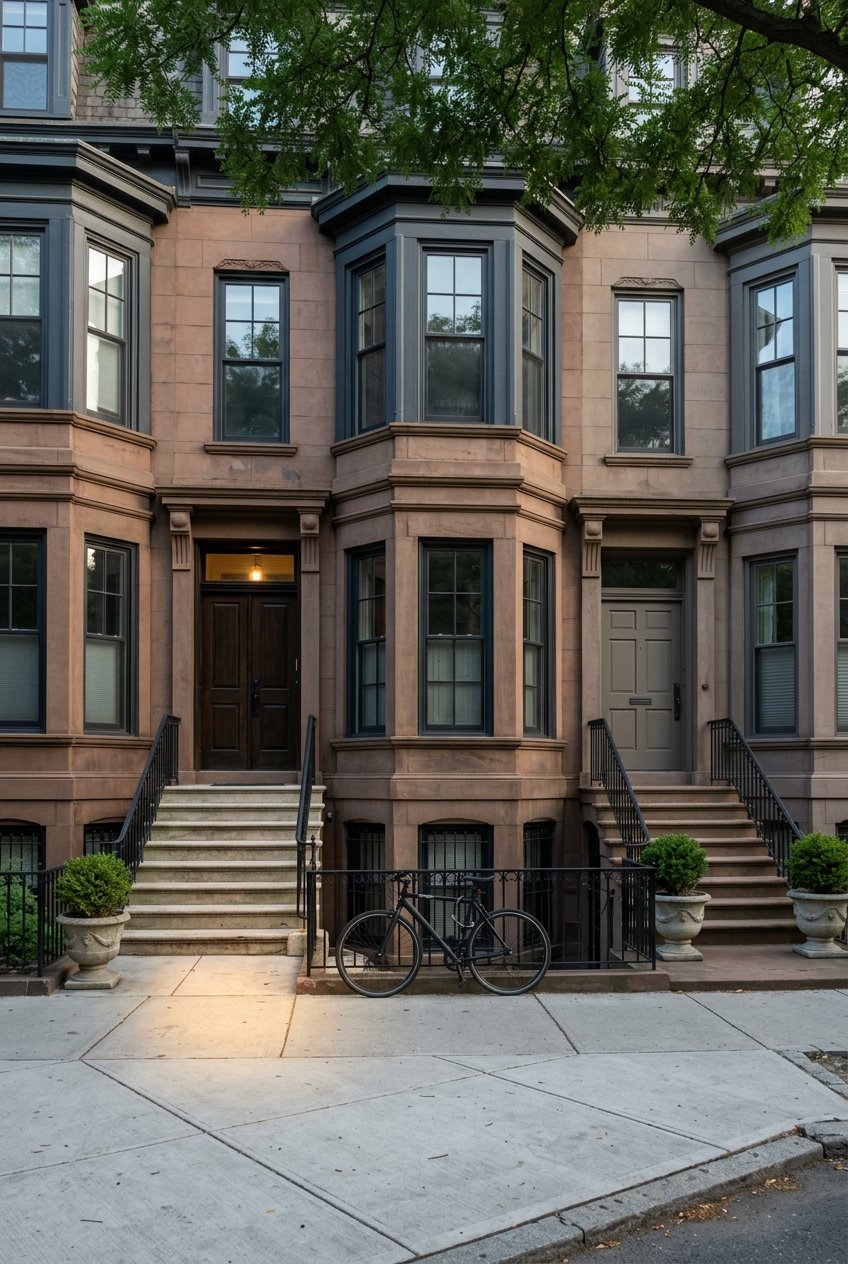
You can still see this thinking in West Loop timber loft conversions, Gold Coast greystones, and older River North walk-ups. The good ones kept the original hardware because it was built to last.
Was a Mail Slot Actually a Luxury Feature?
This part surprised me. Having mail delivered directly into your home was once considered modern and convenient.
In the early days, people often had to pick up mail from a post office or a shared location. A slot in your own door meant the service came straight to you. It signaled progress, kind of like in-unit laundry does today. According to the Smithsonian National Postal Museum, home mail delivery expanded across American cities through the late 1800s, and direct delivery became a marker of a connected, growing neighborhood. What feels ordinary now was once a real upgrade.
Why Are Some Mail Slots High and Others Low?
Have you ever noticed this? Some slots sit almost at eye level. Others are close to the floor. There is a practical reason.
Many older homes placed the slot low because letters simply fell onto the floor inside. The placement kept mail from scattering and made installation easier. Higher slots became more common once interior mail catchers or collection boxes were added behind the door. In other words, the location tells you something about how the building was designed to work. Chicago buildings are full of clues if you are paying attention.
What Happened to Mail Slots?
The short answer is that the world changed.
As apartment and condo buildings grew larger, centralized mailboxes became more practical. Then came stricter postal rules. Then came security concerns. Then came packages. Lots and lots of packages.
A mail slot works great for a handwritten letter. It does not work for seven Amazon boxes, two Target deliveries, a bag of dog food, and an air fryer all arriving on the same day. Modern life outgrew the slot. The rise of online shopping completely changed how buildings get designed, which is why newer towers feature dedicated package rooms, concierge desks, secure lockers, and electronic notifications. The mail slot quietly retired after decades of service.
How a Mail Slot Reveals the Age of a Building
One thing I love about Chicago real estate is that every building leaves clues. A mail slot often signals you are standing in a building from another era. An era of handwritten letters, when people waited days for news instead of seconds, and when opening the front door to find a letter on the floor was just part of the day.
That tiny brass opening survived while the world around it changed. And honestly, that is kind of incredible.
Key Takeaways
- A brass mail slot is one of the easiest visual clues that a Chicago building is vintage, often from the late 1800s or early 1900s.
- Brass was chosen for durability and elegance, and old builders treated hardware as part of the architecture.
- Home mail delivery through a slot was once considered a modern, convenient feature.
- Slot height hints at how the building was originally designed to collect mail.
- Mail slots faded out as buildings grew larger and online shopping created a flood of packages.
Why I Love Finding Them
People expect a Realtor to notice floor plans, kitchens, and skyline views. I notice those too. But I also notice the details, because the details tell the story.
The original doorknob. The terrazzo floor. The vintage buzzer system. The old elevator cage. The brass mail slot. They are reminders that a building is not just walls and windows. It is a piece of Chicago history. Thousands of people may have passed through those doors before us. They celebrated milestones, raised families, started careers, fell in love, and built lives inside those walls. And for decades, their news, invitations, bills, love letters, and holiday cards arrived through that very same slot. Not bad for a little piece of brass.
If you want to go deeper on reading a building's character and financial story, the Chicago Architecture Center is a great rabbit hole, and it pairs well with learning how building details affect resale value.
The Bottom Line
The next time you see a brass mail slot, take a second look. It is not just old hardware. It is a reminder of a slower, more personal Chicago, where communication arrived one letter at a time. These little details are also part of what makes vintage West Loop lofts, Old Town greystones, and historic River North buildings feel different from anything new construction can copy. Character like this has real value, and knowing how to spot it helps you understand what a building is truly worth.
And if you are anything like me, you will probably catch yourself stopping in a hallway, pointing at a random piece of brass, and saying, "Okay, let's nerd out for a second." Because the best stories in real estate are usually hiding in the details nobody notices.
Frequently Asked Questions
Are brass mail slots still used in Chicago buildings? Rarely for daily mail. Most vintage buildings have switched to centralized mailboxes and package rooms, but many original brass slots are still in place because owners love the character.
Does an original mail slot add value to a condo or loft? Not by itself, but it is part of a building's vintage character, and well preserved original details can make a unit more appealing to buyers who want authenticity over new construction.
How can I tell how old a Chicago building is? Look at the details. Brass mail slots, terrazzo floors, original elevator cages, and ornate lobby hardware all point to late 1800s and early 1900s construction. A quick records check confirms the exact year.
Why do older Chicago buildings have so much brass hardware? Builders in that era treated hardware as part of the architecture. Brass was durable, attractive, and resistant to corrosion, so it showed up on mail slots, doorknobs, buzzers, and lighting.
Should I keep original details when renovating a vintage Chicago condo? Often yes. Original character features can set your unit apart at resale. I am always happy to advise on which details buyers value most before you start a renovation.
Ready to understand how your building's amenities and infrastructure stack up against the competition?
Call or text Kimberly Evetts at 312-659-4213 to talk about your unit's value and what it would take to get you to the closing table.
ABOUT THE AUTHOR
Why do clients choose Kimberly Evetts? Simple. She delivers results with a personal touch.