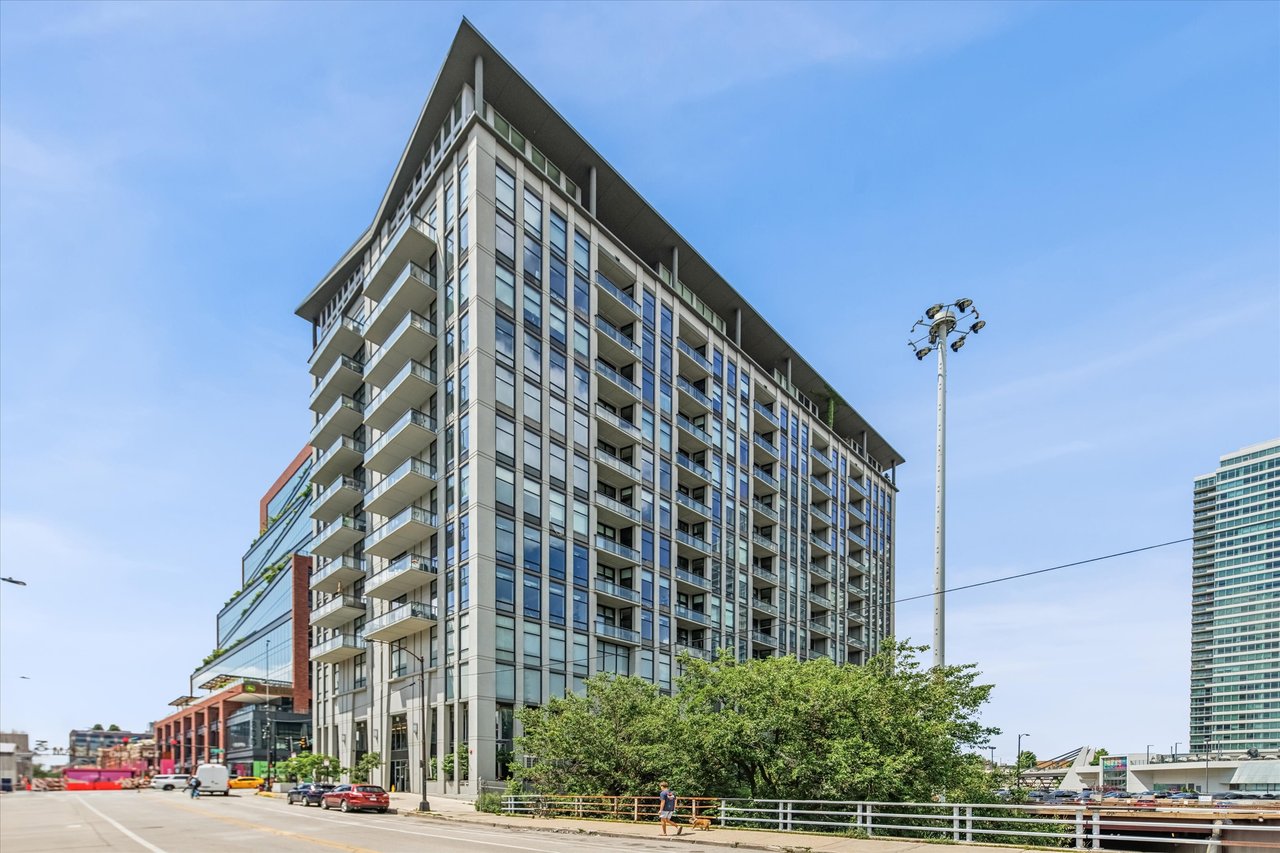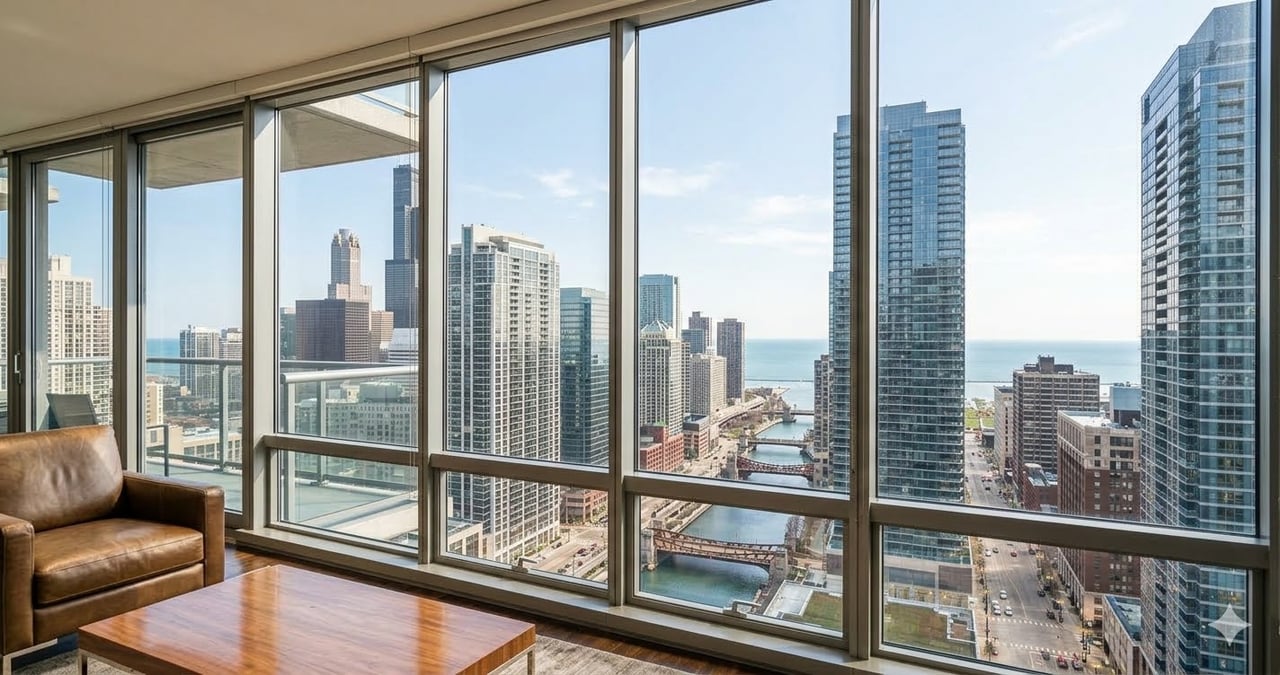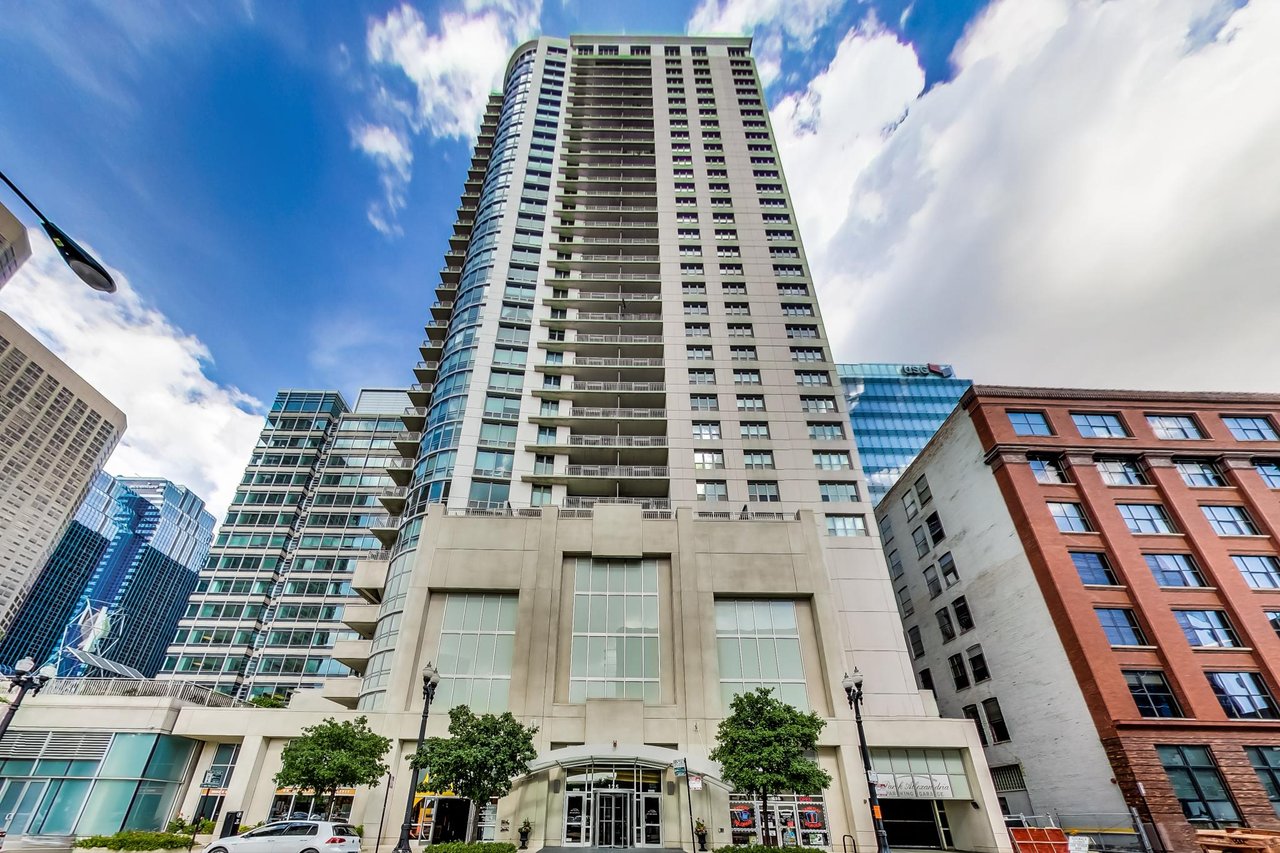
Downtown Chicago Pricing Strategy: Above, At, or Below?
THE SHORT ANSWER
Price your Downtown Chicago condo based on three things: closed comps in your specific building from the last 90 days, how much competing inventory is active right now, and how fast comparable units are selling. Most sellers should list at market value. Pricing above market only works with a clear, articulable reason and a modest 3 to 5% premium.
The right pricing strategy for a Downtown Chicago seller depends on three variables: what comparable units in your specific building have sold for recently, how much competing inventory is active right now, and how quickly similar units are moving. List too high and you burn your launch window. List too low and you leave real money behind. The answer is never one-size-fits-all, and it changes building by building, neighborhood by neighborhood.
Pricing strategy is the single decision that shapes everything else about your sale. I've watched sellers in the West Loop and River North leave tens of thousands of dollars on the table, not because the market was weak, but because the pricing approach didn't match the conditions. Here's how I think through this with every client before we go live.
How Do You Read the Data Before Picking a Price?
Citywide averages will mislead you. According to the National Association of Realtors, national median figures mask enormous variation at the neighborhood and building level. In Downtown Chicago, a Streeterville high-rise and a South Loop mid-rise can be trading at completely different price-per-square-foot levels in the same month. The only data that matters is the data from your building and your immediate submarket.
I always start with three data layers before recommending a price:
- Building-specific closed comps from the last 90 days. Same floor plan, same tier, same exposure if possible. If your building hasn't had a sale in 90 days, I expand to comparable buildings on the same block or in the same development era.
- Active competition in your building and zip code right now. If three units identical to yours are sitting unsold, that changes the calculus immediately.
- Days on market (DOM) for comparable units. A unit that sold in 8 days versus one that sat for 74 days before closing tells you everything about where the market drew the line on value.
The Midwest Real Estate Data (MRED) MLS is the authoritative source for closed sales, DOM, and list-to-sale price ratios across Chicago's downtown neighborhoods. What you see on consumer portals is a delayed, incomplete picture. I pull directly from MRED so we're working from the same data buyers' agents are using.
What List-to-Sale Price Ratio Tells You
The list-to-sale price ratio is one of the most useful signals in a pricing conversation. When units in your building are consistently closing at or above list price, the market is telling you demand is outpacing supply and a a sharp market price, or even a slight premium, is defensible. When units are closing at 94-96% of list, that gap usually means initial prices were aspirational and sellers had to negotiate down. You want to be the seller who priced it right the first time, not the one who chased the market with reductions.
Illinois REALTORS publishes monthly data on list-to-sale ratios, median days on market, and closed sales volume across Illinois markets. I use this alongside building-level MRED data to triangulate where your unit fits.
How Do Inventory Levels Change Your Pricing Strategy?
When active downtown inventory is tight, meaning fewer than 3 to 4 months of supply in your specific unit type, you have more pricing power. When inventory is elevated, buyers have options and they'll use them. According to Chicago Association of Realtors, markets with under four months of supply tend to favor sellers on pricing, while six-plus months shifts leverage to buyers. Inventory looks completely different depending on your unit type. Studio and one-bedroom condos in Gold Coast and Old Town have moved differently in 2026 than two- and three-bedroom units in River North or the West Loop.
Inventory Level | Market Condition | Pricing Posture | DOM Expectation |
|---|---|---|---|
Under 3 months | Seller's market | At or slightly above market | 7-21 days |
3-5 months | Balanced market | Sharp market price | 21-45 days |
5-7 months | Buyer's market | At or slightly below market | 45-75 days |
7+ months | Strong buyer's market | Below market to generate urgency | 60-90+ days |
These ranges are guidelines, not guarantees. Your specific building, unit condition, and marketing execution all move the needle. This is exactly the kind of analysis I run before we ever settle on a number.
What Are the Three Condo Pricing Strategies?
Listing at Market Value
This is the most common and usually the most defensible strategy. You price at what the comps support, which means you're positioned where serious buyers expect to find you. A well-priced unit at market value, backed by strong marketing and professional presentation, is what generates competitive interest. The CFPB's homebuying resource hub notes that buyers working with agents are actively comparing list price to recent sales before they even schedule a showing. If your price makes sense against the comps, you get showings. If it doesn't, you don't.
I always tell sellers that pricing right from day one beats chasing the market down with reductions. A clean launch at a defensible price is almost always worth more than an optimistic number that requires a cut two weeks in.
Listing Above Market Value
There are situations where a modest premium above recent comps is justified. If your unit has upgrades that aren't reflected in available comps (a full gut renovation, a rare floor plan, a premium exposure no other active unit offers), you can make an argument for pricing above where the last comparable closed. The key word is modest. Pricing 3-5% above a strong comp with a clear, articulable reason is a different conversation than pricing 10-15% above because you need a certain number to make your move work.
The risk is real. NAR data consistently shows that the longer a listing sits, the lower its final sale price relative to list. A unit that goes stale in the first three weeks often sells for less than it would have if it had launched at market. The first two weeks on market are your strongest leverage. Once you've burned through that window, you're negotiating from a weaker position regardless of what you do next.
Listing Below Market Value
Under-pricing is a strategy, not a mistake, when it's done on purpose. The goal is to generate multiple offers quickly, create competitive tension, and drive the final sale price above what a standard market-price launch might have produced. This works best when inventory is genuinely tight, your unit shows exceptionally well, and your marketing is built to amplify the activity.
It does not work in a slow market. If you price below market and the market doesn't respond with multiple offers, you've just sold your unit below what it was worth. You need an honest read on conditions and a marketing plan built to turn that first wave of interest into real bids. I only recommend it when the conditions actually support it, not as a default.
For a deeper look at how this plays out specifically for condos, my post on pricing a Downtown Chicago condo to attract serious buyers walks through the unit-level factors that make or break each approach.
Price Reduction Checkpoints: When to Cut and When to Hold
Deciding whether to lower your asking price is one of the harder conversations in a listing. Here's how I set expectations with clients before we go live, so the decision isn't emotional when the time comes.
The Two-Week Checkpoint
If you've had strong marketing activity (professional photography, MLS exposure, targeted digital campaigns) and you're getting showings but no offers after 10-14 days, that's a pricing signal, not a marketing problem. Buyers are seeing it and passing. The market is telling you something. A 2-3% adjustment at this stage can re-engage buyers who were watching and waiting.
If you've had minimal showings in the first two weeks, the problem might be both price and presentation. A price cut alone won't fix a unit that isn't showing well. This is why I tell every seller that under-investing in prep and staging is the biggest mistake I see. The return on a well-staged, professionally photographed listing almost always outweighs the cost, and it makes every pricing strategy work harder.
The 30-Day Checkpoint
A unit that reaches 30 days on market without an accepted offer in Downtown Chicago is starting to accumulate what buyers' agents call "days on market stigma." Buyers notice. They start asking what's wrong with it. According to research published by the National Association of Realtors, extended days on market is one of the top factors buyers use to negotiate price reductions. At 30 days, if the showing feedback is consistent ("priced too high"), a more meaningful adjustment, 4-6%, is usually necessary to reset buyer perception.
The Illinois REALTORS monthly market data can help contextualize whether your DOM is an outlier for the current environment or whether the whole market has slowed. Context matters. A 35-day DOM in a market where everything is sitting 40 days is a different situation than 35 days when comparable units are moving in 12.
When Should You Hold Your Price Instead of Cutting?
Not every extended DOM situation calls for a price cut. If you're in a building with no recent comparable sales, the market may simply need more time to find the right buyer for a unique unit. If you've had consistent showings with positive feedback but no offers, the issue may be a specific objection (parking, assessments, condition) that a price cut won't solve. And if you don't have a hard deadline, holding for the right buyer at the right price can be the correct call.
These are judgment calls. They take knowing your unit, your building's competition, and who is actually shopping right now. That's not something a formula can answer. For a full framework on how I approach this for unique properties, the post on pricing a one-of-a-kind West Loop loft covers the nuances well.
Frequently Asked Questions
Should I price above market value to leave room to negotiate?
In most Downtown Chicago market conditions, this strategy backfires. Buyers and their agents are working from the same MLS data you are, and an overpriced listing simply doesn't get showings. The units that generate strong offers are the ones priced at or just below what the comps support, not the ones with built-in negotiating cushion. The negotiating room you're trying to create is usually just lost days on market.
How do I know if my asking price is too high?
The clearest signal is showing activity in the first 10-14 days. If your unit is professionally marketed and priced correctly, you should see consistent showings in the first two weeks. Fewer than two to three showings in that window, with no offers, is a strong indicator the price is above where the market is willing to engage. Consistent feedback from buyers' agents that the unit is "priced high" is an even clearer signal.
Does pricing below market value actually work in Downtown Chicago?
It can, but only under specific conditions: tight inventory in your unit type, a unit that shows exceptionally well, and a marketing strategy built to generate multiple offers simultaneously. In a balanced or slow market, under-pricing without those conditions in place just means you sell for less. I only recommend this approach when the data supports it, not as a general tactic.
How much should I lower my asking price if I need to make a reduction?
Small cuts, under 1-2%, rarely move the needle. Buyers and their agents interpret a minor reduction as a seller who isn't serious about adjusting. A meaningful reduction, typically 3-5% at the two-week mark or 4-6% at 30 days, is what resets buyer perception and re-engages buyers who passed on the original price. The right number depends on how far off market you are and what the current competition looks like.
What's the difference between building-level comps and neighborhood comps?
Building-level comps are almost always more reliable for Downtown Chicago condos because buyers are choosing between units in the same building as much as they're choosing between neighborhoods. Two units in the same River North building with different finishes, floors, and exposures will trade at different prices even in the same week. Neighborhood-level comps give you a directional read, but building-level data is what I use to set the actual number.
Pricing strategy is where a sale is won or lost, before the first buyer ever walks through the door. The right number comes from building-specific data, an honest read of current inventory, and a clear plan for what you'll do if the market doesn't respond. I walk every client through this analysis before we go live, so there are no surprises after launch.
If you're thinking about listing in the West Loop, River North, South Loop, Streeterville, Old Town, or anywhere in Downtown Chicago, let's run the numbers together.
Schedule a conversation here and I'll show you exactly where your unit fits in today's market.
About Christine Hancock
Equal Housing Opportunity. Christine Hancock is a licensed Broker Associate affiliated with @properties, a member of the Chicago Association of Realtors. This article is provided for general informational purposes only and does not constitute legal, tax, or financial advice. Readers should confirm their own numbers and circumstances with a licensed attorney, tax advisor, lender, or closing officer.