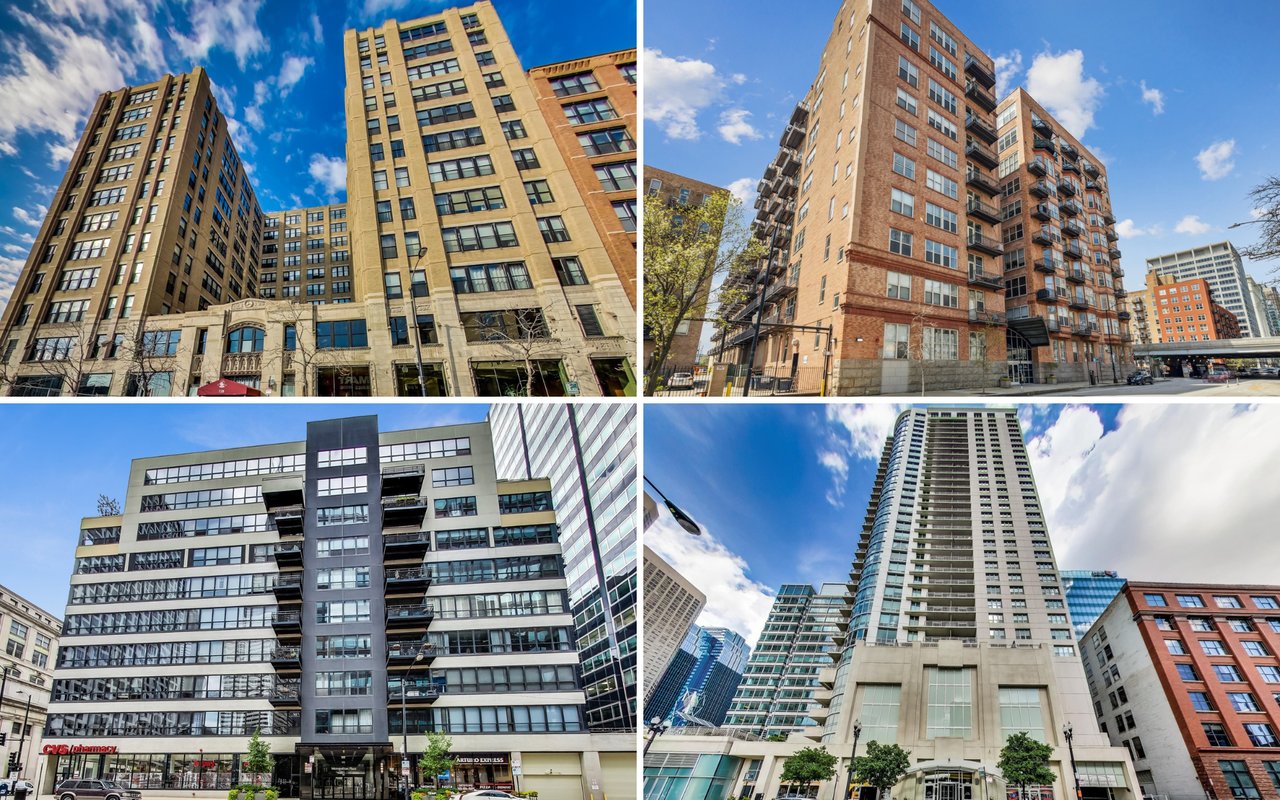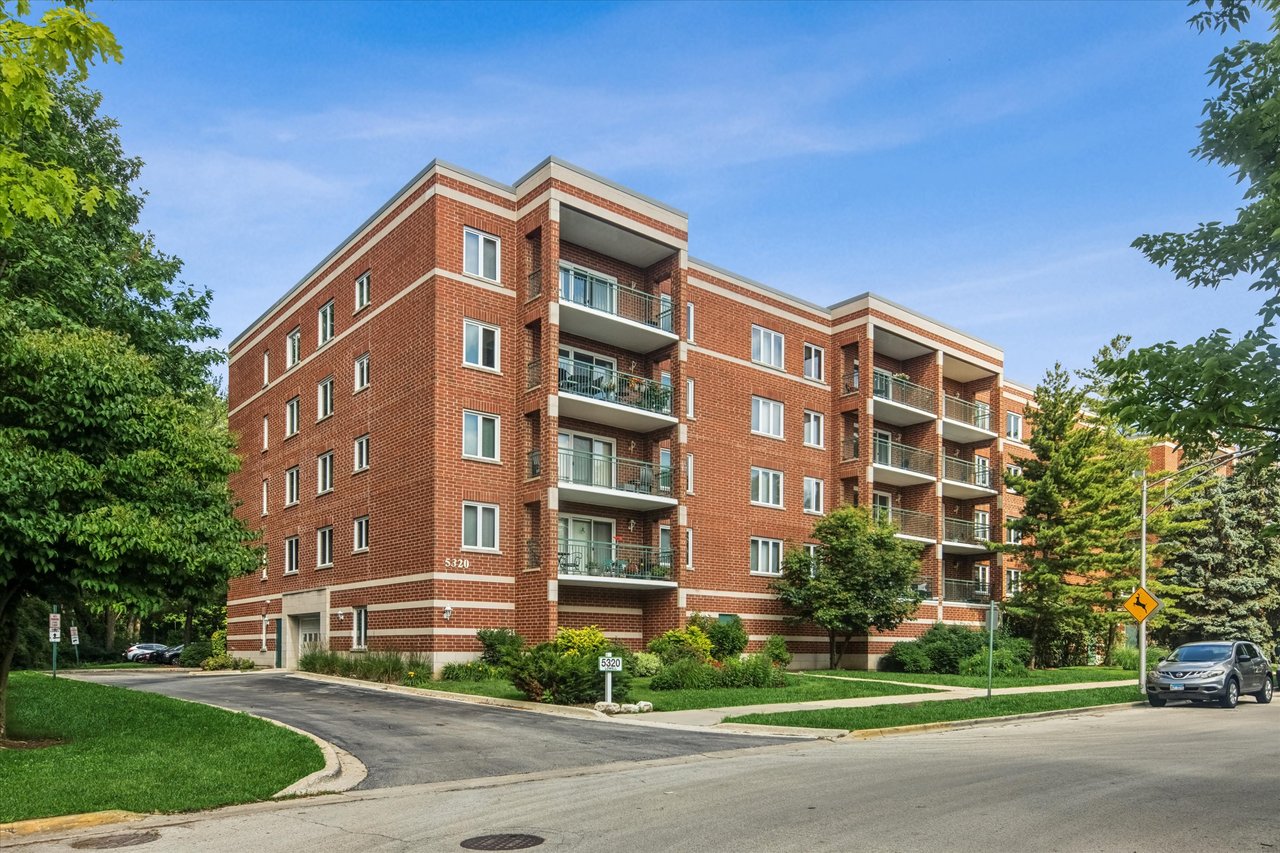
What It Costs to Sell a Chicago Condo in 2026?
THE SHORT ANSWER
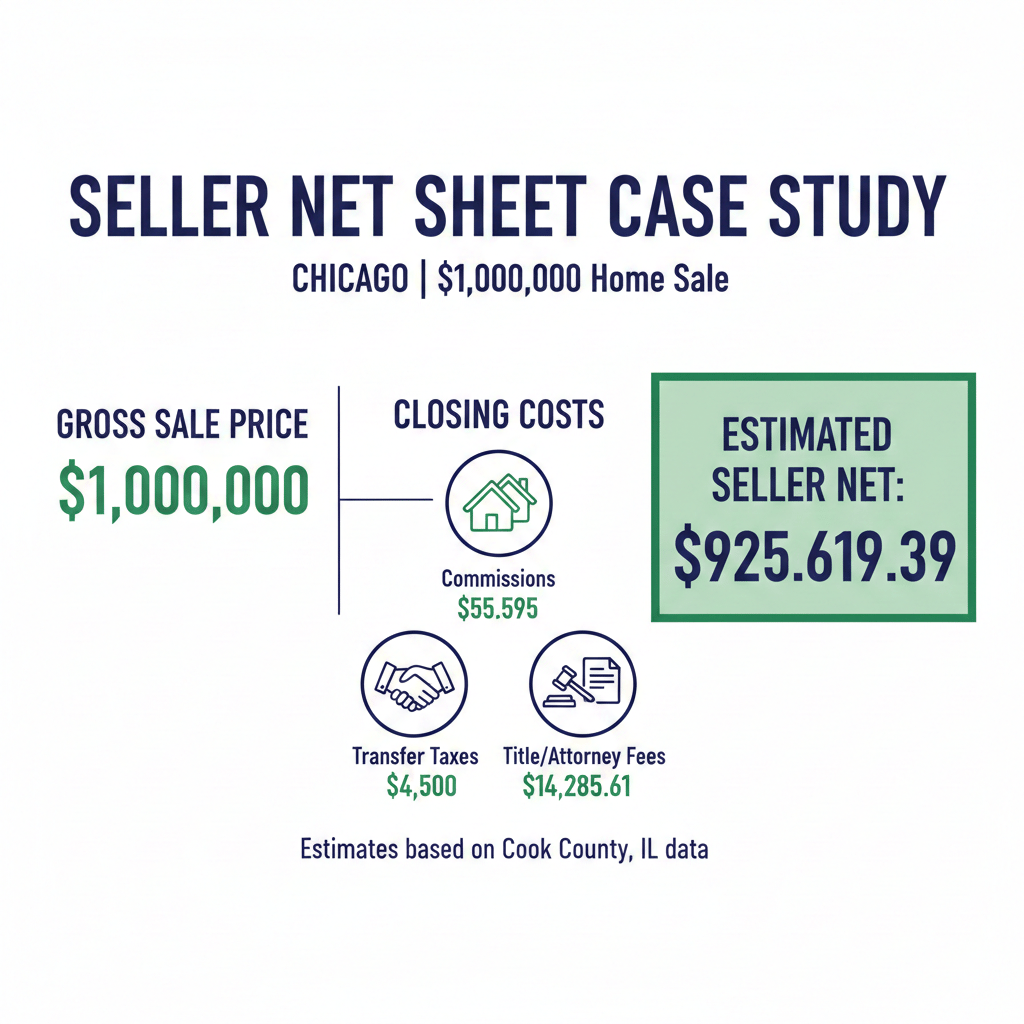
Selling a Downtown Chicago condo in 2026 involves three separate transfer taxes at the state, county, and city level, plus attorney fees, title and escrow charges, an association resale package fee, and a broker commission. Local custom decides who pays what, but every allocation is a contract term, not a law.
Selling a condo or loft in Downtown Chicago in 2026 means navigating a layered set of costs that go well beyond a single commission line: a three-tier transfer tax structure (state, county, and city), attorney fees, title and escrow charges, mandatory disclosure compliance, and association resale package fees. None of these costs are identical from deal to deal — your price point, building, contract negotiations, and timing all move the numbers — but understanding every category before you list puts you in a far stronger position at the closing table.
The Cost Categories Every Downtown Chicago Condo Seller Needs to Know
1. Do I need a real estate attorney to sell my Chicago condo?
In Downtown Chicago, attorney representation isn't optional, it's the norm. Both sides of a condo or loft transaction almost always hire a real estate attorney, and for good reason. Your attorney handles contract review, the attorney review and inspection period, title clearance, association document review, and coordinates the actual closing.
For high-rise and loft transactions in the Loop, River North, West Loop, and South Loop, an experienced attorney will also address unit-specific issues that come up constantly in downtown buildings: parking licenses, storage unit titling, special assessments, elevator modernization projects, and reserve fund adequacy. These aren't abstract concerns, I've seen deals nearly derail over a parking space that wasn't properly deeded. You want someone who knows this market.
Attorney fees vary by firm, scope of work, and complexity of the transaction. Get a clear fee agreement upfront. This is a cost you control by choosing the right attorney before you list, not after you're under contract.
2. The Three-Layer Transfer Tax
This is the cost category that surprises sellers most — and it's the one where Downtown Chicago is genuinely different from most U.S. markets. A standard condo or loft resale in the Loop, River North, West Loop, or South Loop triggers three separate transfer taxes, each imposed by a different government authority.
- Illinois Real Estate Transfer Tax — A statewide tax imposed under the Real Estate Transfer Tax Law (35 ILCS 200/31-1 et seq.), administered by the Illinois Department of Revenue, and applied via stamps when the deed is recorded.
- Cook County Real Estate Transfer Tax — A county-level documentary stamp tax collected by the Cook County Recorder of Deeds under its Real Property Transfer Tax Ordinance.
- City of Chicago Real Property Transfer Tax — A municipal tax under the Chicago Municipal Code, collected by the City of Chicago Department of Finance and required before the deed can be recorded.
Who pays which tax? This is where sellers often get bad information. Local custom in Downtown Chicago commonly allocates the City of Chicago transfer tax to the seller and the Cook County and State of Illinois transfer taxes to the buyer — but this is a matter of contract, not statute. As the Chicago Association of REALTORS® notes, these allocations are negotiable and frequently adjusted based on market conditions, offer structure, or new construction incentives. The Illinois State Bar Association's real estate section materials confirm the same: who pays which transfer tax is determined in the purchase agreement, not by law. Your attorney will negotiate this on your behalf, which is another reason having the right attorney matters.
Deeds cannot be recorded until all three transfer taxes are paid and properly stamped. The Cook County Recorder of Deeds and the City of Chicago both verify payment as part of the recording process, which most Downtown Chicago closings handle via electronic recording through the title company.
3. Title Insurance and Closing/Escrow Fees
Title charges are a defined, predictable category, but they're not zero, and sellers need to understand what they're paying for. In Illinois, title insurance is regulated by the Illinois Department of Insurance, which requires licensed title insurers to file rate schedules and adhere to them. That means the fees aren't arbitrary, they're set by company policy under state regulatory oversight.
For a downtown condo or loft closing, the title process typically involves:
- Ordering a title commitment — a search of public records to identify liens, encumbrances, unreleased mortgages, mechanic's liens, unpaid HOA assessments, and recorded easements
- Clearing any title issues before closing — payoffs, releases, and lien satisfactions coordinated by your attorney
- Issuance of an owner's title insurance policy for the buyer (and a lender's policy if the buyer is financing)
- Settlement and escrow services — coordinating payoffs, transfer tax declarations, and the final closing disclosure
The American Land Title Association (ALTA) provides national standards that govern how title companies operate, and Chicago's major title providers follow these frameworks. The charges you'll see on your closing statement reflect filed rates — not negotiated line items — so the best move is to review the title commitment carefully with your attorney rather than try to haggle the fees down.
4. Required Disclosures — What Illinois Law Mandates for Condo/Loft Sellers
Disclosure compliance isn't a cost in the dollar-amount sense, but failing to handle it correctly creates liability that can cost you far more than any closing fee. Here's what the law requires for a Downtown Chicago condo or loft sale:
Illinois Residential Real Property Disclosure Report
Under the Illinois Residential Real Property Disclosure Act (765 ILCS 77), sellers of most 1–4 unit residential properties, including individual condo units and lofts, must complete and deliver a Residential Real Property Disclosure Report before the buyer is obligated under the contract. The form covers known material defects in structural, mechanical, plumbing, electrical, HVAC, environmental, and legal aspects of the property. Illinois REALTORS® publishes the standard form used in downtown transactions. Importantly, if anything changes between contract and closing, you have a continuing obligation to amend the disclosure.
Lead-Based Paint Disclosure (Federal Requirement)
If your building was constructed before 1978, which covers a significant portion of the Loop and South Loop's older high-rises and loft conversions, federal law requires you to provide a Lead-Based Paint Disclosure form, the EPA/HUD "Protect Your Family From Lead in Your Home" pamphlet, any available lead test records, and a 10-day inspection period for the buyer (unless waived in writing). The U.S. Department of Housing and Urban Development confirms that condominiums used as residential dwellings are explicitly covered. This is a federal mandate, it's not optional, and it's not negotiable.
Radon Disclosure (Illinois)
Under the Illinois Radon Awareness Act (420 ILCS 46), sellers must provide buyers with the Illinois Emergency Management Agency radon information pamphlet and disclose the results of any radon tests they've performed, including dates, locations, and whether mitigation systems have been installed. For high-rise condos, radon testing is less common than in single-family homes, but garden-level and low-floor loft units are sometimes tested by buyers. If you've had a test done, you must disclose the results.
Energy and Utility Transparency
Chicago's Energy Benchmarking Ordinance requires many large multi-unit residential buildings downtown to annually report energy use, and those reports are publicly accessible. Buyers of units in covered buildings can review building-wide energy performance data. Beyond the benchmarking requirement, Chicago listing agents increasingly provide recent utility bills or association utility summaries so buyers can gauge monthly carrying costs. The Chicago Association of REALTORS® supports this practice as part of downtown Chicago's emphasis on energy transparency.
5. Condo Association Resale Package and HOA-Related Fees
This is one of the most consistently underestimated cost categories in a downtown condo sale. Under the Illinois Condominium Property Act (765 ILCS 605), sellers are required to deliver governing documents (declaration, bylaws, rules), a statement of unpaid assessments, and certain financial disclosures when selling a condo unit.
In practice, this means requesting an association resale package, sometimes called a condo questionnaire or disclosure package, from your management company. Per the Community Associations Institute, Illinois Chapter, management companies typically charge a processing fee for preparing these documents, and turnaround can take anywhere from several business days to a couple of weeks depending on the company's workload and policies.
The resale package typically includes:
- A paid assessment letter confirming assessments and special assessments are current
- A disclosure/condo questionnaire covering budget, reserves, pending litigation, owner-occupancy ratios, and upcoming special projects
- Governing documents: declaration, bylaws, and rules
Many buildings also charge separate move-out fees, a common line item in downtown high-rise closings that sellers sometimes forget to account for until they're already under contract. I always tell my sellers to request the resale package early, because a slow management company can delay your closing timeline if you wait.
6. Broker Commissions
Under the Illinois Real Estate License Act (225 ILCS 454), broker compensation is defined entirely by the written listing agreement between broker and client, there is no statutory minimum, maximum, or standard percentage. The National Association of REALTORS® is equally clear: commissions are negotiable, there is no standard commission, and antitrust law prohibits price-fixing among brokers.
In Downtown Chicago, sellers of condos and lofts sign exclusive right-to-sell agreements that specify the commission formula, the duration of the listing, and any offer of compensation to buyer's brokers. As of mid-2026, following the national litigation and settlement activity involving NAR and major brokerages in 2023–2024, there is heightened consumer focus on understanding who pays buyer-broker compensation. Illinois REALTORS® has updated guidance confirming that buyer-broker compensation remains entirely a matter of written agreements and contract terms, not a statutory default. The listing-side fee and any compensation a seller chooses to offer a buyer's agent are separate, independently negotiable concepts.
What I tell every seller who asks me about commission: the conversation starts with what you need your net to be and what level of marketing investment your property requires to generate real demand. A polished, professionally marketed listing signals value before a buyer ever walks in, and that marketing costs something. The right question isn't "what's the lowest fee?" but "what strategy produces the best net outcome?" Those are two different conversations, and I'm happy to have both. For a step-by-step look at the full process, see my complete guide to selling a Chicago condo.
How These Costs Come Together at the Closing Table
The table below summarizes the cost categories a Downtown Chicago condo or loft seller encounters, who typically bears each one under local custom, and whether it's negotiable. Note that "local custom" is a starting point, your attorney negotiates the actual allocation in your purchase contract.
Cost Category | Local Custom: Who Pays | Negotiable? | Governing Authority |
|---|---|---|---|
Illinois Real Estate Transfer Tax | Buyer (by local custom) | Yes — contract-driven | IL Dept. of Revenue |
Cook County Transfer Tax | Buyer (by local custom) | Yes — contract-driven | Cook County Recorder of Deeds |
City of Chicago Transfer Tax | Seller (by local custom) | Yes — contract-driven | Chicago Dept. of Finance |
Attorney Fees | Each party pays their own | Yes — set by fee agreement | Illinois State Bar Association |
Title Commitment & Owner's Policy | Varies by contract | Partially — filed rate schedules | IL Dept. of Insurance / ALTA |
Settlement/Escrow Fee | Varies by contract | Partially — company schedules | IL Dept. of Insurance |
Association Resale Package Fee | Seller | No — set by management company | IL Condominium Property Act |
Move-Out Fee (if applicable) | Seller | No — set by association rules | Building bylaws |
Broker Commission (listing side) | Seller | Yes — fully negotiable | IL Real Estate License Act |
Buyer-Agent Compensation (if offered) | Negotiated — seller's option | Yes — fully negotiable | IL Real Estate License Act / NAR |
IL Residential Disclosure Report | Seller (compliance obligation) | No — statutory requirement | 765 ILCS 77 |
Lead Paint Disclosure (pre-1978 buildings) | Seller (compliance obligation) | No — federal mandate | EPA / HUD |
Radon Disclosure | Seller (compliance obligation) | No — IL statutory requirement | 420 ILCS 46 / IEMA |
Every situation is different, and the only way to know what your specific closing will look like is to run through the numbers with someone who knows this market. I walk my clients through a full cost review before we ever set a list price, because pricing right from day one and understanding your net are the same conversation. For a deeper look at how pricing strategy connects to your bottom line, see my post on how to price your Chicago condo to get the best offer in 2026.
One more thing worth flagging: the biggest mistake I see sellers make isn't misunderstanding transfer taxes, it's under-investing in preparation and staging before the listing goes live. The first two weeks on market are your strongest leverage. A well-prepped, professionally marketed condo in River North or the West Loop generates real demand; a listing that needs work just sits. For a broader look at what the full cost picture includes, including prep and HOA considerations, see What Is the True Cost of Selling a Condo in Chicago?
Frequently Asked Questions
How much are the Illinois, Cook County, and City of Chicago transfer taxes when I sell a condo in the Loop, and who usually pays each one?
A Downtown Chicago condo sale triggers three separate transfer taxes: the Illinois Real Estate Transfer Tax, the Cook County Real Estate Transfer Tax, and the City of Chicago Real Property Transfer Tax. Local custom allocates the city tax to the seller and the state and county taxes to the buyer, but this is a negotiated contract term, not a statutory requirement, and your attorney can adjust the allocation based on the deal structure.
Do I have to provide a Real Property Disclosure Report when I sell my Chicago condo, and what exactly has to be disclosed?
Yes, the Illinois Residential Real Property Disclosure Act (765 ILCS 77) requires sellers of most 1–4 unit residential properties, including individual condo units, to complete and deliver a Residential Real Property Disclosure Report before the buyer is bound. The report covers known material defects in structural, mechanical, plumbing, electrical, HVAC, environmental, and legal areas of the property. You also have a continuing obligation to update the disclosure if anything changes before closing.
Is a Lead Paint Disclosure required for my downtown Chicago loft if the building was built before 1978?
Yes, federal law under the Residential Lead-Based Paint Hazard Reduction Act requires sellers of residential housing in pre-1978 buildings to provide a Lead-Based Paint Disclosure form, the EPA/HUD lead hazard pamphlet, any available lead test records, and a 10-day buyer inspection period (unless waived in writing). The U.S. Department of Housing and Urban Development confirms that condo units used as residences are explicitly covered. This is a federal mandate, it applies regardless of what state or local law says.
What is a Radon Disclosure in Illinois, and how does it affect my condo sale in the West Loop?
Under the Illinois Radon Awareness Act (420 ILCS 46), you must provide the buyer with the Illinois Emergency Management Agency radon pamphlet and disclose any radon tests you've had done, including results, dates, locations, and whether mitigation systems were installed. For most high-rise West Loop condos, radon testing isn't common, but if you've had a test performed, the results must be disclosed. Garden-level and low-floor loft units are the ones buyers are most likely to test.
Are Realtor commissions in Chicago set by law or "standard," or can I negotiate the fee to sell my South Loop condo?
Commissions are fully negotiable, there is no standard rate, no statutory minimum or maximum, and no "going rate" in Chicago or anywhere in Illinois. The Illinois Real Estate License Act (225 ILCS 454) requires compensation to be defined in a written listing agreement between broker and client, and the National Association of REALTORS® explicitly states that antitrust law prohibits price-fixing among brokers. The listing-side fee and any compensation offered to a buyer's agent are also separate, independently negotiable items.
What title company fees and association charges should I expect when I sell a condo in a Chicago high-rise with an HOA?
Title charges — including the title commitment, owner's title insurance policy, and settlement/escrow fees, are set by filed rate schedules under Illinois Department of Insurance oversight, so they're defined rather than arbitrary. Association charges typically include a processing fee for the resale package (declaration, bylaws, paid assessment letter, and condo questionnaire) and may include a separate move-out fee set by the building. Per the Community Associations Institute – Illinois Chapter, turnaround on these documents can range from a few business days to two weeks depending on the management company, so request them early.
How long does it usually take to get the condo association's resale packet or paid assessment letter for a downtown Chicago closing?
Timing varies by management company, but in my experience with downtown buildings in the West Loop, River North, South Loop, and Loop, sellers should expect anywhere from several business days to two weeks. Larger management companies with high transaction volume can run slower; smaller boutique managers are sometimes faster. The Illinois Condominium Property Act requires delivery of these documents, and your attorney will track the request, but the earlier you initiate it after going under contract, the better. A delayed resale package is one of the most common reasons closing timelines get pushed.
Your specific cost picture depends on your building, your price point, your contract terms, and the negotiations your attorney handles. The categories above are consistent across the Loop, River North, West Loop, and South Loop — but the amounts and allocations are deal-specific. That's exactly the kind of question I walk my clients through before we ever go to market. If you're thinking about selling your downtown condo or loft, let's talk through your numbers together.
Equal Housing Opportunity. Christine Hancock is a licensed real estate broker affiliated with @properties, a member of the Chicago Association of Realtors. This article is provided for general informational purposes only and does not constitute legal, tax, or financial advice. Transfer tax allocations, closing costs, and all transaction terms vary by deal; confirm your specific numbers with your real estate attorney, tax advisor, lender, or closing officer before proceeding.