Downtown Chicago Condo Staging: Does It Actually Pay Off?
THE SHORT ANSWER
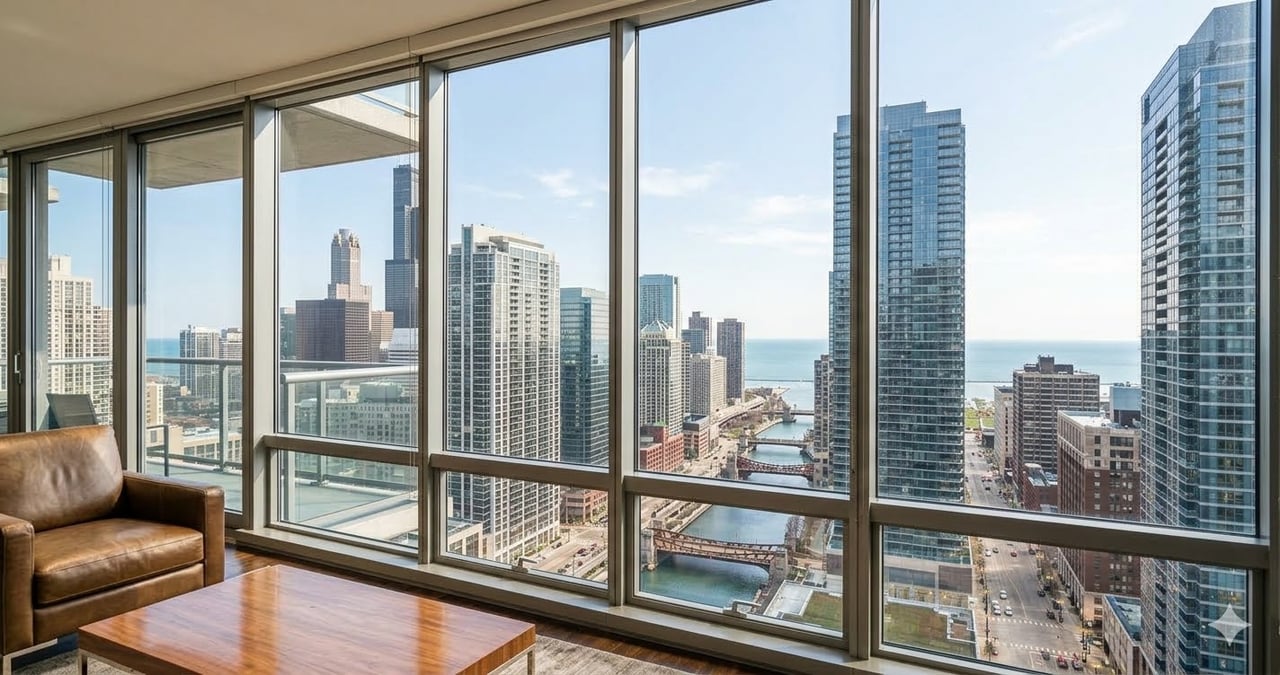
Yes, for most Downtown Chicago condos, staging delivers a measurable return, but the right approach depends on whether your unit is vacant, partially furnished, or simply needs a photo-ready polish before hitting the market. National data from the NAR Profile of Home Staging shows 17% of sellers' agents reported staged homes drew offers 1–5% higher, and 30% reported shorter time on market. In Downtown Chicago high-rises and loft buildings, where buyers scroll through dozens of listings in the same building, presentation is often the deciding factor.
If you're still deciding whether to stage at all, start with should you stage your home before selling in Chicago. That post covers the basic case. This one covers the money: what each tier costs, and when the numbers actually justify it.
What Are the Three Staging Tiers, and What Does Each One Cost?
Full Vacant Staging
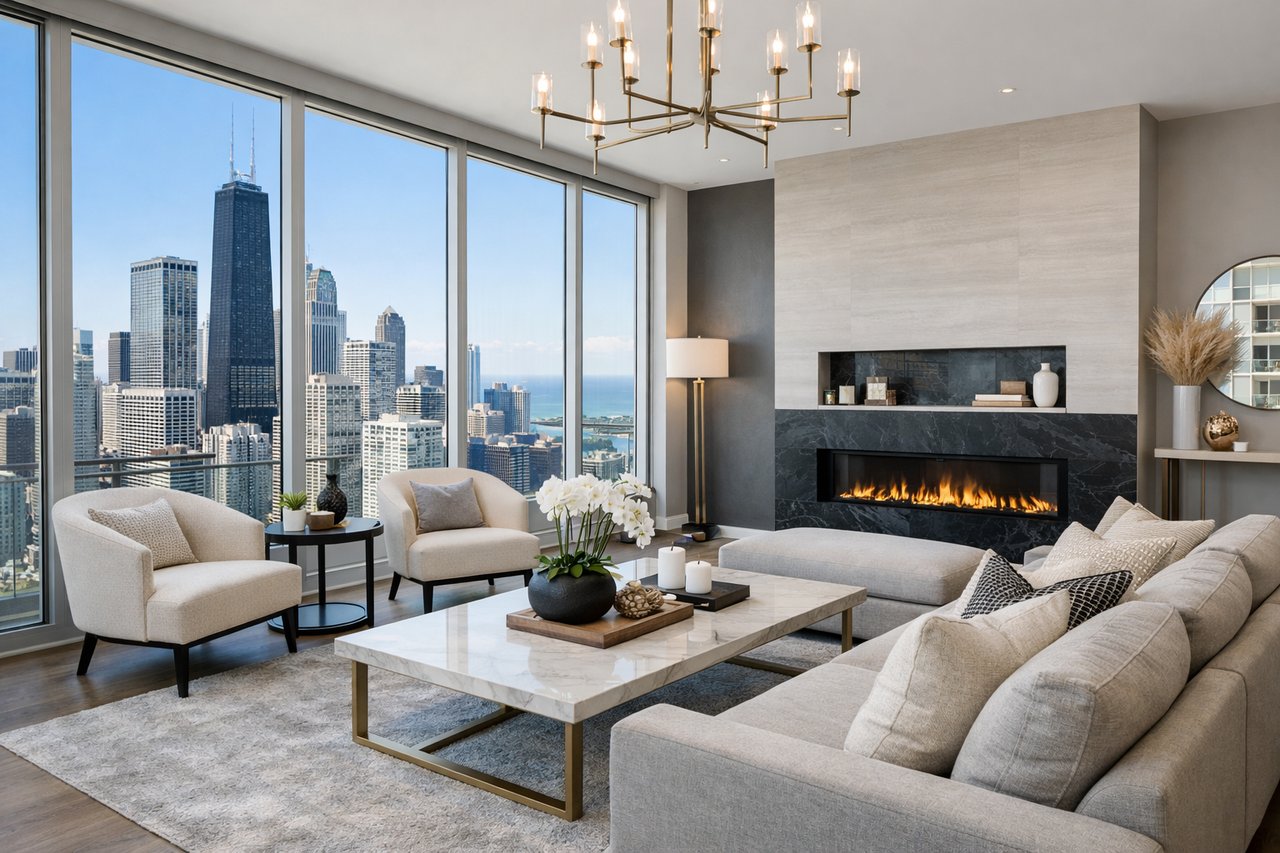
If your condo is empty, this is the tier that makes the biggest visual difference. It also carries the biggest price tag. According to Virtual Stage Design, physical staging for a typical Chicago condo generally runs $2,000–$5,000 per listing, and VirtuallyStage describes it as running "into the thousands" with a monthly furniture rental component on top.
In Downtown high-rises, that cost climbs further because everything has to move through freight elevators, coordinate with building management, and work within HOA move-in windows. A stager typically focuses on the living and dining area, primary bedroom, and sometimes a den or office nook, plus light accessories in the kitchen and bathrooms.
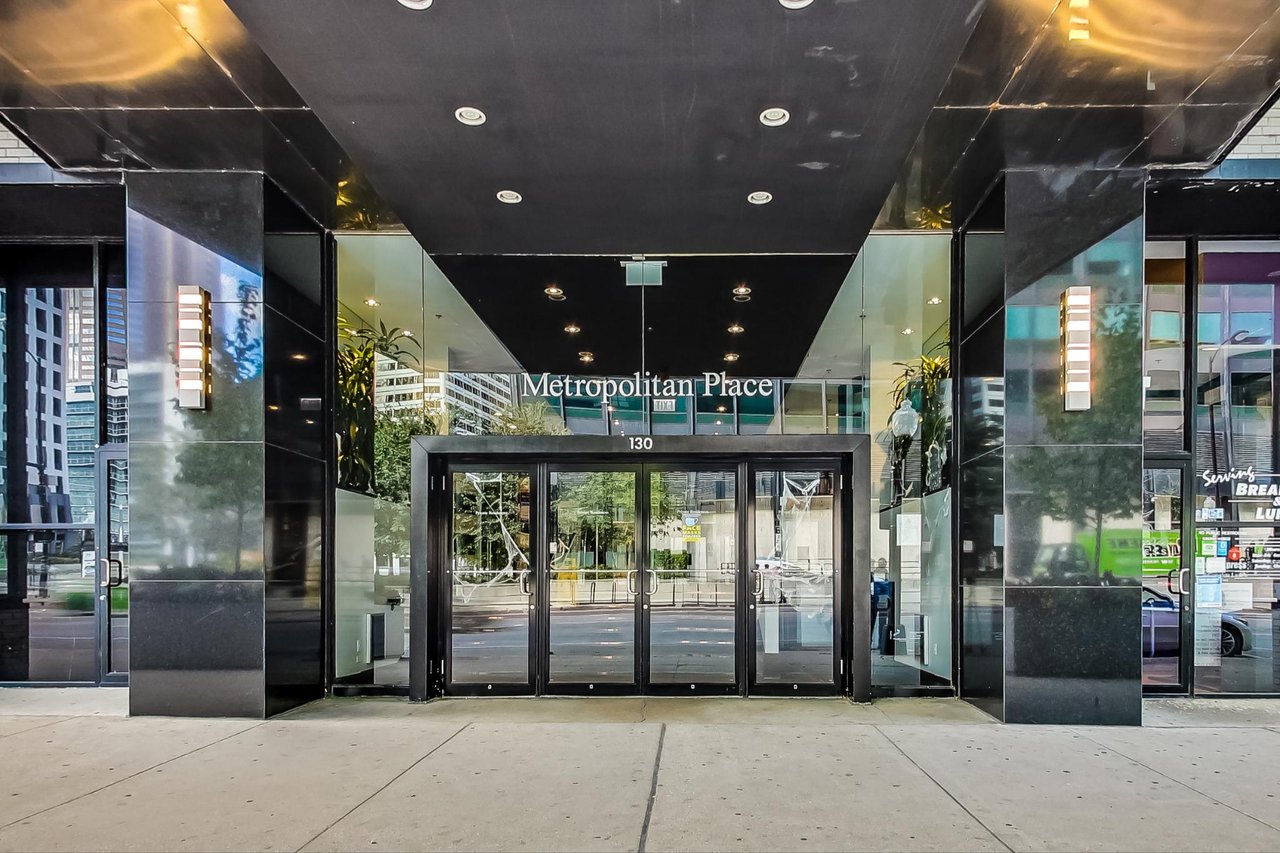
Is it worth it? Here's a real local example: a vacant 2-bed at 130 S. Canal in the West Loop sat for 227 days with dark photos and a price that didn't match the market. After presentation improvements and a price correction, it sold in 22 days at $10,000 over asking, according to my own Downtown Chicago condo selling guide. That's not a controlled study, but it illustrates how much a vacant, poorly presented unit can bleed time and money when the launch is mishandled.
One thing I want to be clear about: staging didn't do that alone. The price was also corrected. Staging differentiates a unit at a competitive price. It doesn't rescue an overpriced one. For more on how pricing and presentation work together, see my post on pricing a Downtown Chicago condo to attract serious buyers.
Partial Staging
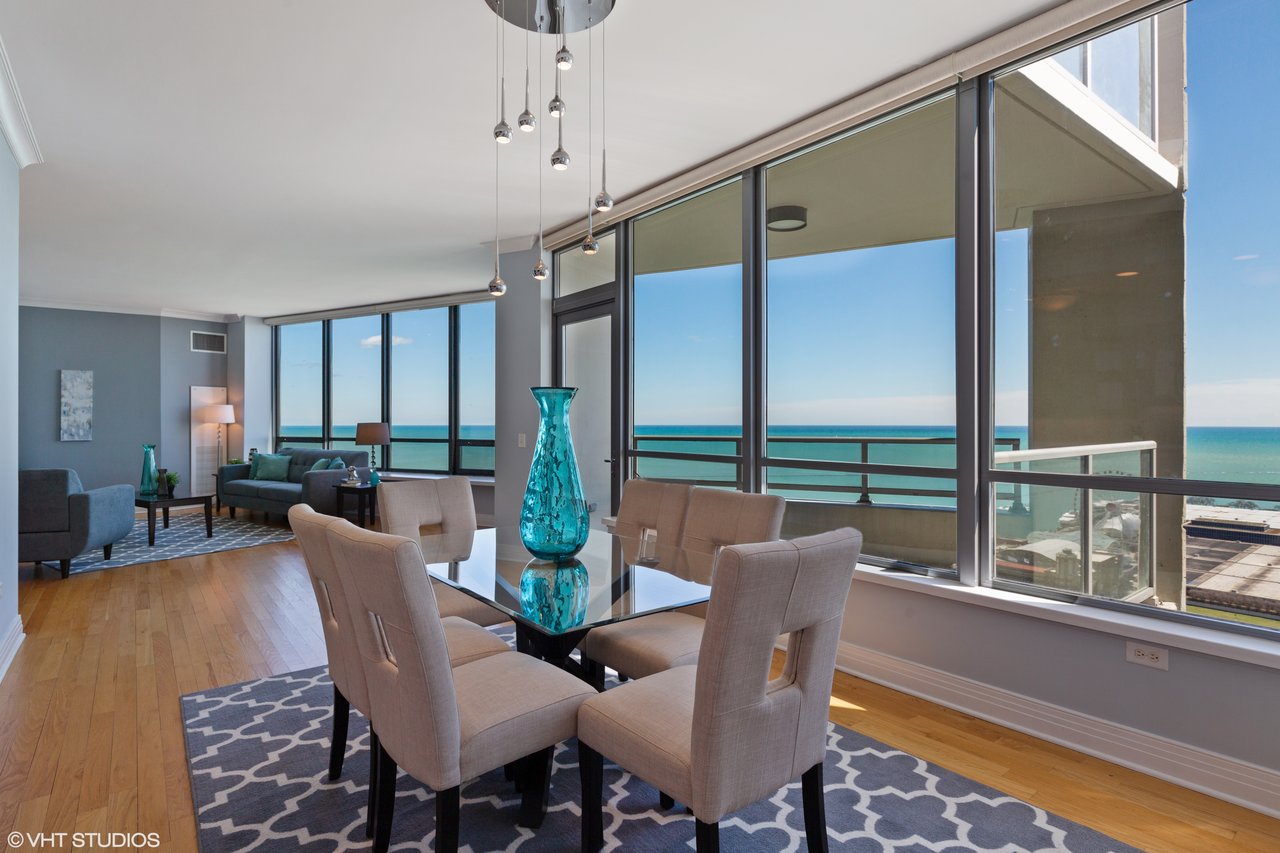
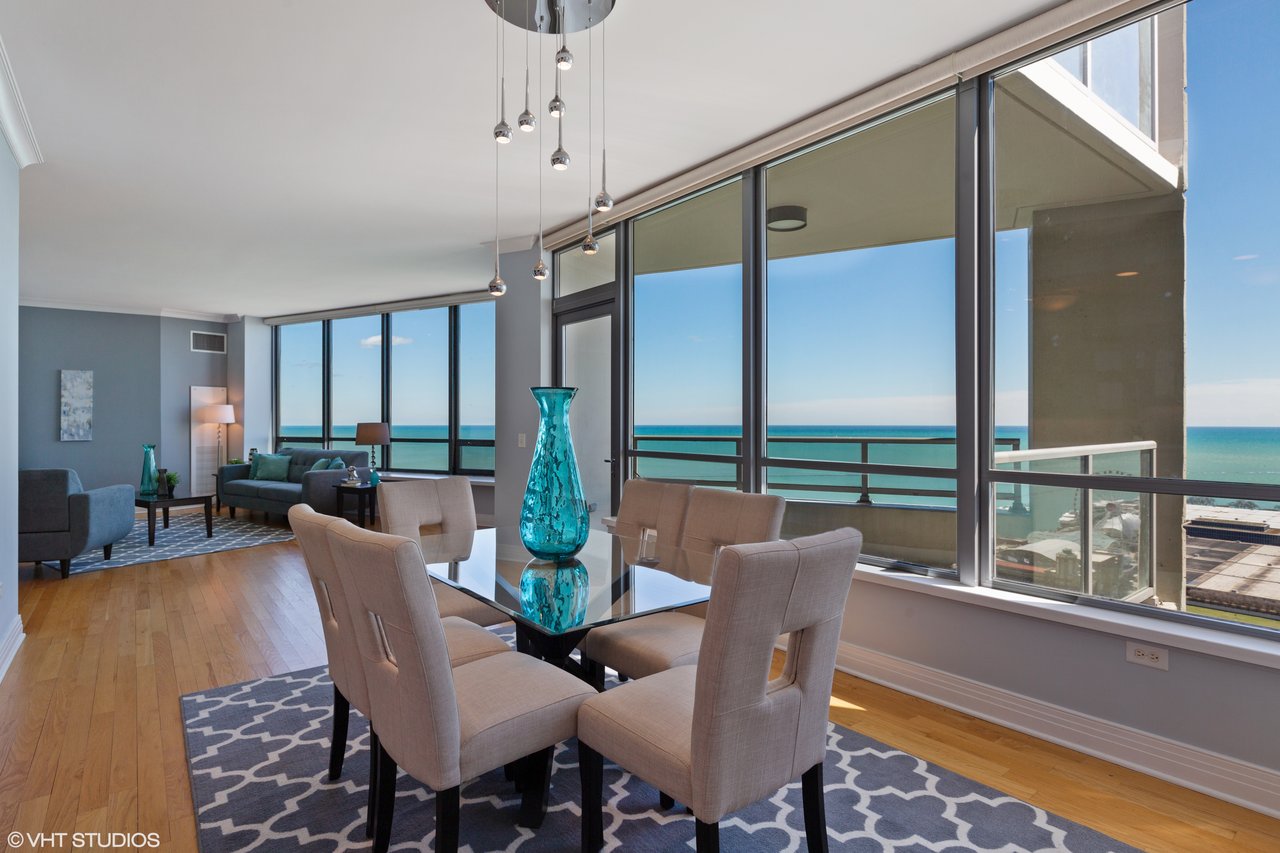
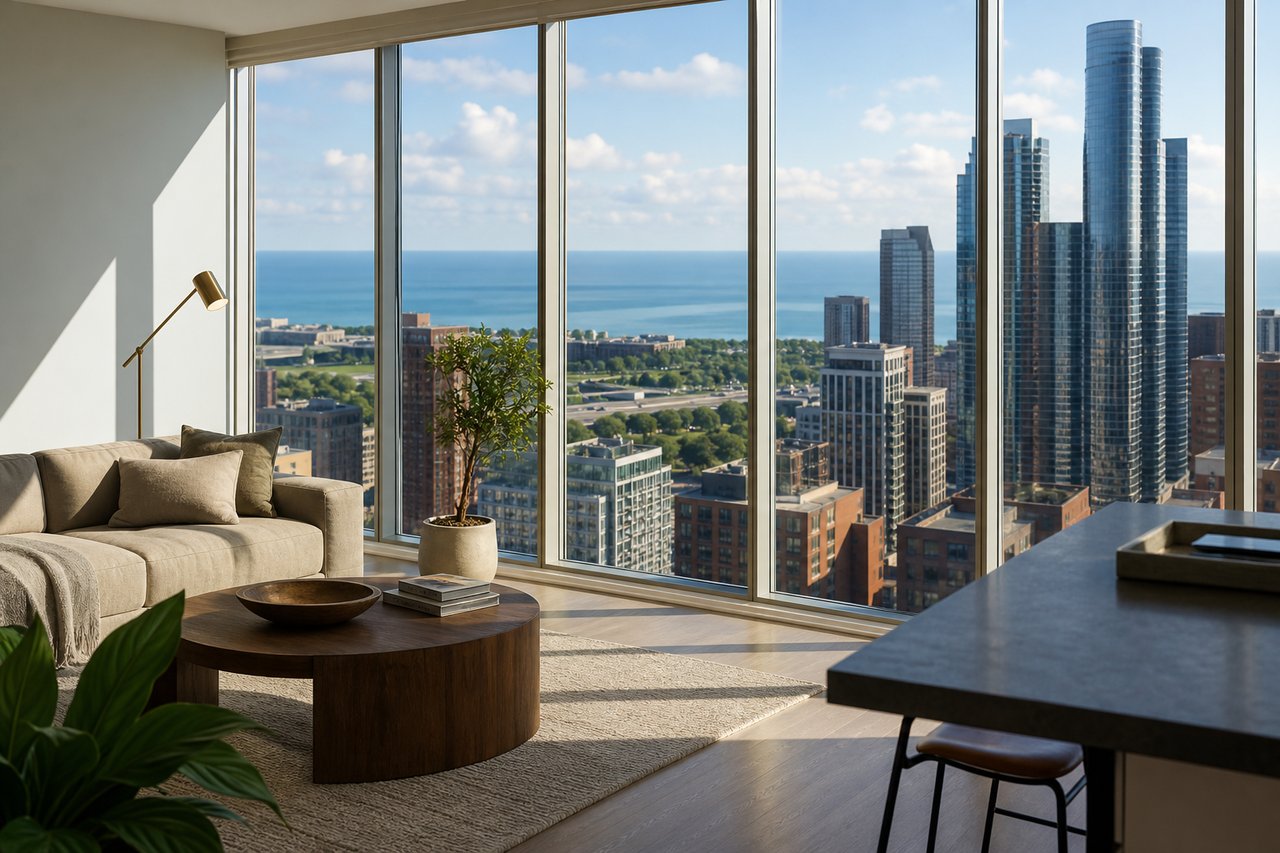
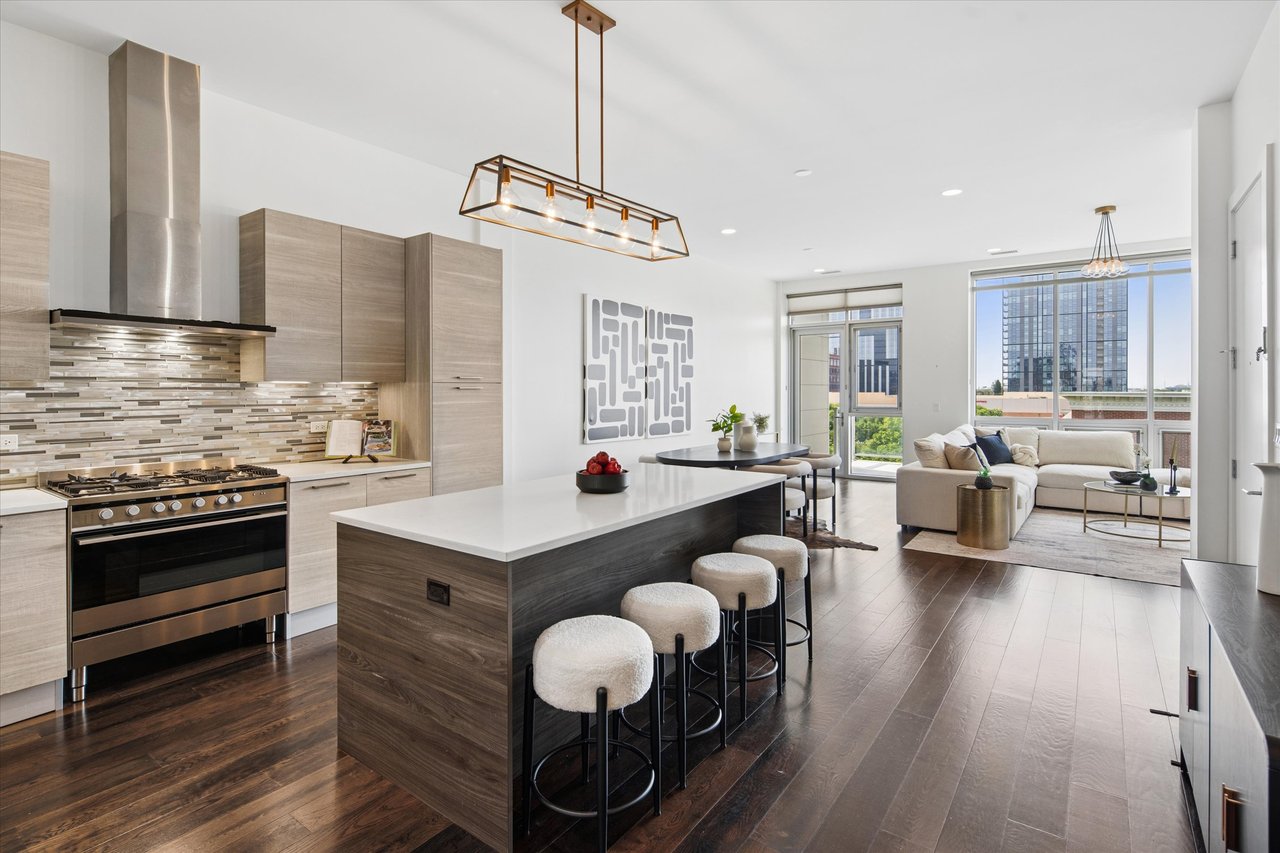
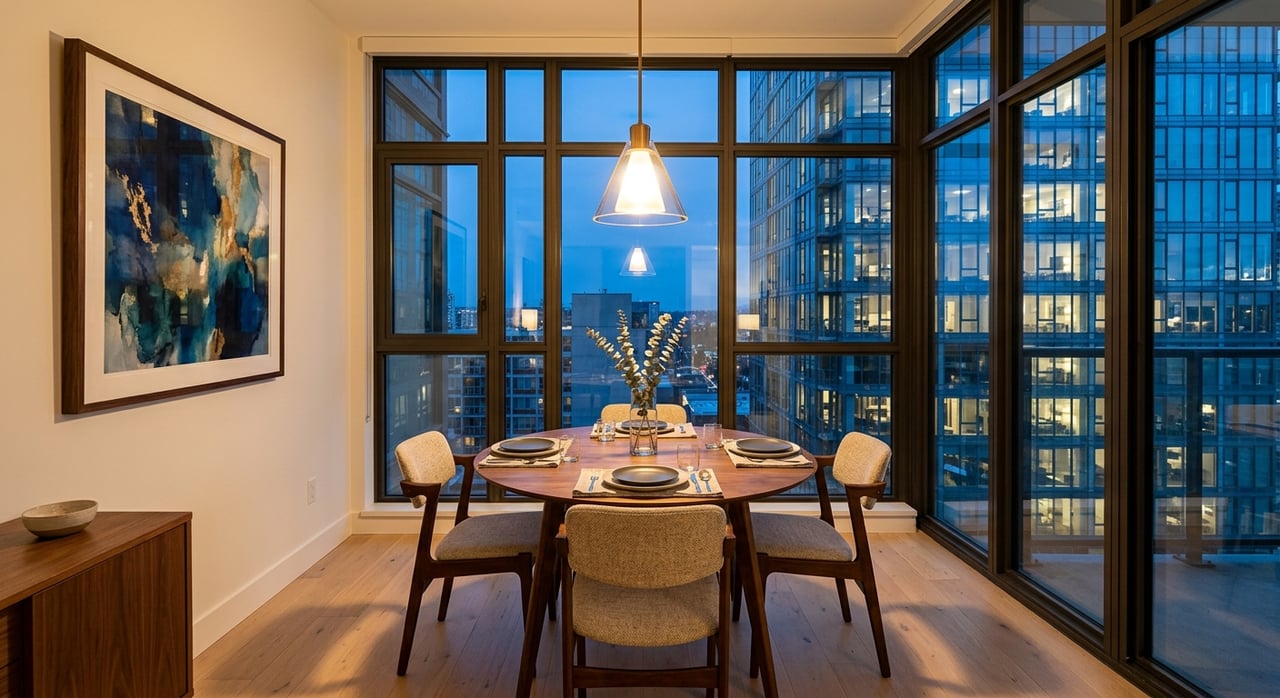
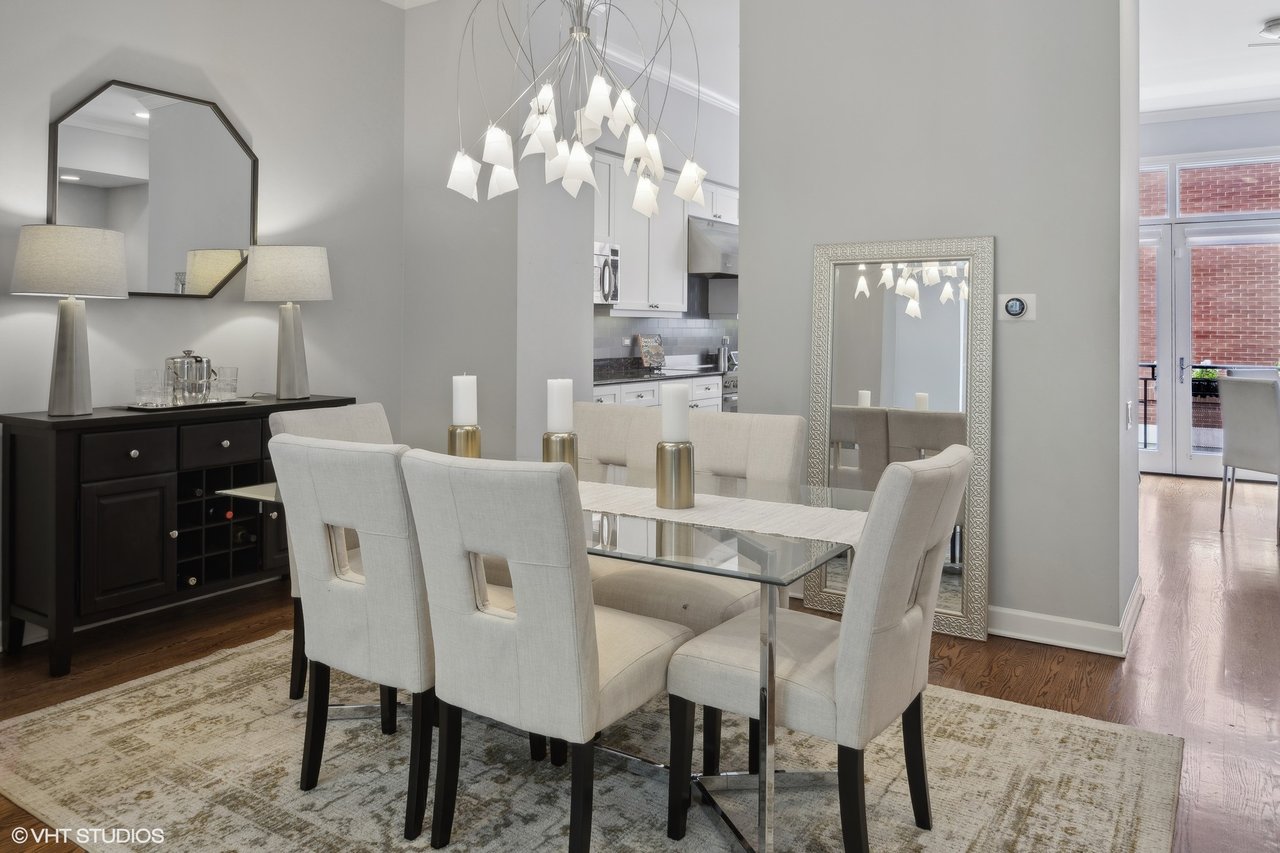
Partial staging is the sweet spot for most occupied or lightly furnished Downtown condos. You keep your existing large pieces. The sofa. The bed. A stager layers in rugs, art, lighting, and accent furniture to make the space read as intentional and move-in ready.
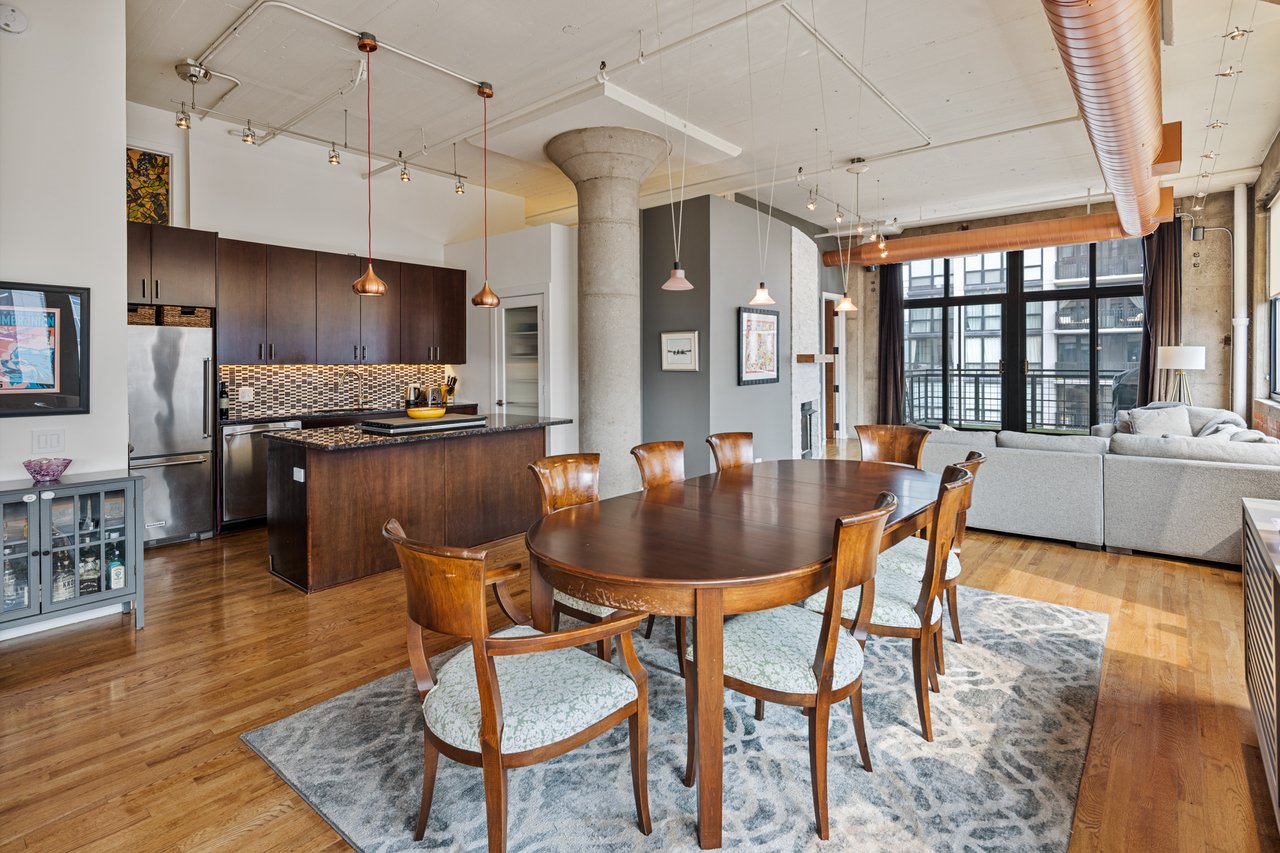
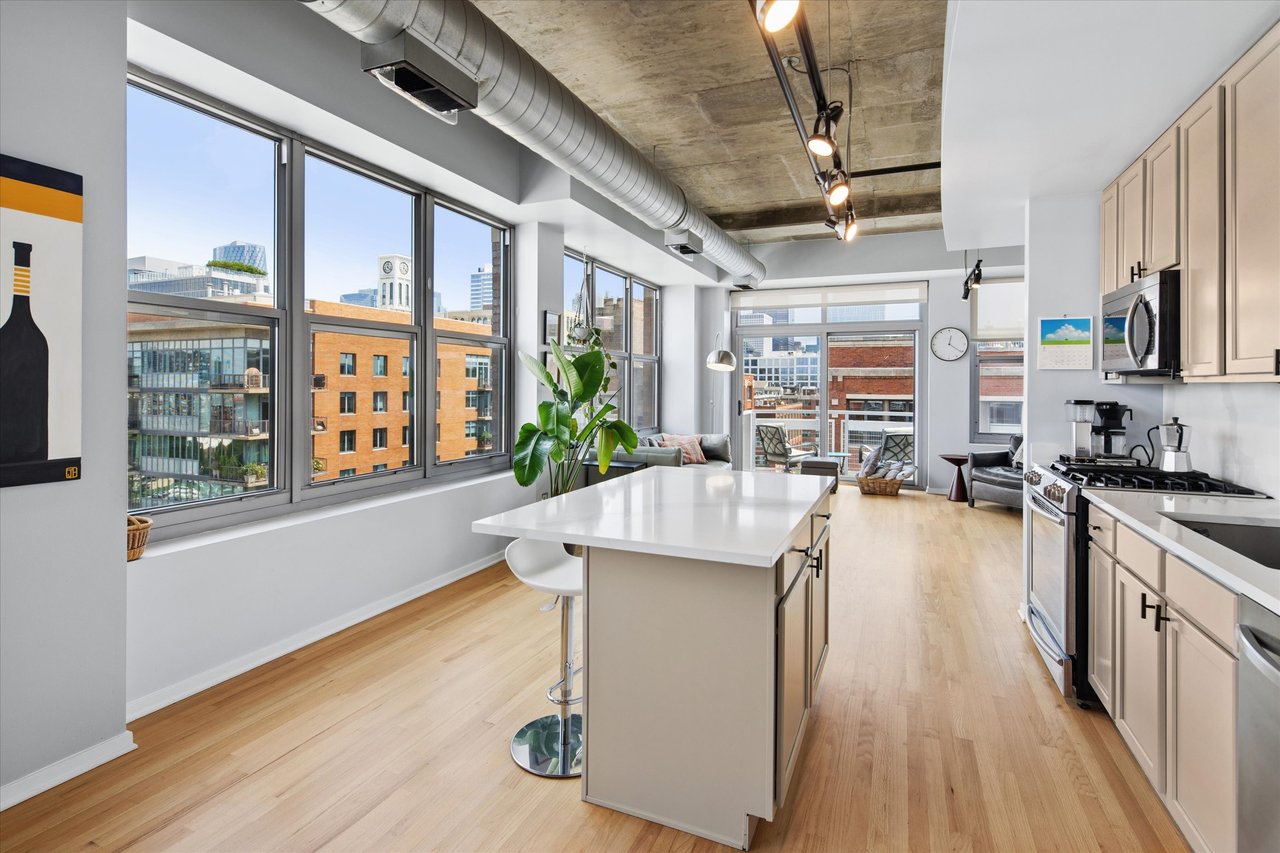
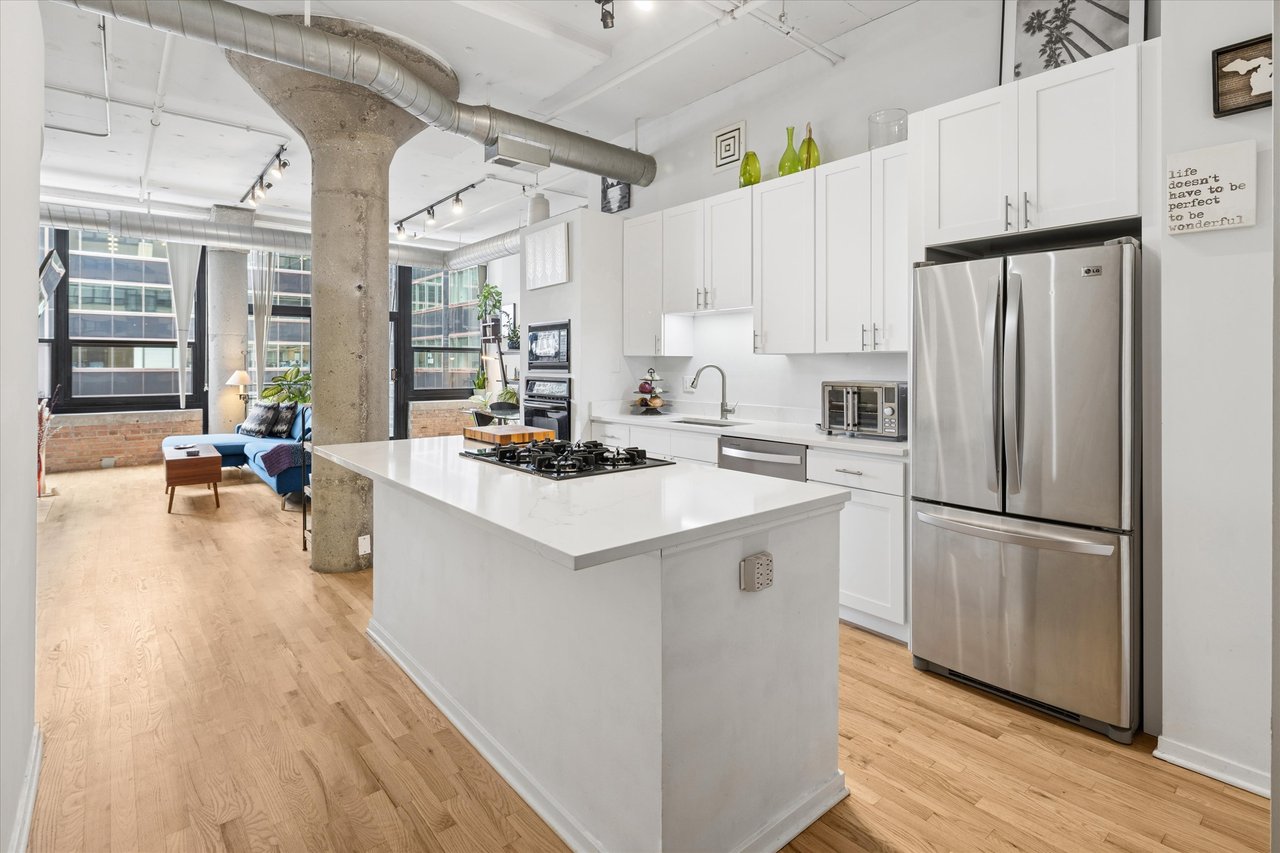
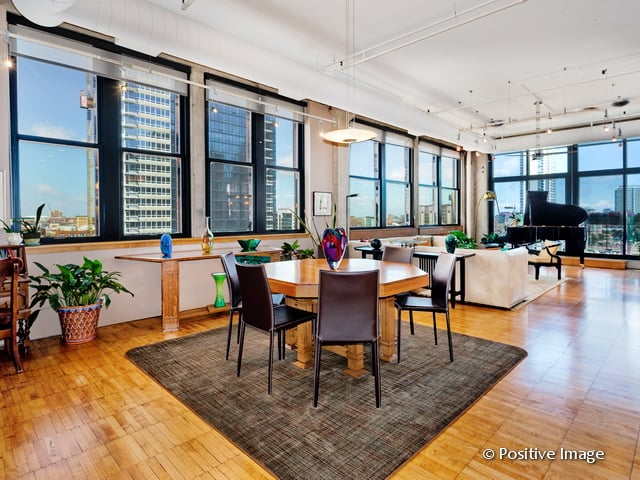
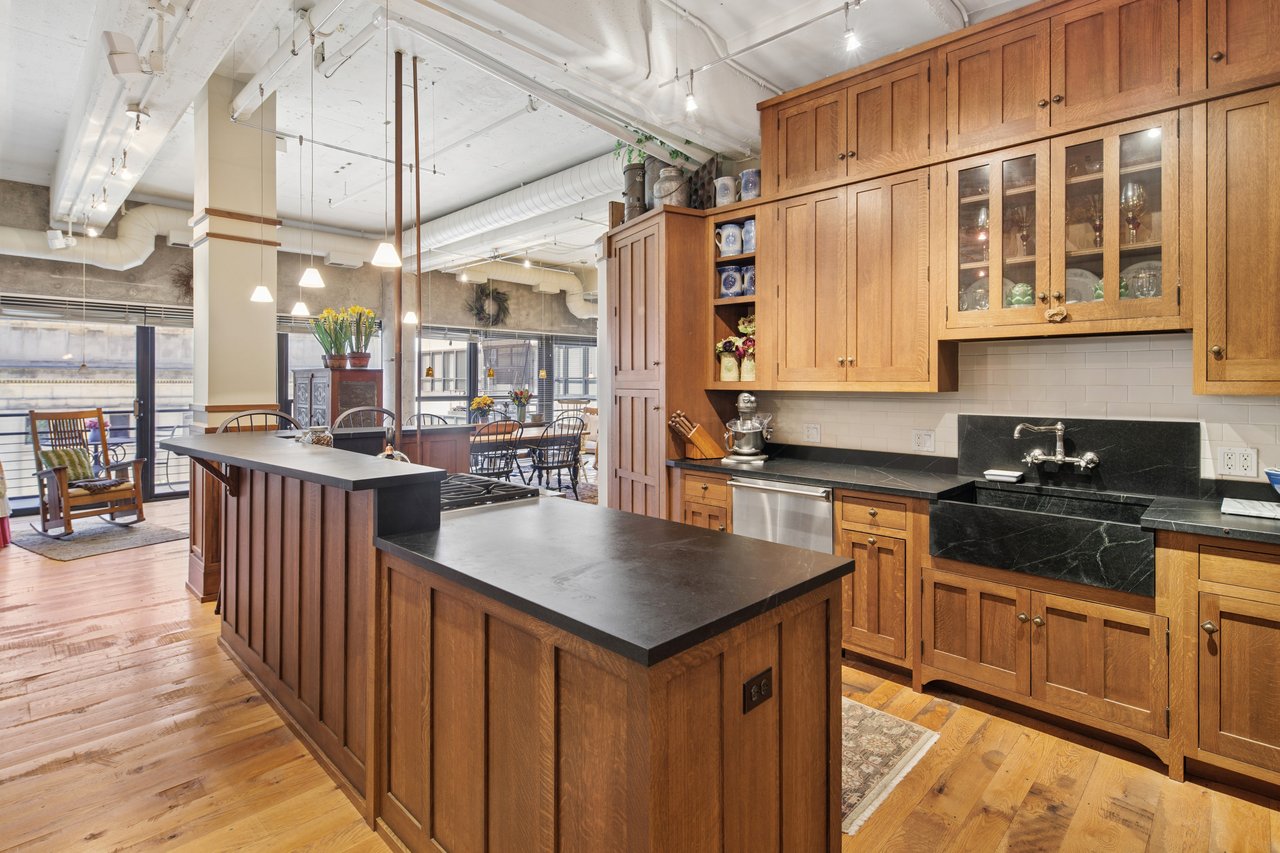
This approach is especially effective in loft buildings and open-concept West Loop and South Loop units, where buyers genuinely struggle to visualize furniture placement in large, undivided spaces. Defining zones in a 1,400-square-foot loft helps buyers see a livable layout rather than an intimidating blank canvas.
Cost-wise, partial staging falls below full vacant staging because fewer pieces are rented and fewer rooms are completely outfitted. It's more than a basic consultation, less than a full furniture installation, and in my experience, it's the tier that delivers the best return on investment for most sellers in this market.
Photo-Ready Touch-Ups (and Virtual Staging)
If your condo is already well-furnished, a photo-ready prep, decluttering, fixing lighting, minor repairs, fresh styling, may be all you need. This is the lowest-cost tier and still has real impact, because the first photos a buyer sees online drive whether they schedule a showing at all.
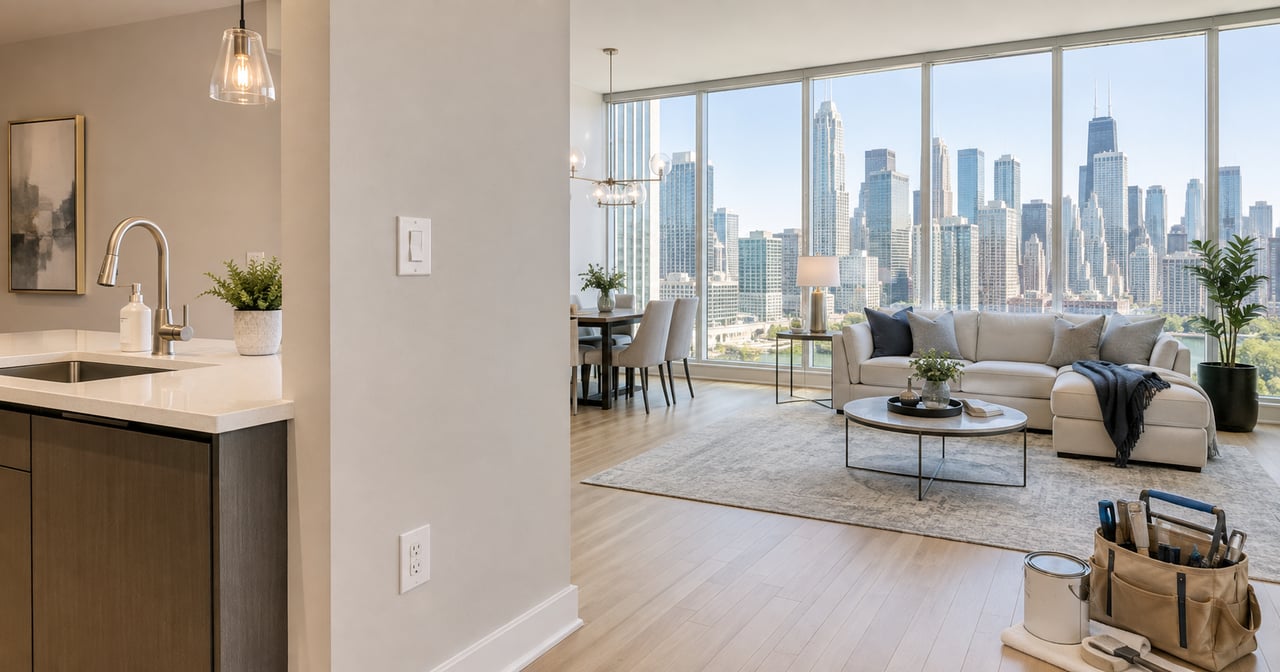
Virtual staging is a legitimate alternative for vacant units that don't justify full physical staging costs. VirtuallyStage prices AI-generated room staging at roughly $35 for five photos, or $0.40–$1.00 per image on subscription plans. That's a fraction of physical staging costs, and it makes empty rooms photograph beautifully for online listings.
The important caveat: virtually staged photos must be clearly labeled as such in MLS marketing so buyers aren't surprised when they walk in. This is standard MLS compliance practice in 2026, and any agent or stager working in this market should be handling that labeling automatically.
When Do the Numbers Actually Justify Staging?
The honest answer is that staging's payoff isn't uniform. It depends on your building type, your price point, and how competitive your unit is relative to others in the same building or line.
Here's the current market context. Recent Zillow market data for the West Loop shows a median sale price of $335,000 and a median of 52 days on market, based on trailing 90-day sales as of August 2026. For broader context across Downtown neighborhoods:
Area | Median Sale Price | Median Days on Market |
|---|---|---|
South Loop | $386,750 | 55 |
Lincoln Park | $905,000 | 33 |
These are area-level medians from Zillow trailing 90-day sales data as of August 2026. Your specific unit's value depends on floor, views, condition, and timing. But they give you a useful benchmark for thinking about staging ROI.
At a $335,000 sale price, a 1–5% price improvement (the range NAR's national data associates with staged listings) translates to roughly $3,350–$16,750 in additional value. That's a national figure, not a Downtown Chicago guarantee, but it puts a $2,000–$5,000 staging investment in perspective. At the high end of Lincoln Park pricing, the math becomes even more compelling.
The days-on-market side of the equation matters too. NAR reports 30% of sellers' agents saw a decrease in time on market for staged homes. In a Downtown high-rise where carrying costs, HOA dues, taxes, mortgage, continue every month the unit sits. Shaving even two or three weeks off a 52-day median has real financial value.
The window that matters most is the first 7–14 days on market. That's when buyer interest peaks, when showing requests are highest, and when the conditions for multiple offers are most favorable. A poorly presented listing that misses that window doesn't just sit longer. It often requires a price reduction to re-engage the market. The prep investment before launch is almost always cheaper than the price cut after.
Should You Stage a High-Rise Condo Differently Than a Loft?
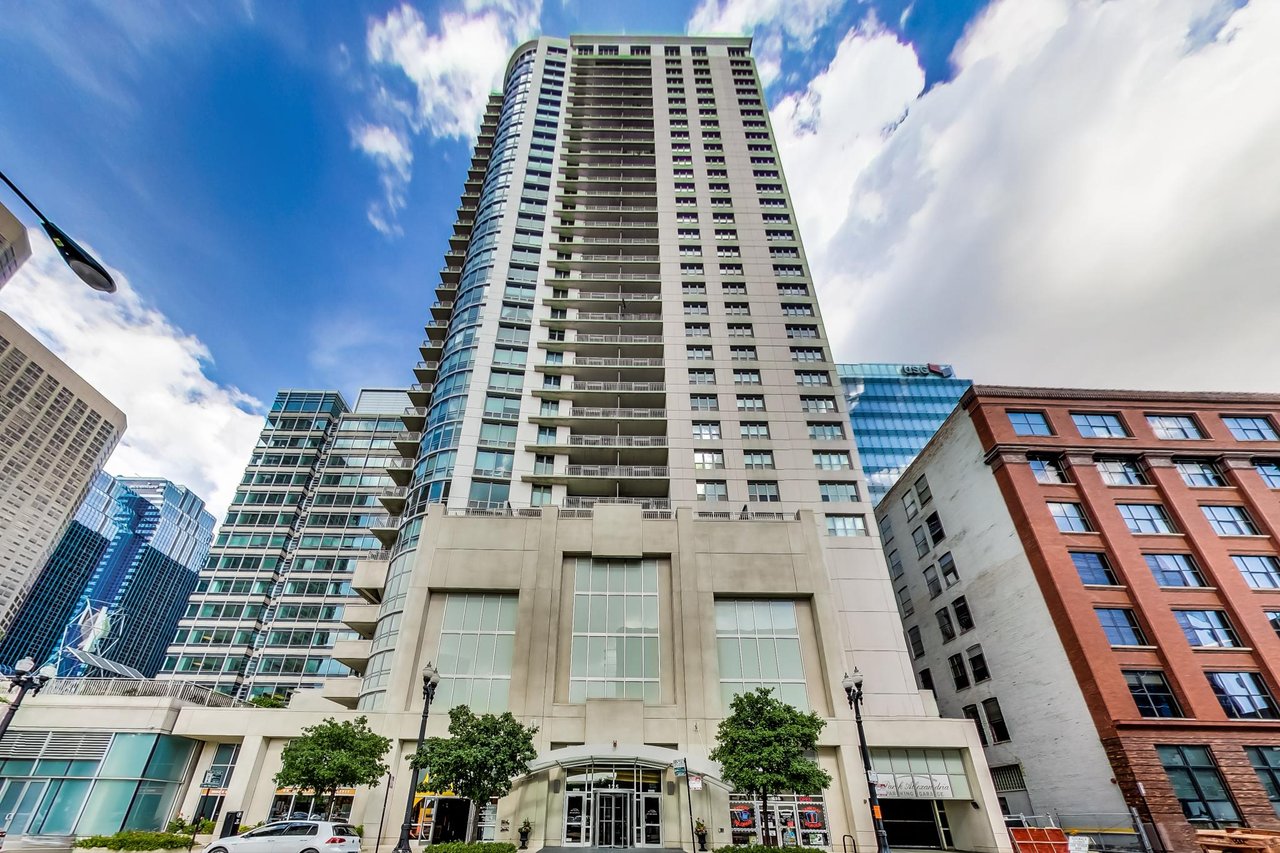
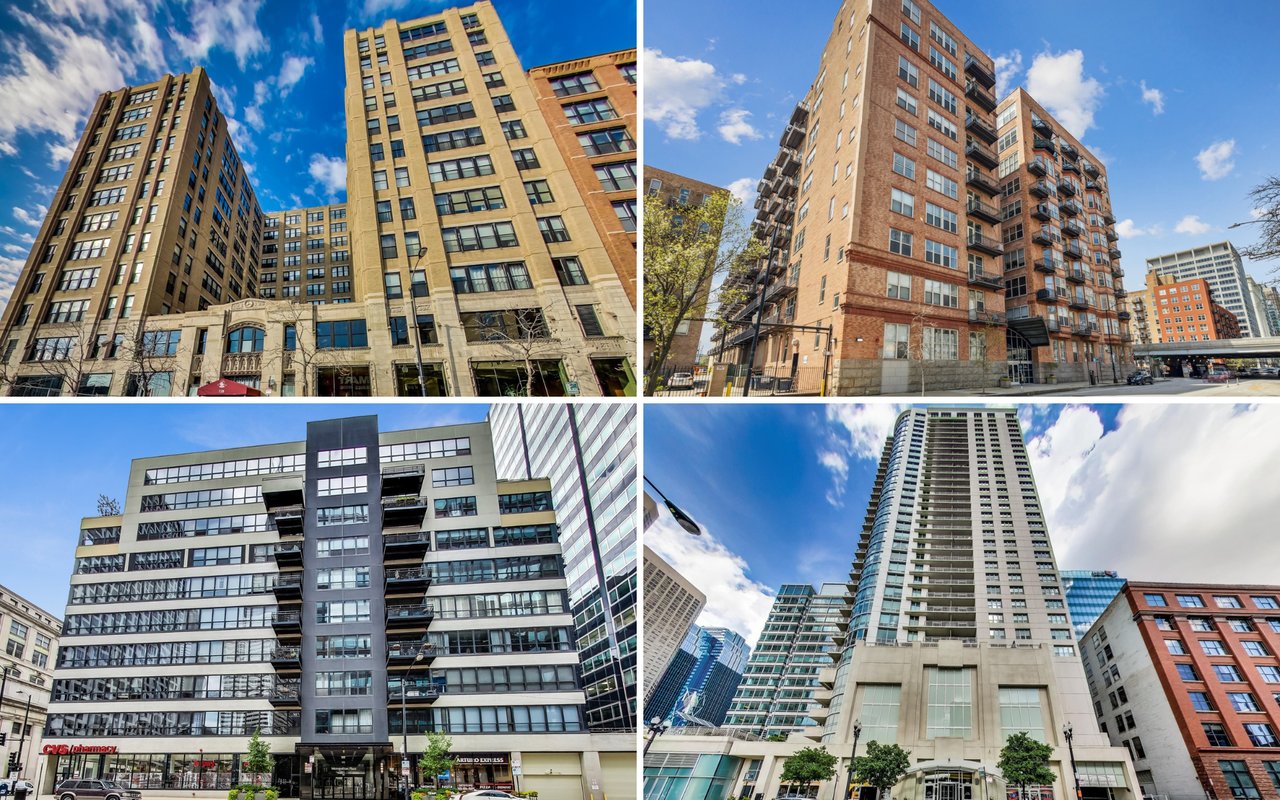
In a Downtown high-rise, buyers can pull up every comparable unit in your building or line within minutes. Staging's job is differentiation, making your unit feel more finished, more livable, and more worth the asking price than the one two floors down. Clean, bright, professionally styled photography is non-negotiable.
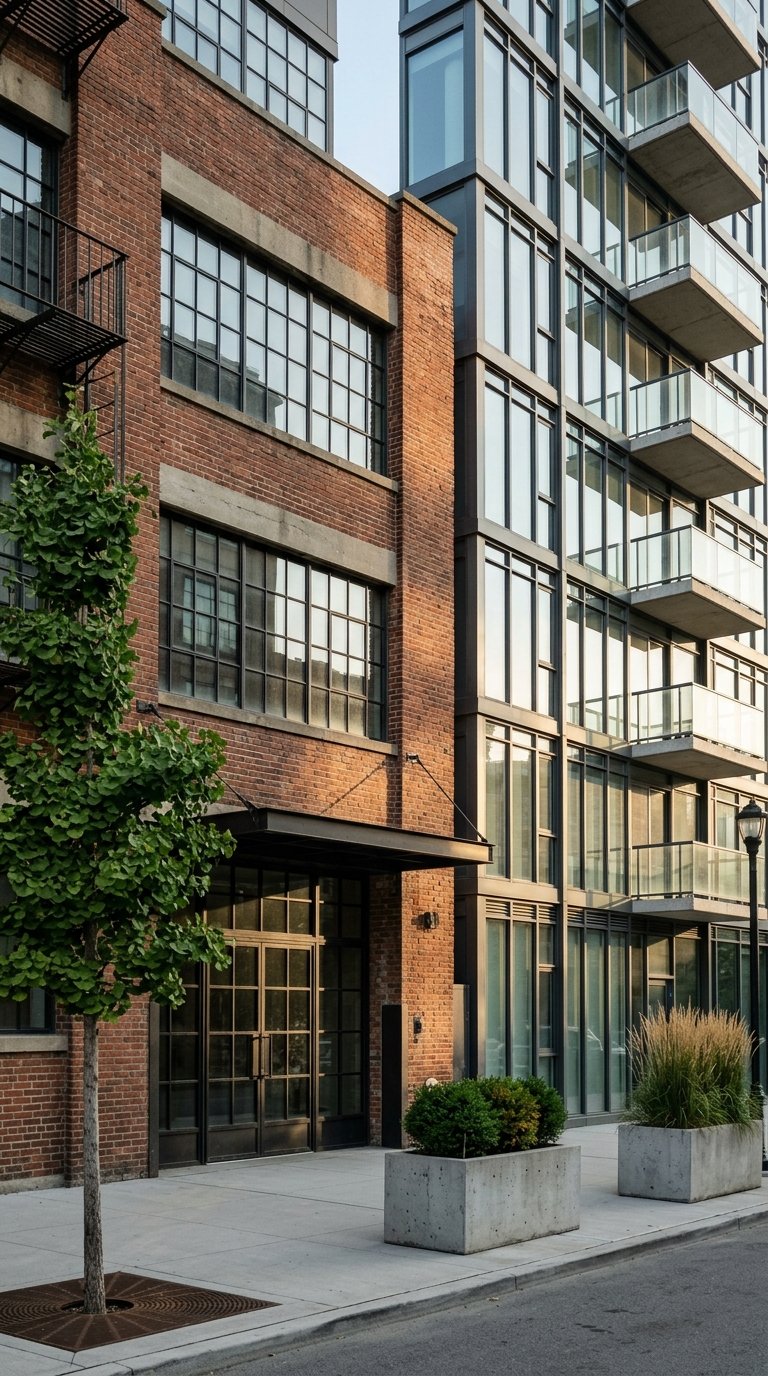
In loft and converted industrial buildings, West Loop, South Loop, Printers Row, the challenge is scale. Open floor plans read as overwhelming in listing photos unless the space is anchored with furniture that defines how it actually lives. Partial staging almost always pays for itself in these buildings, because buyers who can't visualize the layout simply move on to the next listing.
Four things determine which tier makes sense: unit size, furnishing level, price point, and building type. That's a conversation I have with every seller before we decide on a prep strategy, because the right investment looks different for a 650-square-foot studio in River North than it does for a 2,000-square-foot loft in the West Loop.
Does Staging Change What You Have to Disclose in Illinois?
One question I hear occasionally: does staging affect your disclosure obligations? The short answer is no, and it's worth being clear on this before you list.
Under the Illinois Residential Real Property Disclosure Act (765 ILCS 77/), sellers of condominiums must disclose known material defects via a standard disclosure form before a binding contract is signed. Staging a unit beautifully doesn't change what you're required to disclose. If there's a known defect, it goes on the form regardless of how the unit photographs.
For buildings built before 1978, a federal lead-based paint disclosure is also required, along with any available test reports and the EPA pamphlet. Buyers must be given a 10-day window to conduct a lead inspection. Many Downtown high-rises post-date 1978 and won't trigger this requirement. Vintage loft and mid-rise buildings often do. The year built is what determines it.
The Illinois Radon Awareness Act (420 ILCS 46) requires sellers of most residential properties, including condos in buildings of four or fewer units, to provide radon-awareness materials and disclose known elevated radon levels. There are some nuances around upper-floor units; your attorney can confirm what applies to your specific unit. The standard forms used in Illinois condo transactions are published by Illinois REALTORS® and are widely used across Downtown Chicago.
In Chicago, it's standard practice for both buyers and sellers to be represented by an attorney who reviews the contract, disclosures, and association documents at closing. Your attorney makes sure all required disclosures are properly completed. Staging is a marketing decision, not a legal one. The two don't interact.
Frequently Asked Questions
Is physical staging worth it for a vacant Downtown Chicago condo, or should I just do virtual staging for the photos?
It depends on your price point and how competitive your building is. Physical staging creates an in-person experience that virtual staging can't replicate. Buyers who tour the unit see a furnished, livable space rather than empty rooms. Virtual staging, at roughly $35 for five photos, is a legitimate lower-cost option for online presentation, but it must be clearly labeled as virtual in MLS marketing. For higher-priced units or buildings with direct in-unit competition, physical staging typically justifies the investment. The right call depends on your specific unit and timeline. That's worth a direct conversation before you commit to either.
What's the difference between full staging, partial staging, and photo-ready touch-ups for a Chicago condo?
Full vacant staging brings in physical furniture and accessories to fill an empty unit, typically the living area, primary bedroom, and key accent spaces. Partial staging layers rented pieces (rugs, art, accent furniture, lighting) on top of what you already own, helping buyers understand scale and flow without replacing everything. Photo-ready touch-ups involve decluttering, styling, and minor repairs to make an already-furnished unit photograph well. Each tier costs progressively less, and the right one depends on how furnished your unit is and how much visual work it needs before listing.
Do staged Downtown Chicago condos actually sell faster or for more money?
National data from NAR's Profile of Home Staging shows 17% of sellers' agents reported staged homes drew offers 1–5% higher, and 30% reported shorter time on market, but these are national figures, not Downtown Chicago guarantees. Locally, a vacant West Loop condo at 130 S. Canal that had sat for 227 days sold in 22 days at $10,000 over asking after presentation improvements and a price correction. Staging works best when it's paired with accurate pricing. It differentiates a competitively priced unit. It won't rescue an overpriced one.
If my condo is already furnished, do I still need a stager, or is decluttering enough?
It depends on how your unit photographs and how it compares to other active listings in your building. A well-furnished, well-lit condo that reads clearly in photos may only need a thorough declutter and styling session. But if your furniture is dated, the layout feels crowded, or the space lacks a clear focal point, even a partial staging consultation can meaningfully improve how buyers perceive the unit. I walk my clients through this evaluation before we decide. Sometimes a few targeted changes make more difference than a full staging investment.
Staging is one of the most controllable levers you have as a Downtown Chicago condo seller, but the right investment level isn't the same for every unit. The tier that makes sense for a vacant West Loop loft is different from what a furnished River North one-bedroom needs. I'll help you figure out exactly where to spend and where to skip, so your prep budget goes toward what actually moves the needle on price and timeline.
Ready to talk through your unit's prep strategy?
Schedule a consultation and I'll walk you through what I'd recommend before we list.
Equal Housing Opportunity. Christine Hancock, Broker Associate, Chicago Association of Realtors. This article is general information only and does not constitute legal, tax, or financial advice. Confirm your specific costs, disclosures, and transaction details with your attorney, tax advisor, lender, or closing officer.