Start with your own building, not the neighborhood total. Count the active, pending, and recently sold units that match yours on size, floor, parking, and condition, then check which nearby projects are actually for sale. Towers that haven't launched condo sales matter far less than the unit down the hall.
How does West Loop condo supply affect my resale competition?
West Loop condo supply affects you most at the building level, not the neighborhood level. Your closest competition is the other units for sale in your building and in similar buildings nearby, plus any new project that is actually selling condos. Citywide inventory numbers and announced towers are background, not your comp set.
Key Takeaways
- Across the wider West Loop, IL market, there were 23 homes for sale now and 5 new listings in the last 30 days, based on recent local market data as of November 2026.
- Homes that sold across the wider West Loop market in the trailing 90 days to November 2026 went under contract in a median of 26 days, so a well-positioned listing doesn't have to sit.
- Chicago's for-sale condo inventory was down roughly 19% in September 2026 compared with September 2025, but that citywide drop doesn't tell you how many units compete with yours in your building.
- Seven multifamily projects of 50 or more units reportedly started in Downtown Chicago and adjacent areas from January through September 2026, but multifamily is not the same as condos for sale.
- A permit or an announcement is not inventory: a project only competes with your resale once its units are confirmed for sale.
What does West Loop condo supply look like right now?
Across the wider West Loop, IL market, recent local market data as of November 2026 shows 23 homes for sale now and 5 new listings in the last 30 days. Over the trailing 90 days, 23 homes sold, and recently sold homes took a median of 26 days to go from listing to under contract.
The area-wide median sale price for that same 90-day window was $310,000. Treat that as wide-area context only. It covers every home type and size across the broader market, so it says very little about what your unit is worth. Value comes down to your building, floor, exposure, parking, condition, and timing.
Here's the part sellers miss. Citywide numbers can mislead you. Illinois MLS data showed Chicago's for-sale condo inventory down about 19% in September 2026 versus September 2025. In the nine-county Chicago metro area, Illinois REALTORS reported 15,399 homes for sale in October 2026, down 5.3% from a year earlier. Those are tight-inventory headlines. But your building can still have three similar units listed, one of them already reduced twice. In downtown Chicago, neighborhood-level data matters far more than citywide averages, and building-level data matters more than both.
For the broader trend, my West Loop condo market update from mid-year 2026 gives more context.
Why the boundary you use changes the count
"West Loop" means different things to different people. Some use it narrowly around Randolph Street and Fulton Market. Others stretch it toward Greektown, the United Center area, and the Near West Side. A listing count only means something if you know which boundary was used. Otherwise you may be comparing buildings that have almost nothing in common.
I'd also treat any public aggregate, including the figures above, as directional. They help you see the shape of the market. They don't replace an MLS pull for your exact building.
How do I measure my real competition, building by building?
Start with your own building, then widen to similar nearby buildings. Same-building units are the first thing a buyer compares, and they're the easiest competition to size up.
Step 1: Map your own building
Pull every active, under-contract, and recently sold unit in your building. Note how long each one sat, whether the price changed, and what finally sold. If two units like yours sold quickly, that's useful. If one has been sitting for weeks, that's a warning about price or condition.
Step 2: Compare on the details that move price
Two units in the same building can sit in different price positions. Compare these fields side by side:
- Unit size and bedroom count
- Floor and exposure
- Parking (deeded, leased, or none)
- Outdoor space
- Renovation level and finishes
- Monthly assessments and property taxes
- Building amenities
- Days on market and price history
I go deeper on how these features show up in value in What Really Drives the Price of a West Loop Condo.
Step 3: Widen to comparable nearby buildings
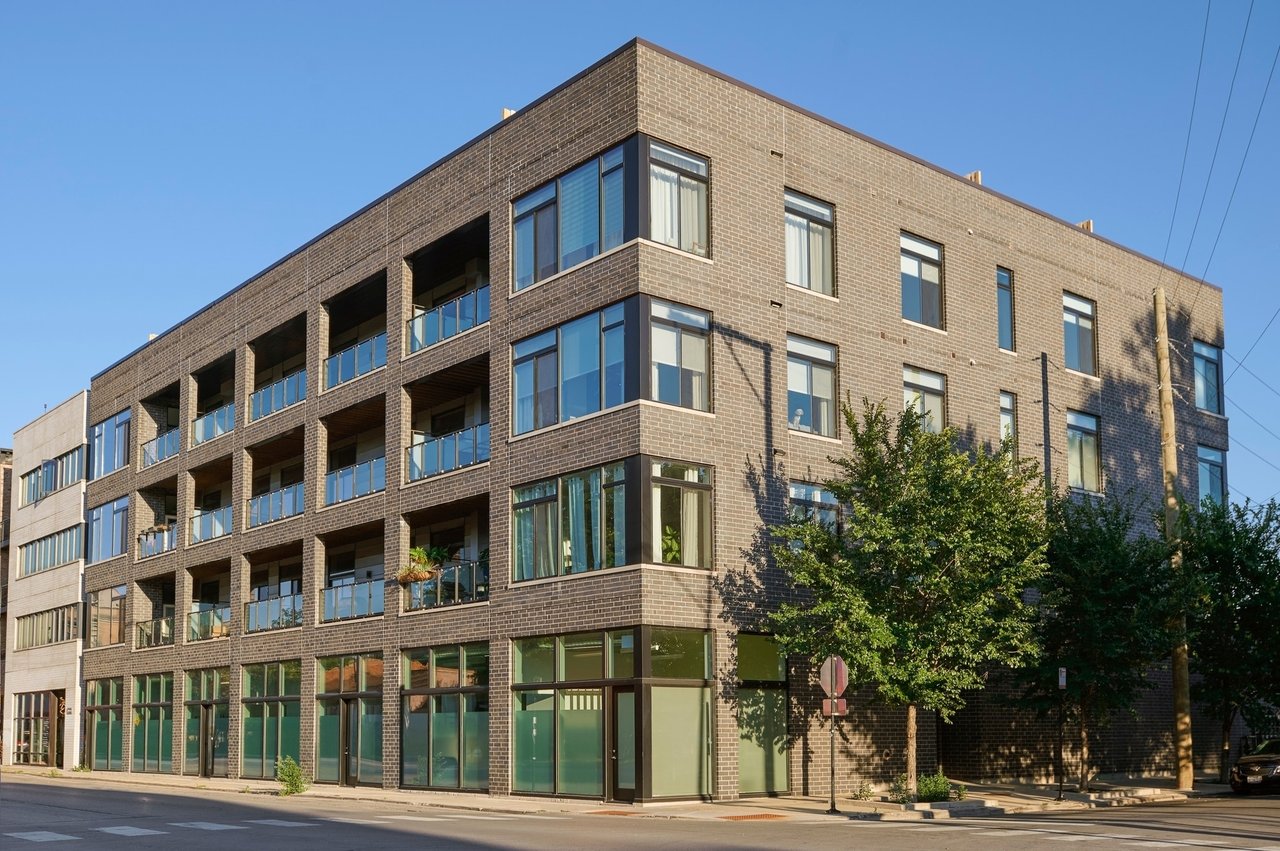
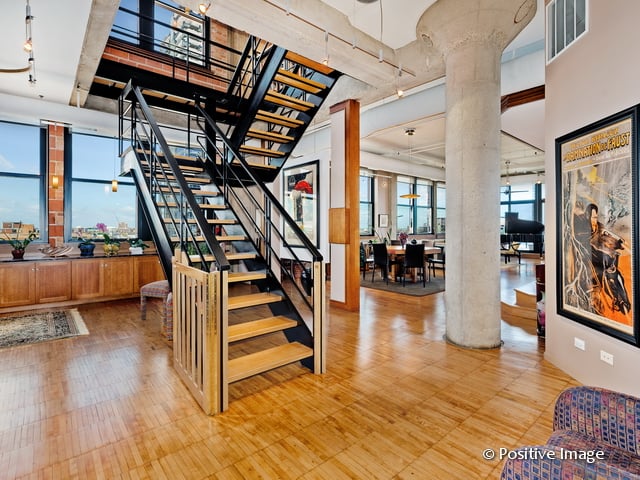
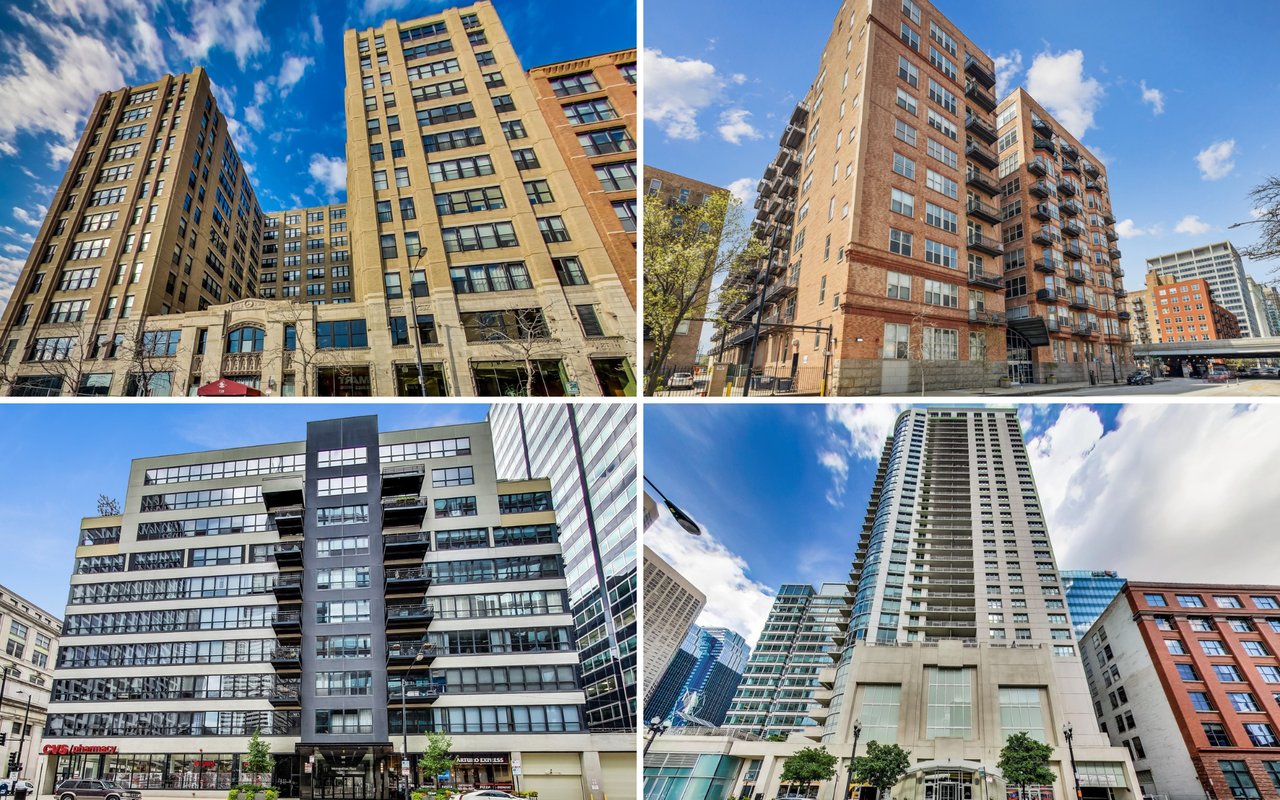
Once your building is mapped, move outward to buildings with a similar vintage, style, and amenity package. Loft conversions and newer construction attract different comparisons, so keep them straight.
Step 4: Clean the data
Here's the workflow that gives you a trustworthy comp set:
- Get a current MLS export for a defined West Loop boundary.
- Filter for condominiums and sort by building.
- Separate active, contingent, pending, and closed listings.
- Remove duplicates and relistings so one unit isn't counted twice.
- Compare your unit against the competing listings on the fields above.
That export comes from a licensed local professional with MLS access. It isn't something you can pull from a public portal, and it's the first thing I put together when we talk about pricing. Your specific position depends on your unit, your building, and your timing, and that's where a local market analysis comes in.
Will new West Loop development hurt my condo's resale value?
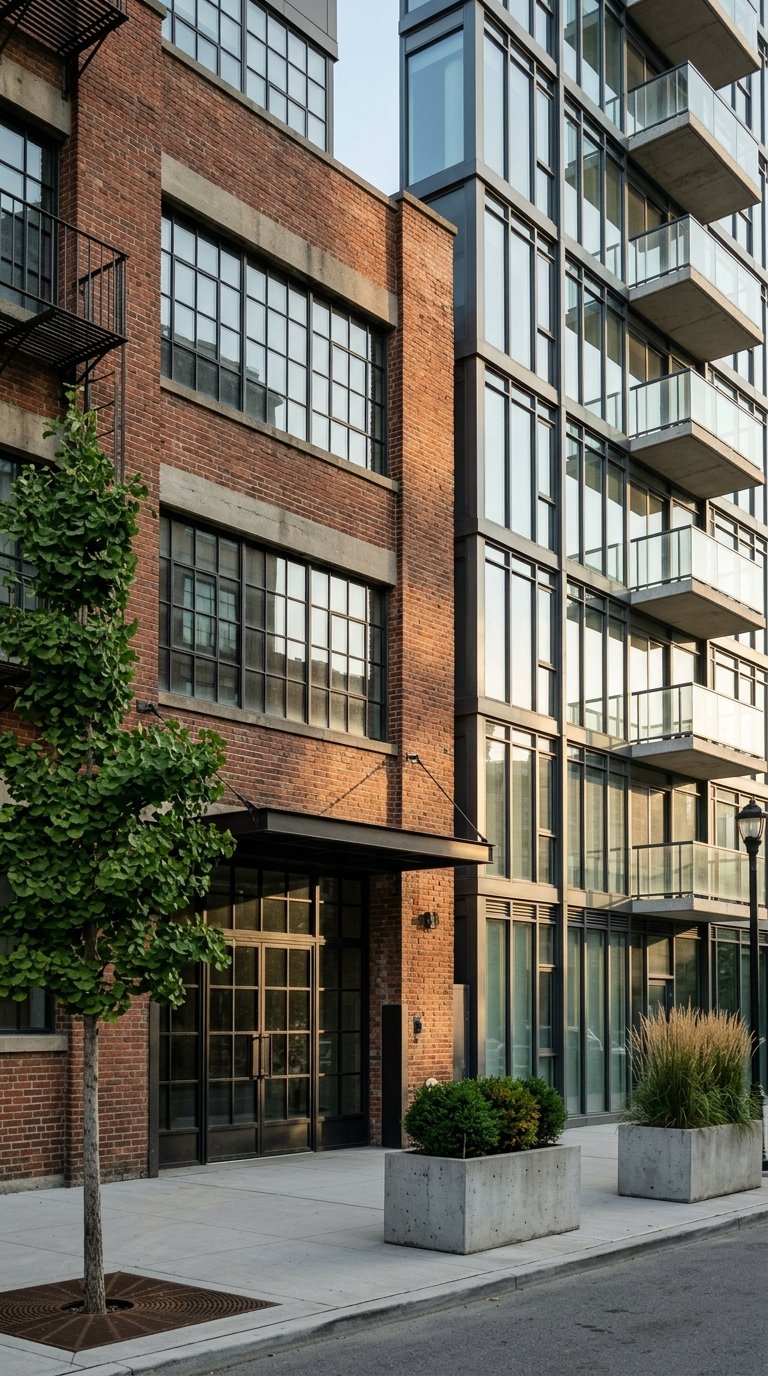
It can, but only in a meaningful way when new units are actually for sale, in a similar size and price range, and close to delivery. An announced tower or a rental building affects the neighborhood's feel and supply picture, but it isn't direct resale competition.
Separate direct from indirect competition
Direct competition is a for-sale condo that a buyer would reasonably weigh against yours: same building, or a comparable nearby building, or a new project with units on the market. Indirect competition is everything else that shapes buyer perception, such as new rental towers and added neighborhood retail.
Two reports show why the distinction matters:
- REBusinessOnline reports that seven multifamily projects of at least 50 units started in Downtown Chicago and adjacent areas from January through September 2026, totaling about 1,900 units. That's multifamily construction, not condo-only construction, so I wouldn't count those units as resale competition without confirming how each one is sold.
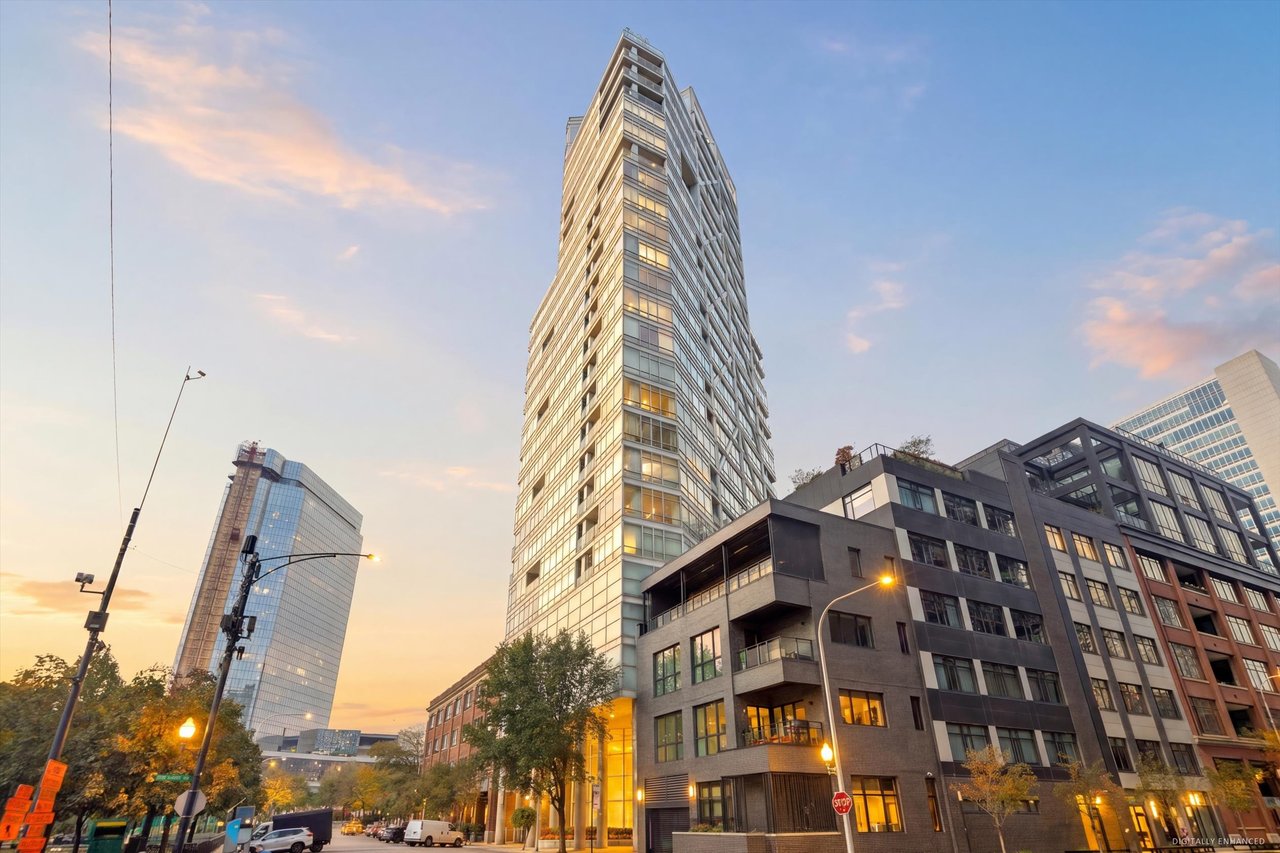
- Urbanize Chicago reports a full building permit for Julep West Loop, a planned 25-story, 380-unit tower at 1016 W. Jackson Boulevard, with an Aldi planned for the project. The report describes it as multifamily. It doesn't establish that the units will be condominiums.
So a 380-unit tower is neighborhood supply to watch, not confirmed condo supply. Before you treat any project as competition, confirm the developer, the ownership model, the construction status, and whether a sales launch has happened. Chicago's Department of Buildings and Department of Planning and Development records are the place to start.
Know which stage a project is in
Project stage | What it means for your resale |
|---|---|
Announced | Plans are public, but there are no units to buy and no delivery date you can rely on. |
Permitted | A permit has been issued. That doesn't mean units are for sale or that delivery is on a set date. |
Under construction | The building is going up. Confirm whether the units will be sold or rented. |
Completed | The building has been delivered. Check whether any units are actually listed for sale. |
Actively marketed for sale | This is direct competition if the size, finishes, and price range overlap with your unit. |
Should you list before or after a nearby project delivers?
It depends on whether the project is for sale and when its units might reach buyers. If it's rental, the timing question mostly disappears. If it's for sale, the delivery timeline and its price range matter. I'd rather run your numbers against the actual project status than guess. For a closer look at how new buildings and older ones price against each other, see my post on West Loop new construction and condo resale pricing.
How should I position my condo when similar units are listed nearby?
Give buyers a clear reason to choose yours. When similar units are listed nearby, the unit with the right price, the best presentation, and the clearest story is the one that moves first.
- Price against the real comp set. That means your building and comparable nearby buildings, not the area-wide median.
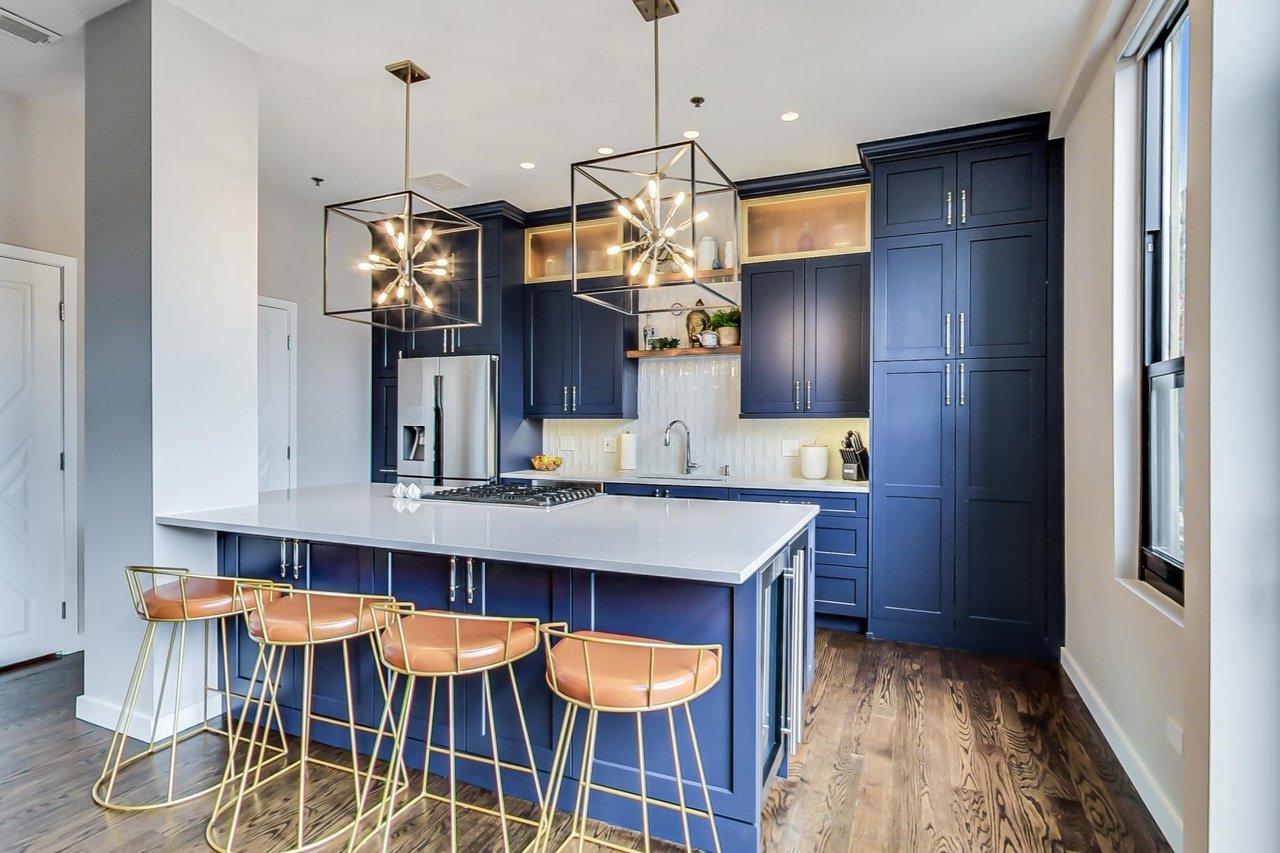
- Lead with what's different. A better exposure, deeded parking, outdoor space, or a recent renovation should show up in the photos and the listing copy.
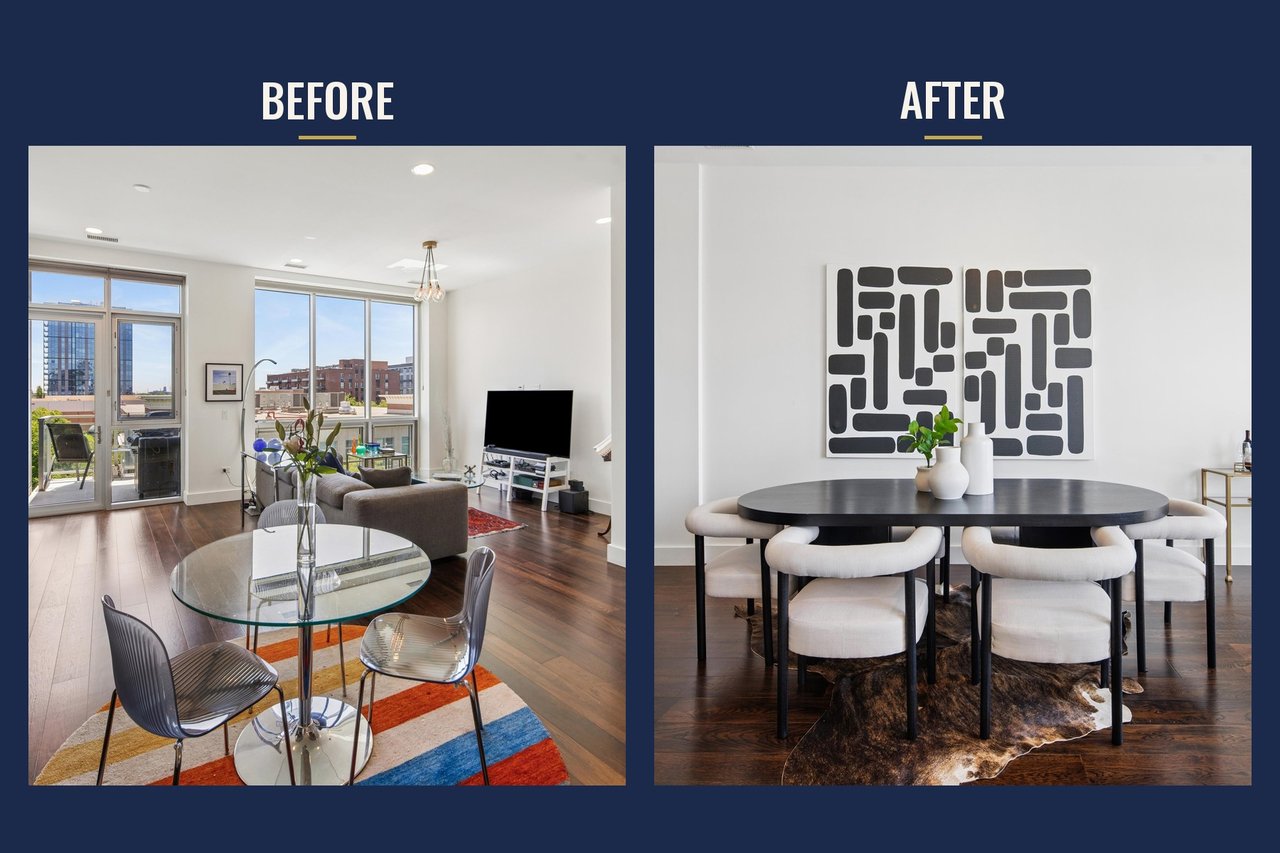
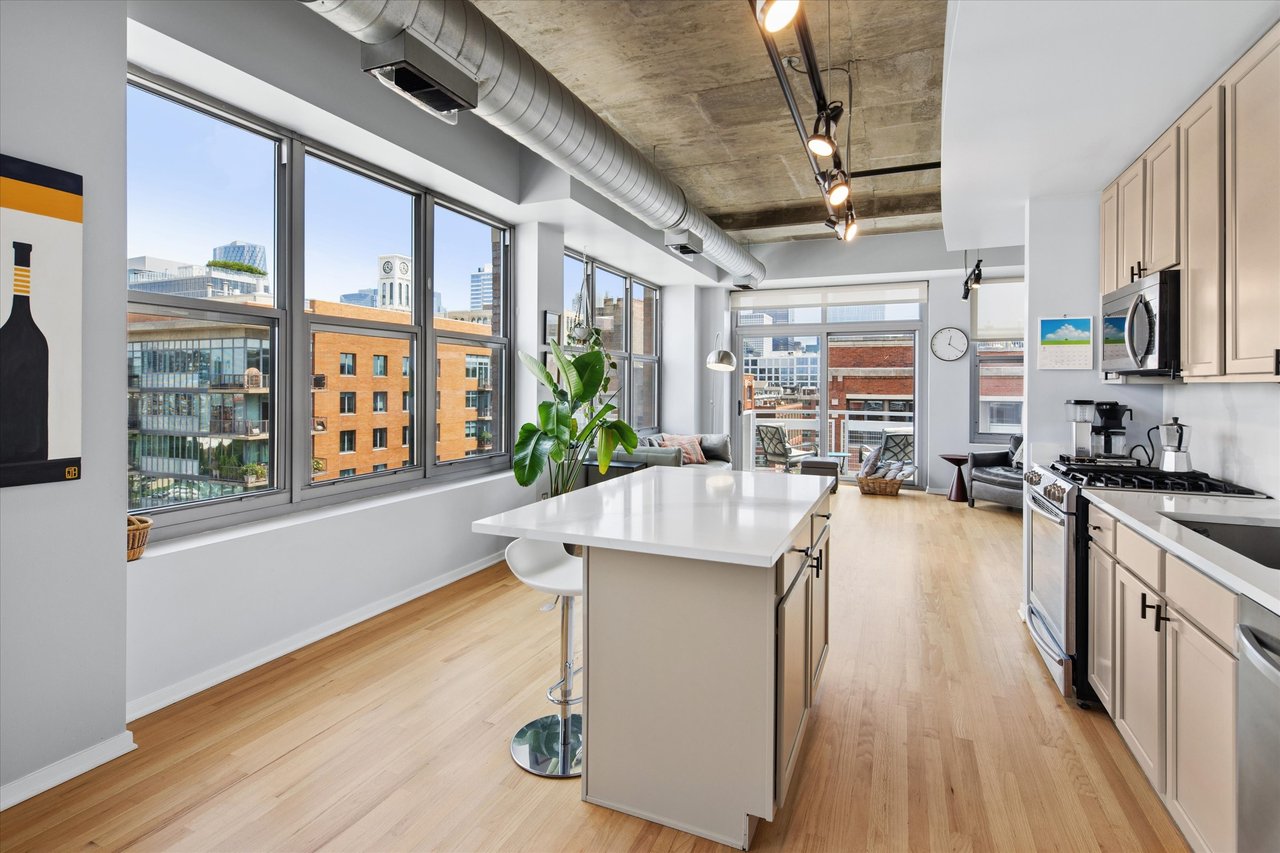
- Prepare the unit. When three similar units are on the market, condition and staging often decide which one gets the showing.
- Know your timing. If a competing unit in your building is about to close, that can change what buyers compare yours to.
If your condo has been sitting while others sell, the cause is usually price, condition, or presentation rather than supply. I cover the most common culprits in Why West Loop Condos Sit and What Sellers Can Change.
Commissions and broker fees are fully negotiable and not set by law. If you want to talk about how my listing agreement works, we can go over that in a consultation.
FAQ
How many condos are competing with my West Loop condo?
The number that matters is the count of units in your building and in similar nearby buildings, not the neighborhood total. For context, recent local market data as of November 2026 shows 23 homes for sale across the wider West Loop, IL market and 5 new listings in the last 30 days. Your own count depends on the boundary and the building, so I'd pull a current MLS export for your address.
Are new West Loop developments selling condos or apartments?
Many of the projects reported recently are multifamily, which is not the same as condos for sale. Julep West Loop, a planned 380-unit tower at 1016 W. Jackson Boulevard, is described as multifamily in the Urbanize Chicago report, and the report doesn't establish condo tenure. Confirm each project's ownership model and sales status before you count it as competition.
Will a new construction project hurt my condo's resale value?
It can shape what buyers compare, but it affects you directly only when new units are for sale at a similar size and price. A rental tower or a project that hasn't launched sales is indirect competition at most. How much it matters for your unit depends on your building, finishes, parking, and timing.
Should I list before or after a nearby development delivers?
It depends on whether the project is for sale and where it is in the process. A permit or announcement doesn't guarantee a delivery date, and it doesn't mean units are available to buy. I'd run your numbers against the project's confirmed status before choosing a listing date.
How do I compare my condo with active listings in my building?
Compare unit size, bedroom count, floor, exposure, parking, outdoor space, renovation level, assessments, taxes, and days on market, side by side. Include units that are active, under contract, and recently sold. That gives you a real view of where your price should land and what buyers are seeing.
Where this leaves you
West Loop condo supply is a building-by-building question, and the answer changes the price you should set and the way you present your unit. I'll build your comp set from your building and the buildings buyers will actually compare it to, so you see the real competition before you list. Schedule a consultation and we'll walk through yours.
Equal Housing Opportunity. Christine Hancock, Broker Associate, licensed by the Illinois Department of Financial and Professional Regulation. This article is general information, not legal, tax, or financial advice. Confirm your own numbers with your real estate attorney, tax advisor, or lender.