Before you sign a listing agreement, ask to see the work. Request the closed sales, the current competition, and a dated launch calendar with a first-review checkpoint. Then ask what result would change the plan. Good answers connect price, prep, and marketing to evidence you can check, and I'll walk you through mine.
What should I ask a Chicago listing agent about pricing?
When you ask a Chicago listing agent about pricing, the best question is "show me the evidence." Ask for the closed sales, the current competition, and the listings that failed to sell, then ask what result would make the agent change the price. A sound plan ties every recommendation, from price to staging to launch date, to numbers you can check.
Key Takeaways
- Across the wider West Loop, IL market, the median sale price was $330,000 for homes sold over roughly the last 90 days as of November 2026, but that is an area-wide figure and says nothing about your unit's value.
- Over that same West Loop window, recently sold homes went under contract in a median of 26 days, so your plan needs a first-review checkpoint defined before launch day.
- Ask for three separate lists: closed sales, active competing listings, and nearby listings that failed to sell.
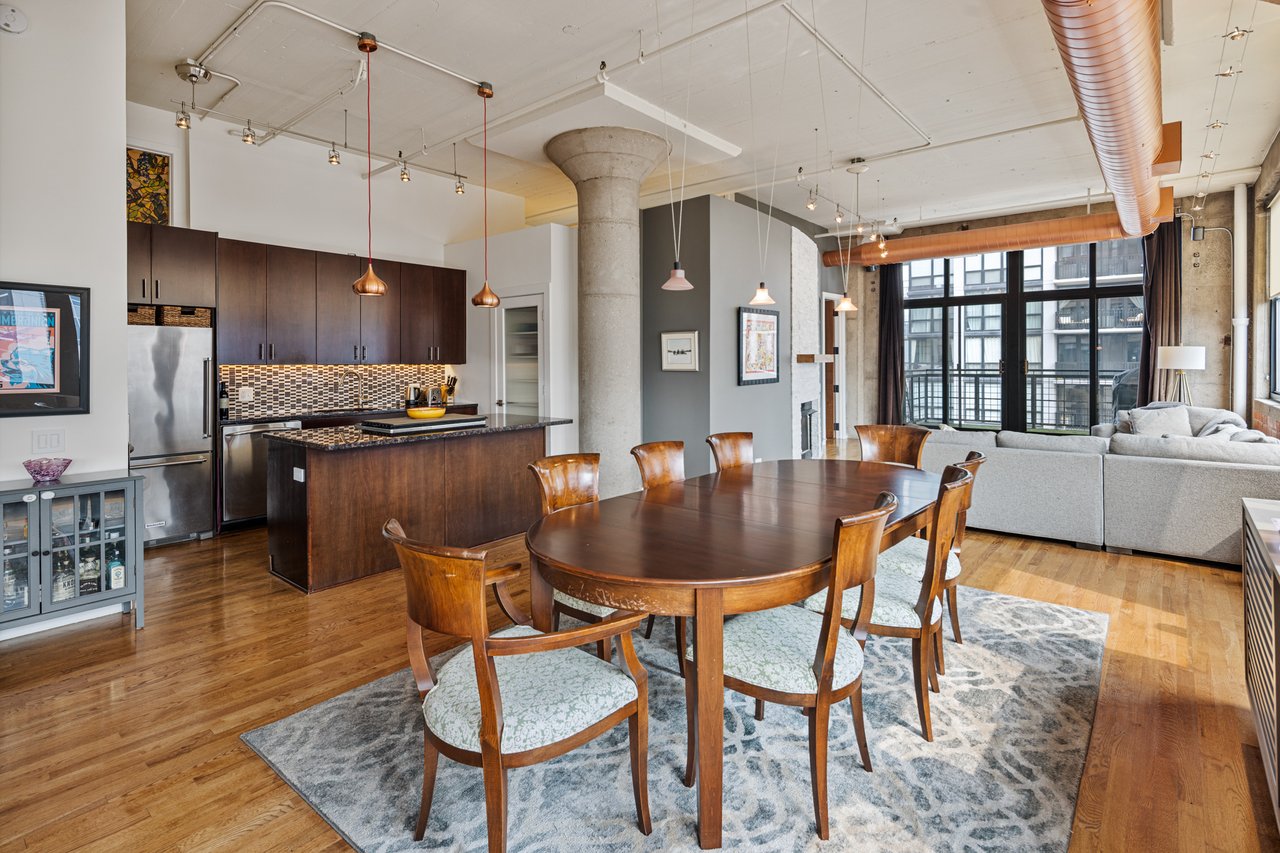
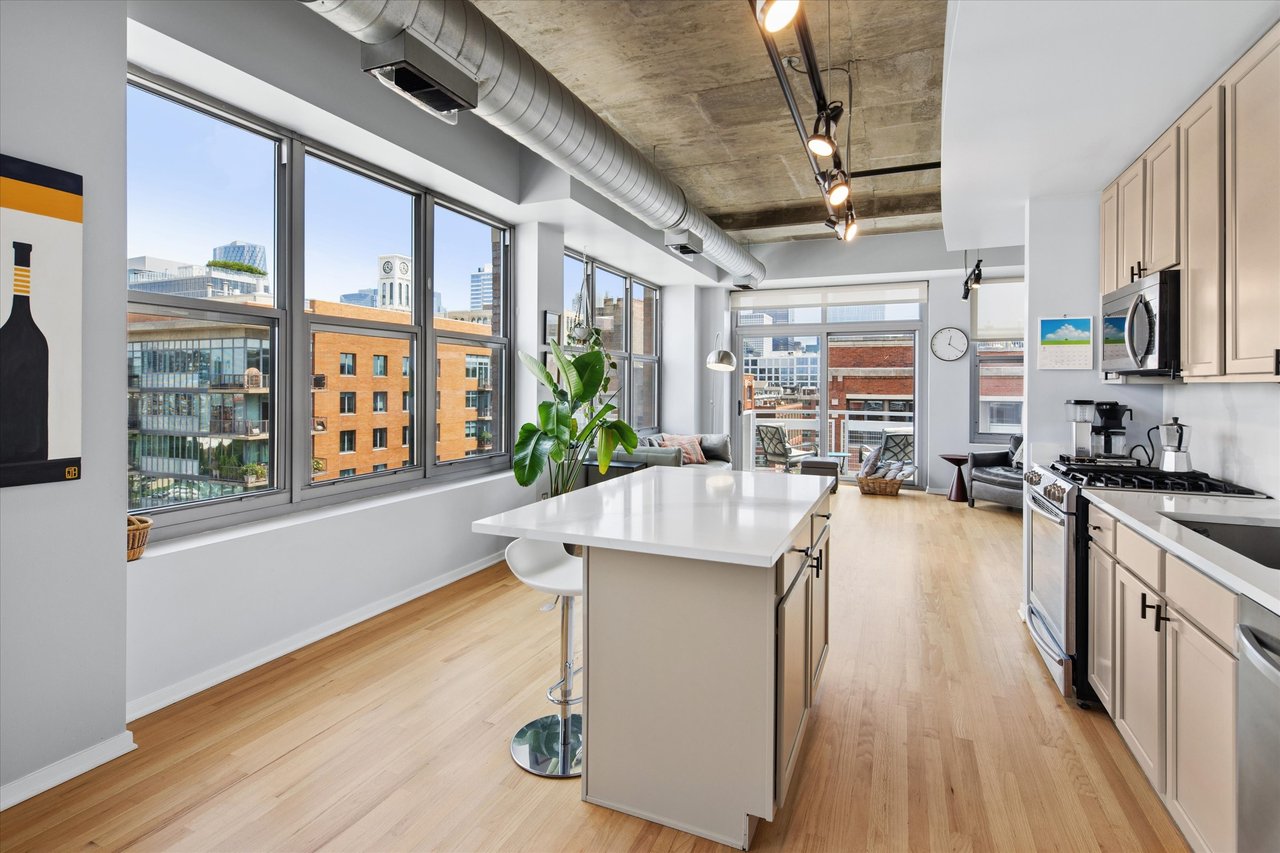
- For a condo or loft, the price has to account for building-specific factors like assessments, amenities, parking, floor height, views, and any pending building project.
- Every prep, staging, and marketing recommendation should have a stated reason, and a clear action if early results come in weak.
How do I know a listing agent's price is actually supported?
Ask to see the comparable sales, the competing listings, and the written reasoning behind the number. If a price can't be traced back to evidence, it's a guess.
Here's how I'd break it down for you. These are the questions I want you to ask me.
Which closed sales did you choose, and why?
Ask for the addresses or identifying details, the closing dates, the original and final list prices, the time on market, and the differences from your home.
For a downtown condo, those differences matter a lot. Two units with the same square footage can sit far apart because of:
- Monthly assessments and reserves
- Building amenities
- Parking
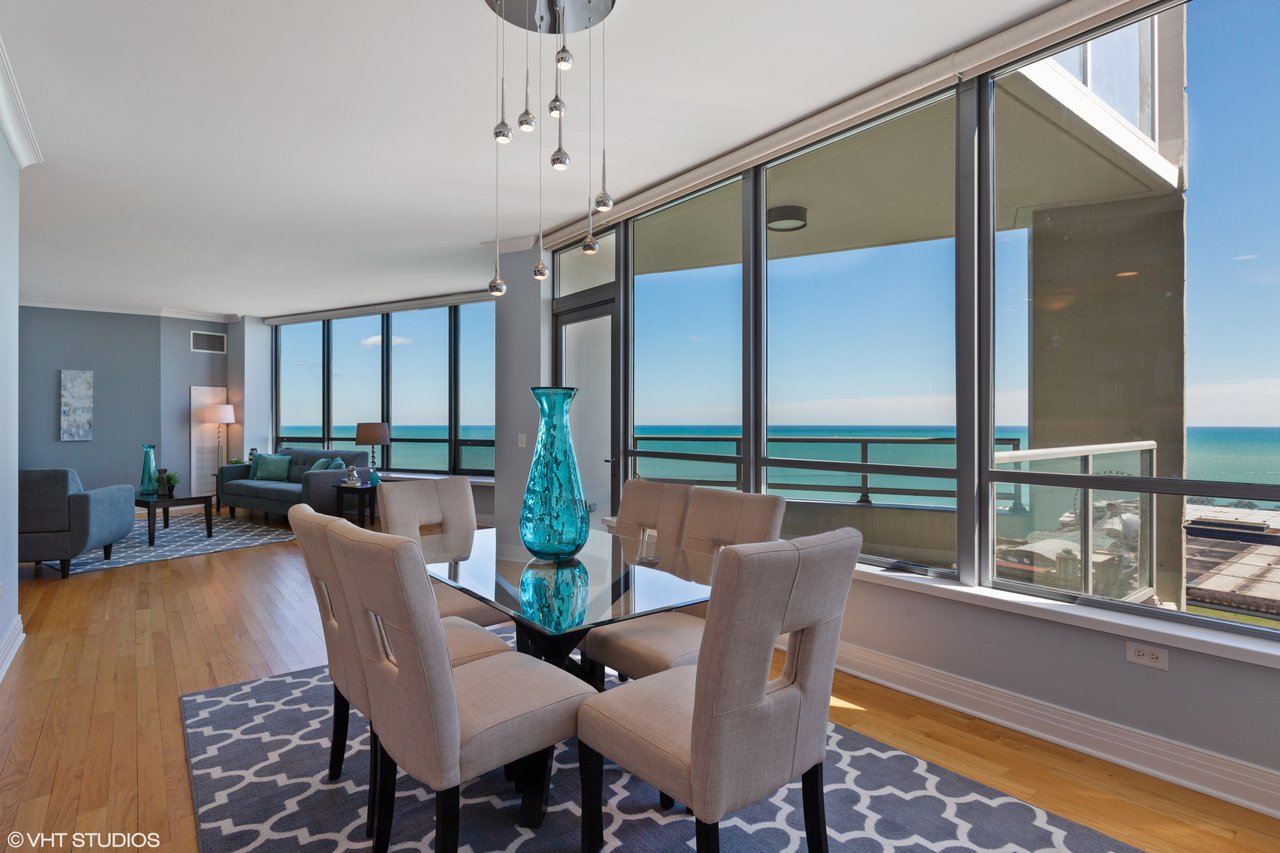
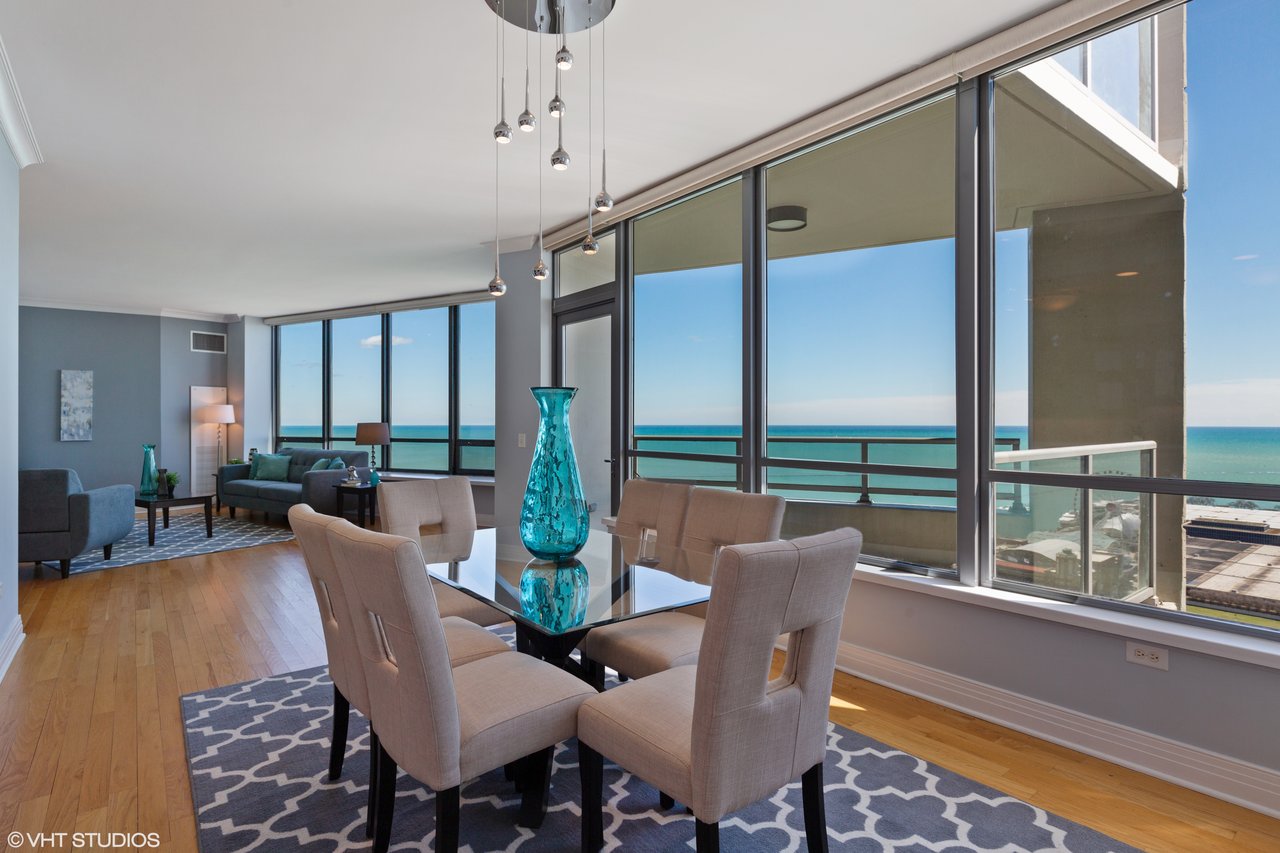
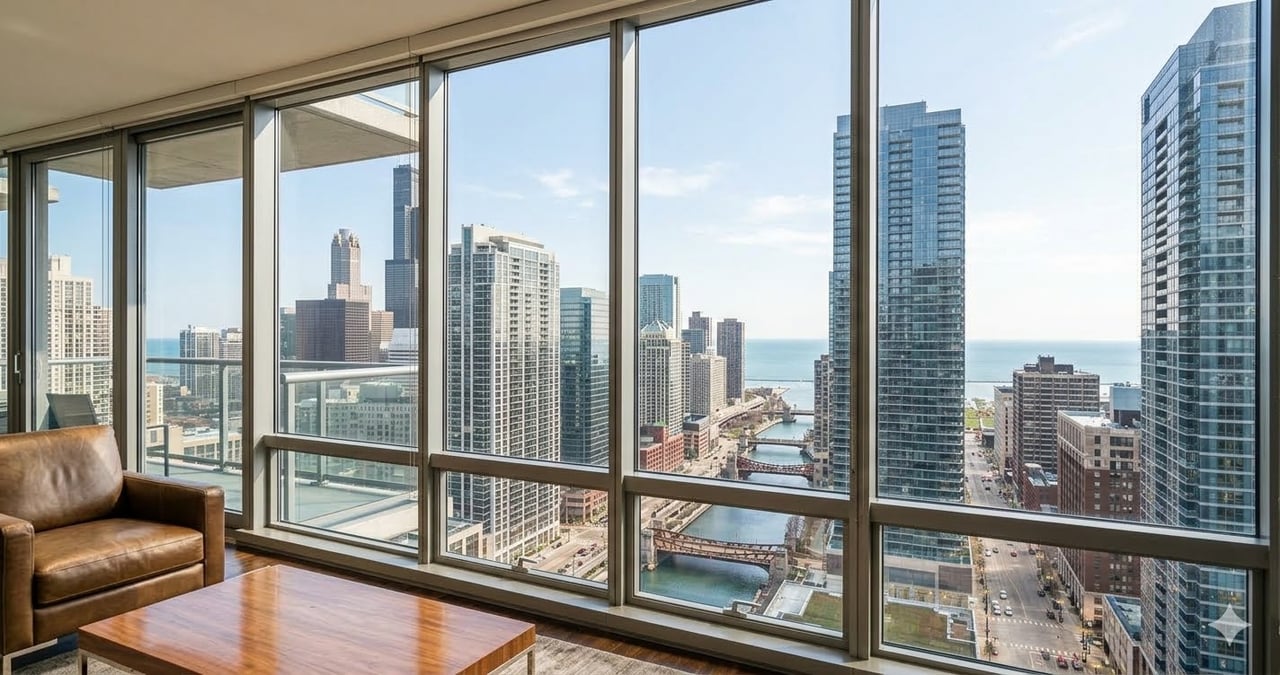
- Views, floor height, and exposure
- Balcony or outdoor space
- Renovation level
- Any pending building project
What is competing with me today?
Closed sales show where the market was. Active listings show what a buyer is choosing between right now. Ask for a separate list of current competitors.
Which are priced below, near, and above the proposed price? How long has each been active? Has it been reduced? Why might a buyer pick it over yours?
Across the wider West Loop, IL market, recent local market data shows 27 homes for sale now, 9 new listings in the last 30 days, and 25 homes sold over roughly the last 90 days. That's area-wide context, not a forecast for your unit. It does show how small the pool of true competitors can be, which is why the comparison list should be specific.
Which nearby listings haven't sold, and what went wrong?
Stale listings are free education. Ask the agent to name them and explain the likely issue. Is it price, condition, presentation, building finances, restrictions, access, or marketing?
The answer tells you whether the proposed price is backed by buyer behavior or by hopeful seller math.
Which micro-area does the analysis cover?
"Downtown Chicago" is not one market. River North, Streeterville, the Loop, South Loop, and the areas near Fulton Market all behave differently. A pricing analysis built on a citywide median doesn't help you.
To see how far apart these areas sit, here are area-level medians from recent local market data. Treat them as context, not as a price for any home.
Area | Median Sale Price |
|---|---|
West Loop | $330,000 |
River North | $400,000 |
South Loop | $390,000 |
Streeterville | $500,000 |
Gold Coast | $502,500 |
Lincoln Park | $833,500 |
An area median blends every size, age, and condition of home. Your unit's value depends on its building, floor, finishes, and timing.
What does the written price rationale say?
Ask for the recommended list price in writing, with the adjustments for condition, floor, views, parking, outdoor space, assessments, and amenities. It should name the price range the evidence supports and what result would trigger a reassessment.
This is where I stand firm. I believe you deserve to see the numbers behind every pricing recommendation I make. I walk you through the comparable evidence and we talk it through openly before you commit to a plan. If you want more on why the first number matters, I covered it in pricing your Downtown Chicago home right from day one, and in how to price your Chicago condo to get the best offer in 2026.
What should the preparation and launch plan include?
A dated calendar that runs from prep through your first performance review, with a reason for every step. If the plan is a vague "we'll get it ready and go live," keep asking.
What does the launch calendar look like?
Ask to see the sequence laid out:
- Preparation and repairs
- Photography and staging
- Listing activation
- Broker outreach
- Showing availability
- Open house timing
- First performance review
Then ask how the plan changes for a weekday launch, a weekend launch, a holiday period, or a spring listing. Recently sold West Loop homes went under contract in a median of 26 days, per recent local market data. The early days carry real weight, so I plan the launch carefully instead of listing and hoping.
Timing is also a personal question. Whether to list now or wait depends on your unit, your building, and your goals. I'll lay out both options with you.
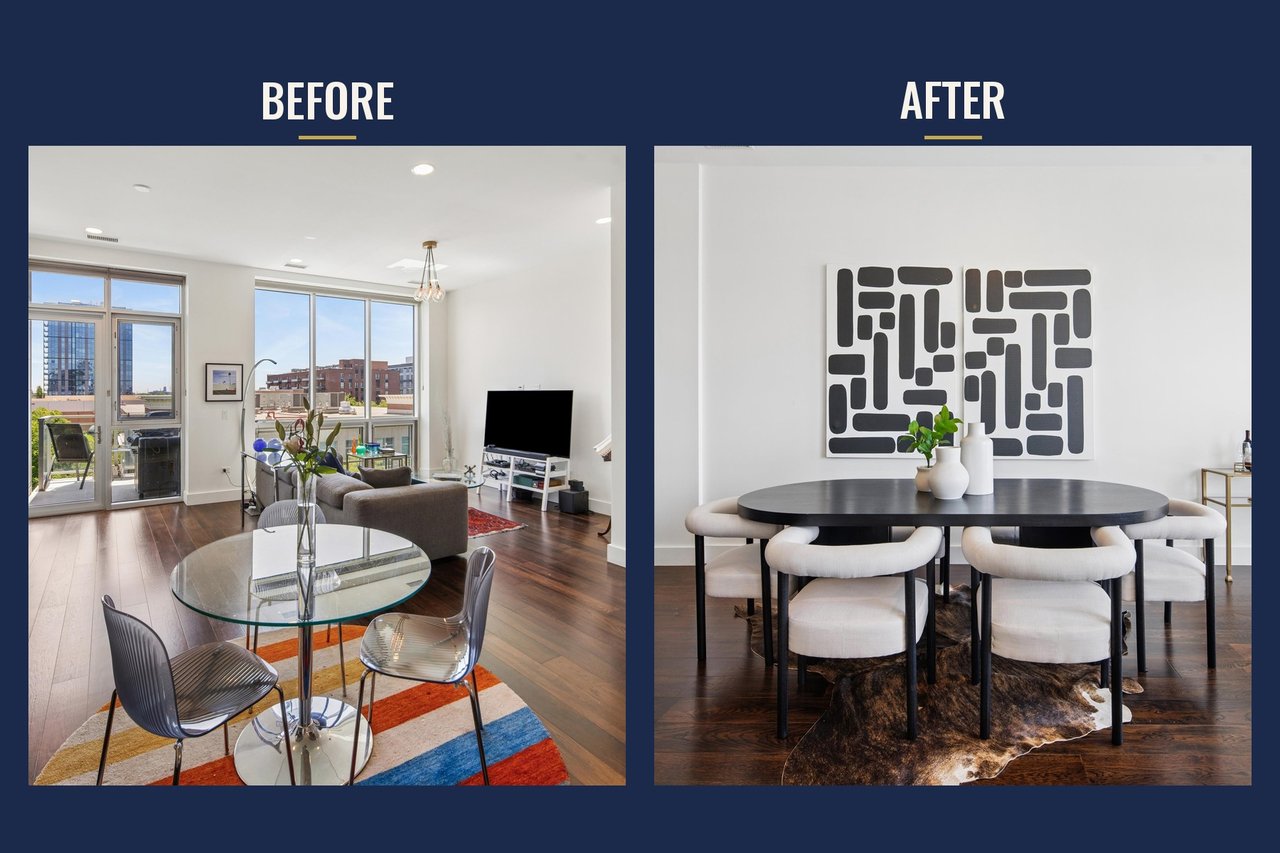
What does "staging" actually mean in this plan?
The word covers a lot of ground. Ask which of these is being recommended:
- Occupied or partial staging
- Vacant staging
- Decluttering and furniture editing
- Artwork and lighting changes
- Cleaning and styling only
Then ask which changes are expected to affect how buyers see the home, and which are just cosmetic preference. I'll tell you which are worth doing in your unit and which aren't.
When is the first review, and what happens if launch is weak?
Ask when the agent will look at showing volume, online views, saves, inquiries, feedback, and offers. Then ask the key question: what counts as weak, and what happens next?
The answer should be set before you list. Options include improved presentation, revised messaging, expanded outreach, or a price change. Deciding that in advance keeps emotion out of it.
What should the marketing plan cover, and how will I hear updates?
It should name every channel, every piece of media, the date the MLS entry goes live, and how often you'll get a report. Anything optional should be labeled optional.
What media and distribution are included?
Ask for specifics on:
- The number and type of photographs
- Floor plans, video, 3D tours, and twilight images
- Copywriting
- Building and amenity photography
- How fast errors get corrected if the online presentation is wrong
Then ask where the listing will appear, when it goes into the MLS, whether broker-to-broker outreach is planned, and how likely buyers for your building or neighborhood will be reached.
How will the plan present my building?
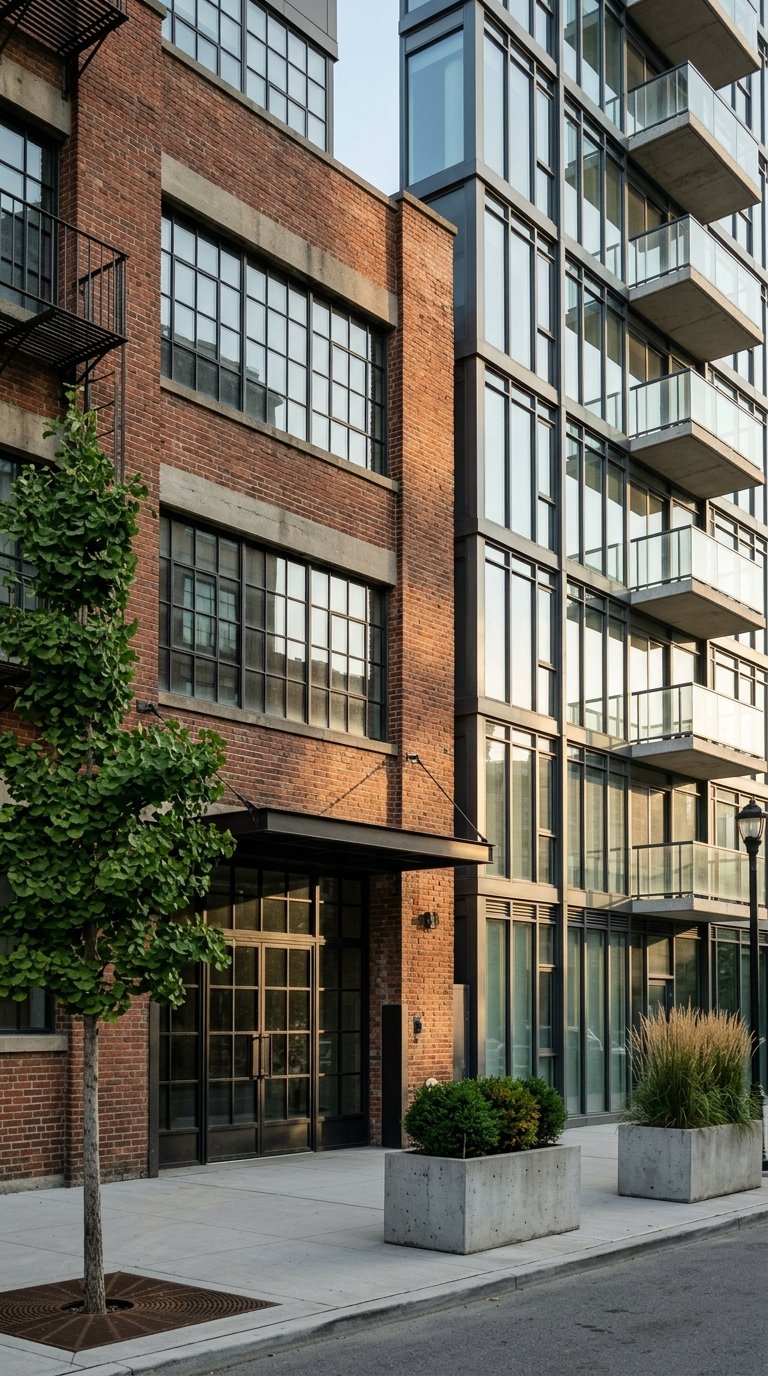
For a condo or loft, buyers read the building as closely as the unit. Ask how the plan will present monthly assessments, amenities, parking, pet and rental rules, building improvements, and any known special assessment or construction issue. These details can change buyer demand even when two units look alike.
What proof can I see before I commit?
Ask for a sample seller report, a sample comparable market analysis, a launch checklist, and a written schedule of communication. The test is simple. Can the agent connect each recommendation to evidence, or to a clearly stated test-and-review process?
If you want to see how that conversation goes, my posts on the Chicago condo listing presentation and what a Downtown Chicago listing agent does for sellers walk through it.
Why bring these questions to me?
Because they match how I already work. I'm a seller-first agent. My specialty is listing strategy, and I work with condos, lofts, and single-family homes. I'm a Broker Associate with @properties Christie's International Real Estate, and I lead The Hancock Group.
Here's how that lines up with what you should ask a Chicago listing agent about pricing and the plan:
- Pricing evidence. My pricing is data-driven, and I show you the reasoning behind it.
- Preparation. I build strategic preparation into the plan before anything goes live.
- Marketing. I focus on marketing that builds real demand for your home.
- Local knowledge. My core markets are the West Loop, River North, South Loop, Old Town, and Streeterville. I also have a proven track record of sales across the rest of downtown Chicago, including the Gold Coast and Lincoln Park.
Ask me any question in this post, about your unit and your building. I'll answer it with the numbers in front of us. For the full picture of the process, start with what a Chicago listing agent actually does for sellers.
FAQ
How does a Chicago listing agent choose comparable sales for my condo?
The agent should pick closed sales that match your unit on the factors buyers weigh. Those are building, size, floor, views, parking, assessments, and condition. Ask to see addresses, closing dates, original and final list prices, and time on market, plus an explanation of every difference from your home.
Should I price below recent comparable sales to attract multiple offers?
Not automatically. Pricing below comps is a strategy that has to be supported by what buyers are doing in your building and submarket, and it never guarantees multiple offers. Ask the agent to show the evidence for the approach and what the plan is if it doesn't work.
What repairs or upgrades are worth doing before listing?
Do the ones that change how buyers see the home, and skip the ones that only reflect taste. Ask the agent to tell you which items affect buyer perception and why. I go through this unit by unit with my sellers, because what matters in one building may not in another.
Is it better to list now or wait for spring in Chicago?
It depends on your unit, your building, and your goals, not on a calendar rule. Ask for a plan that shows how a holiday-period launch and a spring launch would each work. Then compare them against the competing listings that are active when you'd go live.
What is the plan if my home gets few showings in the first two weeks?
There should be a written plan before you list. The agent should define what counts as weak performance, then name the next steps, such as improved presentation, revised messaging, expanded outreach, or a price change. Getting this agreed in advance keeps the decision clear.
Ready to run the numbers on your home?
The right plan is one you can check. If you're thinking about selling a condo, loft, or single-family home in downtown Chicago, bring me your questions and I'll bring the evidence. Schedule a consultation with me, and we'll go through pricing, prep, and the launch plan together.
Equal Housing Opportunity. Christine Hancock, Broker Associate, @properties, regulated by the Illinois Department of Financial and Professional Regulation. This article is general information, not legal, tax, or financial advice. Confirm your own numbers with your real estate attorney, tax advisor, or lender.