Downtown Chicago Condo Price Reductions: When to Cut
When should you lower the price on your Downtown Chicago condo?
Lower your price when buyers are seeing your condo and saying no. Steady showings with no offers after two to four weeks mean the market is giving you a clear answer.
THE SHORT ANSWER
A price reduction makes sense when your condo has strong photos, real exposure, and showings, but no offers after two to four weeks. If it isn't getting showings at all, fix the presentation first, then the price. When you do cut, make one meaningful move of 3 to 6%, not a series of small ones.
Your condo is listed. The photos look great. The open house had a good crowd.
And then? Nothing.
No offers. Just quiet.
So you start asking the question every seller dreads. Do I lower my price?
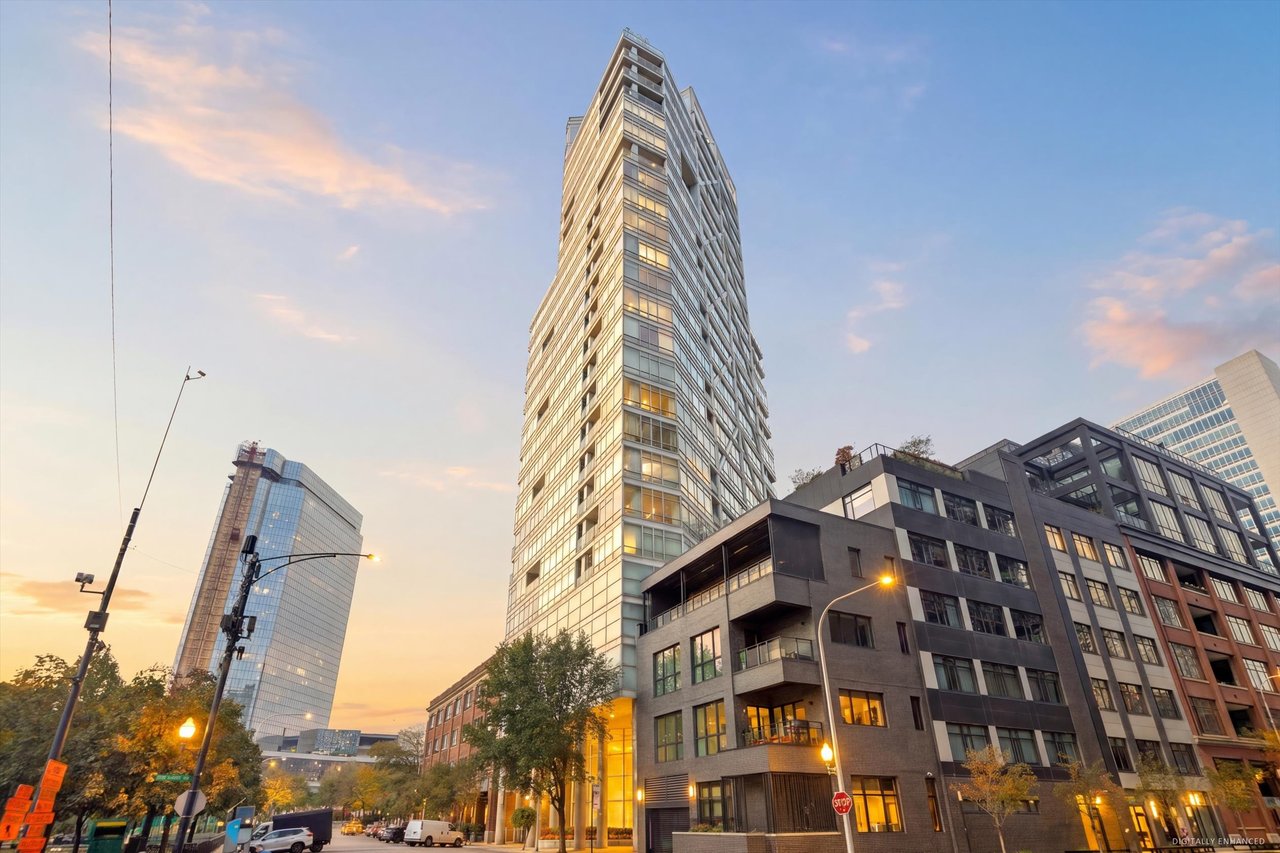
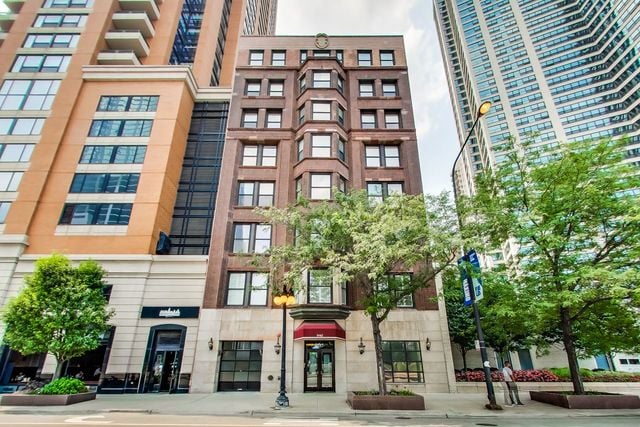
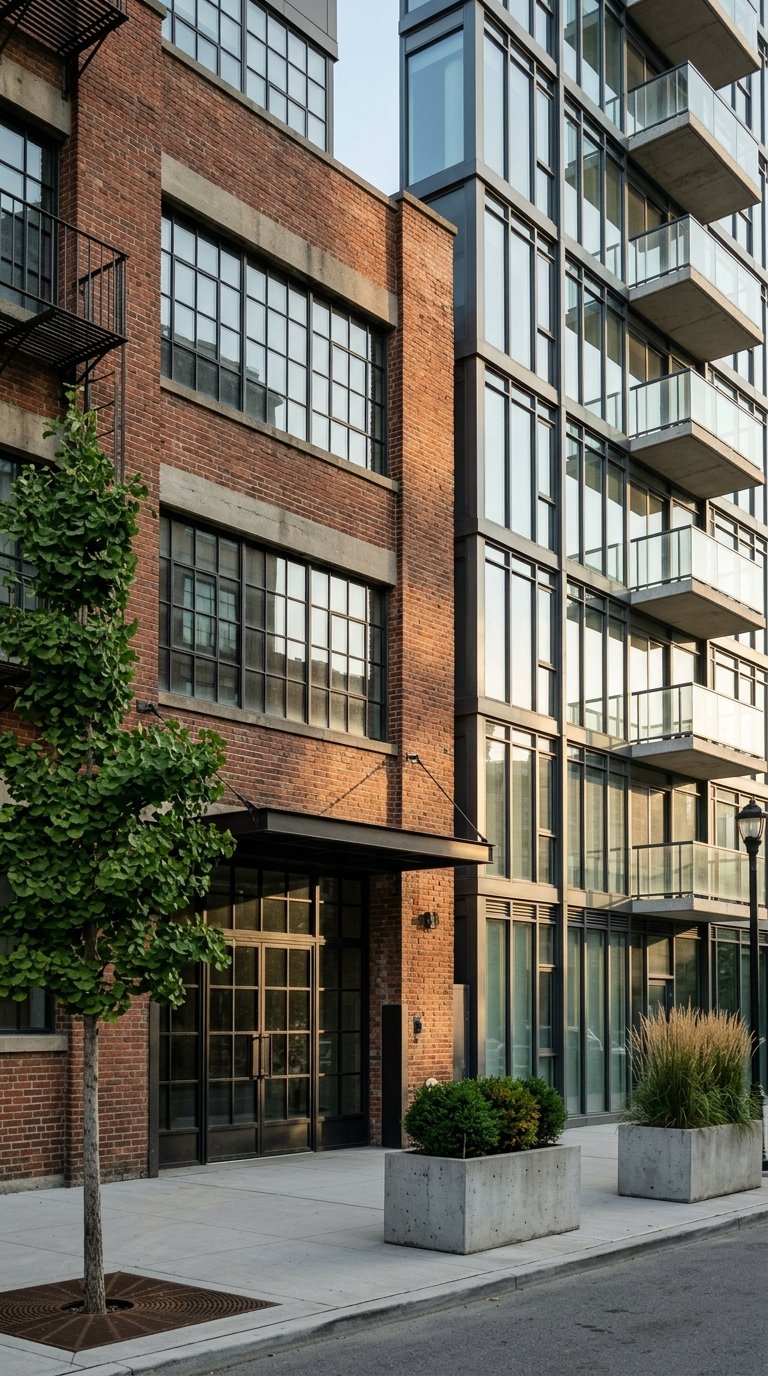
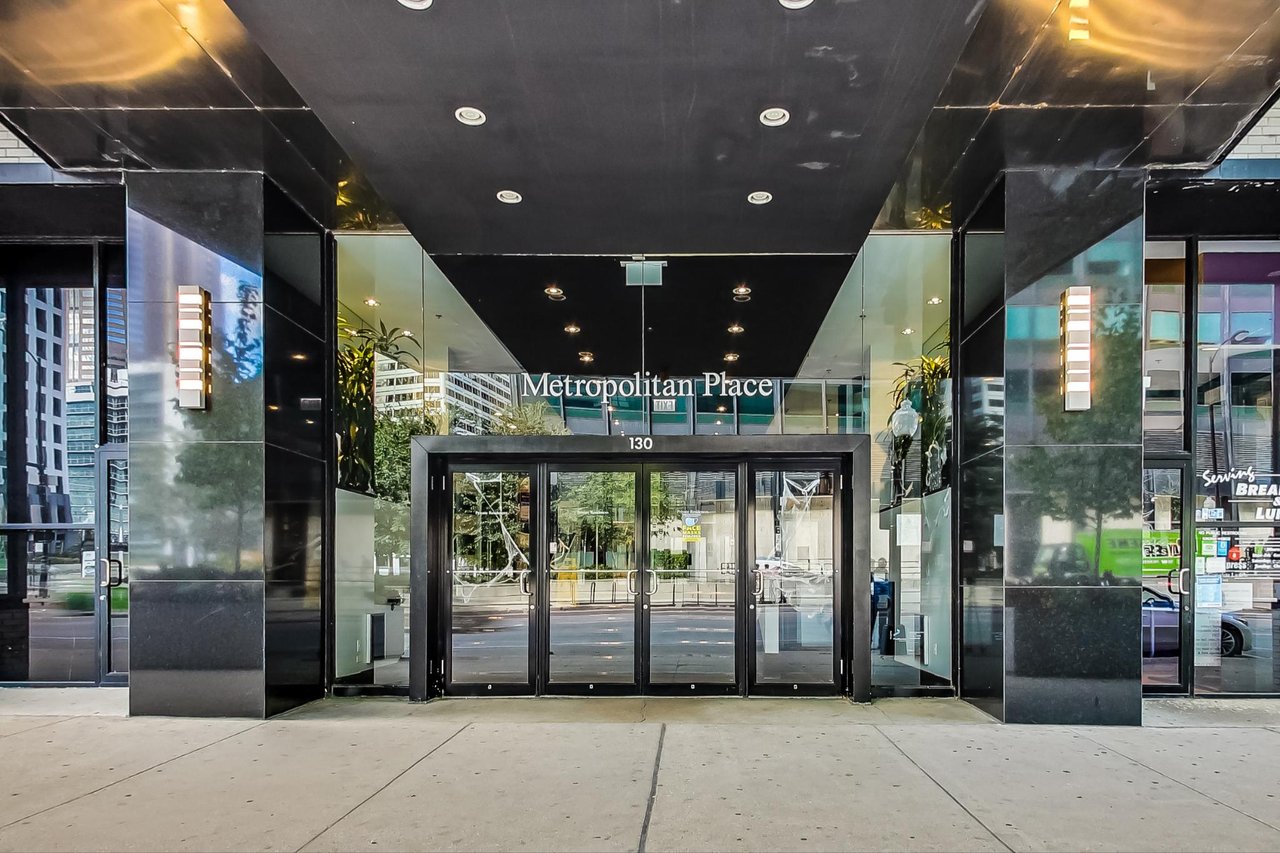
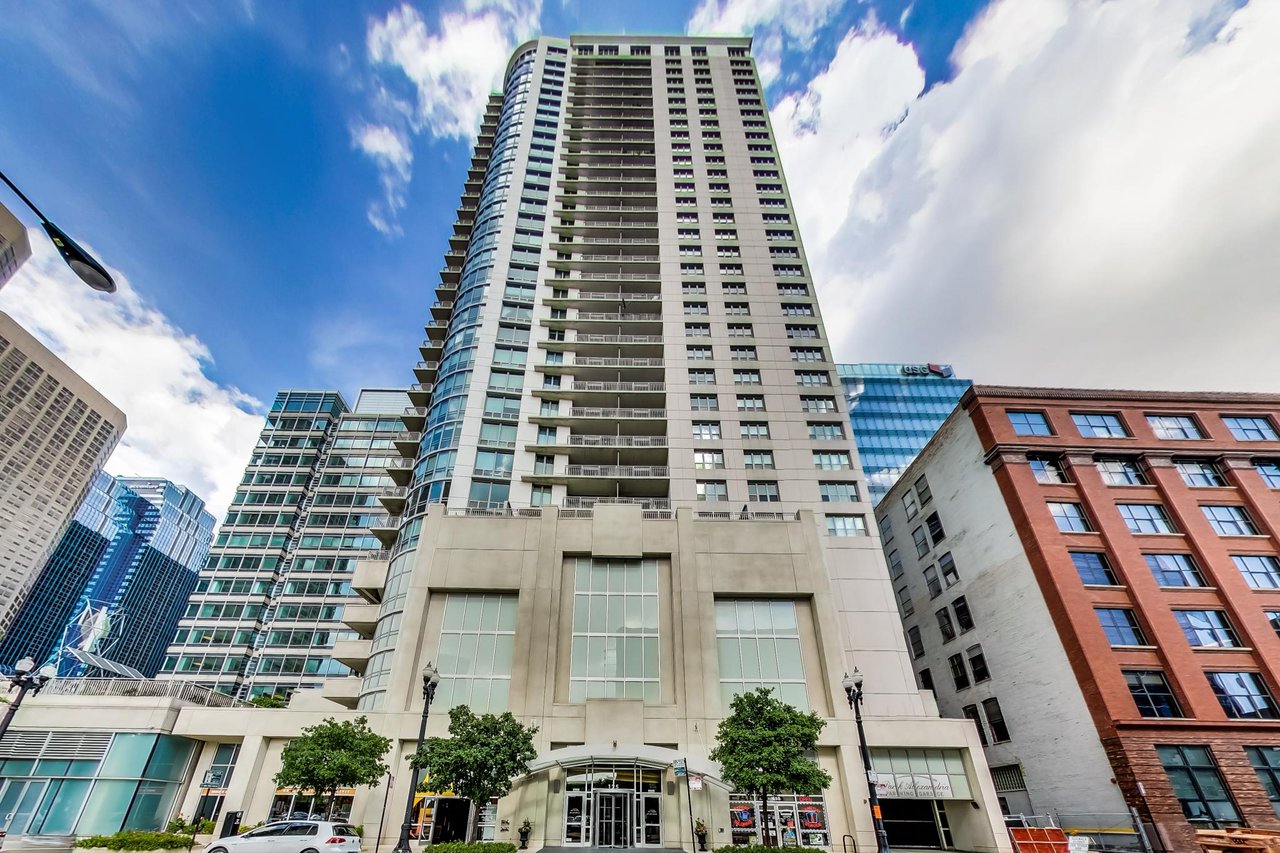
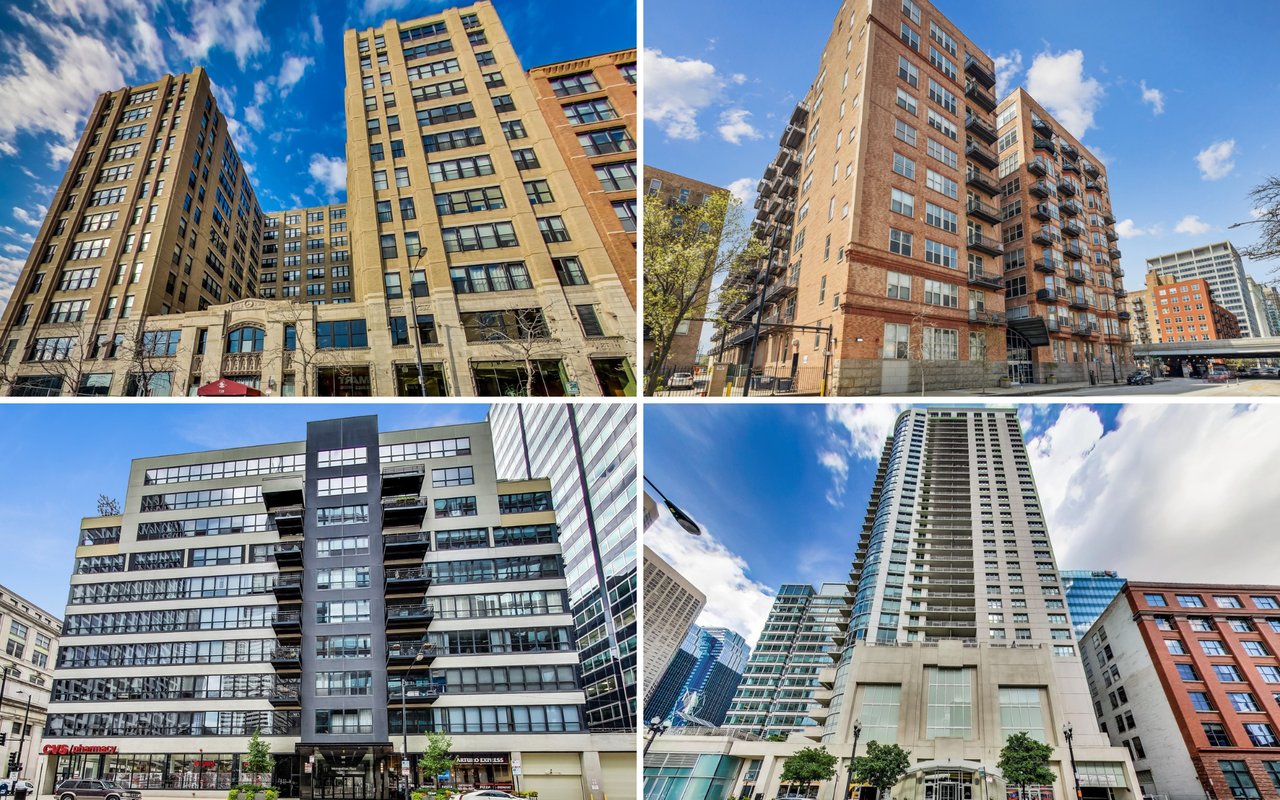
I'm Christine Hancock, a Broker Associate with @properties Christie's International Real Estate. I've sold Downtown Chicago condos for more than 25 years, including 300+ West Loop transactions. I've had this conversation in Haberdasher Square Lofts, Park Alexandria, Metropolitan Place, and towers all over River North and the South Loop.
Here's the truth. A price cut is a tool. Used at the right time, it sells your condo. Used at the wrong time, it just costs you money.
Let's talk about how to tell the difference.
What Is the Market Telling Sellers Right Now?
Price cuts are everywhere this fall. You are not alone.
According to Redfin's October 15, 2026 housing market update, 22% of U.S. sellers with active listings cut their asking price in the four weeks ending October 11. That's the highest share in Redfin's records. The same report shows median days on market at 49, and only 29% of homes going under contract within two weeks.
Zillow's August 2026 market report found 26.3% of listings had a price cut that month.
But here's the good news for Chicago. Redfin's same report lists the Chicago metro among the top five for year-over-year sale price growth, up 5.2%.
So what does that mean? Buyers are still paying. They're just pickier. They have more time, more choices, and mortgage rates above 7%. A condo that's priced right still sells. A condo that's priced on hope sits.
How Do You Know It's the Price and Not Something Else?
Before you cut, ask one question. What is the market actually telling me?
Your showing activity is the best clue. Here's how I read it.
What you're seeing | What it usually means | What to do |
|---|---|---|
Lots of showings, no offers | Buyers like it but don't see the value at this price | Lower the price |
Few or no showings | Buyers are skipping it online | Fix photos and presentation, then look at price |
Offers, but all well below list | Your price is above where buyers see value | Adjust price or counter firmly |
Same complaint over and over | A specific objection (parking, assessments, condition) | Solve the objection, not the price |
That last row matters. If every buyer's agent says "no parking," a 3% cut won't change that. A parking solution might.
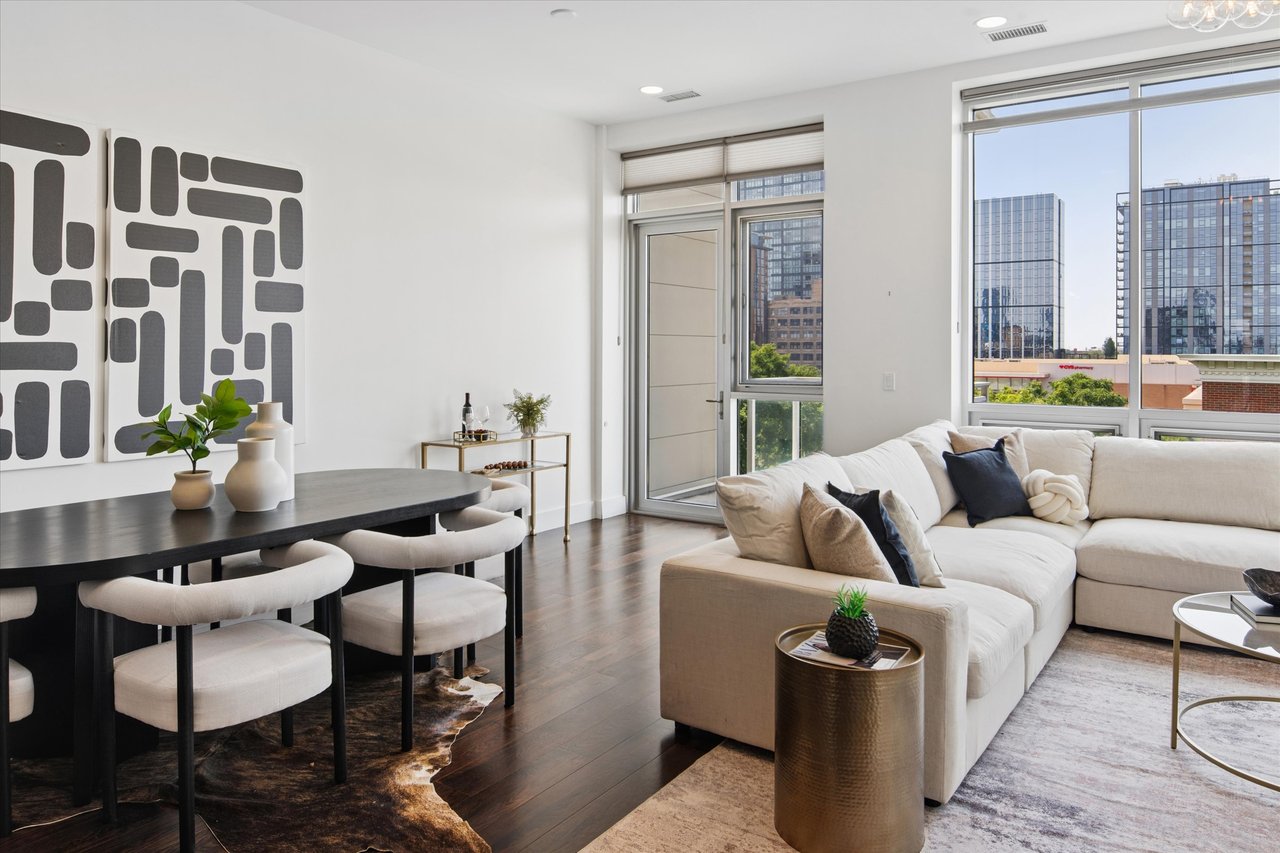
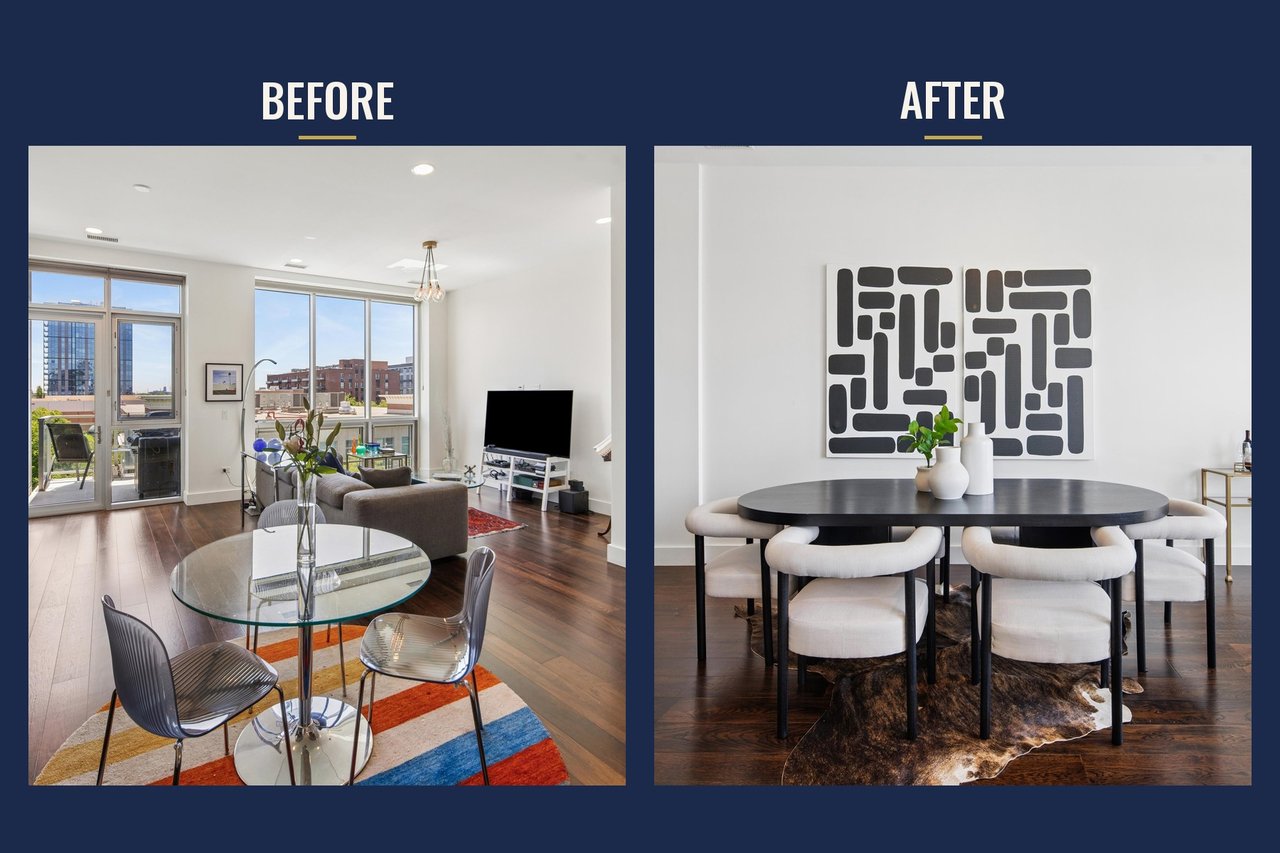
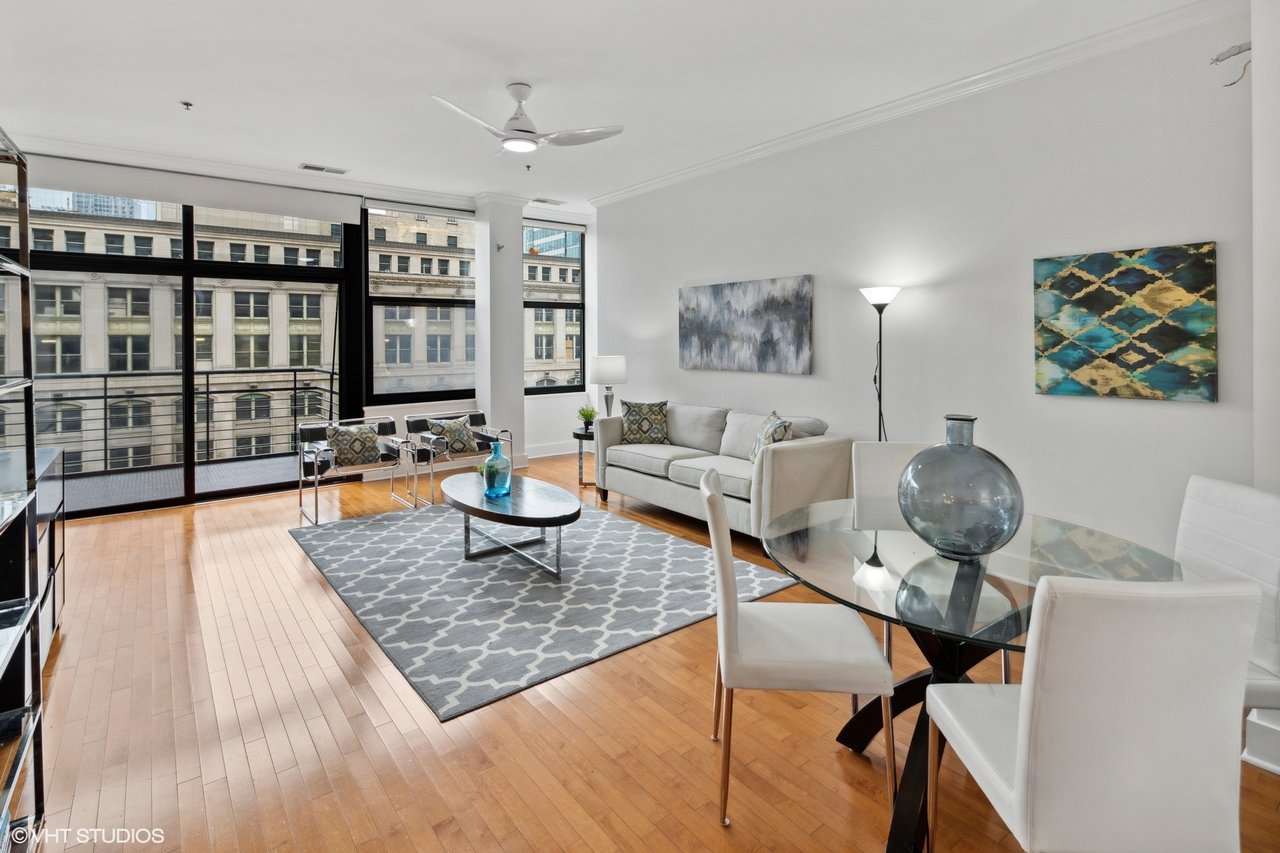
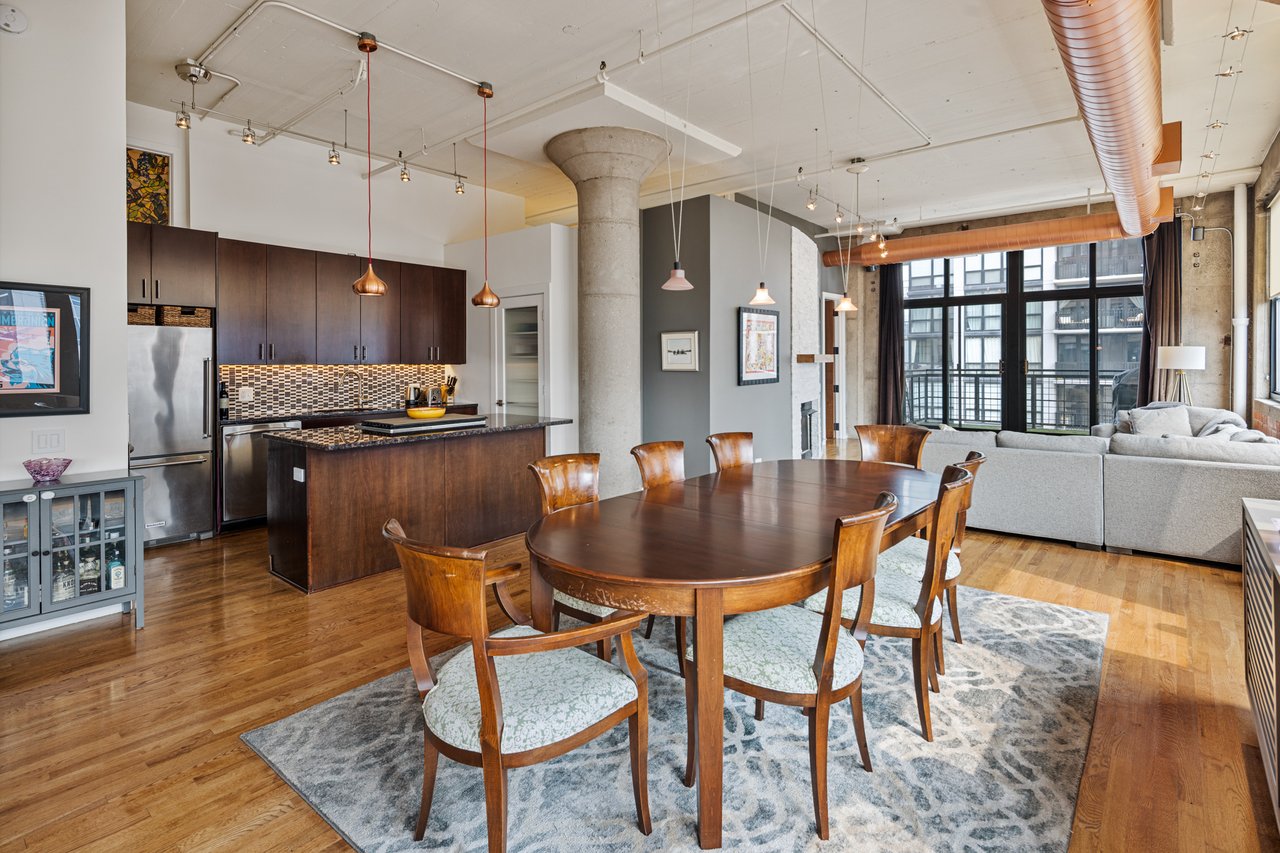
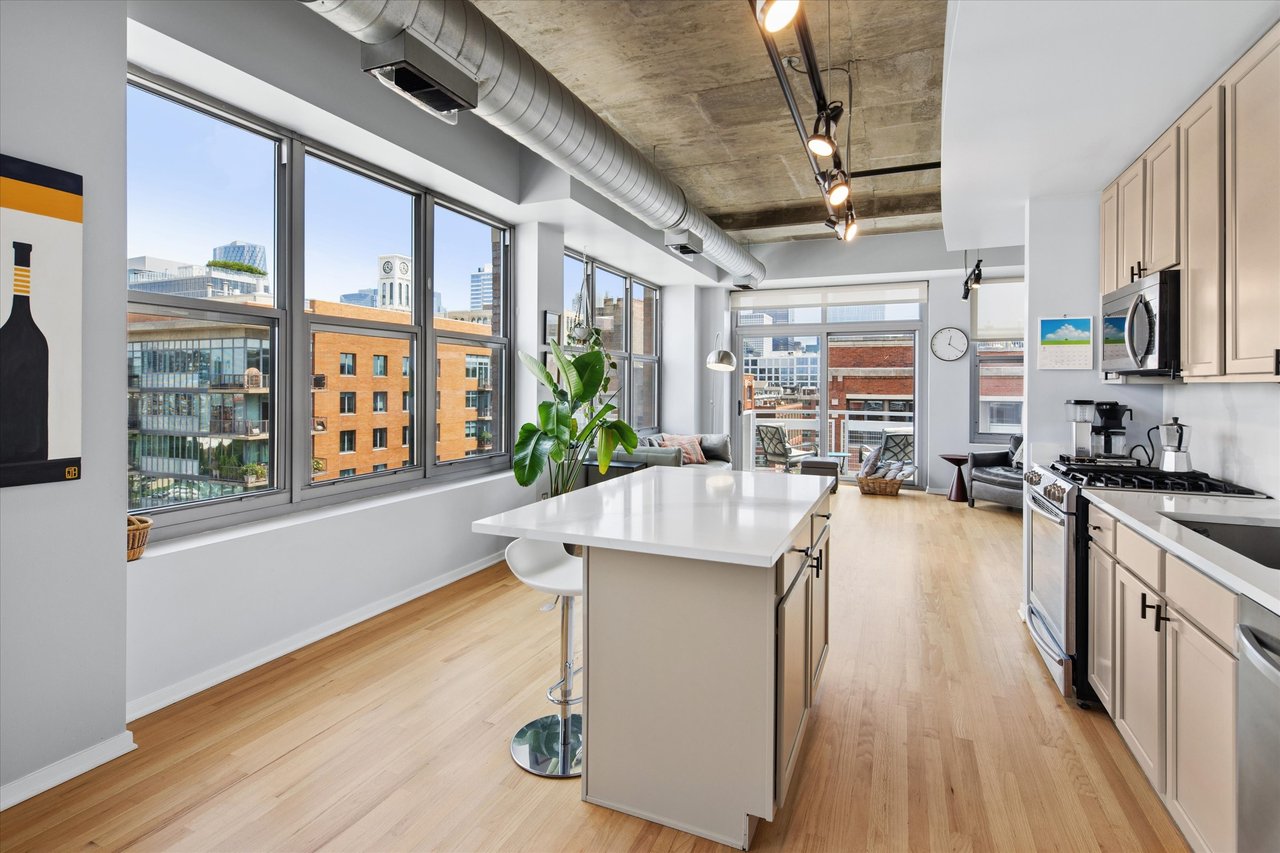
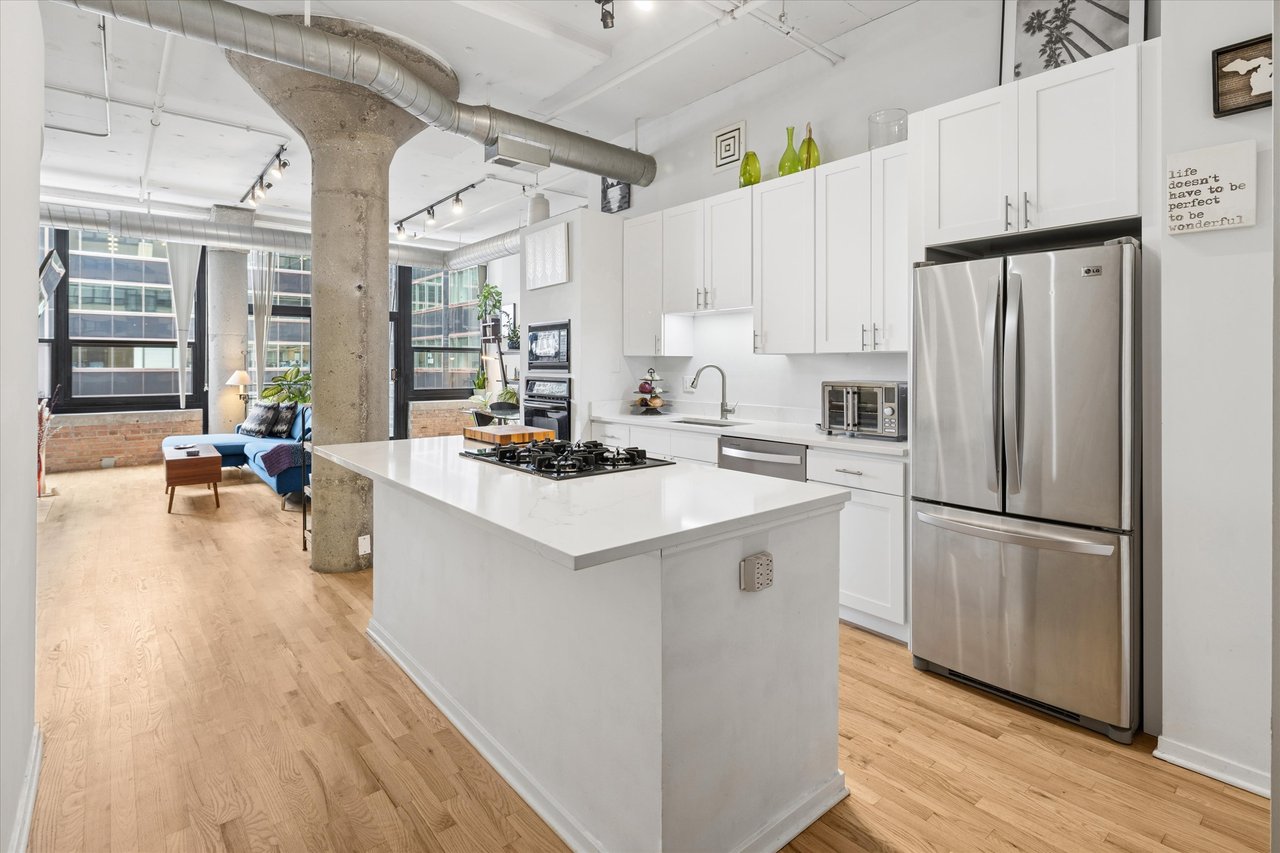
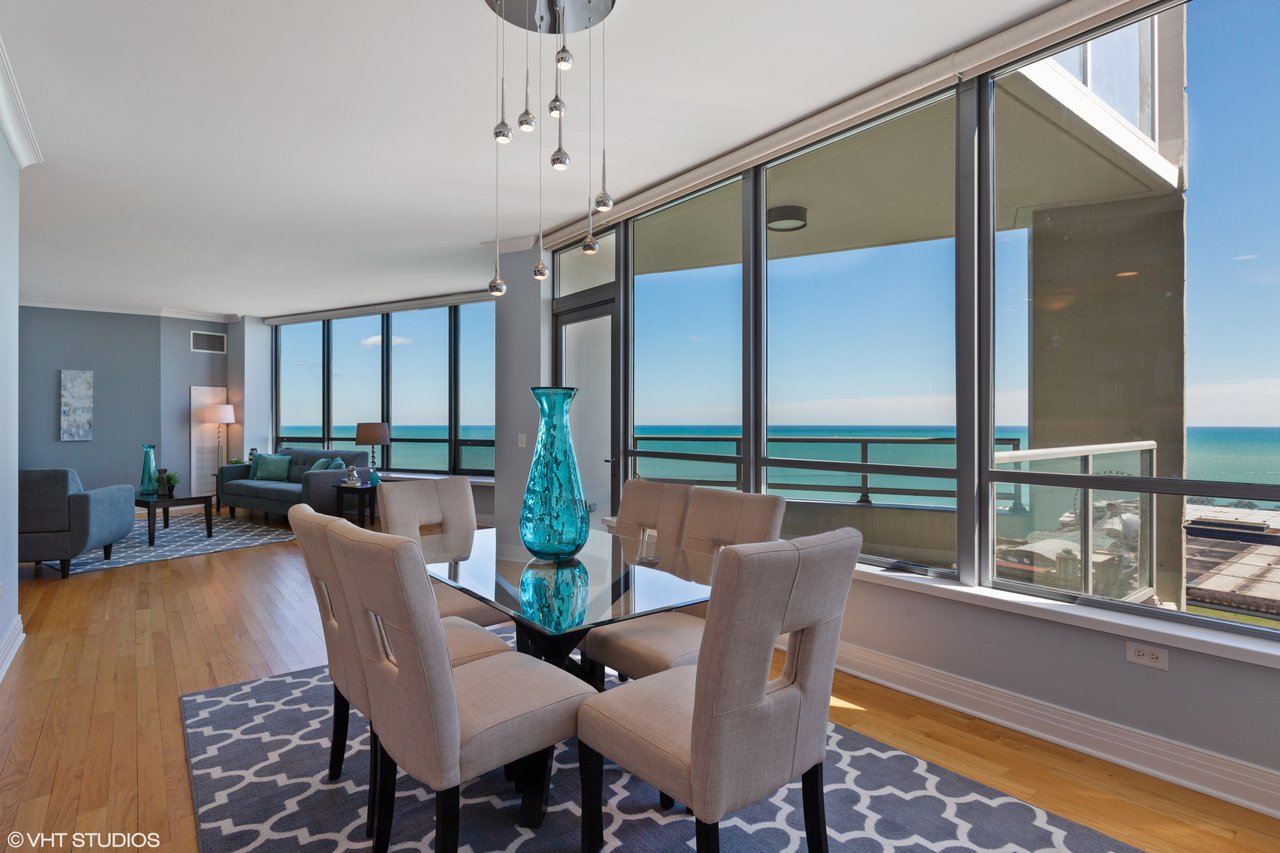
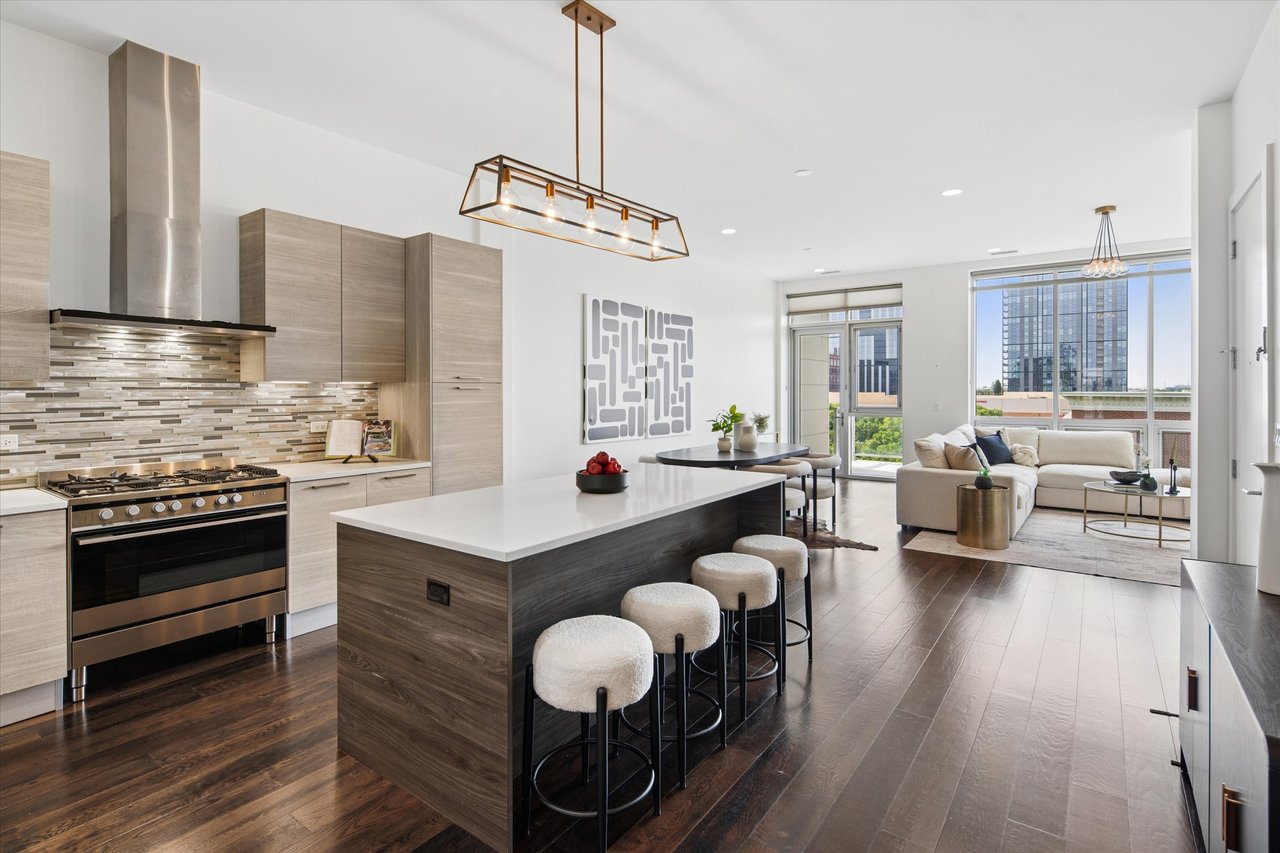
And if nobody is coming to see it? Look hard at your listing. Dark photos and empty rooms make buyers scroll right past. I've seen a Canal Street unit sit for 227 days, then sell in 22 days at $10,000 over asking after we fixed the presentation and the price. Both mattered.
When Is the Right Time to Lower Your Price?
Timing is everything. Cut too early and you leave money behind. Cut too late and you chase the market down.
Here's the timeline I walk my sellers through:
- Days 1 to 14: Watch and listen. This is your strongest window. Buyers who've been waiting see you first. Track showings and collect feedback from every buyer's agent.
- Around day 14: First checkpoint. Showings but no offers? That's a price signal. A 3 to 5% adjustment here can pull back buyers who were watching and waiting.
- Around day 30: Second checkpoint. Buyers start asking, "What's wrong with it?" If feedback keeps saying "priced high," a 4 to 6% move is usually what resets things.
- Day 60 and beyond: Rethink everything. Price, photos, staging, and even timing. Sometimes the smartest move is a fresh relaunch.
These are guidelines, not rules. 35 days on market? Fine, if everything in your building takes 40. A 35-day listing where similar units sell in 12? That's a problem.
How Much Should You Lower Your Price?
One meaningful move beats three small ones.
Think of it like a buzzer. A tiny cut barely makes a sound. A real cut wakes the market up.
Here's why small cuts fail:
- Buyers don't notice. A $5,000 drop on a $500,000 condo looks like a seller who isn't serious.
- You stay in the same search bracket. Most buyers search with a price cap, like $450,000 or $500,000. If your cut doesn't move you under the next cap, a whole group of buyers never sees you.
- Every cut adds a mark. Each reduction shows up in your listing history. Three small cuts look like a seller chasing the market down.
So what's the move? Pick a number that lands you in a fresh search bracket and lines up with your building's recent closed sales. Then hold it long enough to see if it works.
When Should You Hold Your Price?
Not every slow listing needs a cut. Hold when:
- Your condo is one of a kind. A rare loft or a top-floor unit with a private terrace may need more time to find its buyer.
- You're getting strong feedback but a specific objection. Solve the objection first.
- Your building has no recent comps. The market may still be finding your number.
- You don't have a deadline. If you can wait for the right buyer, waiting can be the right call.
What Should You Do If Your Condo Isn't Selling?
Here's the playbook I use with my own sellers:
- Set your checkpoints before you list. Agree on the day 14 and day 30 decisions up front, so the choice isn't emotional later.
- Track the numbers. Online views, saves, showings, and feedback, every week.
- Check the competition. What's active in your building and your neighborhood right now? What just sold, and for how much?
- Fix presentation first if showings are low. Photos, staging, and lighting come before price.
- Make one clean move. Land in a new search bracket.
- Relaunch with energy. Update photos if needed, alert every agent who showed it, and hold an open house that first weekend.
What Makes Price Reductions Different in Downtown Chicago?
Downtown Chicago condos are not suburban houses. The rules are different.
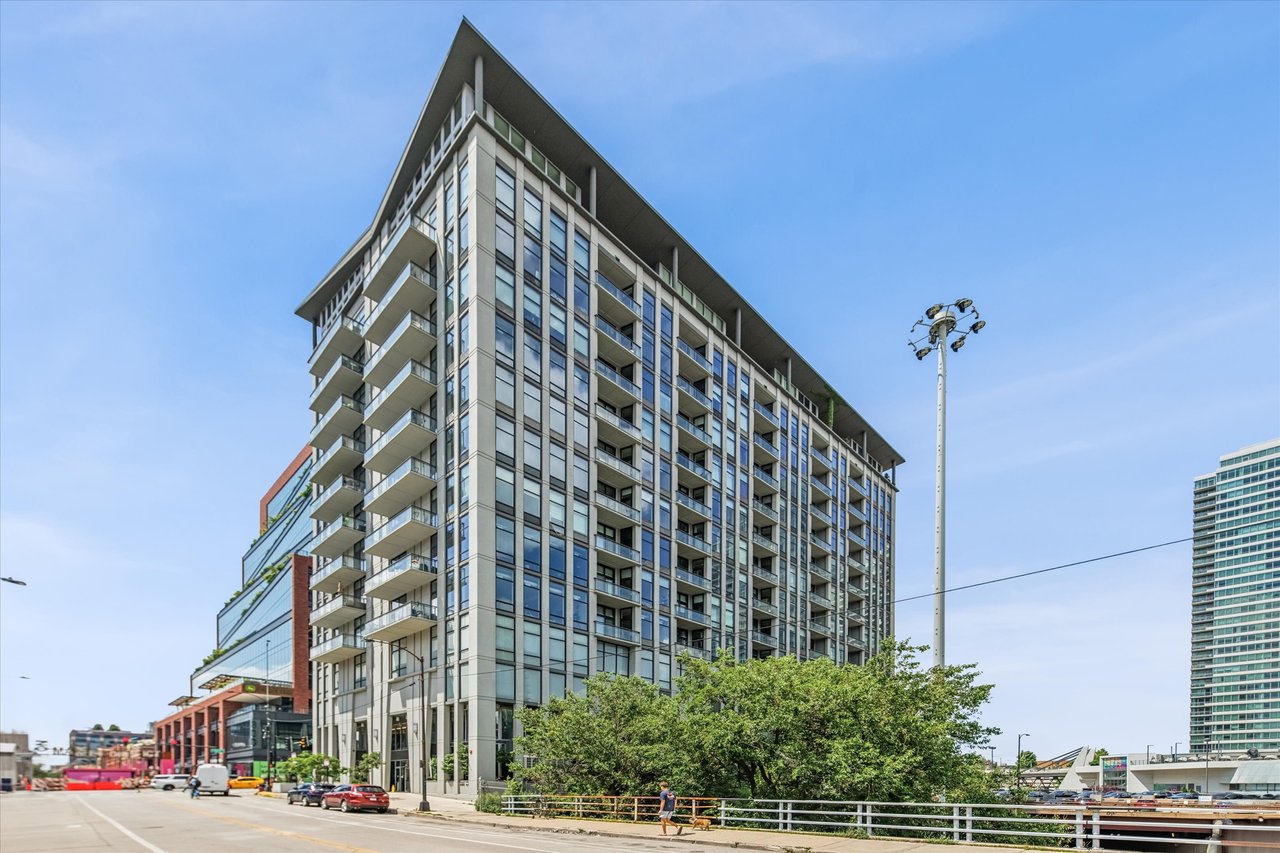
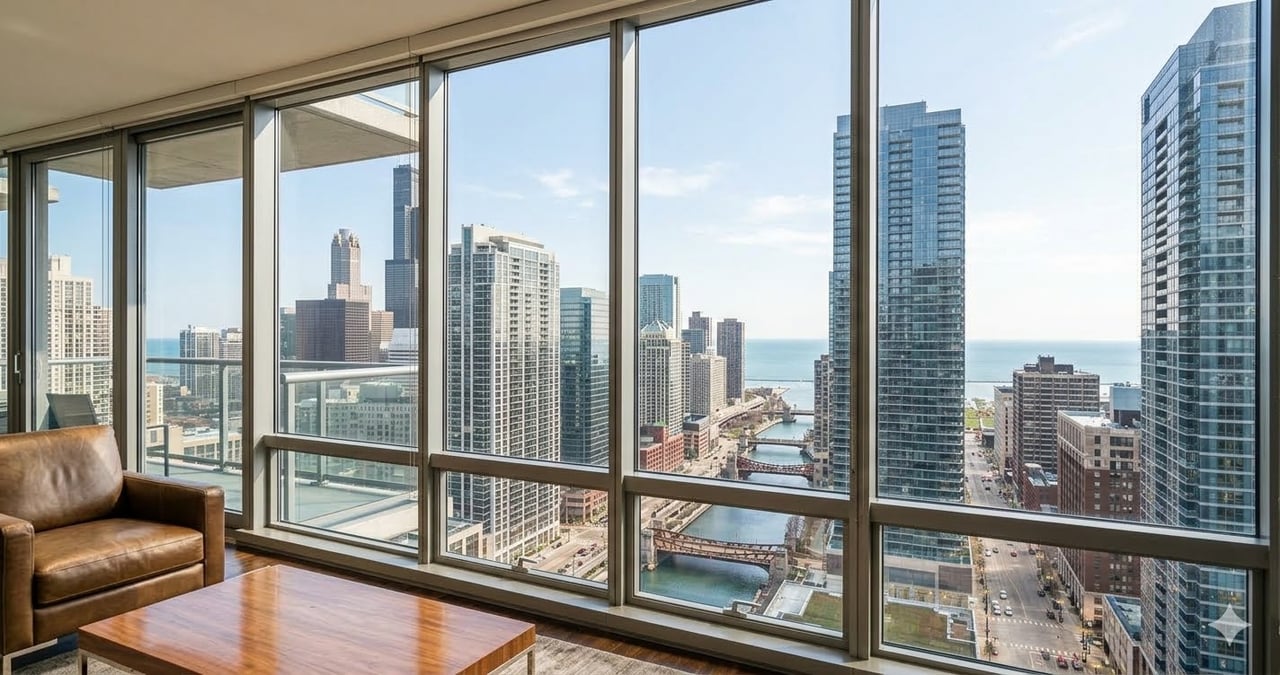
Your biggest competitor is often in your own building. At Metropolitan Place on Canal Street or Park Alexandria on Jefferson, a buyer can tour three similar units in one afternoon. If your neighbor's unit is priced better, buyers will know in minutes.
Neighborhoods move at different speeds. A West Loop loft, a River North high-rise, and a South Loop tower can trade very differently in the same month. That's why I price from building-level sales, not citywide averages.
Monthly costs matter to buyers. Assessments, taxes, and parking all hit the buyer's monthly payment. With rates above 7%, buyers do that math before they ever book a showing.
Fall timing is real. Buyers shopping in the fall are serious, and many want to close before the holidays. If your condo has sat since summer, waiting until spring means competing with a wave of new listings. A smart adjustment now can catch the motivated buyers who are out there today.
I've sold units at Haberdasher Square Lofts on Jackson Boulevard, Park Alexandria, and Metropolitan Place for years. I know which floor plans move fast and which ones need a sharper number. That local knowledge is what turns a price cut into a sale.
Key Takeaways
- Showings with no offers after two to four weeks are the clearest sign your price is too high.
- No showings at all usually means presentation needs work before price does.
- One meaningful reduction of 3 to 6% that lands in a new search bracket works better than several small cuts.
- In Downtown Chicago, your toughest competition is often a similar unit in your own building.
- Hold your price when the issue is a specific objection, a truly unique unit, or a building with no recent comps.
The Bottom Line
A price reduction is not a failure. It's a decision. And like every good decision, it should be based on data, not panic.
Watch your showings. Listen to the feedback. Know your building's competition. Then make one clear, confident move at the right time. That's how stuck listings become sold listings.
Frequently Asked Questions
How long should I wait before lowering my condo price?
Most Downtown Chicago sellers should review the price around day 14 and again around day 30. If you have steady showings and no offers by then, the market is telling you the price is too high. Setting these checkpoints before you list keeps the decision calm and clear.
How much should I reduce my asking price?
A meaningful reduction is usually 3 to 5% at the two-week mark or 4 to 6% around 30 days. The best number drops you into a new buyer search bracket and lines up with recent closed sales in your building. Cuts under 1 to 2% rarely change buyer behavior.
Does a price reduction make buyers think something is wrong?
One well-timed reduction usually brings new buyers in. It doesn't scare them off. Several small cuts are what raise red flags, because they look like a seller chasing the market. Long days on market with no cut can actually hurt you more.
Should I lower my price or take my condo off the market?
If your listing has gone stale after 60 or more days, a relaunch with new photos, better staging, and a sharper price can work better than another small cut. The right answer depends on your timeline and your building's competition. I can help you weigh both options.
Is it better to lower the price or offer a credit?
It depends on what's stopping buyers. If buyers aren't booking showings, a credit won't help because they never see it. If buyers are coming but worried about a specific cost, like a repair, a credit can solve that concern without changing your list price.
Let's Talk About Your Condo
Call or text Christine Hancock at 312-296-9300 to talk about your unit's value, or what it would take to get you to the closing table.
ABOUT THE AUTHOR
Christine Hancock is a Chicago Realtor with @properties Christie's International Real Estate, bringing more than 25 years of experience and over $200 million in closed sales in the downtown condo market. With 97 five-star Zillow reviews, Christine is recognized for her commitment to client satisfaction and market expertise.
She specializes in high-rise and luxury condominium sales in West Loop, South Loop, River North, and Streeterville, helping buyers and sellers navigate complex transactions with data-driven pricing strategies and deep neighborhood insight.
Christine partners with clients to evaluate market trends, position properties competitively, and make confident, informed decisions in Chicago's vibrant downtown housing market.
Call or text 312-296-9300 to discuss current market conditions or your real estate goals.