Transparent Pricing in Downtown Chicago: What It Means
What does transparent pricing actually look like for a Downtown Chicago home?
It means your agent shows you the data behind every number. Not a figure handed to you with no backup.
The Short Answer: Transparent pricing means you see the comparable sales, the defined geography, the active competition, and the reasoning that produced your recommended range. In Downtown Chicago, where a River North high-rise and a South Loop loft can look alike on paper but price nothing alike, that documentation is what separates a confident launch from a costly guess.
Why Isn't "Downtown Chicago" One Pricing Market?
I tell every seller the same thing. A number without a methodology is just an opinion.
"Downtown Chicago" covers the Loop, River North, Streeterville, Lakeshore East, the West Loop, and the South Loop. Lump them together and you get an average that describes none of them. So before I pull a single comparable, I define the neighborhood, the building type, the property type, and the search radius, and that definition goes straight into your report.
According to Illinois REALTORS®, the state's monthly market-statistics program draws on MLS data reported by participating local boards. That's the same dataset a strong CMA uses. The difference between a strong CMA and a weak one isn't the source. It's how precisely the geography gets defined before anyone touches the data.
The Three Inventories Every Pricing Report Should Show
A real analysis separates three groups of properties, and each one tells you something different.
- Closed sales show what buyers actually paid. These are your foundation, and I weight recent sales heaviest, because a comp from 18 months ago may not reflect how buyers behave in 2026.
- Active listings show your competition right now. If three similar Downtown Chicago condos are sitting at $750,000, your launch price has to account for that pressure or explain clearly why yours is worth more.
- Expired, withdrawn, and reduced listings are the most underused piece of the puzzle. A unit that sat for 90 days and was reduced twice tells you exactly what buyers in that building weren't willing to pay.
Every property in your report should carry its dates and status too. List date, contract date, close date, and price history. "Sold" alone doesn't tell you how the market responded.
Why Does Building-Level Data Decide Your Price?
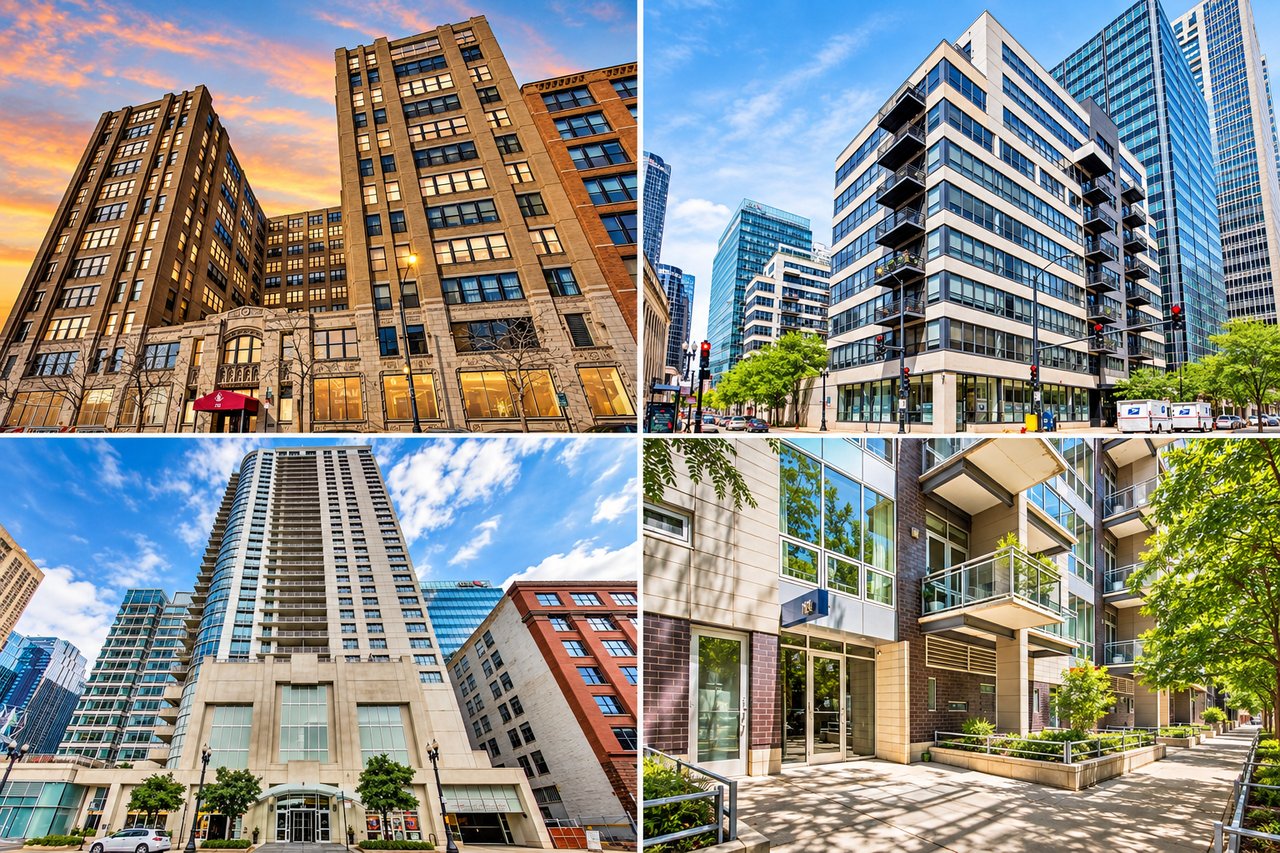
This is where Downtown Chicago pricing gets complicated, and where a surface-level analysis fails sellers. Elevator buildings in the same neighborhood can differ wildly in age, amenities, assessments, reserve fund health, views, parking, and rental restrictions. A comp from a different building isn't a clean comparison on its own. It often needs real adjustment first.
Price per square foot is a starting point, not a complete valuation. I pair it with total price, how living area was measured, floor, exposure, outdoor space, parking, storage, renovation quality, and assessment level. Two units in the Chicago condo market can hold very different value at the same price per square foot, once those factors get weighed.
What Current Data Shows Across Downtown Chicago Neighborhoods
Recent local market data (trailing roughly 90 days, as of October 2026) frames where different submarkets are trading. These are area-level medians. Your home's value depends on condition, street, build year, and timing.
Area | Median Sale Price | Median Days on Market |
|---|---|---|
West Loop | $331,000 | 53 |
River North | $396,250 | 48 |
Gold Coast | $454,000 | 66 |
Lincoln Park | $781,000 | 45 |
Notice Lincoln Park's days on market (45) beats Gold Coast's (66), even though Lincoln Park's price runs far higher. That's the nuance a citywide average erases completely. The Illinois REALTORS® July 2026 forecast recorded 2,417 closed sales citywide in June 2026, a useful volume benchmark, but it's no substitute for the neighborhood-level read these four numbers give you.
How Do You Read a Price Range Instead of Just a Number?
A transparent recommendation gives you a range and a decision rule, not a single figure dressed up as precise. It should explain which closed sales support the center of that range, which active listings create pressure, and what evidence would justify pushing higher or lower.
That decision rule matters because pricing isn't a one-time calculation. Your recommendation should carry the date it was prepared, and it should get revisited when something changes materially: a new competing listing in your building, a nearby price cut, a pending sale, or an extended stretch without qualified showings. An analysis that was right in August may not hold up for a November launch.
One more thing worth saying plainly. Tools like Zillow's Zestimate are fine for broad orientation. They aren't a substitute for a local MLS analysis tied to defined geography and property type. NAR's research consistently shows agent-prepared analyses outperform automated estimates, especially in dense urban markets where building-level differences carry real weight. If someone hands you a portal number as your pricing strategy, ask to see the comparables behind it.
Key Takeaways
- Area-level medians, like West Loop's $331,000 at a 53-day median, anchor the conversation but never replace a building-specific analysis.
- A defensible recommendation separates closed sales, active competition, and expired or reduced listings, each tells a different story.
- Price per square foot means little until it's paired with floor, view, parking, assessments, and renovation quality.
- Portal estimates are orientation tools, not a replacement for a local MLS analysis tied to defined geography.
- Every pricing recommendation should carry a prep date and get revisited when the market moves.
The Practical Strategy
Before you approve a listing price, ask for five things: the defined geography and property type, closed comparables with full dates and price history, a view of active competition, a summary of expired or reduced listings nearby, and a price range with the reasoning behind both ends. If any of that is missing, you're not looking at a complete analysis yet.
Local Expertise That Makes the Difference
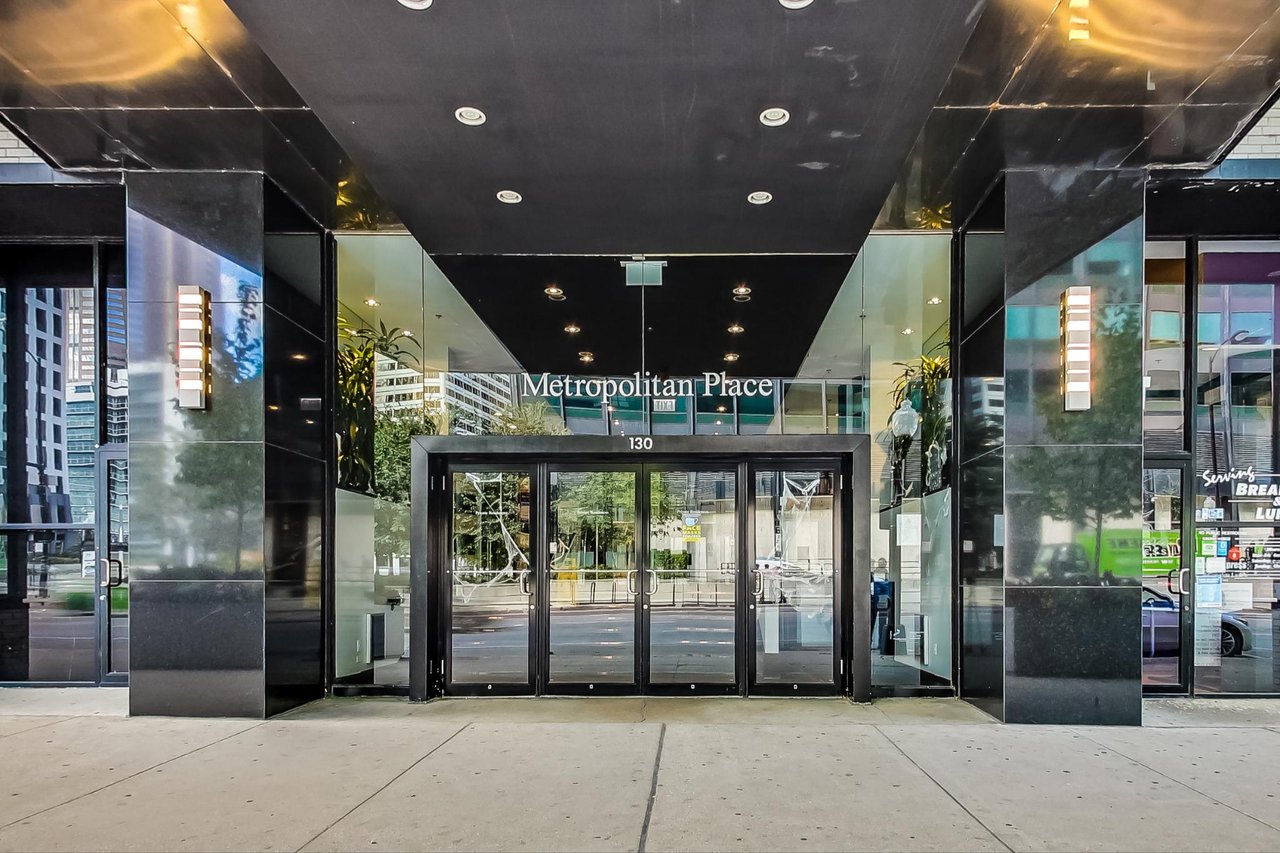
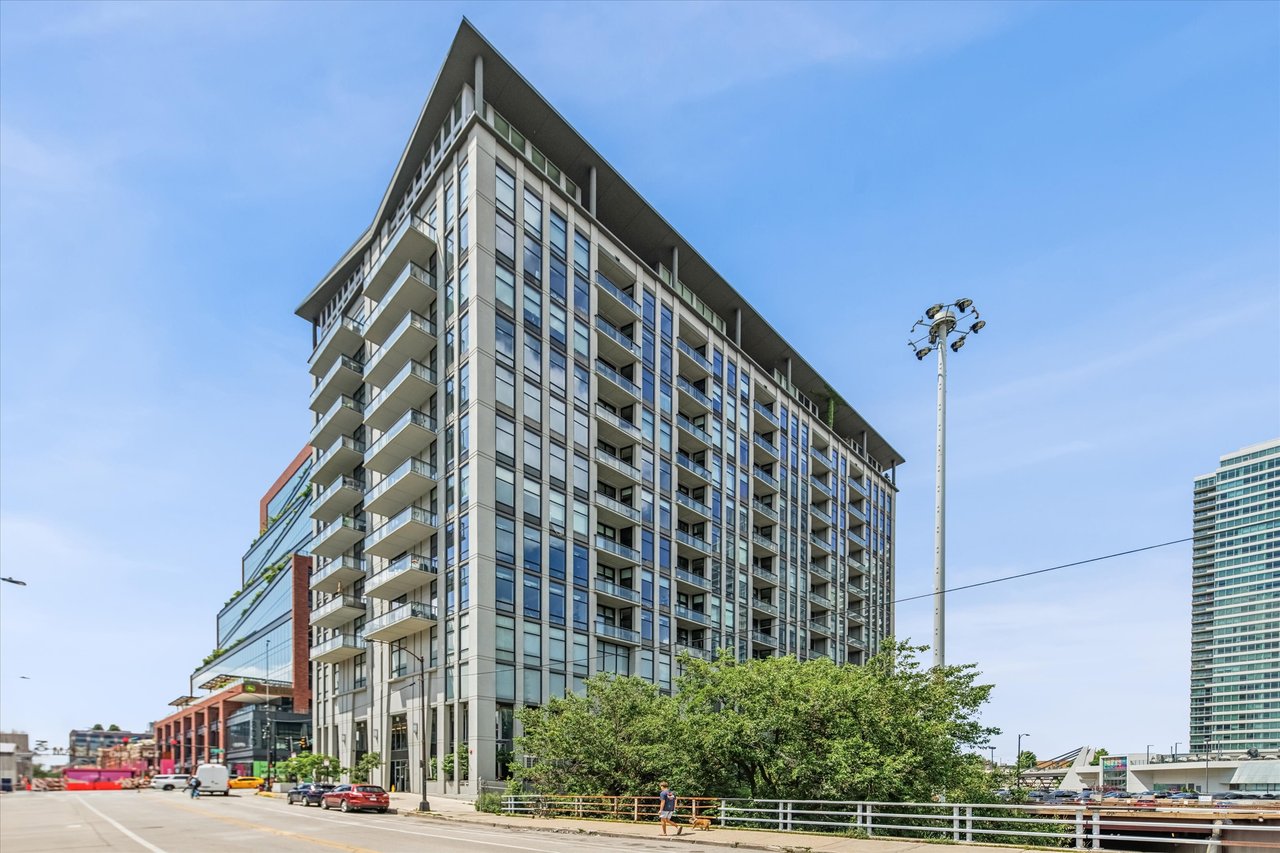
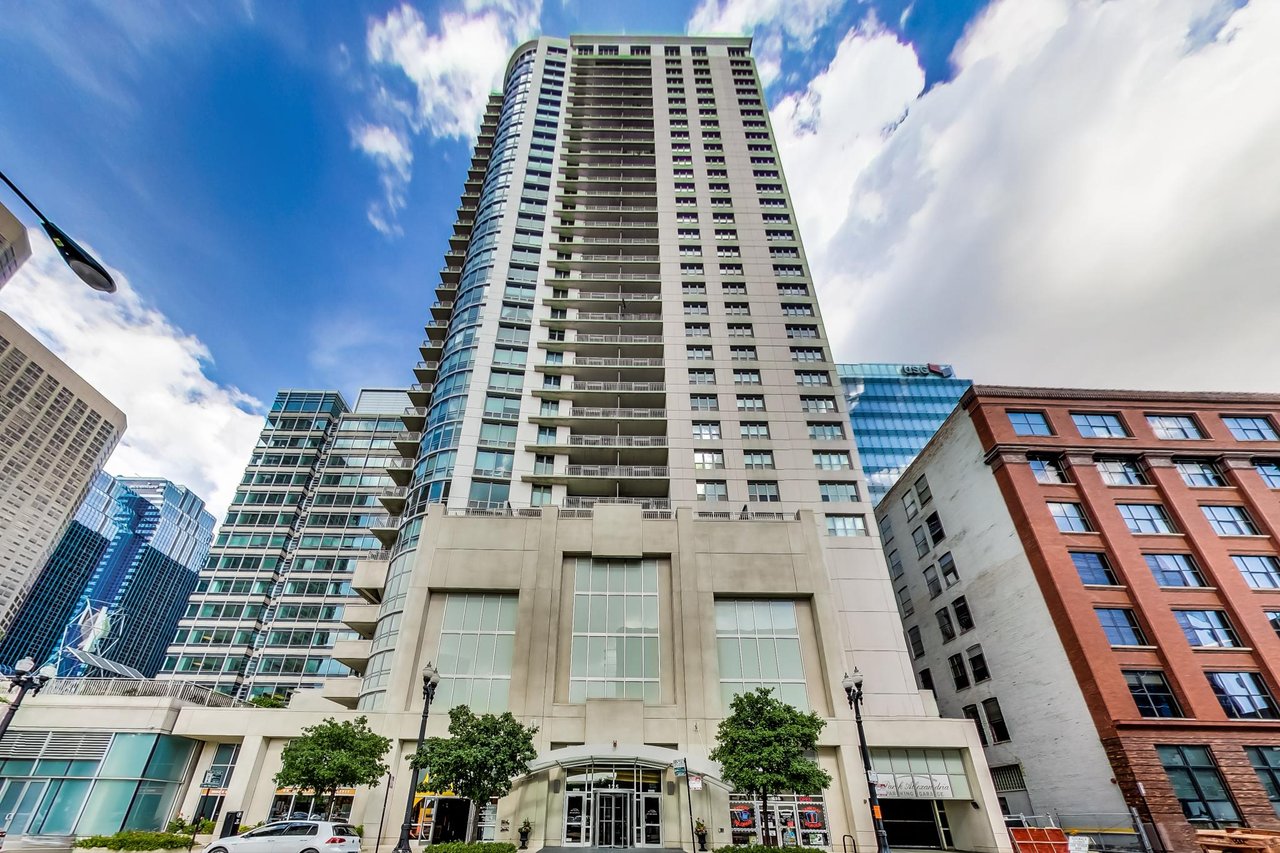
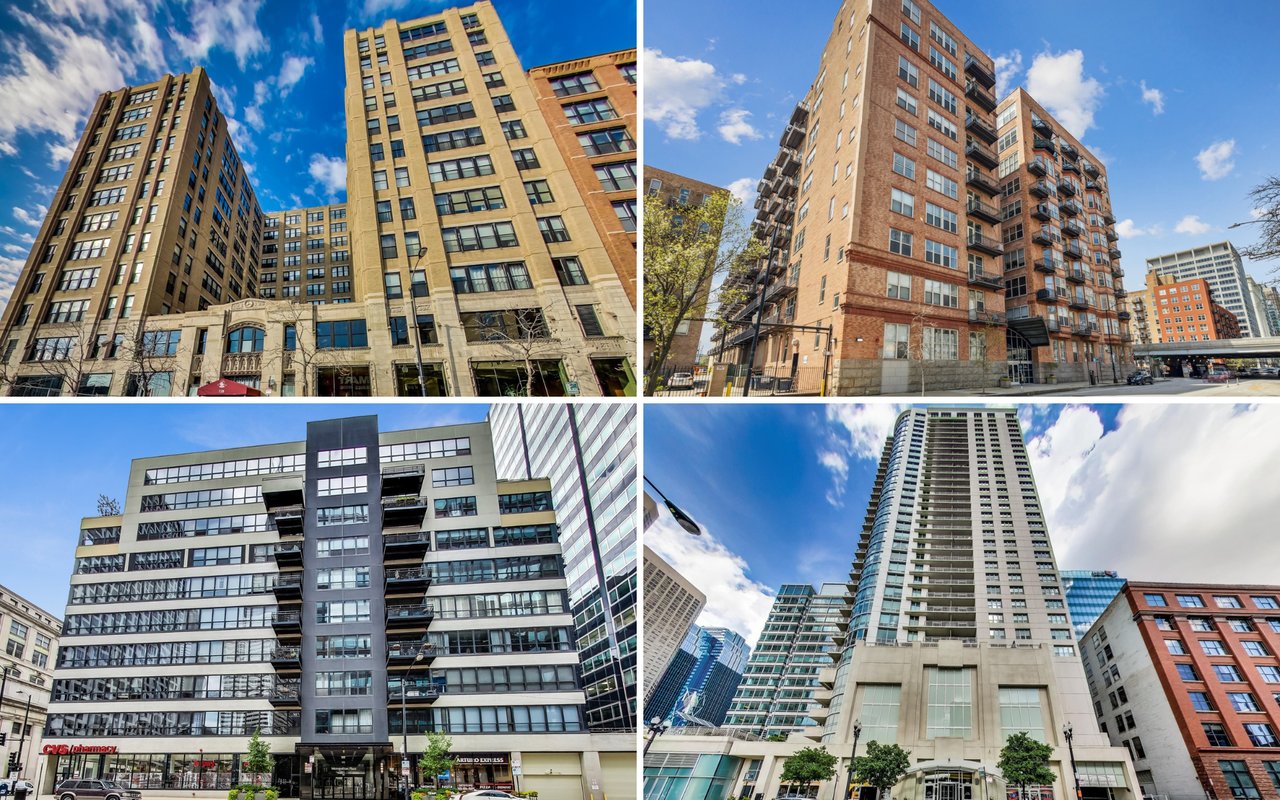
I've spent more than 25 years building West Loop, River North, and South Loop pricing strategies block by block, building by building. That includes deep concentration in buildings like Metropolitan Place, Park Alexandria, and Haberdasher Square Lofts.
The Bottom Line
Pricing your Downtown Chicago home is a data exercise, but it's also a judgment call, and you deserve to see both clearly. Every recommendation I build rests on defined geography, verified MLS comparables, an honest read of active competition, and a clear account of where pricing resistance lives. That's what transparent pricing actually means: nothing handed to you without the work behind it.
FAQ
How do you use comparable sales to recommend a listing price in Downtown Chicago?
I pull closed sales matching the subject property's neighborhood, building type, size, and recent time window, then adjust for floor, view, parking, assessments, and renovation quality. The comparables form a range, and I show you every property I used.
Why can two similar Downtown Chicago condos get different pricing recommendations?
Building-level factors drive real price differences even between units that look identical on paper. Assessments, reserve fund health, rental restrictions, and floor position all shift what buyers will pay, even at the same price per square foot.
How recent should comparable sales be before they stop being useful?
In a shifting market, I use caution with anything older than three to four months unless I can adjust for a documented change in conditions. A sale from 18 months back might still offer context, but it shouldn't anchor your price range if newer sales exist.
How do active listings and price reductions affect my asking price?
Active listings define your competition at launch. If comparable units are sitting with no offers, that's direct evidence of buyer resistance, and your strategy needs to account for it before you go live.
What data should I see before approving a listing price?
A defined geography and property type, closed comparables with dates and price history, a view of active competition, a summary of reduced or expired listings, and a range with reasoning for both ends, all stamped with the date it was prepared.
Call or text Christine Hancock at 312-296-9300 to talk about your unit's value, or what it would take to get you to the closing table.
ABOUT THE AUTHOR
Christine Hancock is a Chicago Realtor with @properties Christie's International Real Estate, bringing more than 25 years of experience and over three million in closed sales in the downtown condo market. With 97 five-star Zillow reviews, Christine is recognized for her commitment to client satisfaction and market expertise.
She specializes in high-rise and luxury condominium sales in West Loop, South Loop, River North, and Streeterville, helping buyers and sellers navigate complex transactions with data-driven pricing strategies and deep neighborhood insight.
Christine partners with clients to evaluate market trends, position properties competitively, and make confident, informed decisions in Chicago's vibrant downtown housing market.