Do You Need a Buyer's Agreement to Tour Chicago Condos?
Short version: yes, if you want a Chicago agent to walk you through condos and lofts by private appointment, you sign a written agreement first. As of 2024, and now under Illinois law, licensed agents must have a signed buyer agreement in place before a private tour.
But that does not mean you are locked into a long, scary contract. And it does not apply to every situation. Let me break down exactly what you have to sign, what you do not, and how it actually plays out when you are shopping for a condo in the West Loop, River North, or South Loop.
THE SHORT ANSWER
Yes. In Chicago, a licensed real estate agent who works with a buyer must have a signed written agreement before showing you a home by private appointment. This comes from the National Association of Realtors settlement that took effect in August 2024, and it is now backed by Illinois state law. The one big exception is open houses, which you can walk into without signing anything.
What Changed, and Why You Are Suddenly Being Asked to Sign
For years, you could call an agent, hop in the car, and go see ten condos with zero paperwork. That era is over.
In 2024, a national legal settlement changed how buyer agents work. The National Association of Realtors settlement requires agents who use the Multiple Listing Service to have a written agreement with a buyer before touring a home. Illinois then went a step further. The state amended its Real Estate License Act, and now every licensed broker in Illinois must have a written agreement with all clients, buyers and sellers alike.
The Chicago Association of Realtors confirms it plainly. All licensees in Illinois must now have a written brokerage agreement in place. That is the rule for the entire Downtown Chicago condo market, from a Fulton Market loft to a Streeterville high-rise.
Do I Really Have to Sign Before Looking at Anything?
No. This is where people get confused, so here is the clean line.
You do NOT need to sign a buyer agreement to:
- Walk through a public open house hosted by the listing agent.
- Ask an agent questions about their services or the market.
- Attend a new construction sales gallery run by a developer.
You DO need a signed agreement to:
- Get a private showing that an agent books for you through the MLS.
- Have an agent represent you and advise you on price and terms.
- Tour a building where showings are appointment only.
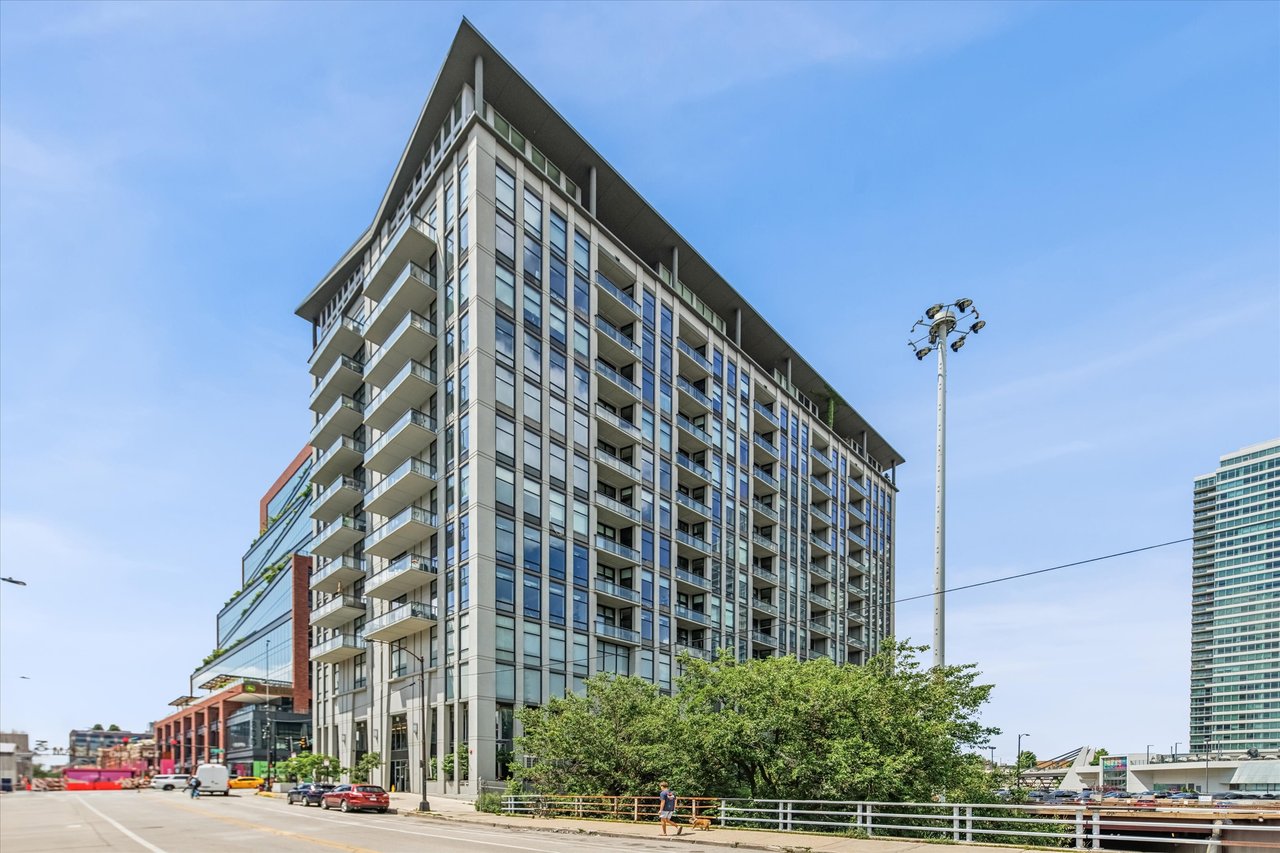
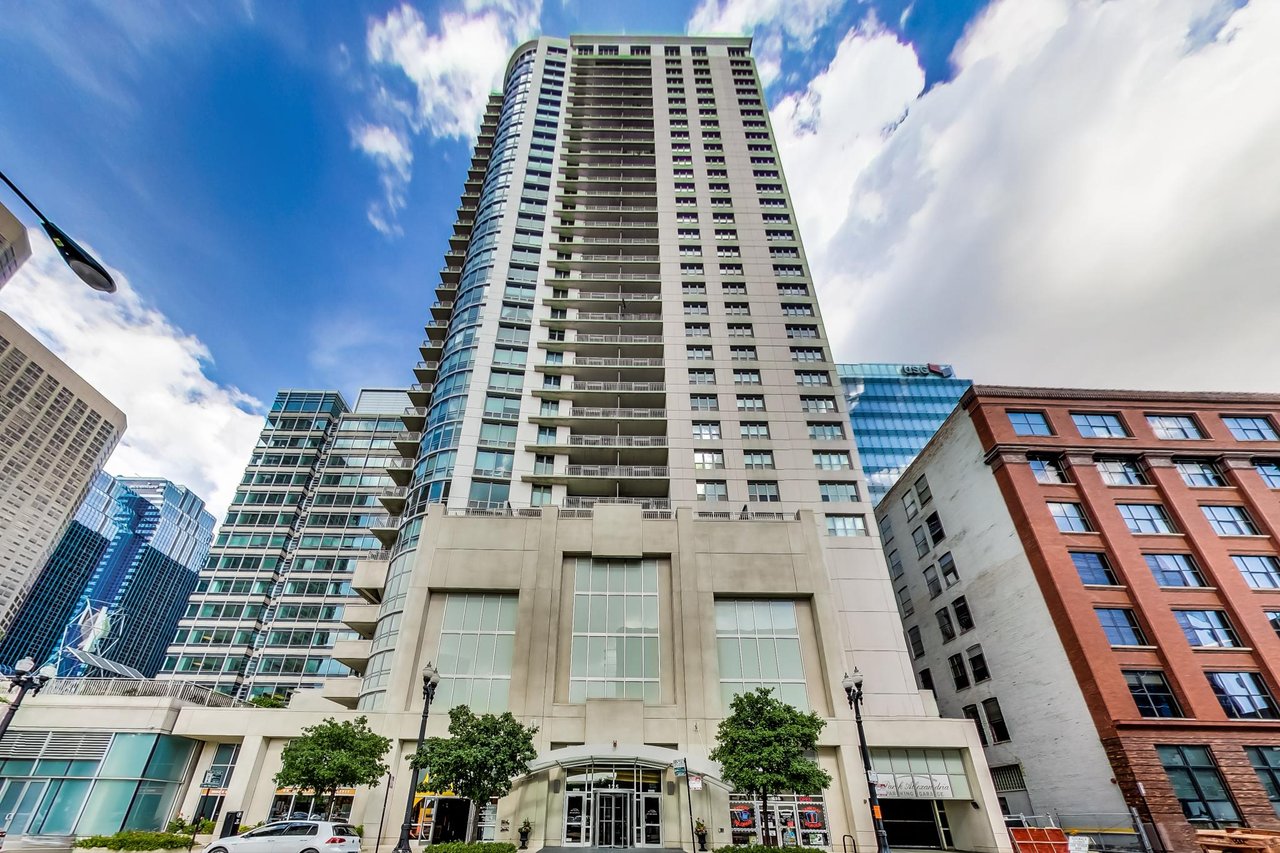
Here is the practical catch in Downtown Chicago. Many of our best buildings are not open-house friendly. West Loop boutique lofts, River North towers with door staff, and full amenity Streeterville high-rises usually run on private, appointment-based showings. So if you want inside those units, you will be signing something first.
What Kind of Agreement Do I Actually Have to Sign?
This is the part that puts most buyers at ease. Not every agreement is a big commitment.
There is a range. On the light end, a showing or touring agreement covers a single property or a short window of time. It is often non-exclusive, and it can be brief. On the heavier end, an exclusive buyer representation agreement commits you to one agent for a set period.
The Illinois Realtors guidance makes clear these agreements must be in writing and must spell out compensation. That is actually good for you. Every written agreement now has to state a specific number or rate for what the agent earns. No vague language. No surprises at closing.
If you are just testing the waters, you can start with a limited agreement and only step up to a full exclusive relationship once you know you want to work with that agent.
Key Takeaways
- Yes, you must sign a written agreement before a private tour with a Chicago agent.
- Open houses are the exception. Walk in freely, no signature needed.
- The agreement can be short, non-exclusive, and limited to one property.
- Compensation must be written down as a specific number or rate.
- Most premium Downtown Chicago condos require appointment showings, so plan to sign.
What Smart Chicago Buyers Do
Do not let the paperwork rush you into the wrong agent. Treat the agreement like the interview it is.
Before you sign anything, ask three questions. What exactly will you do for me? How long does this agreement last? What happens if we are not a fit? A good agent answers all three without flinching.
Then start small. Ask for a non-exclusive or short-term agreement for your first showings. If the agent knows your target buildings cold, knows what units really sell for, and moves fast when the right condo hits, that is when you go exclusive. You want someone who has actually closed deals in your building, not someone learning it on your dime.
Why This Matters More in the Downtown Chicago Condo Market
Buying a condo Downtown is not like buying a house in the suburbs. Pricing moves building by building. A loft at 850 W. Adams behaves differently than a high-rise unit in River North or a South Loop mid-rise, which is exactly why the West Loop market moves on its own timeline. Buyers who win here are specific, and they lean on an agent who knows the difference.
That is exactly why the written agreement can work in your favor. It ties you to someone who is contractually on your side, obligated to represent your interests, and required to be upfront about how they get paid. In a market this building-focused, real representation is worth more than a casual handshake ever was.
Signing is not the trap people fear. Signing with the wrong agent is.
The Bottom Line
Yes, you have to sign a buyer's broker agreement to see most Downtown Chicago condos by private appointment. That is the law now, not a sales tactic. But you hold the leverage. You choose the agent, you negotiate the terms, and you can start with something short and simple.
The goal is not to avoid signing. The goal is to sign with someone who knows your buildings, protects your money, and gets you to the closing table on the right unit.
Frequently Asked Questions
Do I have to sign a buyer agreement to attend an open house in Chicago? No. Open houses hosted by the listing agent are public showings. You can attend without signing a buyer agreement or committing to anything.
Can I sign a short-term agreement instead of an exclusive one? Yes. Illinois allows non-exclusive and limited agreements. You can start with a short-term or single-property showing agreement and decide later whether to go exclusive.
Does the buyer agreement mean I have to pay my agent out of pocket? Not necessarily. Compensation is negotiable and must be stated in the agreement. In many deals the seller still contributes to buyer-agent compensation, but that is now negotiated outside the MLS.
Is this rule specific to Chicago, or is it statewide? It is statewide. Illinois amended its Real Estate License Act to require written brokerage agreements for all clients, so the rule applies across Chicago and the rest of the state.
What happens if I refuse to sign? An agent cannot give you a private showing without a signed agreement. You can still attend open houses, but private, appointment-based tours require the paperwork first.
Thinking about buying a condo in the West Loop, River North, South Loop, or Streeterville?
Let's talk through the agreement, the buildings, and your options before you tour a single unit.
ABOUT THE AUTHOR
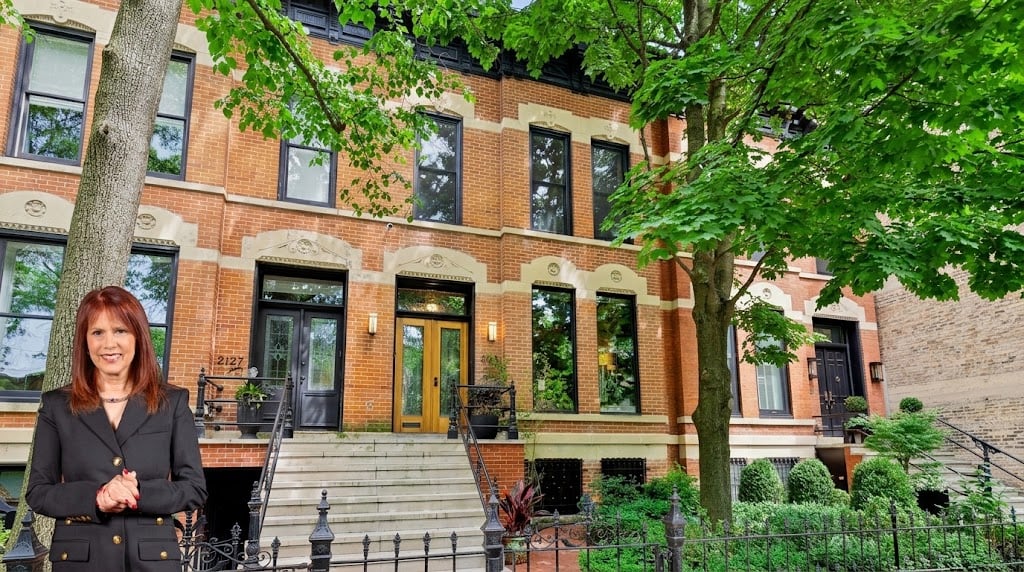
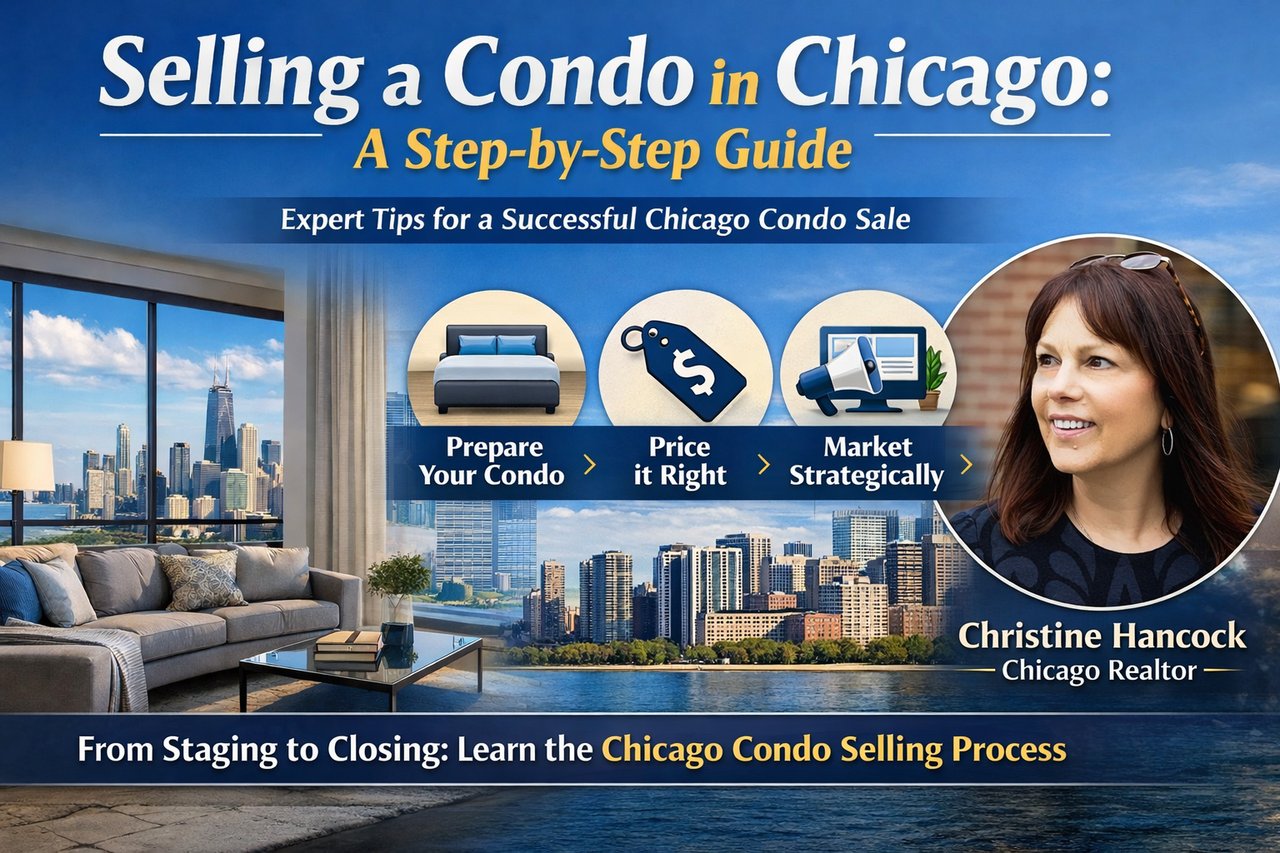
Christine Hancock is a Chicago Realtor with @properties Christie's International Real Estate, bringing more than 25 years of experience and over $200 million in closed sales in the downtown condo market. With 97 five-star Zillow reviews, Christine is recognized for her commitment to client satisfaction and market expertise.
She specializes in high-rise and luxury condominium sales in West Loop, South Loop, River North, and Streeterville, helping buyers and sellers navigate complex transactions with data-driven pricing strategies and deep neighborhood insight.
Christine partners with clients to evaluate market trends, position properties competitively, and make confident, informed decisions in Chicago's vibrant downtown housing market.
Call or text 312-296-9300 to discuss current market conditions or your real estate goals.