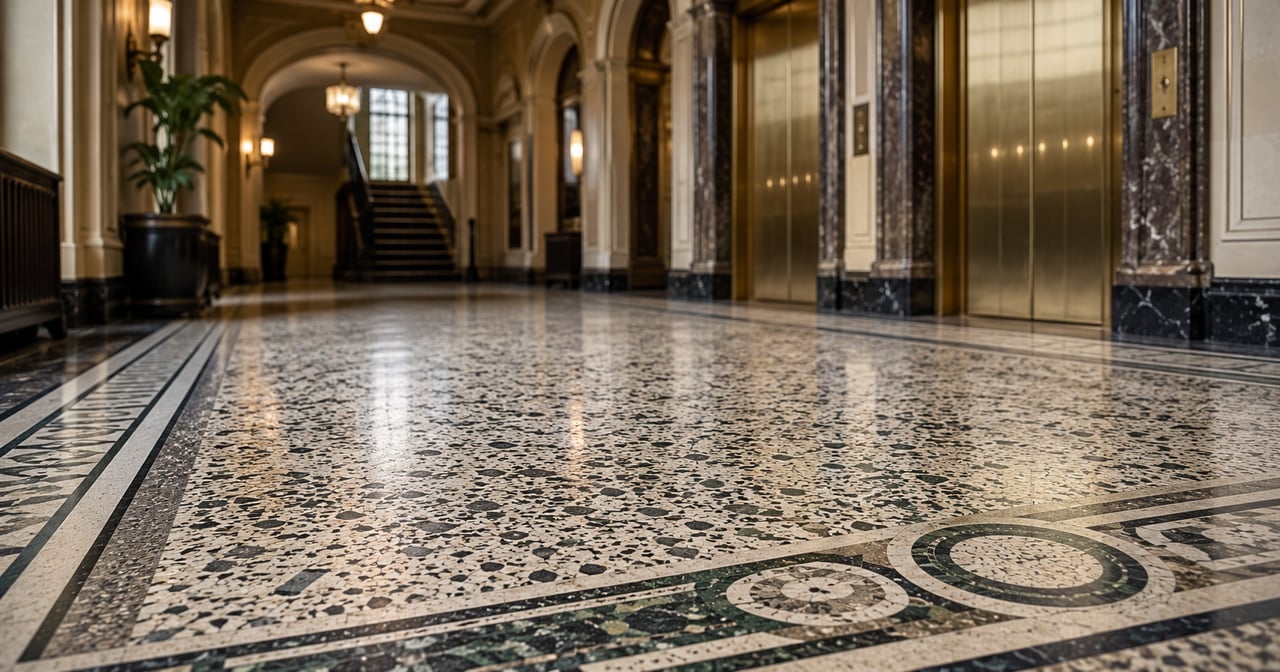
Terrazzo Floors in Vintage Chicago Buildings
Why do so many vintage Chicago buildings have terrazzo floors? Because terrazzo is one of the most durable, beautiful, and craftsman-made flooring materials ever created, and Chicago's early 1900s building boom put it everywhere. Look down in almost any historic lobby and you are standing on it.
THE SHORT ANSWER
Why do so many vintage Chicago buildings have terrazzo floors? Because terrazzo is one of the most durable, beautiful, and craftsman-made flooring materials ever created, and Chicago's early 1900s building boom put it everywhere. Look down in almost any historic lobby and you are standing on it.
What Is Terrazzo, Really?
One of my favorite parts of touring homes in Chicago has almost nothing to do with the homes themselves.
It is what I notice before we even walk inside.
Most people step into a building and look for the elevator or the chandelier. I look down. Not because I dropped something. Because some of the most beautiful craftsmanship in this city has been sitting quietly beneath our feet for over a hundred years.
If you have ever walked into a vintage Chicago apartment building, an old bank, a neighborhood church, or even a CTA station, you have probably crossed terrazzo without knowing it. At first glance it looks like polished stone flecked with colorful marble. There is a lot more to the story.
Where Did Terrazzo Come From?
Here is what surprised me most. Terrazzo was not invented to be luxurious at all.
It started in Venice, Italy, more than 500 years ago. Marble workers cutting slabs for wealthy families and churches were left with piles of broken chips that everyone considered useless. Instead of tossing them, resourceful craftsmen pressed the leftover pieces into clay, and later cement, creating durable, beautiful floors out of what had been waste. According to the National Terrazzo & Mosaic Association, those early Venetian workers even used a long-handled grinding stone called a galera long before electricity existed.
Think about that for a second.
One of the most elegant floors you will ever see was born from a simple idea. Nothing should go to waste. It may be one of the world's first "green" building materials.
How Did Terrazzo End Up All Over Chicago?
As Italian immigrants brought their trade to America in the 1890s, terrazzo found a perfect home here.
During Chicago's incredible building boom in the early 1900s, architects wanted materials that could survive brutal winters, thousands of footsteps, and decades of daily life while still looking beautiful. Terrazzo checked every box. Incredibly durable. Surprisingly low maintenance. And because every floor was poured by hand, no two were ever exactly alike.
There is a hometown twist too. The National Terrazzo and Mosaic Contractors Association was actually founded right here in Chicago, Illinois, in 1924. The very same year the electric grinder was invented, which made those intricate patterns possible. Chicago was not just using terrazzo. Chicago helped organize the whole craft.
Every terrazzo floor tells its own story. The chips of marble, granite, quartz, or glass settle differently every single time. Even two floors poured by the same craftsman would each have their own personality. That is one of my favorite things about older buildings. They were not simply constructed. They were crafted.
Why Don't Newer Buildings Use It as Much?
People ask me this all the time. The answer is simple. Craftsmanship like this is expensive.
Installing terrazzo is not like laying tile over a weekend. It is an art form. It takes specialized tradespeople, multiple rounds of grinding and polishing, and an enormous amount of patience. You will still find terrazzo in many luxury buildings today, and Chicago even made history when McCormick Place installed the first large-scale epoxy terrazzo floor, a modern version of the same old craft. But the original floors in our historic buildings represent a time when builders invested in things meant to last for generations.
That is exactly why I notice details like this. Real estate is not only about square footage and finishes. Every building has a personality, and the smallest details often reveal the most about its history.
Key Takeaways
- Terrazzo began in Venice over 500 years ago as a way to reuse discarded marble chips.
- Italian immigrants brought the craft to the US in the 1890s, and it spread fast during Chicago's early 1900s building boom.
- The national terrazzo trade association was founded in Chicago in 1924.
- Terrazzo is durable, low maintenance, and completely handcrafted, so no two floors are identical.
- Newer buildings use it less often because it is labor intensive and costly to install.
A Realtor's Take on the Details That Matter
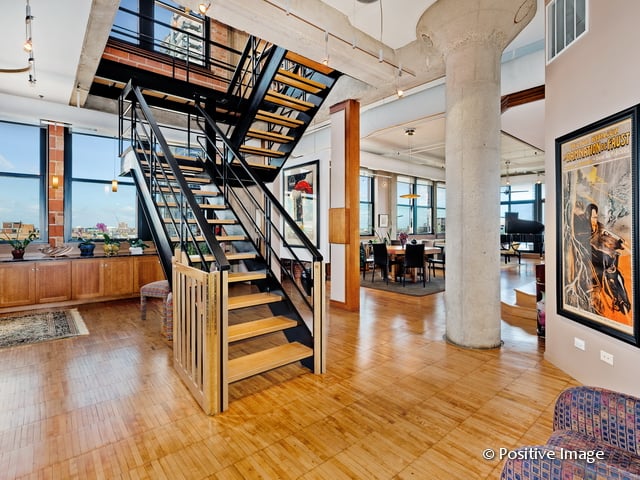
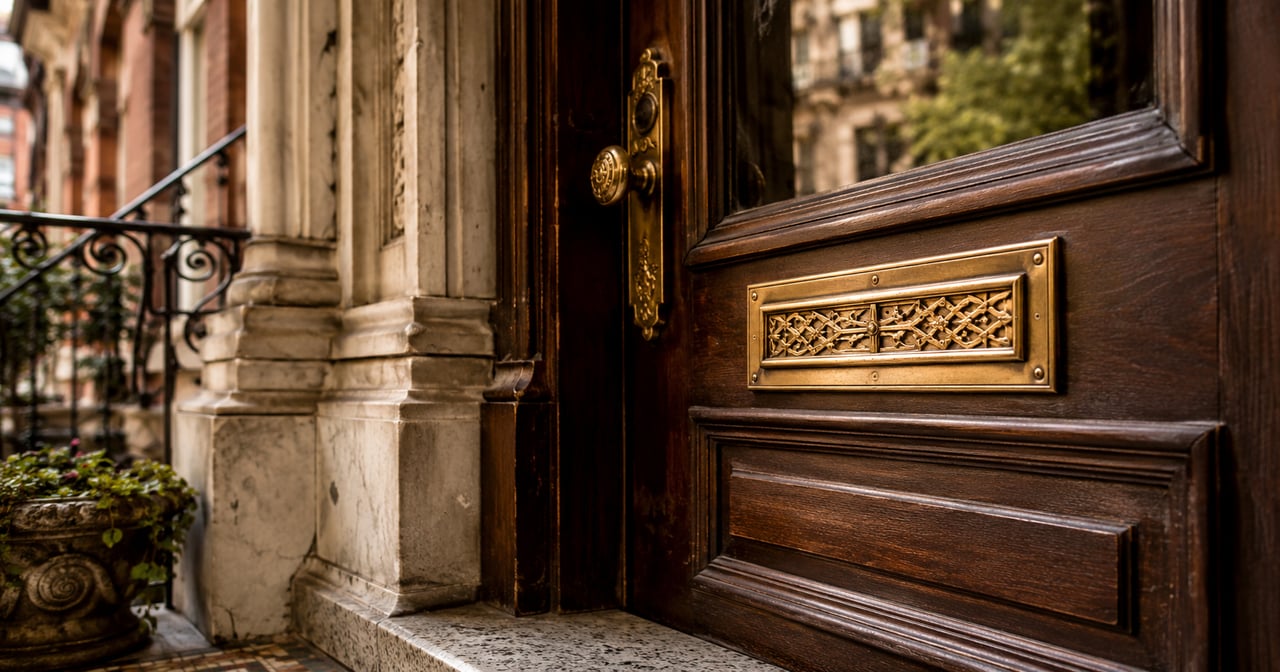
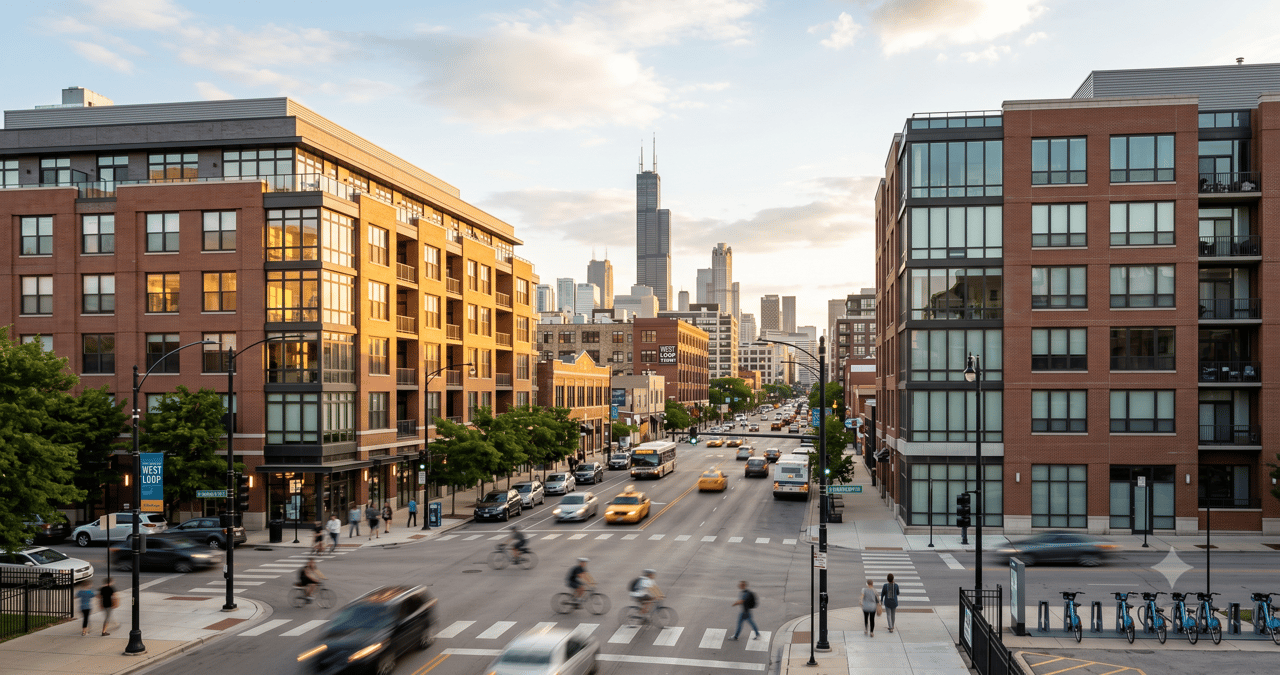
When I walk a client through a vintage West Loop loft or a classic Gold Coast high-rise, I am reading the building, not just the unit. A brass doorknob tells one story. An old mail slot tells another. A terrazzo floor tells you the builder cared about permanence.
Those details matter for resale too. Character sells in the Downtown Chicago condo market. Buyers pay attention to buildings with history and craftsmanship you cannot fake in new construction. Knowing which buildings have it, and how to position it, is part of my job.
The Bottom Line
The next time you walk into a vintage Chicago building, pause before you head for the elevator. Look down.
That floor has likely welcomed Chicagoans home for a hundred years. It has witnessed first days, last days, celebrations, and ordinary Tuesday afternoons. And after all this time, it is still doing exactly what it was designed to do.
That is pretty remarkable. And if you are anything like me, you will smile, point at the floor, and say, "Okay, let's nerd out for a second."
FAQ
What is terrazzo made of?
Terrazzo is made from chips of marble, granite, quartz, or glass set into cement or resin, then ground and polished until smooth. Every batch settles differently, so no two floors match.
Why is terrazzo found in so many old Chicago buildings?
Chicago's early 1900s building boom demanded floors that could handle harsh winters and heavy foot traffic while still looking beautiful. Terrazzo was durable, low maintenance, and handcrafted, so it was used in lobbies, banks, schools, and churches across the city.
Is terrazzo expensive to install today?
Yes. It is one of the most labor intensive flooring materials available, requiring skilled tradespeople and multiple rounds of grinding and polishing. That cost is why newer buildings use it less often.
Does a vintage building's character affect resale value?
It can. In the Downtown Chicago condo market, historic craftsmanship and building character often attract buyers and support strong resale, which is why building-level knowledge matters when pricing a home.
This one is built for the right buyer, and it will not wait.
Curious what your vintage Chicago condo or loft is really worth in today's market? Contact us to talk about your unit's value, or what it would take to get you to the closing table.