What If There Were No Capital Gains Tax on Your Home? A Chicago Seller's Guide
What would happen if the government stopped taxing the profit on your primary home?
For many Downtown Chicago condo sellers, little would change because their gain already falls within the existing federal exclusion. For longtime owners with substantial appreciation, however, the difference could be significant.
THE SHORT ANSWER
Eliminating the federal capital gains tax on primary residences would mostly help longtime, high-equity sellers who have crossed the current federal exclusion limits. In Downtown Chicago, that means owners who bought lofts and condos 15 to 25 years ago, especially single filers. Buyers would benefit too, but only indirectly, if it convinces more people to finally list.
What is the capital gains tax on a home sale right now?
When you sell your primary home for more than you paid, the profit is a capital gain. The federal tax code already shields a large chunk of it. Under Section 121 of the tax code, a single filer can exclude up to $250,000 of gain, and a married couple filing jointly can exclude up to $500,000. To qualify, you have to have owned and lived in the home for at least two of the last five years.
Generally, you also cannot have claimed the exclusion on another home sold during the previous two years, although certain exceptions may apply.
So the idea of "no capital gains tax on your home" is not as new as it sounds. Most sellers never owe a dime. The tax only bites on the gain above your exclusion. That is why this question matters far more in expensive, fast-appreciating markets than it does for a typical Downtown Chicago condo sale.
Wait, isn't this just a hypothetical?
Not entirely. This is a live debate in Washington right now. In July 2025, Rep. Marjorie Taylor Greene introduced the No Tax on Home Sales Act (H.R. 4327), which would remove the federal capital gains tax on primary residences. Around the same time, President Trump told reporters he was "thinking about" the idea.
The bill keeps the two-out-of-five-year residency rule. It just removes the cap on how much profit you can exclude. As of now it sits in the House Ways and Means Committee, and it is not law. But the conversation is real, and sellers are starting to ask me about it.
Who would actually benefit, buyers or sellers?
Sellers benefit directly. Buyers benefit indirectly, if at all. Here is the breakdown.
The direct winners are sellers whose gain already exceeds the exclusion. By one analysis cited in national coverage, only the people who clear those caps would see savings, and the average benefit for that group runs around $100,000. The catch is that this group skews wealthier, older, and longer tenured. The biggest winners nationally are sellers in pricey coastal markets like California, not the Midwest.
Buyers benefit only if the change unfreezes inventory. Right now, some owners sit tight specifically to avoid a tax bill. Economists call this the lock-in effect, and a Congressional Research Service report notes that capital gains taxes can discourage people from selling when their life circumstances change. Remove the tax, and a few of those owners may finally list. More listings means more choices for buyers. That is the indirect upside.
What would it mean for the Downtown Chicago condo market?
Honestly, less than the headlines suggest. Chicago condo prices have grown at a moderate pace, not the runaway clip you see in coastal cities, which ties into the bigger question of whether Downtown Chicago condos are a good investment in 2026. The vast majority of West Loop, River North, and South Loop sellers I work with stay comfortably under the $250,000 or $500,000 cap. For them, this change is a non-event.
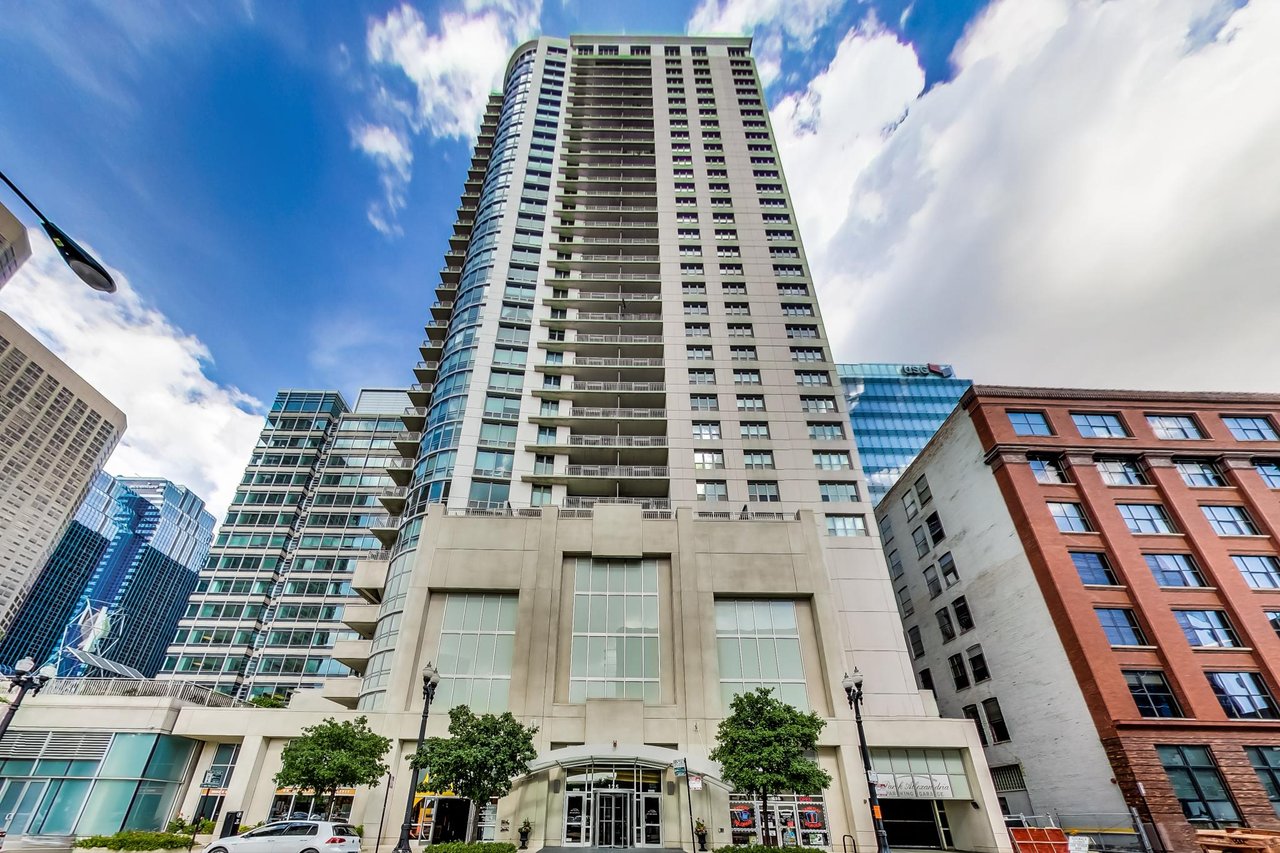
Where it would matter is the long-tenure crowd. Think of an owner who bought a vintage loft at Haberdasher Square Lofts on West Jackson in the early 2000s, or a corner unit at Metropolitan Place on South Canal, and watched the West Loop transform around them. A single filer in that situation can absolutely cross the $250,000 line. For them, removing the tax could free up real money and, just as important, remove the reason they have been afraid to sell.
A Chicago example: the longtime loft owner
Say you bought a West Loop loft in 2004 for $260,000. You are single. Today comparable units sell around $640,000. After improvements and selling costs, your gain might land near $340,000.
Under today’s rules, the first $250,000 could potentially be excluded. The remaining gain could be subject to federal long term capital gains tax, with the exact amount depending on the seller’s income, adjusted basis, prior property use, depreciation history, and other tax circumstances.
What It Would Not Change
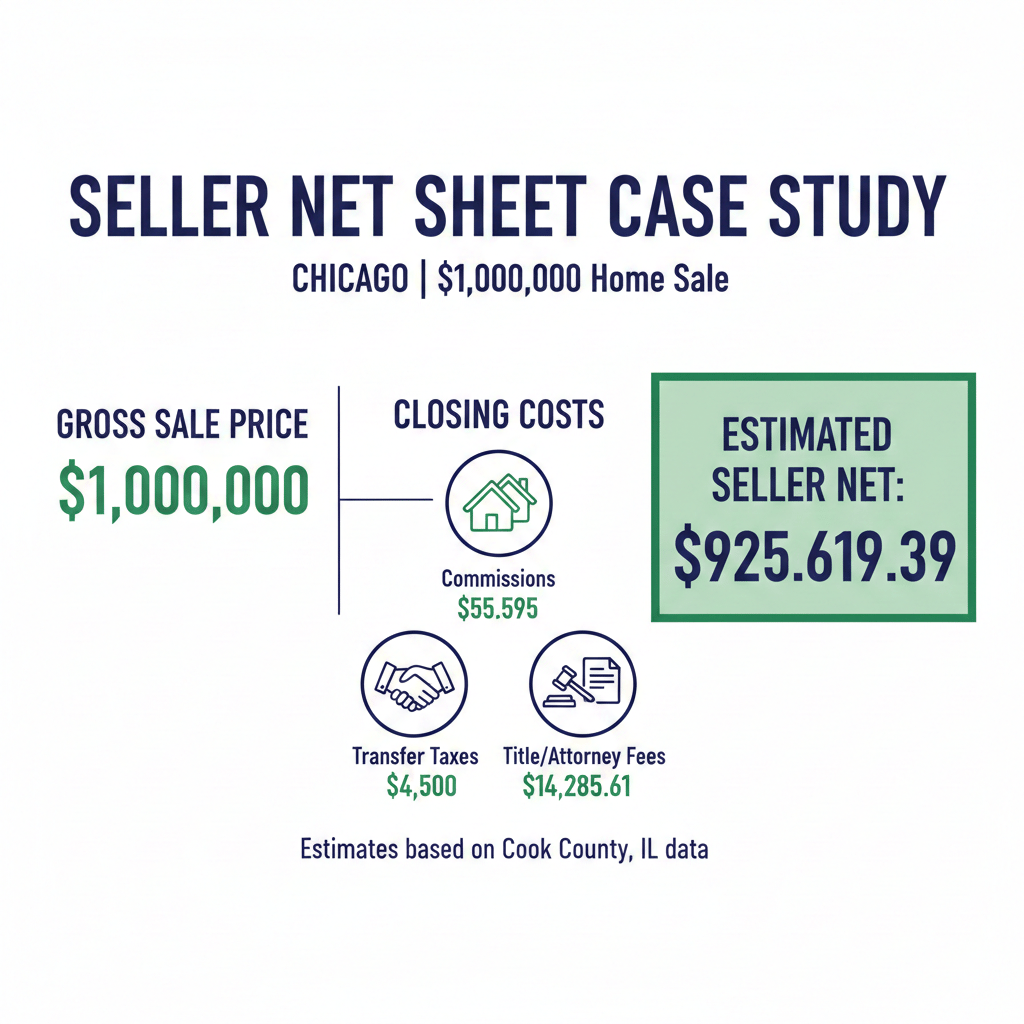
A federal change would not erase the other expenses involved in selling your home. Transfer taxes imposed by the City of Chicago, Cook County, and the State of Illinois would remain separate closing expenses, subject to the applicable rules and the terms of the transaction.
Illinois currently taxes taxable capital gains through its 4.95 percent individual income tax system, but the state generally follows the federal Section 121 home sale exclusion when determining the taxable amount. How Illinois would treat any newly expanded federal exclusion would depend on the final legislation and the state’s tax rules at that time. Always review your specific situation with a qualified CPA or tax attorney before selling.
Key Takeaways
- Most Downtown Chicago condo sellers already owe no federal tax on the gain tax thanks to the existing $250,000 and $500,000 exclusions.
- The "no capital gains tax" idea is a real bill in Congress, the No Tax on Home Sales Act, not just a thought experiment.
- Sellers benefit directly; buyers benefit only if the change brings more listings to market.
- In Chicago, the real beneficiaries are long-tenure owners, especially single filers who bought 15 to 25 years ago.
- Illinois state tax, transfer taxes, and property tax credits would all stay exactly the same.
Data Support
The exclusion thresholds have not changed since 1997, even as home prices in many markets have more than tripled. Nationally, only a small share of home sales in recent years produced gains above the $500,000 married cap, roughly 8 percent. That is the core tension. The benefit is concentrated among a relatively small, high-equity group, which is why analysts describe the savings as large for the few rather than broad for the many.
Practical Strategy
If you are a longtime owner wondering whether this affects you, do three things. Start by estimating your adjusted basis, which generally includes your purchase price plus qualifying acquisition costs and documented capital improvements. Then compare that basis with your net sale proceeds after eligible selling expenses. Prior depreciation, rental use, and other factors can materially change the calculation.. Second, check your filing status against the $250,000 or $500,000 cap. Third, if you are anywhere near or over the line, talk to a CPA before you make a move. Do not let a tax rumor drive your timing, and if you are weighing a move, start with the full process of selling a condo in Chicago. Let your numbers and your life plans drive it.
Local Expertise
I have spent more than 25 years selling condos and lofts across the West Loop, River North, South Loop, and Streeterville, with deep experience in buildings like Metropolitan Place and Haberdasher Square Lofts. The owners most affected by a change like this are exactly the ones I sit down with most often: people who have held a unit for a long time and are not sure what their gain even is. That number, not the headline, is what determines whether any tax change matters to you.
Bottom Line
A world with no capital gains tax on primary homes would help a specific Chicago seller: the long-tenure, high-equity owner who has been sitting on appreciation and dreading the bill. For everyone already under the cap, which may include many Downtown Chicago sellers, the practical effect is small. The smartest move is not to wait on Congress. It is to know your real numbers now, so you can act with confidence whenever you are ready.
Call or text Christine Hancock at 312-296-9300 to talk about your unit's value, or what it would take to get you to the closing table.
FAQ
Do I pay capital gains tax when I sell my Chicago condo? Usually not. Single filers exclude up to $250,000 of gain and married couples up to $500,000, as long as you lived in the home two of the last five years. Most Downtown Chicago sellers fall under that limit.
Has the capital gains tax on home sales been eliminated? No. As of now it is a proposed bill, the No Tax on Home Sales Act, sitting in committee. The current exclusion rules still apply.
Who would benefit most if the tax were removed? Longtime, high-equity sellers above the current caps, who skew older and wealthier. In Chicago that often means single filers who bought a loft or condo 15 to 25 years ago.
Would it lower my closing costs? No. Transfer taxes, attorney fees, title costs, and Illinois property tax credits are separate from capital gains tax and would not change.
Does Illinois have its own capital gains tax? Yes. Illinois taxes capital gains as ordinary income at its flat state rate, currently 4.95 percent. A federal change would not affect the state portion.
This article provides general real estate and tax information and is not tax, accounting, or legal advice. Eligibility for the home sale exclusion depends on individual circumstances. Consult a qualified CPA or tax attorney before making decisions based on potential tax consequences.
Wondering whether your estimated taxable gain crosses the line, or what your true net would be today?
Call or text Christine Hancock at 312-296-9300, and I will run your numbers with a full seller's net sheet so you know exactly where you stand before you ever go to market.
ABOUT THE AUTHOR
Christine Hancock is a Chicago Realtor with @properties Christie's International Real Estate, bringing more than 25 years of experience and over $200 million in closed sales in the downtown condo market. With 97 five-star Zillow reviews, Christine is recognized for her commitment to client satisfaction and market expertise.
She specializes in high-rise and luxury condominium sales in West Loop, South Loop, River North, and Streeterville, helping buyers and sellers navigate complex transactions with data-driven pricing strategies and deep neighborhood insight.
Christine partners with clients to evaluate market trends, position properties competitively, and make confident, informed decisions in Chicago's vibrant downtown housing market.