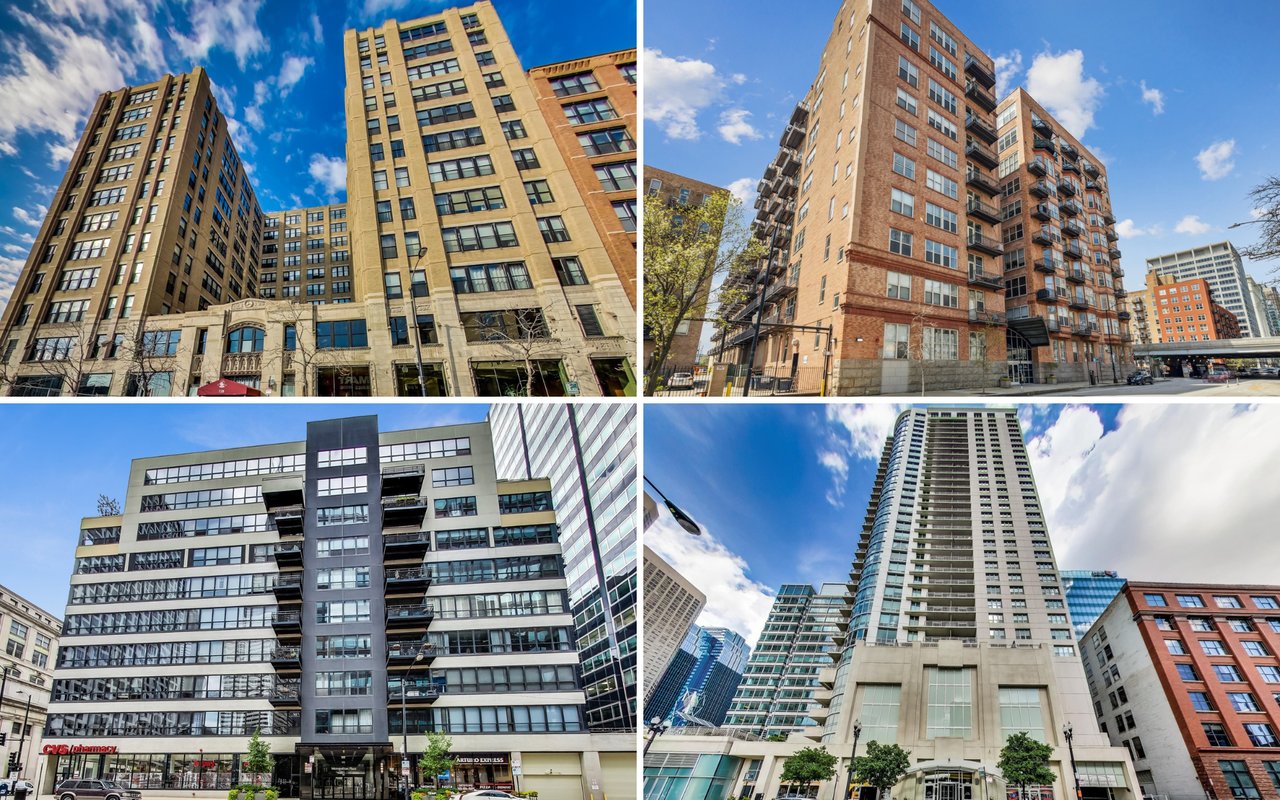
Why West Loop Condos Sell in 10 Days or Sit for 80
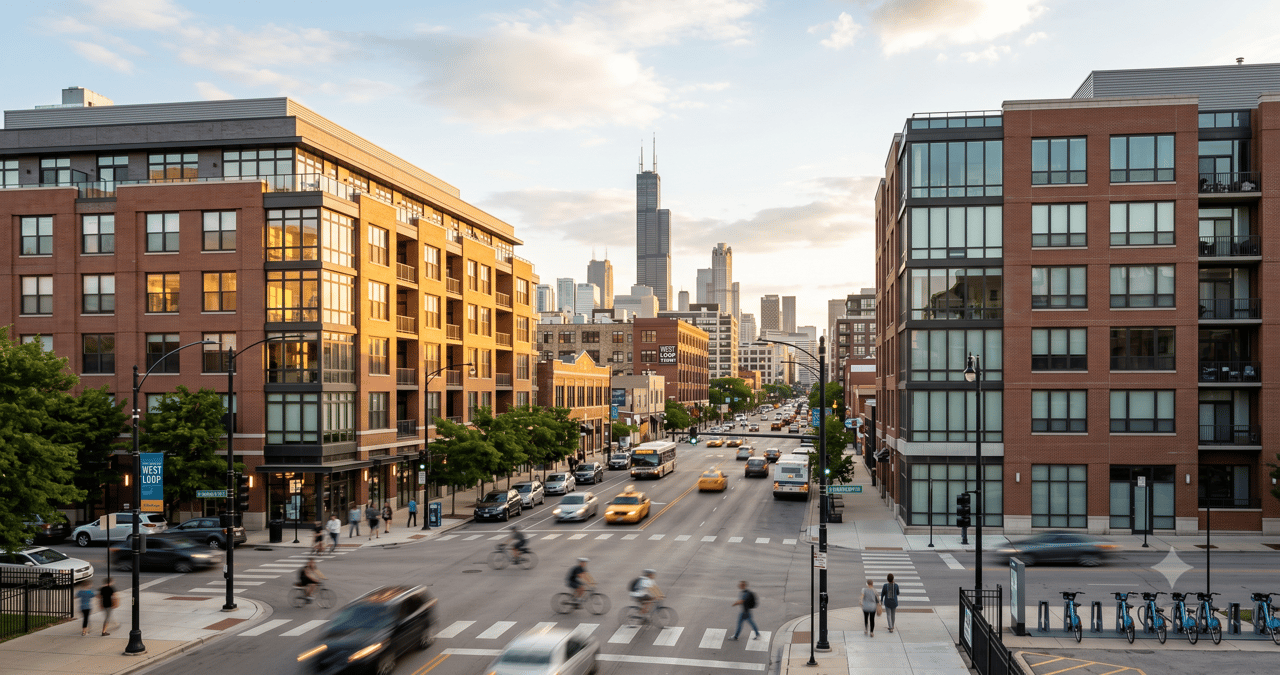
Why do some West Loop condos sell in days while others sit for months? It comes down to pricing accuracy, building, and condition. In the West Loop, two units with the same bedroom count can move at completely different speeds based on how they are priced and presented.
THE SHORT ANSWER
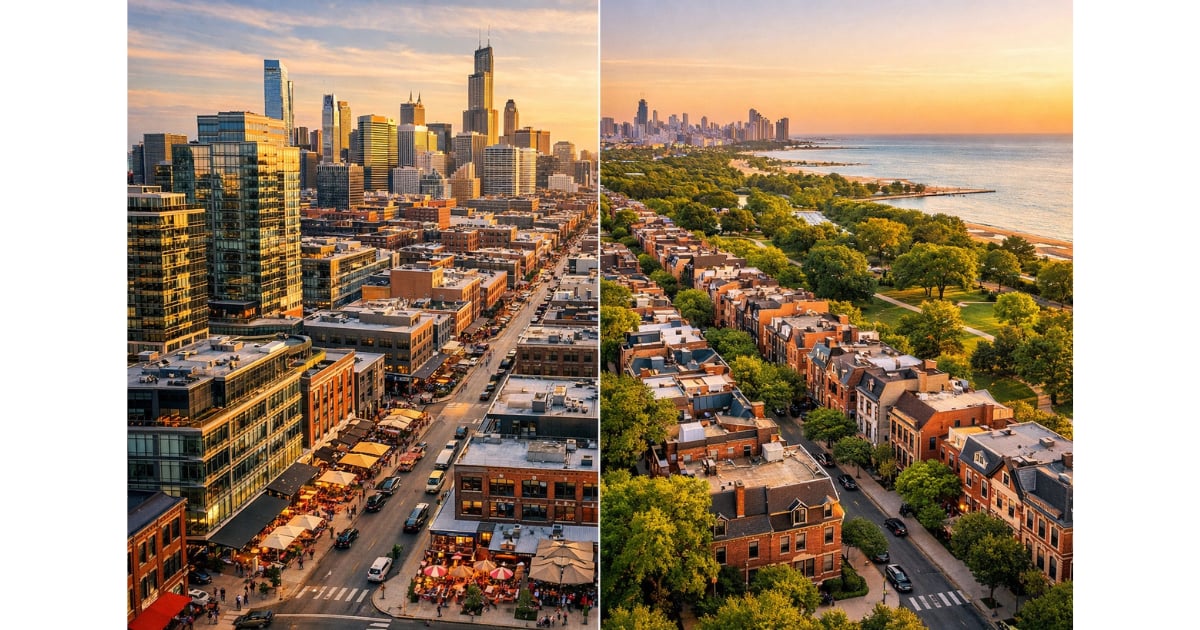
The West Loop is a two-speed condo market. Well-priced, move-in-ready units in strong buildings often go under contract within days, while overpriced or dated listings can sit for 80 days or more. The difference is almost never the neighborhood. It is the pricing, the building, the floor, and the condition.
Is the West Loop a Fast Market or a Slow One? Both.
Here is the part that confuses buyers and sellers. You will read that West Loop condos are flying off the market. You will also see listings that have been active for three months. Both are true at the same time.
Recent Redfin data shows a median of roughly 82 days on market for active West Loop condo listings, while the best-priced units routinely go under contract within a week. That gap is not a contradiction. It is the whole story. The median includes the units that are sitting, and the sitting units are usually sitting for a reason.
In a market like this, the average tells you almost nothing about your specific unit. What matters is which side of the split you land on.
What Makes a West Loop Condo Sell in 10 Days?
The fast sellers tend to share the same traits. None of them are luck.
Accurate pricing from day one. This is the single biggest factor. A unit priced within 2 to 3 percent of true market value gets showings immediately and offers quickly. Buyers in the West Loop are data driven. They compare your unit to every recent sale inside your building before they look anywhere else. Price above that, and they simply wait.
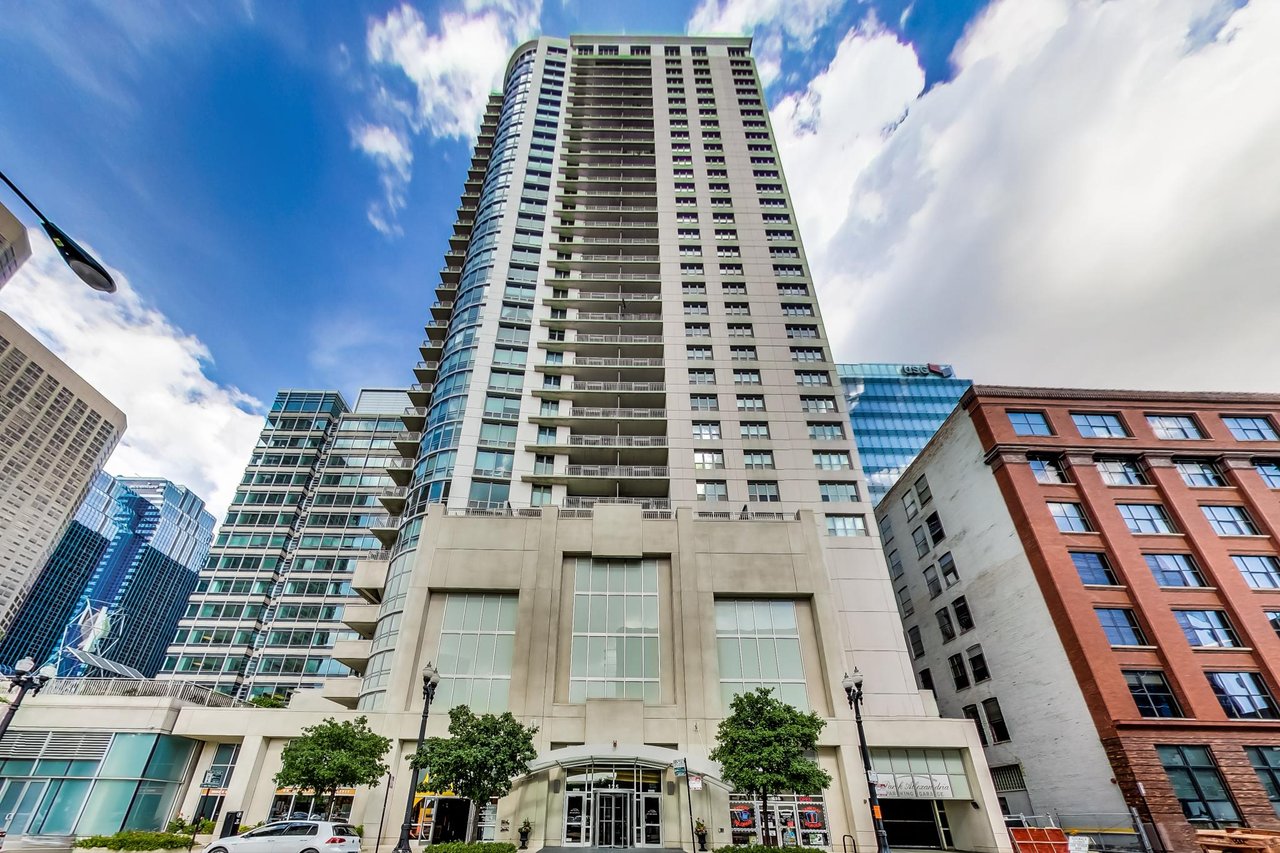
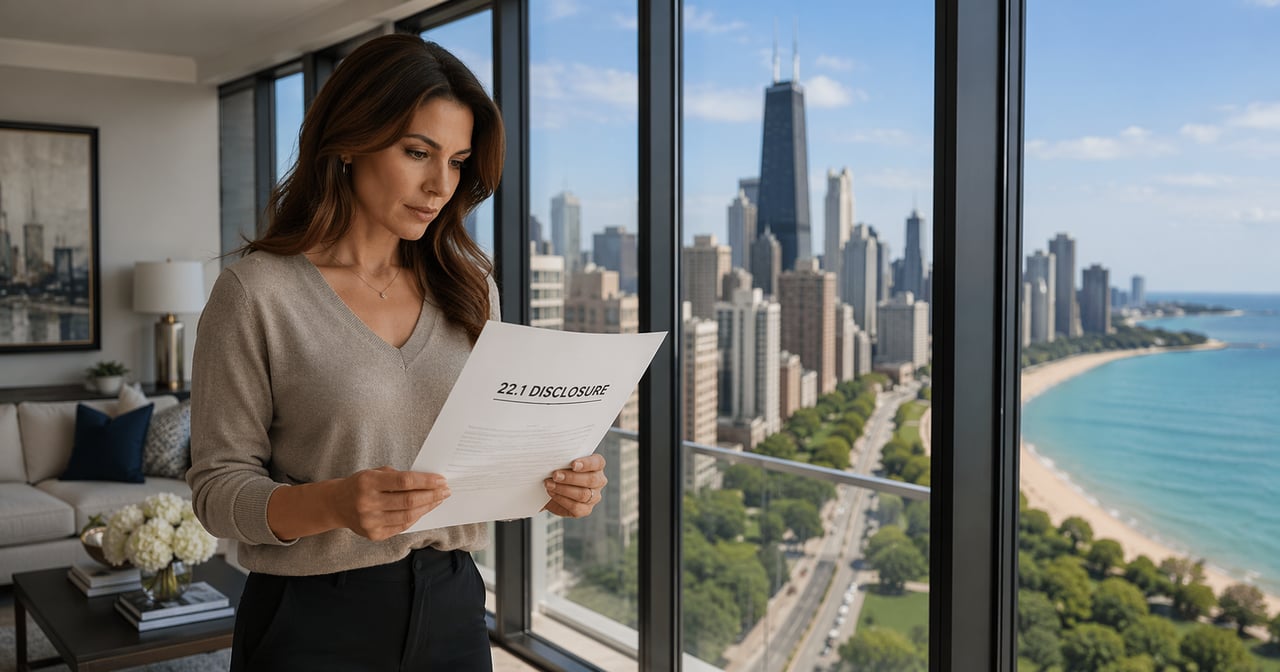
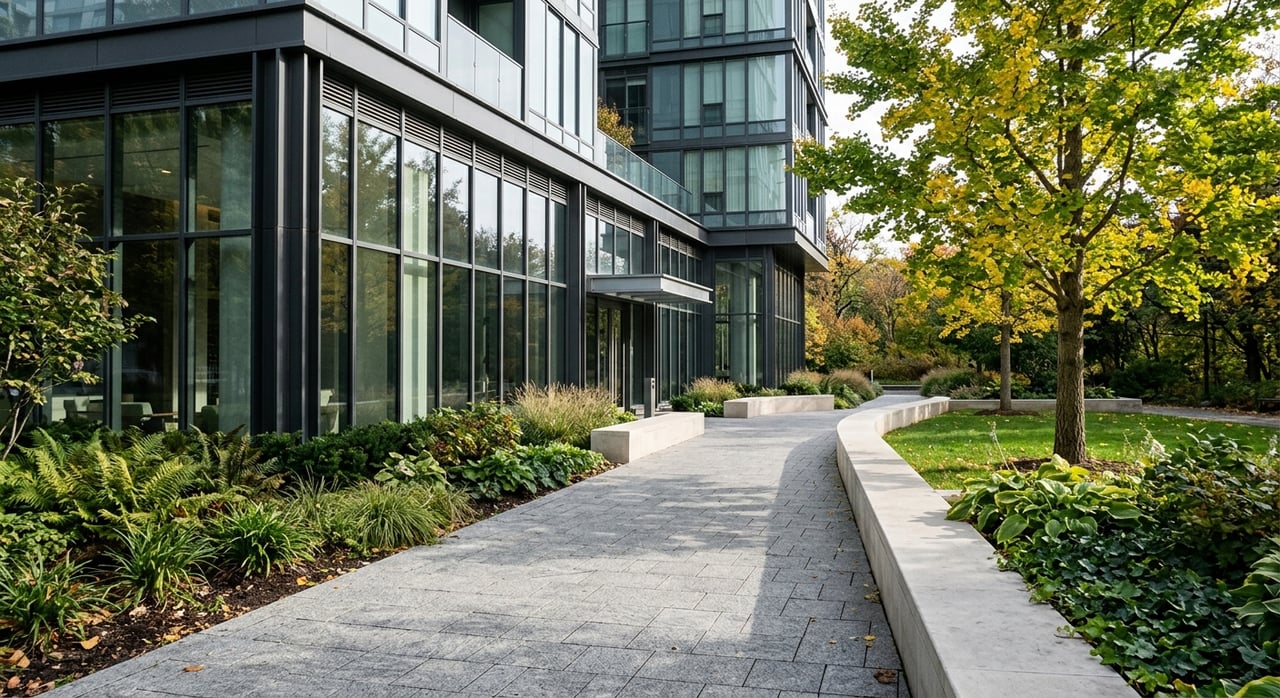
A strong building with healthy financials. Buildings with solid reserves, reasonable HOA dues, and no looming special assessments move faster. Buyers now read the financials before they fall in love with the finishes.
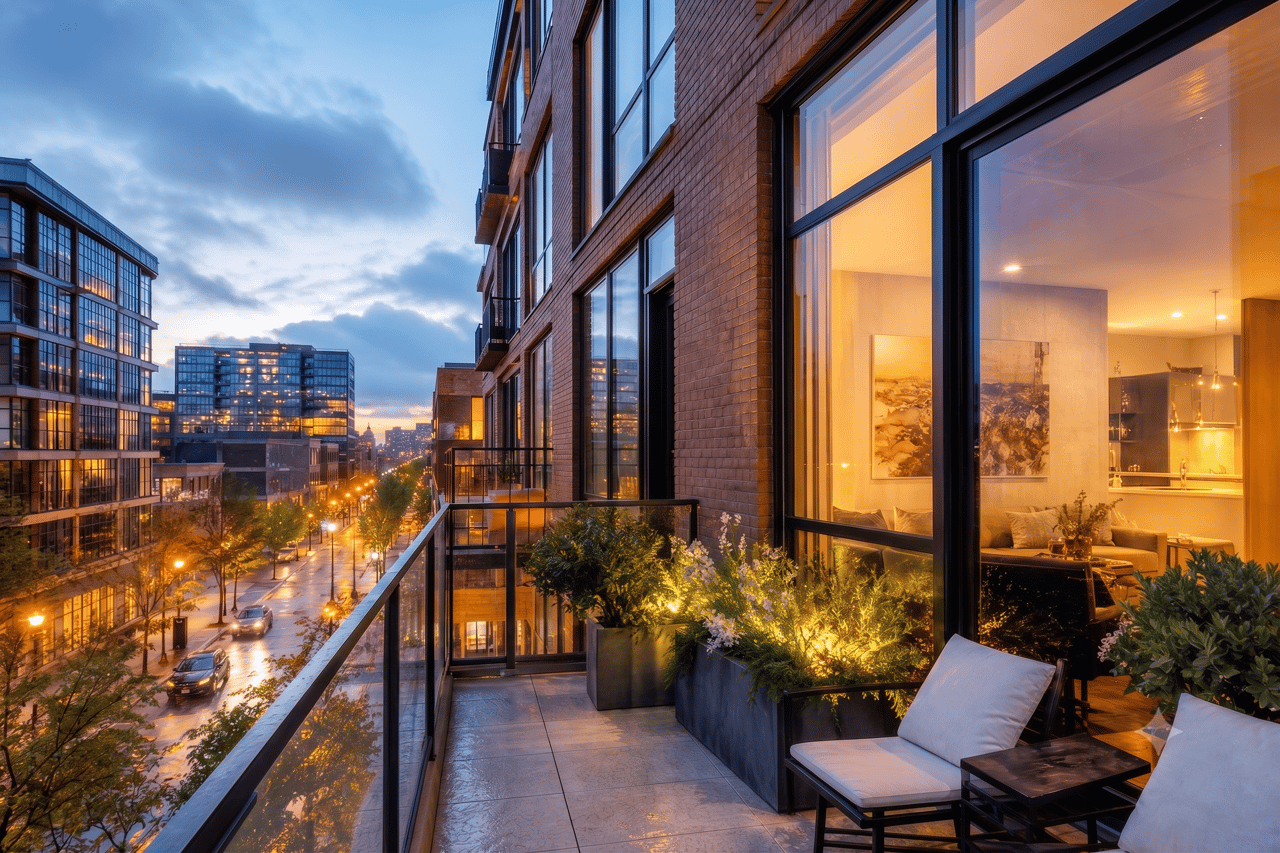
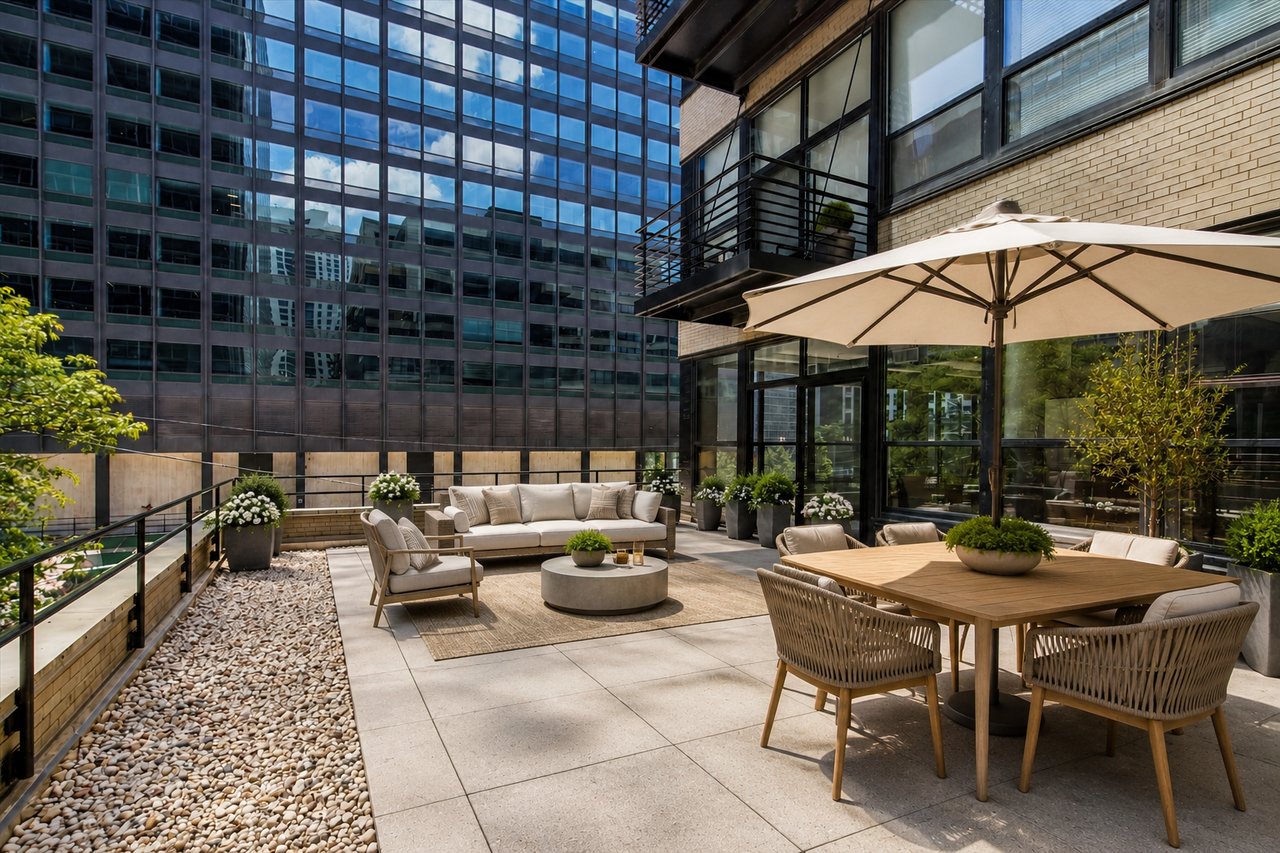
Outdoor space and parking. A private balcony, a terrace, or deeded garage parking can be the difference between a quick sale and a slow one. Garage parking in Downtown Chicago routinely carries real dollar value, and buyers subtract for its absence.
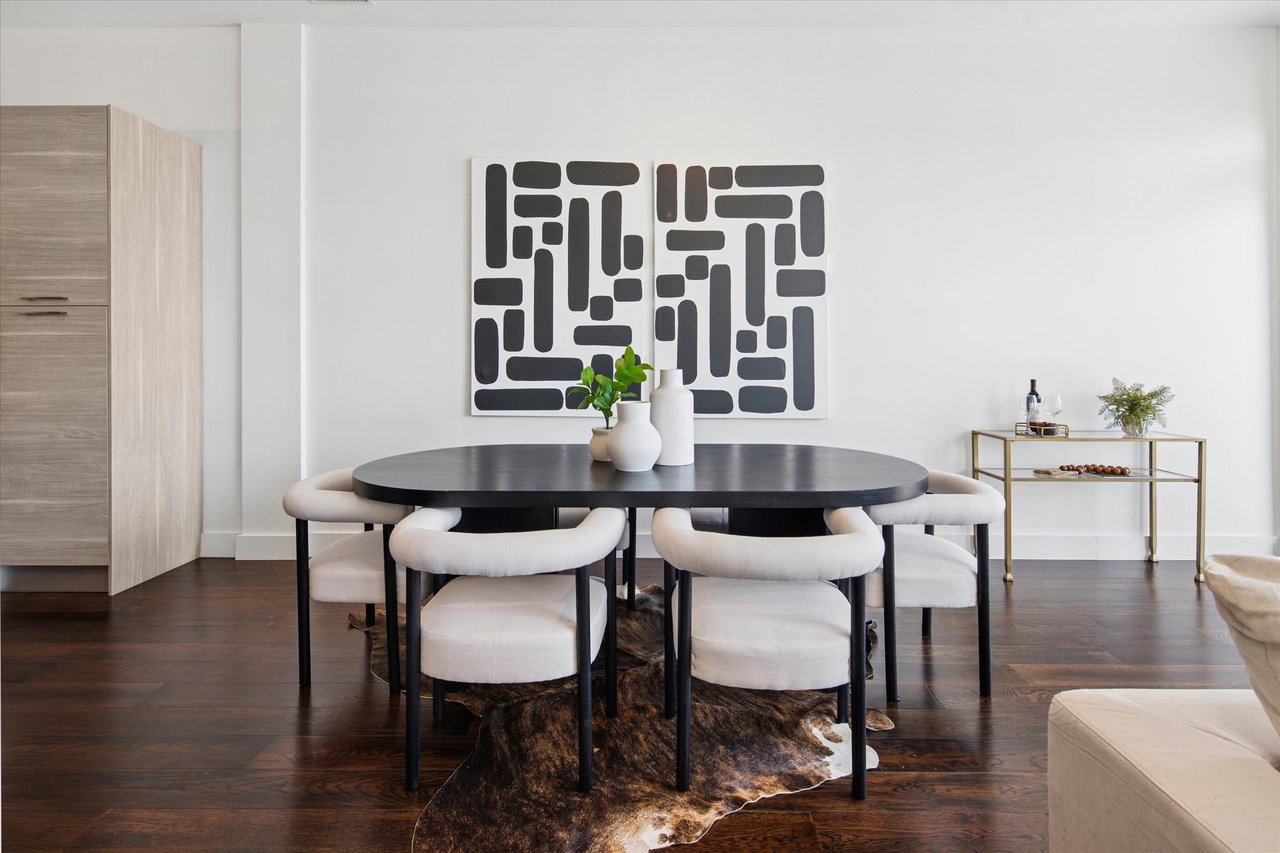
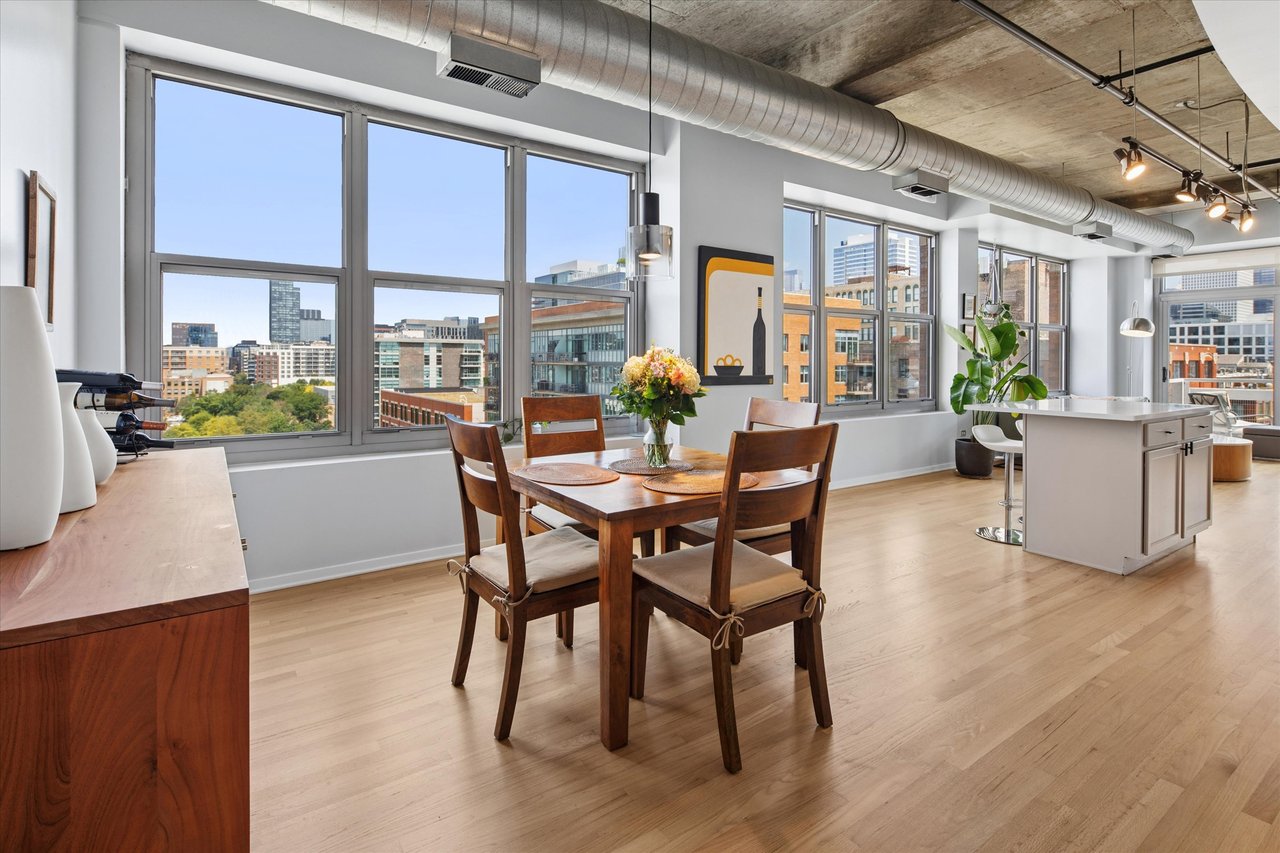
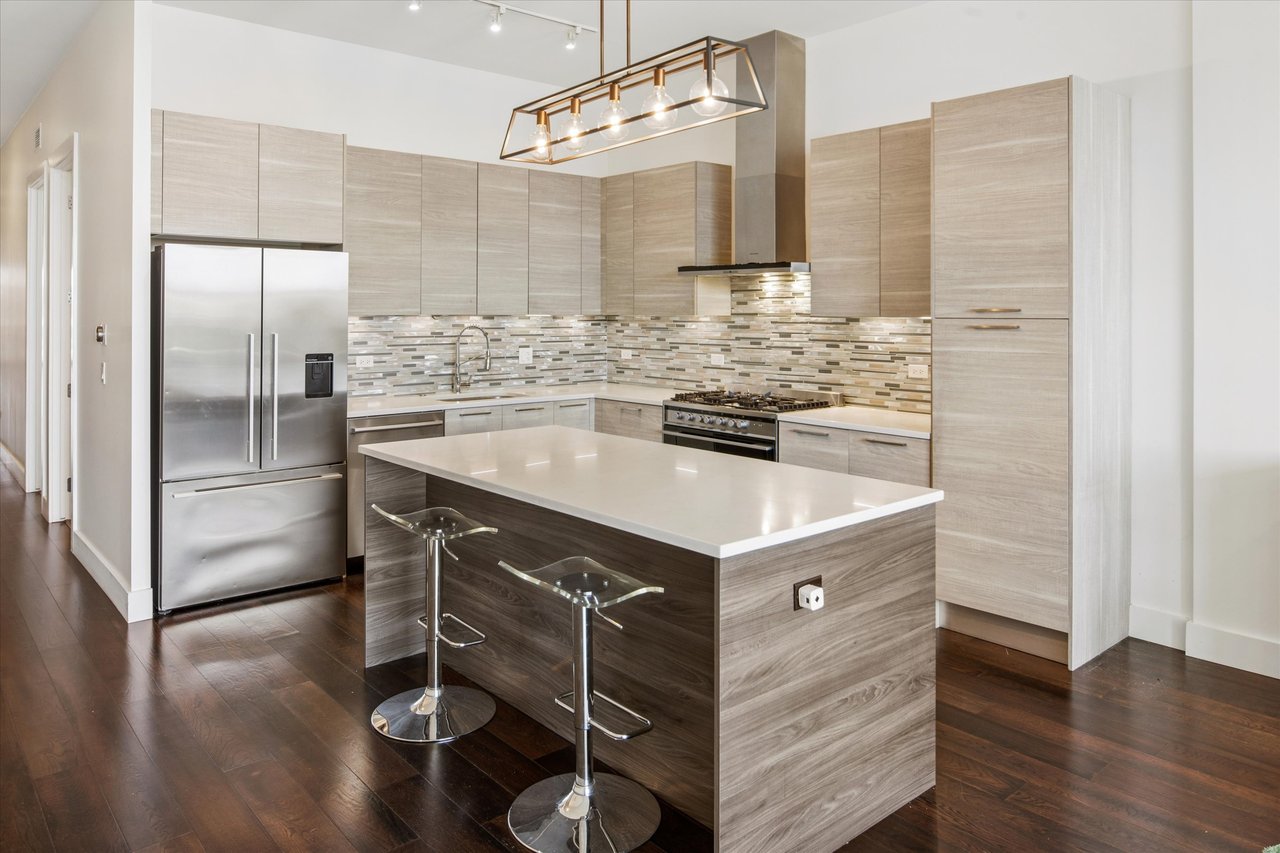
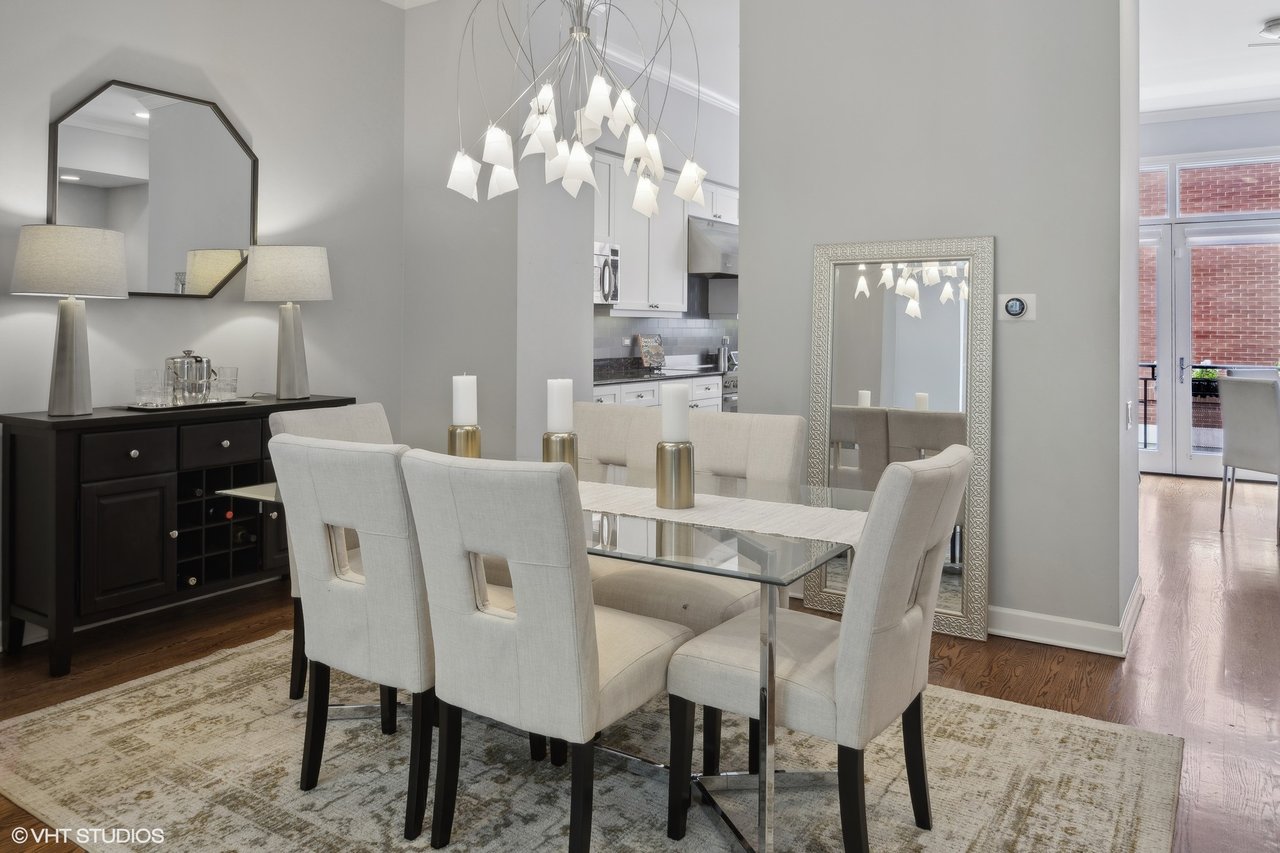
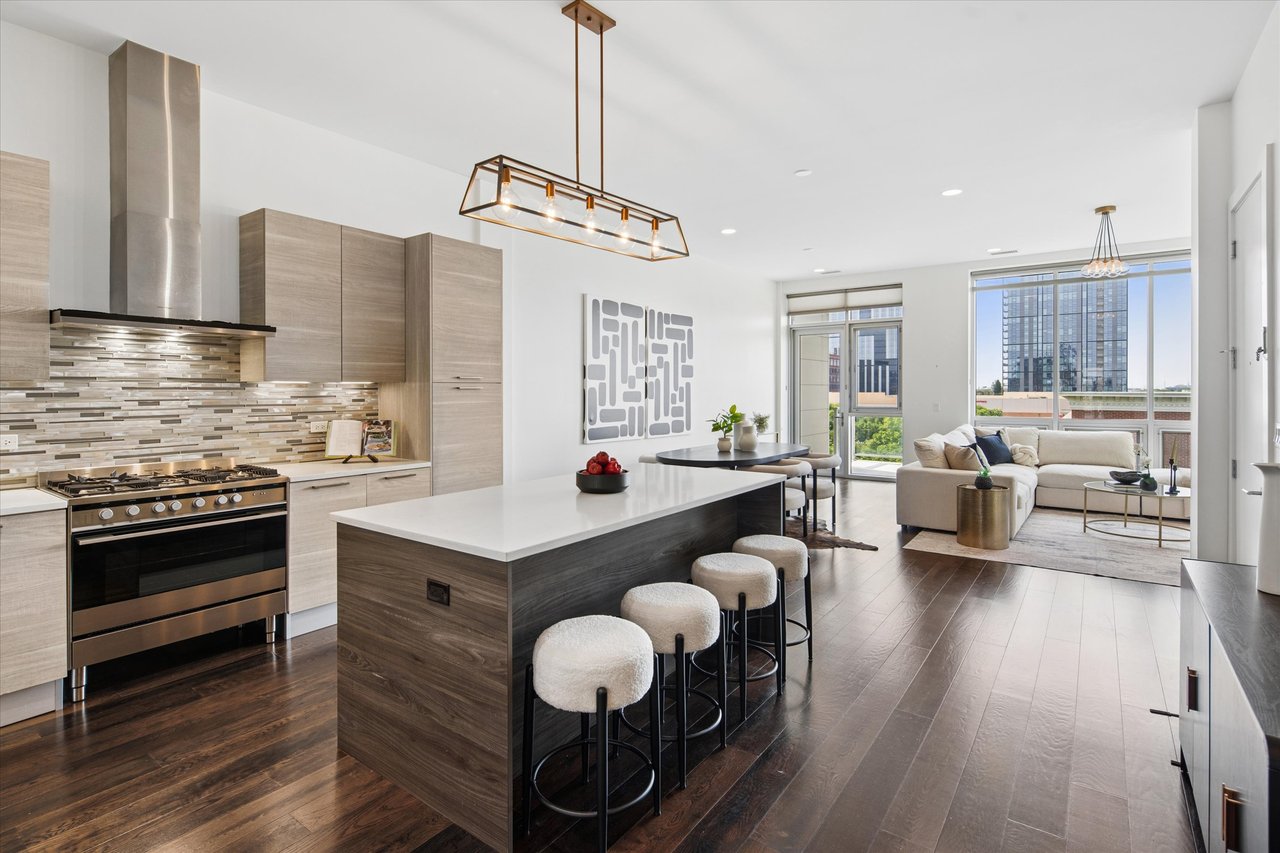
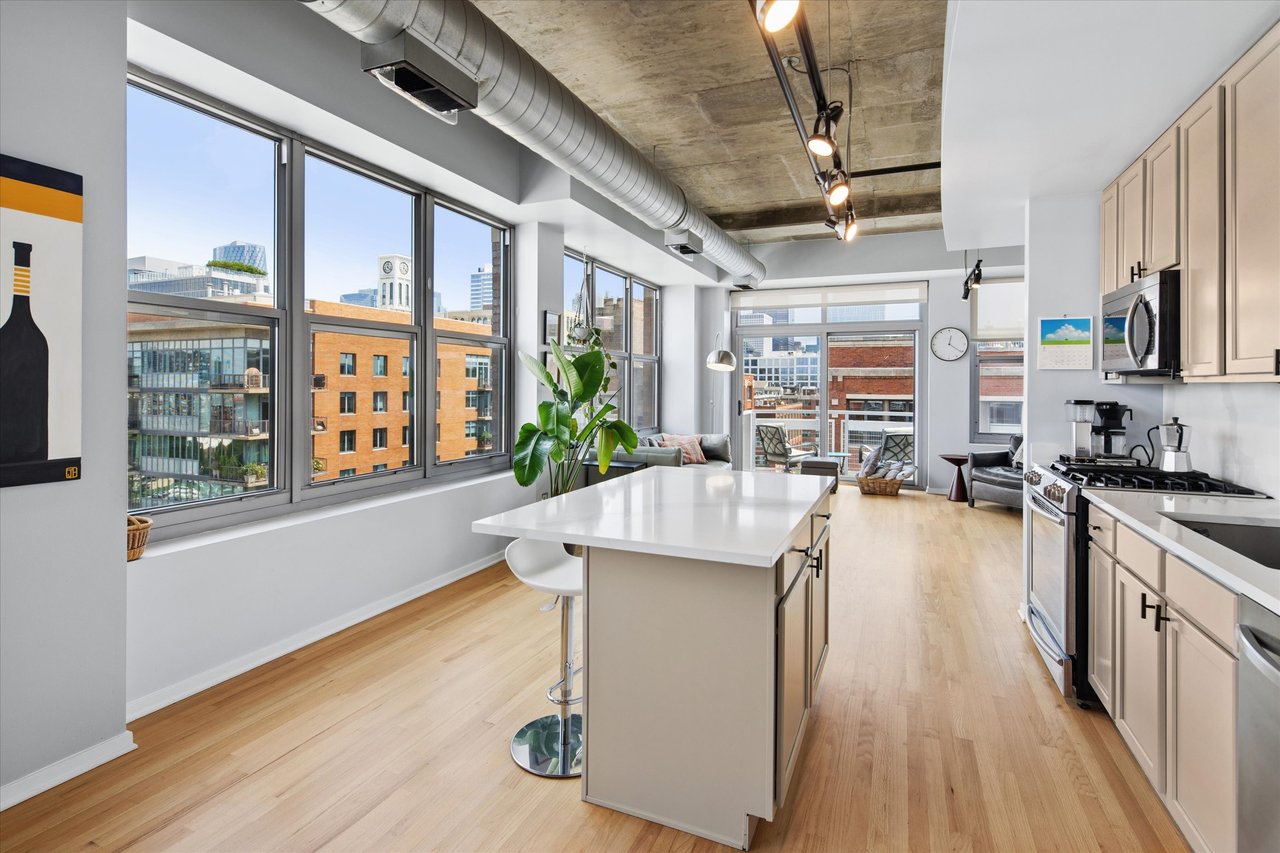
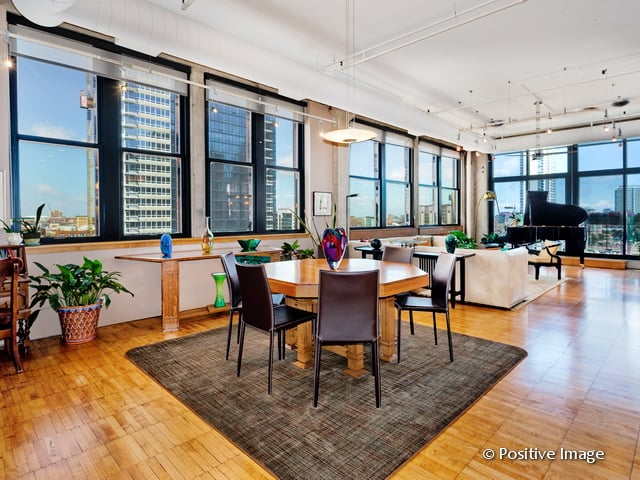
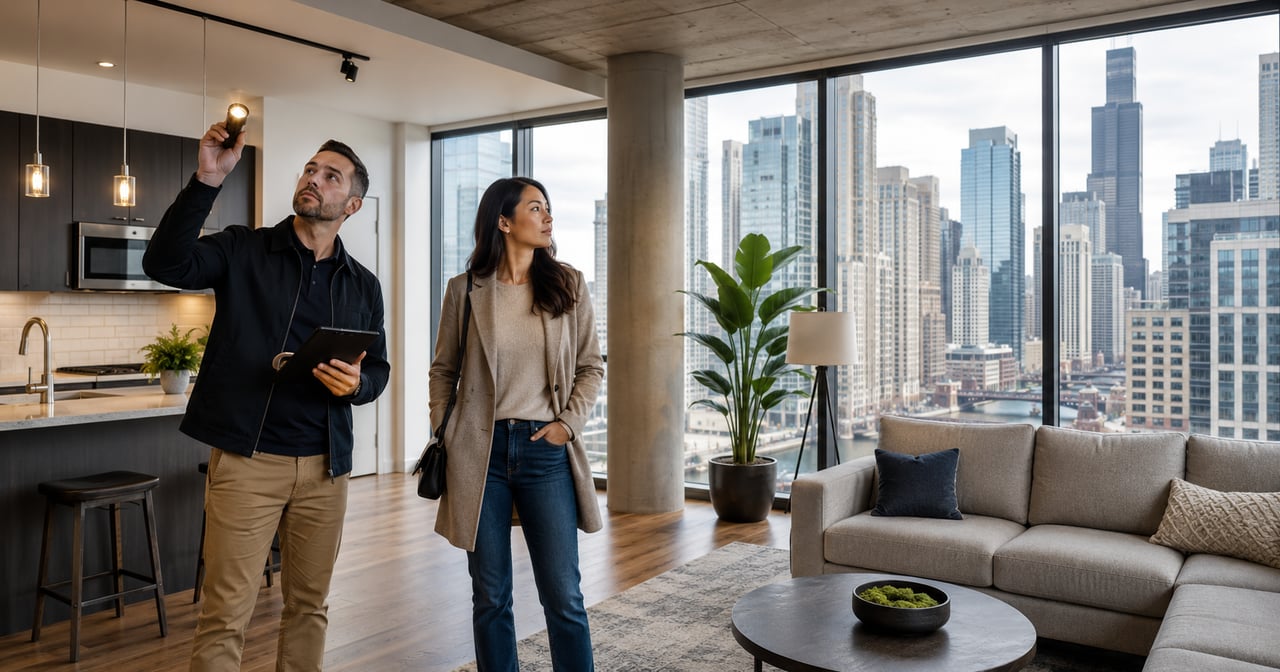
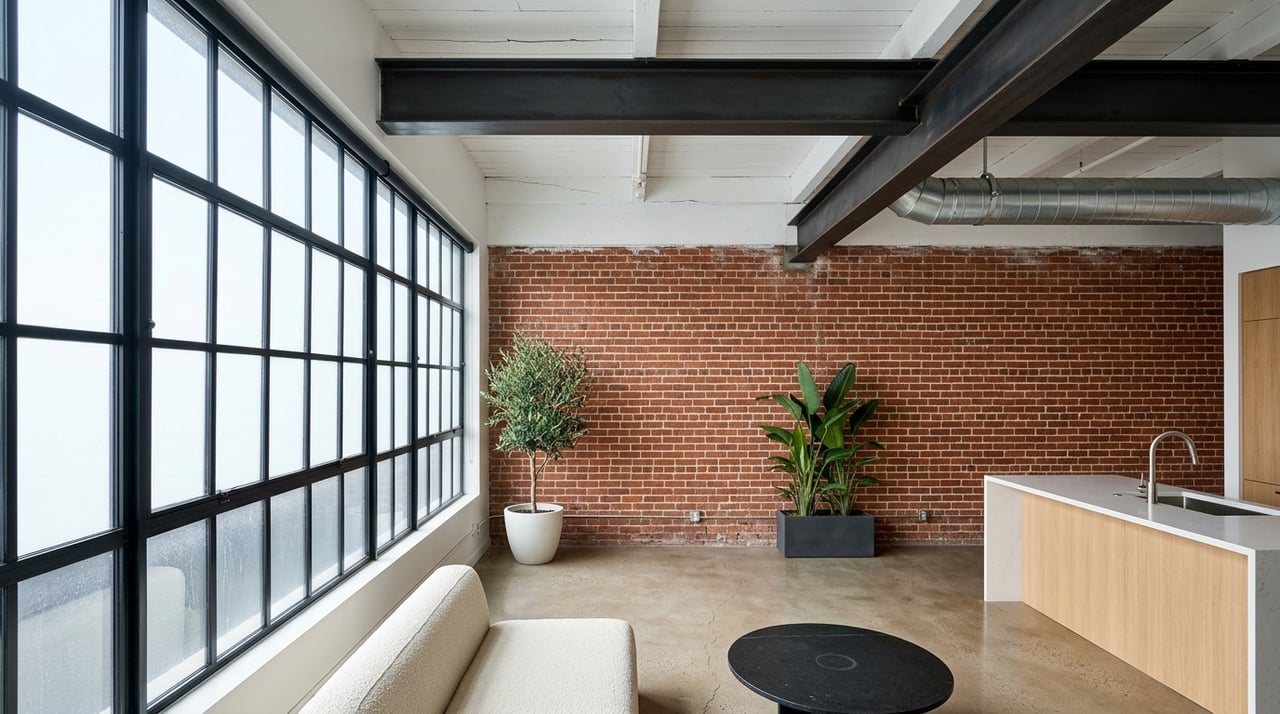
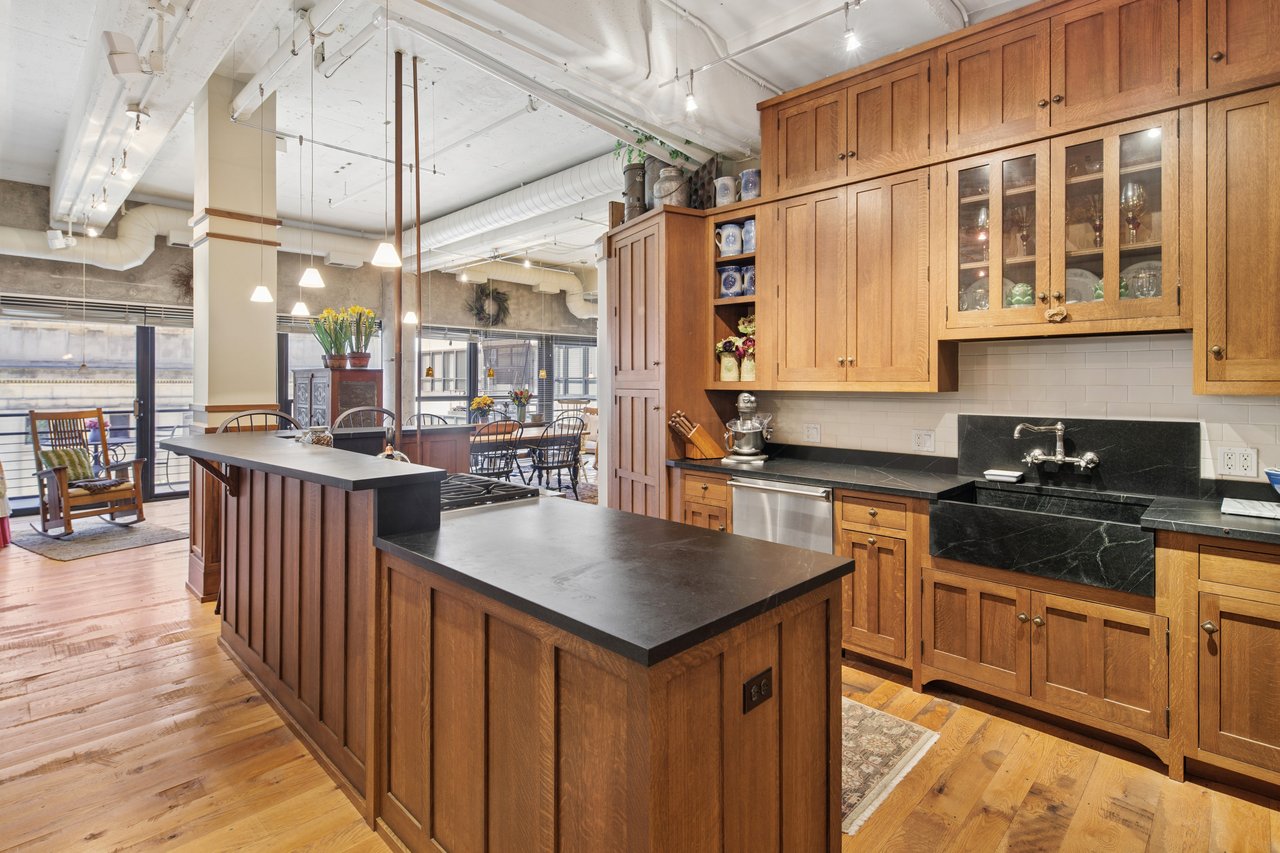
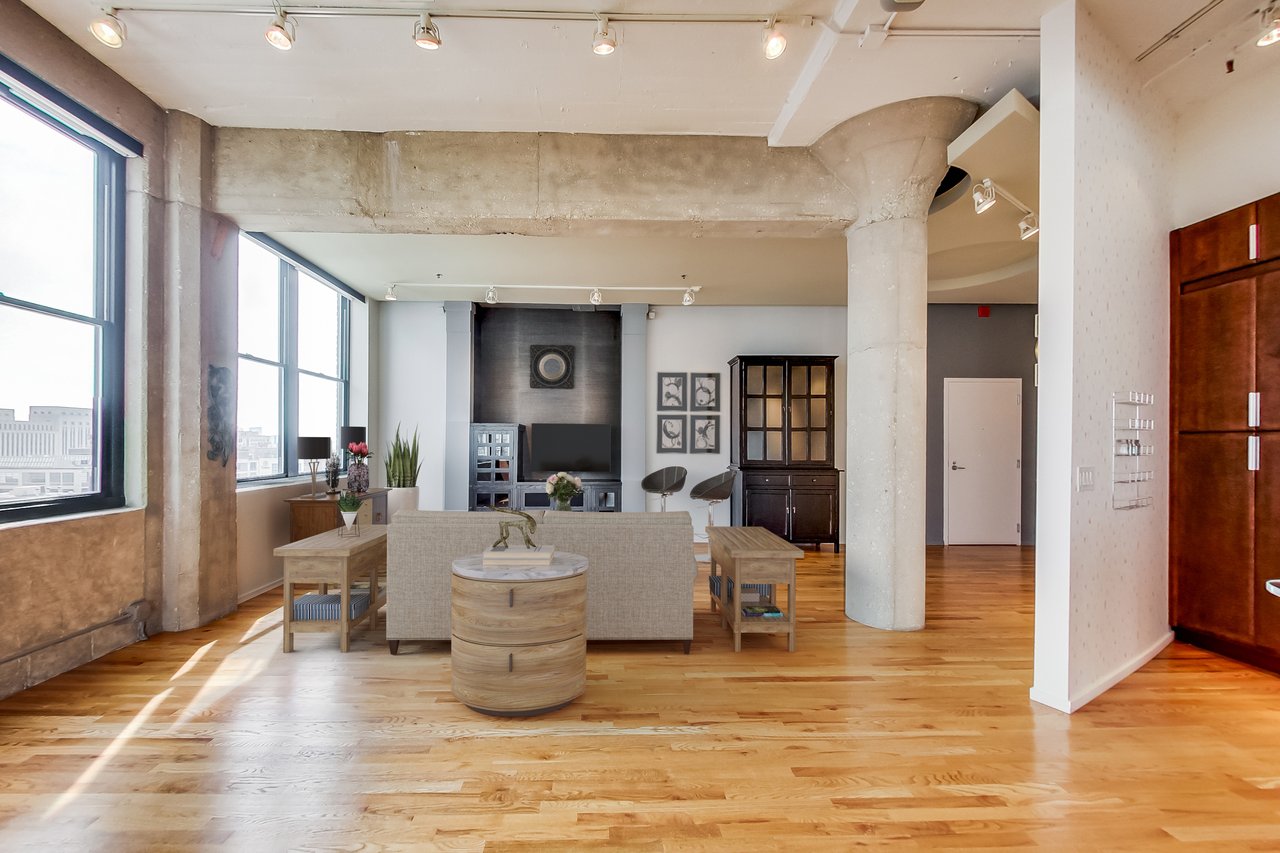
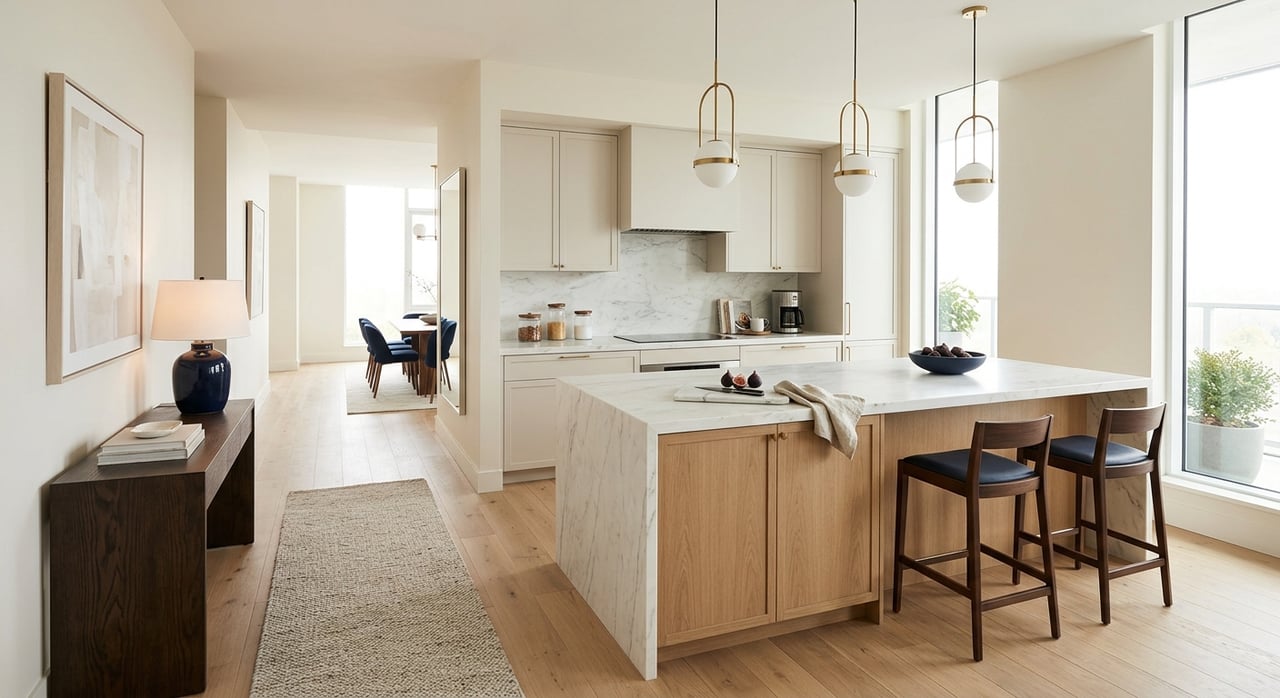
Move-in-ready condition. Updated kitchens and baths with cohesive finishes sell. Dated or half-renovated units invite price-chipping and hesitation.
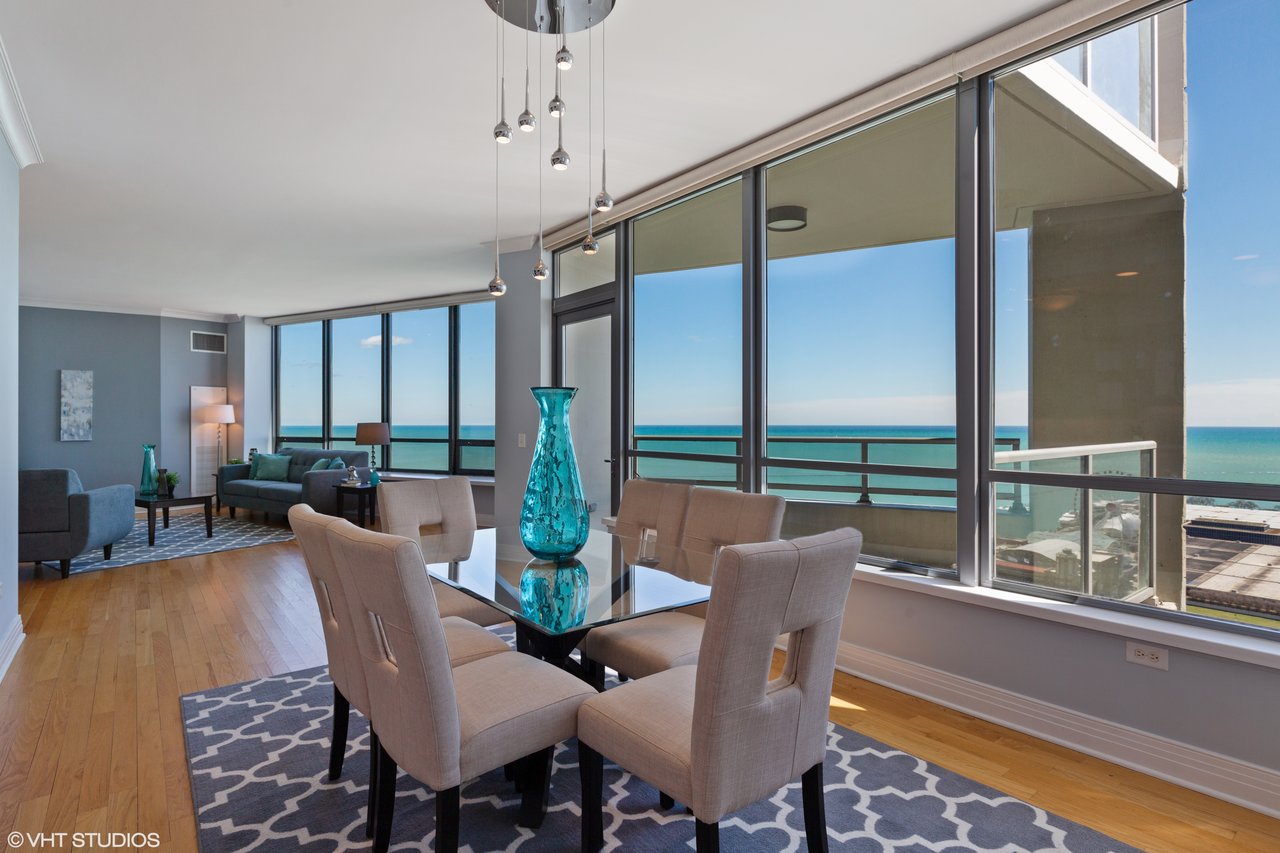
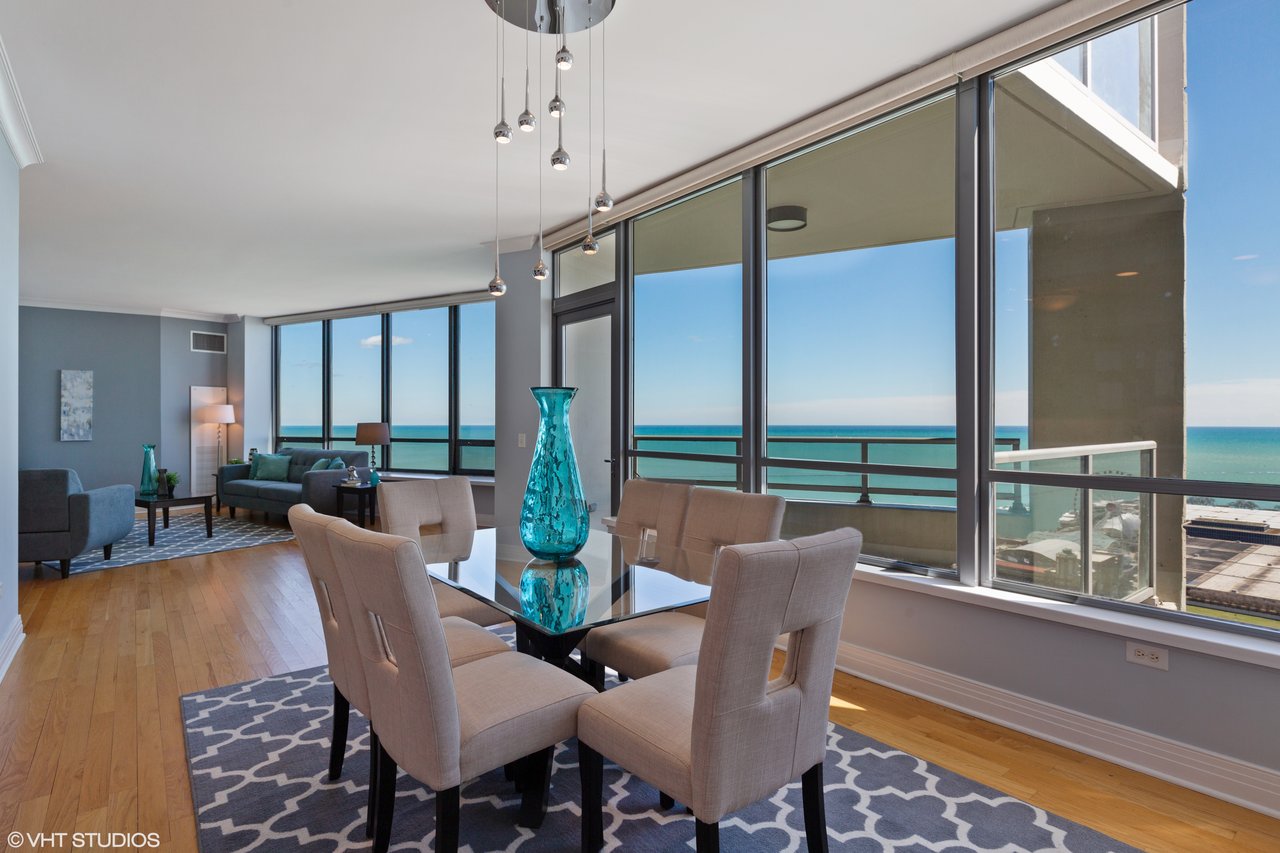
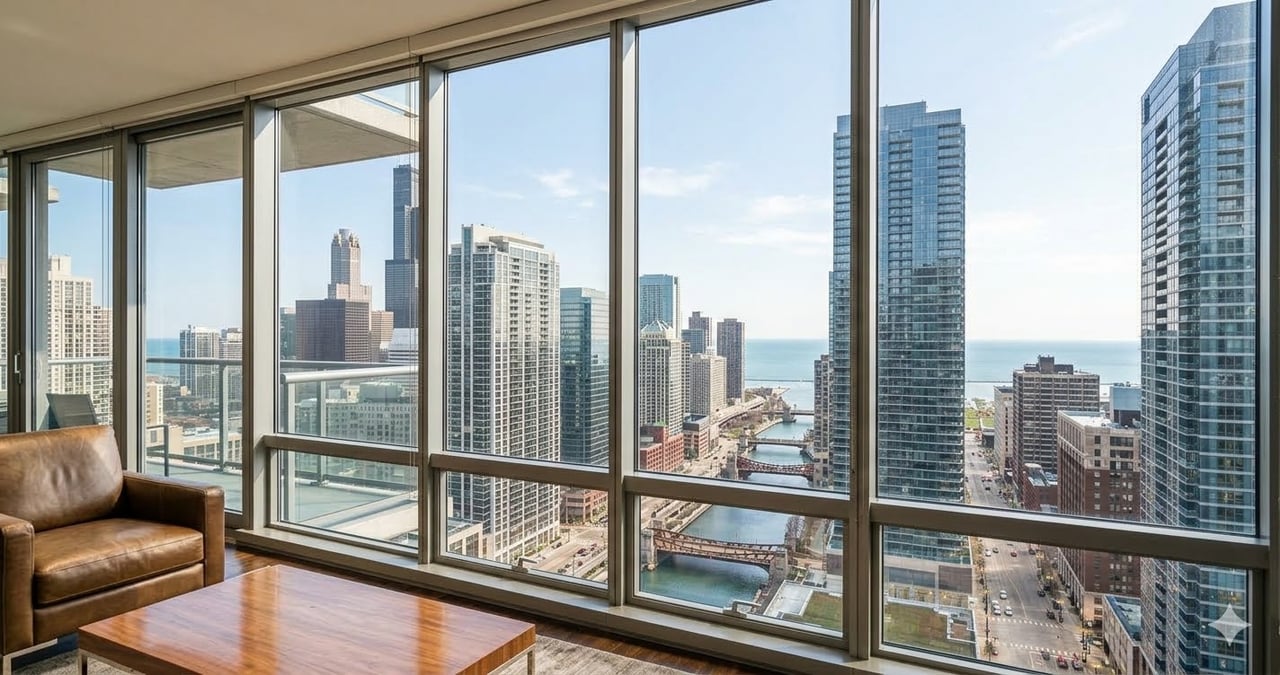
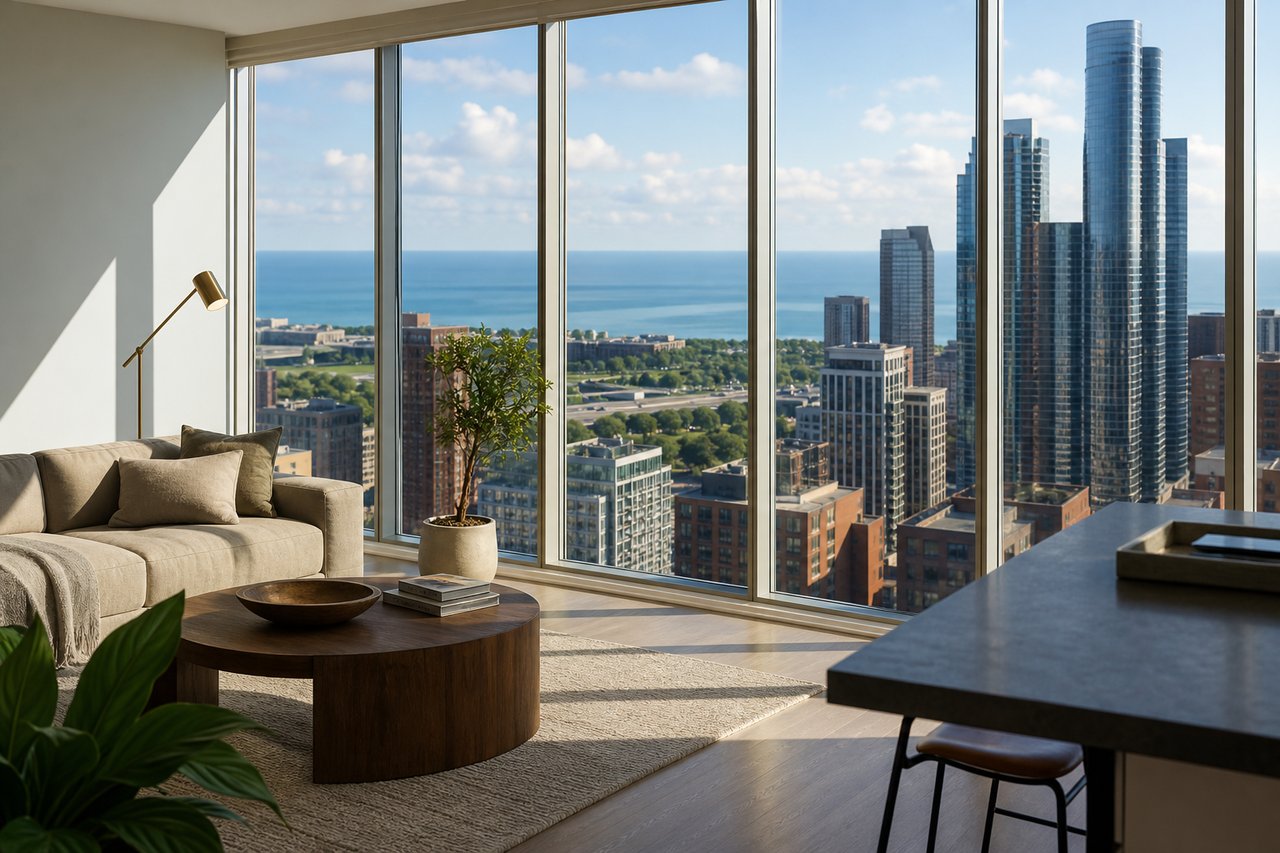
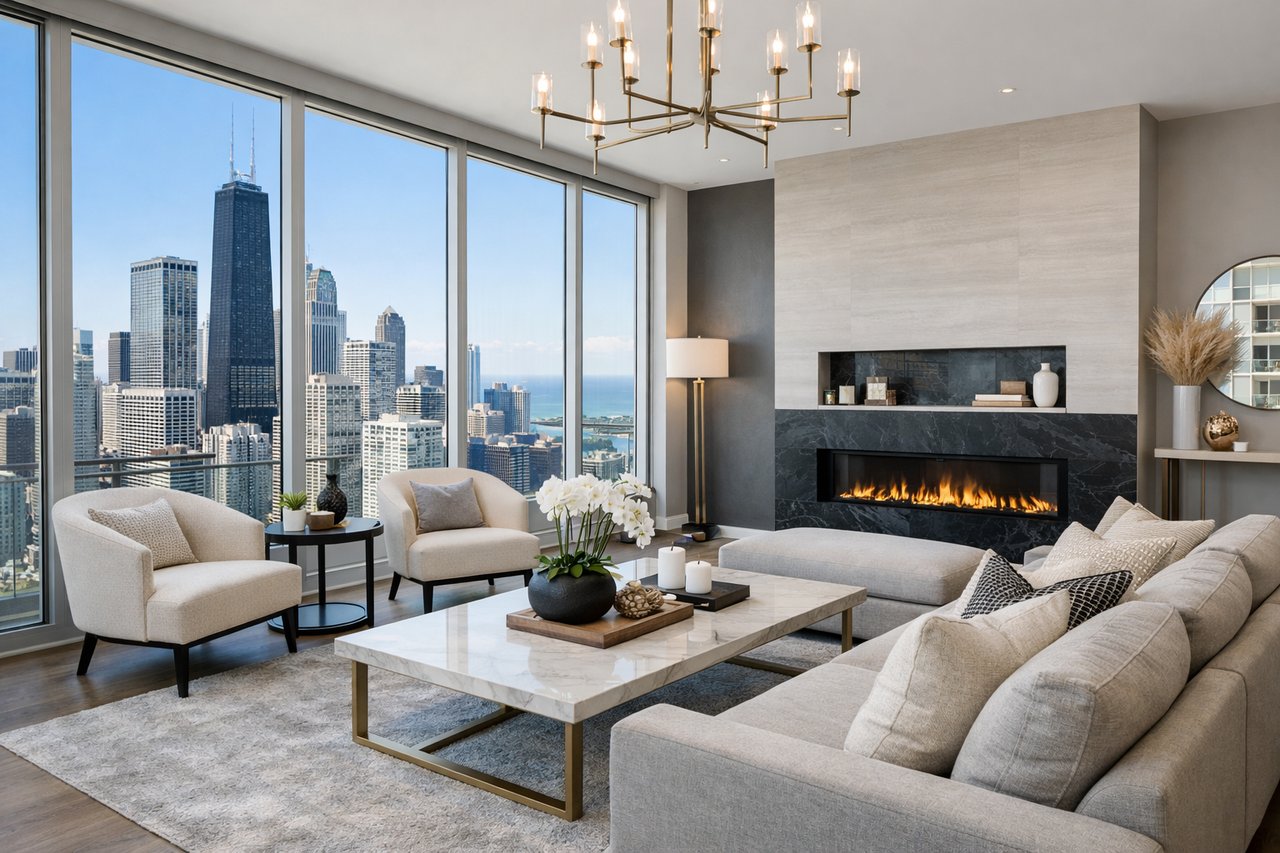
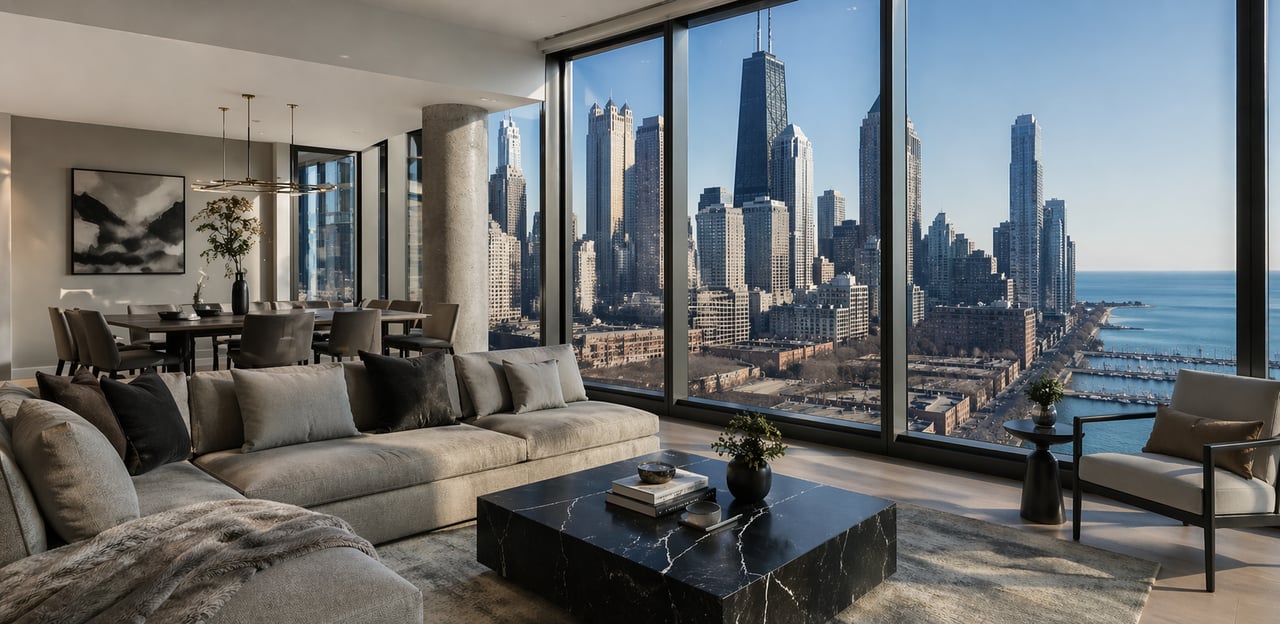
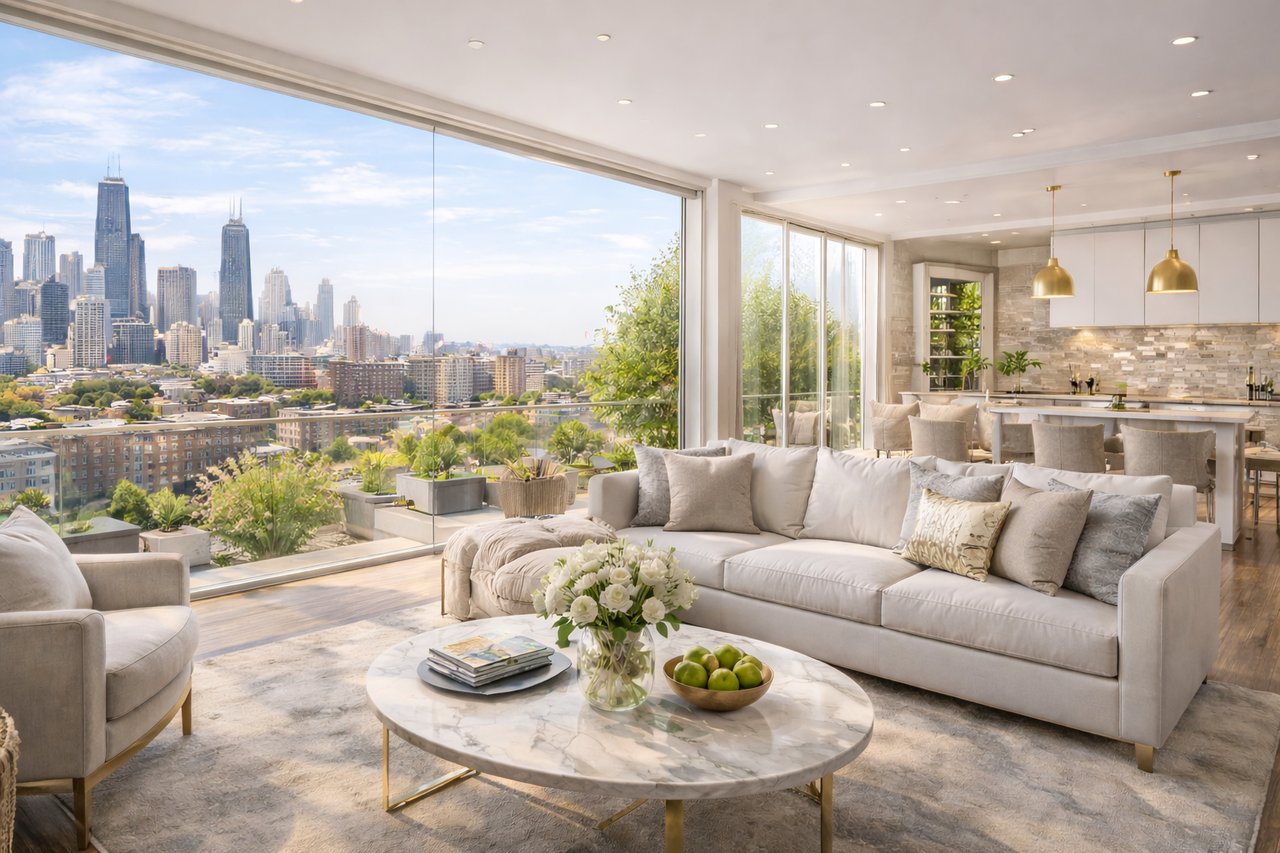
Floor and exposure. A high floor with a clear view is a different product than the same plan on the fifth floor facing a wall. Buyers treat them differently, and so does the market.
Why Do Some West Loop Condos Sit for 80 Days?
The slow sellers usually have a fixable problem. Often more than one.
The most common culprit is price. A unit listed on hope rather than comps will sit, collect feedback, and eventually reduce. By then it has lost the urgency of a fresh listing. Buyers notice days on market, and a stale listing invites lowball offers.
Condition is the second culprit. Buyers in the $500,000 to $1 million range want to picture themselves living there, not budgeting a renovation. A tired unit competes on price whether the seller wants to or not.
The third is segment. Higher price points naturally take longer. Condos between $700,000 and $1 million tend to sit longer than sub-$500,000 units because buyers at that level are more deliberate, and condition, views, and parking carry more weight. At the $1 million-plus level, marketing windows extend further still. That is normal, not a red flag, as long as the pricing is right.
How Do Inventory and Rates Shape the Split?
The backdrop matters too. Chicago condo inventory has been down roughly 26 percent year over year, and Downtown Chicago condo attached homes have been sitting near 1.5 months of supply, well under the 5 to 6 months that signals a balanced market. Tight supply is exactly why the best units move so fast.
Mortgage rates are part of the psychology. With 30-year fixed rates hovering near 6 percent in 2026, buyers are motivated but careful. They will move quickly on a unit that is priced right and pass on one that is not. Lower rates expand purchasing power, which intensifies demand for the well-positioned listings and does nothing for the overpriced ones.
What Does This Mean If You Are Selling?
Your job is to land on the fast side of the split. That starts before the listing goes live.
Price within 2 to 3 percent of realistic value based on what has actually sold in your building, not a generic Zestimate. Stage for lifestyle. Invest in professional photography. Lead with your outdoor space and parking if you have them. Hit the market clean, because the first two weeks are when buyer urgency is highest. A building-level pricing analysis will tell you far more than any citywide average about where your unit truly fits.
What Does This Mean If You Are Buying?
Use the split to your advantage. The fresh, well-priced listing in a strong building is not where you find a deal. That is where you compete, often within 48 hours. Your edge there is preparation: pre-approval in hand, criteria clear, and the readiness to act.
The 80-day listing is a different conversation. A unit that has been sitting gives you negotiating room, especially past the 45-day mark. Just understand why it is sitting before you write the offer. Sometimes it is overpricing you can negotiate. Sometimes it is a building or condition issue that follows you to resale.
Key Takeaways
- The West Loop is a two-speed market. The same neighborhood produces 10-day sales and 80-day sits at the same time.
- Pricing accuracy is the number one factor separating fast sales from slow ones.
- Building health, condition, floor, outdoor space, and parking all move the needle.
- Higher price points naturally take longer, which is normal as long as pricing is realistic.
- Sellers win by pricing right from day one. Buyers win by knowing why a listing is sitting before they offer.
Frequently Asked Questions
What is the average days on market for a West Loop condo? Recent Redfin data shows a median of about 82 days for active West Loop listings, but that number is skewed by overpriced units. Well-priced, move-in-ready condos in strong buildings often go under contract within a week.
Why is my West Loop condo not selling? The most common reasons are pricing above recent building comps, dated condition, or a higher price point that naturally takes longer. A building-specific pricing review usually identifies the fix quickly.
Do higher-priced West Loop condos take longer to sell? Yes. Condos between $700,000 and $1 million typically sit longer than sub-$500,000 units, and $1 million-plus listings longer still, because buyers at those levels are more deliberate.
Is it a good time to buy a West Loop condo in 2026? Inventory is tight and rates are near 6 percent. The best-priced units move fast, so preparation matters. Listings that have sat for 45-plus days can offer negotiating room.
How do I find out what my West Loop condo is worth? A building-level market analysis comparing recent sales in your exact building, layout, and condition is far more accurate than a generic online estimate.
Bottom Line
The West Loop does not have a speed problem. It has a positioning reality. The fast sellers and the slow sitters live on the same blocks, sometimes in the same building, and the difference almost always traces back to pricing, condition, and building strength. If you understand which side of the split your unit belongs on, you can plan around it instead of getting surprised by it.
Thinking about selling and want to know which side of the market your unit lands on?
A building-level pricing review tells you far more than any online estimate. Call or text Christine Hancock at 312-296-9300 for a custom West Loop valuation tailored to your exact building, layout, and condition.
ABOUT THE AUTHOR
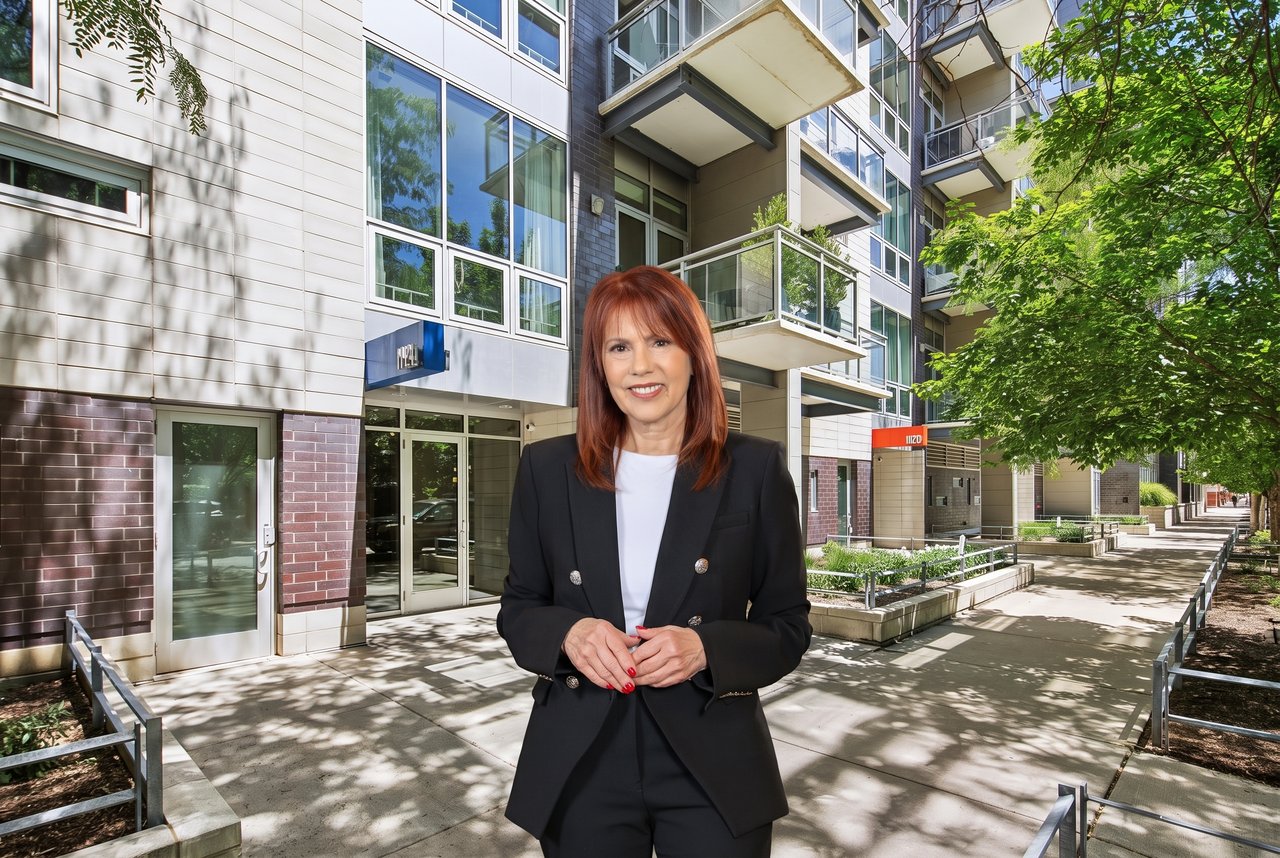
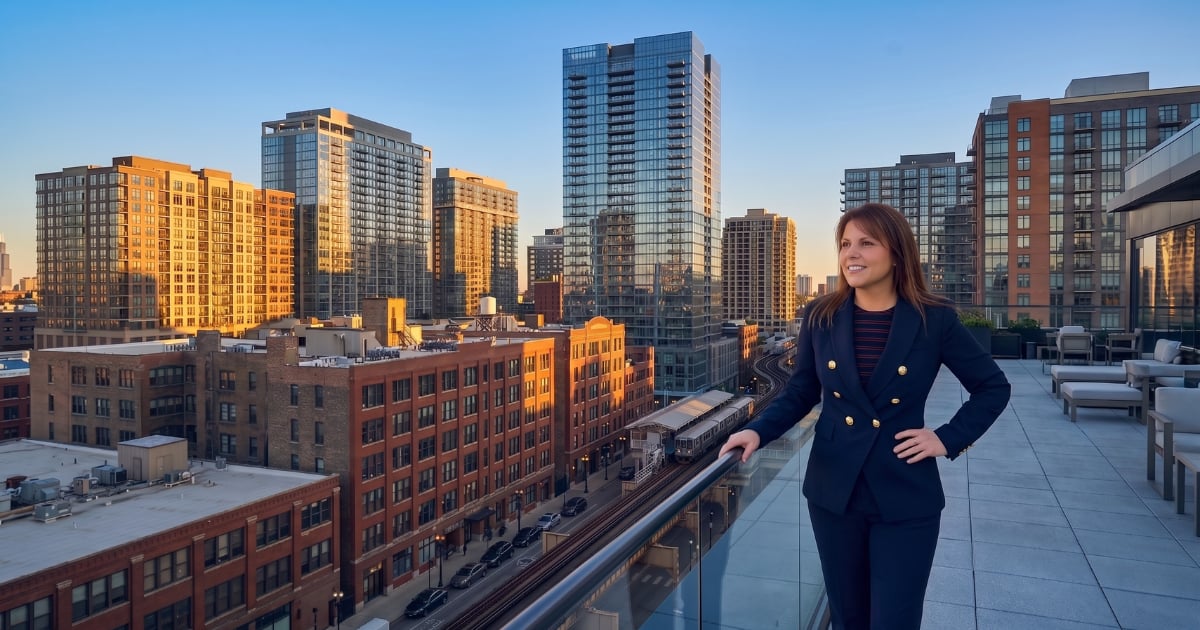
Christine Hancock is a Chicago Realtor with @properties Christie's International Real Estate, bringing more than 25 years of experience and over $200 million in closed sales in the downtown condo market. With 97 five-star Zillow reviews, Christine is recognized for her commitment to client satisfaction and market expertise.
She specializes in high-rise and luxury condominium sales in West Loop, South Loop, River North, and Streeterville, helping buyers and sellers navigate complex transactions with data-driven pricing strategies and deep neighborhood insight.
Christine partners with clients to evaluate market trends, position properties competitively, and make confident, informed decisions in Chicago's vibrant downtown housing market.