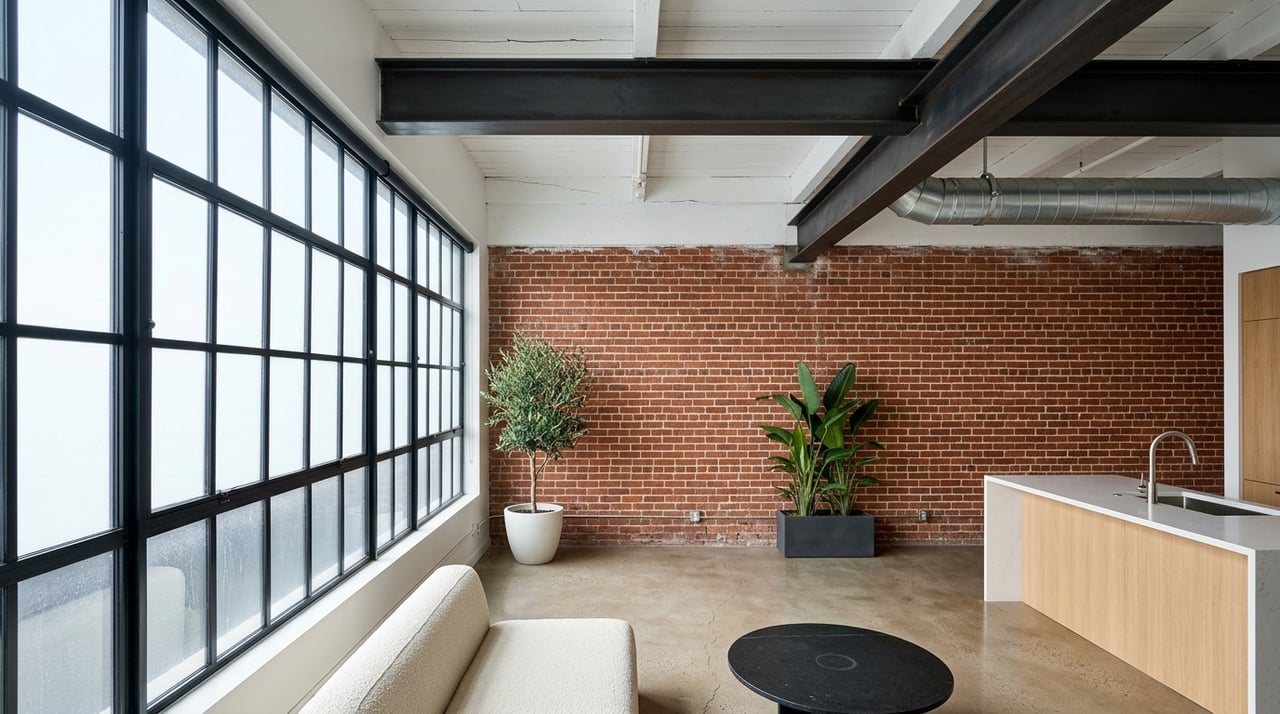
If your West Loop loft does not look like anything else on the market, pricing it can feel tricky fast. You want to capture the value of exposed brick, soaring ceilings, oversized windows, or a rare layout without drifting into a price that causes buyers to pause. The good news is that today’s West Loop market still rewards strong positioning, and with the right pricing strategy, you can stand out for the right reasons. Let’s dive in.
West Loop loft pricing is not one-size-fits-all
West Loop remains competitive, but it is not a market where every listing performs the same way. Realtor.com’s April 2026 snapshot shows 185 homes for sale, a median listing price of $487,450, a median sold price of $460,000, median days on market of 25, and a 101% sale-to-list ratio. Redfin’s recent rolling snapshot also points to a firm market, with a $499,000 median sale price, 44 days on market, and homes selling about 2.3% over list.
Those numbers tell an important story for sellers. Buyers are still active, and well-positioned homes are clearing close to asking. But a loft that is priced too aggressively can still sit, even in a seller-leaning market.
Why unique West Loop lofts need a different approach
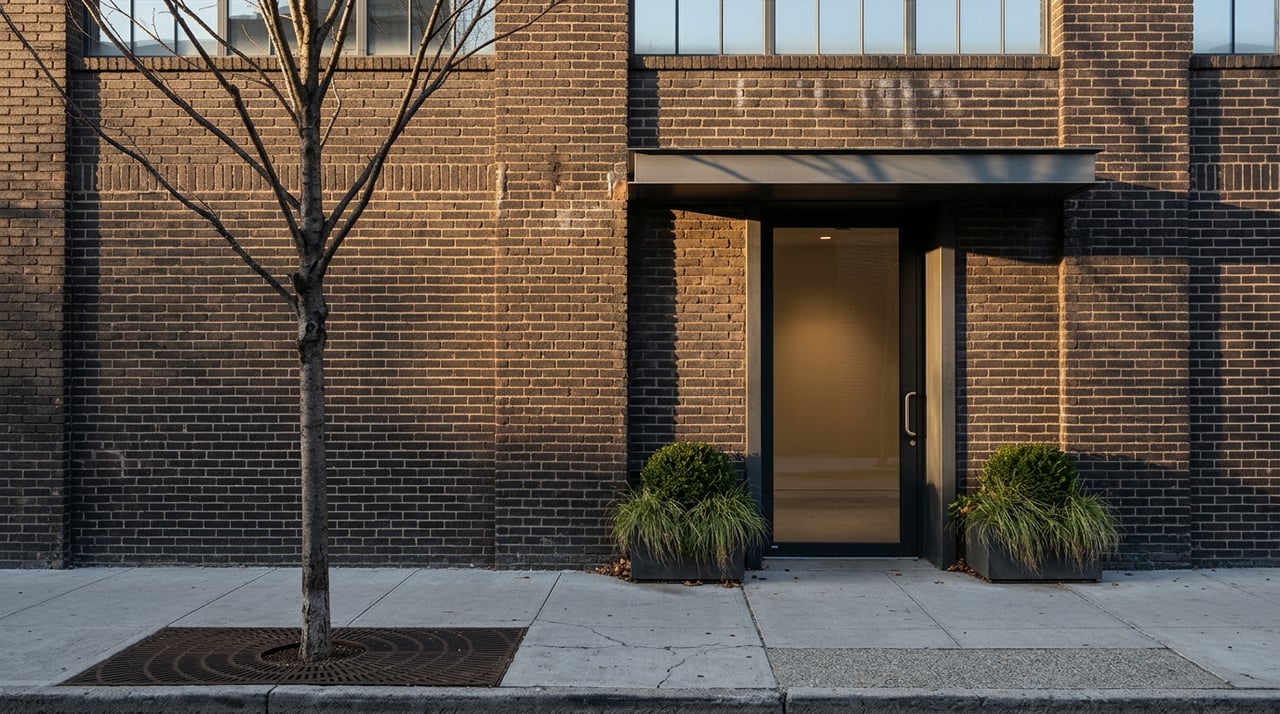
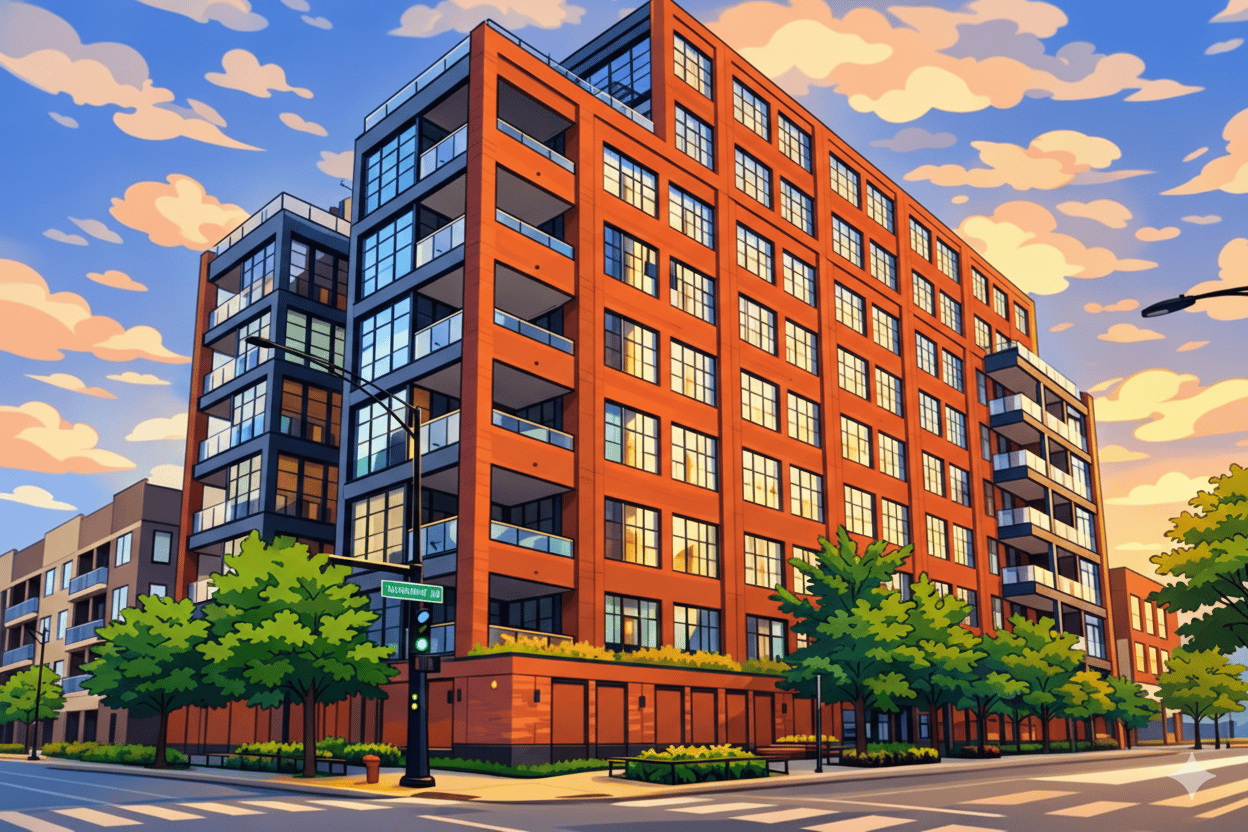
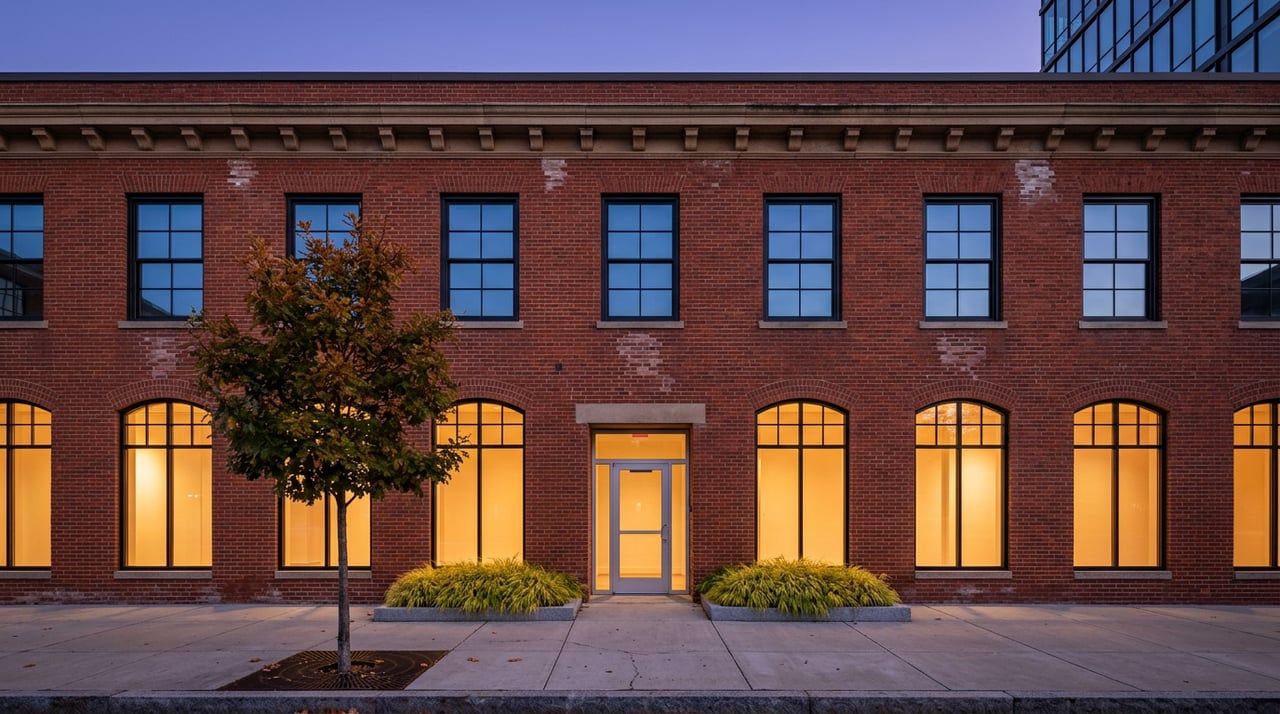
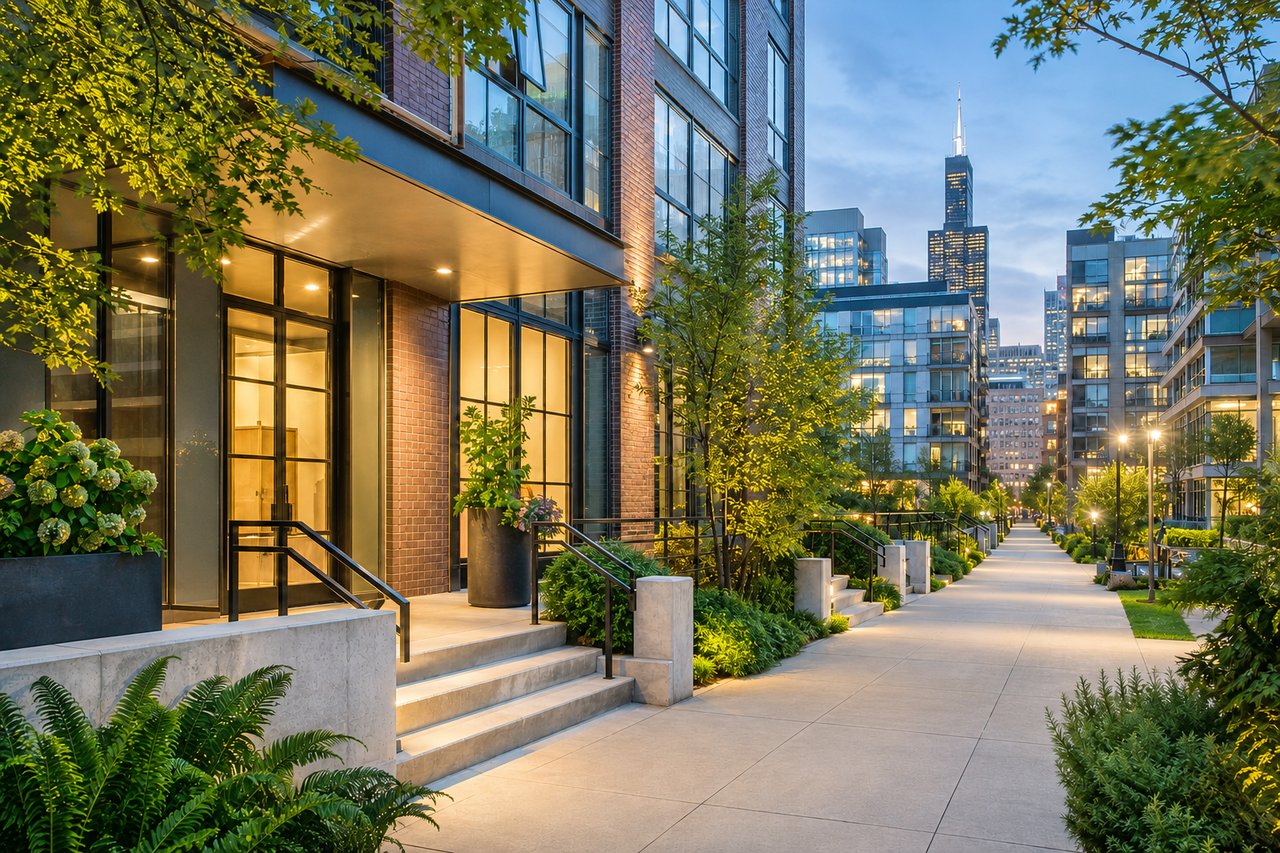
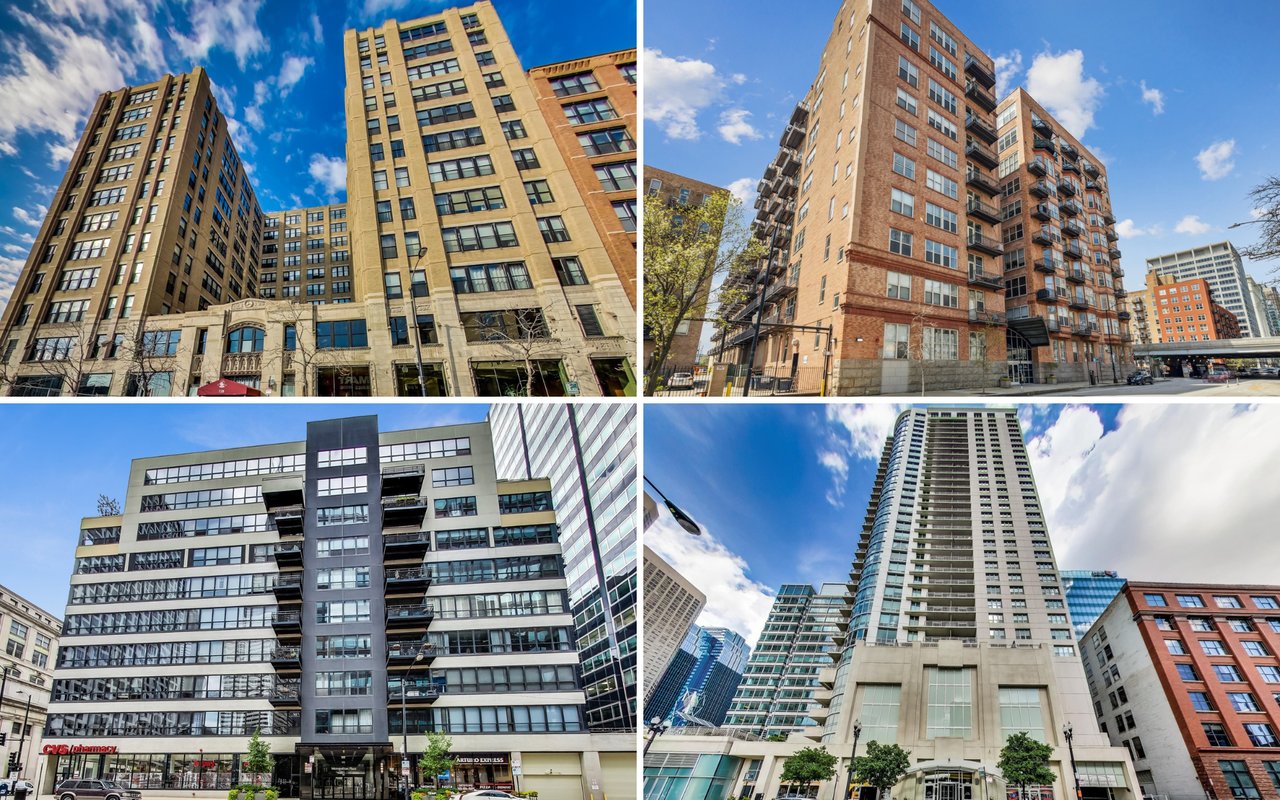
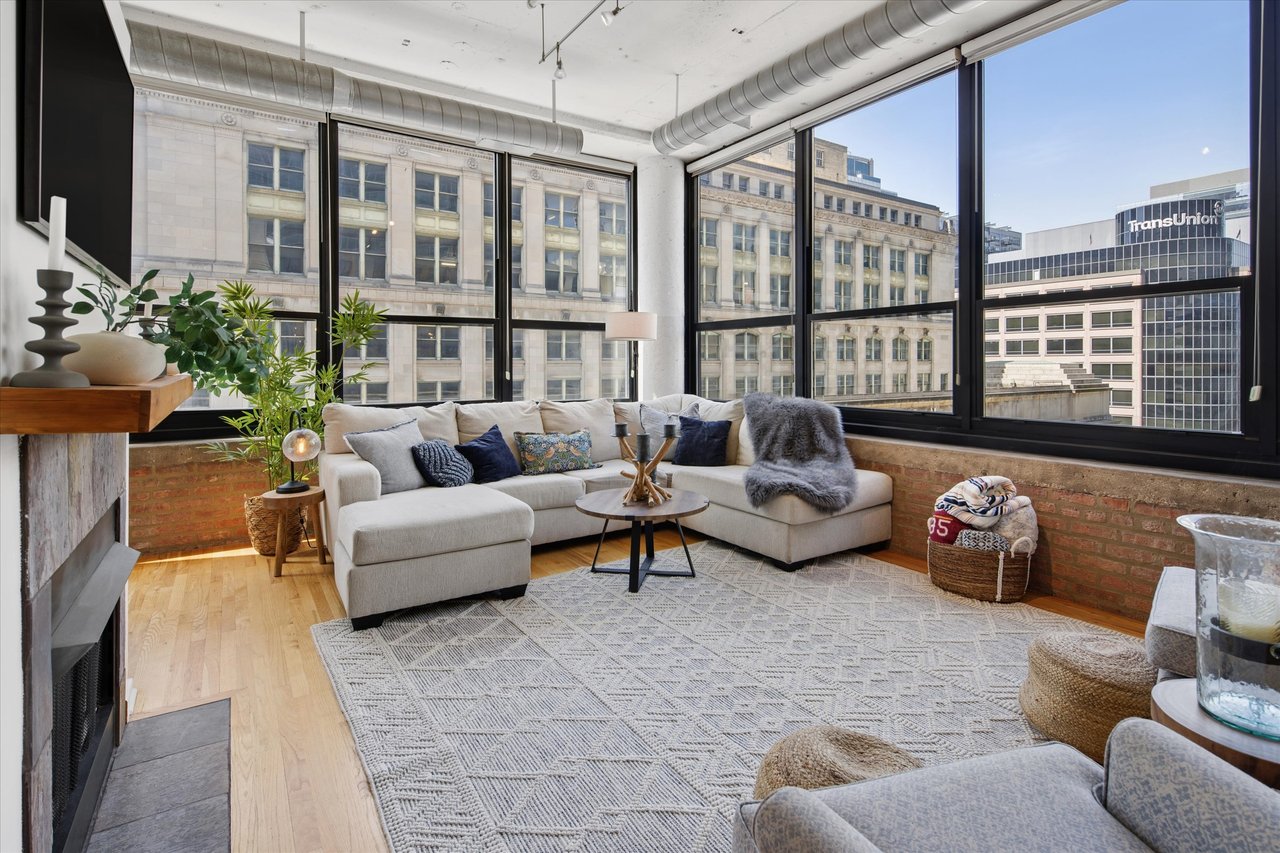
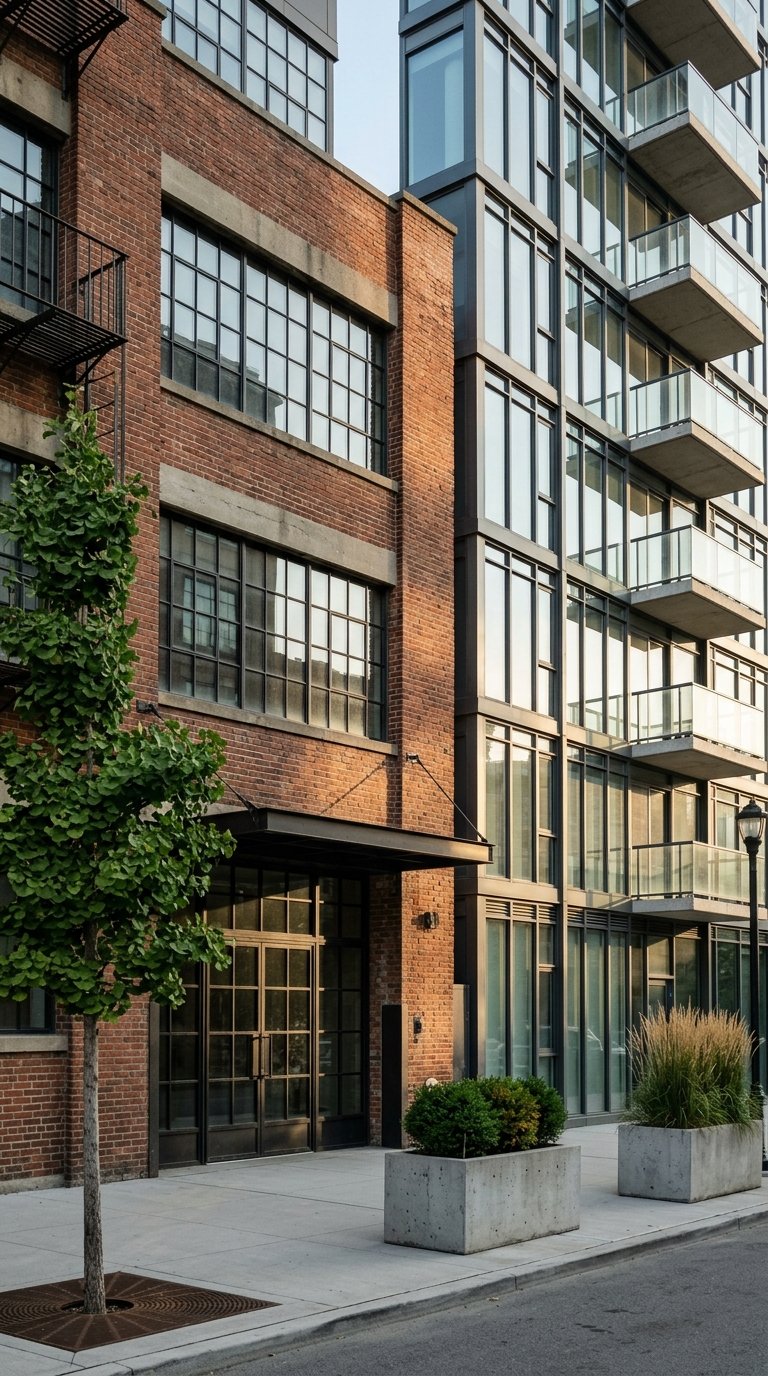
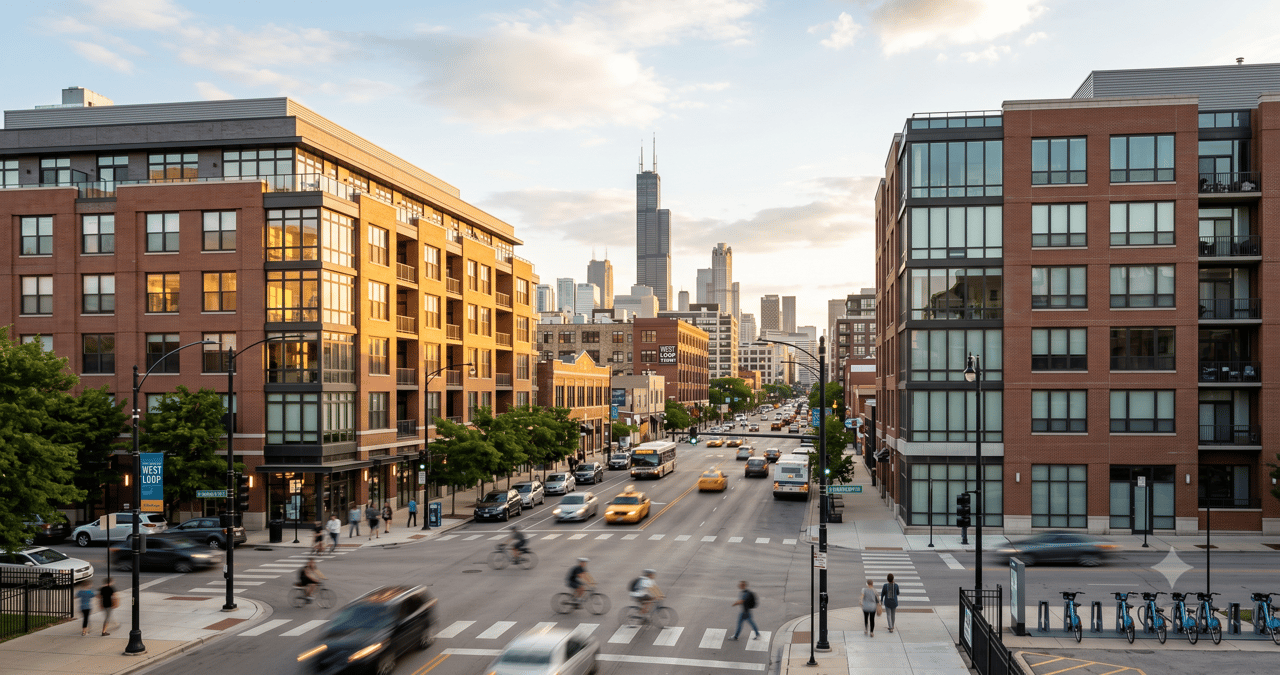
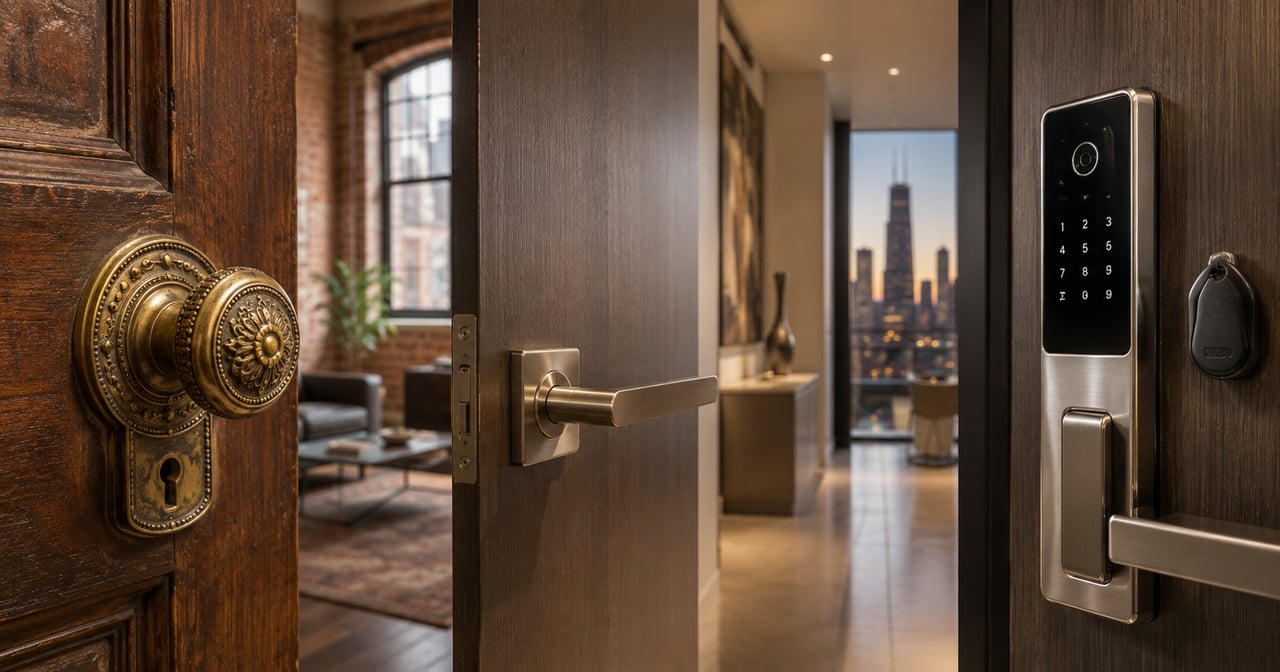
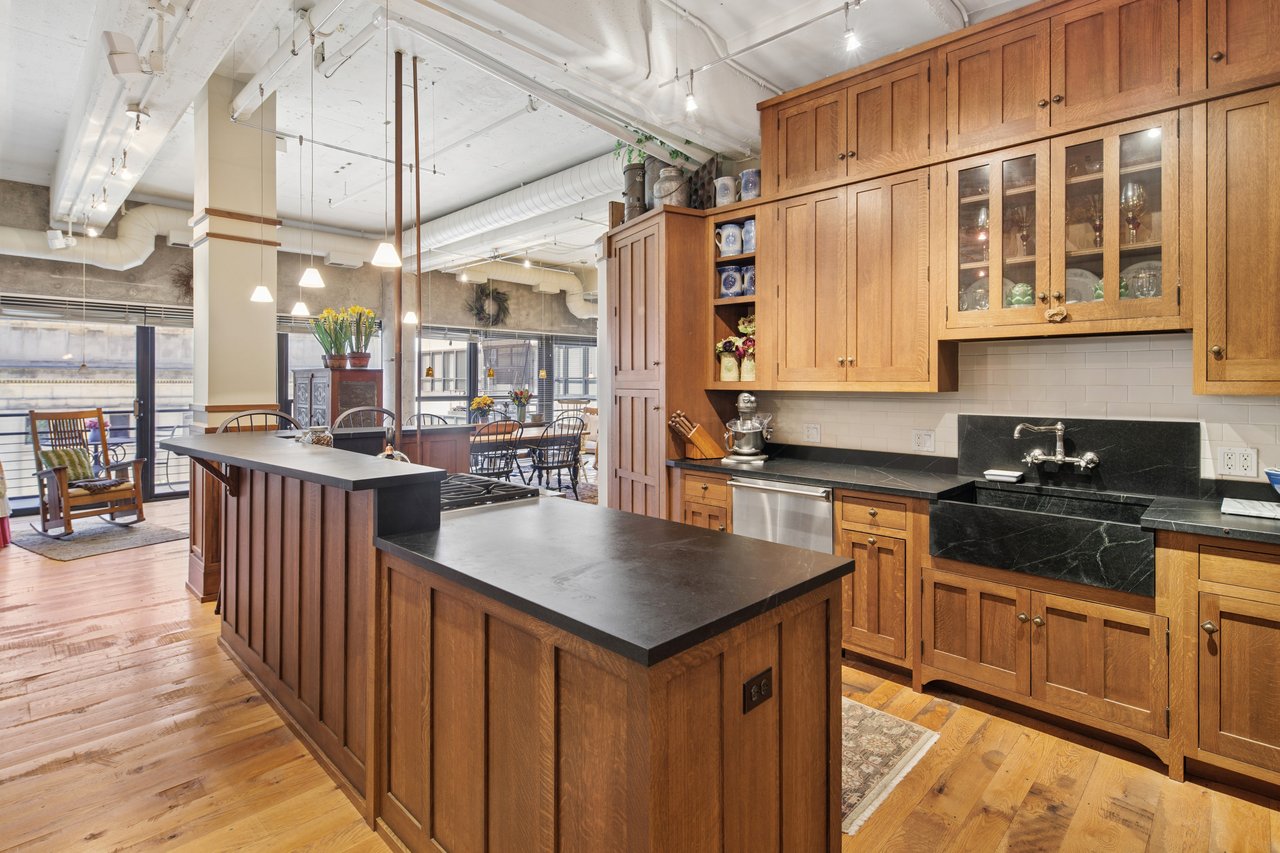
West Loop is not made up of one housing type. The neighborhood includes older industrial conversions, warehouse-style lofts, and newer condo buildings, which means buyers often compare very different kinds of homes during the same search.
That matters when you price a one-of-a-kind loft. A neighborhood-wide median can give helpful context, but it does not capture the difference between a soft loft in a newer building and a true loft in an older conversion with distinct finishes, layout quirks, or limited amenities.
In many cases, the best pricing clues come from inside your building first. If there are not enough recent sales there, the next step is to look at similar building types and nearby micro-locations very carefully.
Start with building-level comparable sales
For a unique loft, the strongest valuation baseline usually comes from recent closed sales in the same building. Those sales help account for things buyers in your building already understand, such as monthly dues, common area condition, parking setup, and general finish level.
If your building has limited recent sales, you can widen the search to nearby loft buildings with a similar feel. The key is to stay disciplined. Active listings are competition, but they are not proof of value.
What to ask for in a comp review
When reviewing pricing with your agent, focus on comparable data that reflects how buyers actually shop in West Loop today:
- Closed sales in your building, if available
- Closed sales in similar nearby loft buildings
- Current active listings you will compete against
- Days on market for similar units
- Sale-to-list ratios for relevant comps
- Clear adjustments for condition, layout, parking, and light
That last point is especially important. In lofts, two units with similar square footage can perform very differently.
Price per square foot is only the starting point
Many sellers look at price per square foot first, and that makes sense. It is simple, familiar, and easy to compare. But for a one-of-a-kind West Loop loft, it should be treated as a starting point, not the final answer.
Redfin’s resale-value guidance highlights factors that often move value, including layout, natural light, kitchen and bath condition, parking, storage, and overall usability. In a loft, those details can matter just as much as raw size.
Features that can shift loft value
A pricing strategy should account for the features buyers notice immediately, including:
- Layout efficiency
- True bedroom count
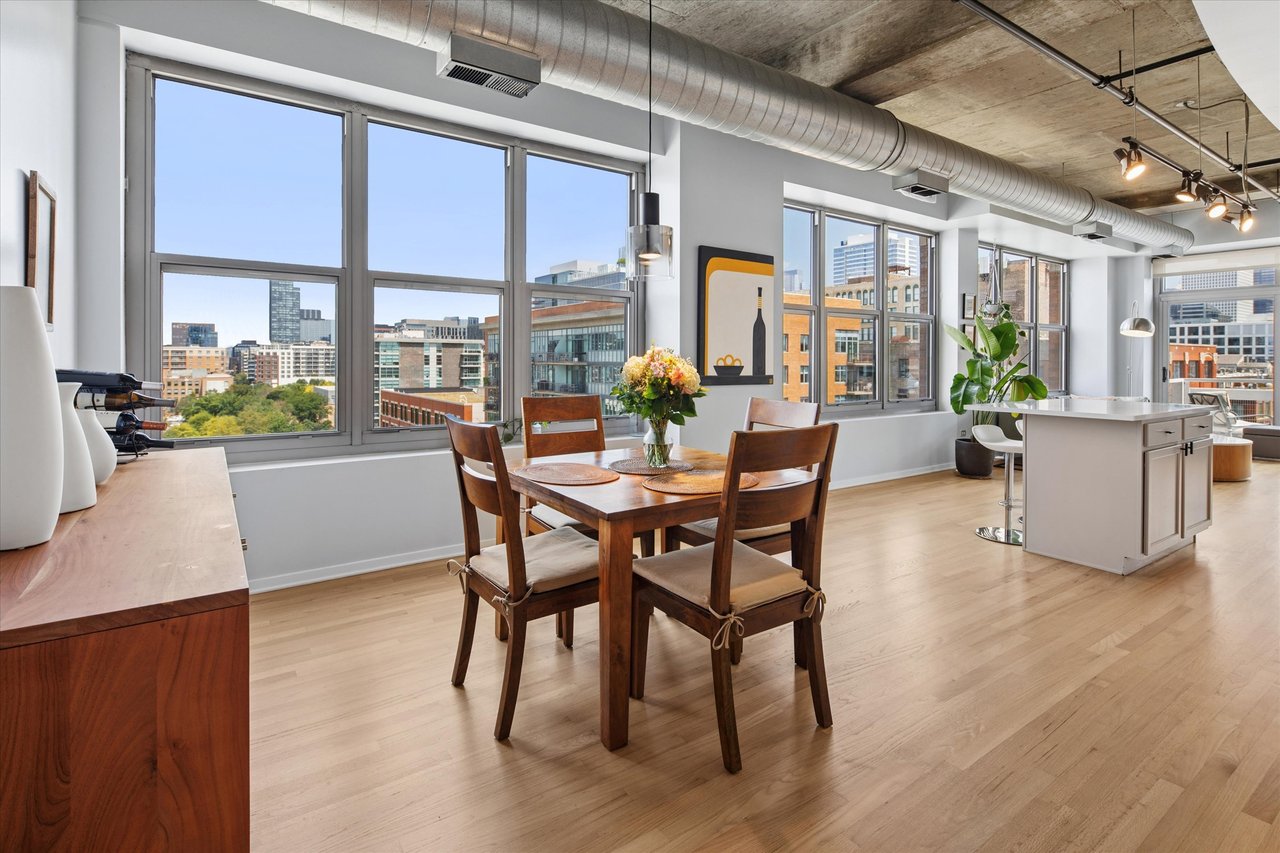
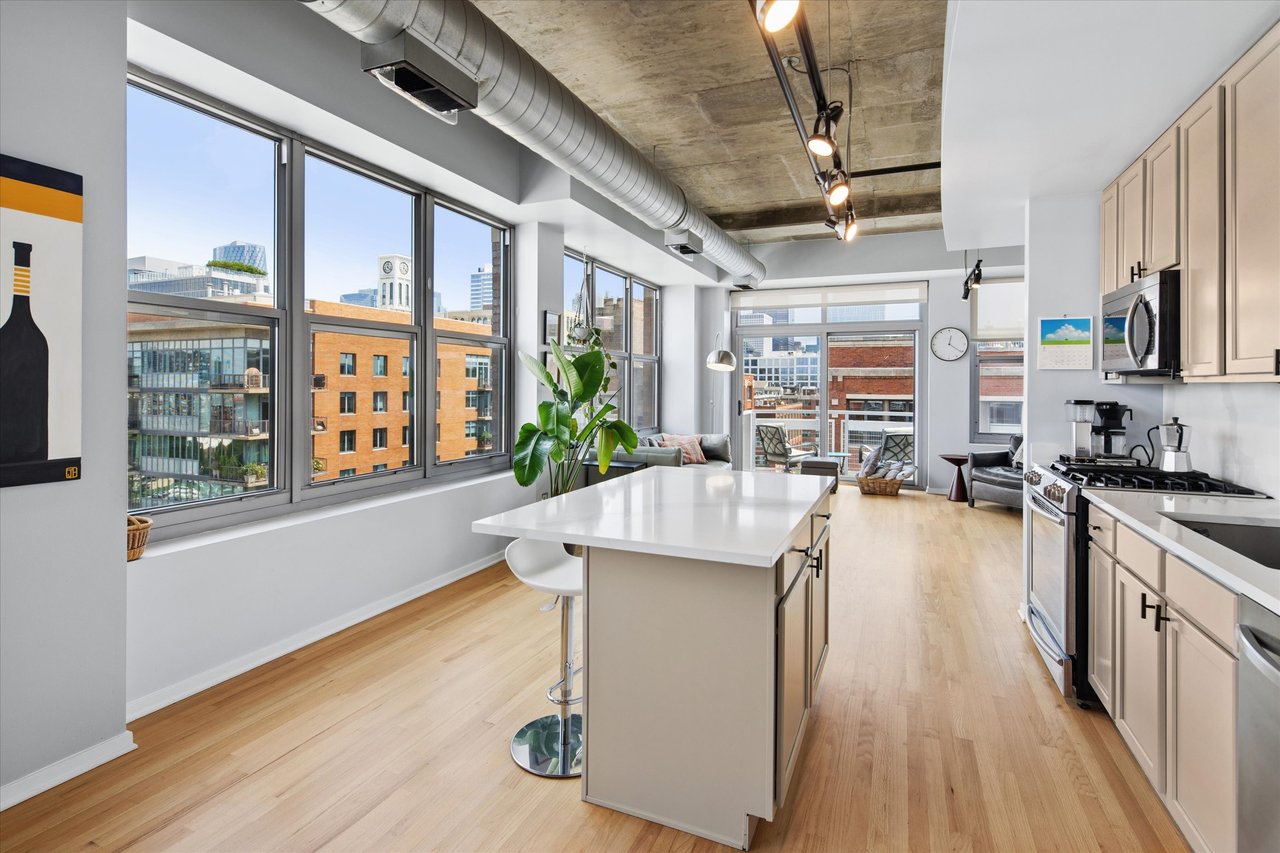
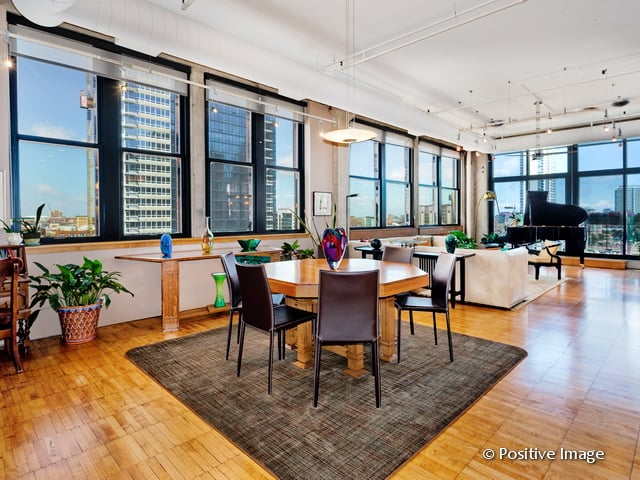
- Ceiling height and overall volume
- Window size and natural light
- Exposure and view
- Floor level
- Kitchen and bath updates
- Dedicated parking
- Storage space
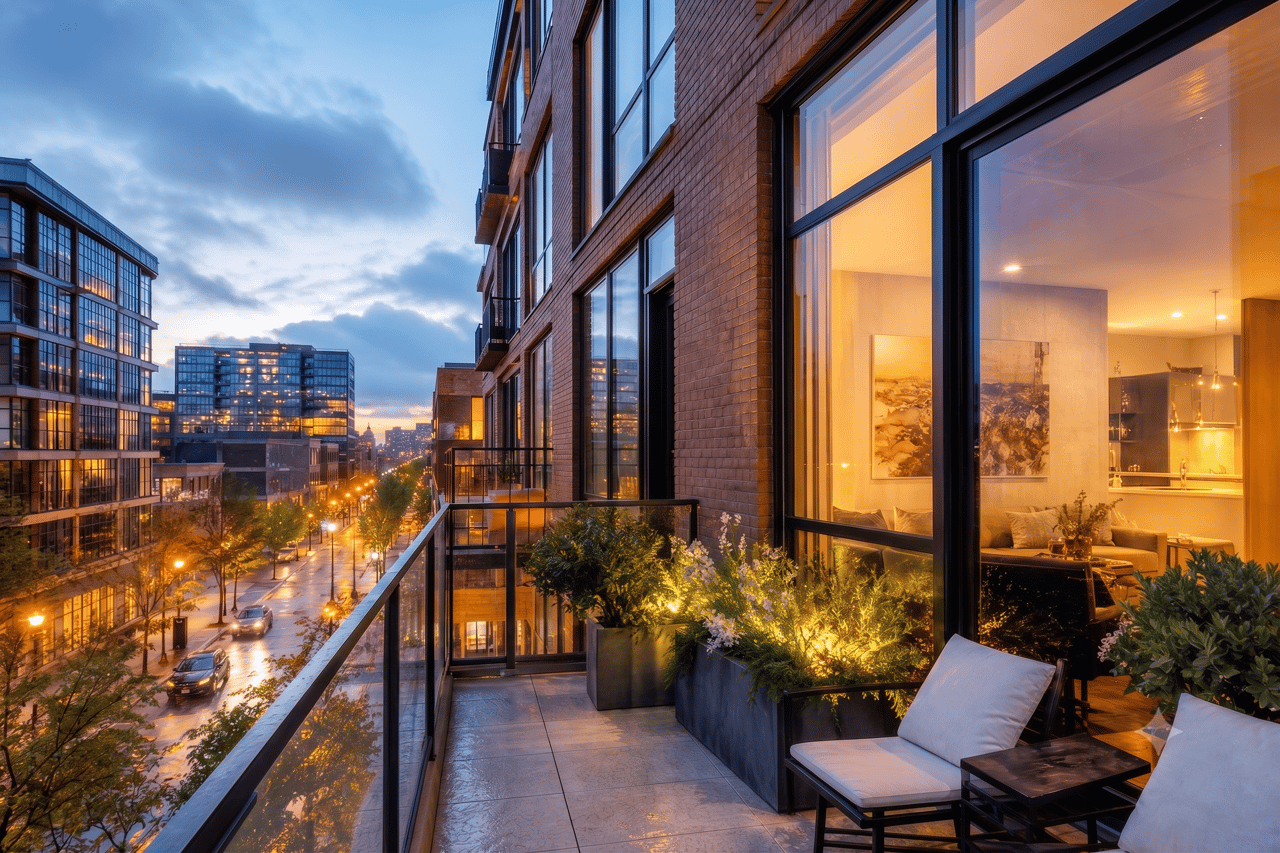
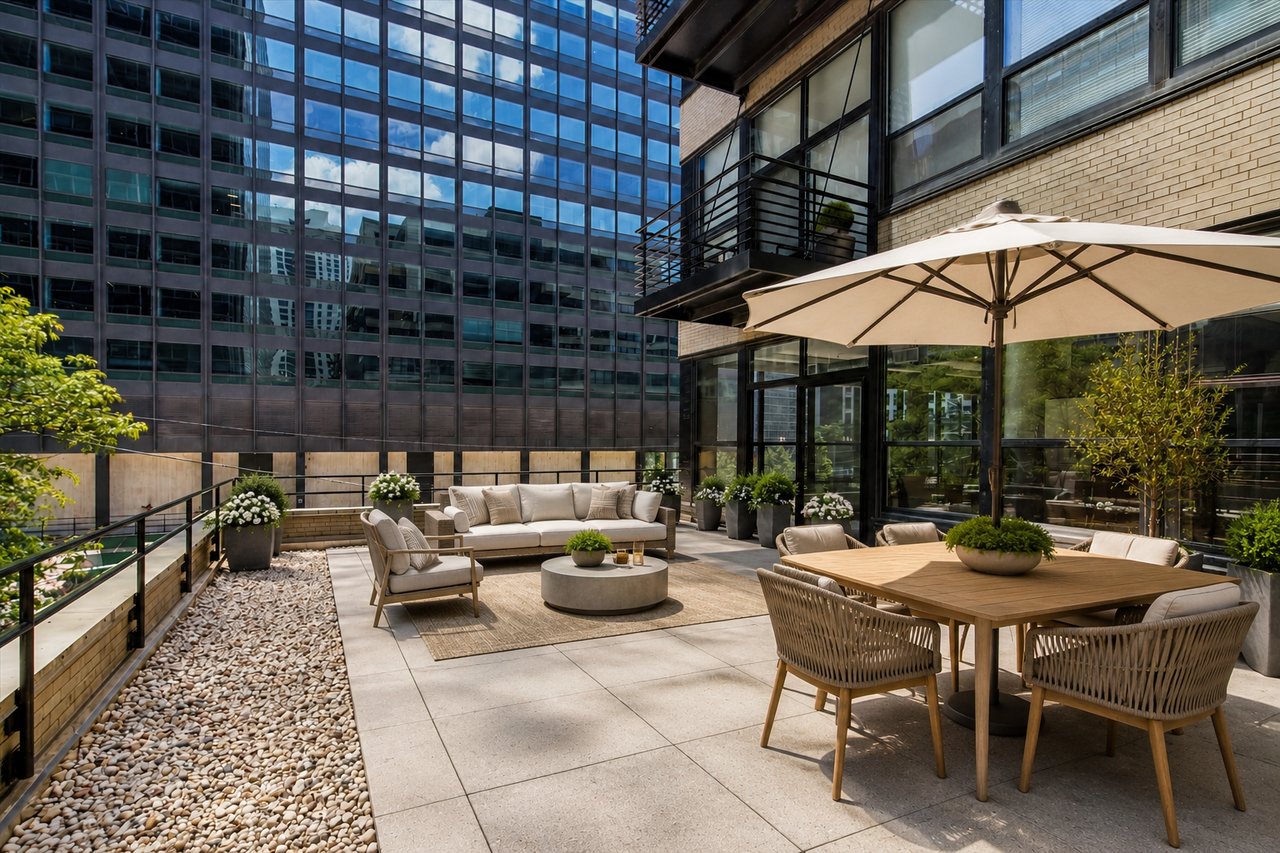
- Private outdoor space
- Overall move-in condition
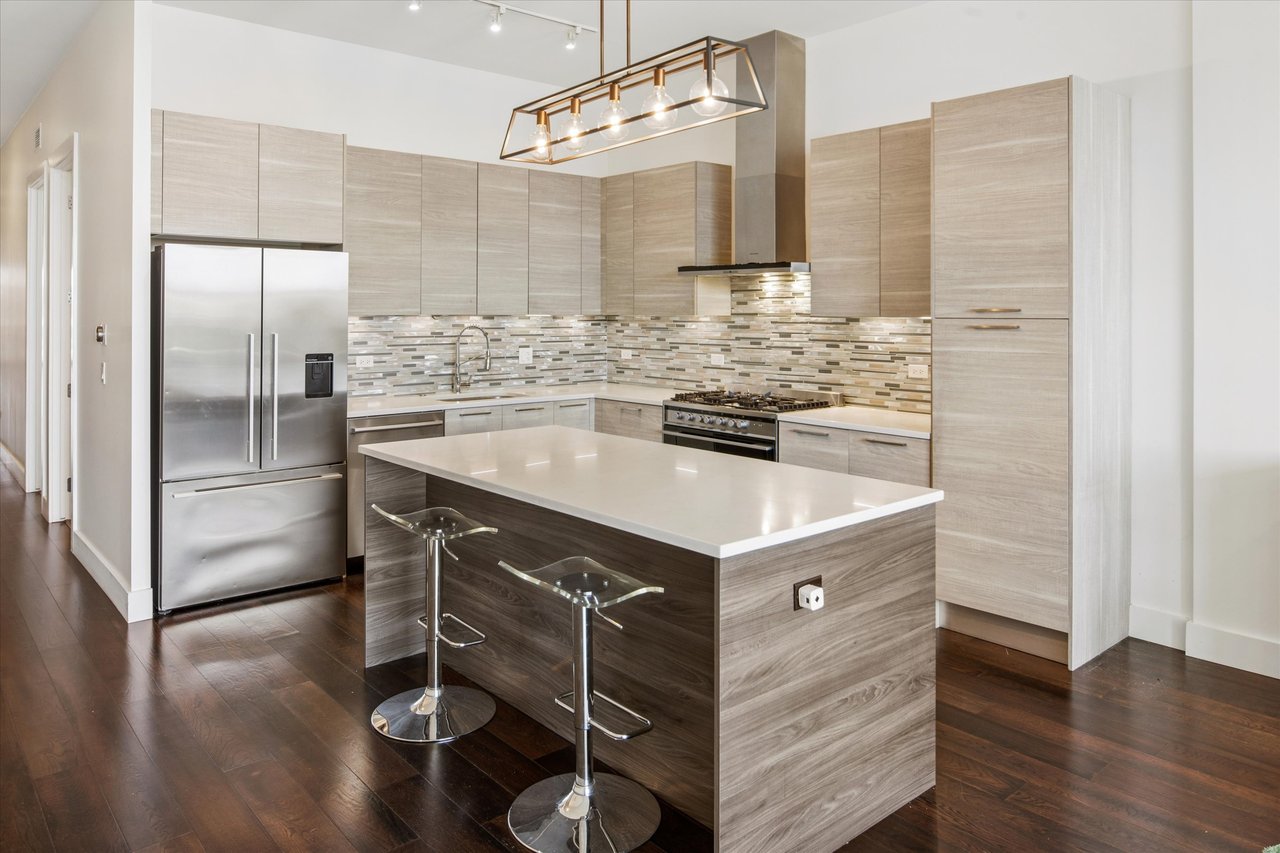
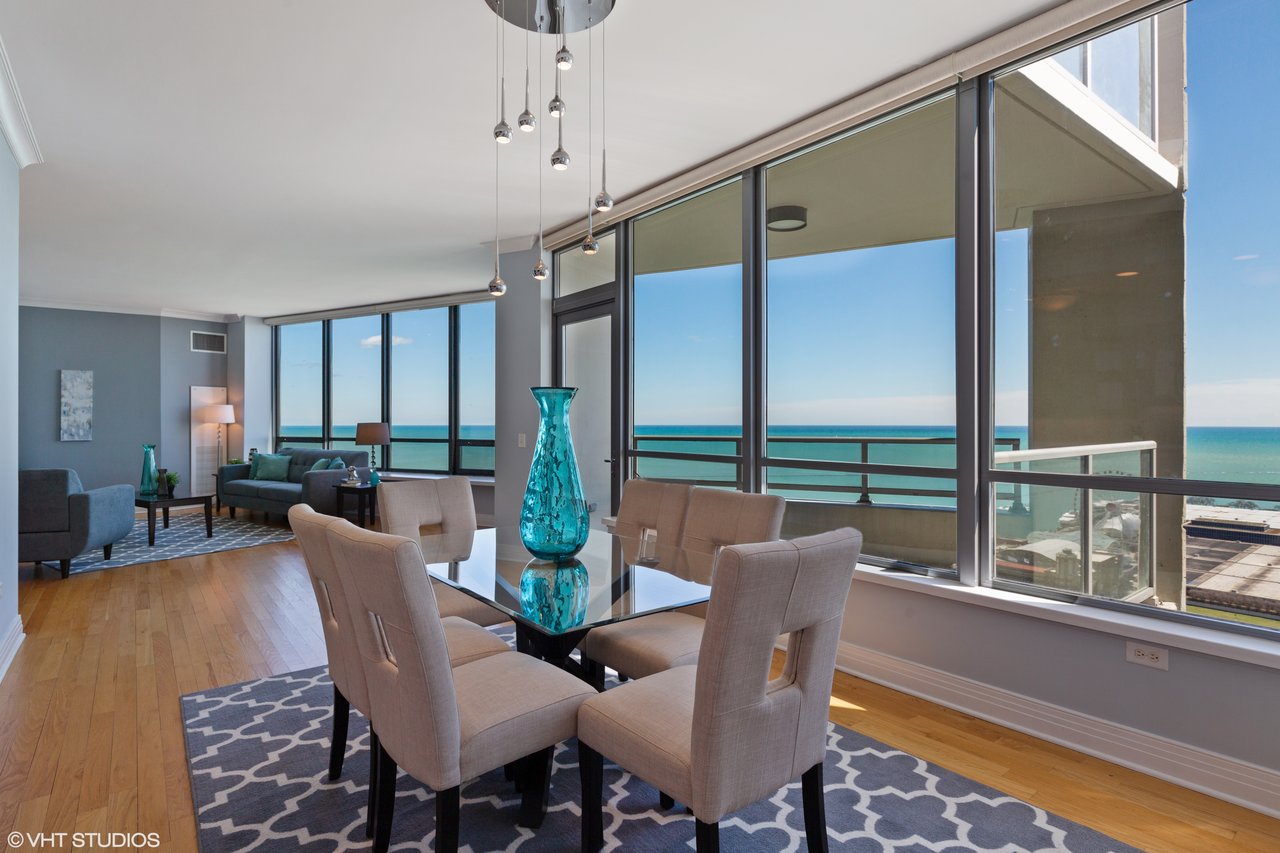
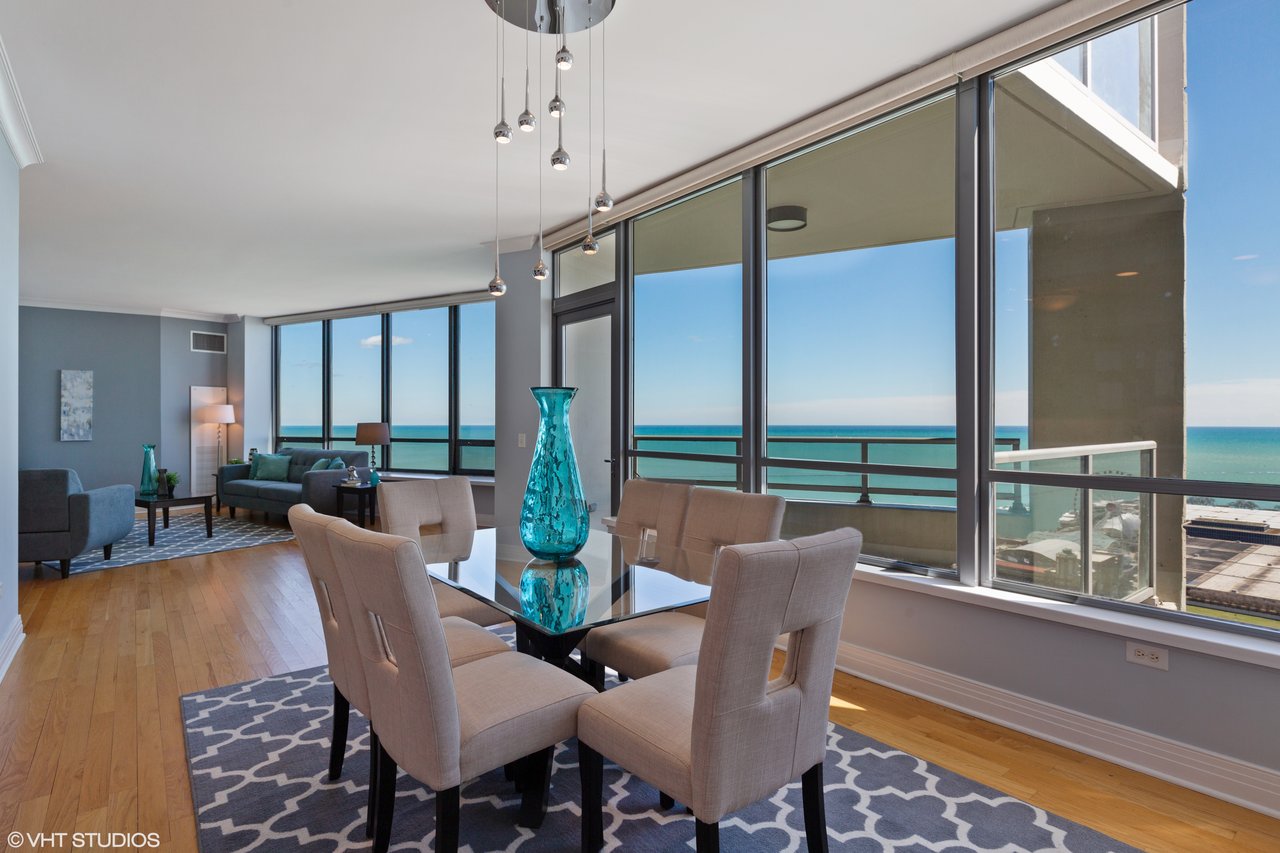
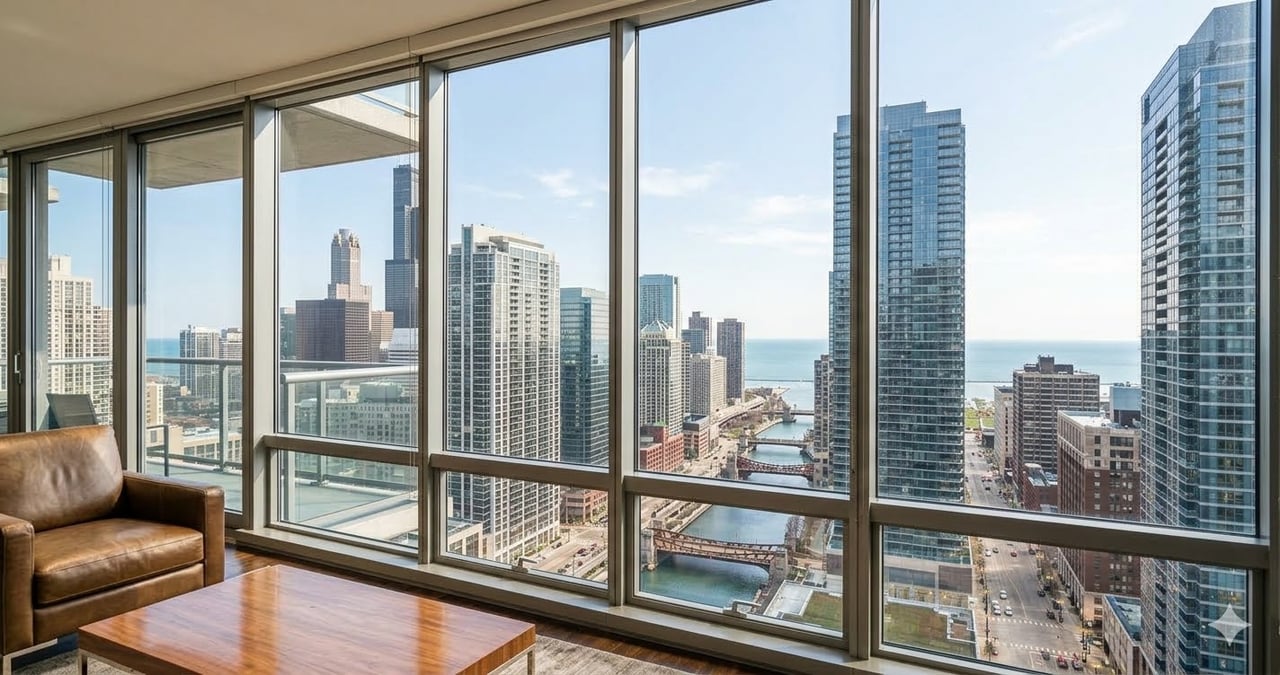
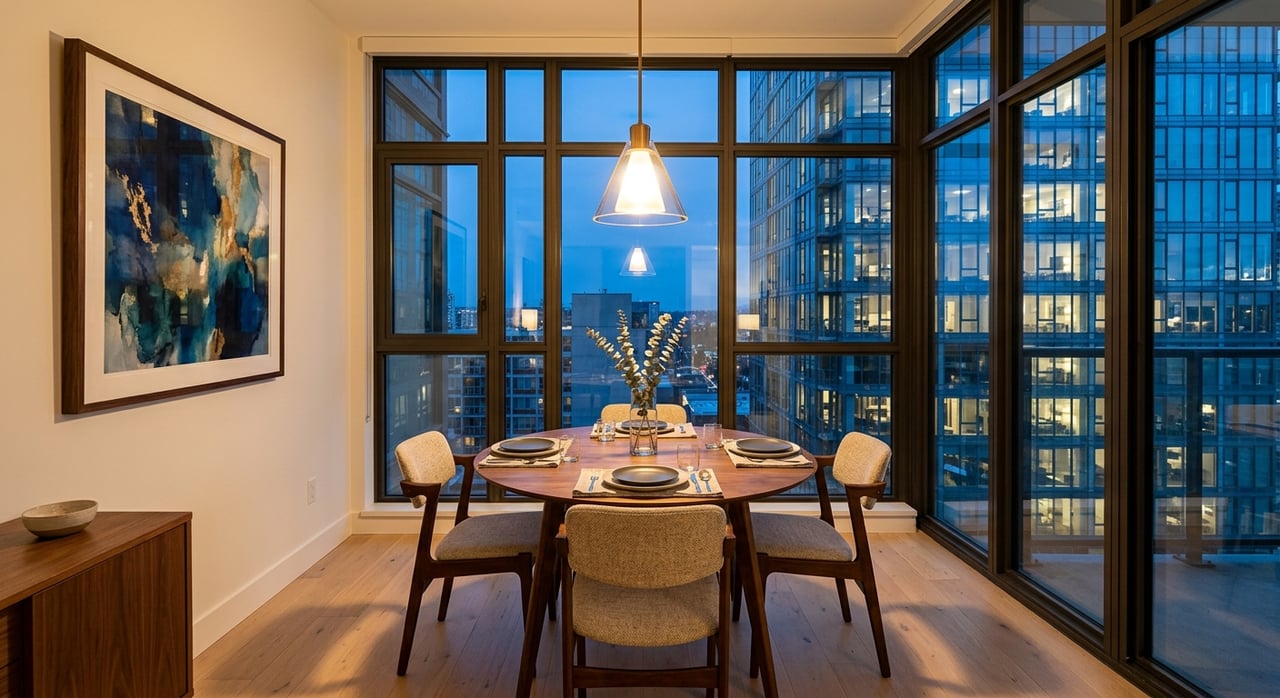
For example, a loft with dramatic windows and great light may feel larger and more livable than a bigger unit with a choppier floor plan. A unit with parking and functional storage may also appeal to a broader buyer pool than a similar-looking loft without those features.
Newer condos still affect your loft price
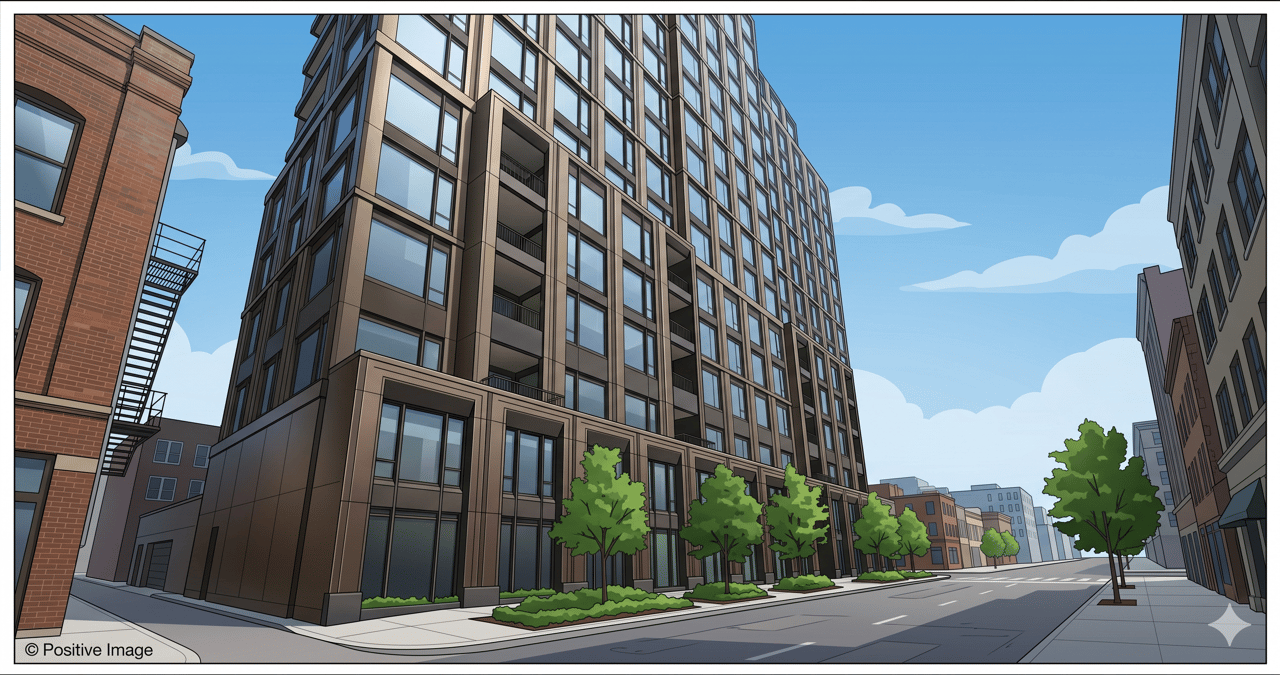
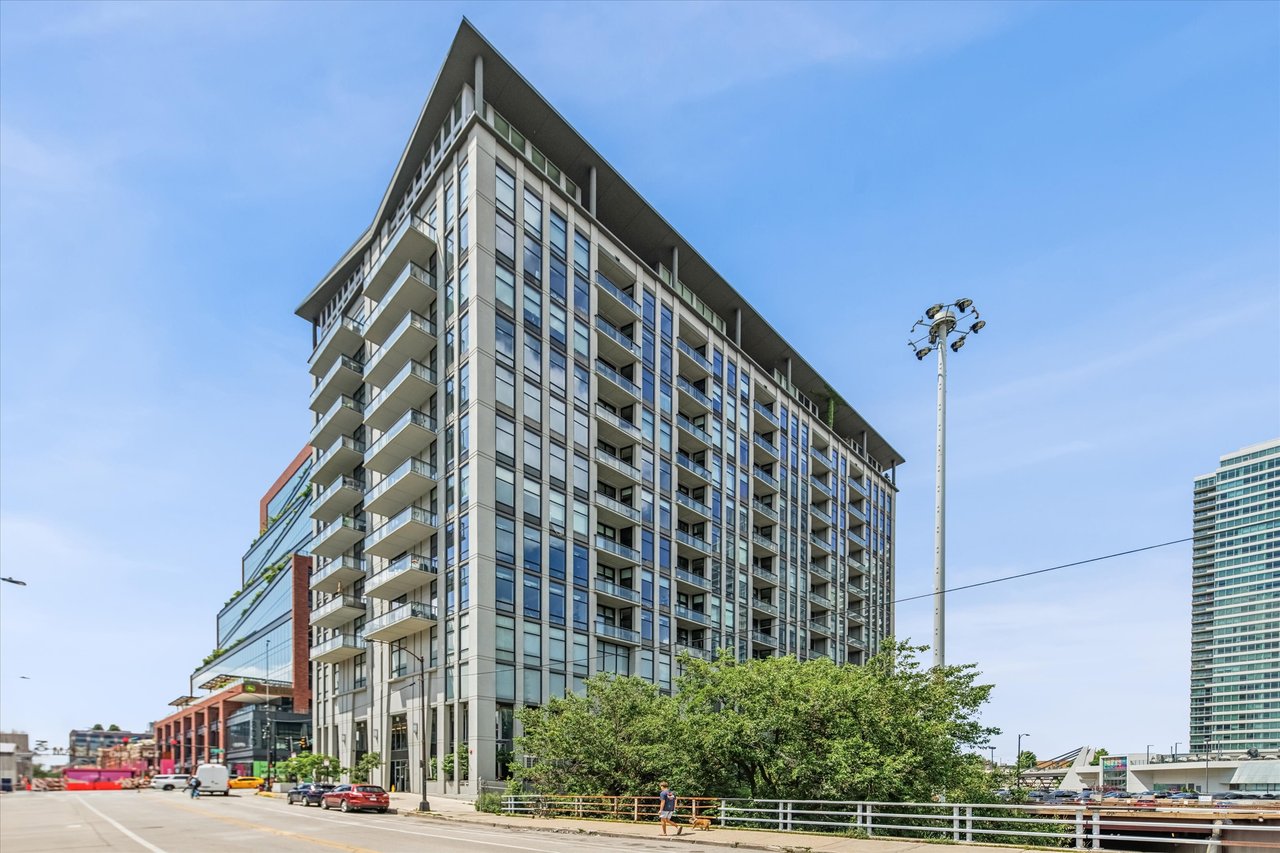
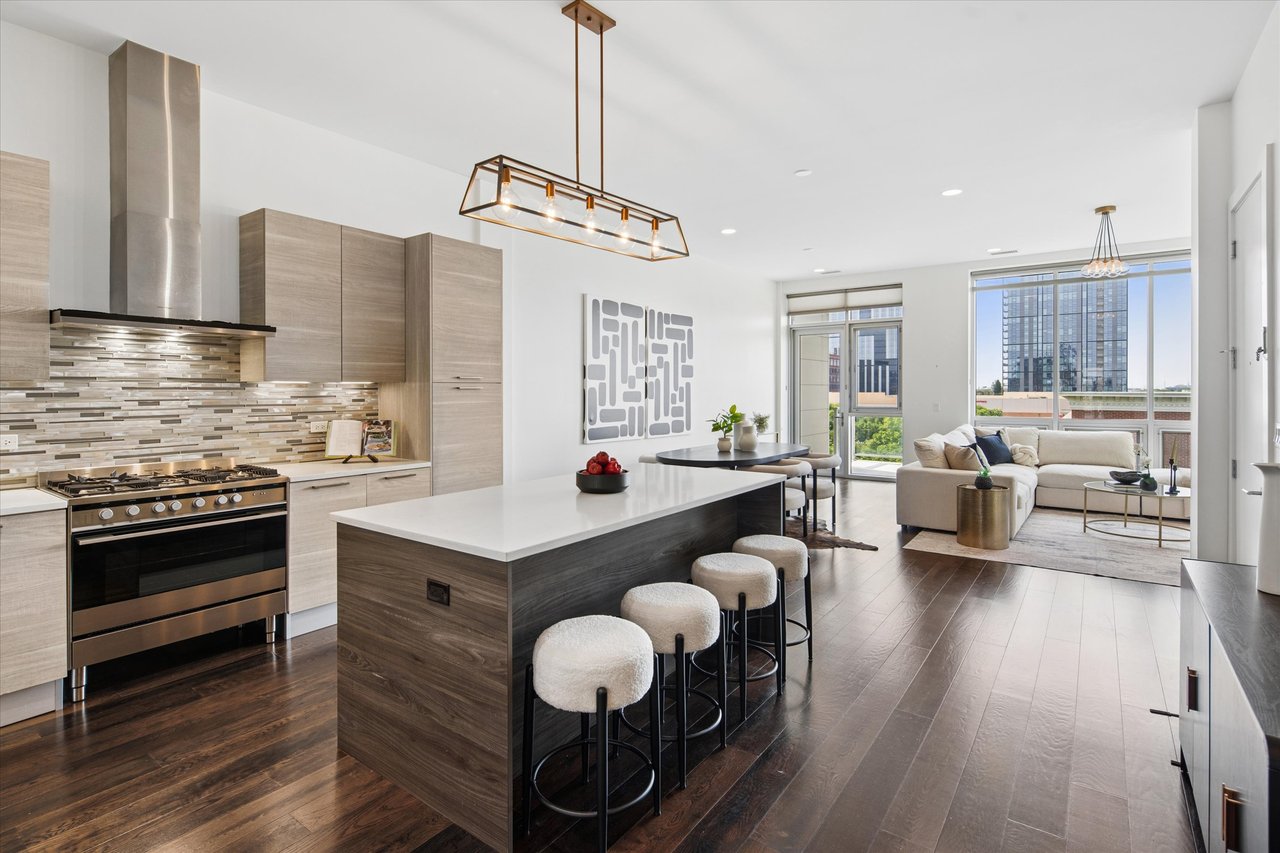
One of the biggest pricing mistakes sellers make is looking only at other lofts. In West Loop, buyers often compare older loft conversions with newer condo buildings at similar price points. Even if the style is different, the decision set overlaps.
That means your loft is not just competing on character. It is also competing on convenience, finish level, monthly costs, and overall ease of living.
If your loft is priced above newer alternatives, buyers will need a clear reason to stretch. That reason might be scale, architectural detail, sunlight, or a special layout, but the premium has to feel earned.
HOA dues and association health matter more than many sellers expect
A beautiful loft can lose momentum if the monthly carrying costs feel heavy to buyers. Condo dues cover shared maintenance, common areas, reserves, and sometimes larger property needs. If reserves are not enough to cover a major expense, an association may rely on a special assessment.
From a buyer’s perspective, that affects affordability right away. Even if your asking price looks competitive, higher dues, thin reserves, or recent assessments can narrow the pool of interested buyers.
Association details that can influence price
When setting a list price, it helps to evaluate:
- Monthly HOA dues
- Reserve strength
- Any recent special assessments
- Any known upcoming major building costs
- What the dues actually cover
Two visually similar lofts can price differently if one has stronger association financials and more manageable monthly costs. In today’s market, buyers pay attention to the full monthly picture, not just the sticker price.
Use market data to test your number
Once you have building-level comps and unit-specific adjustments, the next step is to stress-test your price against current West Loop conditions. Realtor.com’s snapshot shows a median listing price of $487,450 and a median sold price of $460,000 in the neighborhood.
That does not mean every loft should fit neatly inside that range. It does mean that if your loft is priced above it, you should be able to point to the specific features that justify the premium. If it is priced below it, the home still needs to show well and compete on condition, presentation, and overall appeal.
What the broader market suggests right now
Here is the practical takeaway from the current data:
| Market signal | What it means for sellers |
|---|---|
| 101% sale-to-list ratio | Buyers are still paying close to or above asking for well-positioned homes |
| 25 to 44 days on market | Correct pricing still matters because not every home moves at the same speed |
| Inventory down 15.71% year over year | Lower supply helps sellers, but buyers still have choices |
| Chicago condo and townhome prices up 8.7% year over year | The broader condo market is supportive, especially for accurately priced listings |
This is a favorable backdrop, but it is not a free pass to overprice. In a market like this, the right number can create urgency. The wrong number can create hesitation.
Seasonality helps, but pricing still does the heavy lifting
Spring often gives sellers a boost, and 2026 research points to mid-April as a strong national listing window. Chicago is also described as a peak seller market with solid demand and limited need for price flexibility.
That said, timing alone will not fix an unrealistic price. If your loft launches too high, you may miss the initial wave of buyer attention when your listing is freshest.
For a unique property, first impressions matter even more. The best results usually come from combining strong timing with a price that feels credible from day one.
A smart pricing framework for your West Loop loft
If you are preparing to sell, this simple framework can help keep the process grounded and strategic:
1. Review recent closed sales first
Start with your building whenever possible. Then expand carefully to similar loft buildings nearby if needed.
2. Adjust for what buyers actually value
Look beyond size. Light, layout, condition, parking, storage, and outdoor space can all change buyer response.
3. Compare against current competition
See what active listings offer at similar price points. Buyers will do that comparison immediately.
4. Factor in dues and association economics
Monthly HOA costs and special assessment risk can affect both affordability and demand.
5. Test the final number against market conditions
Use West Loop days on market, sale-to-list ratios, and current inventory to make sure the list price fits today’s reality.
Why seller presentation still matters after pricing
Even the best price works better when the home is presented well. In a neighborhood where buyers compare lofts to newer condos, presentation helps your listing compete on move-in appeal and perceived value.
That is where staging, photography, video, and targeted marketing can support the pricing strategy. If the list price is designed to create interest, the presentation needs to convert that interest into strong showings and confident offers.
For one-of-a-kind homes, that combination matters. Buyers need to understand not just the square footage, but also the feeling, function, and lifestyle of the space.
If you are thinking about selling, a thoughtful valuation should do more than pull neighborhood averages. It should show how your specific loft fits into your building, your block, and today’s West Loop buyer mindset. For a data-driven pricing strategy and high-touch seller representation, connect with Christine Hancock - Hancock Group.
FAQs
How should you price a unique West Loop loft?
- Start with recent closed sales in the same building if possible, then adjust for layout, light, condition, parking, storage, outdoor space, and HOA costs before testing the number against current West Loop market data.
Why is price per square foot not enough for a West Loop loft?
- Price per square foot does not fully capture factors like natural light, ceiling volume, floor plan efficiency, true bedroom count, parking, and renovation quality, all of which can strongly affect buyer demand.
Do newer West Loop condos affect the price of an older loft?
- Yes. Buyers often compare older loft conversions with newer condos in similar price bands, so your loft may need a clear value story if it is priced against newer alternatives.
How do HOA fees affect West Loop loft pricing?
- HOA dues, reserve strength, and any special assessments affect monthly affordability, which can influence how many buyers are willing to pursue the property.
What market data should you review before listing a West Loop loft?
- Ask for recent closed sales in the building or nearby, active competing listings, days on market, sale-to-list ratios, and a breakdown of which unit features supported the strongest prices.