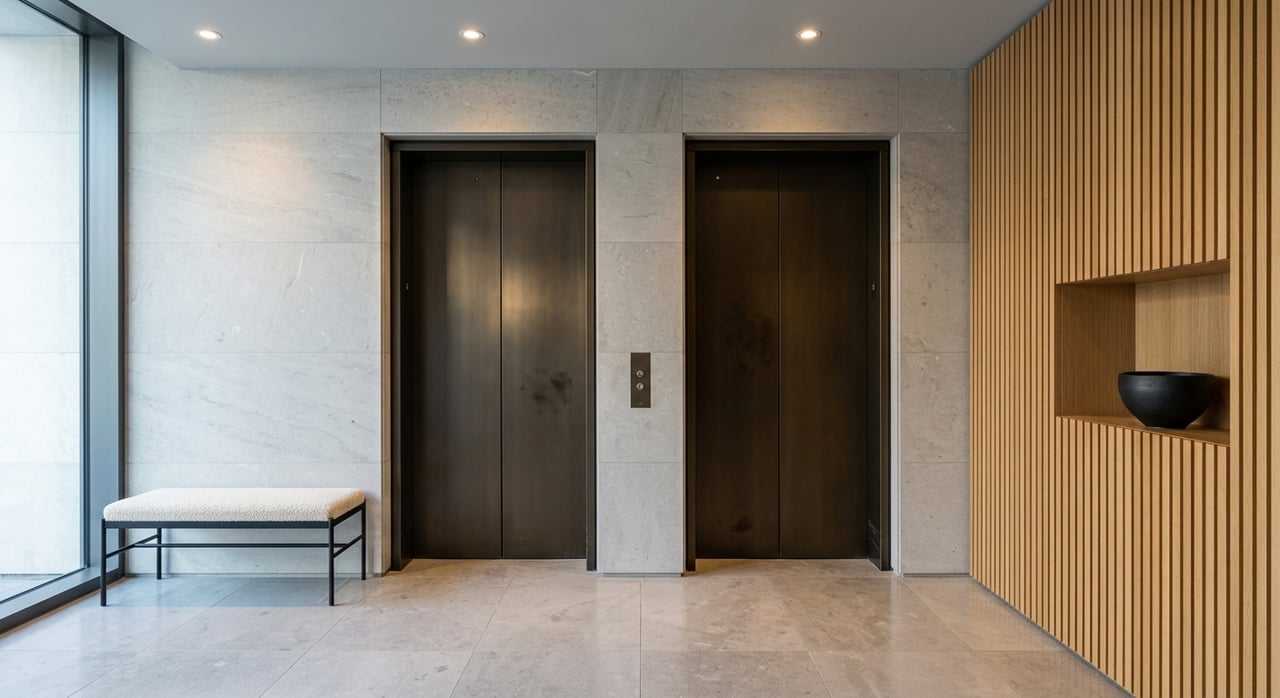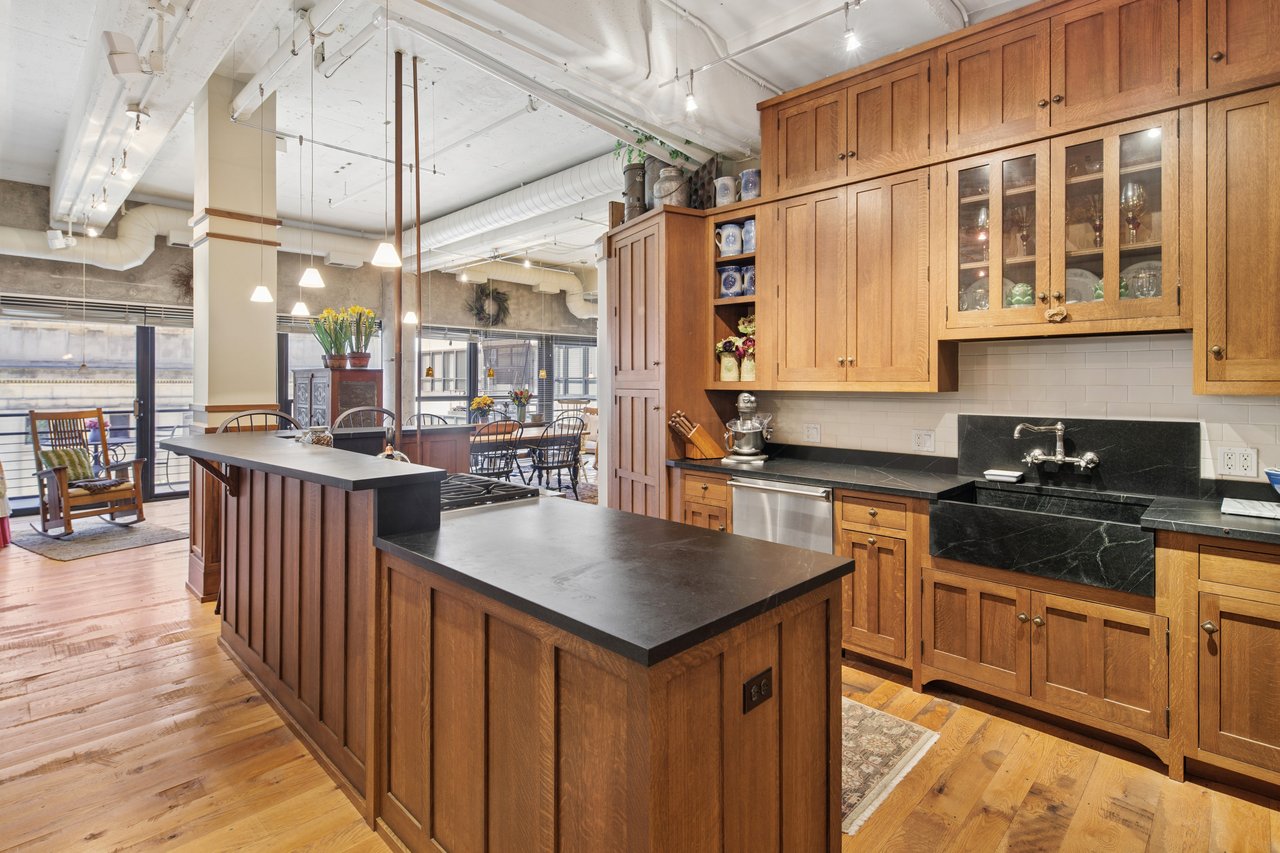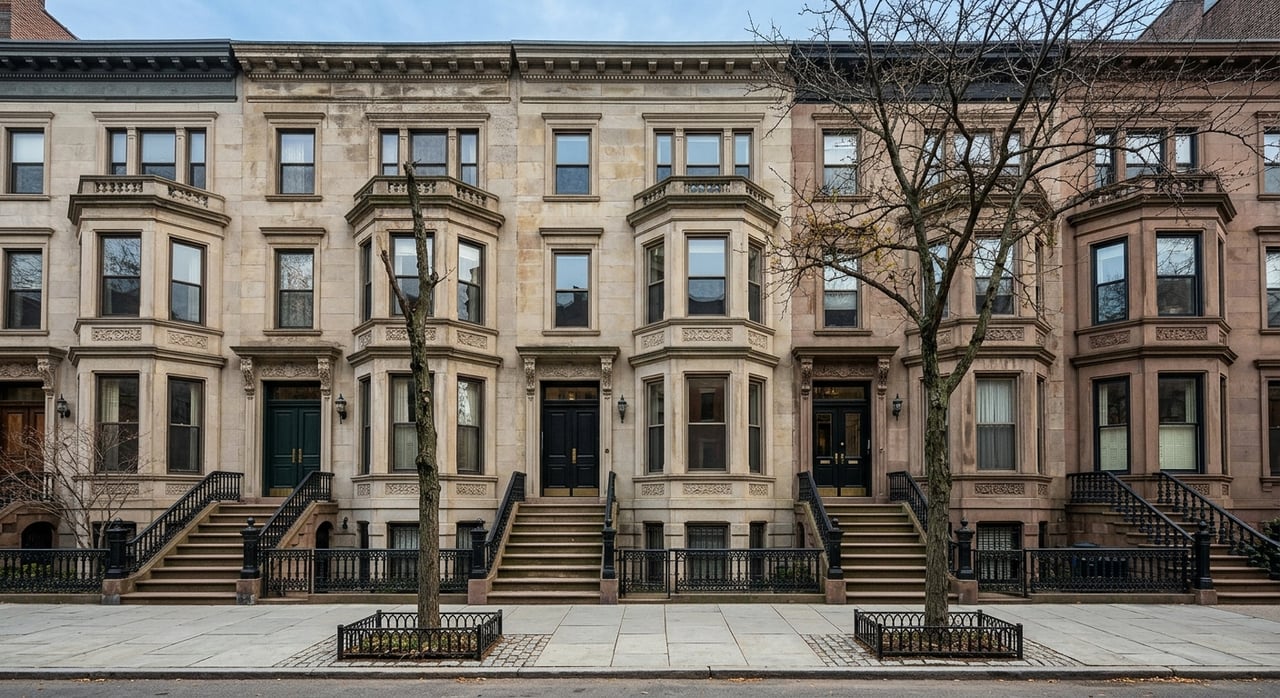
Is your downtown condo priced to spark real buyer interest, or to sit while shoppers move on to the next listing? In a market where buyers can compare hundreds of options quickly, pricing is not just a number. It is your first marketing decision. If you want to attract serious buyers in Downtown Chicago, this guide will show you how current market data, building-level pricing, and buyer behavior should shape your strategy from day one. Let’s dive in.
Why pricing matters more downtown
Downtown Chicago is active, but it is not especially forgiving to overpriced listings. There are currently 963 condos for sale downtown, with a median listing price of $450,000. Redfin reports that most homes in the area stay on the market about 50 days and receive 2 offers.
That sounds encouraging at first glance, but the full picture matters. Over the last three months, the broader Downtown Chicago market posted a median sale price of $464,844, a median 52 days on market, a 99.6% sale-to-list ratio, and 13.8% of homes taking price cuts. In other words, buyers are active, but they are also selective.
This is why precise pricing matters from the start. Some homes still sell quickly and attract multiple offers, while others lose momentum and need reductions. In a condo-heavy market, buyers can see your competition in real time.
Start with your exact submarket
One of the biggest pricing mistakes sellers make is relying on a broad “downtown” number. In practice, downtown Chicago is not one single pricing bucket. Chicago REALTORS’ neighborhood mapping treats the area as a set of official community areas, with the most relevant downtown-adjacent areas including the Loop, Near North Side, Near West Side, and Near South Side.
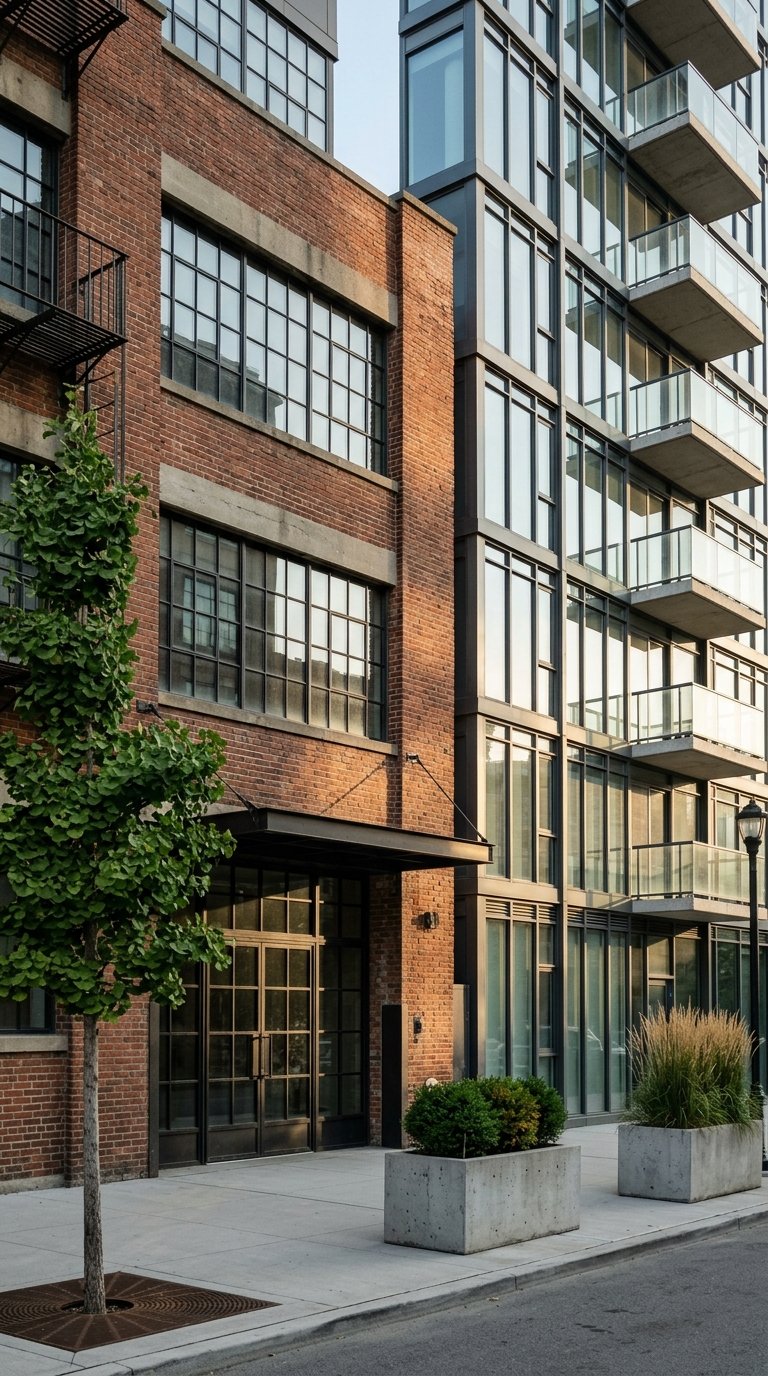
That matters because buyers do not compare every downtown condo equally. They compare your home to nearby alternatives that feel similar in location, building style, monthly cost, and lifestyle. A River North high-rise condo and a West Loop loft may both be downtown, but they do not compete in the same way.
For that reason, pricing should begin with your building and immediate submarket. That is where the most meaningful comparisons happen. It is also where a strong listing strategy can stand out.
Use building-level comps first
For downtown condos, the most useful pricing anchor is not a citywide average. It is the most recent closed sales that closely match your unit. That means looking at the same building first whenever possible.
A strong pricing analysis should compare:
- Recent closed sales in your building
- Current active listings in your building
- Similar floor plans
- Similar floor level and exposure
- Similar views
- Parking and storage included or not included
- Amenity package
- Monthly assessments
This level of detail matters because small differences can shift buyer perception quickly. Two units with similar square footage can perform very differently if one has better natural light, lower assessments, or included parking.
In a dense condo market, these details shape value more than sellers often expect. Serious buyers are usually comparing line by line.
Closed sales tell you value
Closed sales are where pricing should start because they show what buyers actually paid. In the current downtown market, that matters more than ever. A market with active demand still has enough price sensitivity that wishful pricing can backfire.
Recent closed comps help you understand where the market has already said “yes.” They create the baseline for realistic positioning. Without that baseline, it is easy to drift into a number that feels good to a seller but does not line up with buyer behavior.
That said, closed sales are only the starting point. You also need to measure them against what buyers can choose from right now.
Active listings show your competition
If closed sales tell you market value, active listings tell you what you are up against. Buyers shopping downtown often compare several units in the same search session. If your condo is priced above the nearest comp cluster, it can be dismissed before a showing is ever booked.
That risk is real in this market. With 963 condos currently for sale downtown and visible price reductions across the market, buyers have options. They can often spot when a listing is “testing the market” rather than positioned to win.
This is why your list price should place you squarely inside the active buyer pool on launch. The goal is not to be the most optimistic option. The goal is to be the obvious choice on a buyer’s short list.
Why “testing the market” can hurt
Some sellers are tempted to start high and adjust later. That approach can seem safe because it leaves room to negotiate. In Downtown Chicago’s current condo market, though, it often creates the opposite result.
When a listing starts above the most relevant comps, buyers may skip it entirely. As days on market build, the listing can begin to look stale. Later price cuts may help, but they often do not recreate the momentum of a well-priced launch.
Current data supports this caution. Downtown Chicago homes are taking about 50 to 52 days to sell, and 13.8% are taking price cuts. That tells you the market is active enough to reward smart pricing, but visible enough to punish overpricing.
Serious buyers focus on monthly cost
In the downtown condo market, buyers usually evaluate more than purchase price alone. They are also looking closely at the total monthly carrying cost. That includes mortgage payment, assessments, taxes, and any parking or storage costs.
That monthly lens matters even more with current mortgage rates. Freddie Mac reported a 30-year mortgage rate of 6.49% on June 25, 2026. Rates have eased from last year, but financing still shapes affordability in a meaningful way.
For sellers, this means even small pricing differences can affect your buyer pool. If your list price pushes the total monthly cost above what buyers expect for your building or floor plan, your listing can lose traction quickly.
New listings have a short window
Every new listing gets an early attention boost. Buyers who have been waiting for the right unit often notice it right away. That first window of activity is when pricing does some of its most important work.
In downtown Chicago, that window can be short. Buyers are shopping in a market with a large active pool and a wide spread between fast sales and slower listings. If your condo is not compelling from the start, it can move from “new” to “overlooked” faster than many sellers expect.
That is why early pricing usually matters more than later adjustments. You want to launch in a way that creates urgency, not a future correction.
The goal is to be the obvious choice
The best pricing strategy is not about squeezing every possible dollar out of the initial list number. It is about creating the strongest market response. In many cases, that means pricing where serious buyers feel your condo offers clear value compared with nearby alternatives.
This is especially important in a market where 37.1% of homes are selling above list, while others are taking reductions. Those numbers show that buyers will compete when a home is well positioned. They also show that the market does not automatically reward ambition without support.
A strong list price should do three things:
- Reflect recent closed sales
- Hold up against current active competition
- Make sense in light of total monthly cost
When those three elements align, your condo has a better chance of attracting qualified attention early.
What smart downtown pricing looks like
For most sellers, smart pricing is both analytical and practical. It means using current data, but also understanding how your specific building and unit fit into the market.
A smart pricing strategy often includes:
- Reviewing the most recent comparable closed sales
- Studying current competing listings in the same building or immediate area
- Adjusting for floor plan, view, exposure, parking, storage, and assessments
- Considering how mortgage rates affect buyer affordability
- Launching at a number designed to attract attention, not require a future reset
This is where building-level expertise becomes especially valuable. In urban condo markets, broad averages can miss the details that drive actual buyer decisions.
Why local execution still matters
Pricing is essential, but it works best when paired with strong presentation and marketing. Once the price gets buyers in the door, photos, video, staging, and showing momentum help convert interest into offers.
For downtown sellers, that is where a full-service strategy can make a real difference. When pricing is informed by building-level data and supported by polished marketing, your condo has a stronger chance of standing out in a crowded field.
That combination matters whether you are local, relocating, or managing a sale from out of town. The less room there is for pricing mistakes, the more valuable thoughtful execution becomes.
If you are preparing to sell a condo in River North, West Loop, the Loop, Near North, Old Town, or another downtown submarket, it helps to start with a strategy built around your building, your competition, and today’s buyer mindset. To talk through a pricing plan tailored to your condo, connect with Christine Hancock - Hancock Group.
FAQs
How should you price a Downtown Chicago condo in today’s market?
- You should base pricing on recent closed sales, then compare that number against current competing listings in your building or immediate submarket, with adjustments for floor plan, view, parking, storage, amenities, and assessments.
Why do building-level comps matter for Downtown Chicago condo pricing?
- Building-level comps matter because downtown buyers often compare units with very specific features and monthly costs, so the same building, layout, and amenity profile usually provide the most useful pricing guidance.
Is overpricing a Downtown Chicago condo risky in 2026?
- Yes. Current downtown data shows meaningful price-cut activity, and buyers have many options, so starting too high can reduce early interest and make a listing feel stale.
What are Downtown Chicago condo buyers comparing besides price?
- Buyers are often comparing total monthly carrying cost, including mortgage payment, assessments, taxes, and whether parking or storage is included.
How long do Downtown Chicago condos typically stay on the market?
- Redfin reports that most downtown condos stay on the market about 50 days, while the broader downtown housing market has shown a median of 52 days on market over the last three months.
What areas count most when pricing a condo in Downtown Chicago?
- Chicago REALTORS’ mapping points to official community areas such as the Loop, Near North Side, Near West Side, and Near South Side, which is why pricing should be tailored to your immediate building and submarket rather than a broad downtown average.