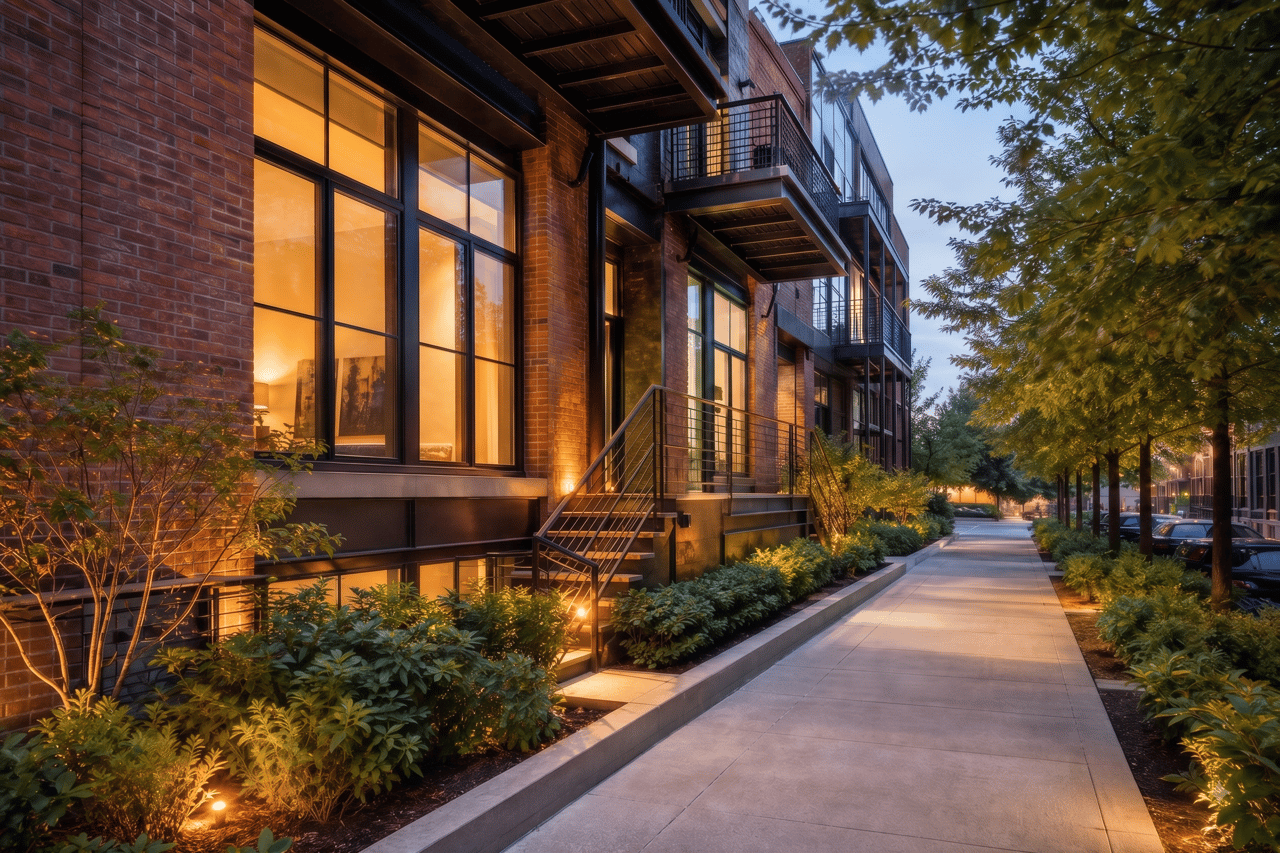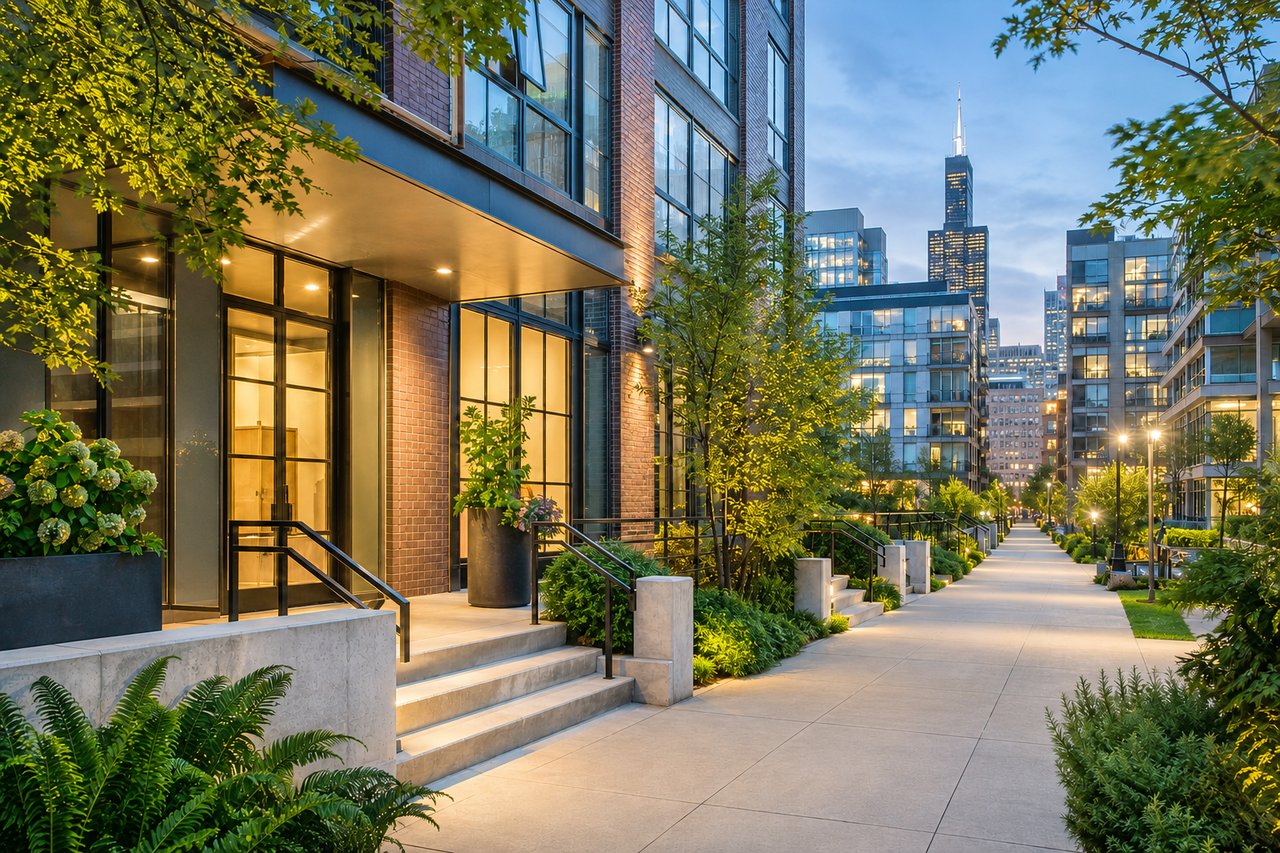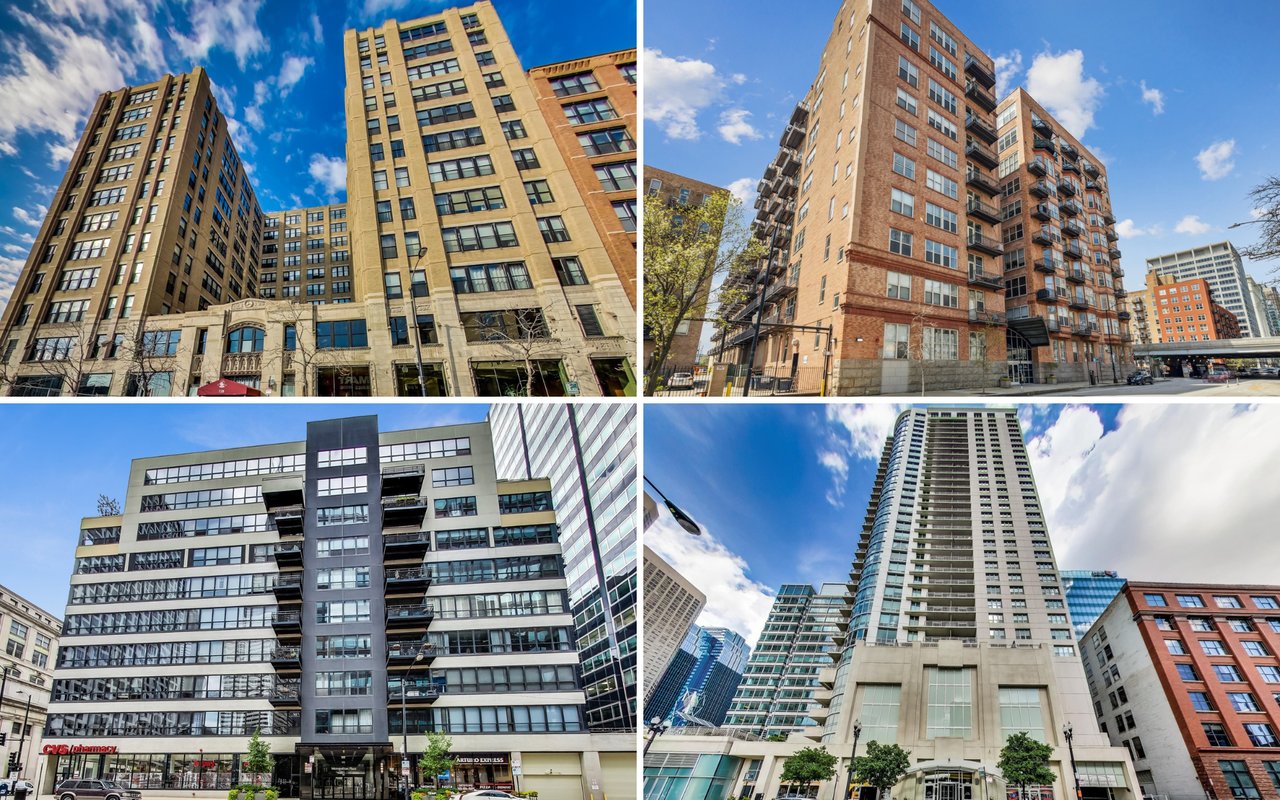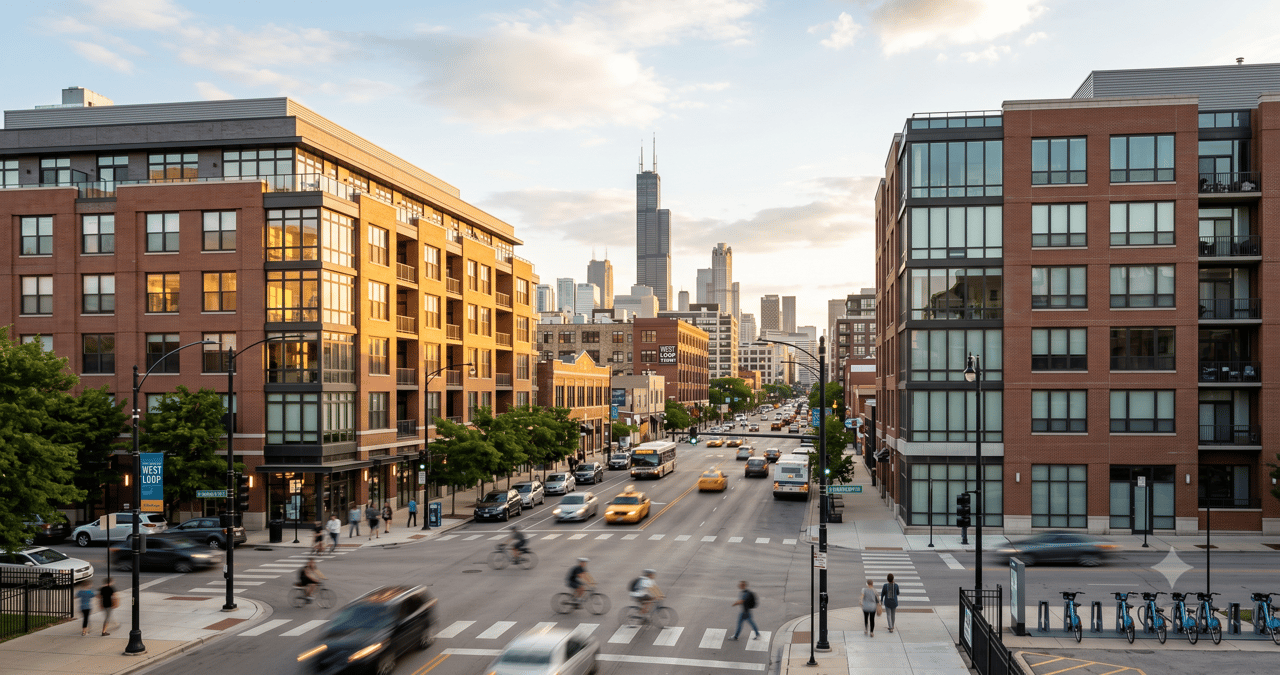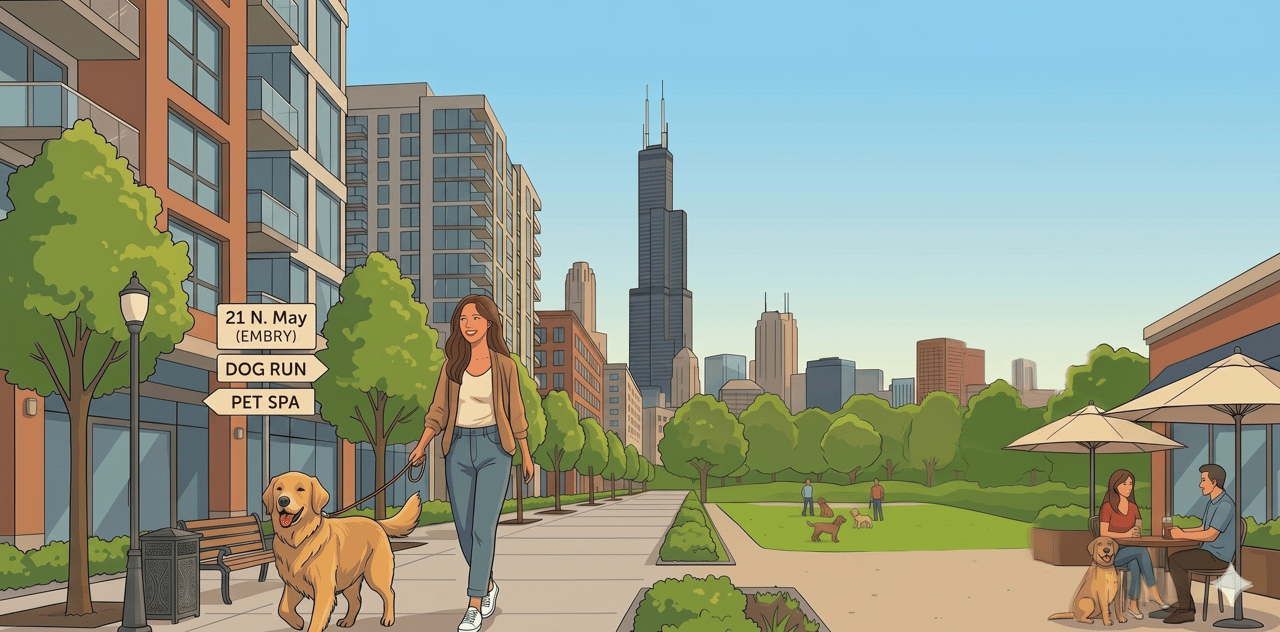
Stand at Monroe and Sangamon on a Saturday morning this fall and you can watch two different versions of the neighborhood pass by inside the same hour. One is a woman with a canvas tote heading toward Mary Bartelme Park for the same eggs and greens she buys every week. The other is a couple who drove in from the suburbs, parked somewhere near Randolph, and are hunting for a mid-century lamp they will never see again if they don't buy it today. Both crowds are real. Only one of them lives here.
That distinction, who is passing through and who is staying, is the sharper story about West Loop this year than any single restaurant opening. The neighborhood is running two separate calendars right now, one built for people who already live inside it and one built for people who show up a handful of times a year, and the kitchens opening on Randolph and Morgan have clearly picked a side.
The Weekly Clock
Green City Market's West Loop location sets up every Saturday from 8 a.m. to 1 p.m. across Mary Bartelme Park at 900 W. Monroe St., and it has run that same schedule since kicking off May 2. It will keep running it, without a break, through November 21. Sixty-five vendors show up, all certified by third-party groups like USDA Certified Organic or the American Grassfed Association, according to Block Club Chicago's spring roundup of returning farmers markets. That is not a festival. It is infrastructure. Nobody drives in from Naperville for a weekly egg run. This is the market built for the resident who already knows which stall sells the good sourdough.
The Other Saturday
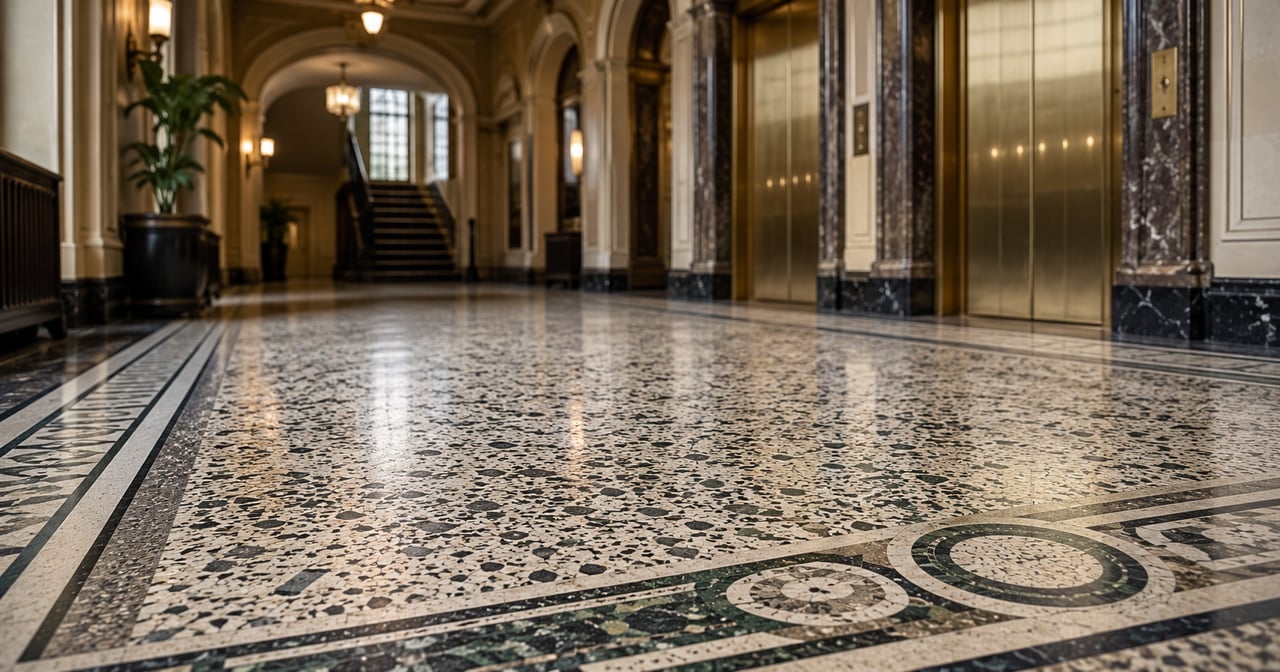
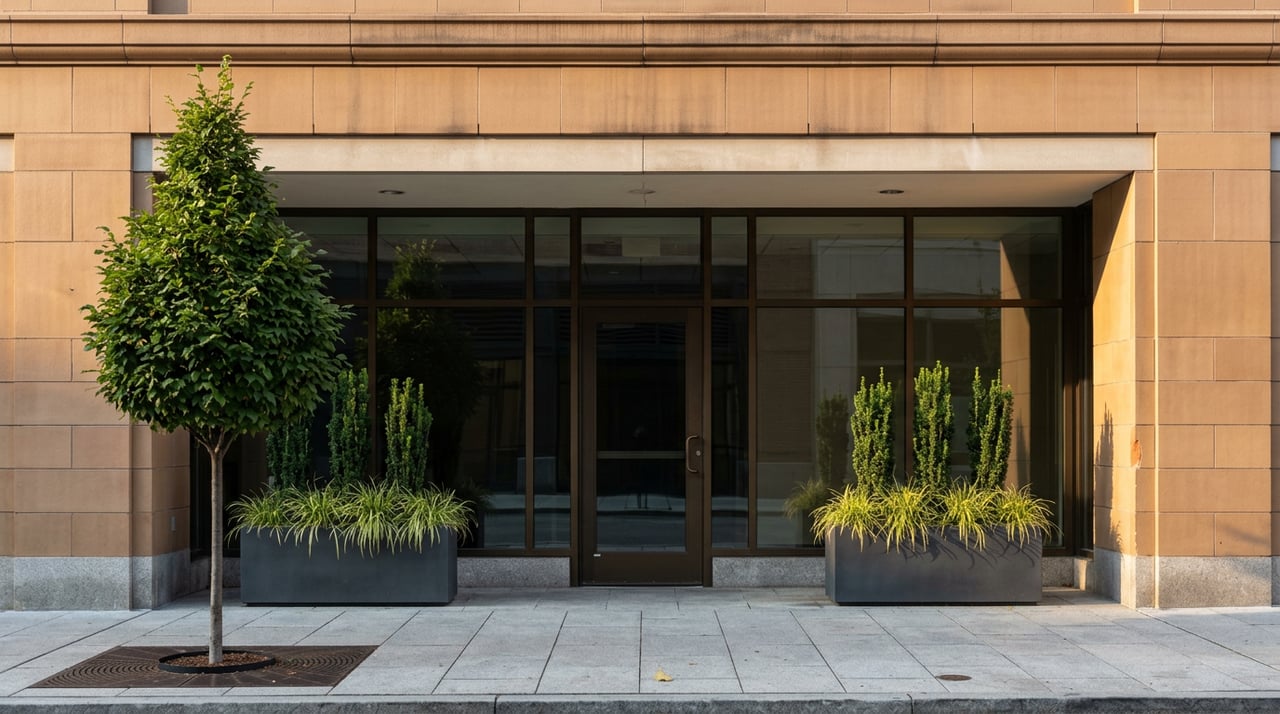
Three blocks away, inside the Beaux-Arts building at 1340 W. Washington Blvd., a much bigger and much less frequent version of a market takes over the same footprint. Randolph Street Market runs only a handful of weekends a year, and when it does, it stops being a neighborhood errand and becomes a regional destination. Its July date alone pulled in more than 200 vendors selling vintage furniture, jewelry, and global goods, according to The Visualist's coverage of the July 25-26 weekend. The full 2026 schedule, confirmed by Chicago Star Media, runs like this:
- May 23-24: the Garden Party season opener
- July 25-26: the summer "Made in the Shade" weekend, already behind us
- September 26-27: the fall market
- November 14-15: the pre-holiday weekend
- December 12-13: the closing market of the year
Line that schedule up against Green City Market's every-Saturday run and something becomes obvious once you actually do the math. May 23, July 25, September 26, and November 14 all fall on a Saturday, and all four land inside Green City Market's May 2 through November 21 season. Four times this year, the resident errand and the regional festival happen in the same six blocks on the same morning. Two of those Saturdays already happened. Two are still ahead of you. If you want to see West Loop at its most crowded and most contradictory, at once feeding a weekly habit and hosting shoppers who flew in from out of state, mark September 26 on your calendar. It is the next time both clocks tick together.
The Kitchens Are Making the Same Bet
The neighborhood's restaurant openings this year follow the resident clock, not the festival one, and the addresses make the case better than any trend piece could. Susu, a MediterrAsian steakhouse from chef Alexander Willis, opened in February inside the former Grace and Yūgen space at 652 W. Randolph St., a block that has been serving West Loop residents for well over a decade. The Elske team opened Creepies, a French bistro, literally next door to their own established restaurant rather than chasing a new corridor. Joe Flamm put his all-day Italian cafe, Bar Tutto, on the ground floor of a brand-new 34-story apartment tower, which means its built-in customer base is whoever signs a lease upstairs. Oliver Poilevey moved his taco restaurant, Taquería Chingón, out of Bucktown and into West Loop rather than the other way around. Kama Indian Bistro opened a second Chicago location on Randolph Street specifically, not in the office-heavy blocks two streets north. Details on the timeline come from Kit Graham's tracked history of West Loop restaurant openings.
Compare that list to what is landing in Fulton Market proper, the industrial-turned-office district that sits just north of Randolph and houses Google's Midwest headquarters inside the former Fulton Cold Storage building at 320 N. Morgan St., a conversion documented by Burnham Nationwide's review of the district's redevelopment. Urban Belly is moving into 950 W. Fulton St. Osaka Nikkei is opening a 180-seat space inside the Fulton Market District specifically. The team behind Maxwells Trading is opening a second restaurant at 1514 W. Fulton St. Those openings are betting on foot traffic tied to office lunch hours and out-of-town visitors drawn to a neighborhood built around tech tenants. The Randolph and Morgan openings are betting on people who already have a key to an apartment nearby.
A Restaurant Row That Was Built This Way on Purpose
None of this is an accident, and it is not new. West Loop's identity as a dining destination goes back to a deliberate decision. Restaurateur Paul Kahan told Eater in 2018 that turning West Loop's stretch of Randolph into a culinary destination was a goal he pursued with One Off Hospitality partner Donnie Madia after watching how Pastis reshaped New York's Meatpacking District, a strategy also traced in Kit Graham's history of the corridor. Randolph earned the nickname Restaurant Row well before Fulton Market had a single tech tenant. What is happening in 2026 is less a new trend than the same original logic reasserting itself after a decade of Fulton Market pulling attention north. The restaurants opening this year on Randolph and inside residential towers are not discovering something new about the neighborhood. They are returning to a formula that Kahan and Madia proved out years ago, and betting that a neighborhood full of people who think in terms of years rather than lease cycles is still the safer wager.
What This Means for Your Next Few Saturdays
If you live in West Loop, none of this changes your Saturday morning routine. You will still walk to Bartelme Park for the same vendors you trust. What changes is what happens around that routine. September 26 will be louder and more crowded than a normal Saturday, because the resident market and the regional flea market are running at the same time in the same handful of blocks. And when you're deciding where to grab dinner afterward, the newest options worth trying, Susu, Creepies, Bar Tutto, are the ones betting that you'll be back next week, not just this once.
Understanding a neighborhood's rhythm, down to which Saturdays get crowded and which restaurants are built to last, is the kind of detail that separates people who live somewhere from people who are just visiting. If you're curious what else is shifting in West Loop or ready to talk about what your own property is worth in a neighborhood this active, The Hancock Group is a call away.