The New 15% Condo Reserve Rule: What It Means for Downtown Chicago Buildings and Sales
What is the new condo reserve rule? Starting with mortgage applications received on or after January 4, 2027, Fannie Mae will require condo associations to put at least 15% of their annual budget into reserves, up from the 10% minimum in place today.
The Short Answer
Fannie Mae is raising the minimum reserve contribution for condo buildings from 10% to 15% of the annual budget. If your Downtown Chicago building does not hit that number, buyers using conventional loans could get turned down. That can shrink your buyer pool and put pressure on your unit's value. There is one big exception, and smart boards can plan around all of it.
What Actually Changed?
Here is the headline. Fannie Mae released Lender Letter LL-2026-03, and it rewrites the rules for how condo buildings qualify for conventional financing.
The old rule? Associations had to budget at least 10% of their annual income for reserves.
The new rule? That jumps to 15%.
That is a 50% increase in the minimum. Not a small tweak.
This kicks in for loan applications received on or after January 4, 2027. So this is not next week. But it is close enough that your building's 2027 budget matters RIGHT NOW.
Want the plain-English version from the legal side? The team at KSN Law broke down exactly how this hits budgeting and eligibility for associations.
Why Should Downtown Chicago Condo Owners Care?
Because Chicago is a condo town. Especially downtown.
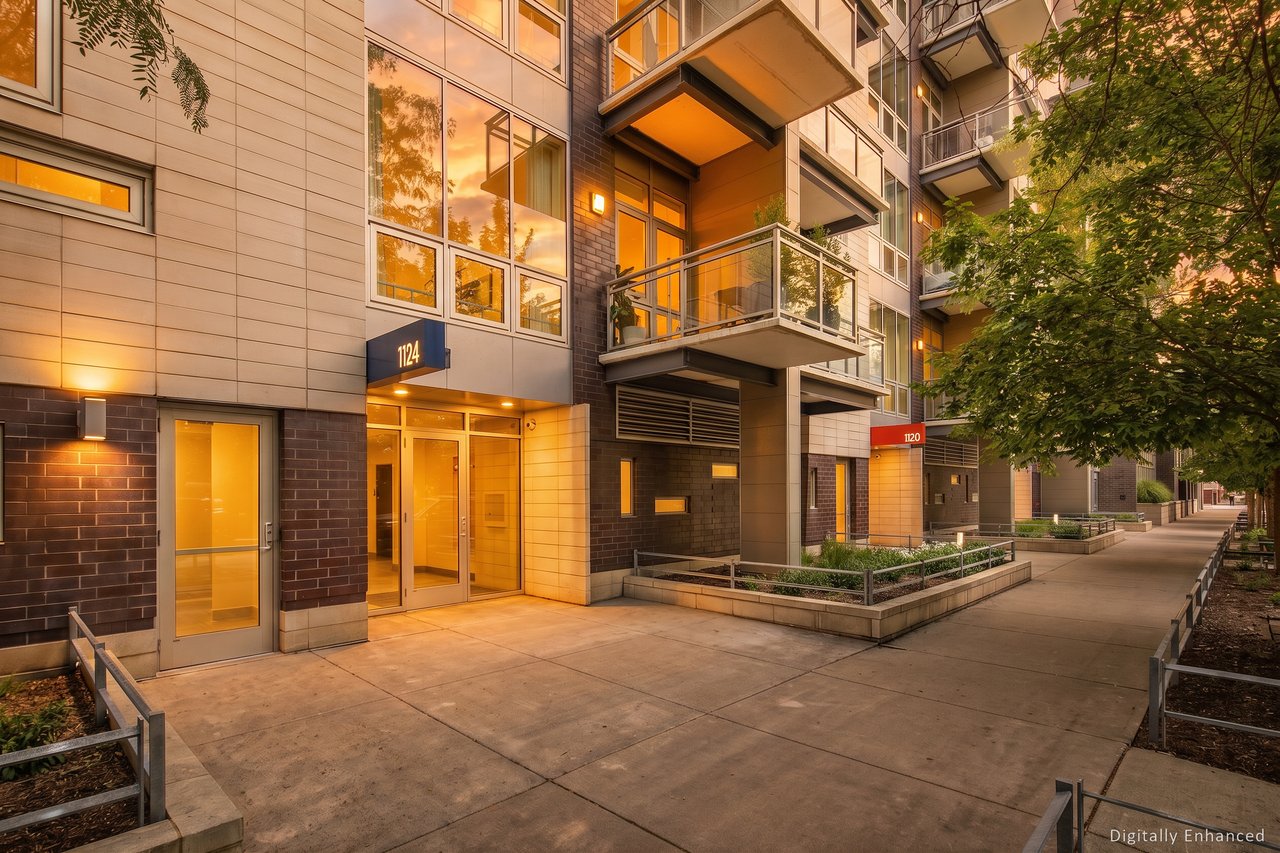
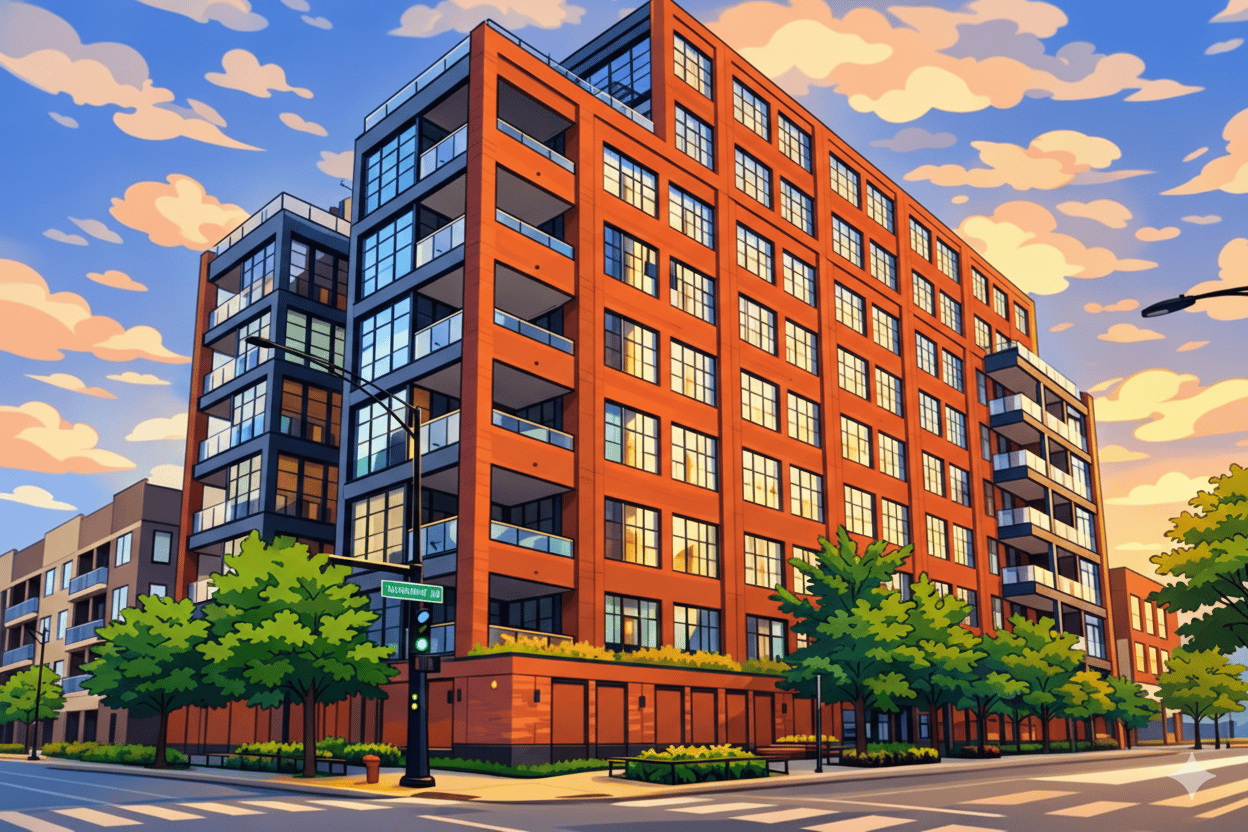
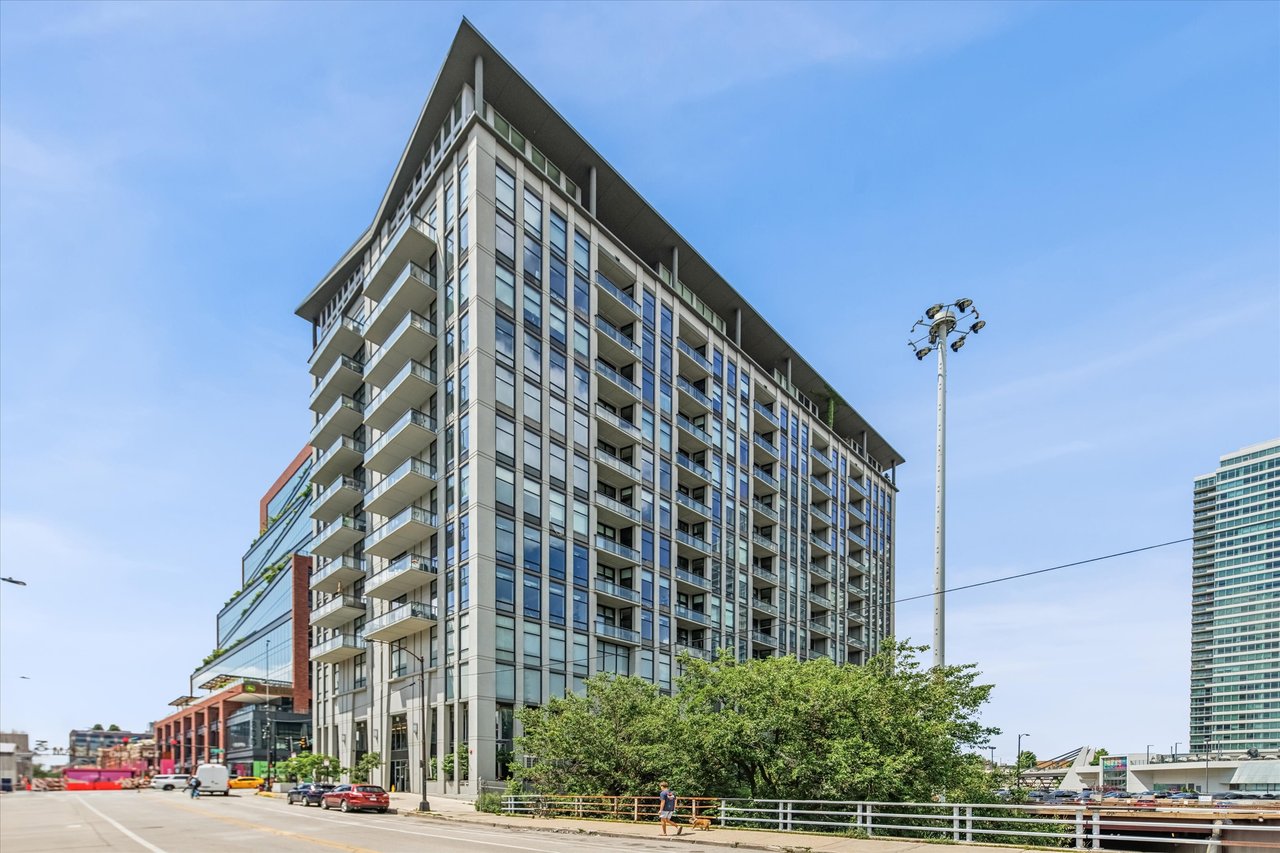
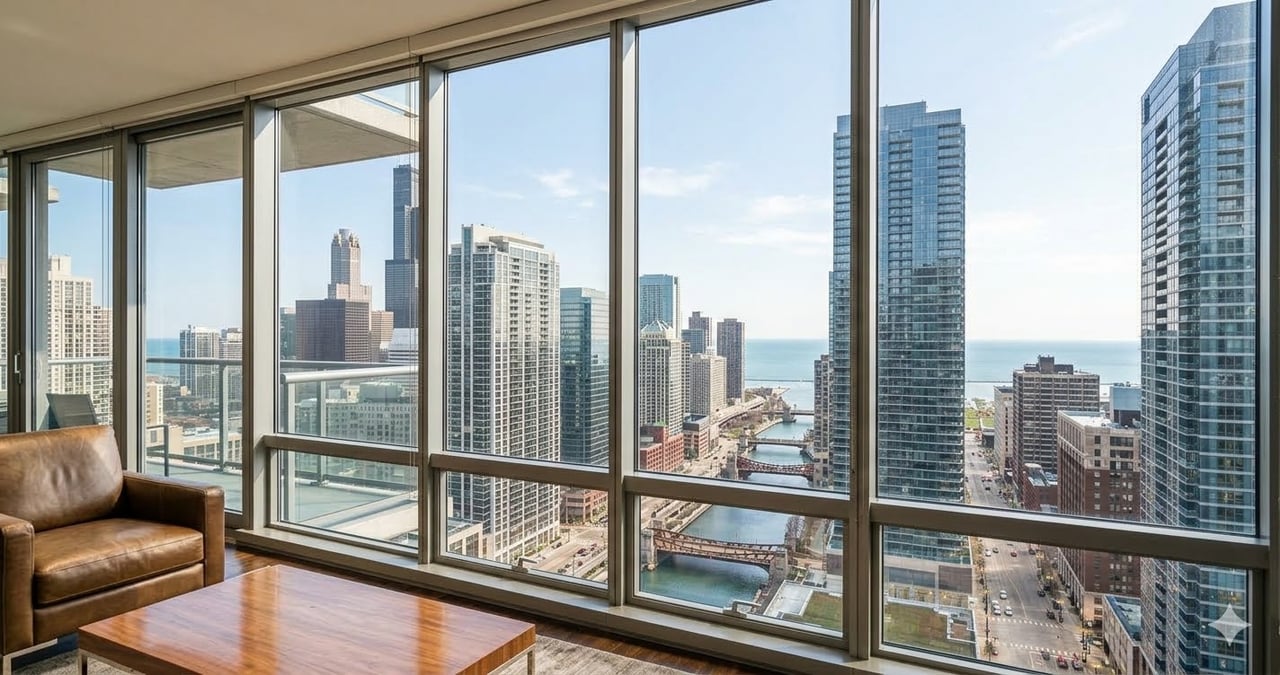
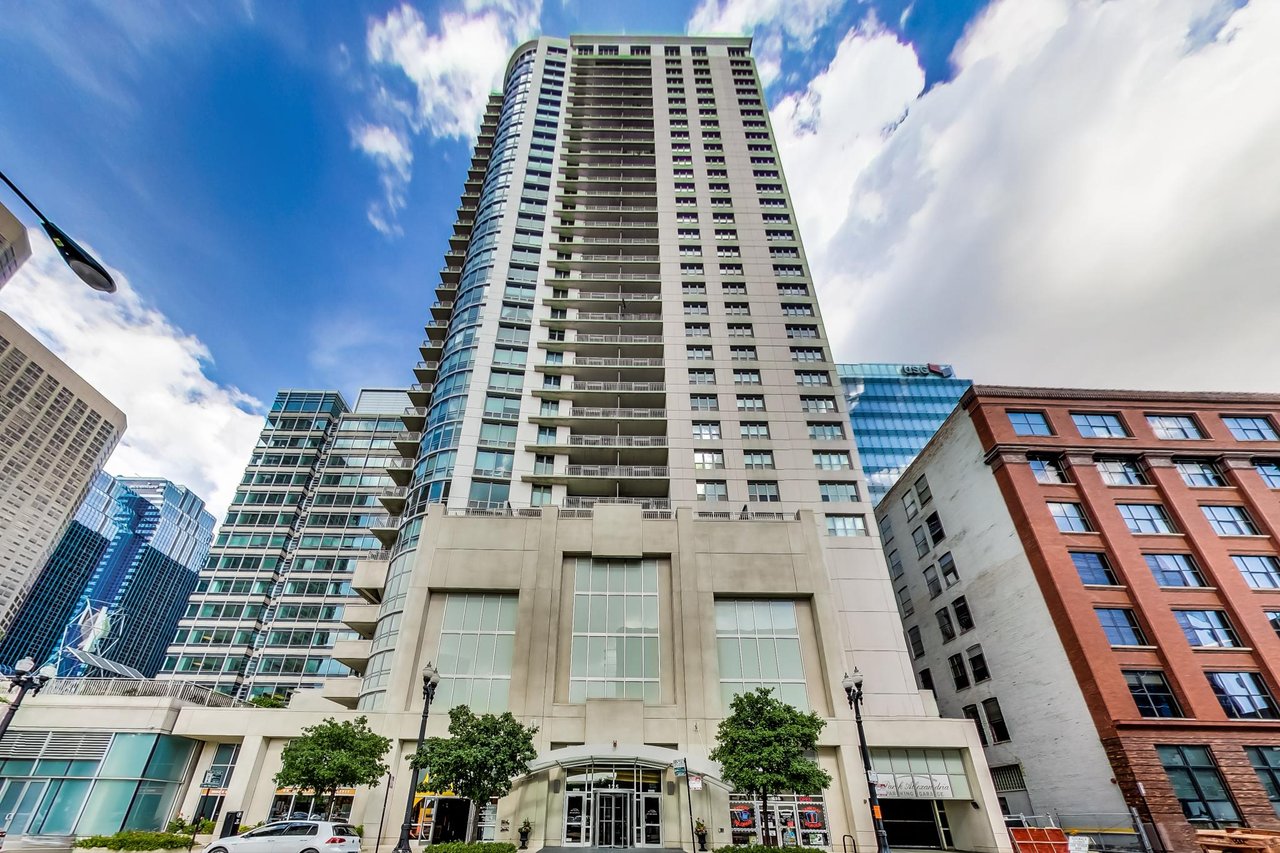
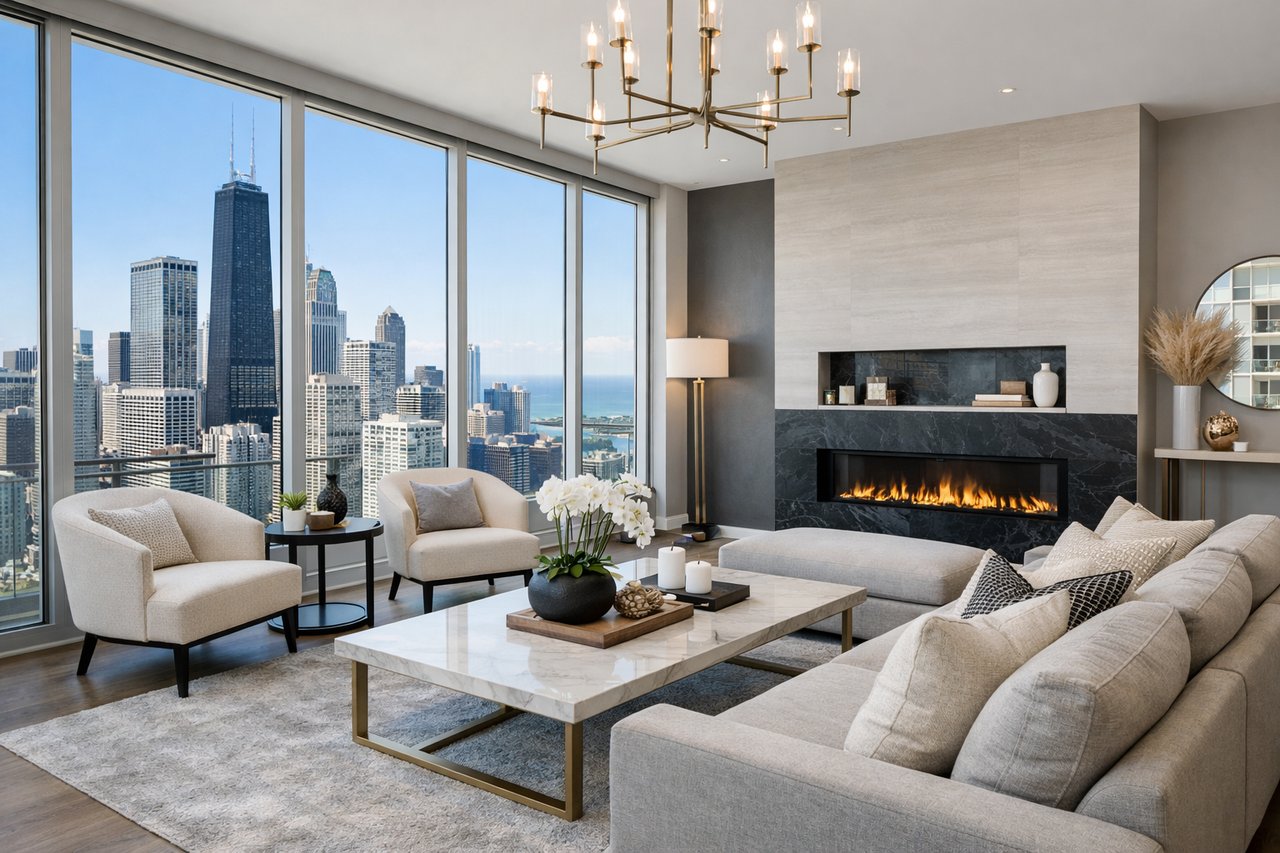
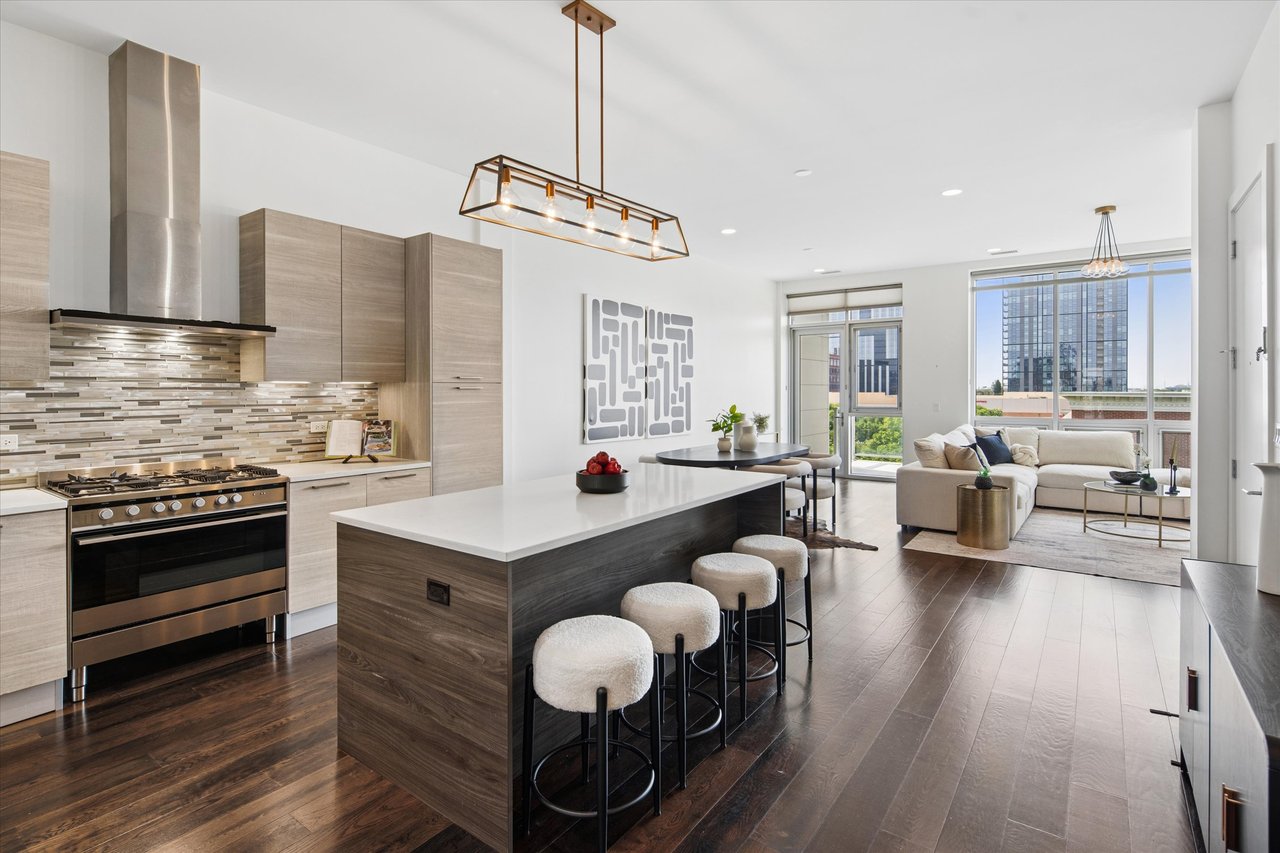
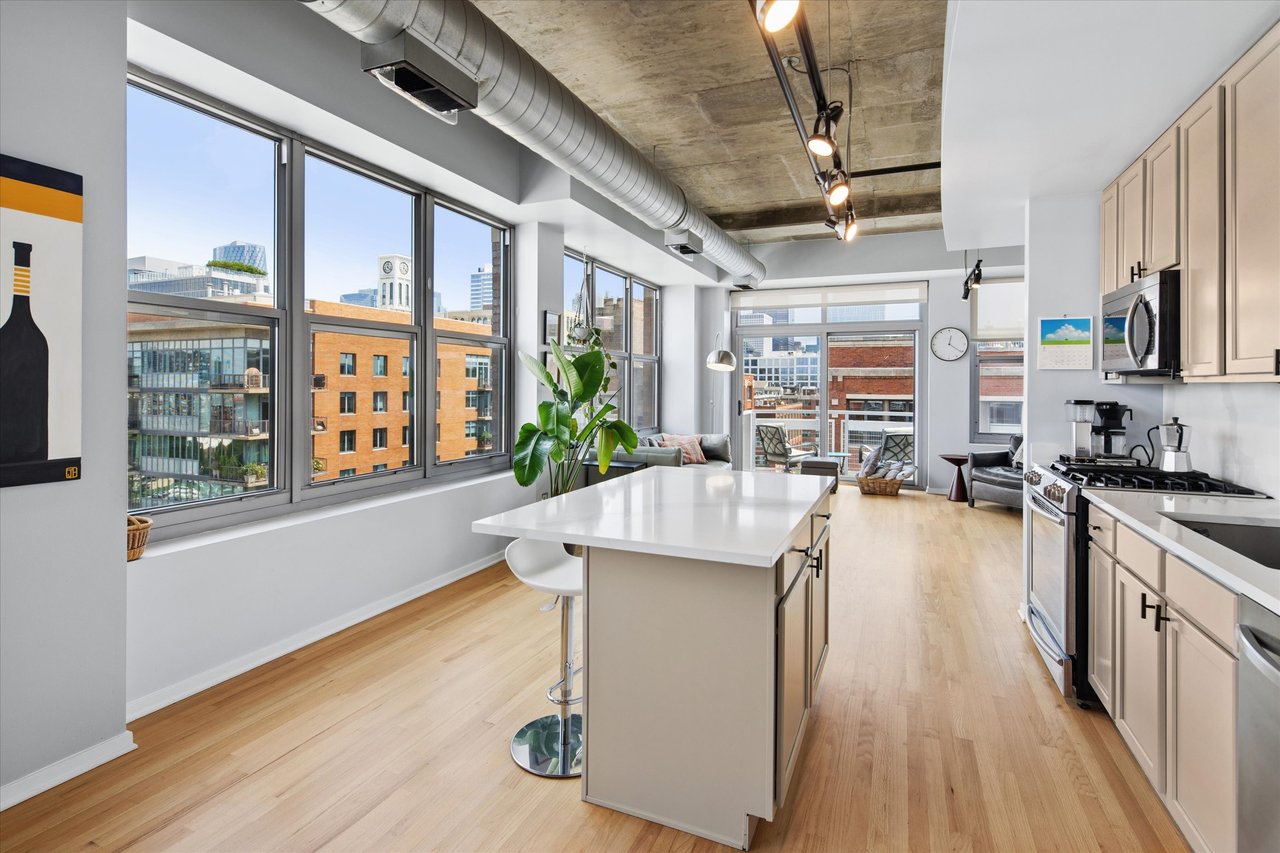
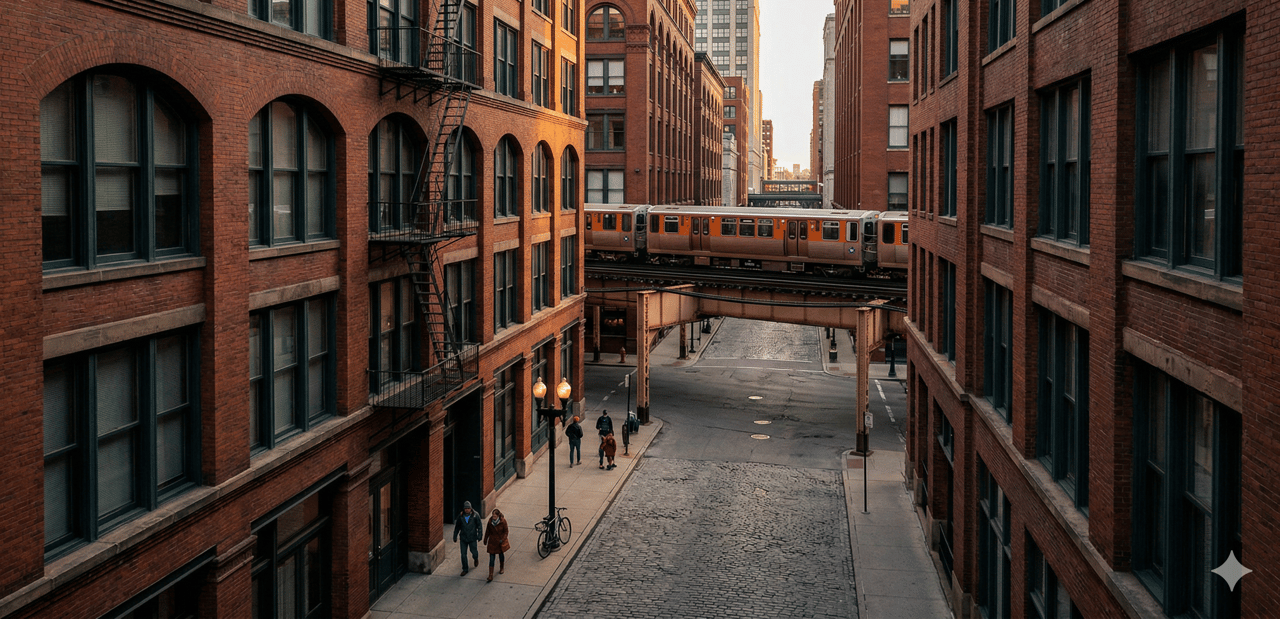
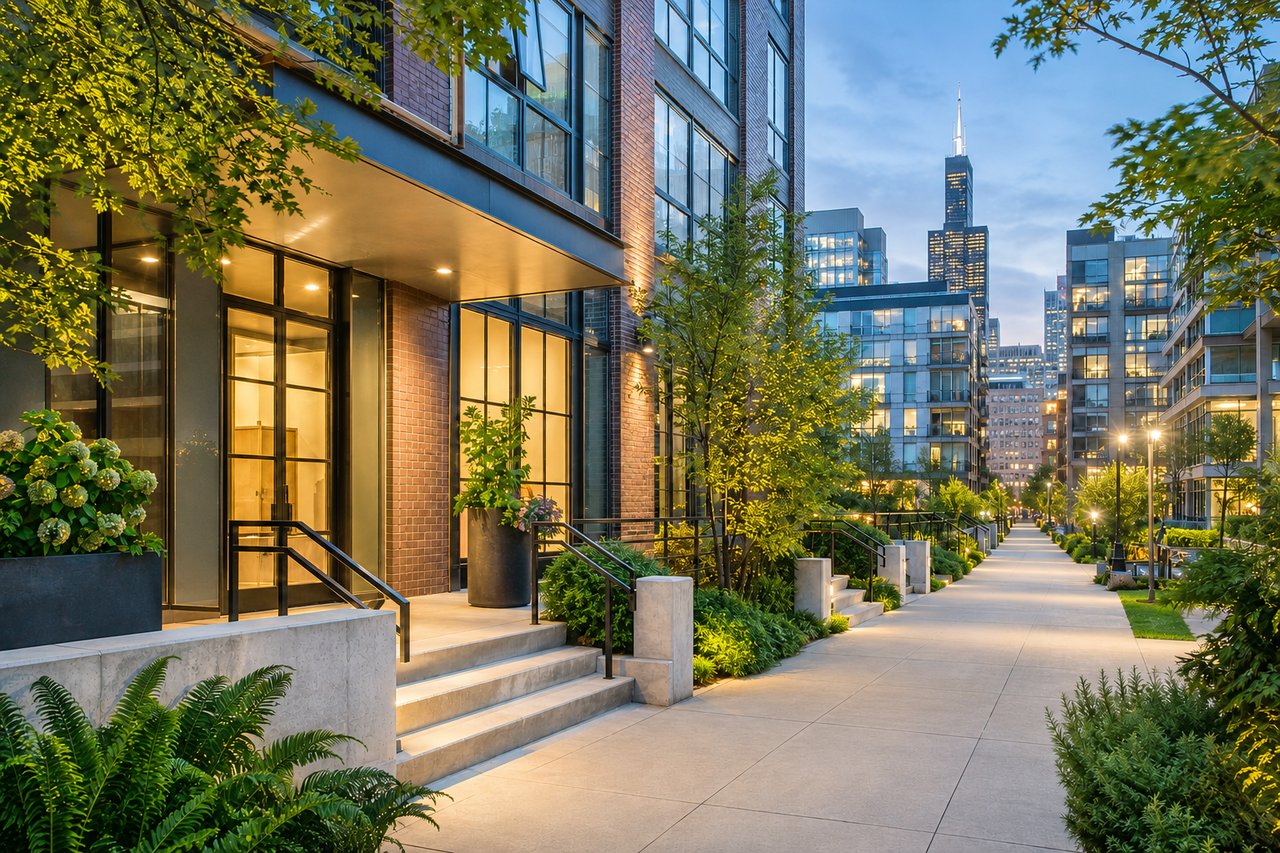
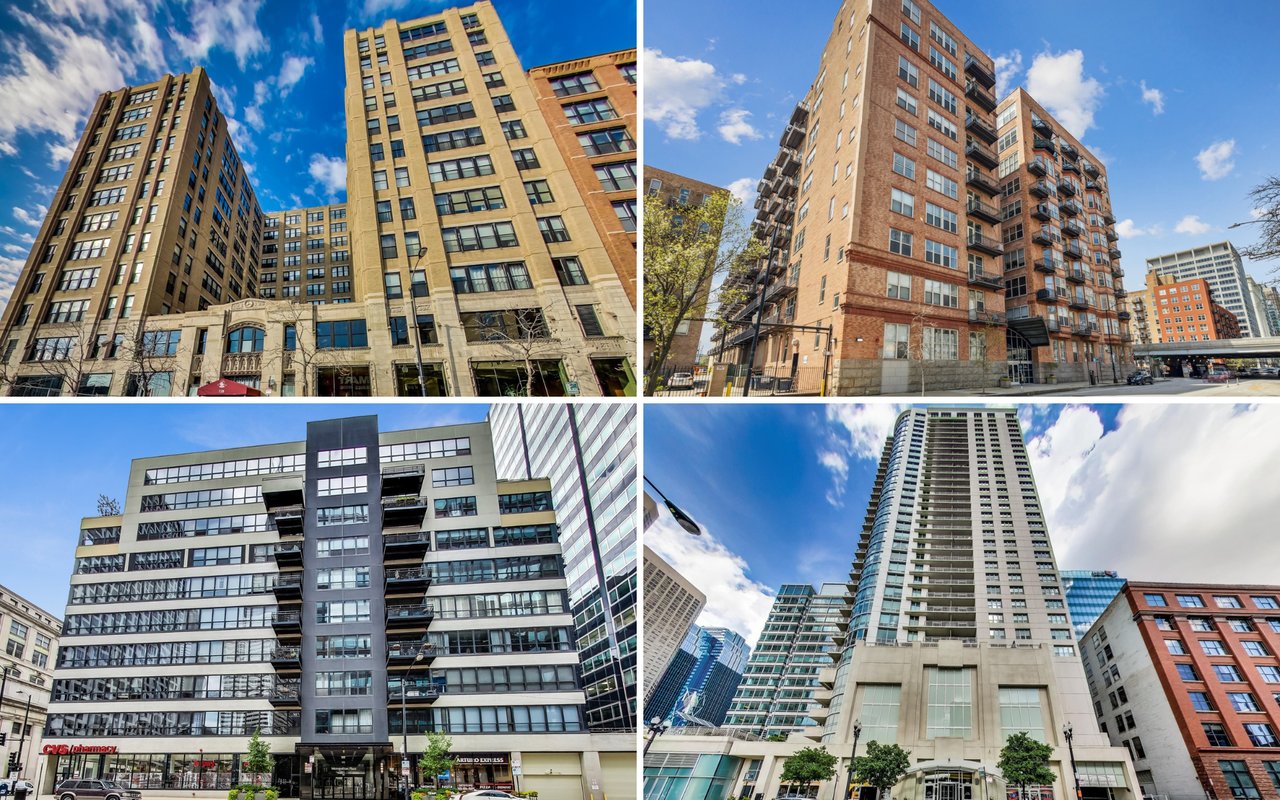
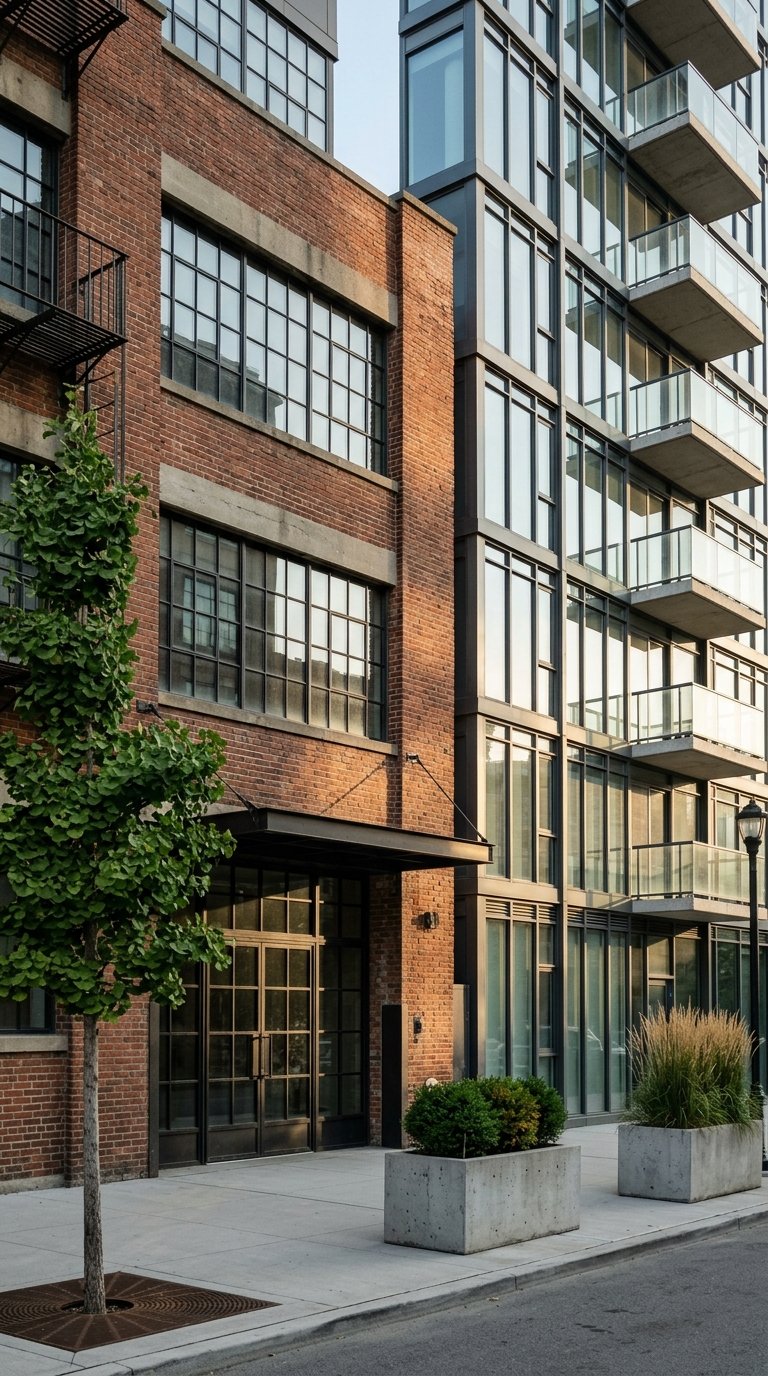
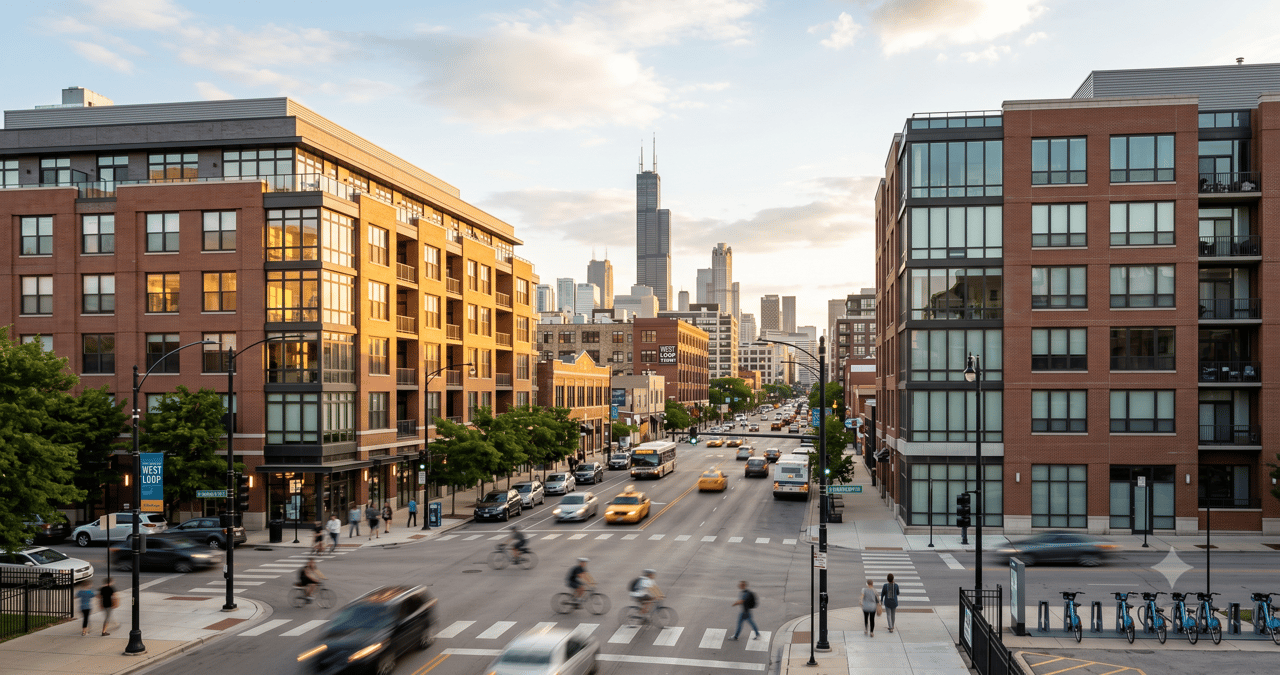
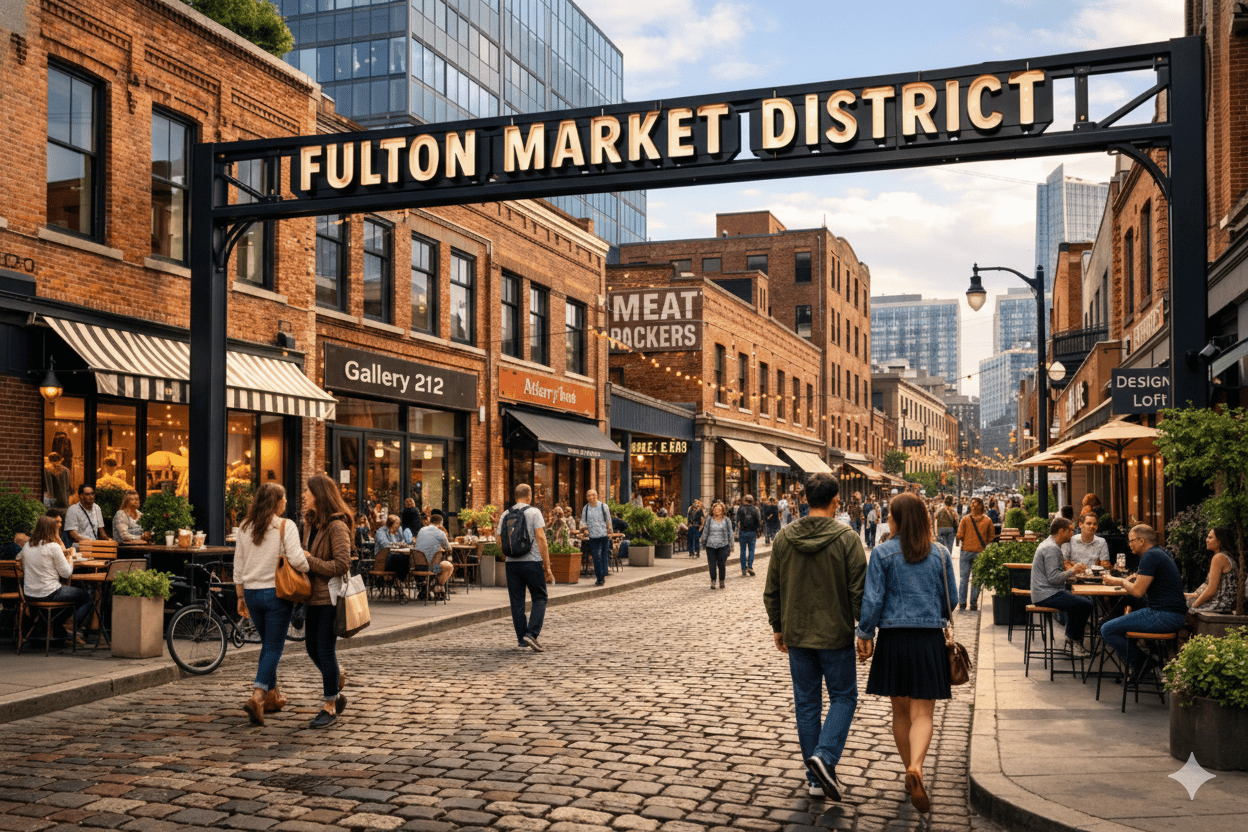
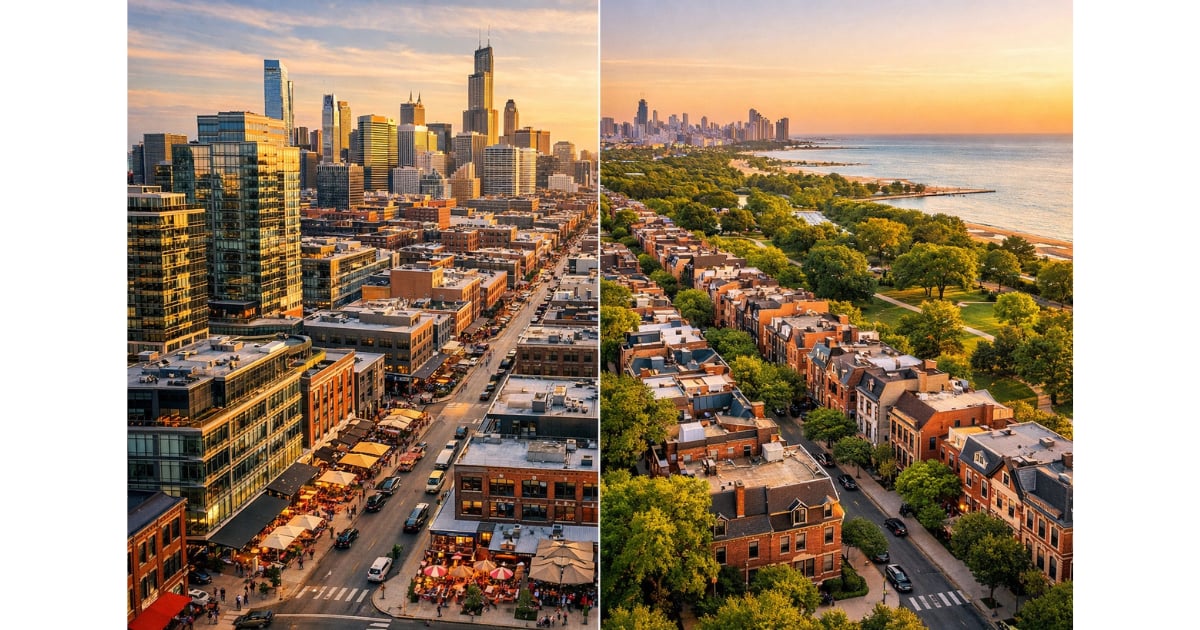
Think about it. West Loop. River North. South Loop. Streeterville. Gold Coast. These neighborhoods are stacked with condo and loft buildings, and a lot of them are not brand new.
Older buildings mean older systems. Roofs. Elevators. Facades. Garages. Those repairs cost real money, and reserves are how buildings pay for them without hitting owners with a surprise special assessment.
Here is the catch. A financially perfect buyer can still get denied. Not because of THEIR finances. Because of the BUILDING'S finances.
When a building does not meet Fannie Mae's standards, lenders call it "non-warrantable." And a non-warrantable building is a much harder sell. That is not opinion. That is how the loan works.
How Does This Affect Condo Sales and Values?
Let's connect the dots.
When fewer buildings qualify for easy financing, fewer buyers can buy in them. Fewer buyers means less competition. Less competition means downward pressure on price.
The Community Associations Institute has been tracking these Fannie Mae and Freddie Mac changes closely, and the through-line is simple. Building health is now front and center.
For buyers in a non-warrantable building, the road gets steeper:
- Bigger down payments. Think 20% to 30% instead of 5% to 10%.
- Fewer lenders. Conventional loans may be off the table, so buyers lean on portfolio or specialty lenders.
- Higher rates. Specialty financing usually costs more.
- Longer time on market. Fewer qualified buyers means your listing sits.
Now flip it around. If your building is strong, well funded, and warrantable? That is a selling point. A big one.
What Is the Exception Boards Need to Know?
Here is the good news. The 15% rule is not the only path.
Fannie Mae built in an exception. A building can skip the 15% minimum if it has a reserve study completed or updated within the last three years AND the association is funding at the highest recommended level in that study. Baseline funding does not count.
Translation? A current, professional reserve study can be your building's golden ticket. It shows lenders your building knows what it needs and is paying for it on purpose, not by accident.
If your board has not commissioned a reserve study recently, that conversation should happen now. Not in December 2026.
What Should Sellers Do Right Now?
If you are thinking about selling a Downtown Chicago condo in the next year or two, do not wait to find out where your building stands.
Here is your game plan:
- Ask your association for the current reserve percentage. Are you at 10%? 12%? Already at 15%? You need the number.
- Find out if there is a recent reserve study. If yes, is the building funding at the top recommended level?
- Check the 2027 budget. Boards are setting these budgets now. This is the moment to get reserves right.
- Know your warrantable status before you list. Surprises during a buyer's loan process kill deals. Get ahead of it.
- Price with the building in mind. A strong, warrantable building supports your price. A weak one changes your strategy.
The sellers who win here are the ones who know their building's story before a buyer's lender digs into it.
Local Expertise: Why This Hits Chicago Differently
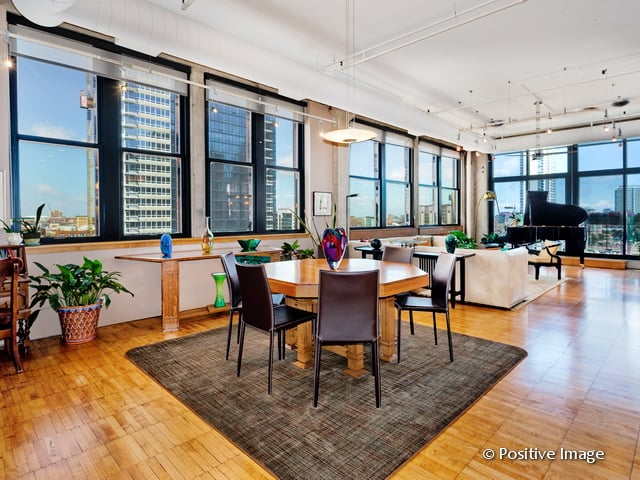
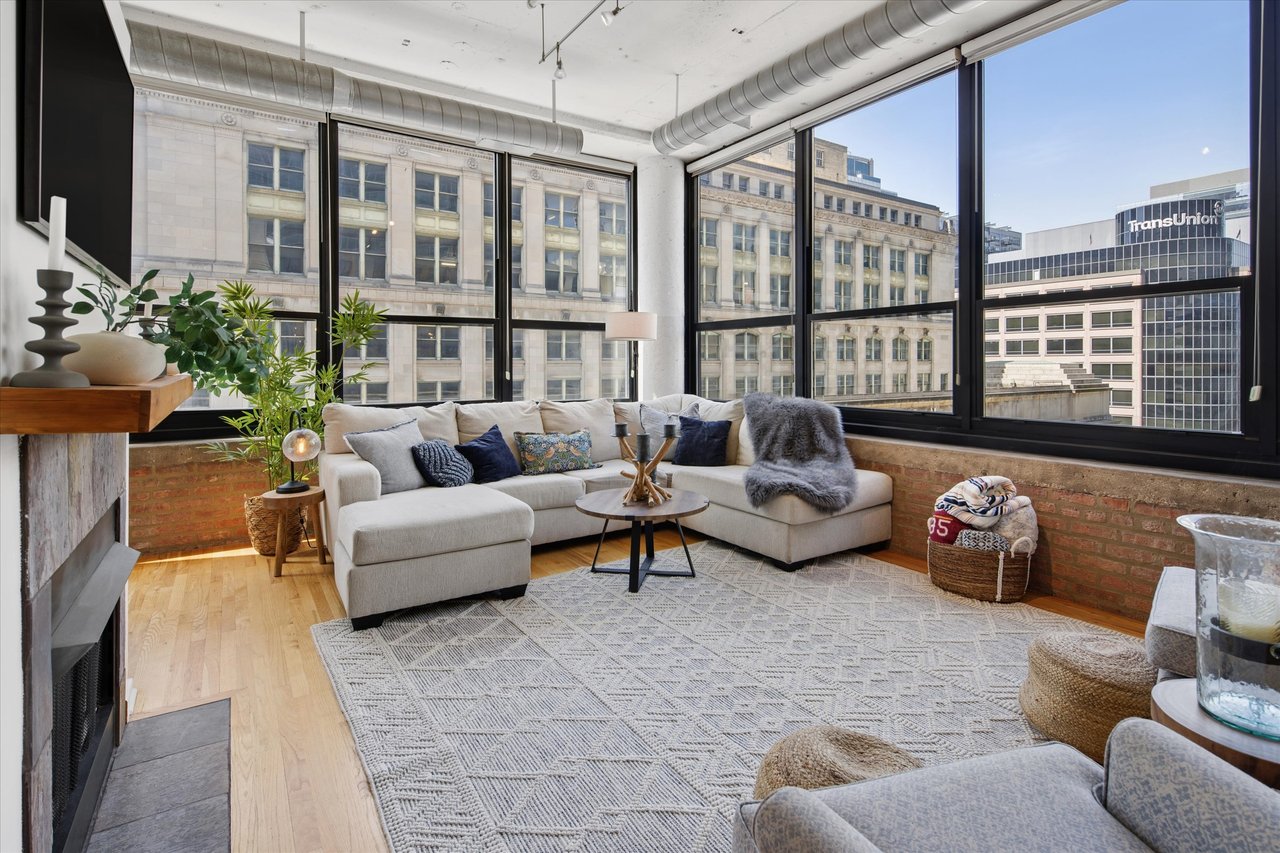
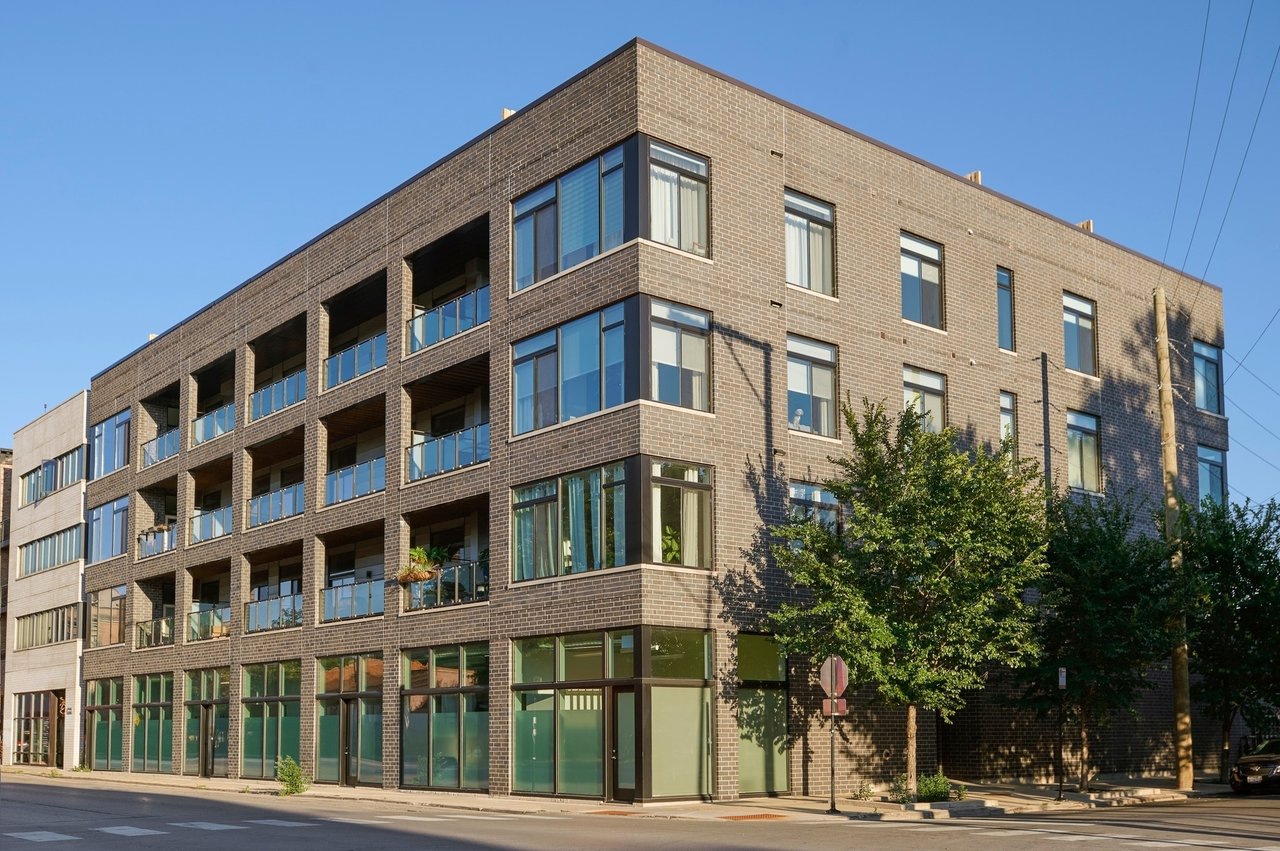
Downtown Chicago is not a suburb of townhomes. It is high-rises and lofts, mid-rises and boutique conversions.
In a big building with hundreds of units, one financing problem is never just one problem. It ripples. If a building slips out of warrantable status, every seller in that building feels it at the same time.
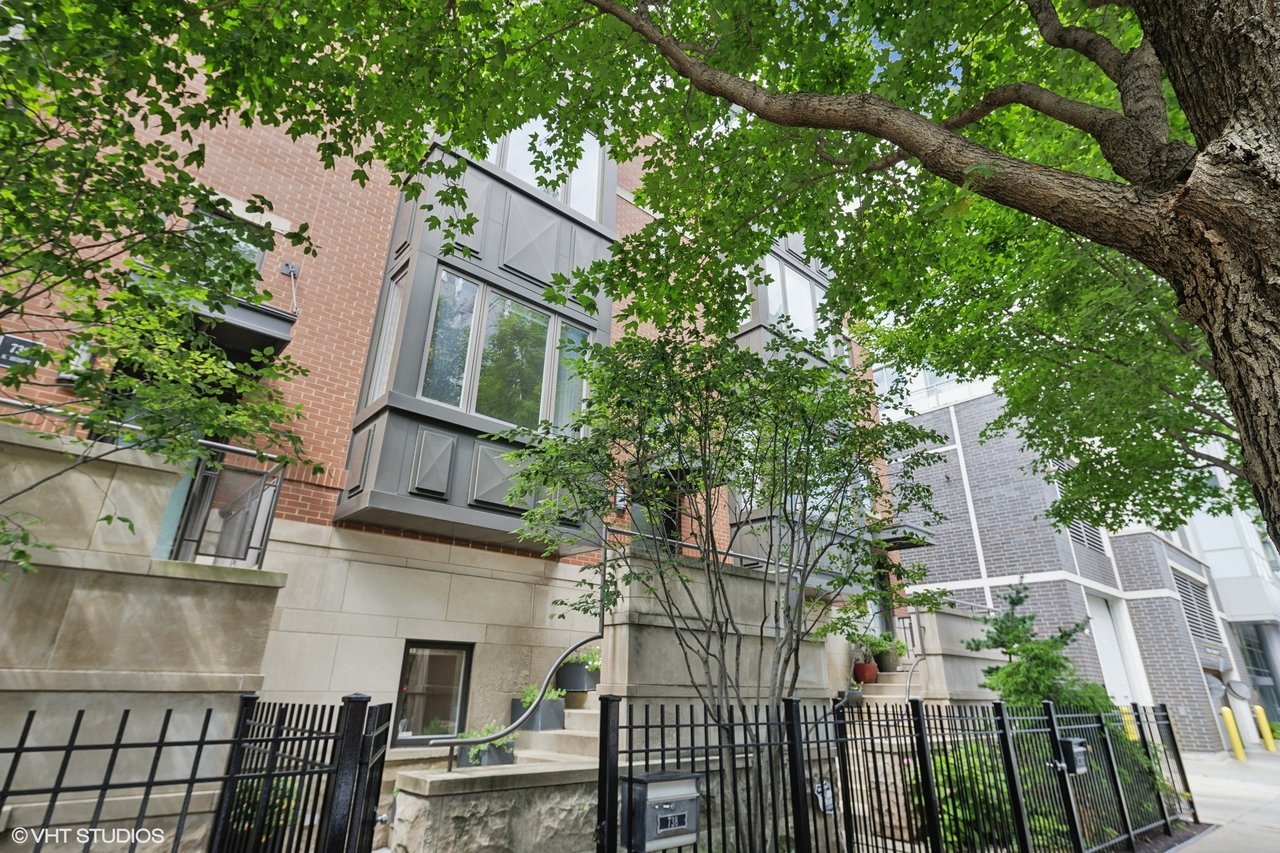
Boutique buildings have their own wrinkle. Under the same Fannie Mae update, buildings with 10 or fewer units may now qualify for a review waiver. So some of Chicago's smaller loft conversions and vintage buildings could actually catch a break.
This is why building-level knowledge matters more than ever. Two units on the same block can have completely different financing realities based on nothing but the health of their associations. Knowing which buildings are solid, and why, is the whole game in Downtown Chicago condo sales.
Key Takeaways
- Fannie Mae is raising the minimum condo reserve requirement from 10% to 15% of the annual budget, effective for loan applications on or after January 4, 2027.
- Buildings that fall short can become "non-warrantable," which shrinks the buyer pool and can pressure values.
- There is an exception: a reserve study from the last three years, funded at the highest recommended level, can override the 15% minimum.
- Older Downtown Chicago buildings in West Loop, River North, South Loop, and Streeterville are most exposed.
- Sellers should confirm their building's reserve status and 2027 budget BEFORE they list.
The Bottom Line
This rule is not here to scare you. It is here to reward buildings that plan ahead, and to expose the ones that do not.
If your building is strong, this is your advantage. If it is not, you have time to fix the story before you sell. Either way, the worst move is finding out during a buyer's loan approval. That is how deals fall apart at the finish line.
Know your building. Know your number. Then sell from strength.
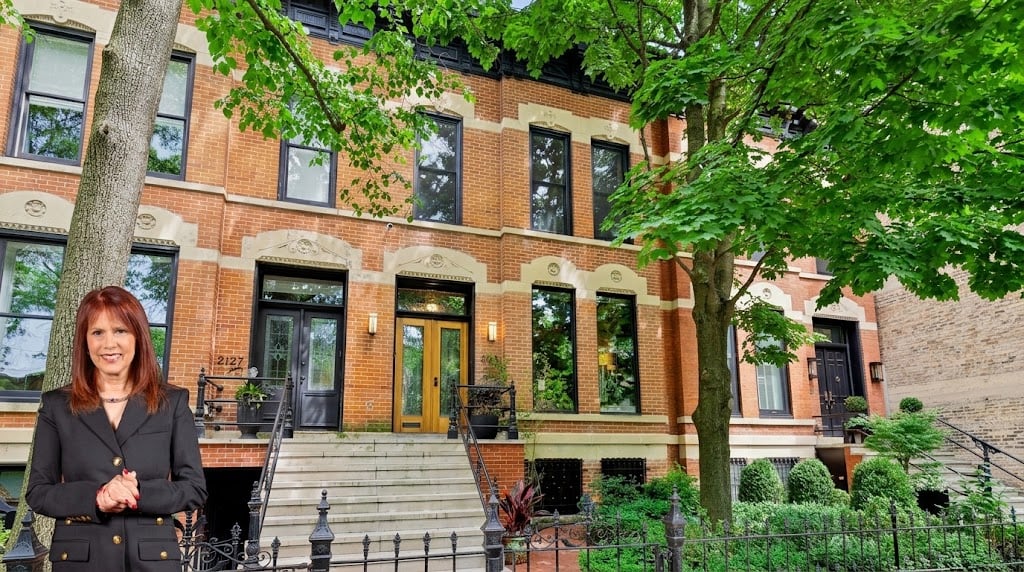
Call or text Christine Hancock at 312-296-9300 to talk about your unit's value, or what it would take to get you to the closing table.
Frequently Asked Questions
When does the new 15% condo reserve rule take effect? The 15% minimum applies to mortgage loan applications received on or after January 4, 2027. Related changes, like the end of the Limited Review process, start earlier in August 2026, so building boards are already adjusting.
What happens if my Chicago condo building does not meet the 15% reserve requirement? The building could be classified as non-warrantable, which means conventional Fannie Mae financing may not be available. Buyers might need larger down payments, specialty lenders, or higher rates, and that can reduce your unit's value and buyer pool.
Can my building avoid the 15% requirement? Yes. If your association has a reserve study completed or updated within the last three years and is funding at the highest recommended level, the 15% minimum does not apply. Baseline funding alone does not qualify.
Does this rule affect buyers or just sellers? Both. Buyers may face tougher financing in underfunded buildings, and sellers in those same buildings may see fewer offers. In Downtown Chicago's larger condo buildings, one financing issue can affect many owners at once.
How do I find out my building's reserve status? Start with your condo association or property manager and ask for the current reserve contribution percentage and the most recent reserve study. Your listing agent can also help you read those numbers before you go to market.
ABOUT THE AUTHOR
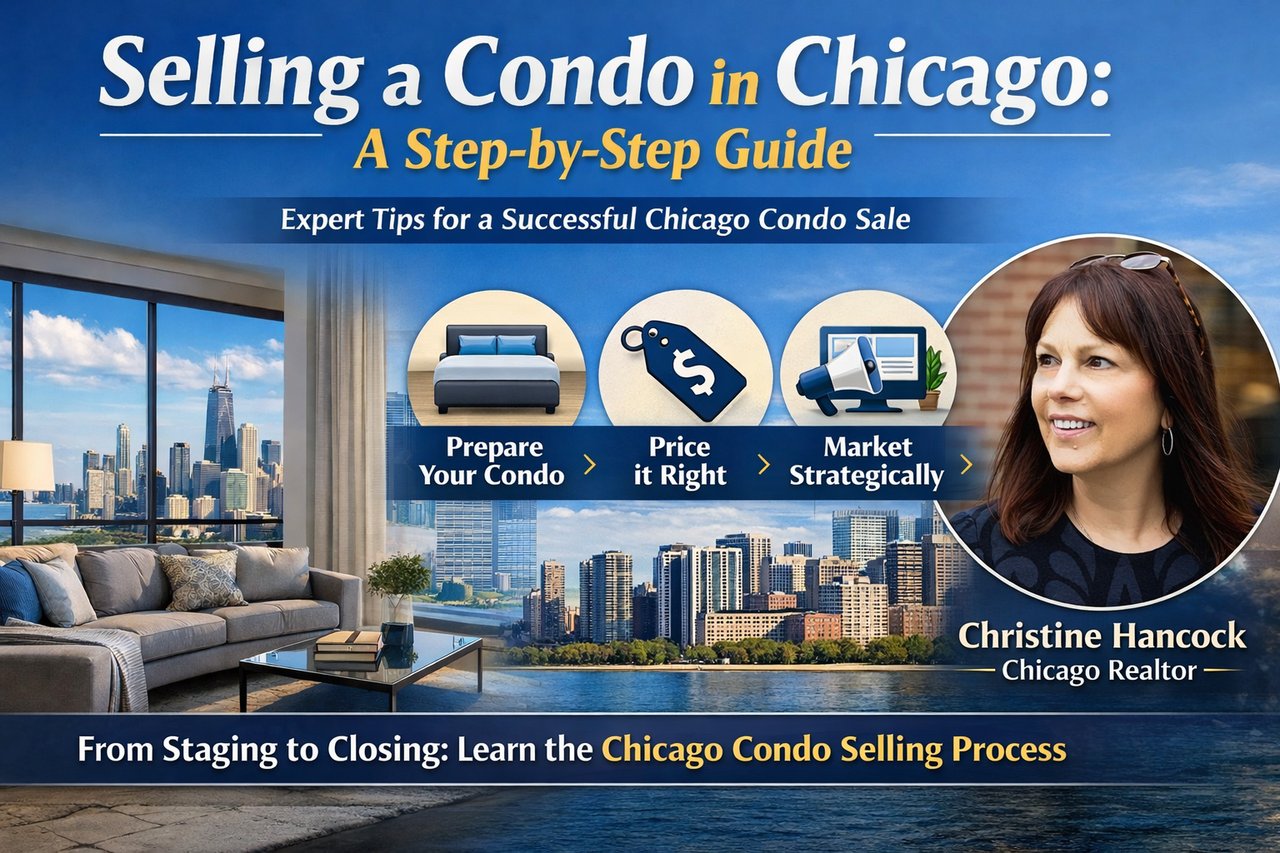
Christine Hancock is a Chicago Realtor with @properties Christie's International Real Estate, bringing more than 25 years of experience and over $200 million in closed sales in the downtown condo market. With 97 five-star Zillow reviews, Christine is recognized for her commitment to client satisfaction and market expertise.
She specializes in high-rise and luxury condominium sales in West Loop, South Loop, River North, and Streeterville, helping buyers and sellers navigate complex transactions with data-driven pricing strategies and deep neighborhood insight.
Christine partners with clients to evaluate market trends, position properties competitively, and make confident, informed decisions in Chicago's vibrant downtown housing market.
Call or text 312-296-9300 to discuss current market conditions or your real estate goals.